

Chapters:

Need help with your trip?
Our support team is available 24/7. Request a callback or call us directly at (833) 619-0908
Seattle trips often start with Pike Place Market, the Space Needle, and a hotel near downtown, but many visitors skip the neighborhoods that shape the city between those landmarks.
That approach leaves too much time spent crossing the core, standing in crowds, and backtracking between the waterfront, Capitol Hill, and Seattle Center. Distances stay modest, yet the city asks for a plan that respects transit links and hillier blocks.
This guide keeps the focus on neighborhood clusters, timed visits, and clear transfer points, so each day builds on the last instead of turning into a series of short, disconnected stops.
Useful things to know

Main language(s): English

Currency: The local currency is the US dollar (USD, $).

Cash and cards: Cards and contactless are widely accepted; carry about $20 to $40 in cash for small tips or minor purchases.

Tipping: Tip 15-20% at restaurants; round up for taxis and small checks.

Traditional food: Seattle-style clam chowder, cedar plank salmon, Dungeness crab, Pacific Northwest oysters

Water and coffee costs: Water about $2 ($2), bar espresso about $4 ($4).

Taxis and ride apps: Uber and Lyft operate here; check airport pickup rules before you request.

Plug and voltage: Type A/B socket, 120V

Dining and shop opening hours: Breakfast is about 07:00-10:00, lunch 11:30-14:00, and dinner 17:00-21:00. Many kitchens close by 22:00, with later hours in downtown and Capitol Hill.

Emergency number: 911 for police, fire, and medical emergencies.
Where to stay in Seattle
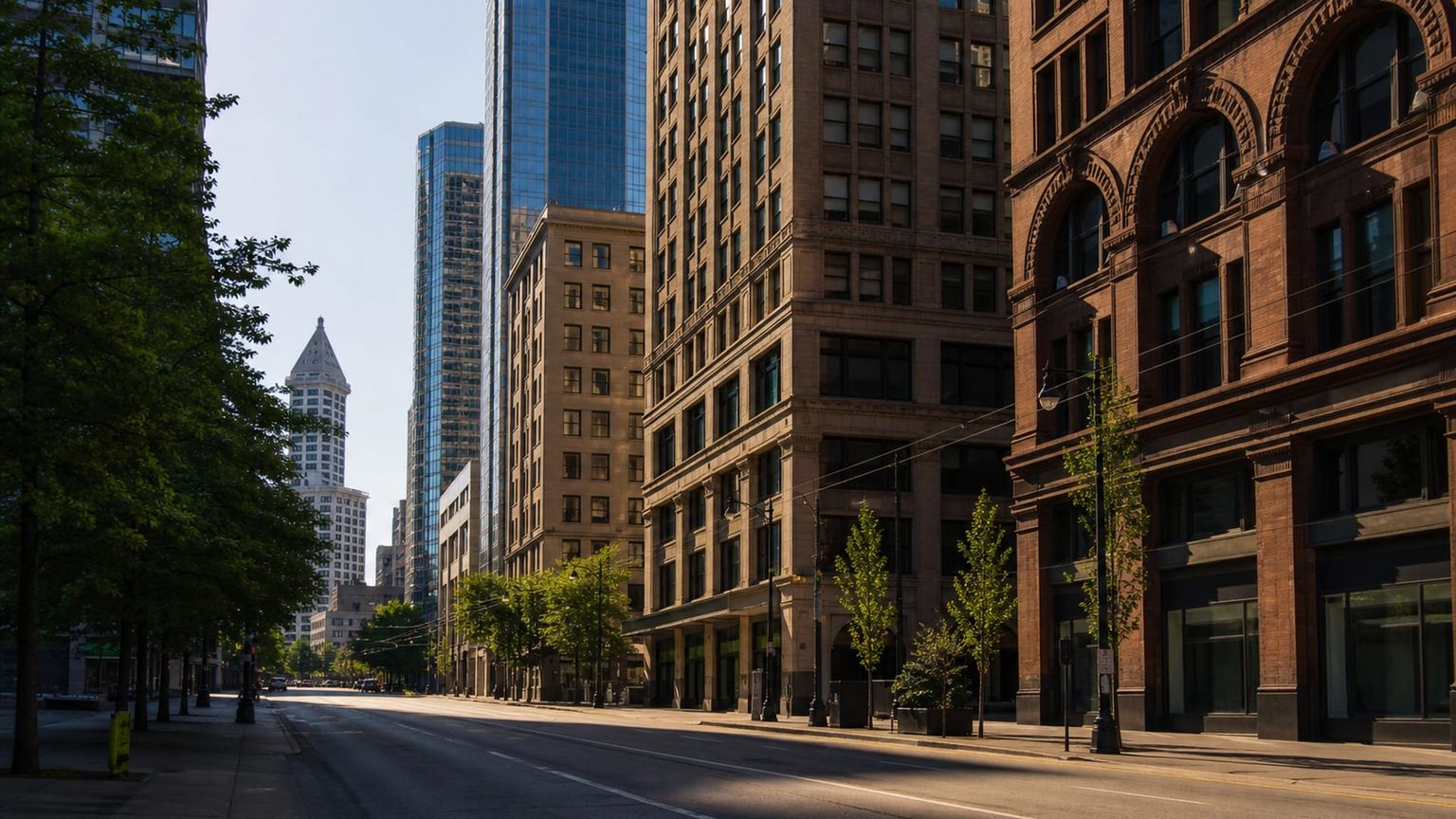
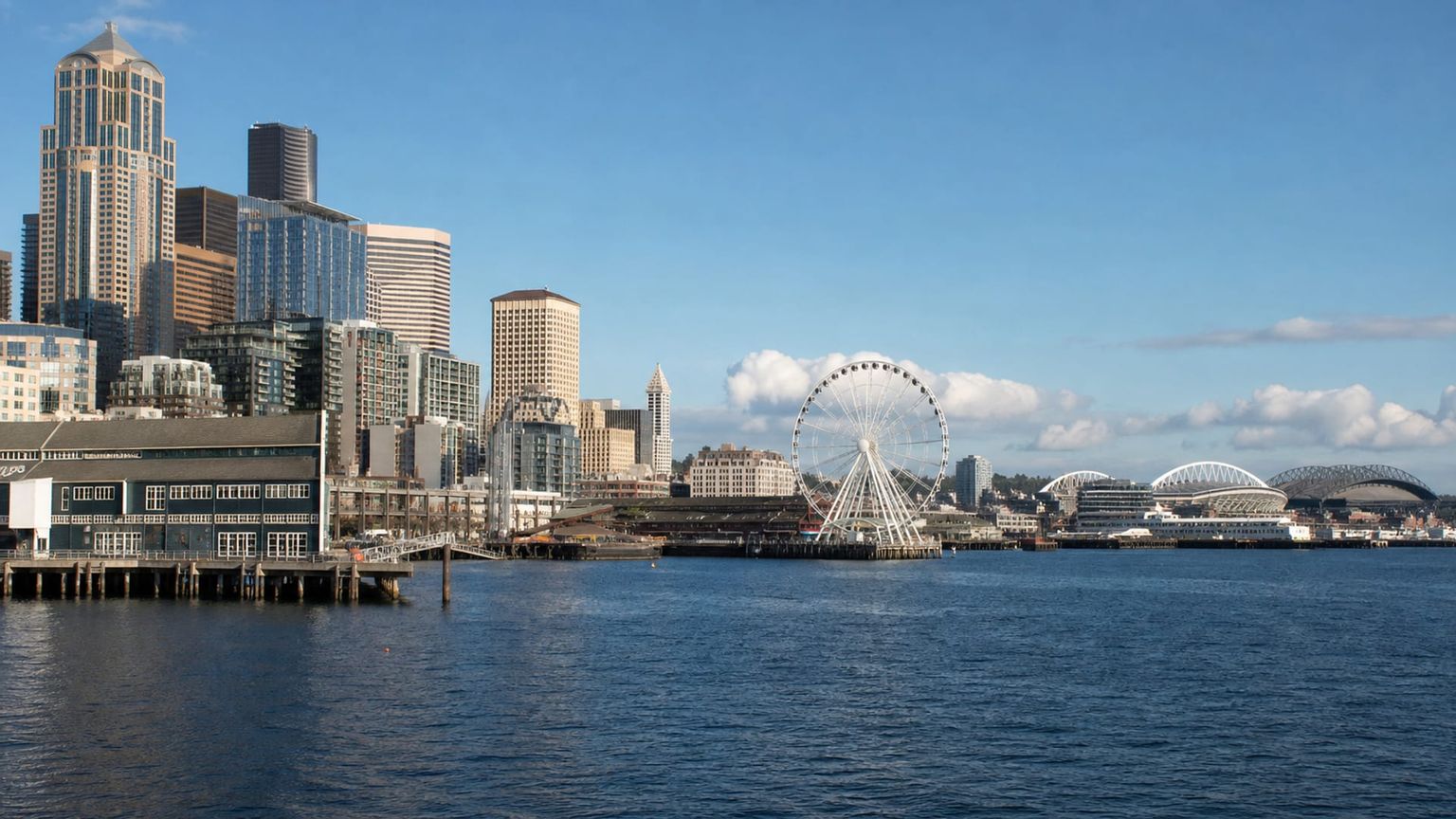
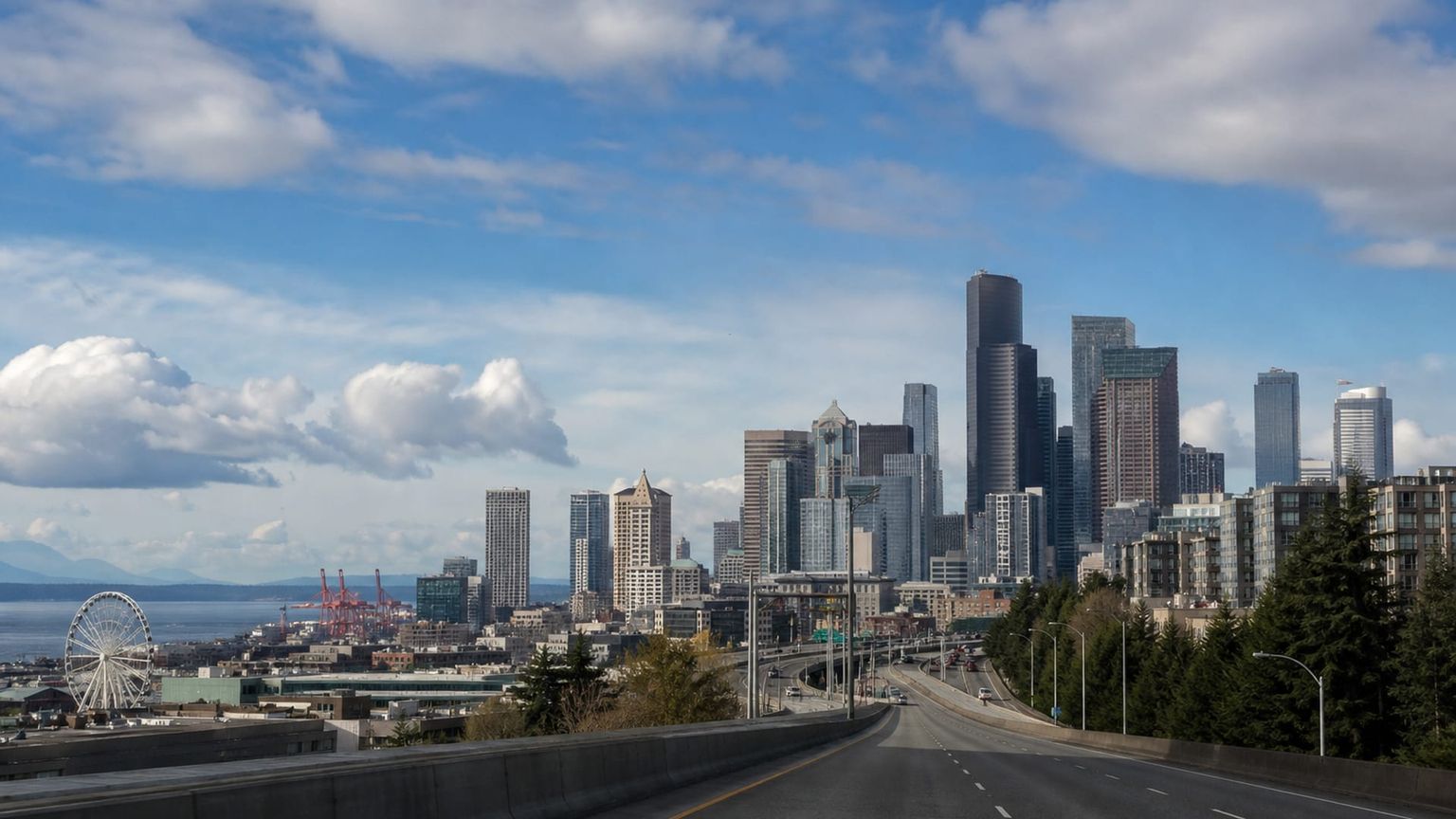
Seattle’s central business core puts Pike Place Market, the waterfront, and many major transit links within easy reach. It suits visitors who want the city’s main sights, office towers, and hotel supply in one compact base.
Best for: First-time visits, short stays, and travelers who want the main sights close by
What to expect: Busy sidewalks by day, hotel lobbies, and a mix of commuters, shoppers, and visitors; evenings thin out outside a few restaurant blocks.
Hotel prices: Usually about $180 to $330 per night for well-rated stays
Distance to major sights: 10 to 15 minutes on foot to Pike Place Market; about 15 minutes by transit to the Space Needle
Quietness: Quieter at night than in the daytime, with the lightest street activity after office hours
Main trade-off: You pay more for central access, and the area can feel sparse after business hours.
Good to know: If you plan to use transit, stay near the light rail or streetcar lines, since some blocks sit farther from late-night dining and bars.
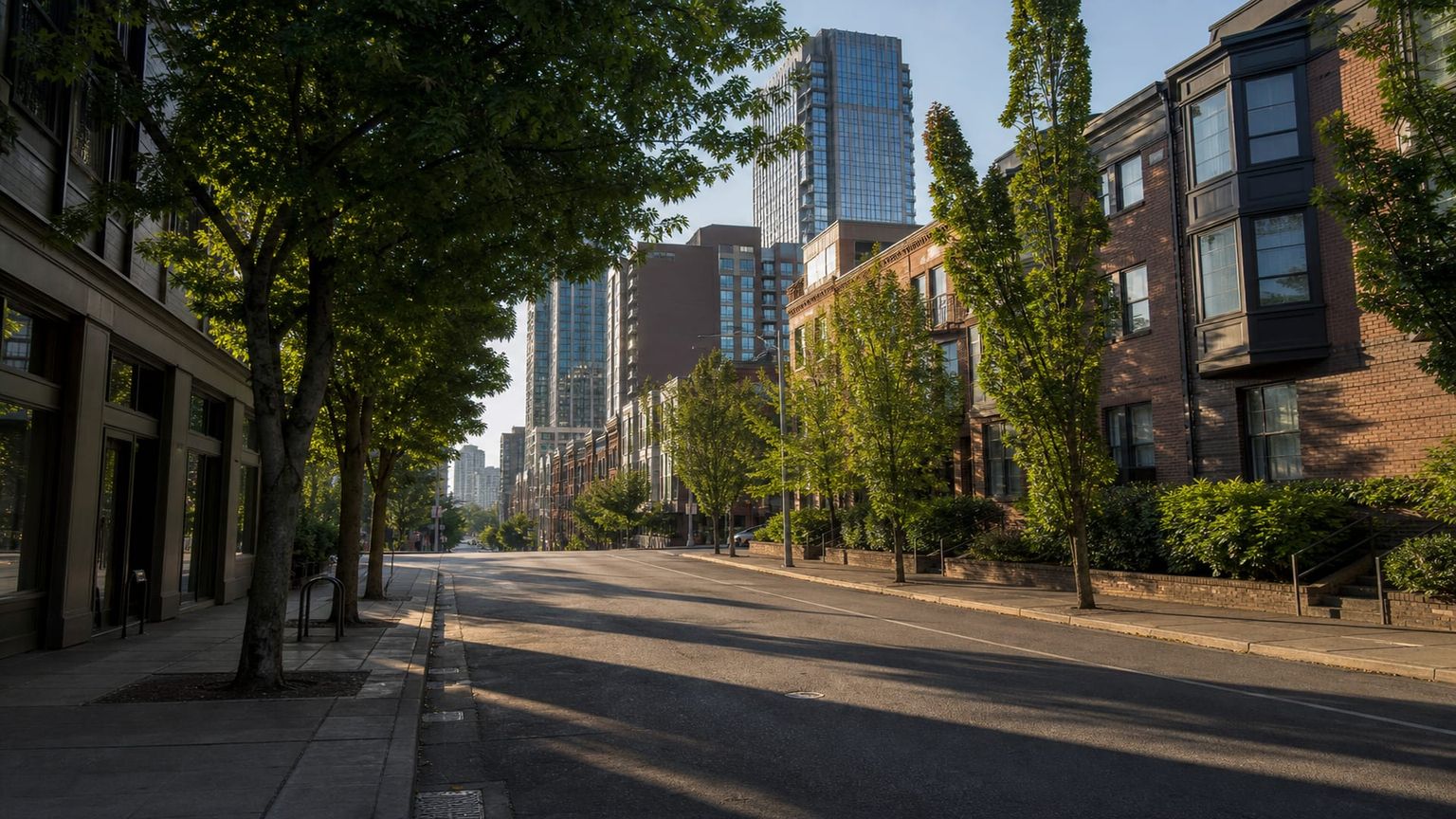
Belltown sits north of downtown and close to the waterfront, with dense hotels, apartment towers, and one of the city’s strongest restaurant scenes. It works well for travelers who want to walk to the Space Needle, Pike Place Market, and evening dining.
Best for: Dining, nightlife, and walkable access to downtown attractions
What to expect: Active sidewalks, steady restaurant traffic, and more evening energy than in the core, especially on weekends.
Hotel prices: Usually about $190 to $360 per night for well-rated stays
Distance to major sights: 15 minutes on foot to the Space Needle; about 12 minutes on foot to Pike Place Market
Quietness: Lively into the evening, then calmer late at night away from main restaurant streets
Main trade-off: Rooms near nightlife can pick up street noise, and prices often run higher than in less central districts.
Good to know: Choose a higher floor or an interior room if you are sensitive to late-night street activity.
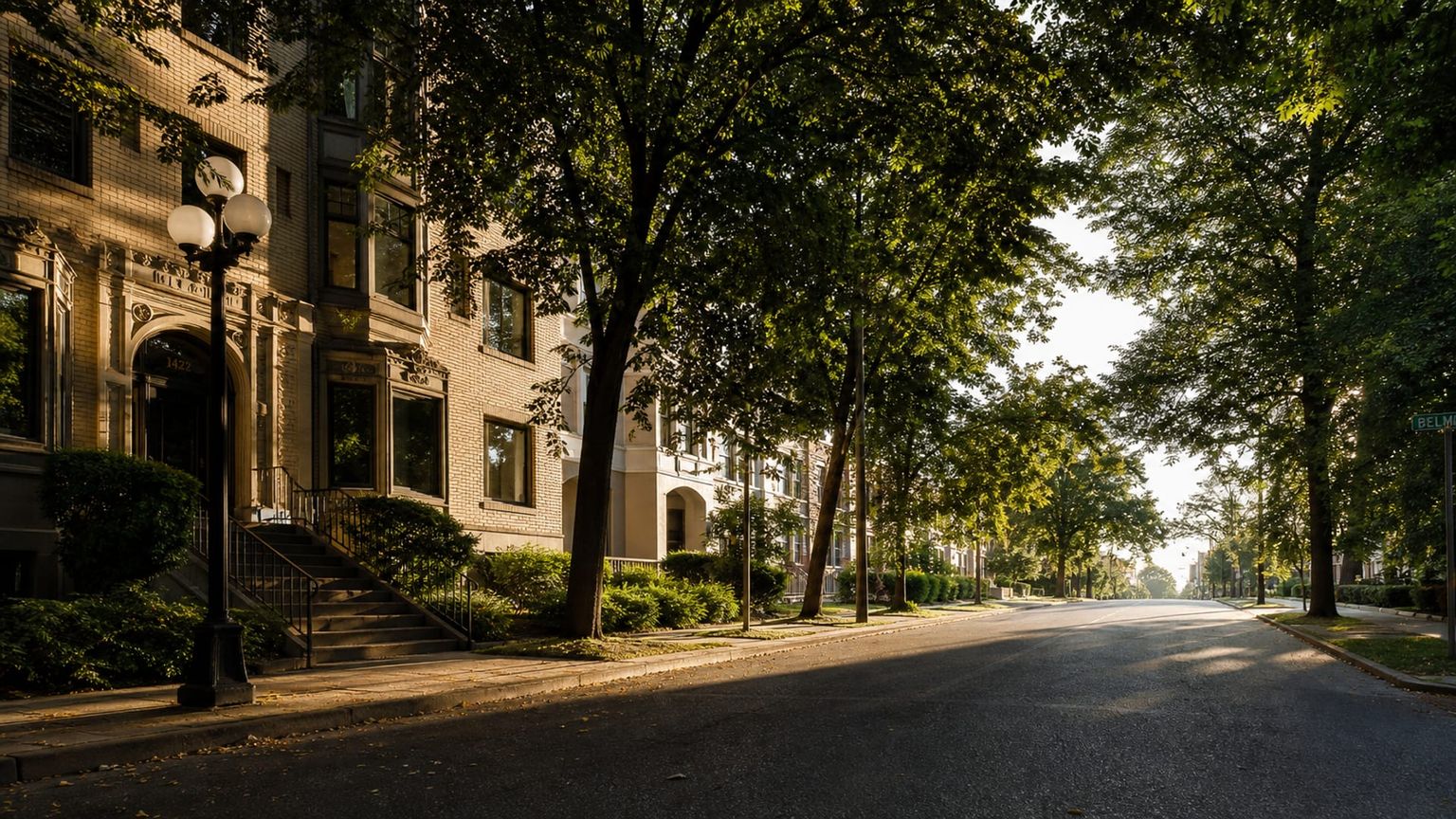
Capitol Hill is Seattle’s densest nightlife and dining district, with indie shops, bars, parks, and frequent light rail access. It suits travelers who want an urban base with strong after-dark options and easy rides into downtown.
Best for: Nightlife, dining, transit access, and travelers who want a neighborhood feel
What to expect: Crowded sidewalks, frequent restaurant and bar traffic, and a younger, more active street scene than in downtown.
Hotel prices: Usually about $170 to $320 per night for well-rated stays
Distance to major sights: About 10 minutes by light rail to downtown; roughly 25 minutes on foot to Pike Place Market
Quietness: Busy and lively in the evening, with quieter side streets and parks earlier in the day
Main trade-off: The area offers less immediate access to the waterfront, and street noise can be noticeable near bar clusters.
Good to know: If you are staying for several nights, check whether your hotel sits near the light rail station or on a steep block.
Travelers usually avoid staying in Tukwila, Southcenter, and near Seattle-Tacoma International Airport (SEA) if their trip centers on Seattle sights, since these areas sit well south of downtown and have little appeal for walking to museums, Pike Place Market, or the waterfront. South Lake Union is also less convenient for a first visit if you want easy nightlife or quick neighborhood access on foot, since it is office-heavy and requires transit or rideshares for many evening plans.
Hotel deals
How to get around Seattle efficiently
Seattle has no subway, so Link light rail, Metro buses, streetcars, taxis, and ride apps do the heavy lifting between the airport, downtown, Capitol Hill, and South Lake Union.

Metro
for longer distances
Seattle has no subway or metro, so visitors usually rely on Link light rail and, for a broader reach, Sound Transit commuter rail. Link connects Seattle-Tacoma International Airport, downtown stations, and the University of Washington, with trains typically every 8 to 15 minutes and a ride from SEA to Westlake about 35 minutes; a regular fare is about $2.25 ($2.25), and ORCA cards load onto the system for day-to-day use.

Bus and tram
for convenience
Metro Transit buses cover most of Seattle, while the Seattle Streetcar links South Lake Union, First Hill, and the waterfront area, plus the nearby T-Mobile Park corridor. Most trips inside the city center take about 10 to 30 minutes, depending on traffic, and ORCA works across buses and streetcars; a standard fare is about $2.75 ($2.75), with transfers valid for about 2 hours on Metro.

Taxi
for convenience or late hours
Licensed taxis line up at Seattle-Tacoma International Airport and major hotels, and you can also book them by phone or through dispatch apps; street hailing is limited in practice. Fares are metered, not set, with a typical downtown to SEA ride landing at about $45 to $60 before tip, while shorter inner-city trips often cost about $15 to $30; most cabs take credit cards, and airport trips may include a short surcharge and pickup fee.
*Prices are based on rates updated as of July 2026 and may change at the time of travel.
Use Link light rail for airport and downtown trips, buses and streetcars for broader city coverage, and taxis or ride apps when you want to skip transfers or reach a hillier address at the end of the day.
Iconic landmarks
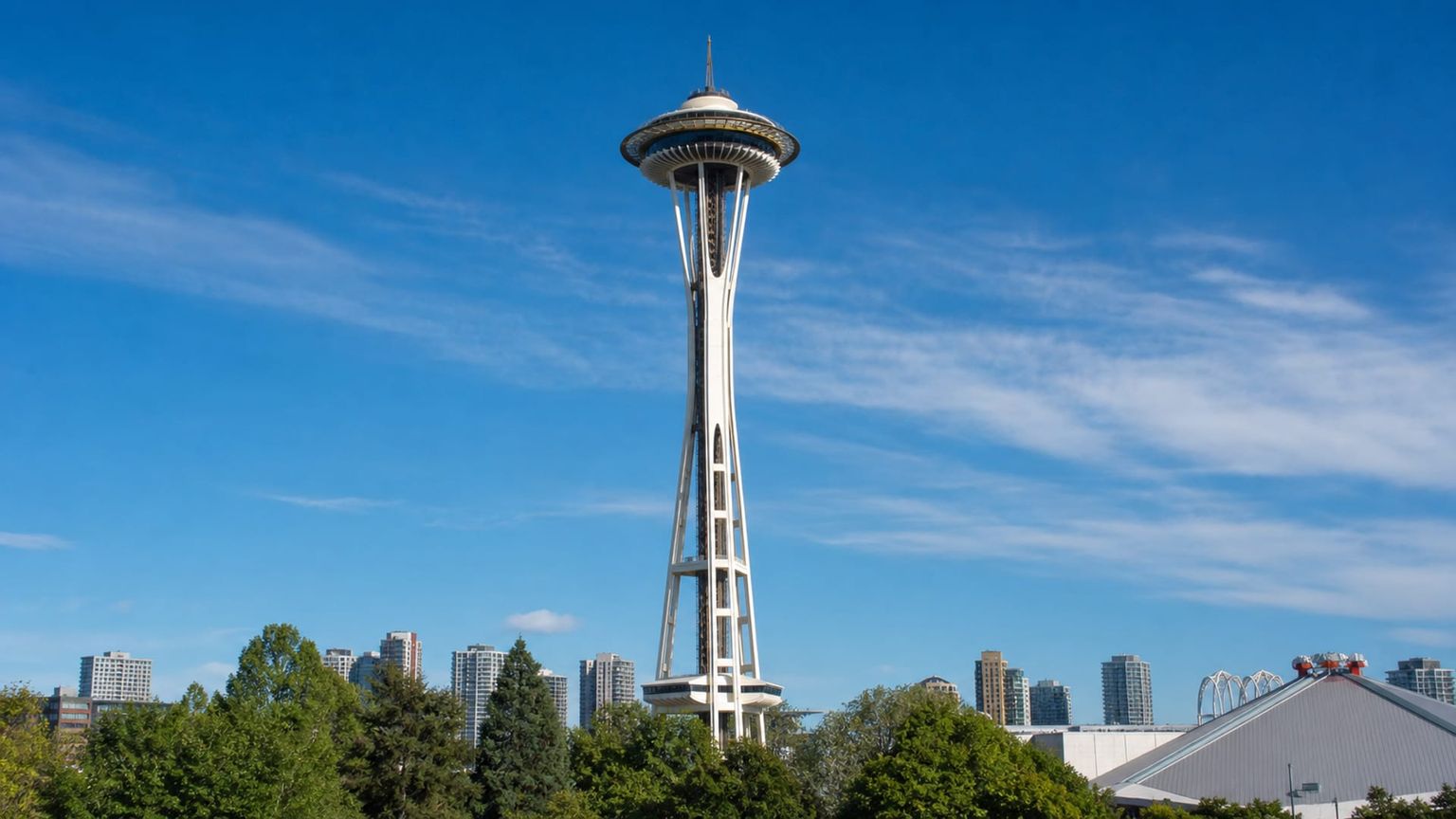
Space Needle
Seattle’s 605-foot observation tower anchors the Seattle Center skyline and gives 360-degree views over Elliott Bay, downtown, Mount Rainier, and the Olympic Mountains. The glass floor and open-air deck make it one of the city’s most recognizable stops.
Time needed: About 1 to 2 hours
Entry: Timed admission typically costs $35 to $45 ($35 to $45) for adults, with lower rates for children and seniors. Visit the official site for details.
Tip: Go near sunset for broad views, then stay until city lights switch on.
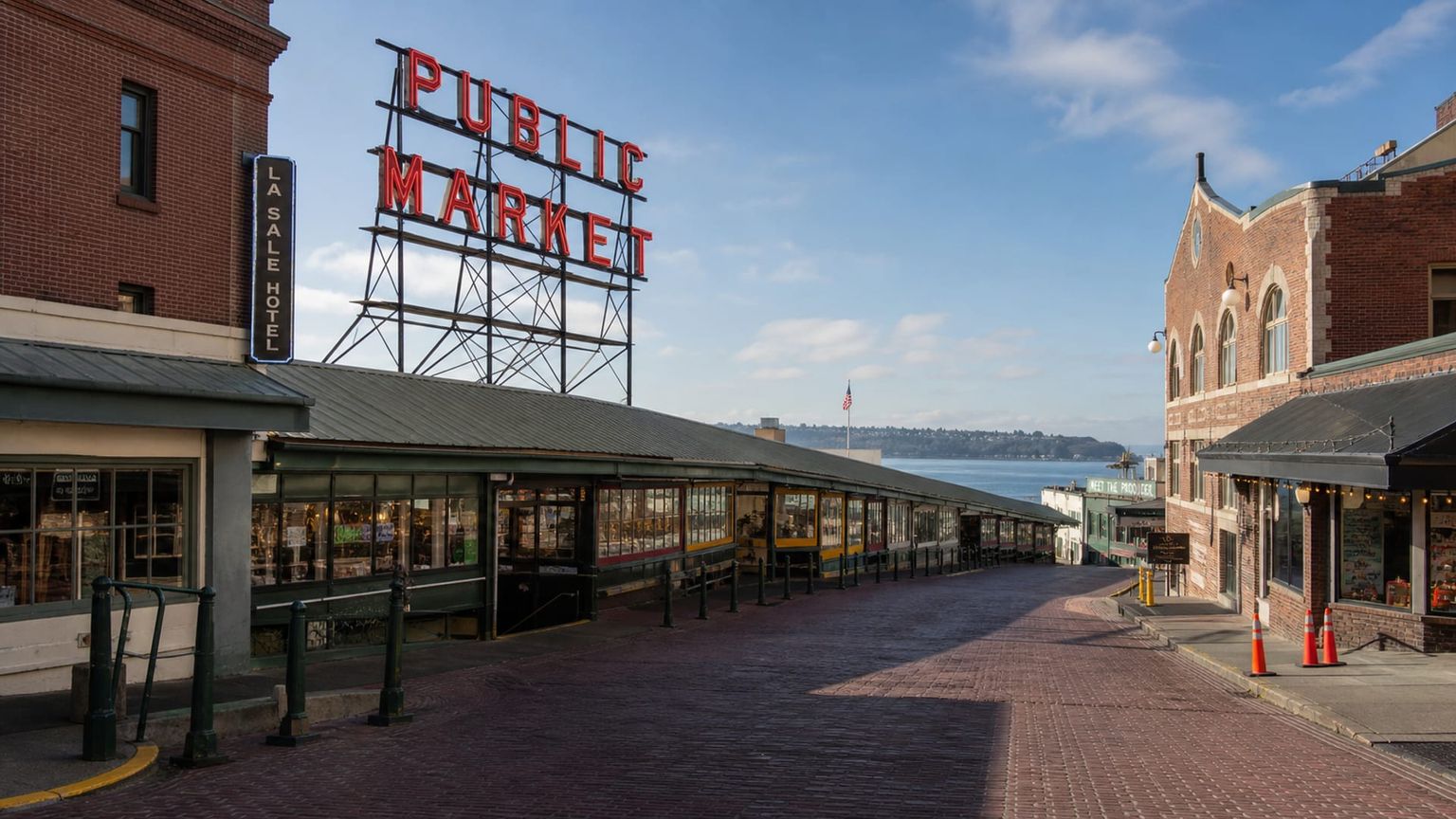
Pike Place Market
This waterfront market packs produce stalls, fishmongers, bakeries, and small shops into several levels above Elliott Bay. It also preserves some of Seattle’s oldest public market space, with the original 1907 arcade still in use.
Time needed: About 2 to 3 hours
Entry: Free to enter; individual food, drink, and shop purchases cost extra, and the market itself does not charge admission. Visit the official site for details.
Tip: Arrive before 10:00 am to see the stalls open and the crowds still light.
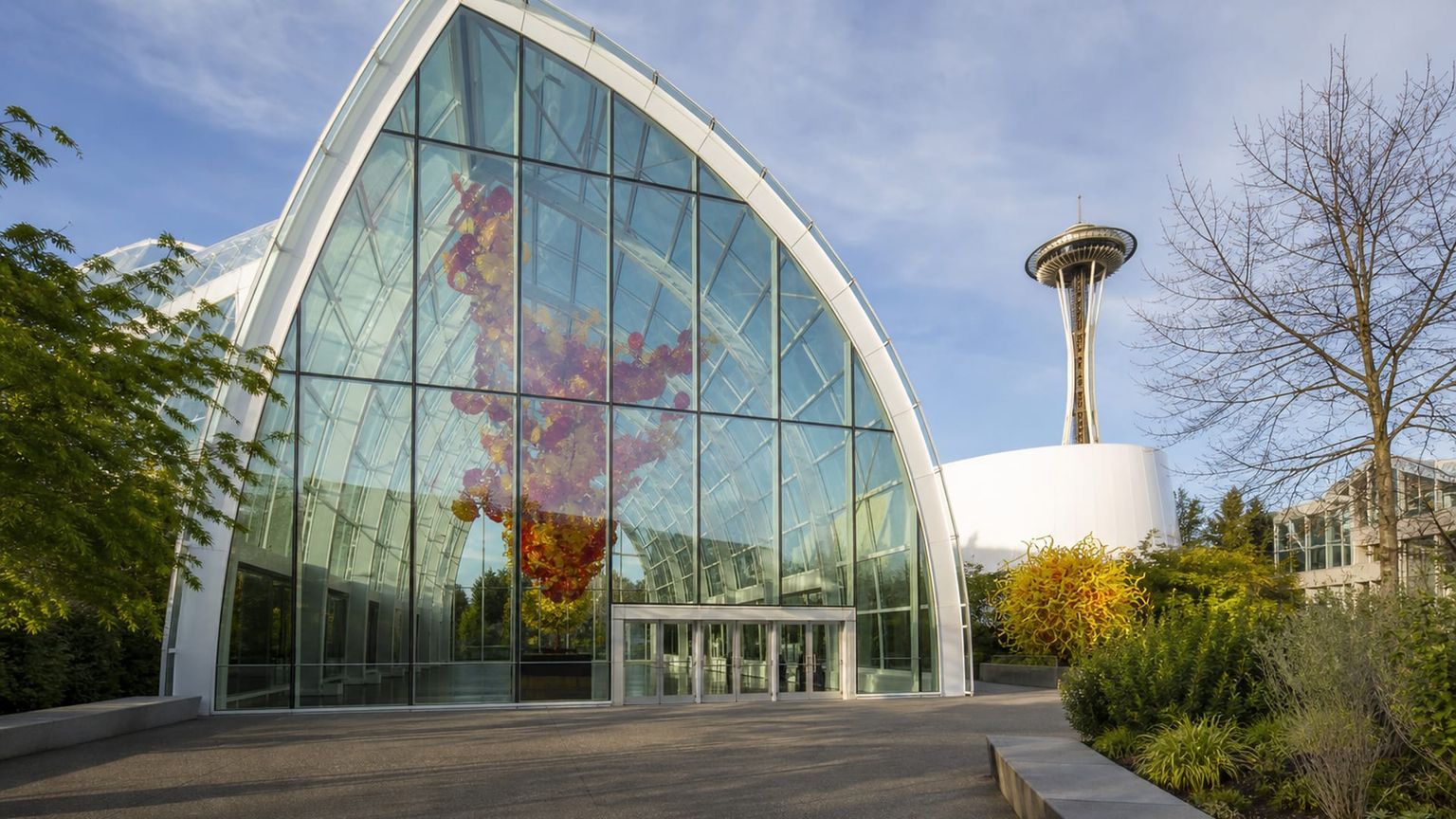
Chihuly Garden and Glass
This museum beside the Space Needle displays Dale Chihuly’s blown-glass sculptures in gallery rooms and a landscaped garden. The glasshouse centerpiece and large outdoor installations make it one of Seattle Center’s most distinctive art stops.
Time needed: About 1 to 2 hours
Entry: Timed admission typically costs $35 to $42 ($35 to $42) for adults, with discounts for children, seniors, and Seattle CityPASS holders. Visit the official site for details.
Tip: Visit on a clear afternoon, when the garden light shows the glass at its brightest.
Overlooked sites worth visiting

Kubota Garden
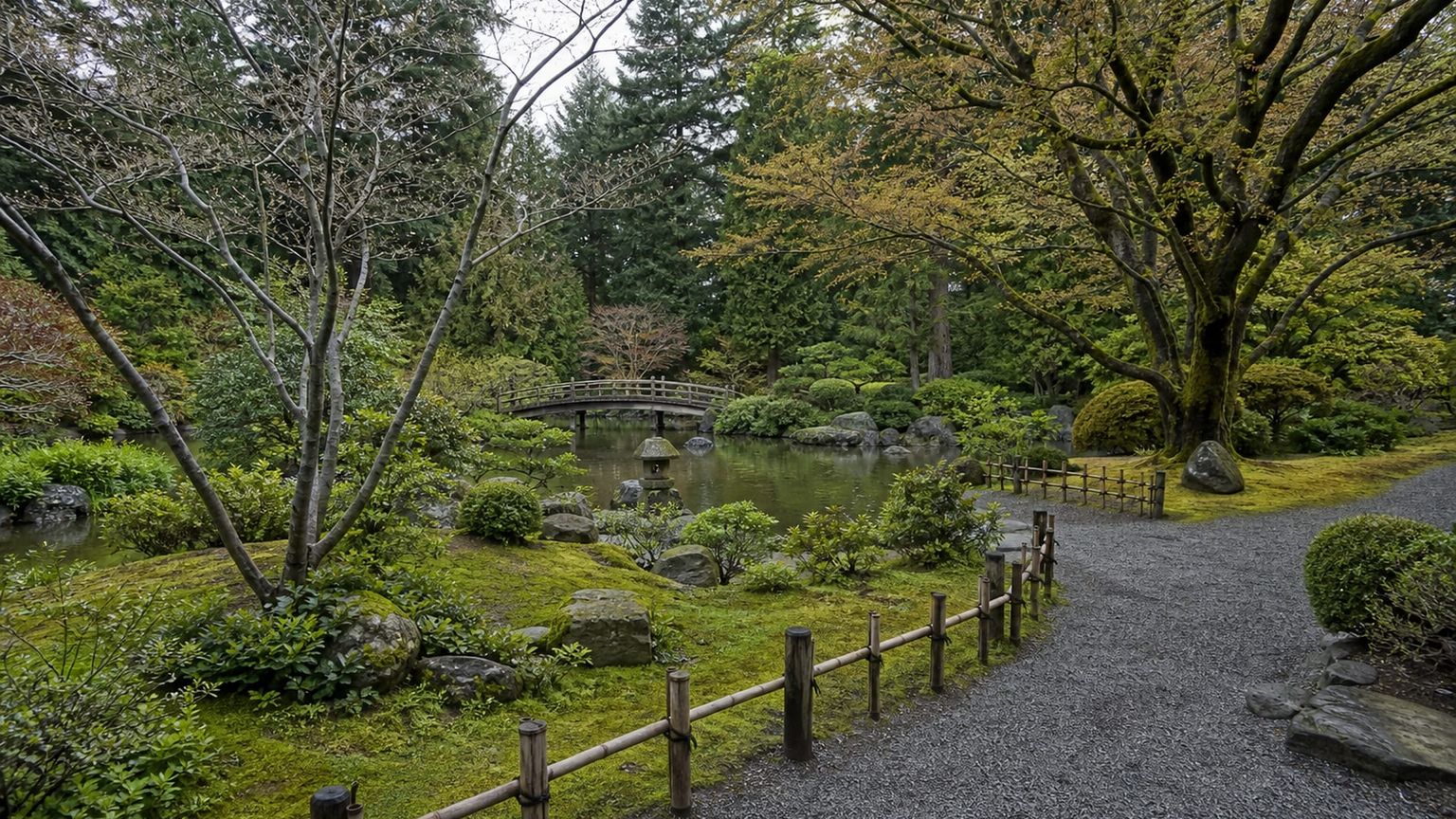
This 20-acre Japanese-style garden pairs moss, maples, and small bridges with quiet ponds and stone paths. It draws far fewer visitors than Seattle’s headline parks, yet rewards a slow circuit in South Seattle.
Time needed: About 1 to 2 hours
Entry: Admission is free; the garden is open daily from 6:00 am to 9:00 pm, with no timed ticketing. Donations support upkeep, and parking is free on site, though spaces can fill on sunny weekends and autumn afternoons. Visit the official site for details.
Tip: Go early for calmer paths and softer light on the ponds.

The Center for Wooden Boats
On Lake Union, this small museum showcases historic boats, maritime tools, and a working fleet of wooden craft. The lakefront setting adds views of seaplanes and rowers, but the indoor exhibits stay compact and easy to cover.
Time needed: About 1 hour
Entry: Suggested admission is $10 for adults, $5 for youth ages 13 to 17, and free for children 12 and under. The museum also offers free public dock access to the South Lake Union site, with extra programs priced separately. Visit the official site for details.
Tip: Check the demo calendar, then time your visit with a sail on the dock.
Traditional food
Seattle cooking leans on the Pacific, with clam chowder, salmon, crab, and oysters, plus coffee stops and market stalls that keep seafood central without making meals fussy.
Seattle-style clam chowder
Seattle’s version of clam chowder usually comes thick, creamy, and studded with shellfish and potatoes. The Pike Place Chowder counter at Pike Place Market is one of the city’s best-known places to try it.
Cedar plank salmon
This Northwest staple uses cedar smoke to add depth to salmon without burying the fish. Ivar’s Acres of Clams on the waterfront is a long-running Seattle address for it.
Dungeness crab
Sweet, tender Dungeness crab shows up in whole plates, salads, and sandwiches across the city. The Walrus and the Carpenter in Ballard is a strong choice for a polished crab meal in Seattle.
Pacific Northwest oysters
Seattle’s oyster culture leans on cold-water shells served raw with minimal garnish, so the flavor stays briny and clean. Taylor Shellfish Oyster Bar in Capitol Hill is a reliable place to build a meal around them.
Best time to visit Seattle
Seattle shifts with the seasons, so the best month to visit depends on whether you want clearer mountain views, long summer evenings, or quieter museum days.
Best for: Mild walks, blooming gardens, and lighter waterfront crowds
What you get: About 45 to 65°F (7 to 18°C), with changeable weather and fewer visitors than summer
Trade-offs: Rain still turns up often, especially in March and April
Best for: Clear views, festivals, and long daylight for waterfront time
What you get: About 55 to 78°F (13 to 26°C), with the busiest sightseeing and dinner hours
Trade-offs: Popular sights and restaurants draw the largest crowds
Best for: Crisper air, good light, and a calmer pace in the neighborhoods
What you get: About 48 to 68°F (9 to 20°C), with steady visitor levels that ease after early fall
Trade-offs: Rain returns as the season moves toward November
Best for: Museums, coffee stops, and lower hotel rates outside holiday peaks
What you get: About 36 to 50°F (2 to 10°C), with the smallest crowds and the shortest days
Trade-offs: Gray skies and frequent rain limit long outdoor plans
A realistic 5-day plan in Seattle
Seattle rewards a plan that groups nearby stops, since the city is compact on a map but still asks you to respect hills, transit, and neighborhood distance. The five-day outline below keeps each day tied to a clear area, so you can move without wasting time.
Fly into Seattle (SEA), then take Link light rail from Seattle-Tacoma International Airport (SEA) to Downtown or Capitol Hill, which usually takes about 35 to 45 minutes and costs roughly $3 to $5. If you are arriving late, stay near the light rail for an easy check-in, then keep dinner close by at Pike Place Market or a Belltown restaurant, with water and an early night to reset after the flight.
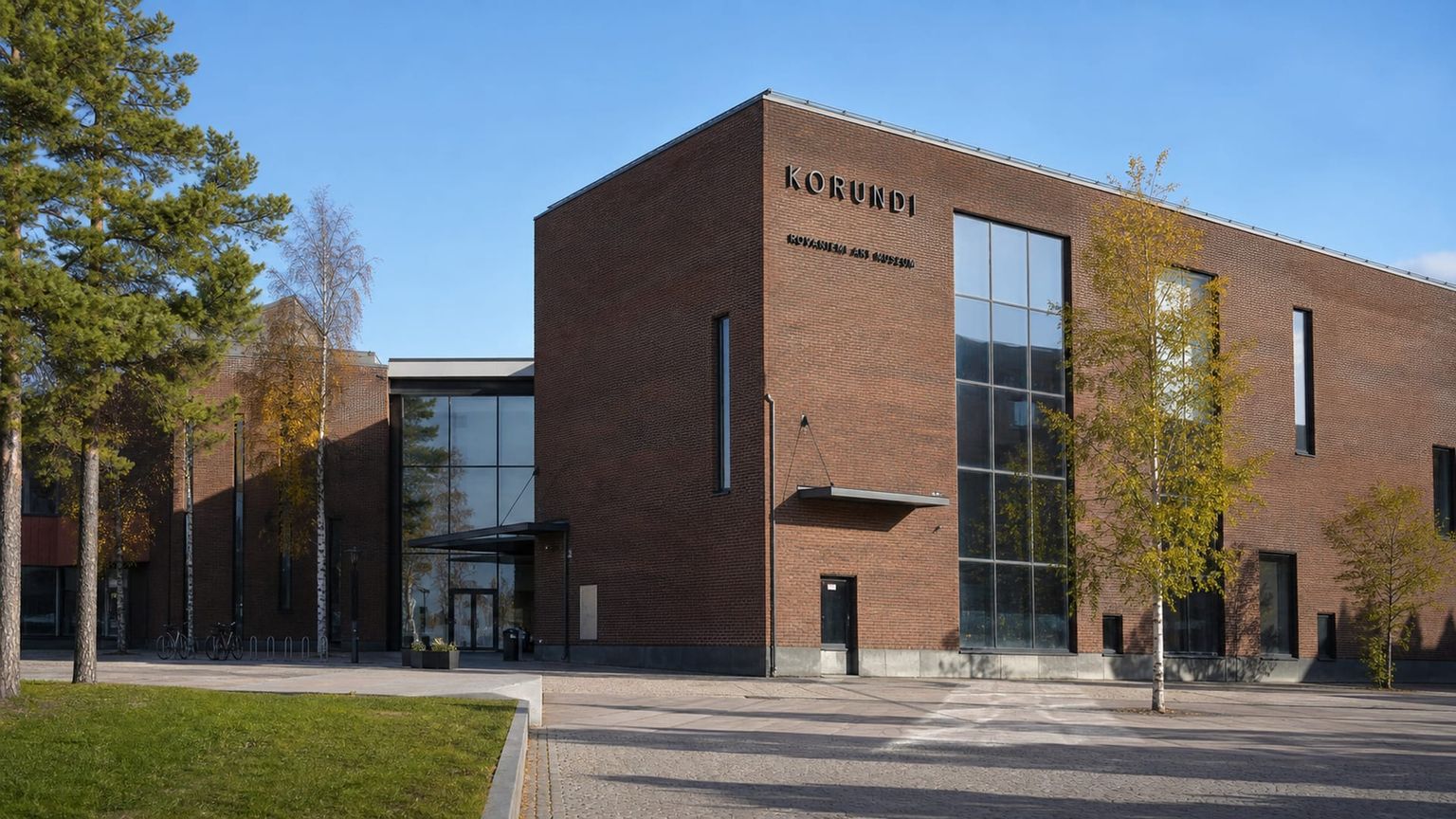
Start at Pike Place Market before 10:00 am, when the stalls are opening and the crowds stay lighter, then walk about 15 minutes to the waterfront for a slower look at Elliott Bay. After lunch, continue about 20 minutes on foot to the Space Needle, where timed admission usually takes about 1 to 2 hours, then cross Seattle Center in about 5 minutes to Chihuly Garden and Glass for the late-afternoon light over the glasshouse and garden. If you want dinner nearby, Belltown is a short walk back, which keeps the evening simple after a full sightseeing day.
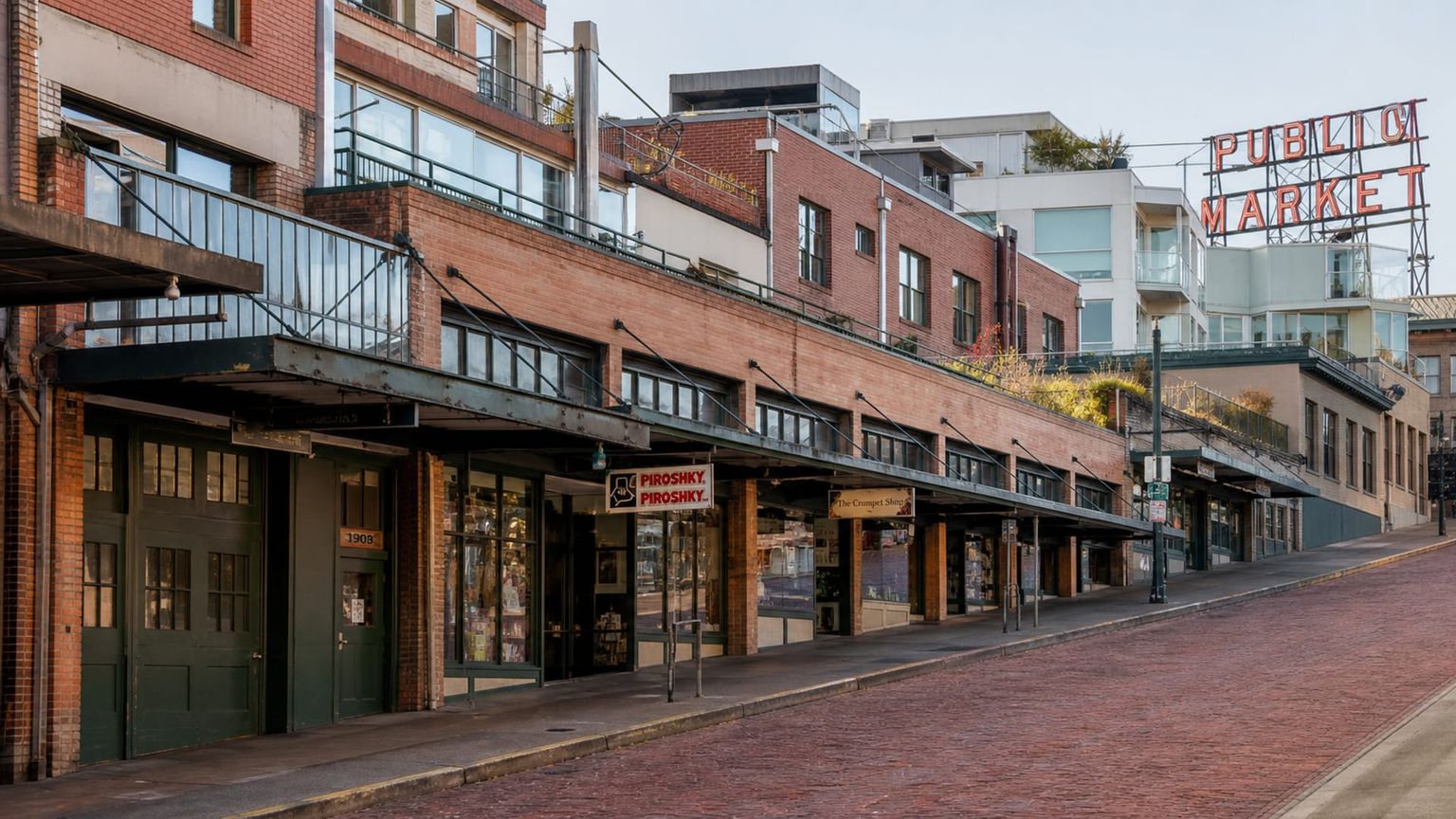
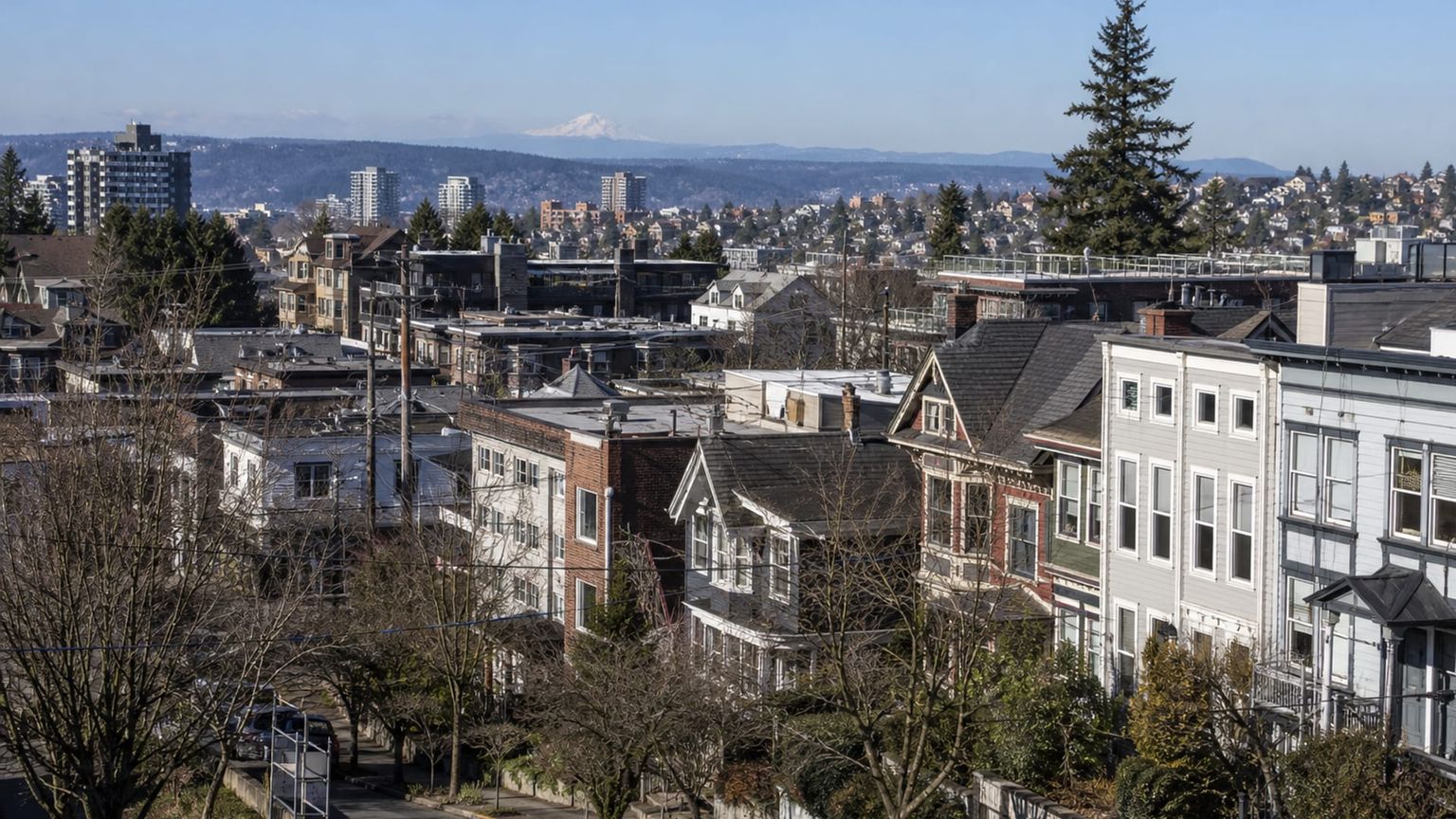
Begin in Capitol Hill, where a morning coffee stop and a walk through the neighborhood set up an easy transition to the rest of the day. From there, take the light rail about 10 minutes downtown for a return to the market area, then continue on foot in about 15 minutes to Belltown for lunch near the waterfront. Spend the afternoon back in Capitol Hill for indie shops and park time, with the light rail making each hop quick enough that you can avoid long cross-city detours.
Head south early for Kubota Garden, which sits in South Seattle and rewards a quieter morning on the paths, ponds, and bridges; from Downtown, plan on roughly 25 to 35 minutes by rideshare or bus. After about 1 to 2 hours there, return toward Lake Union for The Center for Wooden Boats, where the visit takes about an hour and the dock setting adds a different view of Seattle’s shoreline. Finish with an easy waterfront walk and an early dinner in Belltown or Downtown, since both areas sit close to transit and keep the last part of the day short.
For the final day, start with one last museum visit at Chihuly Garden and Glass if you want a final Seattle Center stop, then move on to shopping in Downtown before lingering over coffee in Capitol Hill. That mix keeps the day compact enough for packing, a late lunch, and a direct ride back toward Seattle (SEA), whether you are leaving from a hotel near the market or a room farther north.
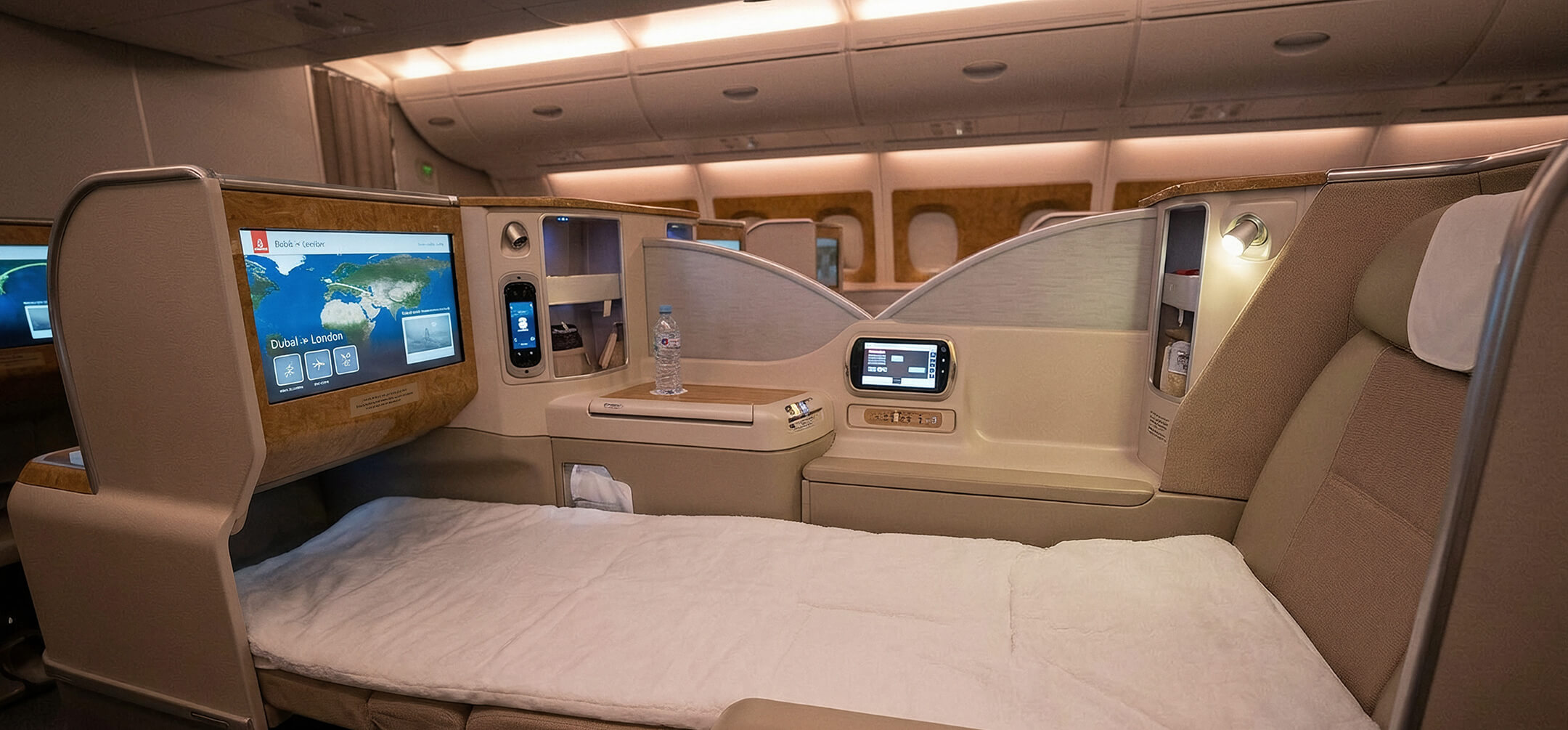
Business-class flights from the US to Seattle
Seattle sees useful nonstop and one-stop links from both coasts, and the best option often comes down to whether you want to save time or reduce the fare. The two examples below show how East Coast and West Coast departures differ in duration and routing.
From New York (JFK) or New York (EWR), Delta Air Lines, JetBlue Airways, Alaska Airlines, Hawaiian Airlines, and American Airlines all appear on the route mix. Nonstop flights usually take about 6 to 7 hours, while one-stop itineraries often connect through LAX, SFO, ORD, DEN, or YVR; round-trip fares usually start at $1,100 and can reach $3,500.
Los Angeles (LAX) usually gives you a shorter hop, with Alaska Airlines, Delta Air Lines, American Airlines, United Airlines, and Hawaiian Airlines all serving the route. Nonstop flights take about 2.5 to 3 hours, and round-trip fares from Los Angeles often begin at $850, with nonstop options that can run to $2,400.
Seattle feels different when you slow down
A good Seattle trip ties Pike Place Market to the waterfront, then moves outward to Seattle Center, Capitol Hill, and a quieter stop such as Kubota Garden. Link light rail, short bus rides, and a few walks make the city easy to stitch together when you keep neighborhoods in clusters. If you want help shaping the right route through downtown, Belltown, or Capitol Hill, AranGrant experts can build the flight and stay plan around your dates