

Chapters:

Need help with your trip?
Our support team is available 24/7. Request a callback or call us directly at (833) 619-0908
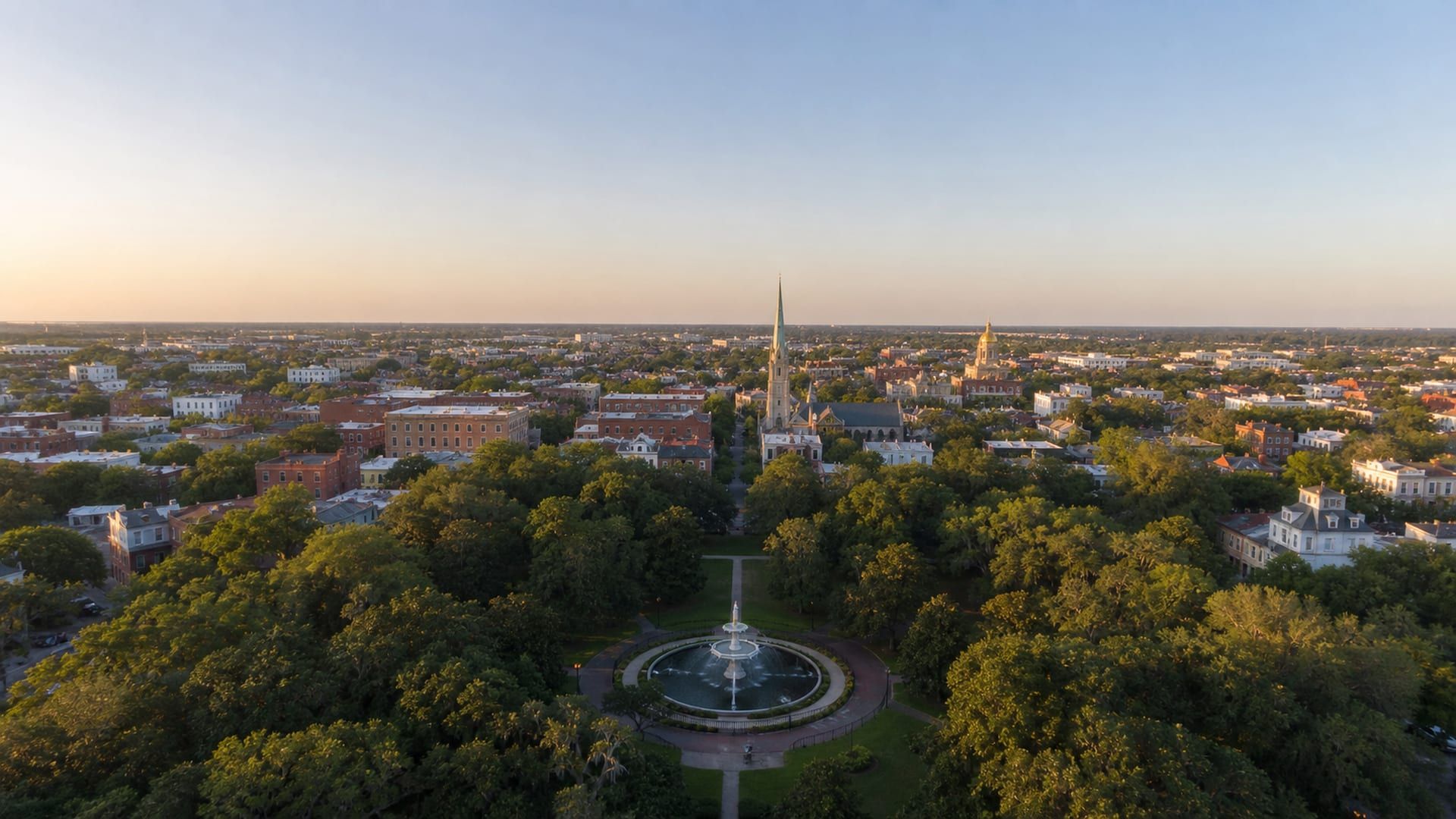
Savannah usually rewards travelers who start in the Historic District, then layer in squares, museums, and meals. What they often miss is how much the city changes block by block, from riverfront foot traffic to quieter streets near the Victorian District.
That shortcut can leave you moving against the grain of the city. Distances stay short on a map, but heat, crowds, one-way streets, and limited evening transit make pacing matter more than many visitors expect.
This guide keeps the days compact and linked to what is easiest to reach on foot, by bus, or by a short ride. It also builds in time for food, shade, and slower stretches between the headline stops.
Useful things to know

Main language(s): English

Currency: The local currency is the US dollar (USD, $).

Cash and cards: Cards and contactless are widely accepted; carry about $20 to $40 in cash for small tips and minor purchases.

Tipping: Tip 15-20% at restaurants, and round up small fares or bills.

Traditional food: shrimp and grits, lowcountry boil, fried green tomatoes, peach cobbler

Water and coffee costs: Water about $2 ($2), bar espresso about $4 ($4).

Taxis and ride apps: Uber and Lyft operate here; airport pickup can be busy at peak times.

Plug and voltage: Type A/B socket, 120V

Dining and shop opening hours: Breakfast is about 07:00-10:00, lunch 11:30-14:00, and dinner 17:30-21:00. Many kitchen hours are shorter on Sunday.

Emergency number: 911 for police, fire, and ambulance.
Where to stay in Savannah
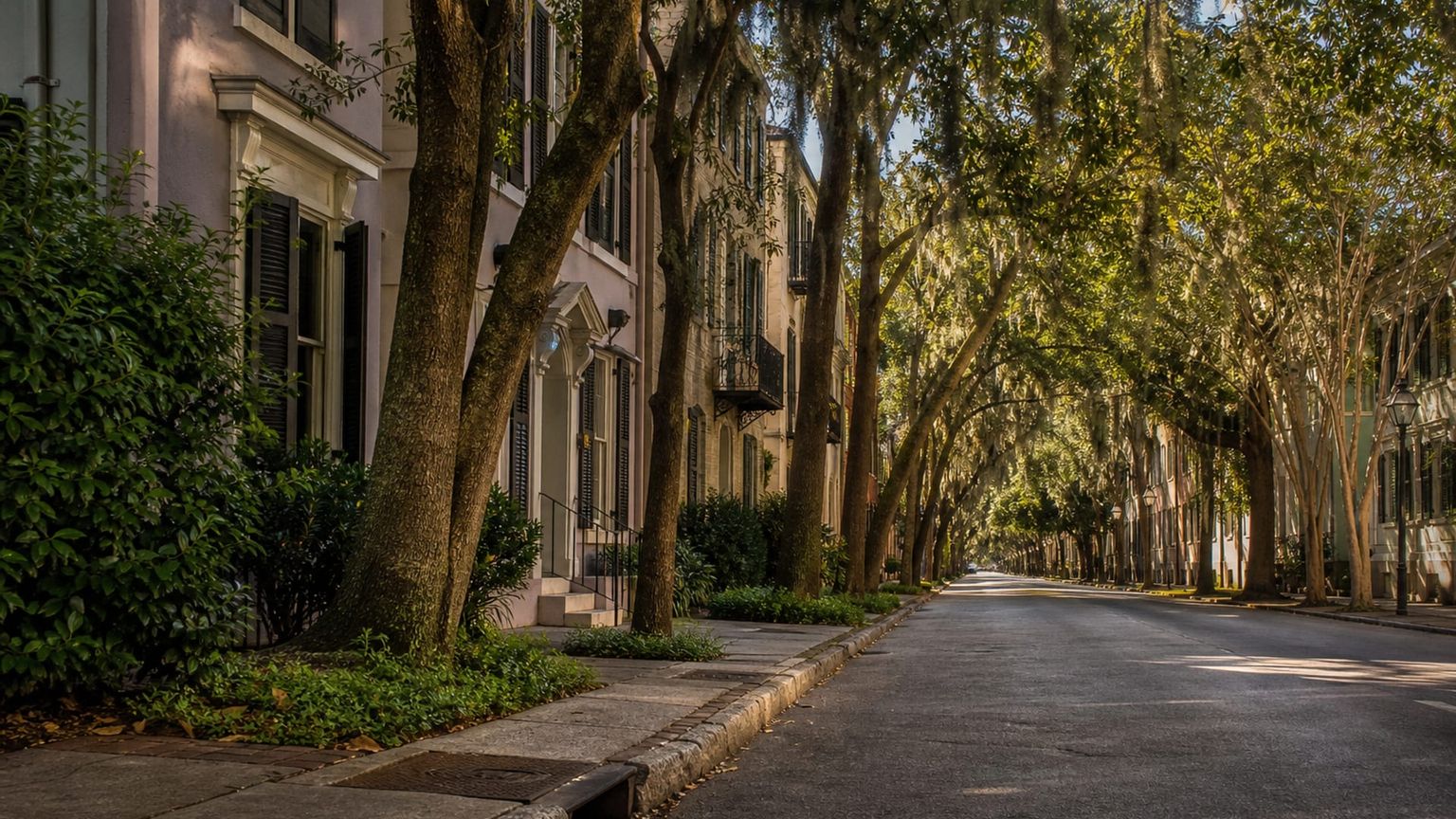
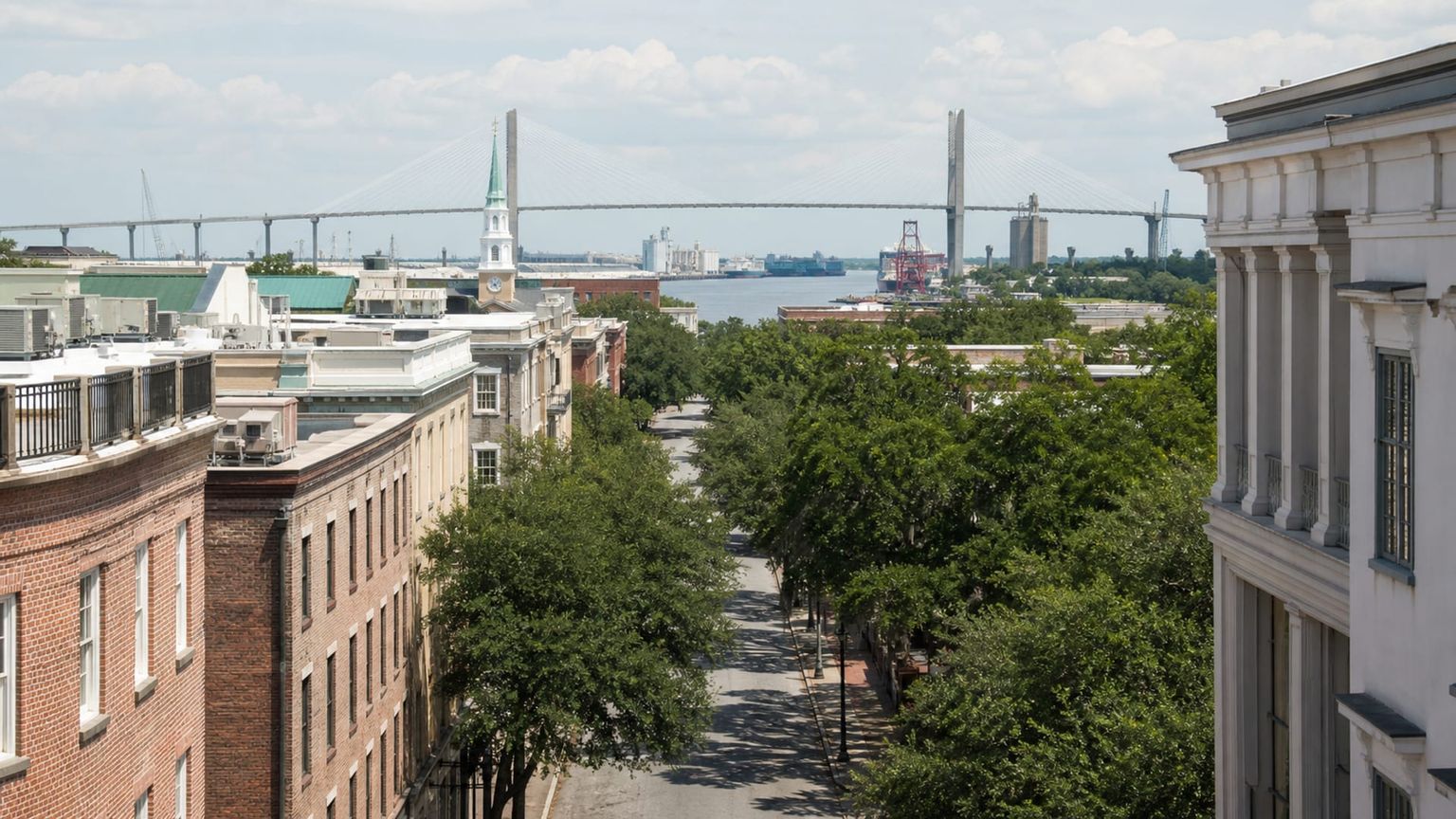
Savannah’s Historic District centers on the city’s squares, riverfront edge, and 18th and 19th century streets. It puts many of the main sights within easy reach, so it suits visitors who want to spend more time walking than commuting.
Best for: Sightseeing, short stays, and travelers who want the main attractions on foot
What to expect: Expect constant pedestrian traffic, guided tours, carriage routes, and a steady stream of diners and evening walkers.
Hotel prices: Usually about $220 to $420 per night for well-rated stays
Distance to major sights: 0 to 10 minutes on foot to Forsyth Park, 5 to 15 minutes on foot to River Street
Quietness: Busy by day and lively into the evening, with the noisiest blocks near River Street and major squares.
Main trade-off: Room rates climb fast, and some blocks sit close to late-night bars, tour stops, and trolley traffic.
Good to know: Book this area if you want the least transit between your hotel and the city’s core sights, but check whether your room faces a square, a side street, or a late-night corridor.
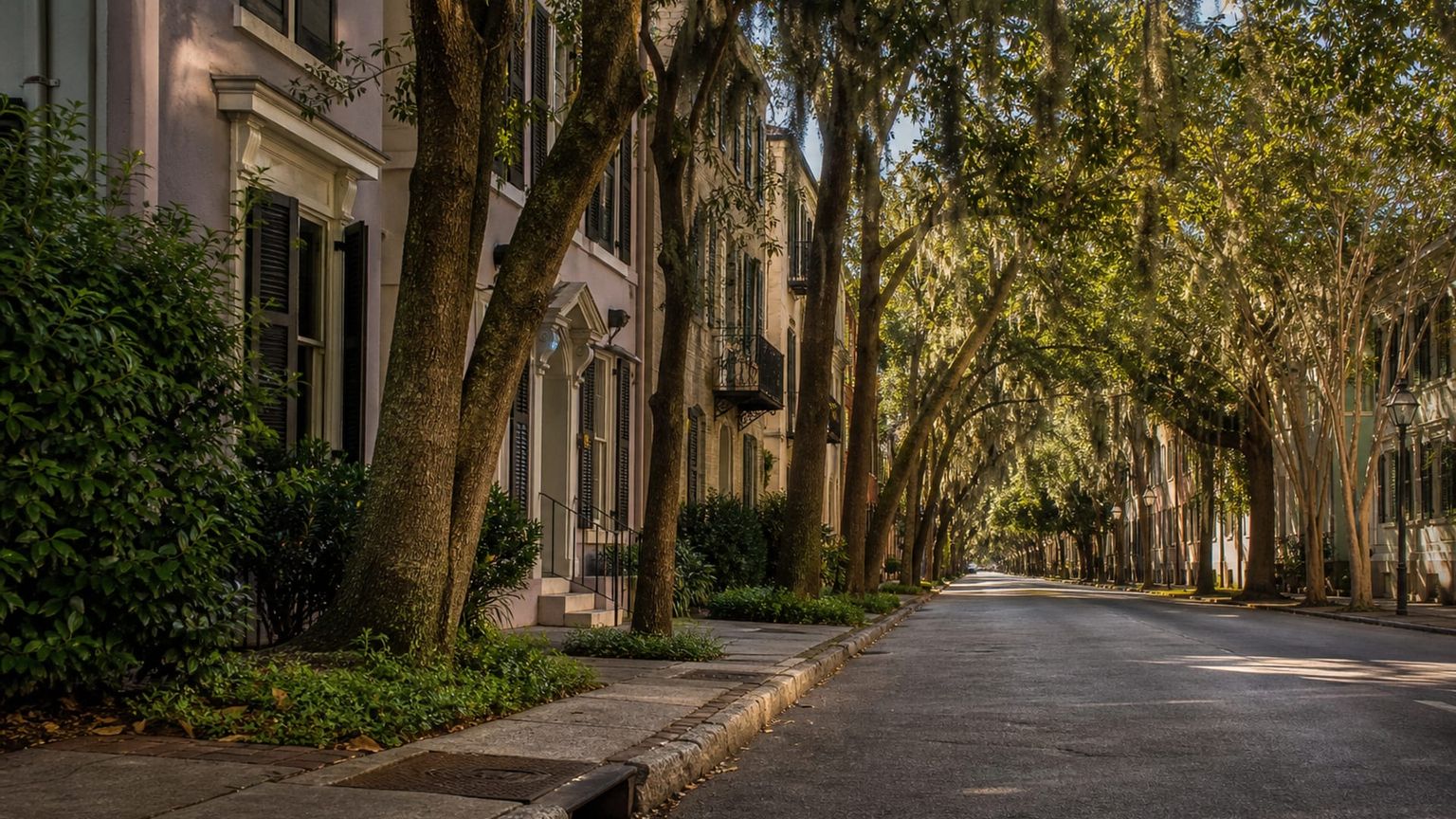
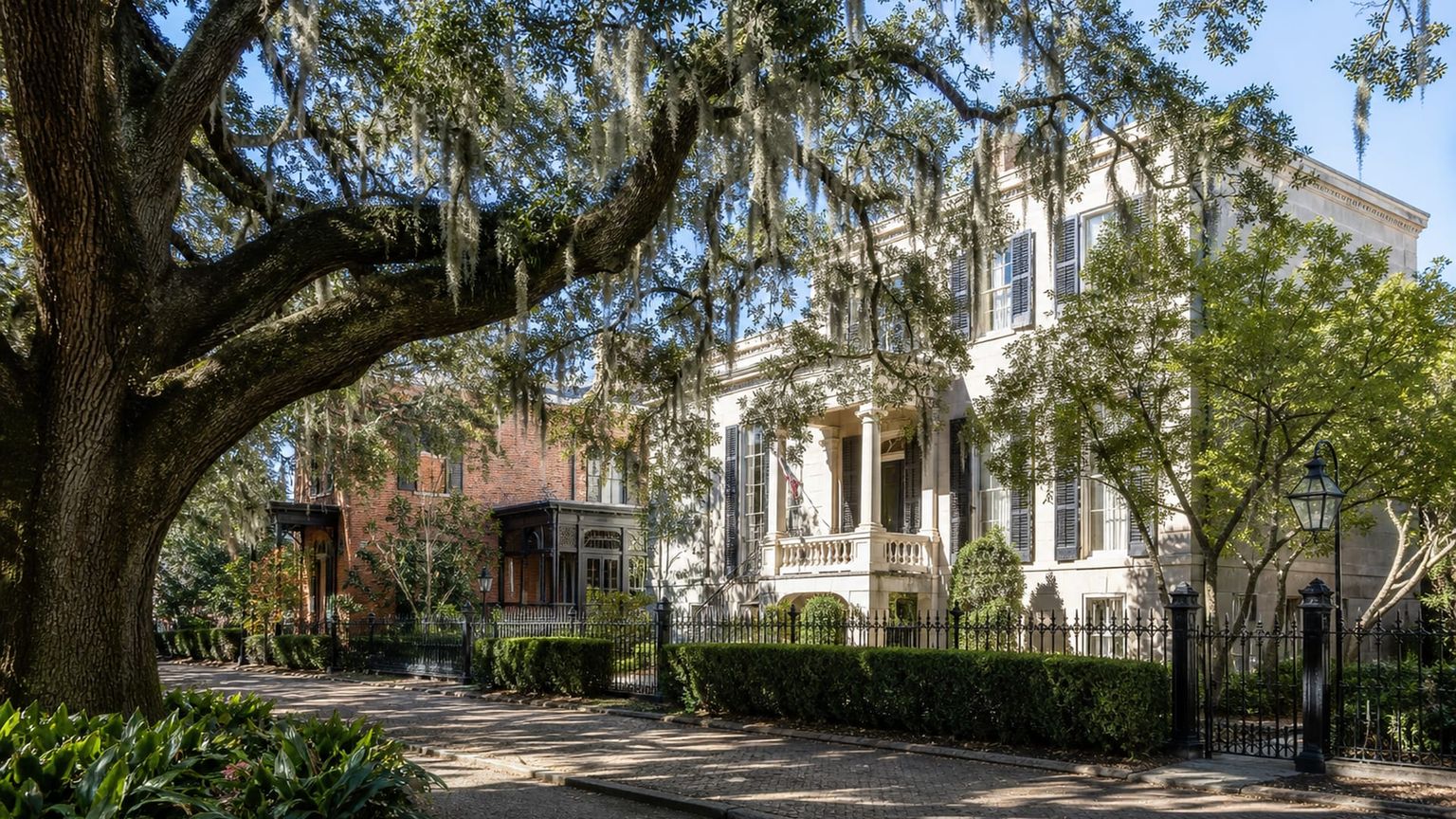
The Victorian District sits just south of the Historic District and is known for restored homes, leafy blocks, and a more residential street grid. It works well for travelers who want quick access to downtown without staying in its busiest pockets.
Best for: Walkable access to downtown, couples, and travelers who prefer a residential setting
What to expect: Expect tree-lined streets, local traffic, and a quieter pace, with cafes and parks drawing more people than nightlife venues.
Hotel prices: Usually about $170 to $320 per night for well-rated stays
Distance to major sights: 10 to 20 minutes on foot to Forsyth Park, 10 to 25 minutes on foot to the Historic District core
Quietness: Quieter during the day than downtown and noticeably calmer at night, though some streets carry car traffic.
Main trade-off: You gain a more residential setting, but you will walk farther for the riverfront and the busiest restaurant blocks.
Good to know: Choose a place near the north edge if you want to avoid relying on rides after dinner, since the walk back can feel long from the riverfront.
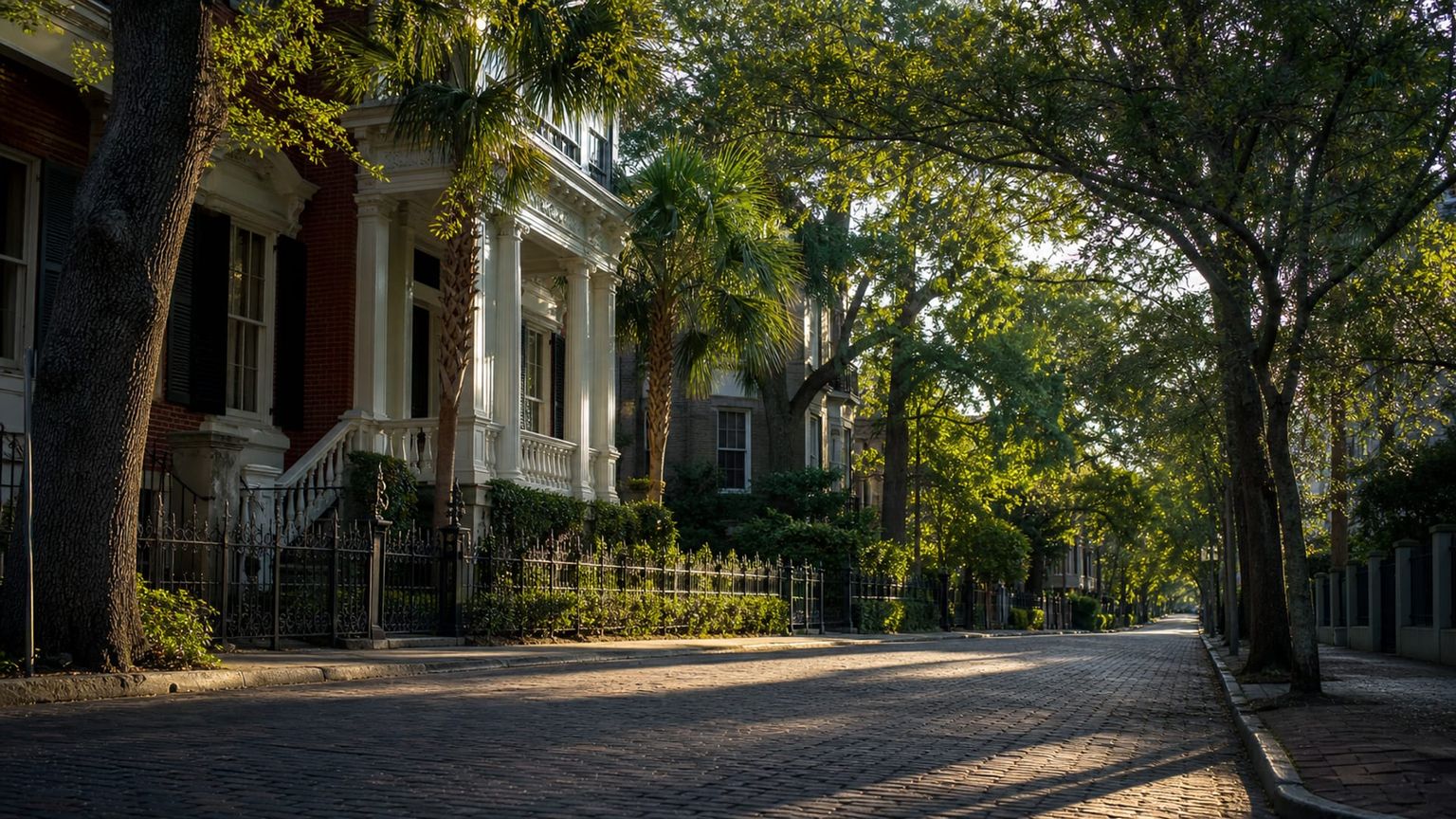
Midtown is a spread-out residential and commercial area south of downtown, with shopping, chain hotels, and easier parking than the historic core. It is a sensible base for travelers who plan to drive, visit neighborhoods beyond downtown, or keep hotel costs down.
Best for: Drivers, longer stays, and travelers who want more parking and lower rates
What to expect: Expect busy arterial roads, strip malls, casual restaurants, and a mostly local crowd rather than heavy tourist foot traffic.
Hotel prices: Usually about $120 to $240 per night for well-rated stays
Distance to major sights: 15 to 25 minutes by car to Forsyth Park, 20 to 30 minutes by car to River Street
Quietness: Quieter in the evening than downtown, though roadside hotels near major streets can still hear traffic.
Main trade-off: You will save money, but most sightseeing and dinner plans will require a drive or rideshare.
Good to know: Check parking fees before booking, because a lower room rate can disappear once daily parking is added.
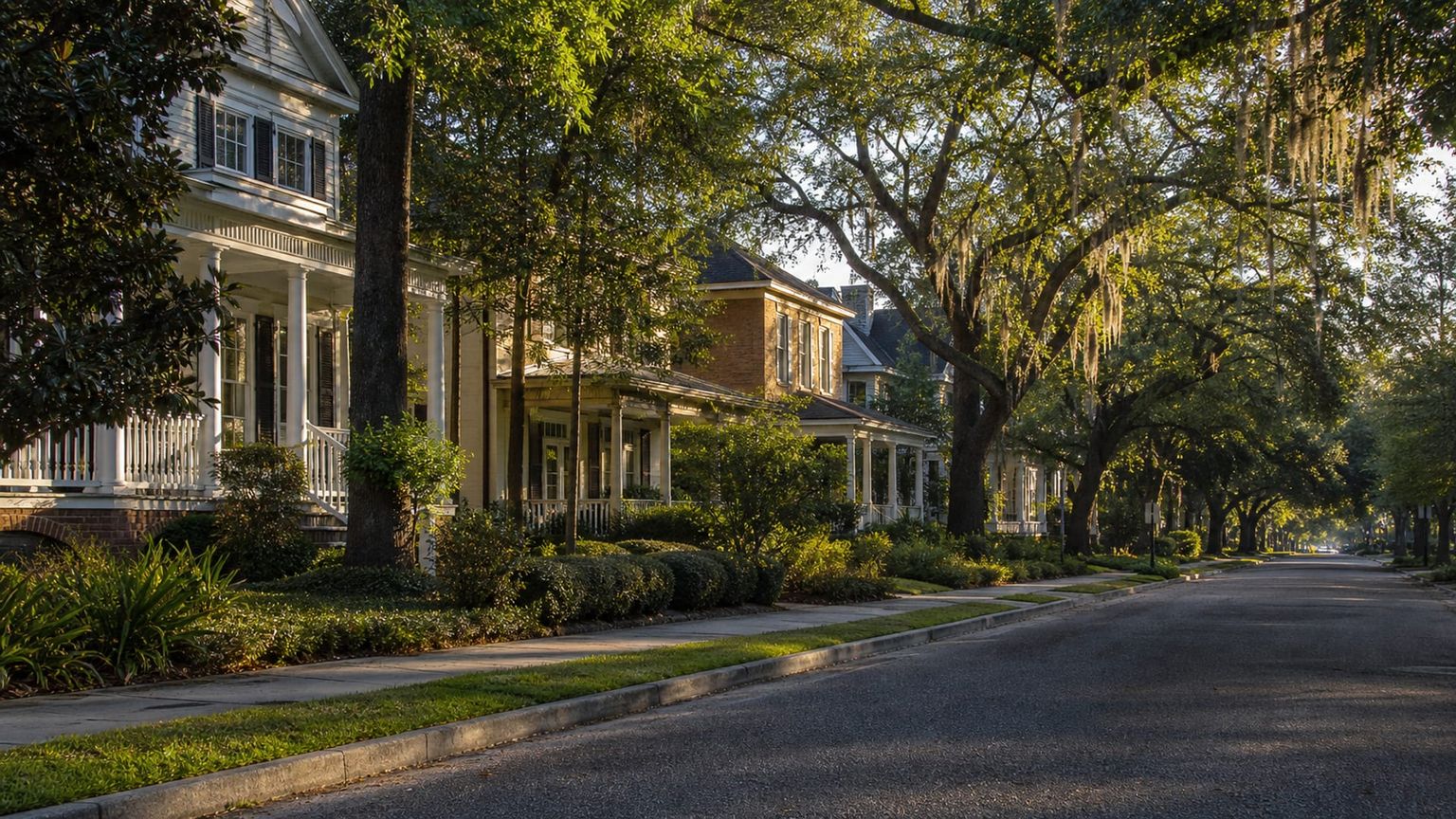
Ardsley Park is a historic residential neighborhood with broad streets, large homes, and a suburban feel within the city. It appeals to visitors who want a calmer base and do not mind using a car or rideshare for most outings.
Best for: Car travelers, longer stays, and visitors who prefer a residential neighborhood
What to expect: Expect quiet blocks, local dog walkers, and limited tourist activity, with restaurants and nightlife thin on the ground.
Hotel prices: Usually about $160 to $300 per night for well-rated stays
Distance to major sights: 15 to 25 minutes by car to Forsyth Park, 20 to 30 minutes by car to River Street
Quietness: Very quiet at night, with more neighborhood activity in the morning and early evening.
Main trade-off: The area is pleasant and residential, but you will spend more time driving for meals, museums, and riverfront walks.
Good to know: If you stay here, choose lodging with easy driveway or street parking, since car access matters more than walkability in this part of town.
Travelers usually avoid staying in Garden City, Pooler, and Port Wentworth if they want to be close to Savannah’s historic district, since these areas sit outside the city core and add a longer drive for evening dinners or sightseeing. Midtown near Savannah State University can also be less convenient for visitors focused on the riverfront and Historic District, with fewer walkable visitor amenities than downtown.
Hotel deals
How to get around Savannah efficiently
Savannah has no metro, so most visitors combine walking with Chatham Area Transit buses, taxis, rideshares, and the occasional hotel shuttle when they move beyond the Historic District.

Metro
for longer distances
Savannah has no subway or metro network, so there is no rail option to compare with city transit; visitors usually rely on buses, taxis, and walking for the historic district, with any rail travel handled by regional services outside the core city.

Bus and tram
for convenience
Chatham Area Transit runs the main bus network, with standard local fares of $1.50 per ride, $3 day passes, and $28.50 monthly passes, usually valid for one boarding or for the pass period shown. Route 100X links downtown Savannah with Savannah/Hilton Head International Airport (SAV) in about 30 to 40 minutes, while other routes serve downtown, Midtown, Savannah State University, and shopping areas such as Oglethorpe Mall. Buses take cash or a reloadable fare card, and exact frequencies are thinner on evenings, Sundays, and holidays.

Taxi
for convenience or late hours
Licensed taxis use metered fares rather than set citywide flat rates, and a ride from Savannah/Hilton Head International Airport (SAV) to the historic district usually costs about $35 to $50 before tip, depending on traffic and exact drop-off point. Street hails are uncommon, so use a taxi stand, hotel pickup, or a dispatch app when possible; drivers normally accept cards and cash, though it is worth confirming card payment before departure.
*Prices are based on rates updated as of June 2026 and may change at the time of travel.
Walk for the squares and riverfront, use buses for budget trips across town or the airport, and rely on taxis or rideshares when timing matters after dinner.
Iconic landmarks
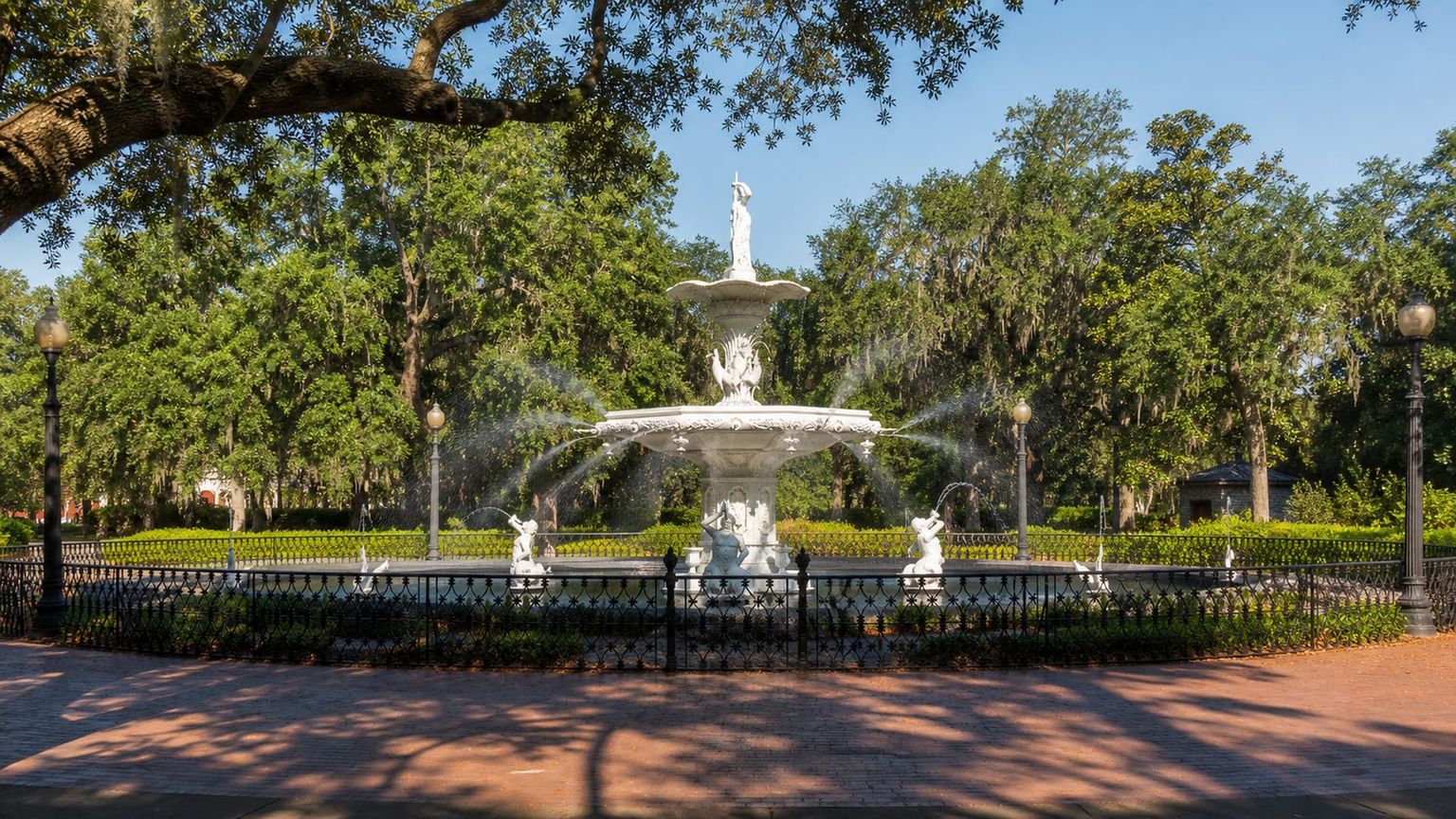
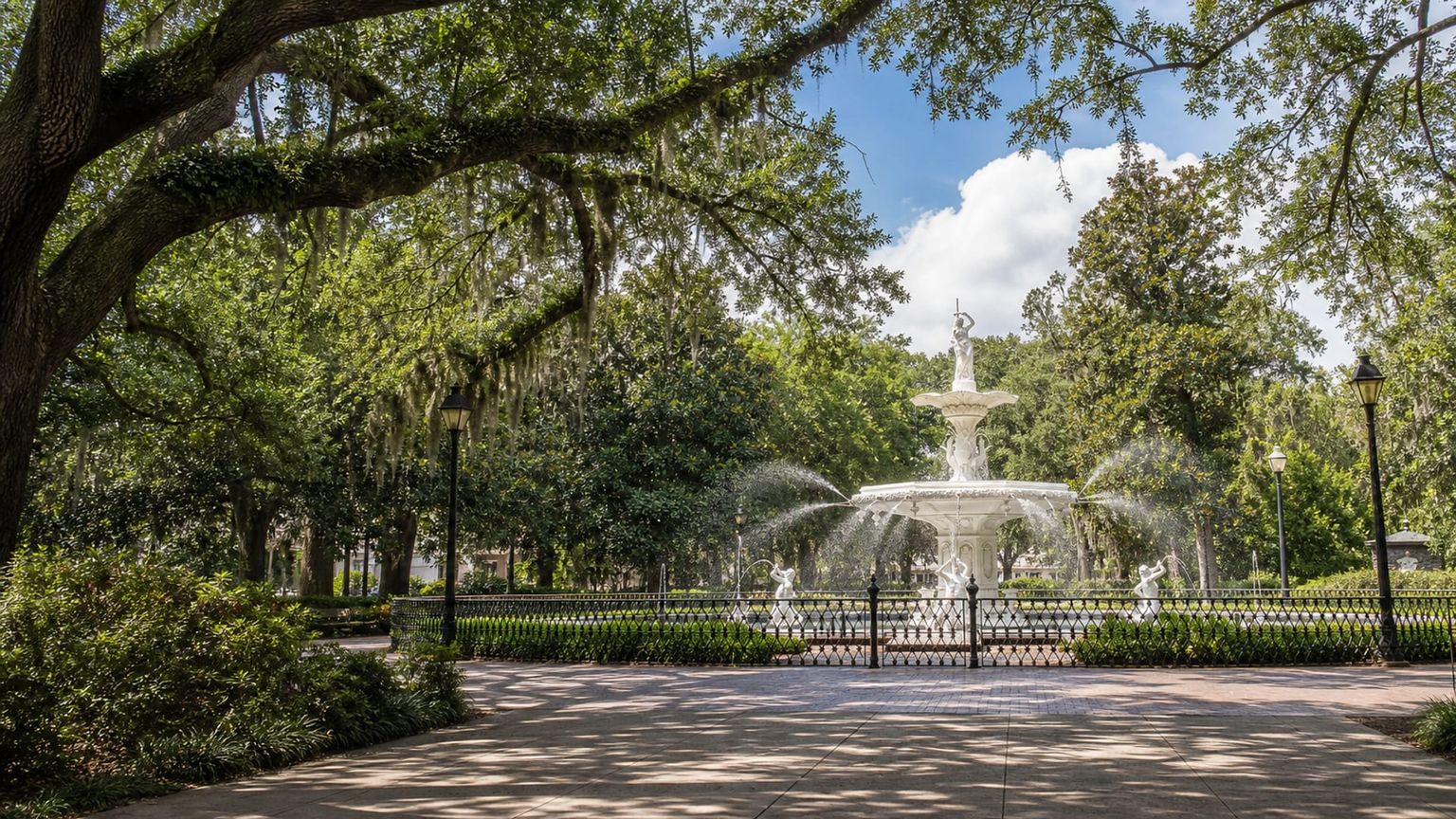
Forsyth Park
Savannah’s best-known green space, Forsyth Park pairs its 19th-century fountain with wide live oak shade, broad lawns, and paths that anchor the Historic District. It suits a slow walk, photos, and an easy pause between house museums.
Time needed: About 1 to 2 hours
Entry: Free to access, with no timed entry or ticket needed for the park grounds, fountain, and walking paths during normal public hours.
Tip: Go early or near sunset, when the fountain, paths, and trees photograph best.
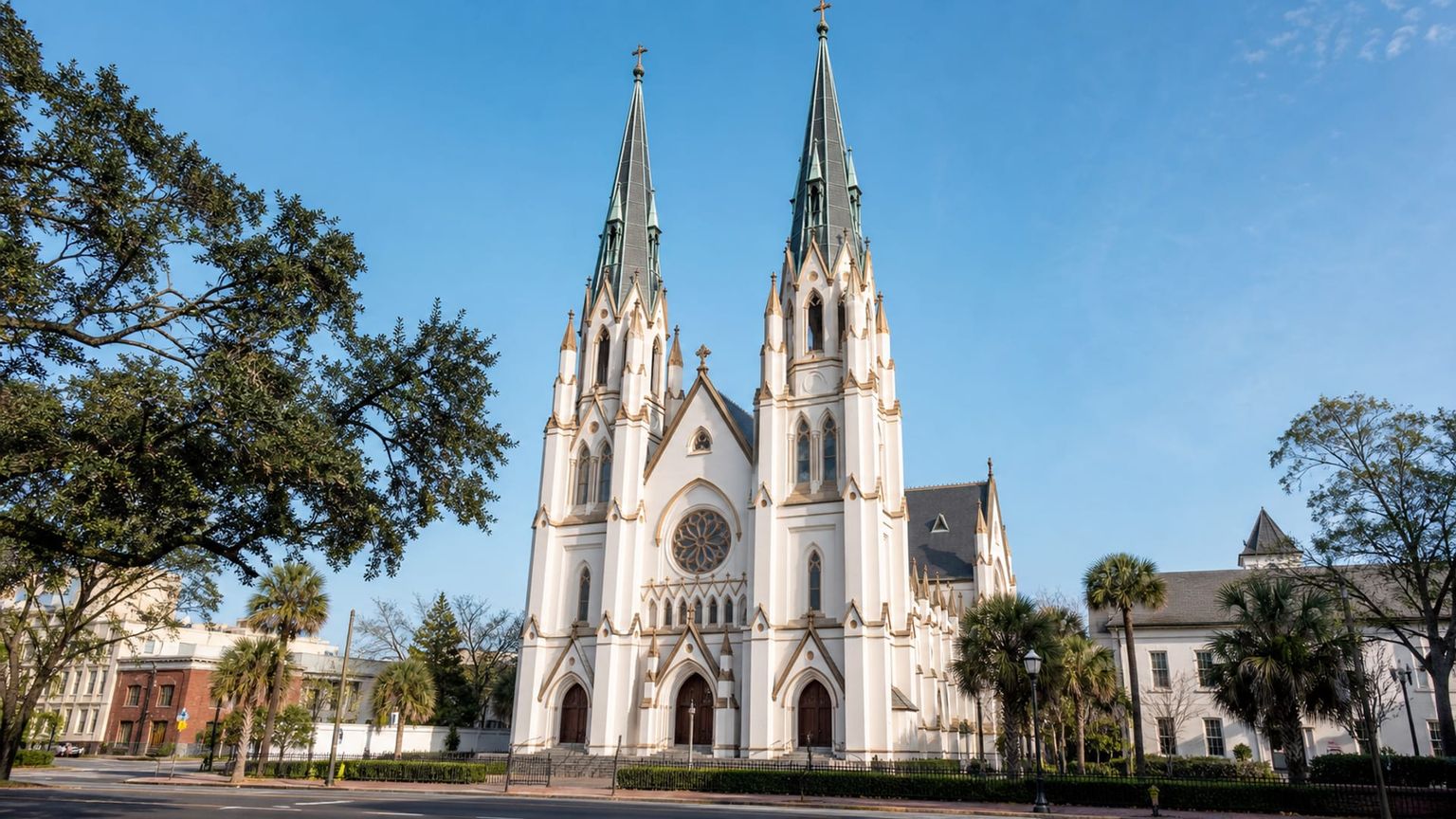
Cathedral Basilica of St. John the Baptist
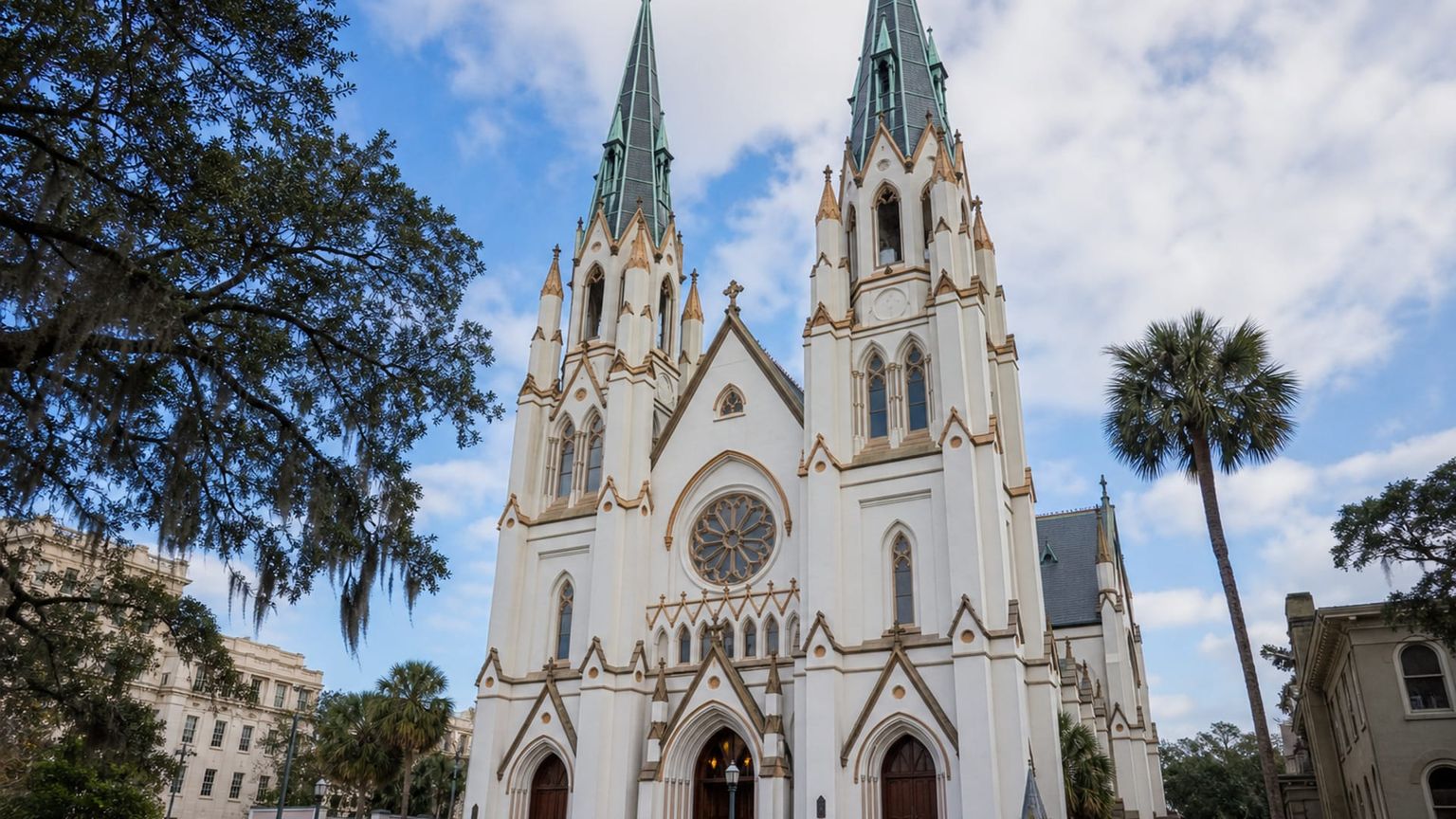
This Roman Catholic cathedral in the Historic District is known for its twin spires, painted vaulting, and stained glass. Inside, the altar, side chapels, and long nave give the city one of its most detailed interior landmarks.
Time needed: About 45 minutes to 1 hour
Entry: Free to enter, with donations welcome, and no ticket required for the main nave, chapels, or self-guided visit outside Mass times. Visit the official site for details.
Tip: Visit between services for quiet viewing and better light through the stained glass.
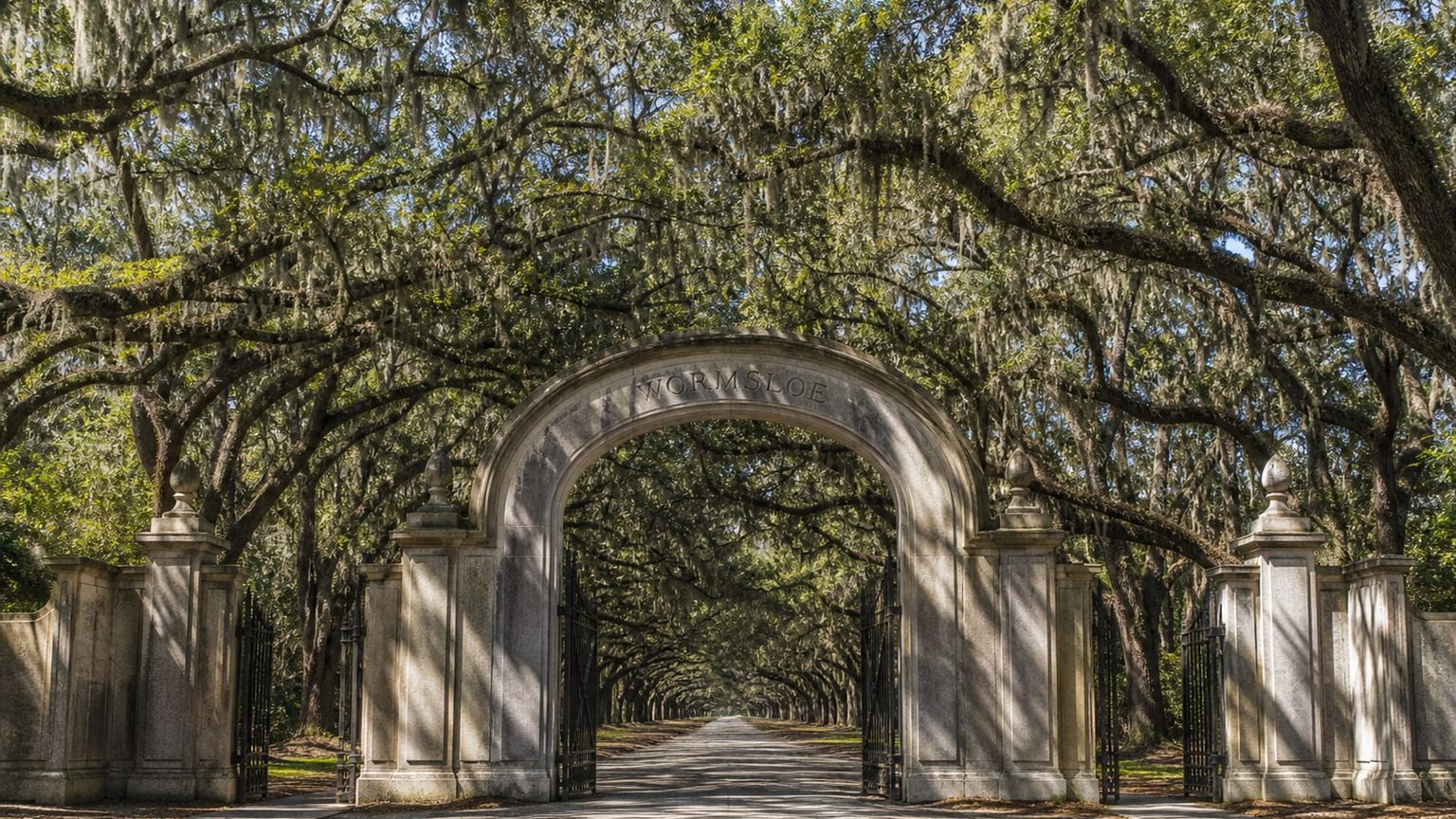
Wormsloe Historic Site
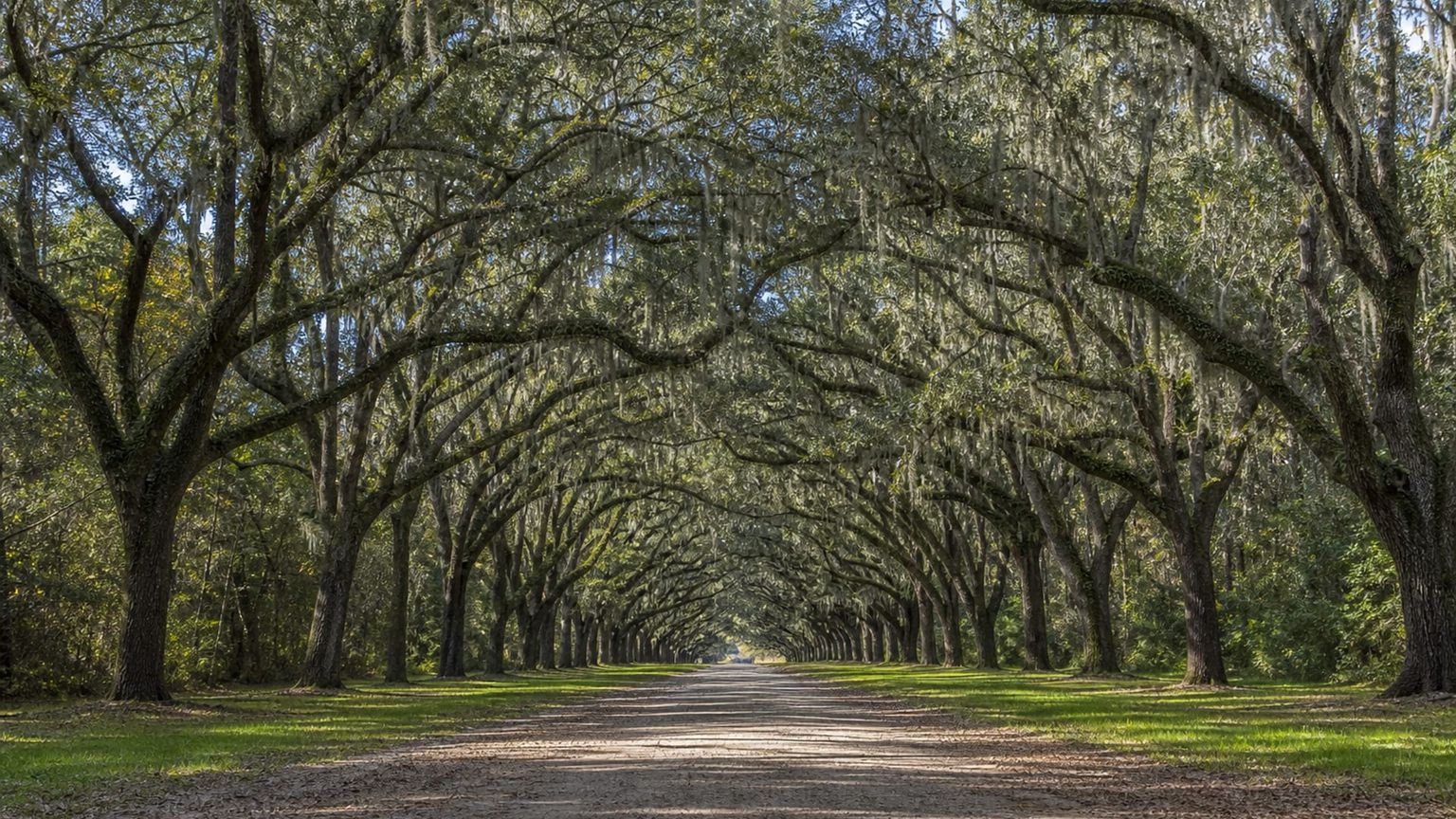
Wormsloe Historic Site preserves the oak-lined avenue that leads to the former colonial estate south of downtown. Visitors also see the tabby ruins, small museum exhibits, and trails through marshland and live oak forest.
Time needed: About 2 to 3 hours
Entry: Standard admission costs $10 ($12) for adults, $8 ($10) for seniors, and $5 ($6) for children ages 6 to 18; under 6 enter free. Visit the official site for details.
Tip: Arrive in the morning for cooler trails and softer light on the oak avenue.
Overlooked sites worth visiting

Pulaski Square
A quieter 1830s square with a central monument, shade trees, and benches set among brick paths and surrounding homes. It rewards a slow pass on foot and gives a clear read on Savannah’s ward plan.
Time needed: About 30 to 45 minutes
Entry: Free to access; public square open at all hours. No ticket is required, and the site works well as a brief stop while walking the Historic District. Nearby street parking is metered, and the square itself has no admission desk or timed entry.
Tip: Go near sunset for softer light on the brick paths.

Telfair Academy
Set inside a Federal-style mansion, this small museum pairs period rooms with rotating art and decorative arts galleries. Its scale makes it easy to see in a short visit without the crowds that hit bigger museum stops.
Time needed: About 1 to 2 hours
Entry: Adult admission is about $12 ($12), with discounts for seniors, students, and children. Tickets cover Telfair Academy and its regular collection galleries, and prices can change for special exhibitions or joint passes with other Telfair museums. Visit the official site for details.
Tip: Arrive early on weekdays for the quietest gallery time.
Traditional food
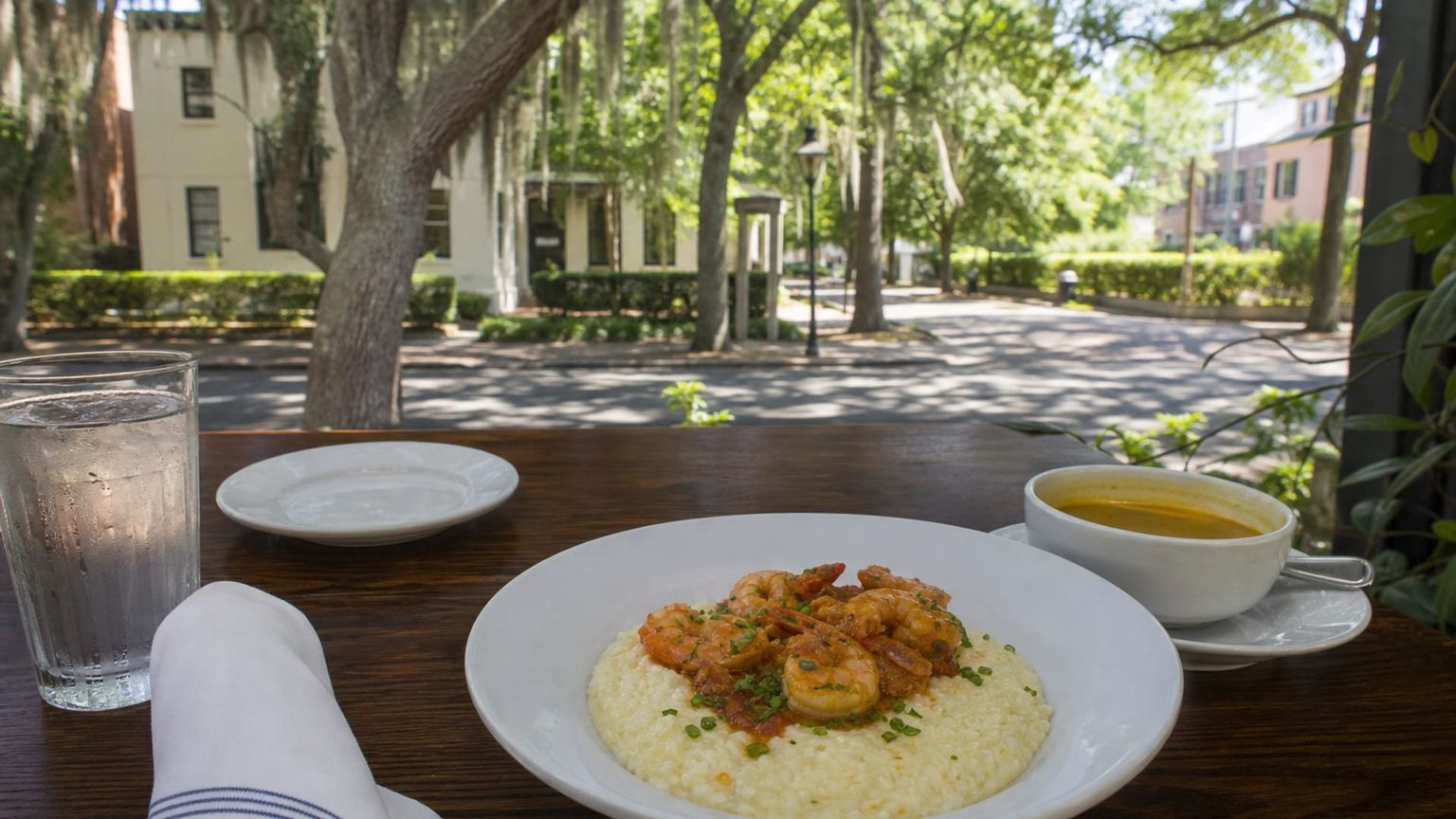
Savannah’s table leans on shrimp, crab, corn, greens, and sweet desserts, with lowcountry boil, shrimp and grits, and peach cobbler appearing often. Meals usually favor relaxed Southern dining rooms, porch seating, and seafood houses near the Historic District.
Shrimp and grits
Creamy grits topped with shrimp, often with bacon, tomatoes, or a light gravy, make one of Savannah’s signature plates. The Grey serves a refined version that fits the city’s lowcountry tradition without losing its roots.
Lowcountry boil
This one-pot mix of shrimp, sausage, corn, and potatoes captures coastal Georgia cooking in a single bowl. Sisters of the New South is a strong place to order it in Savannah, especially if you want a classic, unfussy take.
Fried green tomatoes
Sliced green tomatoes get a crisp cornmeal coating and usually arrive with a tangy sauce or a creamy garnish. Mrs. Wilkes’ Dining Room is a canonical Savannah stop for a home-style version alongside other Southern staples.
Peach cobbler
Warm peaches baked under a biscuit or pastry topping give many Savannah meals a sweet finish. Byrd’s Famous Cookies is better known for baked goods, but Vic’s on the River is the better canonical restaurant choice for a classic Southern dessert course in town.
Best time to visit Savannah
Savannah works year-round, but heat, humidity, and festival crowds shift the experience enough that the best season depends on whether you want longer walks, lighter hotel demand, or cooler museum days.
Best for: Best for park walks, square-hopping, and garden color
What you get: About 65-82°F (18-28°C), with lively crowds and higher hotel demand during popular weekends
Trade-offs: Afternoon warmth and festival dates can make central blocks busy
Best for: Best for travelers who do not mind heat and want easier booking
What you get: About 75-94°F (24-34°C), with humid days, frequent rain, and lighter midweek crowds after breakfast hours
Trade-offs: Heat and humidity can shorten sightseeing windows
Best for: Best for comfortable walking and outdoor dining
What you get: About 68-84°F (20-29°C), with moderate crowds and pleasant evenings that suit long dinners
Trade-offs: Early fall can still bring muggy afternoons and storm chances
Best for: Best for museum visits, quieter squares, and lower-season hotel rates
What you get: About 45-64°F (7-18°C), with lighter crowds and good conditions for daytime walking
Trade-offs: Shorter days and cooler evenings can limit late outdoor plans
A realistic 5-day plan in Savannah
The five-day plan follows a simple pattern: settle in downtown, build around the main Historic District sights, add one out-of-town excursion, then leave room for a final slow circuit before departure.
Fly into Savannah (SAV), then take a taxi, rideshare, or hotel shuttle into the Historic District in about 20 to 25 minutes for roughly $25 to $40, depending on traffic and pickup. If you are staying in the Historic District, check in near Forsyth Park or along a quieter side street, then take a short walk, drink plenty of water, and keep dinner simple at a nearby café or bistro before an early night. If your lodging sits in the Victorian District, the ride is similar, and the calmer streets make it easy to settle in without crossing the busiest riverfront blocks.
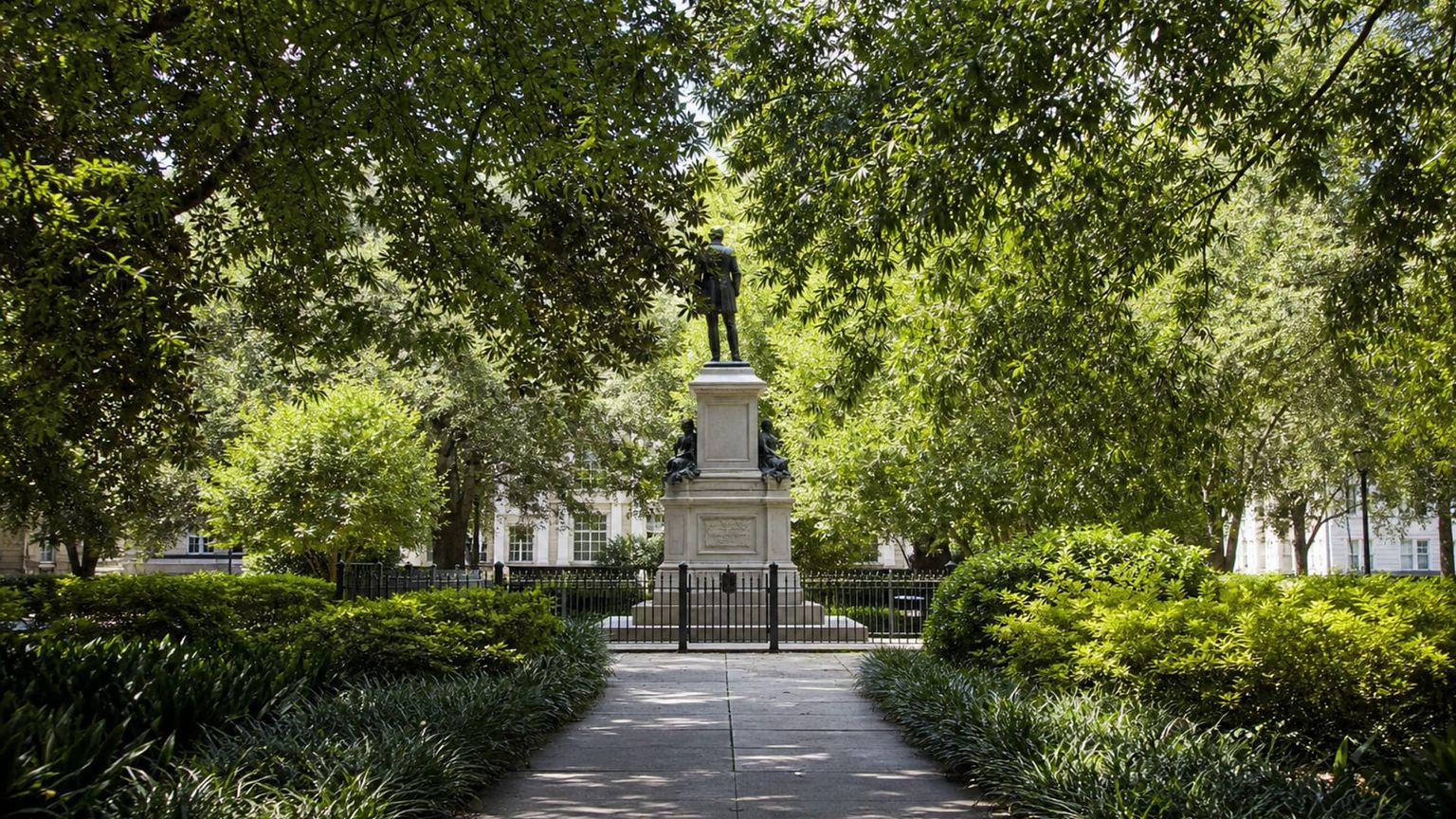
Start with Forsyth Park in the morning, then continue on foot to the Cathedral Basilica of St. John the Baptist, which takes about 15 to 20 minutes. From the cathedral, walk roughly 10 minutes to Pulaski Square for a quieter look at Savannah’s ward plan, then spend about 1 to 2 hours at Telfair Academy, about 10 minutes farther on foot. Finish with an easy dinner in the Historic District, where the walk back to most nearby hotels stays short.
Wormsloe Historic Site sets the tone for this day, and a car or rideshare from the Historic District takes about 20 to 25 minutes each way. Plan on 2 to 3 hours for the oak avenue, tabby ruins, and trails, then return downtown for a late lunch and a slower afternoon in the Historic District squares. If you want one more stop, Pulaski Square fits neatly into an evening walk and needs only a brief detour from nearby streets.
Begin in the Historic District with a morning visit to Telfair Academy, then walk about 10 minutes to the Cathedral Basilica of St. John the Baptist for a second look at its interior details in better light. From there, continue about 15 minutes on foot to Forsyth Park and linger on the paths and under the live oaks before dinner. For an unhurried final stop, Pulaski Square sits close enough to fold into the same walking loop without adding much time.
Wind down with a final museum stop at Telfair Academy, then spend the rest of the morning browsing the Historic District for art, books, and local gifts, with the main shopping streets within a short walk of most central hotels. If you want one last café break, settle into the Victorian District or the edge of Forsyth Park for coffee and a pastry before heading out. Keep your departure timing loose enough to fit traffic on the ride back to Savannah (SAV).
Business-class flights from the US to Savannah
Direct flights into Savannah are common from the East Coast, while West Coast trips usually work better as one-stop itineraries. The business fare examples below show how much the routing changes the price and the timing.
From New York, Delta Air Lines, American Airlines, United Airlines, JetBlue, and Alaska Airlines all sell itineraries into Savannah. Nonstop flights take about 2 to 2.5 hours, while one-stop options often connect through CLT, ATL, IAD, DCA, or PHL; round-trip fares usually start at $450 and can reach $1,300, and the layover options often lower the total if you do not mind the extra time.
Los Angeles trips usually run through DFW, ORD, DEN, IAH, or ATL on American Airlines, Delta Air Lines, United Airlines, Alaska Airlines, or Southwest Airlines. Expect about 4 to 4.5 hours in the air on a nonstop date, or roughly 6 to 10 hours total when a connection is involved; round-trip fares from about $700 to $1,900 are common, with the one-stop options often sitting below the nonstop peak.
Savannah feels different when you slow down
A deliberate Savannah trip usually means keeping the Historic District at the center, then using short taxi rides, a bus, or a longer walk when the day reaches Wormsloe or the edge of Midtown. That mix leaves room for Forsyth Park in the morning, Pulaski Square at sunset, and dinner near the blocks where you are staying. If you want AranGrant experts to shape the route, start with the squares and let the rest of the city build outward from there







