

Chapters:

Need help with your trip?
Our support team is available 24/7. Request a callback or call us directly at (833) 619-0908
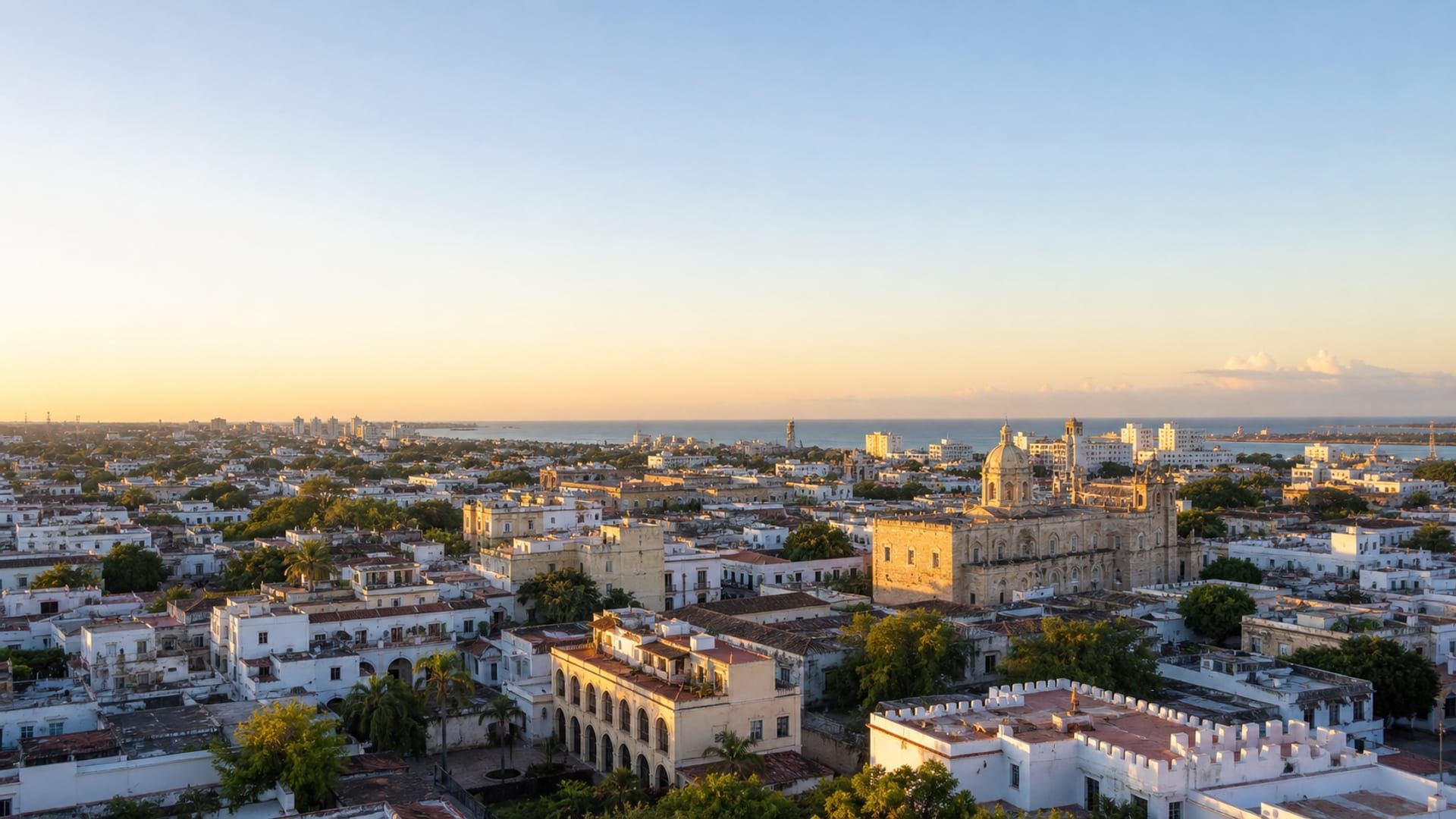
Santo Domingo extends far beyond the stone streets and plazas of Zona Colonial. The historic center contains the cathedral, Alcázar de Colón, museums, and some of the city’s oldest architecture, while Gazcue, Piantini, and Bella Vista introduce residential streets, modern hotels, restaurants, and shopping. Farther east, Faro a Colón adds another major historic site across the Ozama River, while the National Botanical Garden provides a quieter break from the dense city streets.
This guide covers five days in Santo Domingo, including where to stay, how to navigate the city, what to eat, and how to see its main attractions.
Useful things to know

Main language(s): Spanish
Hola (OH-lah) – Hello
Por favor (por fah-VOR) – Please
Gracias (GRAH-see-as) – Thank you
¿Habla inglés? (AH-blah een-GLAYS?) – Do you speak English?
¿Cuánto cuesta? (KWAN-toh KWEHS-tah?) – How much does it cost?

Currency: Dominican peso (DOP, RD$)

Cash and cards: Cards and contactless payments are widely accepted at hotels, restaurants, and larger shops. Keep RD$2,000–RD$4,000 (US$33–US$66) for taxis and smaller purchases.

Tipping: Round up smaller bills or leave 10% at restaurants when service is not included.

Traditional food: Mangú, La Bandera Dominicana, sancocho, and tostones are common Dominican dishes.

Water and coffee costs: Bottled water costs RD$60 (US$1), while an espresso is typically RD$150 (US$2.50).

Taxis and ride apps: Uber and inDrive operate in Santo Domingo. Confirm the license plate before getting into the car.

Plug and voltage: Type A and B sockets, 110V

Dining and shop opening hours: Breakfast is commonly served from 7:00 to 9:00 am, lunch from noon till 3:00 pm, and dinner from 7:00 to 7:00 to 10:00 pm. Some kitchens close between meal periods.

Emergency number: Call 911 for police, fire, or medical emergencies.
Where to stay in Santo Domingo
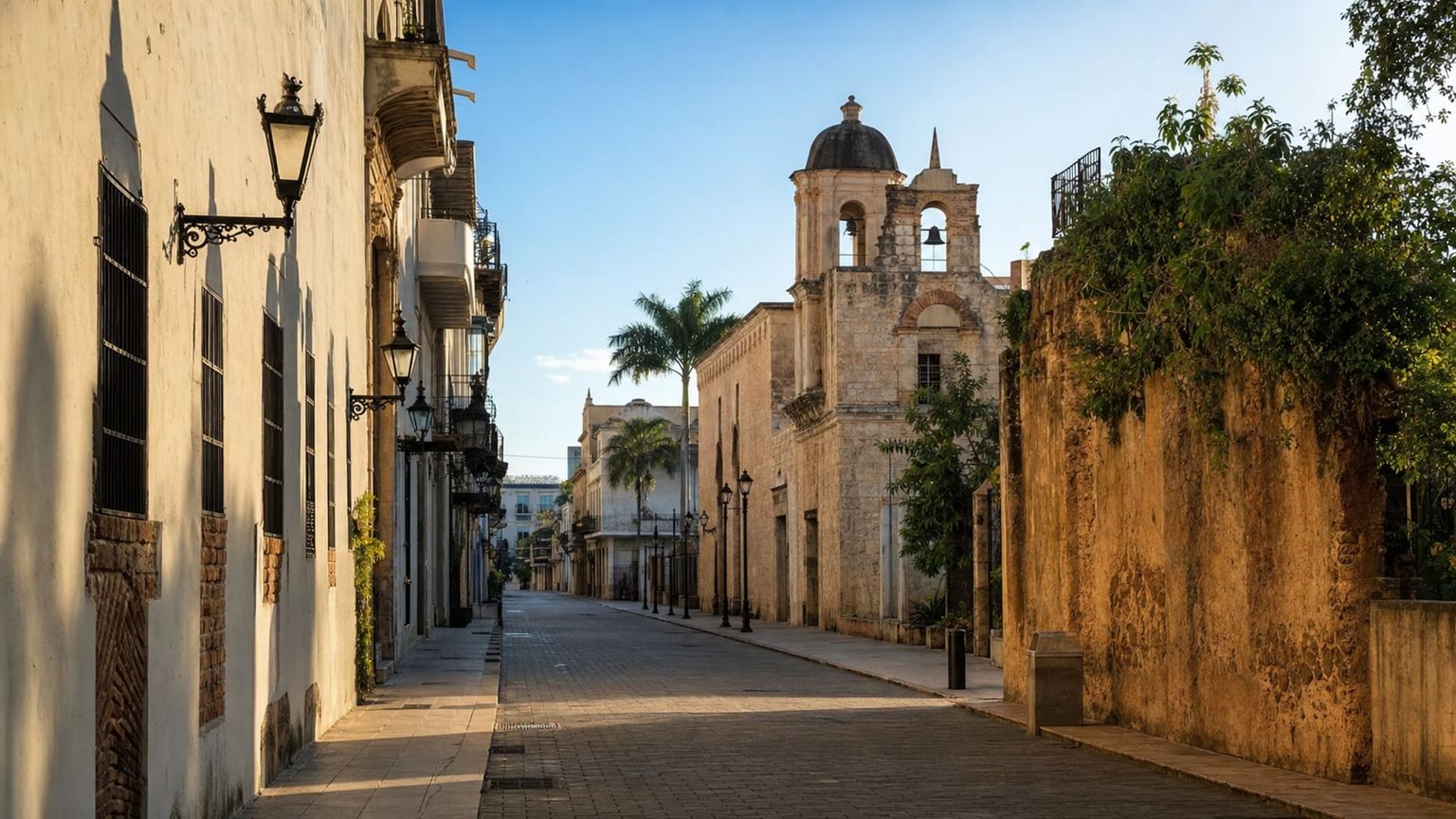
This area forms Santo Domingo’s historic center, with cobbled streets, plazas, churches, museums, and several of the city’s principal monuments. Most major heritage sights are close together, making the district especially convenient for travelers who want to spend much of the day exploring on foot.
Best for: First visits, historic sightseeing, museums, and shorter stays
What to expect: Tourist activity by day, lively restaurant streets, and busy evenings near major plazas
Hotel prices: Nightly rates typically range from RD$5,130 to RD$12,540 (US$85–US$210).
Distance to major sights: The cathedral and Alcázar de Colón are 5–15 minutes away on foot.
Quietness: Mornings are calmer, while restaurants and bars get louder after dark.
Main trade-off: Central hotels cost more, and some streets stay noisy late into the evening.
Good to know: Interior-facing rooms can reduce late-night street noise.
Gazcue lies west of Zona Colonial and is characterized by older apartment buildings, hotels, government offices, and residential streets. Its central location keeps the historic district and Malecón within a short taxi ride while offering a less visitor-heavy setting than the old town.
Best for: Business trips, longer stays, museums, and travelers seeking a central location
What to expect: Local restaurants, offices, residential blocks, and lighter tourist traffic
Hotel prices: Rooms in well-rated properties generally cost RD$4,000–RD$9,120 (US$66–US$150).
Distance to major sights: Zona Colonial is 10–20 minutes away by taxi.
Quietness: Side streets are generally quieter, while major avenues remain busy during the day.
Main trade-off: Many heritage sights and evening restaurants require a short taxi ride.
Good to know: Check how close the hotel is to a major avenue before booking.
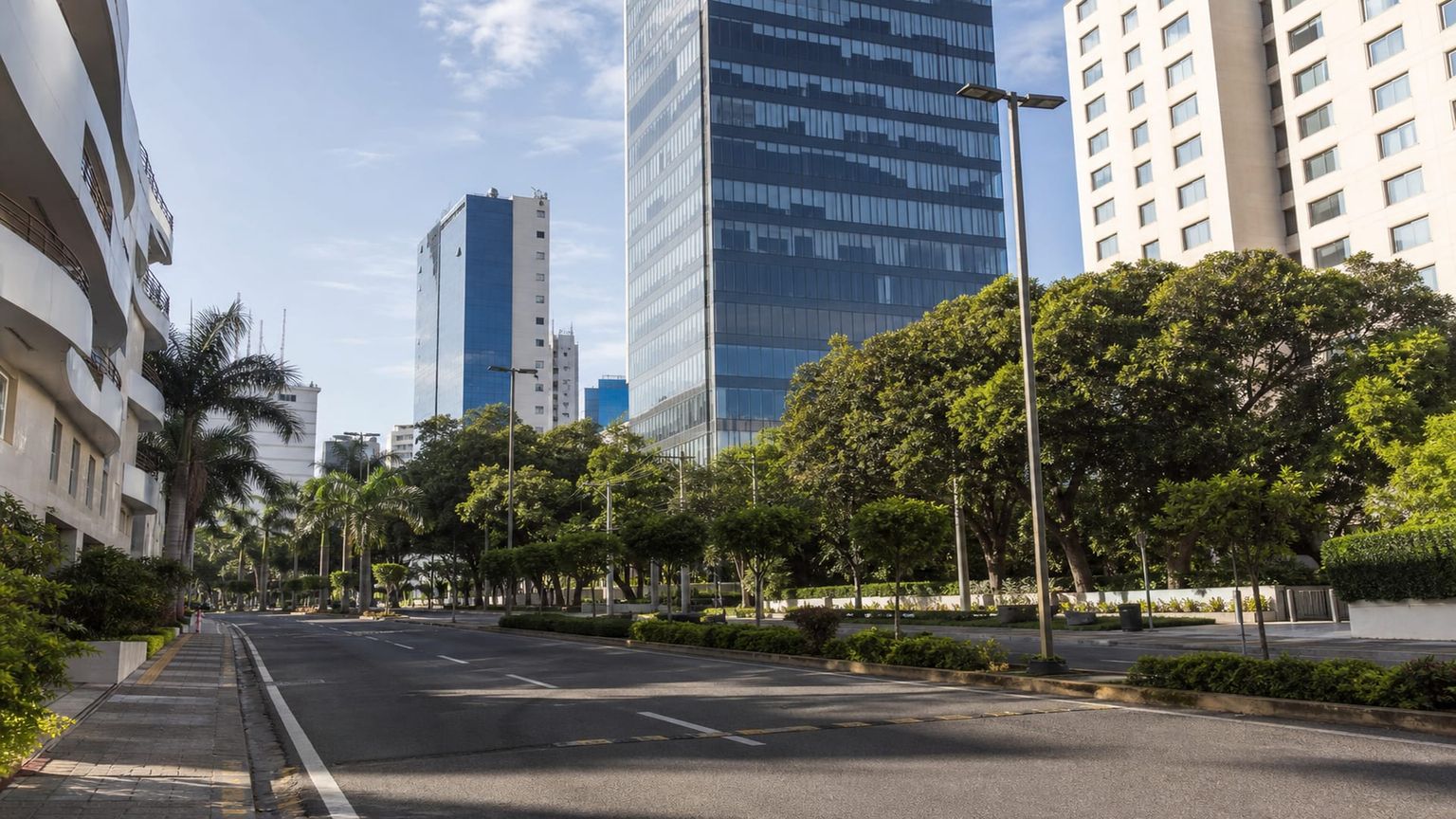
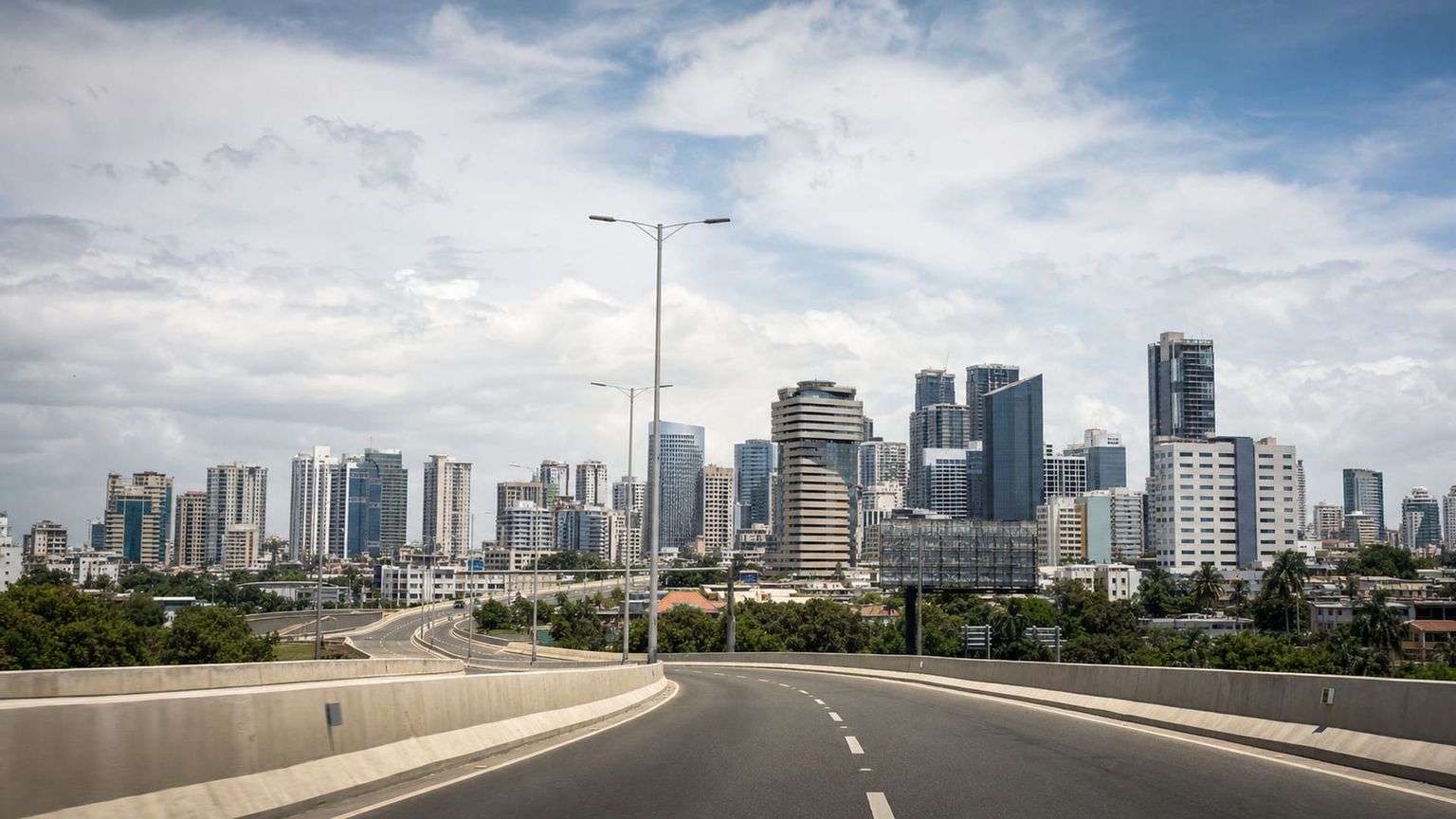
Piantini is one of Santo Domingo’s main modern commercial districts, with high-rise buildings, international hotels, shopping centers, and restaurants. Its location near major business addresses and malls makes it a practical choice for travelers whose plans extend beyond the historic center.
Best for: Business travel, shopping, international hotels, and modern restaurants
What to expect: High-rise blocks, busy avenues, malls, office traffic, and active evenings
Hotel prices: Expect to pay RD$5,700–RD$14,250 (US$94–US$235) per night.
Distance to major sights: Zona Colonial is usually 15–25 minutes away by taxi.
Quietness: Residential side streets are quieter than roads surrounding malls and offices.
Main trade-off: Historic attractions require regular taxi or ride-app journeys.
Good to know: Check hotel parking fees if you plan to rent a car.
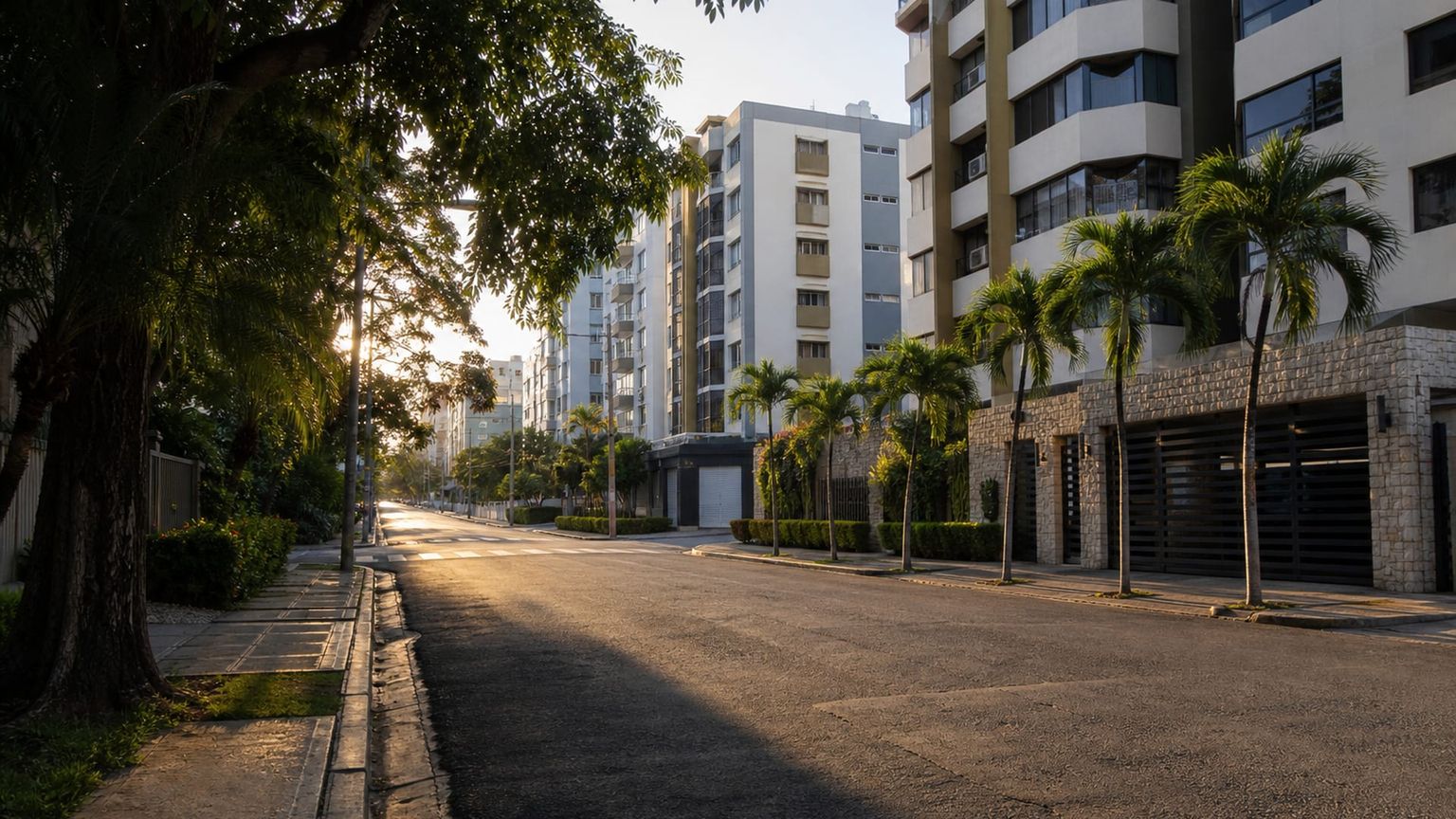
Bella Vista is a mixed residential and commercial district southwest of Piantini, with apartment hotels, restaurants, supermarkets, and access to major roads. It offers more residential surroundings than the main business districts and is especially convenient for stays that require extra space.
Best for: Families, longer visits, apartment hotels, and travelers who want more space
What to expect: Residential streets, local restaurants, supermarkets, and moderate road traffic
Hotel prices: Properties commonly charge RD$4,560–RD$10,260 (US$75–US$170) per night.
Distance to major sights: Zona Colonial is generally 20–30 minutes away by taxi.
Quietness: Generally calm at night on side streets, with more traffic and restaurant noise near the main roads.
Main trade-off: You gain space and apartment options, but the old town and waterfront are not within easy walking distance.
Good to know: Stay near restaurants or a supermarket if you plan car-free evenings.
Santo Domingo Oeste, San Cristóbal, and Boca Chica are less convenient for city sightseeing. Outer areas such as Villa Mella and Los Alcarrizos also require longer rides to central attractions.
Hotel deals
How to get around Santo Domingo efficiently
Santo Domingo’s metro, buses, cable car, taxis, and ride apps cover different parts of the city, with each option serving a different type of journey.

Metro
for longer cross-city journeys
Metro Lines 1 and 2 connect northern, central, western, and eastern districts. Neither serves Las Américas International Airport (SDQ) or Zona Colonial directly. A single ride costs RD$20 (US$0.30) with a reloadable transit card, making the metro one of the least expensive ways to cross the city.

Bus and Teleférico
for broader public transportation coverage
OMSA buses and the Teleférico extend public transportation beyond the metro. A combined journey across the metro, Teleférico, and OMSA network costs RD$35 (US$0.60) within the permitted transfer period. These services are useful for visiting major sights and districts not covered by the metro.

Taxi and ride apps
for convenience or late hours
Airport taxis to central Santo Domingo typically cost RD$2,000–RD$2,850 (US$33–US$47). Shorter city rides commonly cost RD$300–RD$900 (US$5–US$16). Confirm the price before getting into a street taxi, or use Uber or inDrive if you prefer to see the fare in advance.
*Prices are based on rates updated as of October 2026 and may change at the time of travel.
Use the metro for longer city journeys and taxis or ride apps for the airport, evenings, and direct trips between districts.
Iconic landmarks
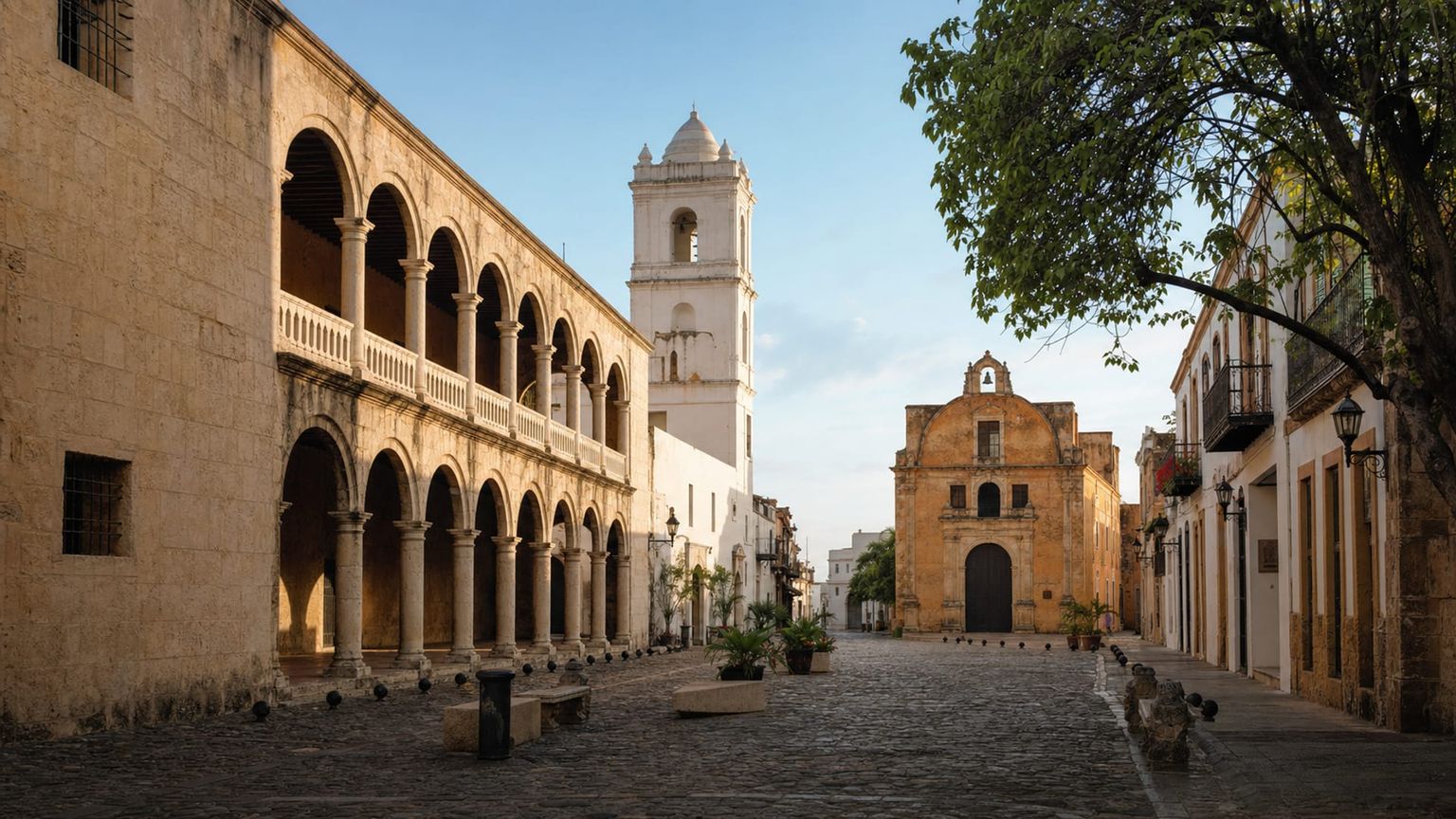
Zona Colonial
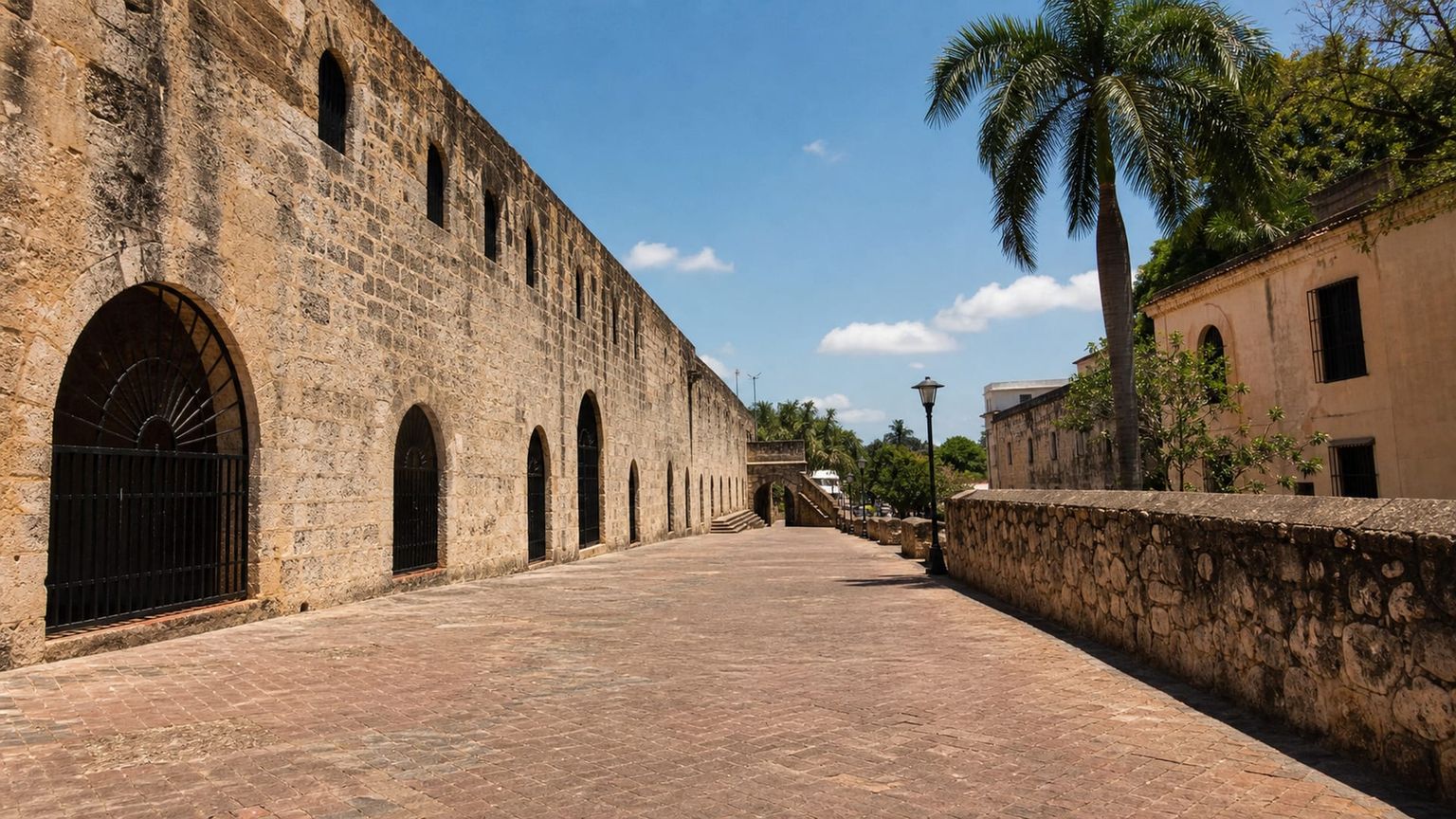
Santo Domingo’s UNESCO-listed historic district preserves some of the earliest European-built structures in the Americas. Cobbled streets connect the cathedral, Alcázar de Colón, Plaza de España, museums, churches, and restored colonial buildings.
Time needed: 3 to 5 hours
Entry: The district is free to explore; individual attractions may charge admission.
Tip: Start early and visit the busiest plazas before the midday heat.
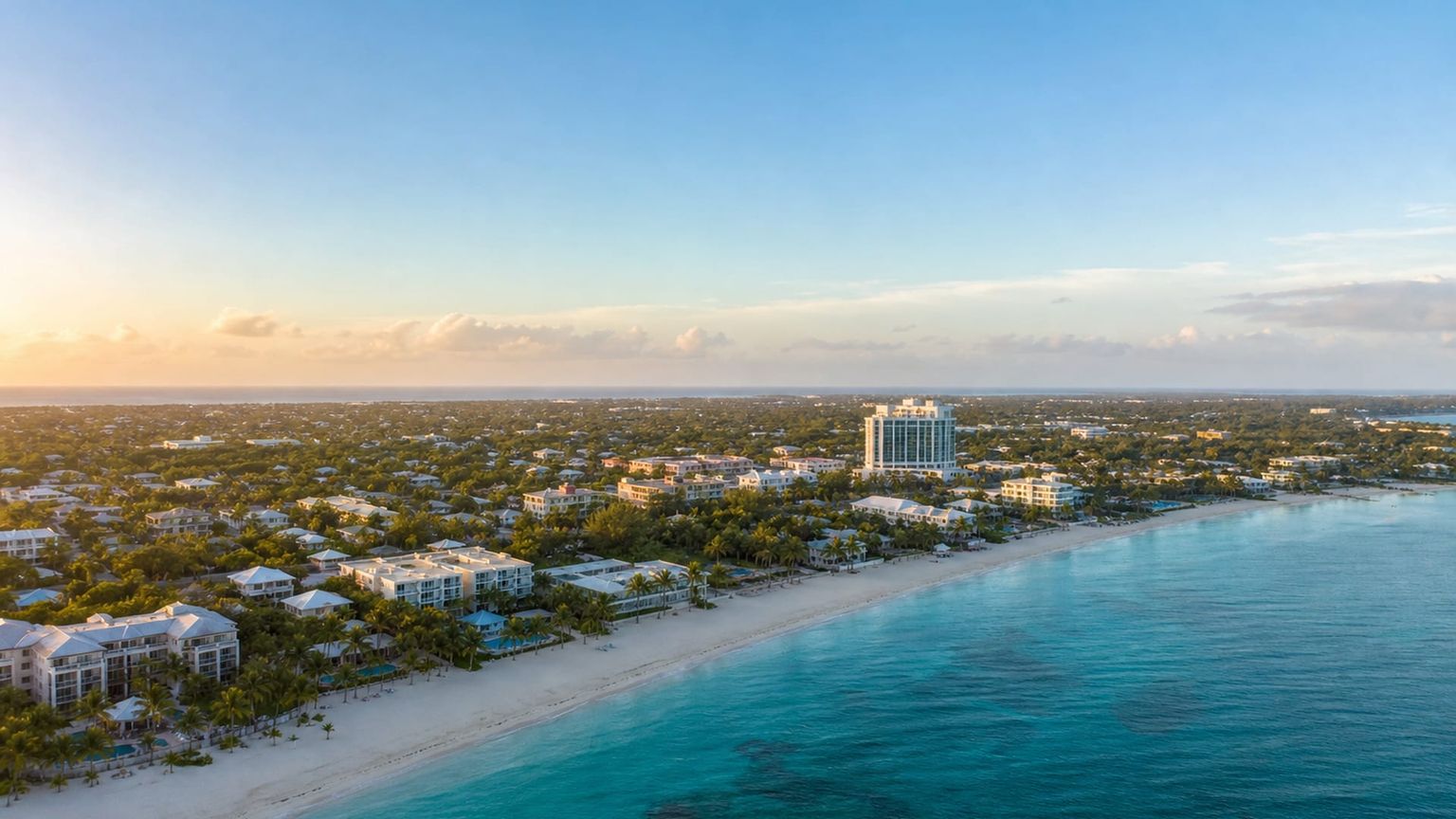
Catedral Primada de América
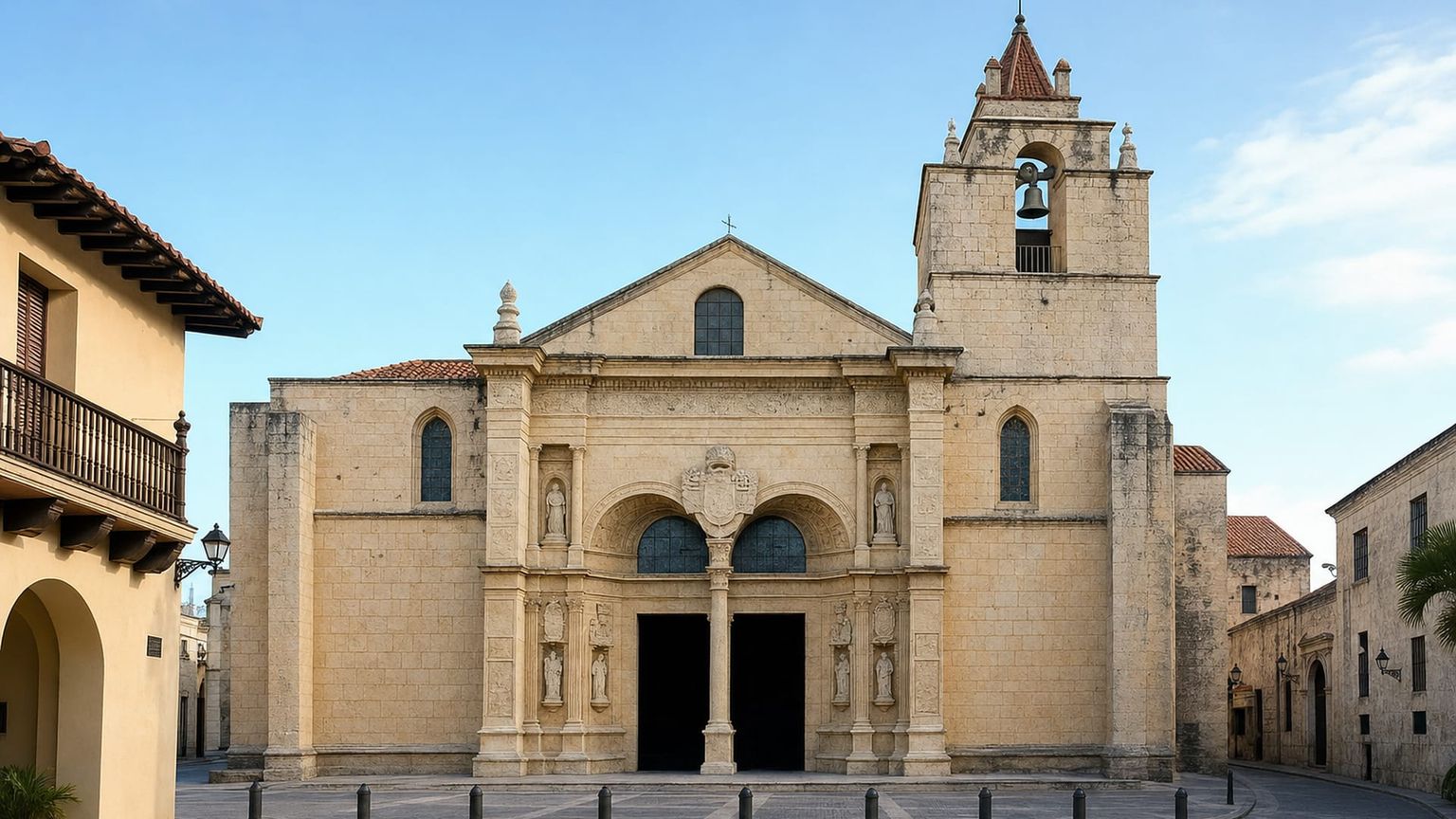
Catedral Primada de América faces Parque Colón and dates to the 16th century. Its coral-limestone exterior, Gothic details, chapels, and vaulted interior reflect several centuries of religious and architectural history in Santo Domingo.
Time needed: 1 to 2 hours
Entry: Adult admission costs RD$60–RD$100 (US$1–US$2). Visit the official site for details.
Tip: Visit before lunch, then continue through Parque Colón and nearby streets.
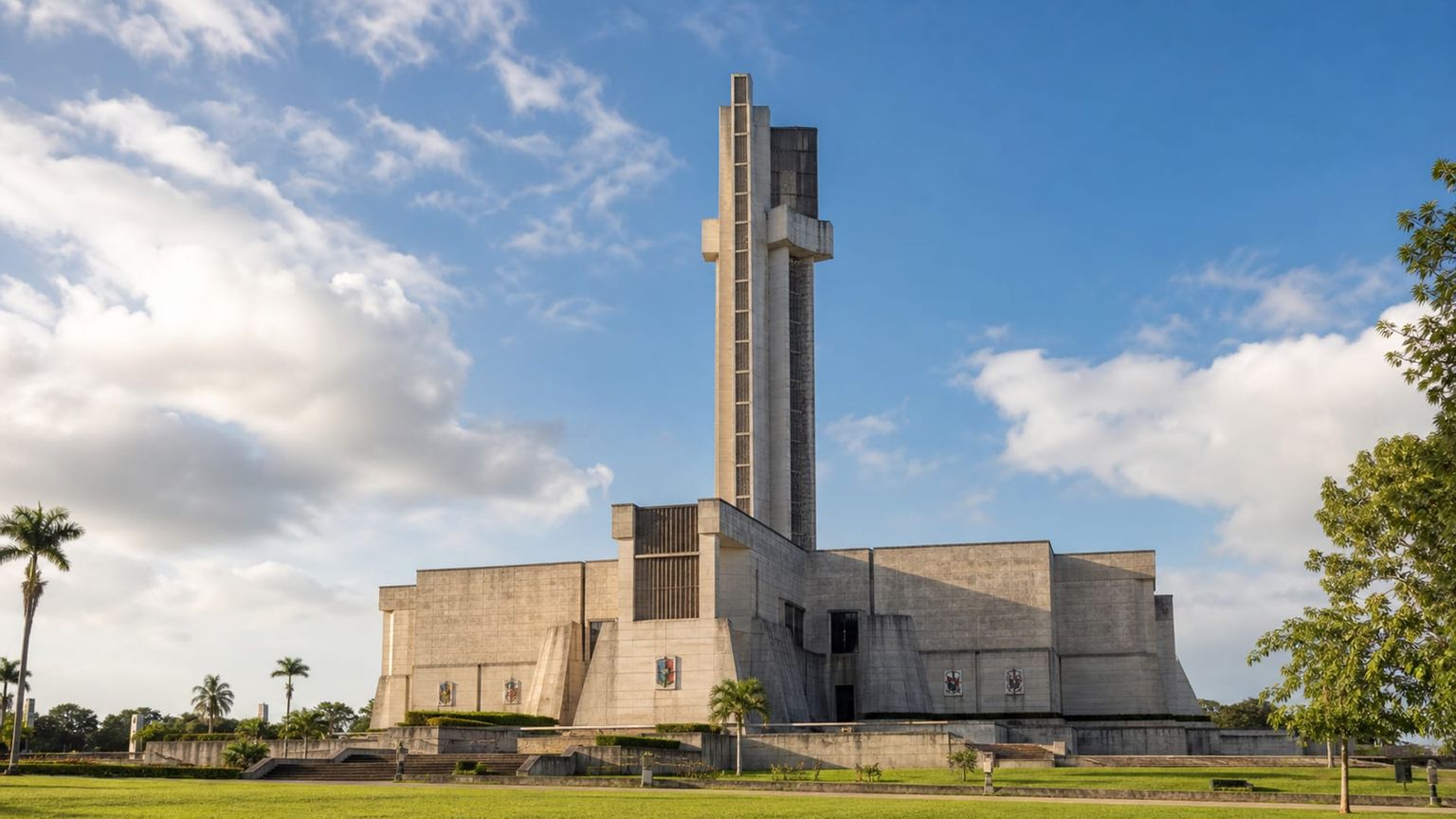
Faro a Colón
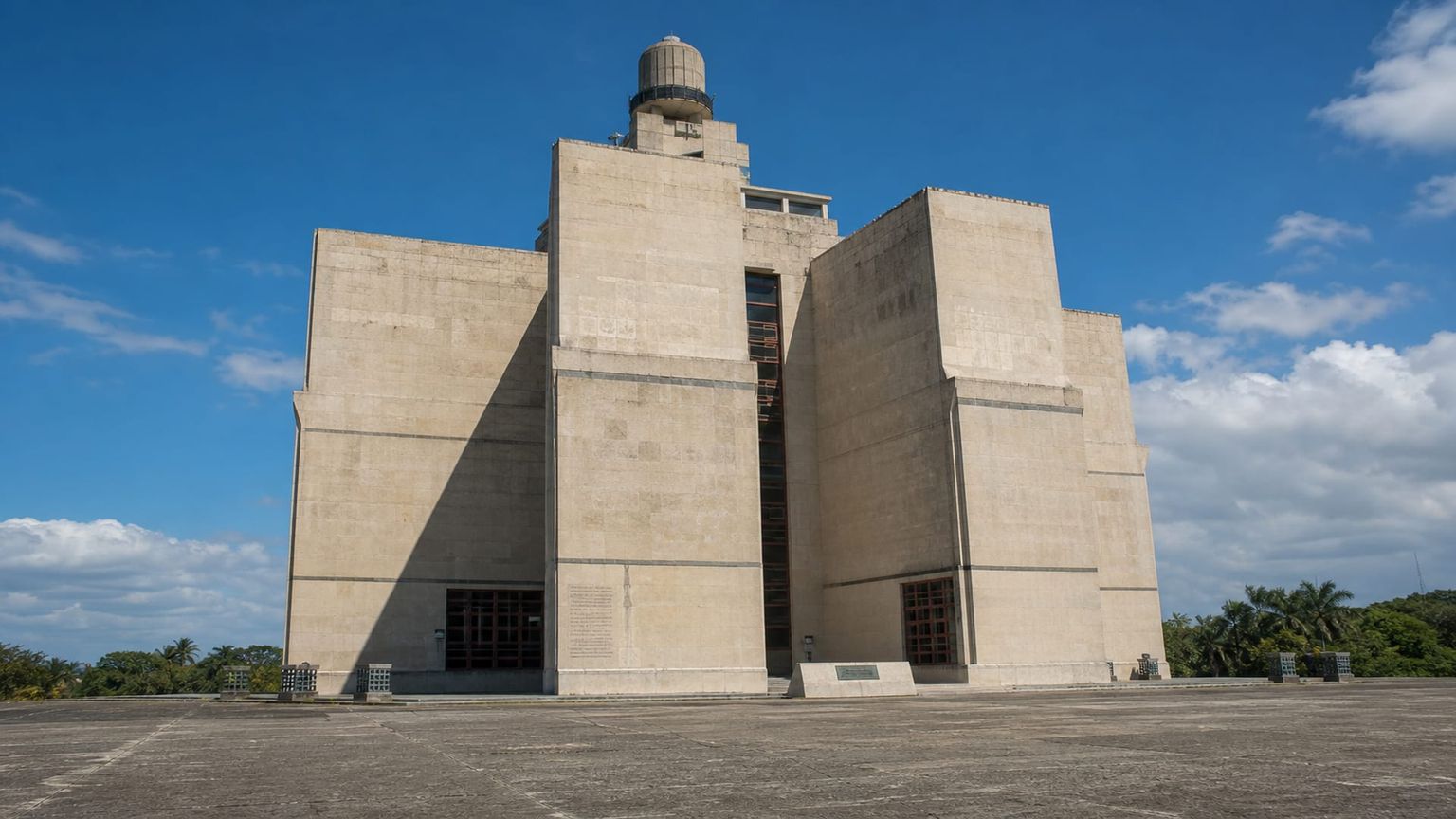
Faro a Colón is a monumental cross-shaped lighthouse and museum east of the Ozama River. The enormous concrete structure honors Christopher Columbus and contains exhibits connected with his voyages and the early colonial history of the Americas.
Time needed: 1 to 2 hours
Entry: Tickets for adults start at RD$25 (US$0.40). Visit the official site for details.
Tip: Pair it with other eastern sights instead of making a separate taxi trip.
Overlooked sites worth visiting

Dr. Rafael Ma. Moscoso National Botanical Garden
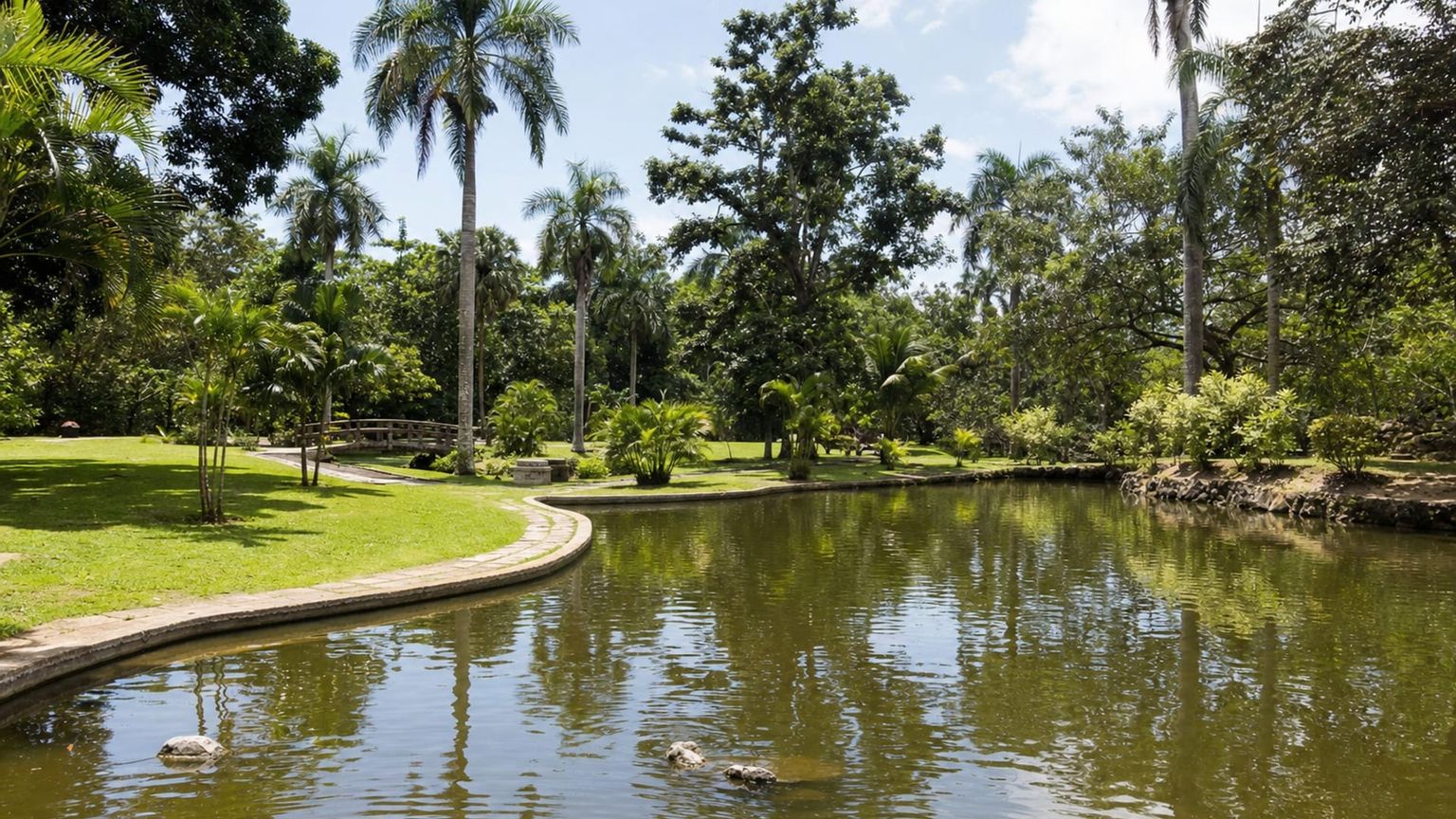
The National Botanical Garden covers a large green area filled with palms, orchids, native plants, walking paths, and landscaped collections.
Time needed: 2 to 3 hours
Entry: Admission costs RD$300 (US$5). Visit the official site for details.
Tip: Arrive at opening for cooler paths and more active birdlife.

Museo Memorial de la Resistencia Dominicana
This museum documents the Trujillo dictatorship through photographs, documents, testimonies, and personal objects. Its exhibits provide important context on 20th-century Dominican history.
Time needed: 1 to 1.5 hours
Entry: Adult admission costs RD$300 (US$5). Visit the official site for details.
Tip: Read the exhibit captions carefully; much of the story is told through documents.
Traditional food
Plantains, rice, beans, meat, stews, and fried foods are staples of Dominican cooking, with both substantial lunches and simpler breakfast dishes forming part of everyday meals.
Mangú
Mangú is made from boiled green plantains mashed until smooth and commonly served with eggs, salami, cheese, or onions. Adrian Tropical serves Dominican dishes beside the Malecón, making it an easy place to try this traditional breakfast.
La Bandera Dominicana
La Bandera Dominicana combines rice, beans, and stewed meat, usually with salad and plantains on the side. El Conuco serves traditional Dominican dishes in a restaurant known for local cooking and live entertainment.
Sancocho
Sancocho is a thick stew made with several meats, root vegetables, plantain, and broth. Mesón de Bari in Zona Colonial serves a well-known version alongside other Dominican specialties in a traditional dining room.
Tostones
Tostones are green plantain slices fried until crisp and served as a snack or side dish, sometimes with garlic sauce or other toppings. Jalao on Calle El Conde includes them among a broad menu of Dominican dishes.
Best time to visit Santo Domingo
Santo Domingo stays warm year-round, while rainfall, humidity, and heat create noticeable differences between travel periods.
Best for: Zona Colonial, museums, longer walks, outdoor dining, and comfortable sightseeing
What you get: Temperatures typically range from 70°F to 86°F (21°C–30°C), with lighter rainfall and pleasant evenings.
Trade-offs: Popular winter dates can bring higher hotel demand.
Best for: Historic sights, gardens, museums, and sightseeing before summer heat increases
What you get: Temperatures usually rise from 72°F to 88°F (22°C–31°C), with warmer afternoons as May approaches.
Trade-offs: Humidity and heat increase later in the season.
Best for: Museums, restaurants, shorter outdoor visits, and travelers comfortable with heat
What you get: Conditions generally range from 75°F to 90°F (24°C–32°C), with hot, humid days and more frequent rain.
Trade-offs: Midday heat can make extended outdoor sightseeing tiring.
Best for: Museums, food, lower hotel demand, and travelers comfortable with wetter weather
What you get: Temperatures commonly stay between 74°F and 89°F (23°C–32°C), with warm conditions and more rainfall.
Trade-offs: Stormy periods can interrupt outdoor plans.
A realistic 5-day plan in Santo Domingo
Five days give you enough time to visit Zona Colonial, museums, the botanical garden, eastern landmarks, and modern districts without spending every day crossing the city.
Land at Las Américas International Airport (SDQ) and take a taxi or prebooked car to Zona Colonial, Gazcue, Piantini, or Bella Vista. The drive into central Santo Domingo generally takes 25–45 minutes, depending on traffic and your hotel. After checking in, keep the first evening nearby with dinner close to your accommodation. If you stay in Zona Colonial, take a short walk through the surrounding streets but leave the cathedral and museums for the following morning.
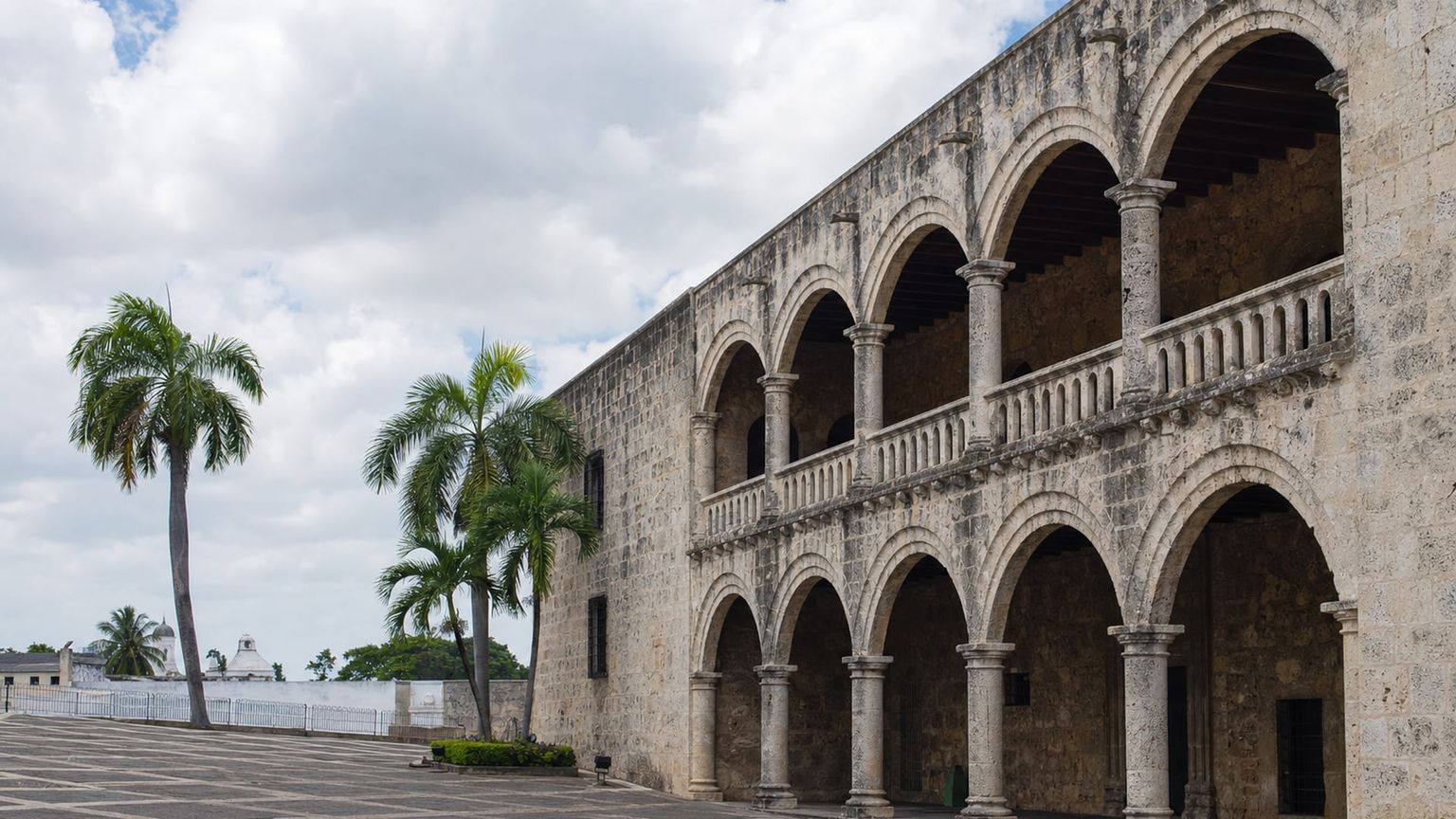
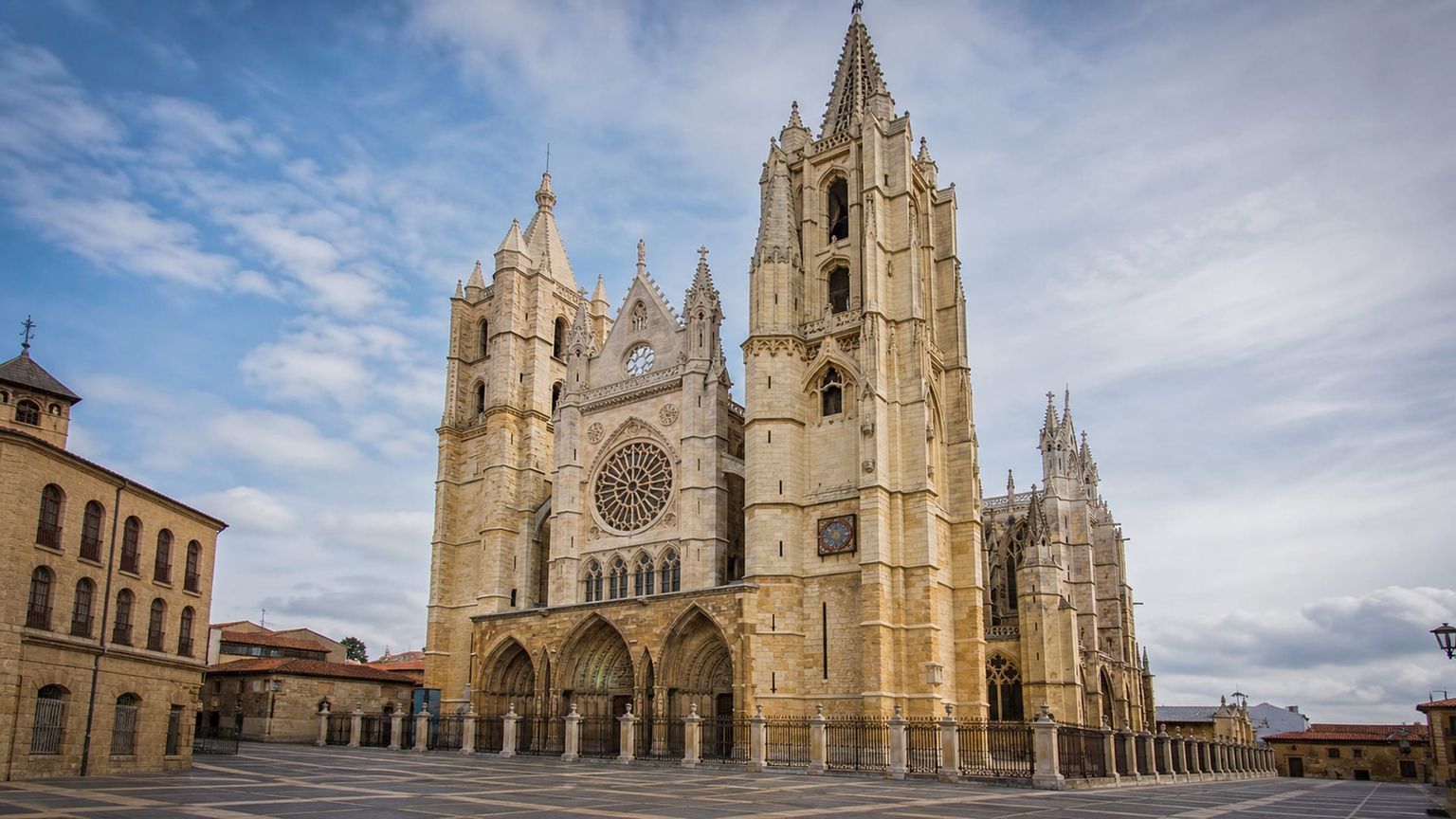
Begin in Zona Colonial before the midday heat becomes stronger. Visit Catedral Primada de América at Parque Colón, then continue through the surrounding streets toward Plaza de España and Alcázar de Colón. Spend several hours exploring the old town’s churches, plazas, museums, and historic buildings before stopping for lunch. In the afternoon, choose another nearby museum or café and have dinner in the district instead of crossing into another part of the city.
Visit the National Botanical Garden in the morning and spend 2–3 hours exploring its palms, orchid collections, landscaped areas, and walking paths. After lunch, return toward Zona Colonial for the Museo Memorial de la Resistencia Dominicana, where exhibits document the Trujillo dictatorship and Dominican resistance movements. Spend 1–1.5 hours at the museum, then stay in the old town for dinner or return to your hotel before evening traffic gets heavier.
Take a taxi east of the Ozama River to Faro a Colón and spend 1–2 hours exploring the monument and museum. Afterward, return across the city for lunch and spend the afternoon in Piantini, where modern hotels, restaurants, shops, and malls provide a strong contrast with the previous days in Zona Colonial. If you’re interested in shopping, visit Blue Mall, then stay in Piantini for dinner before taking a taxi or ride app back to your hotel.
Use the final morning for one of Santo Domingo’s modern residential districts. Have breakfast in Gazcue if you want to stay close to central sights, or spend a few hours in Bella Vista for cafés, restaurants, and a quieter city atmosphere. Keep the final stop close to your hotel so you can collect your luggage without a rushed cross-city journey. Take a taxi or prebooked car to Las Américas International Airport, allowing extra time for traffic, check-in, and security.
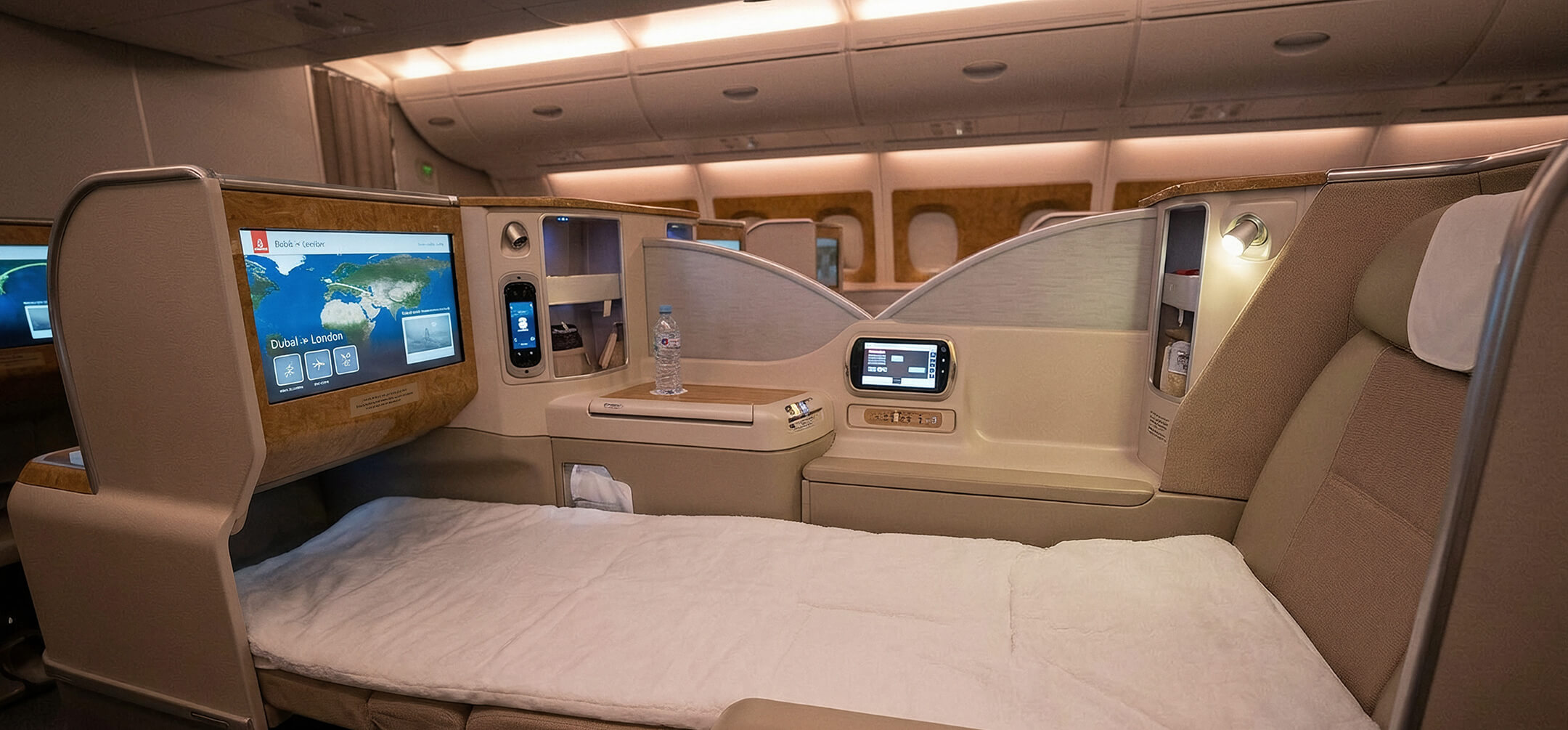
Business-class flights from the US to Santo Domingo
New York (JFK) has nonstop service to Santo Domingo (SDQ), while flights from Los Angeles (LAX) require at least one layover.
New York (JFK) to Santo Domingo (SDQ)
JetBlue, Delta Air Lines, and Arajet operate nonstop flights from New York to Santo Domingo. Nonstop flights take 4 hours. American Airlines and United Airlines also offer connecting itineraries through other US hubs. These flights have a duration of 7–18 hours. Round-trip premium-cabin fares on this route generally range from $800 to $2,100.
Los Angeles (LAX) to Santo Domingo (SDQ)
Travelers departing from Los Angeles can fly to Santo Domingo with connecting itineraries through cities such as Miami (MIA), Panama City (PTY), Bogotá (BOG), Houston (IAH), or Charlotte (CLT). Flights typically take 10–20 hours. Round-trip business-class fares on this route generally cost $1,200–$2,500.
Experience Santo Domingo from Zona Colonial to the Malecón
Santo Domingo brings together the stone streets and plazas of Zona Colonial, the white façade of its historic cathedral, tropical greenery at the botanical garden, and modern districts filled with restaurants, hotels, and shopping malls. If you are planning a visit to Santo Domingo, our AranGrant experts can help you book business-class flights and hotels that suit your dates, preferences, and budget.