

Chapters:

Need help with your trip?
Our support team is available 24/7. Request a callback or call us directly at (833) 619-0908
Santiago de los Caballeros usually rewards travelers who keep the plan tight: a historic core, one or two major sights, and dinners close to the hotel. What many visitors miss is how quickly the city opens up once you choose neighborhoods with sensible access instead of chasing every stop across town.
Without that filter, taxi time adds up, sidewalks thin out in some districts, and the day can turn into a string of small transfers. The city is spread enough that a relaxed pace still benefits from a map, a rough order, and a base that matches your plan.
This guide builds the trip around those facts, pairing neighborhoods, transport, food, and sightseeing in a sequence that keeps each day readable and the longer moves limited.
Useful things to know

Main language(s): Spanish
Hola (OH-lah) – Hello
Por favor (por fah-VOR) – Please
Gracias (GRAH-syahs) – Thank you
¿Habla inglés? (AH-blah een-GLAYS) – Do you speak English?
¿Cuánto cuesta? (KWAN-toh KWES-tah) – How much does it cost?

Currency: The local currency is the Dominican peso (DOP, RD$).

Cash and cards: Cards and contactless are widely accepted in STI city, but carry DOP 1,000 to 2,000 in cash for taxis and small shops.

Tipping: Round up small bills; leave 10% in restaurants if service is good.

Traditional food: Mofongo, sancocho, la bandera, chivo guisado

Water and coffee costs: Water about DOP 60 ($1), bar espresso about DOP 120 ($2).

Taxis and ride apps: Uber and InDrive operate here; confirm pickup points before you book.

Plug and voltage: Type A/B socket, 120V

Dining and shop opening hours: Breakfast is about 07:00-10:00, lunch 12:00-15:00, and dinner 19:00-22:00. Some smaller places close between meals.

Emergency number: 911 for police, fire, and medical emergencies.
Where to stay in Santiago de los Caballeros
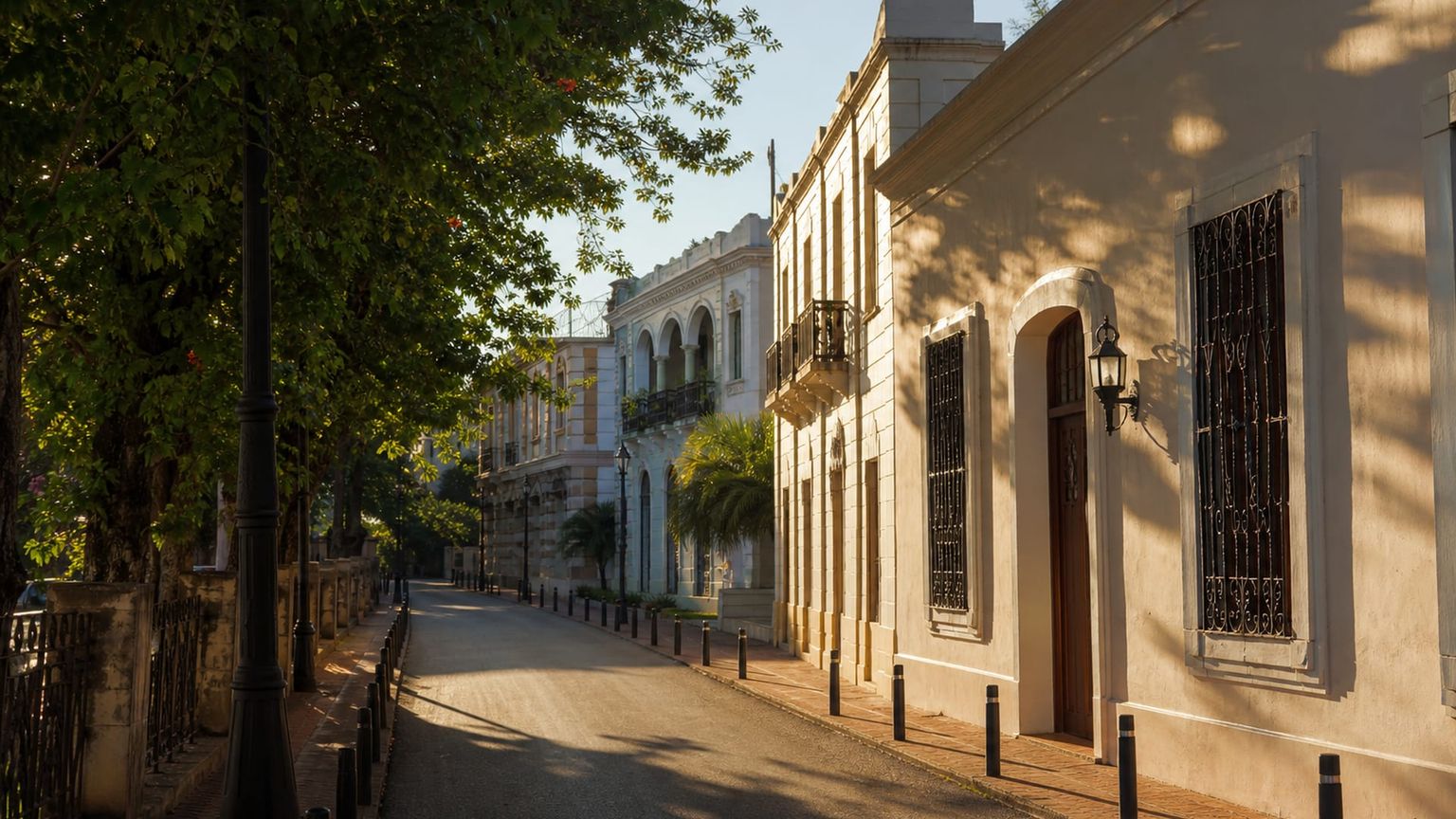
The historic core puts you near Santiago’s main civic buildings, banks, and older commercial streets. It suits travelers who want to move easily between museums, plazas, and dinner spots without relying on long cross-town rides.
Best for: First-time visits, short stays, and travelers who want central access to landmarks and dining
What to expect: Busy sidewalks by day, with office workers, shoppers, and steady traffic; evenings are calmer once businesses close.
Hotel prices: Usually about $60 to $140 per night for well-rated stays
Distance to major sights: About 5 to 15 minutes by taxi to Monumento to the Heroes of the Restoration; about 10 to 20 minutes to the Catedral de Santiago Apóstol
Quietness: Daytime is active and traffic-heavy; evenings are quieter, especially away from the main roads.
Main trade-off: You pay for the central location, and some blocks feel more commercial than residential after dark.
Good to know: Choose a room on a side street or upper floor if street noise matters, because traffic and delivery activity can start early.
Los Jardines Metropolitanos is a well-located residential and commercial district with restaurants, offices, and midrange hotels. It works well if you want a base with easy access to dining and shopping without staying in the busiest downtown blocks.
Best for: Dining, shopping, business trips, and travelers who prefer a residential setting with nearby amenities
What to expect: Tree-lined streets, apartment buildings, and active restaurant corridors, with more local traffic than pedestrian bustle.
Hotel prices: Usually about $70 to $160 per night for well-rated stays
Distance to major sights: About 10 to 20 minutes by taxi to Monumento to the Heroes of the Restoration; about 10 minutes to the Catedral de Santiago Apóstol
Quietness: Quieter than the center during the day, then calm at night except near the main avenues and restaurant strips.
Main trade-off: You will likely use taxis more than on-foot sightseeing, since the area is spread out and not built around a single tourist core.
Good to know: If you plan to work between outings, this neighborhood gives you better odds of finding larger rooms, parking, and newer hotel stock.
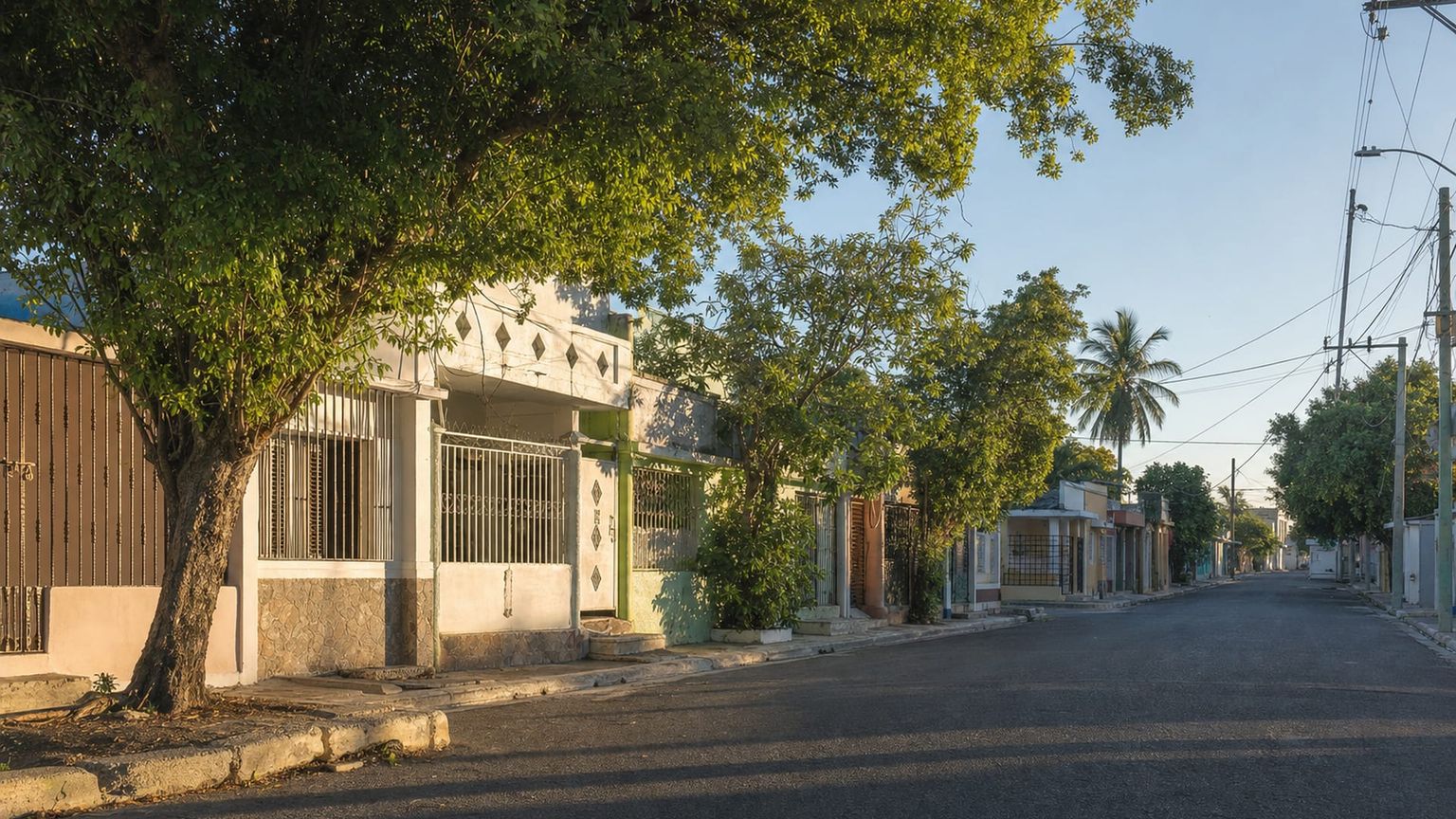
Los Álamos is a suburban district north of the core with malls, supermarkets, and newer apartment and hotel options. It appeals to visitors who want an easier car-based stay and do not need to sleep beside the main sightseeing streets.
Best for: Road-trippers, longer stays, families, and travelers who prefer shopping and restaurants over walkable sightseeing
What to expect: Low-rise housing, strip centers, and regular car traffic; pedestrian activity is lighter than in the central districts.
Hotel prices: Usually about $55 to $130 per night for well-rated stays
Distance to major sights: About 15 to 25 minutes by taxi to Monumento to the Heroes of the Restoration; about 15 to 20 minutes to the Catedral de Santiago Apóstol
Quietness: Generally quiet in the evening, with occasional noise near retail corridors and main roads.
Main trade-off: The setting is more suburban, so you sacrifice easy walking access to the historic center and its evening scene.
Good to know: Check the exact hotel address before booking, because a stay near the commercial edges can mean longer rides than the map suggests.
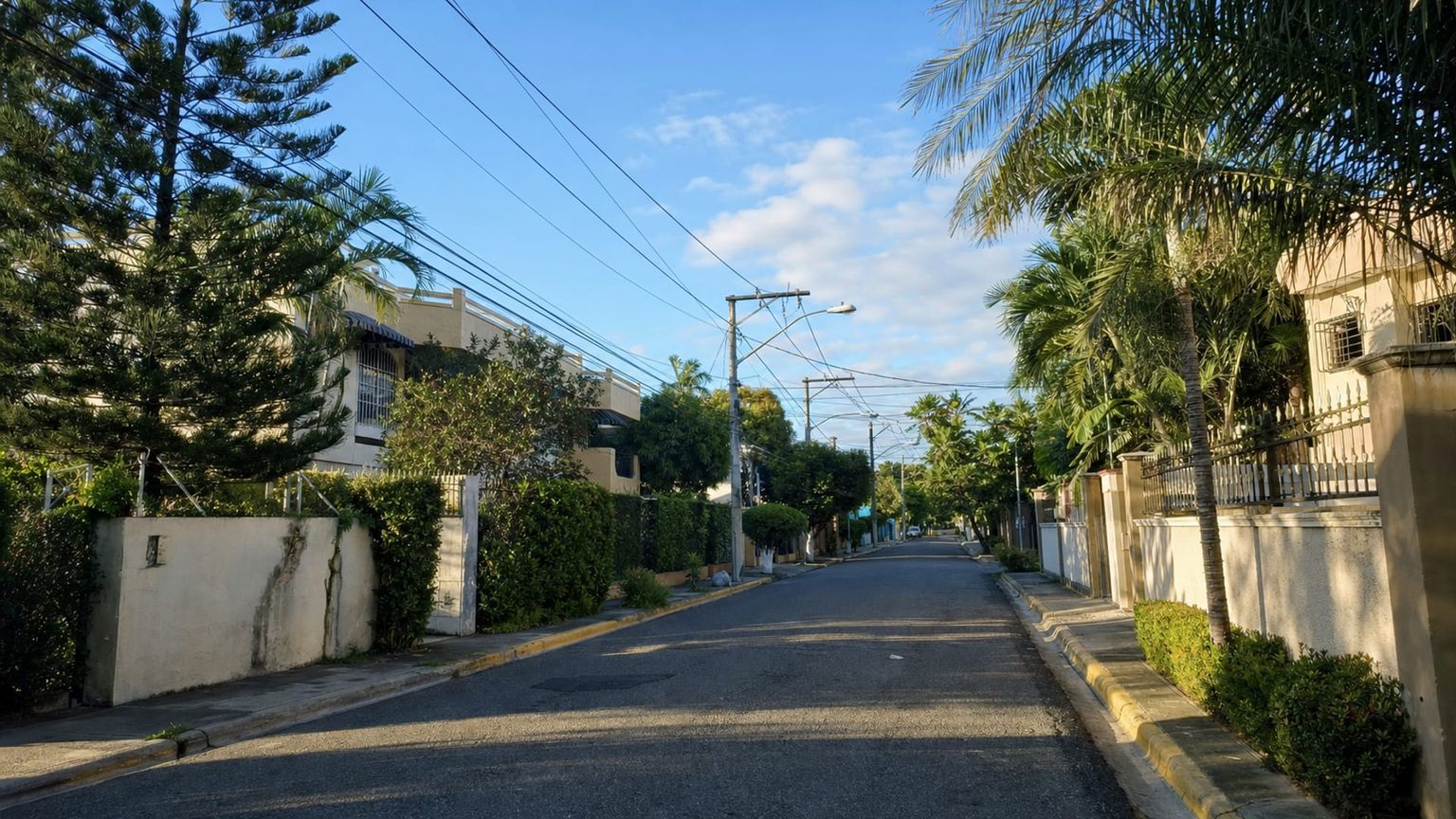
Bella Vista is an upper-middle-class residential area with modern towers, eateries, and quick links to central Santiago. It suits travelers who want a more residential feel while still staying close to the city’s main attractions and dining corridors.
Best for: Longer stays, couples, and travelers who want a quieter residential base near restaurants and services
What to expect: Apartment towers, local shops, and moderate traffic, with more residential movement than tourist foot traffic.
Hotel prices: Usually about $65 to $150 per night for well-rated stays
Distance to major sights: About 10 to 20 minutes by taxi to Monumento to the Heroes of the Restoration; about 15 minutes to the Catedral de Santiago Apóstol
Quietness: Quiet at night on side streets, though busier avenues can stay active into the evening.
Main trade-off: You gain a calmer setting, but you will need short taxi rides for most major sightseeing and nightlife.
Good to know: Look for properties with secure parking if you plan to rent a car, since the area works better when you can move around on your own schedule.
Travelers usually avoid the far western edge of Cienfuegos and the outlying parts of Hato del Yaque, because they sit well outside the main dining and sightseeing areas, with longer rides into the city center. The same goes for the industrial and warehouse stretches near Avenida Circunvalación, plus the more isolated southern fringe of Pekín and El Embrujo, where visitor amenities are limited and evening travel is less convenient.
Hotel deals
How to get around Santiago de los Caballeros efficiently
Santiago de los Caballeros depends on taxis, motoconchos, OMS A minibuses, and the Teleférico more than on a single rail network, so the best choice changes by distance and neighborhood.

Metro
for longer distances
Santiago de los Caballeros has no metro; the closest fixed-rail option is the Teleférico de Santiago, a cable car that links Cienfuegos, Pekín, and the central stations. It is useful for crosstown travel, while most visitors still rely on taxi or motoconcho for door-to-door trips. Fares are typically about $0.35 to $0.60 (DOP 20 to 35), with rides taking roughly 10 to 20 minutes end to end, depending on the transfer.

Bus and tram
for convenience
OMS A and private minibuses cover the main corridors in Santiago de los Caballeros, including the city center, the northern neighborhoods, and links toward nearby towns. Board at marked stops or terminal points, pay cash on boarding, and expect crowded vehicles with informal departures once full. Typical fares run about $0.25 to $0.50 (DOP 15 to 30), and most short city rides take about 15 to 40 minutes, longer on peak traffic.

Taxi
for convenience or late hours
Licensed taxis in Santiago de los Caballeros usually use set fares or negotiated prices rather than meters, so confirm the price before you leave. A normal cross-town ride often costs about $3 to $8 (DOP 180 to 470), while trips to Santiago de los Caballeros (STI) from central neighborhoods usually fall in the $10 to $18 (DOP 590 to 1,060) range. Hotels can call one for you, and many drivers accept cash in pesos or USD, though change is easier in pesos.
*Prices are based on rates updated as of June 2026 and may change at the time of travel.
Use taxis for door-to-door trips, OMS A or minibuses for low-cost corridor rides, and the Teleférico when you want to cross town without sitting in traffic.
Iconic landmarks
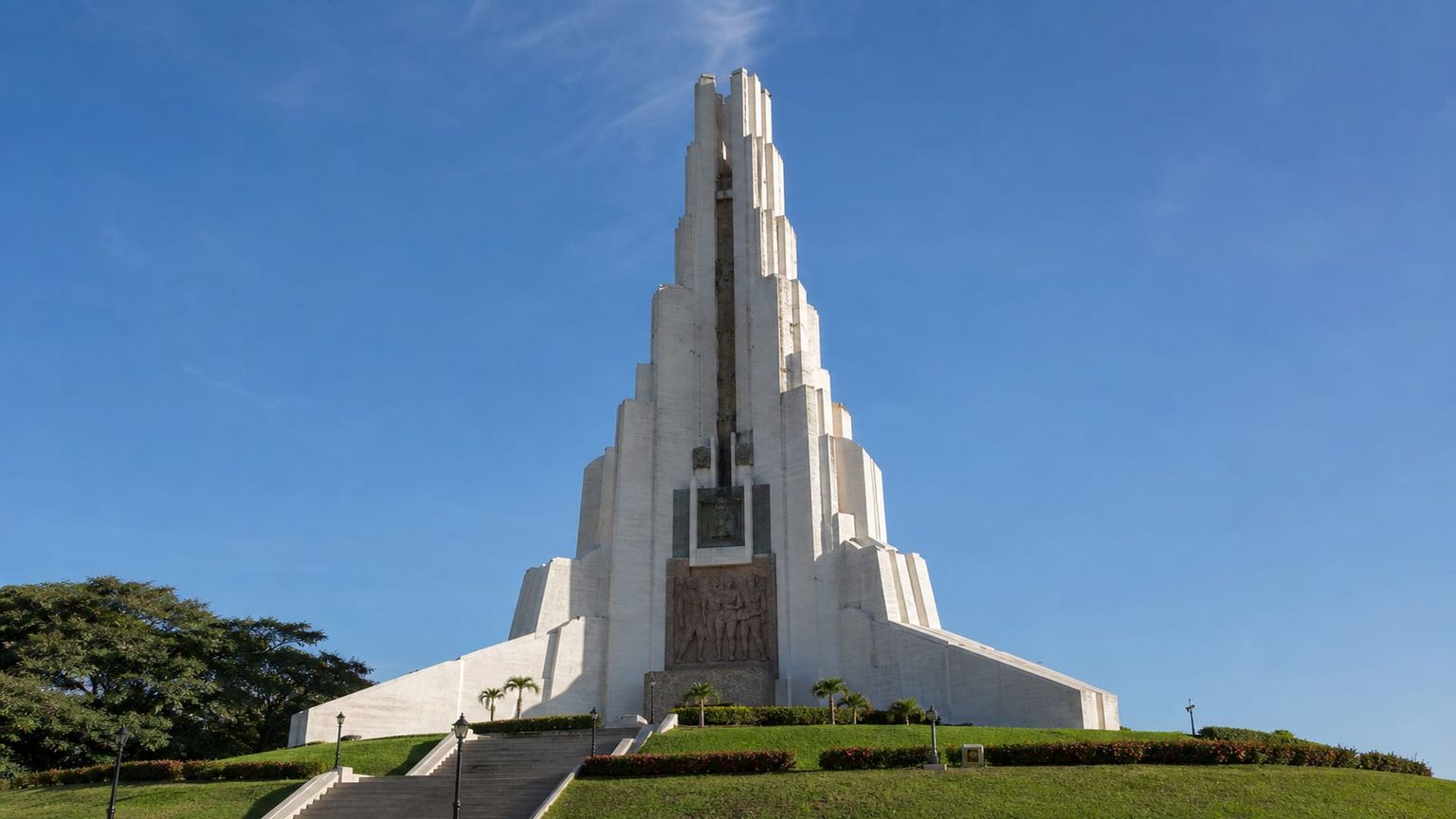
Monumento a los Héroes de la Restauración
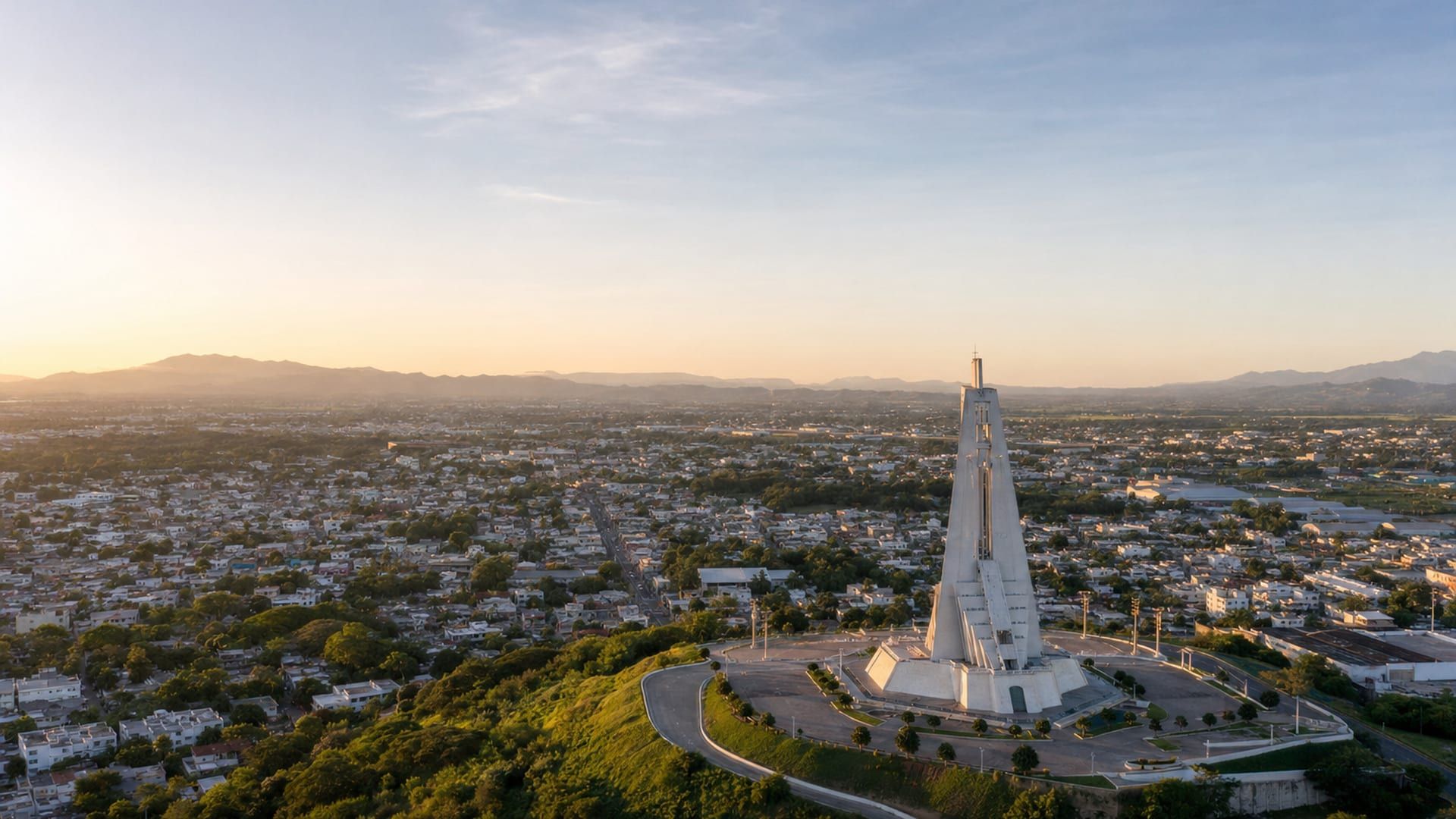
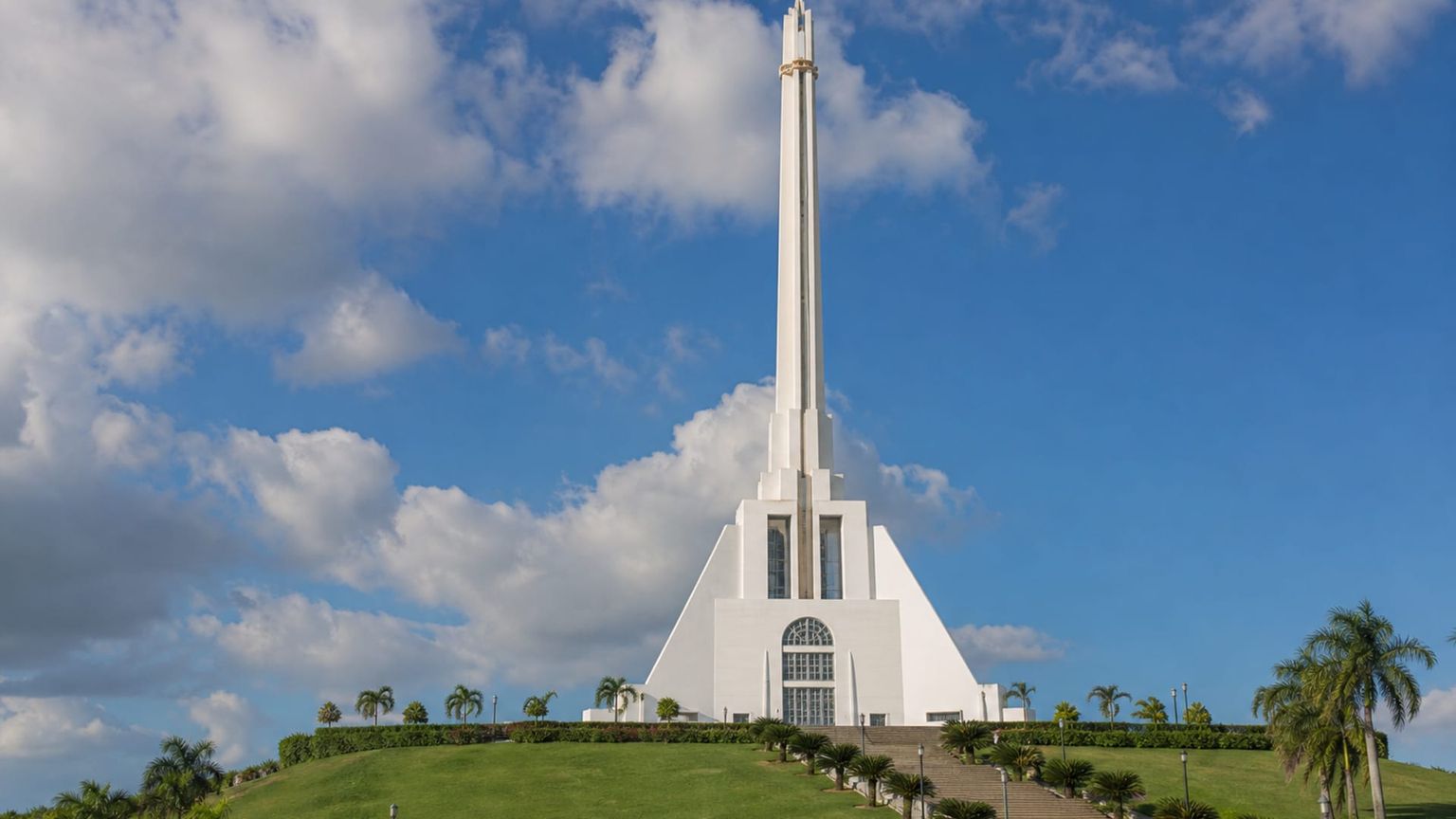
Santiago’s stone hilltop monument marks the city’s skyline and honors the Restoration War. A climb to the top brings wide views across the Cibao Valley and a close look at the reliefs, stairways, and memorial hall below.
Time needed: About 1 to 2 hours
Entry: Free to access; small charges may apply for special exhibits or guided visits when offered.
Tip: Go late afternoon for cooler air and stronger valley views from the terrace.
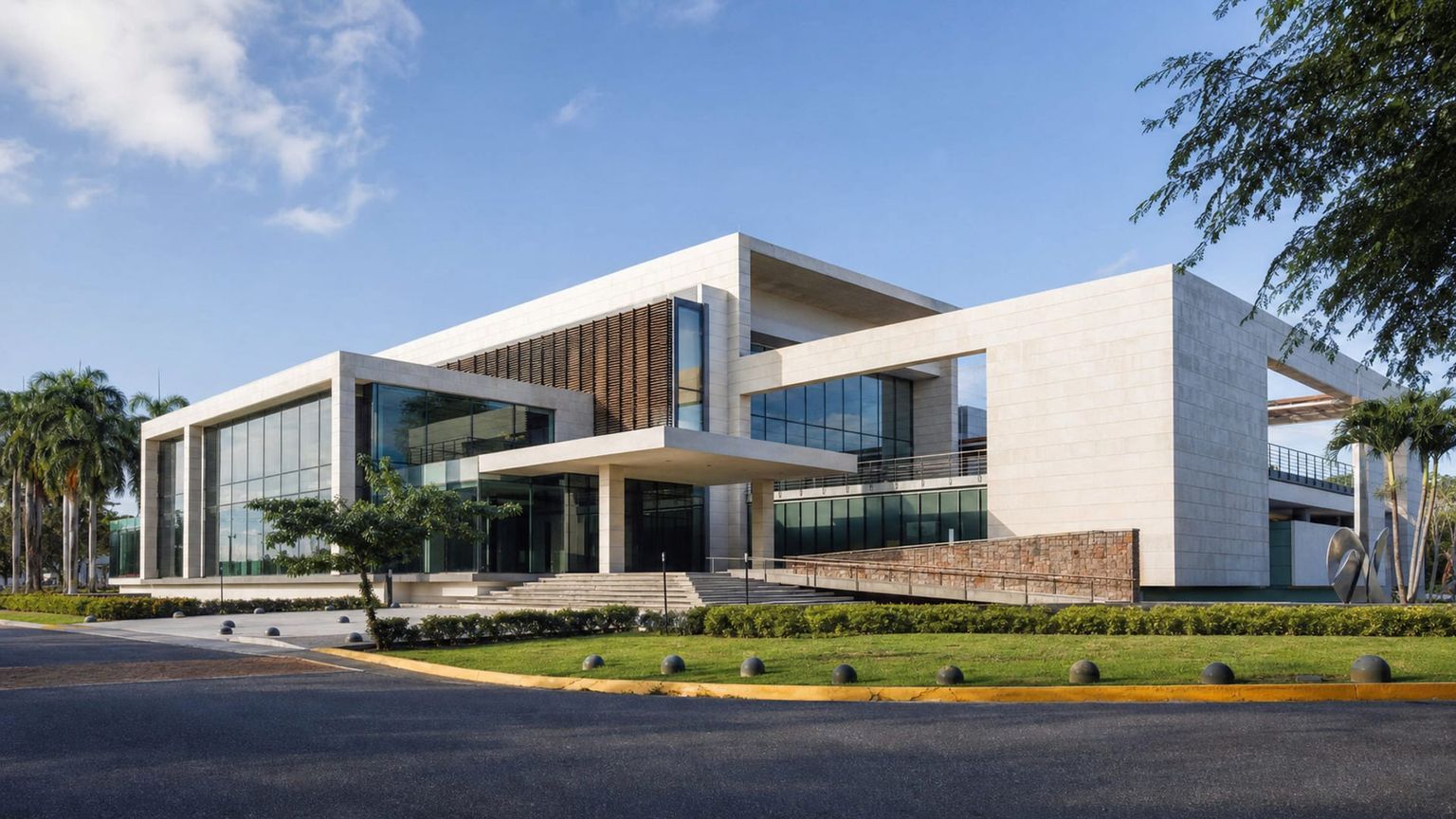
Centro León
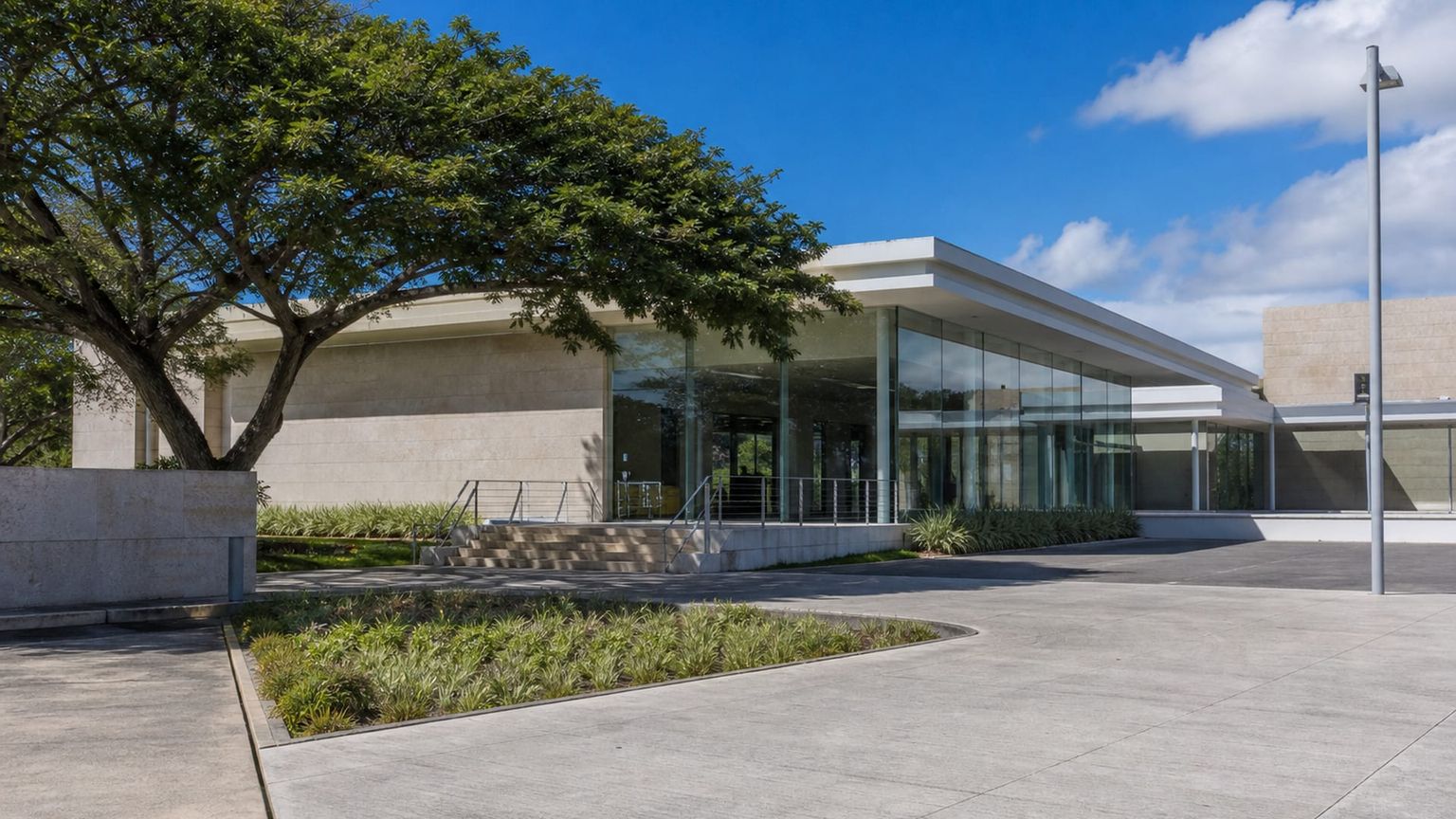
This private museum presents Dominican art, history, and photography in a landscaped campus south of the center. Its collection includes Taíno objects, modern paintings, and rotating exhibits that add context to Santiago and the Cibao region.
Time needed: About 2 to 3 hours
Entry: Admission is about $6 to $10 (about RD$350 to RD$600), with discounts sometimes offered for students and children. Visit the official site for details.
Tip: Start with the permanent galleries, then check the temporary show schedule at the desk.
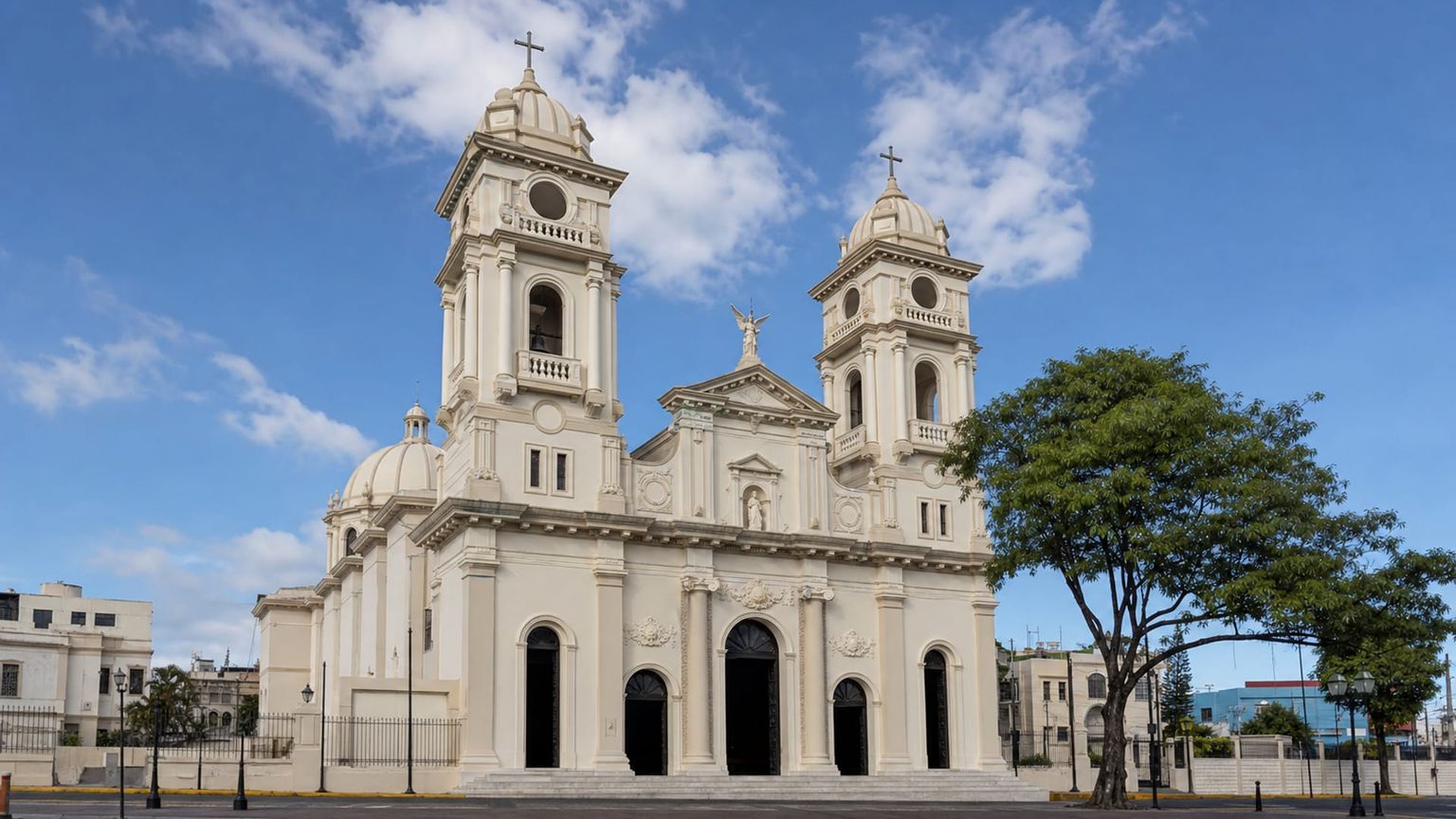
Catedral Santiago Apóstol
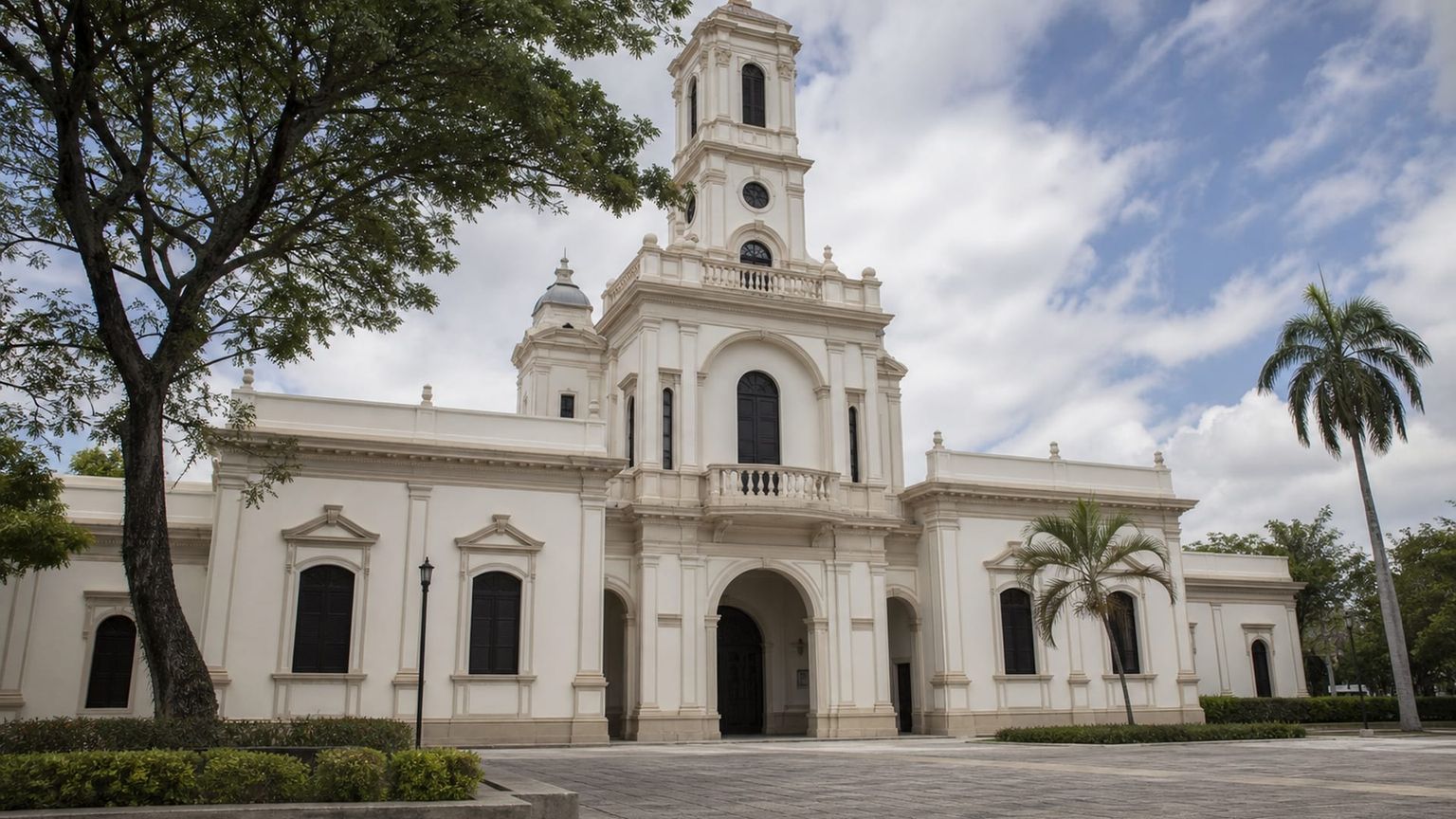
This Catholic cathedral anchors the central district with a neoclassical facade, twin towers, and a calm interior. It sits beside Parque Duarte, making it easy to pair with a short walk through the old core of Santiago.
Time needed: About 30 to 45 minutes
Entry: Free to enter during public opening hours; donations are welcome for upkeep and parish activities.
Tip: Visit outside mass times if you want clear views of the nave and altar.
Overlooked sites worth visiting

Centro León
A compact museum with Dominican art, rotating exhibitions, and a landscaped courtyard that makes a calm break from the city streets. Its collection covers Caribbean identity, design, and photography.
Time needed: About 1.5 to 2 hours
Entry: Adult admission is about $7 ($400 DOP), with discounts for students and seniors. Temporary exhibitions, guided visits, and event pricing can differ, and the museum accepts cash and cards at the ticket desk. Visit the official site for details.
Tip: Go midmorning for quieter galleries and better light in the courtyard.

Parque Central de Santiago
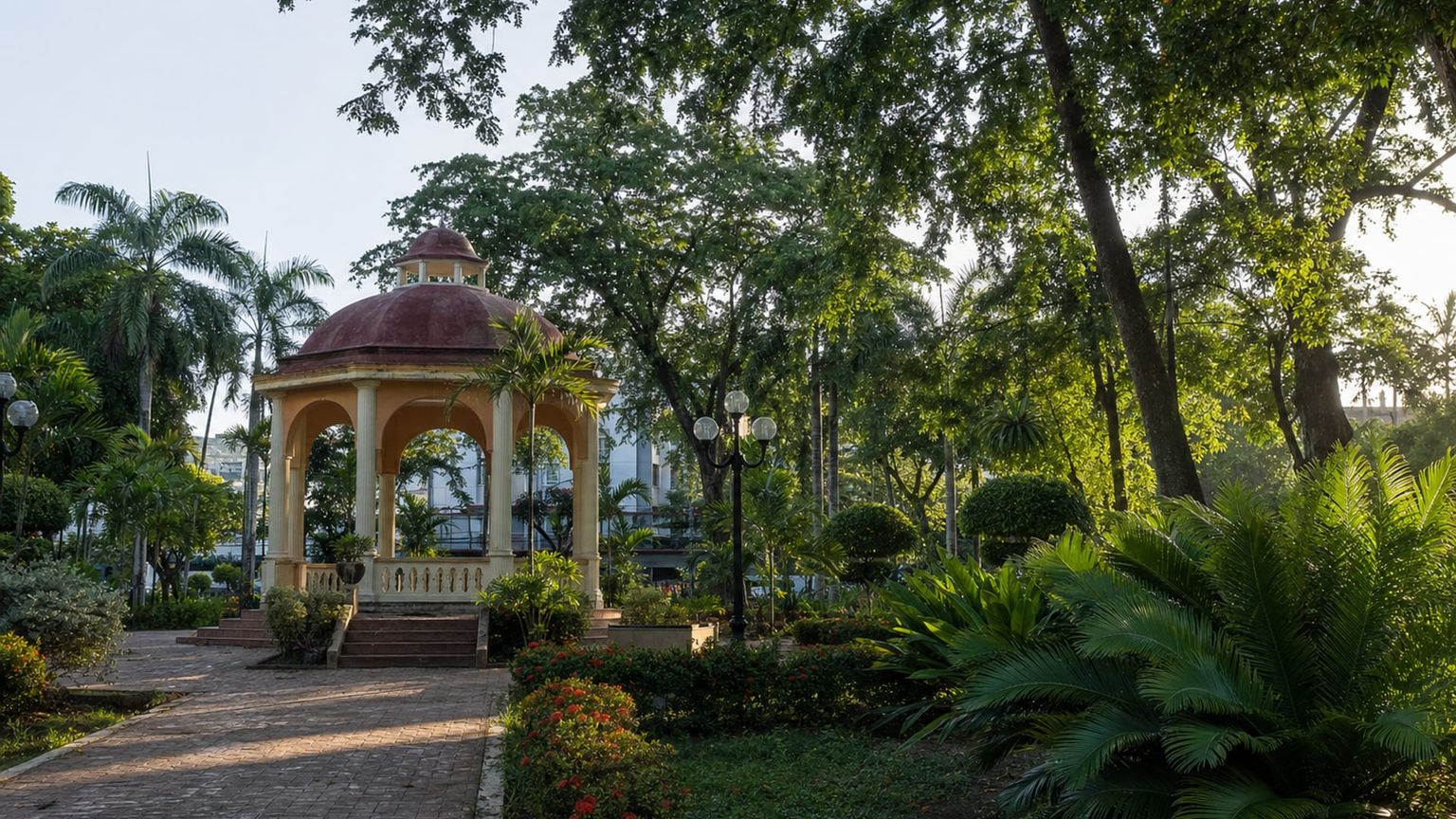
This central park brings shade, benches, and open paths right into the city center, with local families using it for short walks and evening downtime. It sits close to civic buildings and cafés.
Time needed: About 30 to 60 minutes
Entry: Free to access. No ticket is needed for the park itself, though food, drinks, and nearby cafés are extra; if you visit for a walk or photos, aim for daylight hours for the best use of the paths and seating.
Tip: Visit before sunset for cooler air and clearer views across the plaza.
Traditional food
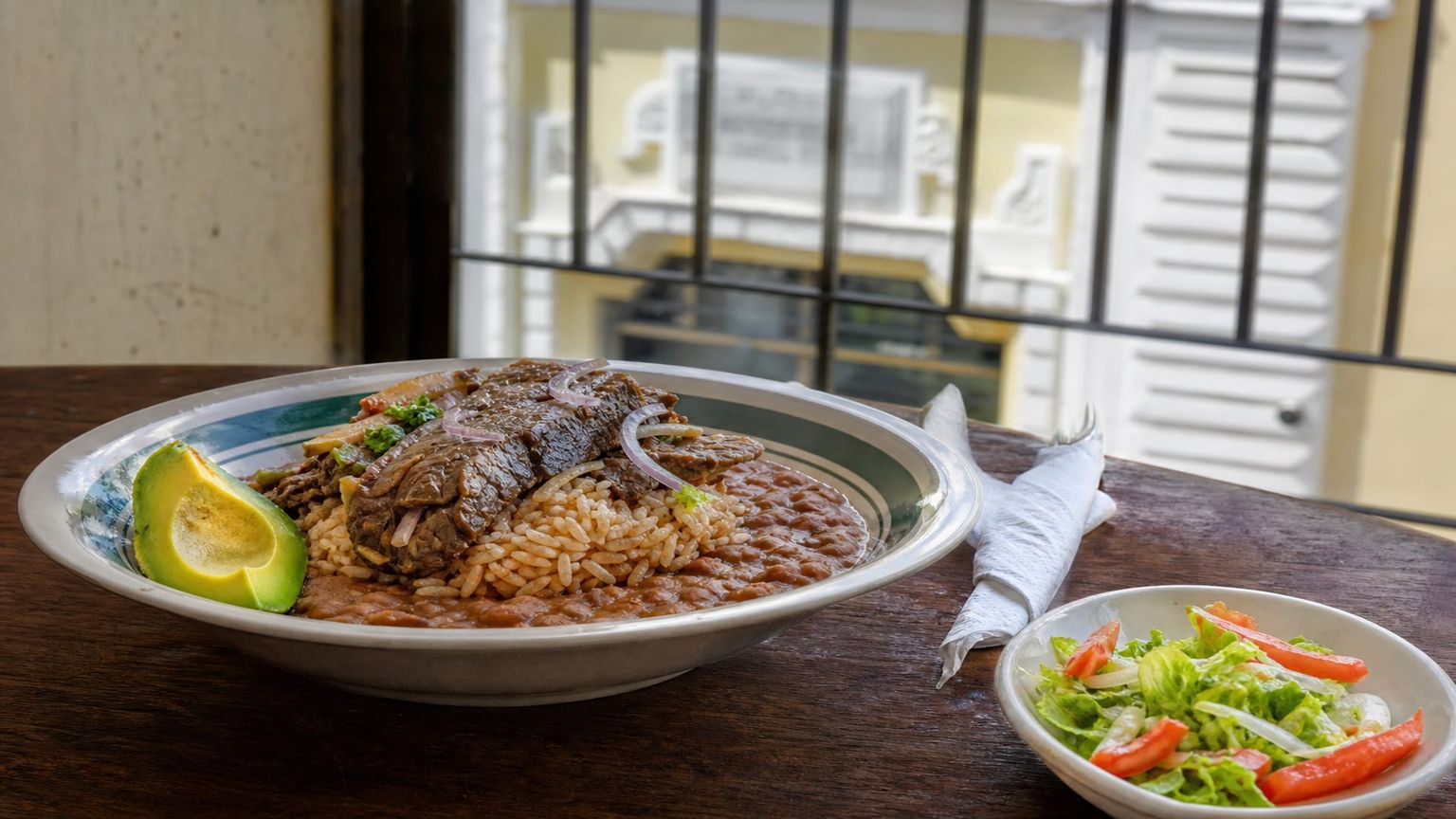
Santiago’s cooking leans on rice, beans, plantains, stews, and roasted meats, with mofongo, sancocho, la bandera, and chivo guisado showing up on many menus. Meals are filling, local, and often built around midday dining.
Mofongo
Mashed plantains, garlic, and pork cracklings make this a filling plate that works well at lunch or dinner. Merengue Bar and Restaurant is a common pick in Santiago de los Caballeros for a classic version.
Sancocho
This thick Dominican stew brings several meats, root vegetables, and a rich broth to the table. Many travelers order it at El Tablón Latino, which serves hearty local food in the city.
La bandera
Rice, beans, and stewed meat form the everyday Dominican lunch plate, simple in structure but central to local dining. Oregano Restaurant is a solid Santiago option for a well-made version.
Chivo guisado
Slow-braised goat with adobo and peppers delivers deeper flavor and usually appears as one of the stronger regional specialties. Restaurante Camp David Ranch is a fitting place to try it near Santiago.
Best time to visit Santiago de los Caballeros
Santiago de los Caballeros stays warm year-round, but the driest months make monument visits and cross-town taxis easier to plan than the wetter stretch in late summer and fall.
Best for: Clear skies, comfortable sightseeing, and easier afternoon walking
What you get: About 65°F to 84°F (18°C to 29°C), with moderate crowds and good conditions for outdoor stops
Trade-offs: Popular dates can push room rates higher
Best for: Balanced weather for museums, parks, and neighborhood dining
What you get: About 68°F to 88°F (20°C to 31°C), with moderate crowds and manageable traffic
Trade-offs: Late spring can feel warmer by midday
Best for: Long daylight for slower museum days and evening dinners
What you get: About 72°F to 90°F (22°C to 32°C), with lighter weekday crowds but more heat
Trade-offs: Afternoon rain can interrupt outdoor plans
Best for: Quieter hotel choices and flexible last-minute planning
What you get: About 70°F to 88°F (21°C to 31°C), with lighter crowds in many areas
Trade-offs: Rain chances are higher, especially in September and October
A realistic 5-day plan in Santiago de los Caballeros
The five-day plan below keeps the city in a workable order. It starts with arrival, then moves through the cathedral, Parque Central, Centro León, Monumento, and a final morning that leaves room for one more stop before departure.
Land at Santiago de los Caballeros (STI), then take a taxi or prearranged ride to Centro Histórico, about 15 to 25 minutes for roughly $15 to $25. If you are staying in Los Jardines Metropolitanos or Bella Vista, expect a similar fare and a slightly shorter ride to many restaurants. Check in, drink water, and keep dinner close by, with a low-key meal near Parque Duarte or along the central dining streets rather than a late cross-town outing.
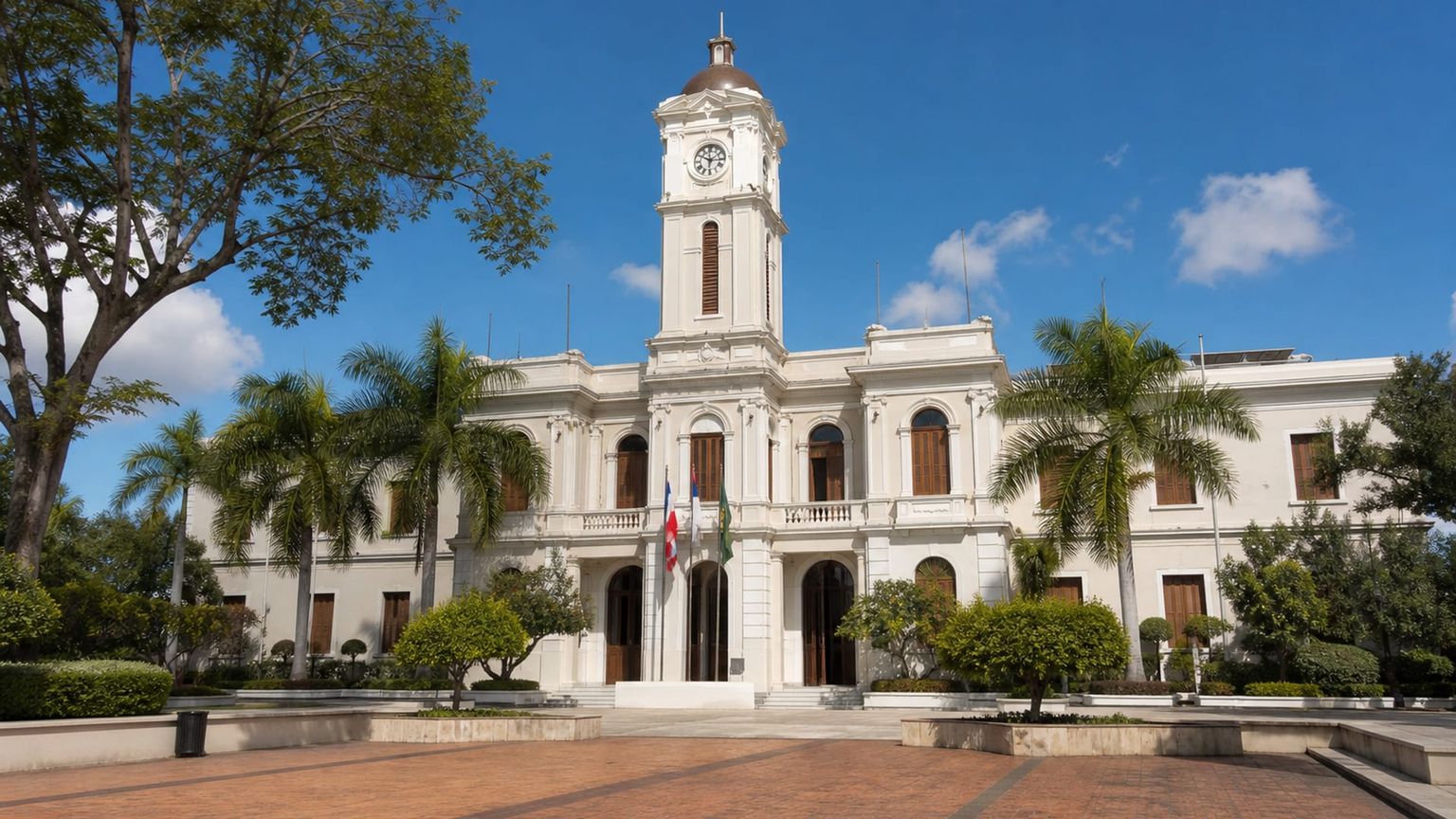
Start at Catedral Santiago Apóstol in the morning, which takes about 30 to 45 minutes, then walk 5 to 10 minutes to Parque Central de Santiago for a short pause under the trees. From there, head by taxi to Centro León in about 15 to 20 minutes, and plan on about 1.5 to 3 hours for the galleries and courtyard. Finish with an early dinner in Centro Histórico, where you can stay within a short ride of your hotel.
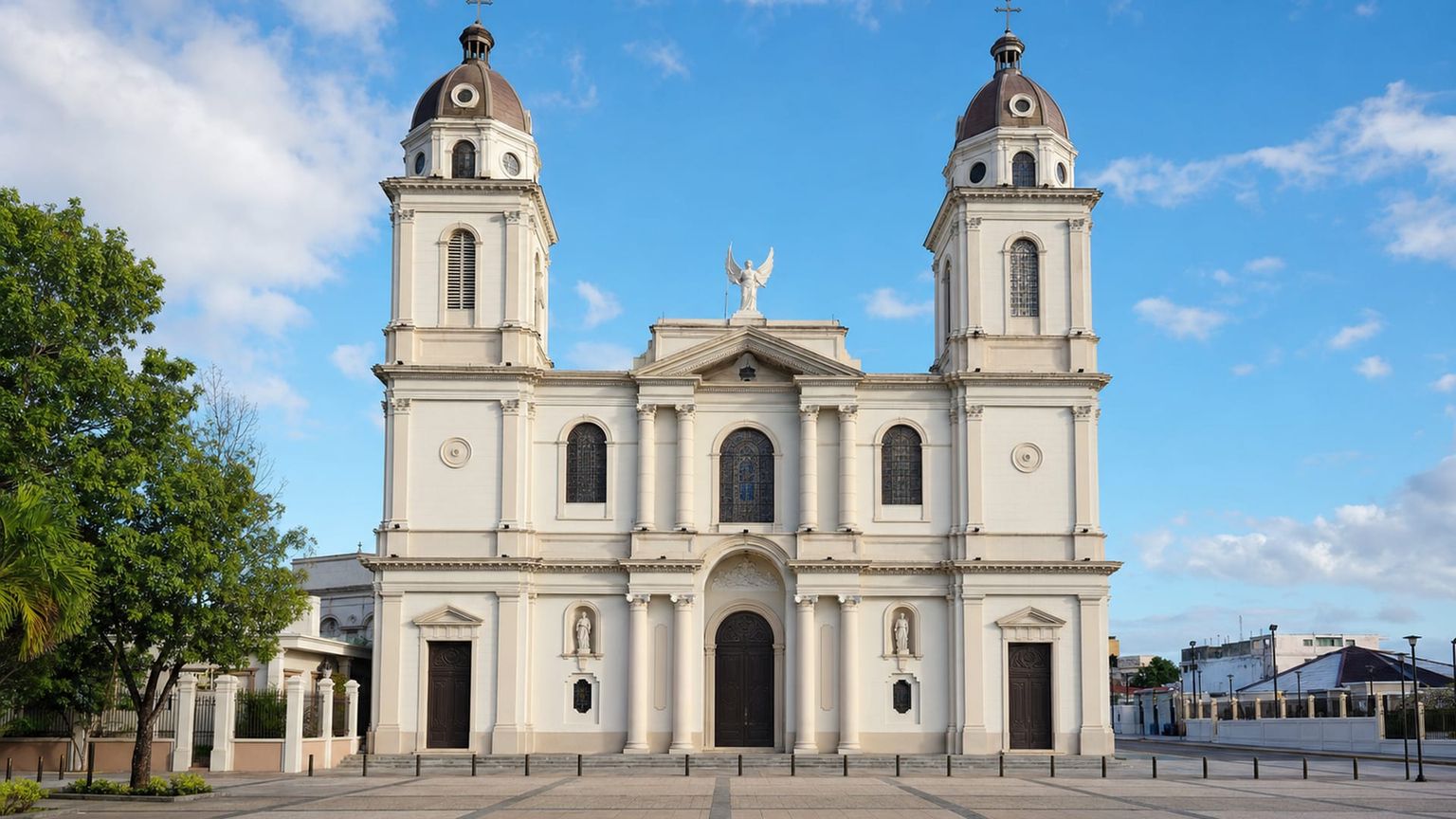
Begin with Monumento a los Héroes de la Restauración, especially in the late afternoon if you want cooler air and wider valley views, and set aside about 1 to 2 hours. From Centro Histórico, the drive usually takes about 5 to 15 minutes by taxi, so it works well before lunch or as a late-day stop. Afterward, return to Los Jardines Metropolitanos or Bella Vista for dinner, where the restaurant strips are easy to reach by car.
For a quieter cultural day, go back to Centro León in the late morning, then spend about 1.5 to 2 hours there if you want a slower look at the permanent collection and temporary show. Leave about 10 to 20 minutes by taxi if you are coming from Los Jardines Metropolitanos, or roughly 15 minutes from Bella Vista. After lunch, move to Centro Histórico for a short walk, then end with coffee or dessert near the central plazas before heading back.
A final morning works best for a last museum stop or a relaxed walk through Centro Histórico, where the compact streets let you fit in one more visit without a long transit chain. If you want shopping, head to Los Jardines Metropolitanos for malls and larger stores, then finish with coffee in Bella Vista, where the residential blocks have several good café options. Keep the schedule short enough to return to STI with time to spare, especially if your flight leaves in the afternoon or evening.
Business-class flights from the US to Santiago de los Caballeros
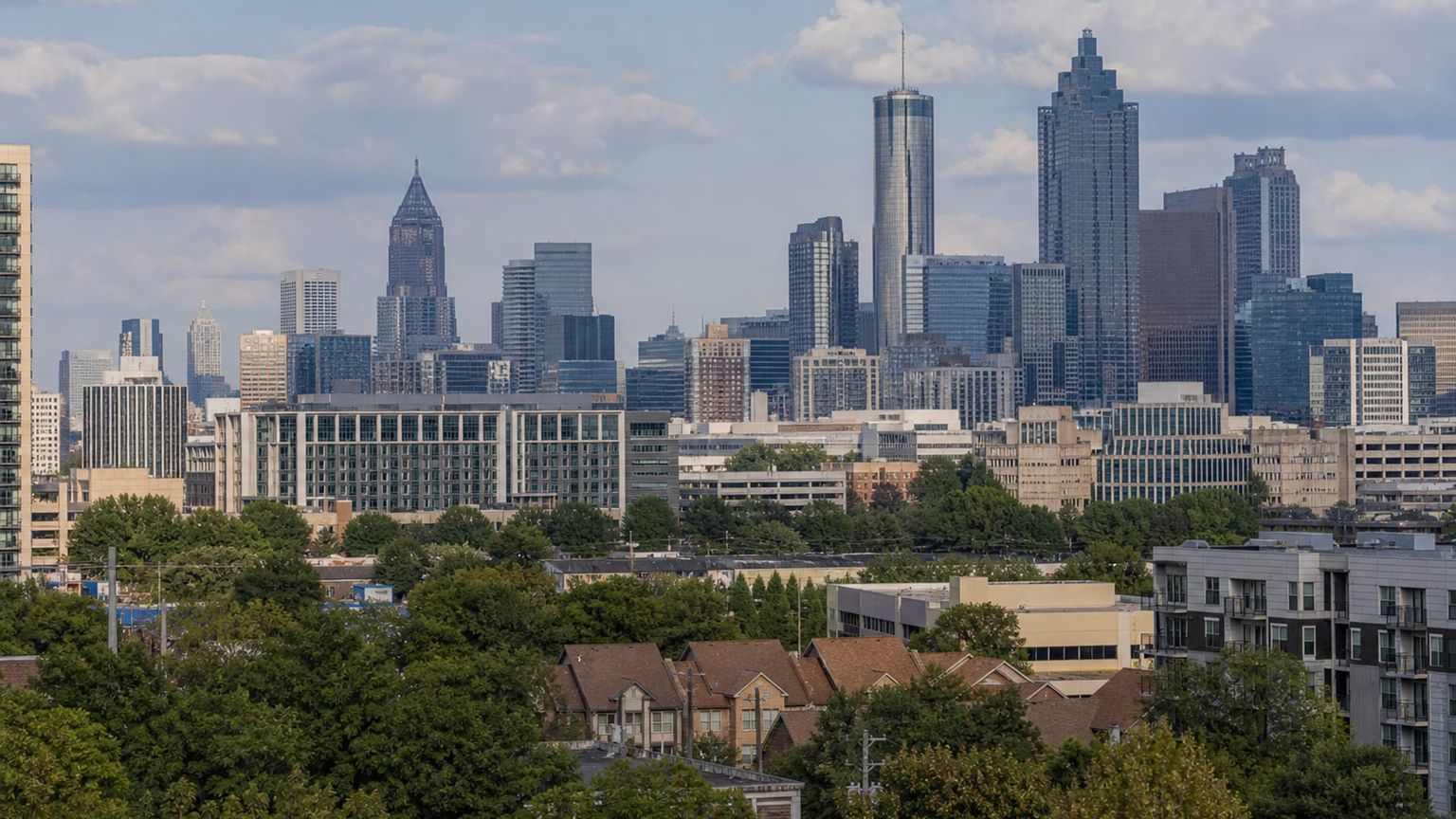
Long-haul travelers usually arrive through one-stop itineraries, so the useful question is which hub makes the timing easiest. From both coasts, the main carriers keep the trip workable, but the layover city changes the shape of the journey.
From New York, American Airlines, Delta Air Lines, JetBlue, United Airlines, Copa Airlines, and Air Canada all appear on common itineraries. Typical travel time runs about 4 to 4.5 hours on the nonstop segment, while one-stop options often route through Panama City or Miami and can trim the fare to about $850 to $1,900 round-trip.
Los Angeles usually requires a connection, and the usual route map runs through MIA, CLT, ATL, PTY, or IAH. American Airlines, Delta Air Lines, United Airlines, Copa Airlines, JetBlue, and Air Canada all sell itineraries that tend to price from about $1,500 to $3,200 round-trip, with the shortest total journey usually about 8 to 14 hours depending on the stop.
Santiago de los Caballeros feels different when you slow down
A deliberate Santiago de los Caballeros trip ties together Centro Histórico, Los Jardines Metropolitanos, and Bella Vista with short taxi rides, a museum morning at Centro León, and an afternoon at Monumento a los Héroes de la Restauración. Add one quiet dinner near Parque Duarte, and the city starts to read in a useful sequence. If you want help shaping the route, ask the AranGrant experts for a plan built around your dates and hotel base







