

Chapters:

Need help with your trip?
Our support team is available 24/7. Request a callback or call us directly at (833) 619-0908
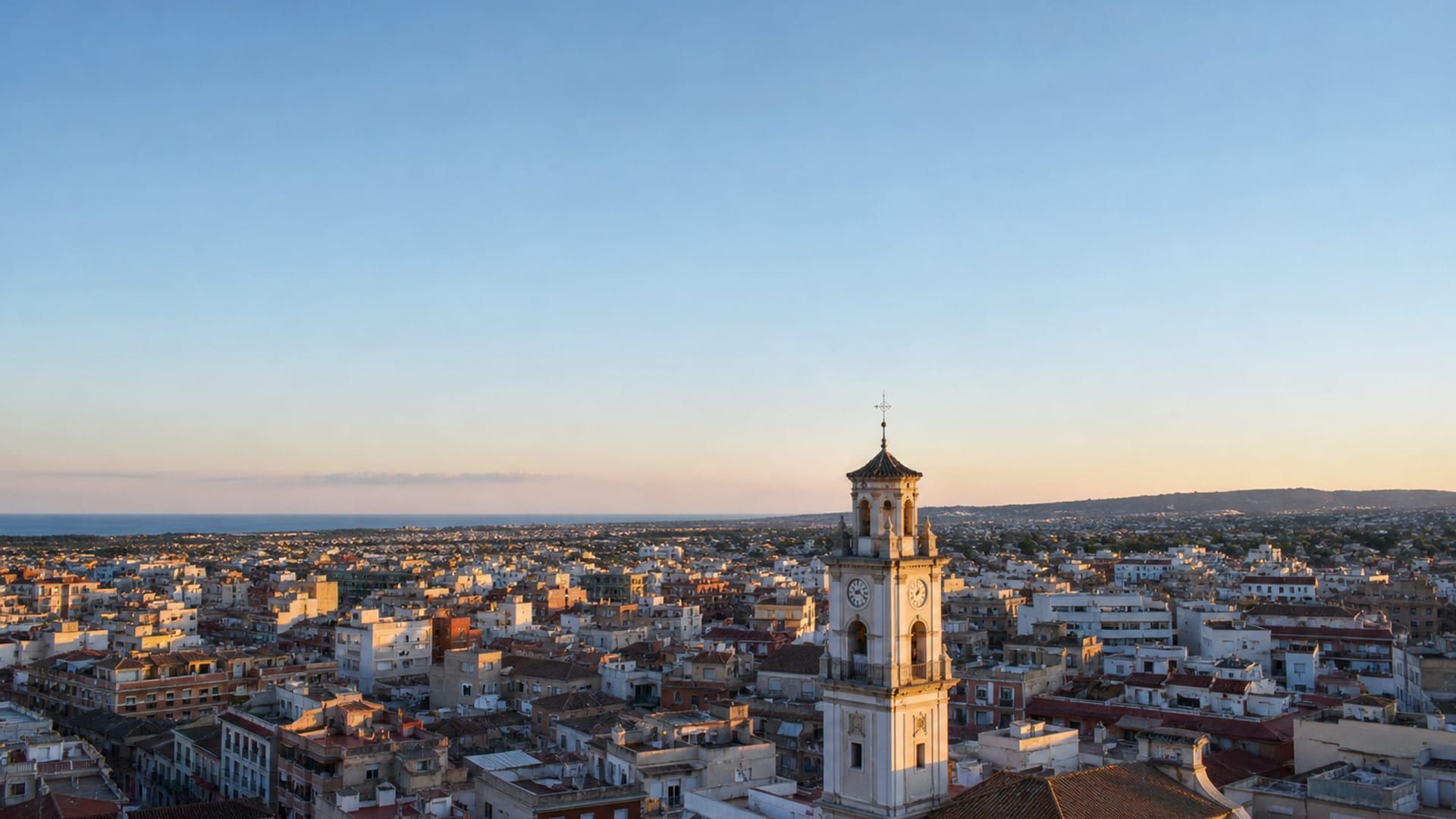
Santa Cruz trips often start with a quick airport transfer, a hotel near the plaza, and a first look at the historic center. What many travelers miss is how much the city changes once you move beyond that core.
Distances stay short in the center, but cross-town trips to places like Urubu, Equipetrol, or the airport edge add taxi time and break up the day. Lunch closures also matter, since several restaurants shut between meals.
This guide keeps the focus on neighborhoods, timing, and route choices, so you can pair the compact old town with longer outings without losing half a day to unnecessary backtracking.
Useful things to know

Main language(s): Portuguese
Olá (oh-LAH) – Hello/Good morning
Por favor (poor fah-VOR) – Please
Obrigado (oh-bree-GAH-doo) – Thank you
Fala inglês? (FAH-lah een-GLAYS?) – Do you speak English?
Quanto custa? (KWAHN-too KOOS-tah?) – How much does it cost?

Currency: The local currency is the boliviano (BOB, Bs).

Cash and cards: Cards and contactless are widely accepted; keep about $20 to $40 in cash for small purchases and taxis.

Tipping: Round up small bills; leave 5-10% in restaurants if service is good.

Traditional food: Majadito, Locro, Sopa de maní, Silpancho

Water and coffee costs: Water about Bs 7 to 10 ($1 to $2), bar espresso about Bs 12 to 18 ($2 to $3).

Taxis and ride apps: Uber and InDrive operate here; availability can be patchy late at night.

Plug and voltage: Type C/F socket, 127V

Dining and shop opening hours: Breakfast runs about 07:00-10:00, lunch 12:00-14:30, and dinner 19:00-22:30. Many restaurants close between lunch and dinner.

Emergency number: 911 for police, fire, and medical emergencies.
Where to stay in Santa Cruz
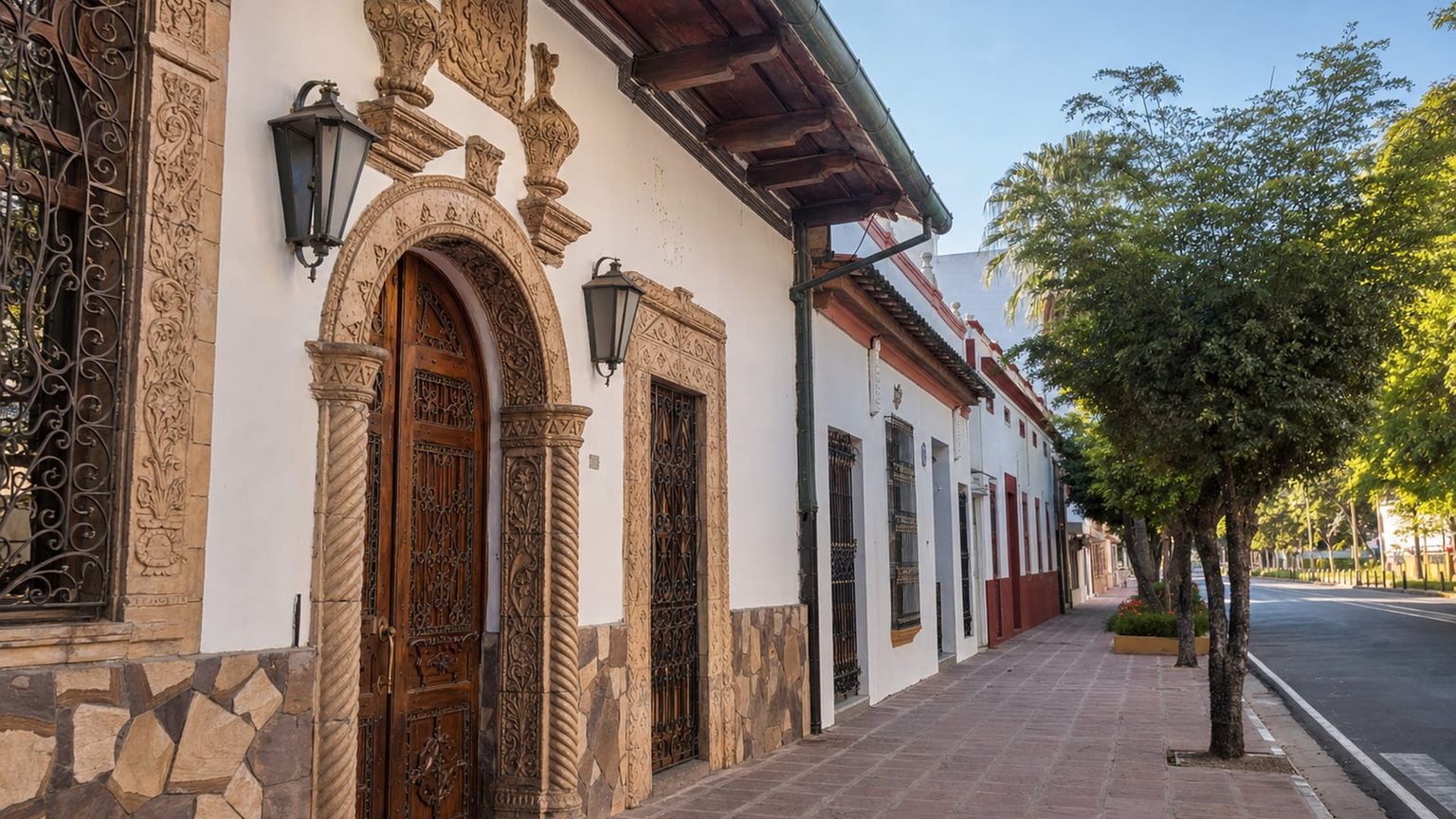
This central, mixed-use district sits by Santa Cruz’s older core and the city’s domestic airfield. It works well as a base for reaching downtown offices, restaurants, and transit without staying in the busiest nightlife strips.
Best for: Airport access, short downtown trips, and travelers who want a central base
What to expect: Busy daytime streets, steady local traffic, and a practical urban setting with fewer late-night crowds.
Hotel prices: Usually about 180 Bs to 450 Bs ($26 to $65) per night for well-rated stays
Distance to major sights: About 10 minutes by taxi to Plaza 24 de Septiembre
Quietness: Quieter at night, with more movement and traffic during the day.
Main trade-off: You stay a little farther from the main square than in the historic center, so some evening outings need a taxi.
Good to know: If you plan early flights or business appointments, this area cuts transfer time and keeps you close to central services.
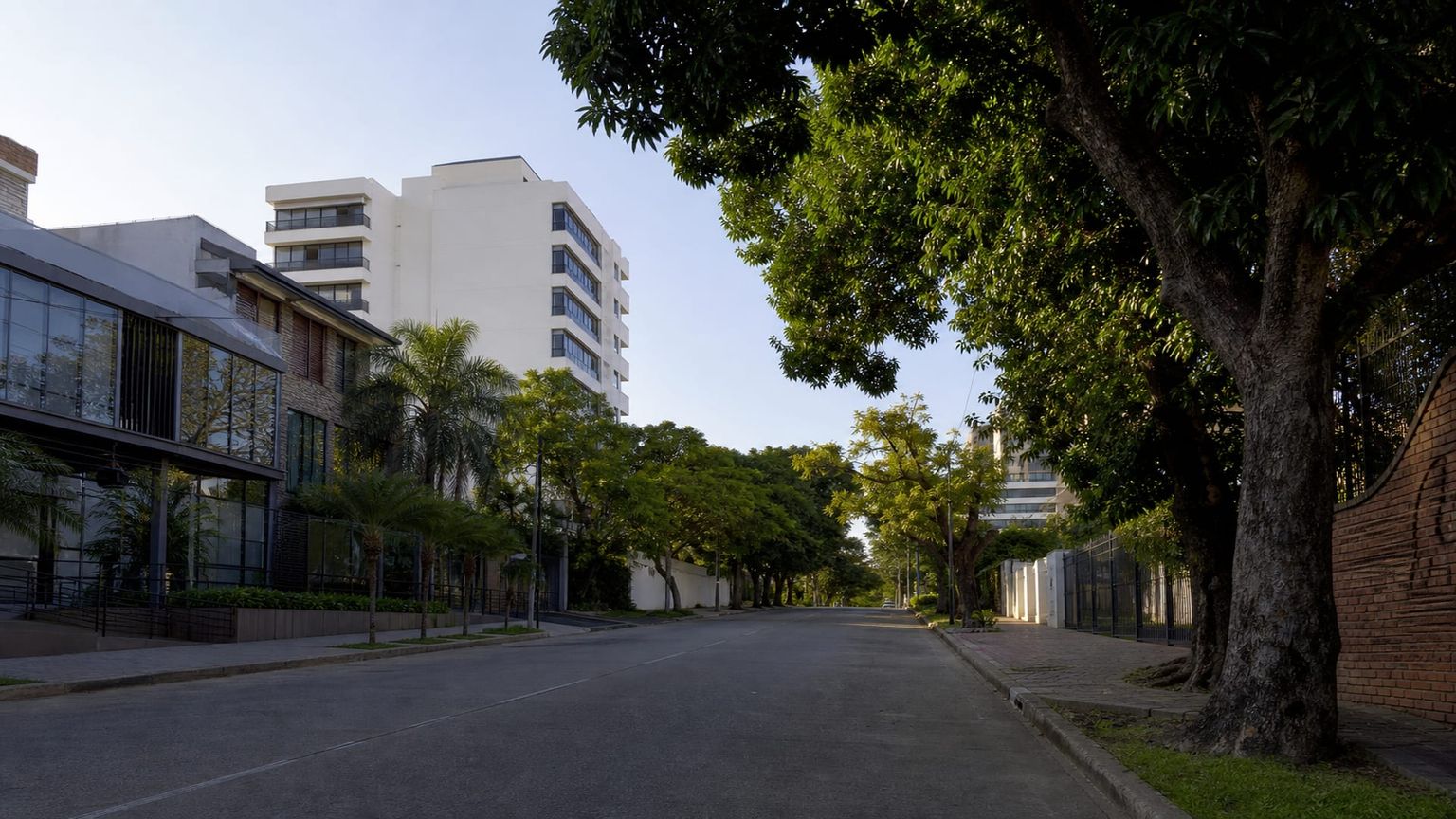
Equipetrol is one of Santa Cruz’s most modern districts, with business towers, shopping centers, and many of the city’s newer restaurants. It matters if you want newer hotels and easy access to dining without depending on the historic center for every meal.
Best for: Business trips, newer hotels, dining, and travelers who prefer a modern district
What to expect: Wide avenues, steady traffic, and a polished commercial feel, with more foot traffic near malls and restaurants.
Hotel prices: Usually about 260 Bs to 700 Bs ($38 to $100) per night for well-rated stays
Distance to major sights: About 15 minutes by taxi to Plaza 24 de Septiembre
Quietness: Busy in the evening near restaurants and bars, calmer on side streets later at night.
Main trade-off: Prices run higher than in older neighborhoods, and some blocks sit farther from the historic center.
Good to know: Choose a hotel with parking if you will rent a car, since curb space can be limited near the main commercial strips.
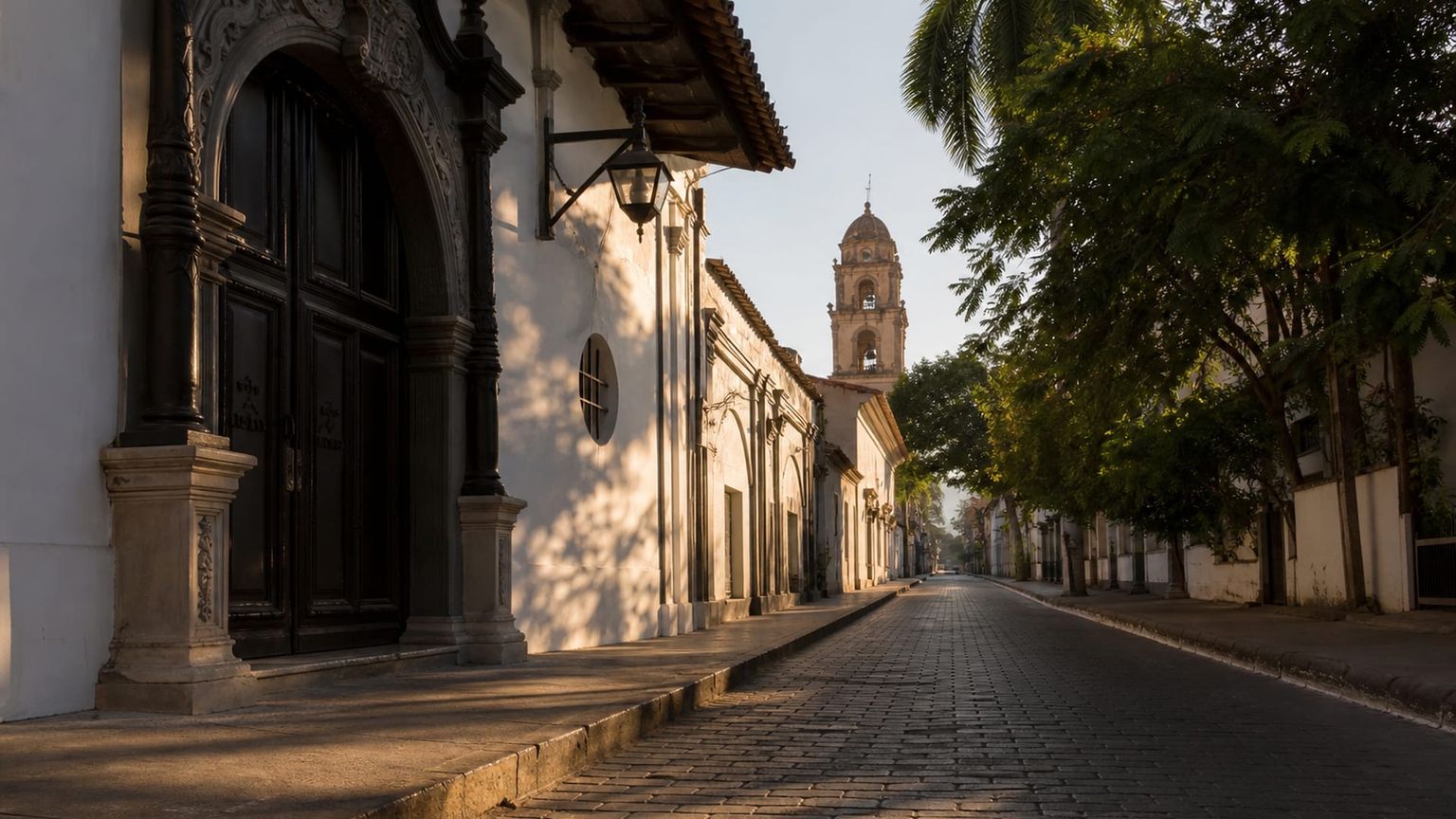
Santa Cruz’s historic center clusters around Plaza 24 de Septiembre, where you will find the cathedral, older civic buildings, and the city’s most walkable visitor grid. It matters because many first stops, restaurants, and tour departures sit within a few blocks.
Best for: Sightseeing, short stays, and travelers who want to walk to major sights
What to expect: Constant daytime activity, busy sidewalks near the plaza, and a steady mix of visitors, office workers, and locals.
Hotel prices: Usually about 220 Bs to 600 Bs ($32 to $87) per night for well-rated stays
Distance to major sights: On foot to Plaza 24 de Septiembre
Quietness: Lively through the day and into the evening near the square, then quieter on side streets late at night.
Main trade-off: You trade away some quiet and more spacious hotels in exchange for the easiest walkable access to the city’s core sights.
Good to know: Street noise can rise near the plaza on weekends, so request an interior room if sleep matters to you.
Travelers usually avoid staying in the far western edge of the city near El Trompillo airport, since it sits well away from the main hotel and dining areas around central Santa Cruz. The outer districts of Plan 3000 and Villa Primero de Mayo are also less convenient for visitors, because they are far from the main sights and have fewer visitor-oriented amenities, while Urubó is a poor fit if you want easy evening access into the city center.
Hotel deals
How to get around Santa Cruz efficiently
Santa Cruz has no metro, so most visitors move between the historic center, nearby districts, and the airport area by bus, taxi, or ride-hailing.

Metro
for longer distances
Santa Cruz has no metro, so the closest equivalent is the city’s bus network and any intercity coach links rather than rail. If you are staying near the center, plan on bus connections or taxis for most trips, since there is no underground or suburban rail system to use.

Bus and tram
for convenience
Local buses cover the main corridors in Santa Cruz, with short hops from the center to nearby neighborhoods and longer rides toward the airport zone and outer districts. Fares are low, typically about $0.50 to $1, and tickets are usually valid for a single ride rather than timed transfers, so confirm the fare with the driver or at the stop before boarding.

Taxi
for convenience or late hours
Licensed taxis in Santa Cruz are usually metered or use set local fares on common routes, and airport trips often quote a fixed price before departure. For most city rides, expect about $3 to $8, with the airport run often closer to $10 to $20 depending on distance and time of day; many drivers take cash, while card payment is less common, so ask first if you need a receipt or want to pay by card.
*Prices are based on rates updated as of June 2026 and may change at the time of travel.
Walking works best in the Centro histórico, buses suit low-cost corridor trips, and taxis or ride-hailing make the airport run and cross-town moves the easiest to manage.
Iconic landmarks
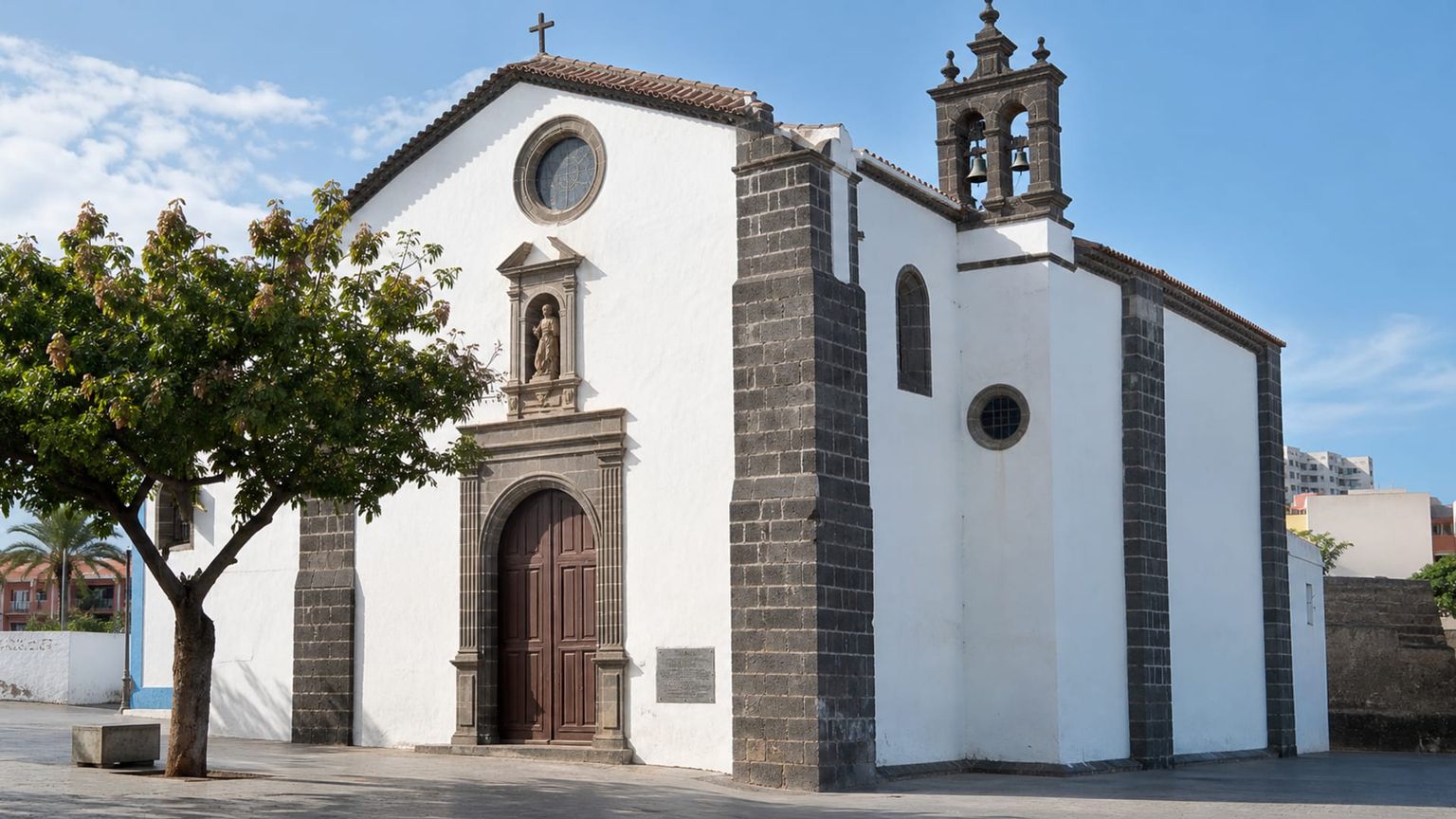
Torra de les Hores
The Torra de les Hores crowns the old city walls, with a clock tower that still anchors the historic center. Its stone base, narrow windows, and elevated position make it the clearest single landmark for orientation in Santa Cruz.
Time needed: About 30 to 45 minutes
Entry: Free to access; no timed entry or ticketed admission applies to the exterior and surrounding public area.
Tip: Go near sunset for softer light on the stone and quieter streets below, then linger outside briefly after dark.
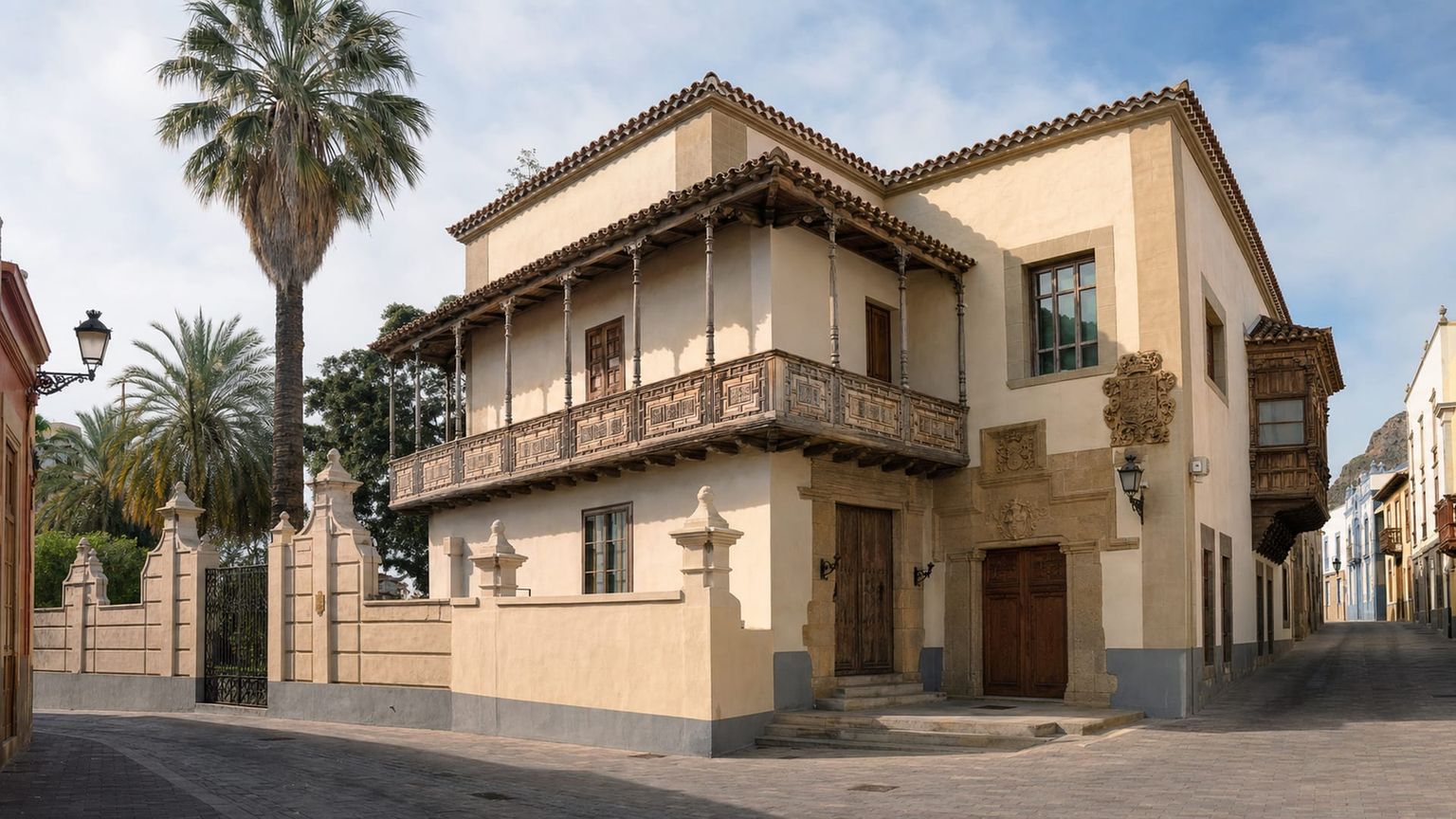
Can Benet Vives
Can Benet Vives is one of the town’s best-preserved traditional houses, with masonry walls, inner courtyards, and details that show how Santa Cruz’s historic homes were built and lived in. It adds scale to the old streets.
Time needed: About 45 to 60 minutes
Entry: Free to access for exterior viewing; interior access, when available for events, follows separate posted arrangements and hours.
Tip: Visit in the morning, when the facade gets better light and nearby lanes are quieter for photos.
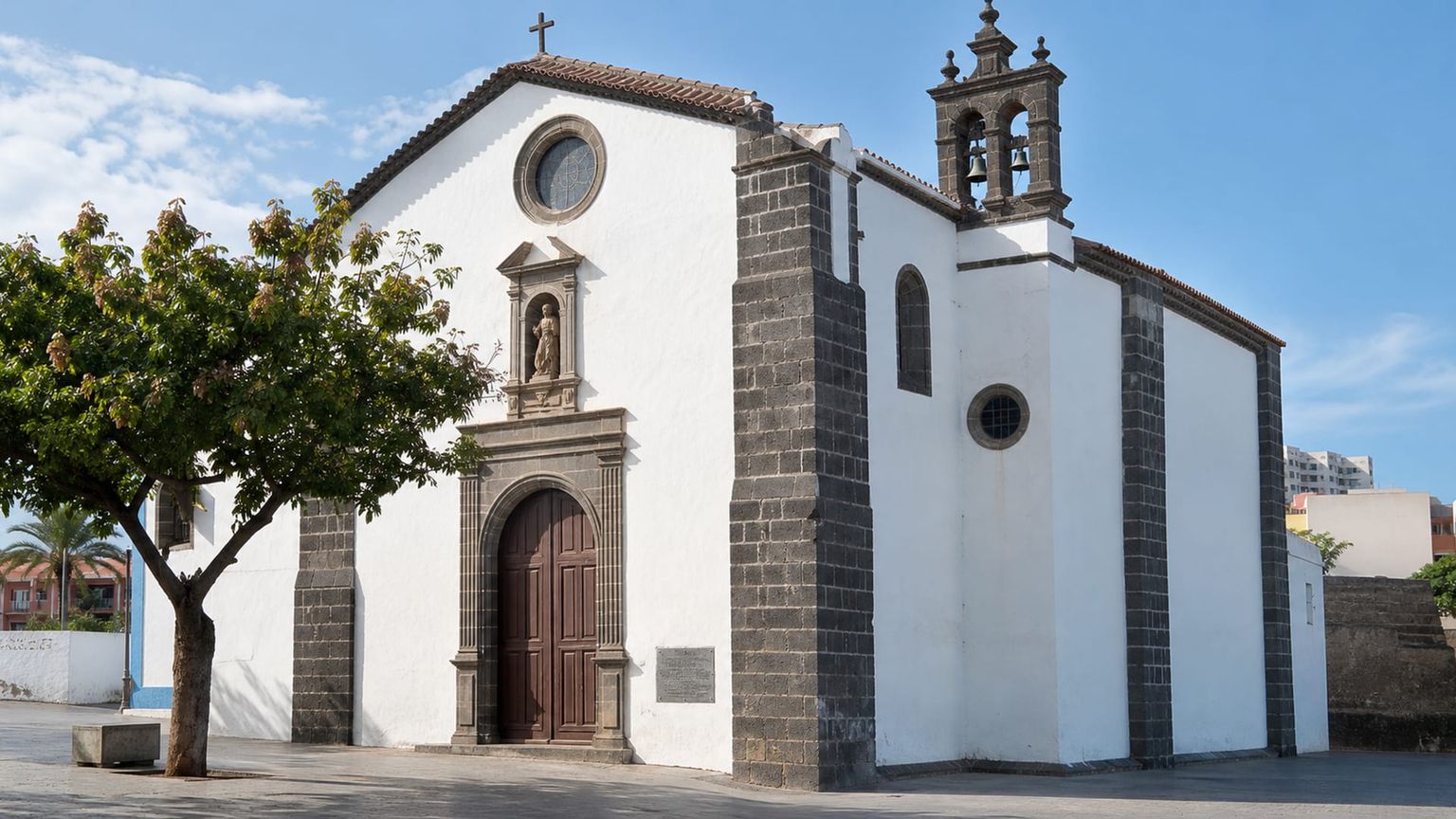
Ermita de Sant Sebastià
The Ermita de Sant Sebastià sits just outside the dense center, giving Santa Cruz a compact pilgrimage stop with local meaning. Its simple chapel form and hilltop setting make the short walk worthwhile for both history and views.
Time needed: About 30 to 45 minutes
Entry: Free to access; no timed entry is needed for the chapel exterior or the surrounding viewpoint area.
Tip: Visit late afternoon, when the hill is cooler and the view back toward town is clearer.
Overlooked sites worth visiting

Paseo de las Brisas
This seaside promenade in the Urubu neighborhood follows the bay with benches, shade trees, and views of sailboats entering the harbor. Morning walks are quieter, and sunset brings warmer light on the water.
Time needed: About 1 hour
Entry: Free to access. The walkway is open to the public at no charge, with no ticket desk or timed entry, and you can visit at any hour; nearby kiosks may charge separately for drinks, snacks, or rentals.
Tip: Go at sunrise for cooler temperatures and calmer water.

Santa Cruz Municipal Museum
A small city museum near the center, it displays Santa Cruz pottery, local photographs, and tools tied to the town’s civic history. The compact galleries make it an easy stop between meals or shopping.
Time needed: About 45 minutes
Entry: Admission typically costs $2 to $4 ($2 to $4). Expect a modest counter-sale ticket at the entrance, with reduced rates for students or seniors on some days; special exhibitions may carry a separate fee.
Tip: Ask which room has the rotating local-history display.
Traditional food
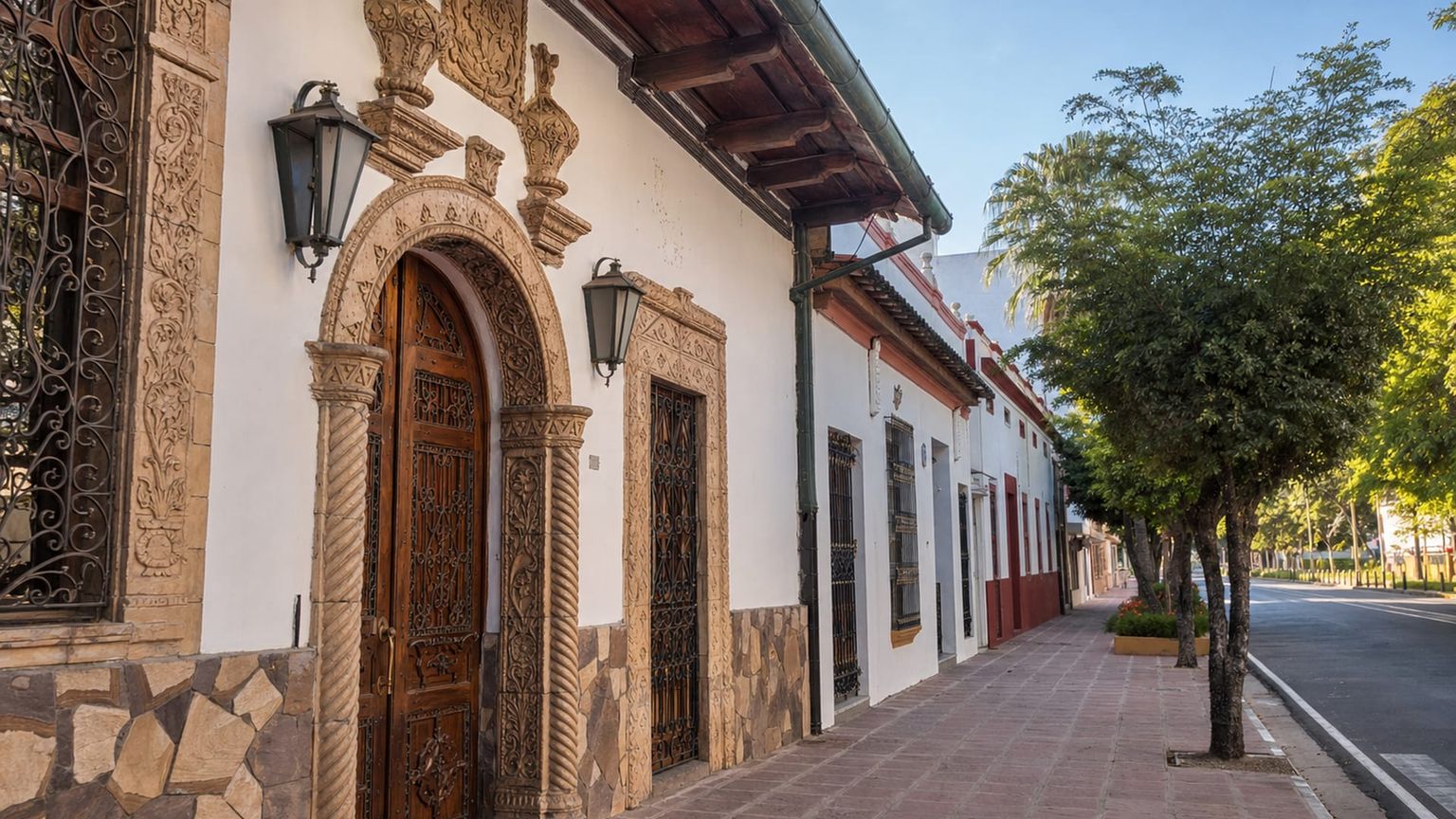
Santa Cruz cuisine leans on corn, peanuts, potatoes, rice, and beef, with hearty dishes such as majadito and silpancho balancing mild heat, broth, and fried textures. Lunch still anchors the day, so timing matters.
Majadito
This rice dish with dried beef and local seasoning suits a lunch stop in Santa Cruz, where hearty plates still anchor the day. La Casa del Camba is a well-known place to order it in the city.
Locro
A thick, comforting soup built around corn, meat, and vegetables, locro fits Santa Cruz’s midday dining pattern. El Aljibe is a strong city option for a traditional serving.
Sopa de maní
This peanut soup brings one of Bolivia’s most recognizable flavors to the table, with a rich broth and a filling finish. Restaurante La Casona is a common reference point for it in Santa Cruz.
Silpancho
Silpancho pairs rice, potatoes, and a thin breaded cutlet into a large, practical meal for lunch or an early dinner. Jardín de Asia serves a version that travelers often use as a benchmark in Santa Cruz.
Best time to visit Santa Cruz
Santa Cruz stays warm through most of the year, but the drier months make walking easier and the rainy season brings heavier humidity and afternoon showers.
Best for: Warm evenings and quieter sightseeing early in the day
What you get: About 77 to 90°F (25 to 32°C), with lighter visitor traffic after the holidays and more demand for indoor breaks
Trade-offs: Heat, humidity, and sudden rain can slow outdoor plans
Best for: Balanced weather for the historic center and day outings
What you get: About 72 to 86°F (22 to 30°C), with moderate crowds and easier walking conditions than in the wettest months
Trade-offs: Late-season showers can still interrupt afternoon plans
Best for: Clearer skies and the most comfortable walking weather
What you get: About 66 to 82°F (19 to 28°C), with lighter rain and steady but not heavy tourist numbers
Trade-offs: Mornings can feel cooler before the sun builds
Best for: Longer days for museums, plazas, and bay walks
What you get: About 74 to 88°F (23 to 31°C), with rising humidity and a gradual increase in visitor activity
Trade-offs: Afternoon heat can make late sightseeing less comfortable
A realistic 5-day plan in Santa Cruz
Five days in Santa Cruz work best when you separate the compact historic core from the wider city. The plan below keeps the early days walkable, then shifts toward the bay, newer districts, and one last museum stop before departure.
Land at Santa Cruz (SRZ) and take a taxi or prebooked transfer to El Trompillo or the Centro histórico, which usually takes about 10 to 15 minutes and costs roughly $6 to $10. Settle into a hotel near Plaza 24 de Septiembre if you want an easy first evening on foot, or stay in El Trompillo if you want quicker airport access and a quieter night. Keep dinner close to your room, perhaps at a simple restaurant in the historic center, and keep the first day to a light walk for water, cash, and an early night.
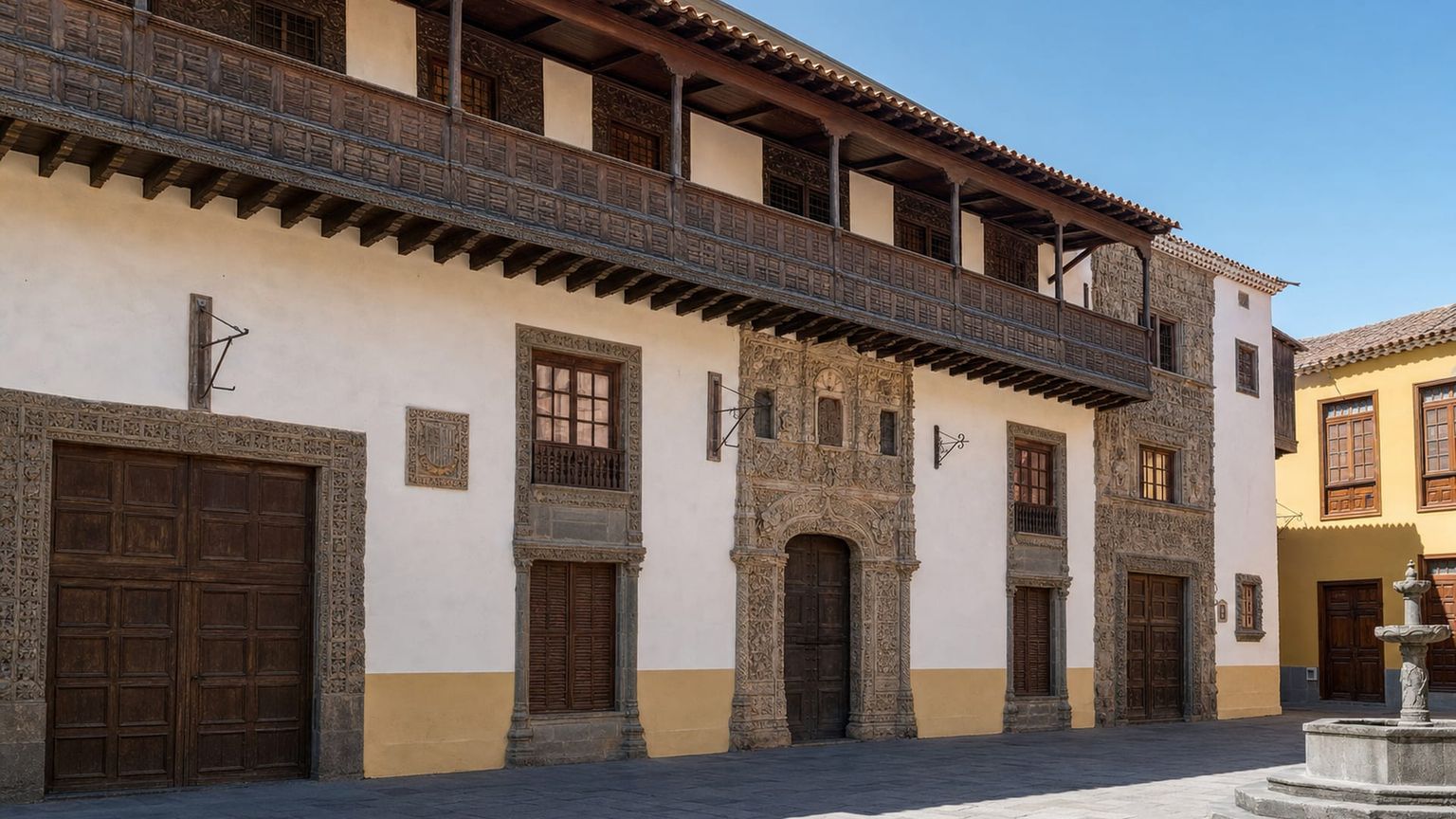
Start with Plaza 24 de Septiembre in the Centro histórico, then walk about 5 minutes to Can Benet Vives for its courtyards and masonry details. From there, continue on foot to the Torra de les Hores in roughly 8 to 10 minutes, and stay for the late-afternoon light if you want photos with less glare. Finish with a relaxed dinner back near the square, where you can stay within an easy 5-minute walk of your hotel.
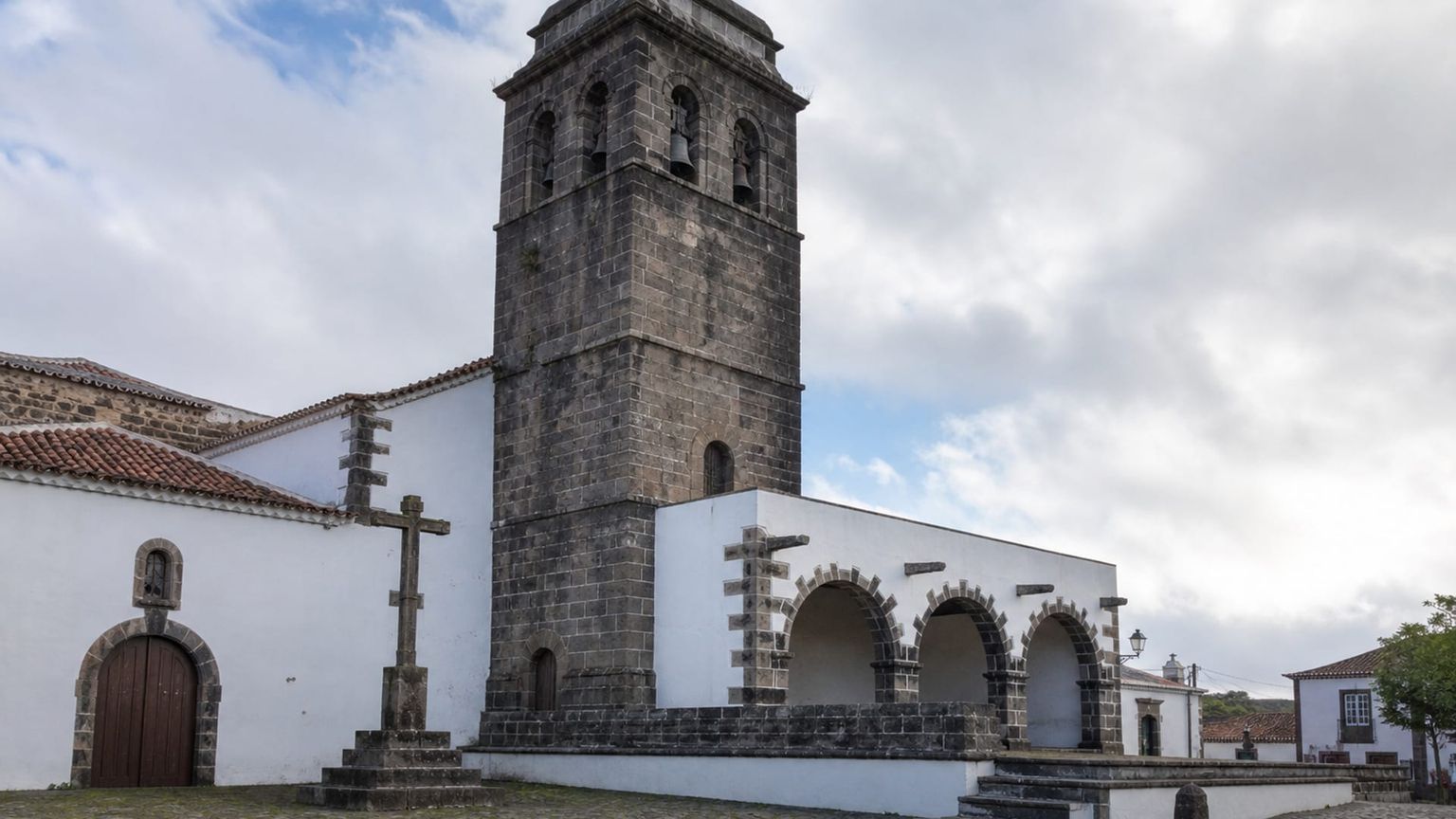
Begin at the Santa Cruz Municipal Museum, which sits about 10 minutes on foot from the center of the historic grid. After about 15 minutes by taxi, head to the Ermita de Sant Sebastià for the hilltop chapel and the view back toward town, then return downtown for lunch. In the afternoon, spend time in the Centro histórico with a slow loop past older streets and cafés, keeping your next move to a short walk rather than a long cross-city transfer.
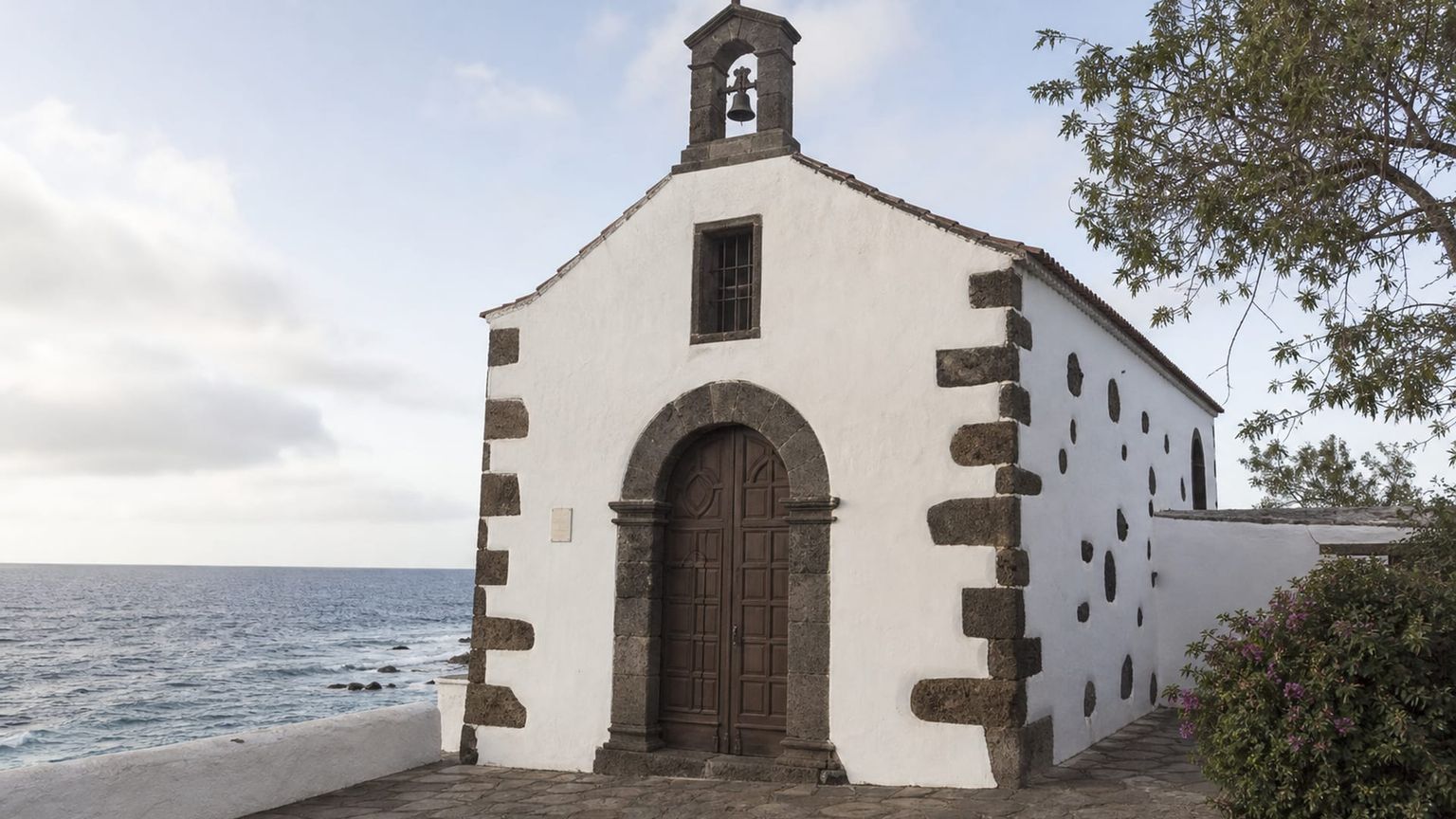
Take an early ride to Paseo de las Brisas in the Urubu neighborhood, a trip of about 20 to 30 minutes by taxi from the center, and arrive for a sunrise walk along the bay. Later, return to the city and spend the afternoon in Equipetrol, about 15 minutes by taxi from Plaza 24 de Septiembre, for shopping, dinner, and a look at Santa Cruz’s newer side. If you want a quieter finish, book a hotel here and keep your evening within the district’s restaurant blocks.
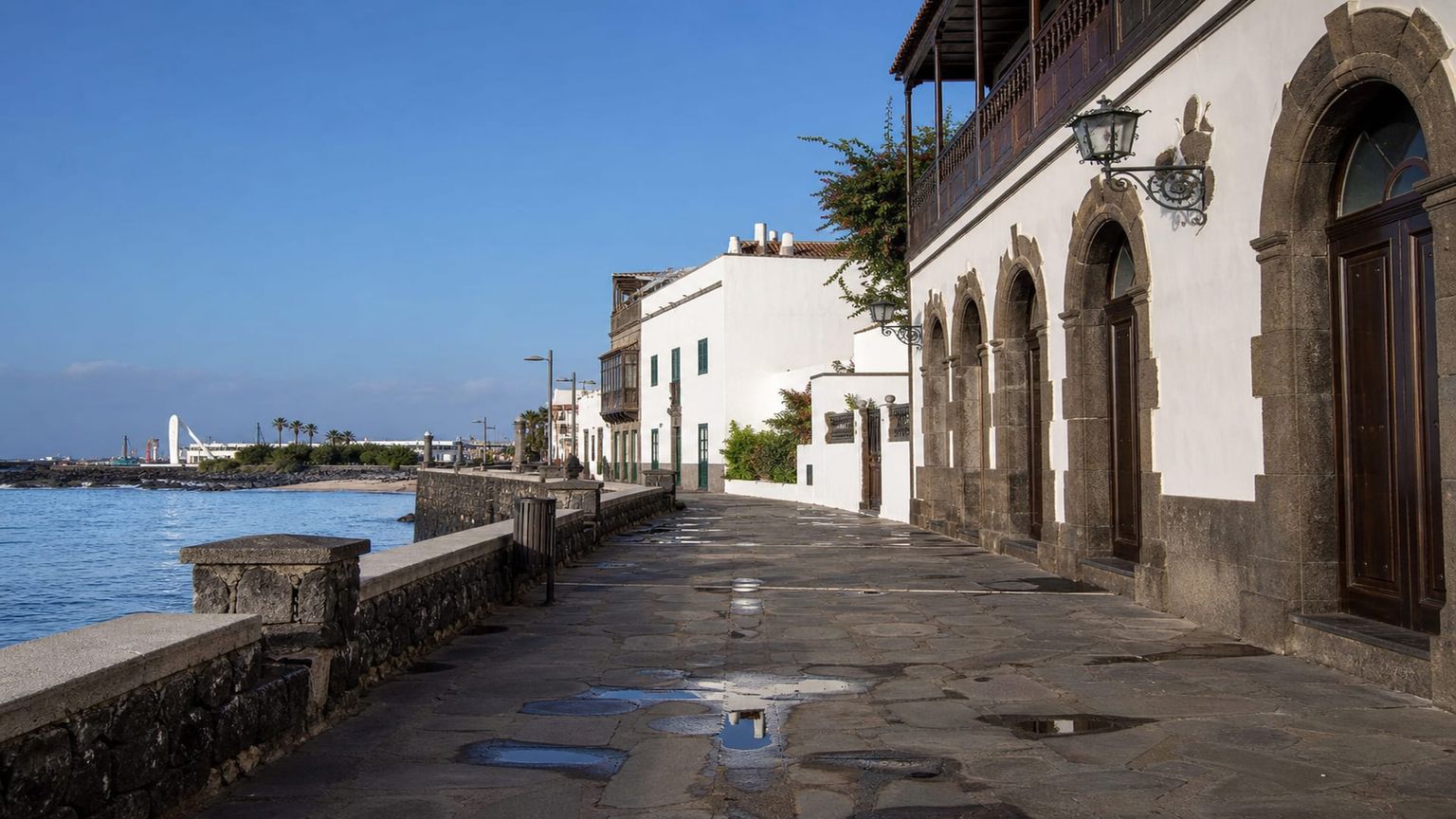
A final morning in Santa Cruz works best with one last museum stop, then a short café break in the Centro histórico before you head out. If you have time, return to the Santa Cruz Municipal Museum for a last look at the local-history displays, then move to a café near Plaza 24 de Septiembre and do any last shopping on the surrounding blocks. From there, a taxi back to the airport area or El Trompillo is quick, usually about 10 to 15 minutes, so you can leave without rushing.
Business-class flights from the US to Santa Cruz
Flying into Santa Cruz usually means one-stop long-haul routing from either coast, with prices shaped by connection point and total travel time. The examples below show what that looks like from New York and Los Angeles.
From New York, Delta Air Lines, LATAM Airlines, Avianca, Copa Airlines, and Air Europa all appear on the route list. Nonstop timing can top 12 hours, while one-stop itineraries often run through BOG, PTY, MAD, GRU, or LIM and take about 15 to 24 hours. Round-trip fares from New York to Santa Cruz usually start near $2,500 and can reach $5,500, with the nonstop option at the top end.
Los Angeles travelers usually see LATAM Airlines, American Airlines, Copa Airlines, Avianca, and Delta Air Lines on the options list. Expect roughly 13 to 15 hours nonstop, or 16 to 25 hours with a connection through BOG, PTY, LIM, SCL, or MIA. Round-trip fares from Los Angeles usually land around $2,300 to $5,000, with lower prices often tied to one-stop itineraries through Bogotá or Panama City.
Santa Cruz feels different when you slow down
A thoughtful Santa Cruz trip stays close to the details that shape the city, from Plaza 24 de Septiembre and Can Benet Vives to the hilltop calm at Ermita de Sant Sebastià and the dawn light on Paseo de las Brisas. Taxi hops, short walks, and lunch timing matter just as much as the sights. If you want help shaping the route, AranGrant experts can turn those pieces into a trip that fits the city’s pace







