

Chapters:

Need help with your trip?
Our support team is available 24/7. Request a callback or call us directly at (833) 619-0908
A first trip to San José del Cabo often follows the same arc: airport transfer, resort check-in, one dinner near the plaza, then a quick dash to Cabo San Lucas or the beach corridor. What many travelers miss is how much the historic center, art streets, and estuary can fill several days on their own.
That shortcut can leave the trip feeling rushed, with taxi time, dinner reservations, and day-trip traffic taking more energy than expected. Distances are short on a map, but not always easy to cover on foot, and the quietest parts of town sit a ride apart from the busiest ones.
This guide slows the sequence down. It links the downtown core, the waterfront edges, and the airport area into a five-day plan that matches San José del Cabo’s actual layout and daily pace.
Useful things to know

Main language(s): Spanish
hola (OH-lah) – hello / good morning
por favor (por fah-VOR) – please
gracias (GRAH-see-ahs) – thank you
¿Habla inglés? (AH-blah een-GLAYS) – Do you speak English?
¿Cuánto cuesta? (KWAN-toh KWES-tah) – How much does it cost?

Currency: The local currency is the Mexican peso (MXN, $).

Cash and cards: Cards and contactless are widely accepted in resorts and major restaurants; carry about MXN 500 to 1,000 ($30 to $60) for taxis and small shops.

Tipping: Round up small bills; leave about 10% in restaurants if service is good.

Traditional food: Fish tacos, shrimp tacos, ceviche, machaca burritos

Water and coffee costs: Water about MXN 25 to 40 ($1.50 to $2.50), bar espresso about MXN 40 to 70 ($2.50 to $4).

Taxis and ride apps: Uber and inDrive operate here; airport pickups can be restricted, so confirm your meeting point.

Plug and voltage: Type A/B socket, 127V

Dining and shop opening hours: Breakfast is about 8:00-11:00 am, lunch 1:00-4:00 pm, and dinner 7:00-10:00 pm. Many places close by 11:00 pm, with earlier hours outside the tourist zone.

Emergency number: 911 for police, fire, and medical emergencies.
Where to stay in San José del Cabo
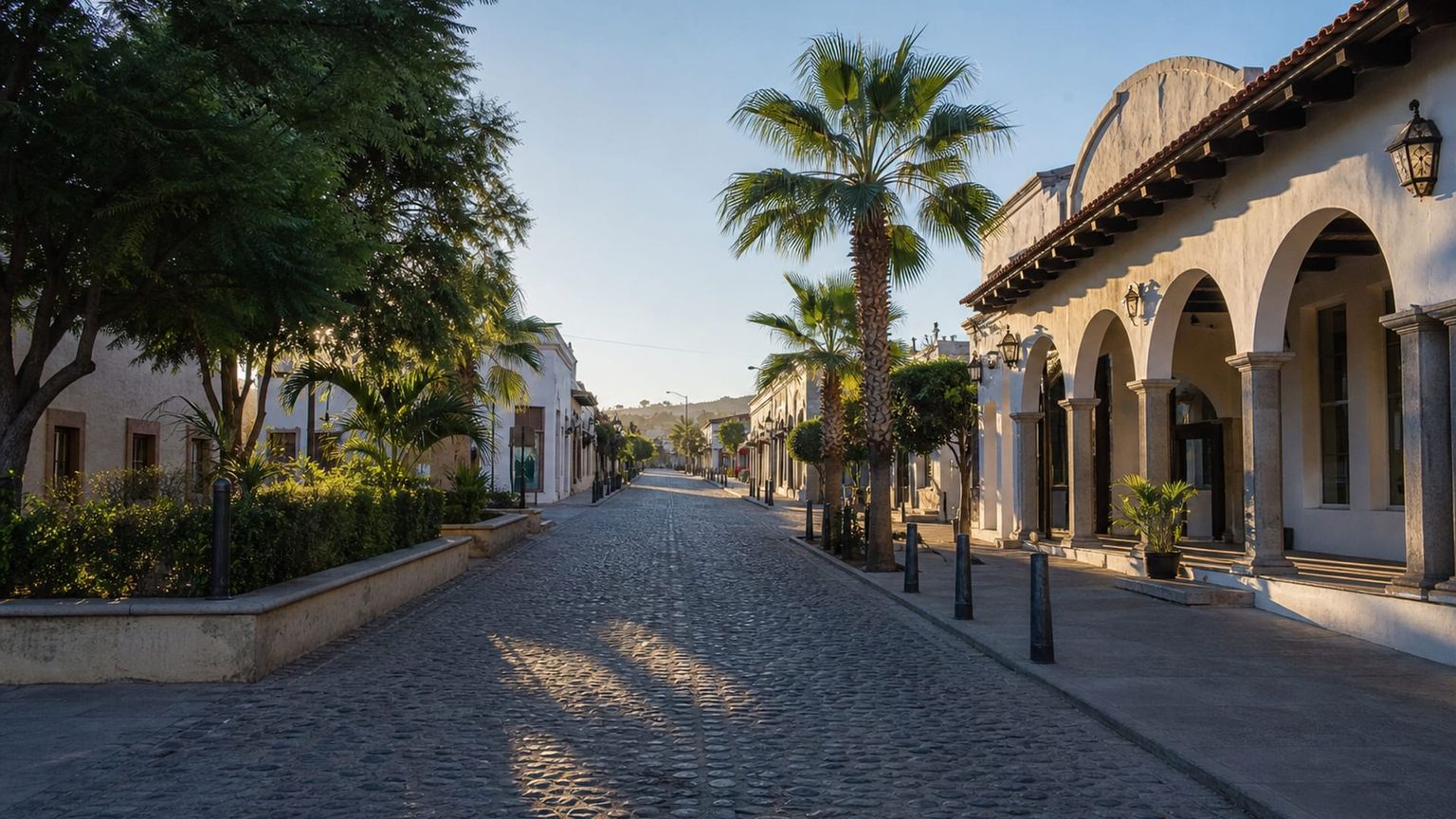
The historic downtown sits around the church square, gallery streets, and the main dining blocks. It puts you closest to the old town’s foot traffic, market activity, and evening art walk, with easy access to taxis, buses, and local restaurants.
Best for: Dining, gallery hopping, and travelers who want to be near the historic core
What to expect: Busy pedestrian streets by day, then a livelier dinner scene and more pedestrian traffic in the evening.
Hotel prices: Usually about $120 to $280 per night for well-rated stays
Distance to major sights: 0 to 10 minutes on foot to Plaza Mijares and San José Cathedral; about 10 to 15 minutes by taxi to Puerto Los Cabos
Quietness: Lively in the afternoon and evening, quieter late at night once restaurants close.
Main trade-off: You pay more for the central address, and parking can be tight near the older streets.
Good to know: If you plan to eat out most nights, staying here cuts down on taxi use, but beach time still needs a short ride.
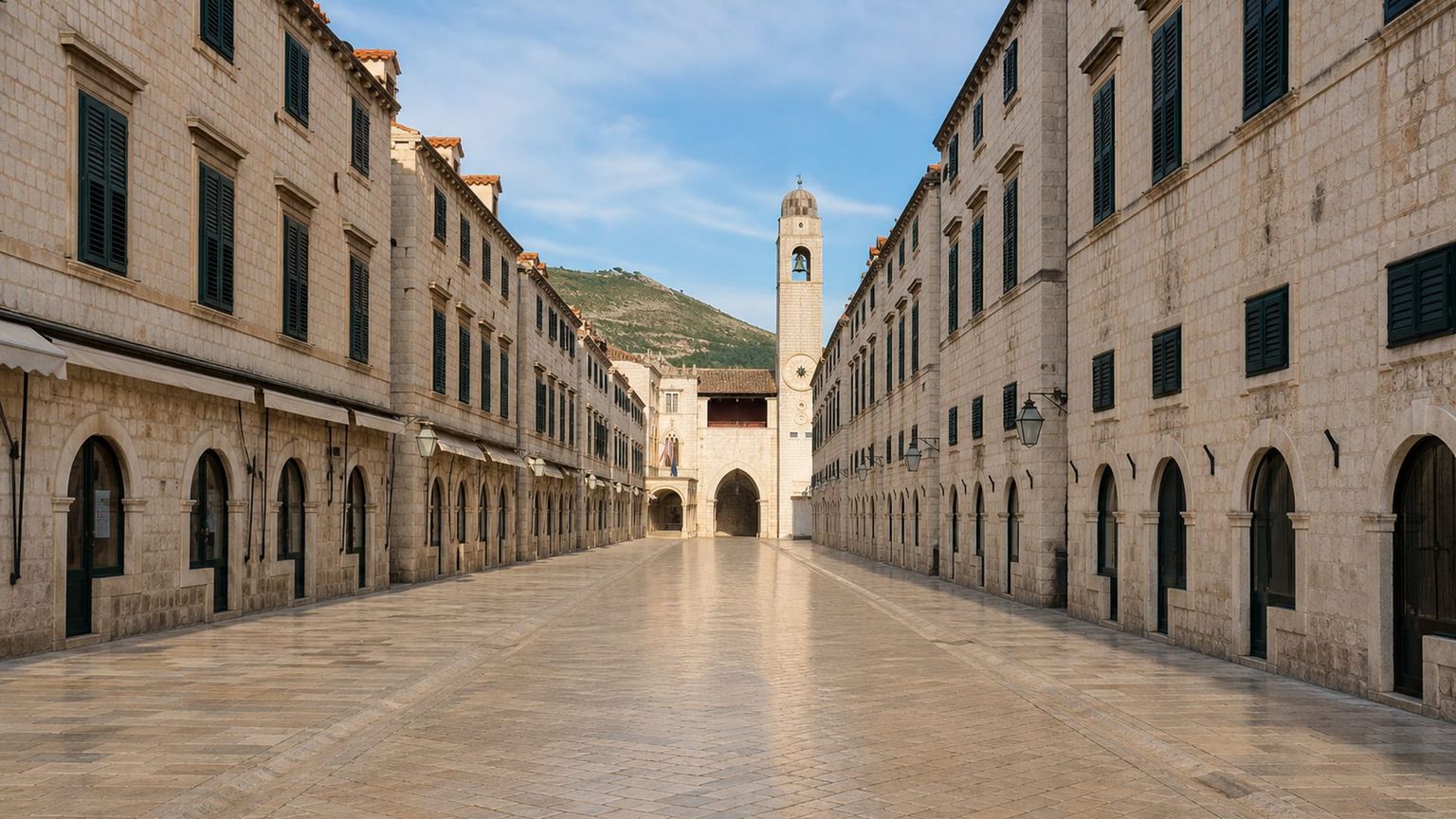
The hotel strip runs along the corridor north of downtown, with large resorts, beach access, and easy road connections to the airport side. It suits visitors who want oceanfront lodging while staying within a short ride of the historic center.
Best for: Beach stays, resort amenities, and travelers who want easy road access
What to expect: Wider streets, resort traffic, and a steady flow of guests moving between pools, lobbies, and the beach.
Hotel prices: Usually about $150 to $450 per night for well-rated stays
Distance to major sights: About 10 to 15 minutes by taxi to Plaza Mijares; about 20 to 25 minutes by taxi to San José del Cabo Airport
Quietness: Calm in the daytime inside the resorts, with more activity in lobbies and restaurants at night.
Main trade-off: You trade walkability to downtown for beach frontage and bigger properties, and dining choices can feel resort-focused.
Good to know: Most stays here depend on taxis for downtown dinners, so check whether your hotel charges extra for airport and town transfers.
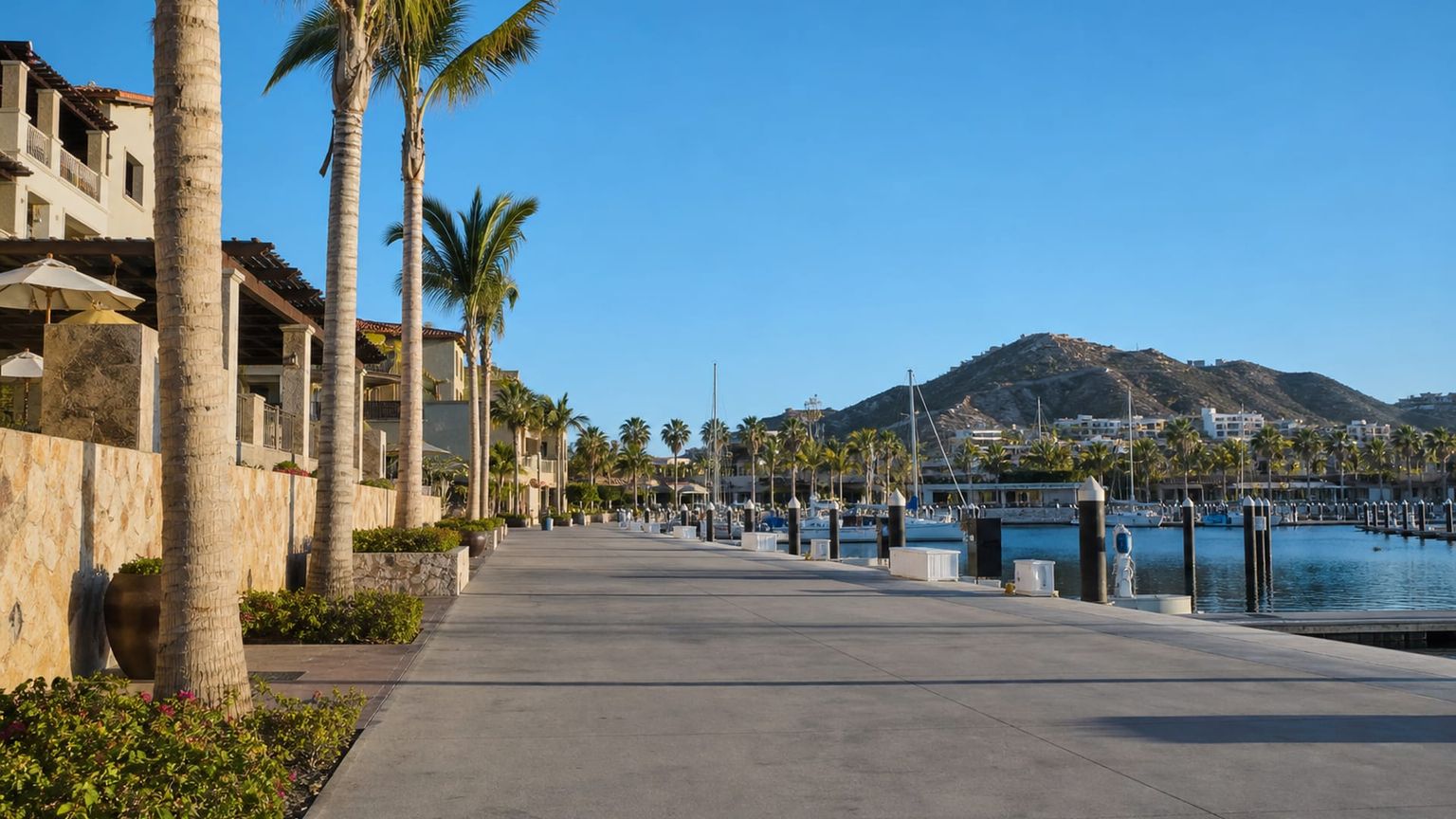
Puerto Los Cabos is the marina and golf community east of town, set beside the estuary and a stretch of protected shoreline. It appeals to travelers who want a more secluded base with resort facilities, golf access, and water views.
Best for: Golf trips, marina access, and travelers who prefer a more secluded base
What to expect: Low street activity, with most movement centered on resort grounds, the marina, and golf facilities.
Hotel prices: Usually about $180 to $500 per night for well-rated stays
Distance to major sights: About 15 to 20 minutes by taxi to Plaza Mijares; about 10 minutes by car to the Puerto Los Cabos marina
Quietness: Very quiet during the day outside resort areas, and still subdued in the evening.
Main trade-off: Dining and errands usually require a car or taxi, and rates often run higher than in town.
Good to know: Book this area only if you are comfortable relying on resort restaurants or prearranged rides for most outings.
Travelers usually avoid staying in the industrial corridor north of downtown San José del Cabo, including the area near the airport, because it sits far from the historic center and the beach district, with few visitor amenities and little to do on foot. The outer edges of the hotel zone toward the Tourist Corridor are also less convenient for a base, since many properties sit a long way from the town plaza, art walk area, and restaurant streets, and evening trips back to town usually require a car or taxi.
Hotel deals
How to get around San José del Cabo efficiently
San José del Cabo depends on roads rather than rail, so walking in Centro pairs best with taxis, Ruta del Desierto buses, and occasional ride-app trips.

Metro
for longer distances
There is no metro in San José del Cabo or the wider Los Cabos area; the closest public-transit option is the long-distance bus network, plus shared vans and local colectivos for short hops. For visitors, that means planning trips by road rather than rail, with San José del Cabo to Cabo San Lucas usually taking about 30 to 45 minutes by car depending on traffic.

Bus and tram
for convenience
Ruta del Desierto buses link San José del Cabo, the hotel corridor, and Cabo San Lucas, usually running every 20 to 30 minutes in the daytime. Fares are low, typically about $2 to $3, paid in cash on board, and the ride from downtown San José del Cabo to the tourist strip or Cabo San Lucas can take roughly 30 to 60 minutes depending on stops and traffic. There is no tram network, so buses and colectivos do most of the public-transport work.

Taxi
for convenience or late hours
Licensed taxis use set fares rather than meters, and drivers usually quote the price before departure. Expect roughly $15 to $25 for short trips within San José del Cabo, about $40 to $60 between the airport area and the hotel zone, and approximately $60 to $90 for San José del Cabo to Cabo San Lucas; airport transfers often cost more, and fares are usually best confirmed in advance. Most taxis take cash only, so keep small bills ready.
*Prices are based on rates updated as of June 2026 and may change at the time of travel.
Use taxis for point-to-point rides, buses for the corridor and Cabo San Lucas, and walking where the plaza, galleries, and mission all sit close together.
Iconic landmarks
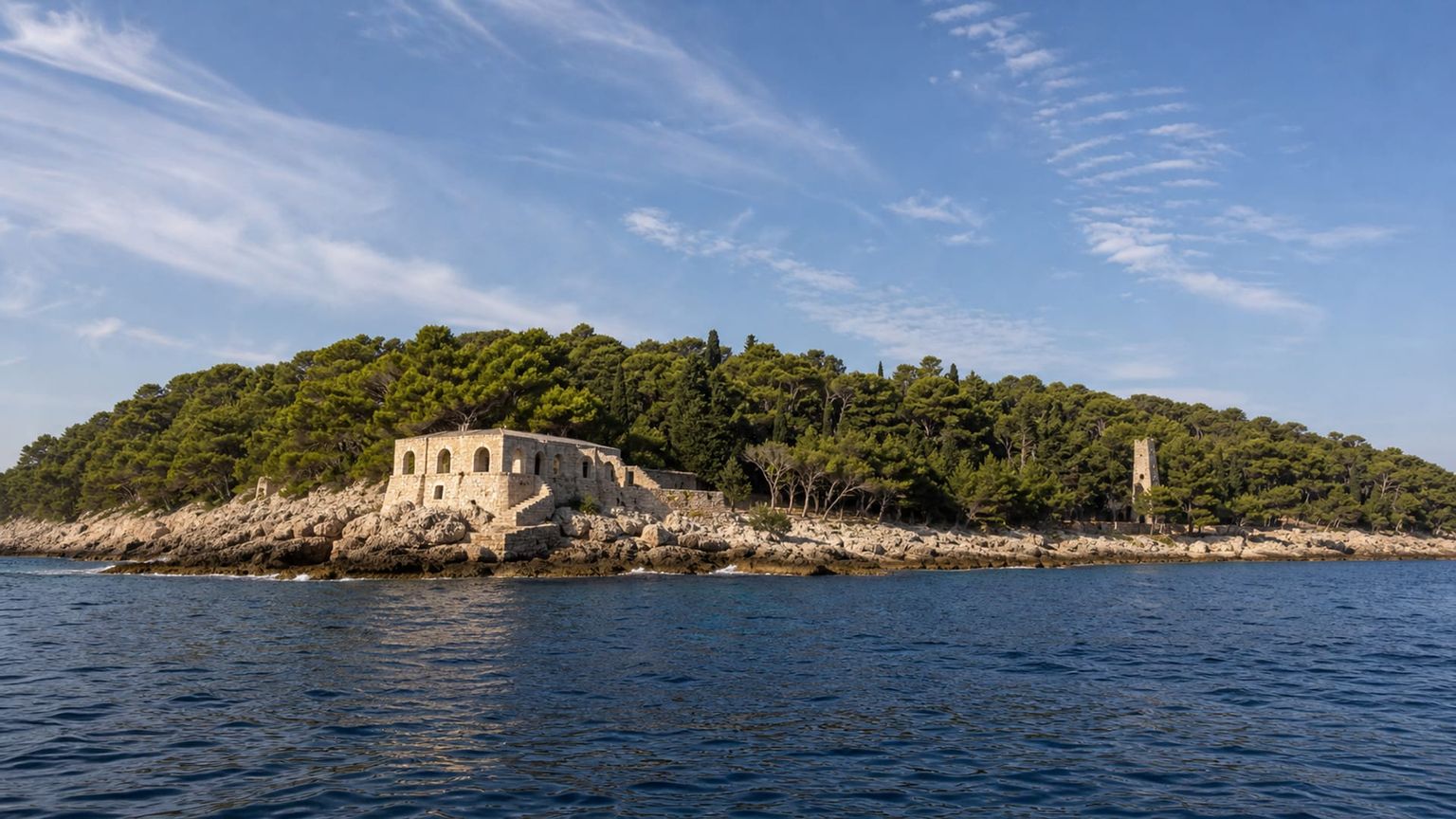
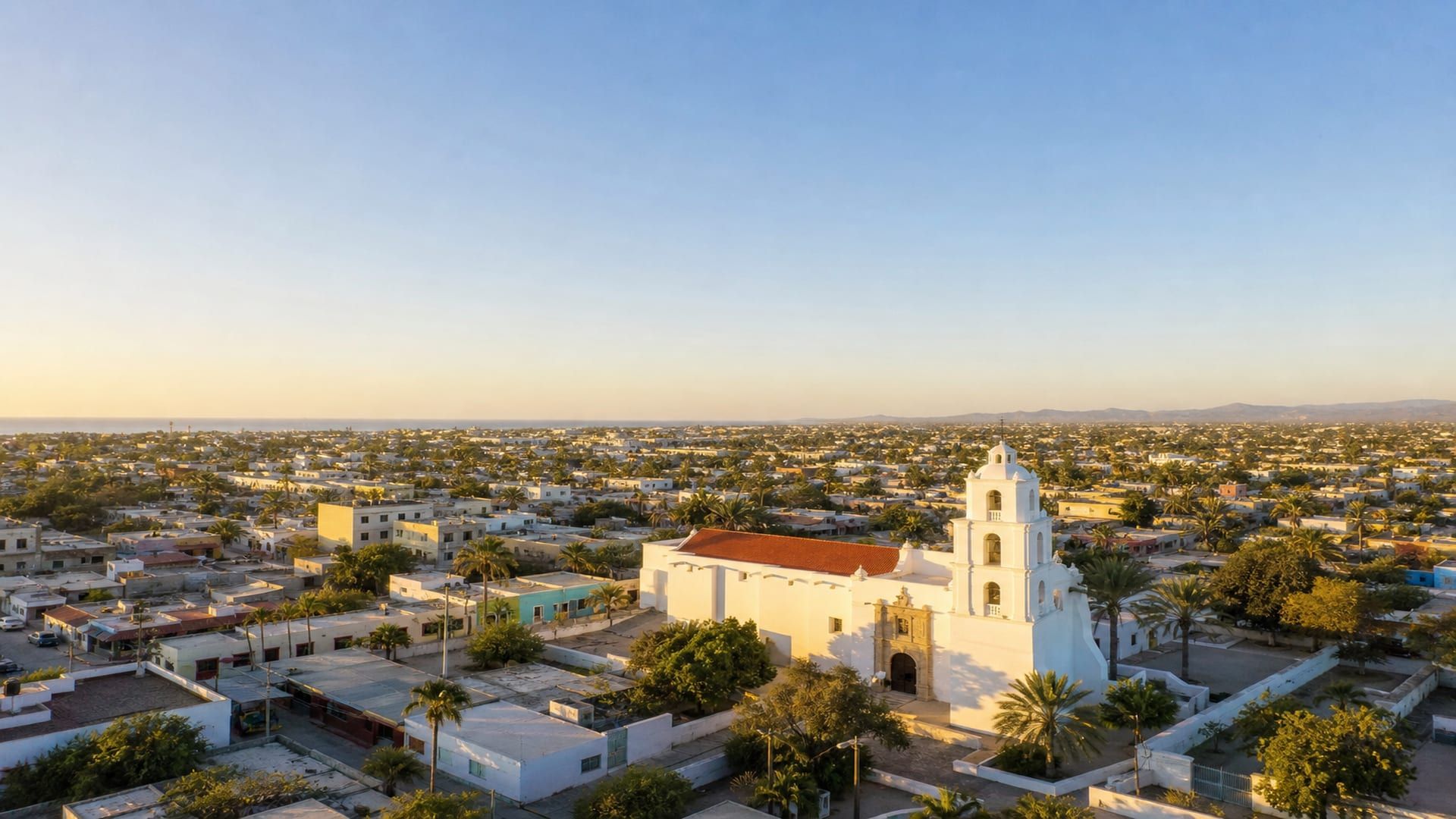
Misión San José del Cabo Añuití
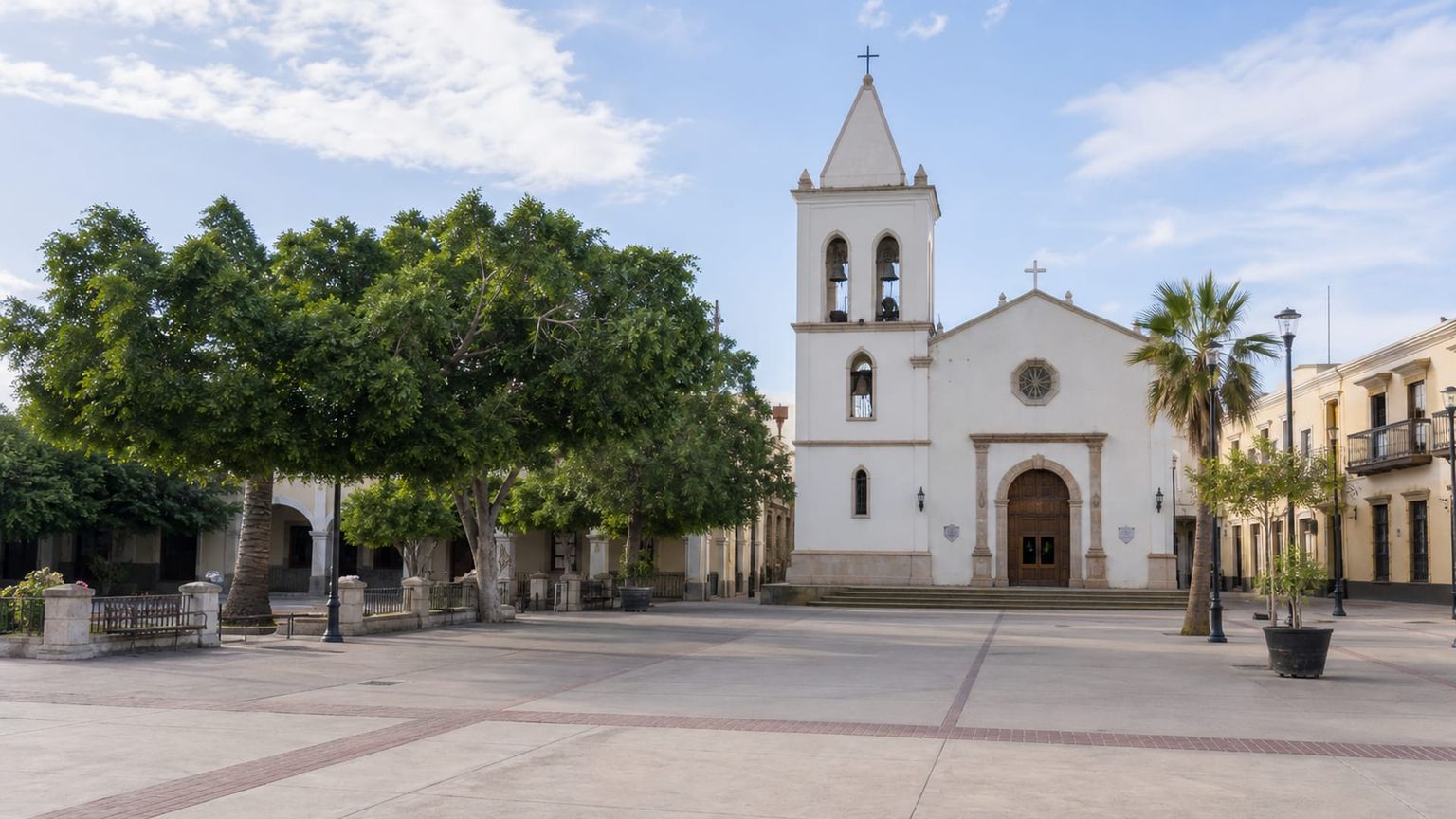
Built in 1730, this mission anchors the historic center with a whitewashed facade, restored nave, and a small plaza that gathers daily life. Its compact setting makes it easy to pair with the nearby art district and evening square.
Time needed: About 30 to 45 minutes
Entry: Free to access
Tip: Go late afternoon, when the facade gets softer light and the plaza stays active.
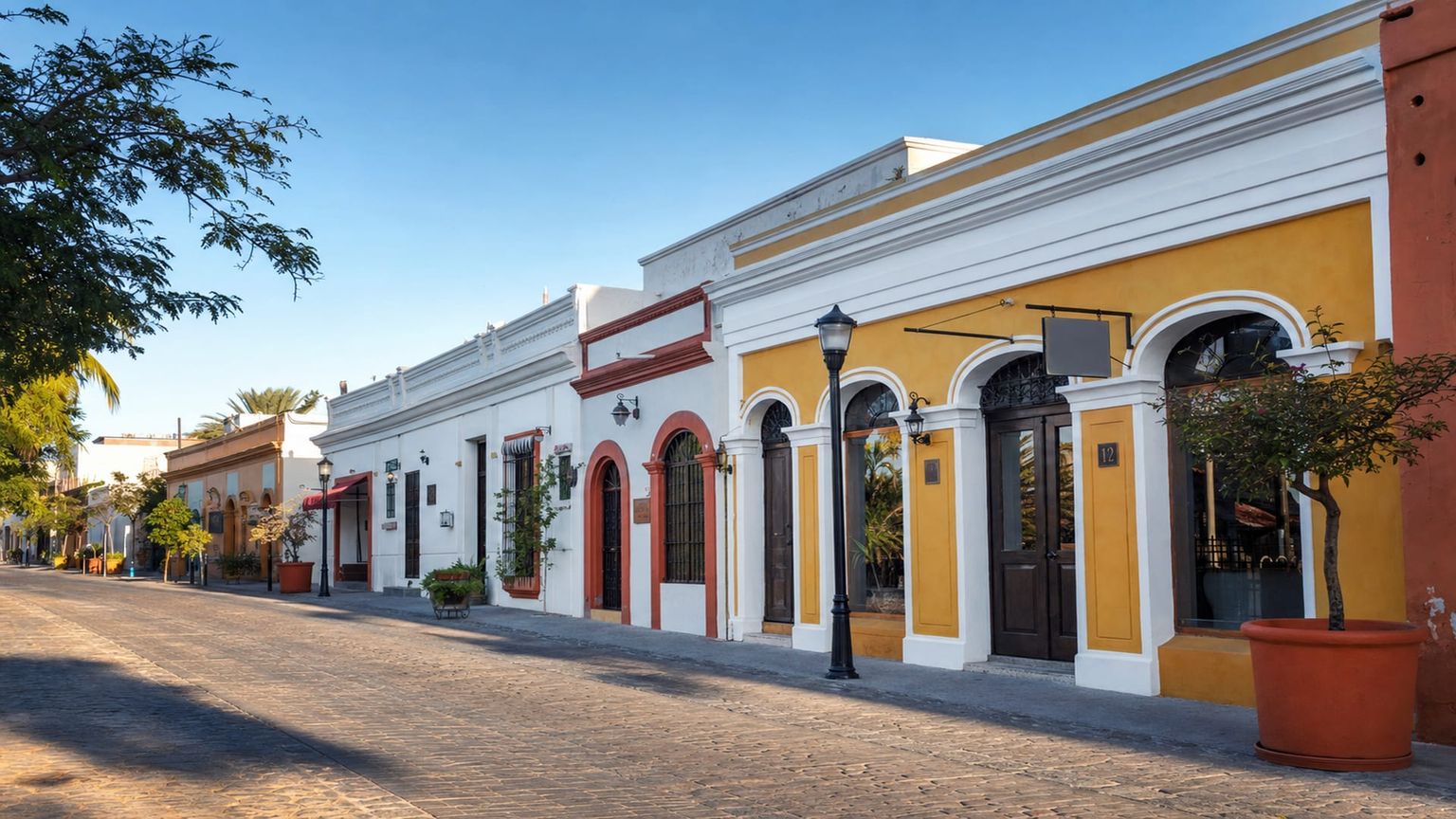
San José del Cabo Art District
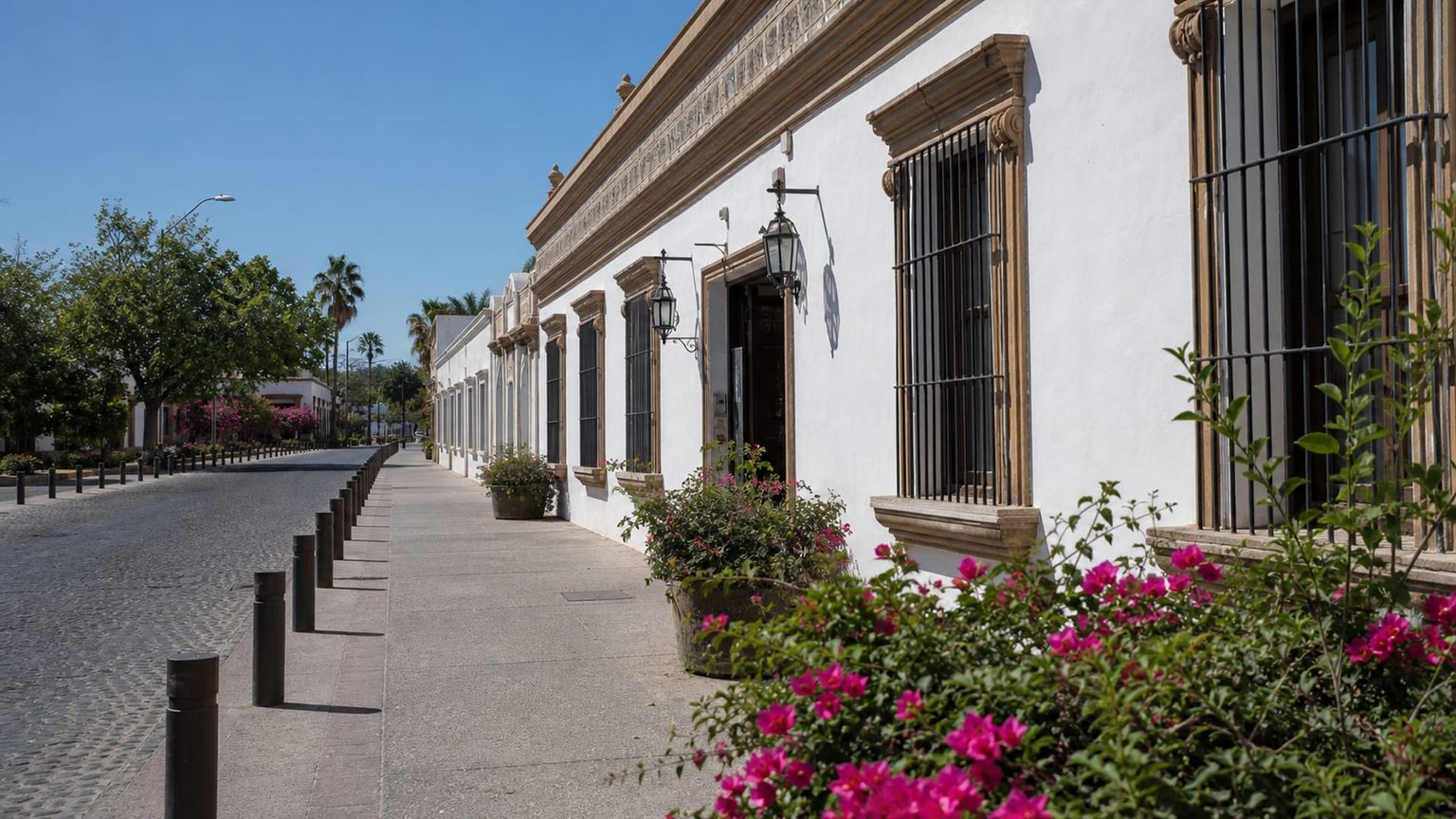
Each Thursday from November through June, the Art Walk opens galleries, courtyards, and restaurants in the historic center. Outside those hours, the district still rewards a slow stroll for public art and colonial streets.
Time needed: About 1 to 2 hours
Entry: Free to access; gallery purchases are separate Visit the official site for details.
Tip: Visit Thursday evening for the fullest scene, or come early for quieter browsing.
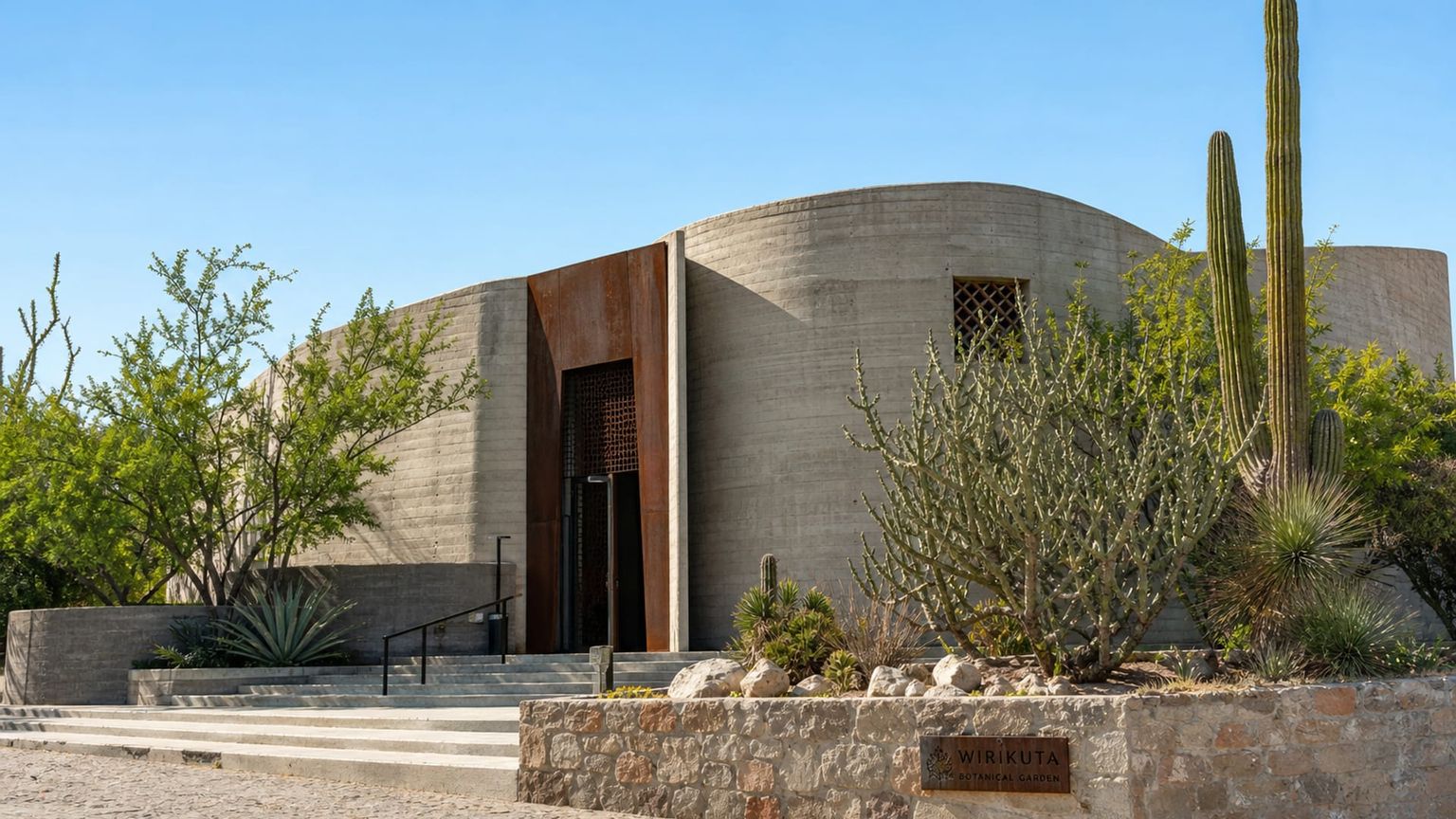
Wirikuta Botanical Cactus Garden
This private garden near downtown San José del Cabo displays desert plants from Baja California and the wider region, including tall cardón cacti and agaves. Paths and shaded stops make it a focused stop for seeing native arid-land species up close.
Time needed: About 45 minutes to 1 hour
Entry: Admission costs about $10 to $15 ($10 to $15) Visit the official site for details.
Tip: Visit in the morning, before the sun and heat intensify over the open paths.
Overlooked sites worth visiting

Misión San José del Cabo Anuiti
This 18th-century mission anchors the historic center with stone walls, a small plaza, and a compact interior that rewards a short stop between cafe breaks and gallery visits.
Time needed: About 30 to 45 minutes
Entry: Free to access; donations are welcome if you want to support maintenance and occasional cultural programming. Check posted hours before you go, since access can change for religious services and local events.
Tip: Go in the late afternoon for softer light on the façade.

Estero San José del Cabo
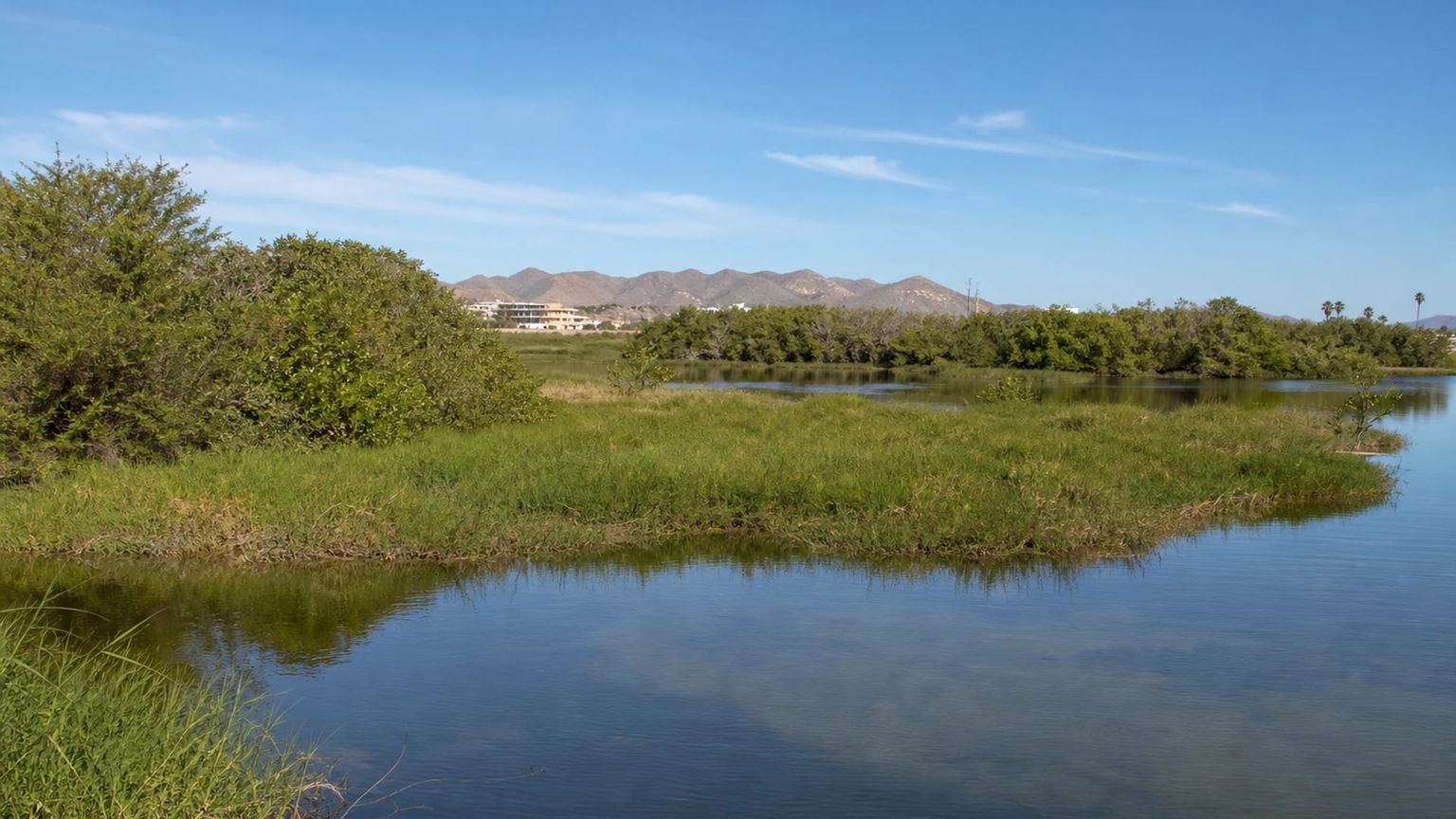
This estuary sits at the city edge, where boardwalk paths and sandy tracks pass mangroves, herons, and iguanas. It suits a slow walk before sunset, with birdlife changing by season.
Time needed: About 1 to 2 hours
Entry: Free to access. Bring cash if you plan to buy a cold drink from nearby vendors, and expect the main access paths to stay open during daylight only, with the best birdwatching early or near sunset.
Tip: Wear closed shoes if you want to follow the rougher paths.
Traditional food

Ceviche, tacos, and burritos anchor the table here, with fish and shrimp leading the seafood side and machaca bringing a Baja breakfast staple. Meals often start with a casual counter, then move into long lunches or late dinners near the plaza.
Fish tacos
Fresh fish tacos show up in many forms here, but Flora’s Field Kitchen prepares them with the kind of produce-driven balance that fits San José del Cabo well. It is a strong stop if you want a more refined take on a Baja staple.
Shrimp tacos
Shrimp tacos are a natural order in this coastal town, usually built with grilled or lightly battered shrimp and bright salsas. La Lupita Taco & Mezcal serves a well-known version in a lively Centro setting.
Ceviche
Ceviche works best when the fish is fresh and the citrus stays sharp, and that is the appeal at Cynthia Fresh! Restaurant and Organic Market. The menu gives this Baja classic a clean, ingredient-led presentation in downtown San José del Cabo.
Machaca burritos
Machaca burritos make an easy breakfast or early lunch, with shredded beef folded into a filling that travels well after a morning out. El Toro Güero is a dependable place to order one in the San José del Cabo area.
Best time to visit San José del Cabo
San José del Cabo works year-round, but winter and spring bring the mildest weather, while summer and early fall ask for earlier starts, more shade, and a looser schedule.
Best for: Best for dry weather, clear mornings, and comfortable plaza walks
What you get: About 70 to 80°F (21 to 27°C), with the biggest crowds in the holiday period and pleasant evenings
Trade-offs: Hotel rates and restaurant tables rise during peak travel weeks
Best for: Best for art walks, mission visits, and beach time without extreme heat
What you get: About 75 to 88°F (24 to 31°C), with moderate crowds outside spring break
Trade-offs: Late spring heat can build quickly by midday
Best for: Best for quieter streets and lower hotel occupancy
What you get: About 80 to 95°F (27 to 35°C), with fewer visitors and more time indoors at midday
Trade-offs: Heat, humidity, and brief storms can change outdoor plans
Best for: Best for flexible travelers who do not mind watching the forecast
What you get: About 78 to 90°F (26 to 32°C), with lighter crowds after the rainy season begins to ease
Trade-offs: Early fall can still bring storm risk and occasional closures
A realistic 5-day plan in San José del Cabo
The five-day plan starts in Centro, then widens to the mission, the art district, the estuary, and Puerto Los Cabos. It keeps the longest rides short and places the quietest outdoor stops early in the day.
Land at San José del Cabo Airport (SJD), then take a taxi or prebooked transfer into San José del Cabo Centro, usually about 20 to 25 minutes and roughly $25 to $40. Check in near Plaza Mijares or the church square, drink water before heading out, and keep dinner close by at a cafe or restaurant in the historic core so you do not need a long ride after a flight day.
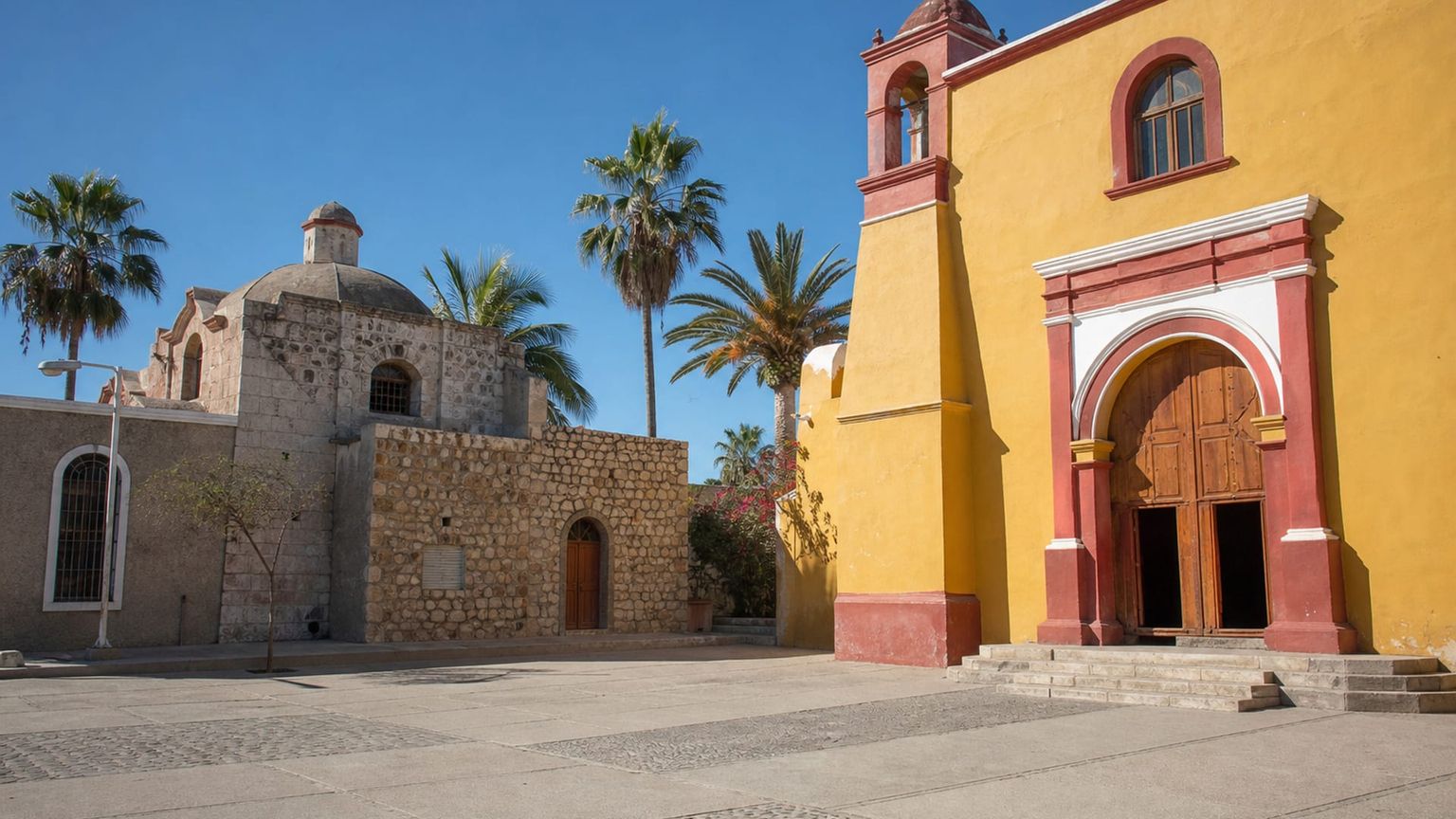
Start in the morning at Wirikuta Botanical Cactus Garden, about 45 minutes to 1 hour, then take a taxi or short ride, about 10 minutes, into the center for Misión San José del Cabo Añuití. After that, walk roughly 5 to 10 minutes to the San José del Cabo Art District for galleries, courtyards, and lunch, then circle back through Plaza Mijares for an easy evening stroll. If you are here on Thursday between November and June, stay for the Art Walk, which adds more galleries and foot traffic after sunset.
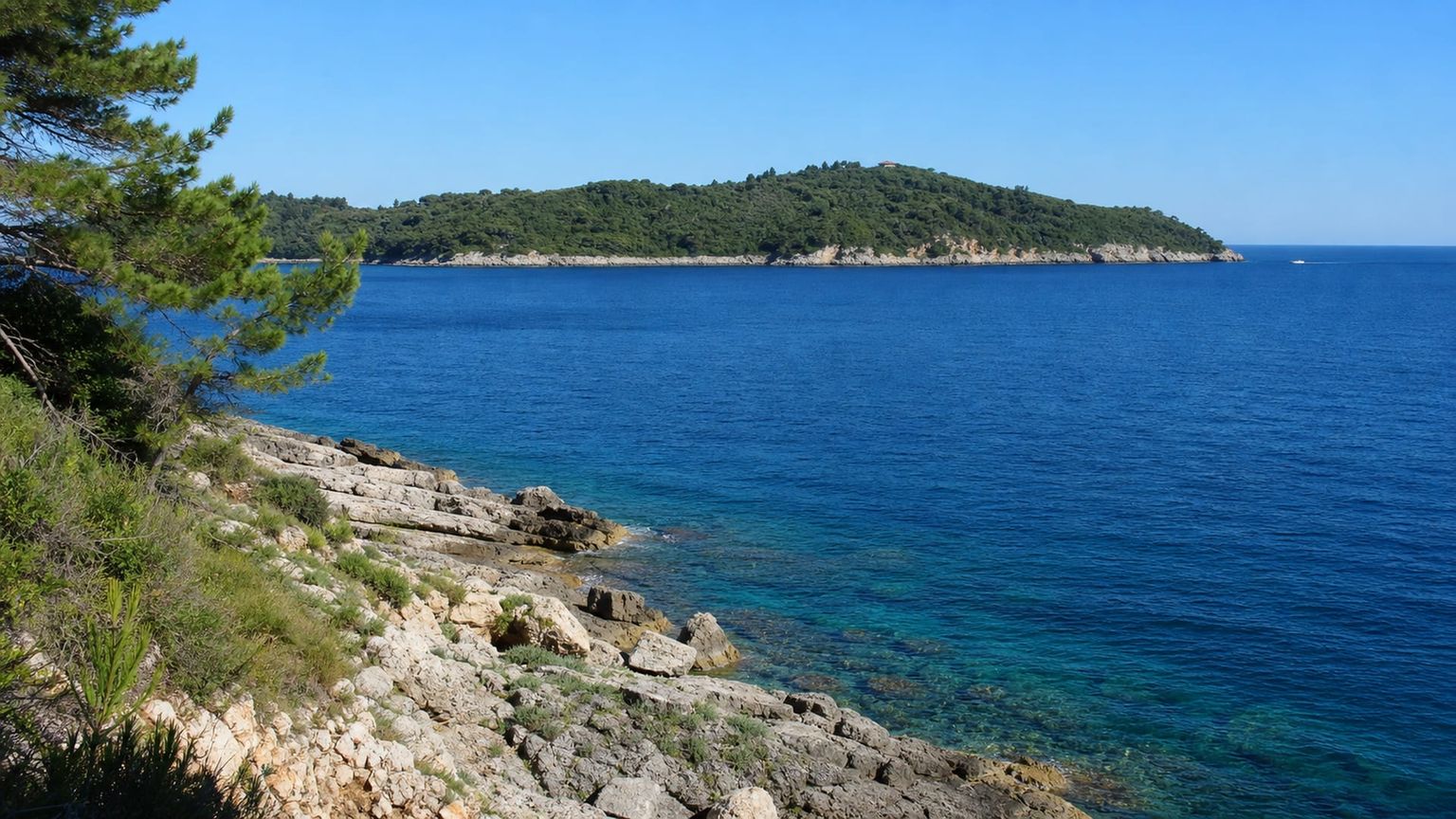
Begin with the Estero San José del Cabo boardwalk and sandy paths, about 1 to 2 hours, when bird activity is strongest early in the day. From there, take a taxi, roughly 10 minutes, back toward the historic center for the older mission site, Misión San José del Cabo Anuiti, then pause in nearby cafes before another short walk into the gallery streets. Finish with dinner in San José del Cabo Centro, where the evening pedestrian traffic gives the plaza a more animated edge than it has during the morning.
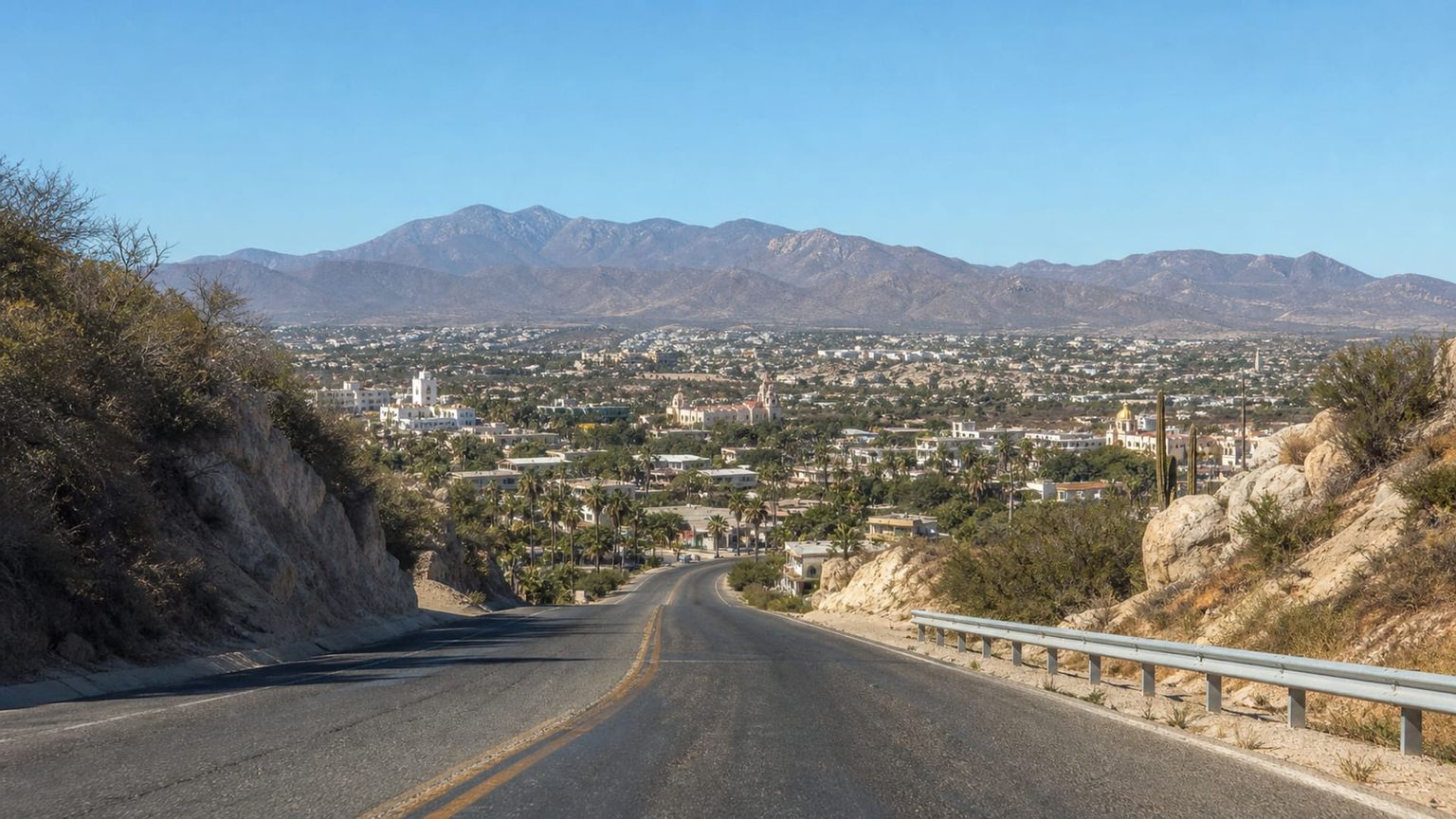
Spend the morning around San José del Cabo Centro, starting at Plaza Mijares and the main church area, then walk about 5 minutes to Misión San José del Cabo Añuití for a second look when the light is softer. After lunch, take a taxi about 15 to 20 minutes east to Puerto Los Cabos for the marina and shoreline views, then return in the late afternoon if you want one more round of gallery browsing or an easy dinner back in town. This day works well if you want a mix of the historic core and a quieter waterfront setting.
For a low-key last day, begin with coffee in San José del Cabo Centro, then spend an hour or two on any gallery or souvenir browsing in the Art District before a final meal near the church square. If your schedule leaves room, make one more stop at the estuary edge for a short daylight walk, then head back to your hotel well before airport time so checkout does not feel rushed.
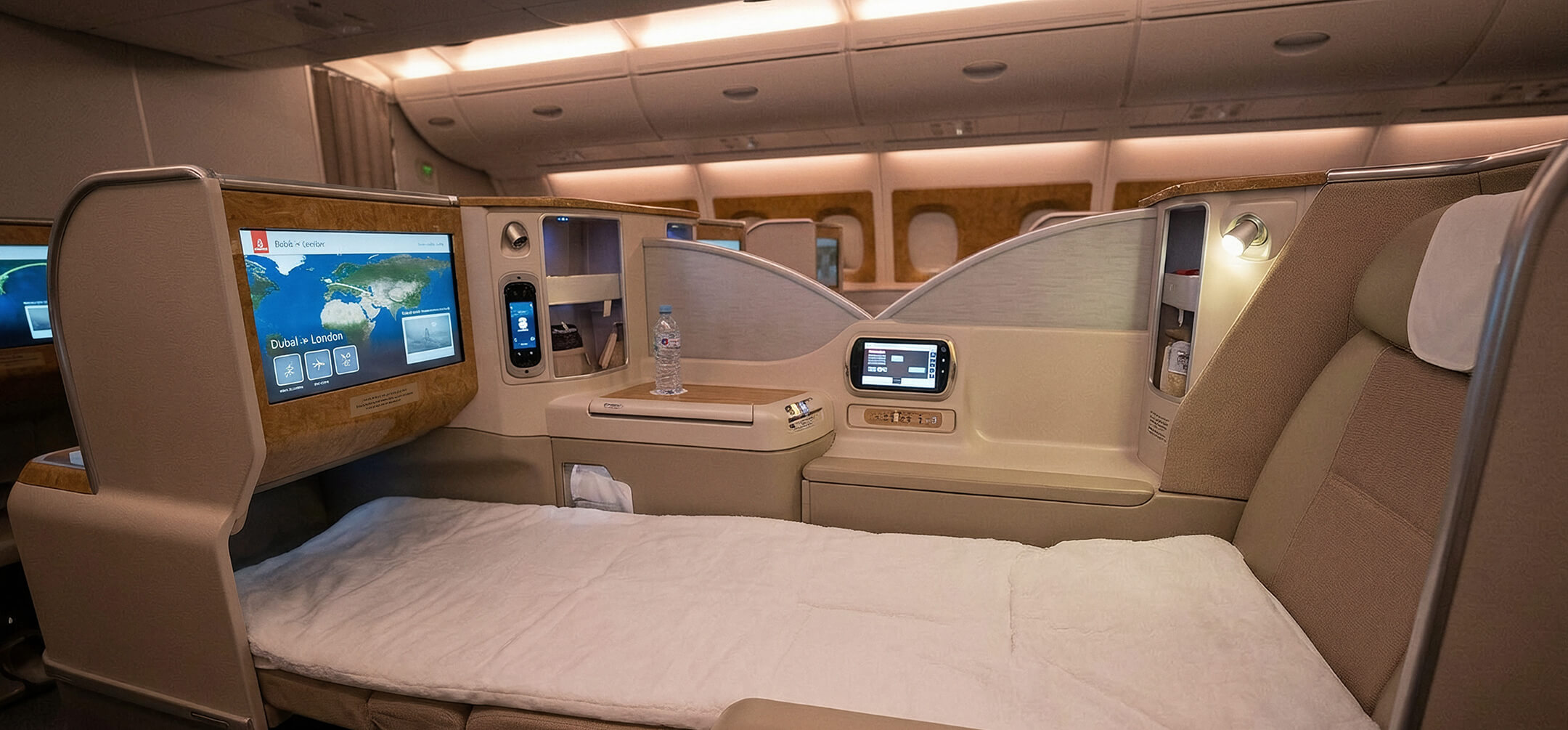
Business-class flights from the US to San José del Cabo
Flights into SJD usually route through major US hubs, and the best fare changes with the departure city. From both coasts, the trip is common enough that schedule choice matters as much as price.
From New York, carriers including American Airlines, Delta Air Lines, JetBlue, Alaska Airlines, United Airlines, and Aeromexico typically offer itineraries that take about 6 to 7 hours nonstop, while one-stop trips via Dallas/Fort Worth, Phoenix, or Miami can trim the fare. Business-class fares from New York usually run from $1,400 to $3,800 round-trip.
Los Angeles has the shorter path, with American Airlines, Alaska Airlines, Delta Air Lines, United Airlines, Aeromexico, and WestJet often selling nonstop flights that take about 2 to 3 hours. Round-trip fares usually start near $700 and can reach $2,200, with nonstops often sitting at the lower end of the range.
San José del Cabo feels different when you slow down
A deliberate San José del Cabo trip gives each part of town a role, from breakfast and gallery walks in Centro to a shaded visit at the mission, an early pass through the estuary, and a later taxi to Puerto Los Cabos. That mix keeps road time controlled and leaves room for long meals near Plaza Mijares. If you want a tighter plan built around the Art District or the Thursday walk, AranGrant experts can shape it for your dates