

Chapters:

Need help with your trip?
Our support team is available 24/7. Request a callback or call us directly at (833) 619-0908
San Francisco trips often start with the same landmarks, then lose time to cross-town hops, foggy mornings, and crowded waterfront blocks. Travelers see the bridge, the wharf, and maybe one museum, but skip the neighborhood meals and hill walks that give the city its shape.
That pattern works poorly here because distances stack up quickly, transit changes by corridor, and a full day can disappear if every stop sits on a different edge of the city. The hills and wind add their own pace, so plans need to match the geography.
This guide follows a tighter order, pairing nearby sights, transit choices, and meal stops so each day stays anchored in one part of town rather than scattering across it.
Useful things to know
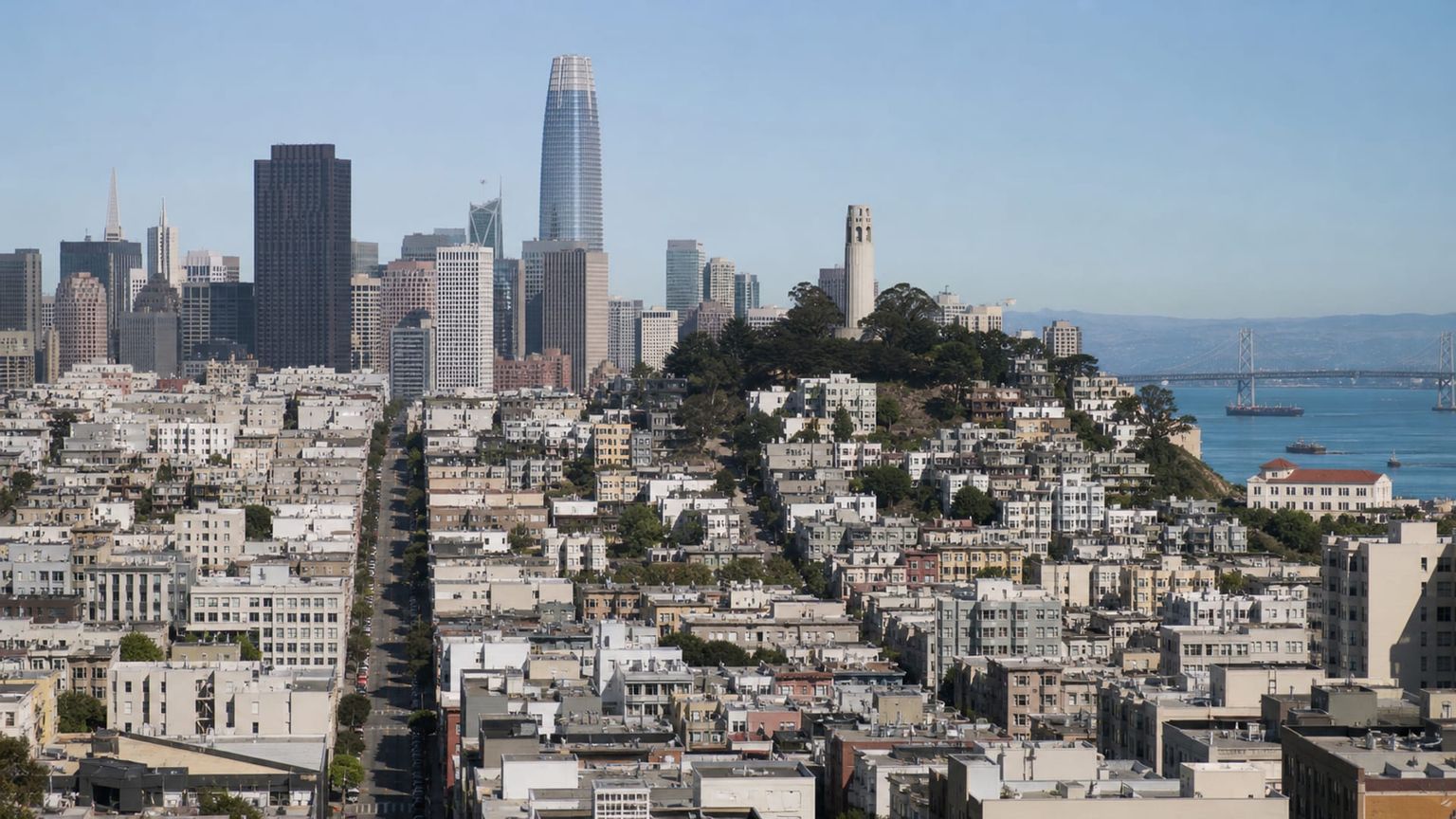

Main language(s): English

Currency: The local currency is the US dollar (USD, $).

Cash and cards: Cards and contactless are widely accepted; keep about $20 to $40 in cash for small tips or market purchases.

Tipping: Tip 15-20% in restaurants; round up for taxis and small checks.

Traditional food: Sourdough bread, cioppino, Dungeness crab, Mission burrito

Water and coffee costs: Water about $2 ($2), bar espresso about $4 ($4).

Taxis and ride apps: Uber and Lyft operate here; expect airport pickup rules to direct you to the designated ride-share area.

Plug and voltage: Type A/B socket, 120V

Dining and shop opening hours: Breakfast about 07:00-10:00, lunch 12:00-14:00, dinner 18:00-21:00. Many kitchens close earlier than late-night diners in the city center.

Emergency number: 911 for police, fire, or medical emergencies.
Where to stay in San Francisco
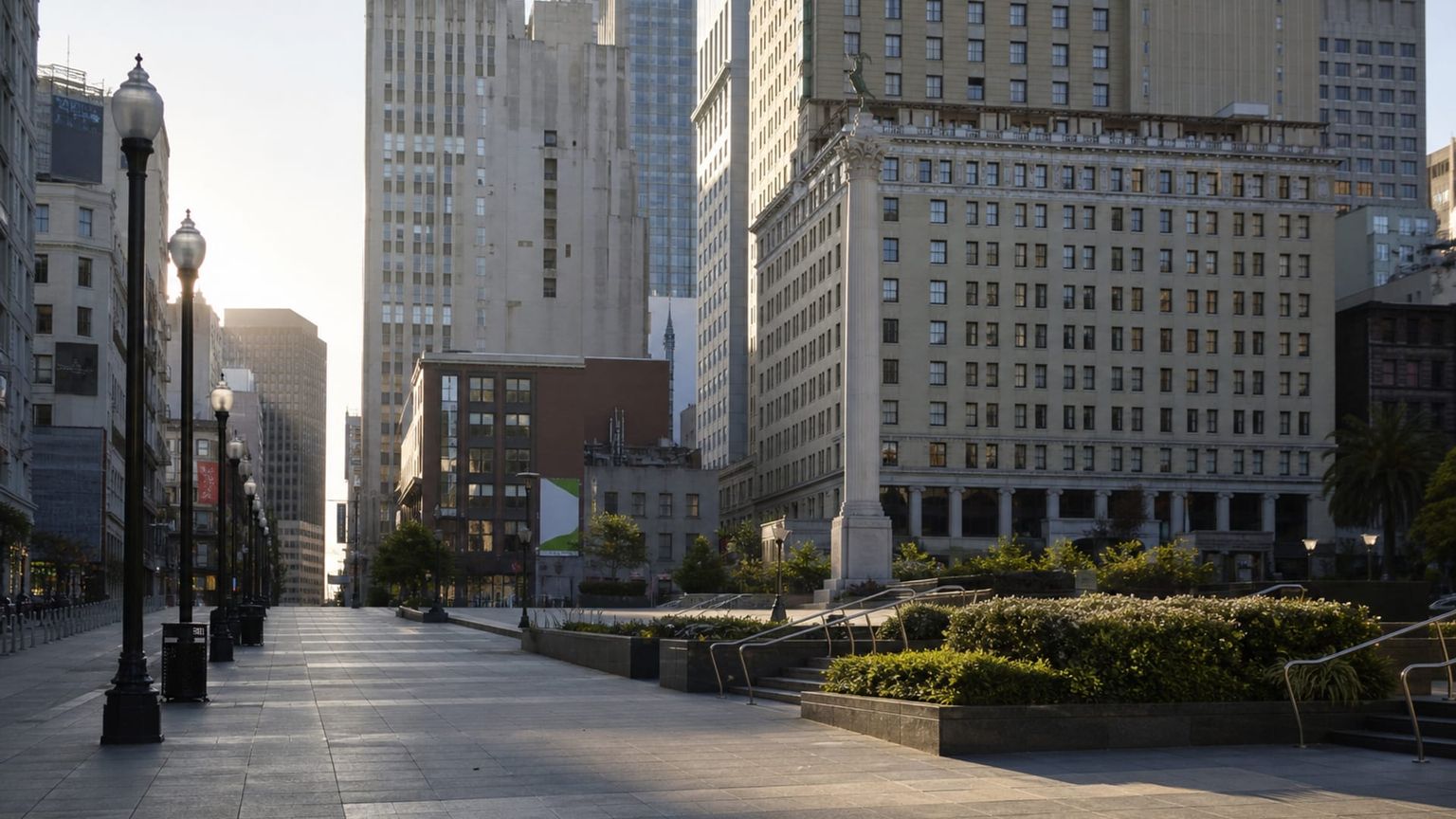
San Francisco’s central hotel and retail district, Union Square puts major stores, theaters, and transit within a short walk. It suits visitors who want easy access to downtown sights, though the block-by-block feel changes after business hours.
Best for: First-time visits, shopping, and fast BART or cable car access
What to expect: Busy sidewalks by day, with hotel traffic and a thinner evening scene on some blocks.
Hotel prices: Usually about $180 to $350 per night for well-rated stays
Distance to major sights: 10 to 15 minutes on foot to Chinatown; about 15 minutes by transit to Ferry Building
Quietness: Livelier by day, quieter at night on side streets and near some hotel blocks.
Main trade-off: The central location comes with higher rates and a few blocks that feel less inviting late in the evening.
Good to know: Choose a hotel near the Powell Street transit nodes if you plan to use BART often, because the farther edges of the district add extra walking after dark.
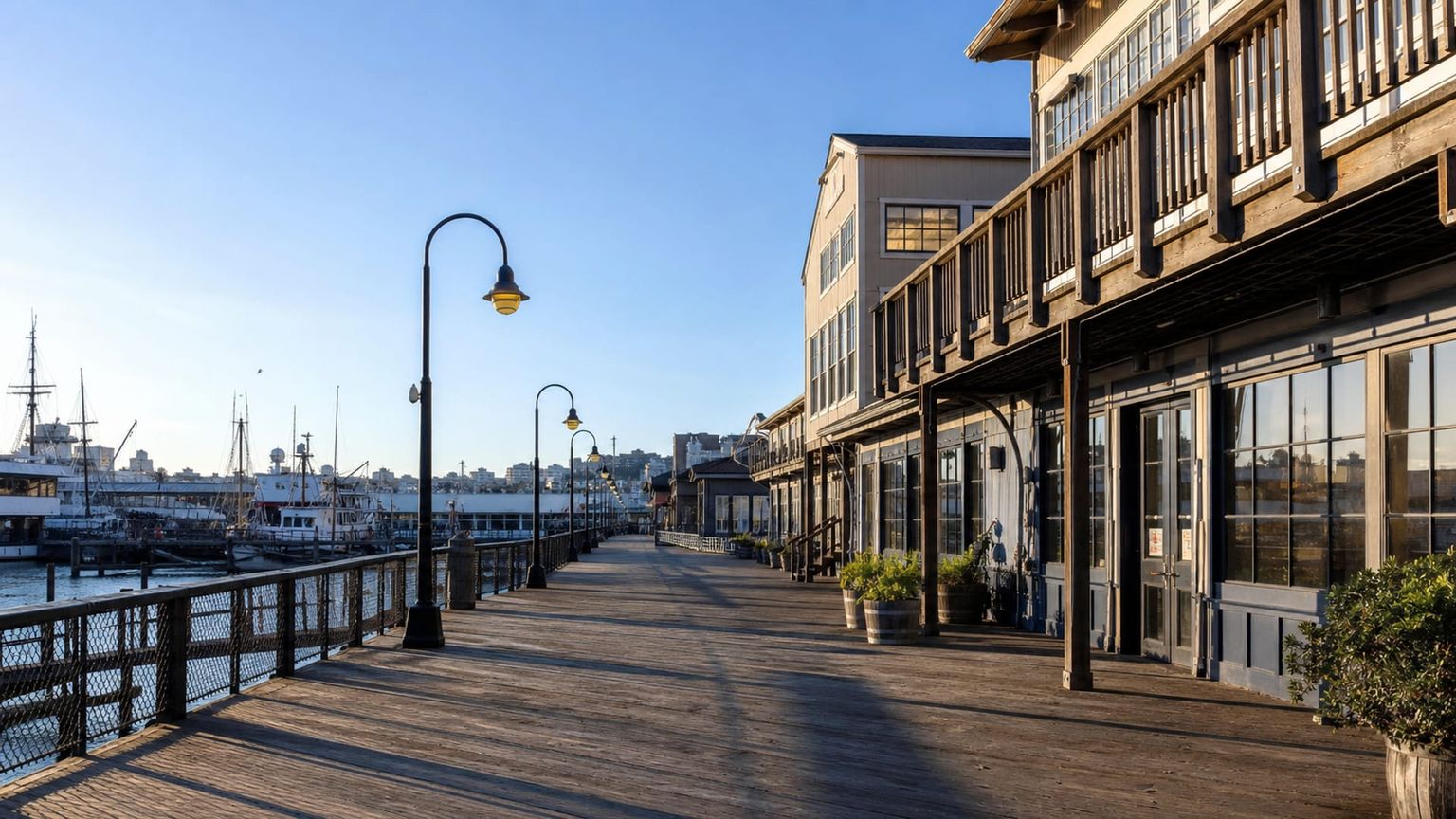
Fisherman’s Wharf is the city’s waterfront tourist area, with piers, museums, and harbor views clustered together. It works well if you want to stay close to boat rides and family attractions, though the area caters heavily to visitors.
Best for: Waterfront activities, family trips, and easy access to Alcatraz departures
What to expect: Crowded promenades, souvenir shops, and a steady stream of tour groups through the day.
Hotel prices: Usually about $220 to $420 per night for well-rated stays
Distance to major sights: 15 to 20 minutes by transit to the Ferry Building; about 25 minutes by transit to Chinatown
Quietness: Busy in the day, then quieter at night once day visitors leave.
Main trade-off: You pay for the bayfront setting and tourist convenience, while restaurants and nightlife are more limited than in other districts.
Good to know: If you want to make early boat departures simple, stay near the eastern end of the wharf so you are closer to the ferry and tour docks.
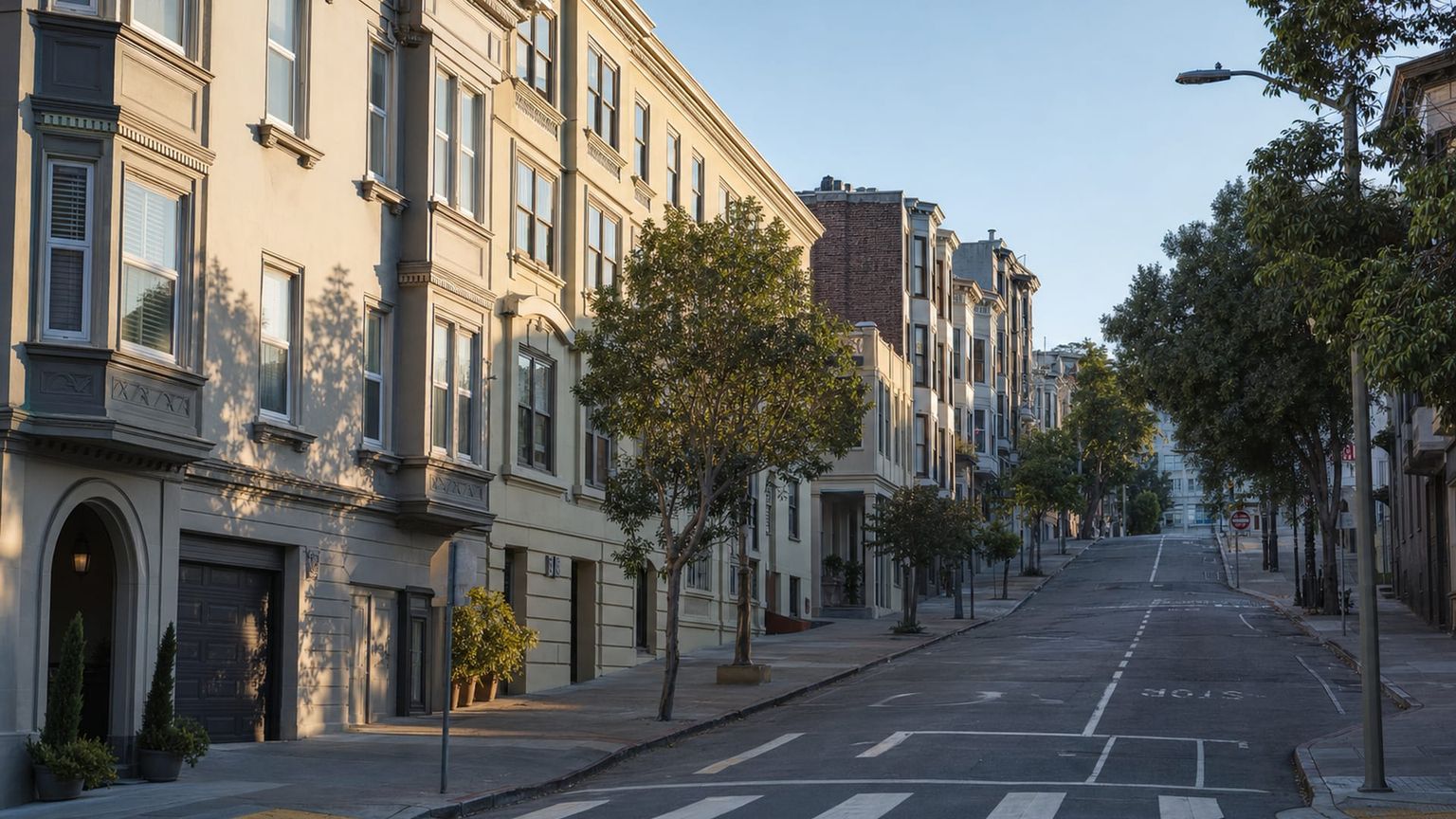
North Beach is one of San Francisco’s classic neighborhood bases, with Italian restaurants, bars, and dense street life near Telegraph Hill. It gives you a more local feel while still sitting close to Chinatown, the waterfront, and downtown.
Best for: Dining, nightlife, and travelers who want a neighborhood feel close to central sights
What to expect: Active sidewalks, late dinners, and a strong evening crowd on the main corridors.
Hotel prices: Usually about $190 to $380 per night for well-rated stays
Distance to major sights: 10 minutes on foot to Chinatown; about 15 to 20 minutes on foot to the Ferry Building
Quietness: Busy into the evening on main streets, then calmer on residential side streets.
Main trade-off: Rooms are often smaller and pricier than in outer neighborhoods, and street parking is difficult.
Good to know: Many hotels sit on sloped streets, so check your walk to the nearest garage or transit stop before booking if you are carrying luggage.
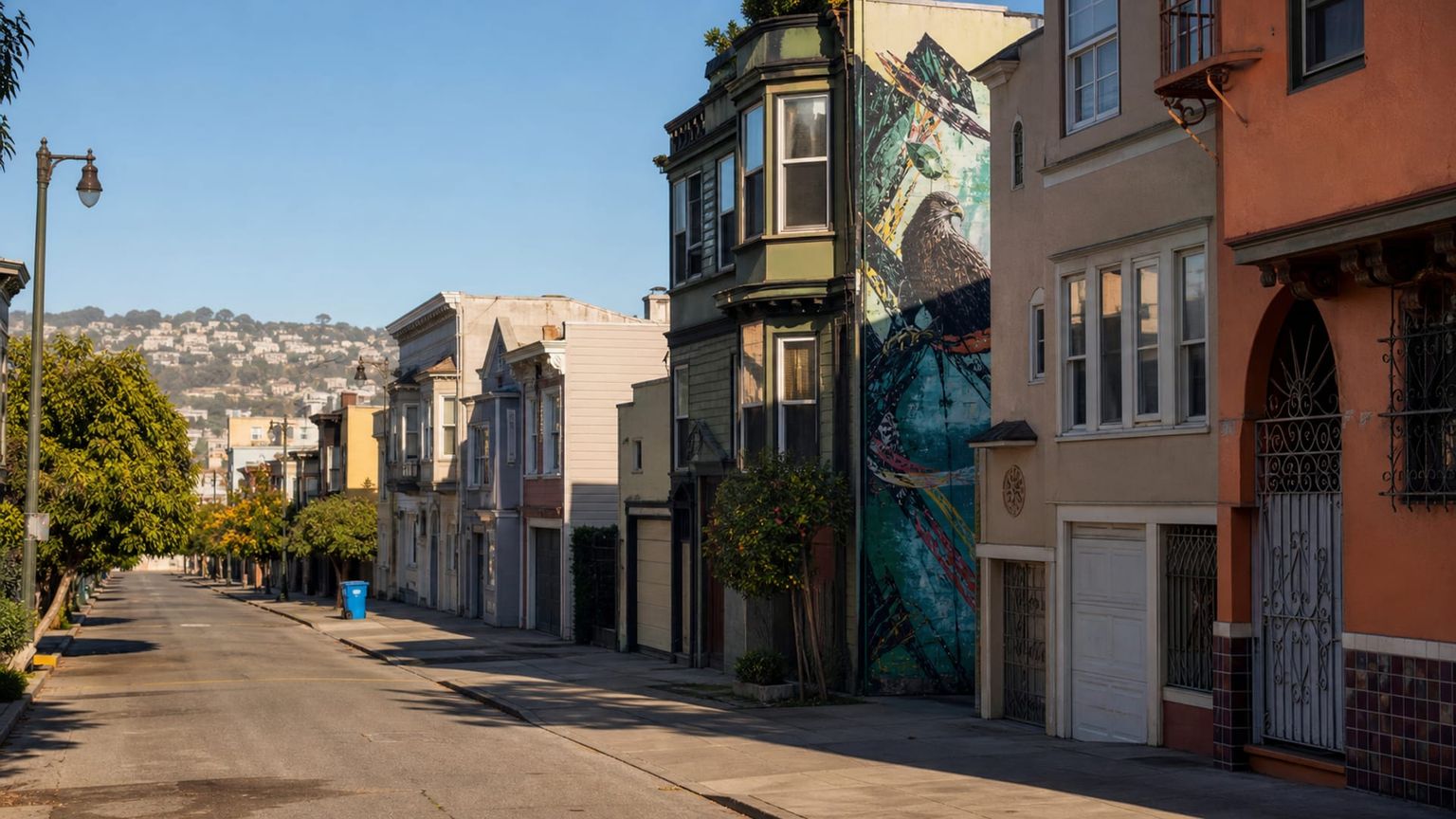
The Mission District combines murals, taquerias, and a strong neighborhood dining scene, with easy access to BART and the rest of the city. It suits travelers who want an energetic local base and do not mind a more urban, lived-in setting.
Best for: Food trips, nightlife, and visitors who prefer a neighborhood base with transit access
What to expect: Dense street activity, long restaurant hours, and some blocks that stay lively late.
Hotel prices: Usually about $170 to $320 per night for well-rated stays
Distance to major sights: About 15 minutes by BART to downtown; about 20 minutes by transit to Union Square
Quietness: Energetic by day and evening, with quieter pockets once you move off the main corridors.
Main trade-off: You trade postcard waterfront access for more local character and a setting that can be noisy on busy streets.
Good to know: If you want the easiest transit, stay within a few blocks of Mission Street or 16th Street BART, since outer residential pockets require a longer walk.
Travelers usually avoid staying in the Tenderloin, because it sits between many downtown attractions but has limited visitor amenities and can be inconvenient for evening walks to Union Square or Market Street. Fisherman’s Wharf is less convenient if you plan to spend most of your time elsewhere in the city, since it is far from neighborhoods like the Mission, SoMa, and Hayes Valley, and it leans heavily toward tourist-oriented dining and shops. Outer Sunset and Outer Richmond are also less convenient for most first-time visitors, because they are far from major sights and require longer Muni or rideshare trips to reach downtown and the waterfront. Bayview-Hunters Point is usually avoided for hotel stays as well, since it is distant from the main visitor corridor and has fewer hotel options and late-night services.
Hotel deals
How to get around San Francisco efficiently
San Francisco does not have a subway, so most visitors move between BART, Muni, taxis, and rideshares, with airport rail giving the cleanest start for downtown stays.

Metro
for longer distances
San Francisco has no true metro or subway network, so visitors usually rely on BART for rail trips from San Francisco (SFO) into downtown and the East Bay. Trains from San Francisco (SFO) to the city center take roughly 30 to 35 minutes, and fares to downtown are about $11 to $12 ($11 to $12) one way, with Clipper cards and contactless payment accepted. BART runs every few minutes in peak periods, and it is the fastest public option for a direct airport-to-city ride.

Bus and tram
for convenience
Muni buses and light rail cover most neighborhoods in San Francisco, with frequent service on major corridors and the historic cable cars linking Market Street, Fisherman’s Wharf, and Nob Hill. A single ride costs $2.50 ($2.50), and the Muni Mobile day pass costs $5.00 ($5.00) for unlimited rides, while transfers are valid for 2 hours. Use Muni for short cross-town trips, then expect longer cross-harbor or airport journeys to take much more time than rail.

Taxi
for convenience or late hours
At San Francisco (SFO), licensed taxis use metered fares, not set citywide flat rates, and airport trips into central San Francisco usually cost about $45 to $65 ($45 to $65) before tolls and tip. You can queue at the official taxi stand outside the terminal, and most cabs accept credit cards, though it helps to confirm before you set off. Fares rise with traffic, late-night waits, and bridge tolls on some trips.
*Prices are based on rates updated as of July 2026 and may change at the time of travel.
Use BART for the airport and downtown, Muni for short city hops, and taxis or rideshares when hills, luggage, or late returns make the direct option worth it.
Iconic landmarks
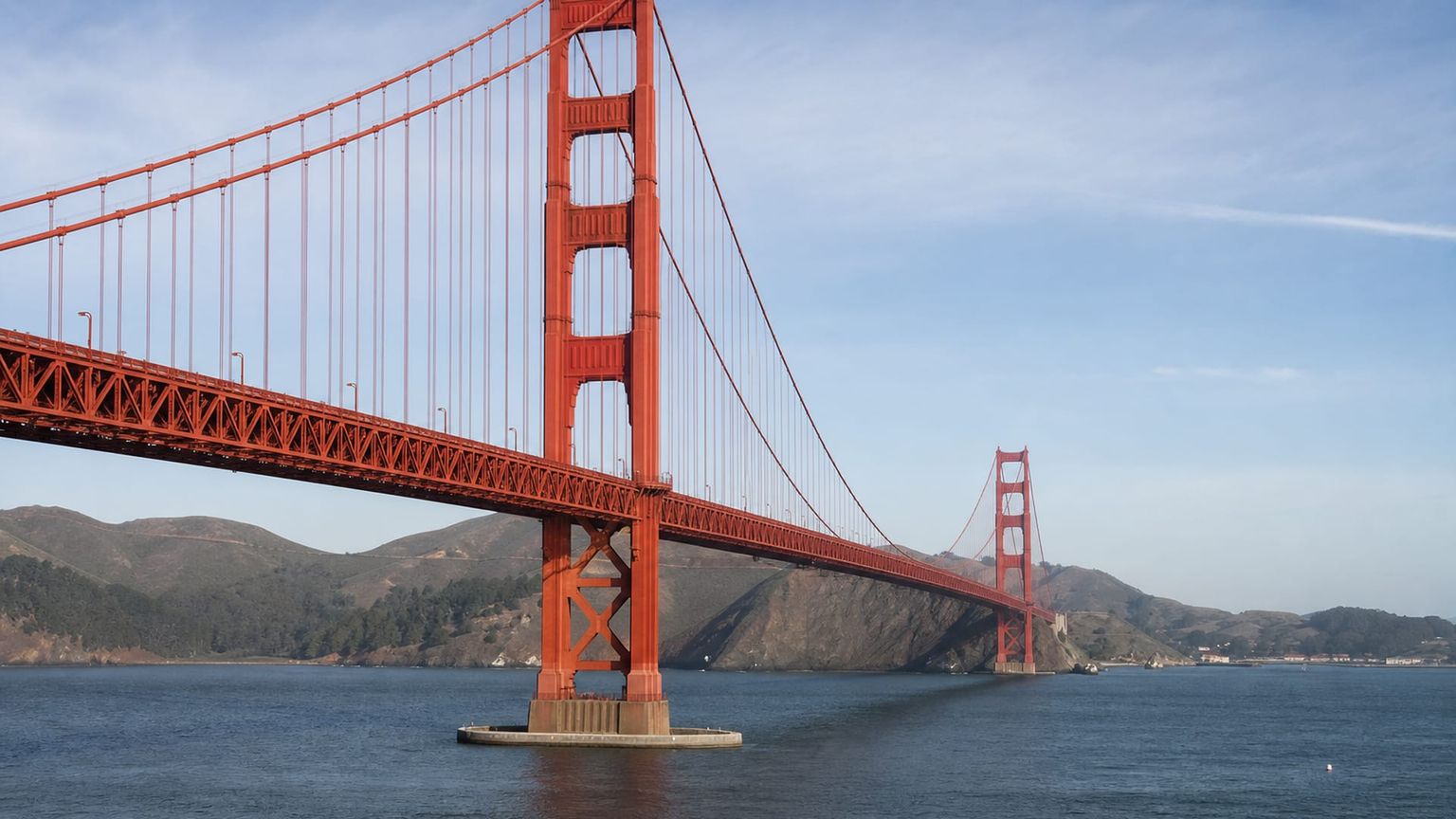
Golden Gate Bridge
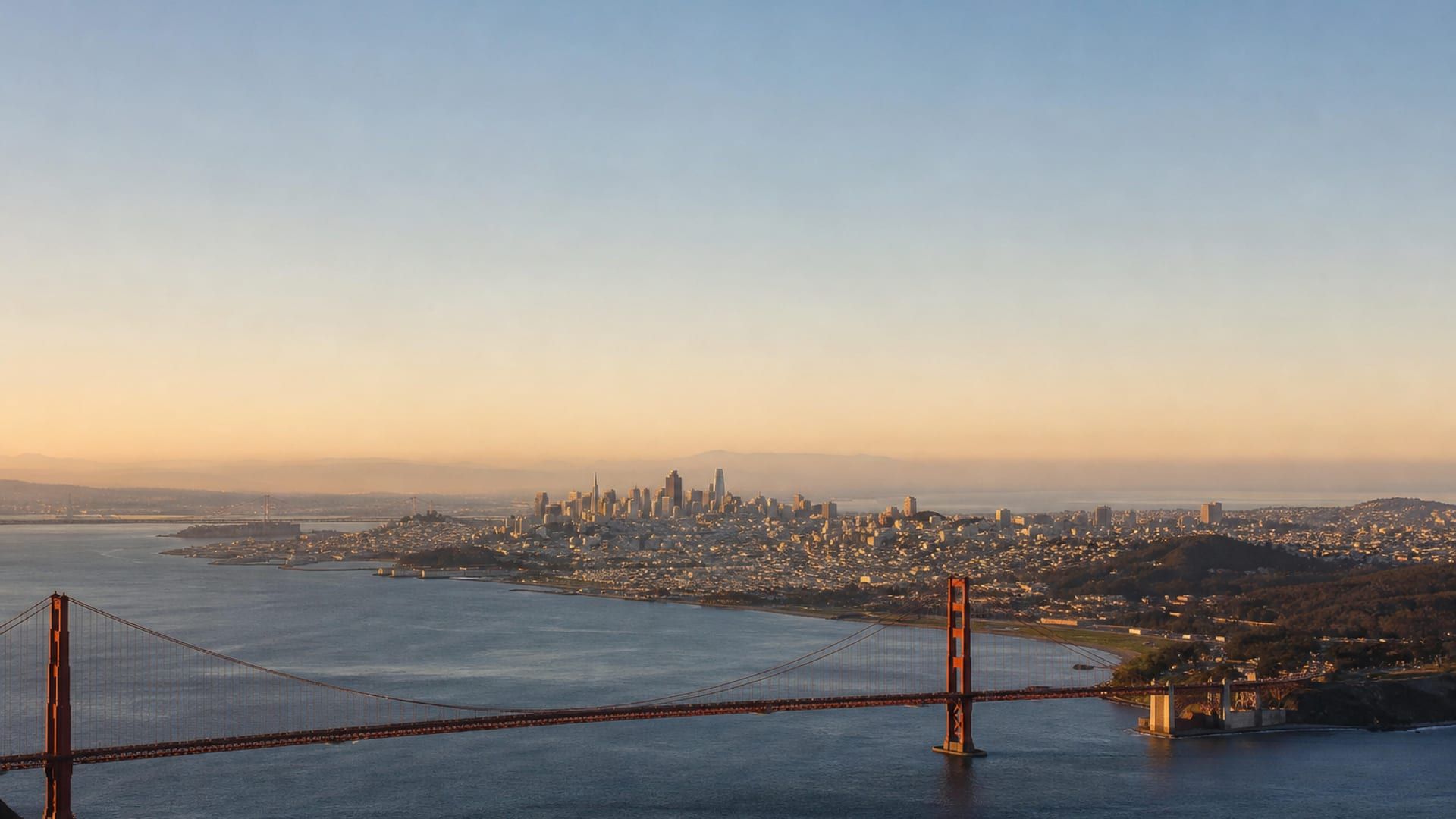
San Francisco’s most recognizable landmark spans the Golden Gate Strait with orange-red towers, wide sidewalks, and bay views toward Alcatraz and the Marin Headlands. Walk or bike part of the span for the clearest sense of scale.
Time needed: About 1 to 2 hours
Entry: Free to access; bicycle rentals and guided tours nearby add extra cost, but crossing the bridge itself does not require a ticket. Visit the official site for details.
Tip: Go in the morning for clearer views, then turn back before the afternoon wind picks up.
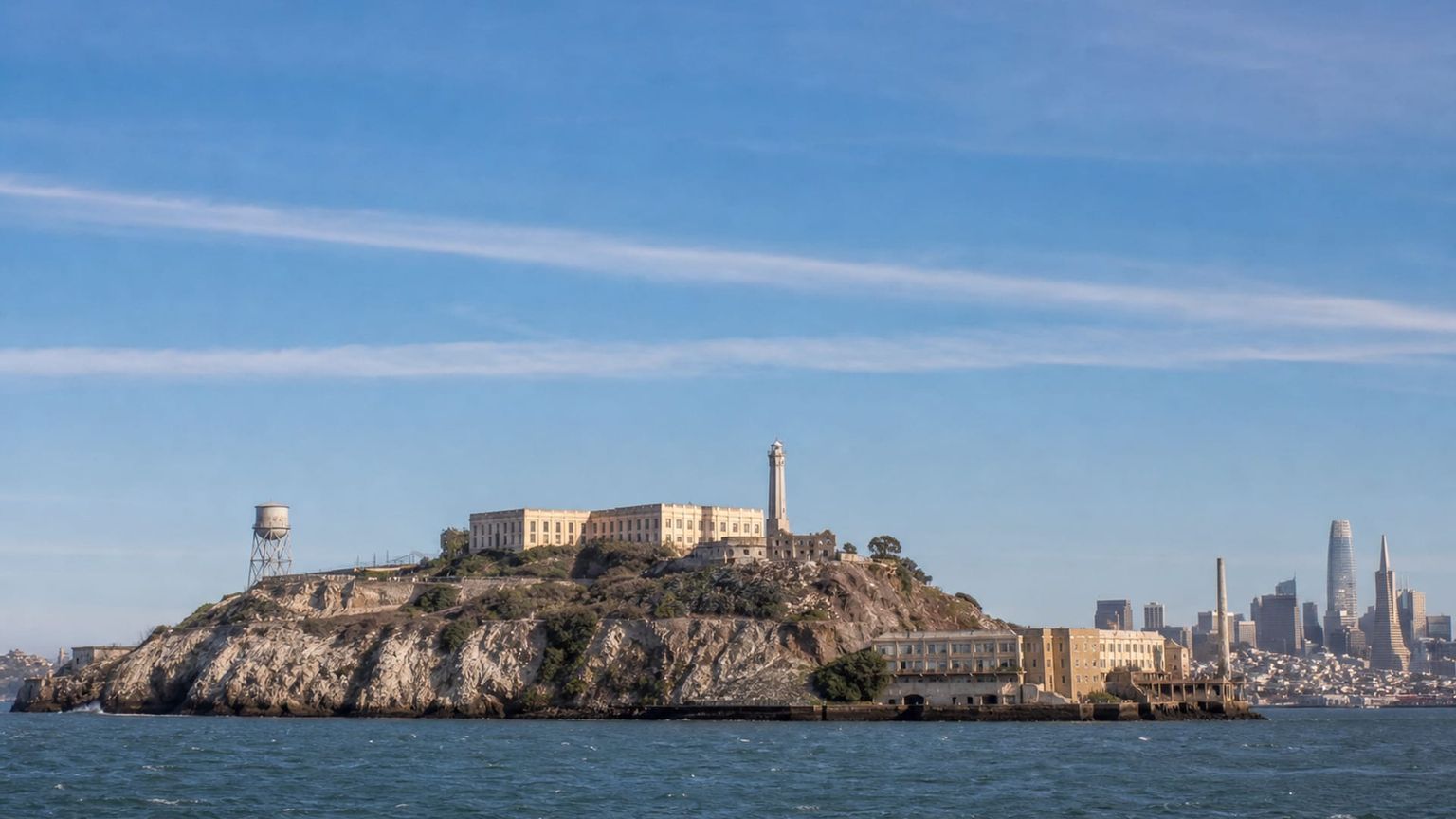
Alcatraz Island
Alcatraz pairs a ferry ride across the bay with the former federal prison, cellhouse audio tour, and stark views back to downtown San Francisco. The island also preserves military-era buildings, gardens, and shoreline paths.
Time needed: About 2 to 3 hours
Entry: Tickets typically cost $45 to $56 ($45 to $56) for the ferry, island access, and audio tour; youth and senior pricing may vary by sailing. Visit the official site for details.
Tip: Take an early ferry, then linger after the audio tour for quieter views of the skyline.
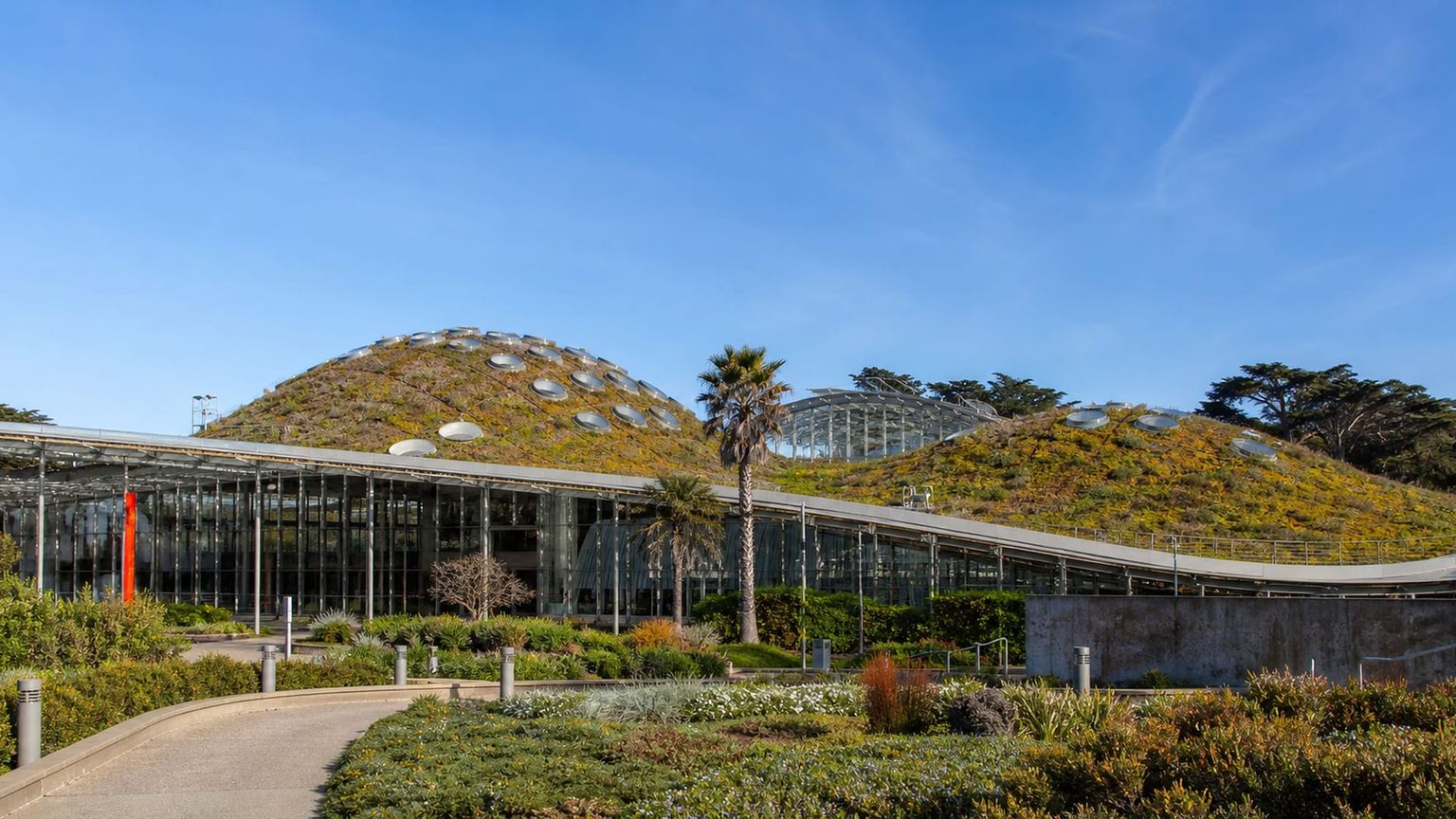
California Academy of Sciences
In Golden Gate Park, the California Academy of Sciences combines an aquarium, planetarium, natural history museum, and living rainforest under one roof. Its living roof and central rainforest dome make it one of the park’s standout stops.
Time needed: About 3 to 4 hours
Entry: Tickets usually cost $44 ($44) for adults and $34 ($34) for ages 3 to 17; planetarium shows and special exhibits may add fees. Visit the official site for details.
Tip: Arrive near opening time, when the rainforest dome and aquarium galleries are least crowded.
Overlooked sites worth visiting

Filbert Steps and Levi's Plaza
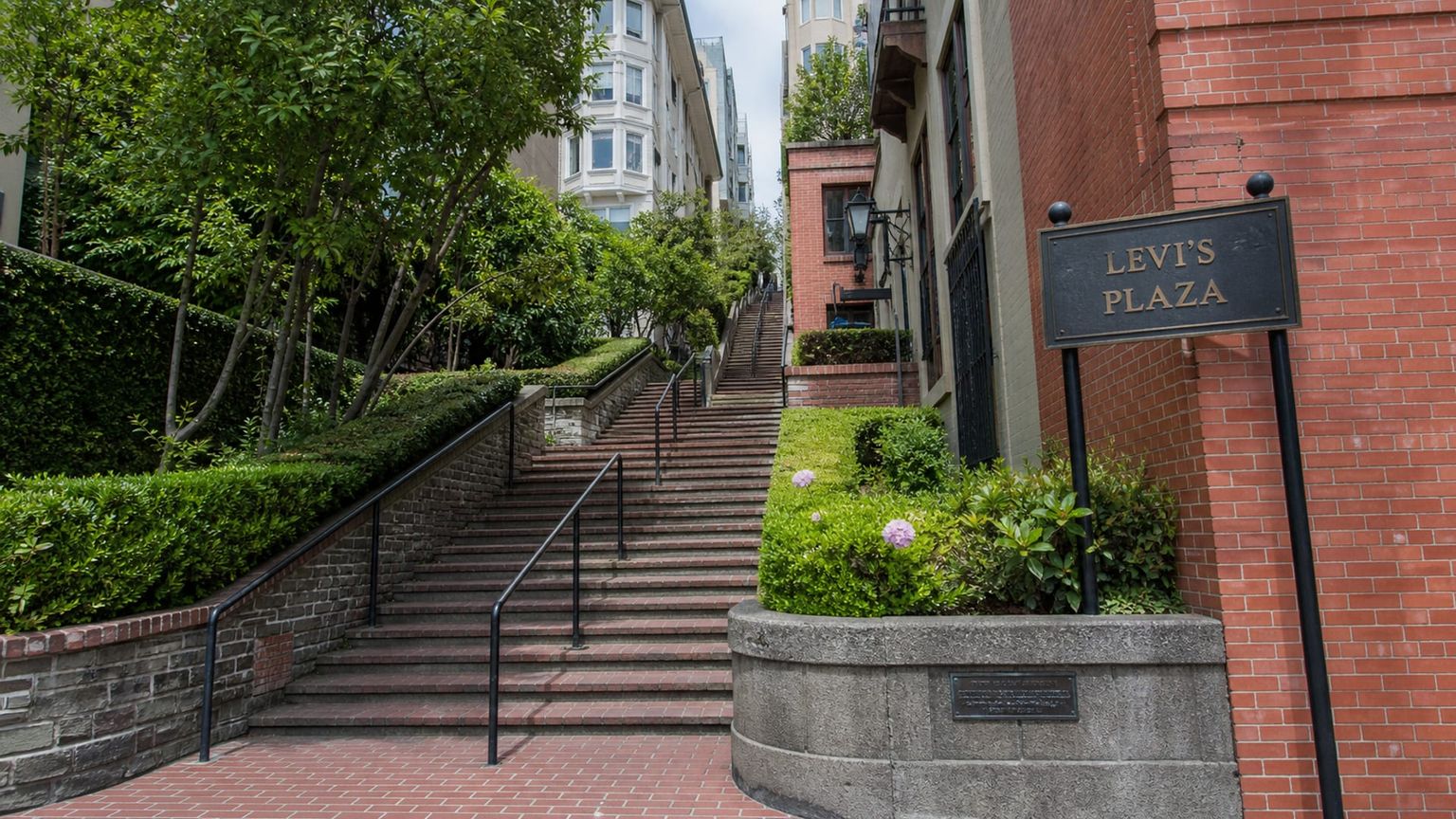
A steep stairway slips through gardens, cottages, and bay views on Telegraph Hill, then ends near a quiet plaza with benches and shade. It offers a calmer city walk than the waterfront below.
Time needed: About 1 hour
Entry: Free to access, no ticket is required for the steps or plaza, and you can visit at any hour. Bring water and wear shoes with grip, since the climb is steep and the brick treads can be slick after fog or rain.
Tip: Go early for open views and cooler temperatures.

Randall Museum
This small hilltop museum pairs local science exhibits with a historic observatory and hands-on rooms for children. Its compact size and Mission District setting make it an easy stop with little planning.
Time needed: About 1 to 2 hours
Entry: Admission is free, though some workshops or special programs may have separate fees. The museum is open to visitors on posted days and is easy to combine with a walk through Corona Heights Park nearby. Visit the official site for details.
Tip: Check the calendar before you go for live demonstrations.
Traditional food
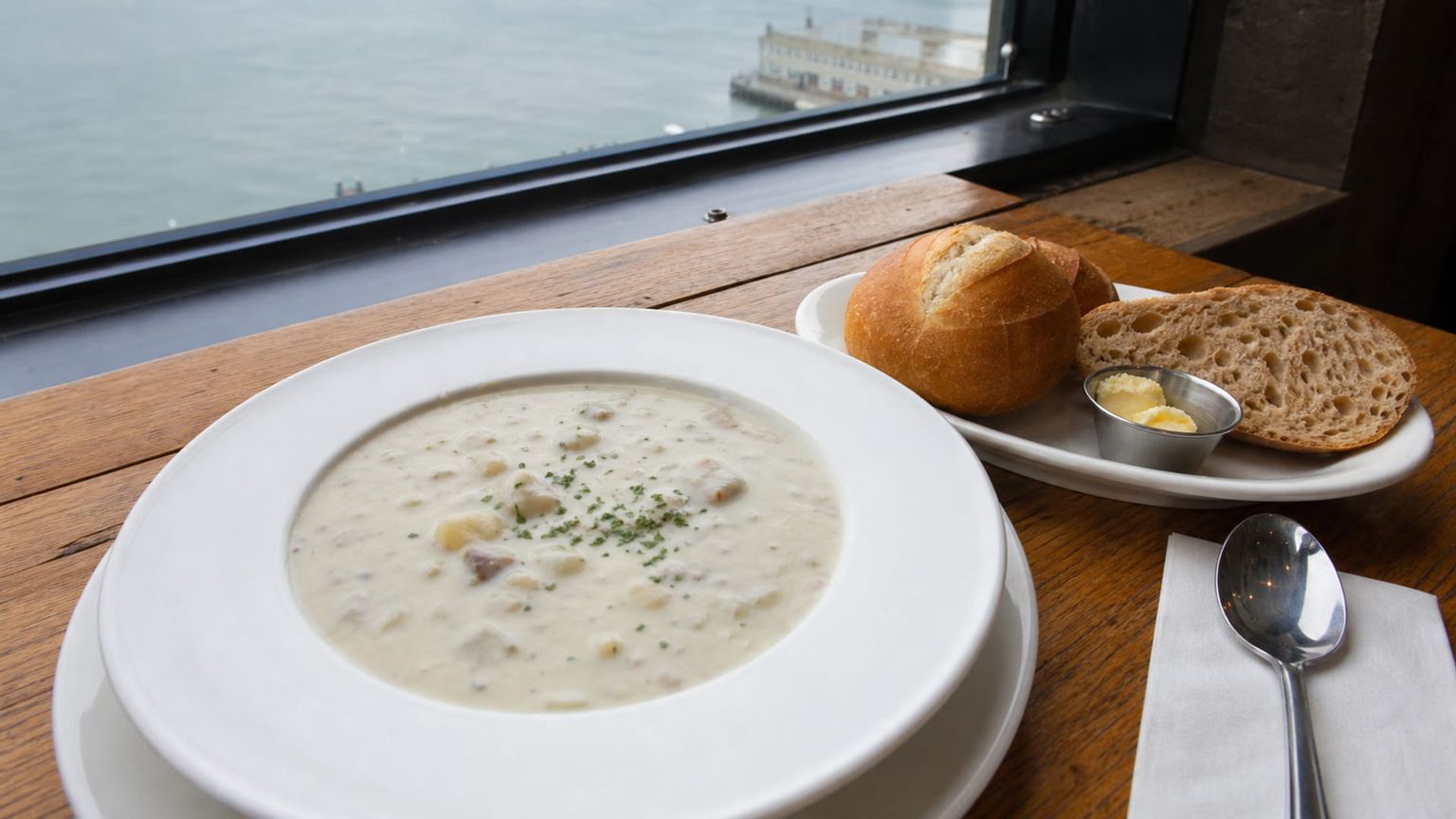
The city leans on sourdough bread, Dungeness crab, cioppino, and Mission burritos, with seafood, market produce, and long neighborhood dinners shaping the table. You will eat well if you mix classic counters with simple, local favorites.
Mission burrito
A Mission burrito wraps rice, beans, meat, salsa, and often sour cream into a large foil bundle that became one of the city’s signature late-day meals. El Farolito in the Mission District is a classic stop for it.
Cioppino
Cioppino is the city’s Italian-American seafood stew, built with tomato broth and whatever shellfish the kitchen has on hand. Sotto Mare in North Beach is a long-running reference point for the dish.
Dungeness crab
Dungeness crab appears in cracked clusters, salads, and sandwiches when the season is right, with sweet meat that suits the bay’s seafood culture. Scoma’s on Fisherman’s Wharf is a dependable place to order it.
Sourdough bread
San Francisco sourdough has a tangy crust and a long bakery history that still shows up in toast, sandwiches, and bread bowls. Boudin Bakery at Fisherman’s Wharf remains the city’s best-known place to try it.
Best time to visit San Francisco
San Francisco changes more by fog, wind, and neighborhood exposure than by extreme heat, so the best time depends on how much you want to walk and how often you mind cool air near the water.
Best for: Clearer mornings for bridge walks and park visits
What you get: About 55 to 68°F (13 to 20°C), with moderate crowds and occasional fog near the bay
Trade-offs: Afternoon breezes can still cool the waterfront quickly
Best for: Long daylight for layered sightseeing across neighborhoods
What you get: About 57 to 70°F (14 to 21°C), with peak visitor numbers and frequent fog on the west side
Trade-offs: Some of the warmest inland days still come with cold coastal air
Best for: The warmest stretch for walking and outdoor dining
What you get: About 58 to 72°F (14 to 22°C), with lighter fog and steady crowds around major sights
Trade-offs: Popular weekends still book up quickly
Best for: Museum days, quieter streets, and lower demand for some hotels
What you get: About 46 to 60°F (8 to 16°C), with lighter crowds and more rain than the rest of the year
Trade-offs: Shorter days and wet spells can interrupt bridge and park plans
A realistic 5-day plan in San Francisco
A good five-day San Francisco plan works by district, not by random landmark chasing. This itinerary keeps the first days near the waterfront and downtown, then shifts to the park, the Mission, and finally one last easy morning before departure.
Land at San Francisco (SFO) and take BART into downtown in about 30 to 35 minutes for roughly $10.55, or choose a rideshare or taxi if you are carrying heavy luggage, which usually costs about $45 to $70 before tip and takes about 20 to 40 minutes depending on traffic. Base yourself near Union Square if you want the easiest transit links, then settle in, drink water, and keep dinner close with something low-key in Union Square or North Beach, where you can get a simple bowl of pasta or seafood without crossing the city after a long flight.
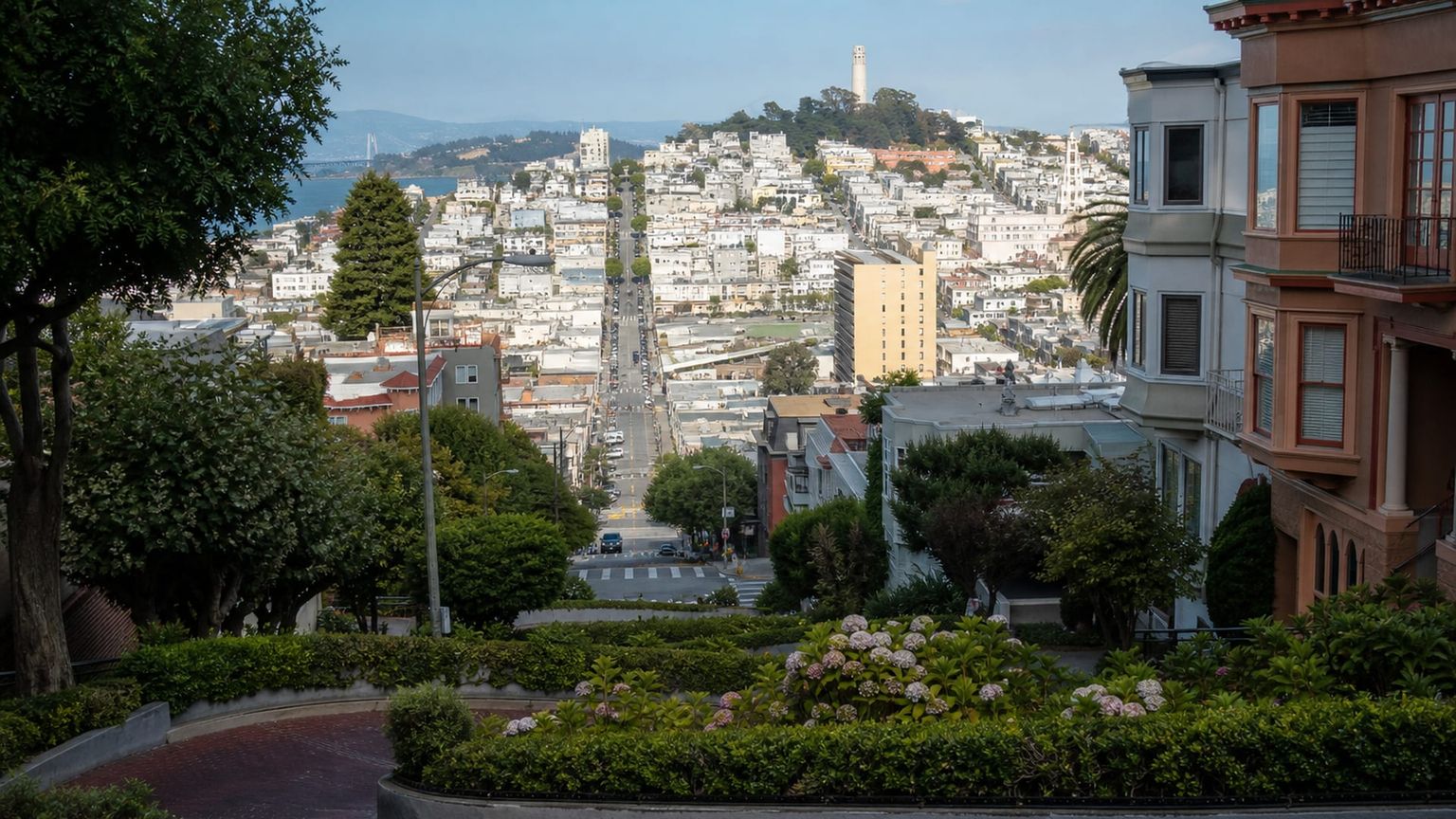
Start with the Golden Gate Bridge in the morning, when the air is clearer and the wind is usually lighter, then spend about 1 to 2 hours walking part of the span before continuing to the waterfront. From the bridge area, head to Fisherman’s Wharf in about 15 to 20 minutes by transit for lunch and a harbor walk, then take the ferry to Alcatraz Island in the afternoon for the prison audio tour and bay views, which takes about 2 to 3 hours in total. End back on the mainland with an early dinner near North Beach, about 10 to 15 minutes by transit from the wharf, so you are not moving far after the island visit.
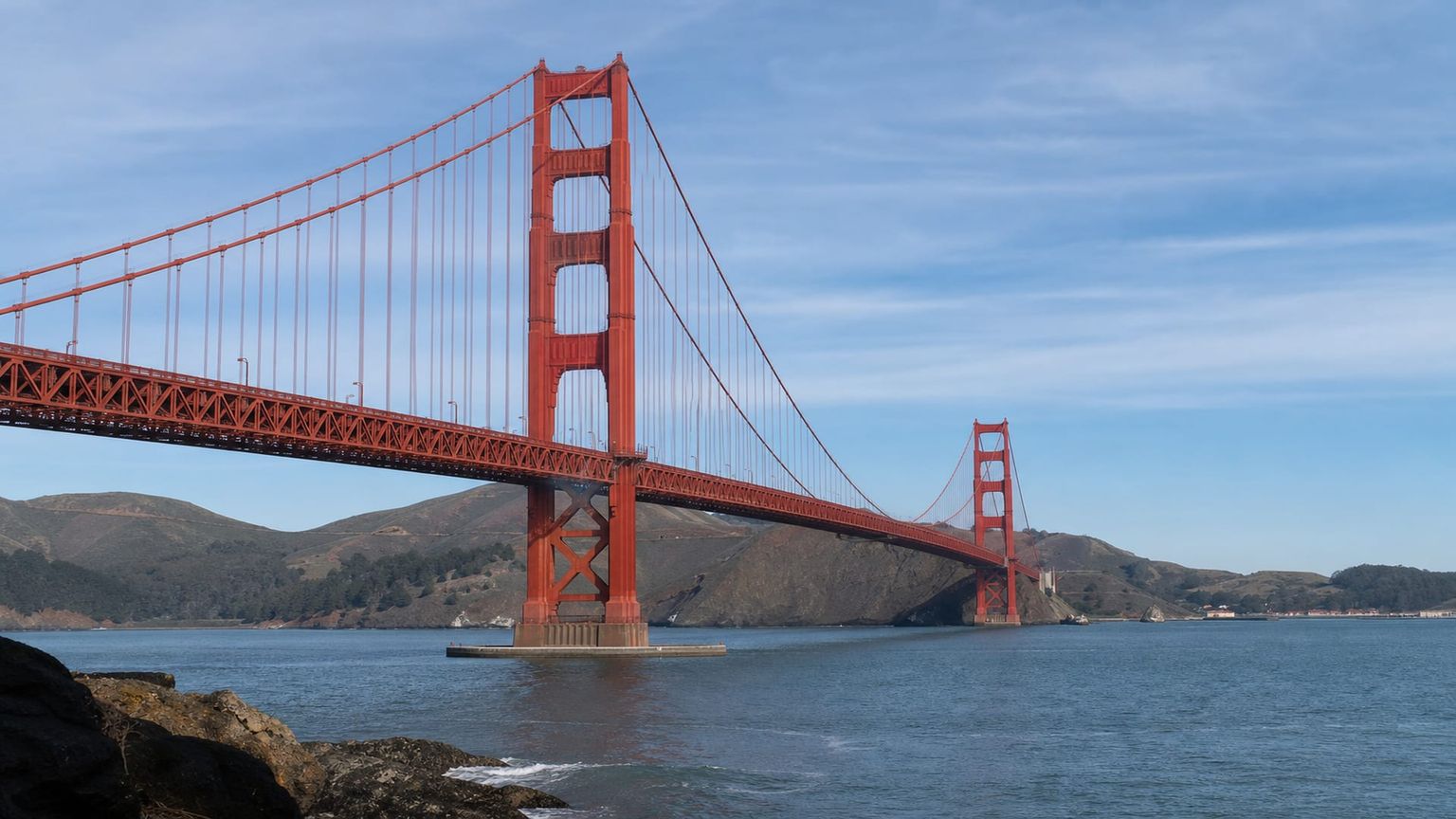
Golden Gate Park gives the day its center, beginning at the California Academy of Sciences, which usually takes about 3 to 4 hours if you want the aquarium, rainforest, and planetarium without rushing. After that, stay in the park for a slower stretch, then head back toward the eastern edge of the city and spend the late afternoon in the Mission District, where murals, taquerias, and bars cluster along Mission Street. If you want one extra stop, the Randall Museum fits neatly into the same side of town and takes about 1 to 2 hours, with transit from Mission Street to Corona Heights area being short and simple.
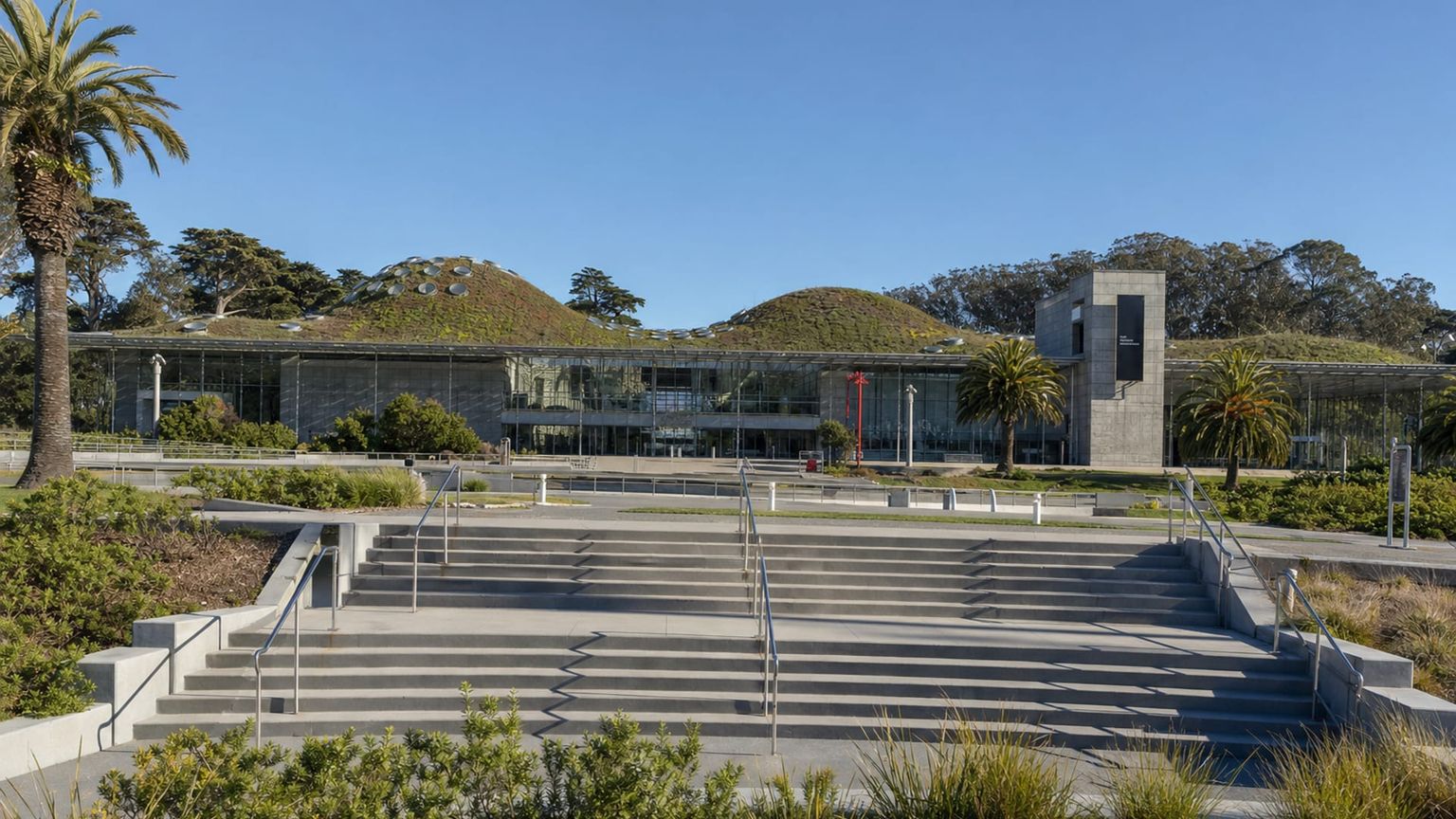
Telegraph Hill shapes the morning, since Filbert Steps and Levi’s Plaza reward an early climb with cooler air and open bay views, and the walk itself takes about 1 hour. From there, continue on foot into North Beach, where you can linger over coffee or lunch, then spend the afternoon shopping and browsing near Union Square, about 15 minutes away by transit. A final loop through Chinatown for tea or pastry works well before dinner, because it sits about 10 minutes on foot from Union Square and keeps the day compact without repeating the same streets.
Before you head to the airport, keep the last hours focused on one final indoor stop and a neighborhood stroll: return to the California Academy of Sciences if you want one more museum visit, or choose a slower morning in Union Square for shopping and a café break nearby. If your flight leaves later in the day, North Beach works well for coffee and a pastry stop, with easy transit back toward downtown and the airport. Leave enough time to get back through the city, since BART from Powell Street or downtown stations to San Francisco (SFO) still takes about 30 to 35 minutes and airport security lines can add more time.
Business-class flights from the US to San Francisco
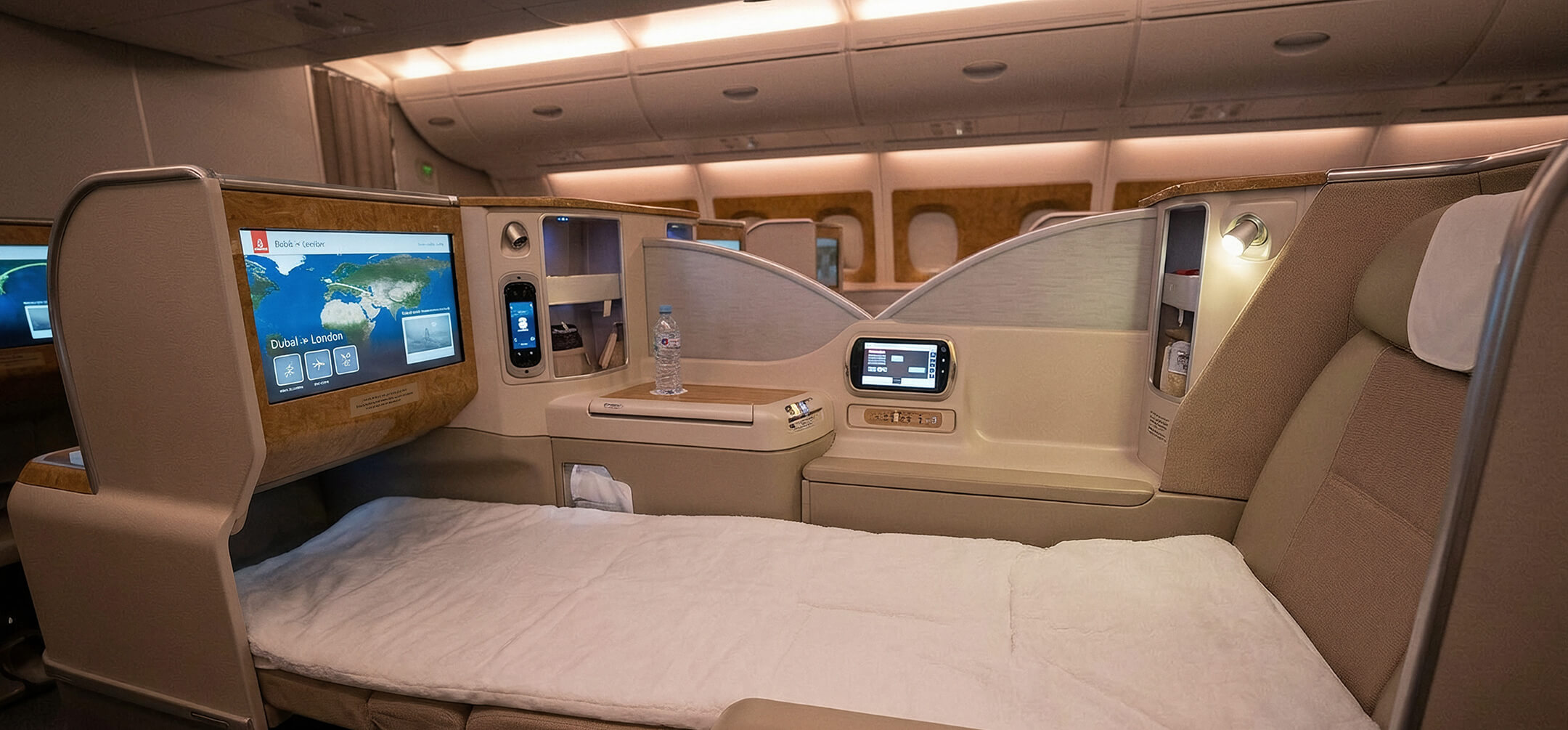
From New York and Los Angeles, the main questions are whether to take a nonstop or accept a layover, and how much price changes when you do. The routes below show the common long-haul options into San Francisco.
Air France, British Airways, Emirates, Lufthansa, Turkish Airlines, and Swiss International Air Lines all appear on the New York to San Francisco market, and nonstop flights usually take about 6 to 6.5 hours. If you accept a connection, common layover points include LHR, CDG, FRA, AMS, IST, and ZRH, with total travel times of about 10 to 15 hours. Round-trip fares usually start from $2,800 and can reach $6,500; if you do not mind a layover, the one-stop options often trim the price.
From Los Angeles, Singapore Airlines, Cathay Pacific, Japan Airlines, United Airlines, and Delta Air Lines serve this market, and nonstop flying time is about 5.5 to 6 hours. Round-trip fares from $2,600 to $6,000 are common, with nonstop departures usually pricing above one-stop itineraries in the same season.
San Francisco feels different when you slow down
A deliberate San Francisco trip usually looks like this: BART from the airport, one day around the Golden Gate Bridge and Fisherman’s Wharf, another in Golden Gate Park, then time in North Beach, Chinatown, or the Mission for meals and shorter walks. That mix keeps the city legible without forcing you to crisscross it for every stop. If you want help shaping the route, AranGrant experts can tailor it to your dates, hotel base, and flight timing