

Chapters:

Need help with your trip?
Our support team is available 24/7. Request a callback or call us directly at (833) 619-0908
Salvador trips often start with Pelourinho, a beach sunset, and one long taxi ride, while the food and neighborhood pace get less attention than they should.
That pattern can leave visitors crossing the city at crowded hours, stacking sights too tightly, and missing how much timing shapes each district.
This guide gives the days a clearer order, so you can pair the historic center, the waterfront, and quieter stops without wasting time in transit.
Useful things to know

Main language(s): Portuguese
Olá (oh-LAH) – Hello
Por favor (por fah-VOR) – Please
Obrigado (oh-bree-GAH-doo) – Thank you
Você fala inglês? (voh-SEH FAH-lah een-GLAYS) – Do you speak English?
Quanto custa? (KWAHN-too KOOS-tah) – How much does it cost?

Currency: The local currency is the Brazilian real (BRL, R$).

Cash and cards: Cards and contactless are widely accepted; carry about R$100 to R$200 ($20 to $40) in cash.

Tipping: Round up small bills; add about 10% at restaurants if service is not already included.

Traditional food: Moqueca baiana, acarajé, vatapá, cocada

Water and coffee costs: Water ~R$5 to R$8 ($1 to $2), bar espresso ~R$6 to R$10 ($1 to $2).

Taxis and ride apps: Uber and 99 operate here; confirm the plate before boarding.

Plug and voltage: Type N socket, 127V

Dining and shop opening hours: Breakfast is about 07:00-10:00, lunch 12:00-15:00, and dinner 19:00-22:30. Many restaurants close one day a week, often Sunday or Monday.

Emergency number: Dial 190 for police, 192 for medical help, and 193 for fire rescue.
Where to stay in Salvador
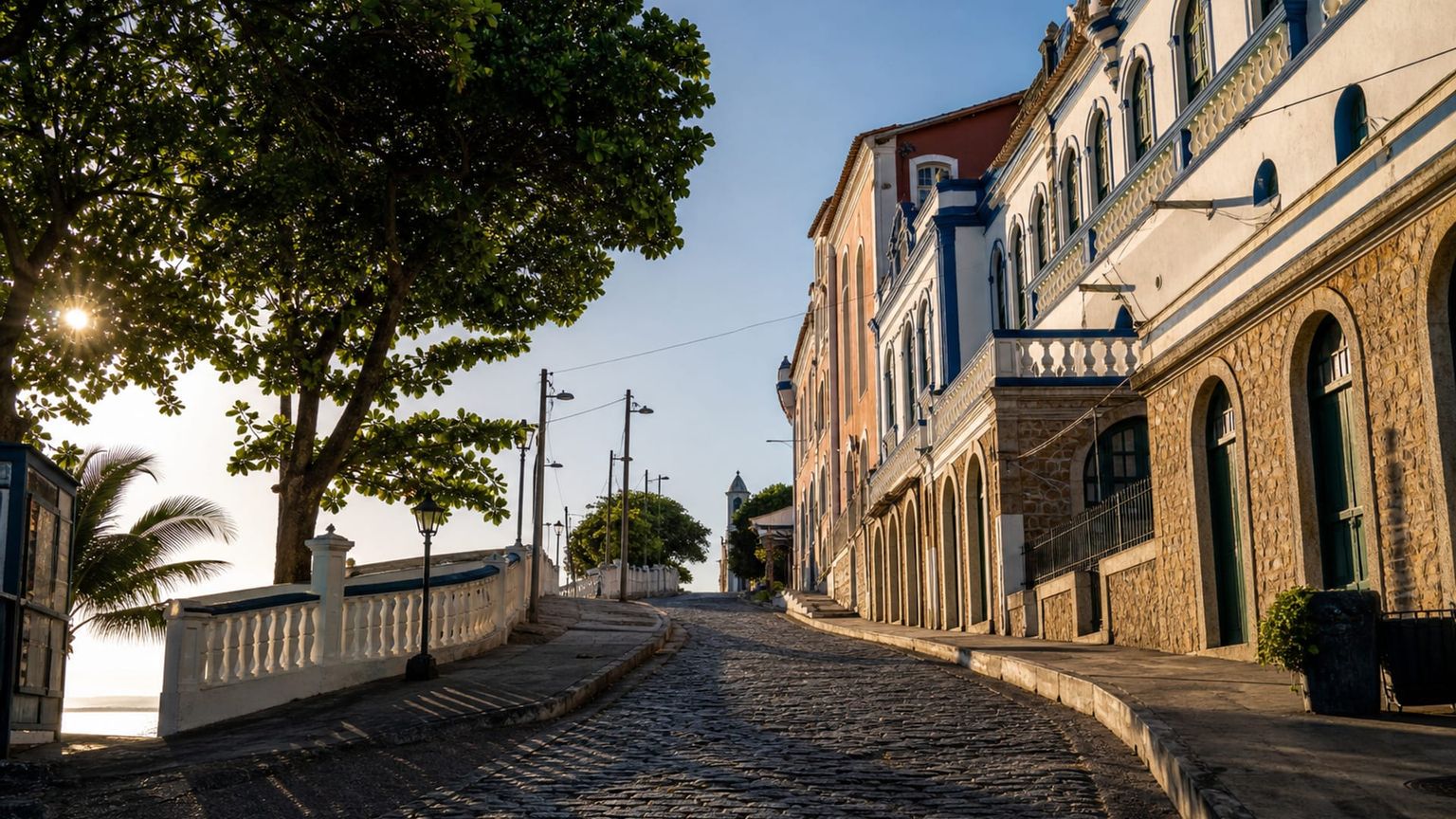
Barra sits at Salvador’s western edge, anchored by Barra Beach, the lighthouse, and a dense run of hotels and apartments. It suits visitors who want sea views, easy waterfront walks, and quick access to shopping, dining, and the city’s most famous sunset stretch.
Best for: Beach time, casual dining, and travelers who want a lively waterfront base
What to expect: Busy sidewalks by day, especially along the seafront and shopping streets; evenings stay active near bars and restaurants.
Hotel prices: Usually about R$350 to R$800 (~$70 to ~US$160) per night for well-rated stays
Distance to major sights: About 15 to 25 minutes by car to Pelourinho; about 5 minutes on foot to Farol da Barra
Quietness: Daytime is active and often crowded; evenings are lively near the beach road but calmer on side streets.
Main trade-off: You pay more for seafront locations, and the best beach views sit farther from the historic center.
Good to know: Plan on taxis or ride-hailing for late dinners in Pelourinho, since the historic core is not an easy walk from here.
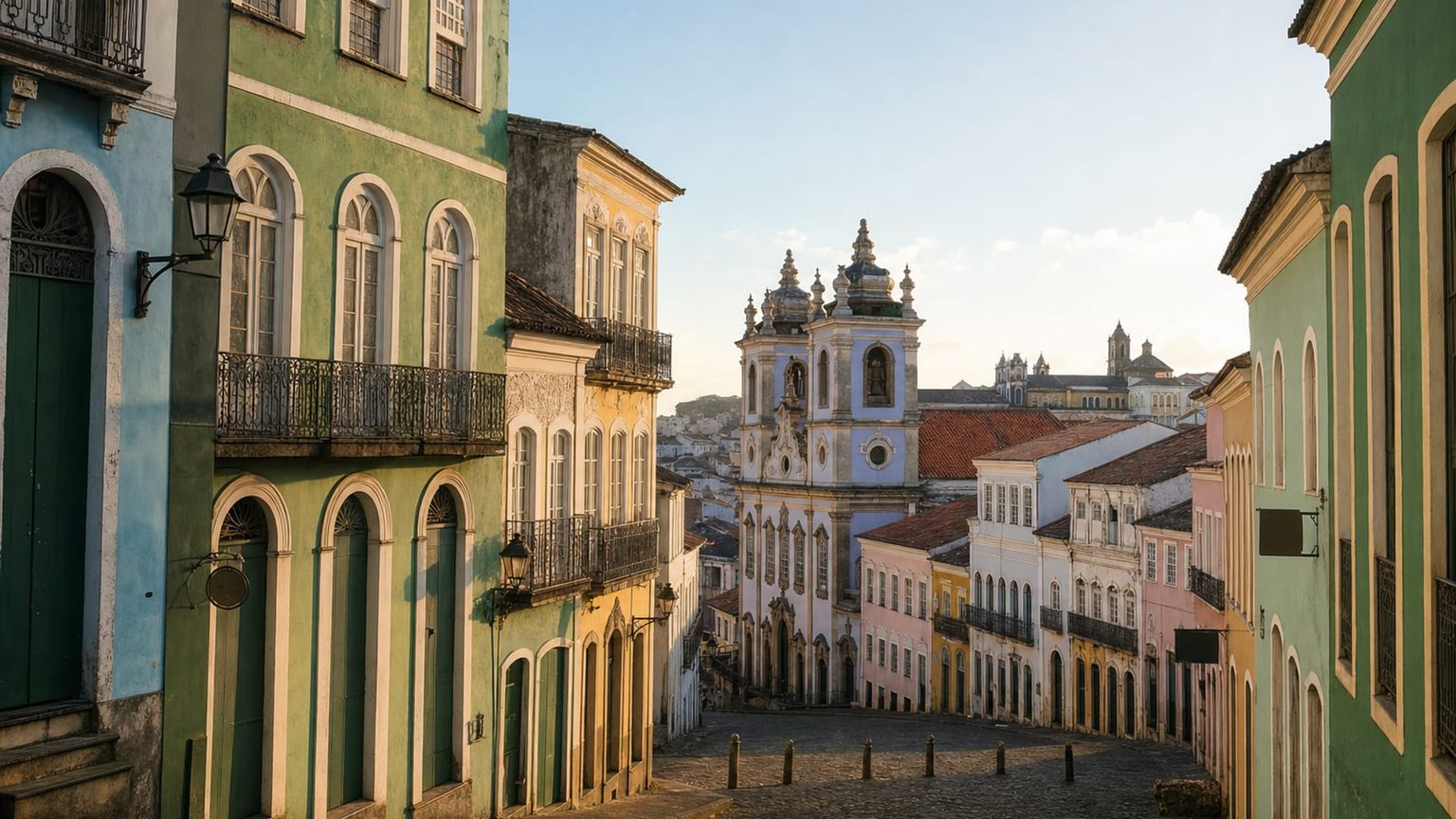
Pelourinho is Salvador’s historic heart, filled with colonial streets, restored squares, churches, and museums. It puts the city’s main heritage sights at the door, though the tradeoff is more foot traffic, late-evening noise, and a setting that feels built for visitors.
Best for: History-focused stays, architecture, and travelers who want to wake up in the old center
What to expect: Tour groups, street performers, and steady daytime activity on the main squares; evenings thin out after dinner except on event nights.
Hotel prices: Usually about R$250 to R$700 (~$50 to ~US$140) per night for well-rated stays
Distance to major sights: On foot to most of the Historic Center; about 20 to 30 minutes by car to Barra
Quietness: Daytime is busy and full of tour traffic; evenings are quieter on side streets but can be loud near music venues.
Main trade-off: Many buildings lack elevators or large rooms, and some blocks feel isolated after dark.
Good to know: If you stay here, choose lodging on a well-used square or main street, because some side lanes empty out quickly at night.
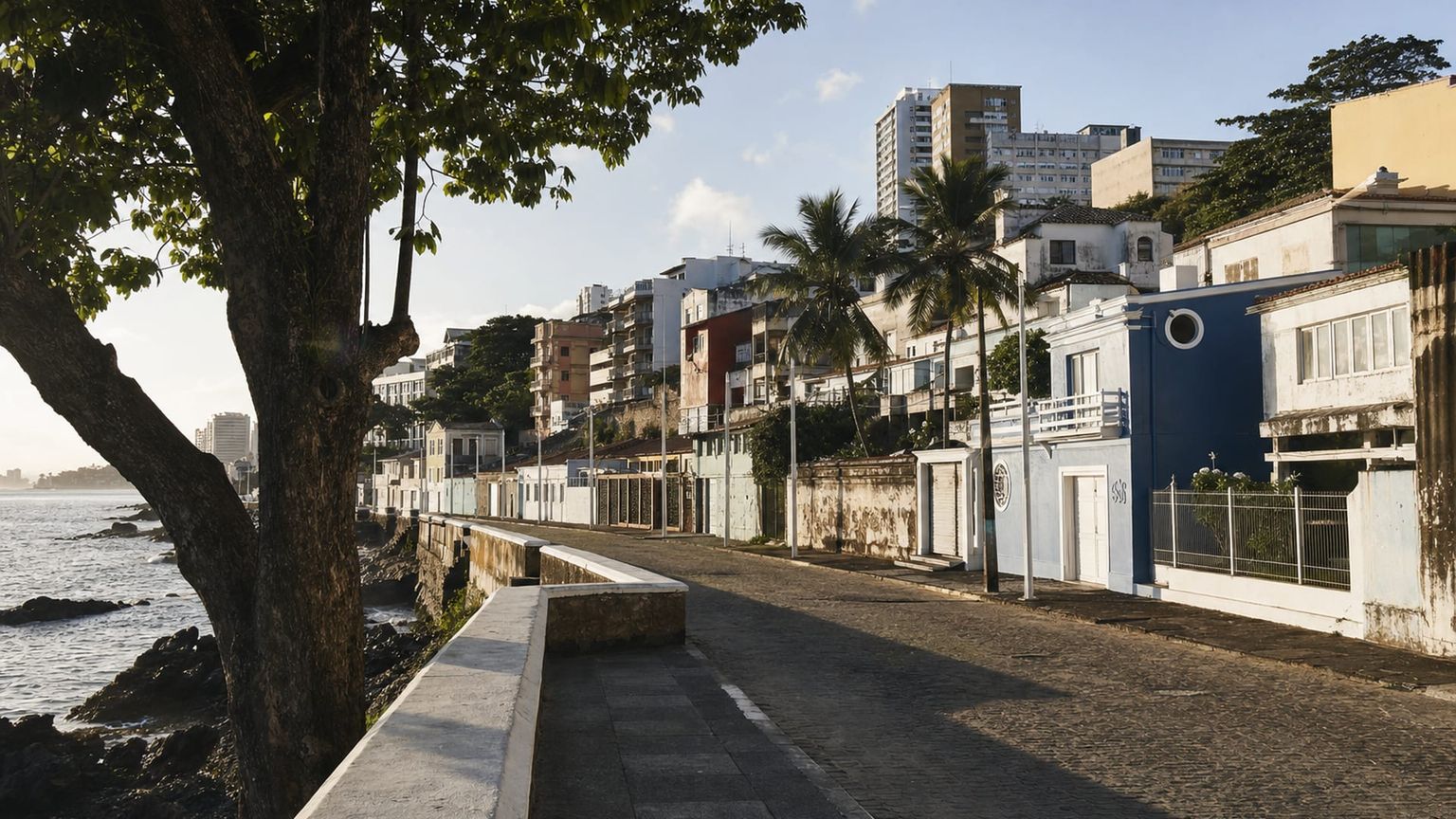
Rio Vermelho is Salvador’s most established dining and nightlife district, with apartment buildings, bars, restaurants, and a busy coastal edge. It works well for travelers who want late meals and an energetic neighborhood feel without staying in the historic center.
Best for: Dining, nightlife, and travelers who want a local-feeling neighborhood with plenty open late
What to expect: Crowds build in the evening around bar streets and the waterfront, while daytime is more relaxed with local errands and beach traffic.
Hotel prices: Usually about R$300 to R$750 (~$60 to ~US$150) per night for well-rated stays
Distance to major sights: About 15 to 25 minutes by car to Pelourinho; about 10 minutes by car to Barra
Quietness: Daytime is moderate, with more movement near the coast; evenings can be loud on the busiest restaurant streets.
Main trade-off: You get excellent food choices, but the area is less convenient for walking to the historic center.
Good to know: Book a room away from the busiest bar blocks if you want sleep before midnight, especially on weekends and holiday periods.
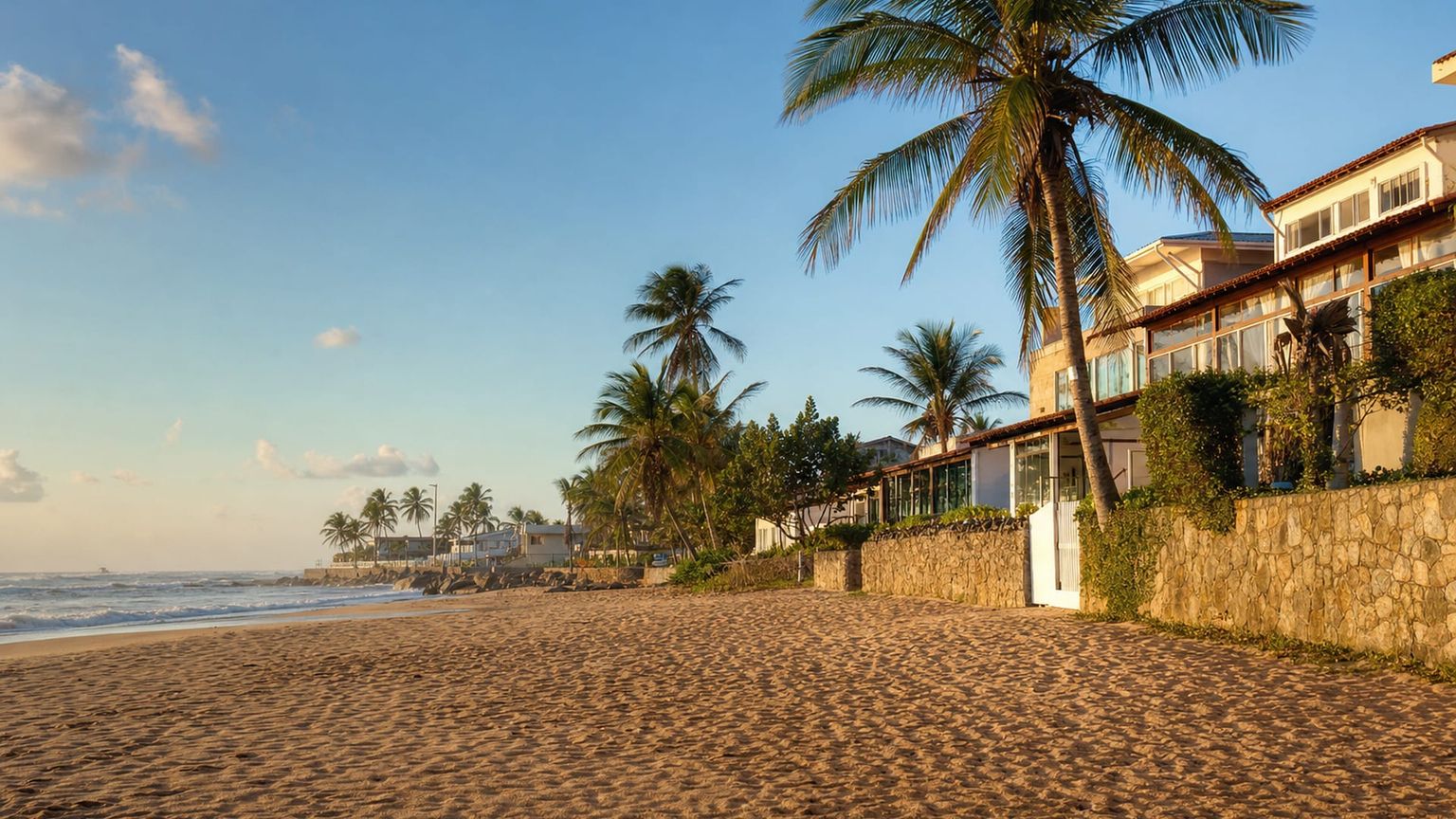
Itapuã lies toward Salvador’s northern beachfronts, with a slower residential feel, sandy stretches, and a long local shoreline. It appeals to travelers who want more beach time than sightseeing and do not mind a longer ride into the historic core.
Best for: Beach stays, longer relax-and-swim trips, and travelers who prefer a quieter coastal base
What to expect: More residential streets, beach vendors, and a slower pace than the central districts; crowds gather mainly along the waterfront.
Hotel prices: Usually about R$220 to R$550 (~$45 to ~US$110) per night for well-rated stays
Distance to major sights: About 40 to 60 minutes by car to Pelourinho; about 15 minutes by car to the airport
Quietness: Days are active near the beach, but evenings are notably calmer away from the seafront bars.
Main trade-off: The commute to the historic center is long, so sightseeing takes more planning.
Good to know: Choose this area only if you are fine using cars most days, since public-transit trips to the old center can be slow.
Travelers usually avoid staying in Comércio if they want to be close to Salvador’s main beach districts and nightlife, because it is farther from the main visitor base and can be inconvenient in the evening once the area quiets down. Periperi, Valéria, Cajazeiras, and Itapuã’s far northern edges are less convenient for most short stays, since they sit well away from the historic center, the main museum cluster, or the most visited beaches, and they offer fewer hotel and dining options for visitors.
Hotel deals
How to get around Salvador efficiently
Salvador does not offer an airport metro link for visitors, so road transfers and short ride-hailing trips do most of the work between SSA, the beach districts, and the historic center.

Metro
for longer distances
Salvador has no metro in the airport area for visitors arriving through Salvador (SSA), so there is no rail transfer from the terminal; use road transport instead, or connect to the city’s bus network for longer cross-town trips.

Bus and tram
for convenience
Airport buses link Salvador (SSA) with central neighborhoods and major hotels, and city buses cover the broader area, though trips can take about 45 to 90 minutes depending on traffic. Fares are typically about $0.80 to $1.20 (about R$4 to R$6), paid onboard or with a transit card where accepted; ask the driver or station staff to confirm the correct line before boarding.

Taxi
for convenience or late hours
Licensed taxis at Salvador (SSA) use metered fares, with airport trips often sold under a fixed-price structure to key districts; expect about $10 to $25 (about R$50 to R$125) to central Salvador, with longer rides to resorts or the northern coast costing more. Official cabs queue outside the terminal, and you can usually pay in cash or by card, though confirming card acceptance before departure avoids delays.
*Prices are based on rates updated as of June 2026 and may change at the time of travel.
Use taxis or ride-hailing cars for airport runs and cross-city hops, buses for low-cost longer trips when time is flexible, and walking for compact areas such as Pelourinho and Barra.
Iconic landmarks
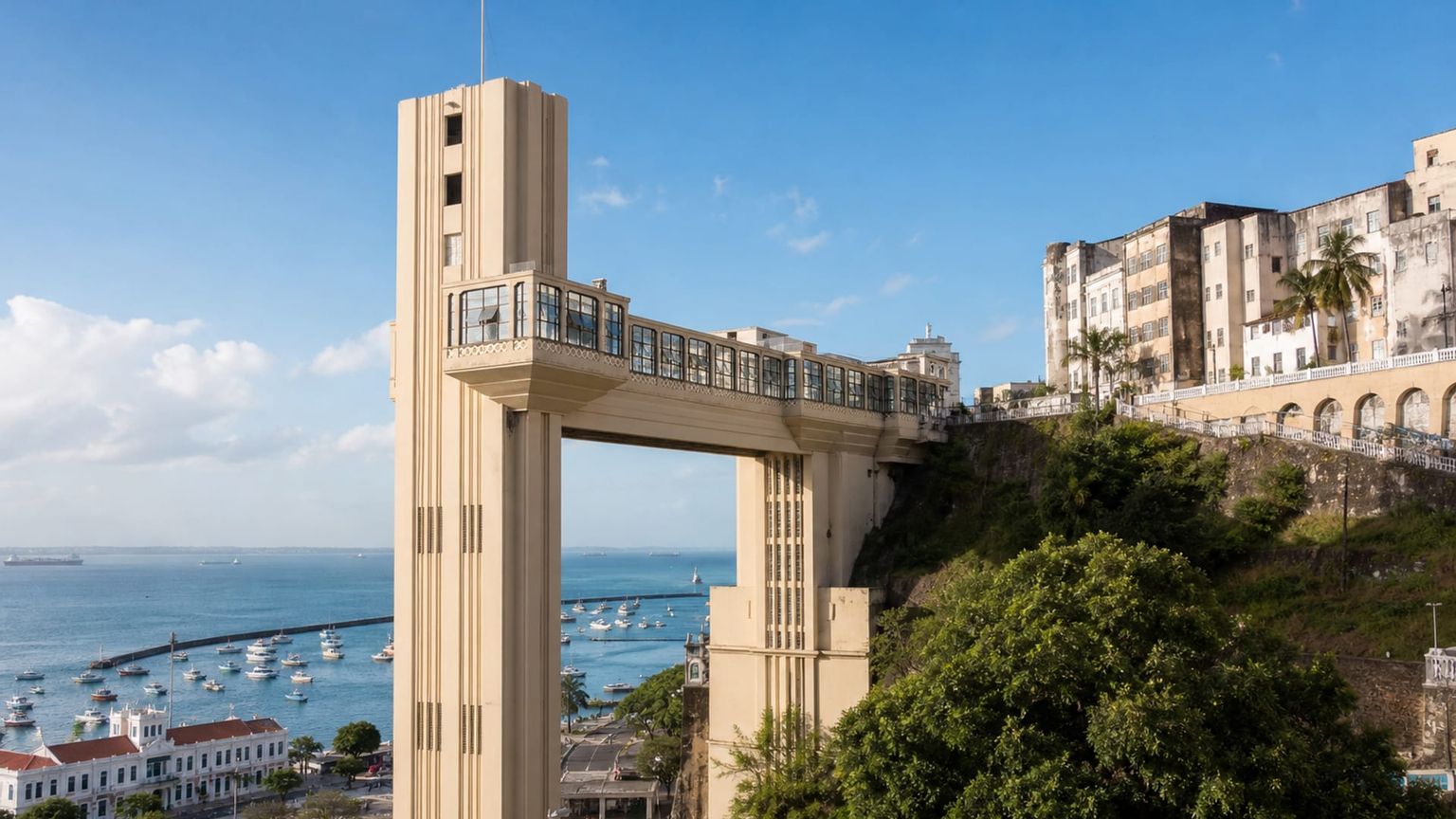
Elevador Lacerda
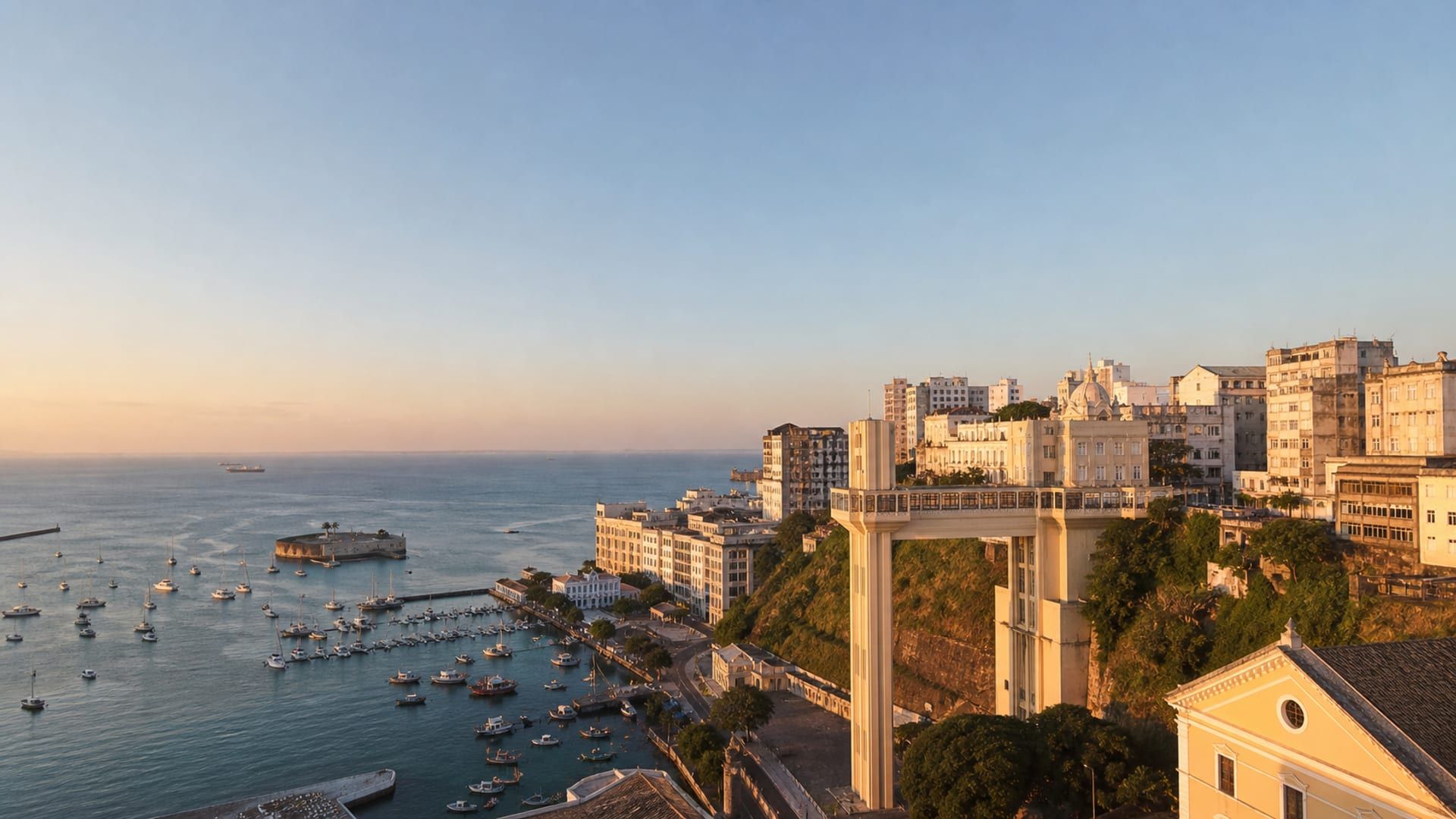
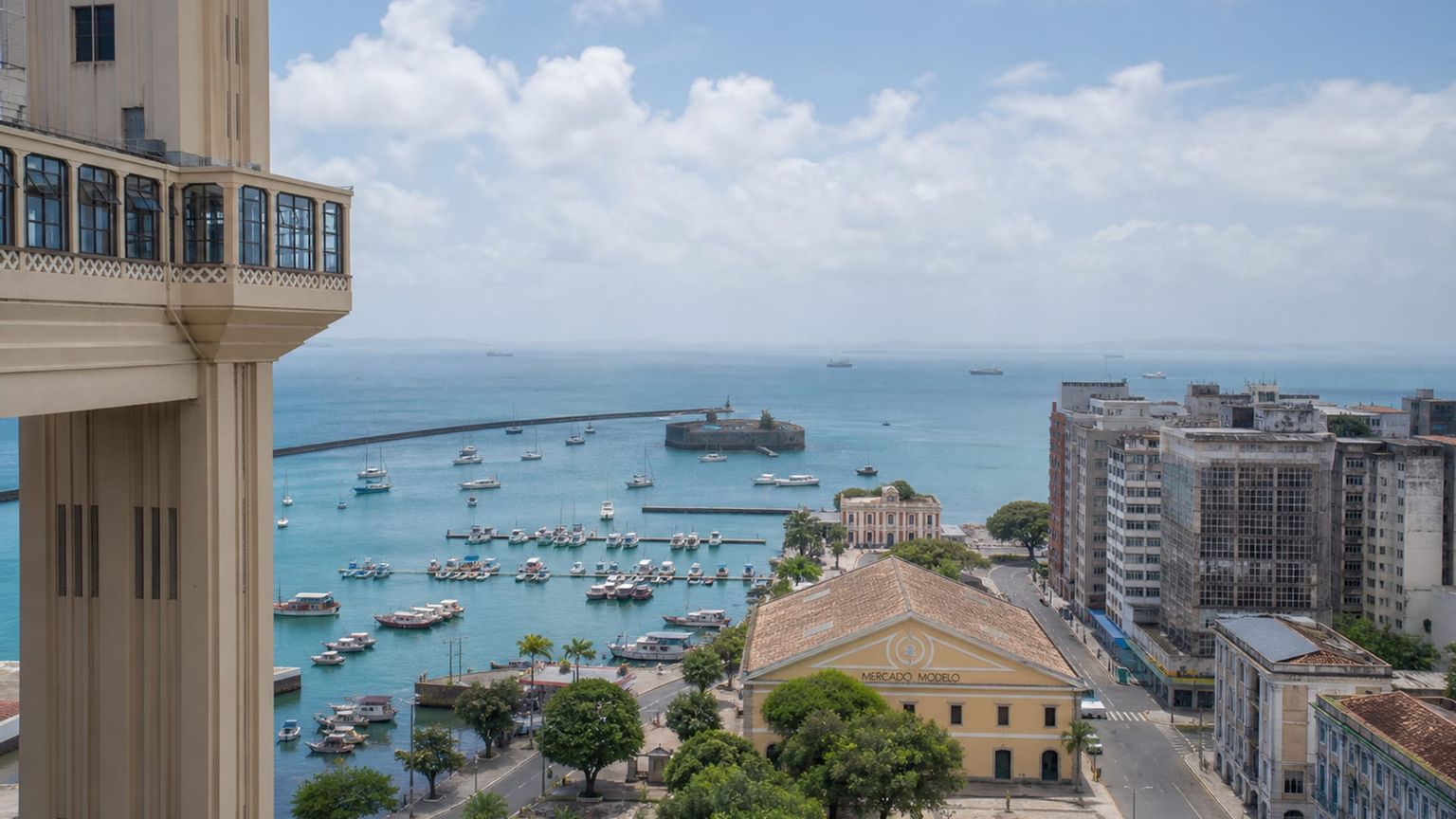
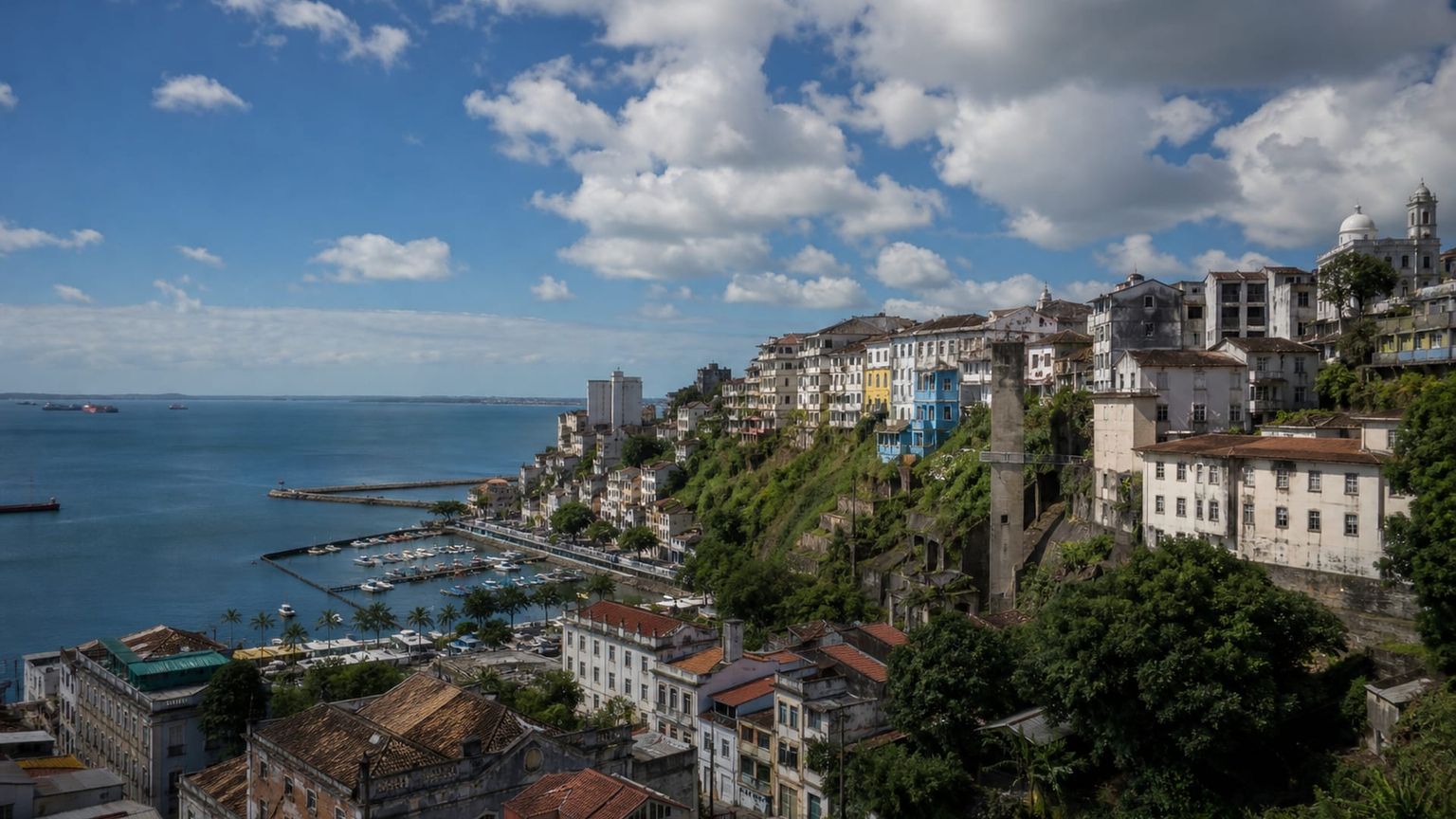
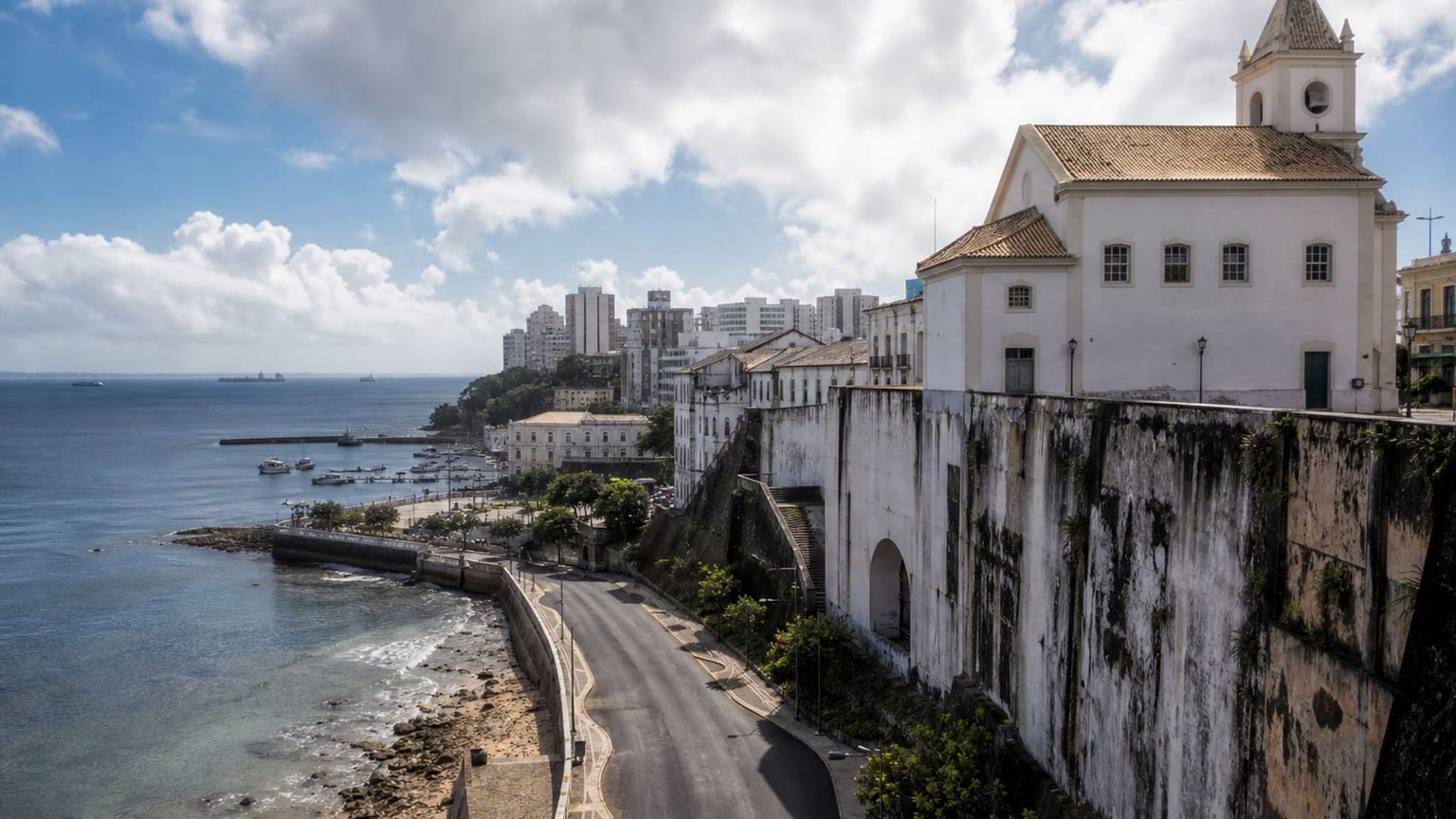
This Art Deco elevator links Praça Tomé de Souza with the lower city, and the trip itself takes only a minute. The upper landing gives a direct view over the Bay of All Saints and the Mercado Modelo below.
Time needed: About 20 to 30 minutes
Entry: Rides typically cost about $0.20 (R$1.00) each way for pedestrians; prices can change without notice.
Tip: Go near sunset for the widest bay view and the clearest light on the harbor.
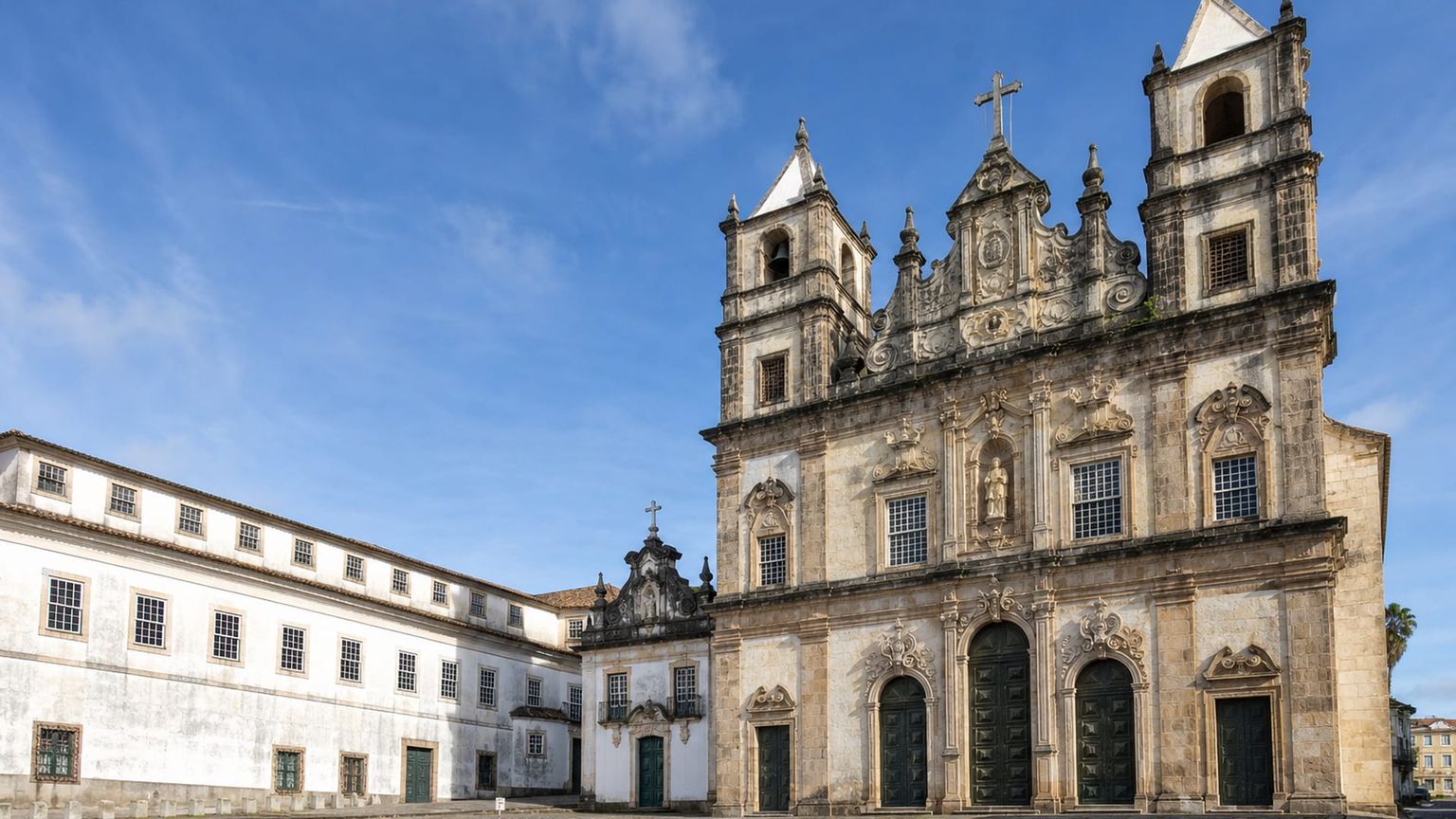
São Francisco Church and Convent
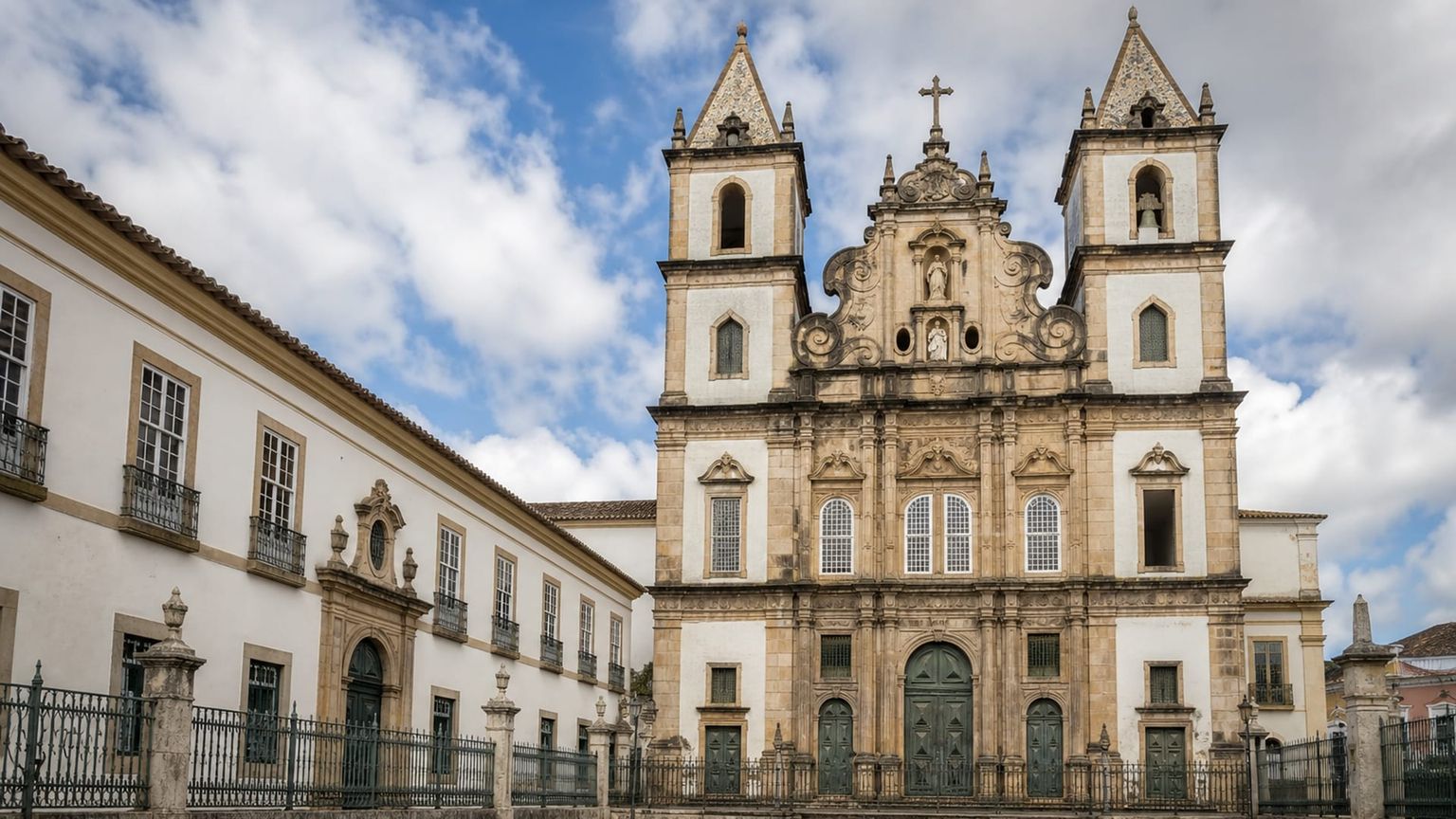
Inside this Baroque complex, carved cedar, gilded altars, and blue-and-white azulejo panels cover nearly every surface. The church sits in Pelourinho, so you can pair it with a short walk through the historic center.
Time needed: About 45 minutes to 1 hour
Entry: Admission usually costs about $4 ($20) for the church and convent; reduced rates may apply on some days. Visit the official site for details.
Tip: Visit before midday, when the interior is brightest and tour groups are thinner.
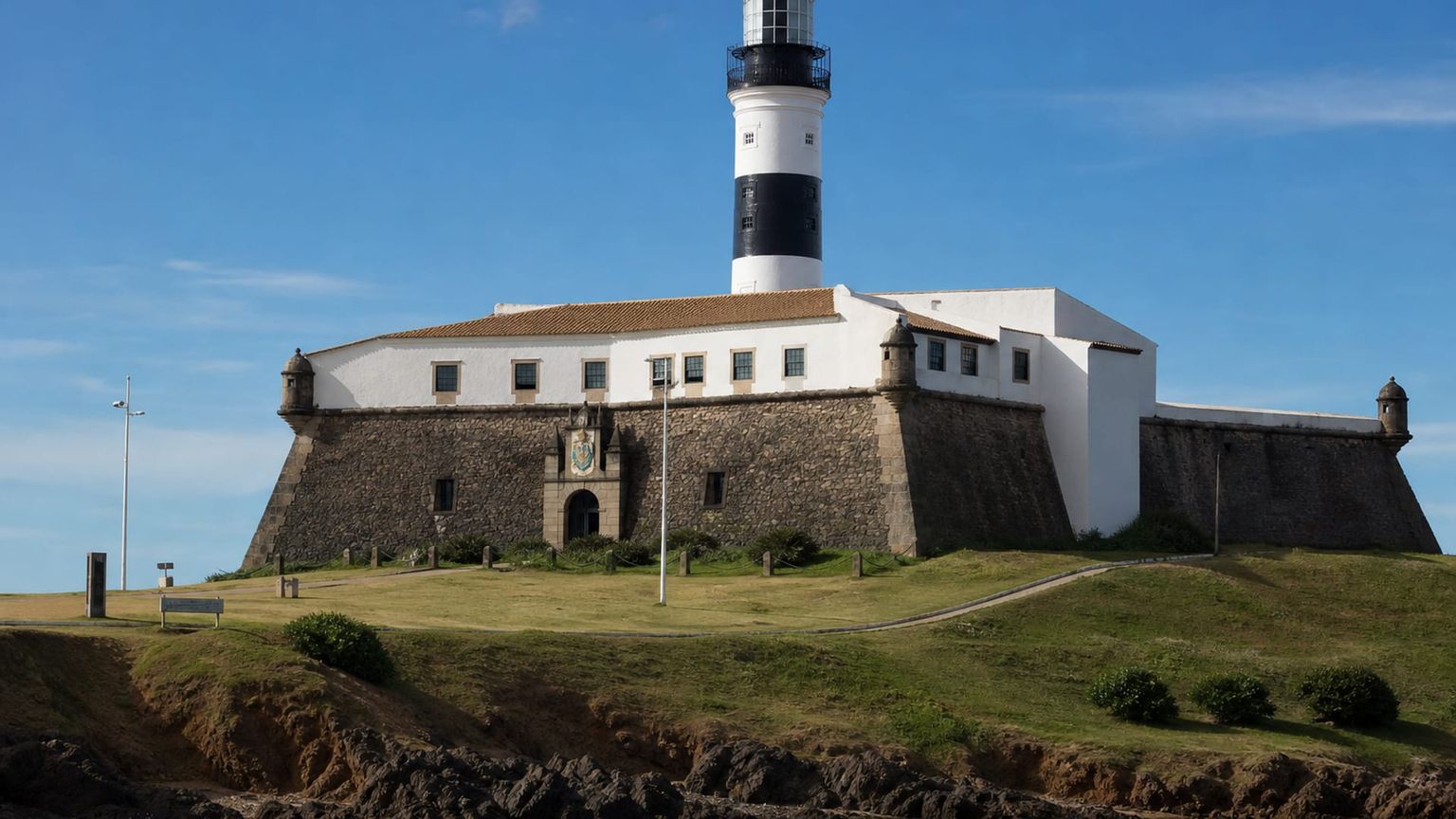
Farol da Barra
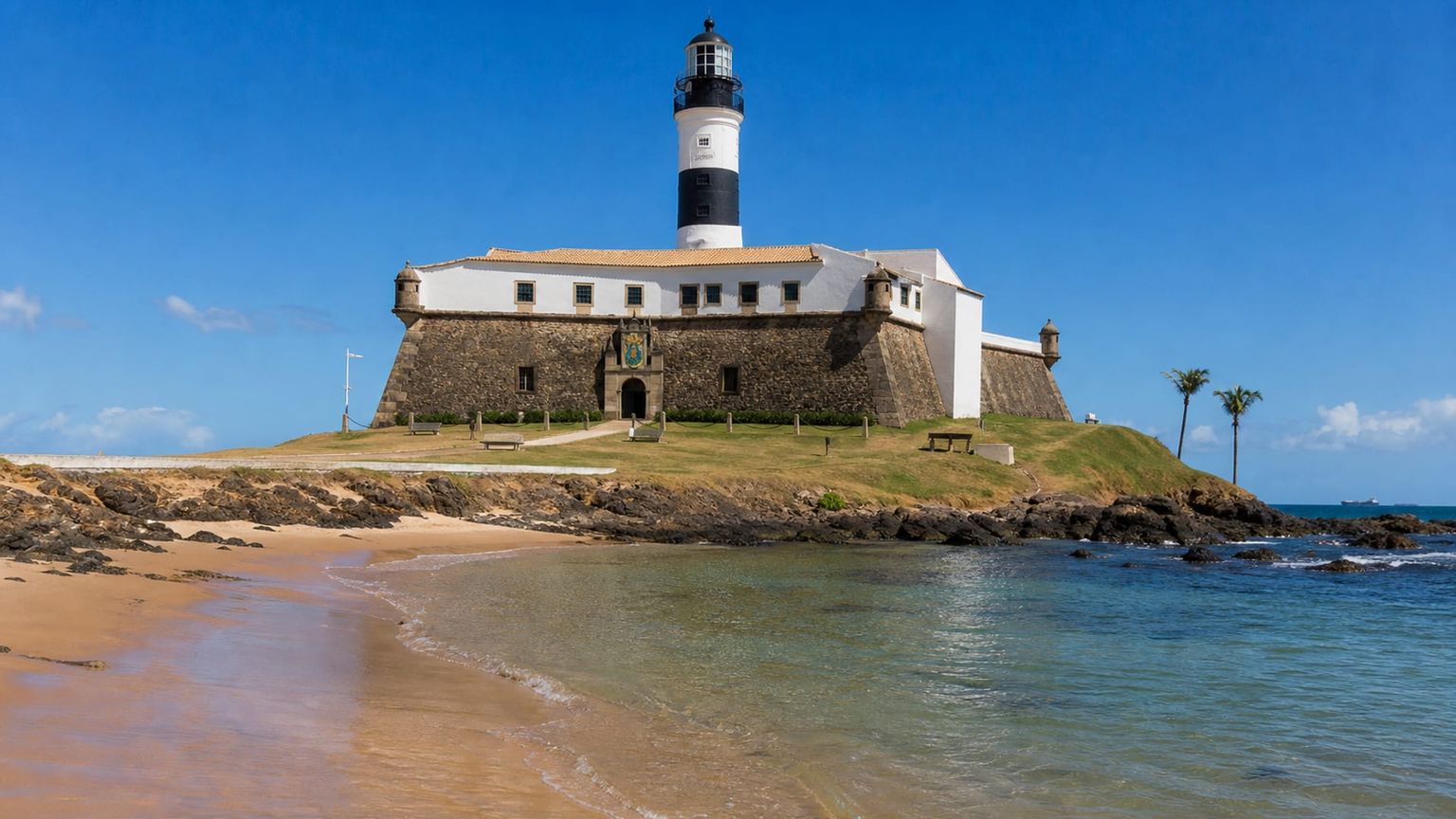
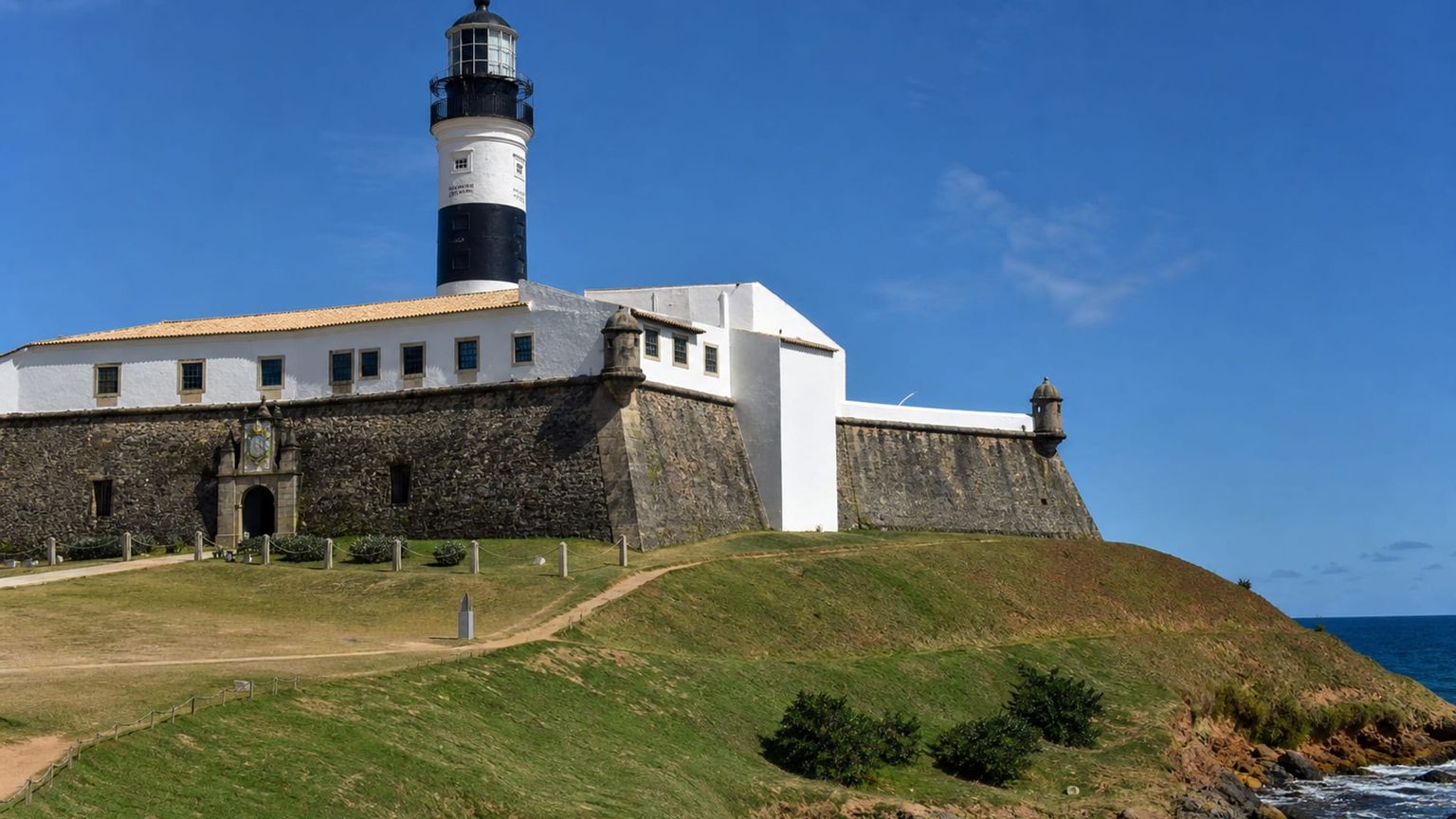
Built in 1698, this lighthouse guards the entrance to Todos-os-Santos Bay and stands beside Forte de Santo Antônio da Barra. Its small museum adds local maritime history, while the seawall draws walkers at sunset.
Time needed: About 1 to 2 hours
Entry: Museum admission usually costs about $2 ($10) to $4 ($20); the lighthouse exterior and seawall are free to view. Visit the official site for details.
Tip: Arrive late afternoon, then stay for sunset, when the bay and fort are best lit.
Overlooked sites worth visiting

Museum of Modern Art of Bahia
This compact museum in Corredor da Vitória showcases modern and contemporary Brazilian art in a hillside mansion. Its small scale and sea-facing setting make it a quieter stop than Salvador’s larger museums.
Time needed: About 1 hour
Entry: Admission is usually free or about $2 to $4 (about R$10 to R$20), depending on the current exhibition schedule and any special programming. Check the museum’s own listings before you go, since temporary shows can change access and pricing.
Tip: Go in the morning, when the galleries are calmer.

Botanical Garden of Salvador
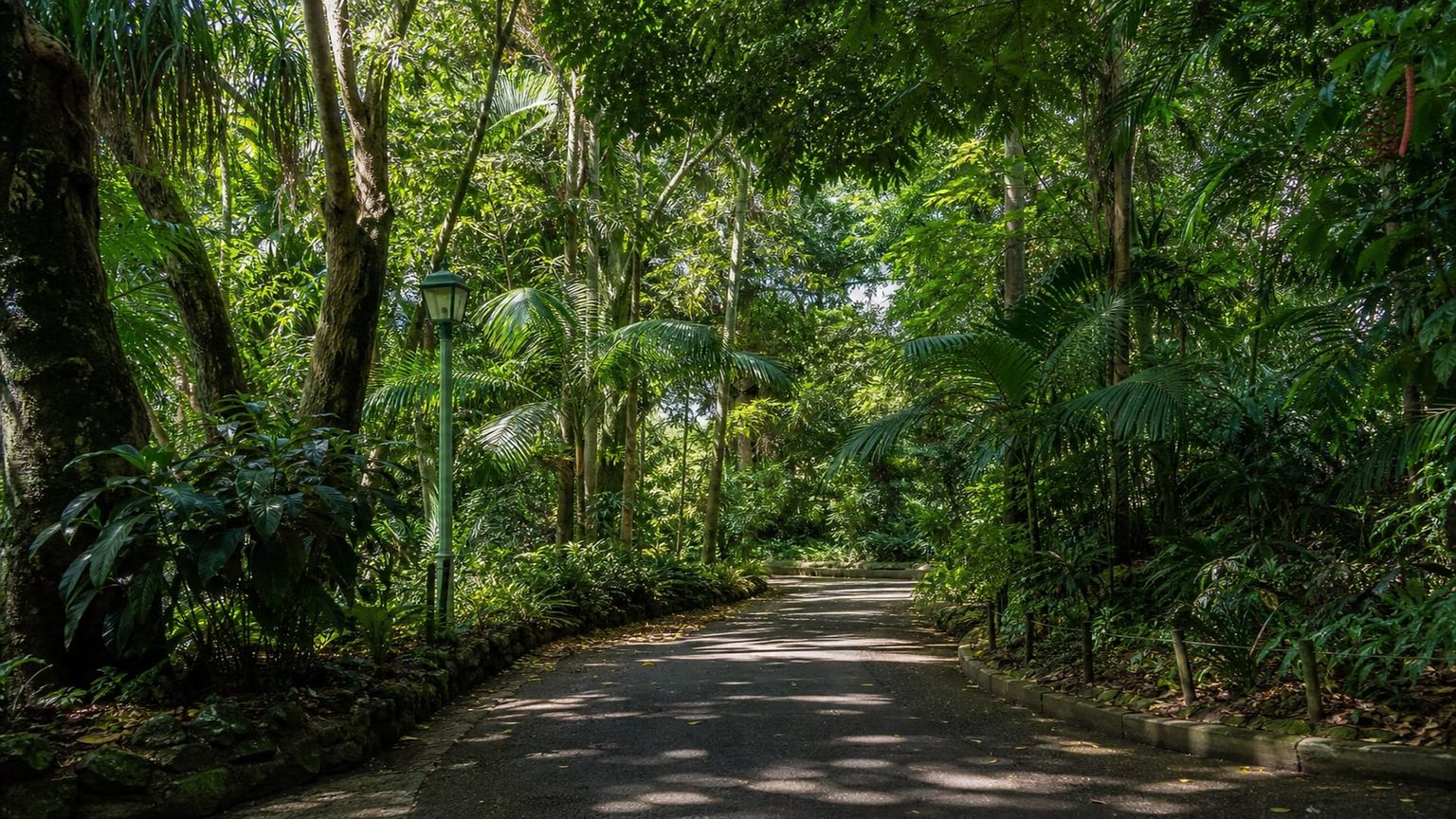
Set in the Canela district, this garden has shaded trails, native Atlantic Forest plants, and a small lake. It works well for a slower visit when you want nature without leaving the city.
Time needed: About 1 to 2 hours
Entry: Free to access. Some special events, guided walks, or temporary exhibitions may carry a separate charge, but the garden itself usually allows walk-in visits at no cost during posted opening hours. Visit the official site for details.
Tip: Visit on a weekday for quieter paths and softer light.
Traditional food
Bahian cooking leans on coconut, dendê oil, seafood, and slow-cooked stews, with moqueca baiana, acarajé, vatapá, and cocada showing up across casual counters and landmark restaurants.
Moqueca baiana
This seafood stew brings coconut milk, dendê oil, peppers, and herbs together in a dish that defines Bahia’s coastal table. A Casa do Comércio is a strong place to order it in Salvador.
Acarajé
Black-eyed pea fritters are fried in dendê oil and filled with shrimp, vatapá, and salad, making them both a street snack and a meal. Odoyá at Rio Vermelho is a well-known stop for it in Salvador.
Vatapá
This creamy blend of bread, shrimp, coconut milk, peanuts, and dendê appears on plates and as a filling for acarajé. Restaurante do SENAC in Pelourinho is a dependable place to try it as part of a broader Bahian spread.
Cocada
Cocada is a coconut sweet that ranges from chewy to soft, and it makes an easy finish after a rich meal. Sorveteria da Ribeira is a classic Salvador stop where you can pair it with local desserts and ice cream.
Best time to visit Salvador
Salvador stays warm year-round, but the best timing shifts with rain, humidity, and beach crowd levels, so the season you choose can change how long you want to stay outdoors.
Best for: Beach time, sunset walks, and lively evenings in Barra and Rio Vermelho
What you get: About 79 to 88°F (26 to 31°C), with heavier crowds on the waterfront and around holiday periods
Trade-offs: Heat, humidity, and afternoon showers can make midday sightseeing tiring
Best for: Balanced weather for Pelourinho, museums, and food-focused days
What you get: About 76 to 85°F (24 to 29°C), with moderate crowds and fewer holiday peaks
Trade-offs: Rain can interrupt longer outdoor plans
Best for: Comfortable walking weather and easier time in the historic center
What you get: About 73 to 82°F (23 to 28°C), with lighter crowds than summer and clear mornings
Trade-offs: Evenings can feel breezier near the coast
Best for: Beach days, city walks, and a good mix of outdoor and indoor stops
What you get: About 77 to 87°F (25 to 31°C), with growing visitor traffic as the holidays approach
Trade-offs: Crowds rise toward the end of the season
A realistic 5-day plan in Salvador
Five days gives Salvador enough room for the old center, the coastline, and one or two quieter pauses without turning the trip into a constant taxi schedule. The plan below keeps the days grouped by area so transfers stay purposeful.
Land at Salvador (SSA) and take a taxi or ride-hailing car into Barra, which usually takes about 30 to 40 minutes and costs roughly $12 to $20 (R$60 to R$100), depending on traffic and the hour. Check in near the seafront so your first evening stays simple, then hydrate, walk a short stretch by Barra Beach or Farol da Barra, and settle into an early dinner at a casual waterfront restaurant before the city gets busy.
Start in Pelourinho, where the São Francisco Church and Convent opens the day best before midday, when the interior is brightest and tour traffic is lighter. From there, walk about 5 to 10 minutes to Elevador Lacerda for the upper-square view over the bay, then continue about 10 minutes on foot to the Mercado Modelo area for lunch and browsing. If you want a quieter break afterward, take a taxi or ride-hailing car to the Museum of Modern Art of Bahia in about 15 to 20 minutes, then return to Barra for sunset along the seawall.
Begin with Farol da Barra in the late afternoon light, then stay for the sunset walk along the seawall, which makes a good start to a beach-centered day in Barra. After that, head by taxi to Rio Vermelho in about 15 to 20 minutes for dinner, since this is Salvador’s strongest late-night dining area and the streets stay active well into the evening. If you want one more stop, plan a short waterfront stroll before settling into a restaurant near the main bar blocks.
A slower morning fits the Botanical Garden of Salvador in Canela, where shaded paths and the small lake give you a quiet change of pace; plan about 1 to 2 hours there. From Canela, reach the Museum of Modern Art of Bahia in about 10 to 15 minutes by taxi for a compact art stop, then return to Pelourinho in roughly 15 minutes if you want another walk through the historic center. End the day with dinner in Pelourinho or Barra, depending on whether you want colonial streets or a wider choice of seaside tables.
For your last full day, pair a final museum stop with easy shopping and coffee rather than a long cross-city schedule. Start in Pelourinho if you want to revisit landmark squares, or head to Barra for last-minute purchases near the waterfront, then move to Rio Vermelho for a café stop and a late lunch in a neighborhood that still has plenty open. Keep the pace loose enough for one more harbor view before your airport transfer from Salvador (SSA).
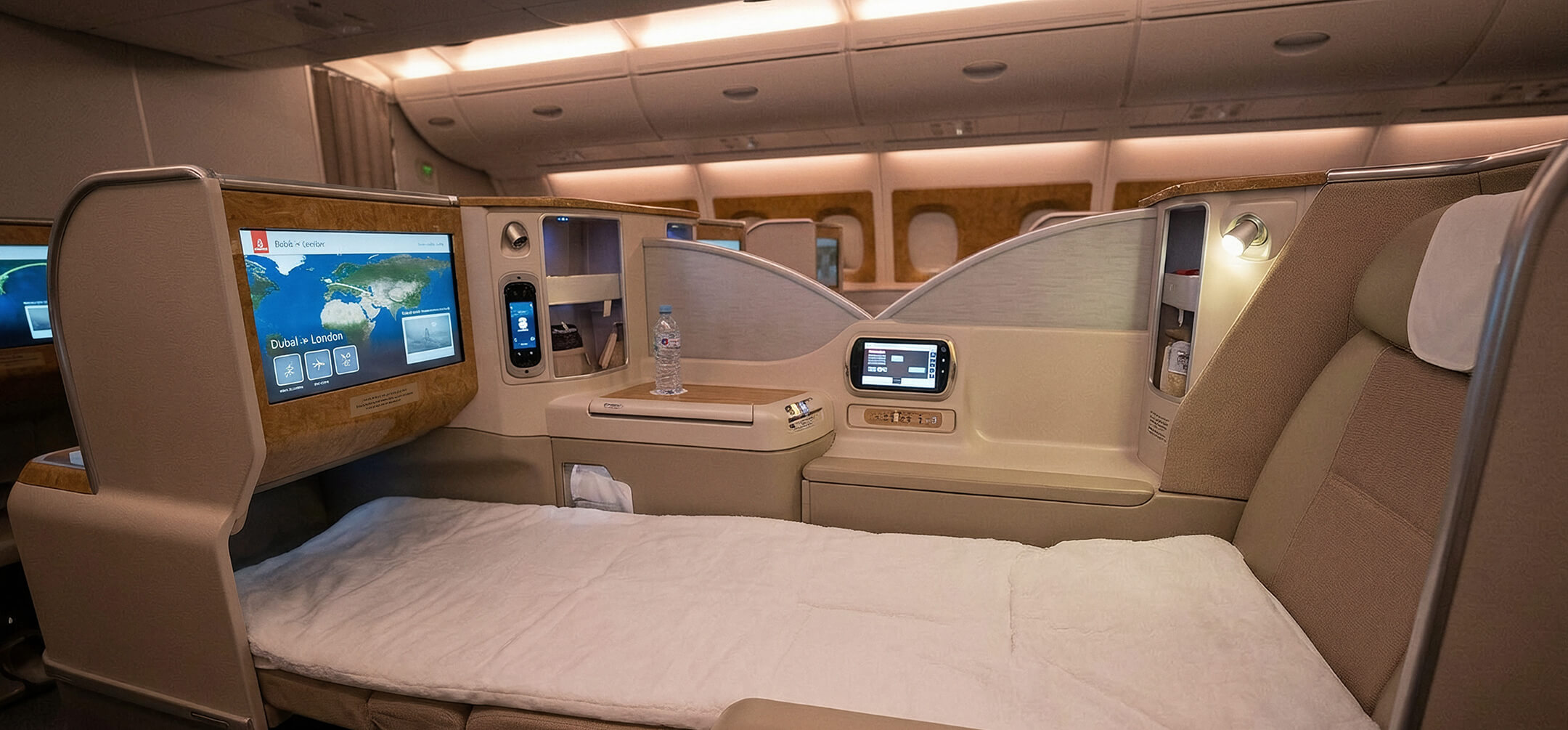
Business-class flights from the US to Salvador
From New York and Los Angeles, Salvador usually requires a one-stop itinerary, and the best options often differ by layover city and total time. The routes below show what that looks like in practice.
Delta Air Lines, American Airlines, LATAM Airlines, Air France, TAP Air Portugal, and Air Europa all appear on New York itineraries, with nonstop flying time from New York typically about 10 to 11 hours. One-stop connections often run through FRA, MAD, LIS, CDG, ATL, or MIA, with total travel times about 14 to 20 hours. Round-trip fares from New York usually start near $2,600 and can climb to $5,500, with nonstop premium seats on Delta Air Lines, American Airlines, and LATAM Airlines.
Round-trip fares from Los Angeles generally run from $2,800 to $6,000, and one-stop itineraries via Mexico City can trim the price on some dates. American Airlines, United Airlines, LATAM Airlines, Delta Air Lines, Aeromexico, and Copa Airlines all show up on Los Angeles itineraries, with total trip times about 15 to 24 hours through MEX, PTY, GDL, LIM, SCL, or DFW. Nonstop flying time is about 12 to 13 hours.
Salvador feels different when you slow down
A well-paced Salvador trip gives each area its own hour, from Pelourinho in the morning to Barra at sunset and Rio Vermelho after dark, with taxis or ride-hailing cars bridging the longer stretches. That kind of plan leaves room for a museum stop in Canela, a meal built around moqueca baiana, and one last harbor view before you leave. If you want help matching the right neighborhood to your dates, AranGrant experts can build the itinerary around your timing and flight plans