

Chapters:

Need help with your trip?
Our support team is available 24/7. Request a callback or call us directly at (833) 619-0908
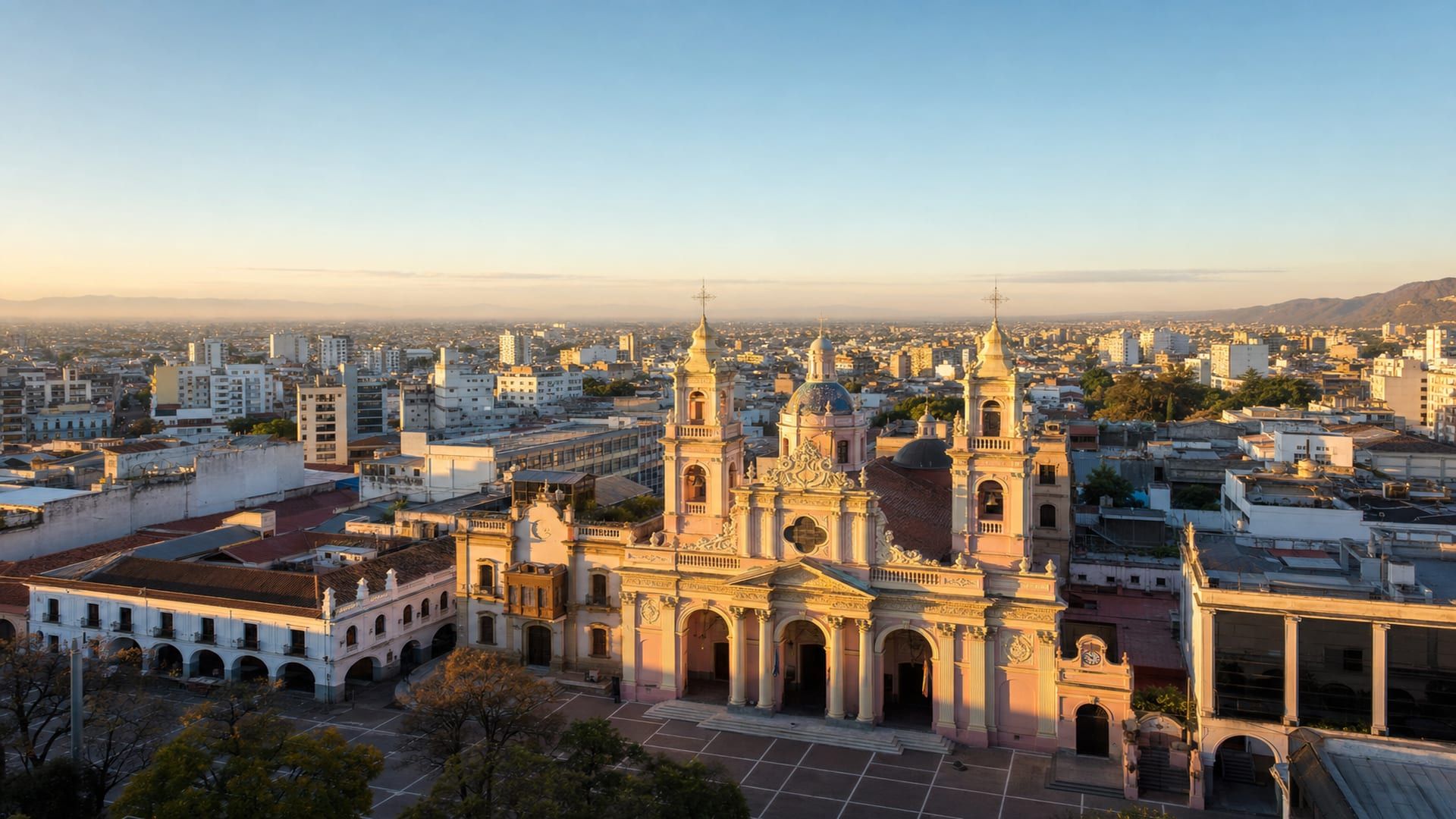
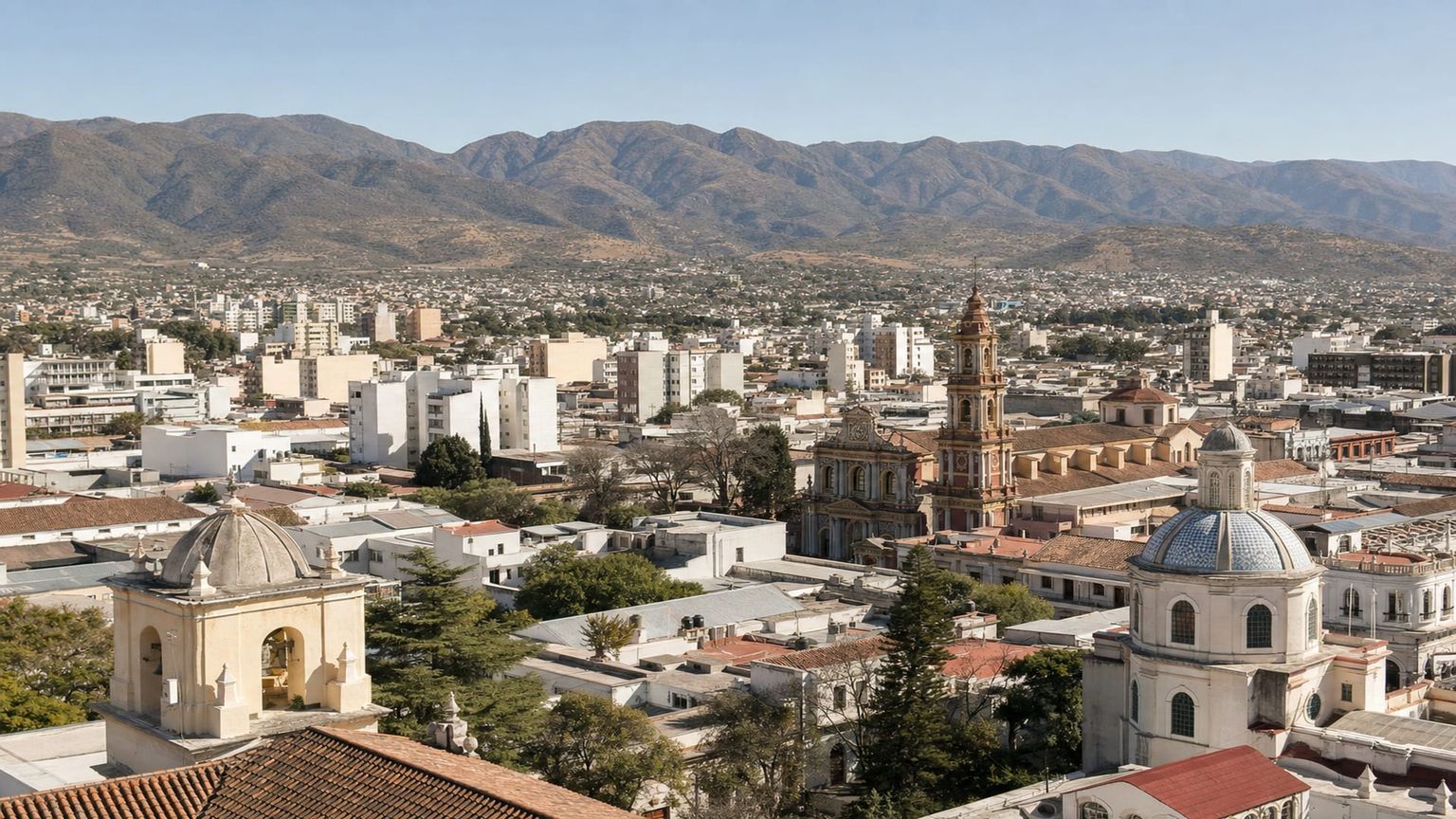
Salta keeps many of its best-known sights close to Plaza 9 de Julio, but the city changes once you add Balcarce, San Bernardo Hill, Parque San Martín, and the greener foothills toward San Lorenzo. Choosing where to stay determines how often you need to cross the city.
Opening hours also shape the day. Museums close on specific days, restaurants often pause between lunch and dinner, and summer afternoons are better suited to indoor stops than exposed viewpoints. This guide covers where to stay, transportation, major sights, local food, seasonal conditions, and a five-day plan.
Useful things to know

Main language(s): Spanish
Hola (OH-lah) – Hello
Por favor (por fah-VOR) – Please
Gracias (GRAH-syahs) – Thank you
¿Habla inglés? (AH-blah een-GLAYS) – Do you speak English?
¿Cuánto cuesta? (KWAHN-toh KWEHS-tah) – How much does it cost?

Currency: Argentine peso (ARS, $)

Cash and cards: Cards and contactless payments are widely accepted at hotels, restaurants, and larger shops. Carry ARS 30,000 to ARS 60,000 (US$20 to US$40) for taxis, markets, and smaller purchases.

Tipping: Leave 10% at restaurants when service is good, and a service charge has not already been included.

Traditional food: Empanadas salteñas, locro, humita, tamales

Water and coffee costs: Bottled water costs ARS 2,200 (US$1.45), while an espresso costs ARS 2,200 to ARS 4,000 (US$1.45 to US$2.60).

Taxis and ride apps: Uber operates in Salta alongside licensed taxis. The app is available 24/7, although pickup times can vary with driver availability.

Plug and voltage: Type C and I sockets, 220V, 50Hz

Dining and shop opening hours: Lunch commonly runs from 12:30 pm to 3:00 pm, while dinner often starts after 8:30 pm. Some restaurants close between meal periods.

Emergency number: Call 911 for police, fire, and medical emergencies.
Where to stay in Salta
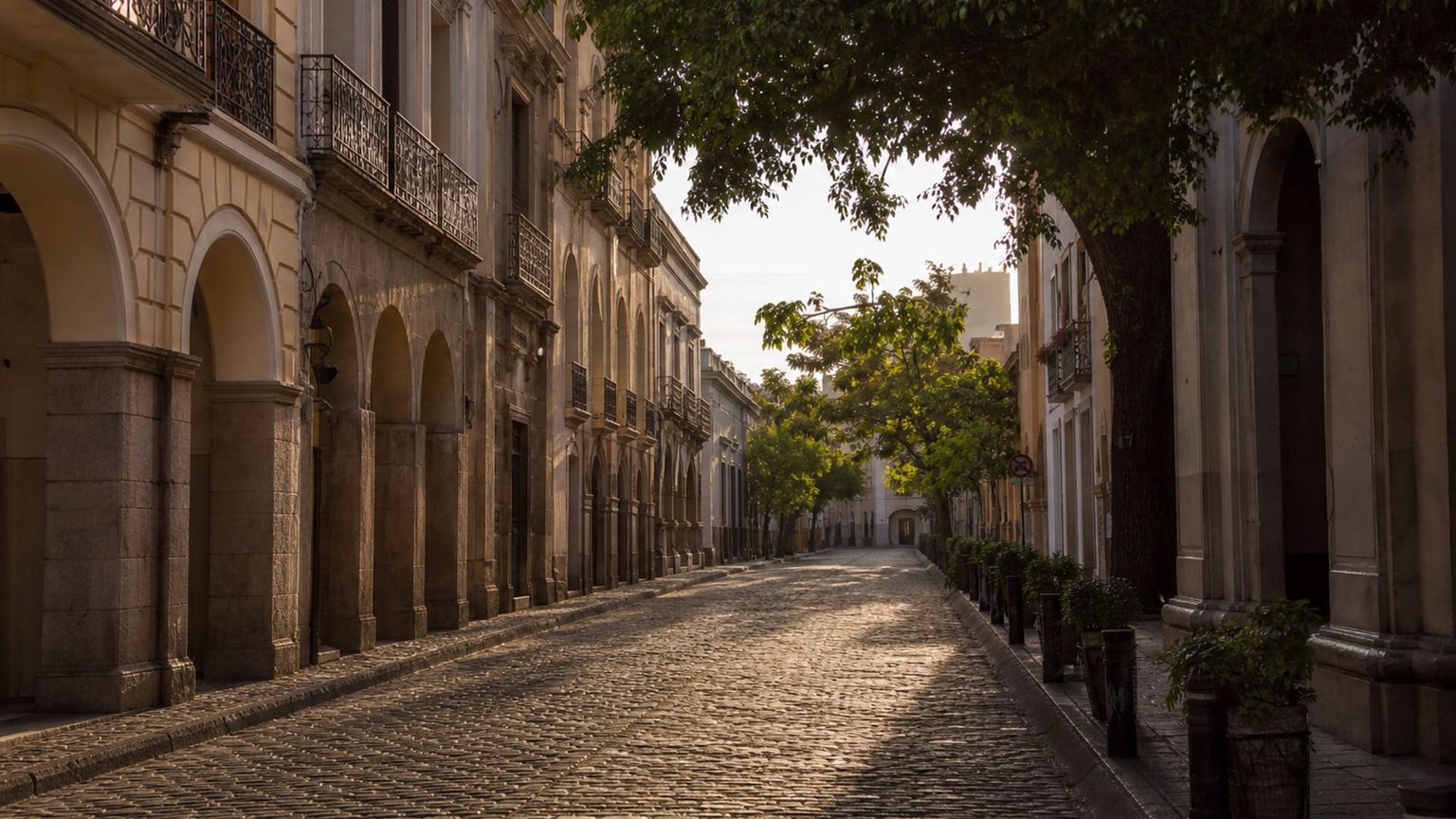
Salta’s historic center puts Plaza 9 de Julio, the Cathedral Basilica, MAAM, restaurants, and colonial architecture within a compact walking area. It suits first visits and shorter stays when sightseeing convenience takes priority over a quieter residential setting.
Best for: First visits, museums, historic sights, restaurants, and shorter stays
What to expect: Cafés, museums, tour groups, shops, restaurants, and steady activity around Plaza 9 de Julio
Hotel prices: ARS 90,000 to ARS 215,000 (US$60 to US$140) per night for well-rated stays
Distance to major sights: 5 to 10 minutes on foot to Plaza 9 de Julio, MAAM, and the Cathedral Basilica
Quietness: Main streets remain active into the evening, while side streets become calmer after restaurants close.
Main trade-off: Central hotels can cost more on busy weekends, and street-facing rooms may pick up evening noise.
Good to know: Choose a side-street room if you want central access without the busiest nighttime activity.
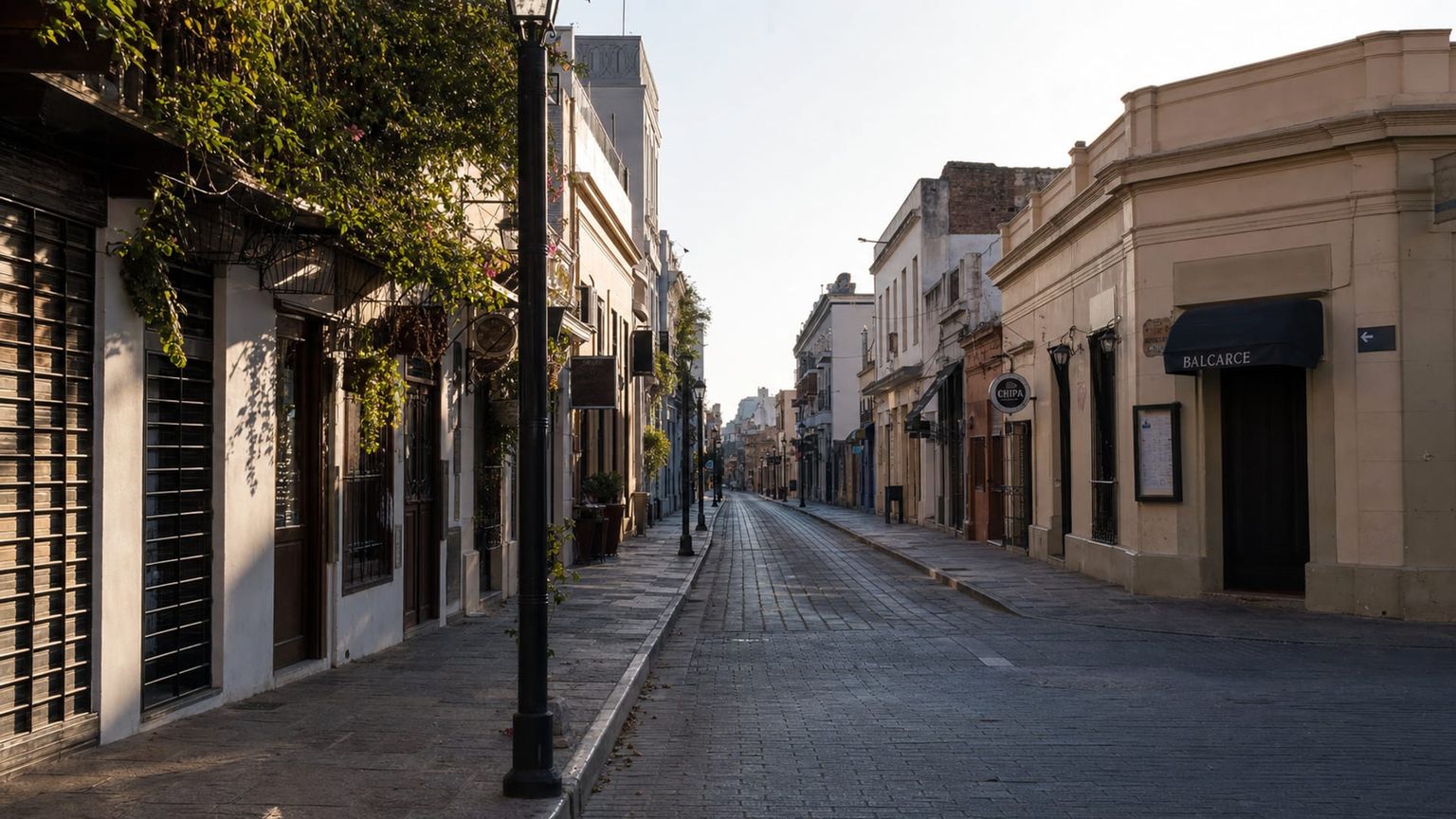
Balcarce is one of Salta’s principal evening districts, with peñas, restaurants, bars, and hotels concentrated along and near Calle Balcarce. It keeps Centro within walking distance while putting folkloric music and late dinners close to your hotel.
Best for: Peñas, nightlife, restaurants, and travelers who want an active evening scene close to Centro
What to expect: Music venues, restaurants, bars, pedestrian traffic, and considerably more activity after sunset
Hotel prices: ARS 84,000 to ARS 198,000 (US$55 to US$130) per night for well-rated stays
Distance to major sights: 10 to 15 minutes on foot to Plaza 9 de Julio
Quietness: Nearby residential blocks settle earlier, while rooms facing Calle Balcarce can remain noisy late into the night.
Main trade-off: Easy access to peñas and late dinners comes with more nighttime noise along the entertainment streets.
Good to know: Ask for a room away from Calle Balcarce if you expect to sleep before the bars and music venues wind down.
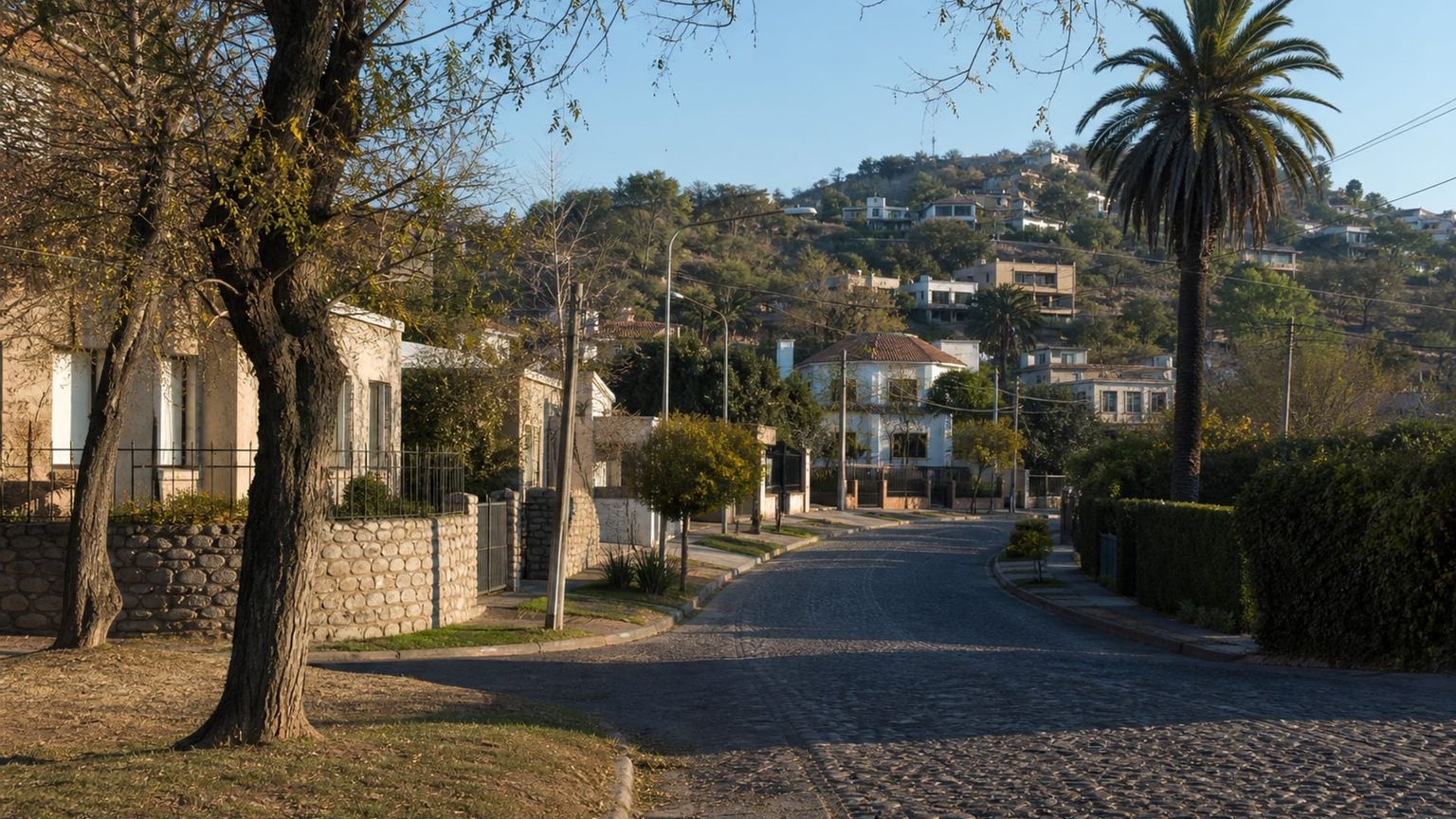
Tres Cerritos lies northeast of central Salta, with residential streets, houses, apartment buildings, cafés, and local shops. It suits longer stays and travelers who prefer calm
Best for: Families, longer stays, quieter nights, and travelers using taxis or ride apps
What to expect: Residential streets, neighborhood cafés, shops, lighter traffic, and fewer visitor-focused businesses than Centro
Hotel prices: ARS 76,000 to ARS 183,000 (US$50 to US$120) per night for well-rated stays
Distance to major sights: 15 to 20 minutes by taxi to Plaza 9 de Julio
Quietness: Residential streets stay relatively calm during the day and become even quieter after dark.
Main trade-off: Museums, peñas, and the main concentration of central restaurants require transportation.
Good to know: Check the exact property location because restaurants and shops are more dispersed than in Centro.
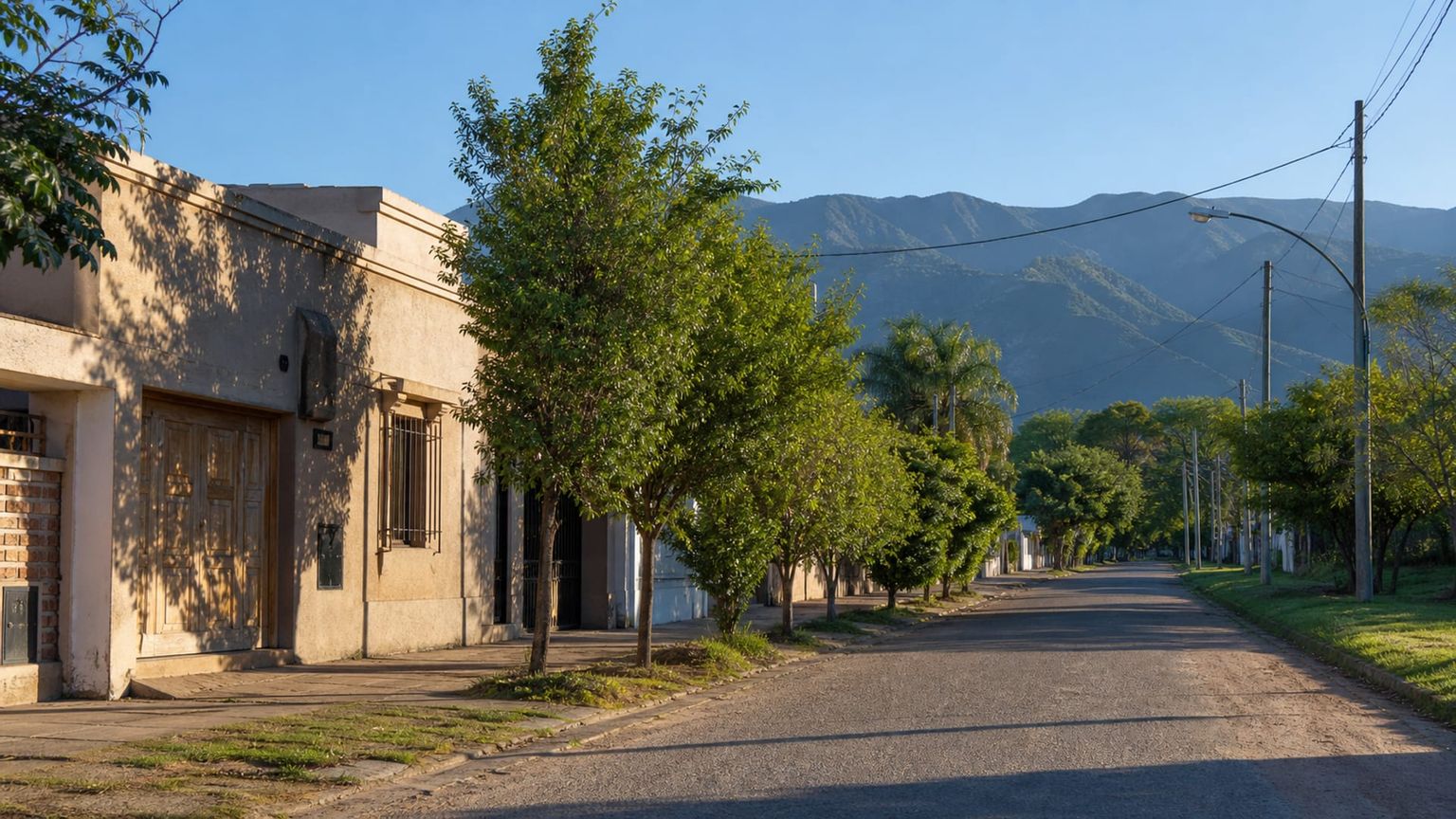
Villa San Lorenzo lies in the greener foothills west of Salta, with boutique inns, gardens, mountain scenery, and access to Quebrada de San Lorenzo. It suits travelers who want a quieter stay and do not mind longer trips into the city.
Best for: Couples, longer stays, mountain scenery, greenery, and quieter evenings
What to expect: Low-rise hotels, gardens, wooded surroundings, restaurants, and far less urban traffic than central Salta
Hotel prices: ARS 107,000 to ARS 275,000 (US$70 to US$180) per night for well-rated stays
Distance to major sights: 20 to 30 minutes by taxi to Plaza 9 de Julio
Quietness: The area becomes particularly calm after dark outside its hotels and restaurants.
Main trade-off: Frequent trips into Centro add both travel time and transportation costs.
Good to know: Arrange evening transportation in advance if you plan to dine or attend a peña in central Salta.
Far western and southern residential districts are less convenient for a short first visit because they add travel time without giving you Balcarce’s dining scene, Centro’s historic access, or San Lorenzo’s foothill setting.
Hotel deals
How to get around Salta efficiently
Salta has no metro, so buses, taxis, and rideshare cars cover most journeys beyond the walkable historic center.

Metro
for longer distances
SAETA operates Salta’s urban and metropolitan bus network. The standard fare is ARS 1,450 (US$0.95) per ride, with the same flat fare across the metropolitan municipalities. Trips between central and outer districts commonly take 20 to 50 minutes depending on traffic and the route.

Bus and tram
for convenience
Uber operates throughout Salta and can pick up passengers at Martín Miguel de Güemes International Airport (SLA). The current average UberX fare from the airport into Salta is ARS 12,811 (US$8.40), with an average journey time of 20 minutes. Live prices vary with traffic and demand.

Taxi
for convenience or late hours
Licensed taxis are widely available in Centro, Balcarce, and at the airport. Fares are metered, so the final price depends on distance, traffic, and the time of travel. Confirm card or electronic payment availability before departure if you do not want to pay cash.
*Prices are based on rates updated as of October 2026 and may change at the time of travel.
Use SAETA when price takes priority, Uber for app-based point-to-point trips, and taxis when you want immediate pickup from a rank or busy central street.
Iconic landmarks
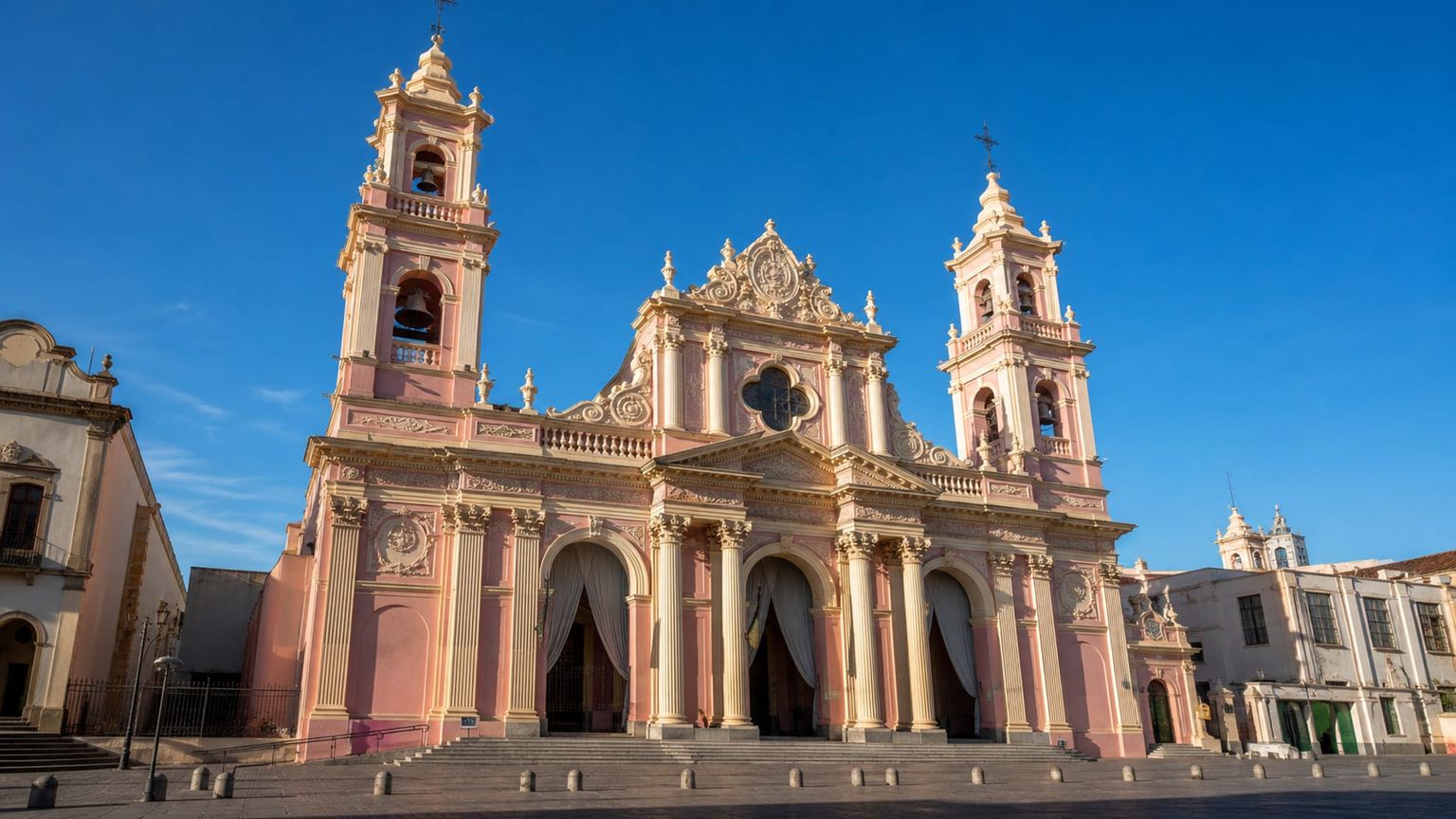
Cathedral Basilica of Salta
The pink-and-cream Cathedral Basilica faces Plaza 9 de Julio and forms one of the historic center’s defining facades. Inside are the sanctuary of the Lord and Virgin of the Miracle and the remains of General Martín Miguel de Güemes.
Time needed: 30 to 45 minutes
Entry: Free during public visiting hours
Tip: Visit outside major services and religious celebrations, particularly during September’s Miracle festivities when the cathedral and surrounding streets become much busier.
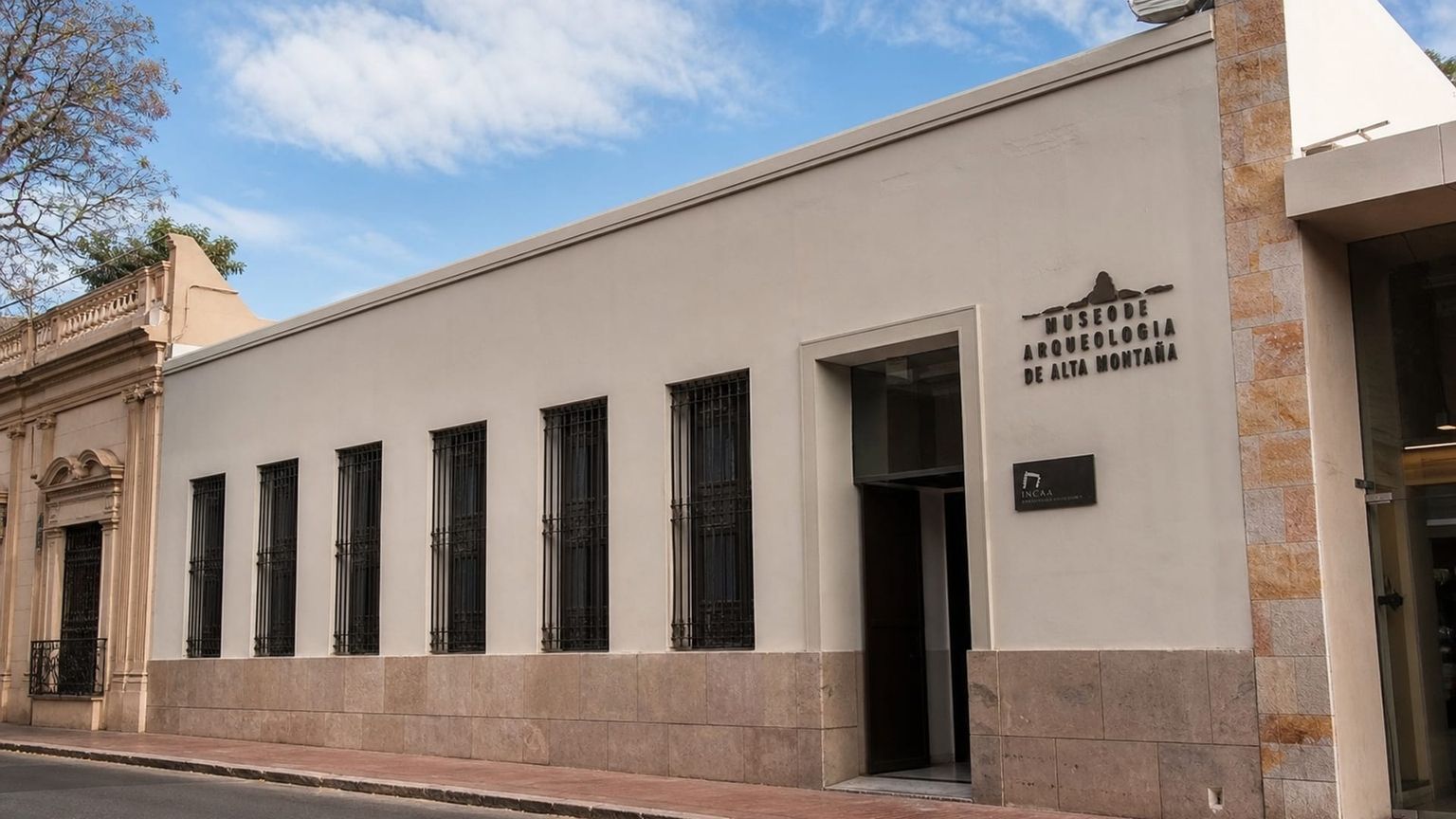
Museum of High Altitude Archaeology
The Museo de Arqueología de Alta Montaña, or MAAM, focuses on Inca high-altitude ritual archaeology and preserves the three Llullaillaco children discovered near the summit of Mount Llullaillaco.
Time needed: 1 to 1.5 hours
Entry: ARS 16,000 (US$10.50) for foreign visitors. Open Tuesday to Sunday from 11:00 am to 7:00 pm, with last admission at 6:30 pm. Visit the official site for details.
Tip: Visit soon after opening if you prefer quieter galleries.
San Bernardo Hill
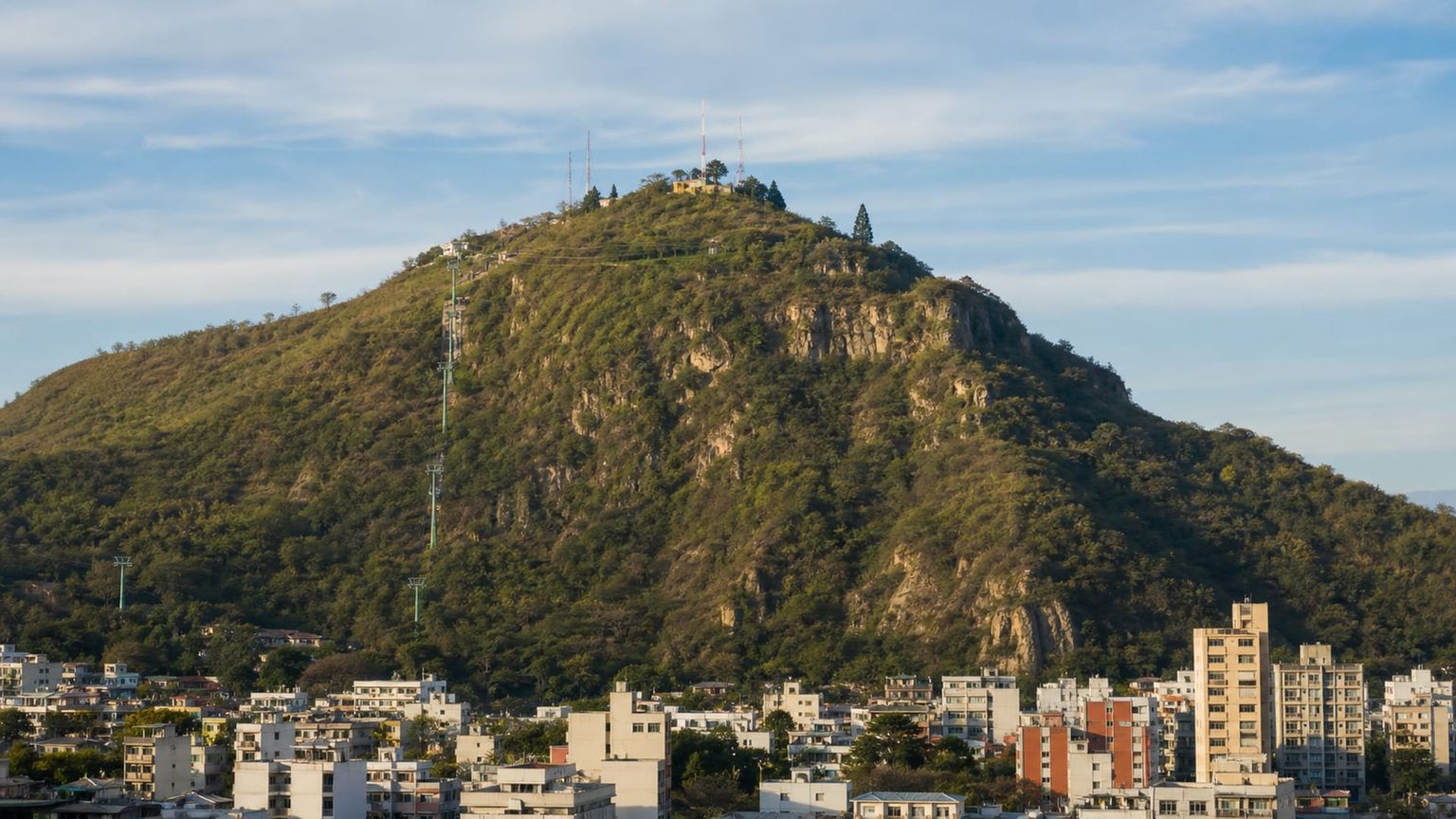
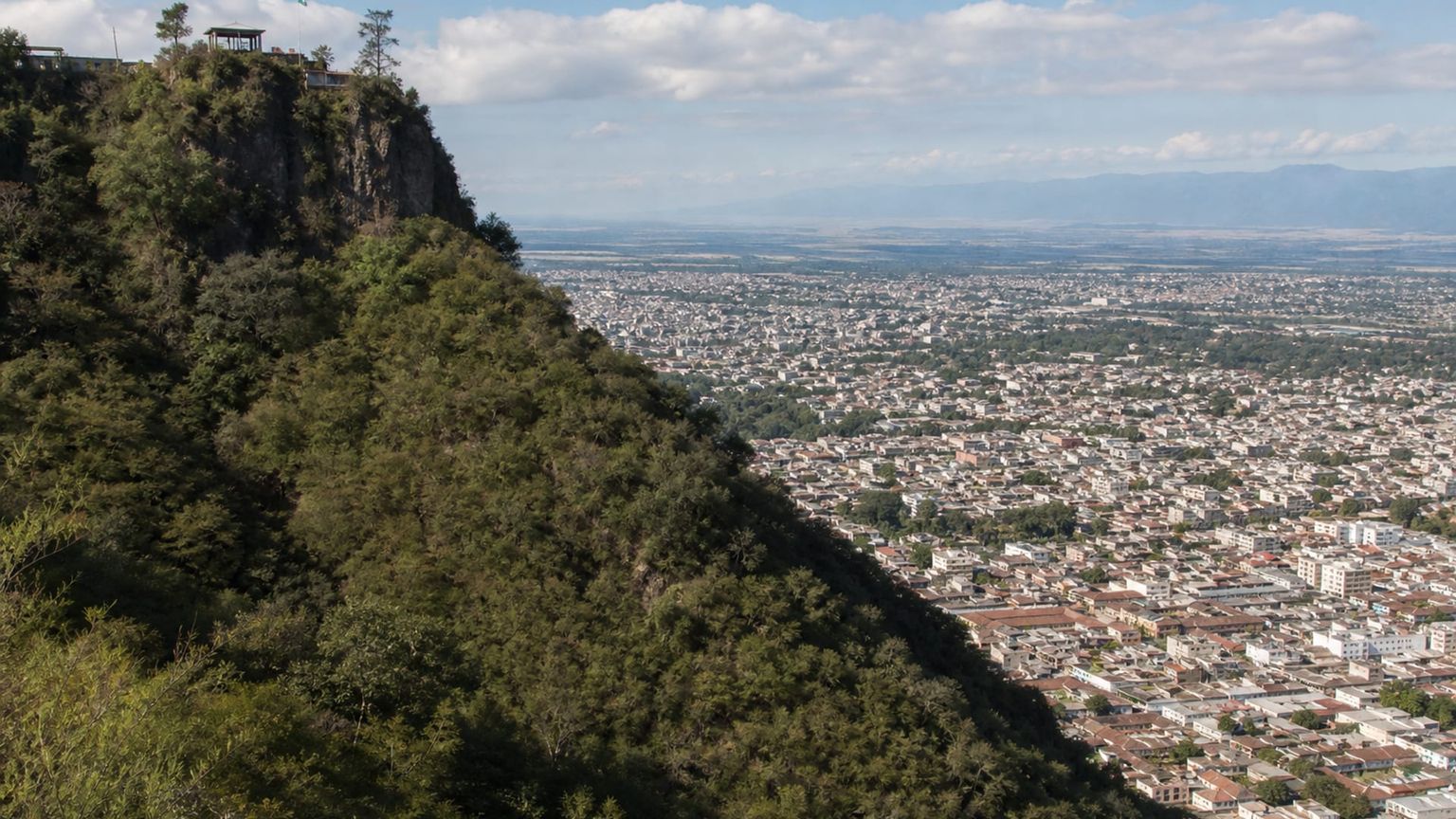
San Bernardo Hill rises east of central Salta and provides broad views over the city and surrounding valley. The Teleférico San Bernardo connects Parque San Martín with the summit, while a stair route gives visitors another way to reach the viewpoint.
Time needed: 1.5 to 2 hours
Entry: Access to the hill is free; the cable car charges separately. Check the official website for current hours and fares.
Tip: Visit in late afternoon for softer light, or choose the morning if you plan to climb on foot.
Overlooked sites worth visiting

Mercado San Miguel
Mercado San Miguel brings together produce, meats, spices, regional products, crafts, and food stalls serving dishes such as humita, tamales, and locro. Its everyday commercial atmosphere gives you a different side of Salta from the city’s museums and colonial landmarks.
Time needed: About 1 hour
Entry: Free. Open Monday to Saturday from 8:00 am to 2:00 pm and from 5:30 pm to 10:00 pm; closed Sunday. Check the official website for more details.
Tip: Visit before lunch for more time to browse the food stalls and regional products before the afternoon closure.

Parque San Martín
Parque San Martín is one of central Salta’s largest green spaces, with an artificial lake, walking paths, crafts, children’s areas, and the lower station of the San Bernardo cable car.
Time needed: 1 to 1.5 hours
Entry: Free
Tip: Pair it with San Bernardo Hill because the Teleférico’s lower station is inside the park.
Traditional food
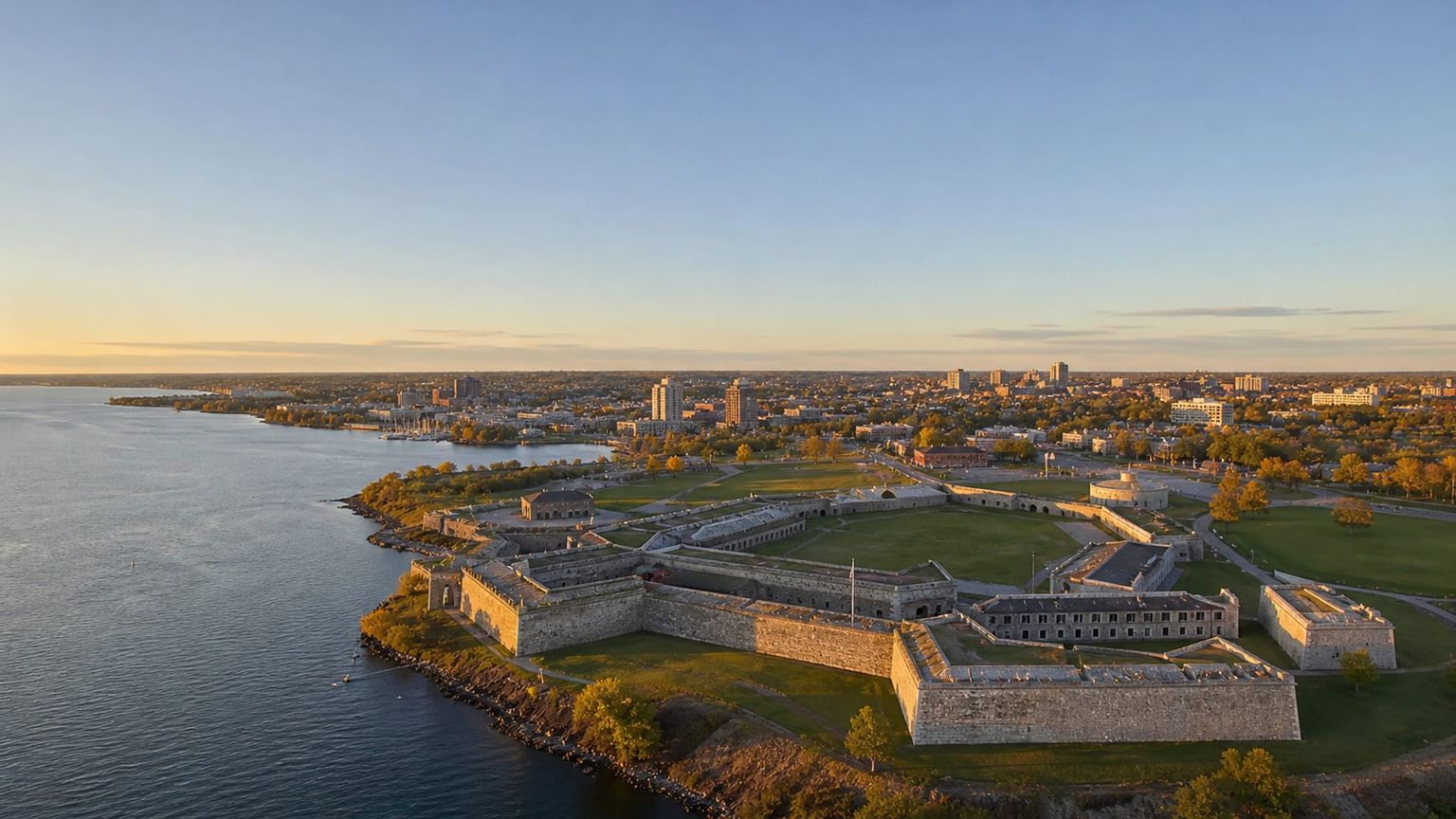
Salta’s regional cooking draws on corn, beef, beans, squash, chilies, and slow-cooked fillings, with empanadas, locro, humita, and tamales appearing widely across the city.
Empanadas salteñas
Empanadas salteñas are small baked pastries commonly filled with hand-cut beef, potato, egg, green onion, paprika, and cumin. La Casona del Molino is recognized for its Salta-style empanadas.
Locro
Locro is a thick stew made with corn, beans, squash, and meat and is especially associated with cooler days and national celebrations. Mercado San Miguel lists locro among the regional dishes served in its food area.
Humita
Humita combines fresh ground corn with seasonings and is often served in a corn husk with cheese. Mercado San Miguel lists humita among its traditional dishes.
Tamales
Salta-style tamales wrap seasoned corn dough and meat in corn husks before steaming. Mercado San Miguel lists tamales among the regional dishes served in its food area.
Best time to visit Salta
Salta has a warm, wetter summer and a much drier winter, with spring and autumn offering comfortable conditions for historic sightseeing and outdoor viewpoints.
Best for: Historic-center walks, San Bernardo Hill, outdoor dining, and dry sightseeing days
What you get: 48°F–81°F (9°C–27°C), with warmer afternoons and rainfall increasing toward November
Trade-offs: November becomes hotter and wetter as summer approaches.
Best for: Long evenings, museums, park visits, and travelers comfortable with summer rain
What you get: 62°F–82°F (17°C–28°C), with warm days and the year’s highest rainfall
Trade-offs: Humidity and afternoon rain can interrupt hill visits and other outdoor plans.
Best for: Museums, Centro, outdoor dining, and increasingly dry weather
What you get: 48°F–76°F (9°C–24°C), with rainfall dropping sharply as the season progresses
Trade-offs: Evenings become noticeably cooler by May.
Best for: Clear viewpoints, dry weather, city walks, and San Bernardo Hill
What you get: 40°F–72°F (4°C–22°C), with cool mornings, mild afternoons, and very little rain
Trade-offs: Early mornings and evenings can feel cold, especially in July.
A realistic 5-day plan in Salta
Five days gives you enough time to keep the historic center together, combine Parque San Martín with San Bernardo Hill, spend an evening in Balcarce, and see the greener surroundings of San Lorenzo without repeating the same attractions.
Land at Martín Miguel de Güemes International Airport (SLA) and take an Uber, taxi, or prearranged transportation to your hotel. An UberX trip into Salta currently averages 20 minutes and ARS 12,811 (US$8.40). After check-in, keep the first evening near Plaza 9 de Julio for dinner and a short walk through the historic center.
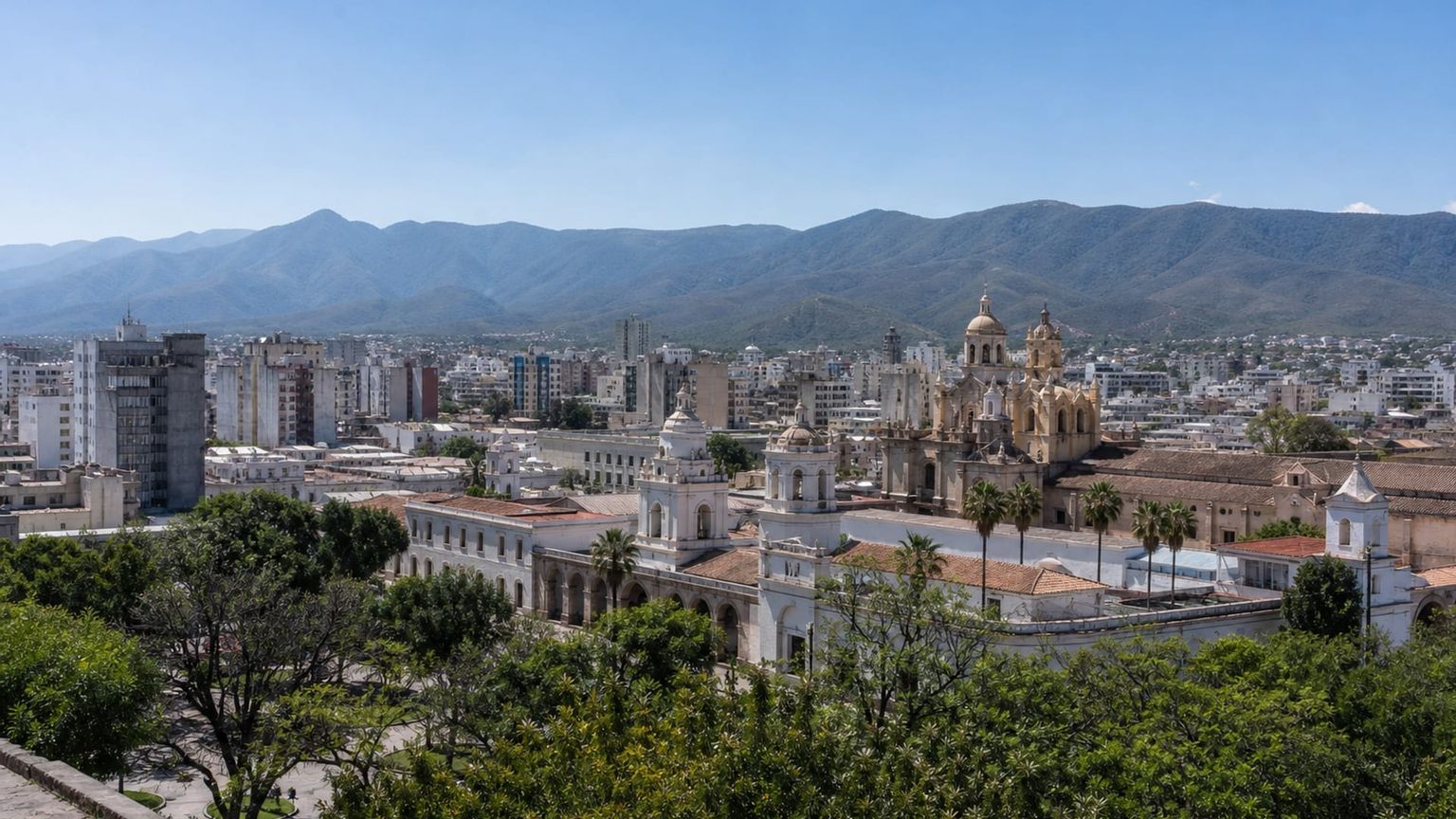
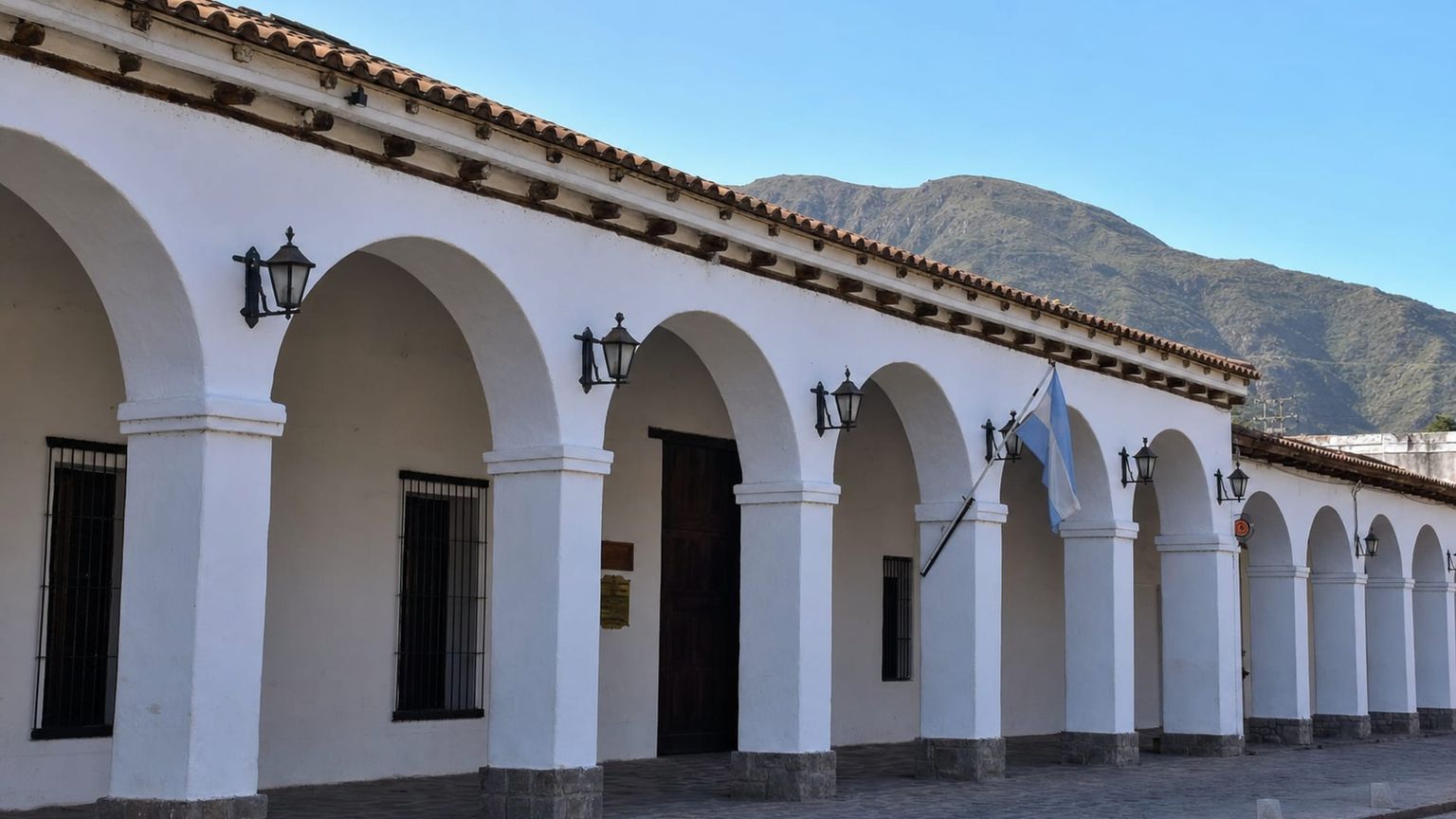
Start at Plaza 9 de Julio, Salta’s main colonial square, surrounded by the white neoclassical Cabildo, the Government Palace, and the pink-and-white Cathedral Basilica. Continue to MAAM, a block from the plaza, when it opens at 11:00 am. The museum’s collection centers on the Children of Llullaillaco, three Inca children discovered in 1999 at the summit of the Llullaillaco volcano, preserved by the cold for roughly 500 years. Allow 1 to 1.5 hours. Stay in Centro for lunch and the surrounding colonial streets instead of adding another trip across the city.
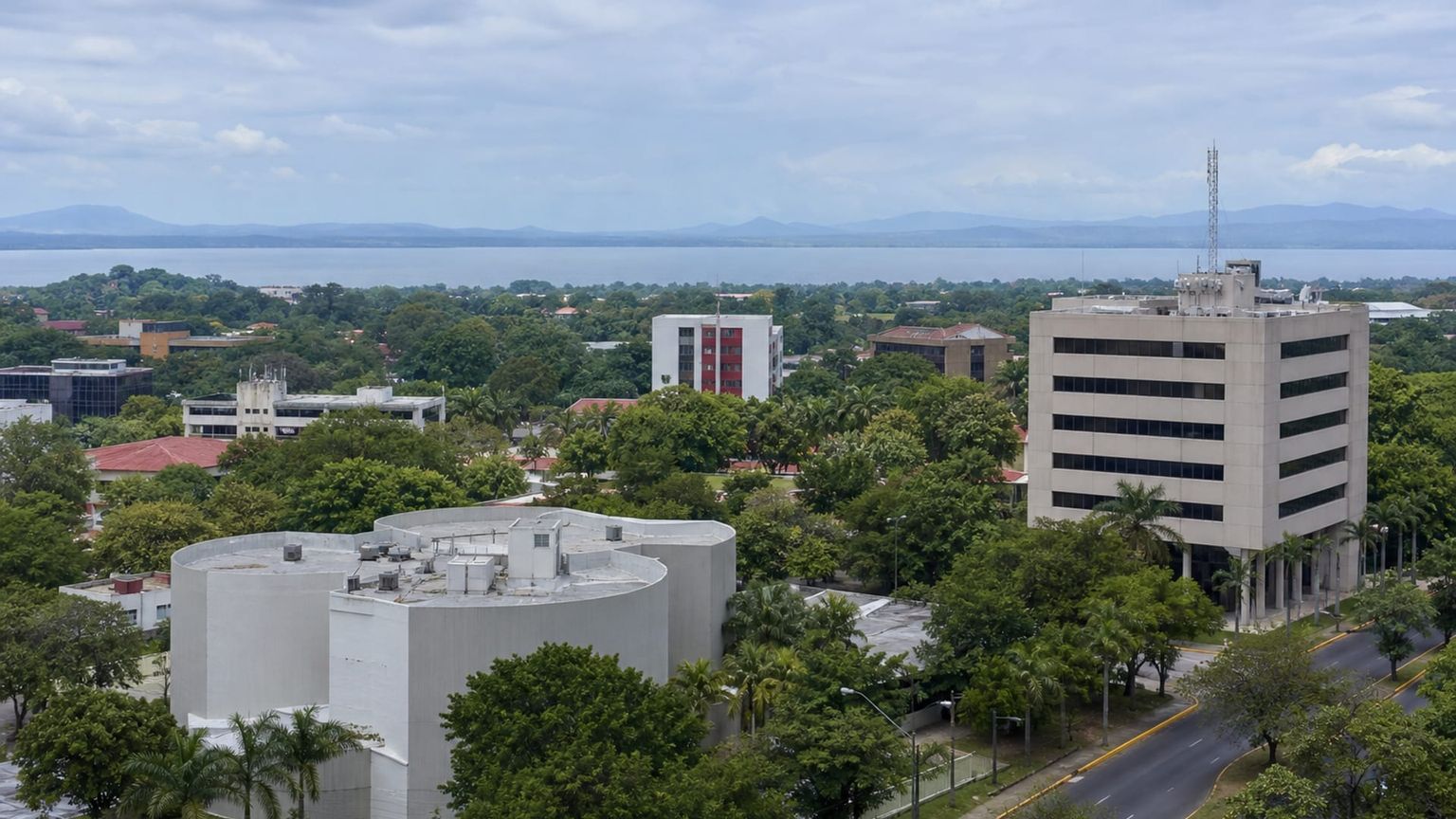
Begin at Parque San Martín, then take the Teleférico San Bernardo from its lower station inside the park. The Swiss-built cable car has been operating since 1987 and covers half a mile in about 8 minutes, rising to the summit of San Bernardo Hill. At the top, gardens, artificial waterfalls, a craft market, a café, and a panoramic viewpoint over the Lerma Valley await. Spend 1.5 to 2 hours between the cable car and the summit before returning to the city. Keep the evening for Balcarce, where restaurants and peñas become livelier after dark.
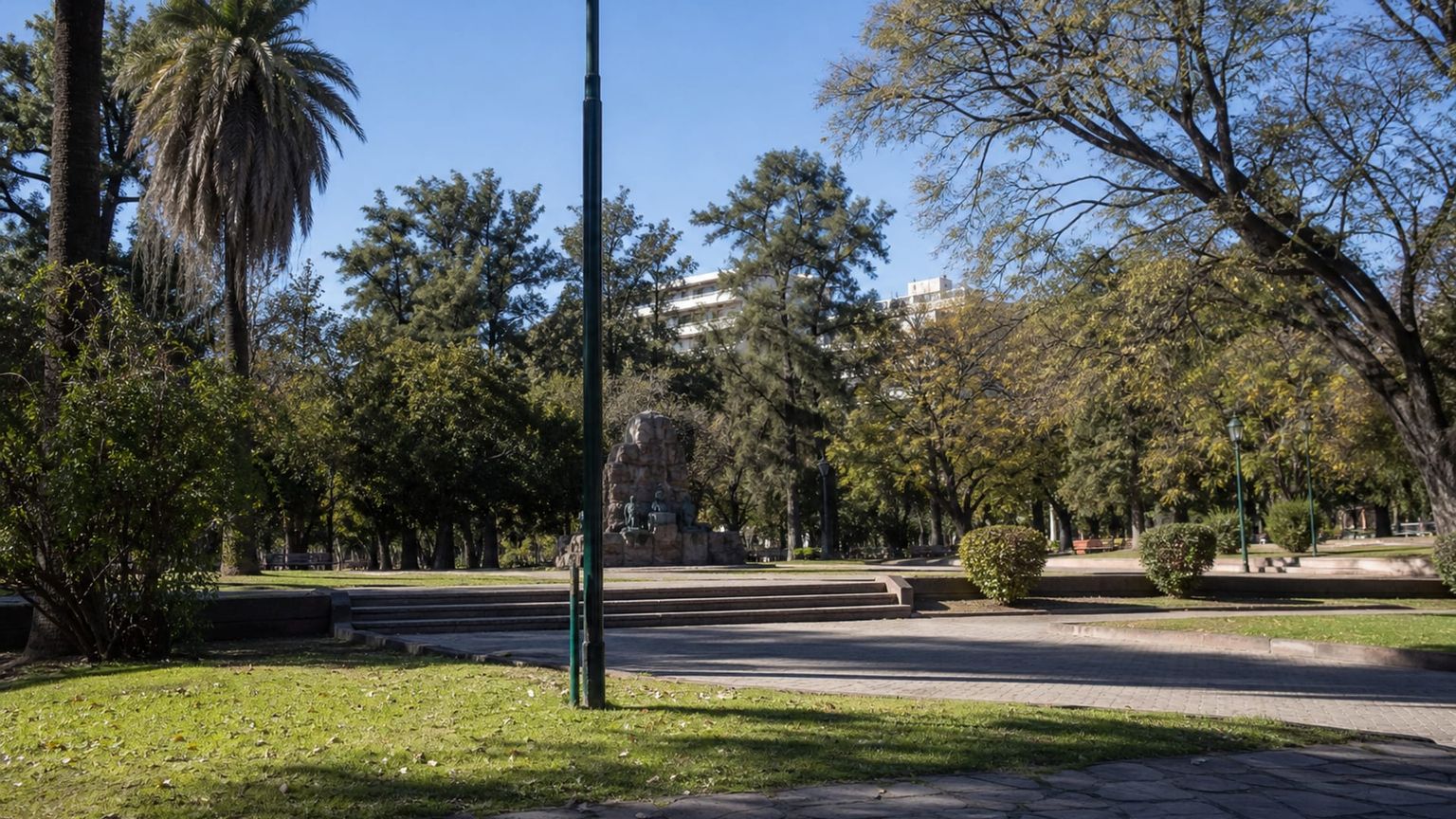
Travel west to Villa San Lorenzo, about 15 minutes from central Salta by taxi. The town sits high in the Yungas foothills, where the subtropical forest, river, and cool air create a refreshing setting. The Reserva Municipal Yungas de San Lorenzo offers marked walking trails and birdwatching and horseback riding options. The Paseo de los Artesanos along the river connects craft stalls with shaded river walks. Stay for lunch or afternoon tea at one of the restaurants near the quebrada entrance before returning to Salta for the evening.
Visit Mercado San Miguel in the morning for regional foods, spices, sweets, and local products. Have an early lunch in or near Centro, collect your luggage, then continue to Martín Miguel de Güemes International Airport with extra time for traffic.
Business-class flights from the US to Salta
Business-class trips from the US to Salta can be booked with one connection through Panama City, with total journey time depending mainly on the layover.
New York (JFK) to Salta (SLA)
Copa Airlines connects through Panama City (PTY), with round-trip business-class fares ranging from $3,200 to $5,200 and total journey times of 13 to 25 hours. LATAM Airlines offers an alternative route through Lima (LIM), with journey times extending toward 28 hours, depending on the layover.
Los Angeles (LAX) to Salta (SLA)
From Los Angeles, Copa Airlines offers a one-stop itinerary through Tocumen International Airport (PTY) in Panama City before the final flight to Salta. Total journey time typically ranges from 15 to 19 hours, with round-trip business-class fares from $4,300 to $6,700. Travelers can also find one-stop flights on this route with LATAM, which include a layover in Lima (LIM) and may take up to 37 hours, depending on the layover duration.
Salta feels different when you slow down
Salta pairs ornate colonial architecture with Andean traditions and a landscape that is never far from view. Plaza 9 de Julio gives the city its historic heart, while Balcarce’s peñas, San Bernardo Hill, and the foothills toward San Lorenzo reveal different sides of its character. AranGrant experts can help you find business-class flights and hotels that fit the way you want to experience Salta.







