

Chapters:

Need help with your trip?
Our support team is available 24/7. Request a callback or call us directly at (833) 619-0908
Sakakah trips often start with the airport, a hotel in the center, and one quick outing to a major sight, yet many visitors miss the distance between attractions and the quiet stretches between them.
That approach can leave you rushing across the city, arriving at desert sites in harsh light, and spending more time on road transfers than at the places themselves.
This guide slows the sequence down, groups the sights by direction, and gives each day a clear purpose so you can move through Sakakah with less backtracking.
Useful things to know

Main language(s): Arabic
مرحبا (marhaban) – Hello
من فضلك (min fadlak) – Please
شكرا (shukran) – Thank you
هل تتحدث الإنجليزية؟ (hal tatahaddath al-ingliziya?) – Do you speak English?
بكم هذا؟ (bikam hadha?) – How much does it cost?

Currency: The local currency is the Saudi riyal (SAR, ﷼).

Cash and cards: Cards work at larger hotels and shops, but carry about SAR 100 to 200 ($27 to $53) in cash.

Tipping: Round up small bills; add about 10% in nicer restaurants if service is not included.

Traditional food: Kabsa, Jareesh, Mandi, Saleeg

Water and coffee costs: Water about SAR 2 ($0.50), bar espresso about SAR 10 to 15 ($2.50 to $4).

Taxis and ride apps: Uber and Careem operate here; check driver availability late at night.

Plug and voltage: Type G socket, 220V

Dining and shop opening hours: Breakfast is about 07:00-09:00, lunch about 12:30-14:30, and dinner about 19:30-22:30. Many shops close for prayer times and reopen in the evening.

Emergency number: Call 911 for police, ambulance, or fire.
Where to stay in Sakakah
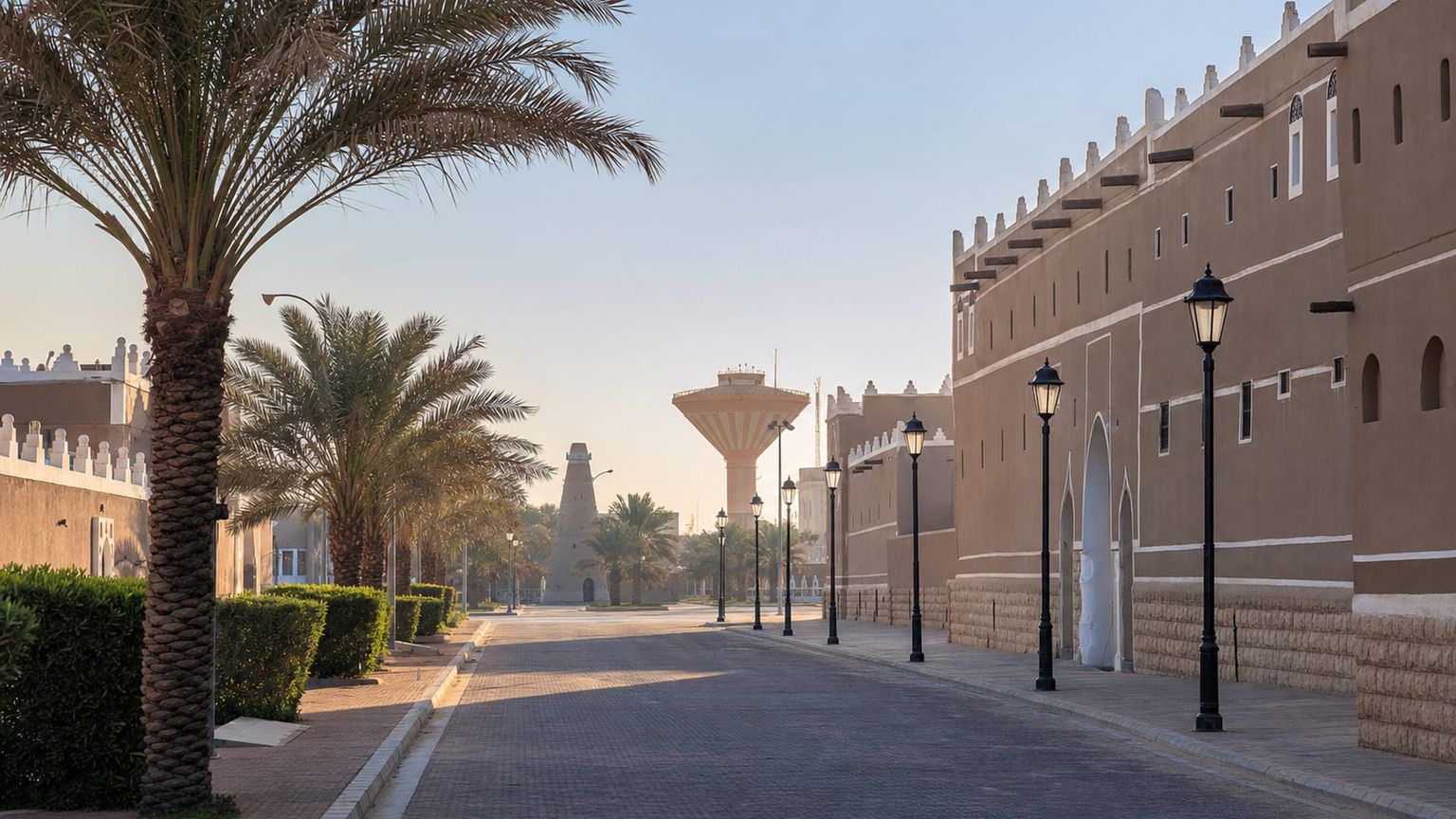
The city center puts you closest to Sakakah’s main shops, offices, restaurants, and daily errands. It works well if you want a short ride to the airport road, government buildings, and the places most visitors use for simple meals and supplies.
Best for: Short stays, errands, dining, and visitors who want the most central base
What to expect: Expect steady daytime traffic, active streets near shops, and a modest evening scene that quiets once businesses close.
Hotel prices: Usually about $45 to $110 per night for well-rated stays
Distance to major sights: About 10 to 15 minutes by car to Sakakah Park, about 15 minutes to local government offices
Quietness: Busy in the day, quieter after dark once retail and offices wind down.
Main trade-off: You gain convenience, but you may face more traffic and fewer scenic surroundings than in edge-of-town districts.
Good to know: Taxis and hotel transfers are easiest here, since most amenities cluster on the same roads and late-night options are limited.
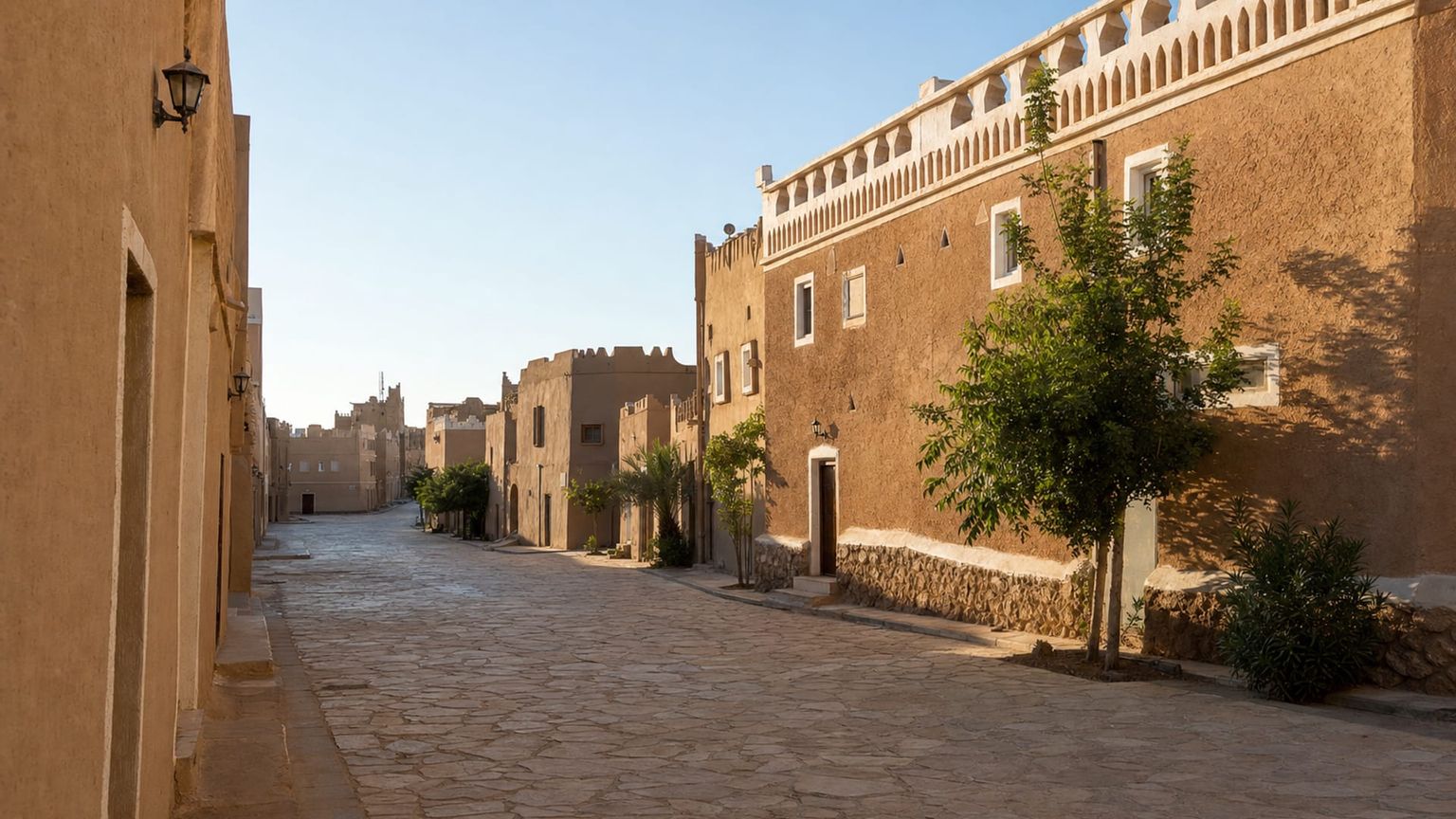
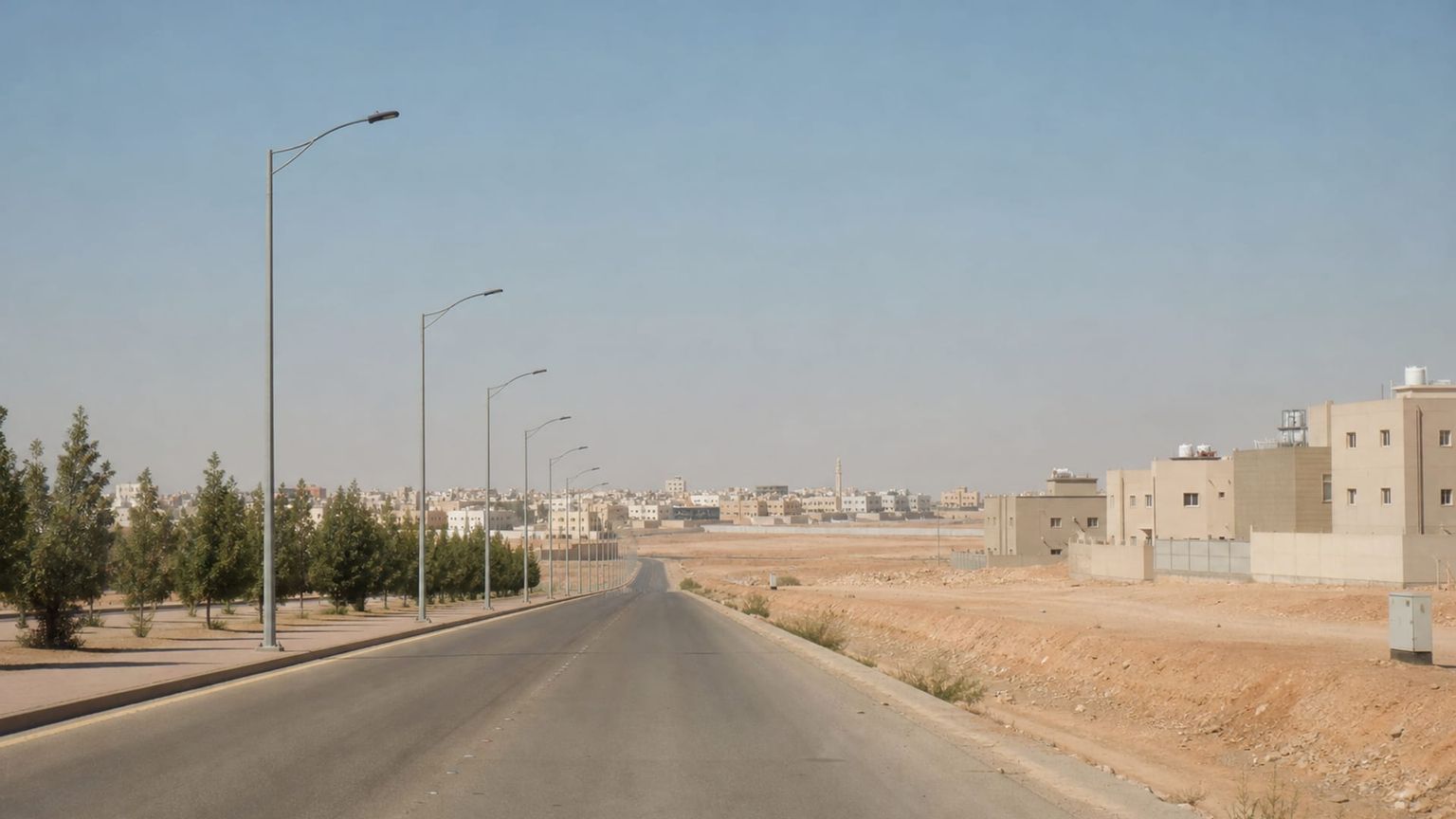
Al-Mesyal sits in a newer residential part of Sakakah with broader streets, newer housing, and a calmer feel than the core. It suits travelers who want a quieter base while staying within easy driving distance of central shops and services.
Best for: Families, longer stays, and travelers who prefer a quieter residential base
What to expect: Expect low street activity, local traffic, and a mostly neighborhood atmosphere with few reasons for outsiders to linger after dark.
Hotel prices: Usually about $40 to $95 per night for well-rated stays
Distance to major sights: About 15 to 20 minutes by car to Sakakah city center, about 20 minutes to Sakakah Park
Quietness: Quiet most of the day, very quiet in the evening.
Main trade-off: You trade walkability for more space and less noise, so you will likely depend on cars for meals and sightseeing.
Good to know: If you plan evening dinners in town, check taxi availability in advance, because roadside pickup can be thin in residential streets.
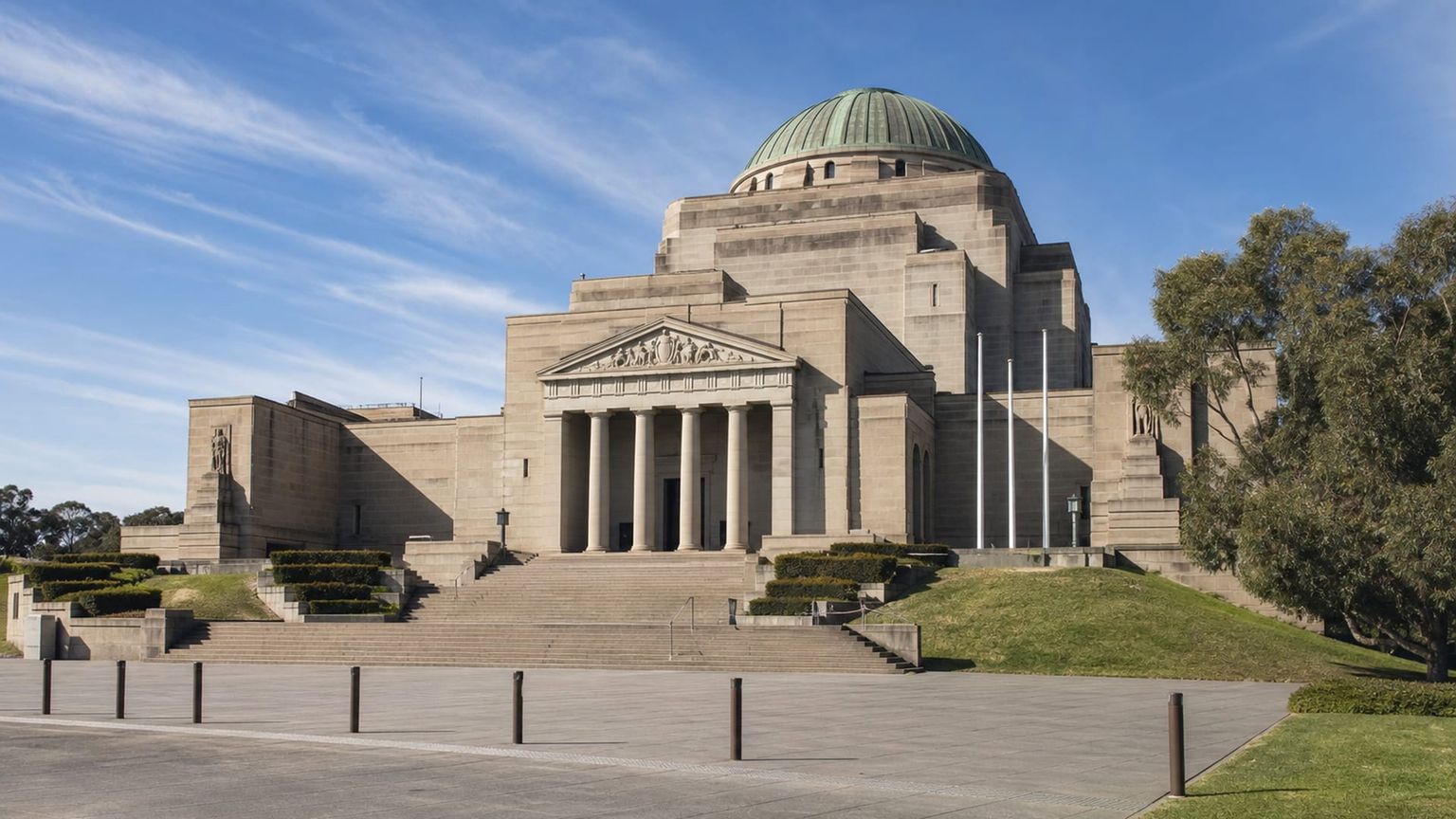
The airport road corridor is the practical strip between Sakakah and Sakakah (AJF), with hotels, fuel stations, and drive-in eateries aimed at motorists. It suits arrivals, departures, and travelers who want to minimize time on local streets.
Best for: Late arrivals, early departures, and travelers with a rental car
What to expect: Expect car traffic, scattered commercial plots, and little on-foot activity beyond hotel entrances and roadside stops.
Hotel prices: Usually about $50 to $120 per night for well-rated stays
Distance to major sights: About 10 to 15 minutes by car to Sakakah center, about 5 to 10 minutes to Sakakah (AJF)
Quietness: Active in the day because of traffic, quieter late at night between hotel check-ins.
Main trade-off: It is convenient for flights, but you will be farther from the main dining streets and everyday city life.
Good to know: Choose this only if flight timing matters, since most restaurants and attractions still require a drive into town.
Travelers usually avoid staying far north of the city center near Al Shifa District and the industrial edge by Sakakah Industrial City, since you will be distant from the main sights and depend on longer evening drives for dining. The outer residential stretches toward Qasr Marid Road and the highway-facing districts on the city fringe are also less convenient, with fewer visitor amenities and little reason to stay unless you have a car and a specific reason to be there.
Hotel deals
How to get around Sakakah efficiently
With no metro and limited bus coverage, Sakakah depends on taxis, ride apps, and short car trips between the center, the airport road, and nearby heritage sites.

Metro
for longer distances
Sakakah has no metro, and the closest equivalent is local road transport or intercity coaches; for trips within the city and to Al-Jawf Airport, use taxis or private transfers instead.

Bus and tram
for convenience
Local bus coverage is limited in Sakakah, so visitors usually rely on intercity coaches for longer links and taxis for point-to-point trips; if a bus runs, expect low fares of about $1 to $3, with short validity tied to a single ride.

Taxi
for convenience or late hours
Licensed taxis are the main urban option, with airport and city trips usually charged as set fares rather than by meter; expect about $10 to $20 from Al-Jawf Airport (AJF) to central Sakakah, and roughly $2 to $6 for short city hops, with cash most common and card payment not always available.
*Prices are based on rates updated as of June 2026 and may change at the time of travel.
Use taxis for airport transfers and evening dinners, ride apps when a car is available, and reserve self-drive days for Rajajil, Dumat al-Jandal, and other stops beyond the center.
Iconic landmarks
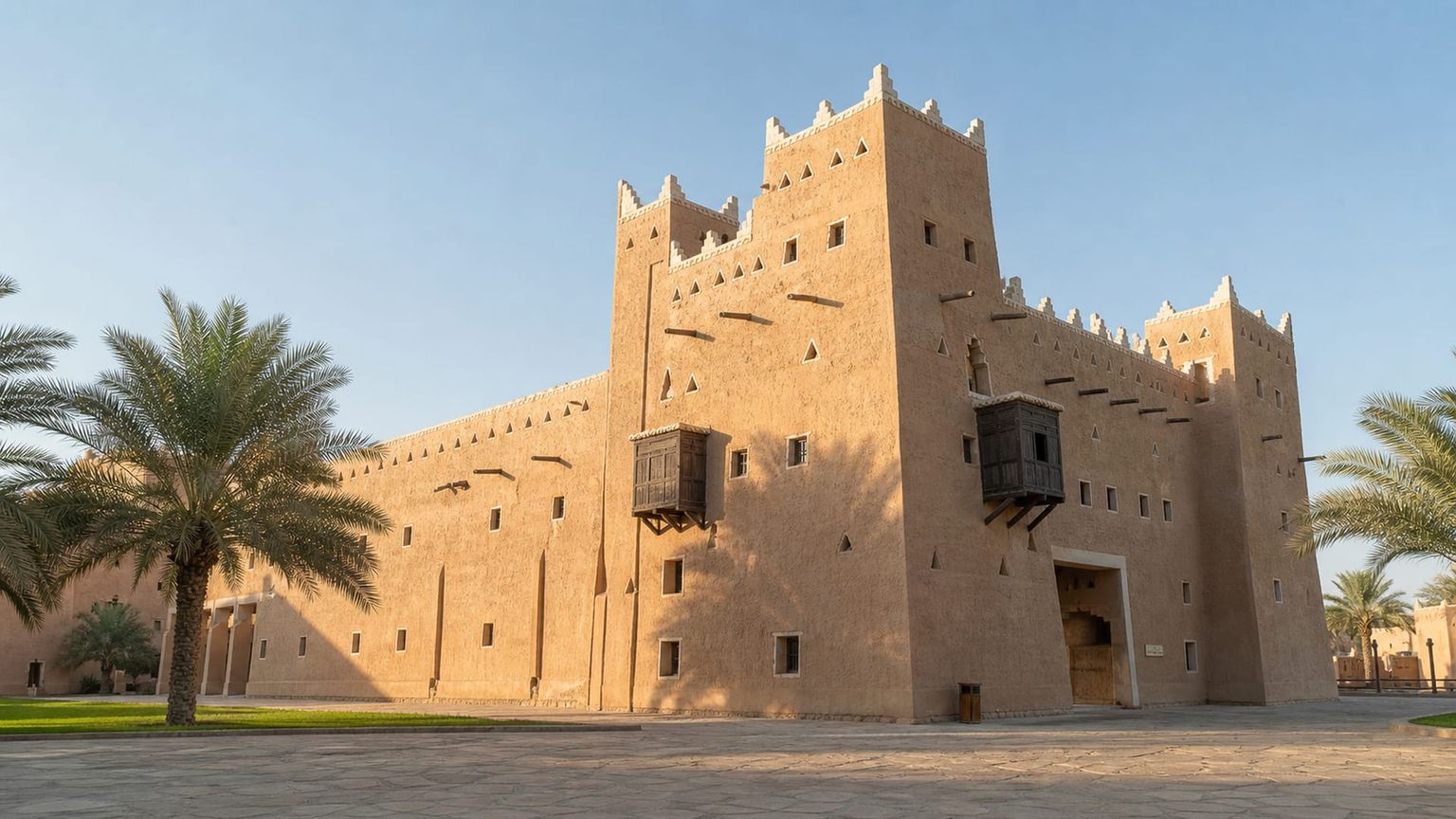
Za'abal Palace
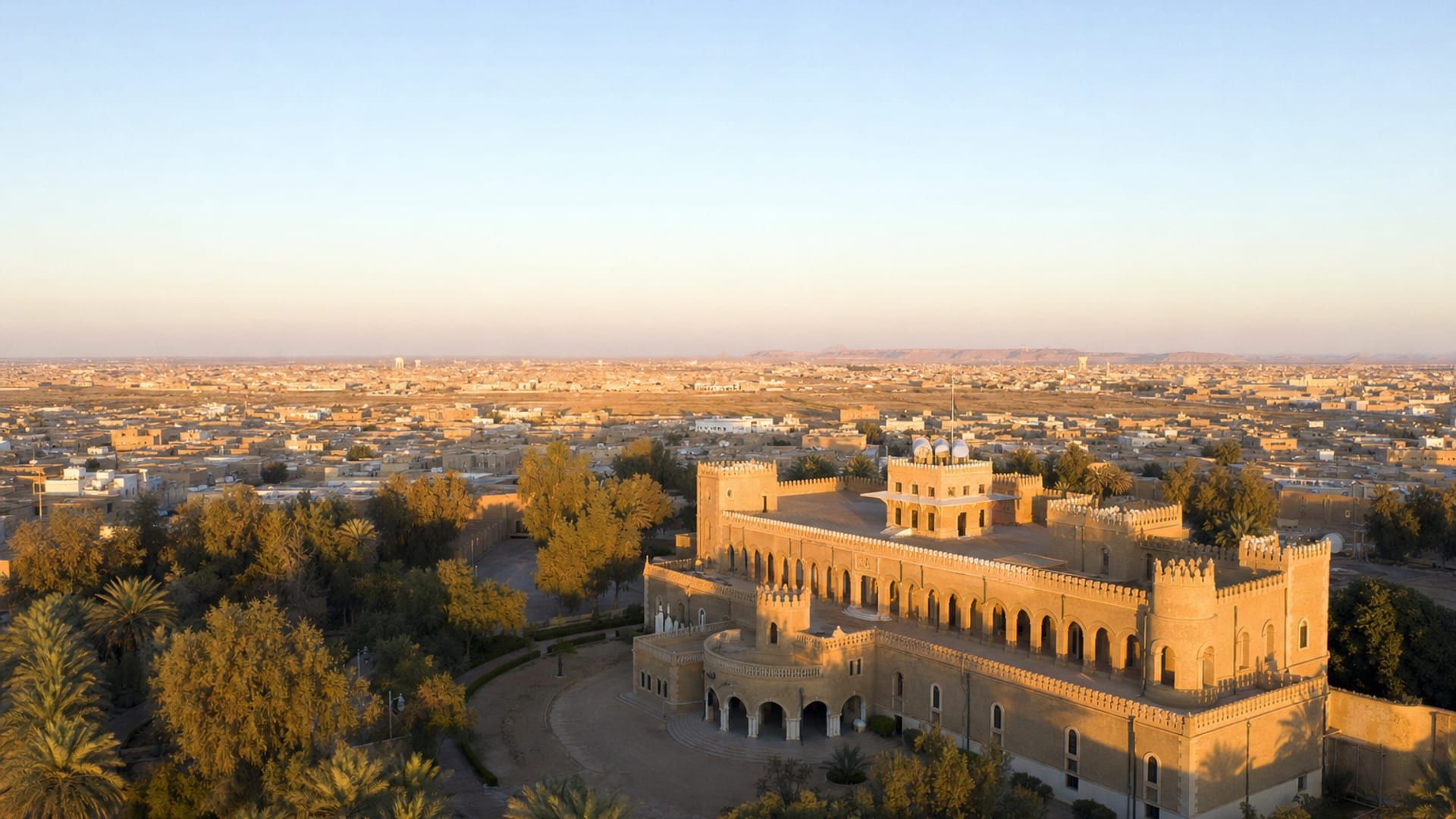
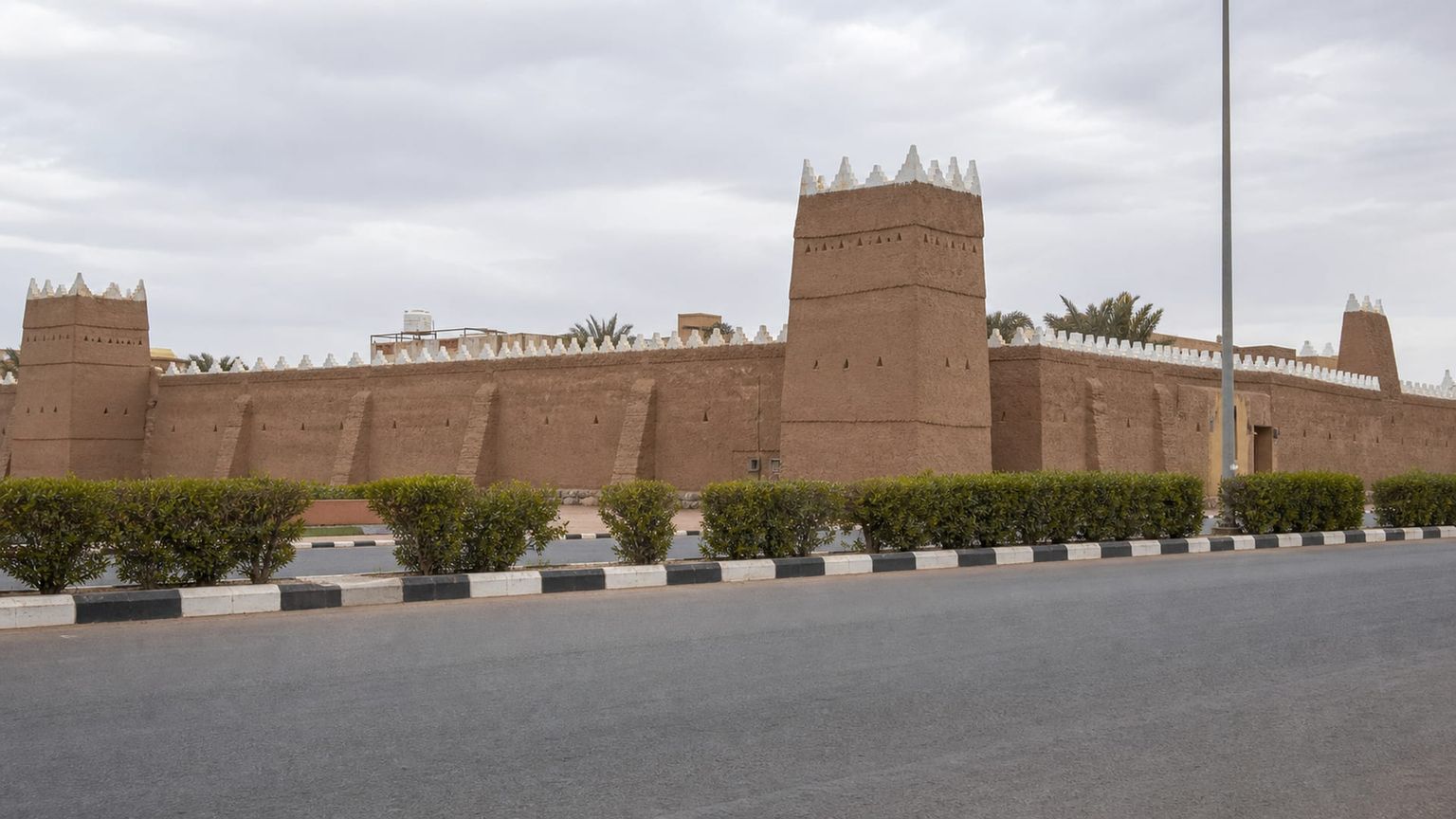
A late Ottoman-era adobe palace and defensive residence in Sakakah, Za’abal Palace rises on a low hill west of the city. Its thick mud-brick walls, watchtowers, and courtyard layout make it one of the clearest historic landmarks in Al Jawf.
Time needed: About 1 to 2 hours
Entry: Free to access, with no timed entry required
Tip: Visit late afternoon for softer light and cooler temperatures on the hilltop approach.
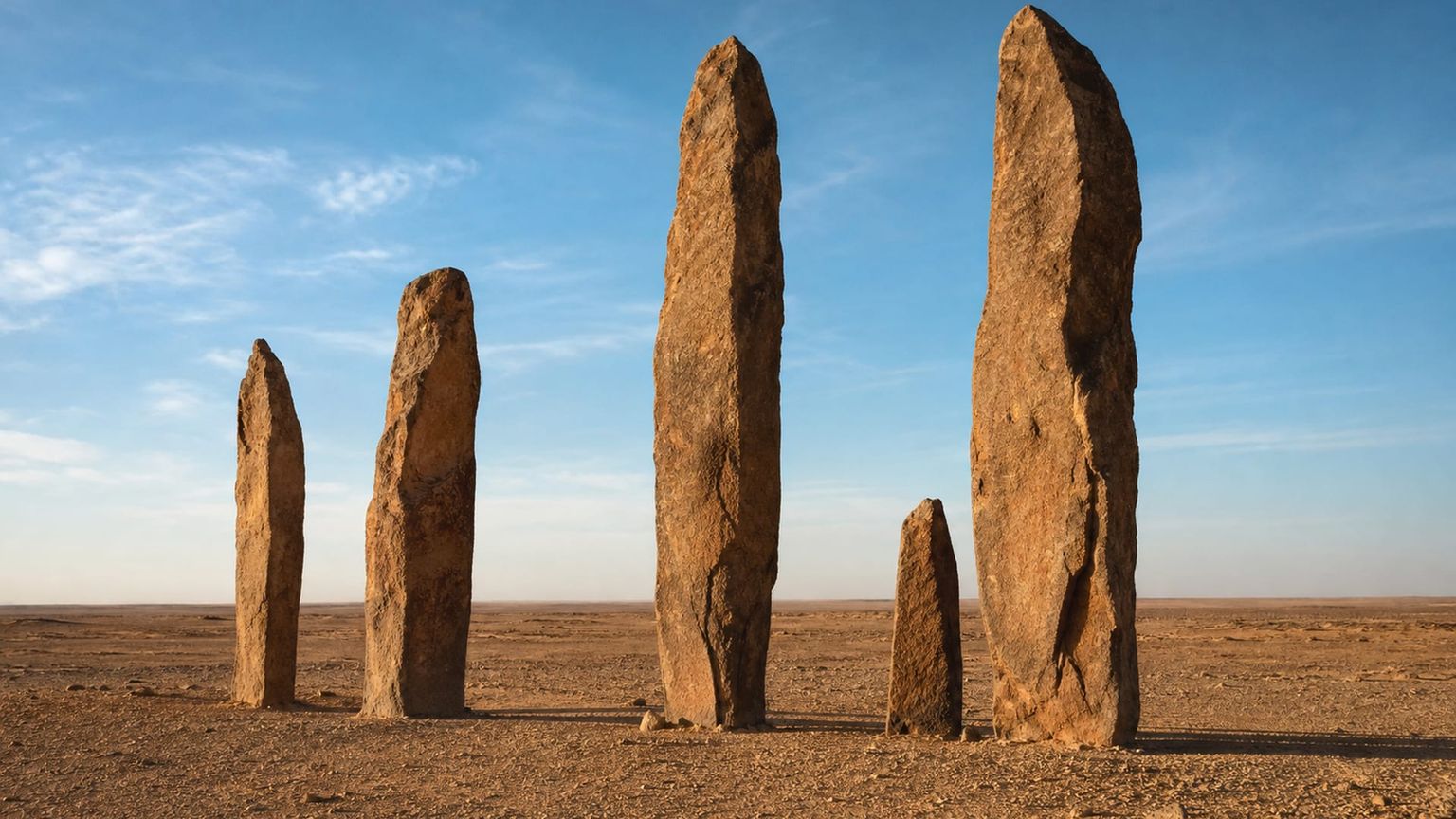
Rajajil Columns
About 15 km west of Sakakah, the Rajajil Columns site groups tall standing stones set in the desert plain. Archaeologists date the circles and alignments to the Bronze Age, making it one of northwestern Saudi Arabia’s most important prehistoric sites.
Time needed: About 1 to 2 hours
Entry: Free to access, with no timed entry required
Tip: Go at sunrise or sunset, when the low sun gives the stones stronger relief and shorter walks.
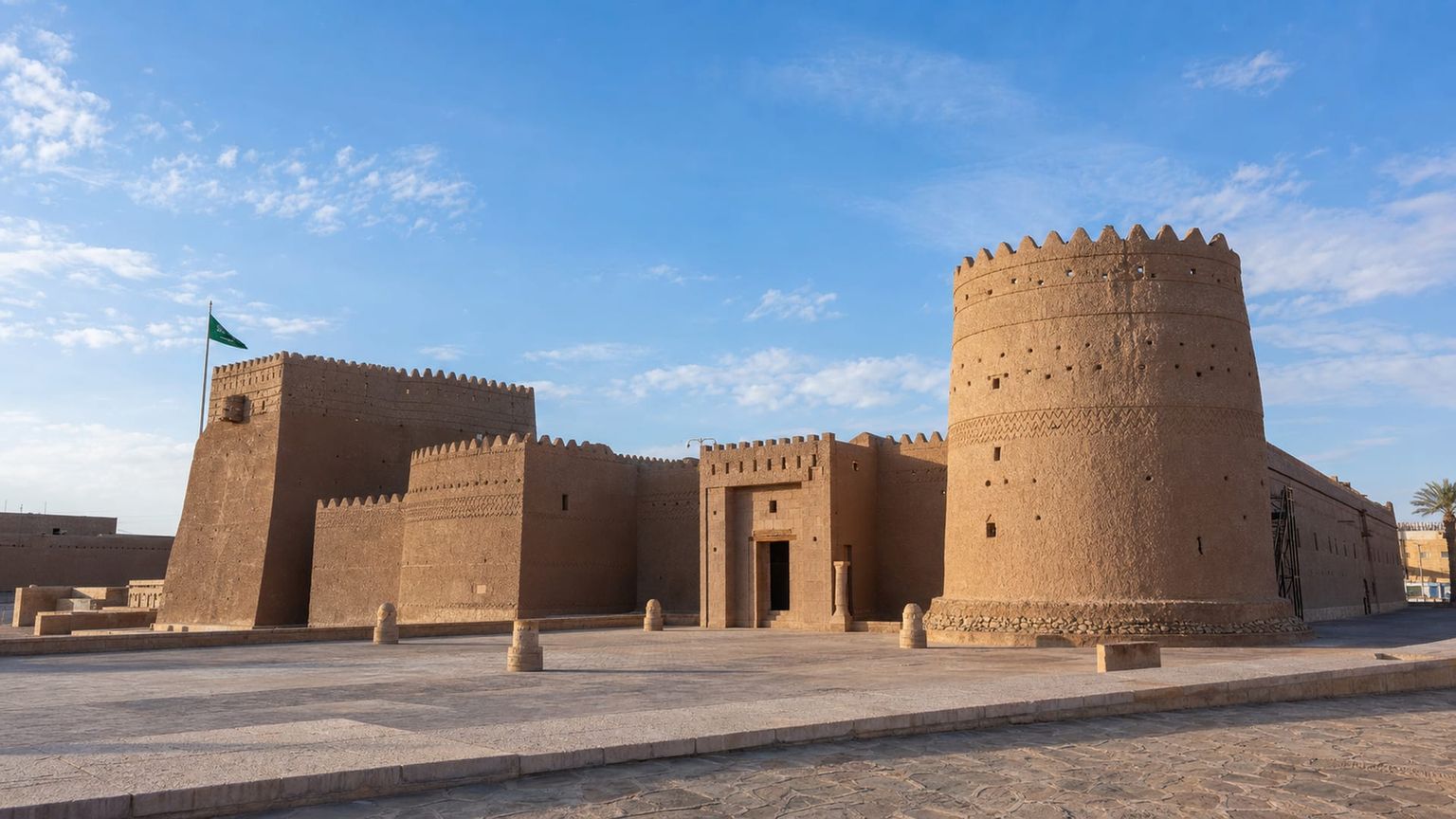
Dumat al-Jandal Heritage Quarter
In Dumat al-Jandal, about 30 km from Sakakah, the heritage quarter centers on the old stone town and the Omar ibn al-Khattab Mosque minaret. The compact area shows the oasis settlement that linked trade, faith, and agriculture for centuries.
Time needed: About 2 to 3 hours
Entry: Free to access, with no timed entry required
Tip: Arrive early to walk the lanes before midday heat builds and the courtyards empty out.
Overlooked sites worth visiting

Aba al-Hissan Heritage Village
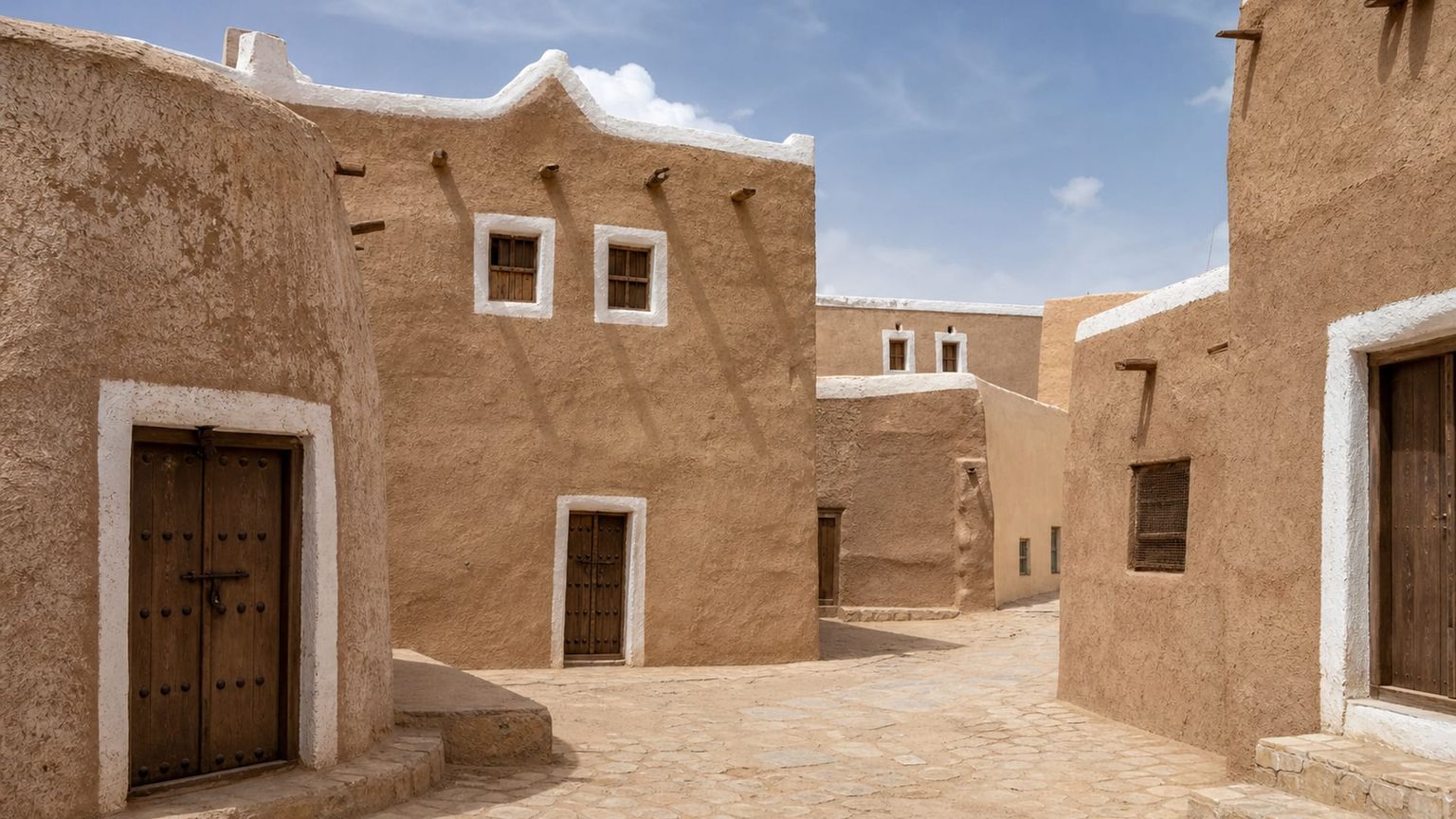
This restored mud-brick village on Sakakah’s edge shows traditional Al Jouf construction, narrow lanes, and courtyard houses. Visit for stonework details, not crowds.
Time needed: About 1 to 2 hours
Entry: Entry is typically free for casual visits, but access can vary when local events are held. If a ticket is posted on arrival, expect a small fee, usually about $3 to $5 (approximately SAR 11 to SAR 19).
Tip: Visit late afternoon for softer light on the mud walls.

Dumah al-Jandal Castle
This compact fortress in nearby Domat Al Jandal has thick walls, a central courtyard, and clear views over the old town. It gives a tighter read on the region’s history than a museum visit.
Time needed: About 1 hour
Entry: Standard admission is usually about $5 to $8 (approximately SAR 19 to SAR 30) for adults, with lower rates for children when available. Local opening hours can shift by season, so confirm at the gate before planning a stop.
Tip: Go early to avoid heat on the open ramparts.
Traditional food
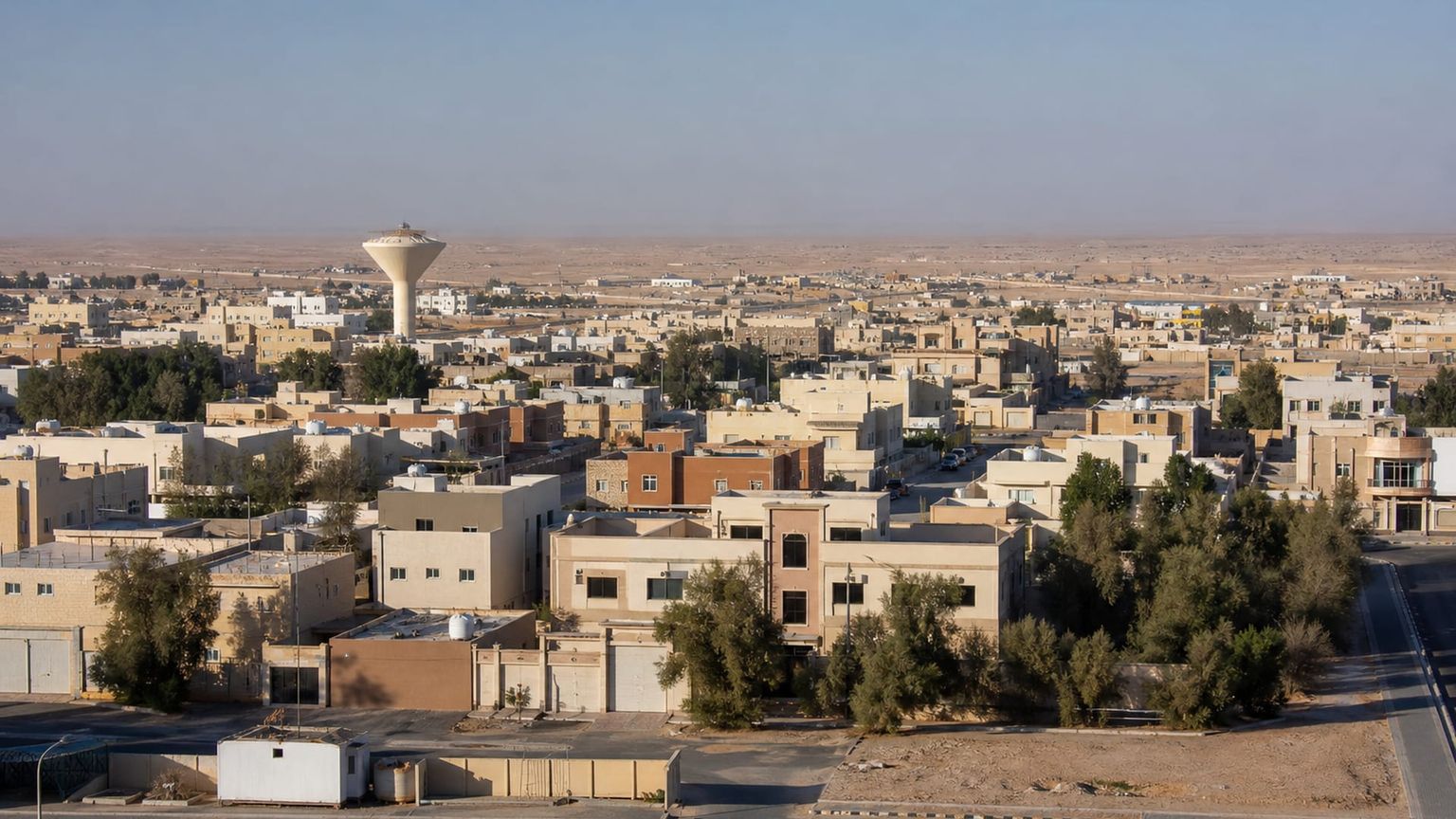
Sakakah’s tables lean on rice dishes, slow-cooked lamb, wheat, and warm spice, with Kabsa, Jareesh, Mandi, and Saleeg shaping much of the local menu. Meals are usually simple, generous, and best timed to prayer breaks and evening openings.
Kabsa
Fragrant rice with meat, tomatoes, and warm spices, served in a style that anchors many Saudi menus. In Sakakah, Al Diwan Restaurant is a dependable place to order it.
Jareesh
Cracked wheat cooked until creamy, often finished with onion, yogurt, or lamb for depth. Try it at Al Romansiah, where it appears alongside other regional staples.
Mandi
Rice and meat cooked with gentle smoke and spice, usually brought to the table in a large shared platter. Al Tazaj in Sakakah is a common stop for a version that matches the dish’s traditional profile.
Saleeg
A Hijazi-style rice dish made with milk and broth, yielding a softer, lighter texture than Kabsa or Mandi. In Sakakah, Herfy is a useful everyday choice when you want a simple version of the dish.
Best time to visit Sakakah
Sakakah shifts with the heat: winter and shoulder seasons suit open-air heritage sites, while summer rewards earlier starts, shorter outings, and longer indoor breaks.
Best for: Best for desert heritage sites and longer walks in the old quarters
What you get: About 45°F to 68°F (7°C to 20°C), with lighter crowds and comfortable daytime touring
Trade-offs: Evenings turn cool quickly, so you will want a jacket after sunset
Best for: Best for balanced sightseeing and late-afternoon outings
What you get: About 59°F to 88°F (15°C to 31°C), with moderate visitor numbers and good light for photos
Trade-offs: Heat builds fast by late spring, so midday sightseeing can feel tiring
Best for: Best for very early starts and indoor breaks between short drives
What you get: About 81°F to 111°F (27°C to 44°C), with fewer visitors and quiet roads
Trade-offs: The heat limits long outdoor visits and makes midday touring difficult
Best for: Best for returning to outdoor sites after the summer peak
What you get: About 63°F to 95°F (17°C to 35°C), with comfortable mornings and manageable crowds
Trade-offs: Late afternoons can still run warm, especially in September
A realistic 5-day plan in Sakakah
The five-day plan follows Sakakah’s geography instead of forcing everything into one loop. It starts in the center, moves west for the palace and stone columns, then pushes out to Dumat al-Jandal and the village sites before finishing with errands and a calm departure.
Land at Sakakah (AJF), then take a taxi or prebooked hotel transfer into Sakakah city center, which usually takes about 10 to 15 minutes and costs roughly $10 to $20, depending on pickup time and baggage. If you are driving in on the airport road corridor, the same trip is about 5 to 10 minutes. Stay near the city center so your first evening stays simple, with a short ride to dinner and easy access to shops for water, snacks, and any basics you missed. For a low-key first night, settle in, hydrate, and choose a light meal on the main streets before the city quiets after dark.
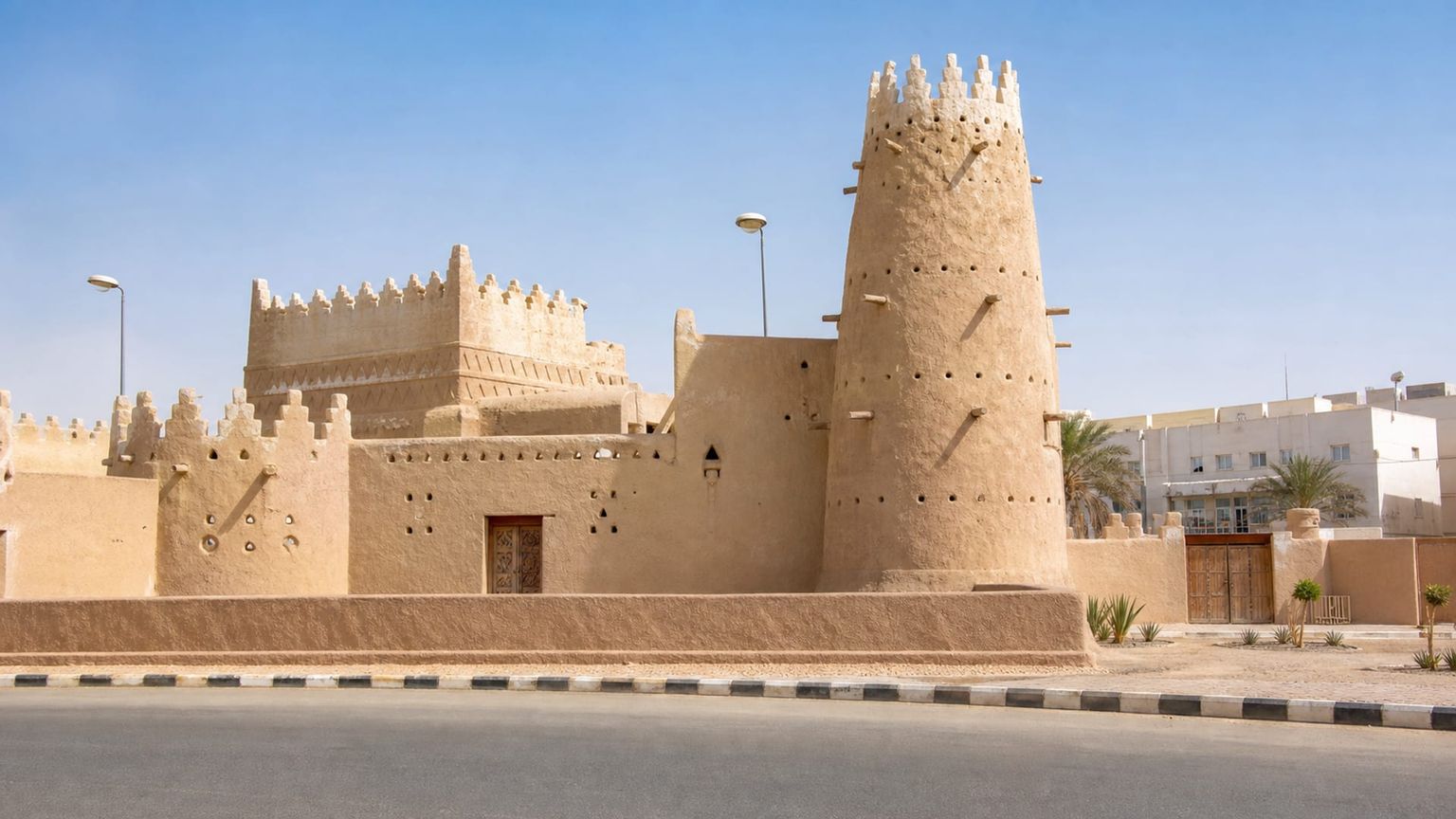
Start with Za’abal Palace in late afternoon, when the hilltop approach is cooler and the adobe walls pick up stronger light, then spend about 1 to 2 hours moving through the courtyard and watchtowers. From the palace, drive about 20 minutes west to the Rajajil Columns, where the standing stones sit open on the desert plain and make a strong contrast with the fortress above the city. Plan another 1 to 2 hours there, then return to Sakakah city center for dinner, where taxis are easiest to find and the main restaurant streets stay active until evening.
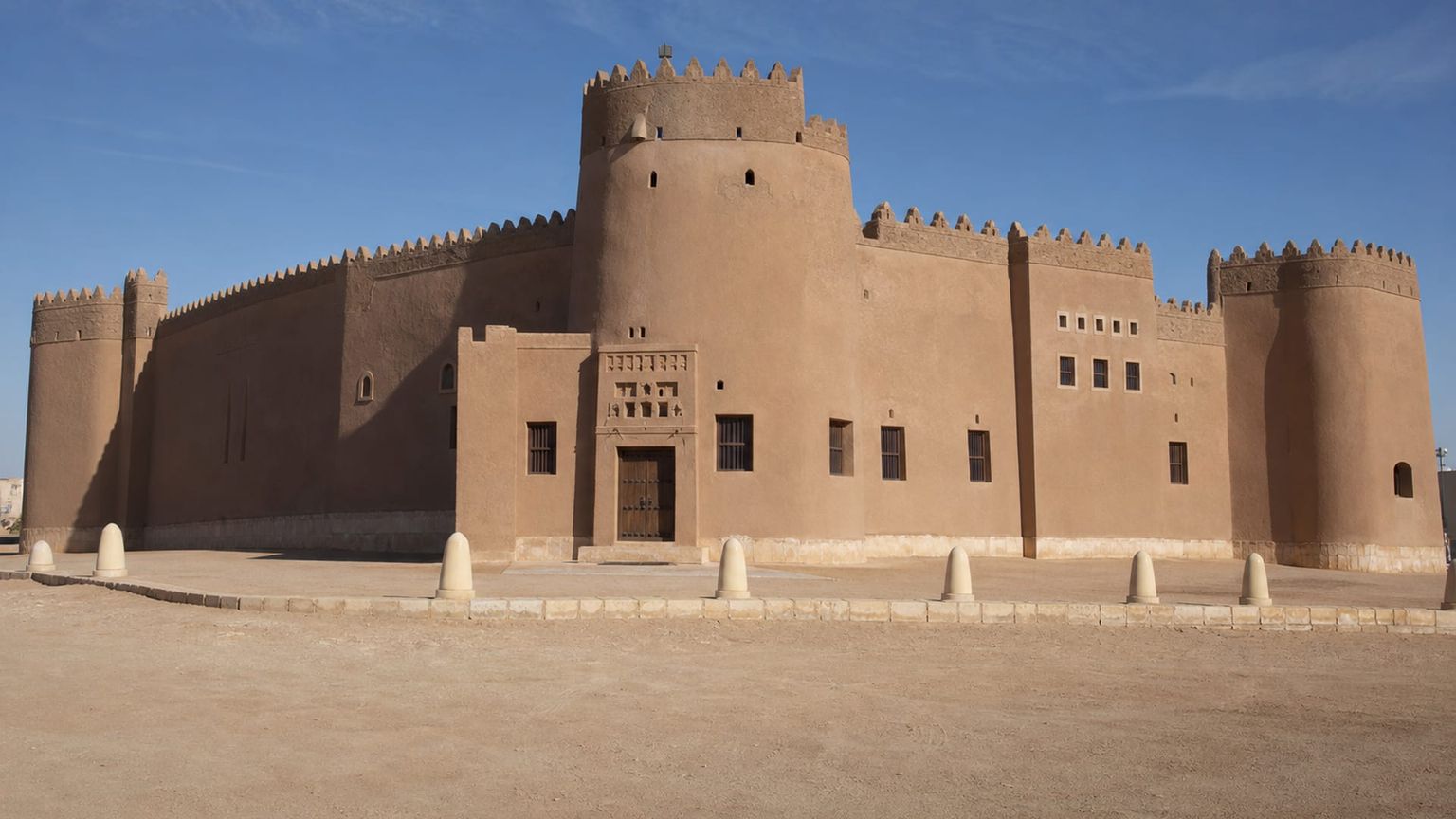
Begin early at Dumat al-Jandal Heritage Quarter, about 30 km from Sakakah, and allow 2 to 3 hours for the old stone lanes and the Omar ibn al-Khattab Mosque minaret. From there, drive about 10 to 15 minutes to Dumah al-Jandal Castle, a compact fortress with thick walls and a central courtyard that takes about 1 hour to explore. Finish the day back in town with a relaxed meal in the city center, since that is where you will find the broadest choice of simple dinner spots after sightseeing.
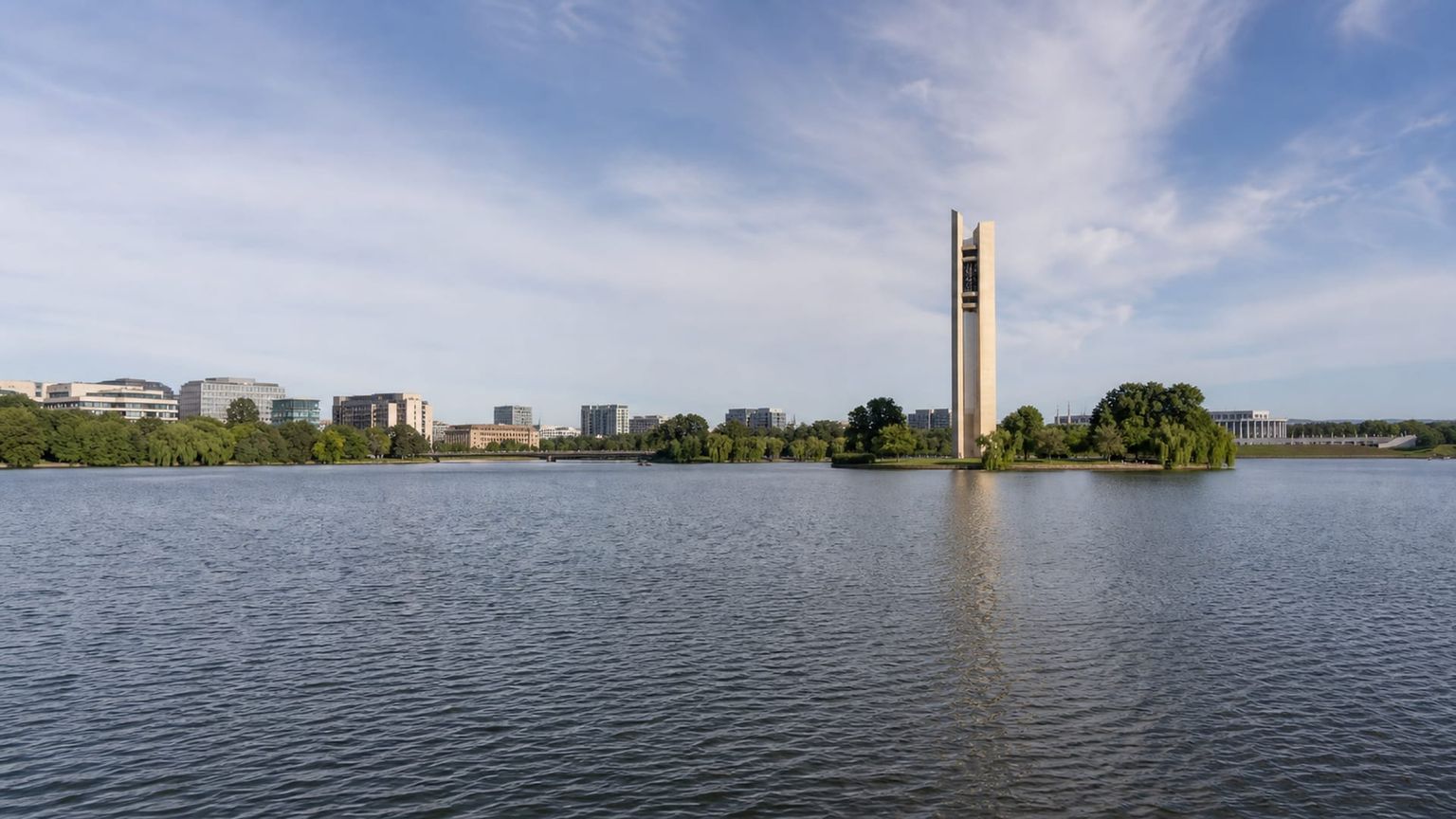
Aba al-Hissan Heritage Village works well as a slower fourth day stop, especially if you arrive late afternoon for softer light on the mud-brick walls. From Sakakah city center, the drive is short, and you should plan about 1 to 2 hours to walk the lanes, courtyards, and restored house fronts. Afterward, continue about 15 to 20 minutes to Al-Mesyal district if you are staying there, or head back into the core for coffee and an early dinner, since the evening scene thins out quickly once shops close.
For a final morning, begin with one last look at the area that interests you most, then keep the pace low and practical with shopping in Sakakah city center, where the main streets cover pharmacies, small markets, and everyday goods. If you have time before a late flight, sit for coffee in Al-Mesyal district, where the quieter residential setting makes a calm stop before checkout. The airport road corridor sits about 5 to 10 minutes from Sakakah (AJF), so it works well for a same-day transfer back to the airport after lunch or an early afternoon departure.
Business-class flights from the US to Sakakah
Long-haul itineraries to Sakakah usually involve one stop, and the best choices depend on whether you are starting on the East Coast or the West Coast. The examples below show how the connection pattern changes by origin.
From New York, carriers such as Saudia, Qatar Airways, Turkish Airlines, Etihad Airways, and Lufthansa commonly appear on itineraries to Sakakah, with total travel time often landing about 15 to 21 hours. A one-stop path via Doha, Istanbul, Abu Dhabi, Frankfurt, or Paris can narrow the fare range, and round-trip fares from New York to Sakakah often start at about $3,800 and can climb to $7,500.
Saudia, Qatar Airways, Turkish Airlines, Etihad Airways, and Emirates all show up on Los Angeles itineraries, usually with a total trip time of about 17 to 23 hours. From Los Angeles, expect round-trip fares of roughly $4,000 to $8,000, and routing through Doha, Istanbul, Abu Dhabi, Dubai, or Frankfurt is common.
Sakakah feels different when you slow down
A deliberate Sakakah trip uses the city center for meals and short rides, then saves the longer drives for Za’abal Palace, Rajajil Columns, Dumat al-Jandal, and Aba al-Hissan when the light is right. Taxis make the airport road simple, and a car becomes useful once you move beyond the core. If you want dates, hotels, or a flight plan shaped around your route, the AranGrant experts can help you build it







