

Chapters:

Need help with your trip?
Our support team is available 24/7. Request a callback or call us directly at (833) 619-0908
Saint Lucia is not an island you understand from one resort or one stretch of coast. The north has Reduit Beach, Rodney Bay, and Pigeon Island, while the west changes quickly into steep roads, rainforest, fishing towns, and the Pitons rising above Soufrière.
Five days give you enough time to settle into the north, spend time in Castries, follow the coast toward Marigot Bay, and slow down again in Soufrière. With a little structure, the trip leaves room for beaches, local food, viewpoints, and time outdoors without turning every day into a long drive.
This article covers where to stay, how to get around, what to eat, when to visit, and how to spend five days in Saint Lucia, plus the main business-class flight options from the US.
Useful things to know

Main language(s): (bohn-zhoo) – Good morning
Bonswè (bohn-sweh) – Good evening
Mèsi (meh-see) – Thank you
Souplé (soo-play) – Please
Konbyen sa kouté? (kon-byen sa koo-tay) – How much is this?

Currency: Eastern Caribbean dollar (XCD, EC$)

Cash and cards: Credit cards are widely accepted at hotels, restaurants, and attractions. Carry Eastern Caribbean dollars for local markets, small vendors, and cash-only purchases.

Tipping: Check the bill first, as some hotels and restaurants add a 10% service charge. Otherwise, a tip of 10% to 12% is customary for good service.

Traditional food: Green fig and saltfish, bouyon, callaloo soup, and accras are among Saint Lucia’s traditional dishes.

Water and coffee costs: Bottled water is EC$5 to EC$14 (US$2 to US$5) at restaurants; coffee costs EC$16 (US$6), with higher prices possible at resorts.

Taxis and ride apps: Licensed taxis are widely available. Uber Taxi and the local Allez app also connect travelers with licensed drivers.

Plug and voltage: Type G plugs are standard, with 240V and 50Hz electricity. Some hotels also provide 110V outlets.

Dining and shop opening hours: Restaurant hours vary widely. Lunch commonly starts near noon and dinner near 6:00 pm; shops and malls set their own hours.

Emergency number: Dial 911 for police, fire, or ambulance emergencies in Saint Lucia.
Where to stay in Saint Lucia Island
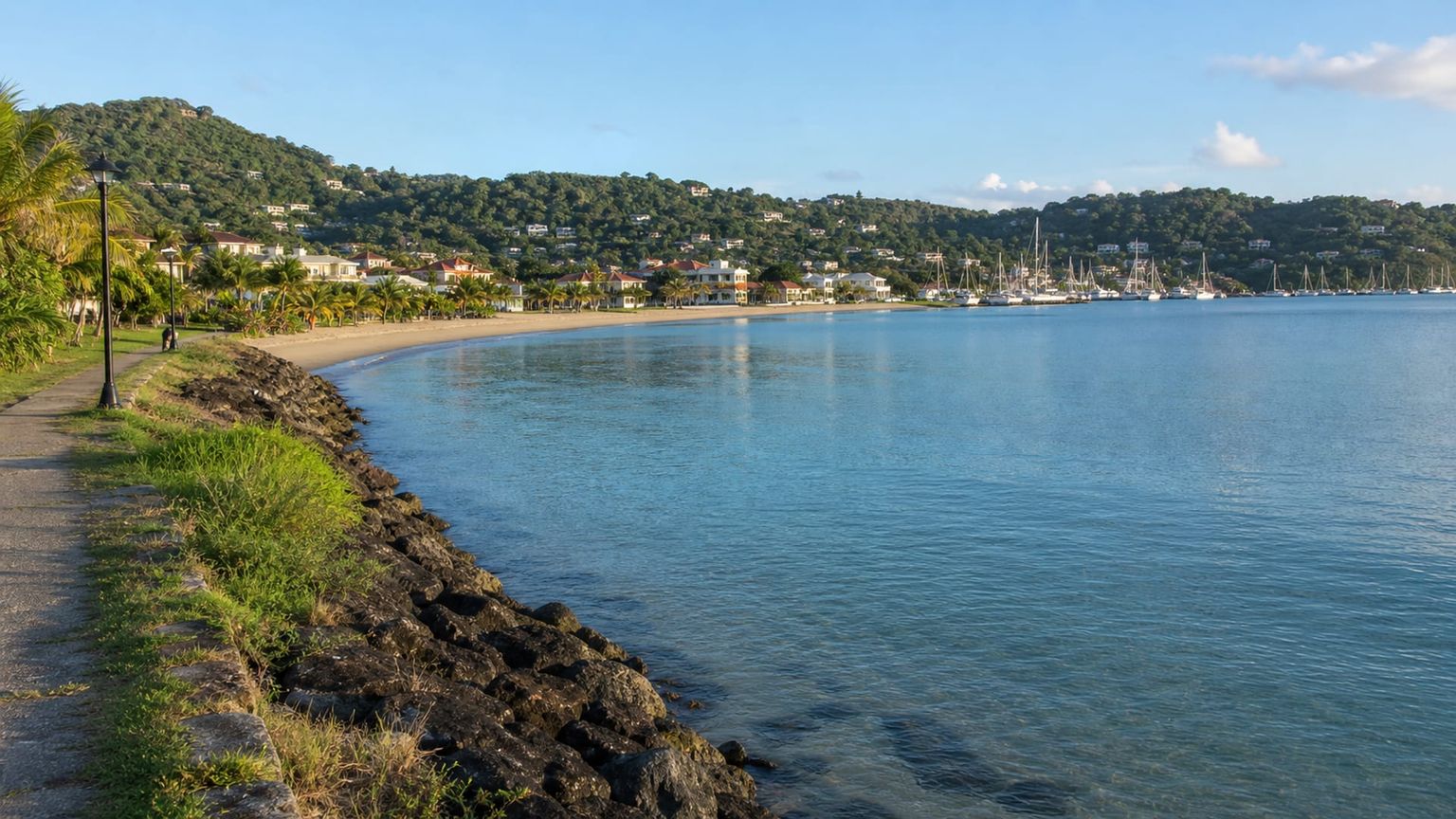
Rodney Bay centers on Reduit Beach, Rodney Bay Marina, restaurants, shops, and a large share of northern Saint Lucia’s hotels. It suits travelers who want beach time and evening dining in the same area, with boat trips leaving from the marina and Pigeon Island a short drive north.
Best for: Beach time, restaurants, boating, and travelers who want the broadest choice of stays
What to expect: Busy sidewalks, frequent traffic, and the most after-dark activity on the island.
Hotel prices: Usually about $180 to $450 per night for well-rated stays
Distance to major sights: About 5 minutes on foot to Reduit Beach, about 10 minutes by taxi to Pigeon Island National Park
Quietness: Lively in the day and still active in the evening, with the loudest pockets near the marina and main road.
Main trade-off: You pay more here than in smaller north-coast districts, and beachfront rooms near the action can pick up road noise.
Good to know: Choose your hotel by exact location: Reduit Beach favors beach access, while the marina side puts boat departures and restaurants closer.
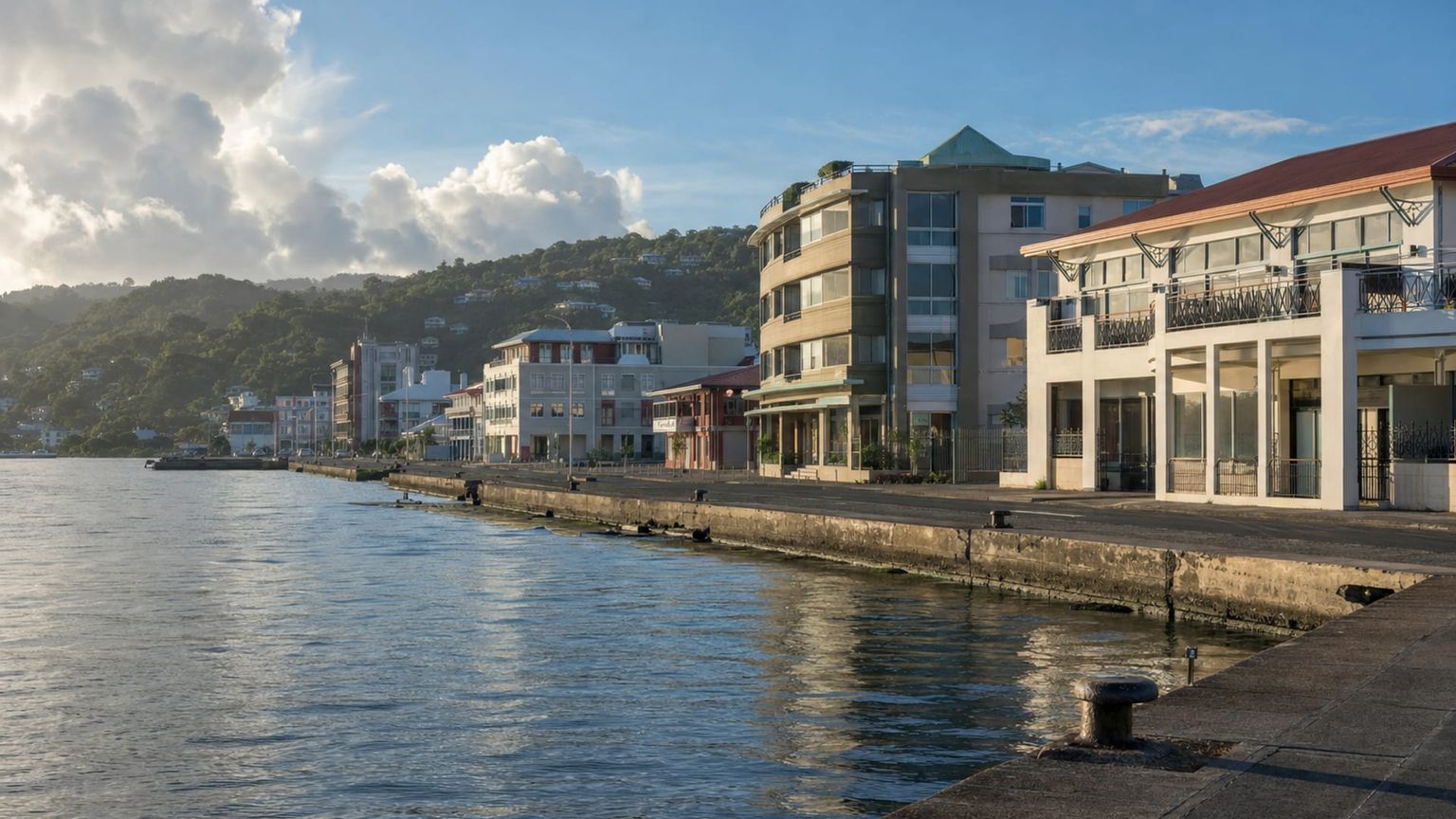
Castries Waterfront places you near the ferry terminal, Castries Market, government offices, and the capital’s main shopping streets. It suits short city visits and ferry departures, but the immediate waterfront has limited hotel choice and beach time usually means heading to Vigie or La Toc.
Best for: Short stays, ferry connections, market visits, and city errands
What to expect: Port traffic, daytime foot traffic, and a quieter scene after shops close.
Hotel prices: Usually about $120 to $280 per night for well-rated stays
Distance to major sights: About 5 minutes on foot to Castries Market, about 10 minutes by taxi to Vigie Beach
Quietness: Active and busy during the day, then notably quieter in the evening once offices and shops shut.
Main trade-off: The setting is less beach-oriented than the north coast, and some blocks feel more functional than scenic.
Good to know: Check the exact address before booking: downtown properties suit ferry and market access, while Vigie and La Toc place beaches nearer.
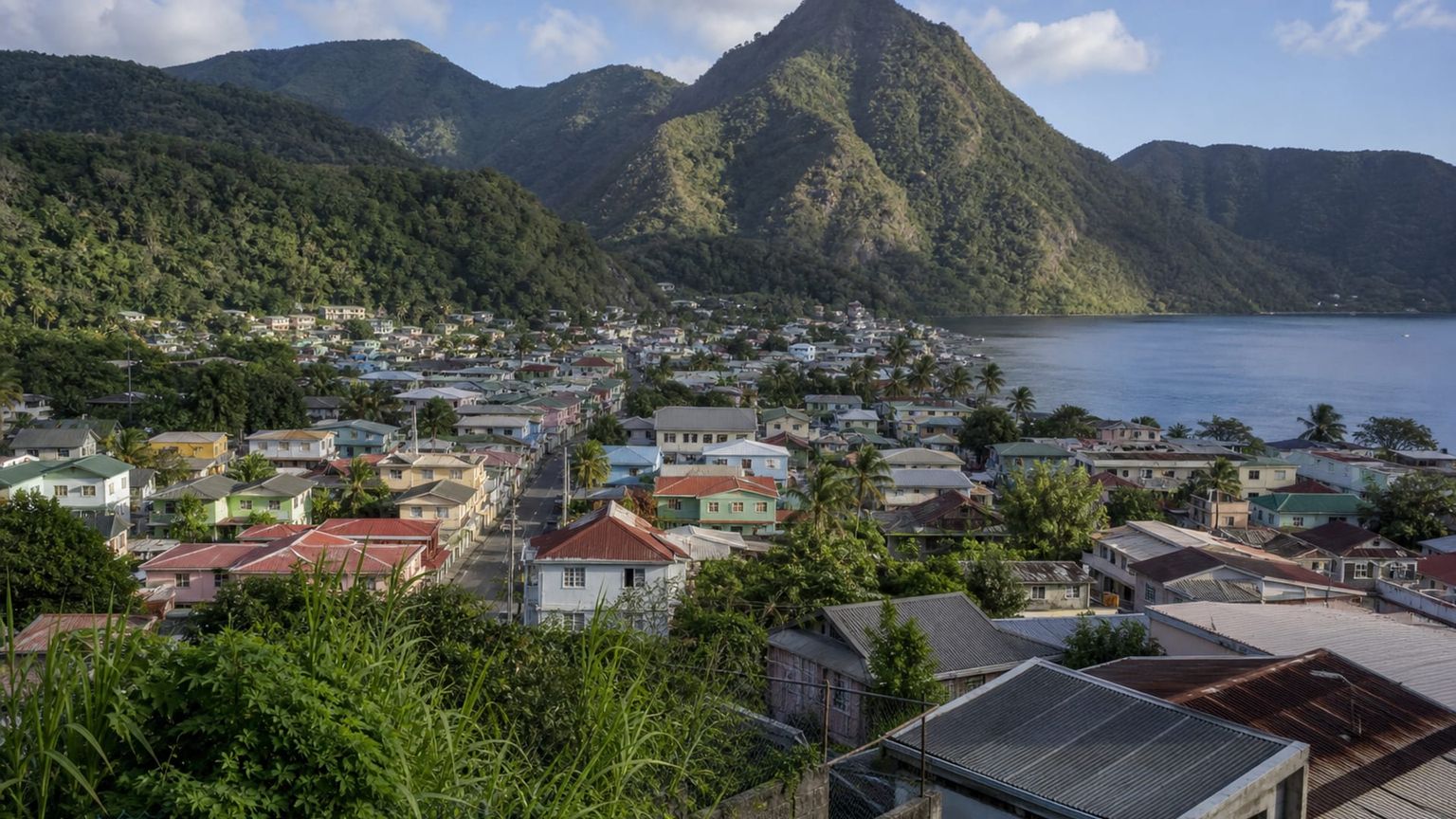
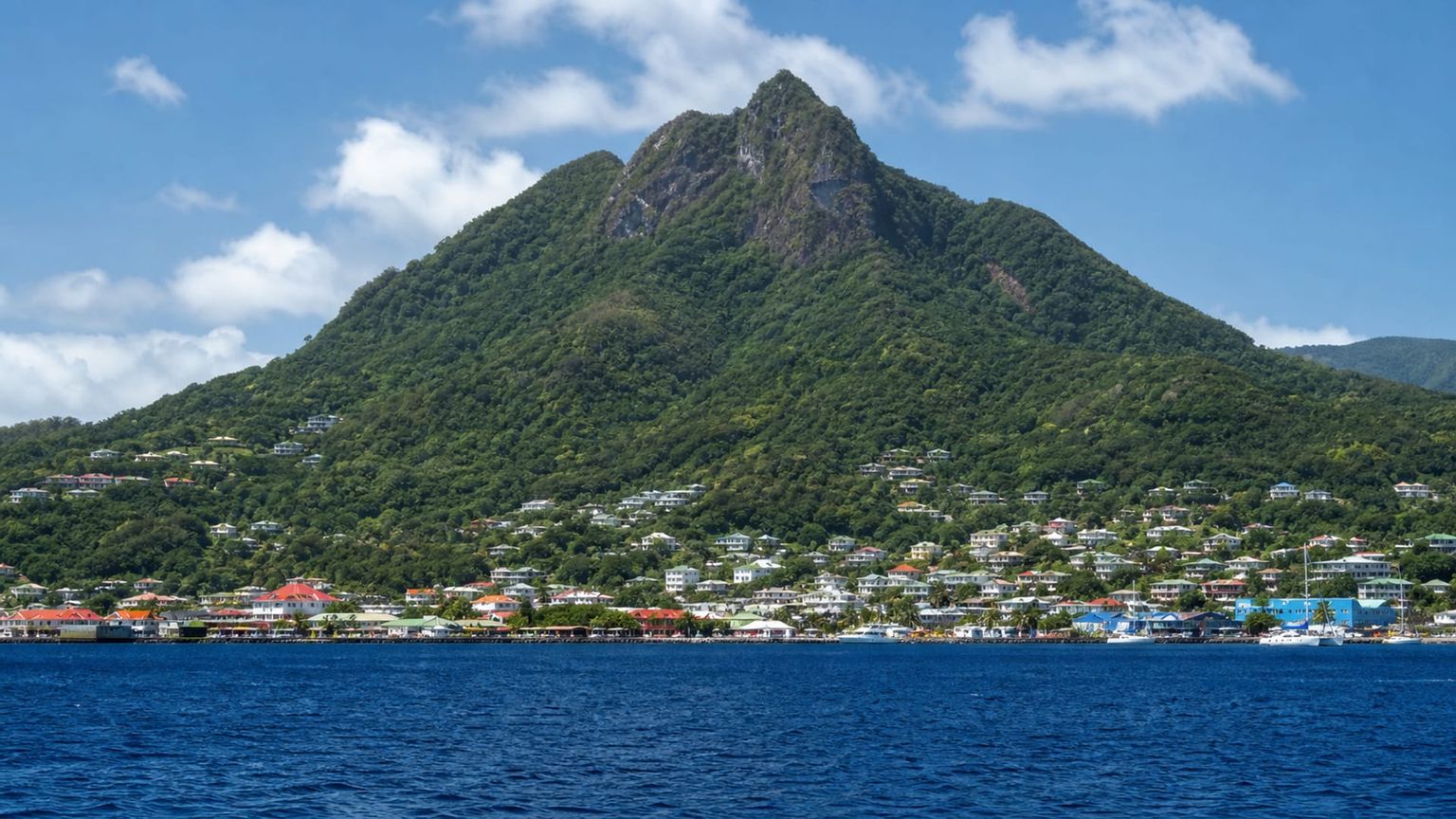
Soufrière places the Pitons, Sulphur Springs, waterfalls, beaches, and hiking routes within easy reach on Saint Lucia’s west coast. The town suits travelers planning nature-focused days, though many attractions sit outside the center and require a taxi, driver, or rental car each day.
Best for: Nature-focused stays, Pitons access, hiking, and west-coast sightseeing
What to expect: Small-town streets, local traffic, and a slower pace than the north coast.
Hotel prices: Usually about $160 to $420 per night for well-rated stays
Distance to major sights: About 10 minutes by taxi to Sulphur Springs, about 15 minutes by taxi to the Pitons trail access
Quietness: Calm in the day outside the town center, then very quiet at night.
Main trade-off: You are farther from the airport and the island’s livelier dining scene, so late-night variety is limited.
Good to know: Choose your hotel by what you plan to visit: town properties suit local dining, while hillside and beach resorts place nature closer.
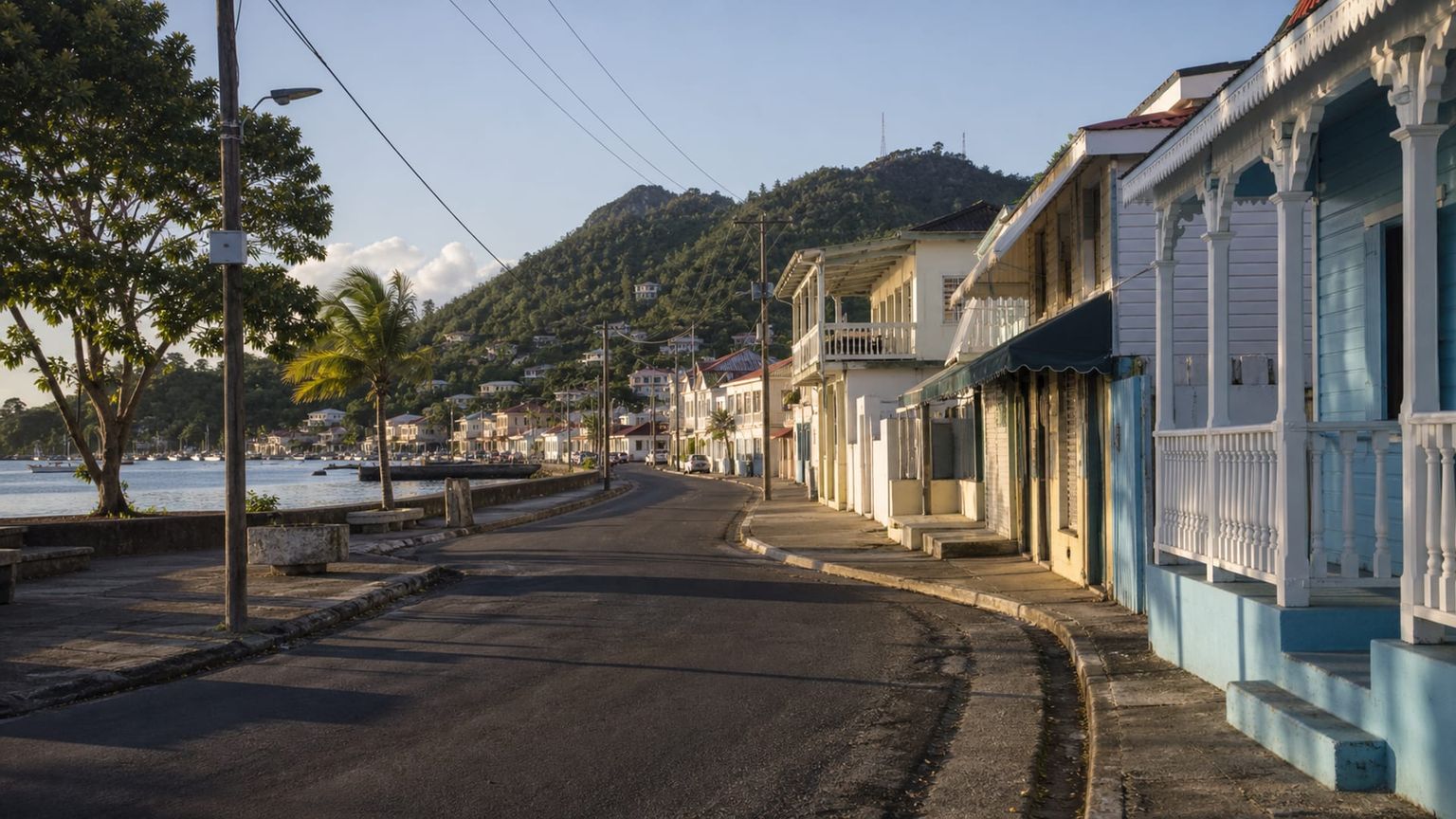
Gros Islet Village centers on local restaurants, guesthouses, and the Friday Night Street Party. Rodney Bay and Pigeon Island are nearby, keeping northern beaches, marina trips, and a wider choice of restaurants within a short drive while the village itself retains a residential street layout.
Best for: Lower-key north coast stays, local dining, and easy beach access
What to expect: Village streets, modest nightlife, and a local crowd that grows on Friday nights.
Hotel prices: Usually about $110 to $260 per night for well-rated stays
Distance to major sights: About 10 minutes by taxi to Rodney Bay, about 15 minutes on foot to Pigeon Island causeway
Quietness: Quiet most days, then much livelier on Friday evening near the village center.
Main trade-off: You save some money versus Rodney Bay, but you will usually need taxis for the main beach strip and marina.
Good to know: For a quieter Friday night, book away from the street-party area; for easy access to the event, stay within walking distance of the center.
If Soufrière, the Pitons, and west-coast beaches are the focus of your trip, avoid staying in Castries or Gros Islet, as both add longer drives. Rodney Bay suits beach, dining, and marina plans more than west-coast sightseeing.
Hotel deals
How to get around Saint Lucia Island efficiently
Saint Lucia has no rail network, so minibuses, taxis, ride apps, and rental cars handle most trips between towns, beaches, and attractions island-wide.

Minibus
for low-cost daytime trips
Minibuses link Castries, Gros Islet, Soufrière, Vieux Fort, and other main routes. Fares cost EC$2.50 to EC$8 (US$0.90 to US$3) per ride. Schedules vary by route, and longer journeys may require a vehicle change, so they work best when your timing is flexible.

Taxi and Allez
for direct trips and evenings
Licensed taxis are useful for airport transfers and evening rides. Fares vary by route: airport quotes run from EC$81 (US$30) for rides from George Charles Airport (SLU) to Castries to EC$270 (US$100) for rides between Hewanorra Airport (SLU) and Rodney Bay. Allez shows the fare in the app before you request a driver.

Rental car
for multi-stop days and longer distances
A rental car gives you more control when one day includes several beaches, trails, or west-coast sights. Current small-car rates are about EC$97 to EC$170 (US$36 to US$63) a day before insurance and extras. Visitors need a temporary Saint Lucia driving permit and must drive on the left.
*Prices are based on rates updated as of September 2026 and may change at the time of travel.
Use minibuses for low-cost daytime travel, taxis or Allez for direct trips, and a rental car when your plans cover several parts of Saint Lucia in one day.
Iconic landmarks
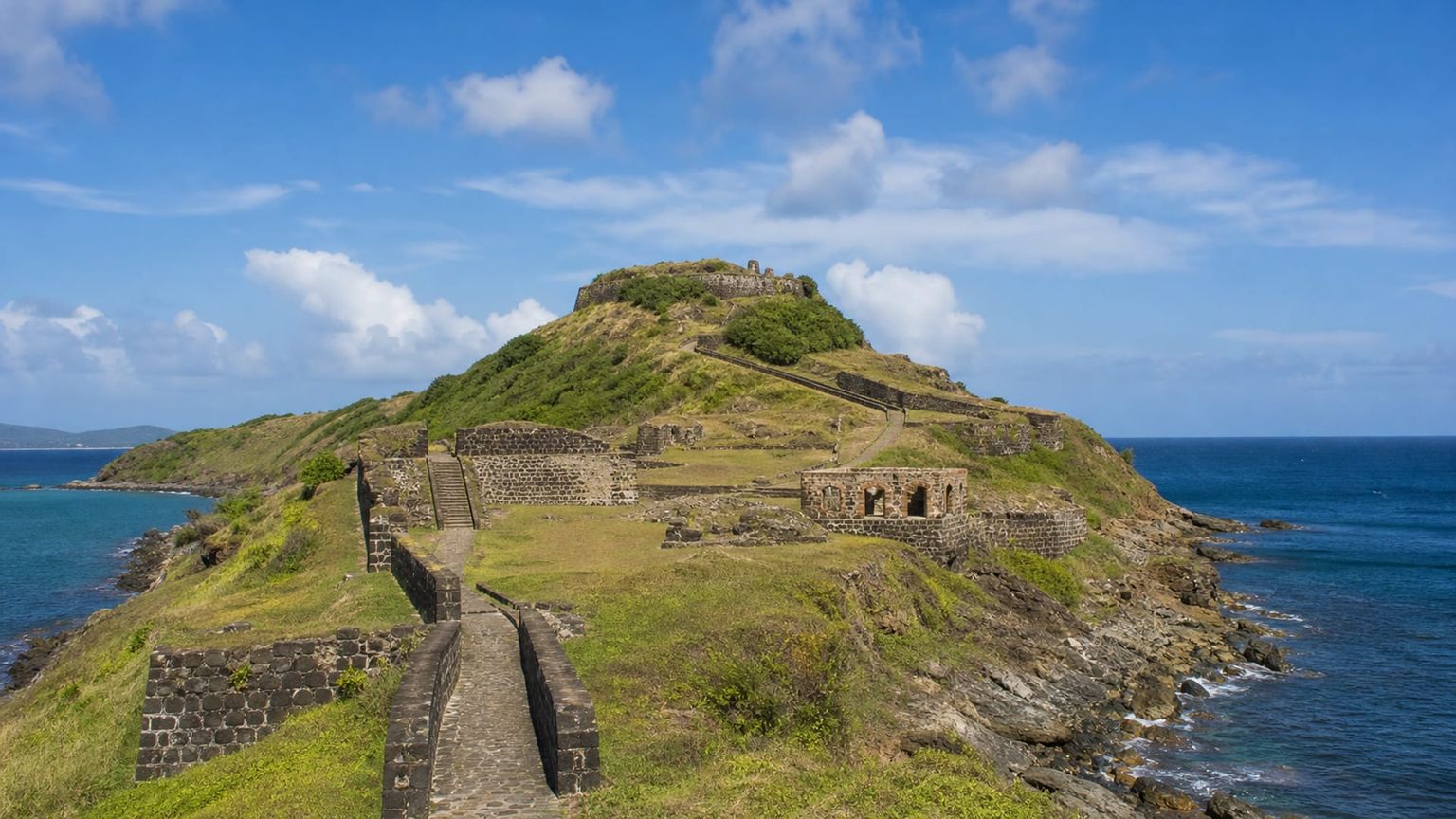
Pigeon Island National Landmark
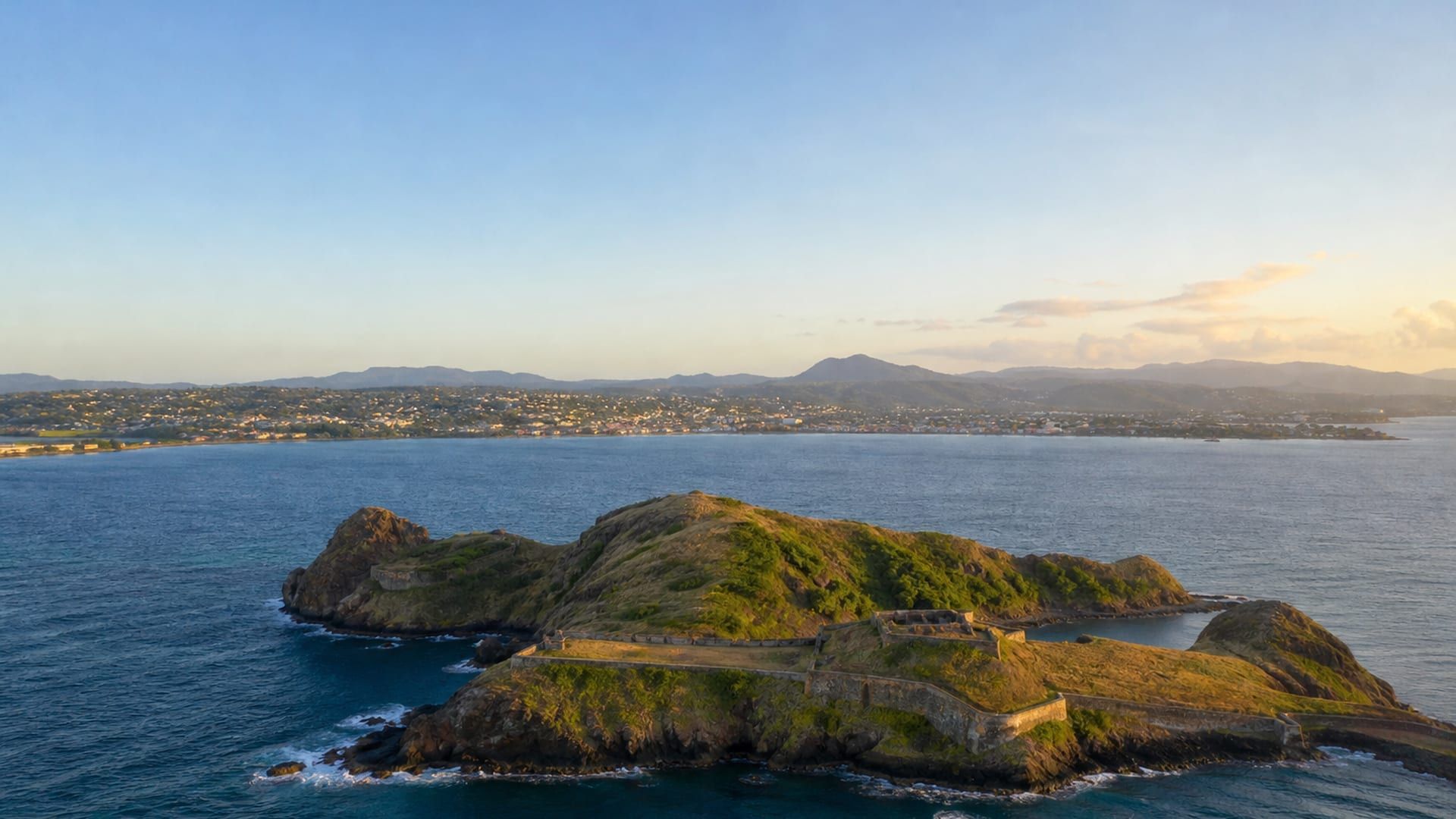
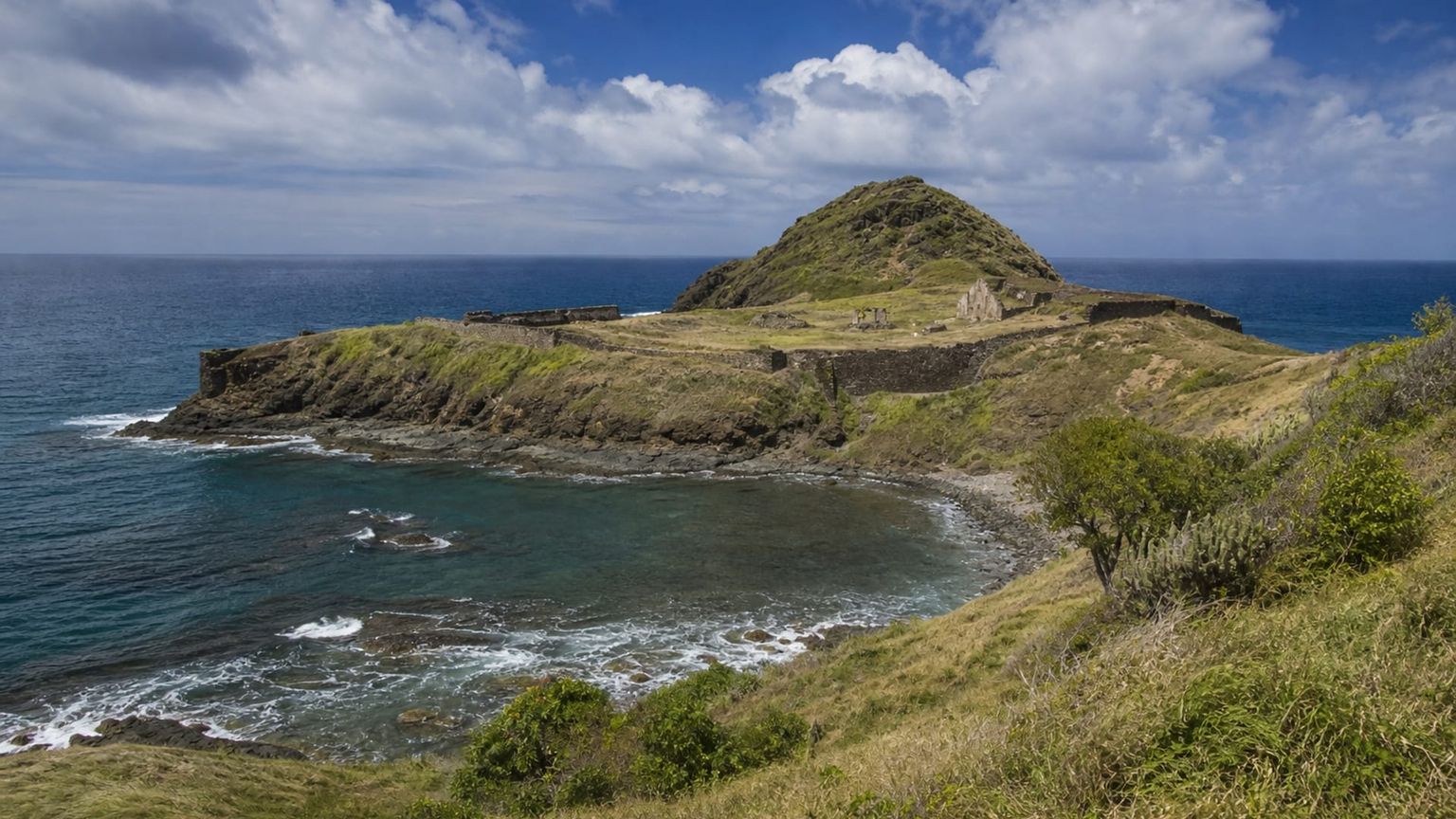
Pigeon Island National Landmark combines two beaches, 18th-century military ruins, Fort Rodney, and Signal Peak on Saint Lucia’s northwest coast. Trails rise above Rodney Bay for broad coastal views, while the Interpretation Centre explains the island’s colonial and military history.
Time needed: About 2 to 3 hours
Entry: Admission costs $5 ($13 EC) for nonresidents and $2 ($5 EC) for residents; children under 12 enter free, and parking is extra. Visit the official site for details.
Tip: Climb Signal Peak first, then cool off at the beach after the steepest part of the visit.
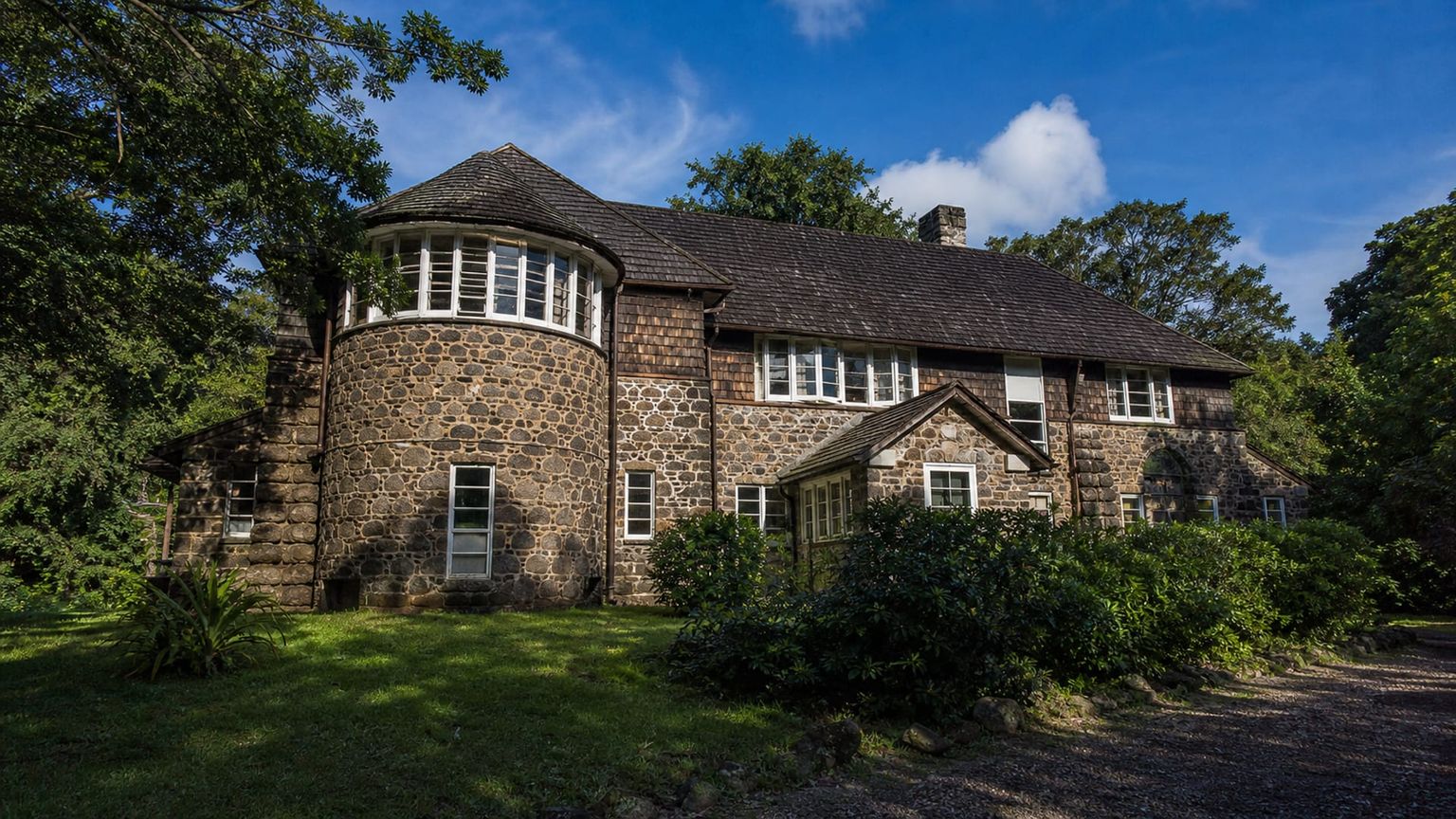
The Pitons
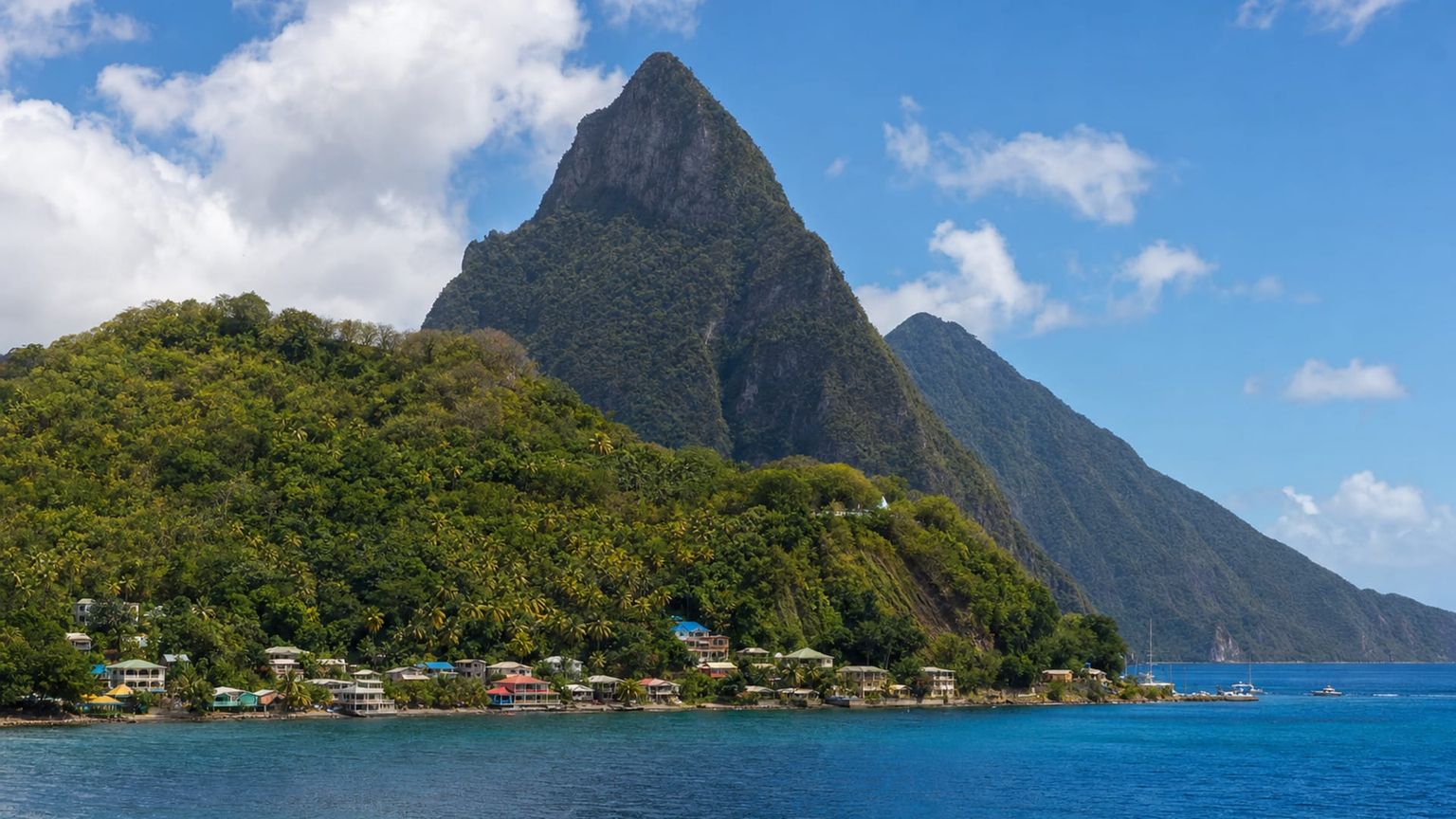
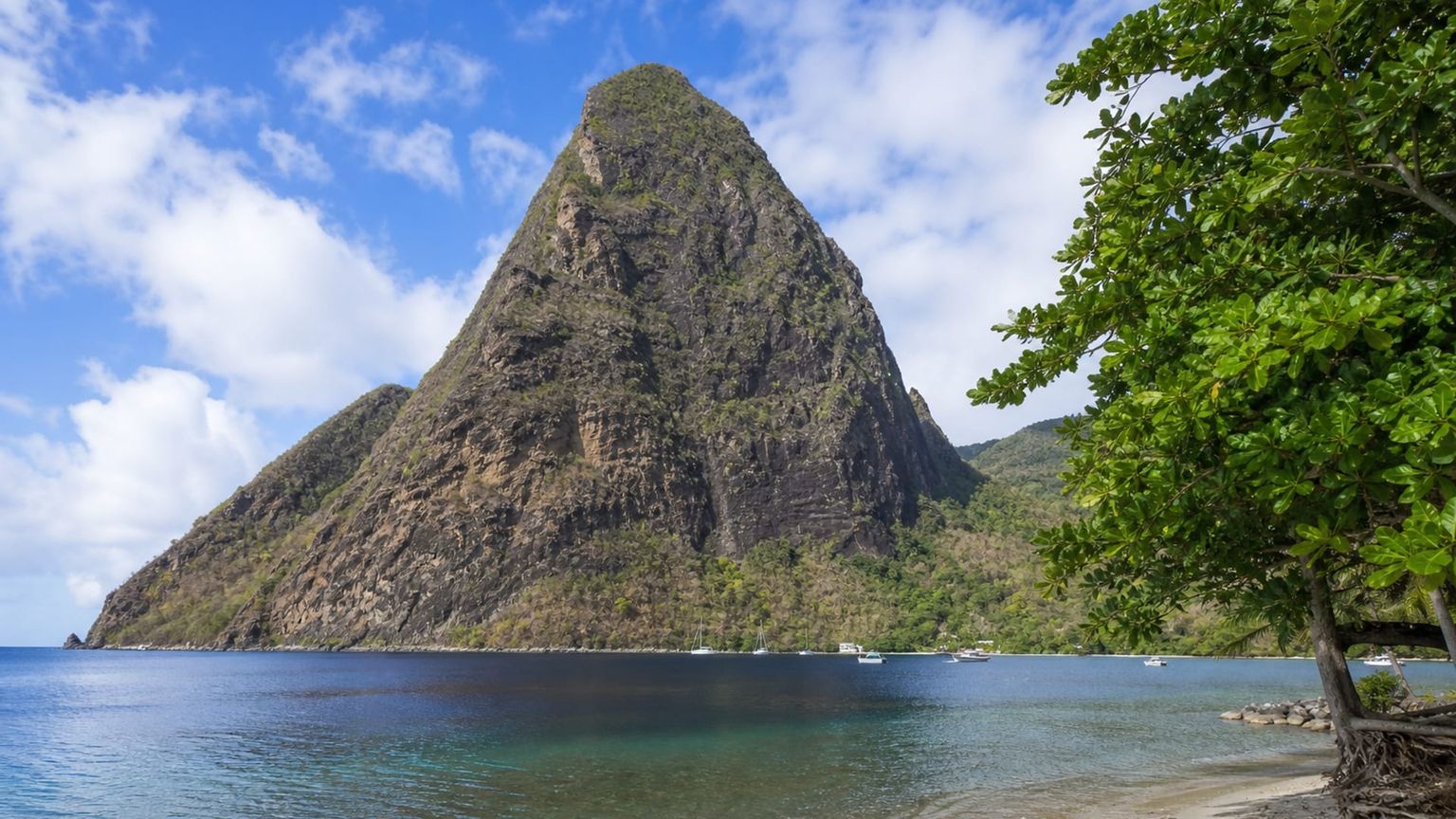
Gros Piton and Petit Piton rise above the Caribbean near Soufrière and anchor the UNESCO-listed Pitons Management Area. Gros Piton has the established hiking route, while Petit Piton is steeper and more technical; both are visible from viewpoints, beaches, and boat trips along the coast.
Time needed: About 3 to 4 hours
Entry: Entry is about $10 ($27 EC) per person, with separate guide or activity fees sometimes charged for canopy or specialty walks.
Tip: Book your Gros Piton guide ahead, especially for an early start before the midday heat.
Marigot Bay
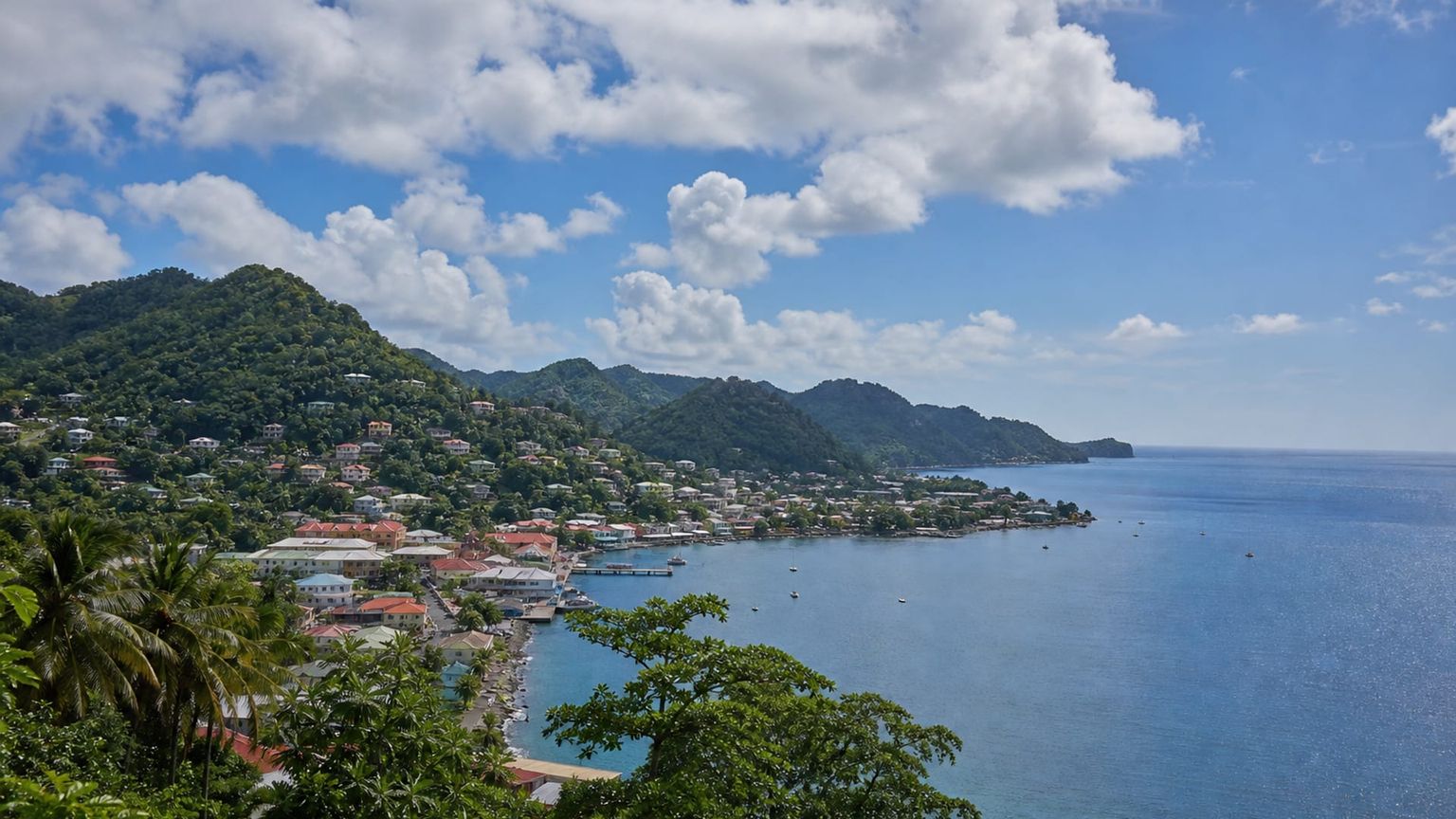
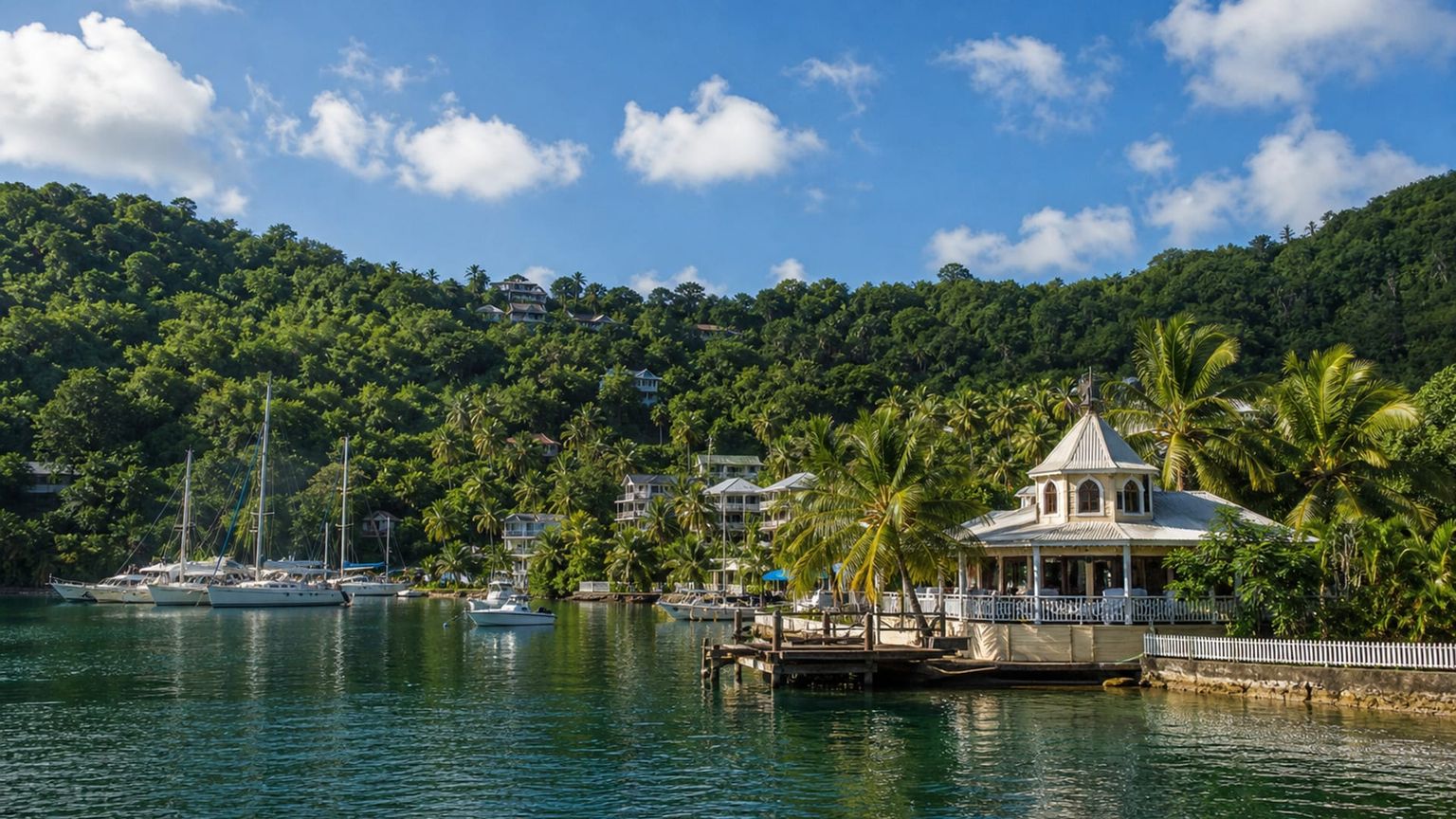
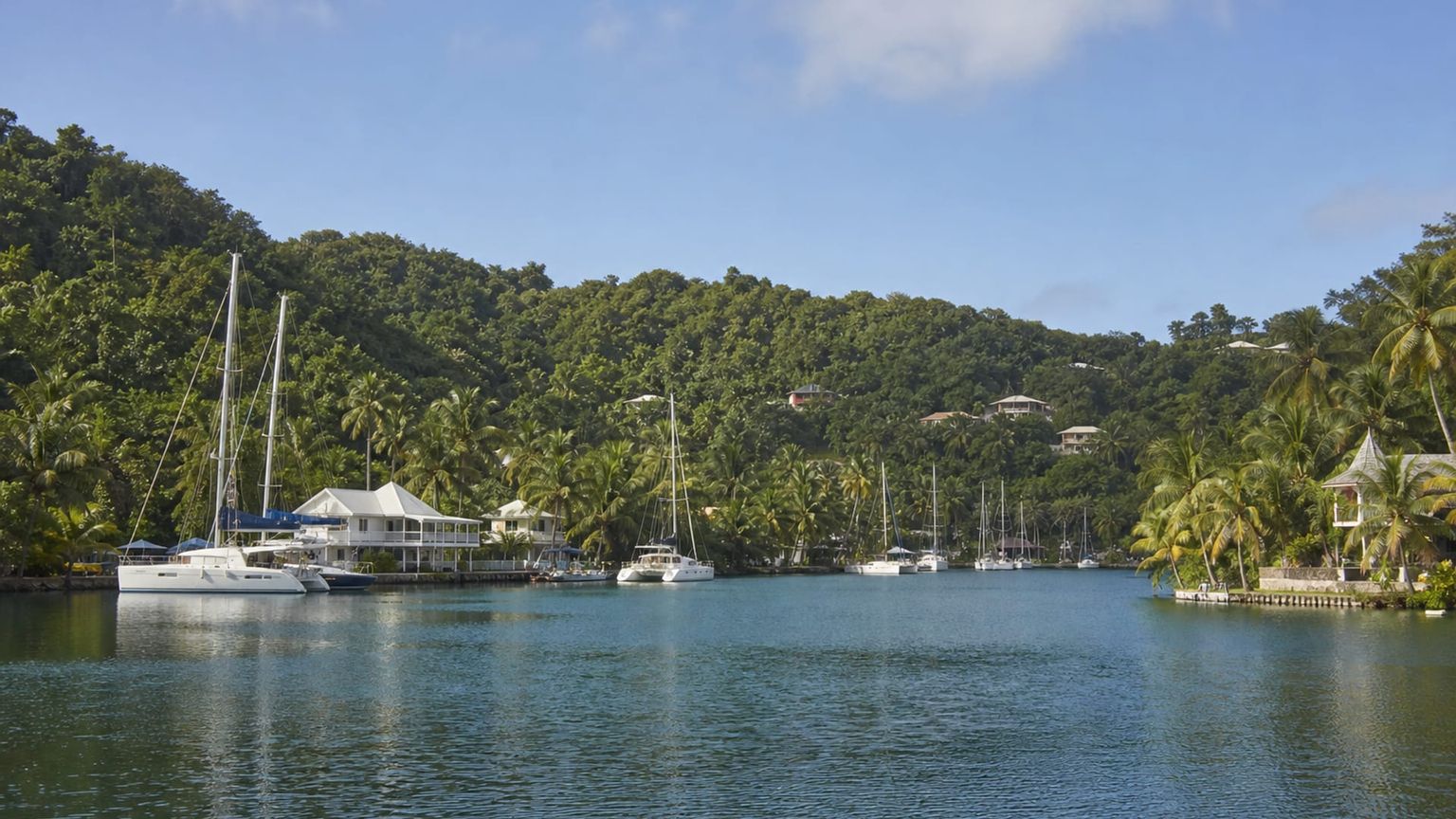
Marigot Bay is a deep, naturally sheltered harbor south of Castries, framed by steep green hills and a marina filled with yachts. The viewpoint shows the full curve of the bay, while the waterfront has restaurants, boat trips, and a short crossing to the beach on the opposite side.
Time needed: About 1 to 2 hours
Entry: Free to access; boat tours, water taxis, and marina facilities charge separately, and nearby parking or beach club use may cost extra.
Tip: Stop at the viewpoint first, then head down to the marina and cross by boat to the beach.
Overlooked sites worth visiting

Balenbouche Estate Heritage Site
Balenbouche Estate preserves an 18th-century sugar estate with a restored mill, historic buildings, walking paths, tropical grounds, and two beaches on Saint Lucia’s southwest coast.
Time needed: About 2 to 3 hours
Entry: Free to attend, with food, drinks, and vendor purchases paid separately. Bring cash for plates, beers, and taxis, since the event runs on the street and does not use timed admission or a ticket desk.
Tip: Leave time for the beach paths after seeing the mill and estate buildings.

Mamiku Gardens
Mamiku Gardens spreads across an old east-coast estate with tropical planting, orchids, medicinal herbs, woodland paths, plantation ruins, birdlife, and views toward Praslin Bay.
Time needed: About 30 to 45 minutes
Entry: Free to visit during open hours, though donations are welcome if a service is underway or the church is being maintained. No reservation or ticket purchase is required, and the visit works best as a short stop on a drive through the northern hills.
Tip: Bring insect repellent and walking shoes for the woodland paths beyond the main gardens.
Traditional food
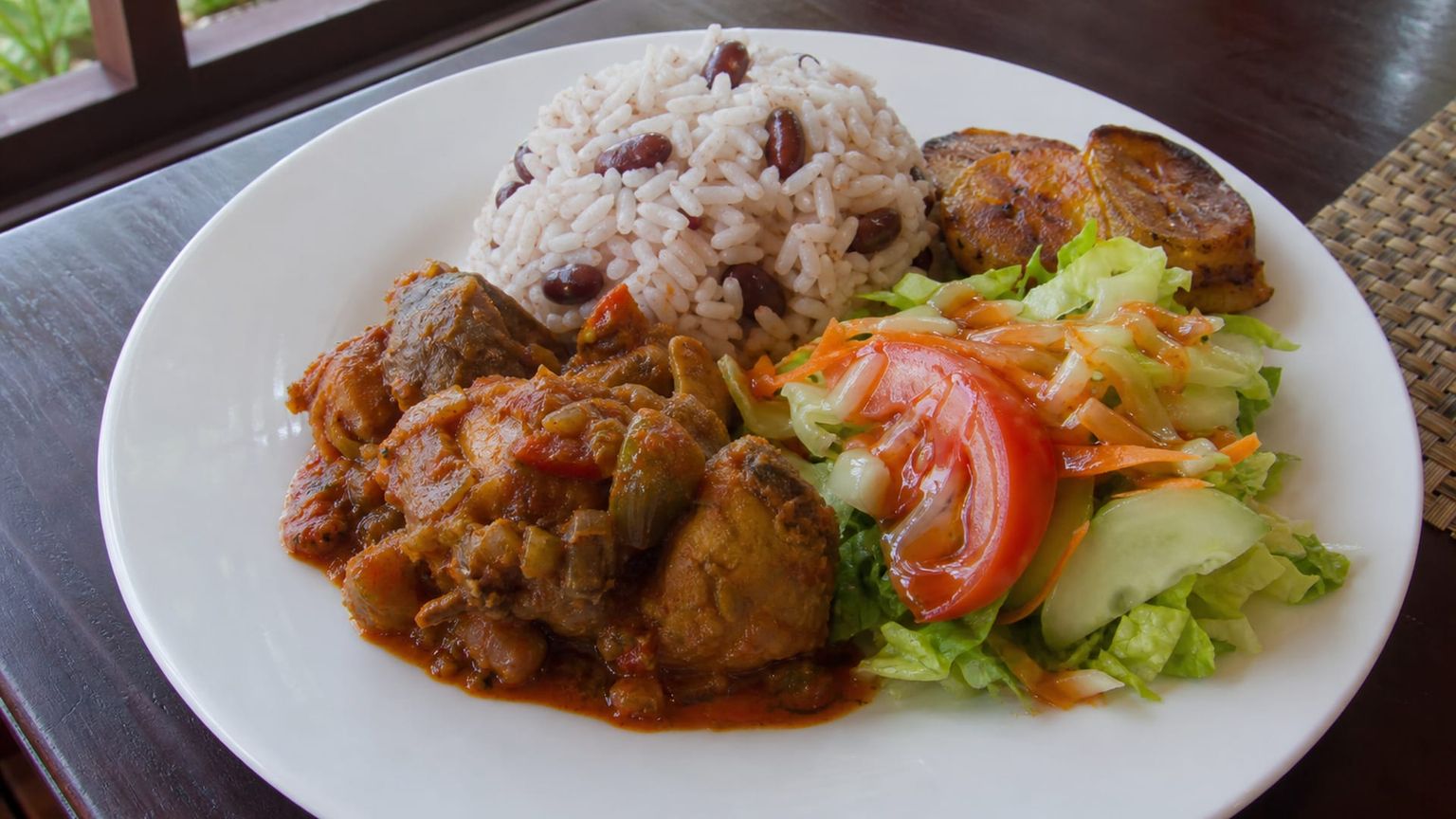
Saint Lucian cooking reflects Creole traditions shaped by African, French, British, and Caribbean influences, with green bananas, saltfish, root vegetables, seafood, herbs, and spices appearing often.
Green fig and saltfish
Green fig and saltfish pairs boiled green bananas with seasoned salt cod, usually cooked with onion, tomato, peppers, and herbs. At Castries Market, local food stalls offer versions of Saint Lucia’s national dish, especially in the morning.
Callaloo soup
Callaloo soup blends leafy callaloo with seasonings and may include okra, coconut milk, meat, or seafood, depending on the recipe. Pink Plantation House serves a homemade version on its current menu at its Castries-area restaurant.
Bouyon
Bouyon is a hearty one-pot stew made with meat, root vegetables, beans or lentils, and dumplings, with recipes varying across the island. Hardest Hard Restaurant & Bar in Castries serves local Saint Lucian cooking.
Accra
Accra are fried saltfish fritters mixed with herbs, peppers, and seasoning, with a crisp exterior and soft center. Soley Kouche serves saltfish accra made with house-salted fish, herbs, and sriracha mayo as a starter on its current menu.
Best time to visit Saint Lucia Island
Saint Lucia stays warm all year, but rainfall, humidity, and storm risk change more than temperatures from one season to the next.
Best for: Beaches, hiking, sailing, and outdoor days with lower humidity and less rain
What you get: December to February brings drier weather, typical temperatures near 75°F to 86°F (24°C to 30°C), lower humidity, and higher demand.
Trade-offs: Accommodation demand is higher during peak season, so popular hotels and resorts can have less availability.
Best for: Dry-season weather in March and April, with fewer visitors arriving by May
What you get: March and April stay drier, while May begins the shift toward wetter weather, with temperatures of 75°F to 88°F (24°C to 31°C).
Trade-offs: May brings more showers and humidity, while March and April still fall within the busiest travel period.
Best for: Lower visitor numbers, green landscapes, and flexible beach and day-trip plans
What you get: June to August is warm and humid, with temperatures near 77°F to 88°F (25°C to 31°C), heavier showers, and fewer visitors overall.
Trade-offs: Rain and storm risk increase, and wet roads or downpours can disrupt hiking and longer island drives.
Best for: Lower prices, fewer visitors, and trips that can adapt to wetter weather
What you get: September to November stays warm at about 77°F to 88°F (25°C to 31°C), with frequent rain, high humidity, and fewer visitors overall.
Trade-offs: September and October bring higher disruption risk, while November remains wet as the dry season approaches.
A realistic 5-day plan in Saint Lucia Island
Five days in Saint Lucia give you time for the north, Castries, Marigot Bay, and Soufrière without crossing the island repeatedly. This plan moves south as the trip unfolds, so the longest road journeys happen once rather than back and forth.
Arrive at Hewanorra International Airport (UVF) or George F. L. Charles Airport (SLU) and head to Rodney Bay for the first two nights. After checking in, keep the evening close to Reduit Beach with a short walk, an easy dinner, and time by the water. UVF is about 90 minutes away by road, while SLU is roughly 20 minutes away, so there is no need to plan much more than a first look at the bay and an early night after the airport transfer.
Spend the morning at Pigeon Island National Landmark, where the fort ruins, Signal Peak, and two small beaches give you both history and coastal views in one stop. Return to Rodney Bay for lunch, then continue to Gros Islet Village later in the afternoon for a walk and dinner. If Day 2 falls on a Friday, stay for the Friday Night Street Party, when food stalls, music, and dancing fill the village after sunset and keep the streets lively into the night.
Leave Rodney Bay after breakfast and spend the morning in Castries, starting at the market before walking through the central streets and waterfront. From there, continue south to Marigot Bay for the viewpoint, marina, and lunch by the harbor. After lunch, keep heading south to Soufrière and check in there for the final two nights. You end the day in Soufrière instead of retracing the same road to Rodney Bay, with the Pitons coming into view as you approach town.
Spend the morning at Sulphur Springs, then return to Soufrière for lunch and a walk along the waterfront. In the afternoon, see the Pitons from one of the nearby viewpoints and leave time for a beach stop before dinner in town. Keeping the day local cuts down on winding road time and leaves more of the day for the volcanic landscape, sea views, and west-coast atmosphere, without another cross-island drive or rushed transfer later.
Have breakfast in Soufrière, then shape the last morning around your departure airport. For a UVF flight, stop at Balenbouche Estate on the way south for its restored sugar mill, historic buildings, and tropical grounds before continuing to the airport. For an SLU departure, leave Soufrière earlier and drive north instead, allowing extra time for the winding west-coast road, traffic near Castries, and the longer journey back toward the north.
Business-class flights from the US to Saint Lucia Island
Reaching George F. L. Charles Airport (SLU) from the US requires at least one stop, with Caribbean Airlines appearing on most available routes.
New York (JFK) to Saint Lucia
From New York (JFK), Caribbean Airlines gives you the shortest option with one stop at Port of Spain (POS), bringing total travel time to about 7 to 13 hours. Round-trip business-class fares usually range from US$1,300 to US$2,600. Longer itineraries pair Copa with Caribbean Airlines via Panama City (PTY) and POS, or American with Caribbean Airlines via Miami (MIA) and Barbados (BGI), taking about 24 to 38 hours and costing up to roughly US$3,000.
Los Angeles (LAX) to Saint Lucia
Los Angeles requires two stops on the routes listed here. United and Caribbean Airlines connect via Houston (IAH) and Port of Spain (POS); Air Canada and Caribbean Airlines via Toronto (YYZ) and POS; while Copa and Caribbean Airlines route through Panama City (PTY) and POS. Total journey times range from about 22 to 48 hours, with round-trip business-class fares typically between US$2,400 and US$8,400.
Leave time for the island itself
Saint Lucia has enough variety to fill every day, but the trip feels much better when you do not spend half of it in the car. Give the north, Castries, and the west coast their own time, and the days open up for beaches, good meals, viewpoints, and a few unplanned stops. Once your dates are set, AranGrant can help with business-class flights to Saint Lucia and hotels in the part of the island that fits your plans.







