

Chapters:

Need help with your trip?
Our support team is available 24/7. Request a callback or call us directly at (833) 619-0908
Most trips to Rome follow a predictable pattern. You arrive with a long list of landmarks and try to fit as many of them as possible into a short period of time. You may cover everything, but the pace often leaves little time to actually experience each place.
The issue is not the number of sights, but how they are arranged. Distances, crowds, and navigation demand more energy and planning than most visitors expect, and tightly packed plans quickly become difficult to manage once you begin moving through the city itself.
Whether you are still shaping your itinerary or preparing for an upcoming trip, this guide explains how to approach Rome with a more deliberate structure, so your time in the city feels more balanced, comfortable, and focused on the places that matter most.
Useful things to know

Main language(s): Italian
Ciao (chow) – Hello
Per favore (pehr fah-VOH-reh) – Please
Grazie (GRAH-tsyeh) – Thank you
Parla inglese? (PAR-lah een-GLEH-zeh) – Do you speak English?
Quanto costa? (KWAHN-toh KOH-stah) – How much does it cost?

Currency: Euro (EUR, €)

Cash and cards: Credit and debit cards are widely accepted in Rome, including Apple Pay and Google Pay. Still, carrying about €20–€50 ($23–$57) in cash helps for small cafés, local markets, or public restrooms.

Tipping: Tipping is not mandatory in Italy. Service is often included, but leaving small change or rounding up the bill is appreciated in restaurants and cafés.

Traditional food: Carbonara, Cacio e Pepe, Amatriciana, Supplì, Pizza al Taglio, and Maritozzo are among the classic Roman foods most commonly associated with the city.

Water and coffee costs: Espresso usually costs between €1 and €2 ($1.15 and $2.30), while bottled water typically ranges from €1 to €3, depending on the area and venue.

Taxis and ride apps: Free Now and Uber operate in Rome, although Uber mainly offers premium services. Travelers should avoid unofficial taxi drivers near airports and major tourist areas.

Plug and voltage: Italy uses Type C and F sockets with a standard voltage of 230V.

Dining and shop opening hours: Dinner in Rome usually starts later, and many restaurants become busiest after 7:30 pm. Most shops open from about 9:00 am to 7:30 pm, while smaller local stores may close between 1:00 pm and 4:00 pm.

Emergency number: Dial 112 for emergencies anywhere in Italy, including police, ambulance, and fire services.
Where to stay in Rome
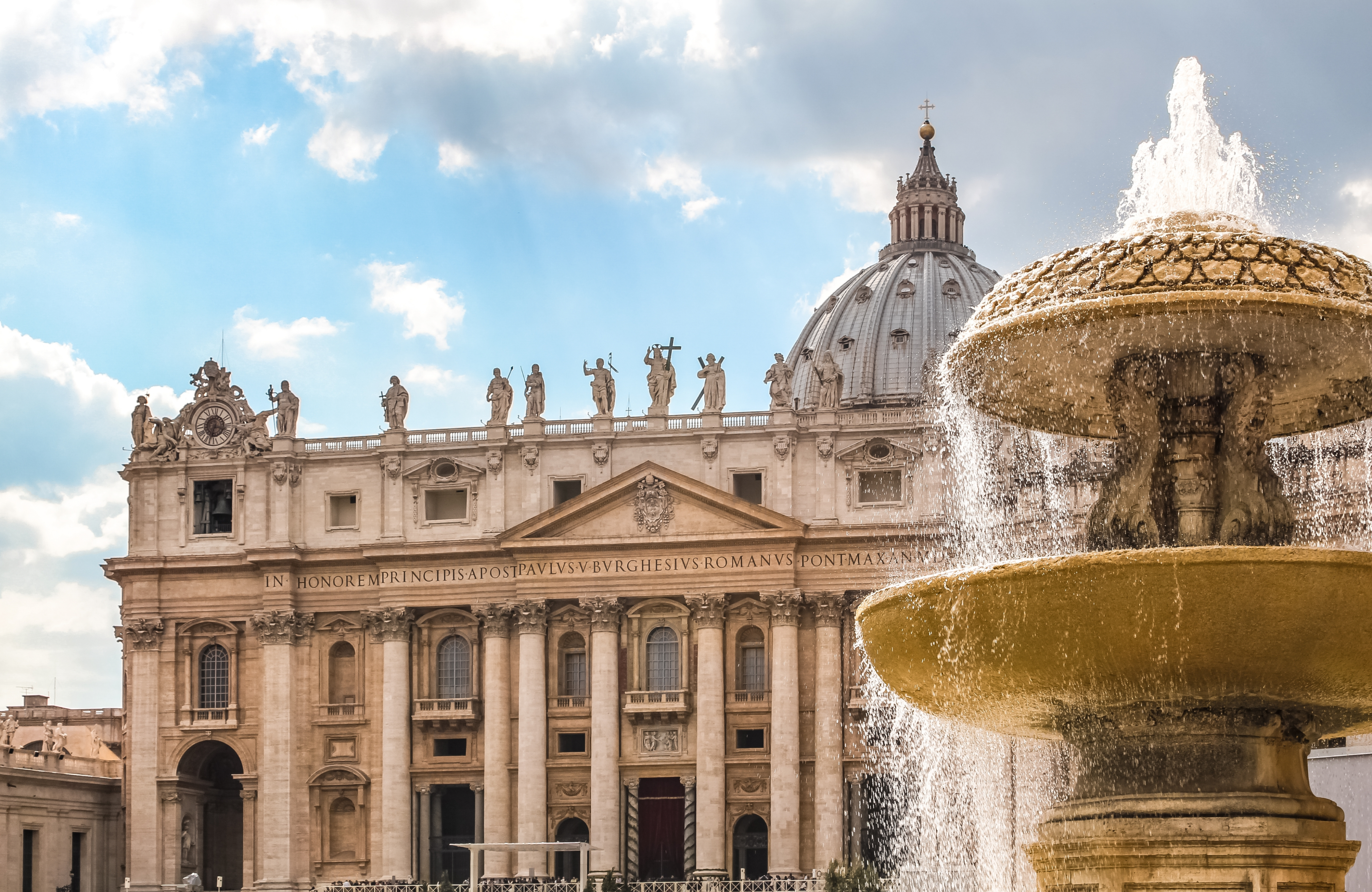
Prati is a residential district near Vatican City, known for its wide boulevards, orderly layout, and quieter atmosphere. Cafés, apartment buildings, local shops, and straightforward streets give the area a calmer, polished feel while keeping the Vatican within walking distance.
Best for: Vatican visits, quieter stays, and easier navigation
What to expect: Wide boulevards, residential streets, cafés, and local shops
Hotel prices: Hotels in Prati generally start near €165 ($190) per night, while more refined stays in quieter parts of the district often reach about €335 ($390) during busier seasons
Distance to major sights: Minutes away from the Vatican; Trevi Fountain and Piazza Navona are about 15 to 25 minutes away
Quietness: Quieter than the historic center, especially in the evening
Main trade-off: Evenings are calm, with fewer restaurants and bars than Trastevere or the Historic Center
Good to know: Staying in Prati makes early Vatican visits much easier, especially during busier seasons
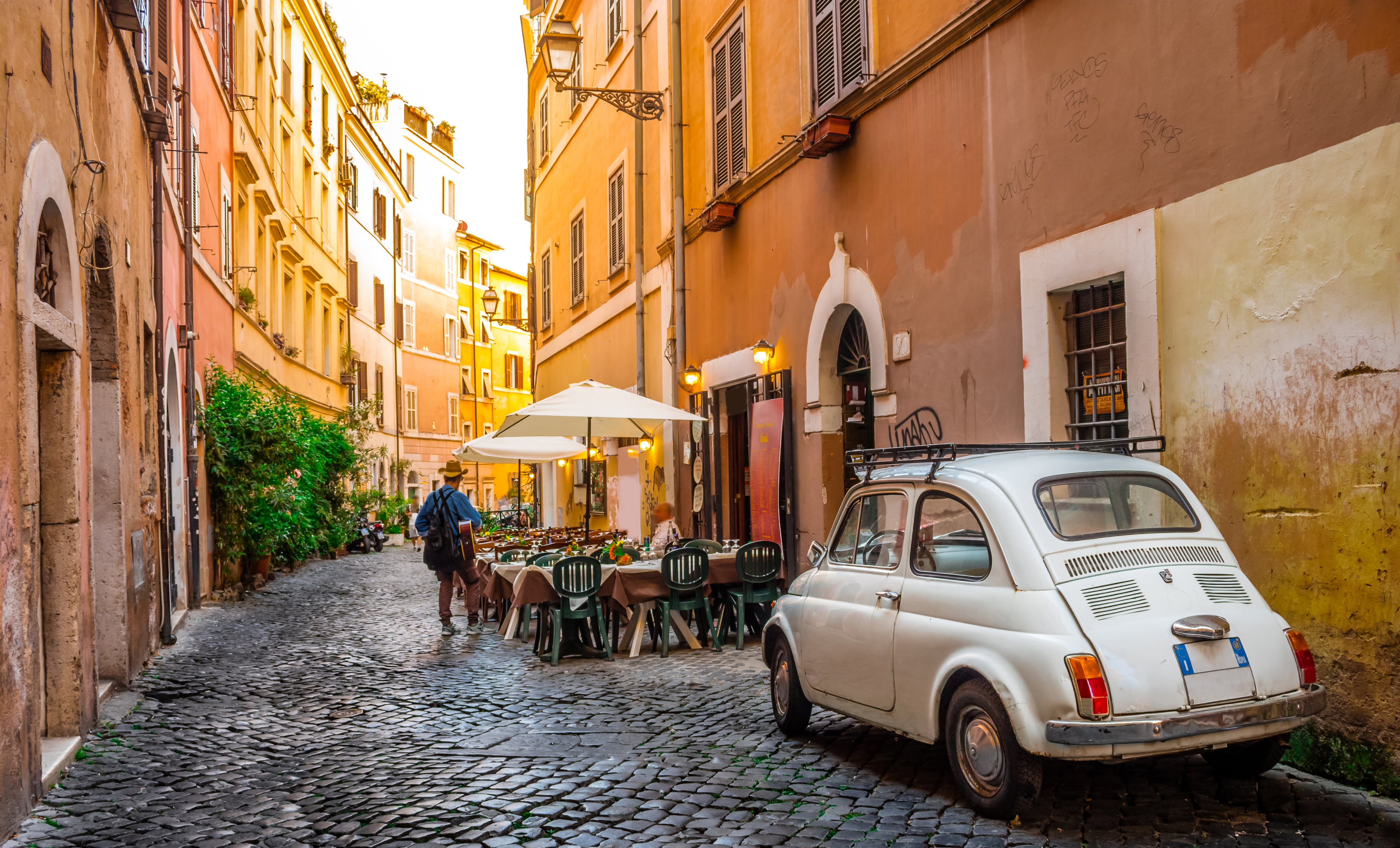
Trastevere is one of Rome’s oldest neighborhoods, located across the Tiber River from the historic center. Cobblestone streets, ivy-covered buildings, small piazzas, and family-run restaurants give the area a traditional Roman character that becomes especially lively later in the evening.
Best for: Dining, evening atmosphere, and a historic neighborhood setting
What to expect: Narrow streets, small squares, and traditional restaurants
Hotel prices: Boutique hotels and well-rated stays usually range from €235 to €396 ($275 to $465) per night, especially near the neighborhood’s busiest dining streets
Distance to major sights: Roughly 20 to 30 minutes on foot
Quietness: Quieter during the day, livelier in the evening
Main trade-off: Reaching areas beyond the historic center may require a tram, taxi, or longer walk
Good to know: Trastevere becomes livelier after dark, so light sleepers should choose hotels away from the busiest restaurant streets
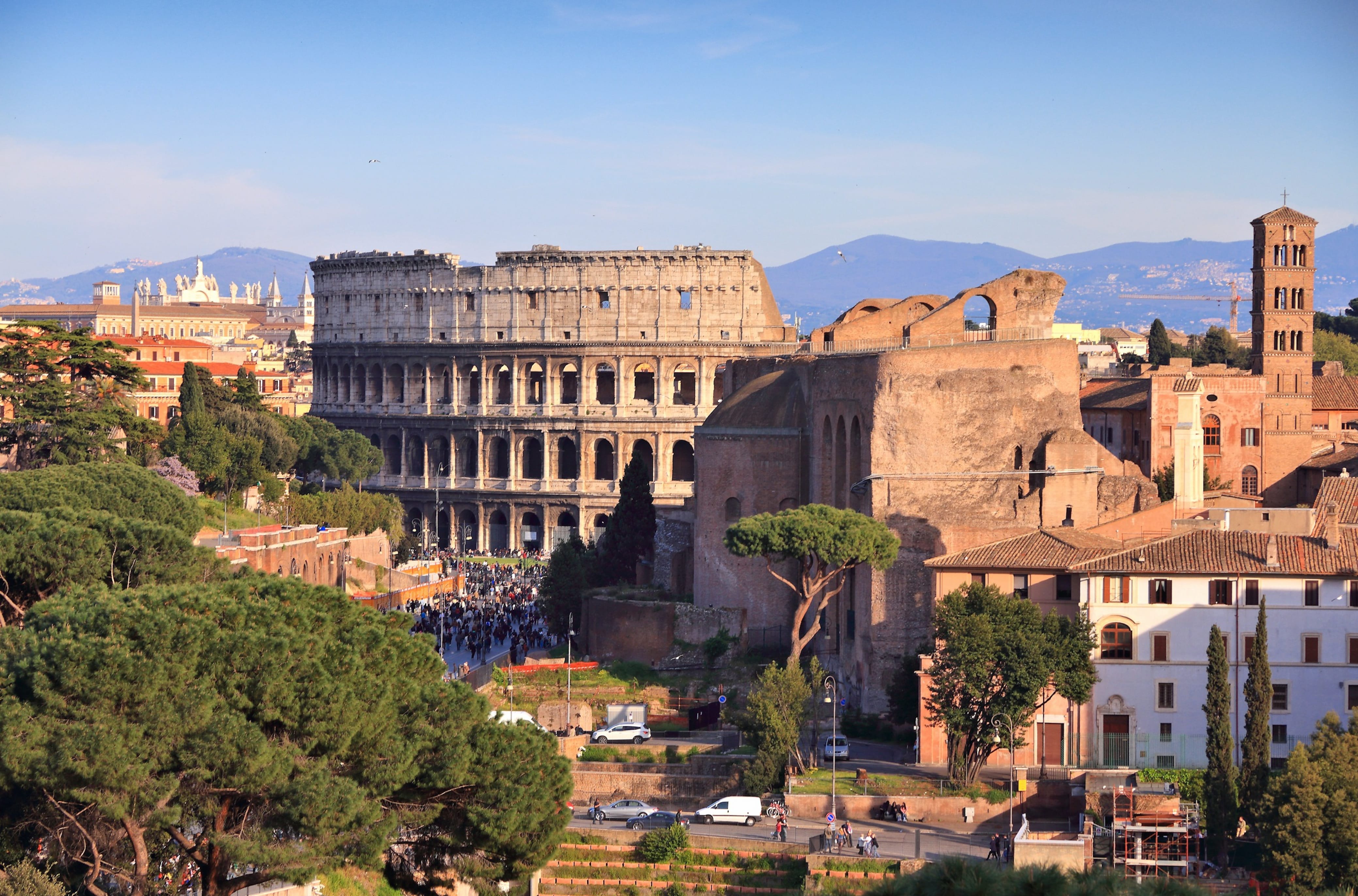
The Historic Center is the most convenient area, especially for a first visit, with many of Rome’s major landmarks within walking distance. Several major sights sit close together here, so the area stays active from morning to evening as visitors move between squares, fountains, and nearby streets.
Best for: First-time visits, sightseeing, and easy access to major landmarks
What to expect: Busy historic streets, crowded squares, and constant daytime activity
Hotel prices: Roughly €350–€800 ($410 to $940) per night for well-rated stays
Distance to major sights: About 10 to 15 minutes on foot
Quietness: Lively throughout the day and evening
Main trade-off: High hotel prices and heavier crowds
Good to know: Best suited for travelers who enjoy exploring landmarks on foot
Travelers usually avoid staying in far outer residential districts such as Tor Bella Monaca, Corviale, San Basilio, and Romanina, since these areas are less convenient for sightseeing, dining, evening exploration, and moving around central Rome.
Hotel deals
How to get around Rome efficiently
Rome is easiest to navigate when you combine walking with short public-transport rides and occasional taxis, especially when moving between neighborhoods.

Metro
for longer distances
The metro is suitable for longer trips, such as moving between the Vatican and the Colosseum. A single ticket costs $1.80 (€1.50), remains valid for 100 minutes, and works across buses, trams, and metro lines. Purchase the tickets at station vending machines or tobacco shops using either cash or a card. Google Maps and Moovit work well for navigation and transfer planning.

Bus and tram
for convenience
Buses and trams help cover areas where metro stations are limited, especially in the historic center. Tickets cost €1.50 ($1.80), remain valid for 100 minutes, and must be validated on board or inside metro stations. Buy them at metro stations, tobacconists, newsstands, ticket offices, or through apps such as MooneyGo and TicketAppy.

Taxi
for convenience or late hours
Taxis work best late in the evening, during bad weather, or after a long day of walking. A typical ride within central Rome costs €10–€20 ($12–$23). FreeNow, itTaxi, and Wetaxi help book licensed taxis.
*Prices are based on rates updated as of June 2026 and may change at the time of travel.
In practice, walking is best for shorter distances, while public transport and taxis help most when you need to cross between neighborhoods or save energy later in the day.
Iconic landmarks
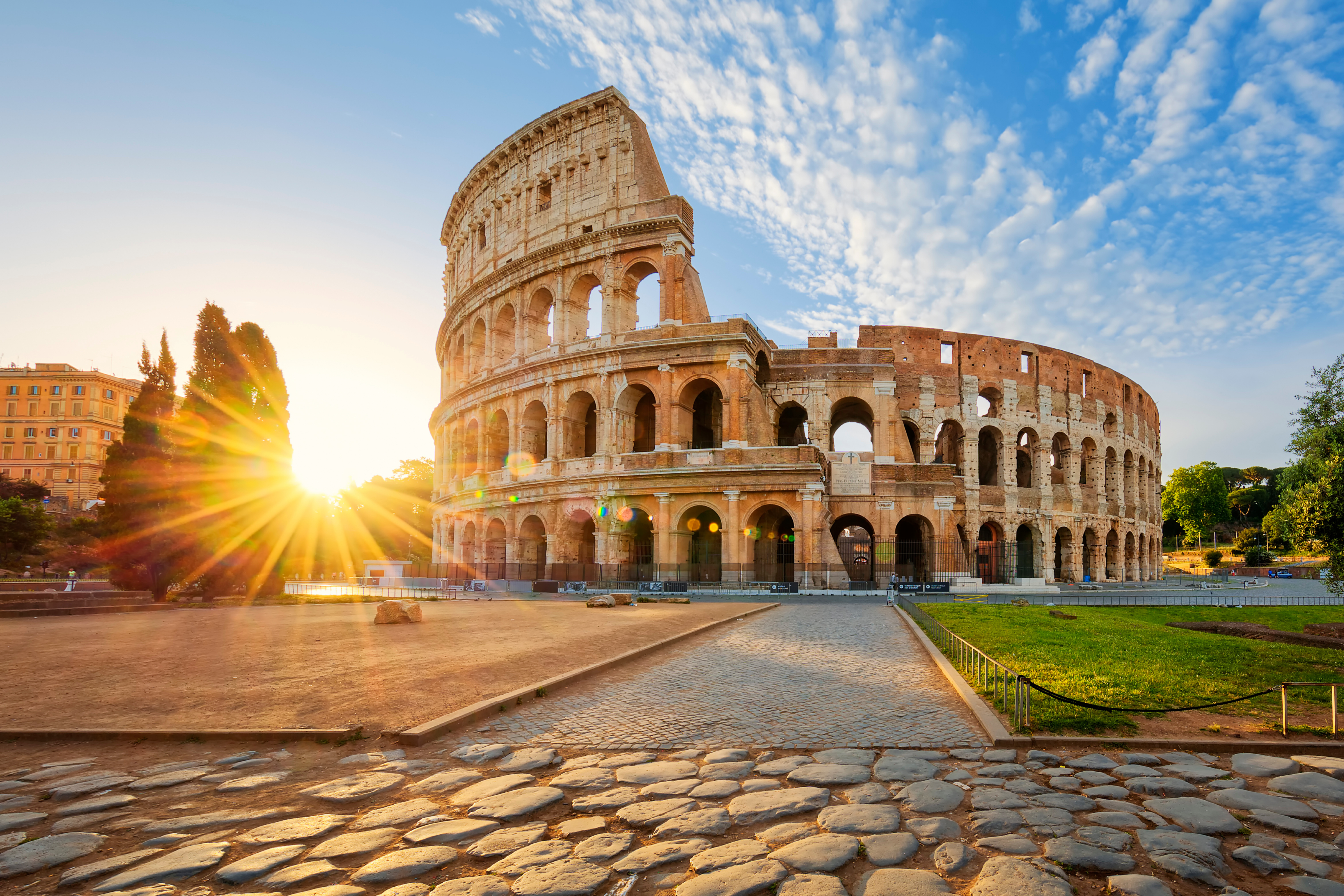
Colosseum
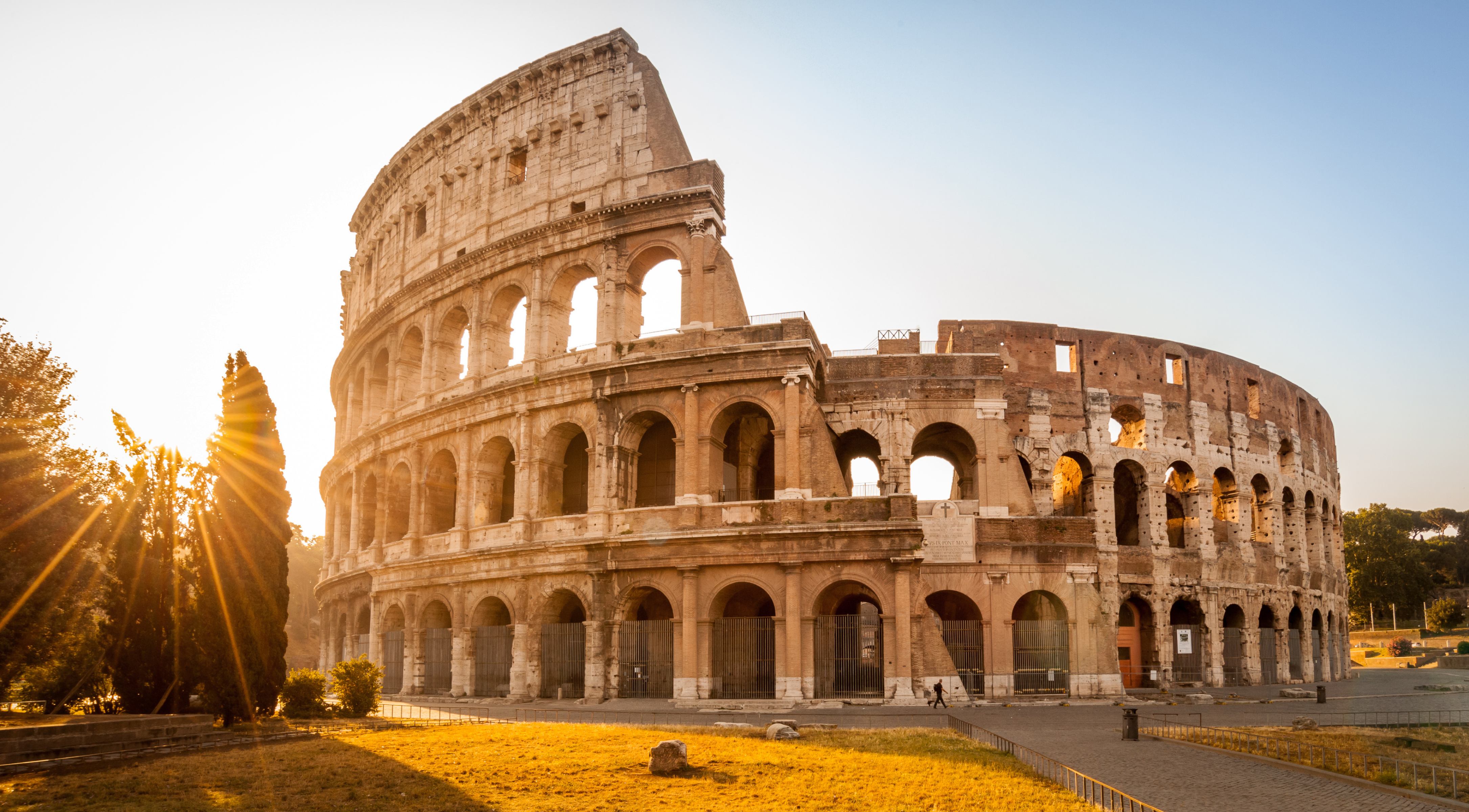
The Colosseum remains Rome’s most recognizable landmark and one of the clearest reminders of the scale of the ancient Roman Empire. Its stone tiers once held gladiator fights, public spectacles, and political events that shaped daily life across ancient Rome as well.
Time needed: A typical visit takes about 3 to 4 hours.
Entry: Standard tickets cost €18–€24 ($21 to $28) and include the Colosseum, Palatine Hill, and Roman Forum. You can book tickets on the official site.
Tip: Book morning entry times in advance, especially from spring to early fall.
Pantheon
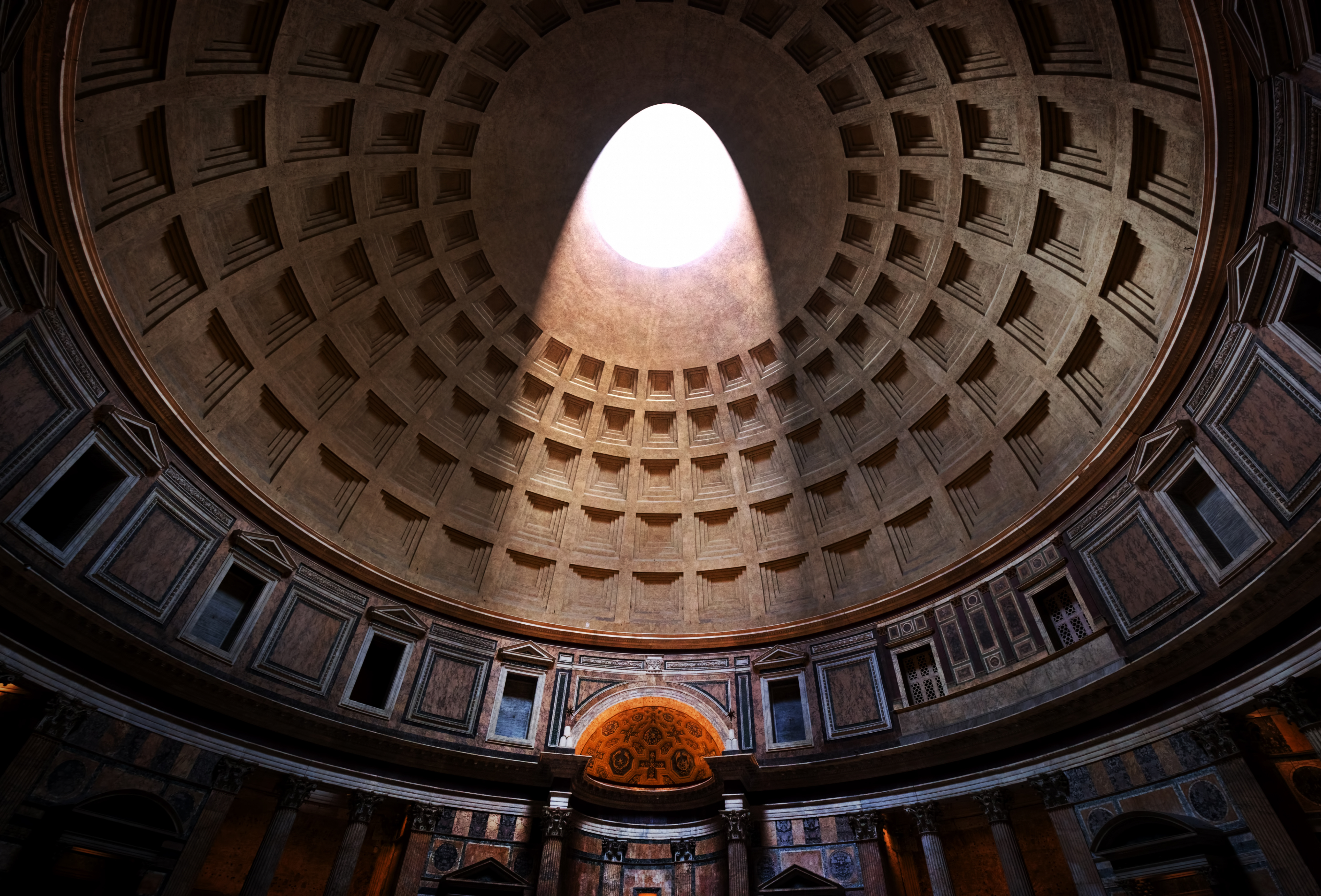
Originally built as a Roman temple nearly 2,000 years ago, the Pantheon remains one of the best-preserved monuments from ancient Rome. Its concrete dome and central oculus still shape the interior and continue to influence architecture and engineering worldwide.
Time needed: Most visits take about 45 minutes to 1 hour.
Entry: Tickets cost €5 ($6), plus a €1 ($1) reservation fee; entry is free on the first Sunday of each month. You can book tickets on the official site.
Tip: Visit at opening time or after 3:30 pm for a quieter experience.
Vatican Museums & Sistine Chapel
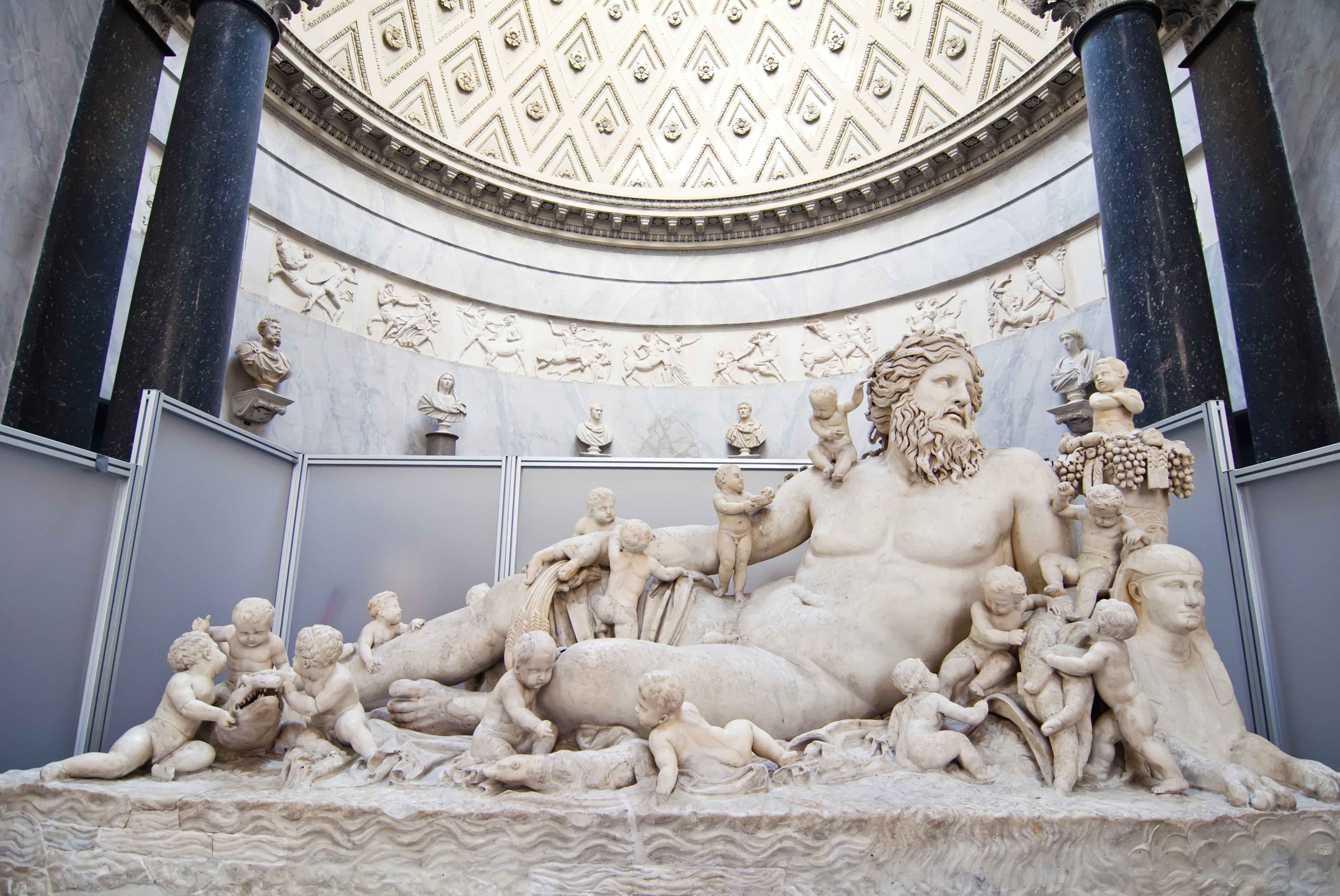
The Vatican Museums hold one of the world’s largest Renaissance art collections, with roughly 70,000 works across galleries, chapels, and papal rooms. The visit moves through centuries of paintings, sculptures, and religious history before reaching the Sistine Chapel.
Time needed: Usually, 3 hours; an in-depth visit takes 4 hours.
Entry: Tickets cost €5 ($6), plus a €1 ($1) reservation fee; entry is free on the first Sunday of each month. You can book tickets on the official site.
Tip: Choose the earliest available entry time to avoid heavier crowds and queues.
Overlooked sites worth visiting

Basilica di San Clemente
San Clemente looks modest at street level, but its layers reveal Rome through different periods. The route moves from a 12th-century basilica to early Christian spaces and ancient Roman foundations.
Time needed: A full visit usually takes 45 minutes to 2 hours.
Entry: The basilica is free to enter; lower-level tickets cost €10 ($11). You can book tickets on the official site.
Tip: Book the underground levels ahead, especially during busier travel periods.
Museo Nazionale Romano – Palazzo Massimo alle Terme
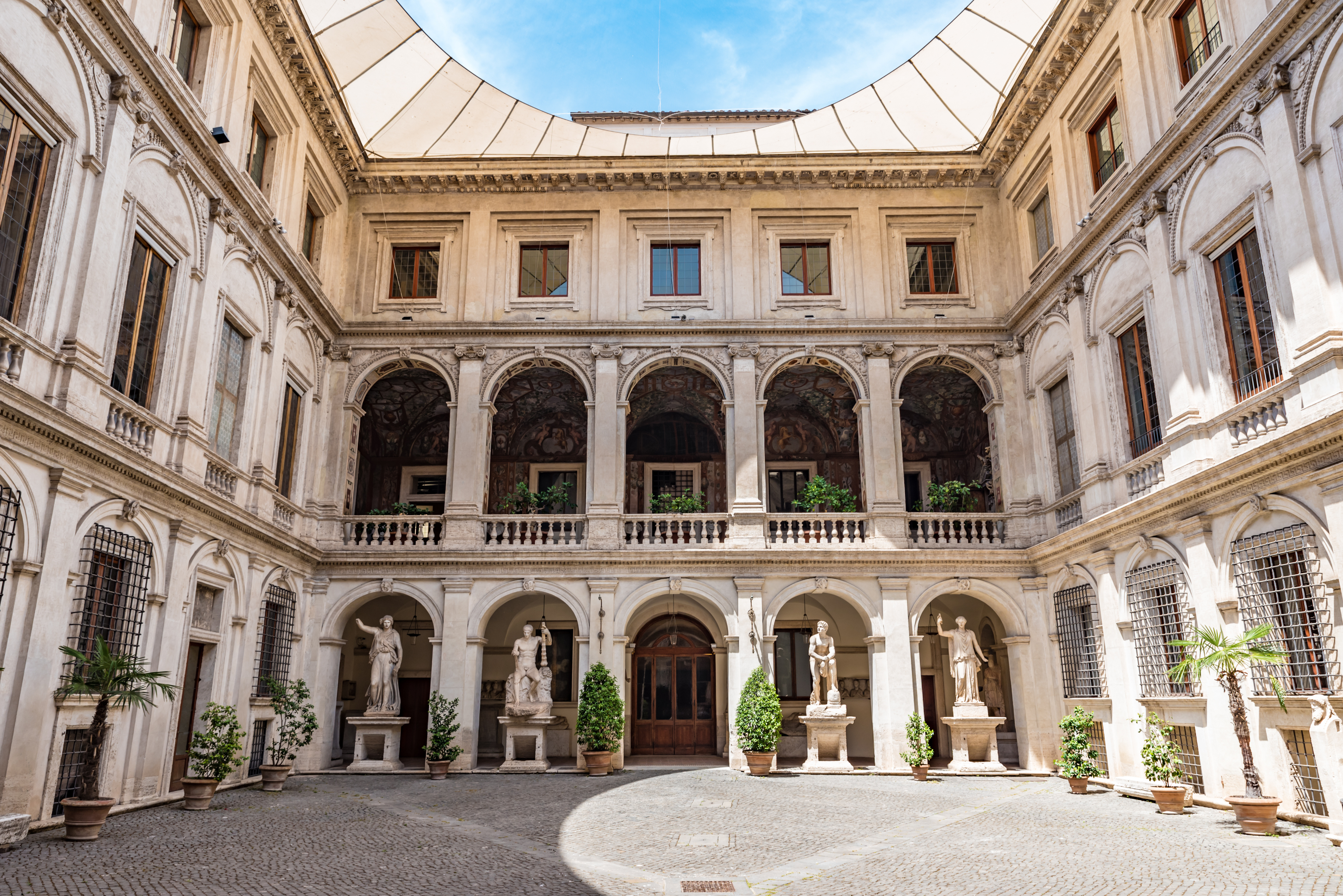
Palazzo Massimo alle Terme is one of Rome’s finest archaeological museums near Termini station, with collections covering republican and imperial Rome through exceptional frescoes, mosaics, sculptures, and coins.
Time needed: Most visits take about 2 to 3 hours.
Entry: Tickets cost €15 ($17) and include access to three Museo Nazionale Romano sites, for 7 days from validation. You can book tickets on the official site.
Tip: Stop by the Villa di Livia frescoes on the second floor, a highlight of the museum.
Traditional food

Roman cuisine revolves around a handful of core ingredients such as pasta, pecorino Romano, guanciale, olive oil, and seasonal vegetables, but certain restaurants and neighborhoods have become especially associated with specific local dishes.
Carbonara
Carbonara combines pasta with egg yolk, Pecorino Romano cheese, black pepper, and guanciale, creating one of Rome’s most recognizable dishes. Armando al Pantheon has served a traditional version since 1961.
Cacio e pepe
Cacio e Pepe combines Pecorino Romano cheese, black pepper, and pasta into a simple dish closely associated with Roman cuisine. Felice a Testaccio is known for preparing the dish tableside in a traditional style.
Pizza al Taglio
Pizza al Taglio is Roman-style pizza baked in large trays and sold by weight, with crisp dough and seasonal toppings. Antico Forno Roscioli, a bakery dating back to 1824, sells one of Rome’s best-known versions.
Supplì and Roman Street Food
Supplì are fried rice croquettes filled with tomato sauce, mozzarella, and often minced meat, commonly served with other Roman street foods. Testaccio Market remains one of the easiest places to try them locally.
Best time to visit Rome
Rome changes noticeably throughout the year, with seasonal differences affecting temperatures, crowd levels, walking conditions, and the overall pace of the city.
Best for: Comfortable sightseeing days, outdoor dining, and long walks through the city
What you get: Mild temperatures between 59°F and 77°F (15°C–25°C), blooming gardens, active street life, and lively evenings before peak summer crowds arrive
Trade-offs: Higher hotel prices and larger crowds around Easter, especially near Vatican City and the historic center
Best for: Longer daylight hours, late dinners, rooftop bars, and energetic city atmosphere
What you get: Temperatures regularly reaching 88°F–95°F (31°C–35°C), busy landmarks, crowded evenings, and a much livelier pace across central Rome
Trade-offs: Extreme afternoon heat, crowded attractions, and reduced comfort for long walks through exposed archaeological sites
Best for: Warm sightseeing weather, slower travel pace, and comfortable city walks
What you get: Temperatures between 64°F and 82°F (18°C–28°C), slightly lighter crowds, pleasant evenings, and easier movement through major attractions
Trade-offs: Cooler temperatures and occasional rain become more common later in November
Best for: Lower hotel prices, museum visits, and quieter sightseeing conditions
What you get: Temperatures between 50°F and 61°F (10°C–16°C), shorter queues, quieter streets, and a noticeably slower pace outside holiday periods
Trade-offs: Shorter daylight hours, colder evenings, and occasional rain during the winter months
A realistic 5-day plan in Rome
Once you understand how distances and timing shape your days in Rome, the next step is to apply that structure to a workable itinerary. A five-day stay gives you enough time to see the city without rushing, as long as each day remains focused and manageable.
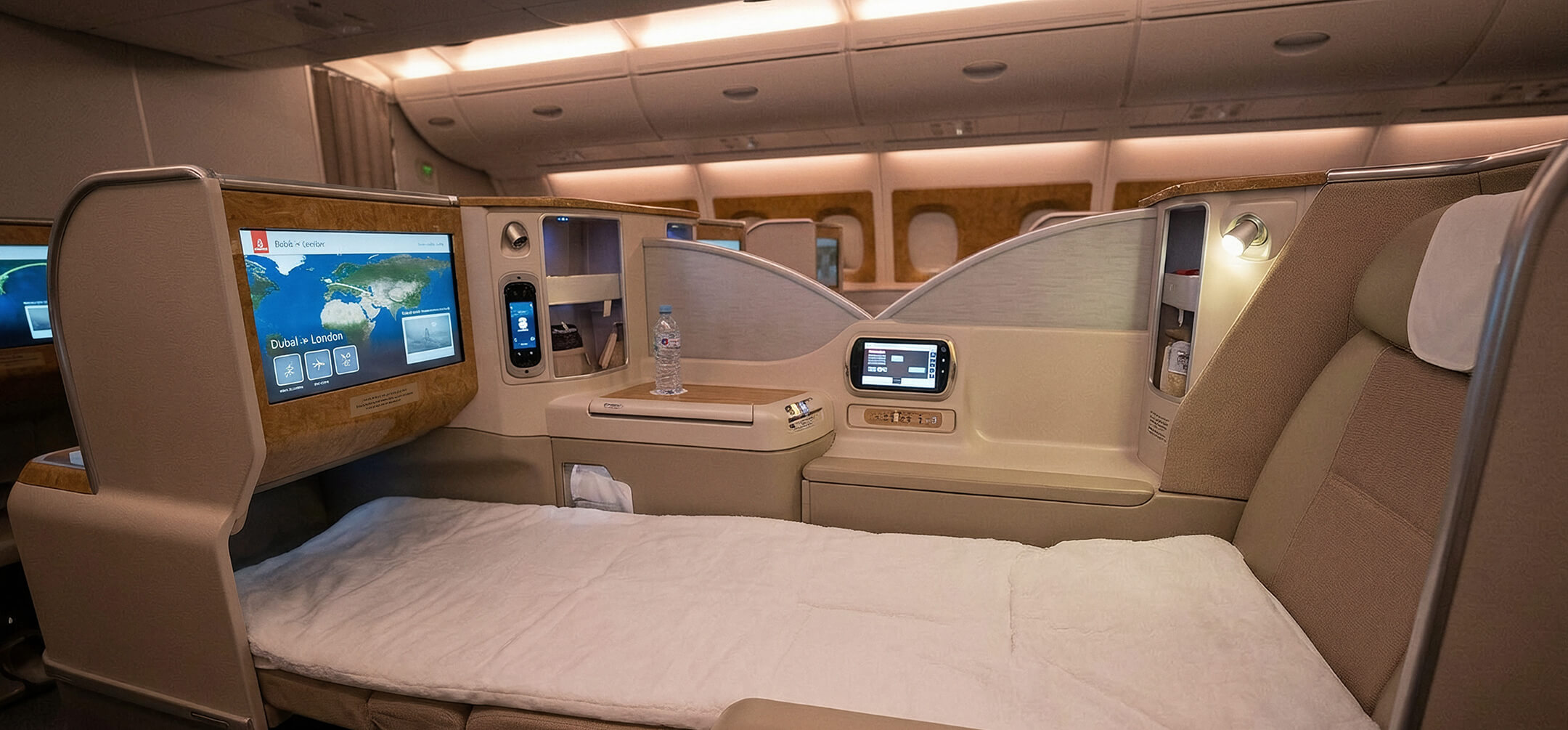
Business-class flights to Rome land at Leonardo da Vinci International Airport. From there, you can take a taxi to get to the city; taxis operate on a fixed fare of €55 ($64) to central Rome and take 30 to 40 minutes. Another convenient option is the Leonardo Express train, which reaches Termini Station in approximately 30 minutes and costs €14 ($16). After arriving in Rome, it helps to keep the first day light: check in, take some time to settle, and stay close to your hotel area.
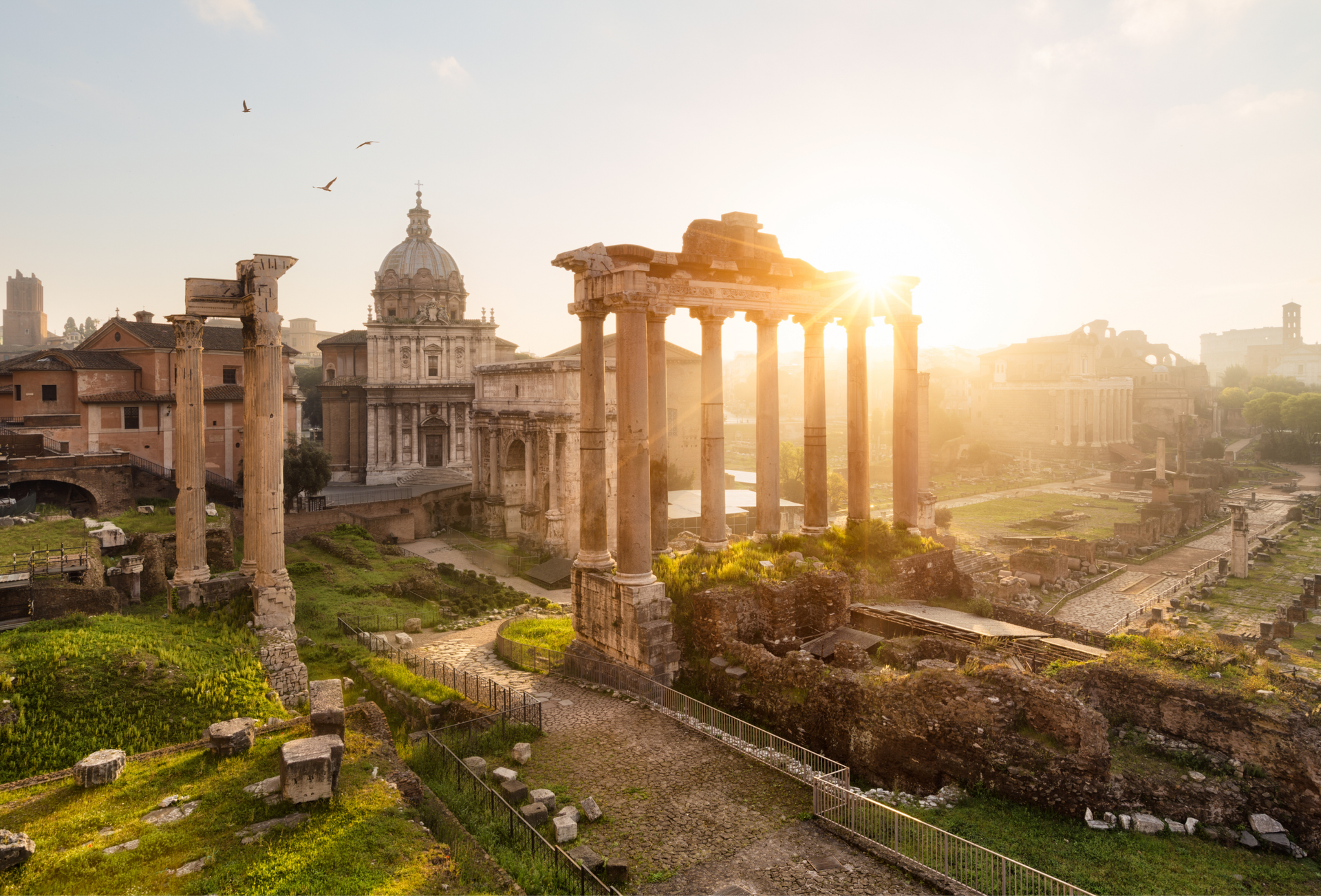
Plan this day around the Colosseum, Roman Forum, and Palatine Hill, all located next to each other. A ticket ranges from €18 to €24 ($21 to $28) and covers all three sites, plus other areas within the Colosseum. Guided tours generally cost between €40 and €80 ($47 and $94). A morning entry lets you move through the area before it gets crowded. These sites typically take several hours to explore properly, so there is little benefit in adding distant locations afterward. You can have lunch close by, in Monti.
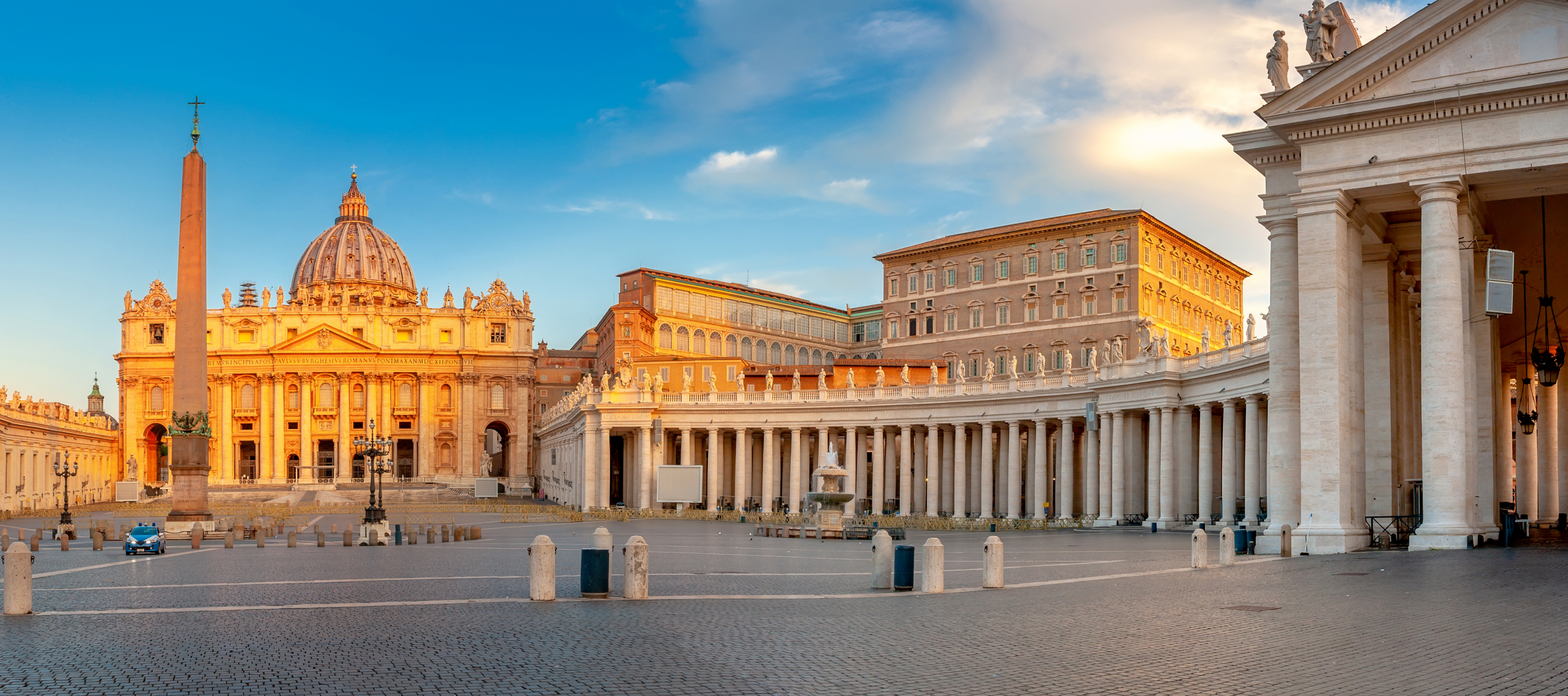
Start early with the Vatican Museums, ideally before 9:00 am, when queues are shorter and movement is easier. Entry tickets cost €20–€25 ($23–$29) per person, while guided tours typically range from €50–€100 ($58–$117) depending on group size and access level. From there, you can continue to St. Peter’s Basilica, which is free to enter.
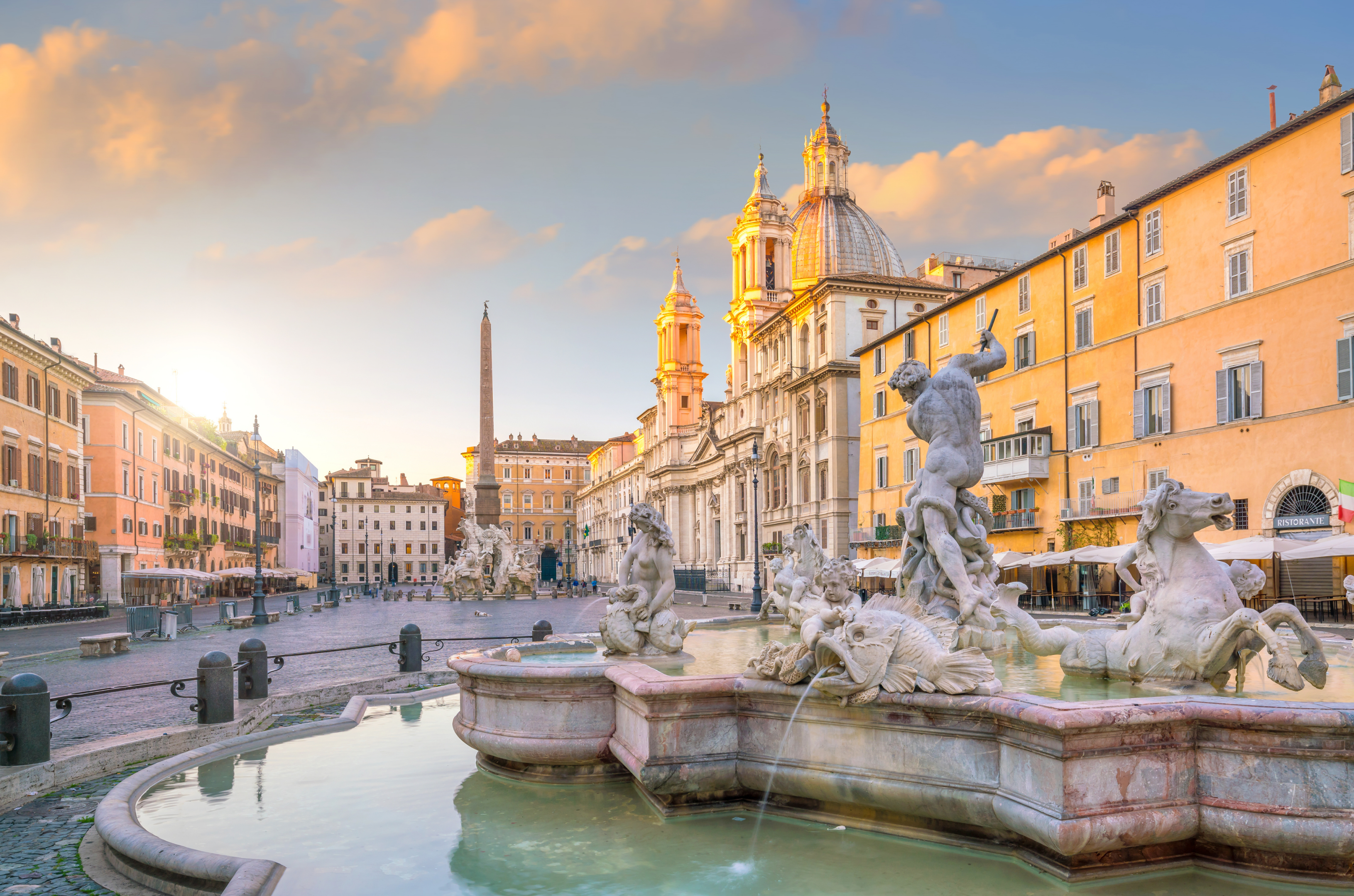
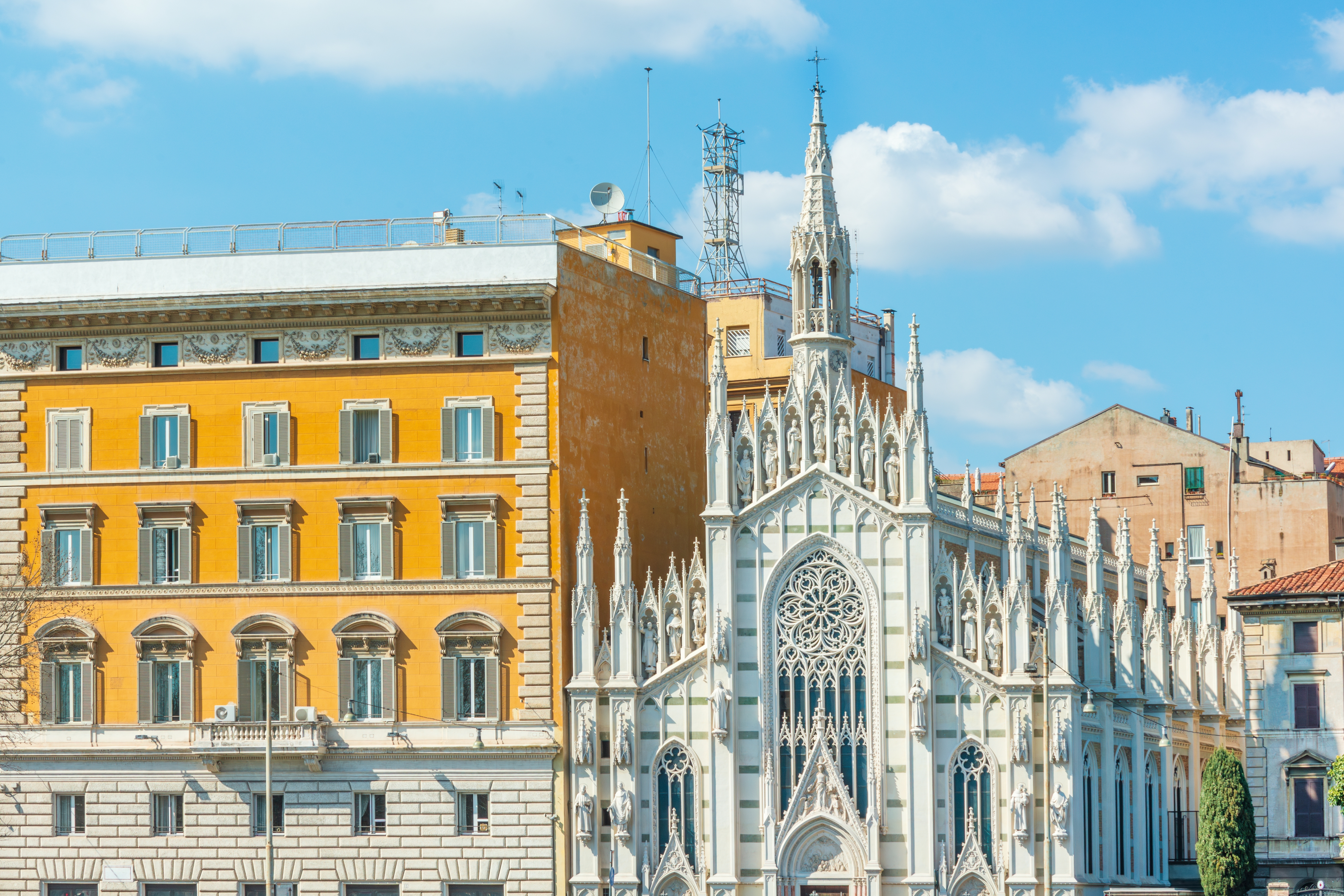
This is the most walkable part of Rome, where several major landmarks are close together. Start with the Pantheon, which now has a small entry fee of €5 ($6), then continue toward Piazza Navona and the Trevi Fountain, both free to visit.
The distances are short, but the area becomes crowded as the day progresses. A longer lunch break, in central areas, gives you time to slow down before continuing through nearby streets or heading toward the Spanish Steps later in the day.
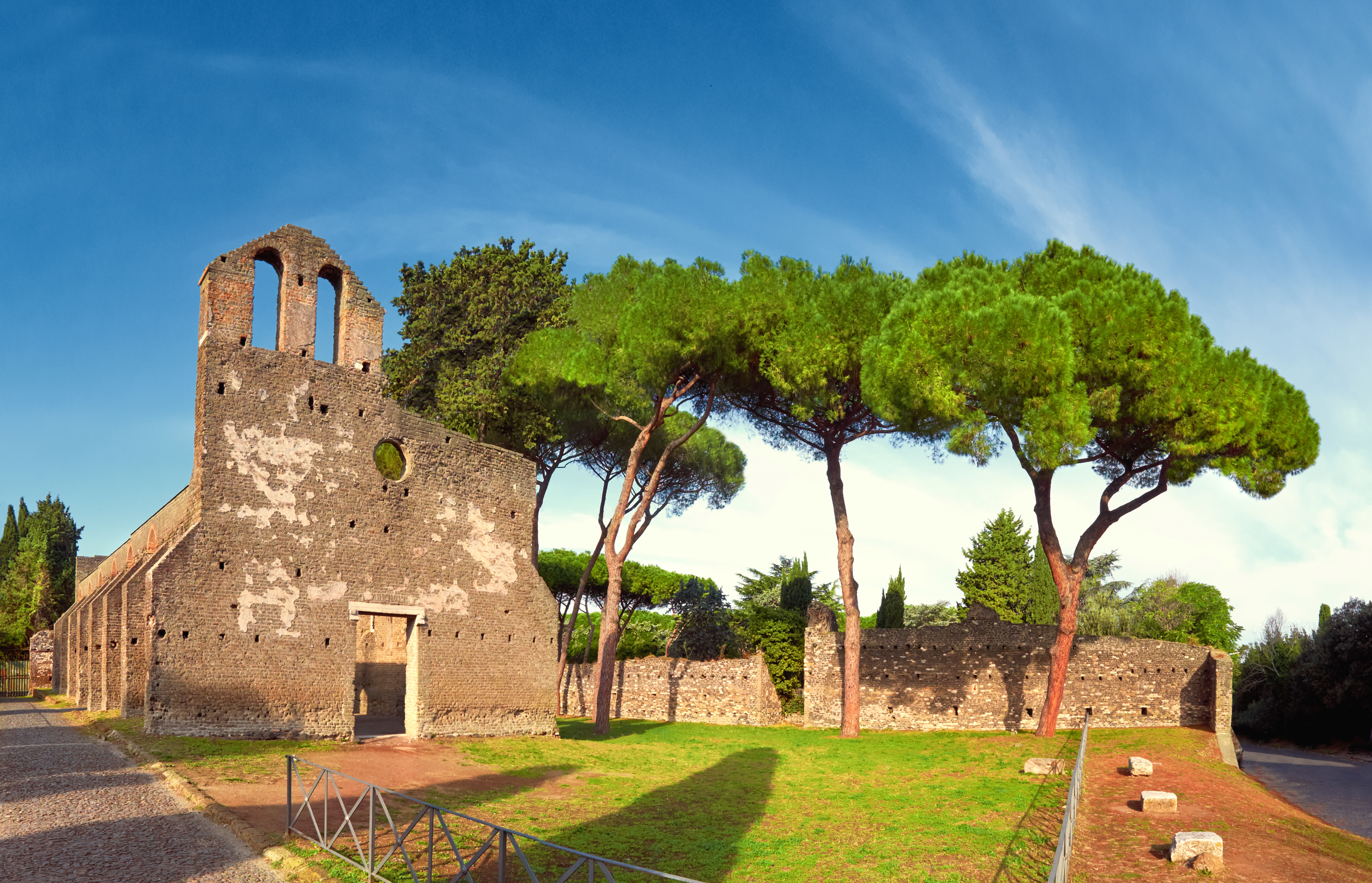
Keep the final day flexible. A walk through Trastevere works well if time allows, especially in the morning when the area is quieter. From there, prepare for departure without adding anything that requires strict timing.
Business-class flights from the US to Rome
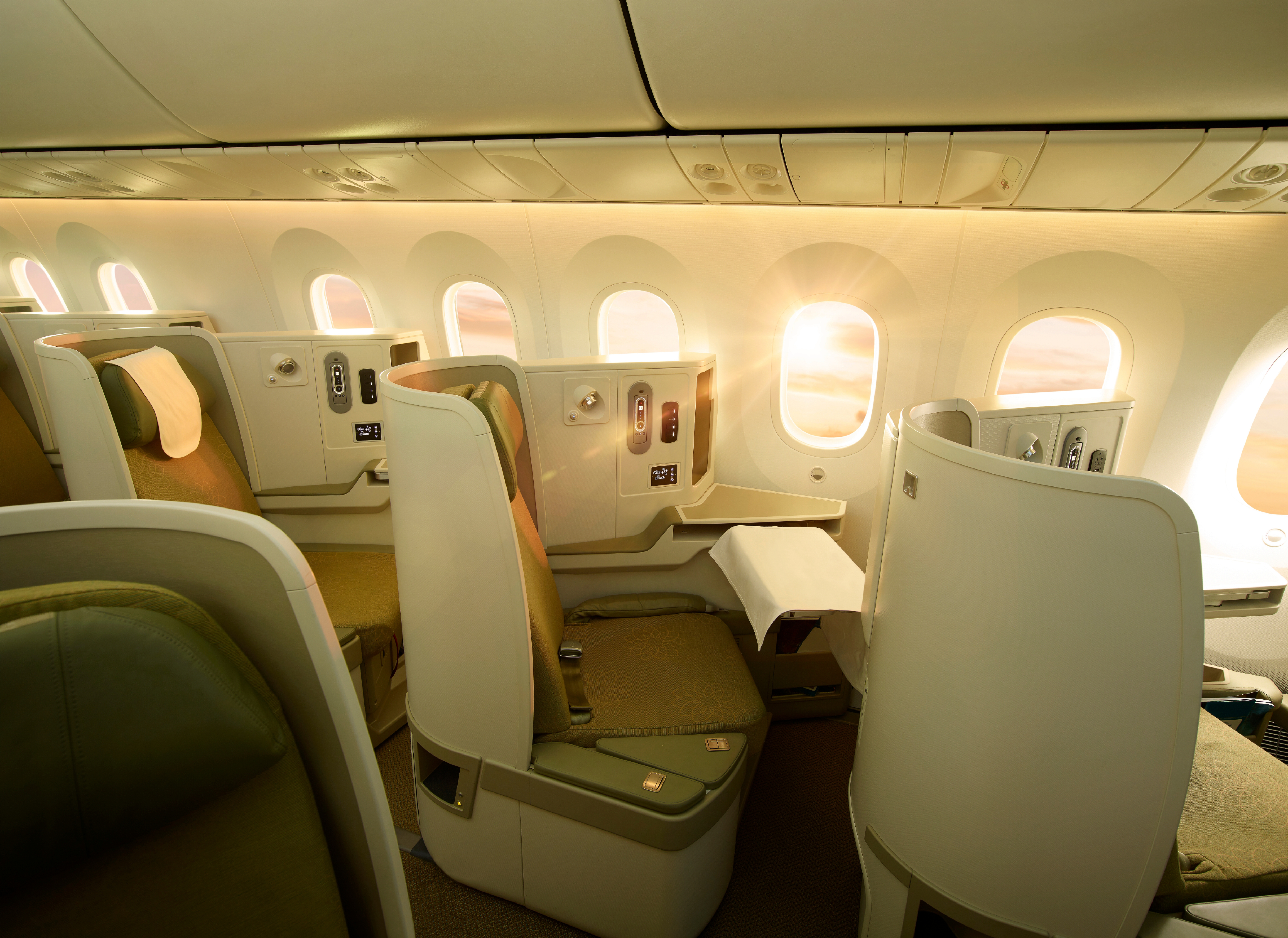
You can find flights to Rome from major hubs across the United States. The examples below show typical options from both the East Coast and the West Coast in 2026.
New York (JFK) to Rome (FCO)
ITA Airways and Delta Air Lines operate nonstop business-class flights on this route, with a duration of 8 to 9 hours. Round-trip business-class tickets typically range from $3,700 to $5,800, while last-minute bookings surpass $6,000.
Los Angeles (LAX) to Rome (FCO)
From Los Angeles, ITA Airways also offers nonstop flights that last approximately 12 hours. On this route, business-class flights cost between $7,900 and $9,600.
If you don’t mind a layover, airlines such as SWISS and Austrian Airlines operate one-stop flights through Zürich Airport (ZRH) or Vienna International Airport (VIE). The flights last 15 to 29 hours, depending on the length of your layover. These itineraries often reduce the cost, with round-trip prices starting at $3,600 and reaching $9,600 for bookings at the last minute and popular travel dates.
Rome feels different when you slow down
A well-structured plan in Rome is less about seeing fewer places and more about removing unnecessary friction from each day. When you reduce time spent navigating, waiting, and moving between distant areas, you gain time where it matters, inside the places you came to see.
If you are planning your trip to Rome, our AranGrant experts can help you review routes, book hotels, and help you structure your trip so your time in the city feels well-paced, comfortable, and thoughtfully arranged from the moment you arrive.