


Chapters:

Need help with your trip?
Our support team is available 24/7. Request a callback or call us directly at (833) 619-0908
Rio rewards travelers who build the trip from the coast inward: a morning at Christ the Redeemer, an evening in Copacabana, and a quick cable-car ride up Sugarloaf. What many visitors miss is how much the city changes once you move beyond the obvious landmarks.
The distances are real, the hills slow cross-town movement, and beach traffic can turn a simple transfer into a long one. If you try to pack too much into one day, you spend more time in cars than on the ground.
This guide keeps the city in workable pieces, so you can move by neighborhood, line up the sights with the right time of day, and leave room for meals, views, and the pauses that make Rio easier to enjoy.
Useful things to know


Main language(s): Portuguese
Olá (oh-LAH) – Hello/good morning
Por favor (por fah-VOR) – Please
Obrigado (oh-bree-GAH-doo) – Thank you
Você fala inglês? (voh-SEH FAH-lah een-GLAYS?) – Do you speak English?
Quanto custa? (KWAN-toh KOOS-tah?) – How much does it cost?

Currency: The local currency is the Brazilian real (BRL, R$).

Cash and cards: Cards and contactless are widely accepted; keep about R$100 to R$200 ($20 to $40) in cash for small vendors and taxis.

Tipping: Round up small bills, and leave about 10% in restaurants if service is not already included.

Traditional food: feijoada, pão de queijo, acarajé, moqueca

Water and coffee costs: Water about R$5 ($1), bar espresso about R$8 to R$12 ($2 to $3).

Taxis and ride apps: Uber and 99 operate here; confirm the plate before getting in.

Plug and voltage: Type N socket, 127V and 220V

Dining and shop opening hours: Breakfast runs about 7:00-10:00 am, lunch 12:00-3:00 pm, and dinner 7:00-10:30 pm. Many restaurants close between lunch and dinner.

Emergency number: Dial 190 for police, 192 for ambulance, and 193 for fire services.
Where to stay in Rio de Janeiro

Classic beachfront district with a long arc of hotels, restaurants, and metro access. It suits travelers who want easy access to the shoreline, daily essentials, and simple trips to Sugarloaf, Ipanema, and downtown.
Best for: Beach time, first visits, and travelers who want a lively base with easy transit
What to expect: Broad sidewalks, steady traffic, packed beachfront stretches, and plenty of late-night movement near Avenida Atlântica and the side streets
Hotel prices: Usually about $90 to $220 per night for well-rated stays
Distance to major sights: About 15 minutes by taxi to Sugarloaf Mountain, about 25 minutes by metro and taxi to the Historic Center
Quietness: Busy by day and active well into the evening, with the quietest blocks farther from the beach
Main trade-off: You pay for the location and convenience, and the busiest beachfront streets can feel noisy after dark
Good to know: Choose a room on a higher floor or a side street if you want less street noise from the avenue and beachfront bars
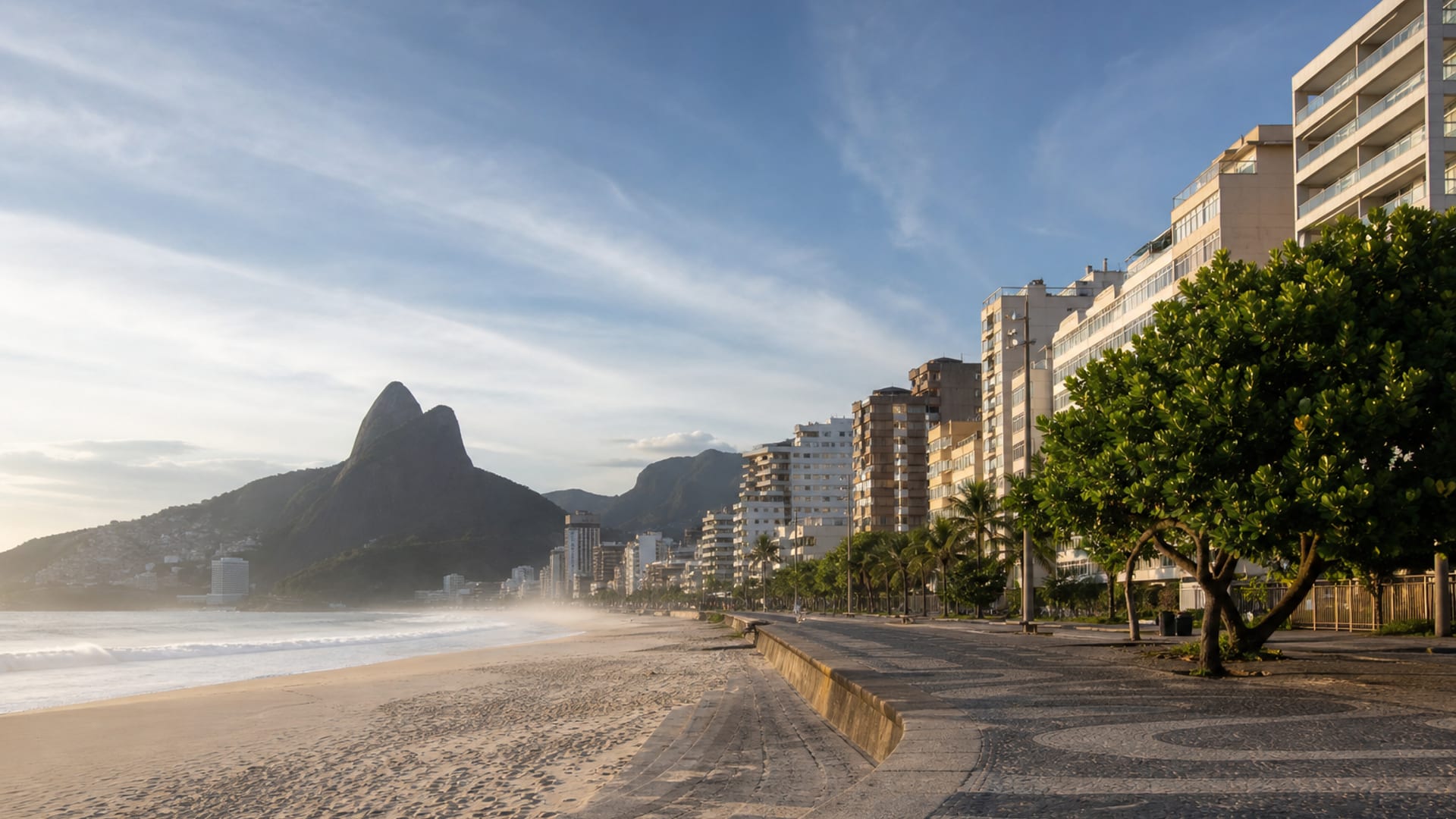
Upscale beach neighborhood with a dense mix of cafes, restaurants, and boutique hotels. It works well for visitors who want a polished seaside base with strong access to both the beach and the lagoon side of the city.
Best for: Beach days, dining, shopping, and travelers who want an upscale neighborhood feel
What to expect: Full sidewalks, fashionable bars, and a busy beach scene that peaks at sunset and on weekends
Hotel prices: Usually about $120 to $300 per night for well-rated stays
Distance to major sights: About 20 minutes by taxi to Copacabana, about 30 minutes by taxi to Sugarloaf Mountain
Quietness: Calmer in the morning and louder at night, especially near the main beach blocks and restaurant streets
Main trade-off: Rates are often higher than in nearby districts, and the best-located streets can stay lively late
Good to know: Book early for summer and holiday dates, since the best small hotels sell out faster than in neighboring areas

Well-connected residential district between the beaches and the center, with a wide range of restaurants and metro links. It is a smart choice for travelers who want easier movement across the city without staying in the most expensive beachfront blocks.
Best for: Metro access, lower hotel rates than the beachfront, and travelers who plan to move across the city
What to expect: Everyday neighborhood life, busy avenues, casual bars, and a more local pace than the beach districts
Hotel prices: Usually about $70 to $180 per night for well-rated stays
Distance to major sights: About 10 minutes by taxi to Sugarloaf Mountain, about 20 minutes by metro and taxi to Copacabana
Quietness: Lively during the day, then quieter on residential side streets after dinner
Main trade-off: You give up direct beach access, so you will rely more on taxis or the metro for the main shoreline sights
Good to know: If you want to split time between the beach and downtown, the metro here makes that much easier than in the more isolated seaside blocks
Travelers usually avoid staying in Santa Cruz, Campo Grande, and Bangu, which sit far from Rio de Janeiro’s main sights and major beach areas, and can mean long cross-town trips for Corcovado, Sugarloaf, and Ipanema. Parts of the Centro area are also less convenient at night, because many streets empty out after business hours and visitor amenities are limited outside the main daytime blocks.
Hotel deals
How to get around Rio de Janeiro efficiently
Rio’s MetroRio, VLT, buses, taxis, and ride-hail all solve different parts of the city, so the best day often starts with choosing the right one for the distance, not the destination alone.

<strong>VLT</strong>
for downtown connections
Rio de Janeiro’s MetroRio links the airport district by combining Line 2, the Airport Bus to the stations, and direct connections for Copacabana, Ipanema, and the downtown core; single rides cost about $1 to $1.50 (roughly R$5 to R$7), and rides usually take about 20 to 40 minutes once you are on the rail network. Trains run roughly 5:00 am to midnight on weekdays, with shorter weekend hours, and fares use a rechargeable card or contactless payment at many gates.

Bus
for wider coverage
City buses cover the widest area, including the airport zone, Barra da Tijuca, the South Zone, and central neighborhoods, while the VLT light rail connects Santos Dumont Airport, the port district, and downtown stops; fares are about $1 to $1.50 (roughly R$5 to R$7) for buses and about the same for the VLT, with tickets valid for one trip unless you buy a timed transfer product. Use the VLT for short downtown hops and buses for places the metro does not reach, but check the route number and destination sign before boarding because several corridors share stops.

Taxi
for late hours
Licensed yellow taxis use the meter in most of Rio de Janeiro, with daytime city trips often costing about $6 to $18 (roughly R$30 to R$90) and airport runs higher, while app-dispatched cars usually quote a fixed price before pickup. At Rio de Janeiro/Galeão (GIG) and Rio de Janeiro/Santos Dumont (SDU), official taxi desks offer set fares to common neighborhoods, and you can pay by cash or card in many vehicles, though cash is still the safer backup.
*Prices are based on rates updated as of June 2026 and may change at the time of travel.
Use the metro for the South Zone, buses or the VLT for wider coverage, and taxis or ride-hail when you are crossing hills, climbing to Santa Teresa, or heading to the airports with luggage.
Iconic landmarks

Christ the Redeemer
Ride the Corcovado train or road vans to Rio’s most famous lookout, where the Christ the Redeemer statue stands on a granite peak above the city. Clear mornings give the widest sweep over Guanabara Bay, Sugarloaf Mountain, and the beaches.
Time needed: About 2 to 3 hours
Entry: Tickets for the train or licensed vans cost $20 to $28 (R$100 to R$140), depending on season, route, and whether you add transport from Cosme Velho Visit the official site for details.
Tip: Go early for clearer views and shorter queues at the summit.

Sugarloaf Mountain
Take the cable car from Urca to Sugarloaf Mountain for a two-stage ascent and broad views over Rio, Flamengo Bay, Copacabana, and the entrance to Guanabara Bay. Sunset draws the biggest crowds, but midday often offers clearer light.
Time needed: About 2 to 3 hours
Entry: Cable car tickets cost $30 to $38 (R$150 to R$190) for adults, with lower rates for children, seniors, and residents on selected days Visit the official site for details.
Tip: Arrive before sunset if you want time for both cable-car stages and photos.
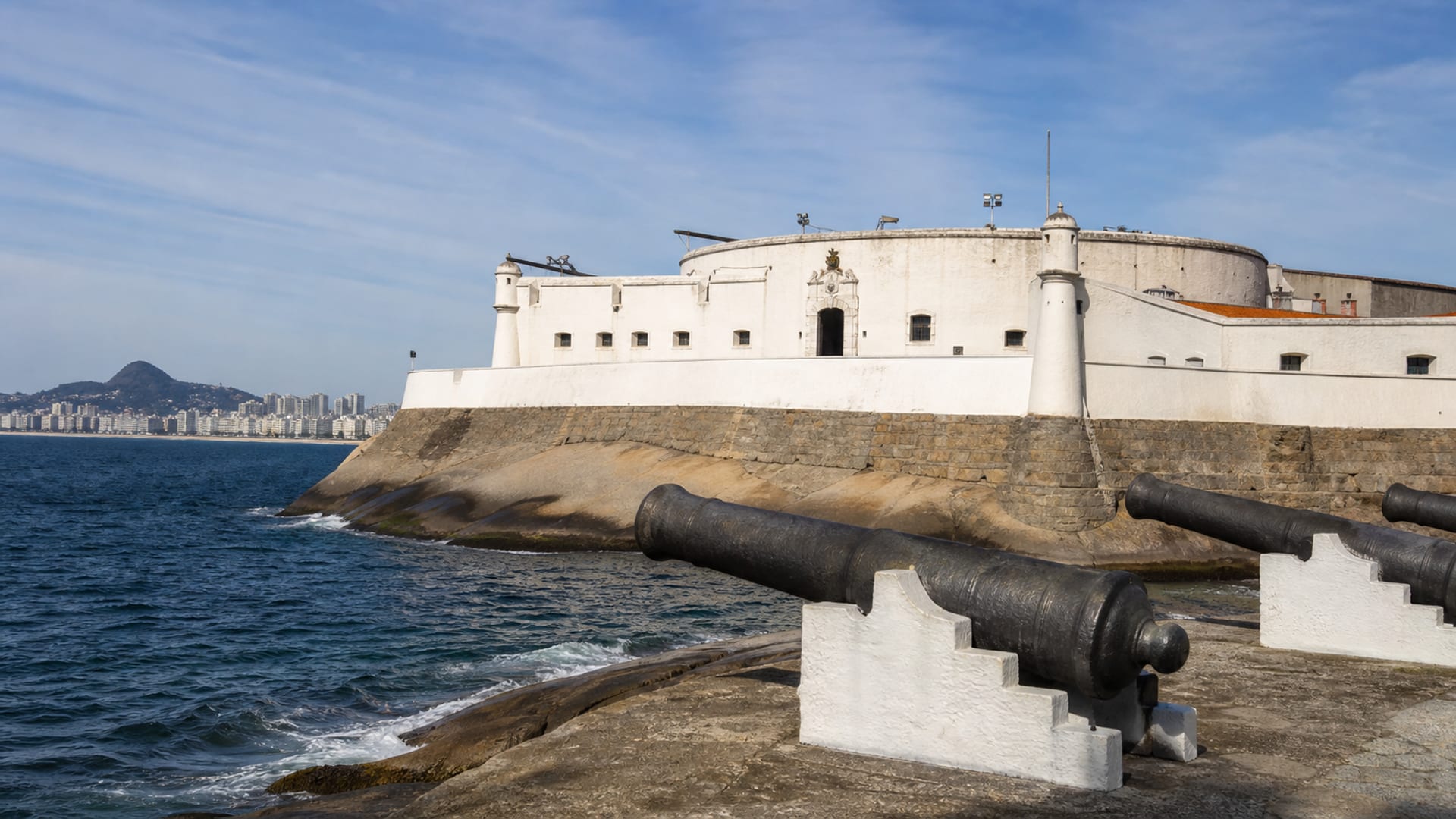
Copacabana Fort
At the eastern end of Copacabana, this small military fort pairs historic guns and tiled courtyards with a direct view of the bay and beach. The attached cafe and pavement tables make it an easy stop before or after a walk on the promenade.
Time needed: About 1 to 2 hours
Entry: Tickets cost $4 to $6 (R$20 to R$30) per adult, with reduced rates for students, seniors, and eligible military personnel Visit the official site for details.
Tip: Visit late afternoon, then stay for coffee with a view over the bay.
Overlooked sites worth visiting

Parque Natural Municipal de Marapendi
A long coastal reserve with boardwalks, lagoon edges, and resting herons, it gives Barra da Tijuca a quieter nature break. Use the trails for short birdwatching loops or an easy bike pause.
Time needed: About 1 to 2 hours
Entry: Free to access, with no ticket required for the trails and boardwalks. Bring water, insect repellent, and sun protection; some access points are more convenient by taxi or ride-hail than by bus.
Tip: Go early for cooler air and more active birdlife.

Museu Chácara do Céu
This hillside house museum in Santa Teresa pairs modern art, decorative interiors, and city views in a compact visit. The collection includes works by Di Cavalcanti, Debret, and Portinari, with small gardens outside.
Time needed: About 1 hour
Entry: Standard admission is about $5 to $7 (about R$25 to R$35), with occasional reduced rates for students and seniors. Check the museum schedule before going, since opening days and exhibition hours can change with maintenance or special events Visit the official site for details.
Tip: Combine it with a late-morning walk through Santa Teresa.
Traditional food

Rio’s table leans on beans, cassava, seafood, cheese, and slow-cooked meat, with feijoada, pão de queijo, acarajé, and moqueca appearing across casual lunches and long dinners. Beachside meals and neighborhood grills both matter here.
Feijoada
This black bean and pork stew anchors a long lunch, usually served with rice, greens, farofa, and orange slices. Bar do Mineiro in Santa Teresa is a classic Rio address for it.
Pão de queijo
These warm cheese breads work as a snack or breakfast bite, with a crisp shell and a soft, stretchy center. Confeitaria Colombo in downtown Rio serves a well-known version in an elegant old setting.
Acarajé
This Bahian fritter of black-eyed peas is fried in dendê oil and often filled with shrimp, vatapá, and hot sauce. Casa da Acarajé in Rio de Janeiro is a dependable place to try it.
Moqueca
Moqueca brings fish or shrimp together with coconut milk, tomatoes, onions, and cilantro in a fragrant stew. Bar do Horto in Jardim Botânico is a strong Rio setting for a seafood version.
Best time to visit Rio de Janeiro
Rio’s best months balance beach weather, clearer hilltop views, and crowd levels that change sharply between school holidays, Carnival, and the main summer stretch.
Best for: Beach days, long evenings, and high-energy city life
What you get: About 77 to 90°F (25 to 32°C), with heavy crowds on the beaches and in the main sightseeing zones
Trade-offs: Heat, humidity, and the busiest hotel dates of the year
Best for: Clearer skies, easier sightseeing, and good swimming weather
What you get: About 70 to 86°F (21 to 30°C), with lighter crowds after the summer peak
Trade-offs: Some rain still passes through, especially in March
Best for: Hilltop views, city walks, and lower humidity
What you get: About 63 to 81°F (17 to 27°C), with smaller crowds and comfortable daytime conditions
Trade-offs: Evenings can feel cool enough for a light layer
Best for: Balanced weather, strong value on stays, and easier pacing before summer
What you get: About 68 to 84°F (20 to 29°C), with moderate crowds outside holiday weekends
Trade-offs: Sudden showers can still interrupt outdoor plans
A realistic 5-day plan in Rio de Janeiro
Five days gives Rio enough room to separate the big landmarks from the quieter corners. The plan below starts with arrival and the South Zone, then moves through Corcovado, Sugarloaf, Santa Teresa, Marapendi, and one last slow day before you leave.
Land at Rio de Janeiro (GIG) or Rio de Janeiro (SDU), then take a taxi or ride-hail into Copacabana or Ipanema, which usually costs about $10 to $20 from Santos Dumont (SDU) and about $20 to $35 from Galeão (GIG), with the ride taking roughly 20 to 35 minutes from SDU and about 45 to 70 minutes from GIG depending on traffic. Settle into a hotel on a side street or a higher floor in Copacabana if you want easier sleep, then drink water, walk the promenade for a short stretch, and have an early dinner near Avenida Atlântica, where seafood grills and simple neighborhood restaurants make an easy first meal.

Start with Christ the Redeemer in the morning, since the clearer light usually arrives before the crowds build, and plan on about 2 to 3 hours for the train or licensed van ride and the summit visit. From Copacabana, the trip to Cosme Velho takes about 20 to 30 minutes by taxi, then continue by train or road van to the top; after returning, head to Copacabana Fort, which sits about 10 to 15 minutes away by taxi from much of Copacabana and works well for a late-afternoon coffee stop on the bay. Finish with a walk back along the beach and dinner near the eastern end of Copacabana, where the fort and promenade give the day a clear coastal anchor.

Begin in Urca with Sugarloaf Mountain, arriving before sunset if you want time for both cable-car stages and photos, then plan roughly 2 to 3 hours for the full visit. If you are staying in Copacabana, the taxi ride to the base takes about 15 minutes, and from there the two-stage ascent opens wide views over Flamengo Bay, Guanabara Bay, and the Atlantic shoreline. After you come back down, stay in Botafogo for dinner, about 10 to 15 minutes by taxi from Urca, so you can end the night with a shorter ride and an easy metro link back to your hotel.

Santa Teresa sets up a different pace, so begin with Museo Chácara do Céu, which takes about 1 hour and sits well for a late-morning visit after a taxi up the hill from downtown or Botafogo. Pair that with a walk through the neighborhood, then continue to Parque Natural Municipal de Marapendi later in the day if you want a change of scene and a few quiet boardwalk hours among lagoon edges and birdlife; from the south zone, the trip to Barra da Tijuca usually takes about 30 to 45 minutes by taxi depending on traffic. Bring water and sun protection, since the reserve has open paths and little shade in parts, then return to Ipanema or Copacabana for dinner near the beach.

For a final day, start with a slower museum stop if your flight leaves later, then spend the rest of the afternoon in Ipanema browsing boutiques and stopping for one last coffee near the beach blocks or the lagoon side streets. If you stayed in Botafogo, that is an easy base for a final lunch and a short metro ride to shopping elsewhere in the south zone, while visitors in Copacabana can stay close to the shoreline and avoid cross-city backtracking. Book a late snack or dessert in a neighborhood cafe, then head to the airport with enough margin for Rio traffic, especially if you are leaving from Rio de Janeiro (GIG).

Business-class flights from the US to Rio de Janeiro

If you are flying in from the United States, Rio usually fits either a nonstop from the East Coast or a one-stop itinerary from Los Angeles. The better choice often comes down to departure timing, layover length, and how much you want to pay for a shorter journey.
From New York, American Airlines, Delta Air Lines, LATAM Airlines, United Airlines, Copa Airlines, and Avianca all appear on common itineraries, and nonstop flights take about 10 to 11 hours. One-stop options often connect through PTY, BOG, GRU, MIA, or MAD, with layovers of about 13 to 18 hours overall. Round-trip fares usually start from $2,200 and can climb to about $5,500.
Los Angeles itineraries usually route through SCL, LIM, GRU, PTY, or BOG, and the full trip takes about 14 to 20 hours. Delta Air Lines, LATAM Airlines, American Airlines, United Airlines, Air Canada, and Copa Airlines all show up on the market, and round-trip fares generally run from $2,400 to $6,000.
Rio de Janeiro feels different when you slow down
A well-planned Rio trip usually means pairing the South Zone with the city’s higher ground, then using taxis, the metro, or the VLT to avoid wasting time on cross-town backtracking. That might mean a morning at Christ the Redeemer, a late coffee at Copacabana Fort, and dinner in Botafogo after Sugarloaf. If you want help turning those pieces into a flight-ready itinerary, ask the AranGrant experts for a Rio plan built around your dates and neighborhood choices