

Chapters:

Need help with your trip?
Our support team is available 24/7. Request a callback or call us directly at (833) 619-0908
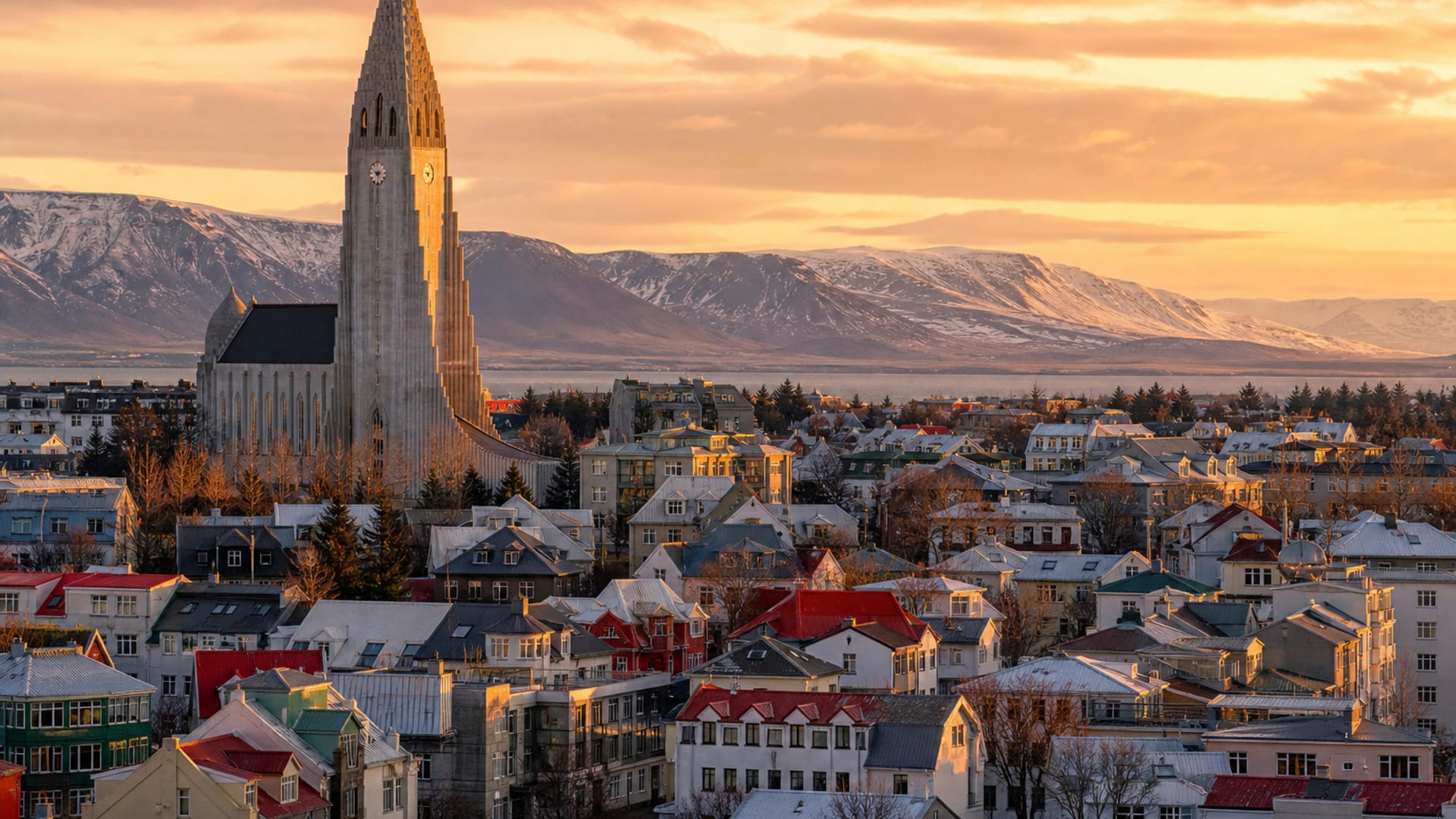
Reykjavík trips often begin with the same loop, downtown check-in, a quick pass at Hallgrímskirkja, Harpa, and a harbor dinner, while the quieter neighborhoods and museum stops get little attention.
That pattern can leave visitors spending more time crossing the same central blocks than actually seeing the city. Distances are short, but winter weather, limited transit, and dispersed sights still shape each day.
This guide lays out Reykjavík in a clearer order, with neighborhoods, transport, food, weather, and flights grouped so you can match the city to the time you have.
Useful things to know

Main language(s): Icelandic
Halló (HAH-loh) – Hello
Vinsamlegast (VIN-sam-leh-gast) – Please
Takk (tahk) – Thank you
Talarðu ensku? (TAH-lar-thu EN-sku) – Do you speak English?
Hvað kostar þetta? (kvath KOS-tar thet-ta) – How much does it cost?

Currency: The local currency is the Icelandic krona (ISK, kr).

Cash and cards: Cards and contactless are widely accepted; carry about ISK 1,000 to 2,000 ($7 to $14) in cash.

Tipping: Tipping is not expected; round up or leave a little for exceptional service.

Traditional food: Lamb soup, Icelandic hot dog, fermented shark, skyr

Water and coffee costs: Water about ISK 300 to 500 ($2 to $4), bar espresso about ISK 500 to 700 ($4 to $5).

Taxis and ride apps: Uber and Lyft do not operate here; use local taxis or book ahead through hotel or dispatcher.

Plug and voltage: Type C/F socket, 230V

Dining and shop opening hours: Breakfast is about 07:00-10:00, lunch 11:30-14:00, and dinner 18:00-21:00. Some kitchens close earlier on Sundays and in smaller neighborhoods.

Emergency number: 112 for police, fire, and ambulance.
Where to stay in Reykjavík
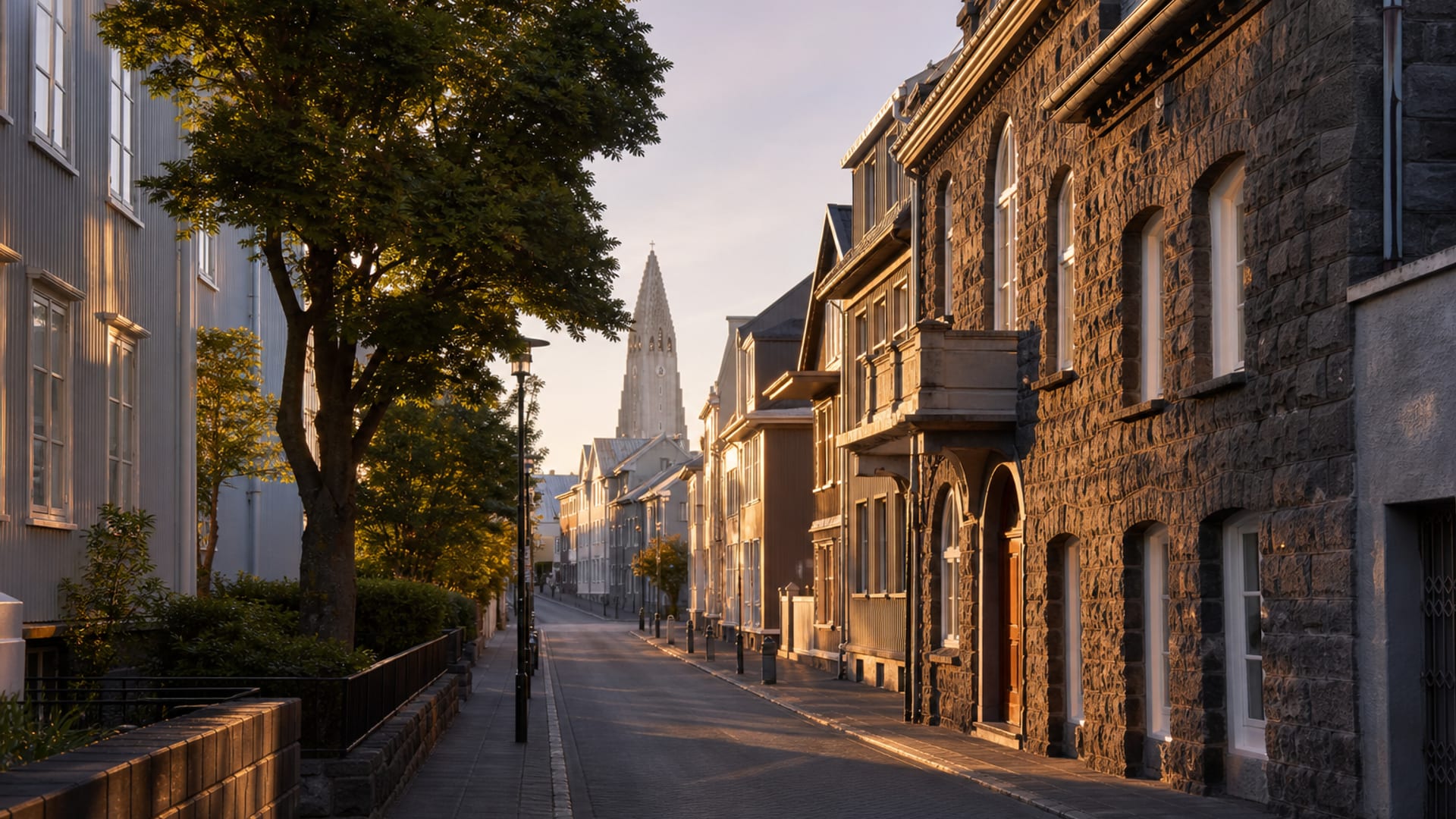
Reykjavík’s compact downtown puts shops, restaurants, museums, and the harbor within an easy walk of one another. It suits travelers who want the city’s main sights, dinner options, and tour departures close at hand.
Best for: First-time visits, walking to sights, and easy access to restaurants and tour departures
What to expect: Busy sidewalks by day, especially on weekends; evenings stay active near bars and dining streets, with heavier foot traffic close to the main squares.
Hotel prices: Usually about $200 to $380 per night for well-rated stays
Distance to major sights: 5 to 15 minutes on foot to Hallgrímskirkja, about 10 minutes on foot to Harpa
Quietness: Daytime can be lively and traffic can build near the main streets; evenings are louder near nightlife blocks, while side streets settle earlier.
Main trade-off: Central locations cost more, and rooms near the busiest streets can pick up late-night noise.
Good to know: If you plan to join tours or dine out after dark, this area cuts down on taxi use, but parking is limited and expensive.
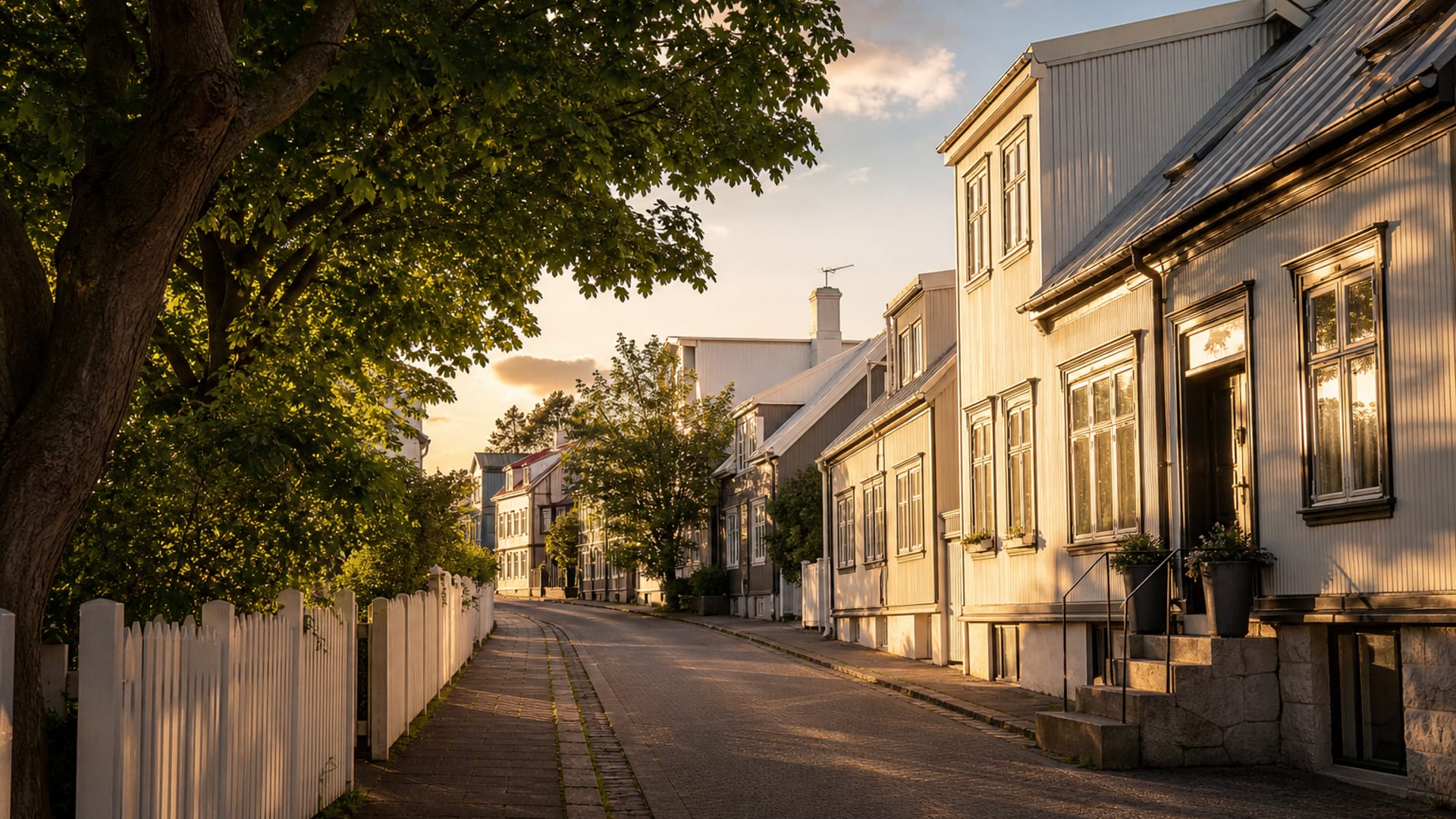
West of the old center, Vesturbær is a residential district with local cafés, swimming pools, and a lower-key street layout. It matters because it gives you a quieter base while keeping downtown close enough for daily walks or short bus rides.
Best for: Longer stays, quieter evenings, and travelers who prefer a residential base with easy downtown access
What to expect: Mostly local life, with dog walkers, school runs, and café traffic rather than a constant visitor flow; the mood stays calm outside the main roads.
Hotel prices: Usually about $170 to $320 per night for well-rated stays
Distance to major sights: 15 to 25 minutes on foot to Harpa, about 10 minutes by bus to Hallgrímskirkja
Quietness: Daytime is calm except near neighborhood shops and schools; evenings are notably quieter than downtown.
Main trade-off: You gain more space and less noise, but you will spend extra time getting to late dinners and some tour departures.
Good to know: Some streets sit on hills or farther from the center, so check the walk to your accommodation if you are arriving with luggage.
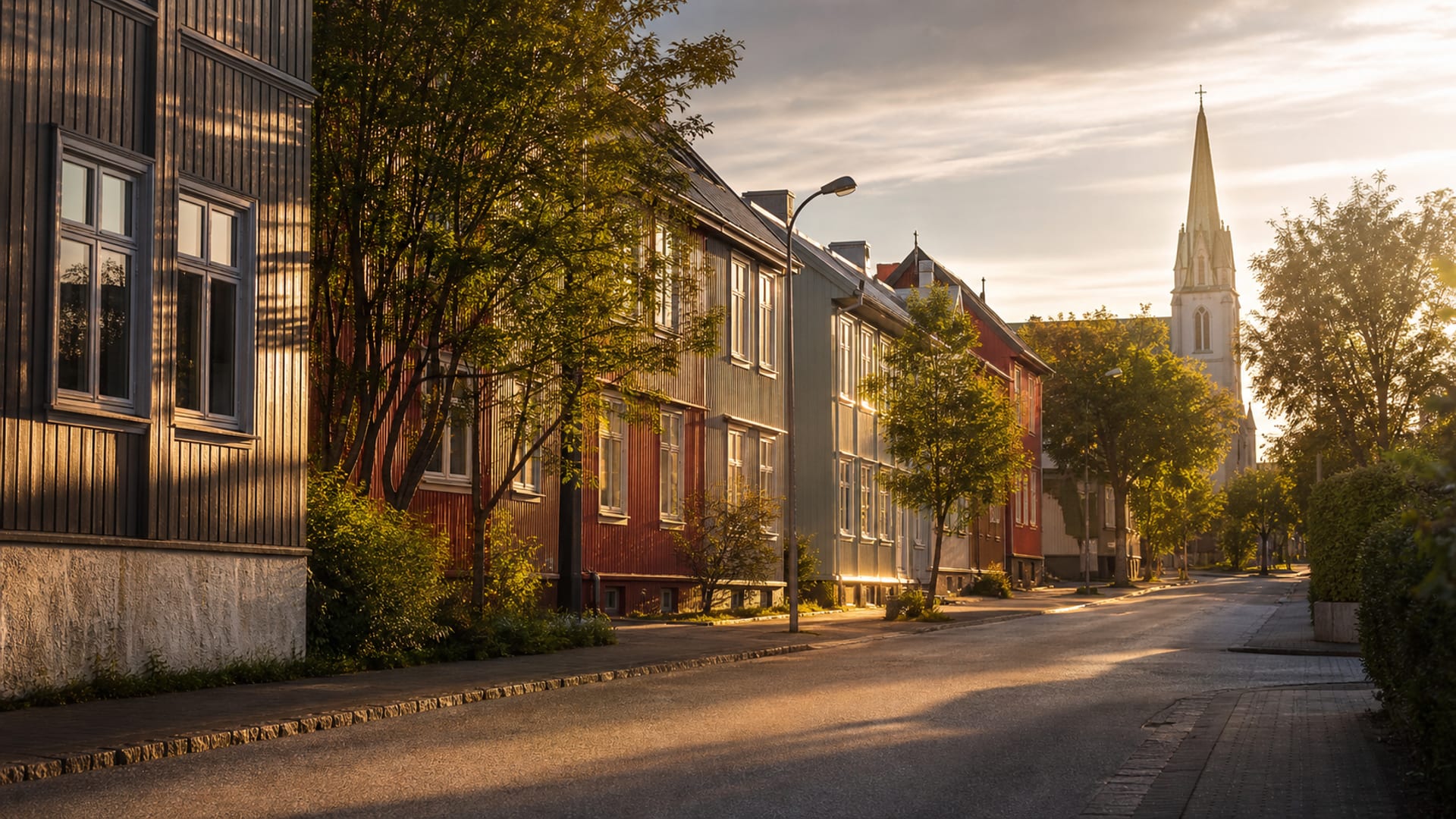
Laugardalur sits inland northeast of downtown and clusters sports facilities, the city zoo, pools, and larger hotels. It matters for travelers who want easier parking, family attractions, and a less dense setting than the core.
Best for: Families, car travelers, and visitors who want pools, parks, and larger hotel options
What to expect: More spread out than the center, with steady local movement near the pool and sports complex and much less evening activity on side streets.
Hotel prices: Usually about $160 to $300 per night for well-rated stays
Distance to major sights: 10 to 15 minutes by bus to Hallgrímskirkja, about 20 minutes by bus to Harpa
Quietness: Daytime can be active near the pool, stadium, and family attractions; evenings are generally quiet once those venues close.
Main trade-off: You will usually rely on buses or taxis to reach the main dining and nightlife streets, and the area feels less walkable for sightseeing.
Good to know: If you are renting a car, this area makes parking simpler than in the center, but you will not have many late-night options within a short walk.
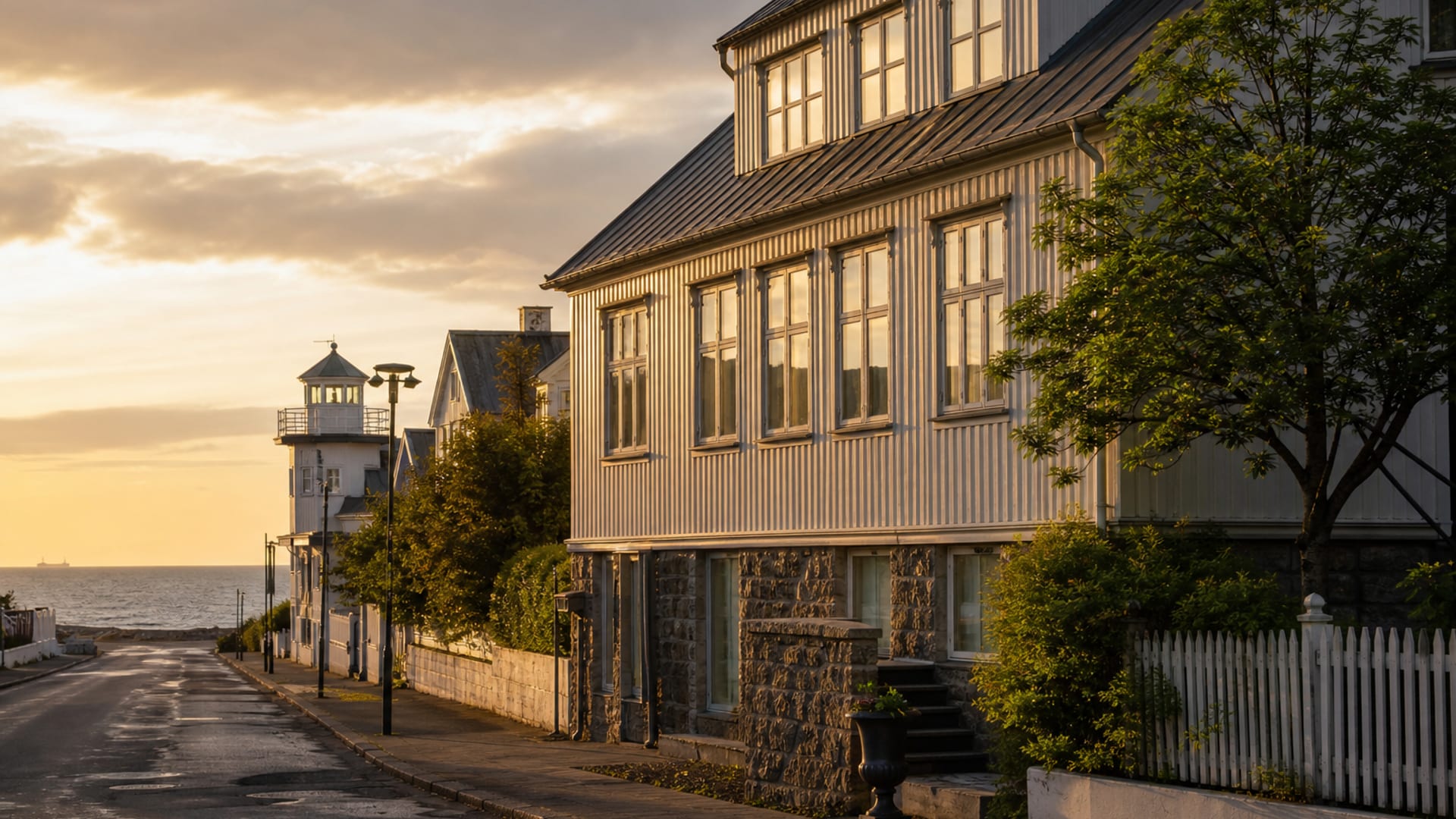
Seltjarnarnes is a coastal municipality immediately west of Reykjavík, with low-rise housing, shoreline paths, and wide sea views. It matters if you want a residential setting near the city, especially for walks, birdlife, and easy access to the western waterfront.
Best for: Quiet stays, coastal walks, and travelers who do not mind a short ride into downtown
What to expect: Local streets, sea-facing paths, and few crowds outside peak walking times; restaurants and nightlife are limited compared with central Reykjavík.
Hotel prices: Usually about $170 to $330 per night for well-rated stays
Distance to major sights: 15 to 25 minutes by bus to Hallgrímskirkja, about 20 minutes by bus to Harpa
Quietness: Daytime is peaceful except along popular waterfront paths; evenings are very quiet in most residential streets.
Main trade-off: The setting is attractive and calm, but dining choices are limited and you will depend on transit or taxis for most evenings out.
Good to know: Check winter road conditions if you plan to come and go by car, since sea breezes and ice can make the shoreline feel more exposed.
Travelers usually avoid staying in Breiðholt, Árbær, and Grafarholt because they sit well outside the compact center, with fewer visitor amenities and longer evening trips back from the main sights. The same goes for industrial stretches around Vatnsmýri near Reykjavík Airport (REK), which are close to the city but have limited hotel stock and little to do on foot after dark.
Hotel deals
How to get around Reykjavík efficiently
Reykjavík has no metro, so city buses, taxis, and walking do the work, with Strætó covering the main corridors and airport coaches linking the center to Reykjavík Airport (REK).

Airport shuttle
for airport transfers
Reykjavík has no metro, so visitors rely on buses, taxis, and walking; the closest thing to a rail option is none, because the city and airport area do not have a suburban train network. For cross-town trips, plan on surface transport and note that distances stay short, though winter weather can make even brief rides more useful than they look on a map.

Bus
for city and cross-town trips
Strætó runs the bus network across Reykjavík and the wider capital area, with many key stops on or near Hlemmur, Lækjartorg, and the main corridors toward the suburbs. A single fare is about $5 ($700 ISK) and is valid for 75 minutes, with mobile payment or exact-fare options depending on how you board; Airport Express and similar coaches connect Reykjavík with Reykjavík (KEF), while regular city buses do not serve the airport directly.

Taxi
for convenience or late hours
Licensed taxis in Reykjavík use meters rather than set city fares, and they are normally hailed at ranks, by phone, or through apps rather than from the street in the busiest areas. A short city trip often costs about $15 to $25 ($2,100 to $3,500 ISK), while Reykjavík (KEF) to central Reykjavík is roughly $130 to $160 ($18,000 to $22,000 ISK), with card payment widely accepted.
*Prices are based on rates updated as of June 2026 and may change at the time of travel.
Walk for the center, use buses for cross-town hops, and take taxis when weather, luggage, or late dinners make the trip more direct.
Iconic landmarks
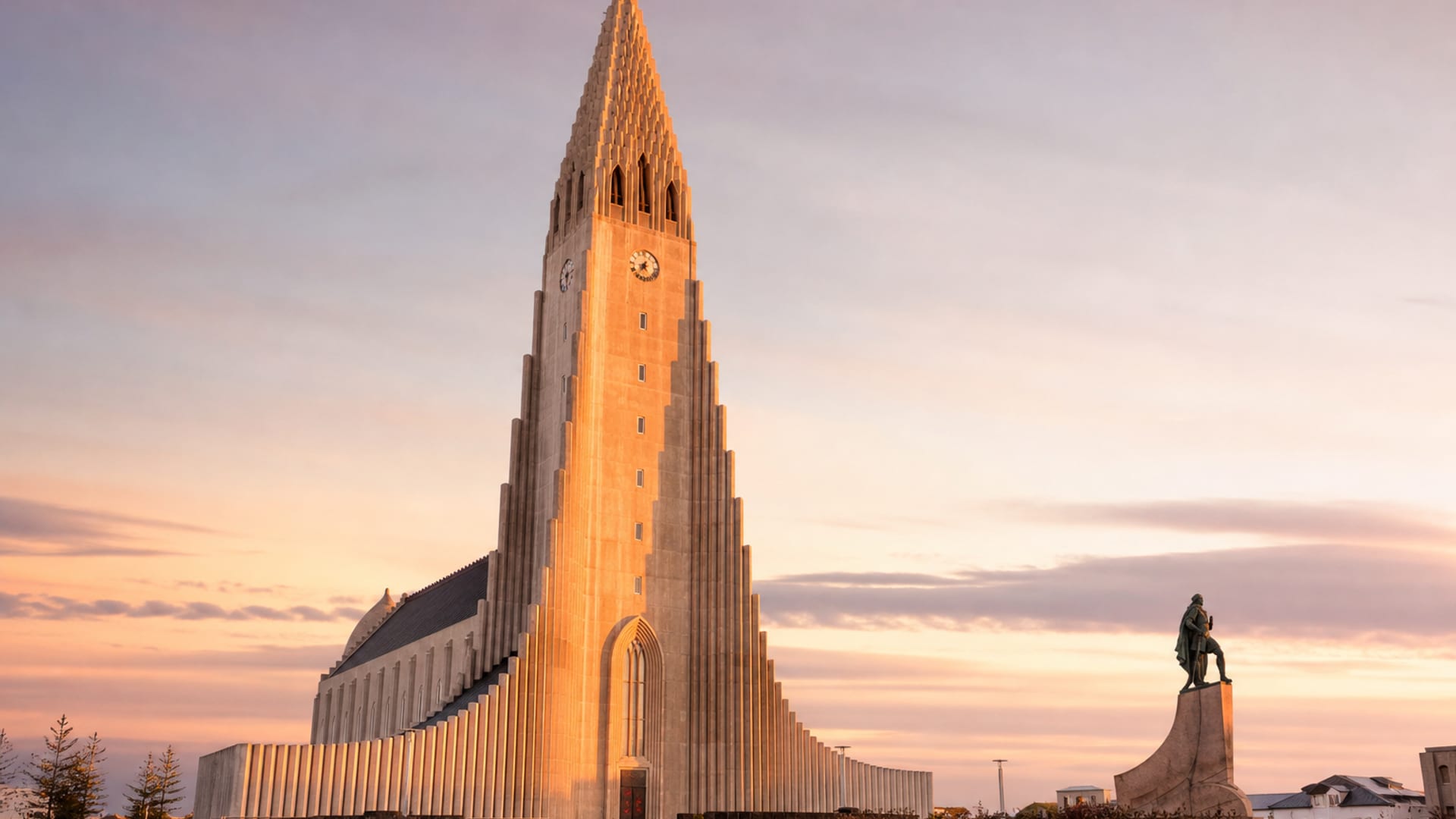
Hallgrímskirkja
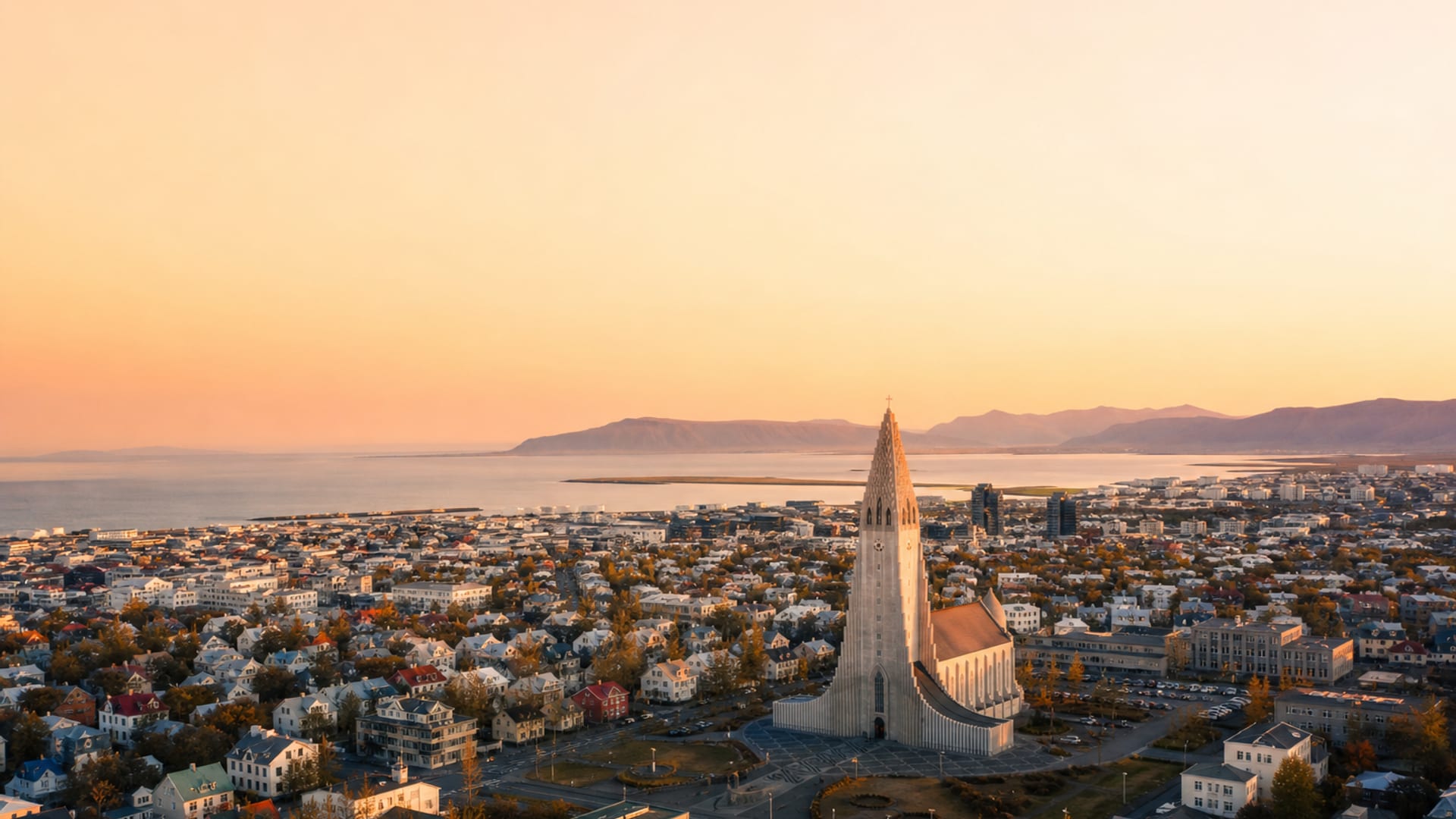
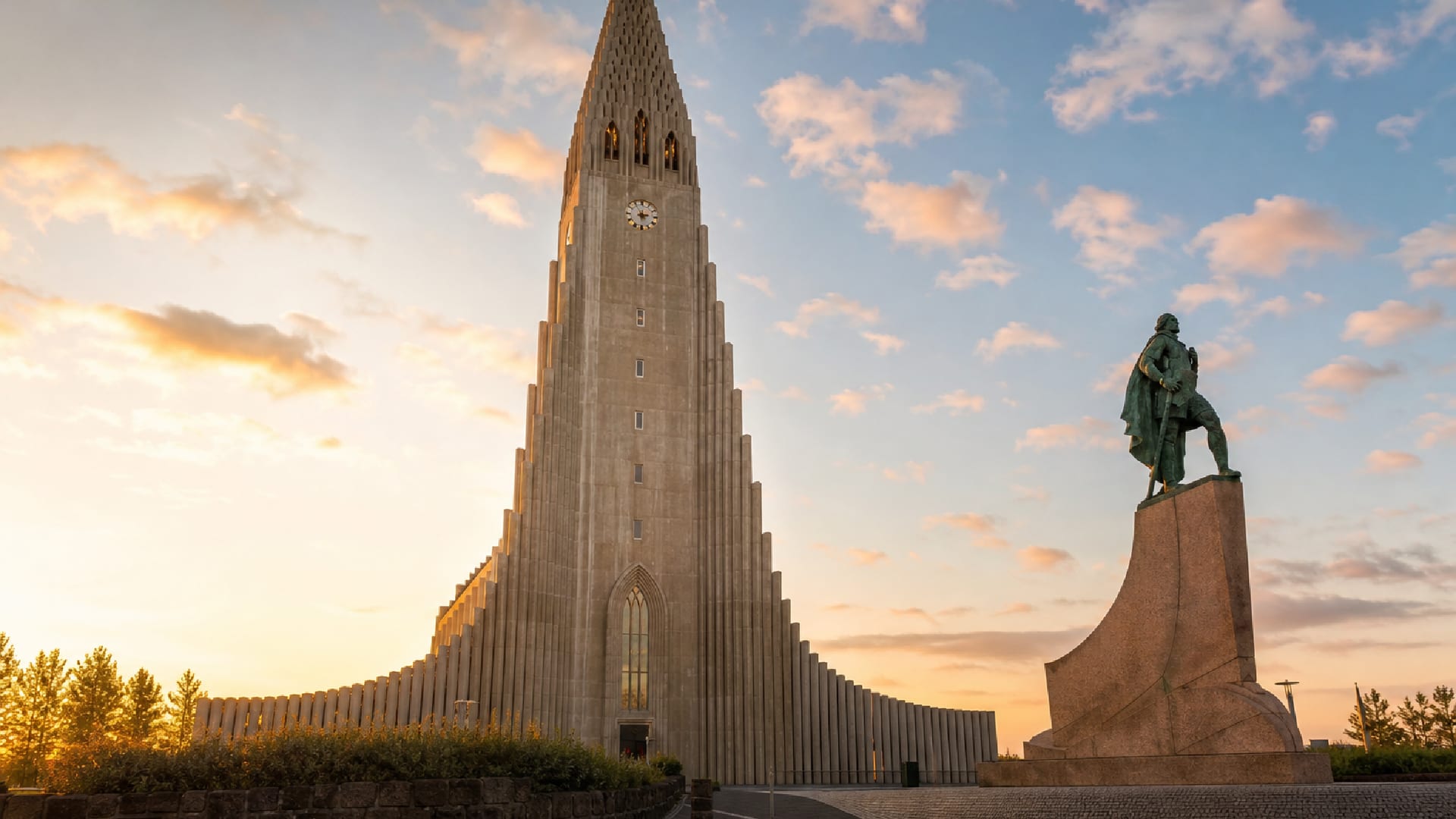
Reykjavík’s skyline anchor, Hallgrímskirkja rises above the city in concrete spires inspired by basalt columns. Ride the tower elevator for wide views over the harbor, colored roofs, and Mount Esja on clear days.
Time needed: About 45 to 75 minutes
Entry: Church entry is free; tower admission is about $10 ($1,400 ISK) for adults, with reduced rates for children and seniors Visit the official site for details.
Tip: Go near sunset for the tower view, when the rooftops and bay light up clearly.
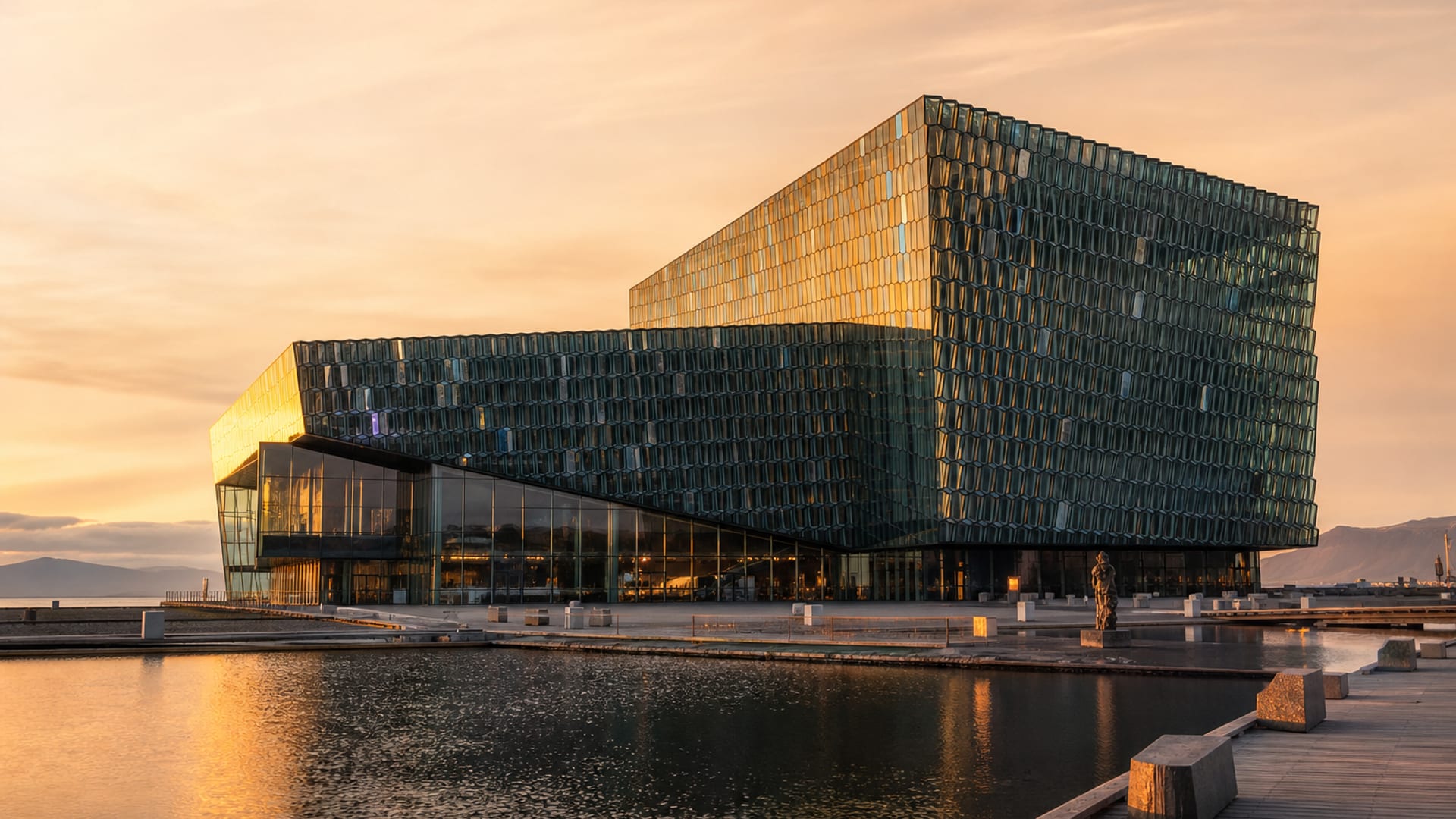
Harpa Concert Hall
Harpa fronts Reykjavík’s old harbor with a glass facade by Henning Larsen and Ólafur Elíasson. Its faceted surface catches the light from every angle, and the ground-floor halls are open to visit even without a performance.
Time needed: About 30 to 60 minutes
Entry: The public areas are free to enter; concerts and events are ticketed separately, with prices varying by program and seat Visit the official site for details.
Tip: Visit in late afternoon, when the facade reflects the harbor and the sky best.
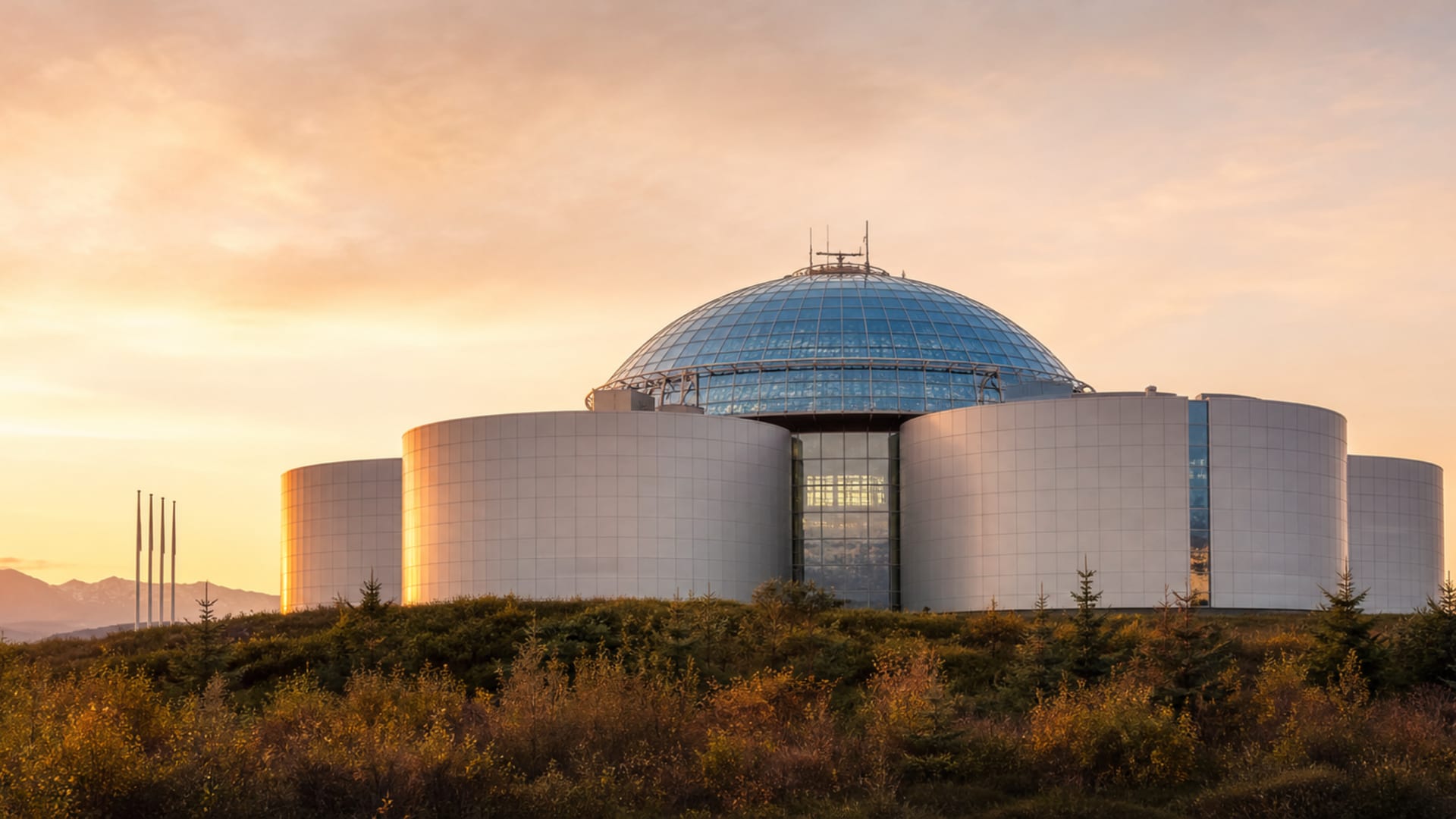
Perlan
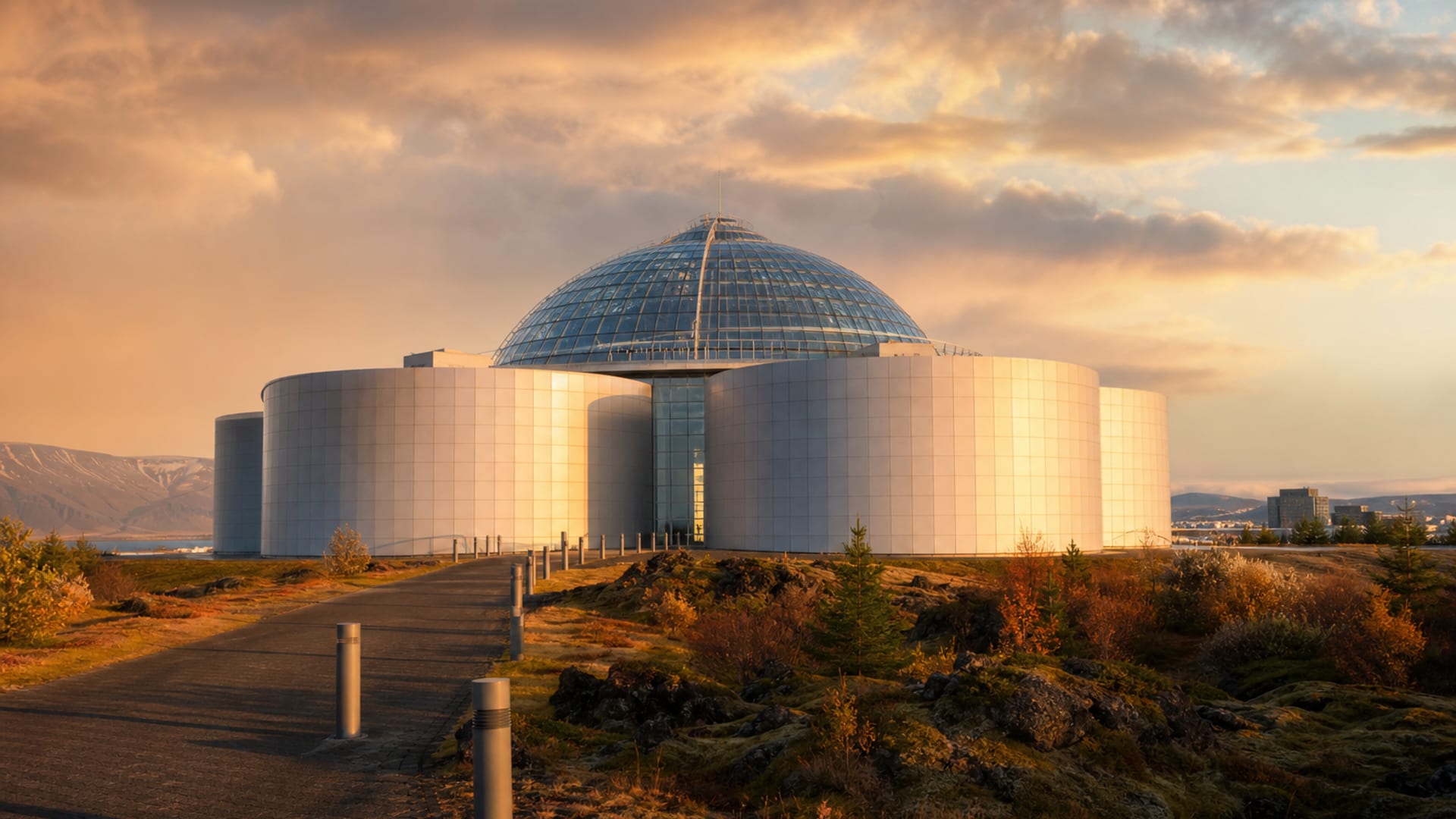
Perlan sits on Öskjuhlíð hill and combines a glass dome with exhibits on Iceland’s geology, glaciers, and northern lights. The observation deck gives a clear sweep over Reykjavík, Faxaflói Bay, and the hills beyond.
Time needed: About 2 to 3 hours
Entry: Standard admission costs about $35 ($4,990 ISK) for adults, with lower prices for children and seniors; combo options cost more Visit the official site for details.
Tip: Start with the exhibits, then head up when the weather clears for the widest bay view.
Overlooked sites worth visiting

Árbær Open Air Museum
A cluster of turf, timber, and corrugated-iron buildings shows how Reykjavík households changed from farmstead to town. Costumed staff and furnished rooms give the site clear social and domestic context.
Time needed: About 1.5 to 2.5 hours
Entry: Adult admission is about $18 ($2,500 ISK), with reduced rates for children, students, and seniors. Family tickets and seasonal opening hours vary, so check the museum calendar before you go Visit the official site for details.
Tip: Visit before noon for fewer tour groups.

The Einar Jónsson Museum
This compact sculpture museum displays symbolic works by Iceland’s first major sculptor, plus a small garden of bronze pieces. The rooftop terrace adds close views over the Hallgrímskirkja area.
Time needed: About 1 hour
Entry: Adult admission costs about $12 ($1,650 ISK); reduced tickets are available for students and seniors, and children under 17 enter free. The museum sells combined tickets with the sculpture garden on select days Visit the official site for details.
Tip: Go on a bright day, the terrace and garden show best in good light.
Traditional food
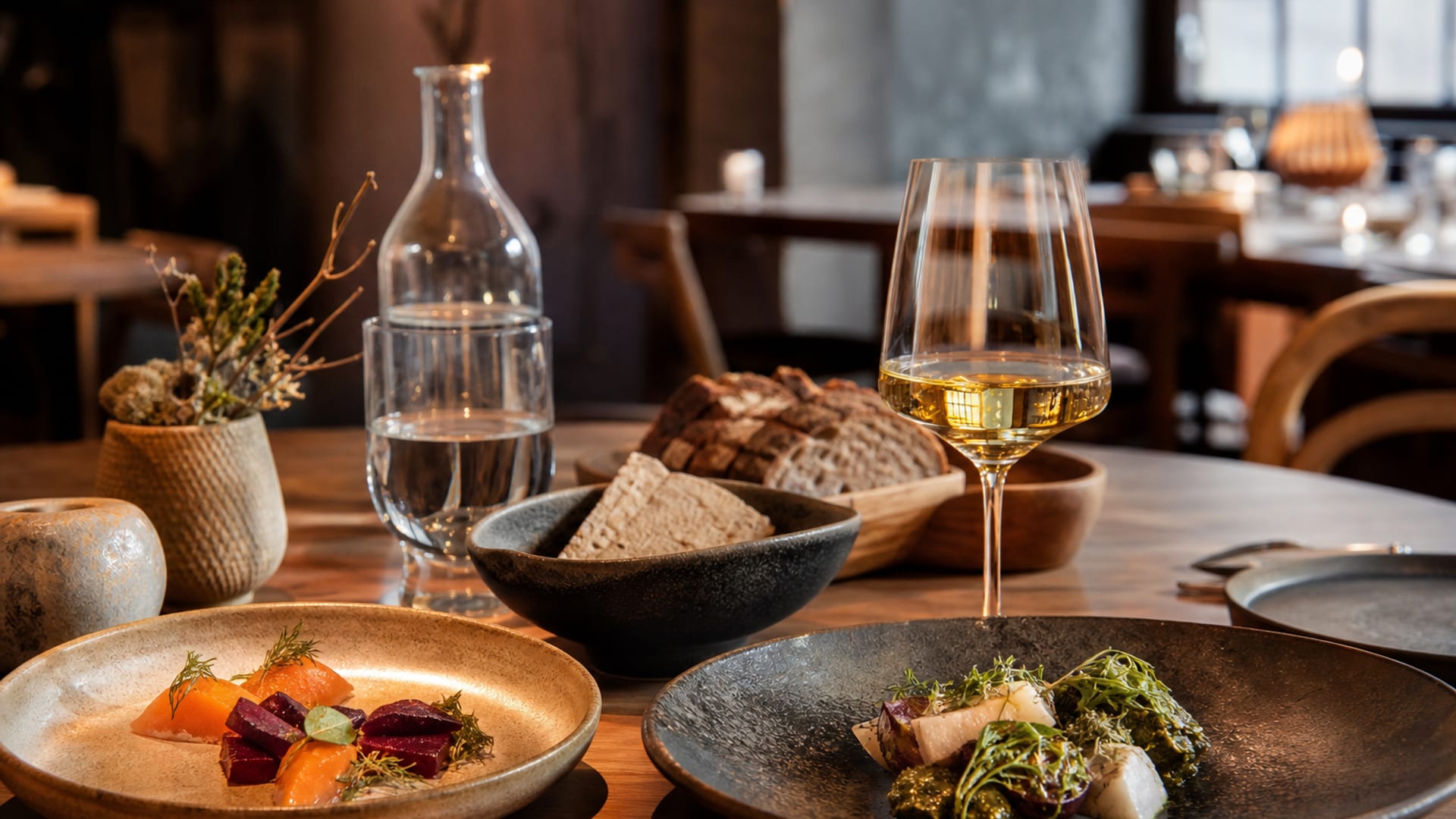
Reykjavík cooking leans on lamb, fish, skyr, hot dogs, and other cold-climate staples, with soups and slow-cooked plates appearing often in casual dining rooms and café lunch counters.
Lamb soup
This comforting broth usually pairs tender lamb with vegetables and herbs, making it a winter staple and a good first meal in Reykjavík. Matur og Drykkur serves a widely praised version that draws on traditional Icelandic cooking.
Icelandic hot dog
The Reykjavík version uses a lamb-based sausage with crisp onions, raw onions, ketchup, sweet mustard, and remoulade. Bæjarins Beztu Pylsur near the old harbor is the city’s best-known stop for it.
Fermented shark
This is the city’s most notorious specialty, served in small cubes for diners who want a direct taste of old preservation methods. Café Loki, across from Hallgrímskirkja, is a standard place to try it alongside more approachable Icelandic dishes.
Skyr
Thick and tangy, skyr appears as breakfast, dessert, or a snack, often with berries, cream, or honey. Skál! on the downtown edge often works it into desserts and brunch plates with a modern touch.
Best time to visit Reykjavík
Reykjavík changes most by light and wind, with long summer days, shoulder-season calm, and winter conditions that reward a tighter plan.
Best for: Museums, café time, and early harbor walks
What you get: About 32 to 50°F (0 to 10°C), with lighter crowds than summer and changeable weather
Trade-offs: Snow, rain, and wind can still interrupt outdoor plans
Best for: Long daylight, easy sightseeing, and day trips
What you get: About 45 to 60°F (7 to 16°C), with the highest visitor numbers and the longest opening hours
Trade-offs: Central hotels book up early and popular sights stay busy
Best for: Harbor walks, local dining, and a quieter city center
What you get: About 34 to 48°F (1 to 9°C), with thinner crowds and a faster shift to darker evenings
Trade-offs: Weather turns less predictable as the season goes on
Best for: Museums, hot springs, and northern lights chances
What you get: About 23 to 36°F (-5 to 2°C), with the fewest visitors and shorter daylight
Trade-offs: Ice, wind, and limited daylight can slow even short outings
A realistic 5-day plan in Reykjavík
A five-day stay in Reykjavík works best when you keep the center as the base and let the outer neighborhoods fill the gaps. The outline below starts with orientation, then adds the skyline sights, the hilltop museums, the coast, and a final shopping day before departure.
Land at Reykjavík (REK), then take the Flybus or a taxi into Miðborg, which usually takes about 45 to 60 minutes and costs roughly $25 to $35 by shuttle or about $140 to $180 by taxi. Check into a hotel near the main squares or Harpa, drink plenty of water, and keep dinner close to your room, maybe a simple seafood plate or soup in downtown Reykjavík so you can get oriented without a long walk.
Start at Harpa Concert Hall, about a 10-minute walk from much of Miðborg, then continue to Hallgrímskirkja in roughly 15 minutes on foot for the tower view and the surrounding church district. After lunch nearby, walk about 10 minutes to The Einar Jónsson Museum, then finish with a slower loop back through the center for dinner, keeping the evening centered on the harbor and main shopping streets.
Perlan sets the pace today, and a taxi from Miðborg takes about 10 to 15 minutes. Spend 2 to 3 hours on the exhibits and observation deck, then head about 20 minutes by bus or taxi to Árbær Open Air Museum for turf houses, timber rooms, and a clear look at Reykjavík’s older domestic life. Return downtown for a late meal in Miðborg, where the walk from the harbor back to dinner spots stays short.
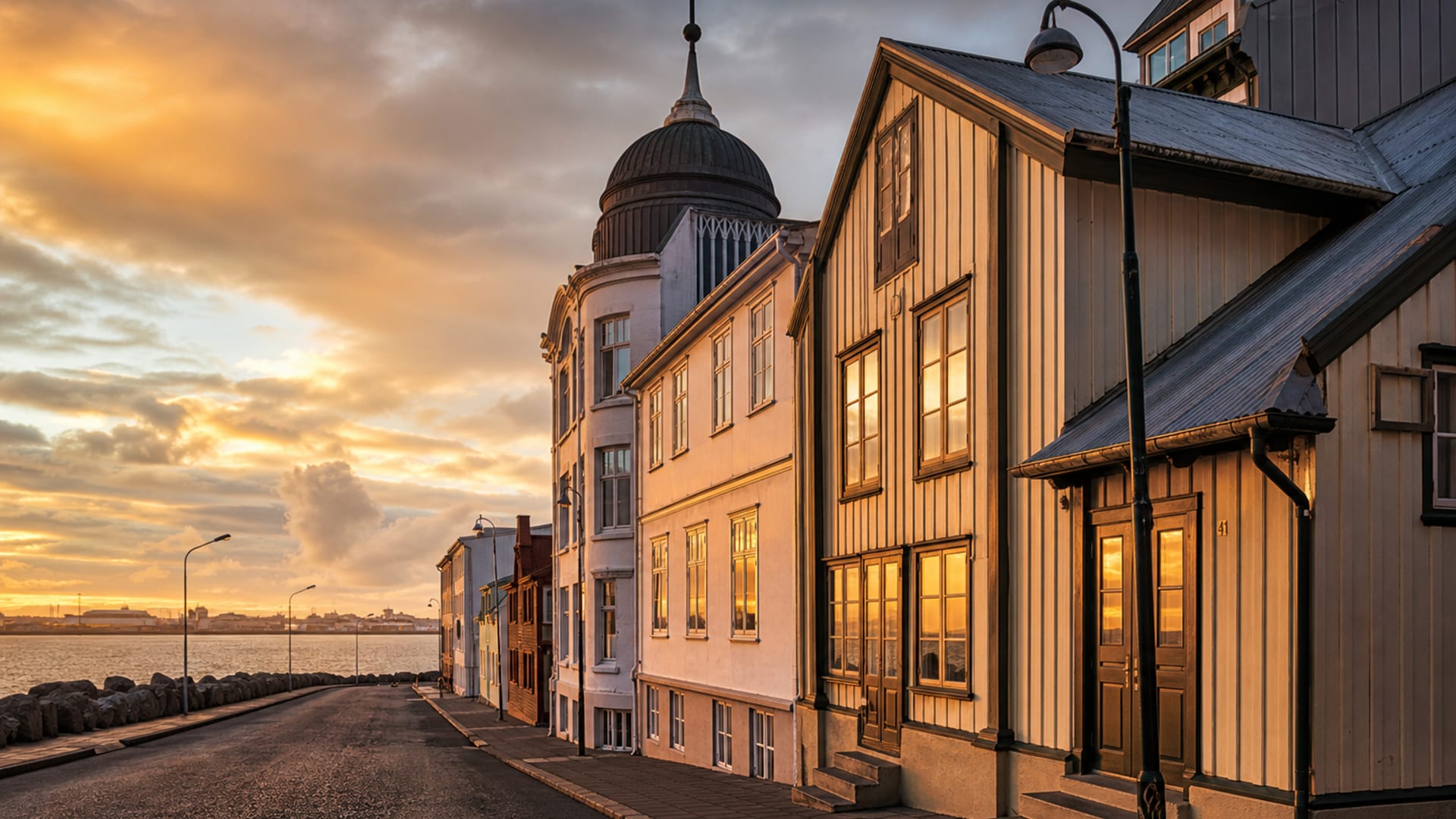
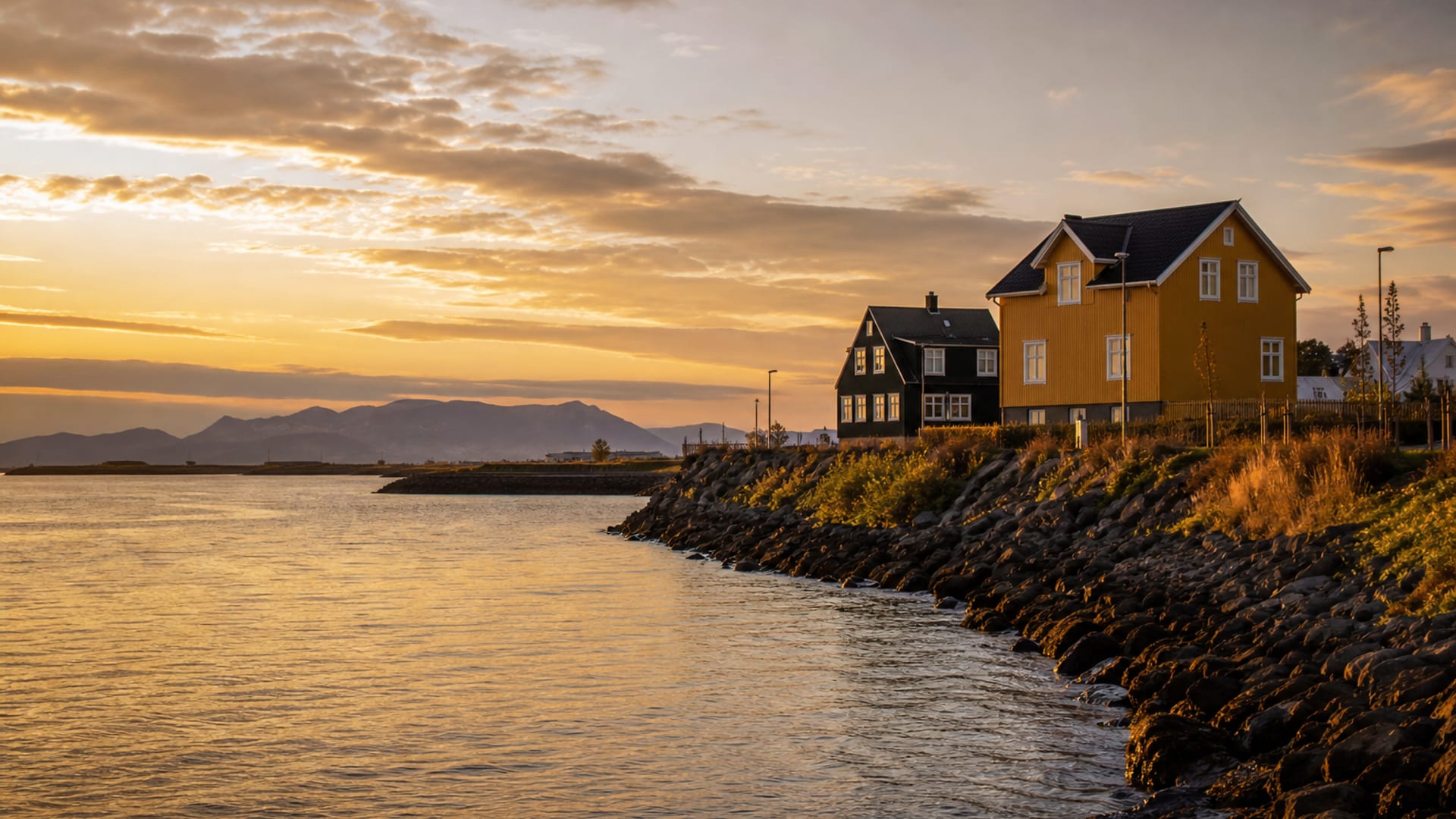
A coastal day works well in Seltjarnarnes, where shoreline paths give you a different view of Reykjavík. Begin with a bus or taxi ride from Miðborg that takes about 15 to 20 minutes, then walk the waterfront before heading back toward the center for a final stop at Harpa or a café near the old harbor, about 10 minutes on foot from downtown hotels. If the weather turns clear, end the afternoon near the water rather than crossing town again.
Begin the last day with a short museum visit near the center, then spend the rest of the afternoon in Laugavegur and the streets off Miðborg for souvenir shopping, wool goods, and design stores. Finish at a café in Vesturbær if you want a quieter table before departure, or stay in the center for one more easy lunch before your ride to Reykjavík (REK).
Business-class flights from the US to Reykjavik
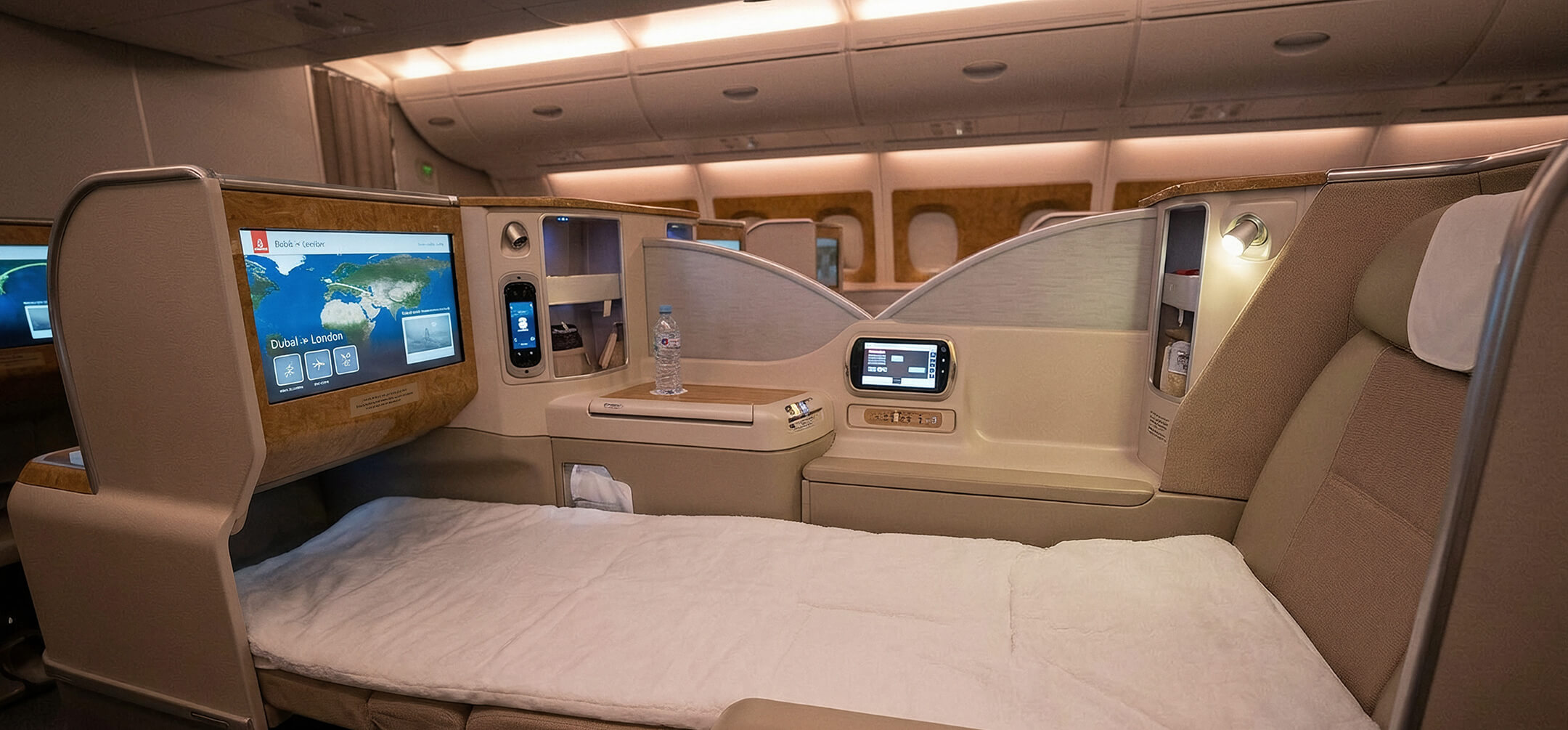
Business fares to Reykjavík vary sharply by origin, and the most useful comparison is usually between the East Coast and the West Coast. The best option depends on whether you want to minimize travel time or accept a stop to lower the fare.
From New York, Icelandair, Delta Air Lines, SAS, Air Canada, and British Airways all show up on this route, and nonstop flying takes about 5.5 to 6 hours. If you are open to a connection, common layovers via Reykjavík (KEF), London (LHR), Copenhagen (CPH), or Toronto (YYZ) can pull the fare down; round-trip tickets usually start at $1,900 and can reach $4,800.
Los Angeles travelers usually see Icelandair, Delta Air Lines, British Airways, Lufthansa, and Air Canada, with nonstop flights taking about 9 to 10.5 hours. One-stop itineraries through London (LHR), Frankfurt (FRA), Toronto (YYZ), or Reykjavík (KEF) often price lower, and round-trip fares typically run about $2,400 to $5,900, with nonstops at the upper end.
Reykjavík feels different when you slow down
A well-paced Reykjavík trip keeps the center walkable, then adds one hilltop, one museum district, and one coastal stretch rather than trying to cover the city in a rush. Hallgrímskirkja, Harpa, Perlan, Árbær, and Seltjarnarnes each show a different side of the same compact place, while Strætó and short taxi rides fill the gaps. If you want help matching those pieces to your dates, ask the AranGrant experts to build the route around Reykjavík’s center and waterfront