

Chapters:

Need help with your trip?
Our support team is available 24/7. Request a callback or call us directly at (833) 619-0908
Most visits to Red Sea Project begin with a resort check-in, a beach meal, and a quick look at the water, while the wider pattern of transfers and day trips stays out of view. Travelers often miss how quickly the island and lagoon zones can add time.
That matters here because distances are short on paper but not always simple in practice, and the quietest bases sit farthest from dining and activity hubs. A rushed plan can leave you circling between the airport, the coast, and inland viewpoints.
This guide maps the trip in a tighter order, with clear stay options, timed outings, and flight notes that match the way the project actually works.
Useful things to know
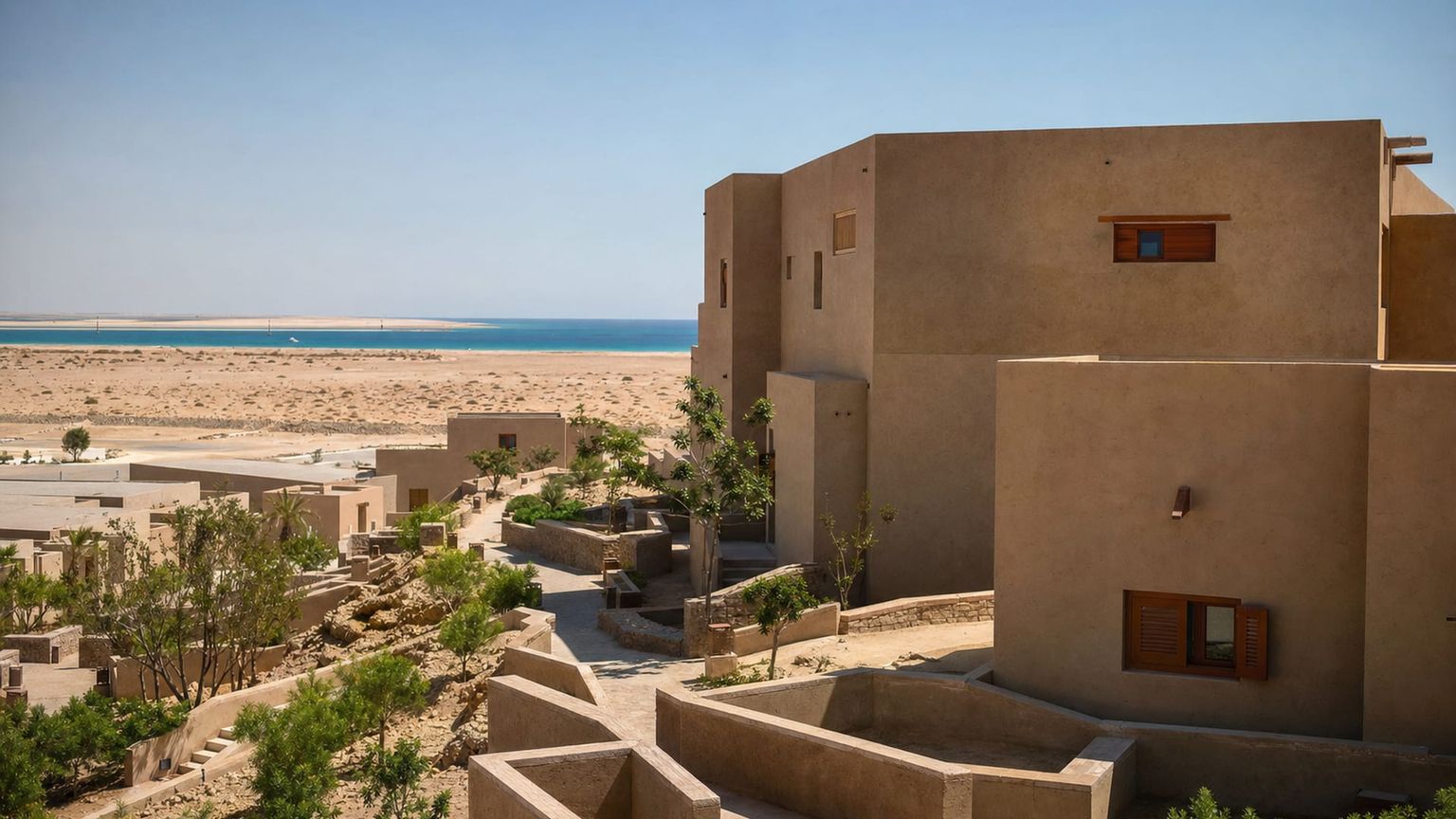

Main language(s): Arabic
marhaban (mar-ha-ban) – hello
min fadlak (min fad-lak) – please
shukran (shook-ran) – thank you
hal tatakallam al-ingliziya? (hal ta-ta-kal-lam al-in-glee-zee-yah) – Do you speak English?
kam al-thaman? (kam al-tha-man) – How much does it cost?

Currency: The local currency is the Saudi riyal (SAR, ر.س).

Cash and cards: Cards and contactless are widely accepted; keep about $20 to $40 in cash for small purchases or tips.

Tipping: Tip is not expected; round up small bills or add about 10% in nicer restaurants if you wish.

Traditional food: grilled red sea fish, sayadiya, hummus, falafel

Water and coffee costs: Water about SAR 3 ($1), bar espresso about SAR 12 ($3).

Taxis and ride apps: Uber and Careem operate here; availability can be limited near the airport at peak times.

Plug and voltage: Type G socket, 230V

Dining and shop opening hours: Breakfast is roughly 07:00-10:00, lunch 12:30-15:00, and dinner 19:00-23:00. Many places close during the hottest midday hours, especially outside resort areas.

Emergency number: Call 911 for police, fire, or medical emergencies.
Where to stay in Red Sea Project
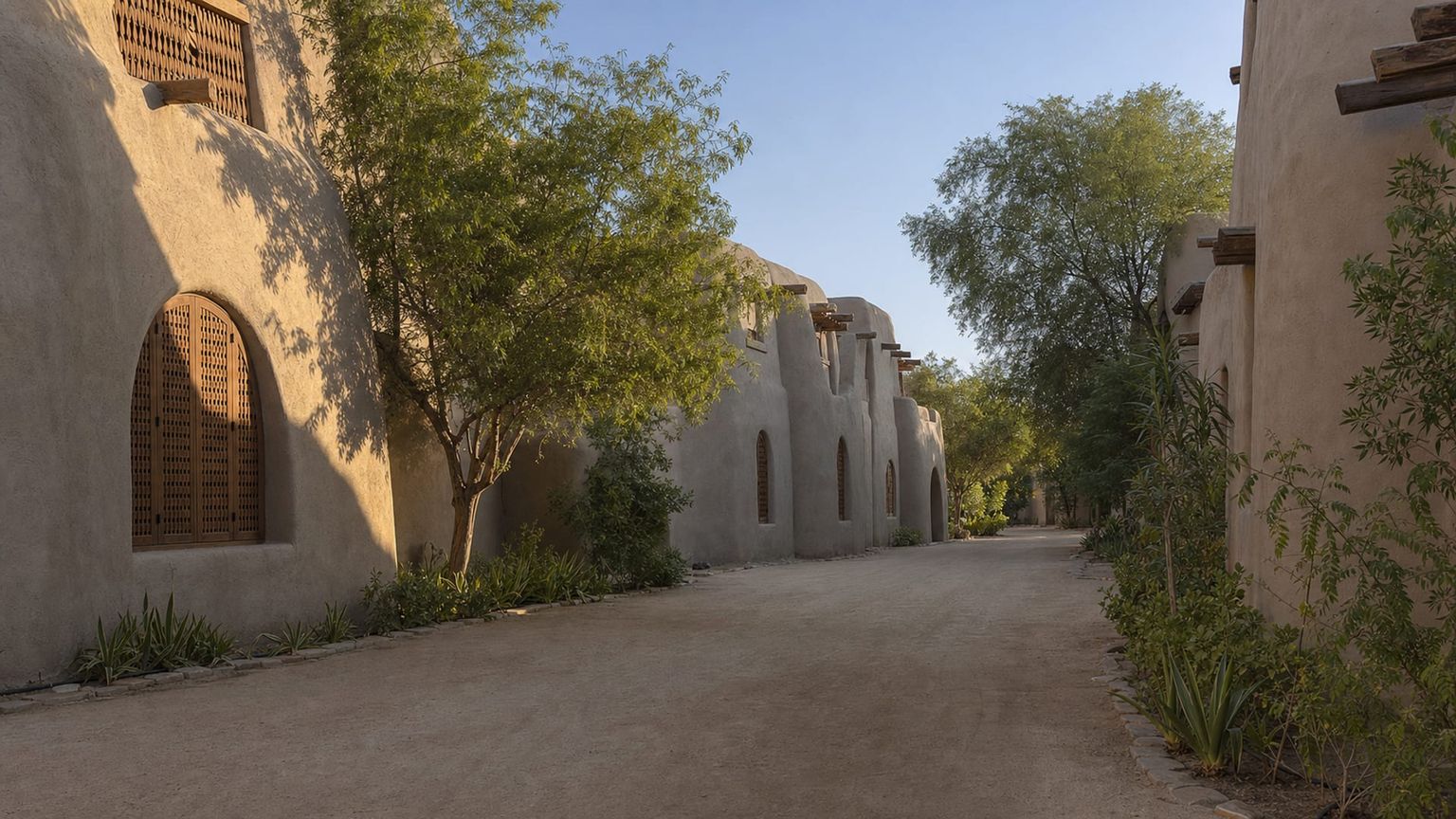
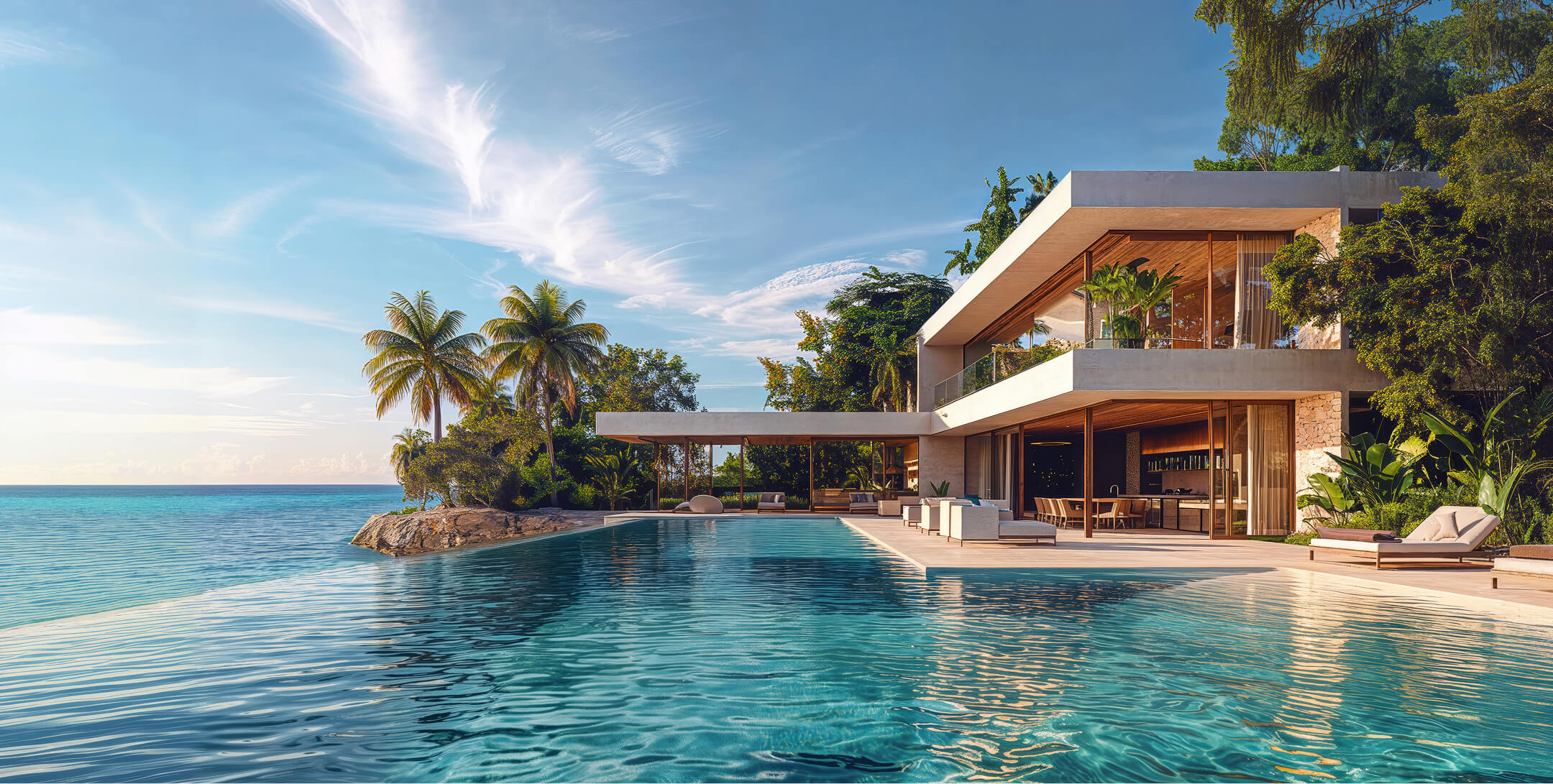
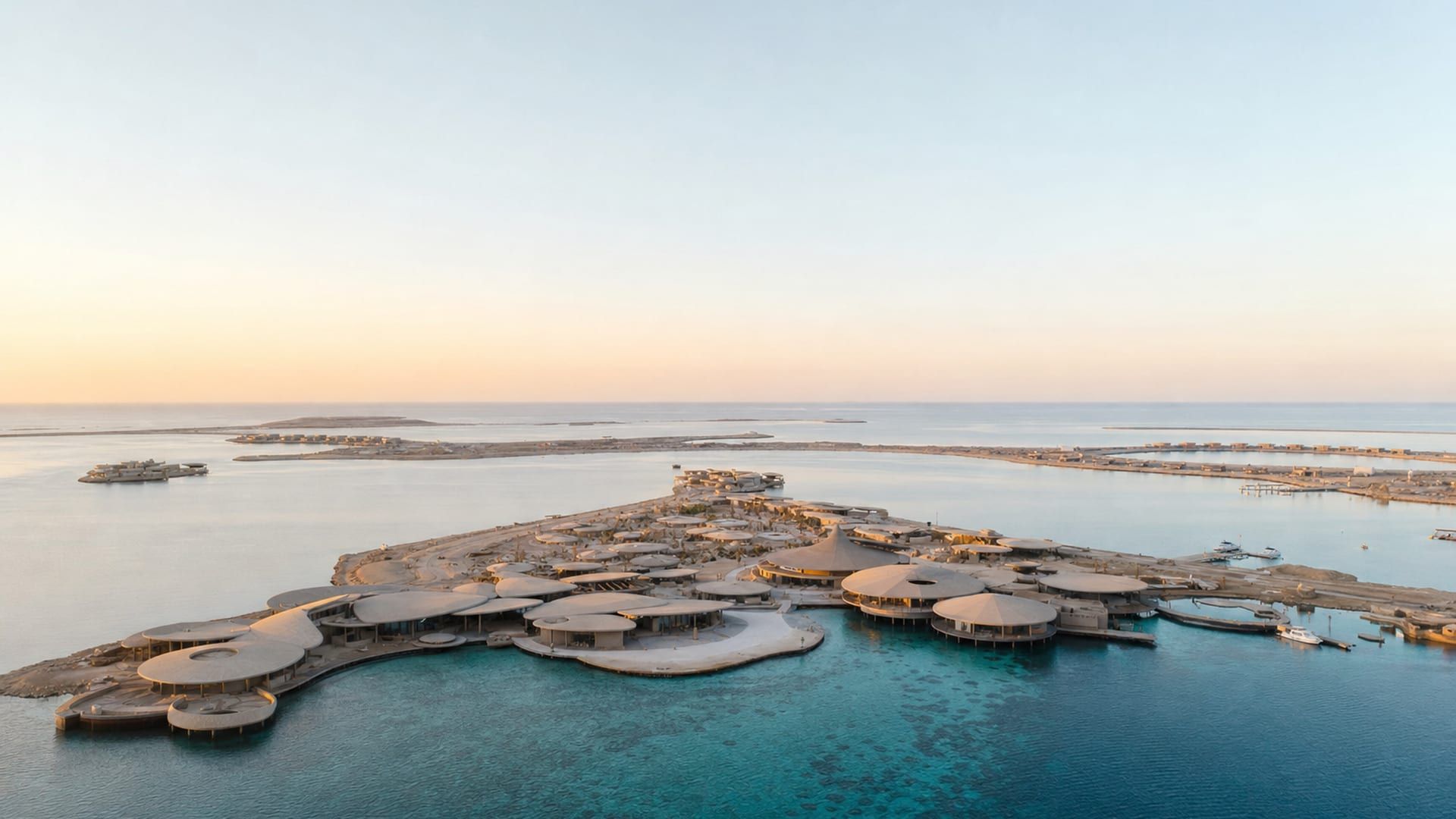
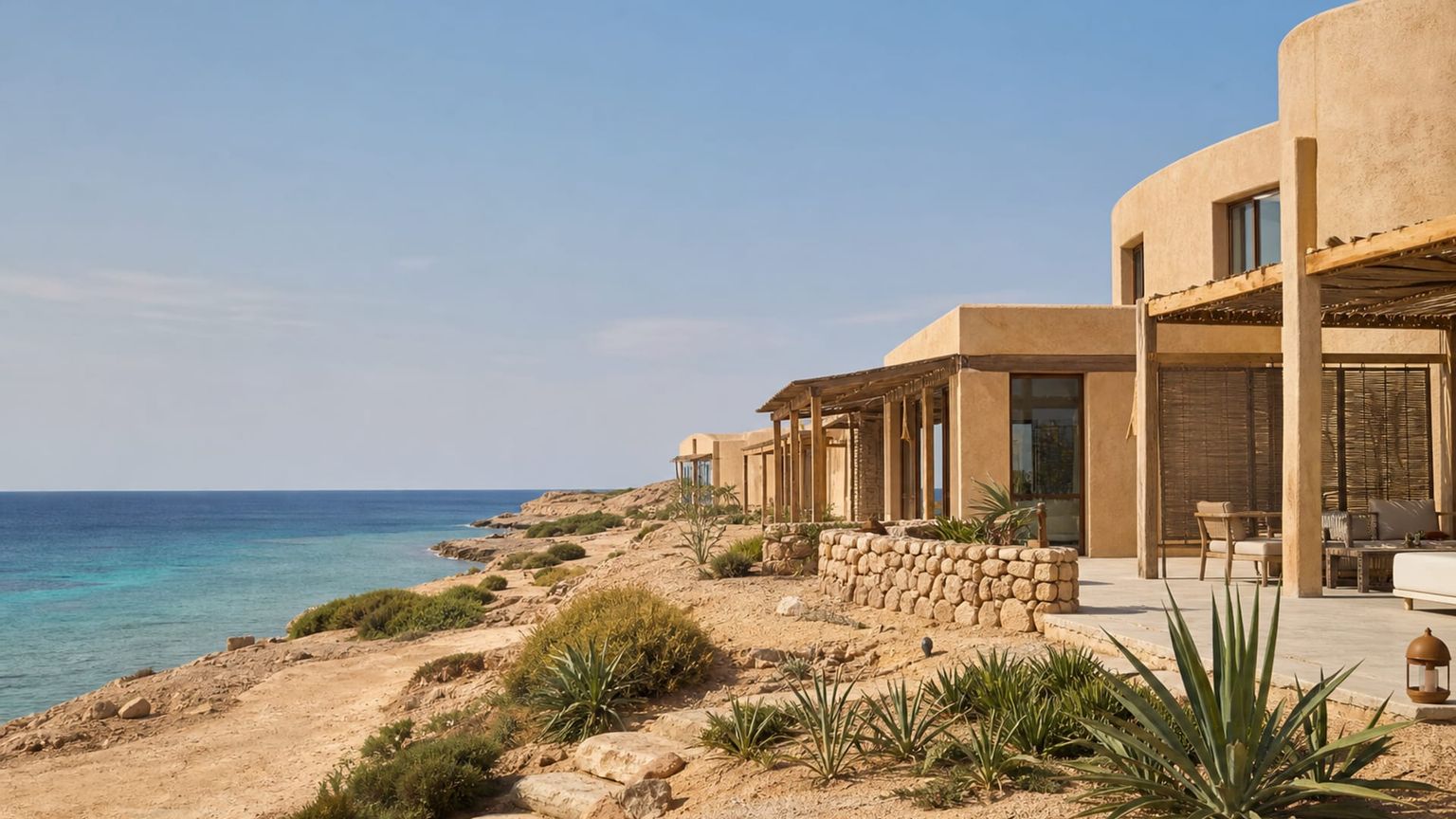
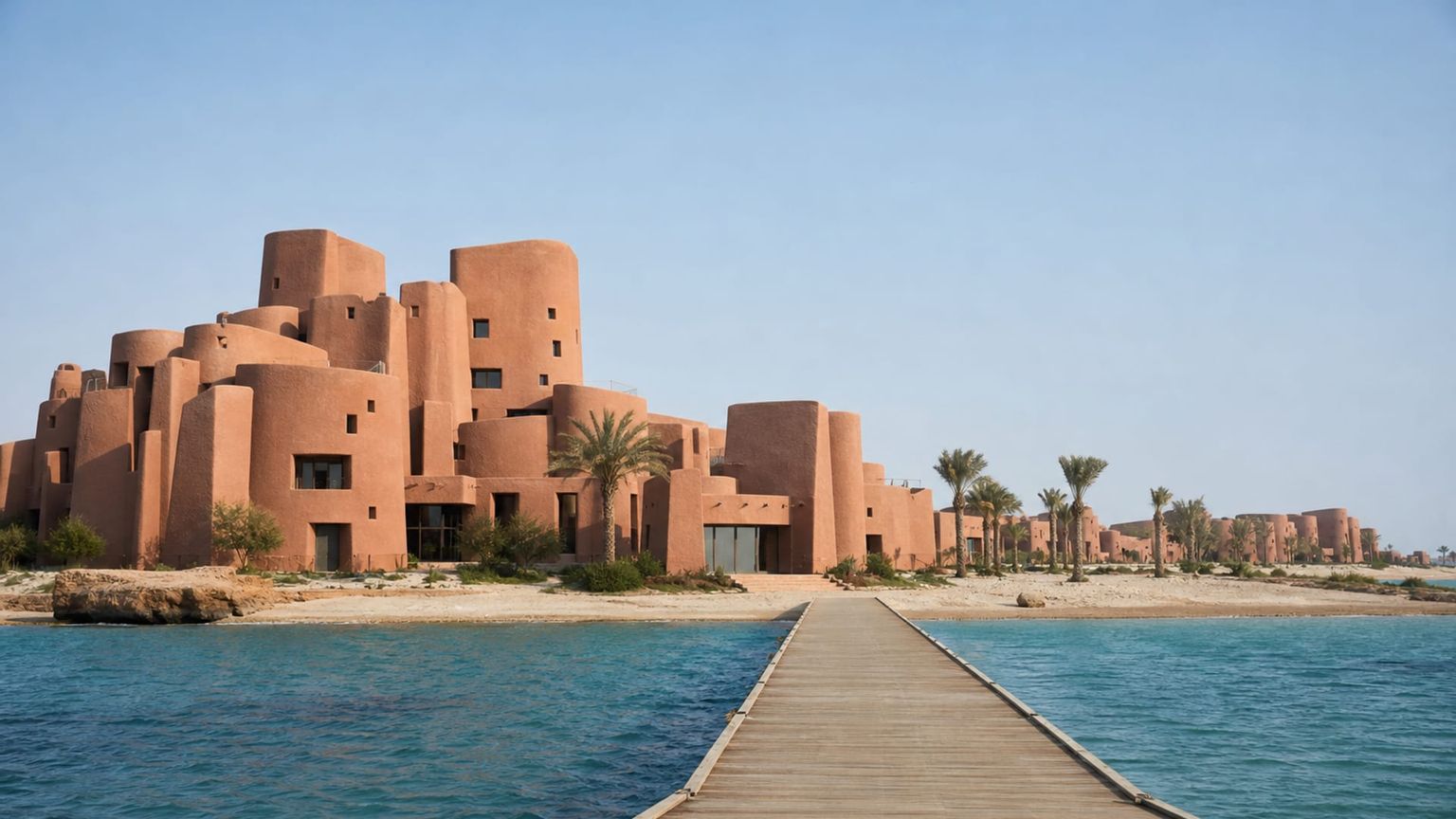
The main resort corridor along the Red Sea coast holds the best-known hotels, beaches, and marina-style facilities tied to the project. It puts you closest to the water, dining, and the highest concentration of visitor-facing development.
Best for: Beach time, resort stays, and travelers who want the easiest access to the coast
What to expect: Expect hotel gates, landscaped promenades, and a steady flow of guests moving between the beach, pools, and restaurants.
Hotel prices: Usually about $250 to $600 per night for well-rated stays
Distance to major sights: 5 to 15 minutes by car to Red Sea International Airport (RSI), roughly 10 to 20 minutes to the marina and main beach zones
Quietness: Quiet by day inside resort grounds, livelier in the evening near dining terraces and beachfront venues
Main trade-off: Rates rise quickly for rooms closest to the shoreline, and the most appealing spots book early in peak season.
Good to know: Choose this if you want the shortest transfers and are happy to pay more for the prime coastal setting.
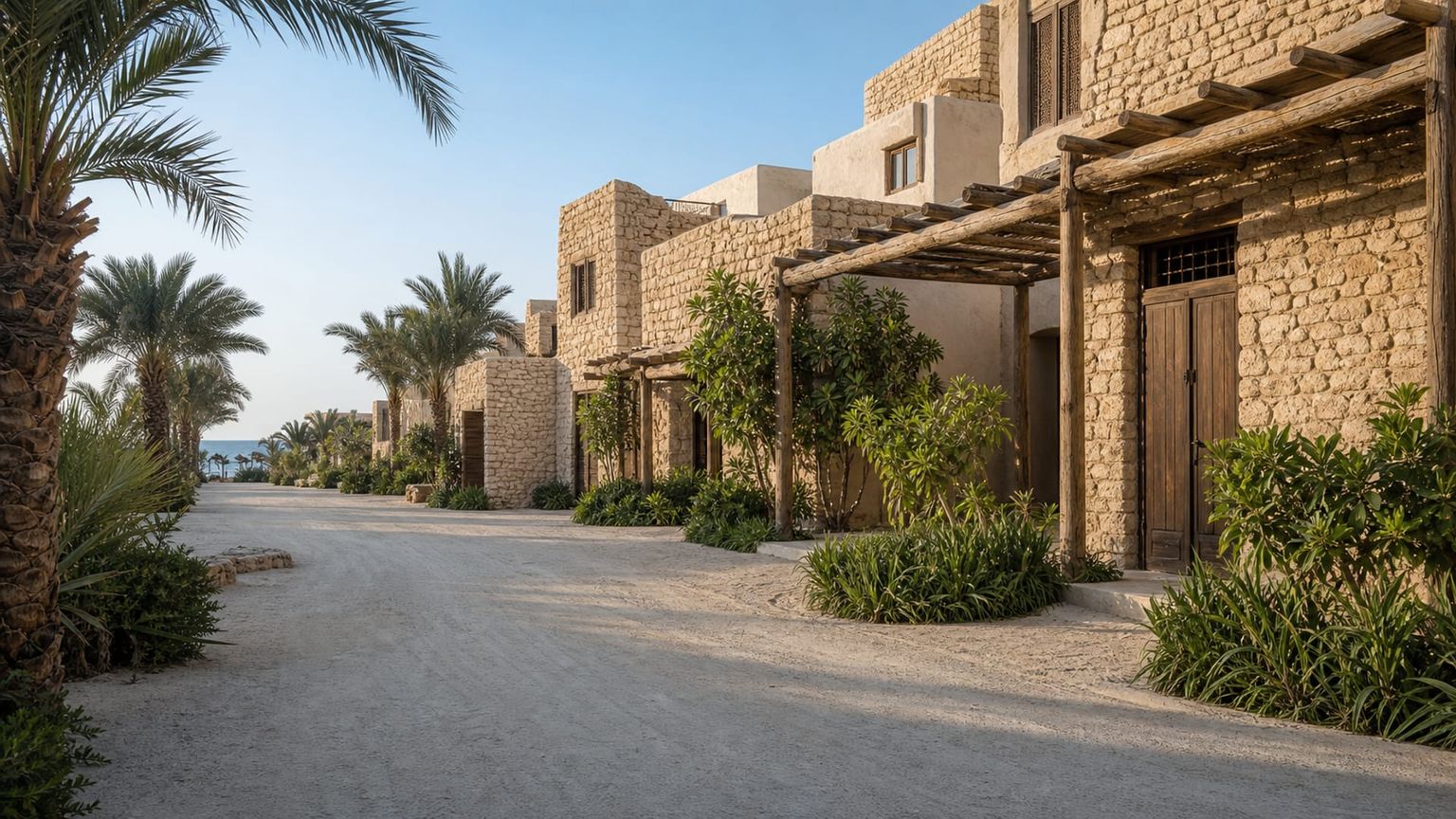
This low-density villa zone sits just behind the main resort strip and offers larger stays, private pools, and a more residential layout. It suits visitors who want space and still need quick access to the beach and central amenities.
Best for: Families, longer stays, and travelers who want larger accommodations
What to expect: Expect wider roads, fewer pedestrians, and a calmer residential setting than the beachfront core.
Hotel prices: Usually about $180 to $450 per night for well-rated stays
Distance to major sights: 10 to 20 minutes by car to Red Sea International Airport (RSI), about 15 to 25 minutes to the marina and main beach areas
Quietness: Very quiet through the day, then only mildly active in the evening as guests return from dinner or the beach
Main trade-off: You will usually need a car or hotel transfer for meals and the sand, since daily errands are less walkable here.
Good to know: Pick this area if you want more room and a bit more privacy, but plan on spending extra time on transport.
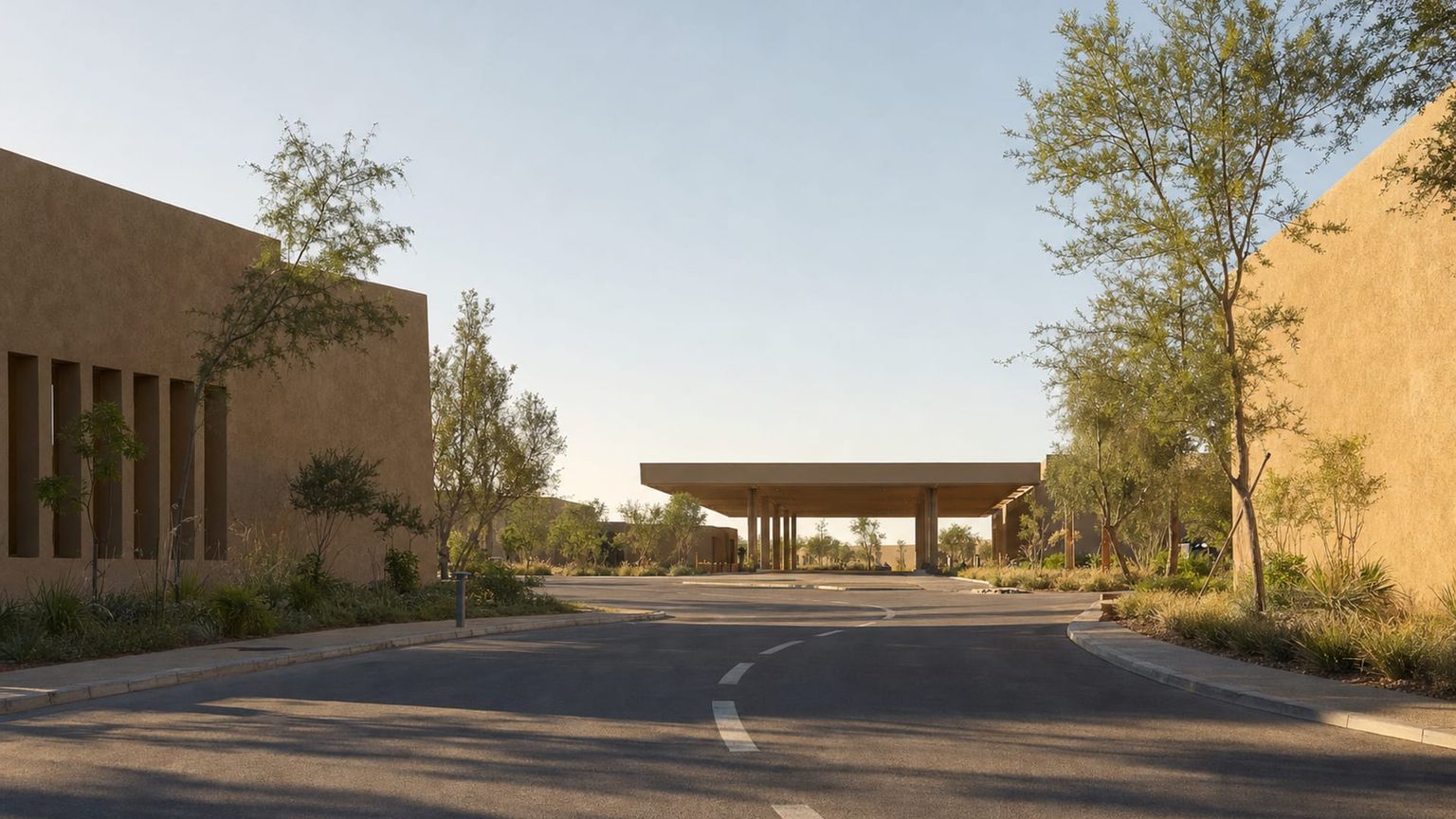
The airport approach area sits closest to Red Sea International Airport and nearby staff housing and support facilities. It works as a short-stay base when you have an early flight, a late arrival, or a tight schedule.
Best for: Layovers, late arrivals, early departures, and one-night stays
What to expect: Expect a functional setting with limited street life and activity concentrated around hotel arrivals and departures.
Hotel prices: Usually about $150 to $320 per night for well-rated stays
Distance to major sights: 5 to 10 minutes by car to Red Sea International Airport (RSI), about 20 to 30 minutes to the main beach and marina areas
Quietness: Quiet most of the day, with brief activity during flight arrival and departure windows
Main trade-off: You save time on airport transfers, but you will sit farther from the coast and have fewer dining choices nearby.
Good to know: Use it only when timing matters more than scenery, since most leisure facilities sit closer to the shoreline.
Travelers usually avoid staying in the far-flung island and lagoon zones that sit well away from the main resort hubs, because they can mean long boat transfers, fewer visitor amenities, and limited evening dining options. The most remote parts of the Red Sea Project also tend to be less convenient for day trips to the main beaches, marinas, and activity centers, so choose them only if you plan to stay mostly on property.
Hotel deals
How to get around Red Sea Project efficiently
Red Sea Project has no metro, so movement depends on hotel transfers, buses, taxis, and ride apps for the short links between RSI, the resorts, and the main sights.

Metro
for longer distances
No metro serves the Red Sea Project area at RSI, so there is no underground or suburban rail to use here; visitors usually rely on shuttles, buses, or taxis for transfers between the airport, coastal resorts, and nearby sites.

Bus and tram
for convenience
Airport and resort buses cover the main Red Sea Project links, with most local trips timed to hotel check-in, beach clubs, and activity hubs. Fares are typically included in resort transfers or sold as short tickets of about $2 to $6, and most passes last a single trip or a set window of about 60 to 120 minutes.

Taxi
for convenience or late hours
Licensed taxis and prebooked cars use set fares for airport and resort transfers rather than a street-hail meter, with short rides often costing about $10 to $25 and longer transfers about $25 to $60. Ask the driver for the fare before departure, as payment is usually by card or cash, and hotel desks can arrange pickups if you do not want to book through the airport stand.
*Prices are based on rates updated as of June 2026 and may change at the time of travel.
Use taxis or ride apps for point-to-point transfers, buses for resort links, and prebooked cars when you want the airport run timed exactly to your schedule.
Iconic landmarks
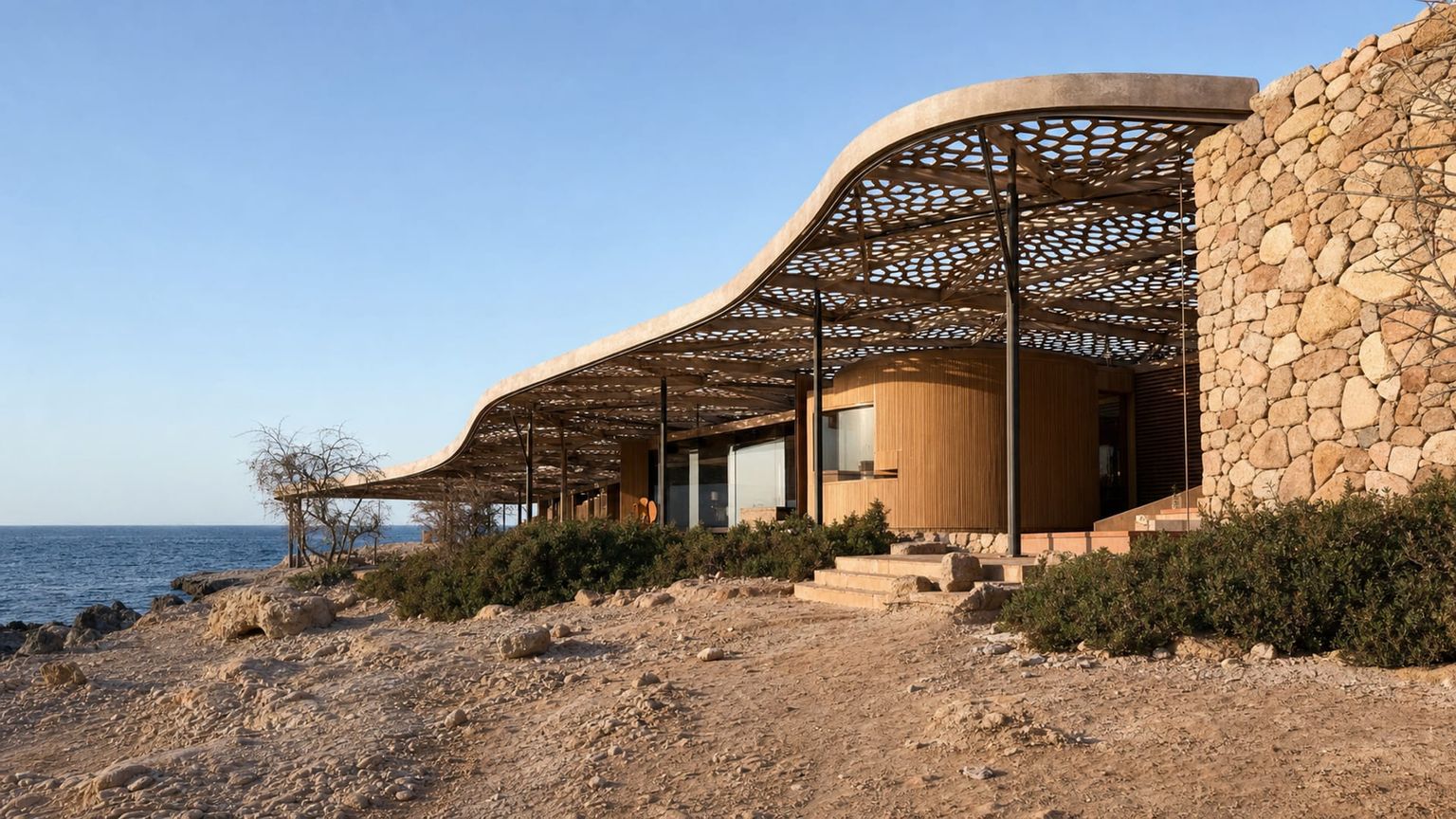
Coral Bloom dive site
Coral Bloom is a flagship Red Sea reef zone off the coast, known for dense coral cover, reef fish, and clear water that supports snorkeling and scuba dives. Operators run boat trips to marked sites within the development area.
Time needed: About 3 to 4 hours
Entry: Boat excursions and guided snorkeling or dive trips typically cost $95 to $220 ($95 to $220), depending on gear and boat length. Visit the official site for details.
Tip: Morning departures usually bring calmer water and better visibility for snorkeling.
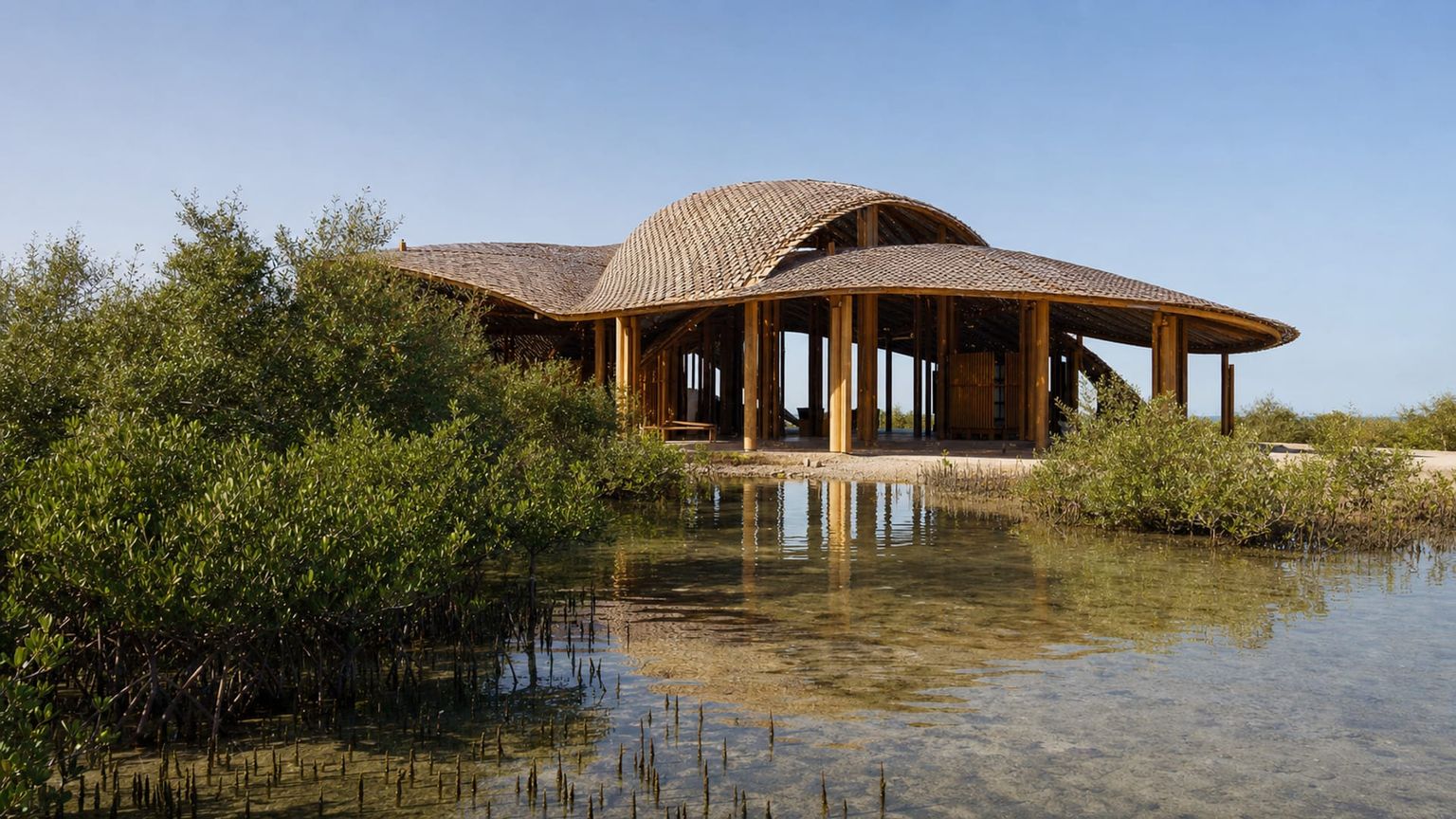
Shura Island mangroves
Shura Island’s mangrove edges form one of the clearest nature stops in the Red Sea Project area, with shallow lagoons, wading birds, and tidal channels close to the shoreline. It works best as a short walk or kayak outing.
Time needed: About 2 to 3 hours
Entry: Free to access; kayak or guided nature tours usually cost $40 to $110 ($40 to $110), depending on duration and equipment. Visit the official site for details.
Tip: Visit near high tide, when the tidal channels carry more water and bird activity rises.
The Red Sea International Airport viewing area
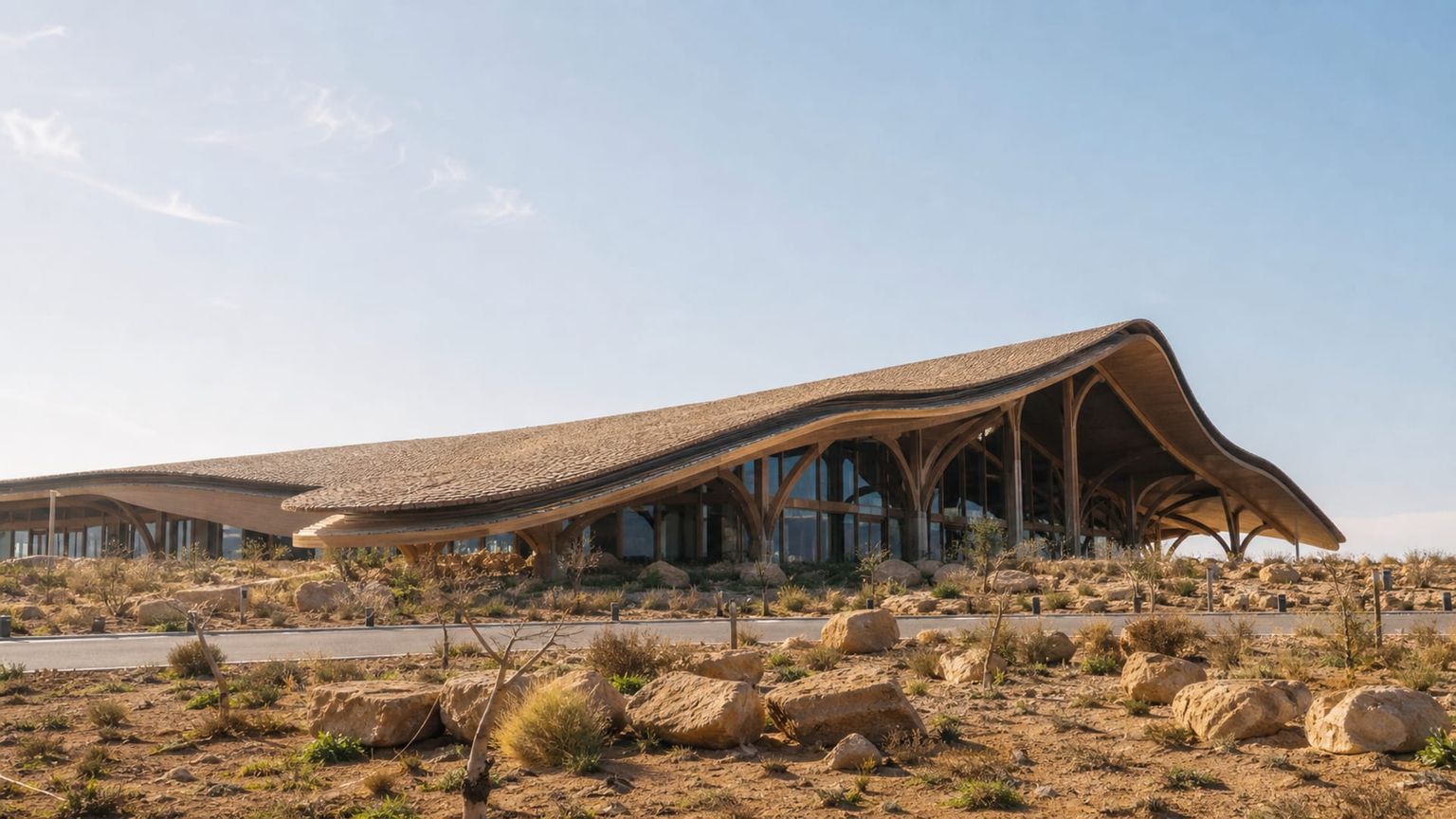
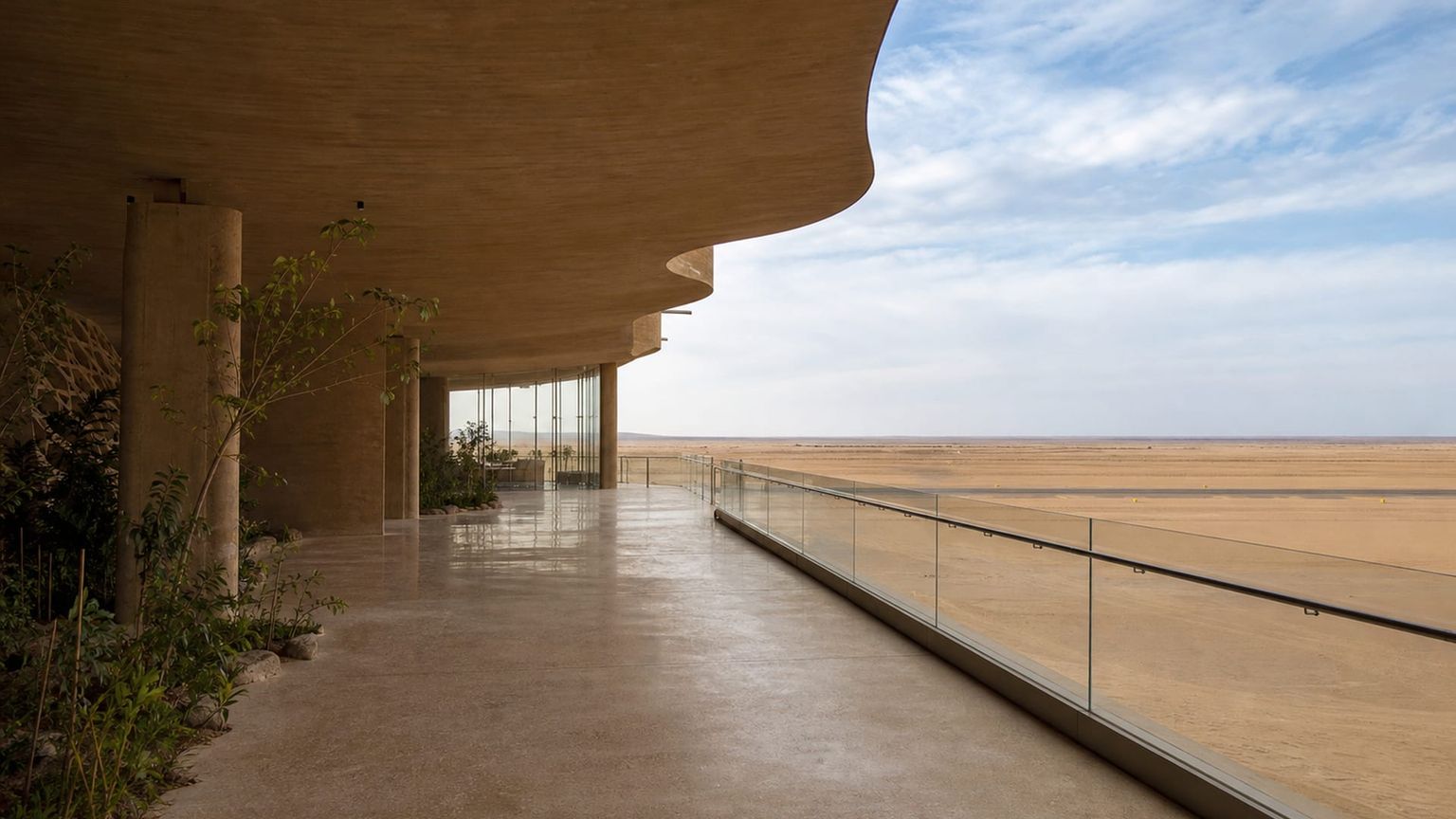
The public viewing area near Red Sea International Airport gives you a close look at the project’s most visible gateway, with aircraft movements, runway views, and the desert-to-coast landscape in one stop. It suits a brief stop before or after a flight.
Time needed: About 30 to 45 minutes
Entry: Free to access; no ticket is required for the public viewing area near the airport perimeter.
Tip: Late afternoon light works best, with softer glare on the runway and surrounding desert.
Overlooked sites worth visiting

King Abdullah bin Abdulaziz Mosque, Al Wajh
A compact mosque in the old town district, with clean lines, a modest courtyard, and a calm neighborhood setting. It gives a quick look at local architecture without a long detour.
Time needed: 30 to 45 minutes
Entry: Free to access; mosque visits depend on prayer times and local etiquette. Non-Muslim visitors should check access before entering, dress modestly, and avoid prayer periods.
Tip: Go outside prayer times and dress modestly.

Jabal AlLawz viewpoint
A high desert overlook west of the main resort zone, with pale ridges, open sky, and long views across the inland plateau. Go near sunset for the clearest light and cooler air.
Time needed: About 1 to 2 hours
Entry: Free to access
Tip: Visit late afternoon for softer light and easier temperatures.
Traditional food
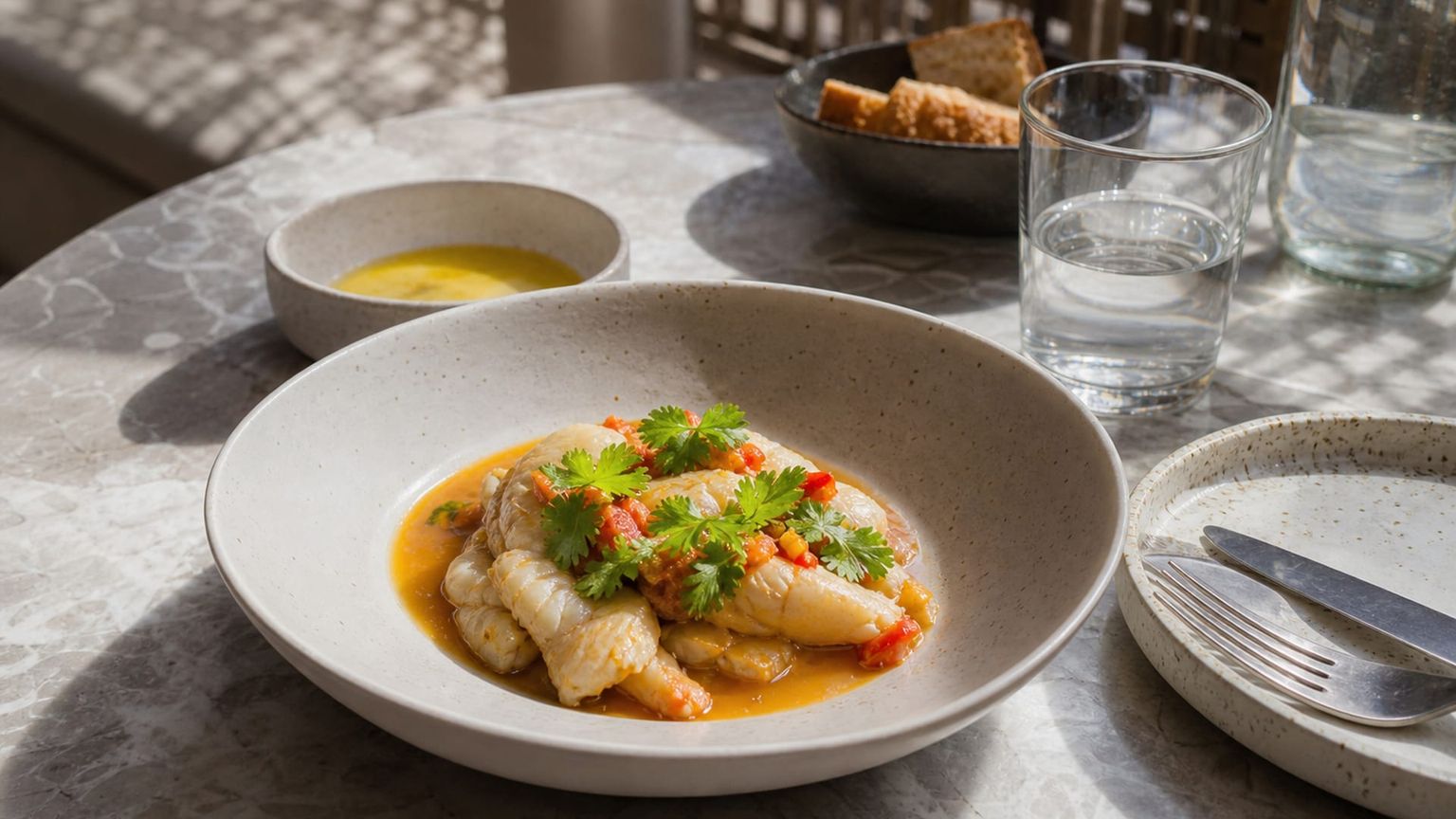
Dining leans on grilled red sea fish, sayadiya, hummus, and falafel, with seafood, rice, tahini, and warm flatbreads shaping most menus. Many kitchens pause during the hottest midday hours, then reopen for long, unhurried dinners.
Grilled red sea fish
Fresh-caught fish usually arrives simply seasoned and grilled, then paired with rice, salad, or bread. At Safina in The Red Sea corridor, it suits the coastal setting and the kitchen’s seafood focus.
Sayadiya
This spiced fish-and-rice dish brings onion, warm spice, and a deeper savory finish than a plain grill plate. Maraya at Six Senses Southern Dunes, The Red Sea serves a refined version that fits its Saudi coastal menu.
Hummus
Smooth chickpea hummus works as a starter or a light shared plate, often finished with olive oil and flatbread. At Nais at Desert Rock, it is a dependable opening dish before a longer dinner.
Falafel
Crisp falafel gives you a quick vegetarian option, usually with tahini, herbs, and salad. At Saffron in the Red Sea corridor, it fits a casual meal between beach time and an evening transfer.
Best time to visit Red Sea Project
The best season depends on whether you want warmer swimming weather, softer desert light, or thinner crowds at the main resorts and inland viewpoints.
Best for: Best for beach walks, diving, and long outdoor days
What you get: Temperatures usually run about 68-79°F (20-26°C), with the busiest resort demand and the most comfortable sightseeing weather.
Trade-offs: This is the busiest stretch, so the best rooms and boat slots go first.
Best for: Best for mixed coast and desert days
What you get: Expect about 75-95°F (24-35°C), with moderate crowds and good conditions before the strongest heat arrives.
Trade-offs: Afternoons warm up fast by late spring, so midday plans need a break.
Best for: Best for quieter resorts and indoor downtime between early outings
What you get: Temperatures often reach about 86-104°F (30-40°C), with lighter crowds outside peak holiday periods.
Trade-offs: Heat limits how long you can stay outdoors, especially inland.
Best for: Best for comfortable swimming and shoulder-season pacing
What you get: Expect about 77-93°F (25-34°C), with crowds easing after summer and before winter demand builds.
Trade-offs: Late autumn can still feel hot at midday, especially on exposed walks.
A realistic 5-day plan in Red Sea Project
A five-day stay works well here because the project rewards a measured pace. One day can absorb the arrival zone, two days cover reef and mangrove outings, one day fits the inland overlook and mosque stop, and the last day stays close to RSI.
Land at Red Sea International Airport (RSI) and take a hotel transfer or taxi into the Red Sea corridor, usually 5 to 15 minutes and about $15 to $30. Check in near the beach or marina, then keep dinner close, a light meal on the resort promenade works well after the flight. If you arrive late, the airport approach zone also makes sense for a one-night stop, but the coast gives you the best first look at the water.
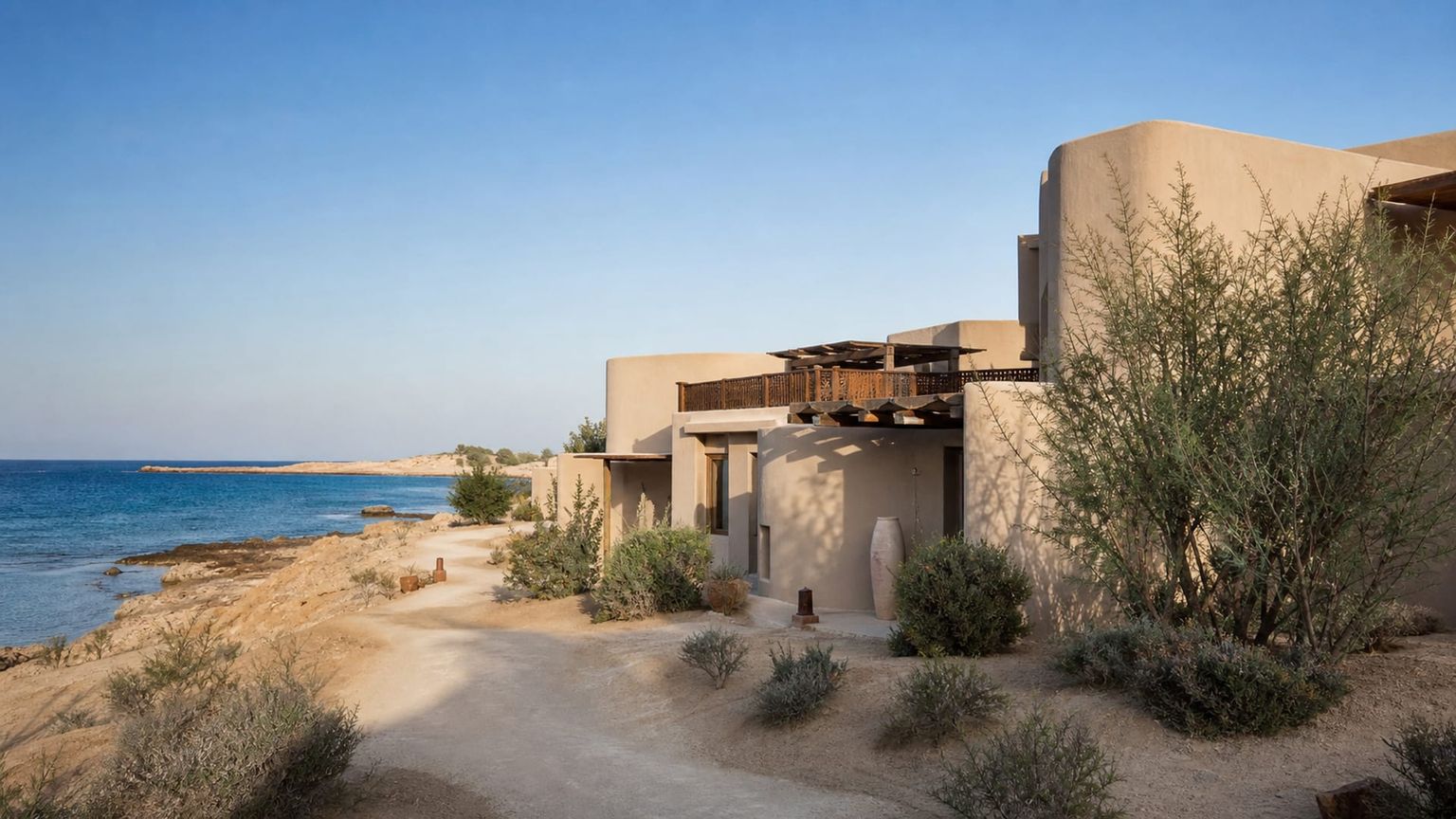
Start early with Coral Bloom dive site, since morning departures usually bring calmer water and better visibility. A boat excursion with snorkeling or diving generally takes about 3 to 4 hours and costs roughly $95 to $220; from the resort marina, plan on about 20 to 30 minutes each way by operator transfer and boat check-in. Back on land, return to the Red Sea corridor for lunch, then continue to the Shura Island mangroves in the afternoon, about 15 to 25 minutes by car or transfer from the main beach zone, with 2 to 3 hours for a kayak or shoreline walk. The two stops give the day a clear coastal shape without packing in too much transit.
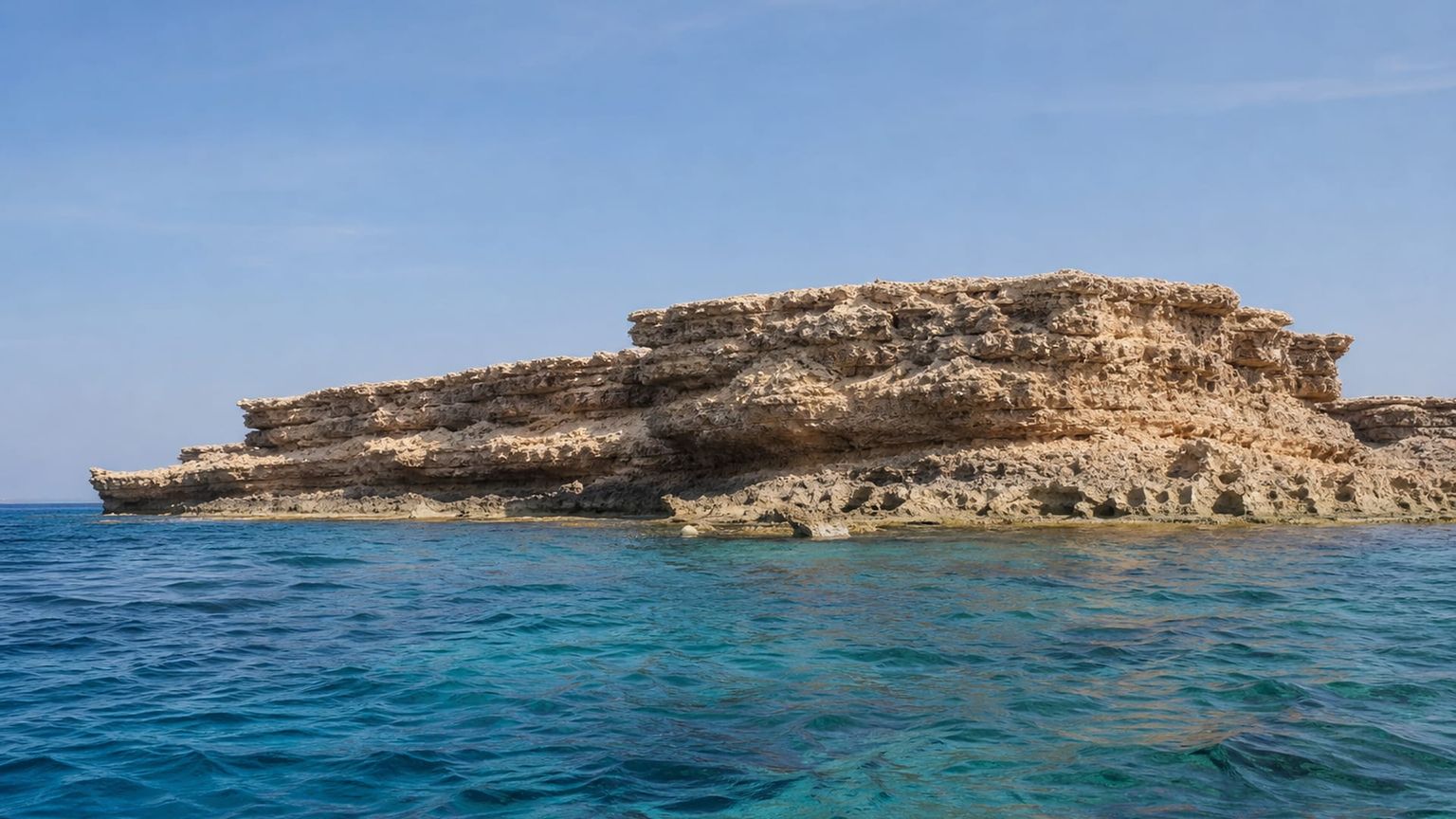
Begin with the Shura Island mangroves if you want the tidiest light and better bird activity near high tide, then move inland to Jabal AlLawz viewpoint for a desert contrast. From the main resort strip, expect roughly 20 to 30 minutes to the mangroves and about 45 to 60 minutes more to the viewpoint by car. Spend 2 to 3 hours at the mangroves and 1 to 2 hours at the overlook, then return to the coast for an unhurried dinner in the Red Sea corridor. The shift from tidal water to open plateau gives the day its strongest contrast.
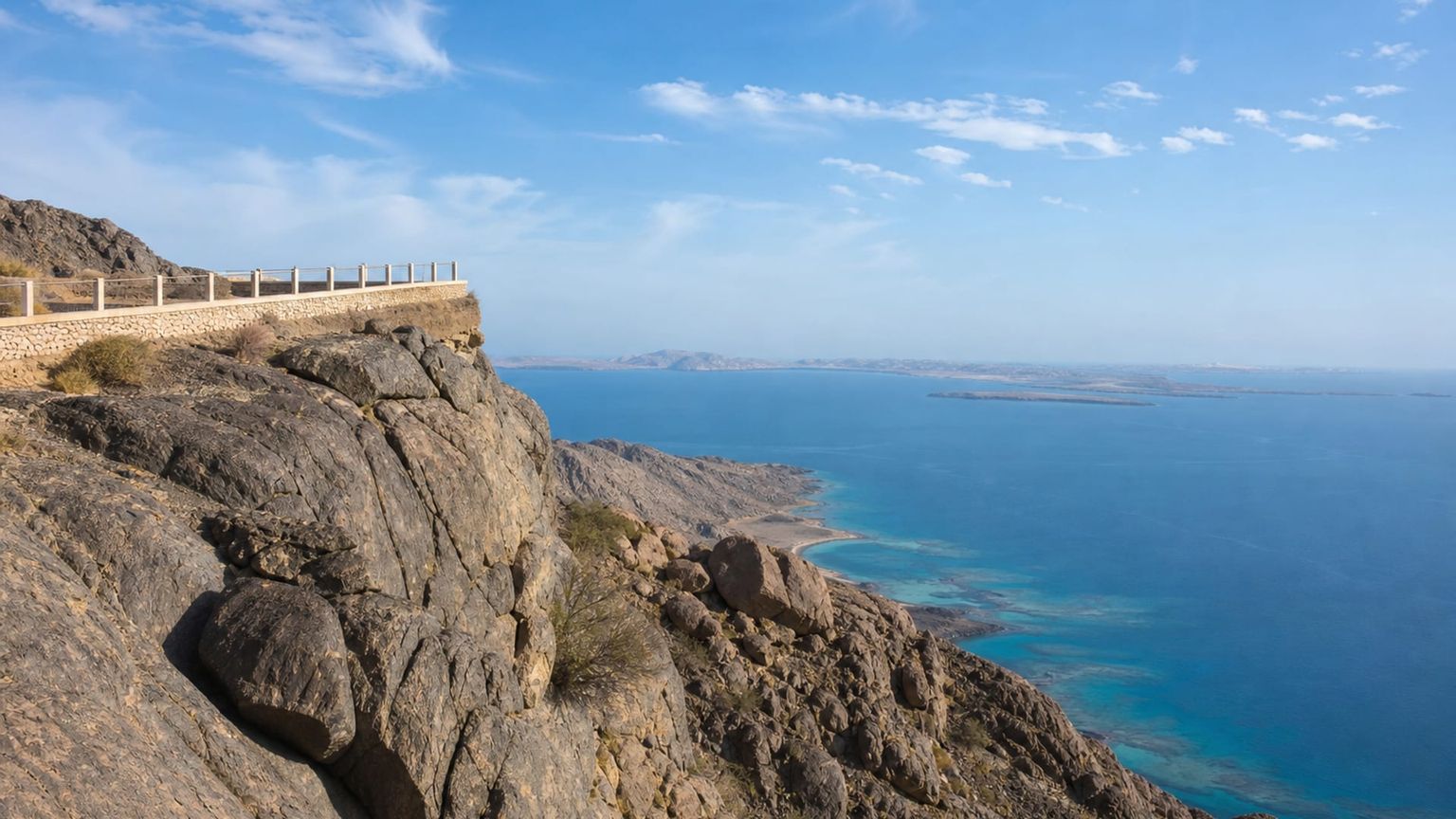
Set aside the afternoon for the Red Sea International Airport viewing area, a free stop that works well once the light softens. From the Red Sea corridor, it is usually about 10 to 20 minutes by car, and 30 to 45 minutes is enough for runway views and the desert edge around the airport. Before or after that stop, add King Abdullah bin Abdulaziz Mosque, Al Wajh, which takes about 30 to 45 minutes and calls for modest dress and a visit outside prayer times. The mosque and airport perimeter make a compact half-day that stays close to the project’s quieter edges.
Plan a final morning with a short café stop in the Red Sea corridor, then head to the airport approach zone if your flight leaves later in the day. If you have a few spare hours, the easiest departure pairing is a last swim or pool session, followed by check-out and a transfer back to Red Sea International Airport (RSI), usually 5 to 10 minutes from the airport approach zone or about 15 to 20 minutes from the main resort strip. No museum stop fits naturally here, so keep the day focused on packing, a relaxed meal, and a clean airport run.
Business-class flights from the US to Red Sea Project
Flights to Red Sea Project usually connect through a single Gulf or European hub, with business fares varying more by origin than by season. The East Coast and West Coast itineraries each follow their own long-haul pattern.
From New York, Qatar Airways, Turkish Airlines, Etihad Airways, Emirates, and Lufthansa all appear on common one-stop combinations, with total travel time usually about 14 to 20 hours. Typical hubs include DOH, IST, AUH, DXB, and FRA, and round-trip fares in the forward cabin usually run from $4,500 to $8,500.
Los Angeles itineraries often route through DOH, IST, DXB, FRA, or LHR on Qatar Airways, Turkish Airlines, Emirates, Lufthansa, or British Airways. Total travel time is usually about 16 to 23 hours, and round-trip fares in the forward cabin usually start at $5,000 and can climb to $9,000.
Red Sea Project feels different when you slow down
A deliberate Red Sea Project trip follows the coastline first, then uses short transfers to connect the reef, Shura Island mangroves, Jabal AlLawz viewpoint, and the airport edge. That order keeps the days compact and lets the resort corridor do the heavy lifting, while the airport approach zone works well for the last night. If you want help shaping the right route and stay pattern, ask the AranGrant experts to tailor it around RSI and your flight schedule