

Chapters:

Need help with your trip?
Our support team is available 24/7. Request a callback or call us directly at (833) 619-0908
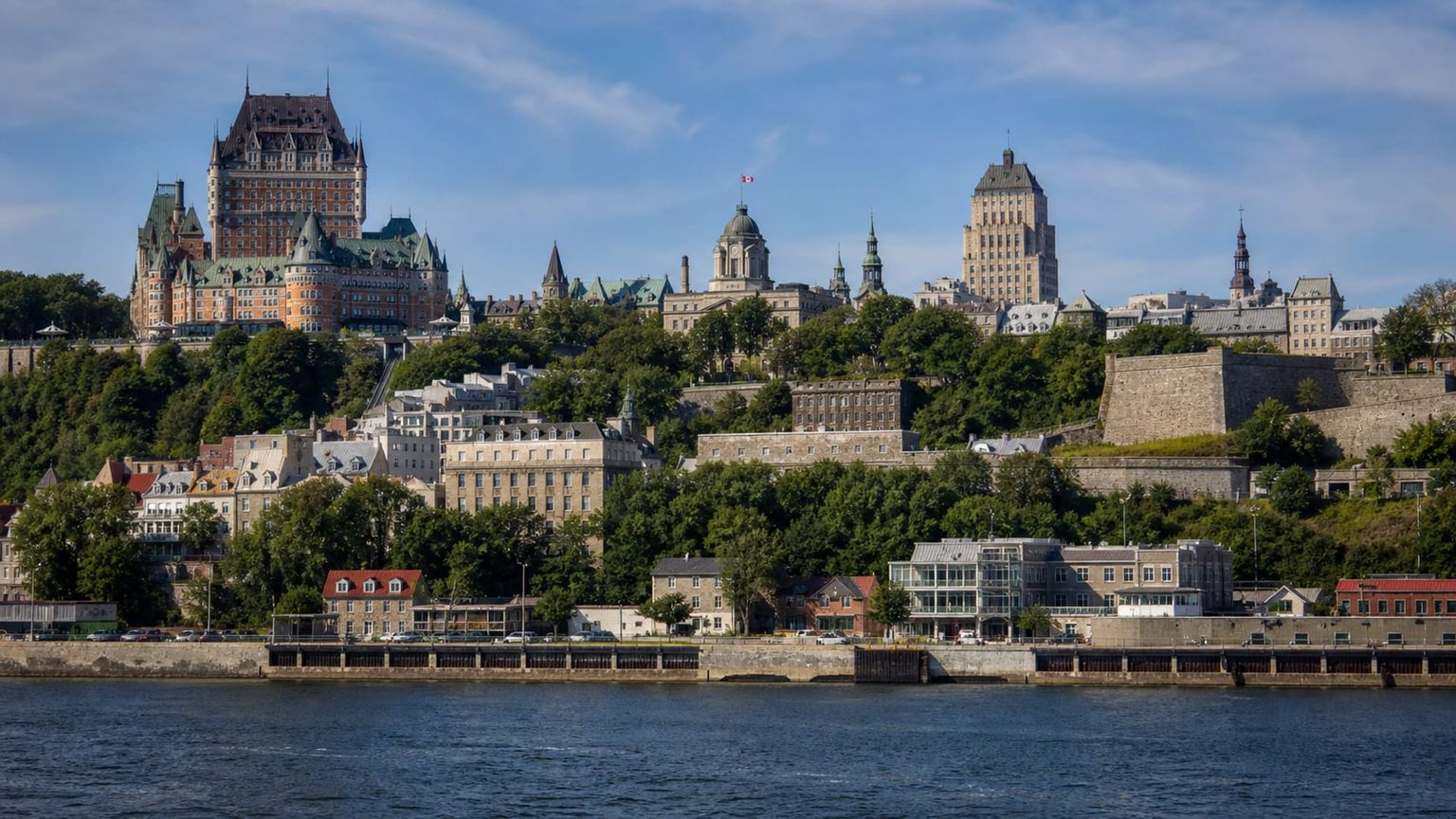
Québec trips often start with Old Québec, a hotel near Château Frontenac, and a list of famous sights packed into one day. Travelers usually see the core landmarks, then hurry past the riverfront, neighborhood cafés, and quieter museums that give the city more range.
That approach puts too much pressure on a small historic area. Cobblestones, hills, winter weather, and busy dining streets can slow movement, while short bus rides or a taxi can make the rest of the city easier to place in context.
This guide keeps the center in view but spaces the days so you can move between Old Québec, Montcalm, and Saint-Roch with a clearer plan, then choose flights, meals, and seasons with fewer gaps in the schedule.
Useful things to know

Main language(s): French
Bonjour (bohn-zhoor) – Hello / good morning
S'il vous plaît (seel voo pleh) – Please
Merci (mehr-see) – Thank you
Parlez-vous anglais ? (par-lay voo ahn-gleh) – Do you speak English?
C'est combien ? (say kom-byen) – How much does it cost?

Currency: The local currency is the Canadian dollar (CAD, C$).

Cash and cards: Cards and contactless are widely accepted; keep about C$20 to C$40 cash for small purchases and tips.

Tipping: Tip 15-20% in restaurants if service is not included; round up for taxis and small bills.

Traditional food: Tourtière, poutine, pea soup, pouding chômeur

Water and coffee costs: Water about C$3 ($2.20), bar espresso about C$4 to C$6 ($2.90 to $4.40).

Taxis and ride apps: Uber and Lyft operate here; pickup points can vary by terminal.

Plug and voltage: Type A/C socket, 120V

Dining and shop opening hours: Breakfast runs about 07:00-10:00, lunch 12:00-14:00, and dinner 18:00-21:00. Many restaurants close one day a week, often Sunday or Monday.

Emergency number: Dial 911 for police, fire, or medical emergencies.
Where to stay in Québec
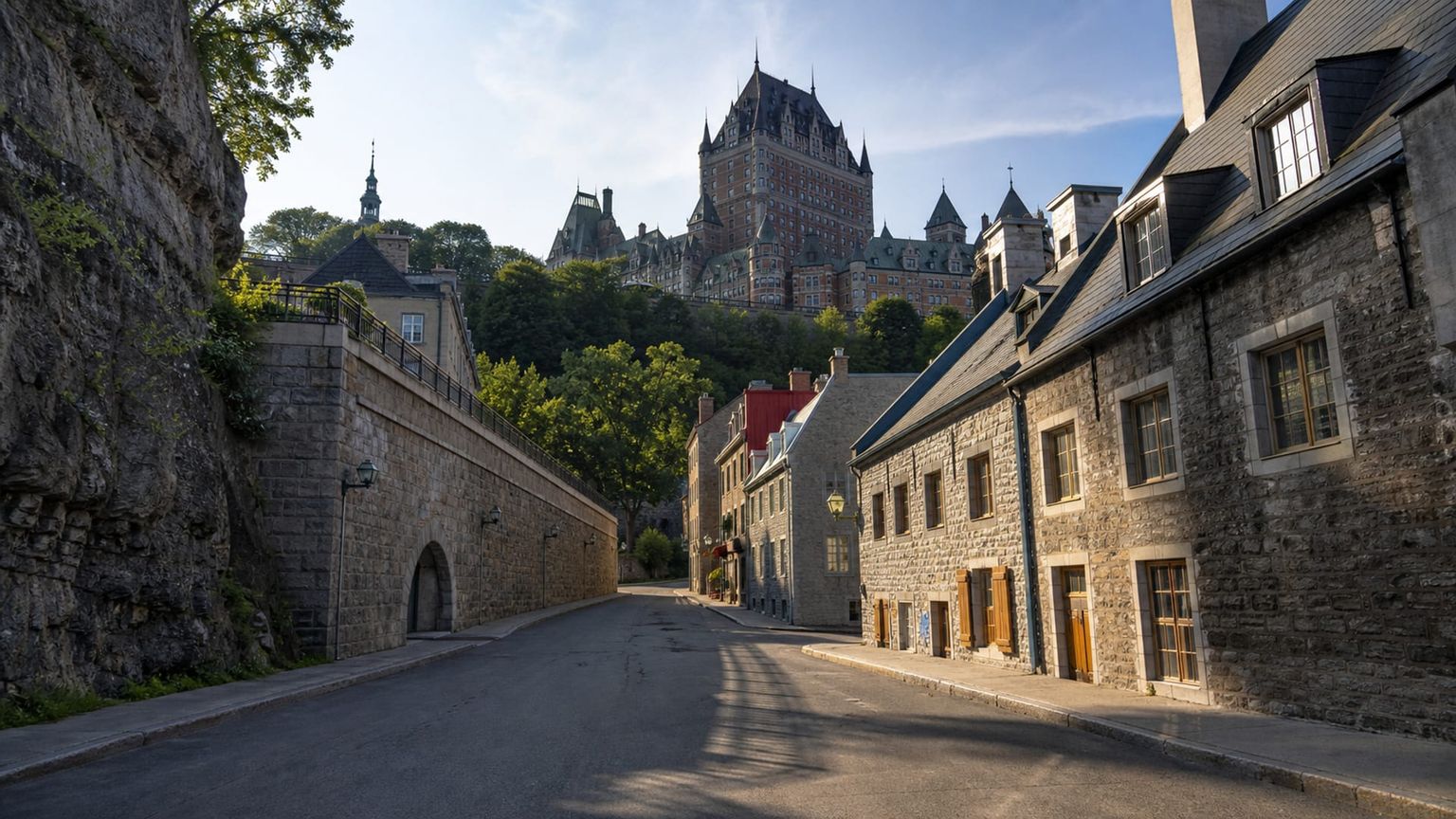
Québec City’s historic core, packed with stone facades, narrow lanes, and major sights such as Château Frontenac and Place Royale. It suits travelers who want to step out into the city’s main heritage district and reach the riverfront, museums, and classic restaurants on foot.
Best for: First-time visits, heritage sightseeing, and travelers who want to walk to the main landmarks
What to expect: Cobblestone streets, steady daytime foot traffic, and the busiest restaurant and hotel scene in the city.
Hotel prices: Usually about 220 C$ to 420 C$ (~160$ to ~305$) per night for well-rated stays
Distance to major sights: 5 to 15 minutes on foot to Château Frontenac and Place Royale
Quietness: Busy by day and early evening, then quieter late at night once day visitors leave.
Main trade-off: Rooms cost more here, and some streets can feel crowded in peak season.
Good to know: Parking is limited and often expensive, so plan on walking, taxis, or transit if you stay here.
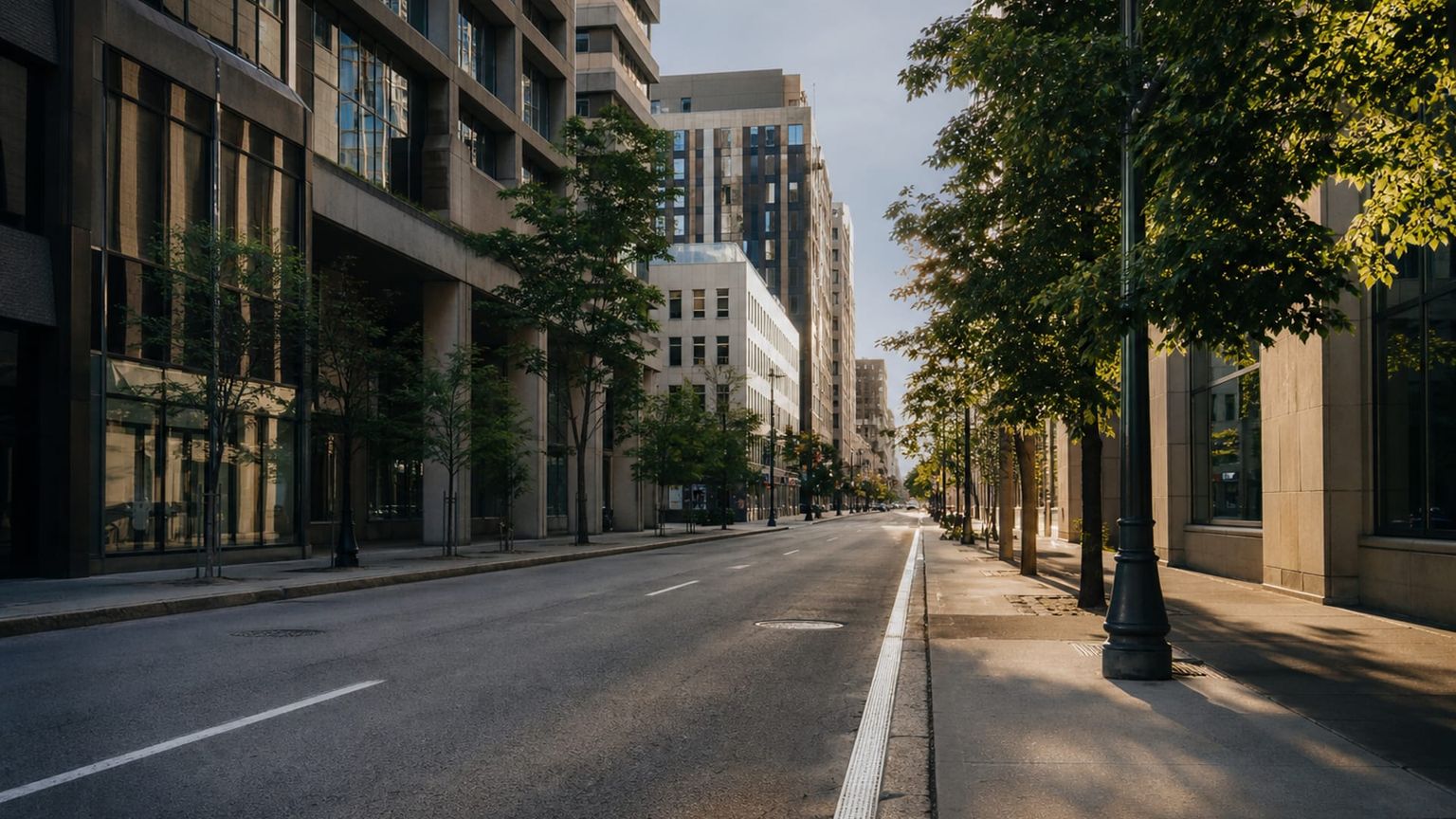
An inner-city district north of Old Quebec with restaurants, cafés, creative offices, and easy bus links. It matters for travelers who want a less tourist-heavy base while still staying close to the historic center and the lower town.
Best for: Dining, nightlife, and travelers who want central transit access
What to expect: Busy streets near dinner time, more local foot traffic than sightseeing crowds, and an urban feel after dark.
Hotel prices: Usually about 160 C$ to 280 C$ (~115$ to ~205$) per night for well-rated stays
Distance to major sights: 15 to 25 minutes on foot to Old Quebec, about 10 minutes by bus to Château Frontenac
Quietness: Active in the evening around restaurants and bars, calmer on side streets and later at night.
Main trade-off: You trade heritage atmosphere for a more modern streetscape and a longer walk to the main monuments.
Good to know: Some blocks are livelier late, so check the exact street if you prefer an early night.
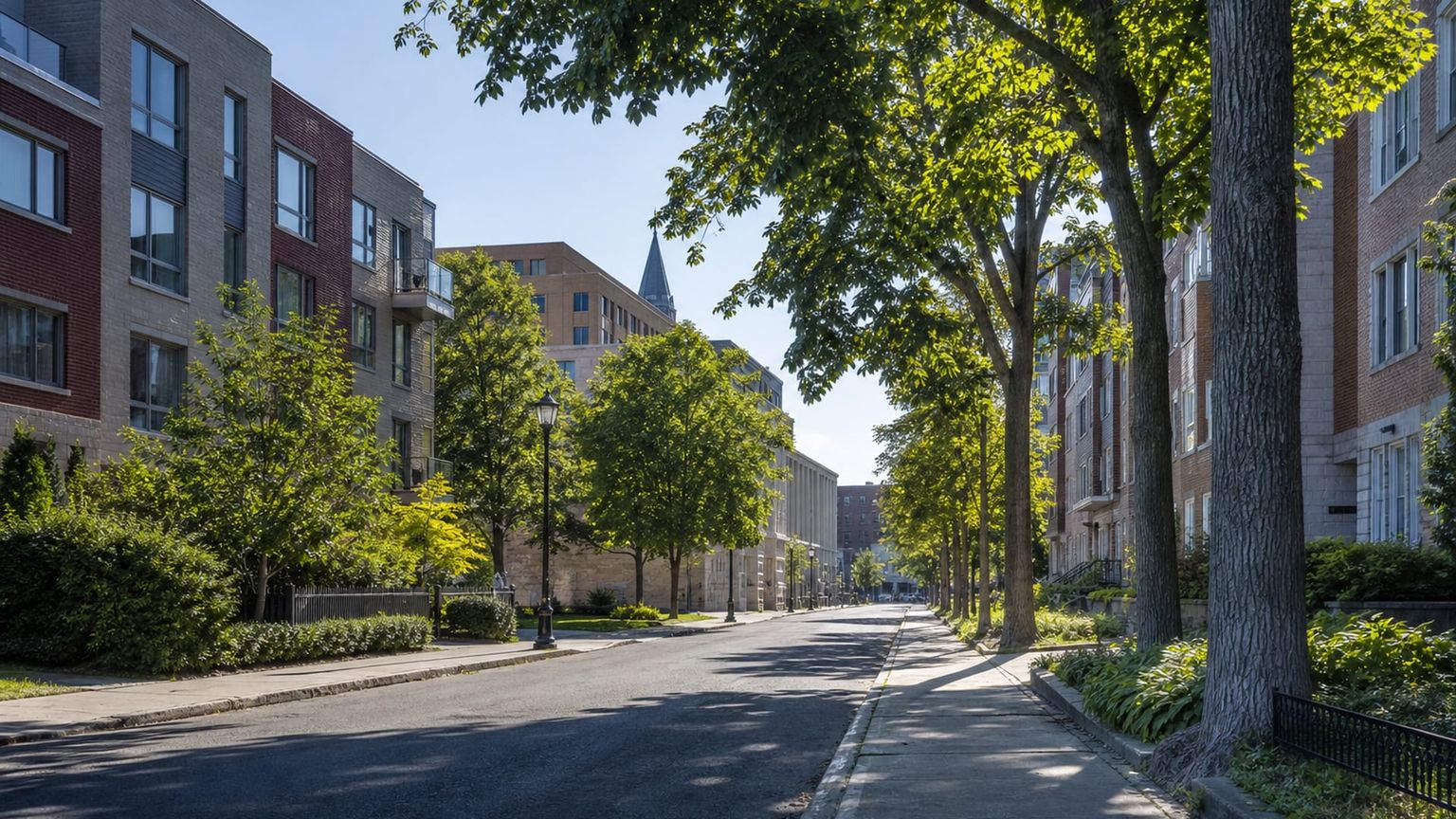
A residential and cultural area west of Old Quebec, close to the Plains of Abraham, museums, and art venues. It works well for visitors who want a calmer stay with easy access to parks, galleries, and the Upper Town without being inside the busiest core.
Best for: Museums, park walks, and travelers who want a calmer central base
What to expect: Tree-lined streets, local cafés, and a slower pace than the historic core, with more neighborhood life than tourist traffic.
Hotel prices: Usually about 150 C$ to 260 C$ (~110$ to ~190$) per night for well-rated stays
Distance to major sights: 10 to 20 minutes on foot to the Plains of Abraham, about 20 minutes to Château Frontenac
Quietness: Quieter during the day and generally calm in the evening, with only moderate restaurant activity.
Main trade-off: You will walk a bit more for the postcard sights, and hotel choices are fewer than in Old Quebec.
Good to know: Dinner options are solid, but late-night convenience is thinner than in the historic center.
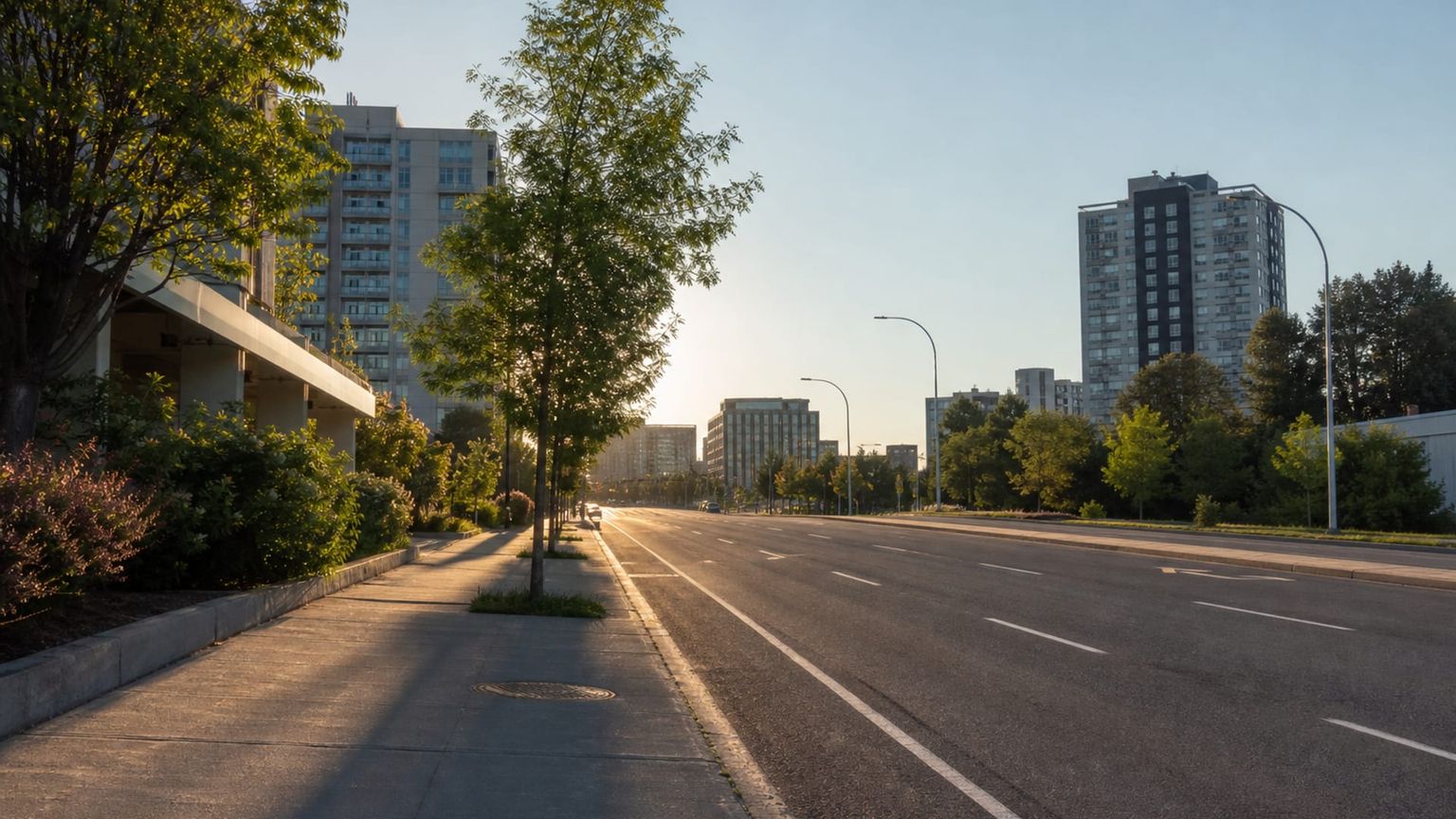
A large district west of downtown, known for shopping, hotels, the university area, and the Québec City airport corridor. It matters most for travelers who want easier driving, airport access, or lower rates than the historic center.
Best for: Airport access, shopping, business travel, and visitors arriving by car
What to expect: Wide roads, hotel clusters, malls, and a busier commercial atmosphere than a scenic visitor district.
Hotel prices: Usually about 130 C$ to 230 C$ (~95$ to ~170$) per night for well-rated stays
Distance to major sights: 20 to 30 minutes by bus to Old Quebec, about 10 to 15 minutes by car to Québec City (YQB)
Quietness: Busy around retail and hotel corridors by day, quieter in residential pockets at night.
Main trade-off: You save money, but you will rely on transit or a car for most sightseeing.
Good to know: If you plan early flights, this area cuts transfer stress, but it is not the easiest base for walking between landmarks.
Travelers usually avoid Sainte-Foy, Limoilou, and Beauport for a first stay, because they sit well outside Old Québec and the main sightseeing area, so you will rely on longer bus or taxi rides at night. Quebec City (YQB) airport-adjacent areas can also be less convenient for visitors, since they have fewer walkable dining and sightseeing options than central neighborhoods.
Hotel deals
How to get around Québec efficiently
Québec City has no metro, so most visitors switch between walking, RTC buses, and taxis, with Route 80 giving a useful link between Old Québec, the train station area, and the airport side of the city.

Metro
for longer distances
Québec City has no metro. Use the RTC bus network for most urban trips, and leave extra time in winter because frequent service is concentrated on the main corridors, not a rail grid.

Bus and tram
for convenience
RTC buses cover Québec City and Sainte-Foy well, with Route 80 linking Old Québec, the train station area, and the airport side of the city. A single ride is about $3.00 ($4.10) and is usually valid for about 90 minutes; day passes and multi-ride tickets cost less per trip if you will make several journeys.

Taxi
for convenience or late hours
Licensed taxis use metered fares, not fixed citywide set prices. A ride from Québec City Jean Lesage International Airport (YQB) to central Québec City usually costs about $30 to $45, while short downtown hops often fall near $10 to $20; most cabs take cards, and you can hail one on the street, from a taxi stand, or by phone or app.
*Prices are based on rates updated as of June 2026 and may change at the time of travel.
Walk for the historic core, use RTC buses for cross-town connections, and take a taxi or ride app when you want to cut the hill climbs or reach the airport faster.
Iconic landmarks
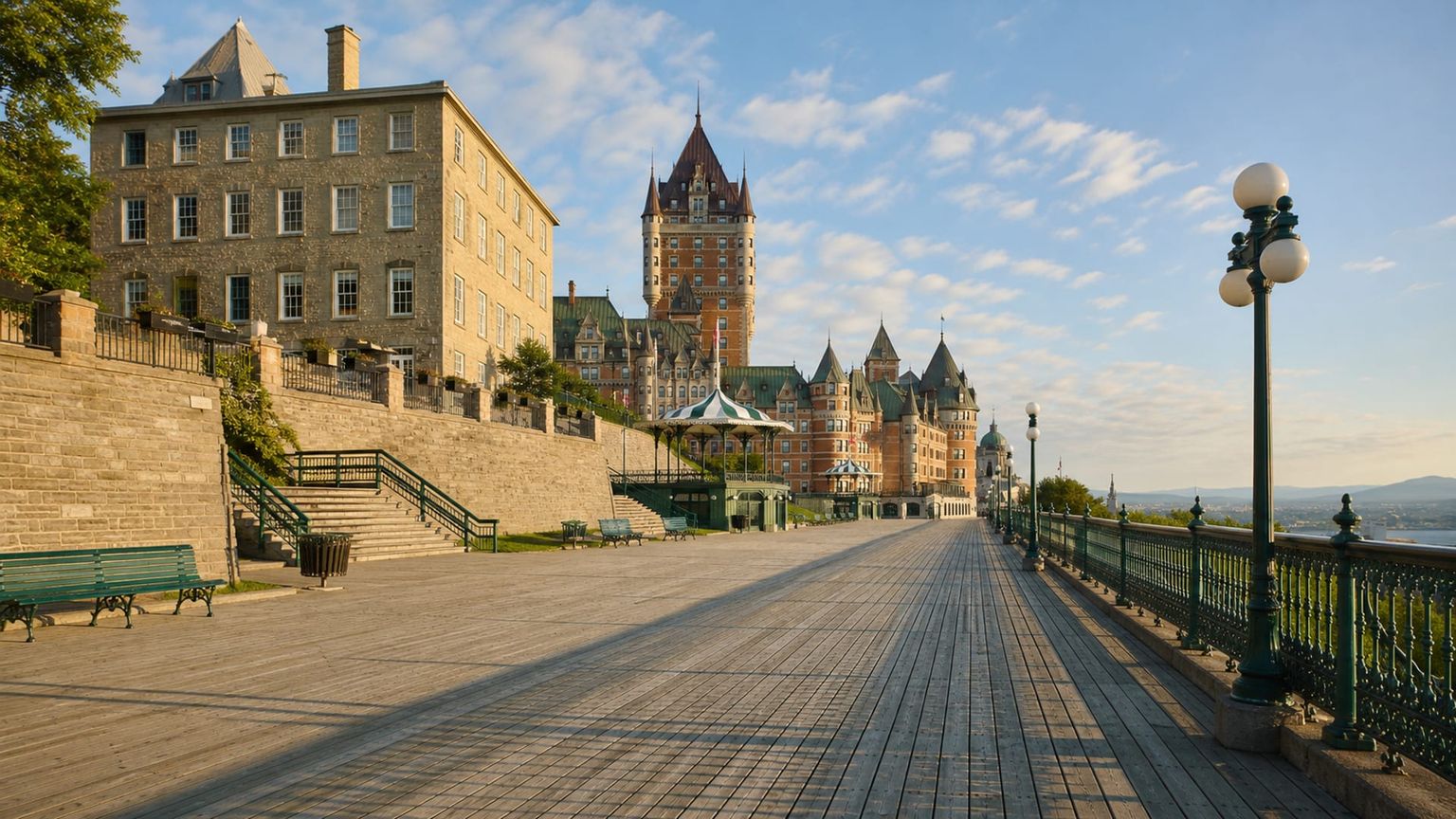
Old Québec
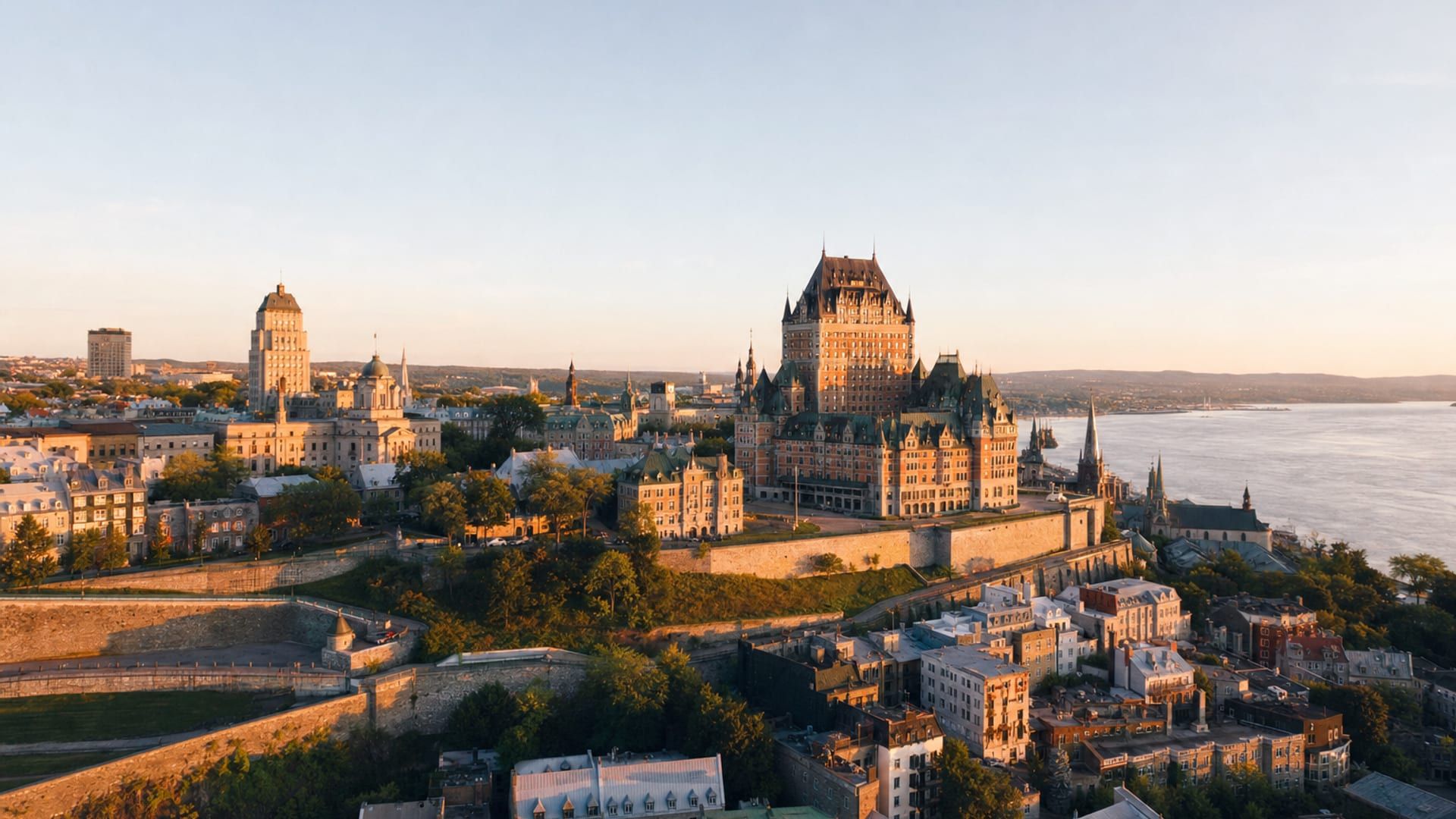
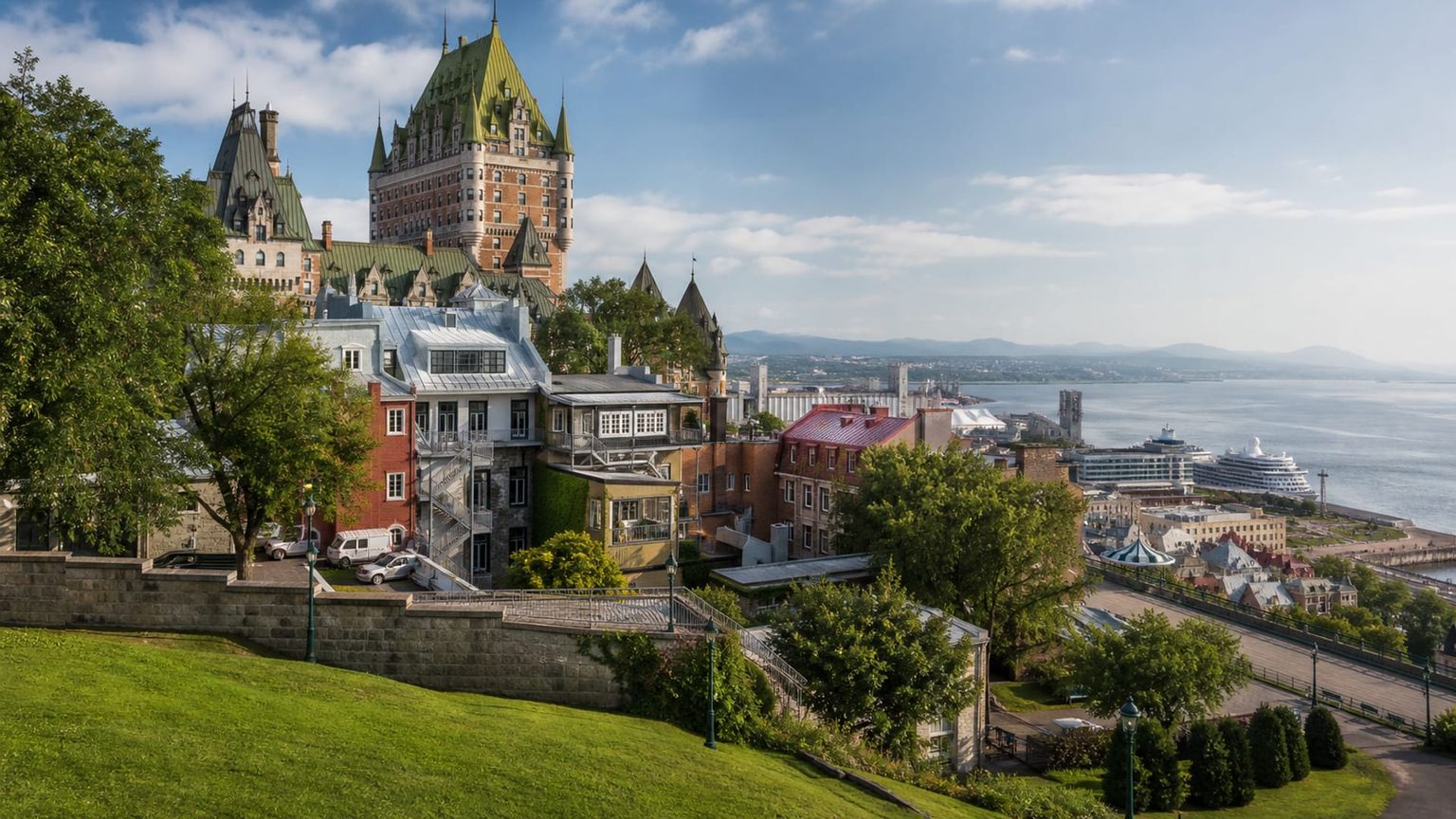
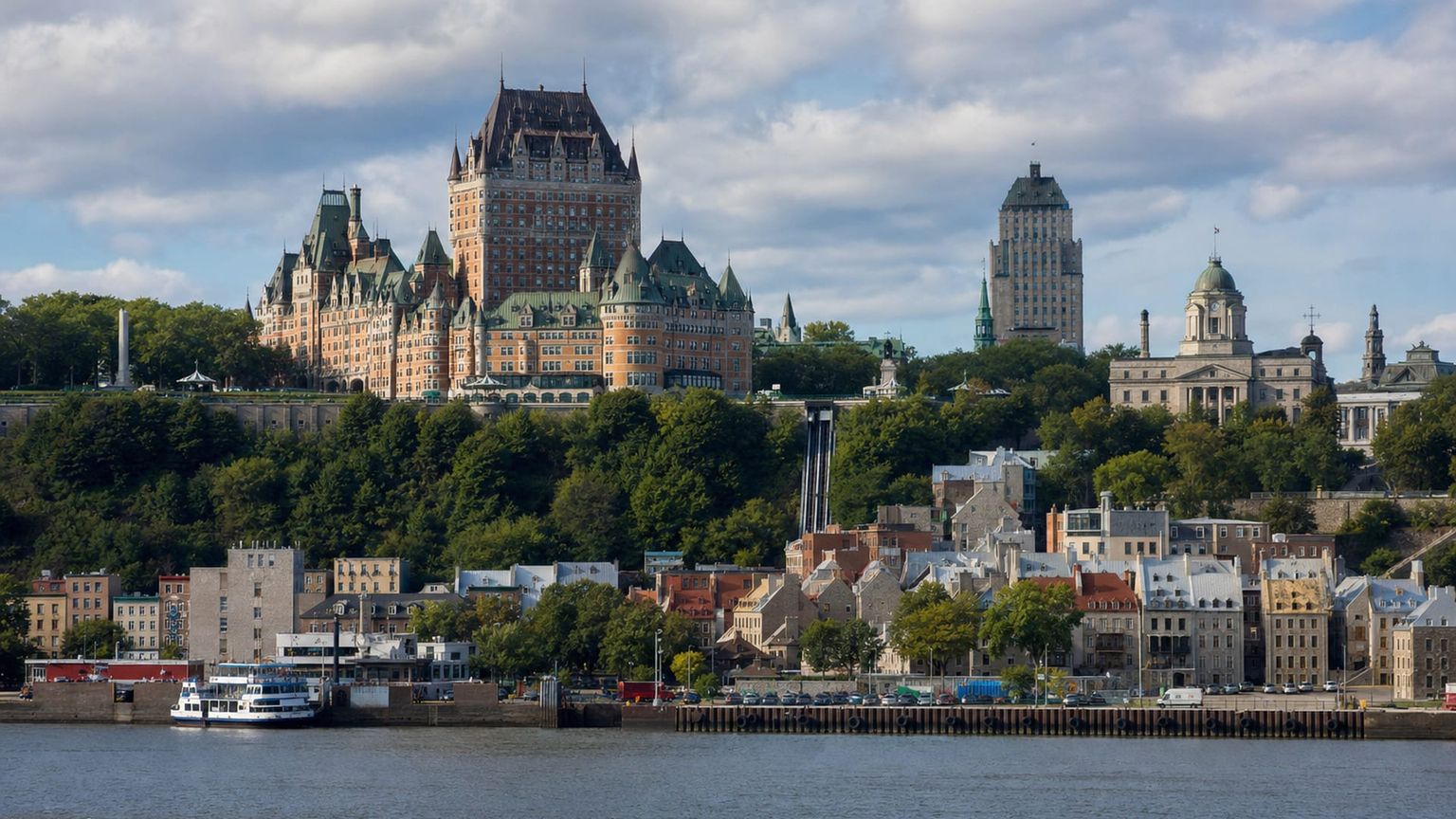
Québec City’s historic core, a UNESCO World Heritage site, gathers fortified walls, cobblestone streets, and landmarks such as the Château Frontenac and Place Royale. It is the place to trace the city’s French colonial past on foot.
Time needed: About 3 to 4 hours
Entry: Free to access; some museums and guided tours inside the district charge separately Visit the official site for details.
Tip: Go early or near sunset for calmer streets and better light on the stone façades.
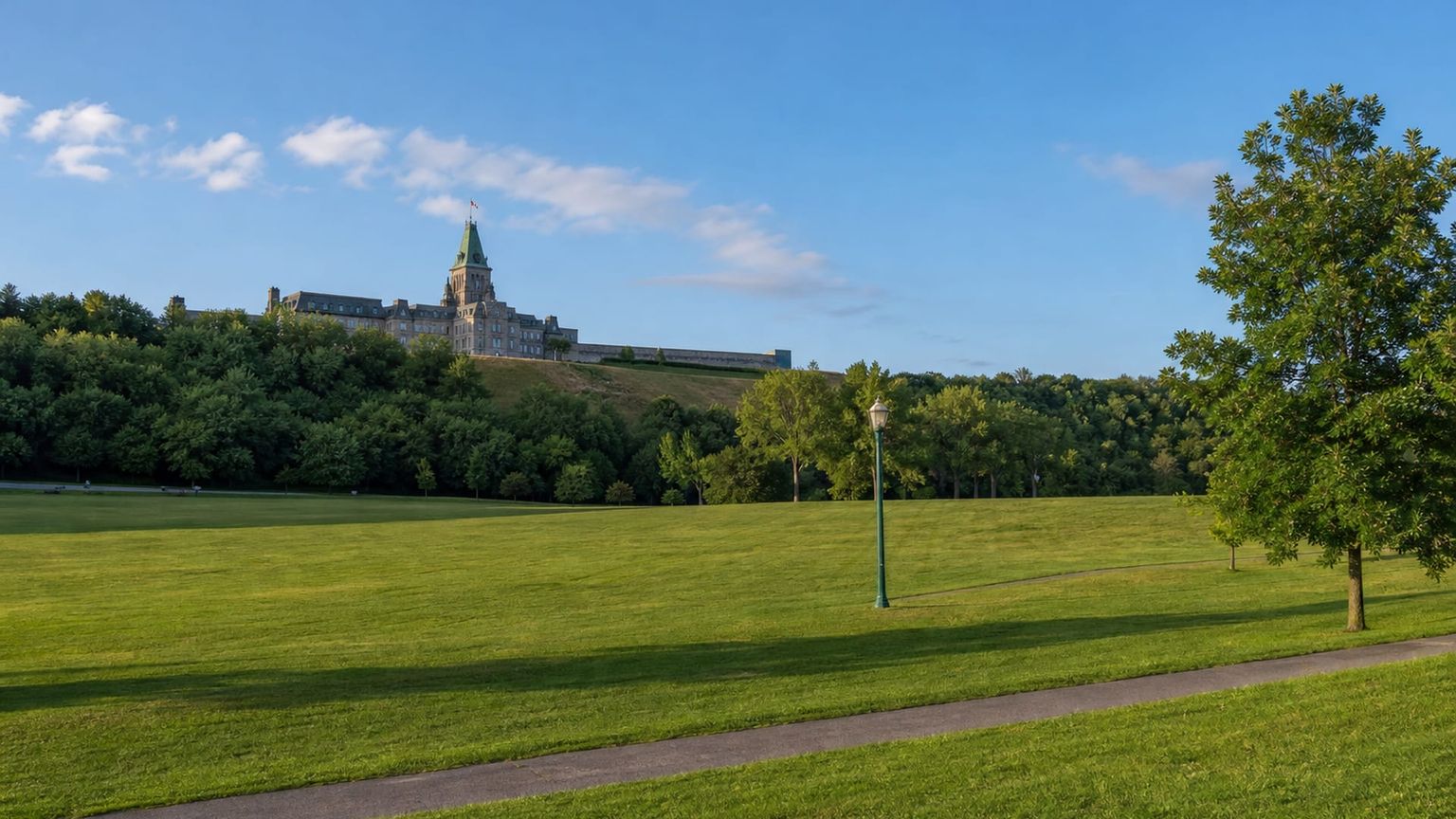
Plains of Abraham
This expansive urban park marks the 1759 battlefield and now links museums, lawns, and river views within walking distance of Old Québec. It suits a visit that combines history with an easy outdoor stop above the St. Lawrence.
Time needed: About 2 to 3 hours
Entry: Free to access; museum admission and special exhibitions are charged separately Visit the official site for details.
Tip: Visit in daylight, then continue toward the Citadelle for the clearest views.
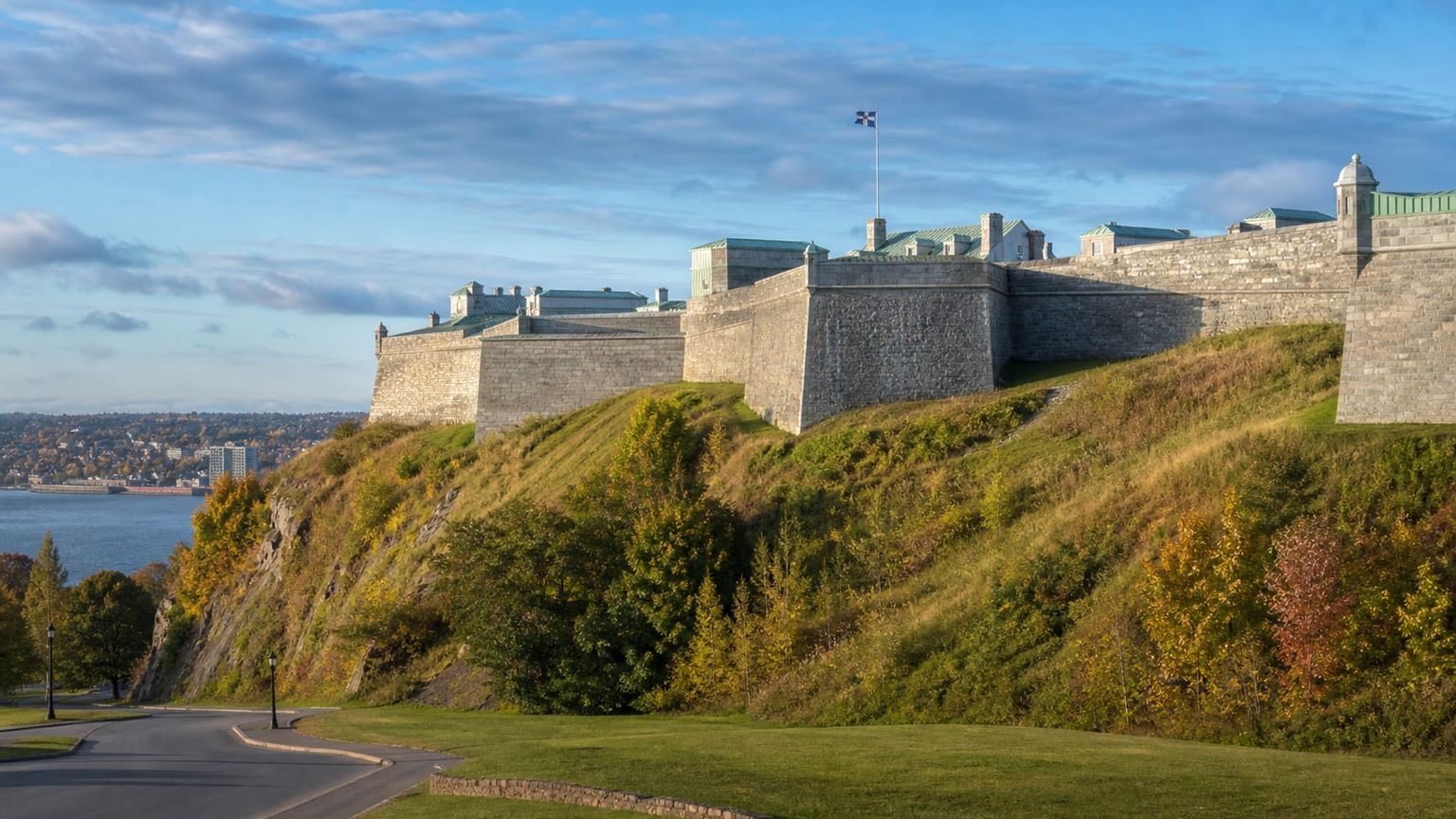
The Citadelle of Québec
The star-shaped Citadelle crowns Cap Diamant, with ramparts, a military museum, and daily inspections by the Royal 22e Régiment. It gives a clear look at Québec City’s defensive role above the river.
Time needed: About 1.5 to 2 hours
Entry: Admission costs $18.65 ($25) for adults, with reduced rates for youth and seniors; guided visits cost extra Visit the official site for details.
Tip: Arrive for the daily changing of the guard if you want the full ceremonial experience.
Overlooked sites worth visiting

Dufferin Terrace
This riverside promenade stretches beside the Saint Lawrence River under the Château Frontenac. It gives you benches, stair access to the Lower Town, and winter toboggan runs.
Time needed: About 30 to 60 minutes
Entry: Free to access
Tip: Go near sunset for the best river and cliff views.

Morrin Centre
This compact cultural center sits inside a former prison and college in Old Québec. Its museum rooms, library, and English-language history exhibits make a quiet stop between better-known landmarks.
Time needed: About 1 hour
Entry: Adult admission is about $12 ($16) Visit the official site for details.
Tip: Check the small-group tour times before you go.
Traditional food
Québec City leans on French-Canadian comfort food: tourtière, poutine, pea soup, and pouding chômeur. Menus often favor butter, potatoes, pork, maple, and winter-hearty portions, with long lunches and early dinners in old stone rooms.
Tourtière
This savory meat pie anchors the city’s winter table, usually with pork or a pork blend under a flaky crust. Aux Anciens Canadiens serves a classic version in Old Québec, where the setting matches the dish’s heritage profile.
Poutine
Fries, cheese curds, and gravy define the plate, and good versions rely on hot fries and fresh curds. Chez Ashton is a Québec City standby for the dish, with a local following and multiple locations across town.
Pea soup
This thick split-pea soup has the kind of depth that suits a cold-weather meal or a midday stop. Aux Anciens Canadiens is a strong place to try it alongside other regional classics in Old Québec.
Pouding chômeur
This maple-forward dessert bakes cake batter in a sweet cream sauce until it turns soft and rich. At Restaurant La Buche, the version fits a full Québec comfort-food meal and keeps the focus on local tradition.
Best time to visit Québec
Québec shifts sharply by season, with snowy sidewalks and festive rooms in winter, then long walking days, river views, and busier terraces once the weather turns mild.
Best for: Snowy Old Québec, indoor museums, and classic comfort food
What you get: Temperatures about 6°F to 25°F (-14°C to -4°C), with thinner crowds and slower walking on icy streets
Trade-offs: Cold snaps and snow can make hills and sidewalks harder to manage
Best for: Museum visits, park walks, and easier hotel planning
What you get: Temperatures about 34°F to 63°F (1°C to 17°C), with moderate crowds and improving sidewalk conditions
Trade-offs: Late snow and mud can still interrupt some outdoor time
Best for: Long days in Old Québec, the riverfront, and terrace dining
What you get: Temperatures about 61°F to 79°F (16°C to 26°C), with the largest crowds and the busiest sightseeing hours
Trade-offs: Popular sights and restaurants book up quickly
Best for: Clearer streets, crisp air, and strong foliage in the parks
What you get: Temperatures about 32°F to 68°F (0°C to 20°C), with lighter crowds after summer and before the holiday season
Trade-offs: Shorter days arrive quickly, especially in late autumn
A realistic 5-day plan in Québec
Five days in Québec works well when you let the historic core set the pace, then widen out to the park, the museum stops, and a few neighborhood meals. The plan below keeps each day tied to a small cluster of sights, so movement stays simple without packing everything into Old Québec at once.
Land at Québec City (YQB) and take a taxi or prebooked ride to Old Quebec, which usually takes about 20 to 25 minutes and costs roughly $30 to $40 CAD. If you prefer a lower-key first night, Saint-Roch and Montcalm both sit close enough for an easy transfer and give you better odds of a quiet dinner after arrival. Drop your bags, drink plenty of water, then stay near your hotel for an early meal, perhaps a simple bistro in Old Quebec if you want to be close to the main sights the next morning.
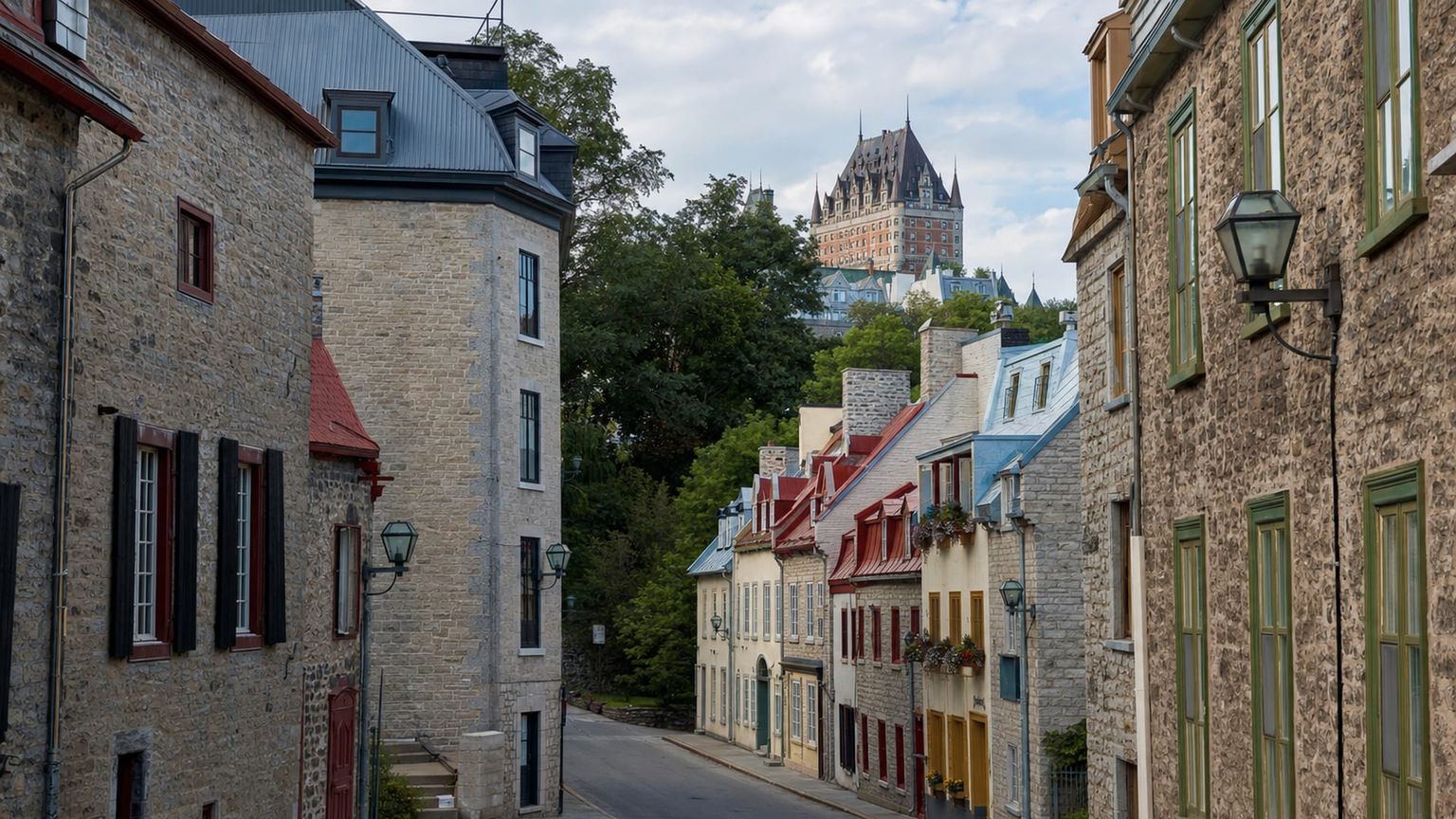
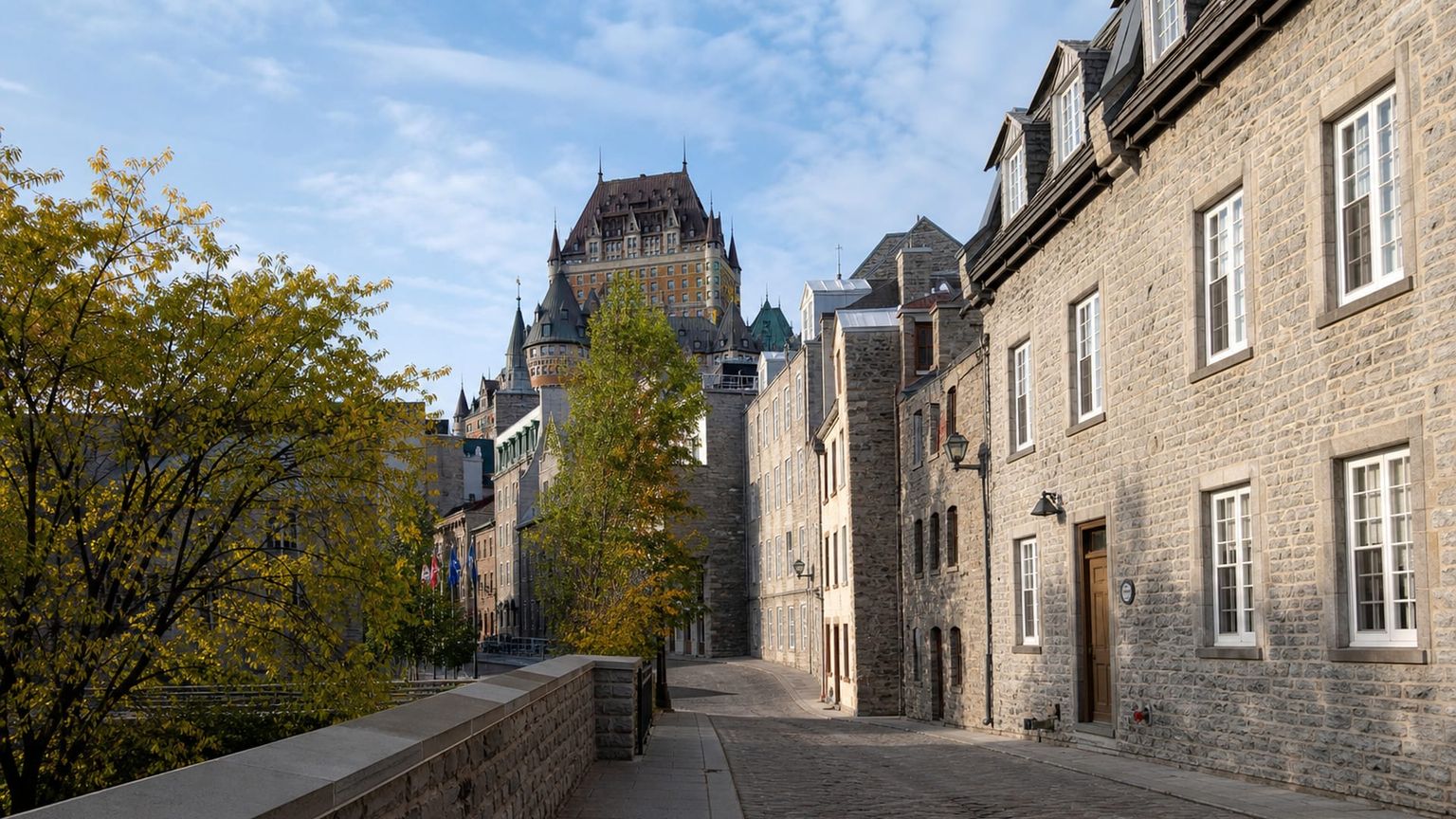
Begin in Old Québec, where Château Frontenac, Place Royale, and the surrounding lanes give you the city’s strongest historic concentration in one walkable loop. From there, spend about 30 to 60 minutes at Dufferin Terrace, then continue downhill into Lower Town, which is only a few minutes away on foot, for riverfront views and the stone facades around the old port area. After lunch, walk back uphill or take a short taxi ride to the Morrin Centre in Old Quebec, where about an hour is enough for the museum rooms and library before dinner nearby.
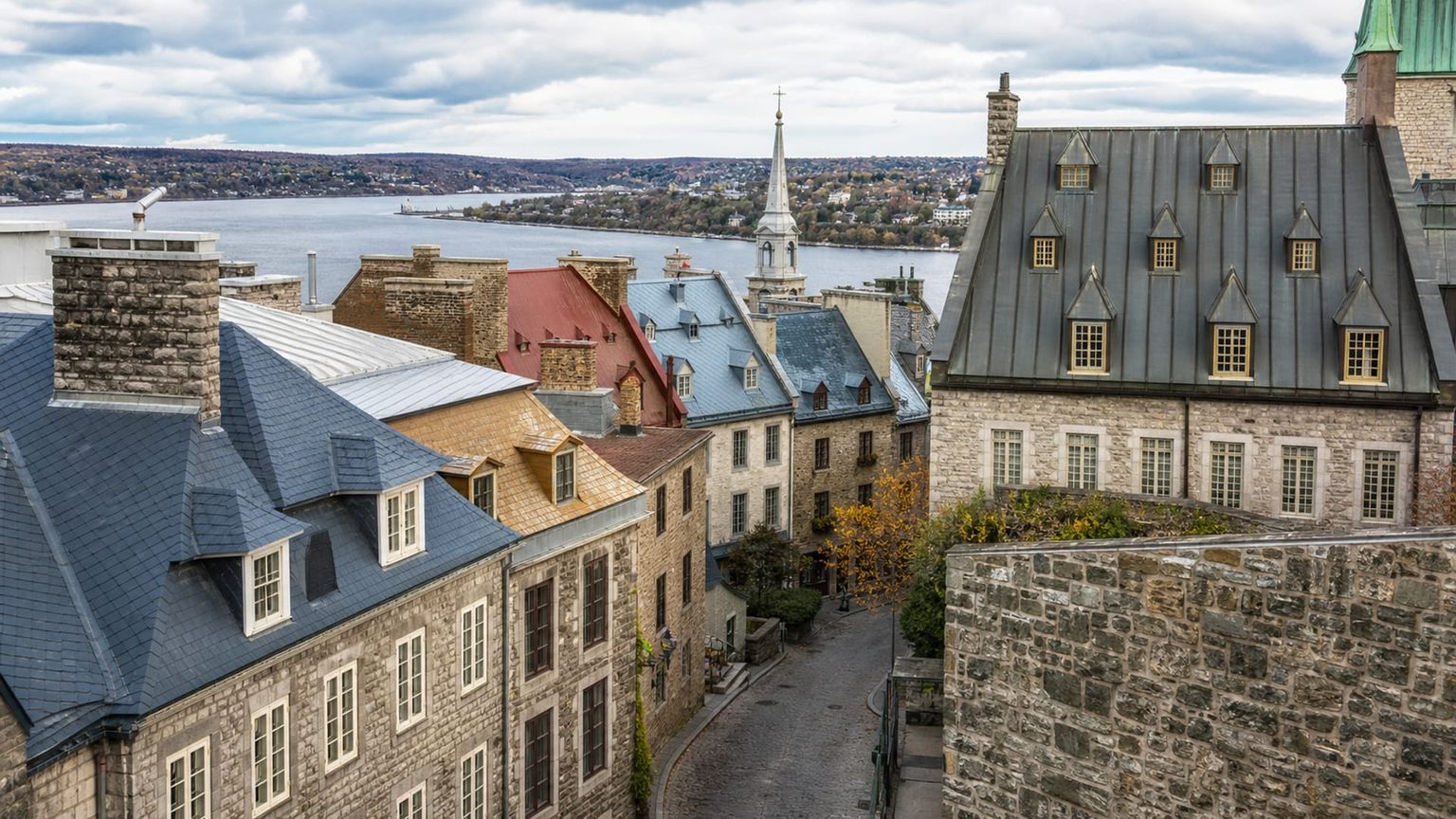
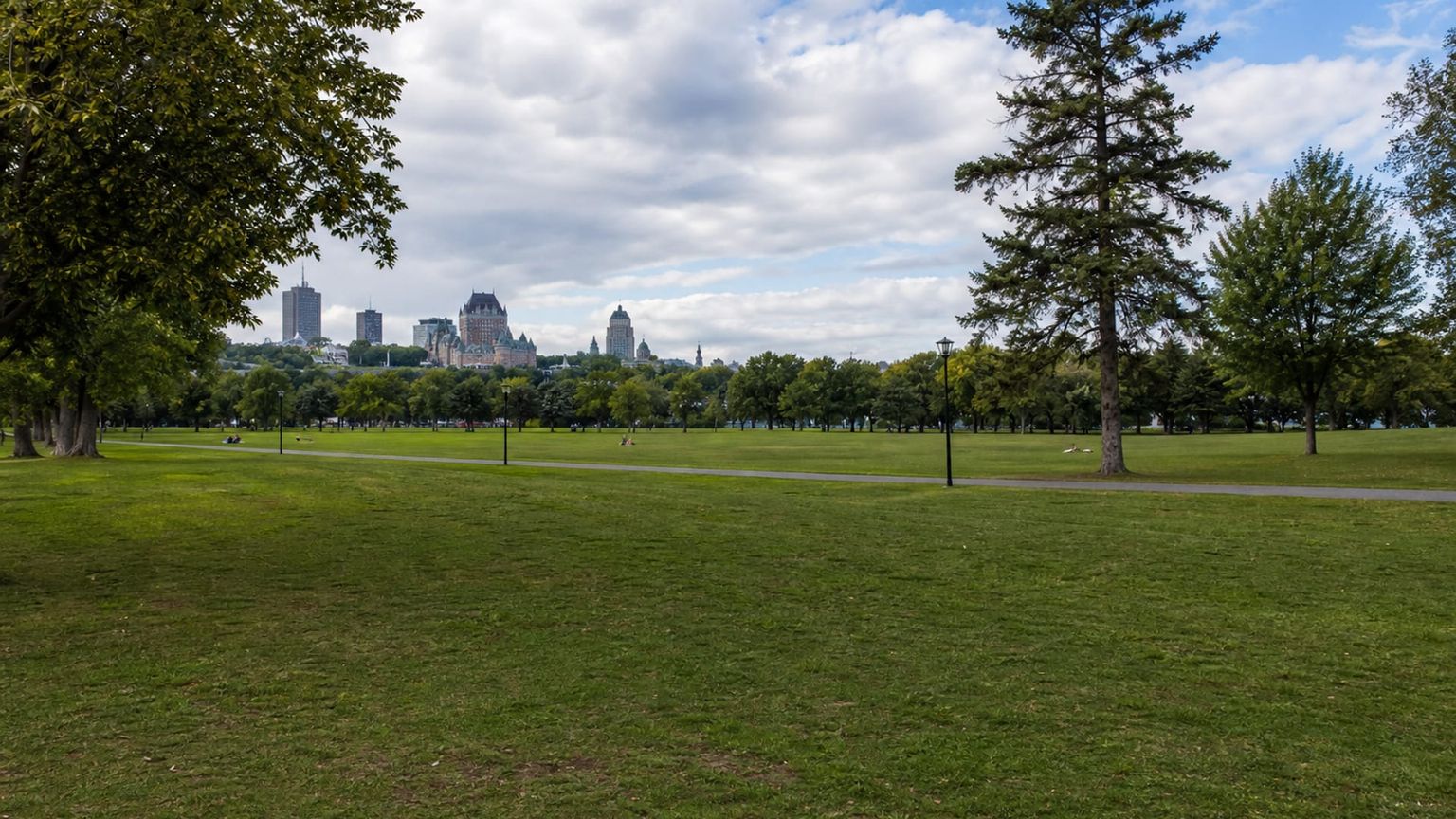
Start with the Plains of Abraham, then allow about 10 to 15 minutes on foot to reach the Citadelle of Québec for the ramparts, museum, and changing of the guard if the timing works. The park and fortress pair well because both sit above the river and let you move between open space and military history without a long transfer. Finish the afternoon back in Old Quebec, where you can return to the upper town for an unhurried dinner after a day that stays mostly on foot.
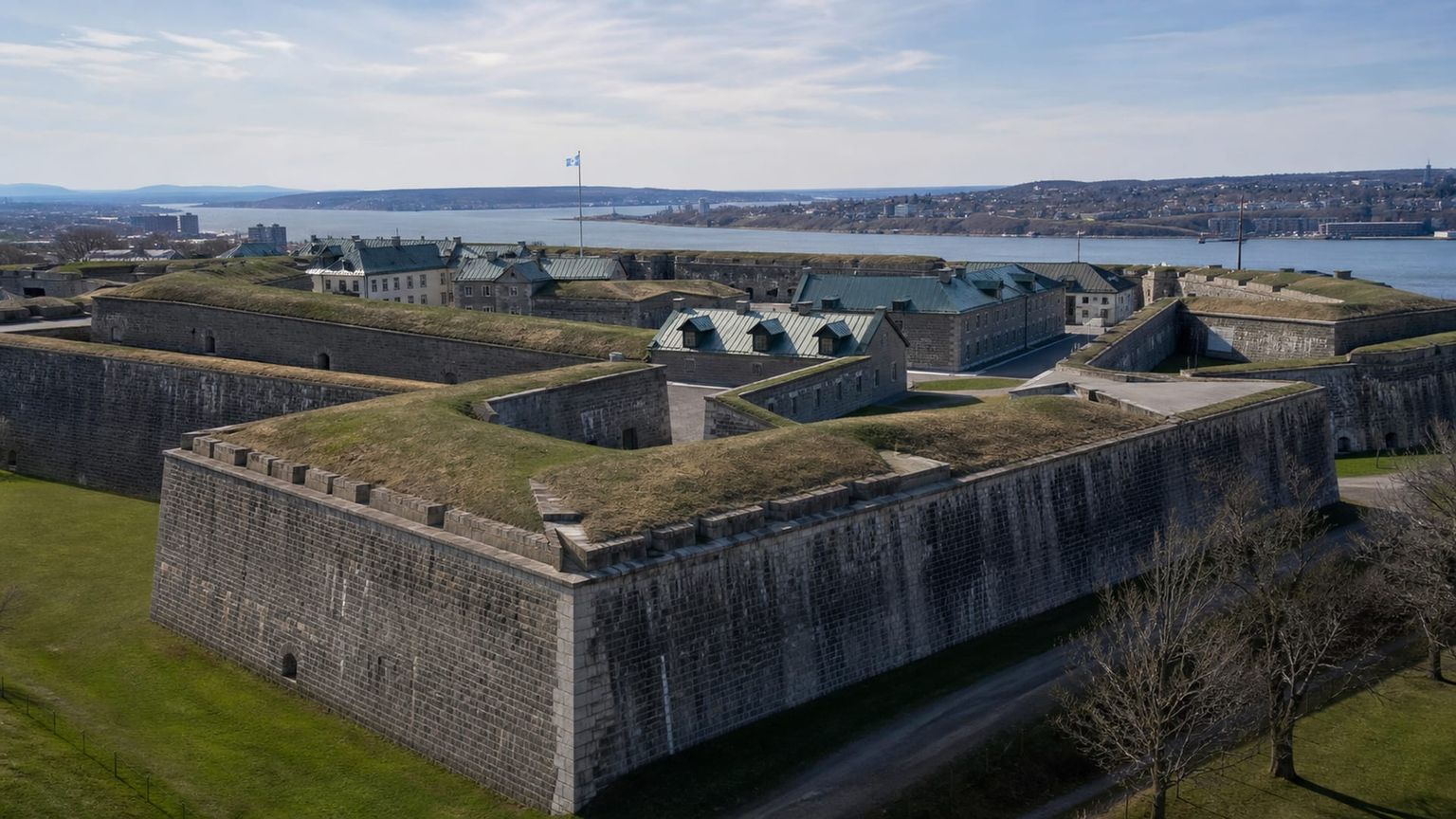
A morning in Montcalm shifts the pace: walk the neighborhood streets, then head toward the Plains of Abraham again, which is close enough for a second visit if you want more time with the park and its museum stops. From Montcalm, Old Quebec is typically about 20 minutes on foot, so you can cross into the historic core for a late lunch and another look at the stone streets without relying on a car. If you want one last indoor stop, fit in the Morrin Centre before dinner, since it sits directly in the historic district and works neatly between neighborhood wandering and an evening meal.
For your last day, stay near Old Quebec and pair a final museum stop with low-effort shopping and coffee rather than a full sightseeing schedule. The Morrin Centre fits well if you want one more compact cultural visit, then you can browse nearby streets in Old Quebec or move to Saint-Roch for shops and a different lunch scene. If you are flying out later, settle into a café in Montcalm for an unhurried break before heading back to Québec City (YQB).
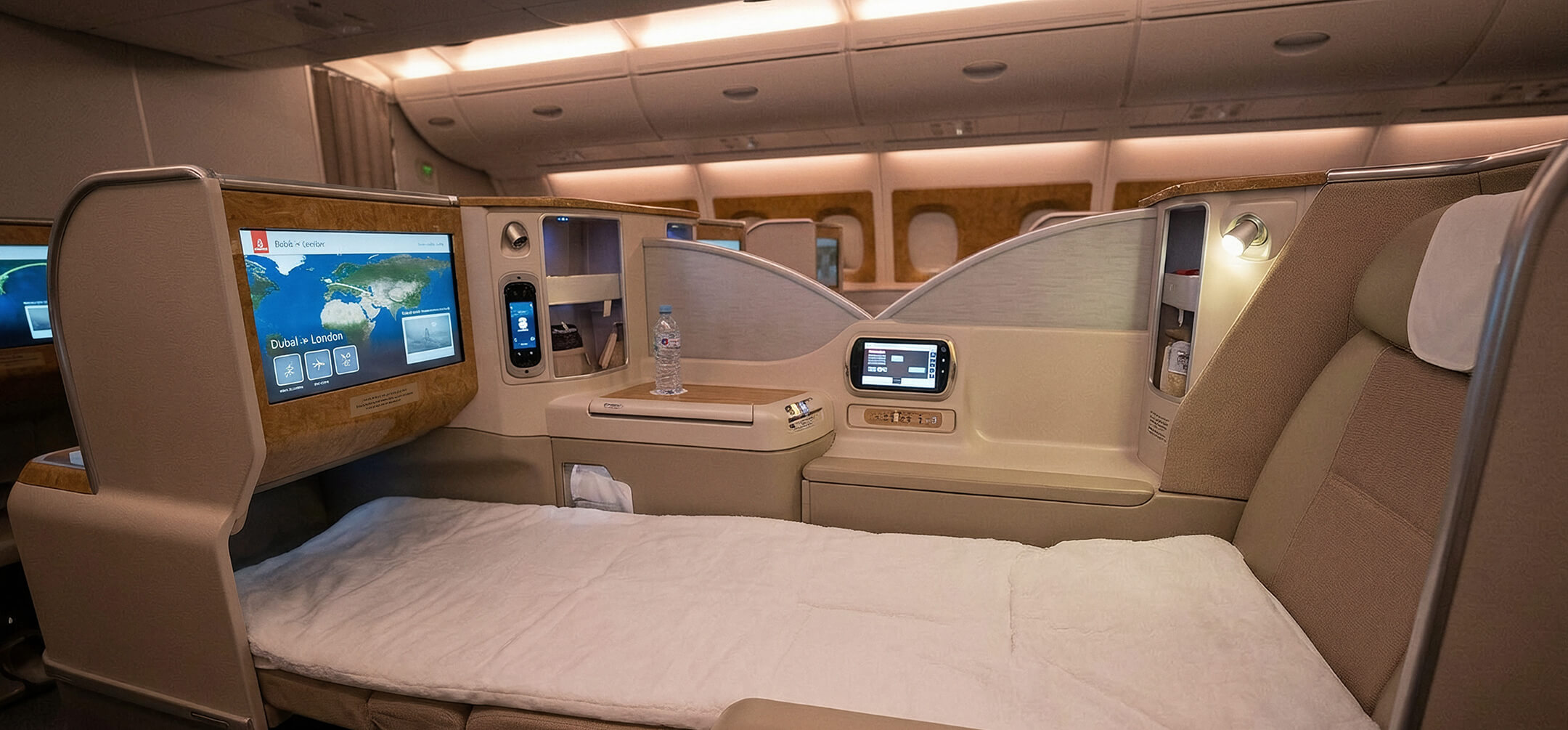
Business-class flights from the US to Québec
Flights to Québec City make the most sense when you compare how much time you want to spend airborne versus connecting. From New York and Los Angeles, the nonstop and one-stop options can look very different, so the route details matter.
From New York, Air Canada, Delta Air Lines, American Airlines, United Airlines, Porter Airlines, and Air France all appear on the board. Nonstop flying takes about 1 hour 20 minutes to 1 hour 35 minutes, while one-stop trips usually connect through YUL, YYZ, BOS, EWR, or JFK and run about 3 hours 45 minutes to 7 hours in total. Fares start from $1,200 to $2,600 round-trip; nonstop tickets usually sit near the lower end, while a connection can cut the price if you accept a longer travel day.
Los Angeles itineraries usually involve Air Canada, WestJet, American Airlines, United Airlines, or Delta Air Lines, with connections through YVR, YYC, YUL, SFO, or SEA. Nonstop flying runs about 5 hours 20 minutes to 6 hours, while one-stop trips commonly stretch to about 8 hours to 14 hours. Round-trip fares begin at $2,100 for nonstop itineraries, and one-stop options often price below that if you can trade time for savings.
Québec feels different when you slow down
A thoughtful Québec trip gives you time to move between Old Québec, the Plains of Abraham, the Citadelle, Montcalm, and Saint-Roch without treating the city like a single block of landmarks. RTC buses, short taxi rides, and steady walks between hilltop streets and river views make the days easier to shape. If you want help matching that pace to the right season or neighborhood, the AranGrant experts can help you build it around Old Québec and the riverfront