

Chapters:

Need help with your trip?
Our support team is available 24/7. Request a callback or call us directly at (833) 619-0908
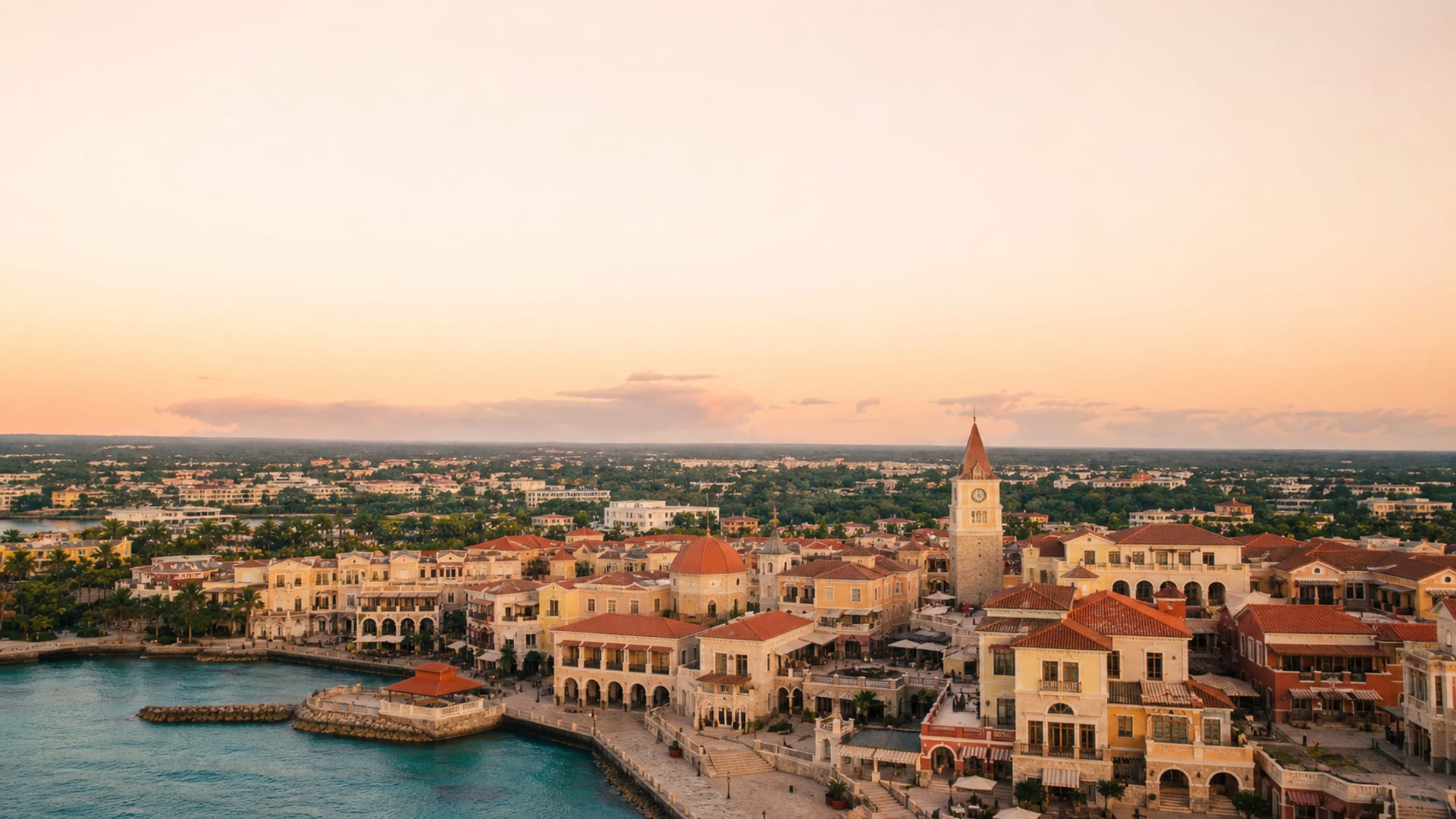
A first trip to Punta Cana often follows the same script, airport transfer, resort check-in, beach day, repeat. What travelers miss is how much time the area takes once they add Scape Park, Cap Cana, and even a simple dinner off-property.
Those distances are not large, but they are enough to shape each day. Bávaro, Cap Cana, and Downtown Punta Cana each move at a different pace, and taxi fares, resort gates, and traffic on the main roads can change an evening plan.
This guide maps the city in a more deliberate order, so the beach, inland sights, food stops, and airport timing all fit together without forcing long backtracking.
Useful things to know

Main language(s): Spanish
Hola (OH-lah) – Hello
Por favor (por fah-VOR) – Please
Gracias (GRAH-syahs) – Thank you
¿Habla inglés? (AH-blah een-GLAYS) – Do you speak English?
¿Cuánto cuesta? (KWAN-toh KWEHS-tah) – How much does it cost?

Currency: The local currency is the Dominican peso (DOP, RD$).

Cash and cards: Cards and contactless are widely accepted in Punta Cana, but carry about RD$2,000 to RD$4,000 ($34 to $68) for taxis and small buys.

Tipping: Round up small bills; leave 5-10% at sit-down restaurants if service is good.

Traditional food: La Bandera, sancocho, mofongo, pasteles

Water and coffee costs: Water about RD$100 to RD$150 ($2 to $3), bar espresso about RD$80 to RD$140 ($1.50 to $2.50).

Taxis and ride apps: Uber operates; availability can be limited near resort zones, so confirm pickup points.

Plug and voltage: Type A/B socket, 120V

Dining and shop opening hours: Breakfast is about 07:00-10:00, lunch 12:00-15:00, and dinner 19:00-22:00. Many restaurants keep later hours in resort areas.

Emergency number: 911 for police, fire, and ambulance.
Where to stay in Punta Cana
Punta Cana’s best-known resort strip, Bávaro Beach lines a long sweep of pale sand with large all-inclusive hotels, restaurants, and beach clubs. It matters because many travelers want direct beach access, easy dining, and the widest choice of stays in the area.
Best for: Beach holidays, all-inclusive resorts, and travelers who want to stay closest to the sand
What to expect: Busy resort traffic by day, hotel shuttles, beach vendors, and more activity than in inland districts.
Hotel prices: Usually about $180 to $450 per night for well-rated stays
Distance to major sights: About 20 to 30 minutes by car to Punta Cana International Airport (PUJ), about 25 minutes to downtown Punta Cana
Quietness: Busy during the day, livelier in the evening near resorts and restaurants; quieter once you move away from the beach strip.
Main trade-off: The most convenient beach base also brings the heaviest concentration of tourists, so rates and crowds run higher than inland areas.
Good to know: If you plan to eat outside your hotel often, choose a property with a good on-site restaurant or expect longer taxi rides after dark.
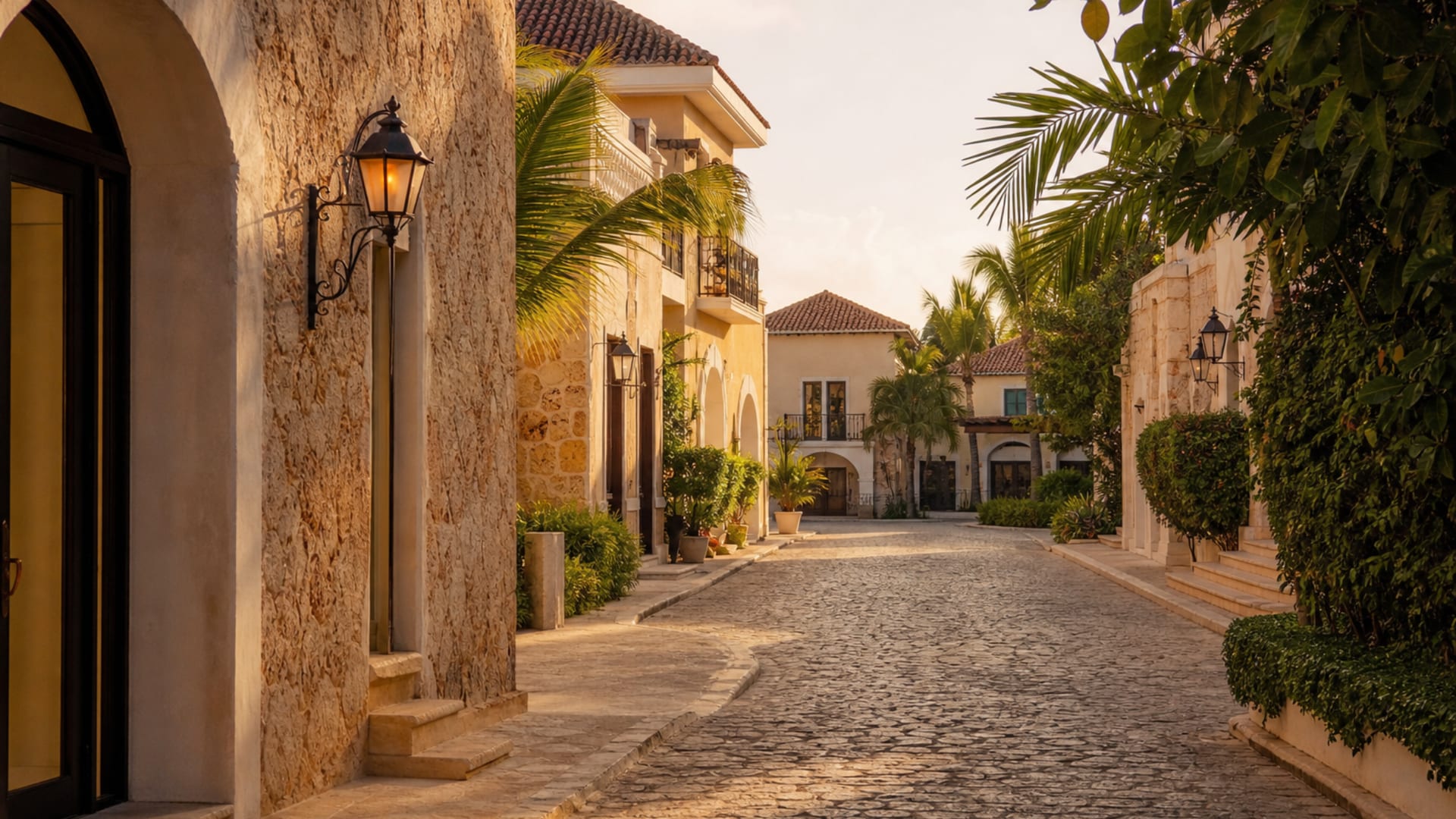
Cap Cana is an upscale gated resort district south of Bávaro, anchored by marinas, golf, and high-end villas and hotels. It matters for travelers who want a quieter, more exclusive setting with easy access to Juanillo Beach and premium resort facilities.
Best for: Luxury stays, golf, marina access, and travelers who prefer a quieter resort setting
What to expect: Low street activity, controlled access, and guests moving mostly between hotels, beaches, golf, and the marina.
Hotel prices: Usually about $220 to $700 per night for well-rated stays
Distance to major sights: About 15 to 20 minutes by car to Punta Cana International Airport (PUJ), about 20 minutes to Bávaro Beach
Quietness: Very quiet in the day and even calmer at night, with activity concentrated inside resorts and restaurants.
Main trade-off: You pay for the setting, and you will usually depend on resort dining or taxis because the district is spread out.
Good to know: If you want to explore outside the gate often, factor in transfer costs and longer waits for rides compared with staying in Bávaro.
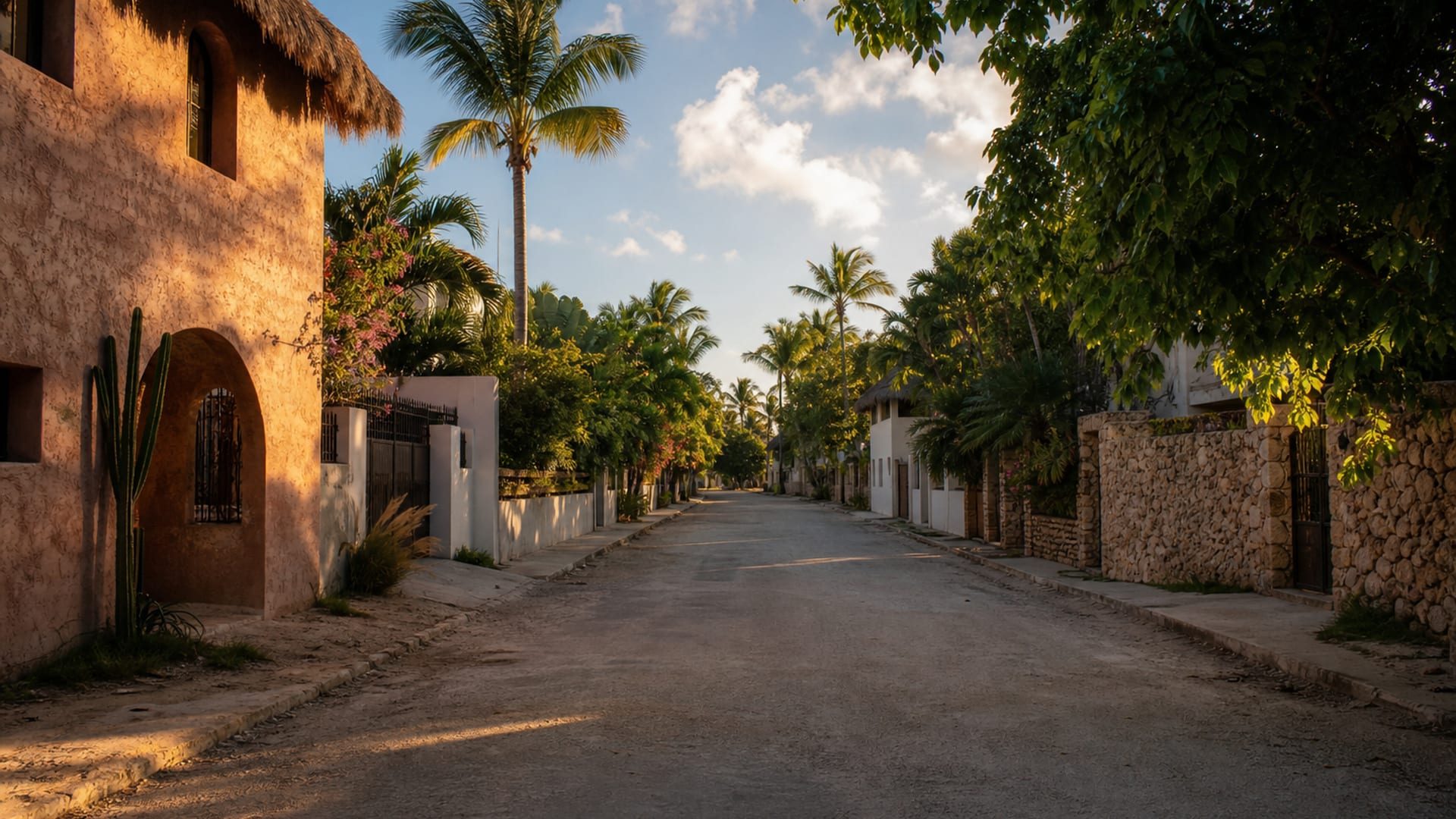
Uvero Alto sits at the northern edge of Punta Cana’s resort zone, where long beaches, larger parcels of land, and newer hotels leave more space between properties. It matters for travelers who want a more secluded beach stay without leaving the metropolitan area.
Best for: Quiet beach stays, couples, and travelers who want a more secluded resort base
What to expect: Sparse street life, long hotel fronts, and a slower pace than the main Bávaro corridor.
Hotel prices: Usually about $160 to $420 per night for well-rated stays
Distance to major sights: About 35 to 45 minutes by car to Punta Cana International Airport (PUJ), about 40 minutes to Bávaro Beach
Quietness: Quiet by day and very quiet after dark, with nightlife limited to hotel programs and a few resort bars.
Main trade-off: The calm setting comes with longer transfer times to the airport and fewer dining choices outside the hotel zone.
Good to know: Pick this area only if you are comfortable spending most meals and evenings at the resort, since off-property options are limited.
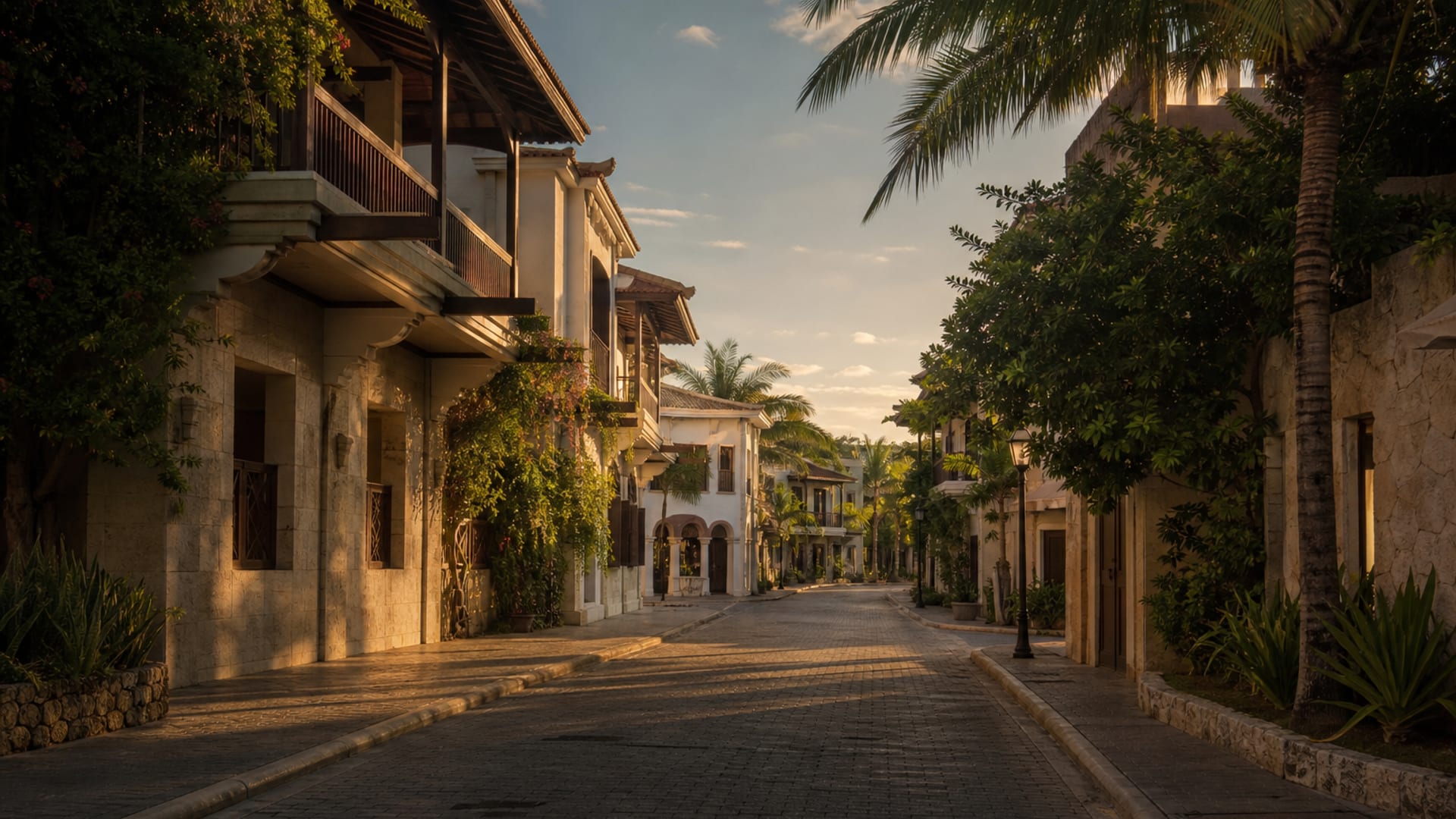
Downtown Punta Cana, also called Punta Cana Village area, is the main inland residential and commercial center near the airport. It matters for short stays, business trips, and travelers who want easier access to shops, cafés, and the airport than to a beach.
Best for: Airport access, business trips, errands, and travelers who want a local base away from the resort strip
What to expect: More local traffic, shopping centers, and everyday activity than along the beaches, with fewer vacation crowds.
Hotel prices: Usually about $100 to $280 per night for well-rated stays
Distance to major sights: About 10 to 15 minutes by car to Punta Cana International Airport (PUJ), about 20 to 25 minutes to Bávaro Beach
Quietness: Moderately quiet by day and quieter at night, though main roads can carry traffic at commute times.
Main trade-off: You gain airport convenience and local services, but you will need transport for almost every beach outing.
Good to know: If your flight lands late or leaves early, this is the easiest area for cutting transfer time and avoiding a resort check-in rush.
Travelers usually avoid Macao village for an overnight base because it sits far from Bávaro and Punta Cana’s main resort strip, with fewer restaurants and shops outside the beach clubs. Uvero Alto is also less convenient, since it is roughly 30 to 45 minutes north of the airport and most major attractions, and Cap Cana can work for luxury stays but sits far from the busiest dining and nightlife areas in Bávaro.
Hotel deals
How to get around Punta Cana efficiently
Punta Cana has no metro, so most visitors move between beaches, resorts, and sights by taxi, hotel shuttle, ride-hail, or long-distance bus.

Metro
for longer distances
There is no metro in Punta Cana, so visitors rely on road transfers, hotel shuttles, and intercity buses rather than rail. The airport area has no subway-style link, and the closest fixed-route option is long-distance bus service to nearby towns, which does not function as an urban metro substitute.

Bus and tram
for convenience
Local bus coverage in Punta Cana is limited and not built for airport-area hopping; most public buses are long-distance coaches and minibuses linking Punta Cana, Bávaro, Higüey, and Santo Domingo. Fares are usually about $1 to $6 depending on distance, with trips to Higüey taking roughly 30 to 45 minutes and Santo Domingo about 2.5 to 3.5 hours. Check departure points in advance, because stops and schedules can be irregular and many services leave when full.

Taxi
for convenience or late hours
Licensed taxis at Punta Cana Airport (PUJ) usually use set fares rather than meters, with airport-to-resort rides commonly about $20 to $50 depending on zone and distance. Shorter local trips in Bávaro and Punta Cana often cost about $10 to $25, while longer transfers can climb to about $60 or more. Ask the driver to confirm the price before boarding, carry cash in USD, and expect cards to be less common than cash payment.
*Prices are based on rates updated as of June 2026 and may change at the time of travel.
Use taxis for resort hops, ride-hail when pickup works near your hotel, and buses only for longer trips beyond the airport zone.
Iconic landmarks
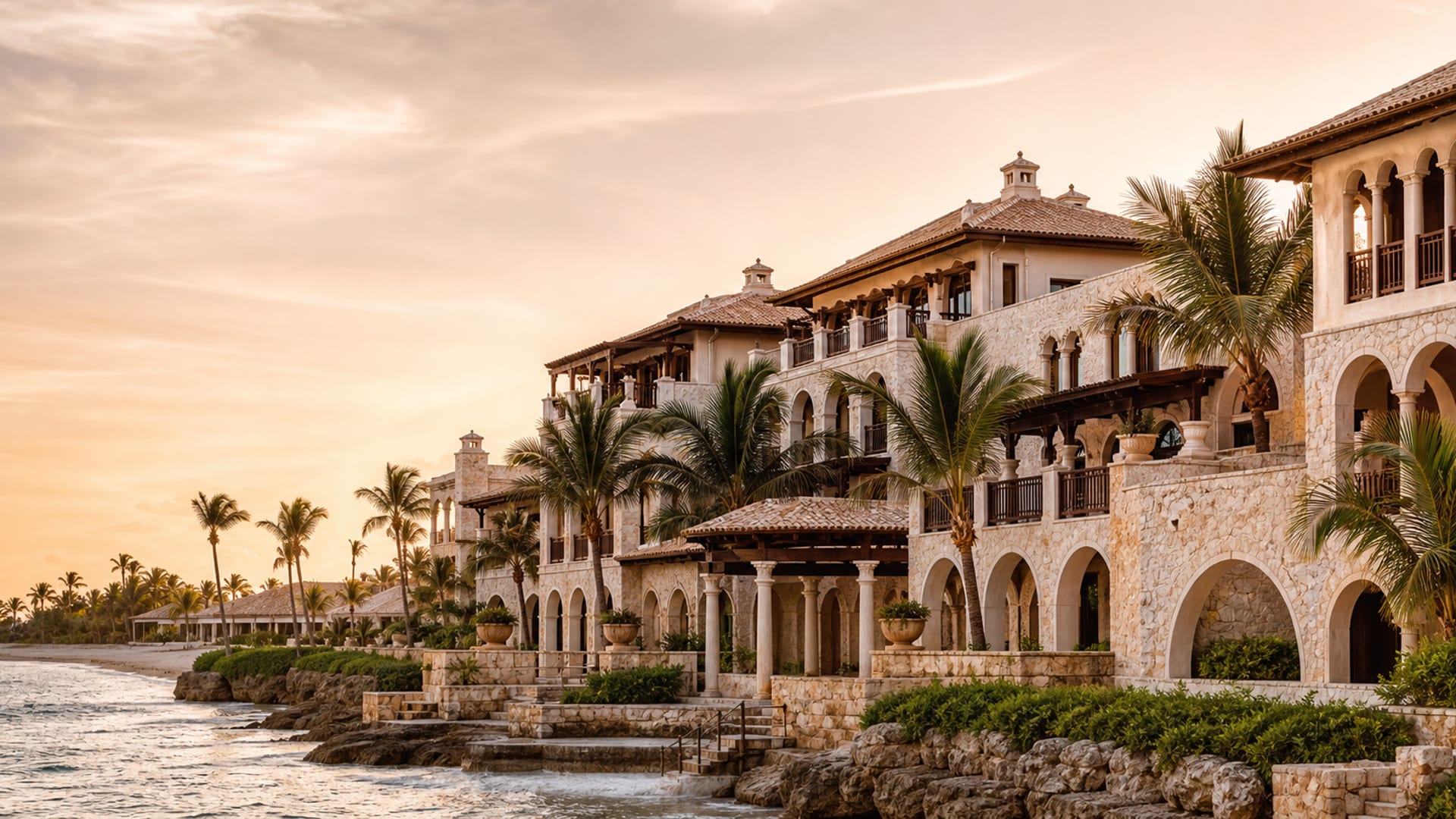
Bávaro Beach
Punta Cana’s best-known public beach runs for kilometers along white sand and clear Caribbean water. The calm shallows suit swimming and easy shoreline walks, and beach clubs line much of the strip near Bávaro.
Time needed: About 2 to 4 hours
Entry: Free to access; beach clubs, loungers, and water sports charge separately, with typical rentals and day use varying by operator.
Tip: Go early for the calmest water and the clearest shade along the shoreline.
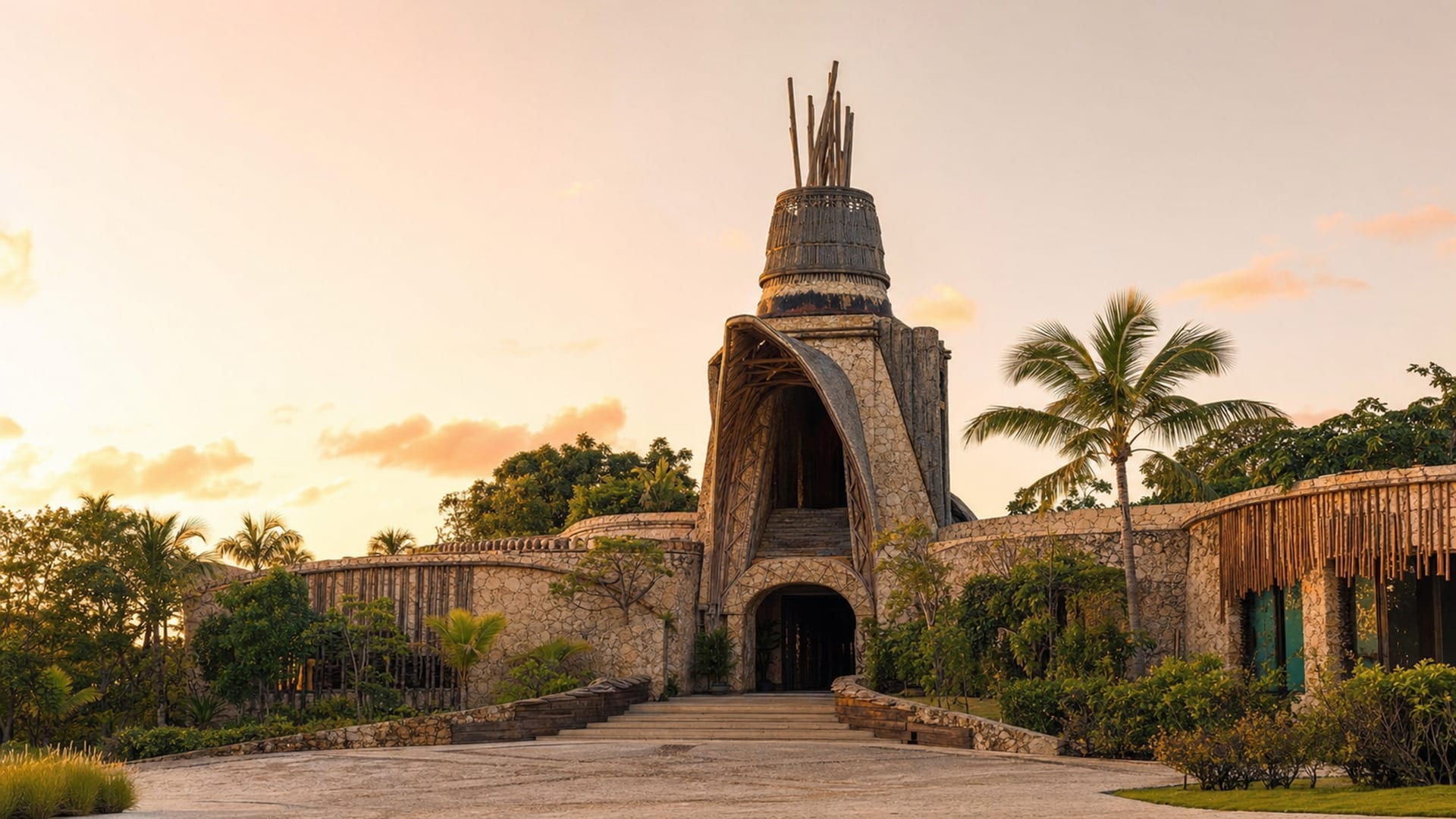
Scape Park at Cap Cana
This nature park near Cap Cana combines cenotes, limestone cliffs, and zip lines in one compact visit. Hoyo Azul draws most visitors, while the park also includes cave paths, freshwater swims, and guided adventure circuits.
Time needed: About 4 to 6 hours
Entry: Tickets usually cost $129 to $189 ($129 to $189), depending on the activities included and the day you visit. Visit the official site for details.
Tip: Arrive at opening time to fit the cenote, cave walk, and zip line into one visit.
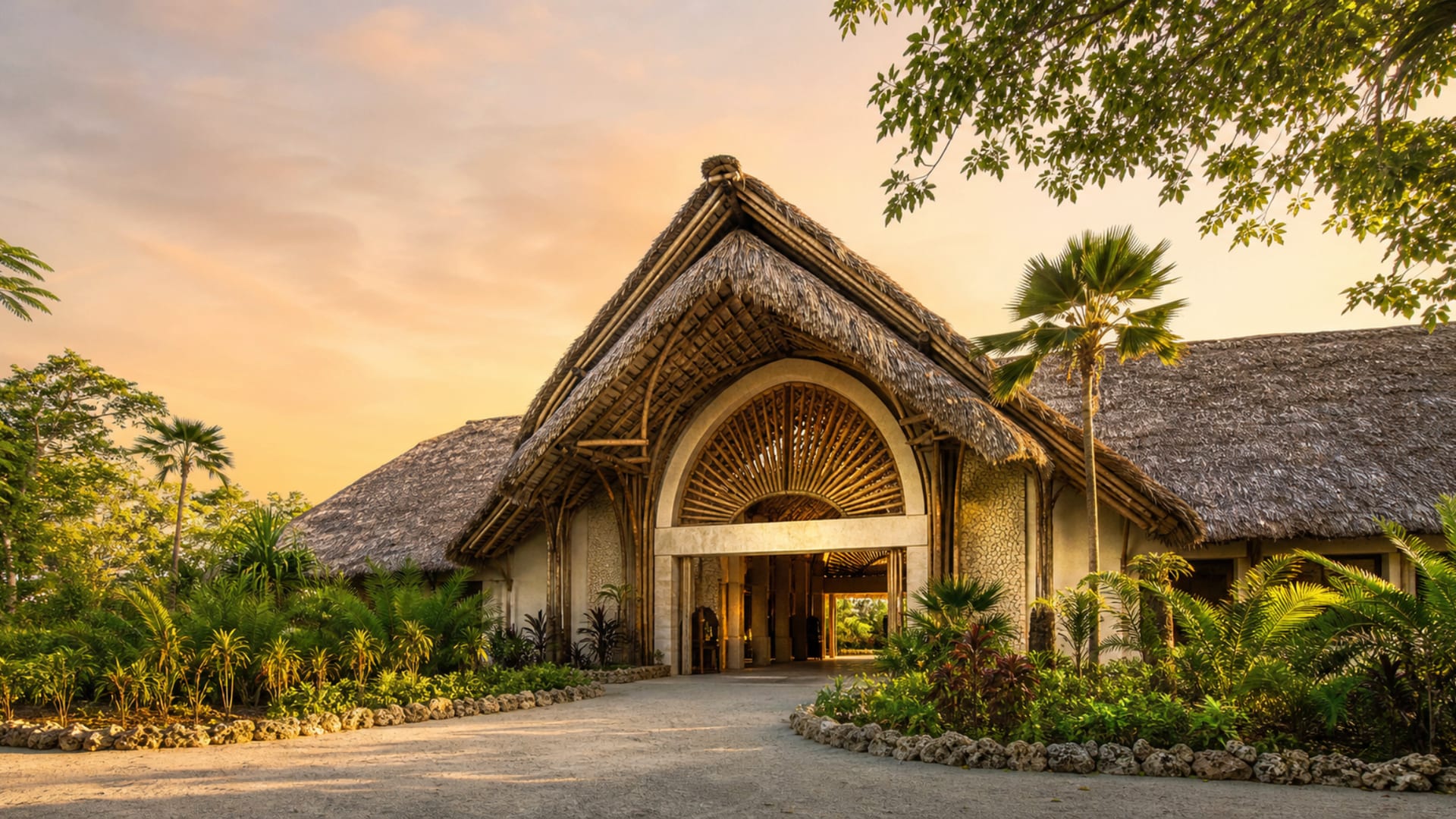
Indigenous Eyes Ecological Reserve
This private reserve in Cap Cana protects native forest, lagoons, and shaded trails within easy reach of Punta Cana. Paths lead to a series of freshwater ponds, and the reserve also includes an interpretive center and quiet birding spots.
Time needed: About 2 to 3 hours
Entry: Admission usually costs $50 to $60 ($50 to $60) for adults, with guided options and some seasonal packages priced separately. Visit the official site for details.
Tip: Wear closed shoes, then start before midday to avoid the hottest stretch of the trails.
Overlooked sites worth visiting

Los Tres Ojos National Park
Three limestone sinkholes open to the sky hold turquoise pools and short boardwalks, with a hidden fourth lagoon reached by a small cave ferry. It offers a compact nature stop close to Santo Domingo.
Time needed: About 1 to 2 hours
Entry: Admission costs about $5 to $10 ($5 to DOP 590), with extra charges for the cave raft and camera use in some cases. Expect small on-site fees for parking or guided cave access, depending on the route you choose.
Tip: Go early for softer light on the water and fewer tour groups.

Museo de la Villa Paya
This small museum in Verón displays local history, parish records, and folk objects tied to the area’s sugar and ranching past. Its size makes it an easy cultural stop between beach time and airport transfer.
Time needed: About 30 to 45 minutes
Entry: Entry is typically free or by small donation, usually about $0 to $5 ($0 to DOP 300). Special exhibits or guided visits can carry a modest fee, but the core collection is usually open without a ticketed package.
Tip: Visit before noon, when staff are more likely to open display rooms.
Traditional food
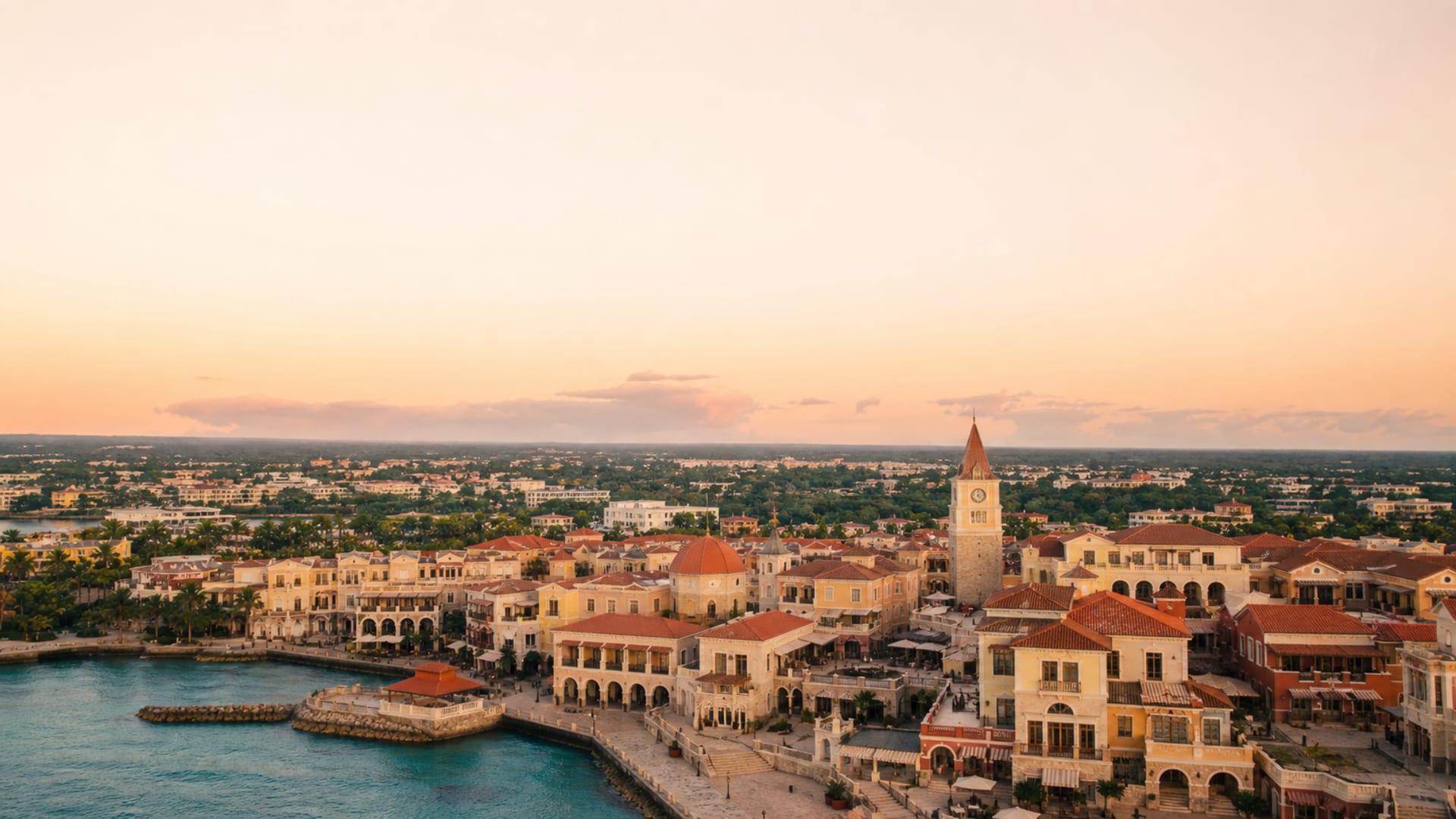
Punta Cana’s table centers on rice, beans, plantains, coconut, and slow-cooked stews, with Dominican dishes such as La Bandera, sancocho, mofongo, and pasteles anchoring many menus. Resort dining adds seafood and grilled meats.
La Bandera Dominicana
Rice, stewed beans, and meat form the everyday plate in the Dominican Republic, usually finished with salad or fried plantains. At JH Burger Bar Punta Cana, the kitchen gives this staple a polished resort-side setting without losing the home-style frame.
Sancocho
This thick Dominican stew blends meat, root vegetables, and broth into a deeply filling bowl that suits a slow lunch. Wacamole in Bávaro serves a version that fits Punta Cana’s casual dining scene and keeps the dish close to the resort strip.
Mofongo
Mashed plantains with garlic, oil, and pork cracklings often arrive with seafood or chicken on top. At La Yola in Punta Cana Village, the dish pairs well with the marina setting and the restaurant’s broader Caribbean menu.
Pasteles en hoja
These banana-leaf parcels carry seasoned meat or vegetables wrapped in a tender dough, then steamed until the flavors come together. Noah Restaurant and Lounge in Punta Cana Village is a strong stop if you want a more refined version alongside Dominican and international dishes.
Best time to visit Punta Cana
Punta Cana stays warm year-round, but humidity, rain, and hurricane risk shift enough that beach days, park visits, and flight plans can favor different months.
Best for: Best for the driest beach weather and the steadiest resort plans
What you get: Temperatures usually run about 76°F to 84°F (24°C to 29°C), with heavy visitor numbers and firmer hotel prices
Trade-offs: Popular dates bring fuller beaches and fewer last-minute bargains
Best for: Best for warm water, good beach time, and slightly easier restaurant access
What you get: Temperatures usually sit near 77°F to 88°F (25°C to 31°C), with moderate crowds outside holiday weeks
Trade-offs: Late spring can bring more humidity and brief showers
Best for: Best for longer sunny stretches between short tropical showers
What you get: Temperatures often reach 79°F to 89°F (26°C to 32°C), with fewer peak-season crowds but more humidity
Trade-offs: Afternoon rain and heat can make inland outings feel long
Best for: Best for lower hotel prices and quieter beaches
What you get: Temperatures stay around 77°F to 87°F (25°C to 31°C), with lighter crowds and a higher chance of storms early in the season
Trade-offs: September and October carry the most hurricane-related uncertainty
A realistic 5-day plan in Punta Cana
This five-day plan keeps the resort strip, Cap Cana, and the inland sights in a workable order. It starts with an easy arrival, then layers beach time, a nature day, a history day, and a final morning that leaves room for the airport.
Land at Punta Cana International Airport (PUJ) and plan a taxi or prearranged transfer to Bávaro Beach, roughly 20 to 30 minutes away for about $25 to $40, or settle in Cap Cana in about 15 to 20 minutes if you want a quieter first night. Check in, drink plenty of water, and keep dinner close to your hotel, ideally at a beachfront restaurant or resort terrace in Bávaro so you can stay near your room after a long flight. If you arrive late, a simple meal and an early night make more sense than crossing the district for plans.
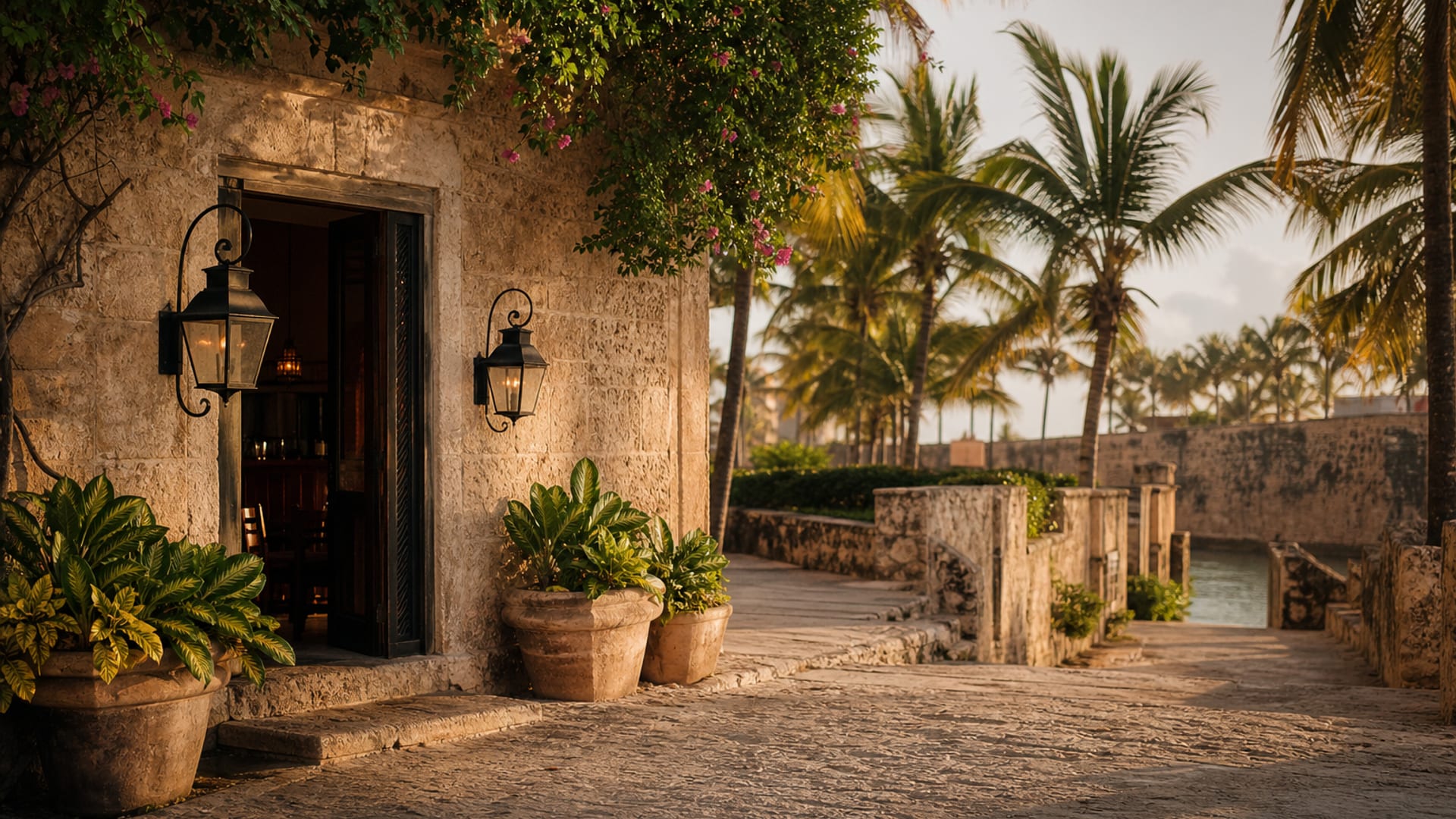
Start early at Bávaro Beach, where the water is calmest in the morning and a shoreline walk takes about 2 to 4 hours if you stop for a swim or a beach club lunch. From Bávaro, head to Scape Park at Cap Cana by car in roughly 25 to 35 minutes, then spend the afternoon on the cenote, cave paths, and zip lines over about 4 to 6 hours. Return to Cap Cana or Bávaro for dinner, depending on where you are staying, so the evening stays short after the park visit.
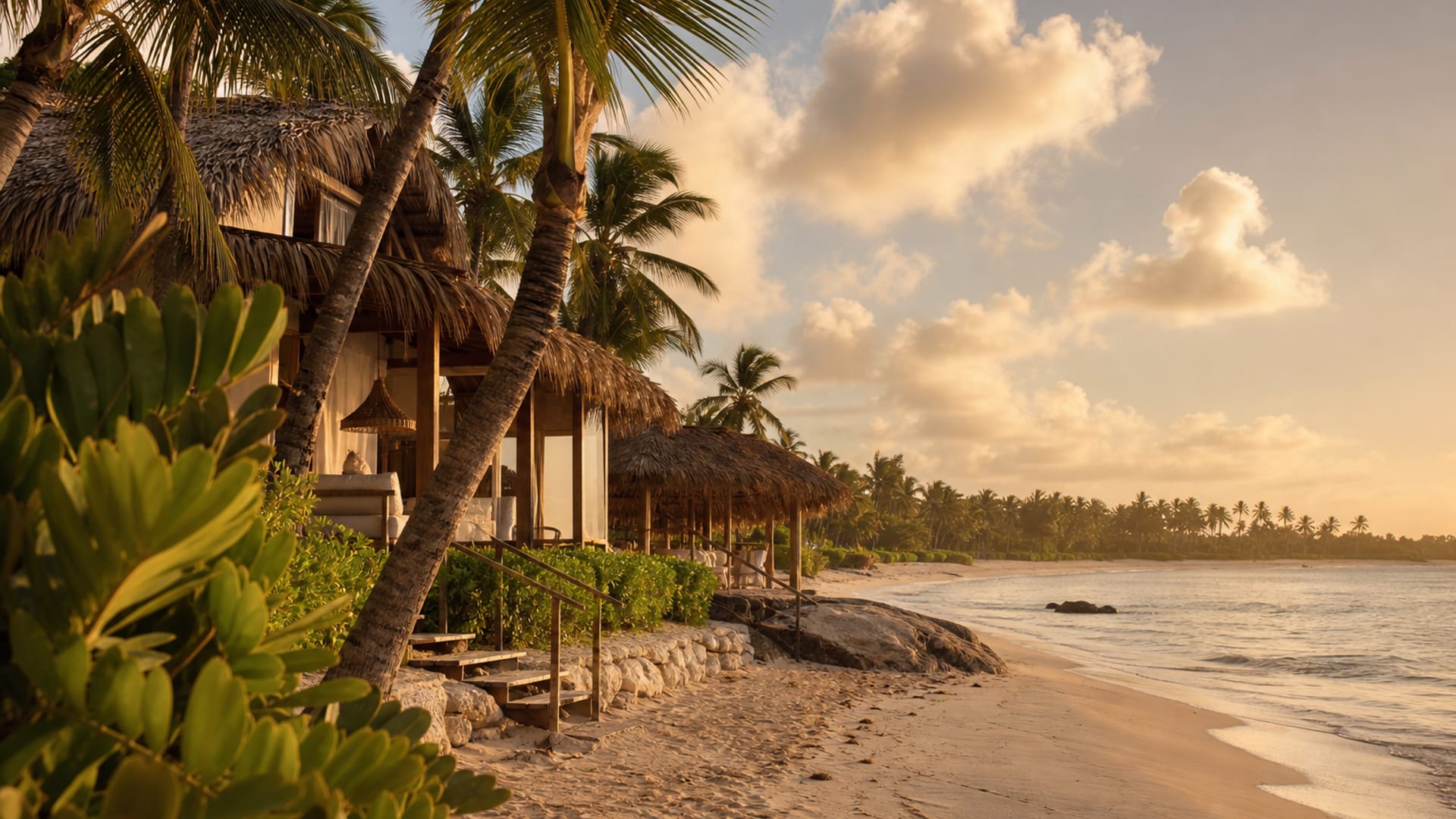
Begin with the Indigenous Eyes Ecological Reserve in Cap Cana, about 10 to 15 minutes by car from most Cap Cana hotels, and allow 2 to 3 hours for the shaded trails and freshwater lagoons. After that, continue to Downtown Punta Cana in roughly 20 minutes for lunch or a café stop, then drive about 15 to 20 minutes on to Museo de la Villa Paya in Verón for a 30 to 45 minute look at local history. End back in Bávaro or Cap Cana for an easy dinner, since the day already covers both inland and resort-side sights.
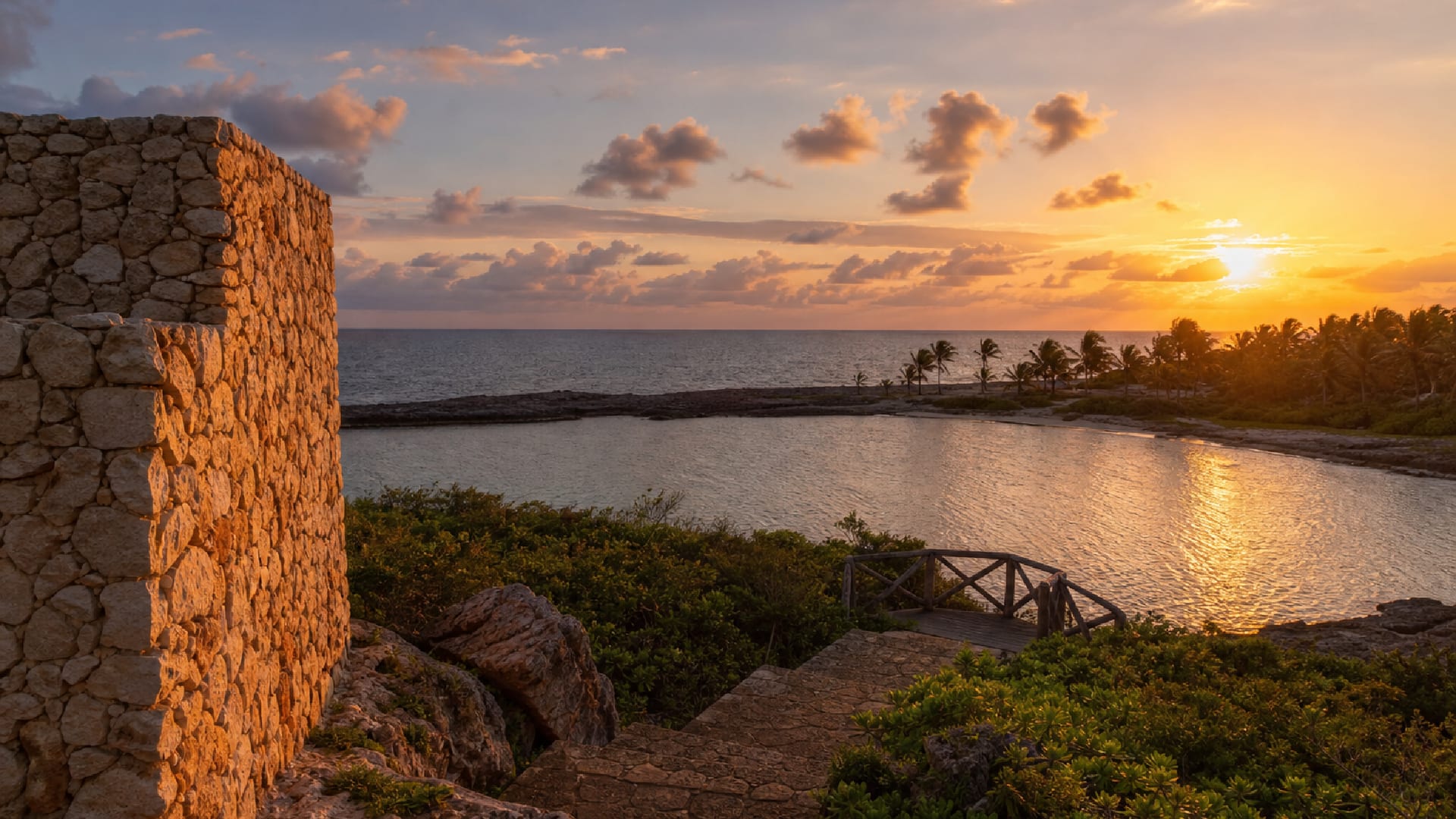
Head west in the morning for Los Tres Ojos National Park, which takes about 2 hours to explore and sits roughly 2 hours to 2.5 hours from Punta Cana by road, so it works best as a long half-day outing. Walk the sinkholes and boardwalks first, then continue into Santo Domingo for lunch and a short city stop before driving back to Punta Cana in the late afternoon. If you prefer a less ambitious version, pair the park with a meal in Downtown Punta Cana instead of adding the full city detour.
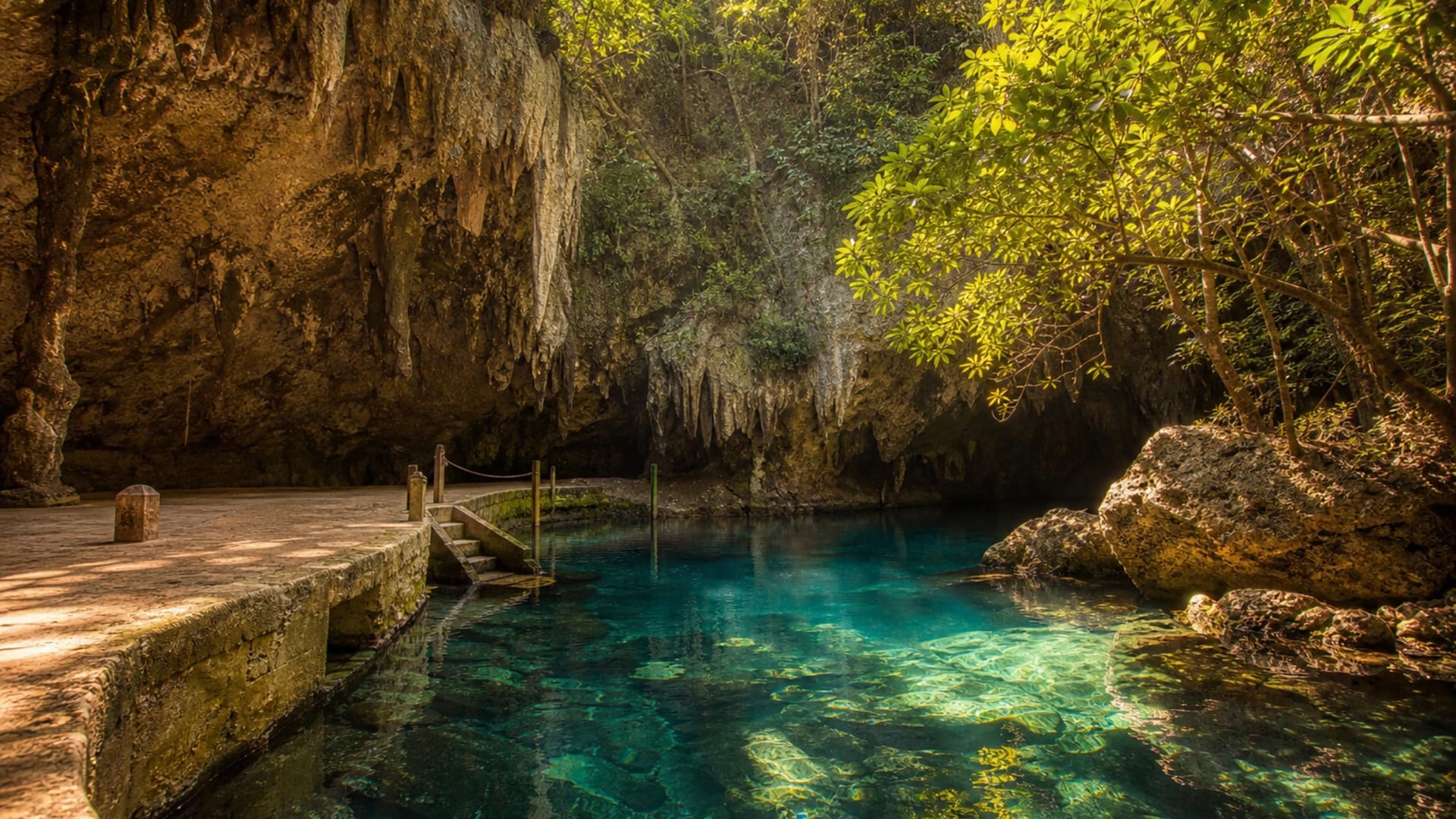
Choose a slow final morning in Downtown Punta Cana, where a café breakfast, a last shopping stop, and a short errand run fit neatly around airport timing. If you still want one more cultural stop, return to Museo de la Villa Paya for a brief visit before heading to lunch near Punta Cana Village, then go back to your hotel to collect bags and transfer to Punta Cana International Airport (PUJ). From Bávaro or Cap Cana, leave enough time for traffic, about 20 to 30 minutes from Bávaro and about 15 to 20 minutes from Cap Cana.
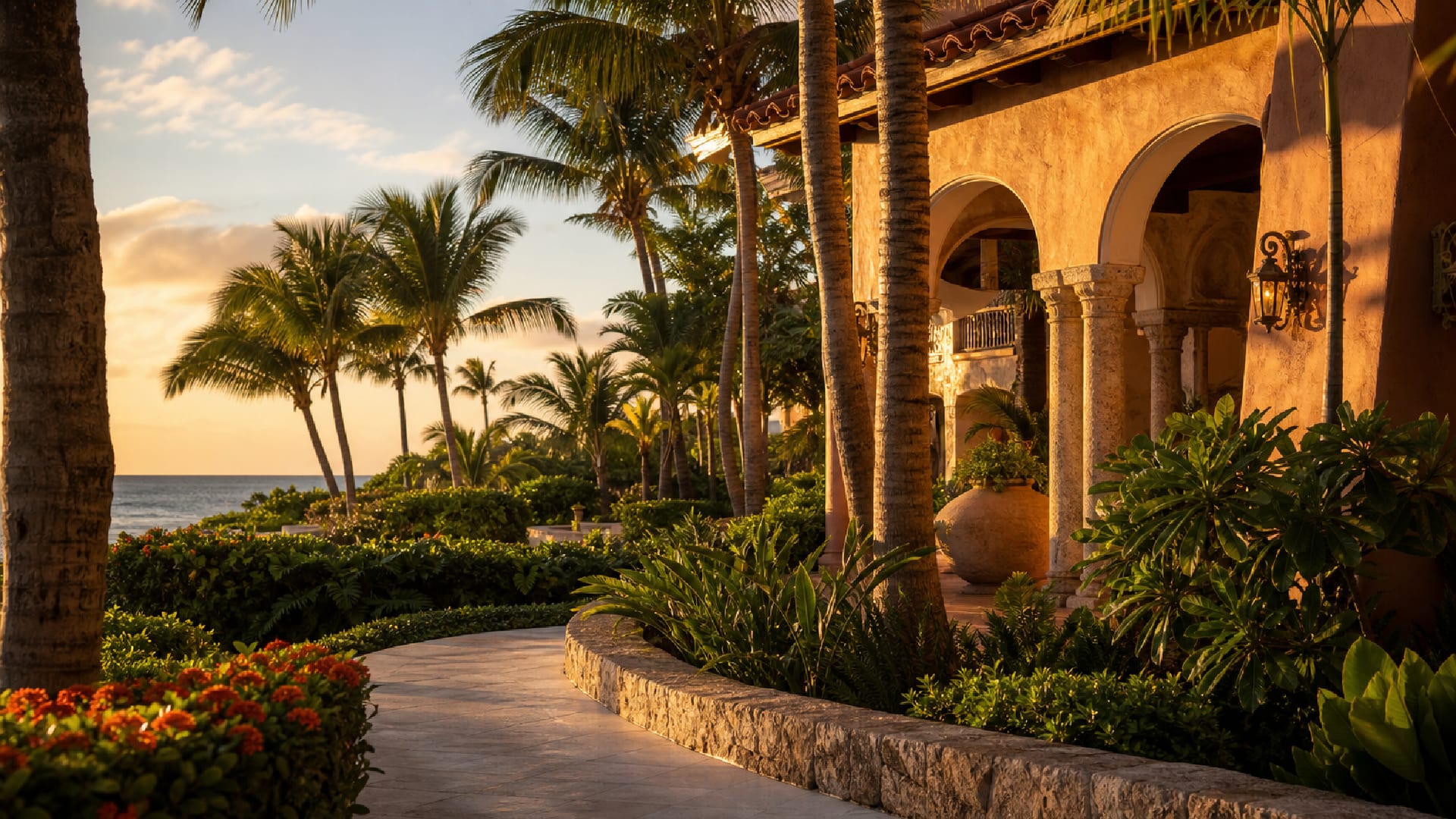
Business-class flights from the US to Punta Cana
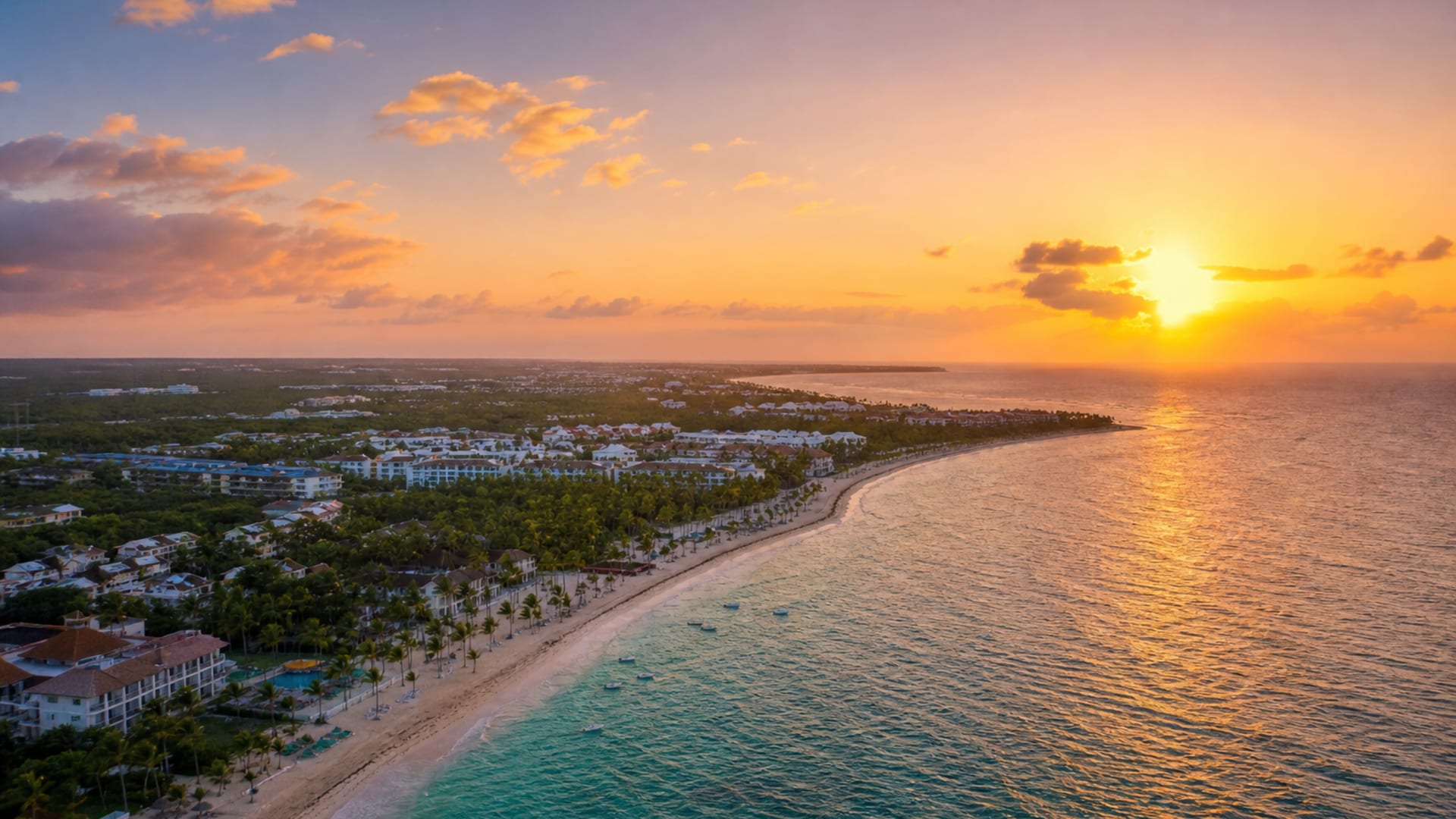
Flights to Punta Cana often connect through one or two major hubs, especially from the East Coast and West Coast of the United States. The route choice matters because nonstop and one-stop patterns change the total travel time by several hours.
From New York, American Airlines, Delta Air Lines, JetBlue, United Airlines, Air France, and Iberia all appear on itineraries to Punta Cana. Nonstop trips take about 3.5 to 4 hours, while one-stop options often route through CLT, MIA, ATL, MAD, or CDG and usually run about 6 to 11 hours overall. Round-trip fares from New York start from $1,400, with nonstop options usually pricing higher.
Los Angeles travelers usually connect through MIA, CLT, ATL, IAH, or PTY, and the trip takes about 8 to 14 hours overall. American Airlines, Delta Air Lines, United Airlines, Copa Airlines, Air Canada, and Aeromexico all show up on the route, and round-trip fares from Los Angeles often start from $1,600, with one-stop tickets sometimes landing lower.
Punta Cana feels different when you slow down
A deliberate Punta Cana trip gives each area a clear role: Bávaro for the beach, Cap Cana for shaded trails and quieter resort time, Downtown Punta Cana for errands and café stops, and a road day only when Los Tres Ojos or Santo Domingo justify the drive. With taxis, shuttles, and a little advance planning, the trip stays linked to place rather than transit guesswork. If you want help matching your stay to the right neighborhood, ask the AranGrant experts for a Punta Cana itinerary that fits your timing







