

Chapters:

Need help with your trip?
Our support team is available 24/7. Request a callback or call us directly at (833) 619-0908
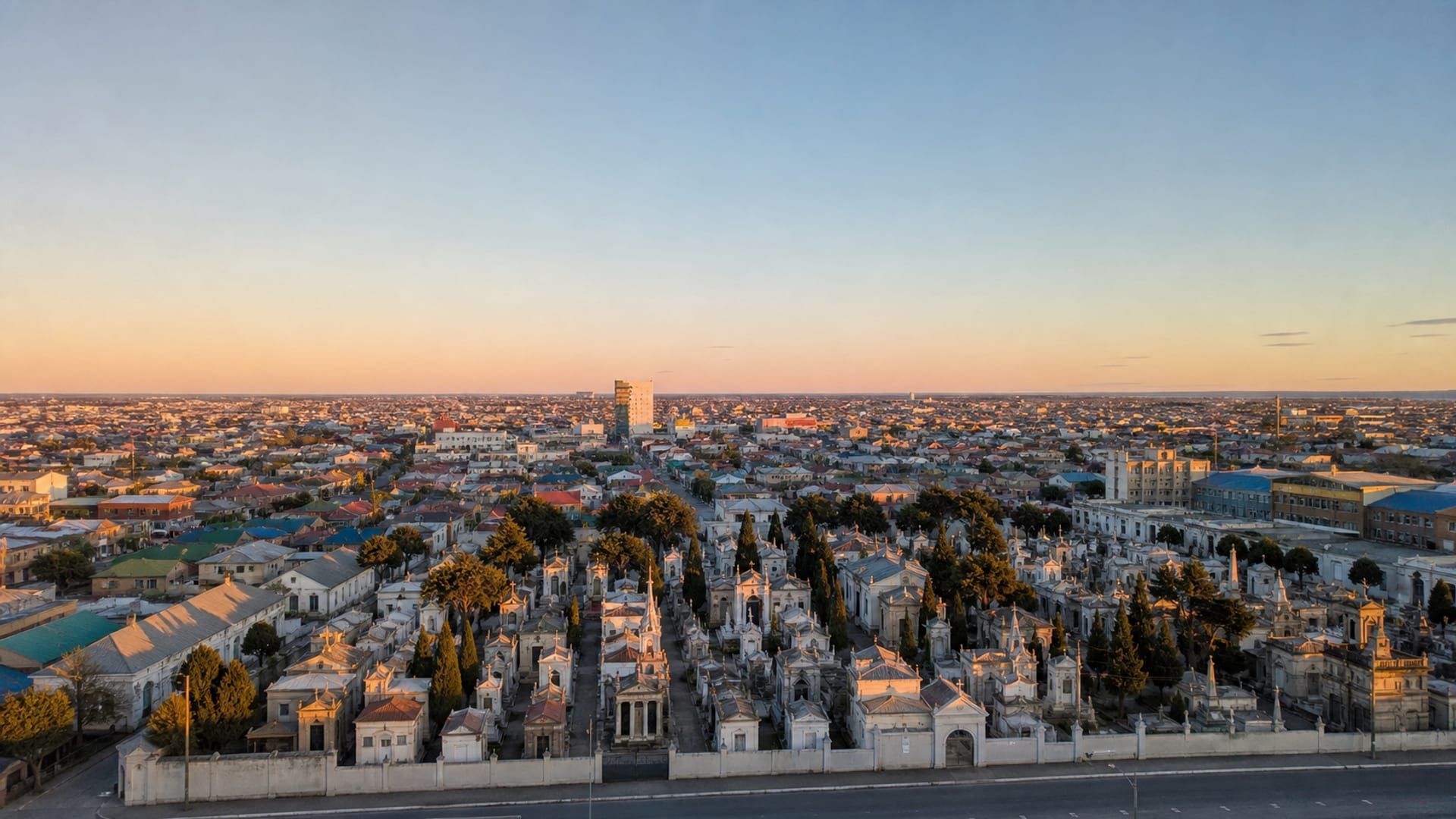
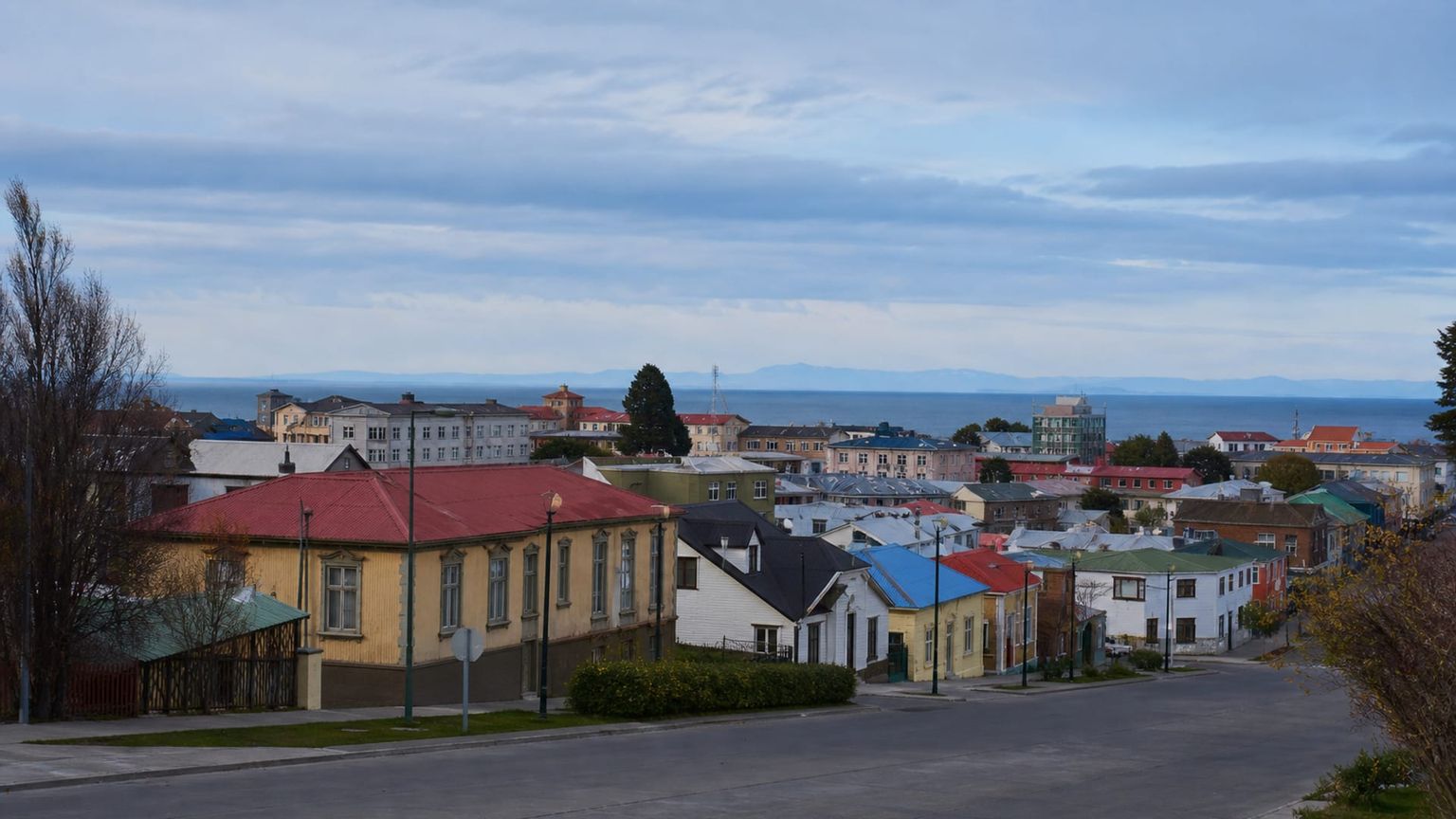
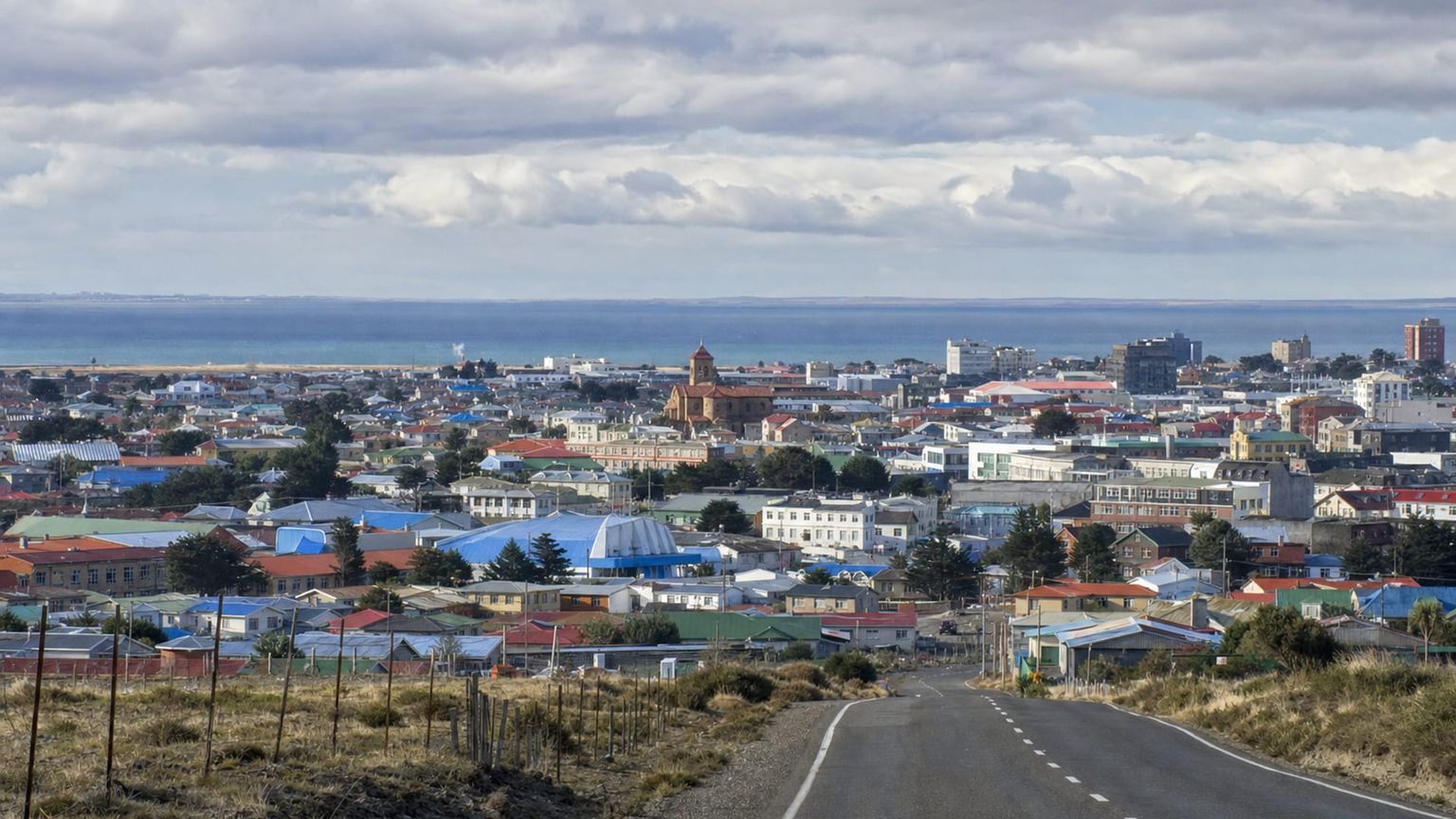
Punta Arenas stretches along the Strait of Magellan at the southern edge of Chilean Patagonia. Plaza Muñoz Gamero, historic mansions, museums, and the waterfront are close enough to explore on foot, while places such as the Municipal Cemetery and Nao Victoria Museum require a separate trip north. Excursions beyond the city often depend on fixed departure times, and strong winds can make even short outdoor walks take longer than expected. For that reason, it helps to divide your stay between the central sights, northern attractions, and longer day trips.
This guide follows that rhythm, giving each part of Punta Arenas enough time without making the days feel overloaded.
Useful things to know

Main language(s): Spanish is the main language. English is spoken at many hotels and tour companies, but less consistently elsewhere.
Hola (OH-lah) – Hello
Por favor (por fah-VOR) – Please
Gracias (GRAH-see-ahs) – Thank you
¿Habla inglés? (AH-blah een-GLAYS) – Do you speak English?
¿Cuánto cuesta? (KWAHN-toh KWEHS-tah) – How much does it cost?

Currency: Chilean peso (CLP, $)

Cash and cards: Credit and debit cards are widely accepted. Carry CLP 20,000–30,000 (US$21–US$31) for markets, small purchases, and taxis.

Tipping: Restaurants commonly suggest a 10% tip, but it is voluntary. You can decline it or leave a different amount.

Traditional food: Centolla magallánica, cordero al palo, chupe de centolla, congrio austral, and sweets made with calafate are regional specialties.

Water and coffee costs: Bottled water commonly costs CLP 1,000–CLP 2,000 (US$1–US$2), while an espresso is usually CLP 2,300–CLP 3,300 (US$2.40–US$3.40).

Taxis and ride apps: Uber operates in Punta Arenas 24/7, and local taxis remain common for short city trips and airport transfers.

Plug and voltage: Chile uses Type C and L plugs with 220V, 50Hz power. US travelers need an adapter and should check device voltage.

Dining and shop opening hours: Lunch is common from 12:30 pm to 3 pm and dinner from 7:30 pm. Shops often open 10 am–8 pm, with shorter Sunday hours.

Emergency number: Call 131 for ambulance services, 132 for firefighters, and 133 for police emergencies.
Where to stay in Punta Arenas
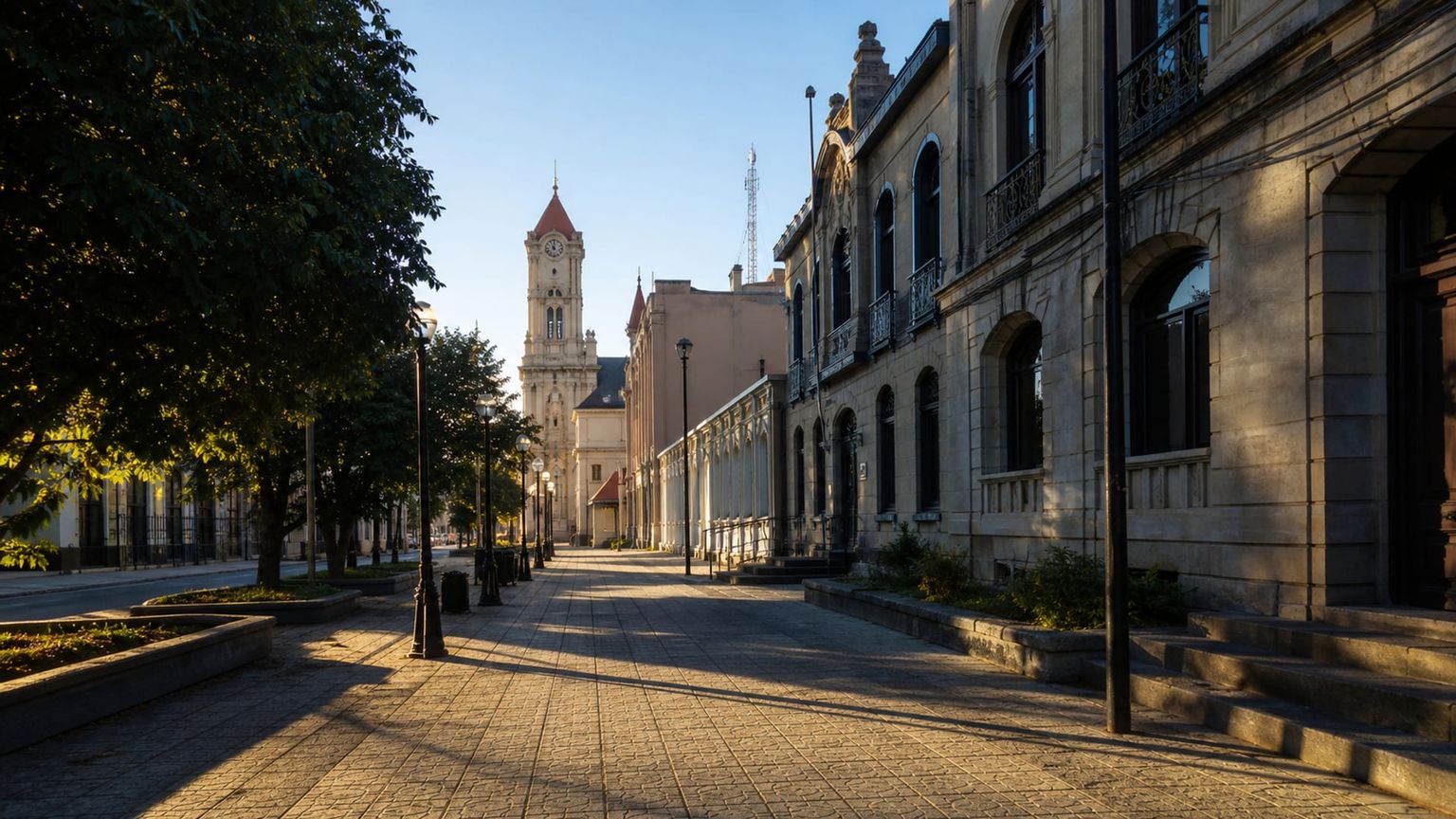
Centro surrounds Plaza Muñoz Gamero and the streets leading toward the waterfront, with museums, restaurants, shops, banks, and tour offices concentrated nearby. Staying here keeps the city’s main historic buildings, dining streets, and many excursion meeting points within easy walking distance.
Best for: First-time visits, dining, errands, and easy access to museums and bus departures
What to expect: Busy sidewalks by day, with the strongest concentration of cafes, shops, and local traffic in the city.
Hotel prices: Usually about $70 to $150 per night for well-rated stays
Distance to major sights: 5 to 15 minutes on foot to Plaza Muñoz Gamero and the waterfront
Quietness: Lively in the daytime, then calmer after shops close, with some traffic on main streets.
Main trade-off: You pay more for central addresses, and rooms on busier blocks can pick up traffic and late-night foot noise.
Good to know: A side-street hotel keeps you close to the center while reducing street noise at night.
Barrio Croata extends just north of the historic center between the waterfront and residential streets around Angamos and Maipú. Older homes, cafés, restaurants, and guesthouses line the area, while the cemetery, Costanera, and central streets remain only a few blocks away on foot.
Best for: Longer stays, sea views, and travelers who prefer a residential setting
What to expect: Mostly residential streets with local movement, fewer cafes, and a more spread-out feel than the center.
Hotel prices: Usually about $60 to $130 per night for well-rated stays
Distance to major sights: 10 to 20 minutes by taxi to Plaza Muñoz Gamero; about 25 minutes on foot
Quietness: Quiet during the day and even calmer at night, with little late activity away from main roads.
Main trade-off: You give up walkable access to most restaurants and nighttime options, so you will rely more on taxis or buses.
Good to know: Check the exact address, since the neighborhood stretches from the waterfront toward quieter inland blocks.
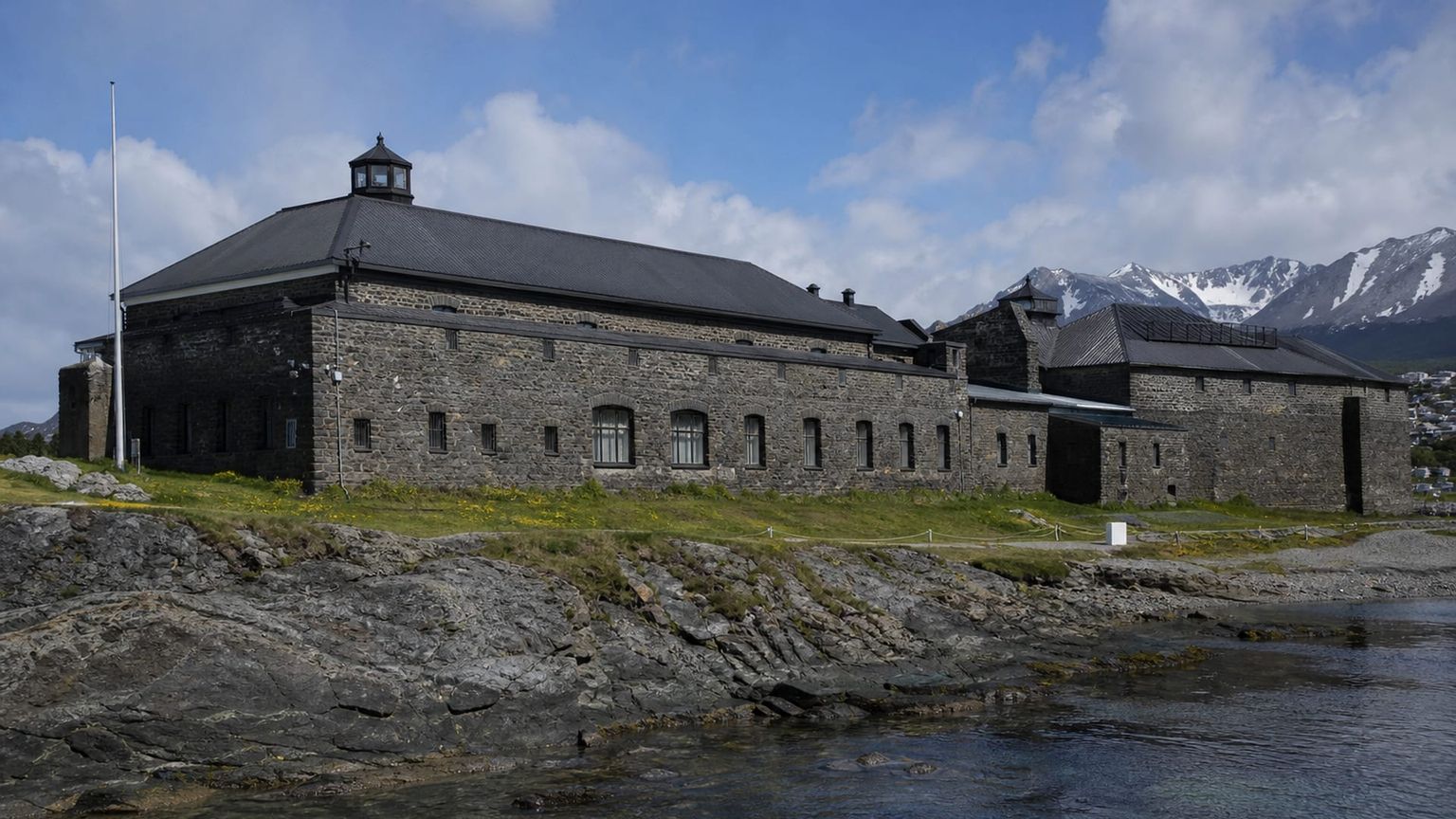
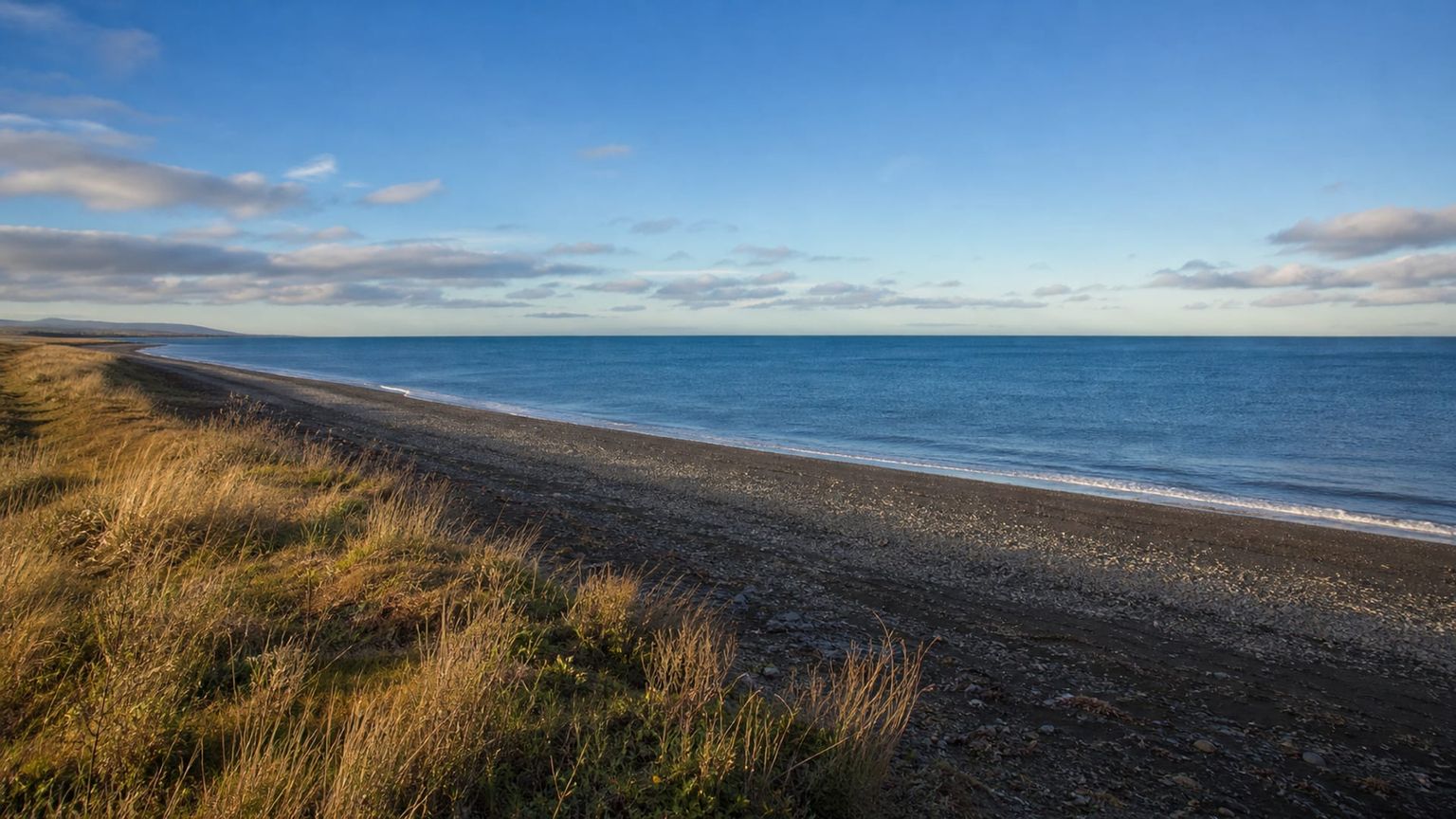
Playa Norte follows the northern waterfront beyond the center, with residential streets, open views across the Strait of Magellan, and fewer commercial blocks. It puts you closer to northern attractions and the airport road, while downtown restaurants and museums require a longer walk or taxi.
Best for: Budget-minded stays, local atmosphere, and visitors with a car or flexible transit plans
What to expect: Modest residential streets, local stores, and fewer visitors than in the center.
Hotel prices: Usually about $50 to $100 per night for well-rated stays
Distance to major sights: 15 to 25 minutes by taxi to Plaza Muñoz Gamero
Quietness: Generally quiet by day and night, with only brief local activity near small shops and intersections.
Main trade-off: Hotels are less central, so you will spend extra time and money getting to the waterfront, museums, and main dining streets.
Good to know: Choose the southern part if you want waterfront views without adding too much travel time to the center.
For the easiest stay, choose Centro or Barrio Croata, where restaurants, the waterfront, and major sights are close at hand. Playa Norte is a good option if you prefer quieter surroundings and do not mind using taxis more often.
Hotel deals
How to get around Punta Arenas efficiently
Punta Arenas relies on buses, colectivos, taxis, and ride apps. The center is walkable, but wind and longer trips make transport useful.

City buses
for low-cost trips across town
City buses connect Centro with residential districts, Zona Franca, the hospital, and other parts of Punta Arenas. An adult ticket costs CLP 390 (US$0.40). Pay with a transport card, QR code, or contactless bank card; cash is not accepted.

Colectivos
for direct neighborhood connections
Shared taxis called colectivos follow fixed routes and are useful when a bus does not match your destination. A daytime ride costs CLP 700 (US$0.73). Pay the driver in cash and check the route number before boarding.

Taxis and Uber
for rides to the airport and at late hours
Taxis and Uber are useful for late arrivals, strong-wind days, and direct trips to the airport. The official airport taxi fare to central Punta Arenas is CLP 10,000 (US$10.40). Uber shows the fare in the app before you confirm.
*Prices are based on rates updated as of September 2026 and may change at the time of travel.
Use buses for low-cost trips, colectivos for neighborhood connections, and taxis or Uber when weather, luggage, or airport timing calls for a direct ride.
Iconic landmarks
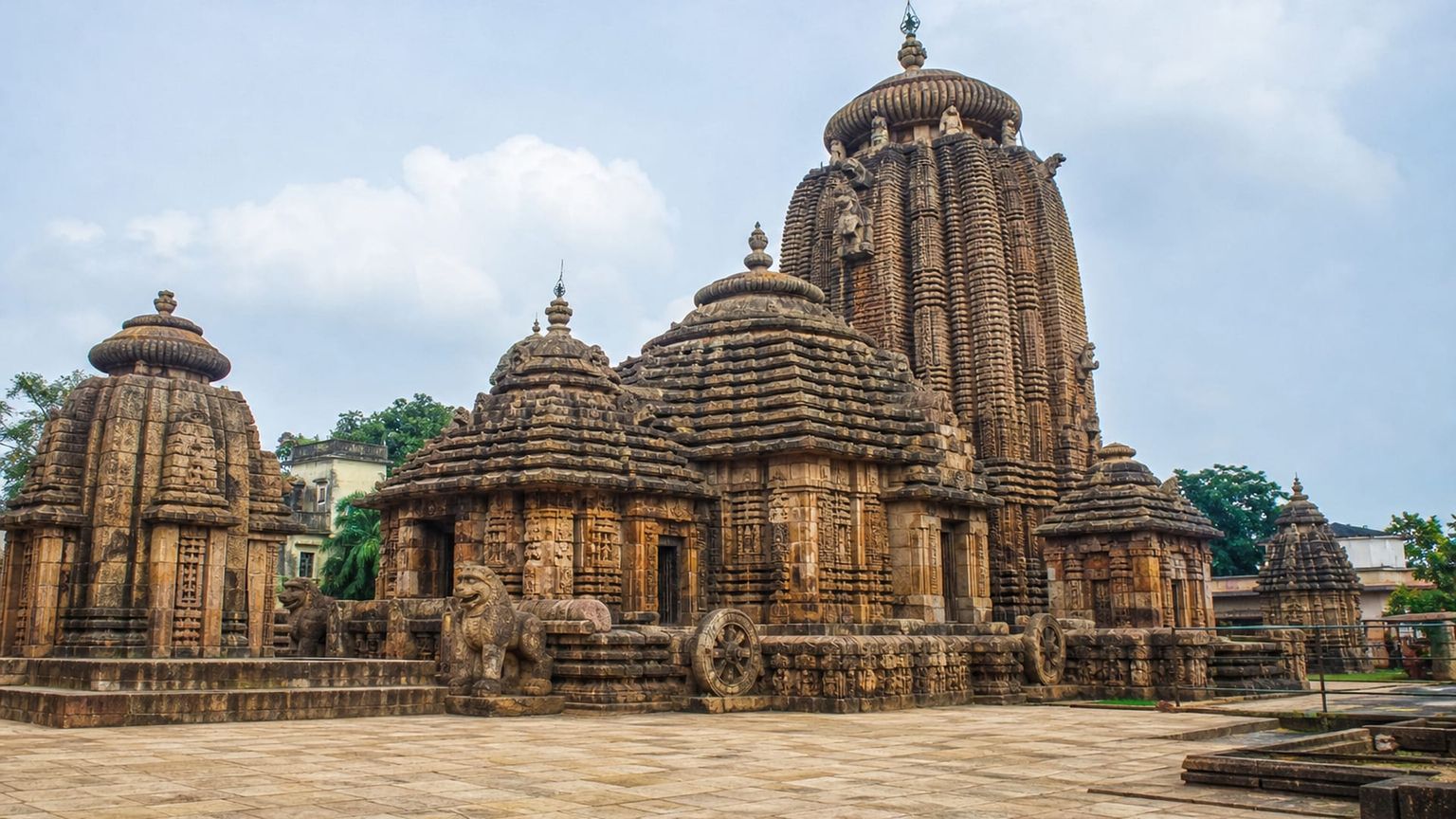
Plaza Muñoz Gamero and Monument to Hernando de Magallanes
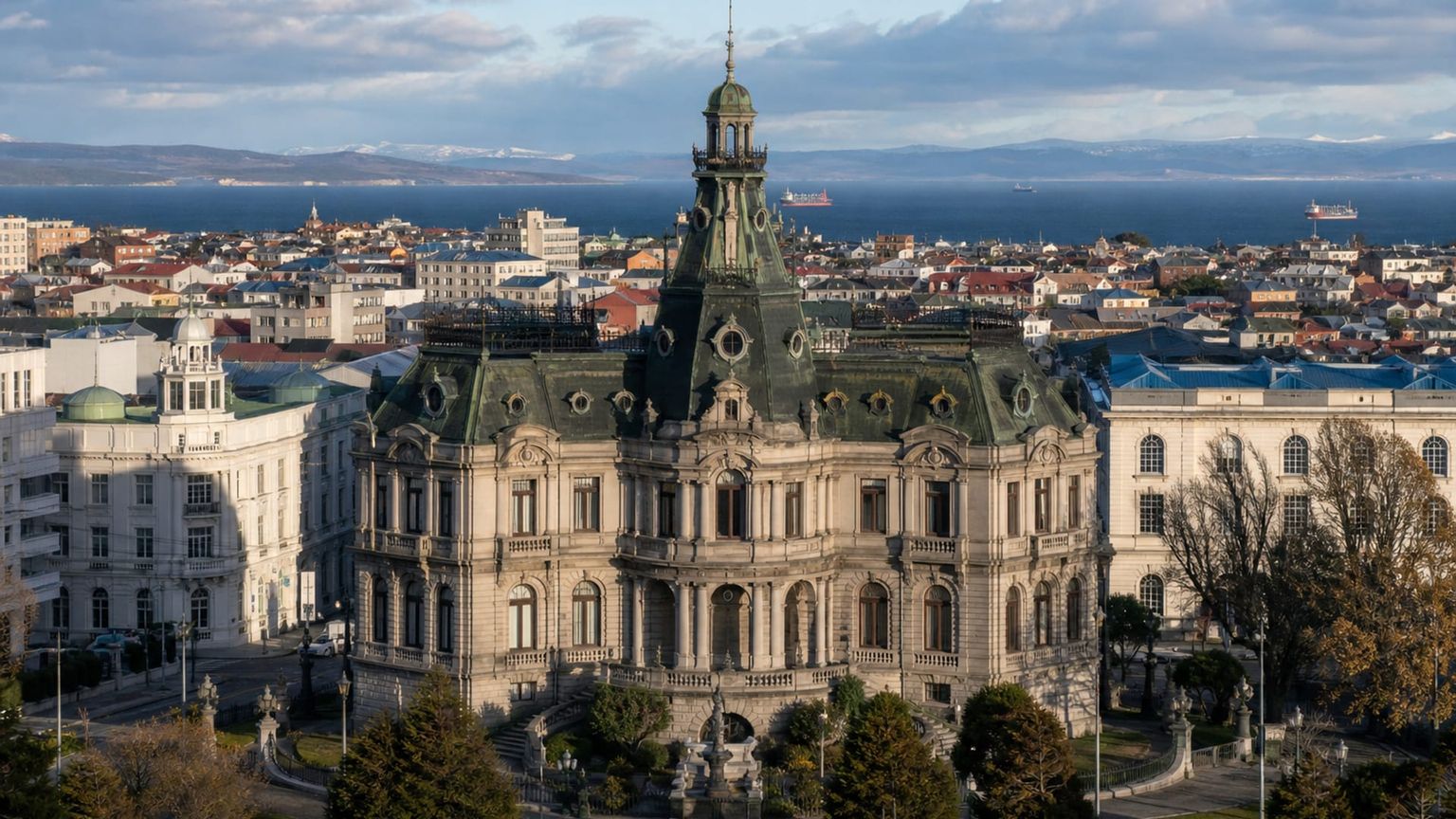
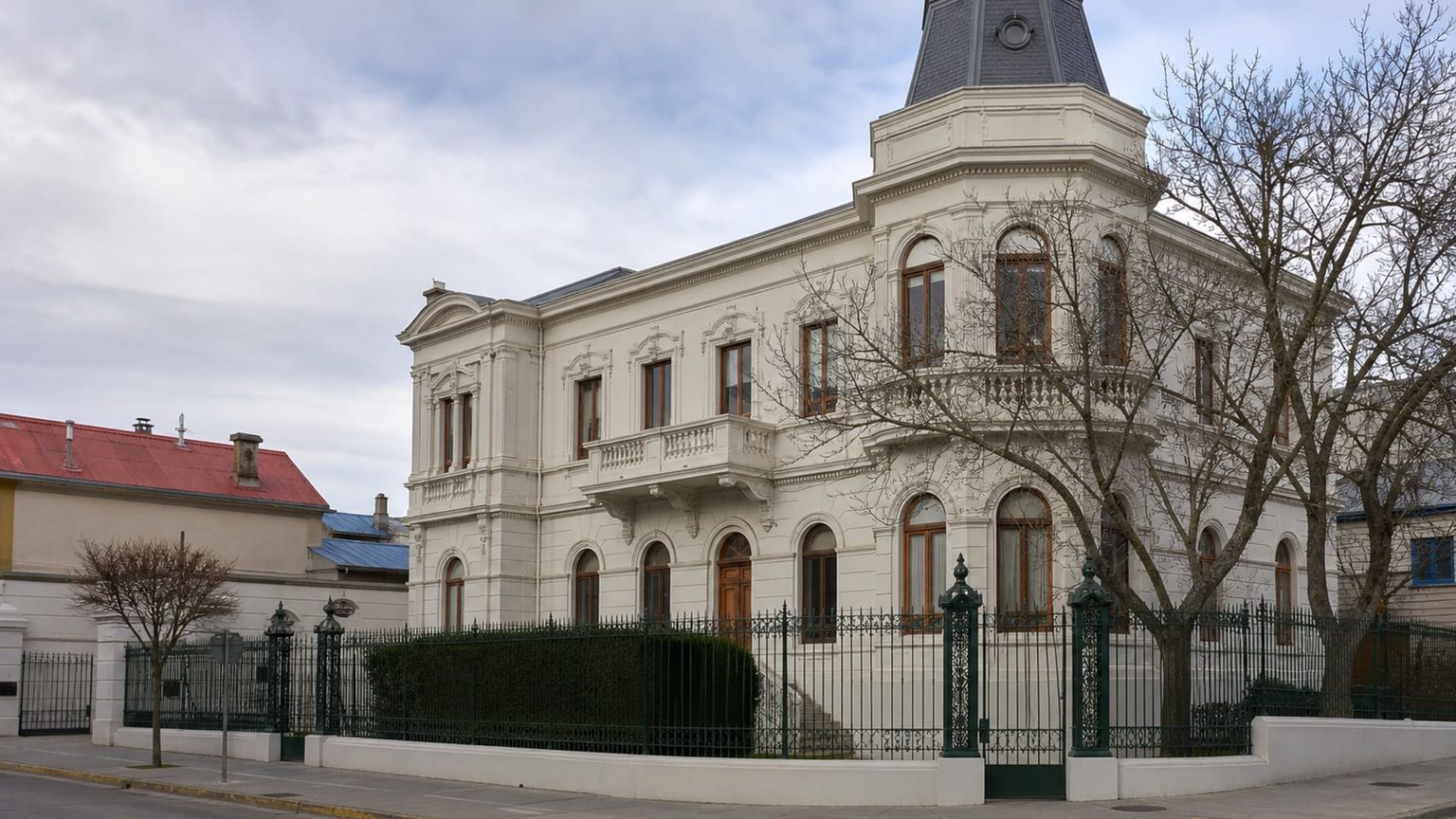
Plaza Muñoz Gamero is the historic center of Punta Arenas, framed by the Sara Braun Palace, cathedral, and government buildings. At its center, the bronze monument to Hernando de Magallanes commemorates the explorer and the Strait that shaped the city’s history.
Time needed: 45–60 minutes
Entry: The square and monument are free to visit.
Tip: Walk the surrounding streets afterward to see the historic mansions around the square.
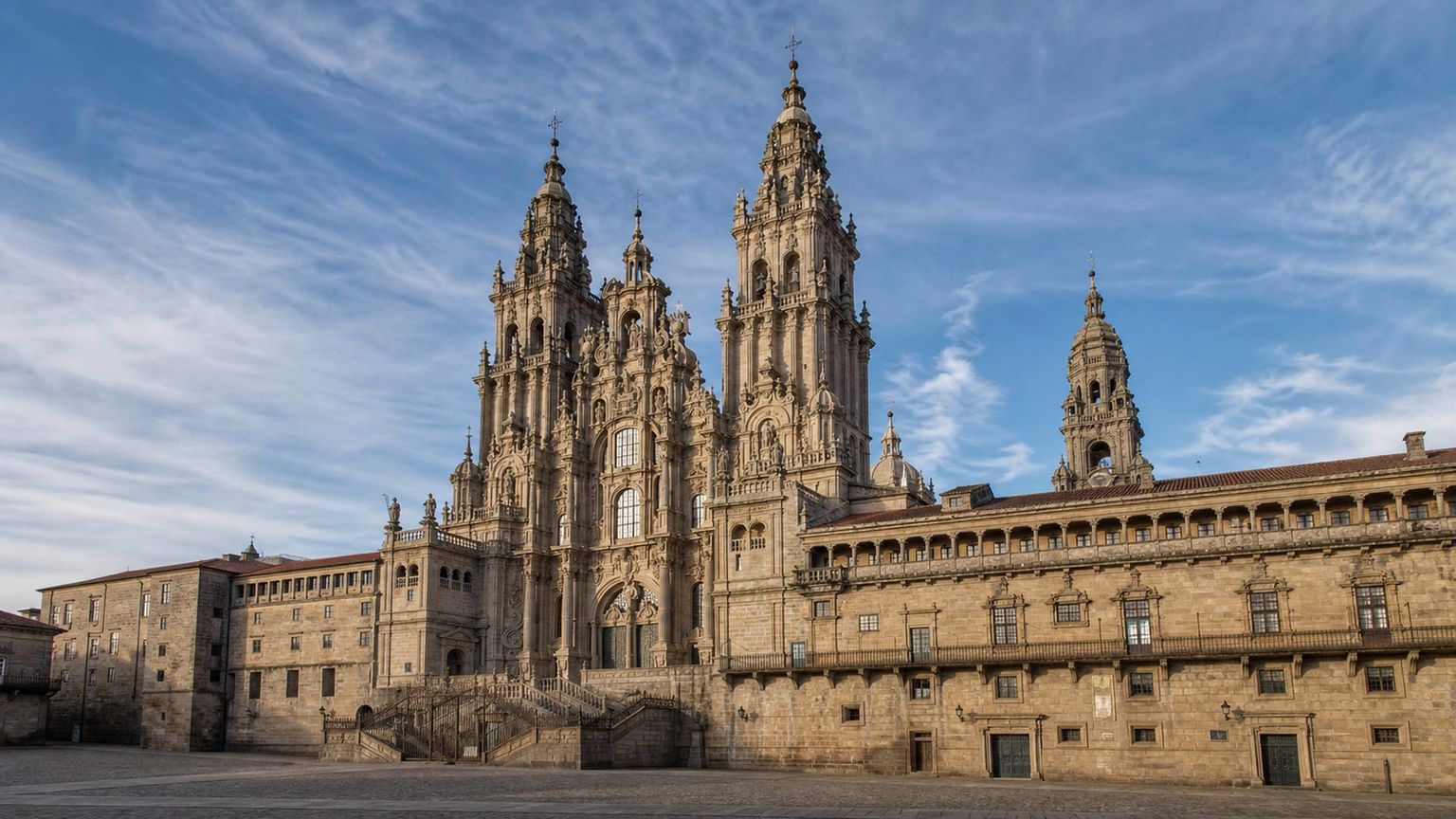
Cementerio Municipal Sara Braun
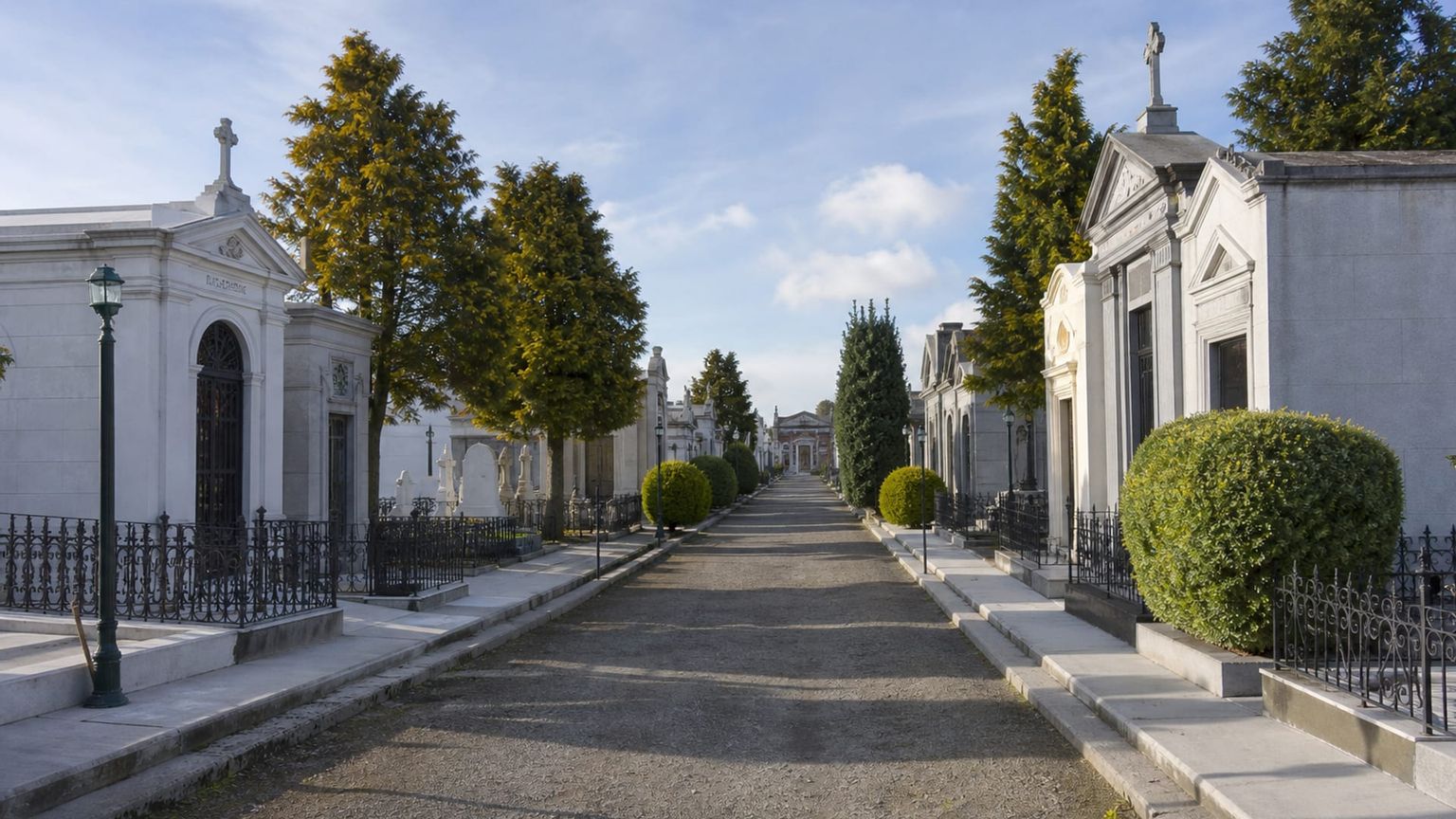
The Sara Braun Municipal Cemetery dates to 1894 and is known for its formal avenues of tall cypress trees, elaborate mausoleums, and graves linked to Punta Arenas’ immigrant communities. Its architecture and history earned it National Monument status in 2012.
Time needed: 60–90 minutes
Entry: A foreign visitor ticket costs CLP 5,000 (US$5.20). Find more information on the official website.
Tip: Follow the marked heritage route to find the principal mausoleums and historic graves.
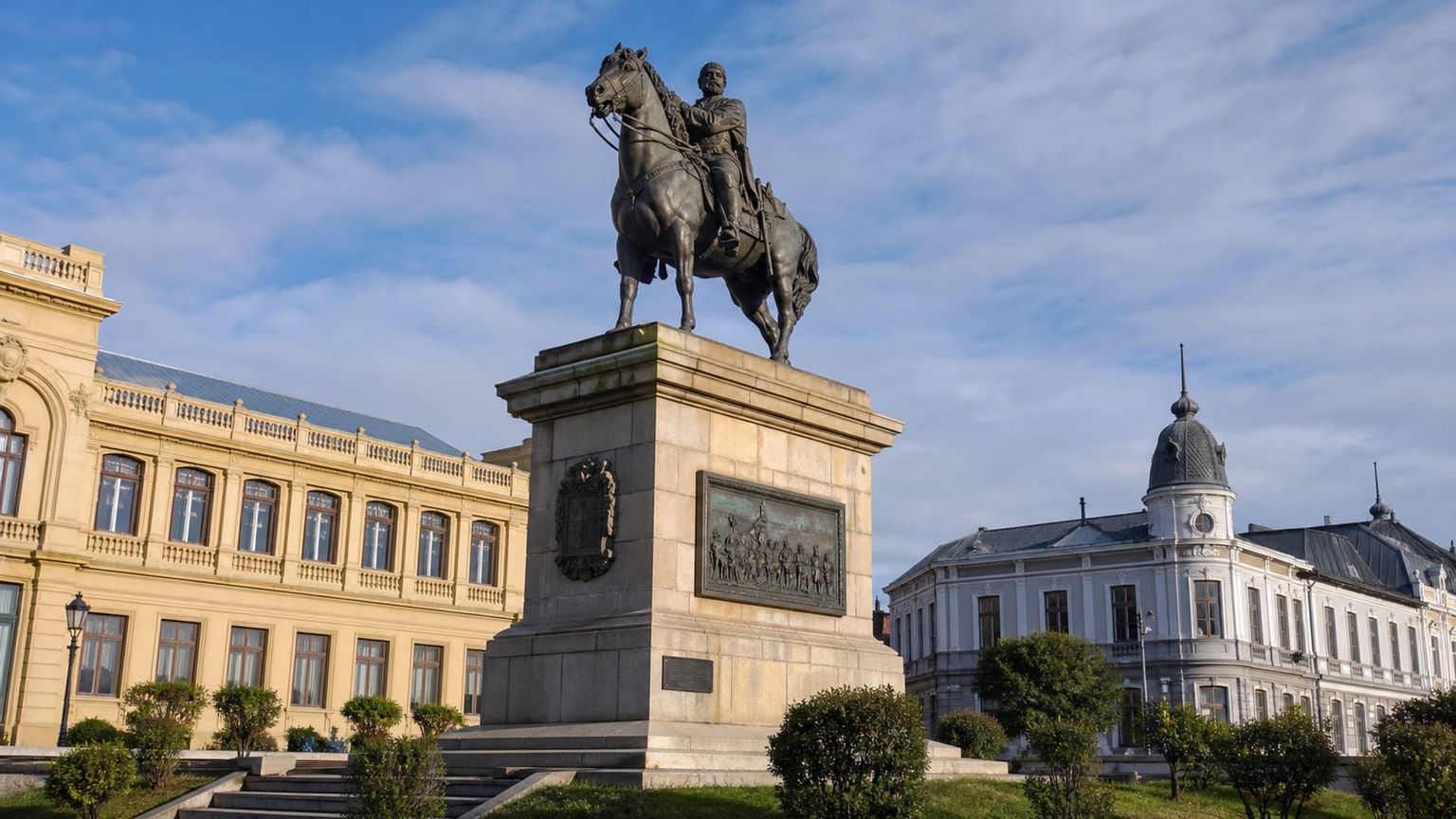
Museo Nao Victoria
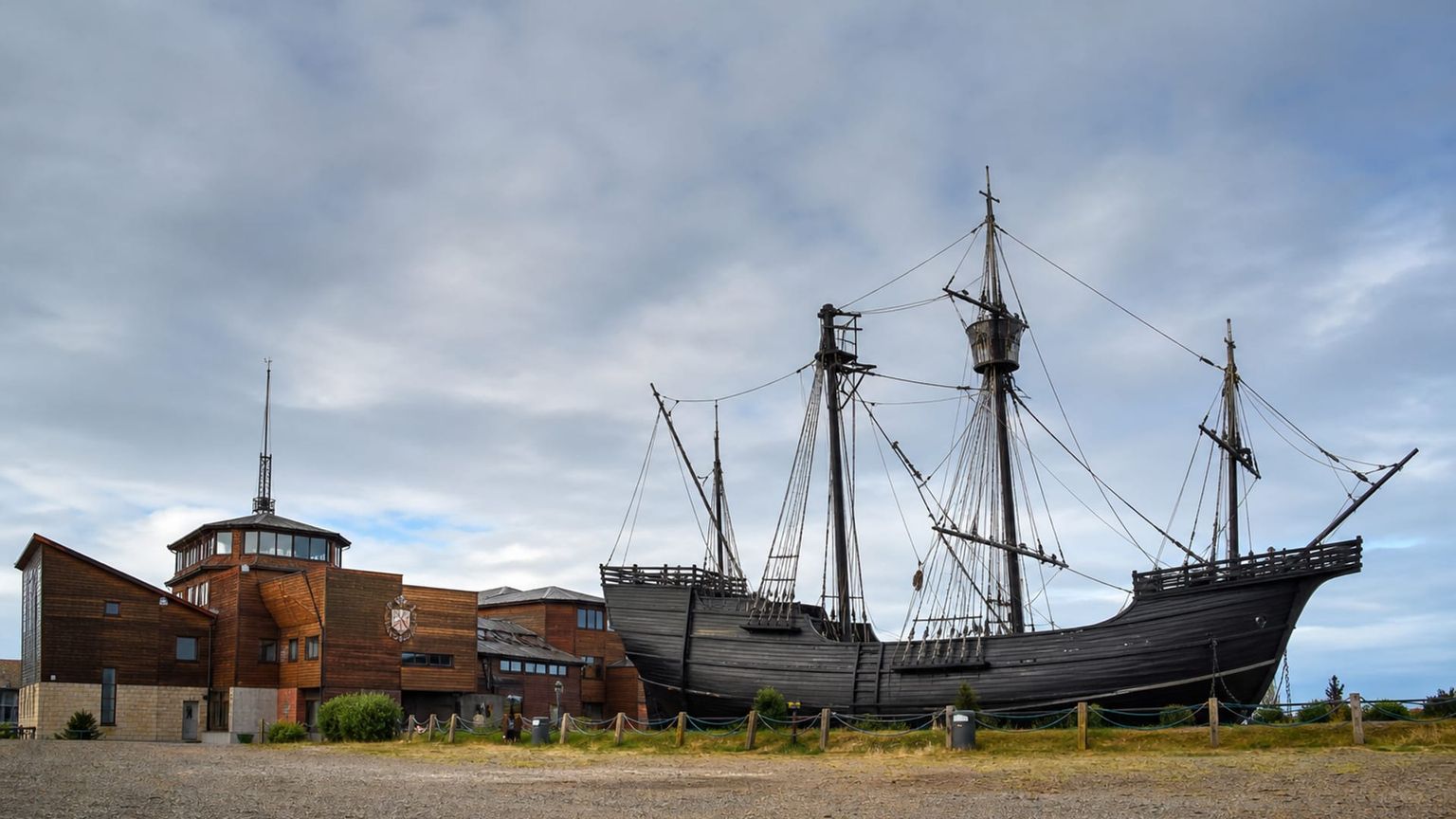
Museo Nao Victoria displays full-scale replicas of ships tied to exploration in southern Patagonia, including the Nao Victoria, HMS Beagle, and Goleta Ancud. Visitors can walk across the decks and interiors, making the region’s maritime history much easier to picture.
Time needed: 90–120 minutes
Entry: A foreign adult ticket costs CLP 11,500 ($12); booking is not required. Find more information on the official website.
Tip: Bring a windproof layer because much of the visit takes place outdoors.
Overlooked sites worth visiting

Cerro de la Cruz viewpoint
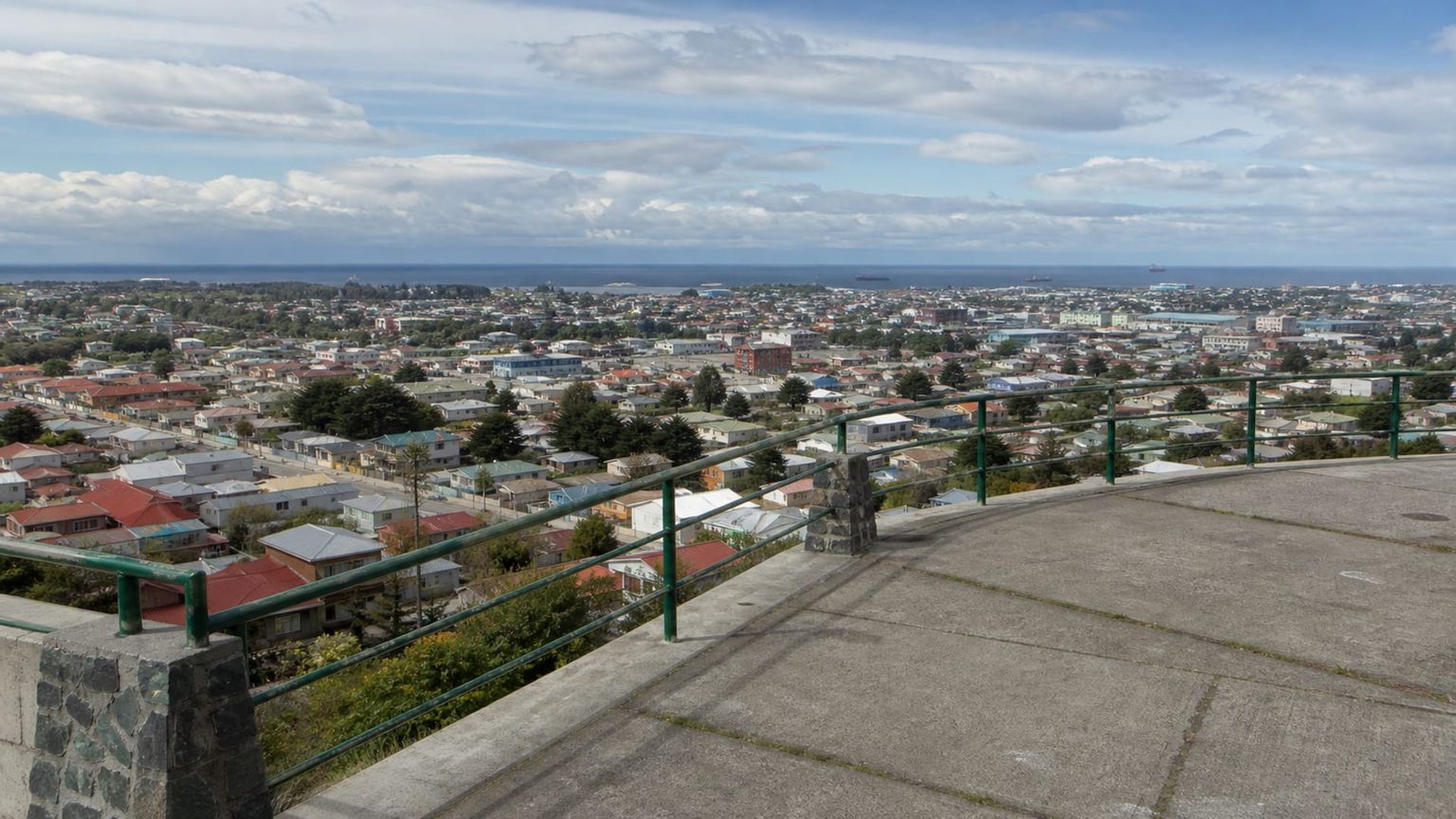
Cerro de la Cruz overlooks Punta Arenas, with views across the rooftops, Strait of Magellan, and Tierra del Fuego on clear days. It is a short uphill walk from Plaza Muñoz Gamero.
Time needed: 30–45 minutes
Entry: Choose a clear day, since low clouds can quickly hide the views across the strait.
Tip: Go near sunset for long light over the strait.

Museo Maggiorino Borgatello
Museo Maggiorino Borgatello covers Patagonian wildlife, Indigenous cultures, regional history, Antarctica, geology, and the Salesian presence across four floors.
Time needed: 90–120 minutes
Entry: An adult ticket costs CLP 9,000 (US$9.30). Find more information on the official website.
Tip: Allow time for the Indigenous-culture and Patagonia exhibits on the upper floors.
Traditional food
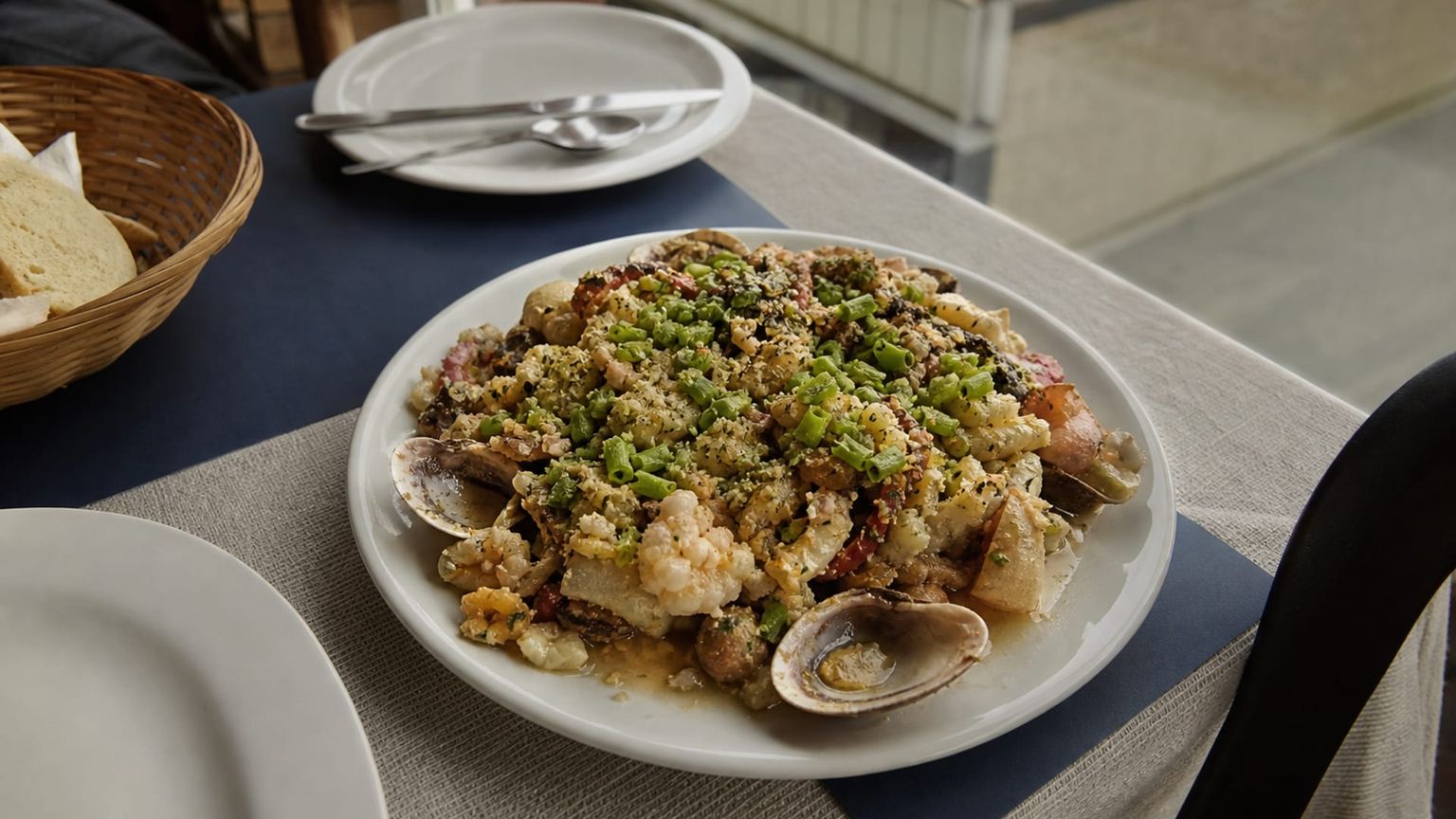
Punta Arenas cuisine centers on Patagonian lamb, king crab, cold-water fish, and native berries such as calafate, with hearty dishes shaped by the climate and local produce.
Cordero patagónico
Patagonian lamb is usually slow-cooked or roasted until tender, with a rich flavor that needs little seasoning. La Luna serves garrón de cordero among the Patagonian dishes highlighted on its menu.
Chupe de centolla
Chupe de centolla combines king crab meat with a creamy, seasoned mixture that is baked until hot and lightly browned on top. Mesita Grande serves a classic oven-gratinated version in Punta Arenas.
Merluza austral
Merluza austral is a mild, firm white fish from southern waters, commonly grilled, pan-seared, or served with vegetables and potatoes. Faro Lounge features it among its Patagonian seafood dishes.
Calafate dessert
Calafate berries have a tart, slightly sweet flavor and appear in sauces, cakes, mousses, and other desserts across Patagonia. La Yegua Loca includes calafate among the regional ingredients used in its desserts.
Best time to visit Punta Arenas
Punta Arenas is easiest to plan by daylight and excursion season, with summer favoring outdoor trips and winter shifting attention indoors.
Best for: Long daylight, boat trips, wildlife excursions, and outdoor sightseeing
What you get: Temperatures usually reach 58°F–60°F (14°C–15°C), while very long daylight hours leave plenty of time for excursions and waterfront walks.
Trade-offs: Strong winds are common, so exposed walks can feel much colder than the temperature suggests.
Best for: Museums, city walks, cooler weather, and a less excursion-heavy itinerary
What you get: March can still feel mild at roughly 55°F (13°C), but by May temperatures fall closer to 44°F (7°C) and evenings become much colder.
Trade-offs: Penguin trips end by March, and daylight drops quickly as May approaches.
Best for: Museums, cafés, indoor history, and a slower city-focused winter visit
What you get: Expect temperatures near 40°F–42°F (4°C–6°C), nights close to freezing, and much shorter daylight for sightseeing outside the city center.
Trade-offs: Many wildlife excursions are out of season, and snow or ice can complicate outdoor plans.
Best for: Penguin trips, longer days, viewpoints, and early-season Patagonia travel
What you get: September starts near 47°F (8°C), then November reaches closer to 55°F (13°C) as daylight expands and seasonal excursions return.
Trade-offs: Wind stays unpredictable, and some excursions only resume later in spring.
A realistic 5-day plan in Punta Arenas
Five days in Punta Arenas gives you time for the historic center, museums, the Strait of Magellan, and one longer excursion without repeating the same streets. The plan below keeps each day focused on one part of the city or region.
After landing at Presidente Carlos Ibáñez del Campo International Airport (PUQ), take a taxi or transfer into the city and keep the first evening simple. Check in, walk through Plaza Muñoz Gamero and the nearby streets, then have dinner in Centro. If the weather is calm, continue to the waterfront for a short look at the Strait of Magellan before returning to your hotel. Keep the rest of the evening free so the first full day can start without rushing.
Start north of the center at the Sara Braun Municipal Cemetery and spend 60–90 minutes among its cypress-lined avenues and elaborate mausoleums. From there, continue to Museo Maggiorino Borgatello for its collections on Patagonian wildlife, Indigenous cultures, immigration, and Antarctica. Both stops are in the same part of the city, so there is no need to cross town between them. Return to Centro afterward for a late lunch and an easy evening.
Use the third day for the Strait of Magellan. From November to March, book a 4–6 hour boat trip to Isla Magdalena to see the Magellanic penguin colony. Outside penguin season, head 32 miles (52 km) south to Parque del Estrecho and Fuerte Bulnes instead, where trails, viewpoints, and the Museo del Estrecho explain the region’s maritime history. Either option takes up most of the day, so plan a relaxed dinner near your hotel when you return and keep the evening free.
Keep the fourth day in central Punta Arenas. Begin at Plaza Muñoz Gamero, look at the historic buildings around the square, and continue toward the waterfront on foot. After lunch, walk up to Cerro de la Cruz for a wide view over the city and Strait of Magellan, then return through the central streets for coffee or shopping. Because the day stays within one area, it is easy to move an outdoor stop later if the wind or rain changes, without losing the rest of the plan.
Spend the final morning at Museo Nao Victoria, where the full-scale ship replicas can take 90–120 minutes to explore. Return to Centro afterward for lunch, last-minute shopping, or a final coffee near Plaza Muñoz Gamero before collecting your bags. If your flight leaves earlier, move the museum to Day 2 and leave this morning open instead. Allow enough time for the roughly 12.5-mile (20-km) trip back to the airport, especially if weather slows traffic.
Business-class flights from the US to Punta Arenas
Flights from the US to Punta Arenas connect through Santiago, with a domestic leg south to Presidente Carlos Ibáñez del Campo Airport (PUQ) completing the journey.
New York (JFK) to Punta Arenas (PUQ)
From New York (JFK), LATAM operates nonstop flights to Santiago (SCL), with the onward domestic leg to Punta Arenas (PUQ) completing the journey in 16 to 18 hours total. Round-trip business-class fares range from US$4,700 to US$7,000. On this route, LATAM offers Premium Business seats for the longer, transatlantic flight; the domestic flight to Punta Arenas feature premium economy seats.
Los Angeles (LAX) to Punta Arenas (PUQ)
LATAM connects Los Angeles (LAX) to Punta Arenas (PUQ) via Santiago (SCL), with total journey times of 17 to 20 hours. The LAX–SCL flight features LATAM’s business-class cabin; the domestic leg from Santiago to Punta Arenas features a standard domestic cabin with economy and premium economy seats. Round-trip fares on this route range from US$5,000 to US$7,500. As an alternative, travelers can take two-stop flights from Los Angeles (LAX) to Punta Arenas (PUQ) through other hubs, which take more time.
Give Punta Arenas time between the big stops
Punta Arenas is easier to enjoy when you leave space between the city center, museums, waterfront, and longer excursions into the Strait of Magellan. Grouping nearby sights keeps unnecessary transfers to a minimum, while a little flexibility helps when wind or weather changes the day. Once your dates are set, AranGrant can help you compare business-class flights to Punta Arenas and find hotels that fit your plans.







