

Chapters:

Need help with your trip?
Our support team is available 24/7. Request a callback or call us directly at (833) 619-0908
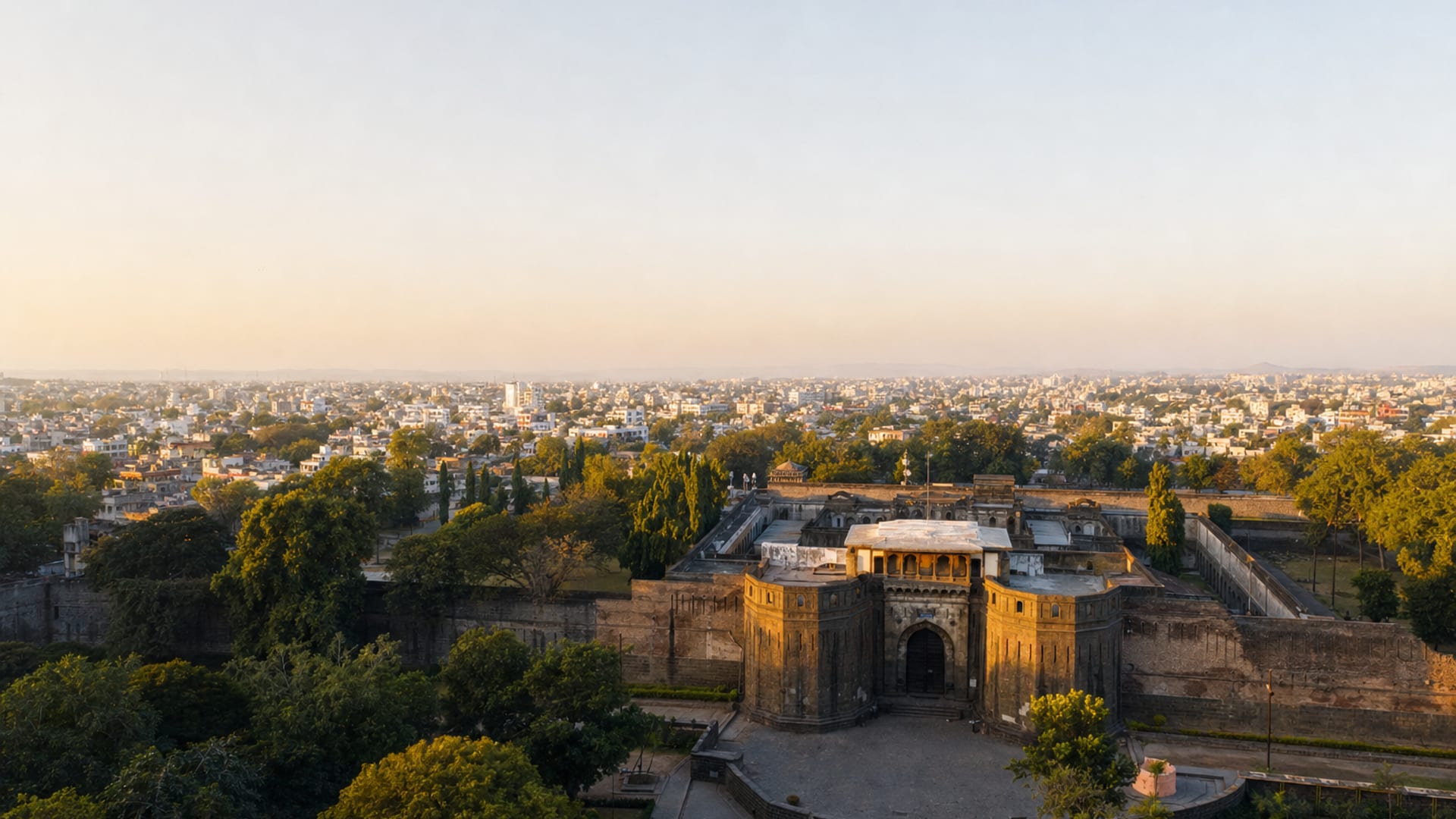
Pune is a city rich in Maratha history, with university districts, busy commercial neighborhoods, residential enclaves, and a food scene strongly tied to Maharashtrian cooking. Shaniwar Wada and Pataleshwar anchor the older central districts, and Koregaon Park brings restaurants and cafés east of the core, while Vetal Tekdi adds a very different side of the city in the western hills.
The city is easier to manage when heritage sights, eastern neighborhoods, and hill visits are kept on separate days. This guide covers where to stay, how to get around, major attractions, local dishes, seasonal conditions, a practical five-day itinerary, and business-class flights from the US.
Useful things to know

Main language(s): Marathi, Hindi, English
Namaskar (nah-mah-skar) – Hello
Kripaya (kri-pah-yah) – Please
Dhanyavad (dhan-yah-vaad) – Thank you
Aapko angrezi aati hai? (aap-ko an-greh-zee aa-tee hai) – Do you speak English?
Iska kitna hua? (is-ka kit-na hu-a) – How much does it cost?

Currency: Indian rupee (INR, ₹)

Cash and cards: Hotels, restaurants, malls, and larger shops commonly accept cards and digital payments. Carry ₹1,000–₹2,000 ($11–$21) for small businesses, markets, and cash-only purchases.

Tipping: Check restaurant bills for a service charge first. If none is included, 5%–10% is common for good service.

Traditional food: Misal pav, bhakri, sabudana khichdi, and vada pav

Water and coffee costs: Bottled water generally costs ₹20–₹40 ($0.20–$0.40), while espresso drinks cost ₹120–₹250 ($1.30–$2.60).

Taxis and ride apps: Uber and Ola operate in Pune, including at Pune Airport. The airport also has a prepaid taxi service.

Plug and voltage: Type C/D/M socket, 230V

Dining and shop opening hours: Cafés often open from 7:00 am or 8:00 am. Lunch usually begins at 12:30 pm, while dinner commonly starts from 7:00 pm or 8:00 pm.

Emergency number: Dial 112 for police, fire, or medical emergencies.
Where to stay in Pune
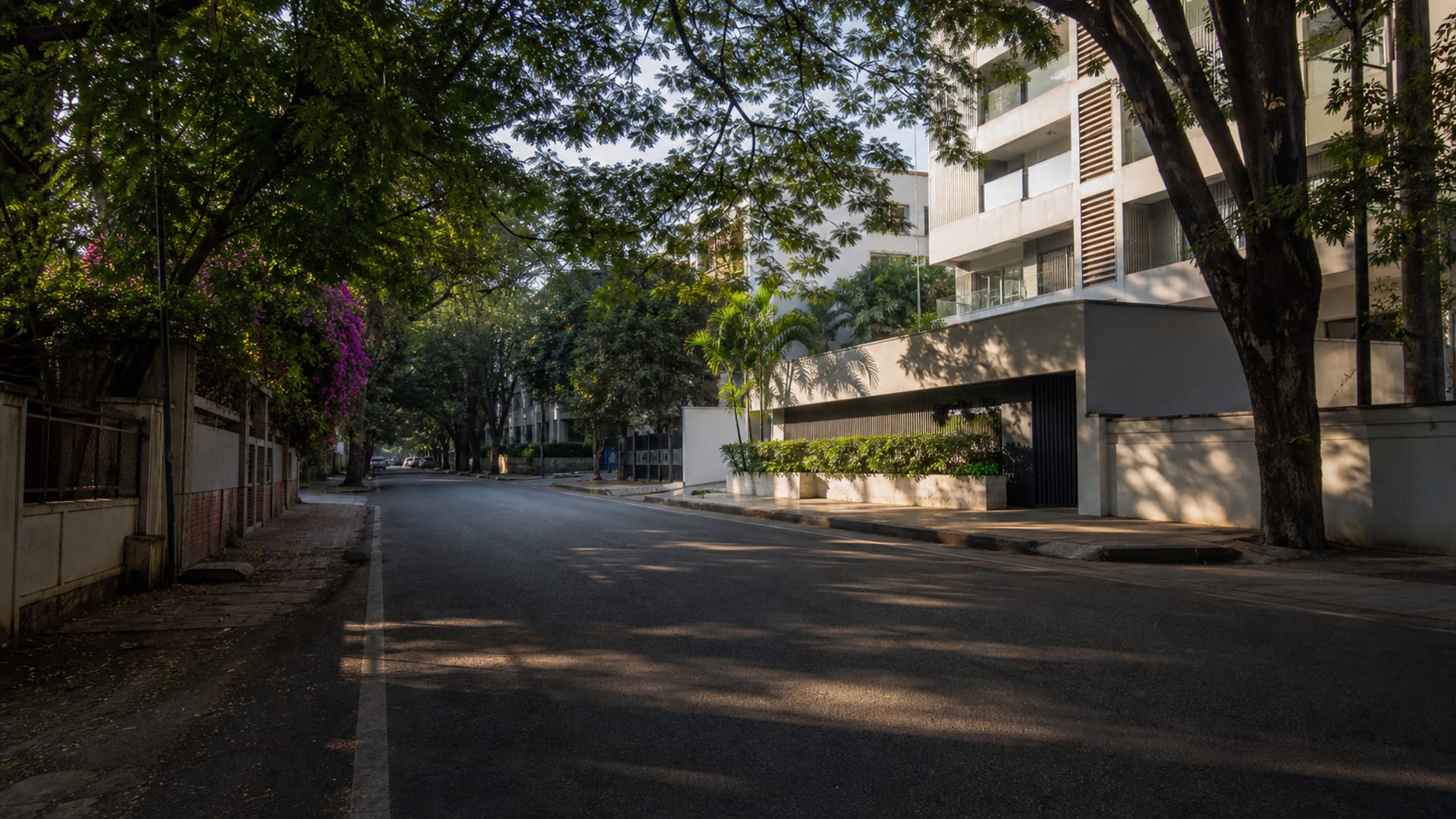
Koregaon Park is one of Pune’s best-known dining and residential districts, with boutique hotels, cafés, restaurants, bars, tree-lined lanes, and upscale homes east of the center. It suits travelers who want the Aga Khan Palace and central Pune within a manageable taxi ride.
Best for: Restaurants, nightlife, cafés, and longer stays
What to expect: Leafy residential lanes, boutique hotels, cafés, restaurants, bars, and heavier evening traffic
Hotel prices: Nightly rates at well-reviewed properties typically range from ₹5,500 to ₹14,000 ($60–$150).
Distance to major sights: Aga Khan Palace is a short drive east, while Shaniwar Wada usually requires a longer taxi ride toward the old city.
Quietness: Side streets generally receive less evening noise than the main restaurant corridors.
Main trade-off: Central heritage sights require taxis, especially during hotter parts of the day.
Good to know: Choose accommodation away from the busiest commercial streets if late-night traffic is a concern.
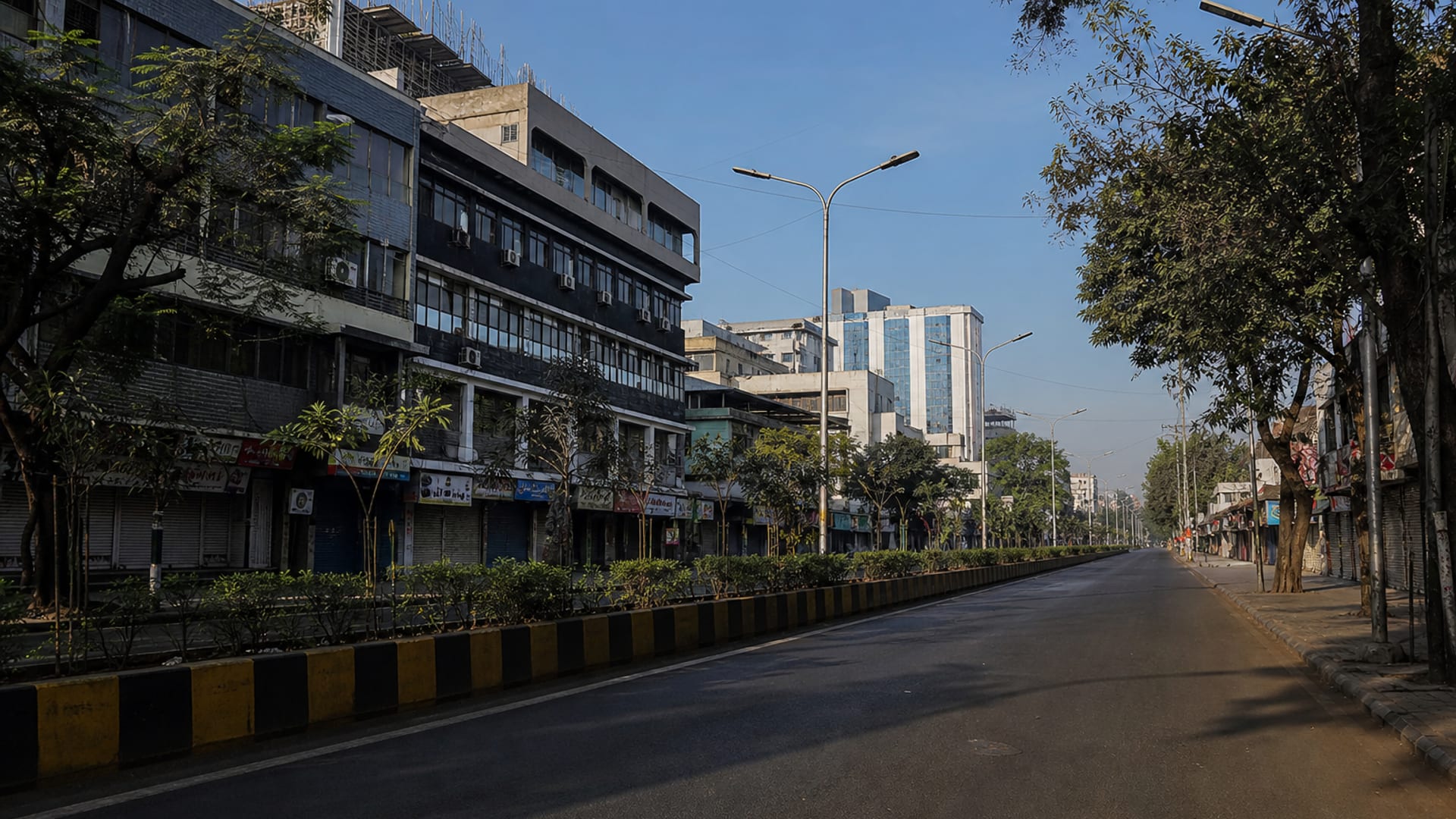
Shivajinagar is a busy central district close to government buildings, colleges, and several of Pune’s historic sights. Its location is particularly useful for visits to Shaniwar Wada and Pataleshwar Cave Temple. Hotels range from practical mid-range properties to larger business-oriented stays.
Best for: Historic sights, public transport, central access, and shorter stays
What to expect: Busy roads, students, commuters, offices, shops, buses, and steady daytime traffic
Hotel prices: Rooms in well-reviewed properties generally cost ₹4,000–₹9,000 ($42–$94) per night.
Distance to major sights: Pataleshwar Cave Temple is within the district, while Shaniwar Wada is several minutes south by taxi or auto-rickshaw.
Quietness: Residential streets are less active after dark than the major junctions and commercial roads.
Main trade-off: Traffic and road noise can be substantial during weekday rush hours.
Good to know: Check the precise address before booking, since traffic conditions vary considerably between quieter side streets and major intersections.
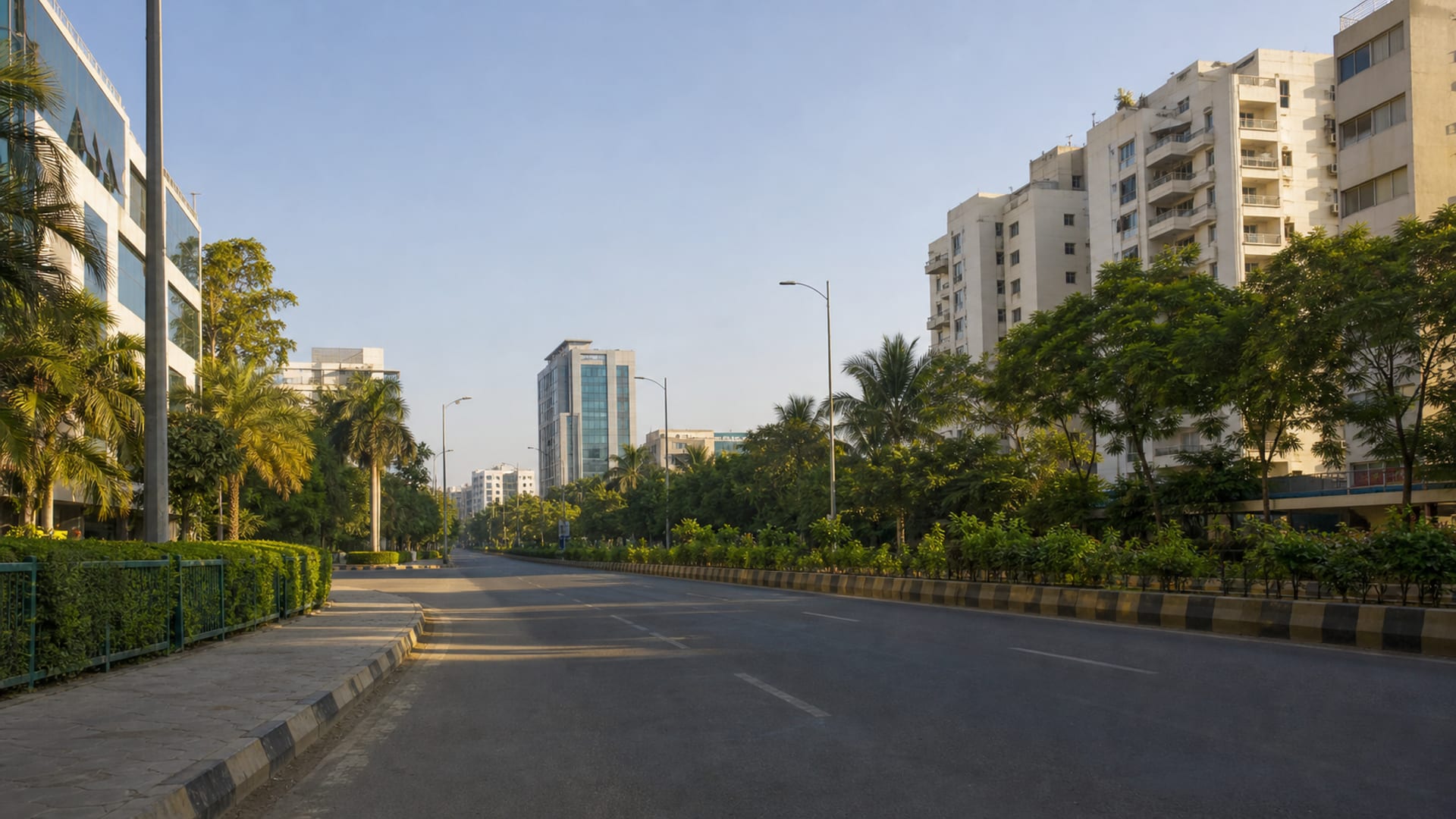
Viman Nagar lies beside Pune’s airport corridor and features newer hotels, malls, office buildings, restaurants, and residential developments. It is one of the most practical districts for early flights or late arrivals. Aga Khan Palace and Koregaon Park are closer than Pune’s western attractions.
Best for: Airport access, modern hotels, shopping, and short stays
What to expect: Malls, offices, apartment blocks, restaurants, airport traffic, and wide commercial roads
Hotel prices: Expect to pay ₹4,500–₹11,000 ($50–$115) per night at many well-reviewed properties.
Distance to major sights: Pune Airport is nearby, while Aga Khan Palace can usually be reached more quickly than Shaniwar Wada or Vetal Tekdi.
Quietness: Streets away from malls and major roads generally have less late-evening activity.
Main trade-off: Most historic sightseeing requires a taxi across the city.
Good to know: This district is particularly useful when your flight schedule makes airport travel more important than walking access to the old city.
Chakan, Talegaon Dabhade, Pimpri-Chinchwad, Magarpatta, and Hadapsar can make sense for business travel or specific appointments, but they add unnecessary travel time for a sightseeing-focused visit.
Hotel deals
Getting around Pune
Pune’s metro, PMPML buses, and taxis cover most visitor journeys, but Pune Airport (PNQ) does not currently have a metro station.

Metro
for central cross-city journeys
Pune Metro operates the Purple and Aqua lines, with 29 stations currently in service. Fares start at ₹10 ($0.10) and increase by distance. Buy QR tickets at stations or through the Pune Metro app, or use a One Pune Card for repeat trips.

Bus
for airport and lower-cost journeys
PMPML buses serve Pune Airport and connect it with areas such as Shivajinagar and other parts of the city. Typical city fares start at ₹10–₹20 ($0.10–$0.20) and rise with distance. Buy tickets on board. Allow approximately 30 to 60 minutes from the airport to central Pune in normal traffic.

Taxi
for airport transfers and direct trips
Prepaid taxis, Uber, and Ola operate at Pune Airport. A ride to Koregaon Park or Shivajinagar generally takes 20 to 45 minutes and commonly costs ₹500–₹1,200 ($5–$13), depending on traffic and demand. Book prepaid taxis at the airport counter or use the respective app.
*Prices are based on rates updated as of September 2026 and may change at the time of travel.
Use the metro when your route follows one of its two lines, PMPML buses for lower-cost trips, and taxis when you have luggage or need a direct journey.
Iconic places in Pune
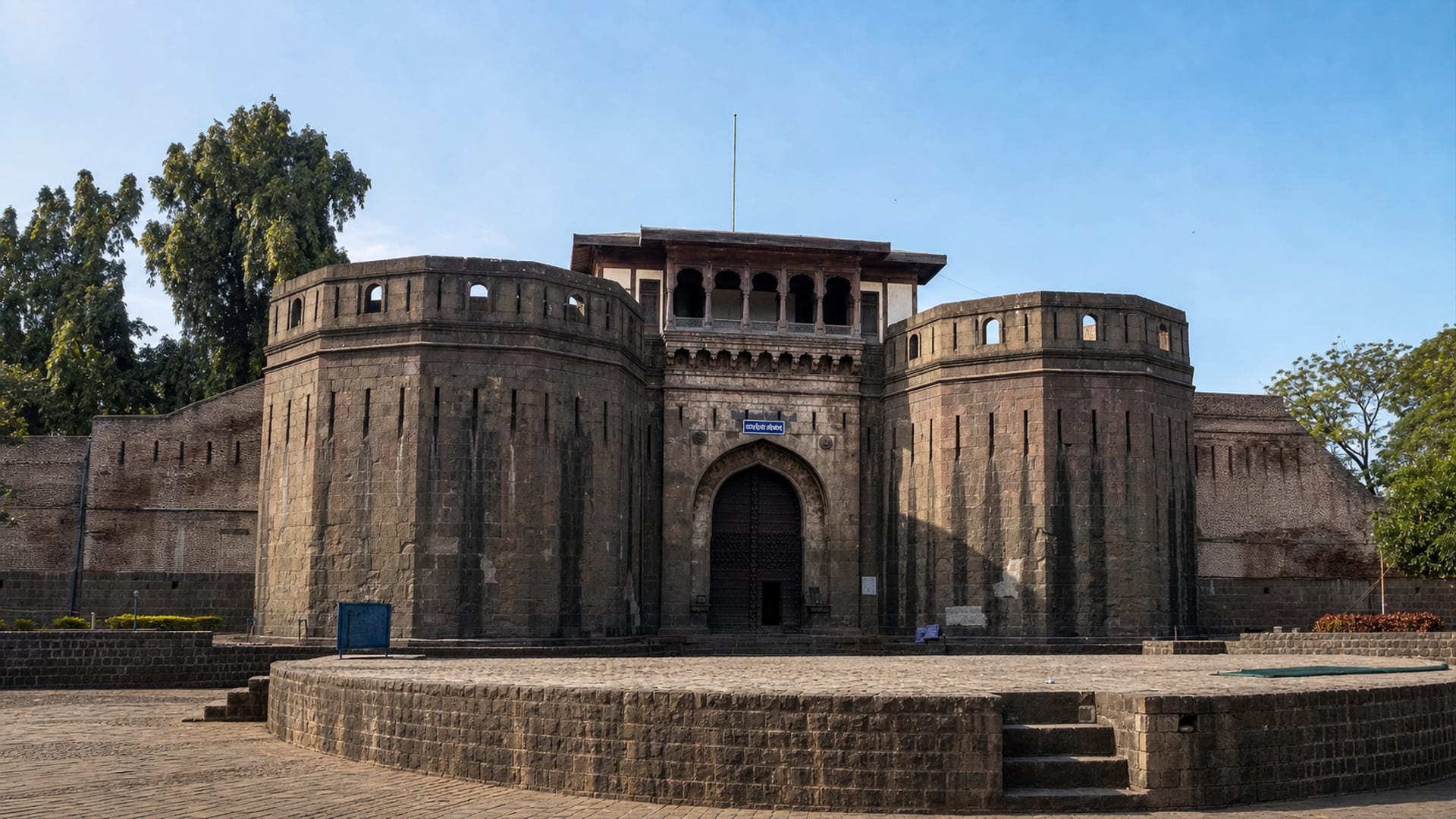
Shaniwar Wada
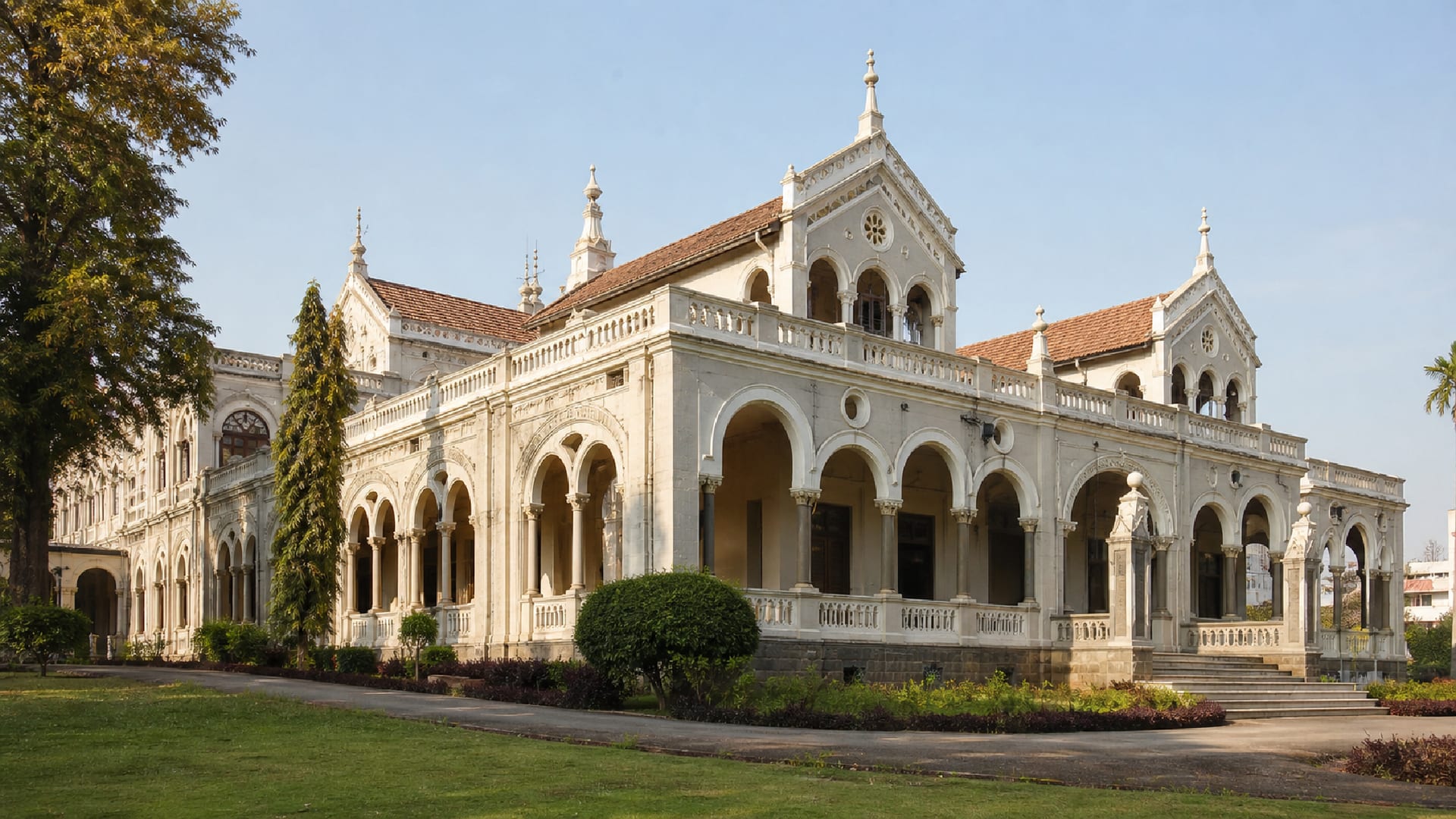
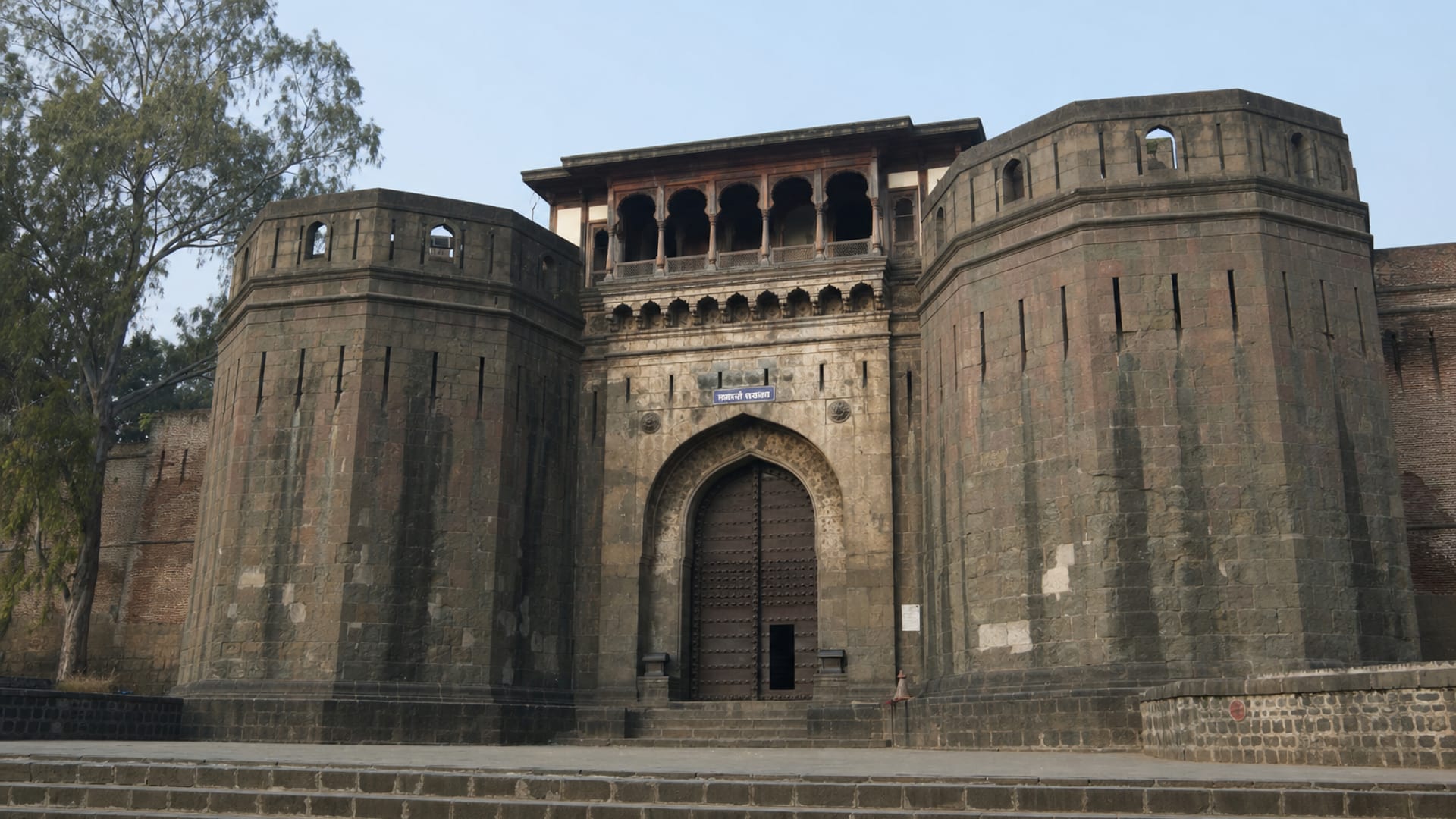
Built for Peshwa Bajirao I in the 18th century, Shaniwar Wada became the political center of Peshwa rule. A major fire destroyed much of the palace in 1828, but its massive gateways, fortified walls, courtyards, and foundations still show the scale of the original complex.
Time needed: 1 to 1.5 hours
Entry: Admission is ₹250 ($2.60) for foreigners and ₹20 ($0.20) for Indian nationals.
Tip: Visit early before the courtyard becomes hotter and busier.
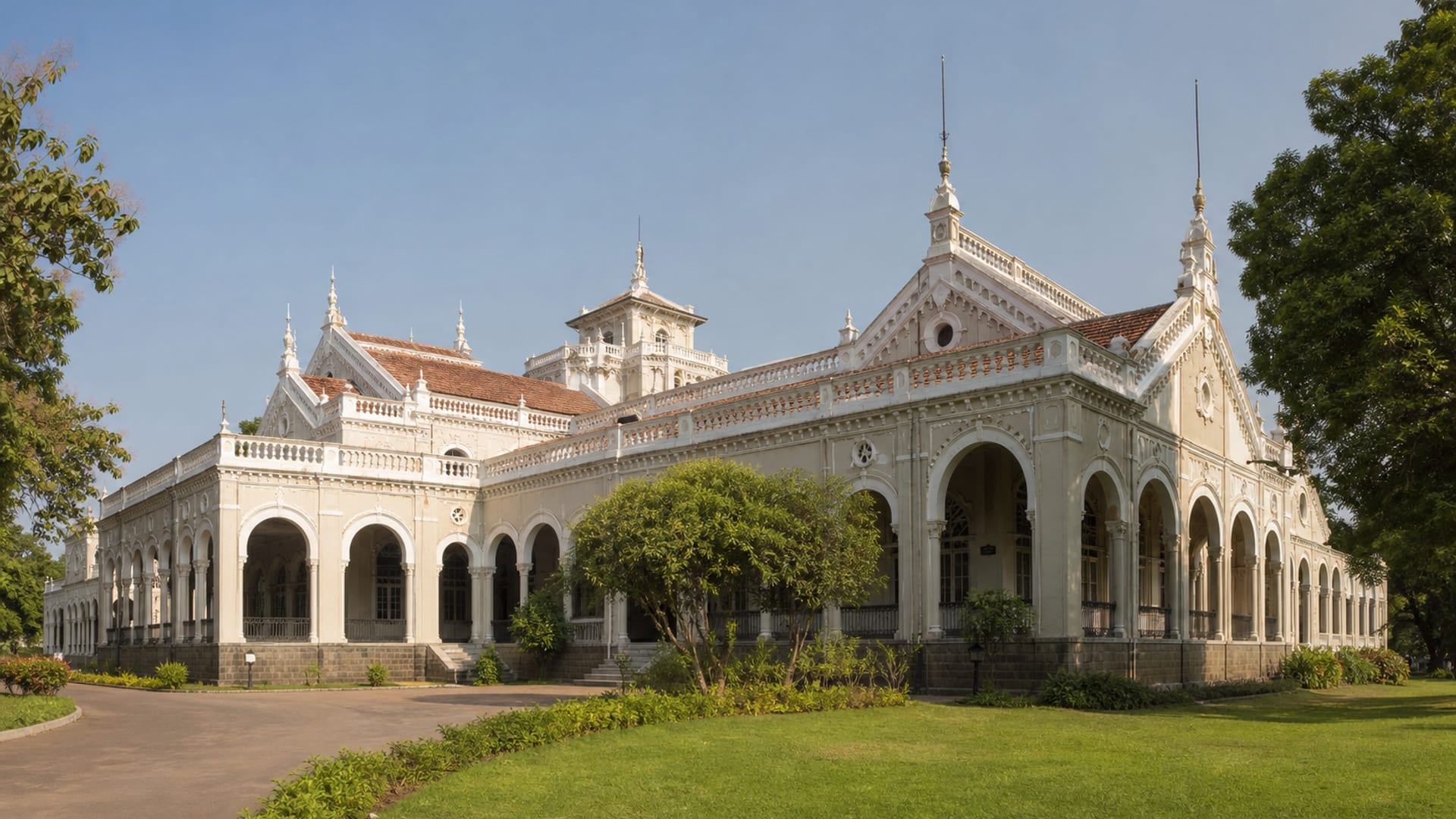
Aga Khan Palace
Built in 1892, Aga Khan Palace combines broad Italianate arches, landscaped grounds, and galleries connected with India’s independence movement. Mahatma Gandhi, Kasturba Gandhi, and other leaders were detained here during the Quit India Movement.
Time needed: 1.5 to 2 hours
Entry: Tickets cost ₹300 ($3.10) for foreigners and ₹25 ($0.30) for Indian citizens. Visit the official site for details.
Tip: Visit in the morning, then continue toward Koregaon Park for lunch.
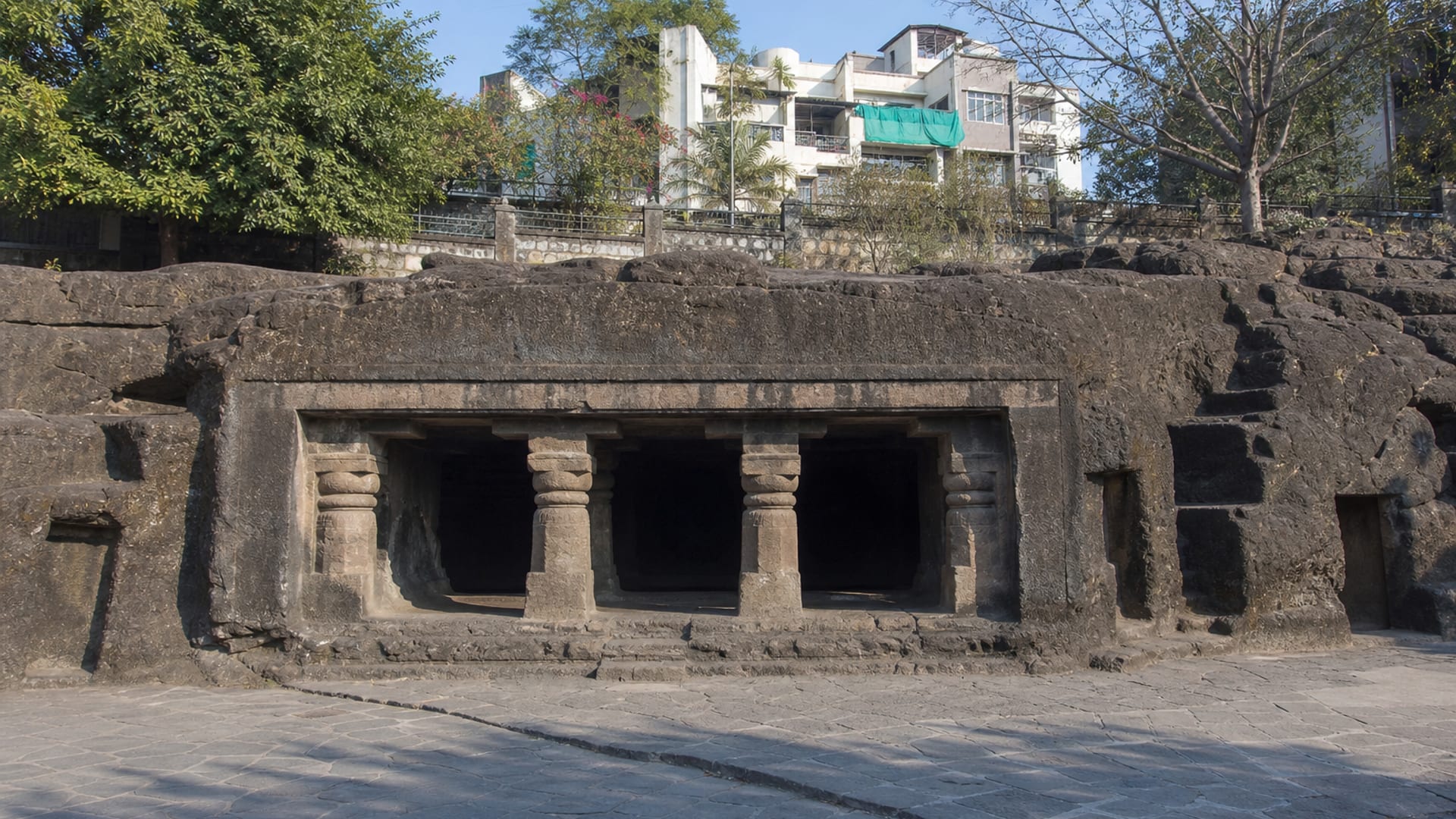
Pataleshwar Cave Temple
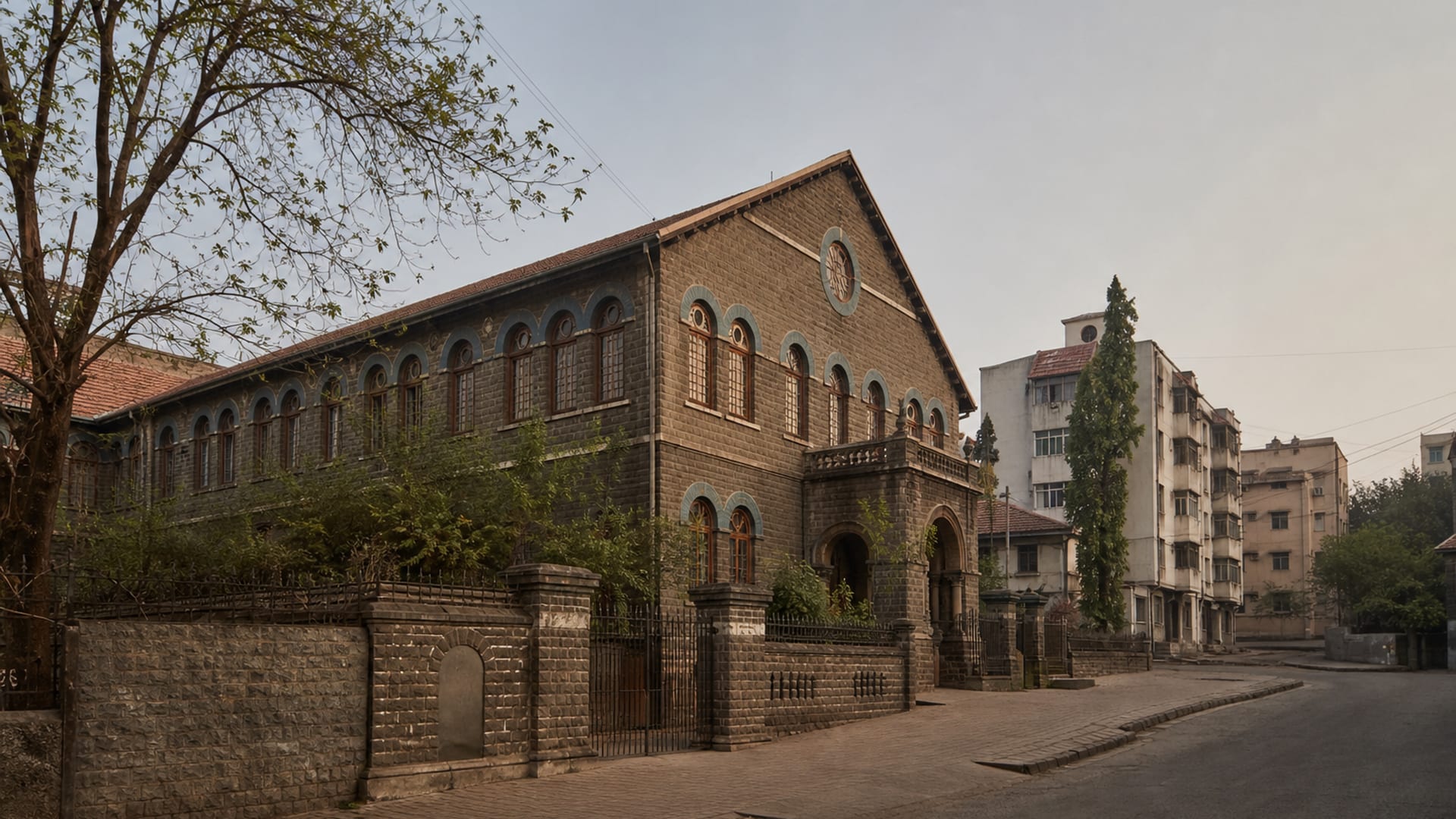
Pataleshwar Cave Temple is an 8th-century rock-cut Shiva shrine carved from basalt in Shivajinagar. Its circular Nandi pavilion, pillared hall, and unfinished stone surfaces make it one of Pune’s oldest surviving religious structures.
Time needed: 45 minutes to 1 hour
Entry: Free
Tip: Pair it with Shaniwar Wada so both central sights fit into one morning.
Overlooked places in Pune

Vetal Tekdi
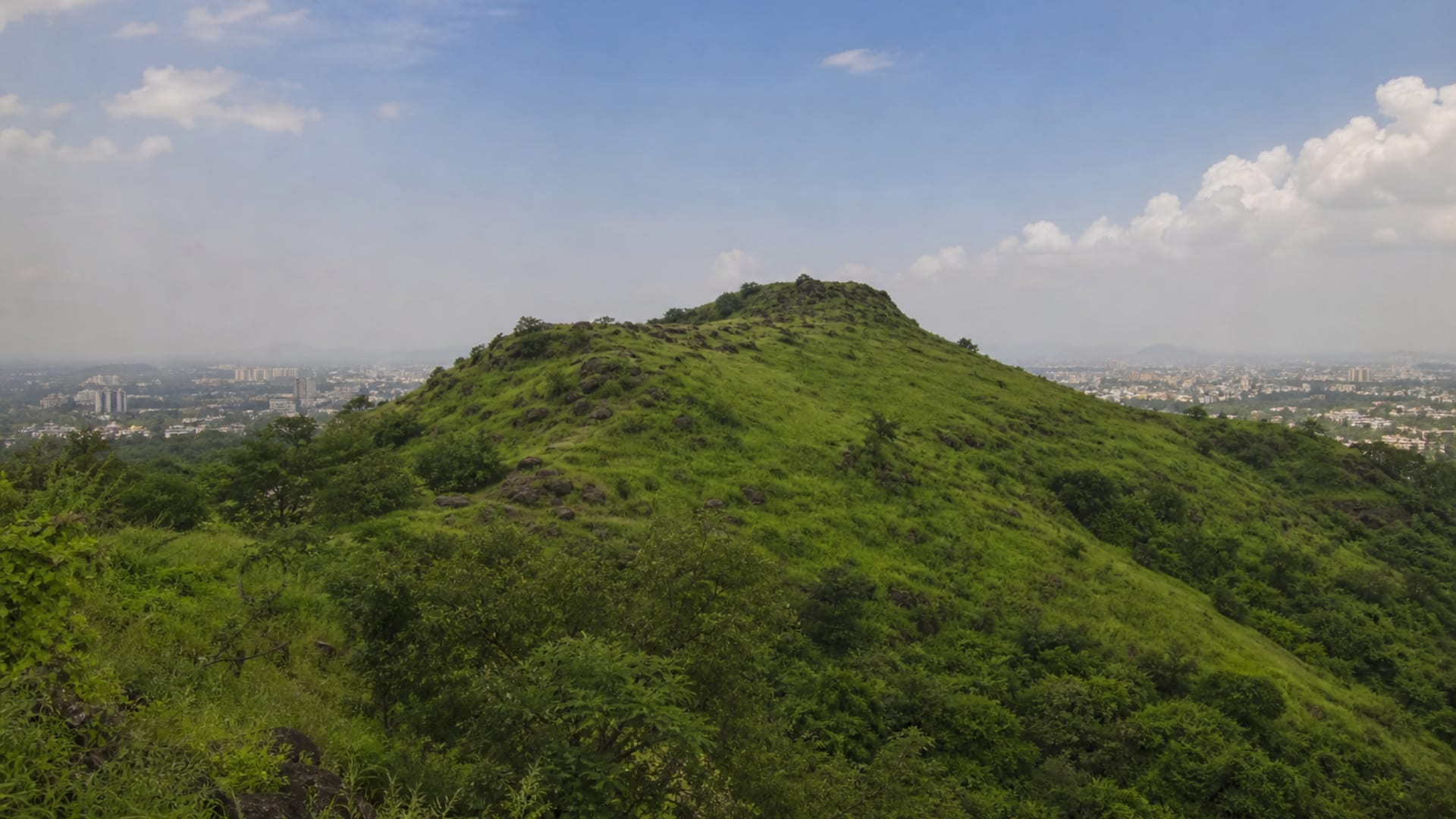
Vetal Tekdi rises to 2,600 ft (800 m), making it one of Pune’s highest urban points. Its forested trails and open plateau attract walkers, runners, and birders year-round.
Time needed: 1 to 2 hours
Entry: Free
Tip: Go early in the morning for cooler temperatures and clearer views.

Raja Dinkar Kelkar Museum
The Raja Dinkar Kelkar Museum displays thousands of Indian decorative and everyday objects, including musical instruments, lamps, carved woodwork, vessels, and traditional household items.
Time needed: 1 to 1.5 hours
Entry: Foreign adults pay ₹400 ($4.20), while Indian adults pay ₹20–₹50 ($0.20–$0.50).
Tip: You can visit it after Shaniwar Wada while you are already in the old city.
What to eat in Pune
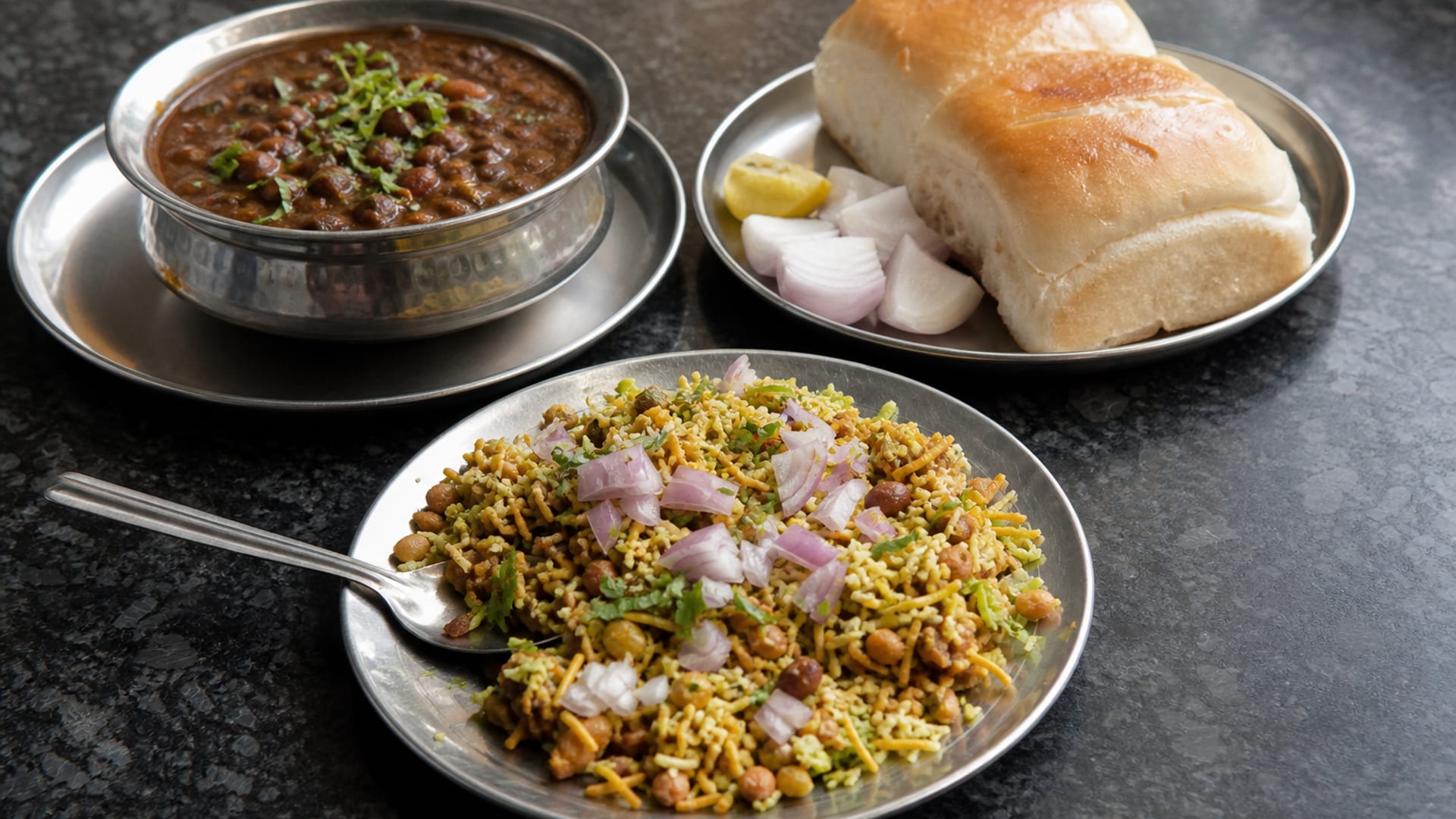
Pune’s traditional cuisine uses Maharashtrian spices, grains, lentils, potatoes, peanuts, and breads. Both substantial meals and street snacks play an important role in the city’s food culture.
Misal pav
Misal pav combines a spicy sprouted-lentil curry with farsan, onions, herbs, and soft bread rolls. It is commonly eaten for breakfast or lunch and ranges in spiciness. Shabree is known for Maharashtrian cooking and serves a traditional version.
Bhakri
Bhakri is a thick unleavened flatbread made from grains such as jowar or bajra and usually served with vegetables, chutneys, lentils, or meat dishes. Durvankur specializes in Maharashtrian thalis, where bhakri commonly appears as part of the meal.
Sabudana khichdi
Sabudana khichdi combines tapioca pearls with peanuts, potatoes, cumin, chile, and herbs. It is closely associated with Hindu fasting days but is also widely eaten as a breakfast or snack. You can enjoy it at Vaishali on Fergusson College Road.
Vada pav
Vada pav places a spiced potato fritter inside a bread roll with dry or wet chutneys and fried peppers. Garden Vada Pav Centre in Camp is one of Pune’s long-established places for the snack.
Best time to visit Pune
Pune has a cooler dry season, a hot pre-monsoon period, and several months of summer rain, so outdoor sightseeing changes through the year.
Best for: Forts, temples, Vetal Tekdi, markets, and long sightseeing days
What you get: Temperatures commonly range from 57°F to 86°F (14°C–30°C), with cooler mornings and dry conditions.
Trade-offs: Popular weekends and holiday periods can increase hotel demand.
Best for: Early museum visits, indoor sights, and travelers comfortable with heat
What you get: Temperatures rise from approximately 68°F to 104°F (20°C–40°C), with the hottest afternoons arriving in April and May.
Trade-offs: Midday heat can make fort visits and longer walks uncomfortable.
Best for: Green hills, museums, food, and visitors who do not mind frequent rain
What you get: Temperatures generally range from 68°F to 88°F (20°C–31°C), with cooler afternoons and much greener surroundings.
Trade-offs: Heavy rain can slow traffic and make hill trails slippery.
Best for: Vetal Tekdi, heritage sights, and outdoor dining before winter
What you get: Post-monsoon temperatures generally range from 66°F to 90°F (19°C–32°C), with decreasing rain and clearer conditions.
Trade-offs: Warm afternoons can still make exposed sightseeing tiring.
A 5-day plan in Pune
Five days give you enough time to explore Pune’s old-city landmarks, Aga Khan Palace, Koregaon Park, Vetal Tekdi, and museums.
Land at Pune Airport (PNQ), then take a prepaid taxi, Uber, or Ola to Viman Nagar, Koregaon Park, or Shivajinagar. Pune Airport is 9 miles (15 km) from the city center, and traffic can make the road journey much longer than the distance suggests. After check-in, stay close to your hotel for dinner. If you choose Koregaon Park, use the evening for a short neighborhood walk and save the old city for the following morning.
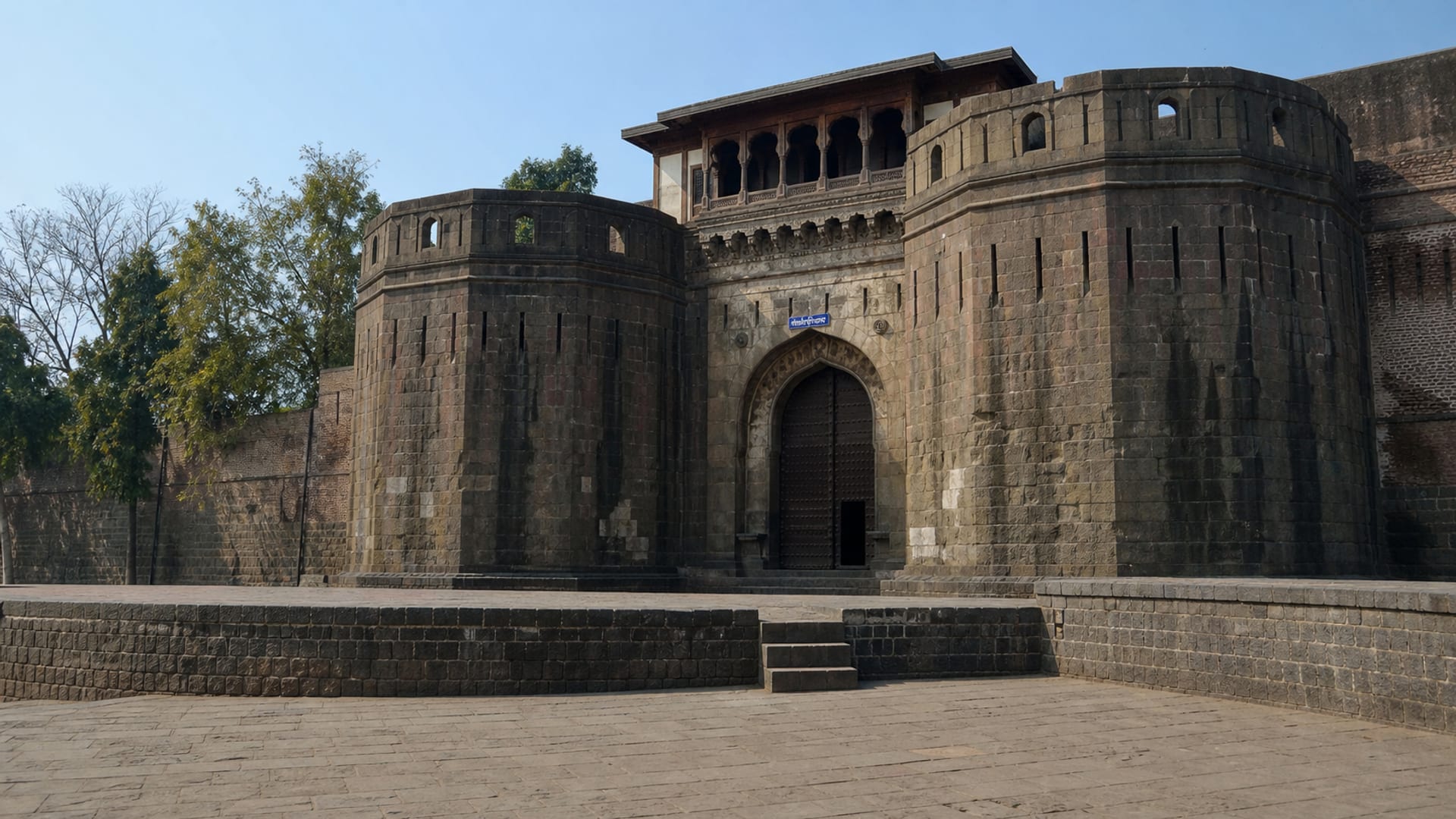
Begin your second day in Pune at Shaniwar Wada and allow 1 to 1.5 hours for the gateways, walls, and palace remains. From there, take an auto-rickshaw or taxi to Raja Dinkar Kelkar Museum and spend another 1 to 1.5 hours inside. Foreign adult admission costs ₹400 ($4.20). Have lunch nearby, then continue to Pataleshwar Cave Temple for 45 minutes to 1 hour before returning to your hotel.
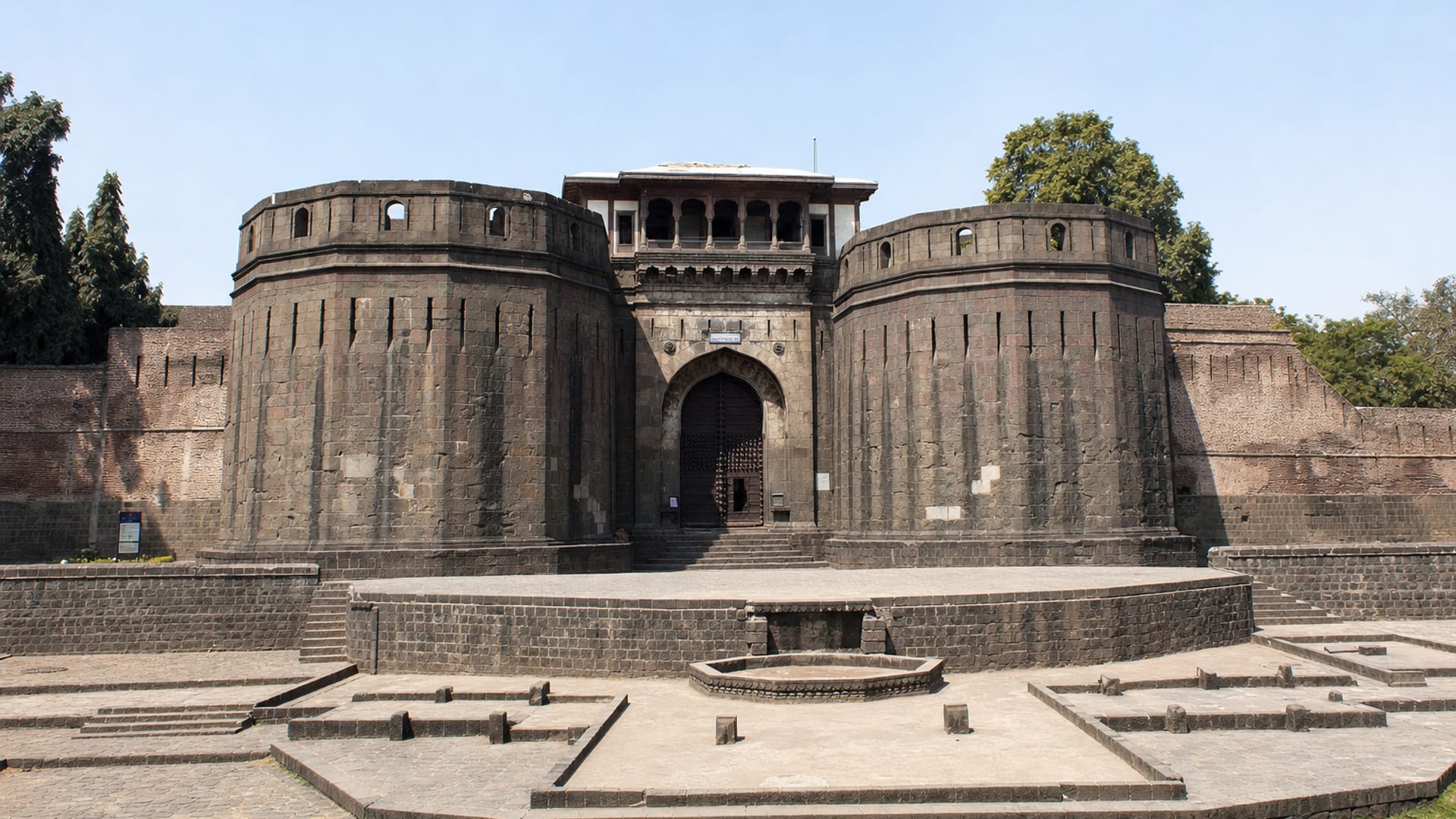
Take a taxi to Aga Khan Palace in the morning and allow 1.5 to 2 hours for the museum rooms, memorial spaces, and grounds. The palace is located east of central Pune, so combine it with nearby Koregaon Park instead of returning immediately to the old city. Have lunch there, then spend the afternoon around its cafés, shops, and residential lanes. Stay in the district for dinner to avoid another traffic-heavy evening transfer.
Reach Vetal Tekdi early in the morning and spend 1 to 2 hours on the hill trails before temperatures and traffic increase. The hill rises to 2,600 ft (800 m) and is popular with local walkers and runners. Return toward Shivajinagar for lunch, then keep the afternoon flexible for shopping, cafés, or any central sight you missed on your second day. Have dinner close to your hotel after the early start.
Keep your final morning near your hotel instead of scheduling another trip across Pune. From Koregaon Park, stop for breakfast or coffee nearby; from Shivajinagar, use the time for local shops or a short central walk. Collect your luggage before taking a prepaid taxi, Uber, or Ola to Pune Airport. Because there is currently no metro service directly to the terminal, allow additional road time for congestion, check-in, and security.
Business-class flights from the US to Pune
There are no nonstop flights from New York (JFK) or Los Angeles (LAX) to Pune Airport (PNQ), so both routes require layovers.
New York (JFK) to Pune (PNQ)
Air India, KLM, IndiGo, British Airways, Lufthansa, Air France, and Virgin Atlantic are some of the airlines that currently operate connecting itineraries from John F. Kennedy International Airport (JFK) to Pune. These flights have one or two layovers in cities like Amsterdam (AMS), New Delhi (DEL), London (LHR), Frankfurt (FRA), and Paris (CDG). They may take between 22 and 31 hours. Round-trip business-class tickets for this route typically cost $4,600–$10,400.
Los Angeles (LAX) to Pune (PNQ)
Travelers who depart from Los Angeles International Airport (LAX) can reach Pune with Lufthansa, Qatar Airways, Cathay Pacific, SWISS, Air France, and British Airways. These itineraries have a duration of 26–34 hours and have layovers in hubs such as Paris (CDG), Frankfurt (FRA), London (LHR), and Doha (DOH). Round-trip business-class tickets from the airlines usually range from $6,100 to $11,200.
Explore Pune one neighborhood at a time
Pune’s attractions are spread across distinct parts of the city, so planning by area makes each day more manageable. Explore Shaniwar Wada and the old city together, combine Aga Khan Palace with Koregaon Park, and set aside a separate early morning for Vetal Tekdi. This approach reduces time spent crossing the city and leaves more room for the places you came to see. AranGrant experts can help you compare and book business-class flights to Pune that fit your dates, preferences, and budget.







