

Chapters:

Need help with your trip?
Our support team is available 24/7. Request a callback or call us directly at (833) 619-0908
Puerto Vallarta trips often begin with a beach hotel, a late dinner, and a Malecón walk, while the Cuale museums and marina side of town get little time. That leaves the city’s layout half understood, even though distances stay manageable and the pace changes block by block.
If you treat downtown, Zona Romántica, Marina Vallarta, and the Hotel Zone as one simple strip, you spend too much time in transit and miss how the neighborhoods divide the day. Crowds also shift fast between the waterfront, inland streets, and boat departures.
This guide breaks the city into clear stays, transit choices, food stops, and five days that fit the geography, so you can move through Puerto Vallarta with a plan that matches its actual shape.
Useful things to know
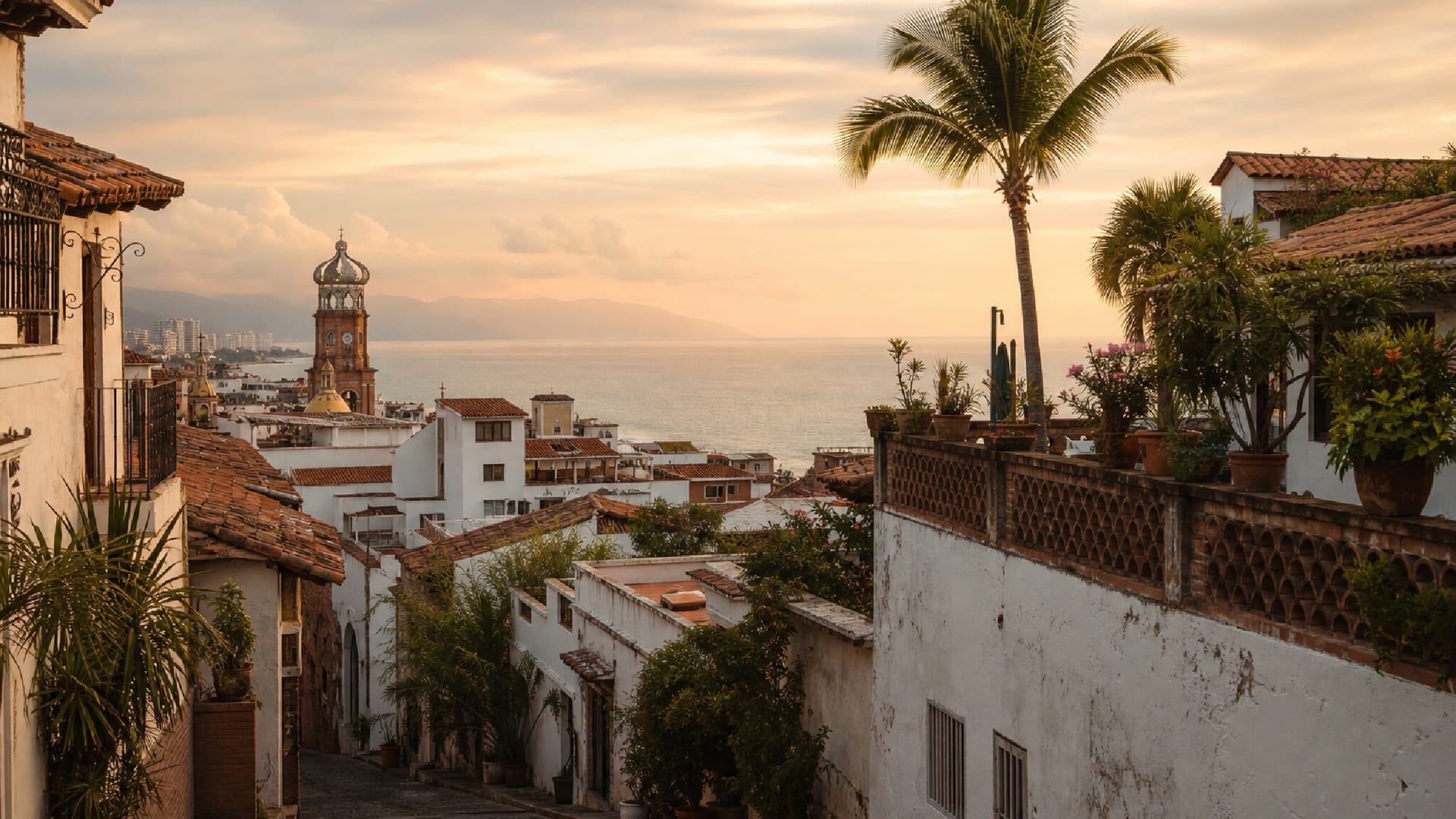

Main language(s): Spanish
Hola (OH-lah) – Hello
Por favor (por fah-VOR) – Please
Gracias (GRAH-see-ahs) – Thank you
¿Habla inglés? (AH-blah een-GLAYS) – Do you speak English?
¿Cuánto cuesta? (KWAHN-toh KWEHS-tah) – How much does it cost?

Currency: The local currency is the Mexican peso (MXN, $).

Cash and cards: Cards and contactless are widely accepted; carry about MXN 500 to 1,000 ($30 to $60) in cash for taxis, tips, and small shops.

Tipping: Round up small bills and leave 10% at sit-down restaurants if service is not included.

Traditional food: ceviche, pescado zarandeado, aguachile, birria

Water and coffee costs: Water about MXN 25 to 40 ($1.50 to $2.50), bar espresso about MXN 40 to 60 ($2.50 to $3.50).

Taxis and ride apps: Uber and DiDi operate here; verify pickup points at the airport and some hotels.

Plug and voltage: Type A/B socket, 127V

Dining and shop opening hours: Breakfast is about 8:00-11:00, lunch 14:00-16:00, and dinner 19:00-23:00. Many kitchens close between meals, and late dining is common in tourist areas.

Emergency number: 911 for police, fire, and medical emergencies.
Where to stay in Puerto Vallarta
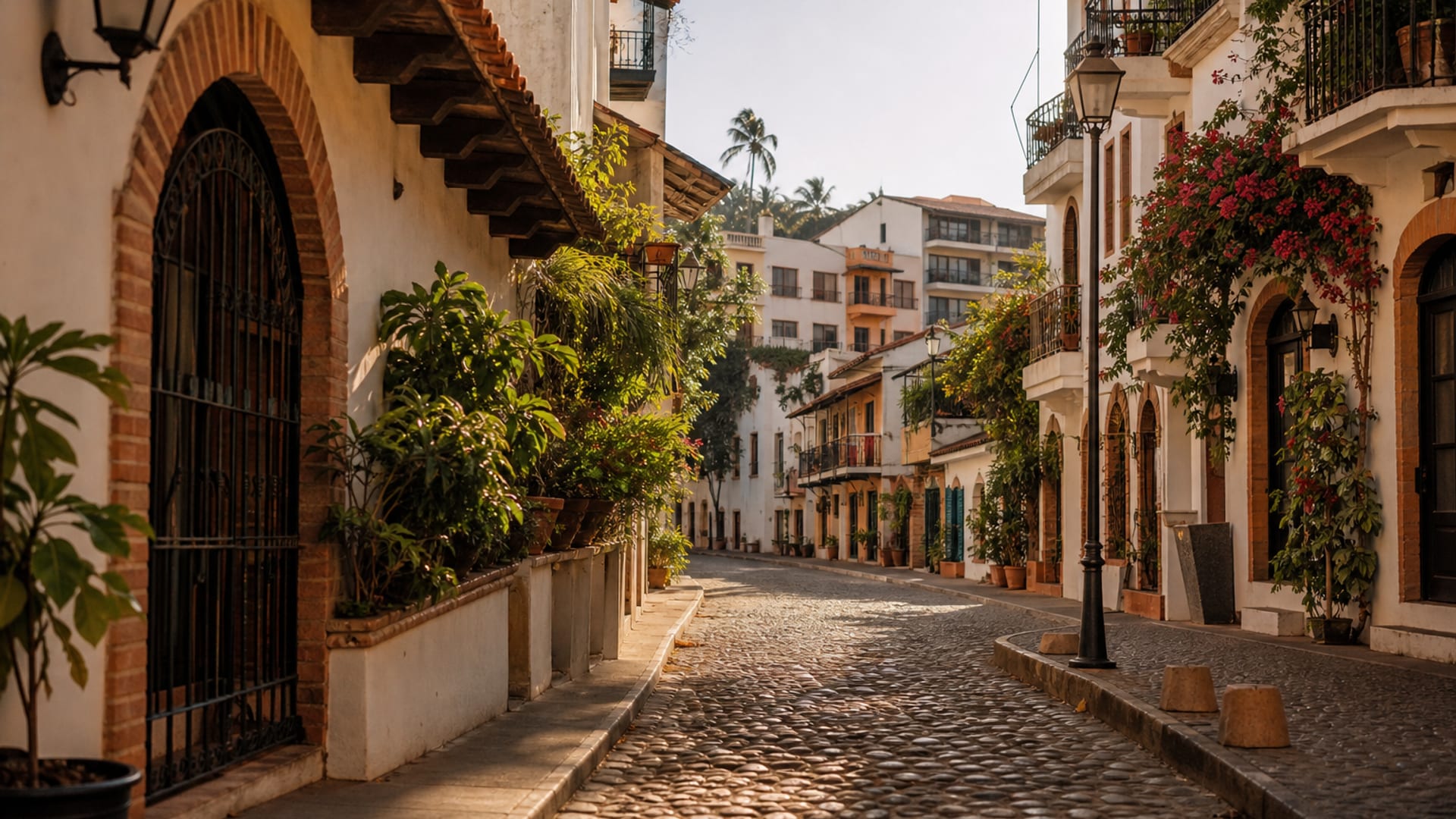
South of downtown, Zona Romántica clusters boutique hotels, restaurants, bars, and beach access around a walkable grid. It suits travelers who want to stay close to the Malecón, nightlife, and Los Muertos Beach without relying on taxis every time.
Best for: Dining, nightlife, beach access, and first-time stays
What to expect: Busy sidewalks, late dinners, and steady evening foot traffic near the main restaurant streets.
Hotel prices: Usually about $120 to $260 per night for well-rated stays
Distance to major sights: About 10 to 15 minutes on foot to the Malecón; about 5 to 10 minutes on foot to Los Muertos Beach
Quietness: Daytime is lively, and evenings are noisy on the main streets, with quieter side lanes a block or two inland.
Main trade-off: Hotel rates climb near the beach and the busiest blocks can pick up late-night noise.
Good to know: If you want to walk to both the beach and the restaurant strip, choose a room away from the loudest bar streets.
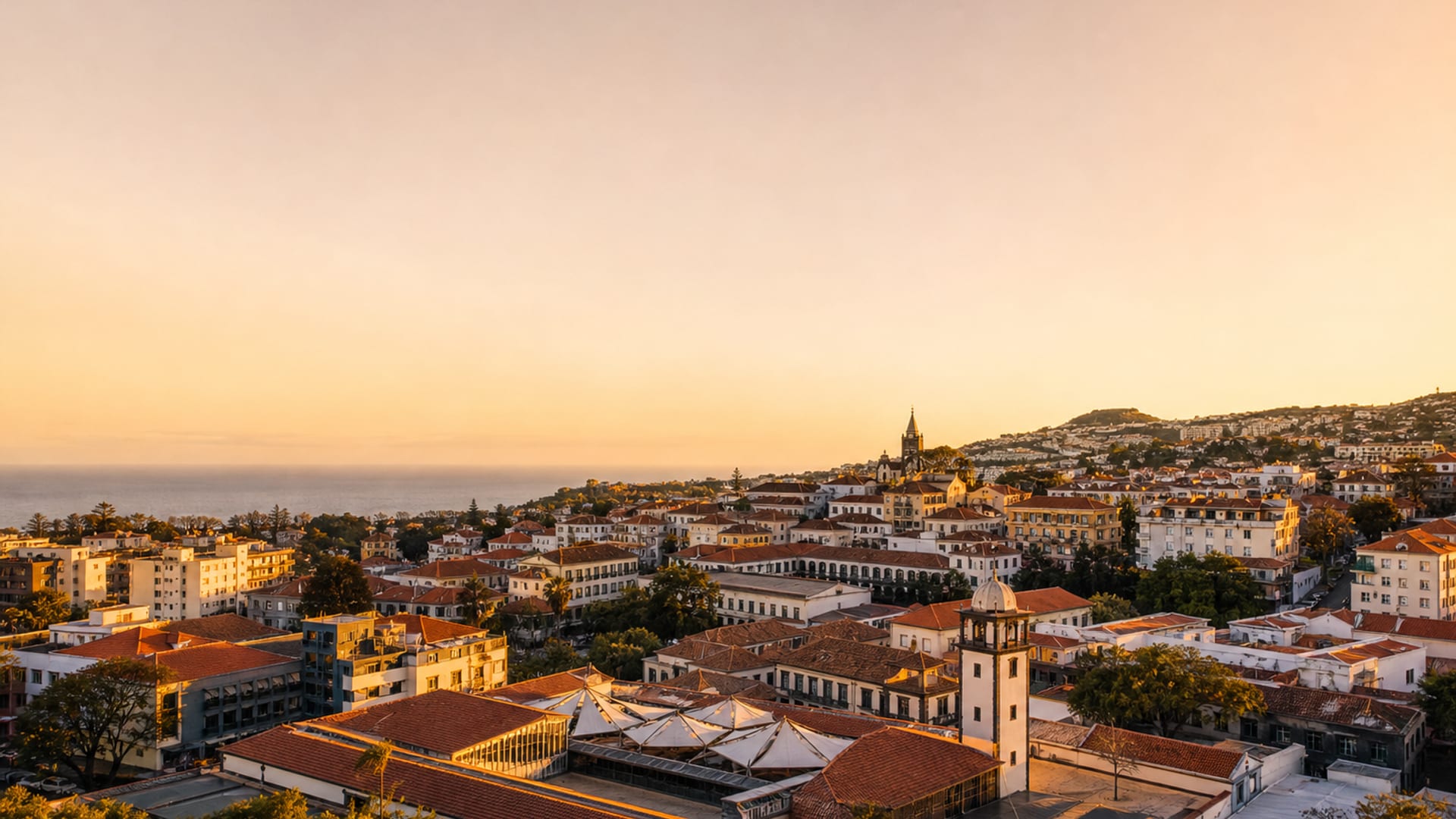
5 de Diciembre sits just north of the Malecón and mixes local housing, casual hotels, and hill views over the bay. It gives you quick access to downtown without putting you in the middle of the busiest tourist strip.
Best for: Lower-key stays near downtown, local atmosphere, and bay views
What to expect: Residential streets, small shops, and moderate activity that thins out after dark.
Hotel prices: Usually about $70 to $160 per night for well-rated stays
Distance to major sights: About 10 to 20 minutes on foot to the Malecón; about 5 to 15 minutes by taxi to the Zona Romántica
Quietness: Daytime brings local errands and traffic, while evenings are calmer than the waterfront.
Main trade-off: You may walk uphill on some streets, and the beach is less convenient than in the south-central districts.
Good to know: Check the slope before booking, since some buildings sit on steep blocks that make walks back from dinner more tiring.
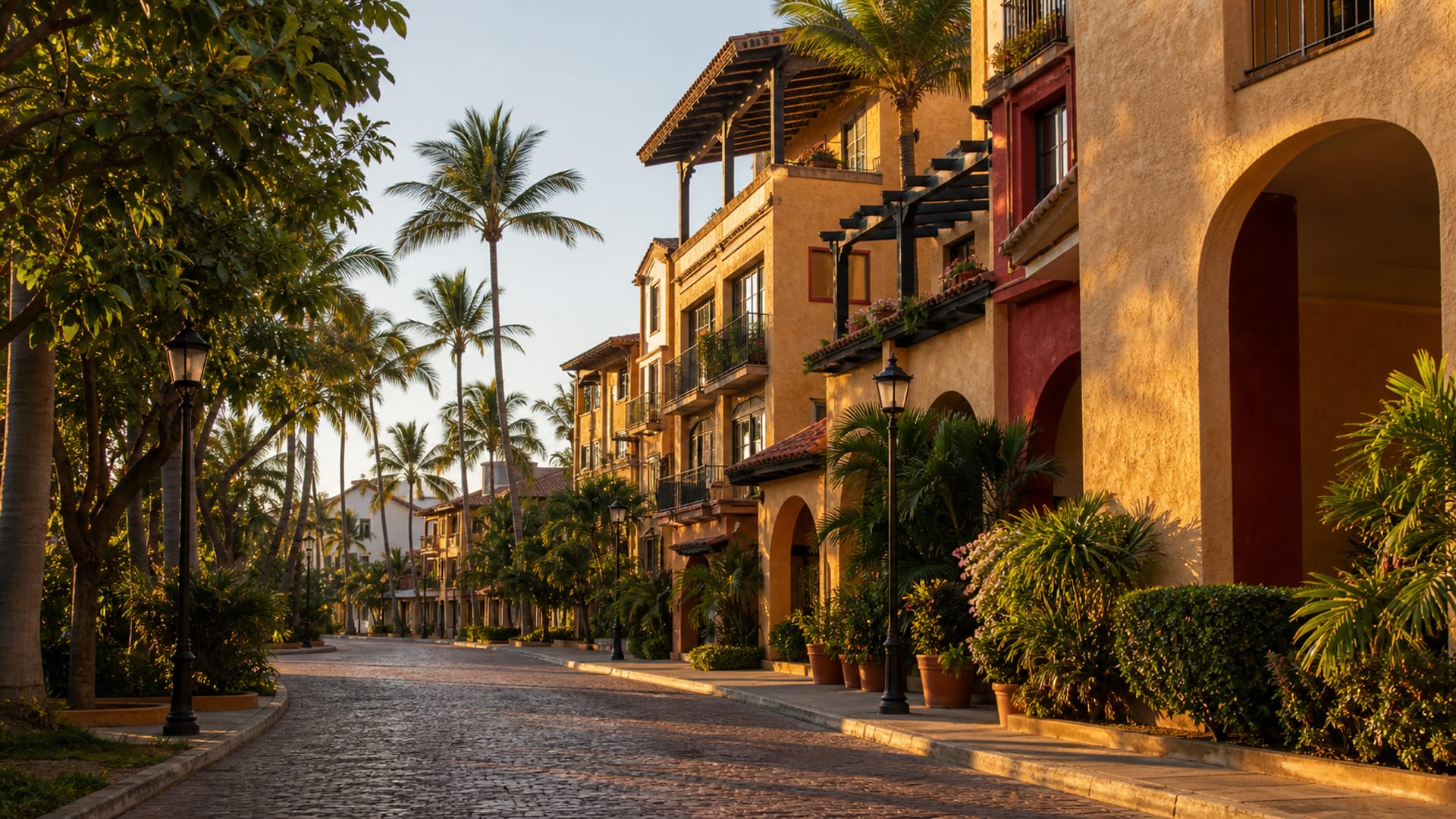
Marina Vallarta is the resort and marina district by the airport, with golf, waterfront promenades, and larger hotels. It matters if you want a quieter base, easy airport access, and a more resort-style stay than the central neighborhoods.
Best for: Resort stays, airport proximity, golf, and boat departures
What to expect: Wide streets, marina promenades, and a more planned, low-key setting than downtown.
Hotel prices: Usually about $140 to $320 per night for well-rated stays
Distance to major sights: About 10 to 15 minutes by taxi to the airport; about 20 to 30 minutes by taxi to the Malecón
Quietness: Daytime is active around the marina and golf clubs, and evenings are generally calmer than the central hotel zone.
Main trade-off: You will depend more on taxis for old-town dining and the main beach scene.
Good to know: If your plans center on early flights or marina tours, this area reduces backtracking across the city.
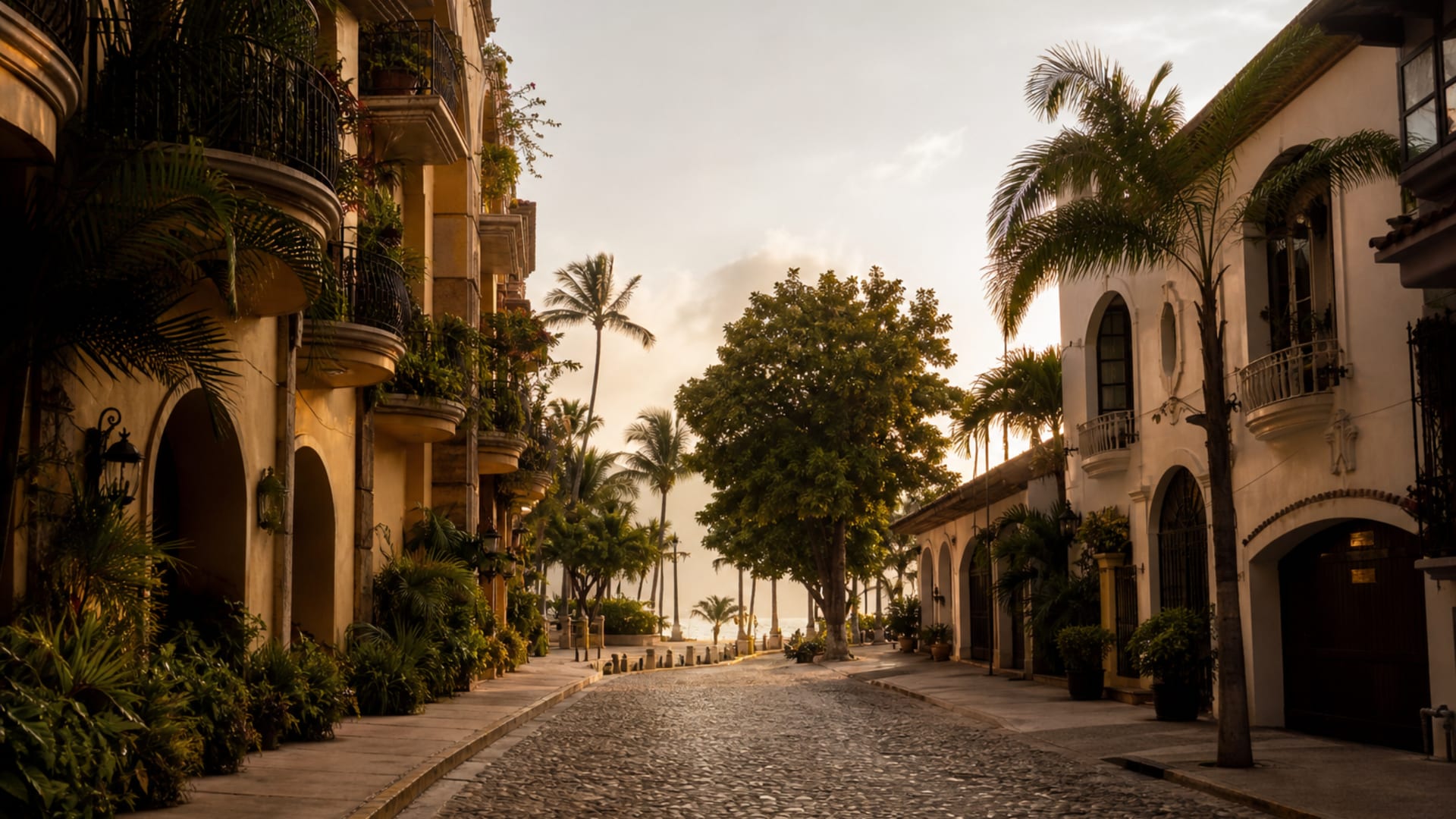
Puerto Vallarta’s Hotel Zone runs along the northern waterfront between downtown and the airport, with chain hotels, all-inclusives, and large condominium towers. It works well when you want beach access, mall shopping, and easy rides in either direction.
Best for: Beach resorts, short stays, and travelers splitting time between downtown and the airport
What to expect: High traffic, large hotel entrances, and steady activity near the major shopping and beach fronts.
Hotel prices: Usually about $110 to $280 per night for well-rated stays
Distance to major sights: About 15 to 25 minutes by taxi to the Malecón; about 10 to 15 minutes by taxi to Puerto Vallarta (PVR)
Quietness: Daytime is busy with arrivals, shopping, and beach use, while evenings quiet down inside the larger properties.
Main trade-off: The area is convenient, but it has less neighborhood character than the old-town districts.
Good to know: Book here if you want to minimize transit time between the airport, beaches, and major retail stops.
Travelers usually avoid staying in the inland outskirts of Puerto Vallarta, including Ixtapa, El Pitillal, and Mojoneras, because they sit well away from the Malecón, the beaches, and most visitor amenities, which means longer taxi rides and fewer hotel choices. Marina Vallarta is also less convenient if you plan to spend most of your time in the historic center, since it is several miles north of downtown and evening transfers take more time.
Hotel deals
How to get around Puerto Vallarta efficiently
Puerto Vallarta has no metro, so most visitors pair walking with buses, taxis, or ride apps to move between the Malecón, the marina, and the beaches.

Bus
for budget cross-town trips
Puerto Vallarta has no metro or suburban rail, so visitors rely on walking, buses, and taxis instead. If you are staying in the city center or near the Malecón, most short trips are on foot, while longer cross-town rides usually need a bus or taxi.

Car rental
for day trips beyond the city
City buses cover the main corridor from the airport and Marina Vallarta through downtown and toward the Hotel Zone, Nuevo Vallarta, and nearby beach areas; fares are usually about $0.60 to $1 (roughly 10 to 20 MXN) in cash, paid on boarding. Expect buses every few minutes on busy routes, with frequent stops and variable travel times that can stretch during traffic, so they work best for daytime cross-town trips rather than tight schedules.

Taxi
for convenience or late hours
Licensed taxis use set fares rather than meters, with airport rides typically priced by zone and usually about $12 to $25 depending on the destination, while short local trips in town often cost about $4 to $10. Use official taxi stands or arrange a licensed cab through your hotel or the airport counter, and carry cash in pesos or dollars, since card payment is uncommon.
*Prices are based on rates updated as of June 2026 and may change at the time of travel.
Walk for the Malecón and nearby blocks, use buses for budget cross-town trips, and take taxis or ride apps when you want point-to-point transfers or a late return.
Iconic landmarks
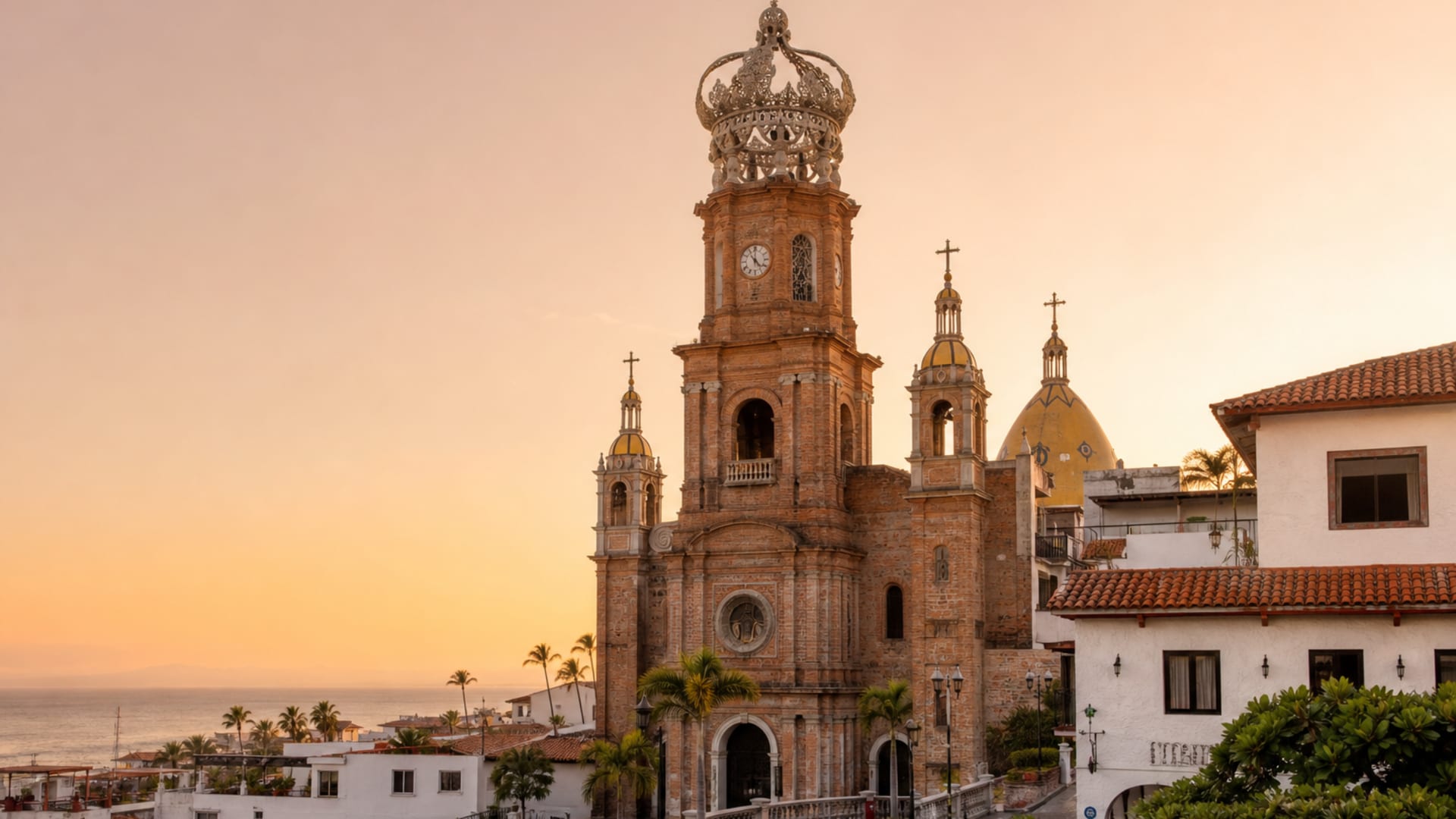
Malecón
Puerto Vallarta’s oceanfront promenade runs for about 1 mile along the bay, lined with public art, sea views, and access to the main beach and downtown. Come for the sculpture walk, sunset, and the concentration of cafés and galleries.
Time needed: About 1 to 2 hours
Entry: Free to access
Tip: Go late afternoon, then stay until sunset for the best light on the bay and sculptures.
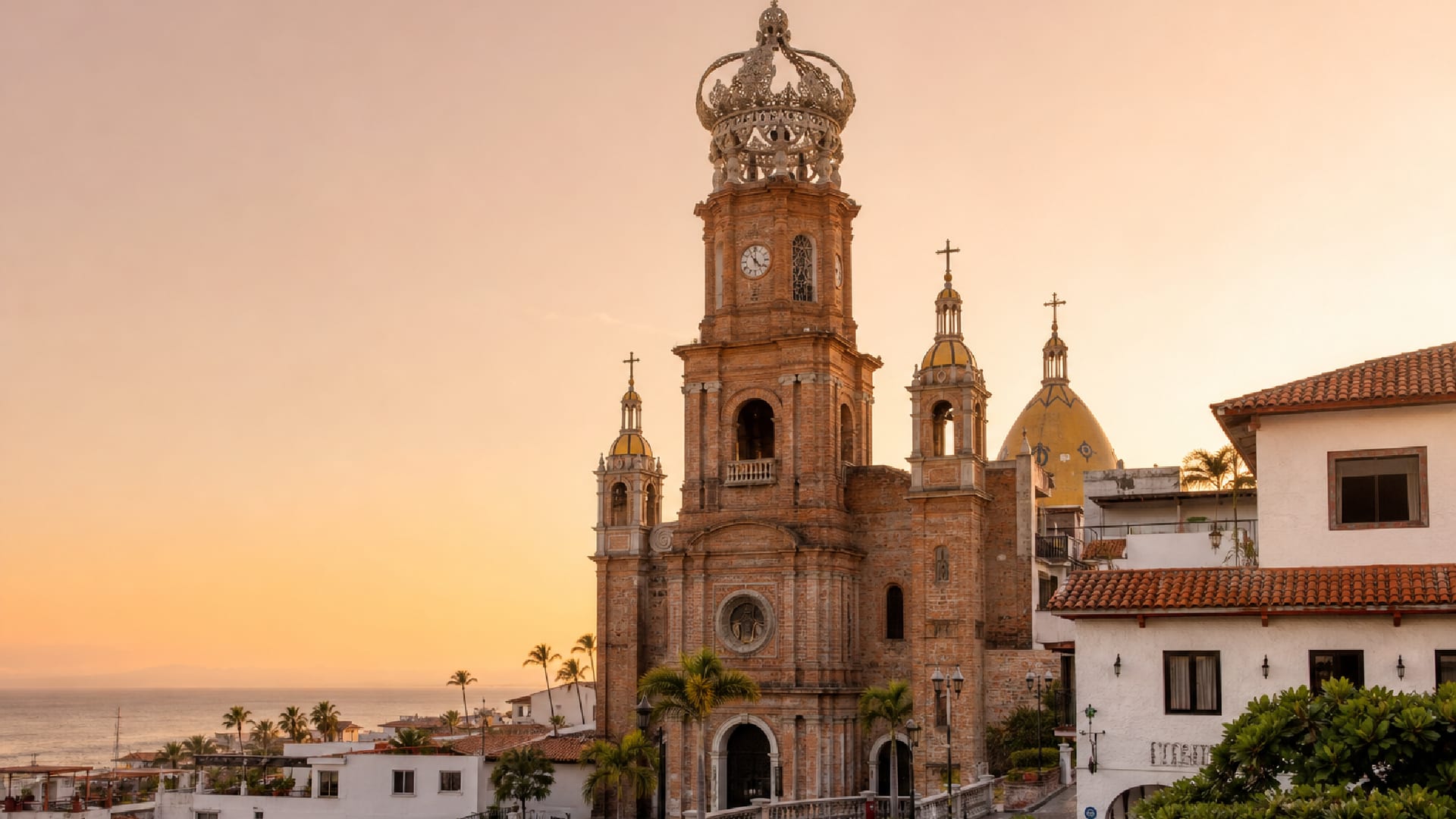
Our Lady of Guadalupe Church
This downtown church is Puerto Vallarta’s best-known landmark, with a crown-topped tower, red brick facade, and a busy plaza just outside. Step in for the interior, then return to the square for photos and people-watching.
Time needed: About 30 to 45 minutes
Entry: Free to access
Tip: Visit outside mass times so you can enter quietly and take clear photos inside.
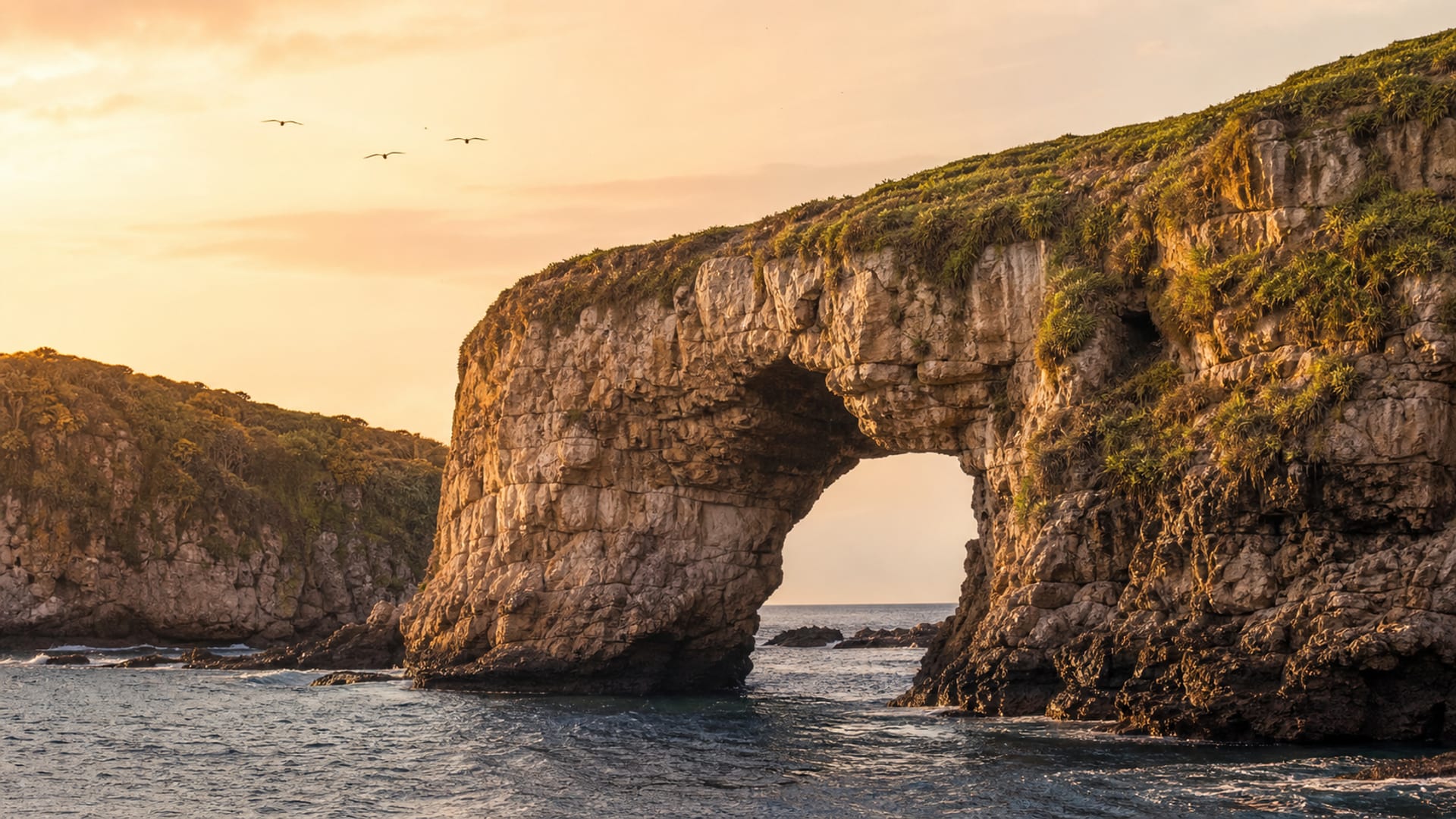
Marietas Islands National Park
A boat trip from Puerto Vallarta reaches this protected archipelago, known for volcanic cliffs, clear water, and marine life. The site draws snorkelers and birdwatchers, and access is tightly managed to protect the islands’ habitats.
Time needed: About 4 to 6 hours
Entry: Boat tours typically cost $90 to $160 ($1,530 to $2,720), plus park and dock fees Visit the official site for details.
Tip: Choose a morning departure, seas are often calmer and visibility is better early.
Overlooked sites worth visiting

Islas Marietas National Park
Boat access only, this marine reserve pairs clear-water snorkeling with a hidden-beach landing when permits allow. Boats leave from the Puerto Vallarta area, and birdlife adds to the trip.
Time needed: About 4 to 6 hours
Entry: Boat tours usually cost $90 to $160 ($1,530 to $2,720), depending on the operator, season, and whether snorkeling gear, park permits, lunch, and hotel pickup are included in the package.
Tip: Choose an early departure for calmer water and fewer boats.

Cuale Cultural Center
This small museum on Isla Cuale covers local history, Huichol art, and regional crafts in a compact stop. It works well as a short break from the Malecon, with exhibits that take under an hour.
Time needed: About 45 minutes to 1 hour
Entry: Admission is usually free or a small donation is requested; special exhibits or workshops may charge separately. If a paid event is on, expect about $2 to $10 ($34 to $170) depending on the program.
Tip: Visit on a weekday morning for quieter galleries.
Traditional food
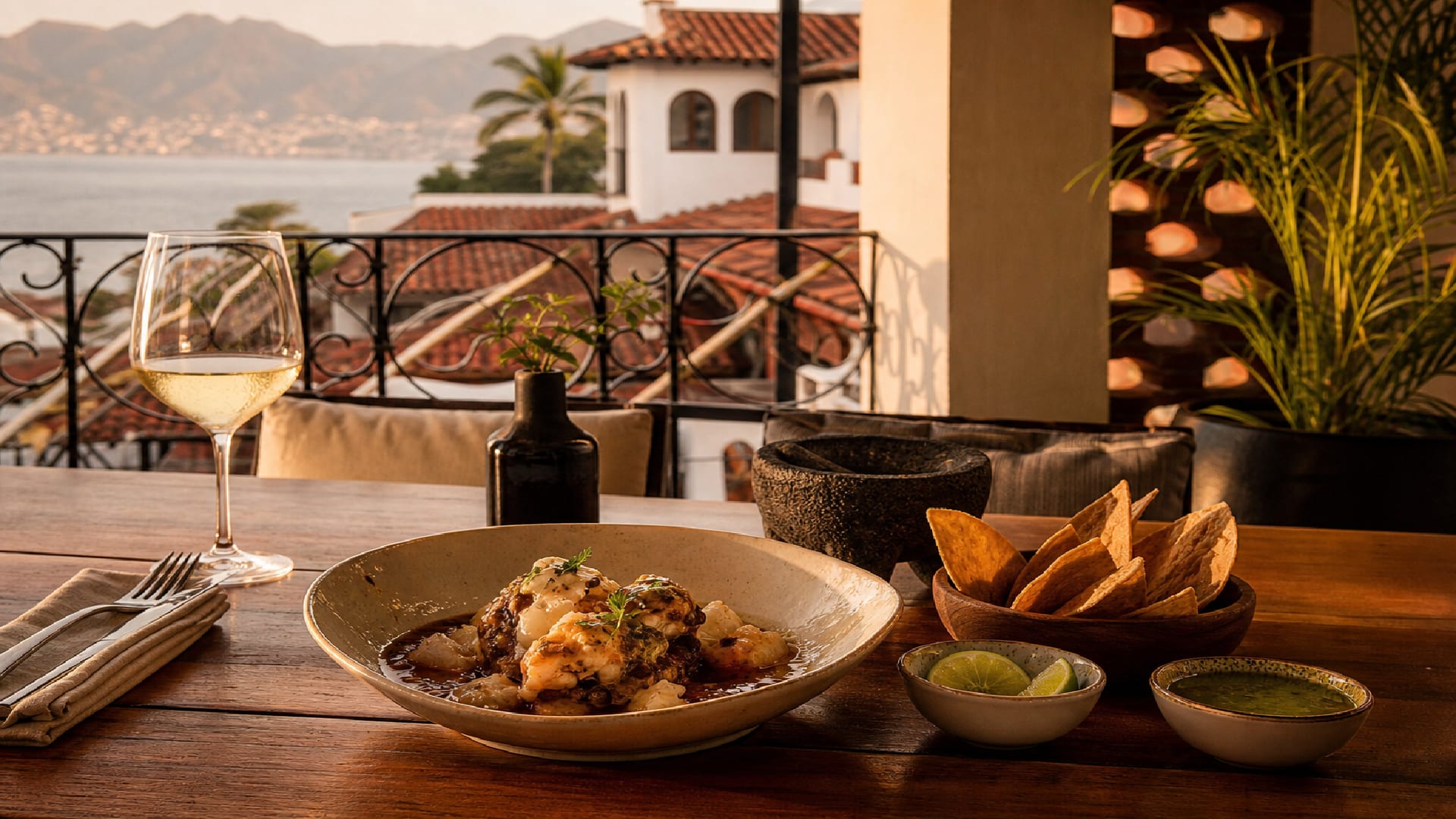
Puerto Vallarta cooks from the bay and the coast, so ceviche, aguachile, pescado zarandeado, and birria anchor the table. Expect bright citrus, grilled seafood, and late dinners that stretch well past sunset.
Ceviche
Bright, citrus-cured seafood is one of the city’s clearest signatures. Tuna Blanca in the Hotel Zone serves a polished version that fits a first lunch by the water.
Pescado zarandeado
This grilled fish is seasoned for smoke, char, and a little heat, then served with tortillas and salsas. El Barracuda in the Hotel Zone is a strong place to order it near the beach.
Aguachile
Aguachile brings shrimp, lime, chile, and herbs into a cold, sharp dish that suits a warm afternoon. Mariscos Tino’s in Puerto Vallarta is a classic stop for it.
Birria
Slow-cooked birria adds deeper spice and a richer counterpoint to the city’s seafood-heavy menus. El Campanario II in the central city area is a dependable place to try it.
Best time to visit Puerto Vallarta
Puerto Vallarta changes most between the dry, sunny months and the warmer rainy season, when afternoons can bring heavier clouds and shorter beach windows.
Best for: Best for dry weather, clear skies, and long beach days
What you get: About 75 to 84°F (24 to 29°C), with the highest visitor counts and busier hotel rates
Trade-offs: Popular dates book early, and waterfront areas feel crowded in the evening
Best for: Best for warm water, outdoor dining, and easier pacing before summer heat builds
What you get: About 79 to 90°F (26 to 32°C), with moderate crowds outside holiday periods
Trade-offs: Afternoons grow hot by late April and May, especially away from the coast
Best for: Best for lower hotel prices and a quieter overall city center
What you get: About 80 to 89°F (27 to 32°C), with fewer visitors but frequent humidity and rain
Trade-offs: Heat, rain, and afternoon storms can shorten beach and boat plans
Best for: Best for lighter crowds and clearer shoulder-season availability
What you get: About 76 to 87°F (24 to 31°C), with fewer tourists in early fall and improving conditions by November
Trade-offs: September and October can be wet, and some travelers avoid the storm season
A realistic 5-day plan in Puerto Vallarta
A five-day stay in Puerto Vallarta works best when you separate waterfront walking, old-town dining, a boat day, and a marina morning. That keeps transfers short and gives each neighborhood a clear role in the trip.
Land at Puerto Vallarta (PVR), then take a taxi or app ride to Zona Romántica, about 20 to 30 minutes and roughly $15 to $25 depending on traffic and your exact hotel. Check in near the beach or one block inland, where you can drop your bags, drink some water, and walk a few minutes to an easy dinner on the main restaurant streets. If you still have energy, take a short evening stroll toward the Malecón, then turn in early so tomorrow starts with a full day.
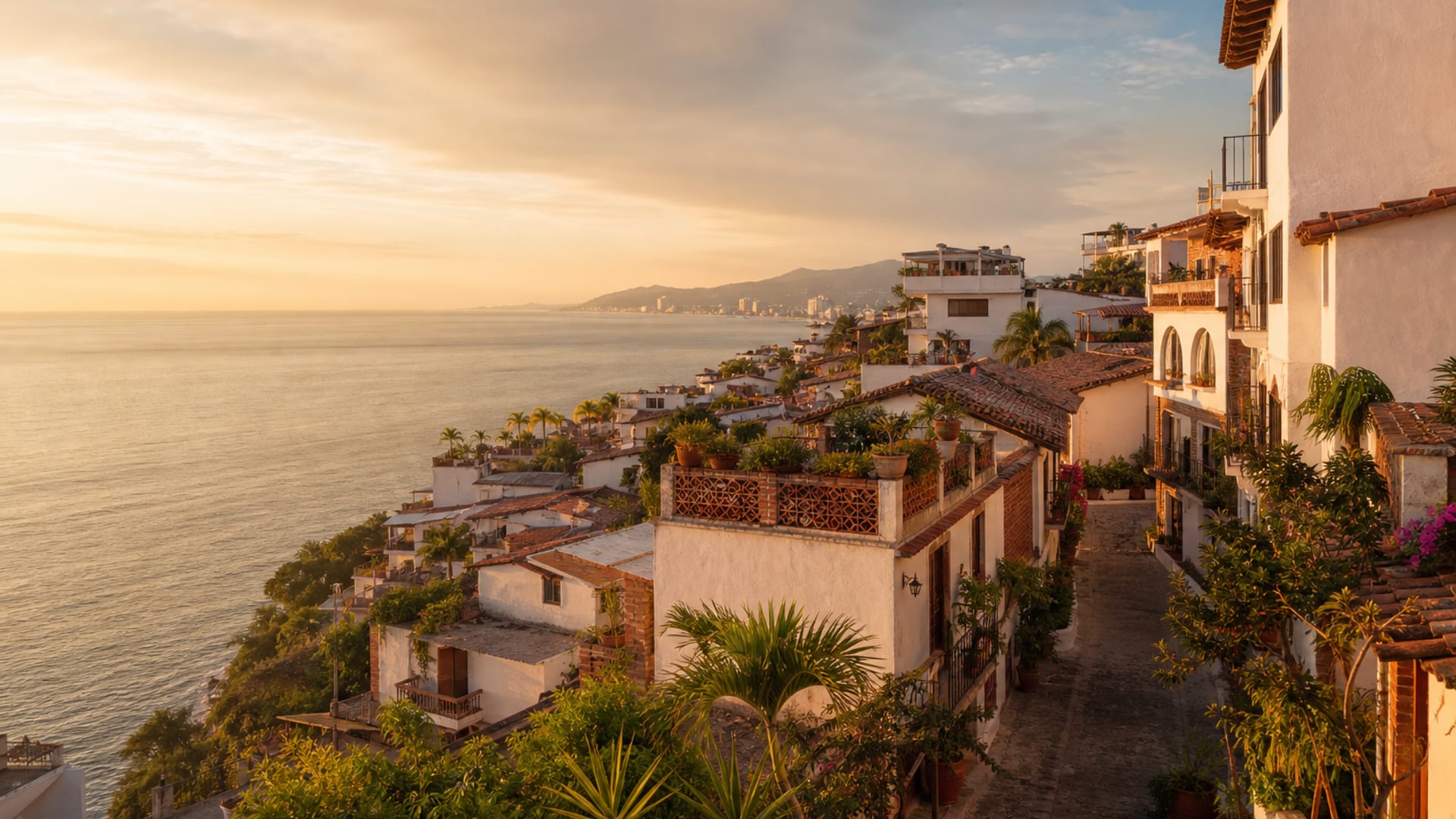
Start with the Malecón in late morning, then walk about 10 minutes to Our Lady of Guadalupe Church for a look inside and time in the plaza. From there, head to the Cuale Cultural Center on Isla Cuale, about 10 minutes on foot, for a compact stop on local history and Huichol art. Finish back near the waterfront, where dinner in Zona Romántica keeps you close to the beach and the night scene without adding a ride.
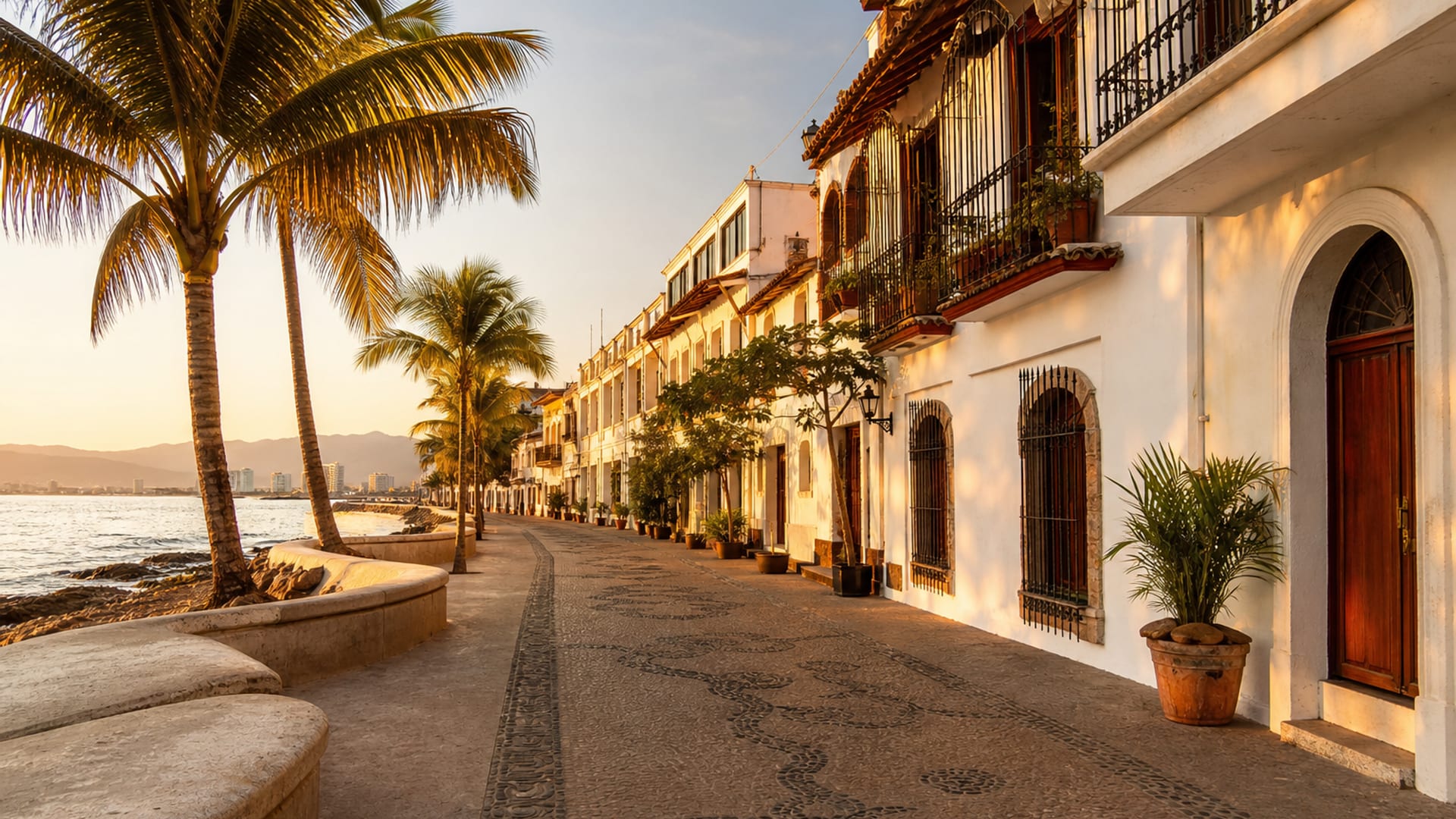
A boat day works best when it leaves early, so head to Islas Marietas National Park for a roughly 4 to 6 hour excursion that usually costs $90 to $160 ($1,530 to $2,720), plus any park and dock fees. Most operators include hotel pickup or a marina meeting point, and the early departure gives you calmer water and better visibility for snorkeling and birdwatching. Return to your hotel by late afternoon, then keep dinner simple near your base in Marina Vallarta or the Hotel Zone.
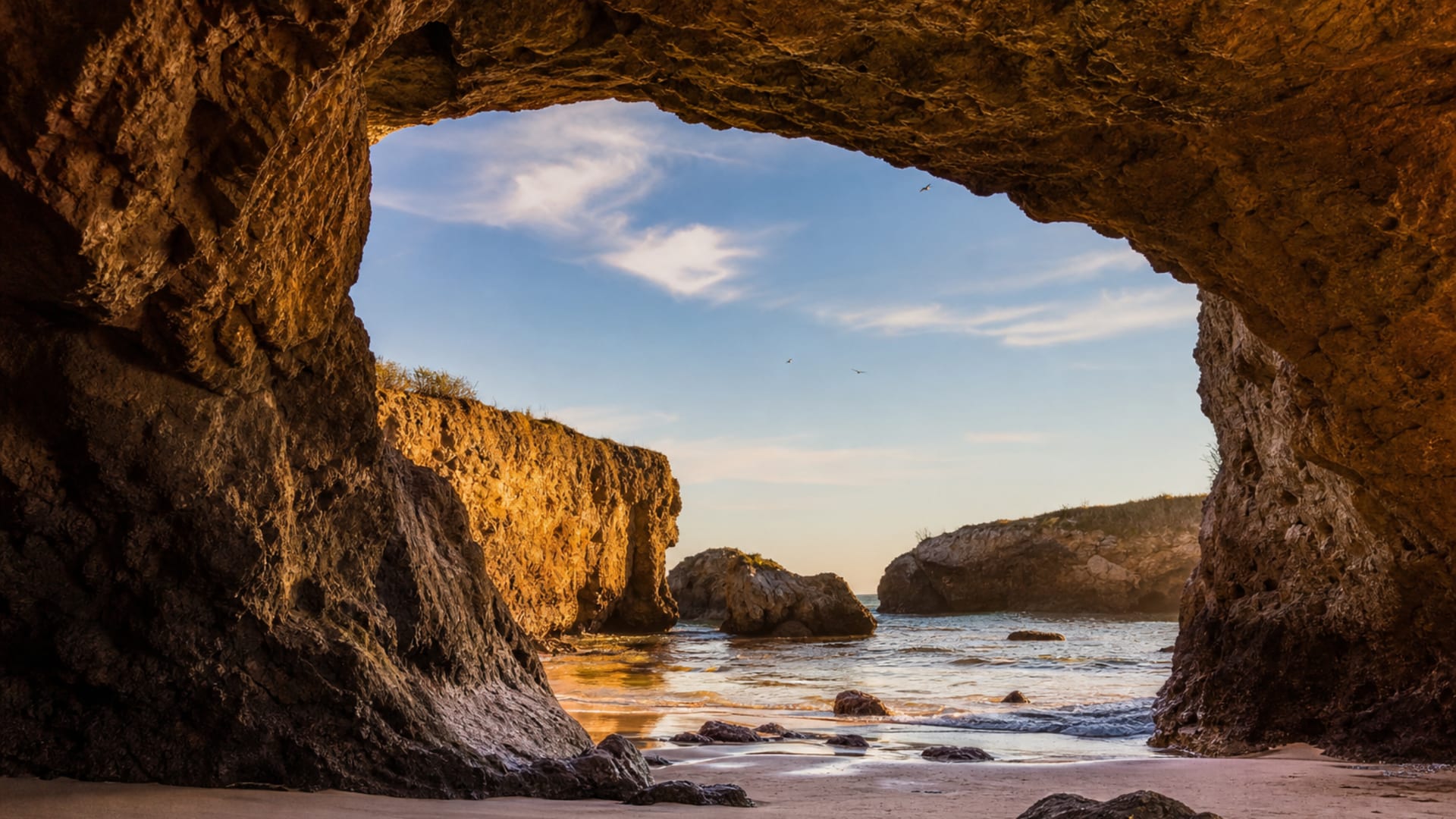
Marina Vallarta sets up a slower paced morning, with a waterfront walk by the docks, golf-side streets, and cafés that sit close together. From there, take a taxi about 20 to 30 minutes to the Malecón, then continue into the downtown core for a second pass through the church and surrounding streets if you want more time for photos. End the day back in Zona Romántica, where you can choose dinner near the beach and walk it off along the neighborhood grid.
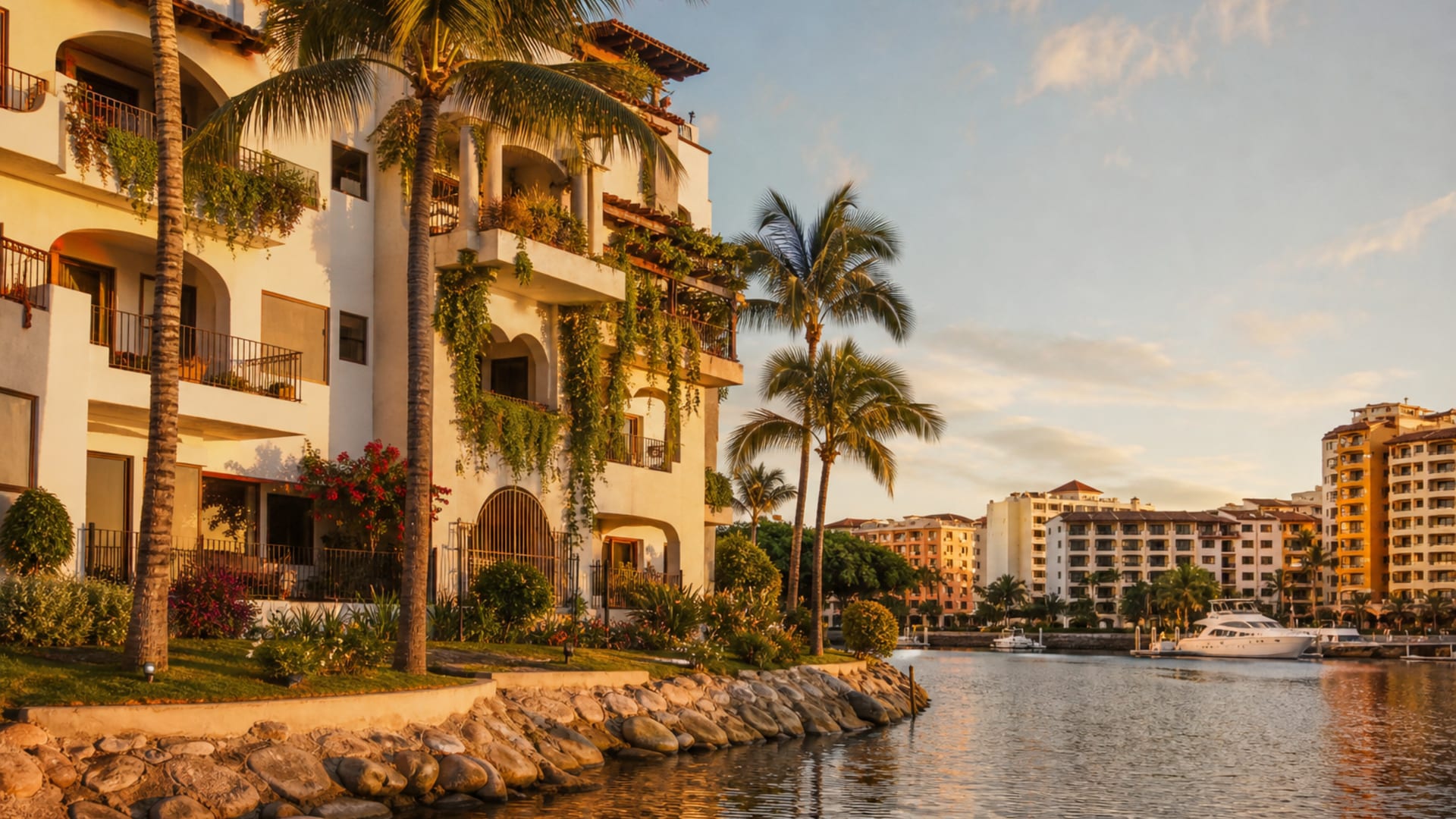
A final morning in Puerto Vallarta works well for one last museum stop at the Cuale Cultural Center, which takes about 45 minutes to 1 hour and sits close to the Malecón. Afterward, browse nearby shops in downtown and on Isla Cuale, then stop for coffee in Zona Romántica before heading back to your hotel to pack. If your flight leaves later in the day, leave time for a relaxed taxi ride to Puerto Vallarta (PVR), about 10 to 15 minutes from Marina Vallarta or about 20 to 30 minutes from the central waterfront.
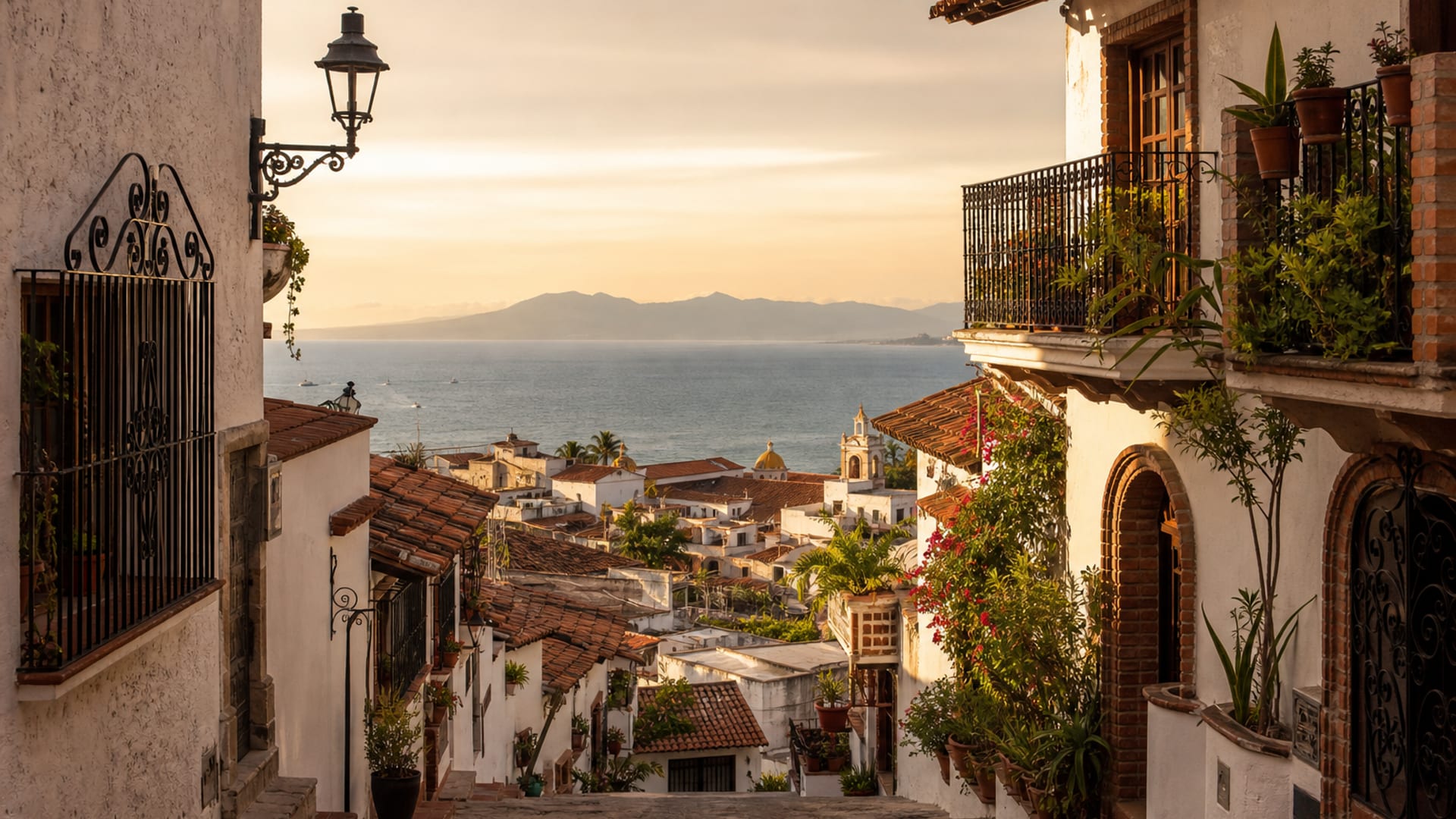
Business-class flights from the US to Puerto Vallarta
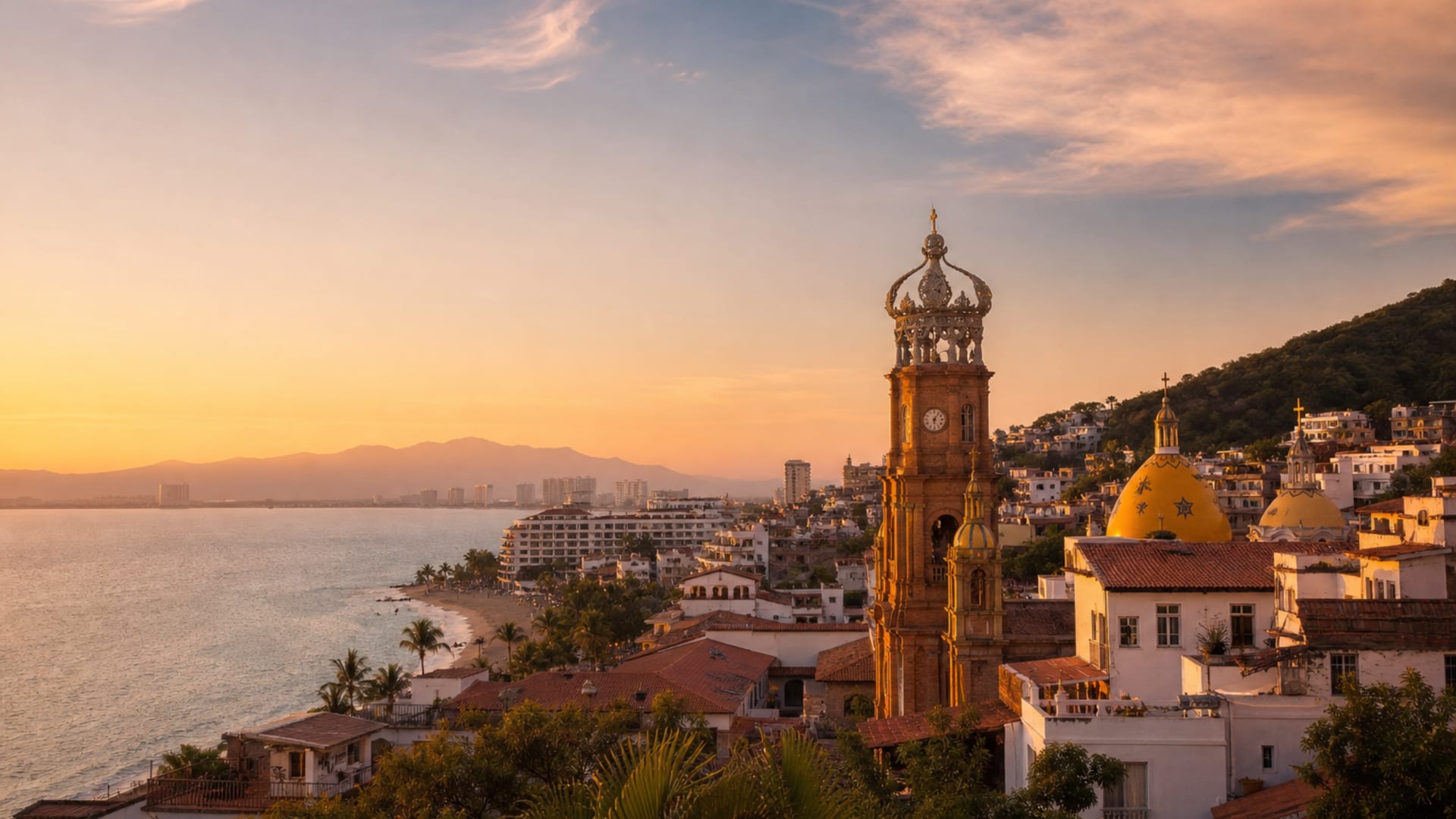
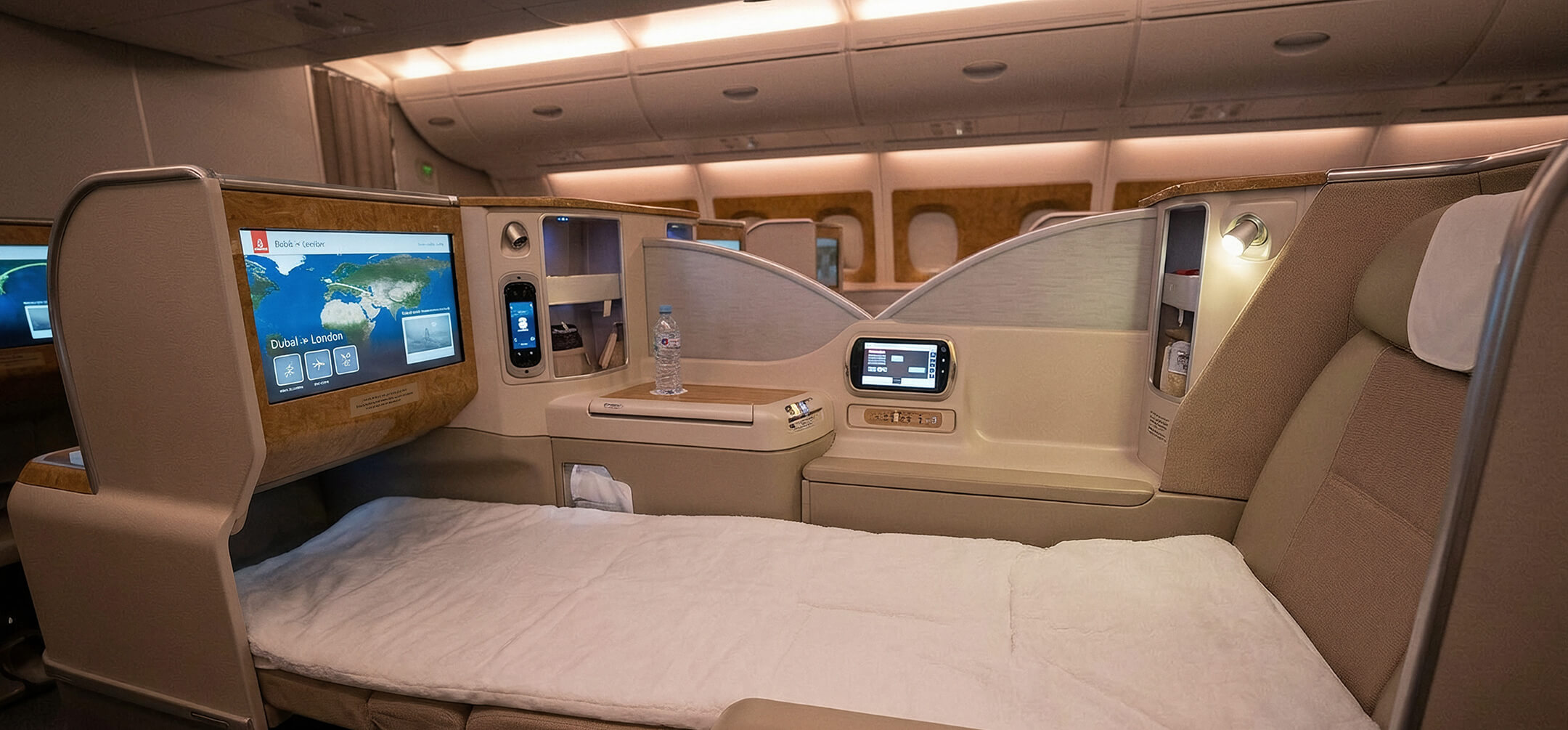
From the U.S. east and west coasts, Puerto Vallarta usually connects through a handful of major hubs, though some routes go nonstop. The timing and fare range change enough that it helps to compare both the direct option and the most common one-stop paths.
From New York, American Airlines, Delta Air Lines, Aeromexico, United Airlines, Alaska Airlines, and JetBlue all appear on common itineraries. Nonstop trips usually take about 5 to 6 hours, while one-stop options often connect through MEX, IAH, ORD, DFW, or ATL and add about 7 to 11 hours total. Fares usually sit from $900 to $2,300 round-trip.
Los Angeles travelers often see American Airlines, Alaska Airlines, Delta Air Lines, United Airlines, and Aeromexico on the board. Direct flights run about 3 to 4 hours, and when a connection makes more sense on price, the usual hubs are MEX, DFW, PHX, SFO, or SEA, with total trip time of about 5 to 9 hours. Fares usually land around $650 to $1,700 round-trip.
Puerto Vallarta feels different when you slow down
A deliberate Puerto Vallarta trip has a clear map: sunrise coffee in Zona Romántica, a midmorning walk on the Malecón, lunch near the church, and one boat day that starts early enough to leave the water calm. Marina Vallarta and the Hotel Zone fit arrivals and departures, while taxis and buses fill the gaps between them. If you want help choosing the right base or flight path, talk with AranGrant experts before you book