

Chapters:

Need help with your trip?
Our support team is available 24/7. Request a callback or call us directly at (833) 619-0908
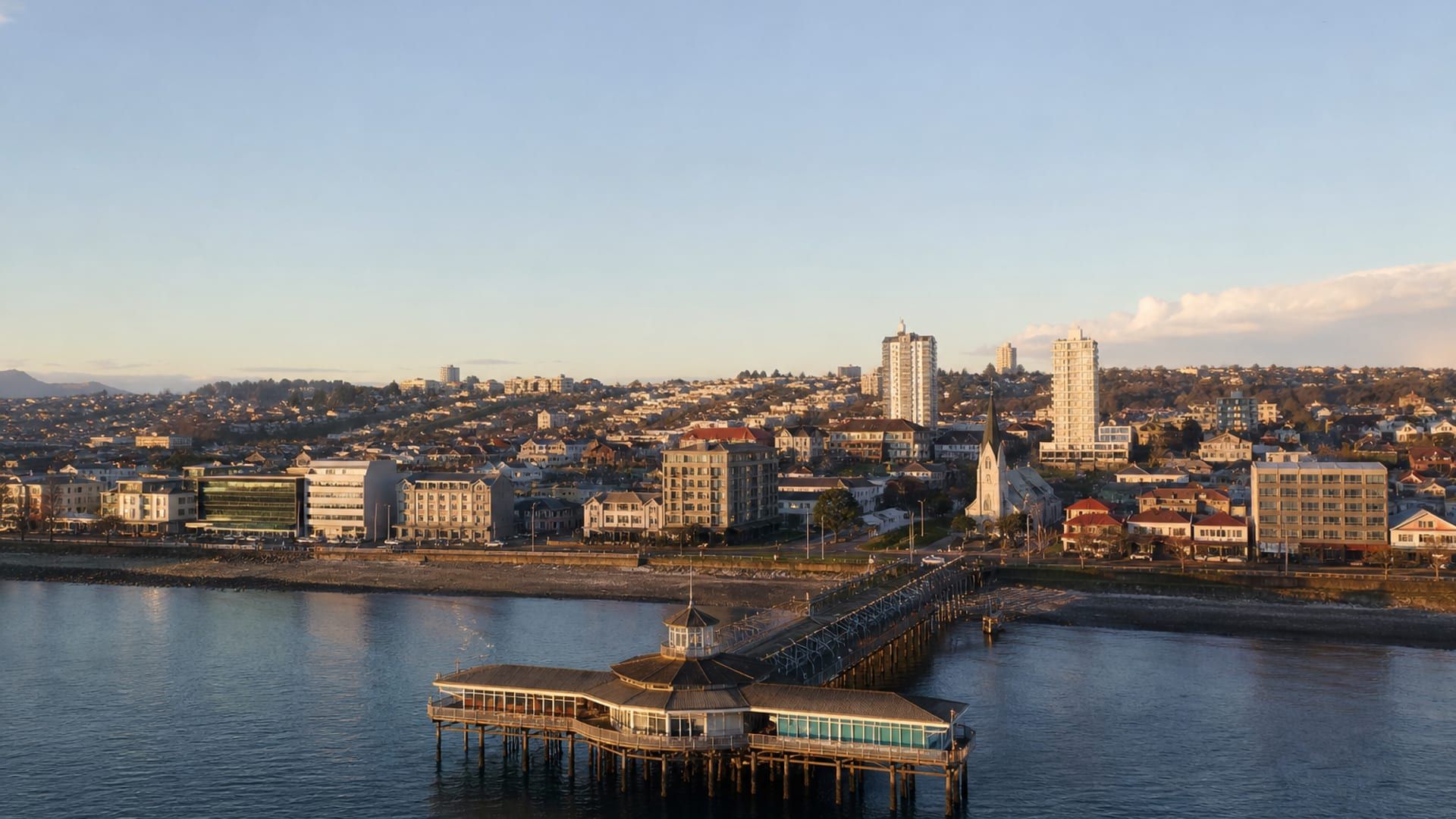
Puerto Montt often gets reduced to an airport stop, a ferry connection, or a quick night near the center, so travelers miss how much the waterfront and older downtown streets frame the city.
That narrow plan can leave you crossing town too often, timing meals around closures, and treating the harbor as a backdrop instead of a place to linger.
This guide organizes Puerto Montt by distance, timing, and route choice, so each day has a clear purpose and the city’s compact core does more of the work.
Useful things to know

Main language(s): Spanish
Hola (OH-lah) – Hello/good morning
Por favor (por fah-VOR) – Please
Gracias (GRAH-see-ahs) – Thank you
¿Habla inglés? (AH-blah een-GLAYS) – Do you speak English?
¿Cuánto cuesta? (KWAHN-toh KWES-tah) – How much does it cost?

Currency: The local currency is the Chilean peso (CLP, $).

Cash and cards: Cards and contactless are widely accepted; carry about CLP 10,000 to CLP 20,000 in cash for small stalls or taxis.

Tipping: Round up small bills; 10% is appreciated in sit-down restaurants if service is good.

Traditional food: Curanto, milcaos, chapalele, salmon

Water and coffee costs: Water about CLP 1,000 ($1), bar espresso about CLP 2,500 ($3).

Taxis and ride apps: Uber and Cabify operate here; availability can thin late at night.

Plug and voltage: Type C/L socket, 220V

Dining and shop opening hours: Breakfast is about 7:30-10:00, lunch 13:00-15:00, and dinner 20:00-22:30. Many restaurants close midafternoon, and some kitchens stop early on Sundays.

Emergency number: 911 for police, fire, and ambulance.
Where to stay in Puerto Montt
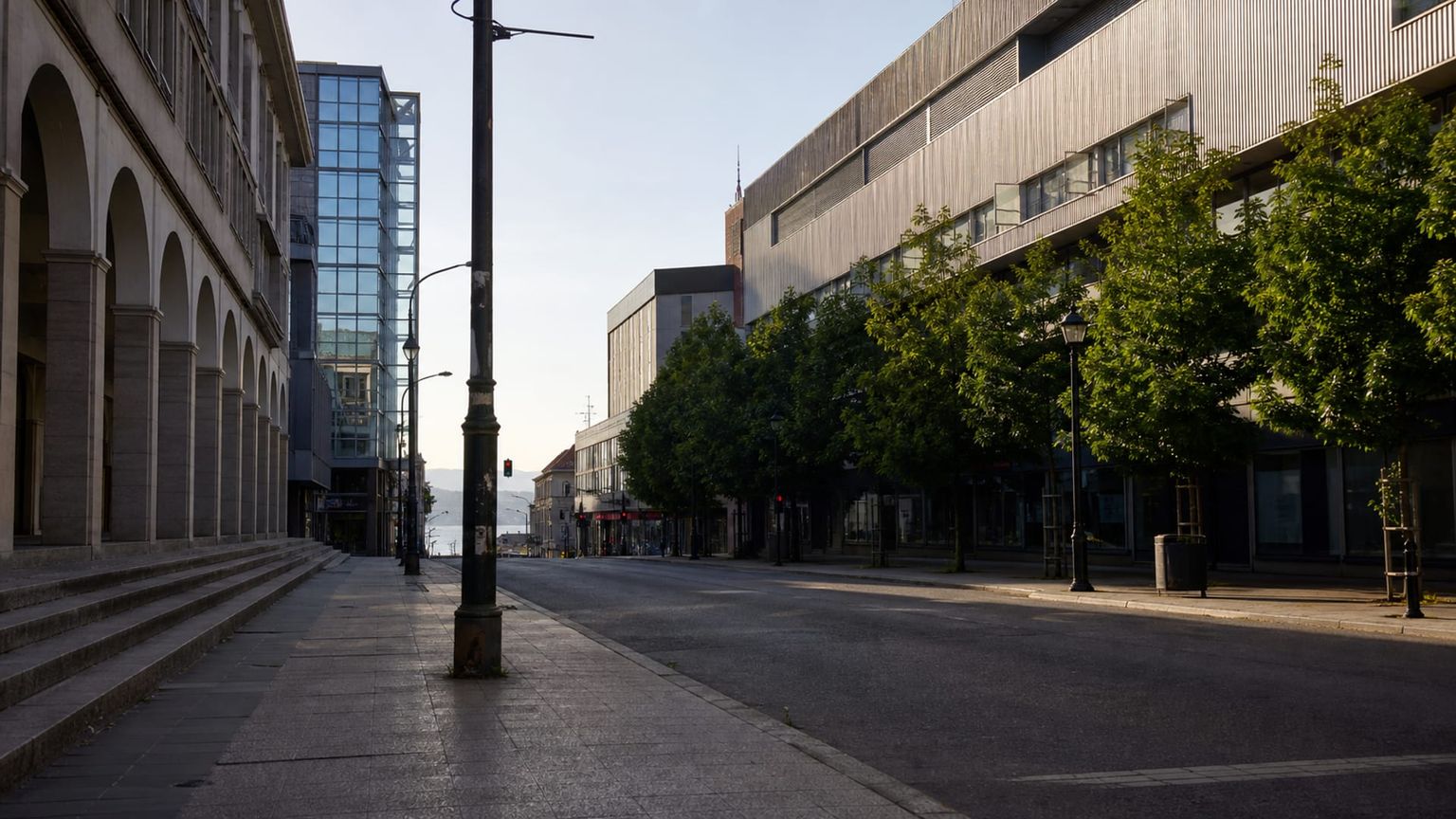
The city center puts you near Plaza de Armas, the waterfront, banks, and most bus links. It suits visitors who want to move easily between ferries, markets, and everyday errands without relying on taxis.
Best for: Sightseeing, transit connections, and travelers who want to walk to shops and the waterfront
What to expect: Busy streets, daytime foot traffic, and the most constant mix of shops, offices, and transit riders.
Hotel prices: Usually about $55 to $120 per night for well-rated stays
Distance to major sights: 5 to 10 minutes on foot to Plaza de Armas; about 10 minutes on foot to the waterfront.
Quietness: Active in the day, quieter after early evening once shops close.
Main trade-off: You gain the easiest access, but the center can be noisy and many rooms sit in older buildings with simpler soundproofing.
Good to know: Choose this if you want the easiest access to buses, ferries, and central services, because late-night dining options thin out quickly outside the core.
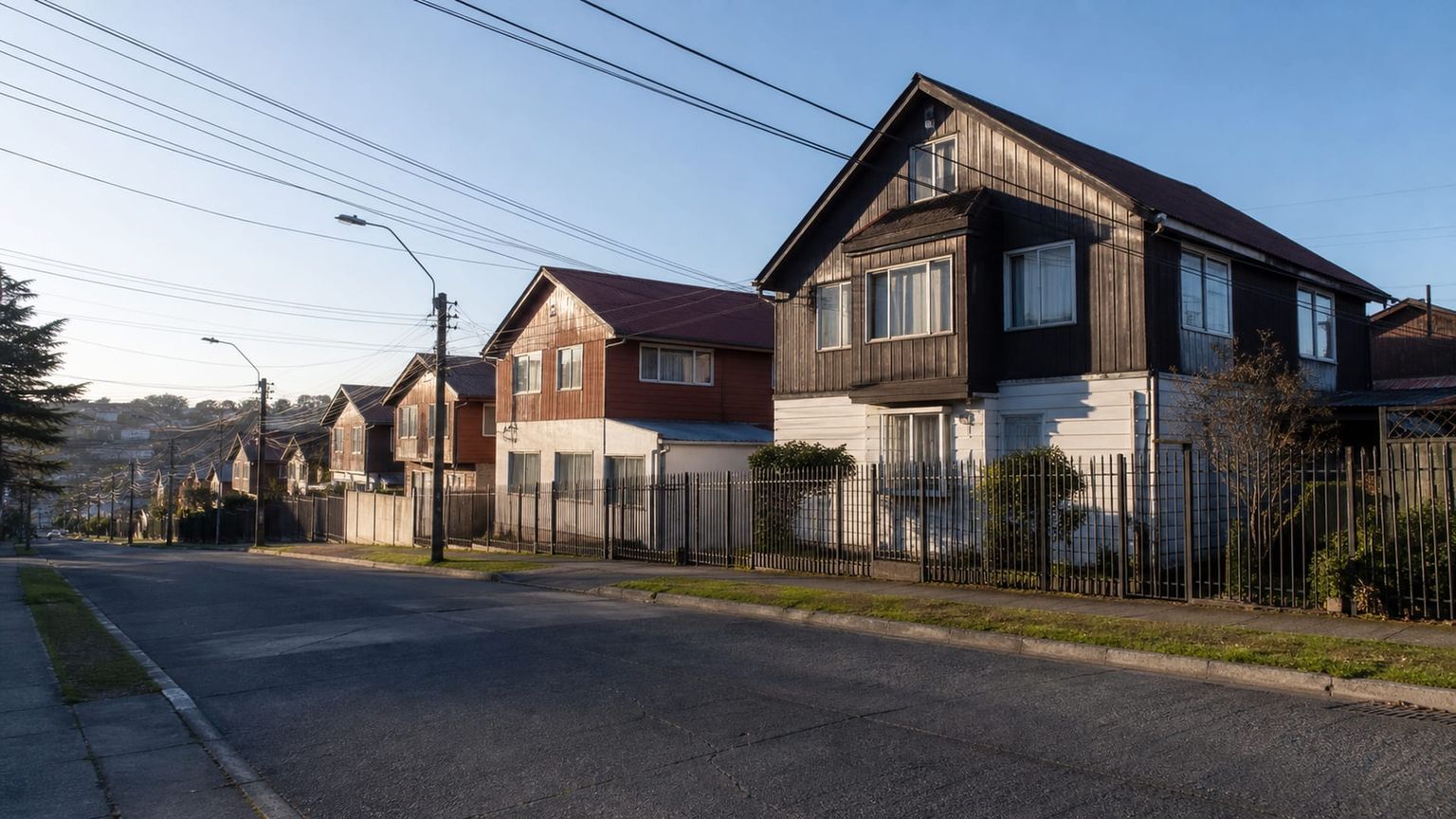
Alerce is a residential district in Puerto Montt’s northern metro area, with newer housing and local shops rather than tourist attractions. It works for longer stays or travelers with a car who want more space and lower room rates.
Best for: Longer stays, self-driving travelers, and visitors who prefer a residential base
What to expect: Local streets, small commercial strips, and a quieter pace than the harbor area, with fewer dining choices at night.
Hotel prices: Usually about $35 to $80 per night for well-rated stays
Distance to major sights: About 25 to 35 minutes by transit to Plaza de Armas; about 20 to 30 minutes by car to the waterfront.
Quietness: Quiet through the day, with only modest evening activity near main roads.
Main trade-off: Rates are lower, but you will spend more time reaching the waterfront, bus terminal, and central restaurants.
Good to know: Plan on rides or a rental car if you stay here, since taxi waits and bus timing can stretch evenings in the center.
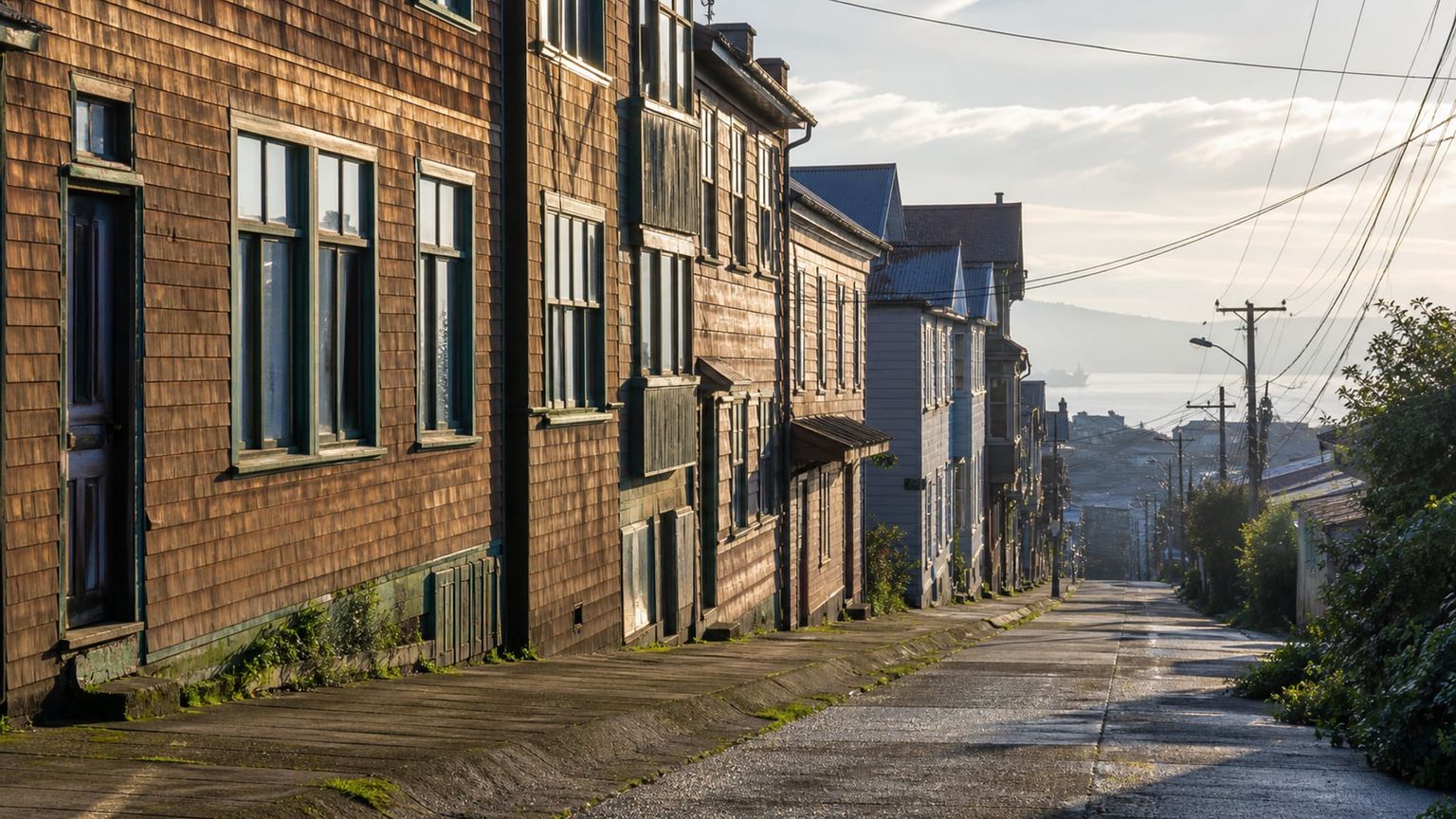
Cayenel sits in the hills west of the center and mixes homes, local shops, and open views over the city. It appeals to travelers who want a calmer residential setting while staying inside Puerto Montt’s urban area.
Best for: Calmer stays, car travelers, and visitors who do not mind extra transit time
What to expect: Residential streets, light local traffic, and fewer pedestrians than in the center, especially after dark.
Hotel prices: Usually about $40 to $90 per night for well-rated stays
Distance to major sights: About 15 to 25 minutes by transit to Plaza de Armas; about 10 to 15 minutes by car to the waterfront.
Quietness: Generally quiet, with a little more movement along main roads in the evening.
Main trade-off: The setting is calmer, but you lose walkability to the port, markets, and most restaurants.
Good to know: Check bus frequency before booking, because the hill location can make late returns slower than they look on a map.
Travelers usually avoid staying in Alerce and La Paloma, since they sit well outside central Puerto Montt and add long transfers to the waterfront, markets, and ferry terminal. Mirasol and Valle Volcanes are also less convenient for visitors, with fewer hotel choices and more reliance on taxis or buses for evening trips into the center.
Hotel deals
How to get around Puerto Montt efficiently
Puerto Montt has no metro, so getting around means walking the center, then using buses, colectivos, taxis, or ride-hailing for longer links to the airport and outer districts.

Metro
for longer distances
There is no metro in Puerto Montt, including the PMC airport area; the closest rail option is none, so visitors depend on buses, minibuses, taxis, and rental cars for city and airport transfers.

Bus and tram
for convenience
City buses and colectivos link Puerto Montt with the airport corridor, central neighborhoods, and the waterfront, but schedules are limited and often route-specific. Expect fares of about $1 to $2, with tickets valid for one ride only. Ask the driver before boarding if the vehicle serves your stop, then allow roughly 30 to 45 minutes from PMC to central Puerto Montt, depending on traffic and the exact pickup point.

Taxi
for convenience or late hours
Licensed taxis and radio taxis use metered or fixed quoted fares, not a universal airport flat rate, so confirm the price before departure. A trip from PMC to central Puerto Montt typically costs about $15 to $25, while short local rides are often about $4 to $8. Drivers usually accept cash in Chilean pesos, and some larger firms also take cards or bank transfers if you book ahead.
*Prices are based on rates updated as of June 2026 and may change at the time of travel.
Walking works best in Puerto Montt Centro, buses and colectivos cover cheaper point-to-point trips, and taxis or ride-hailing save time when you need a direct airport or evening transfer.
Iconic landmarks
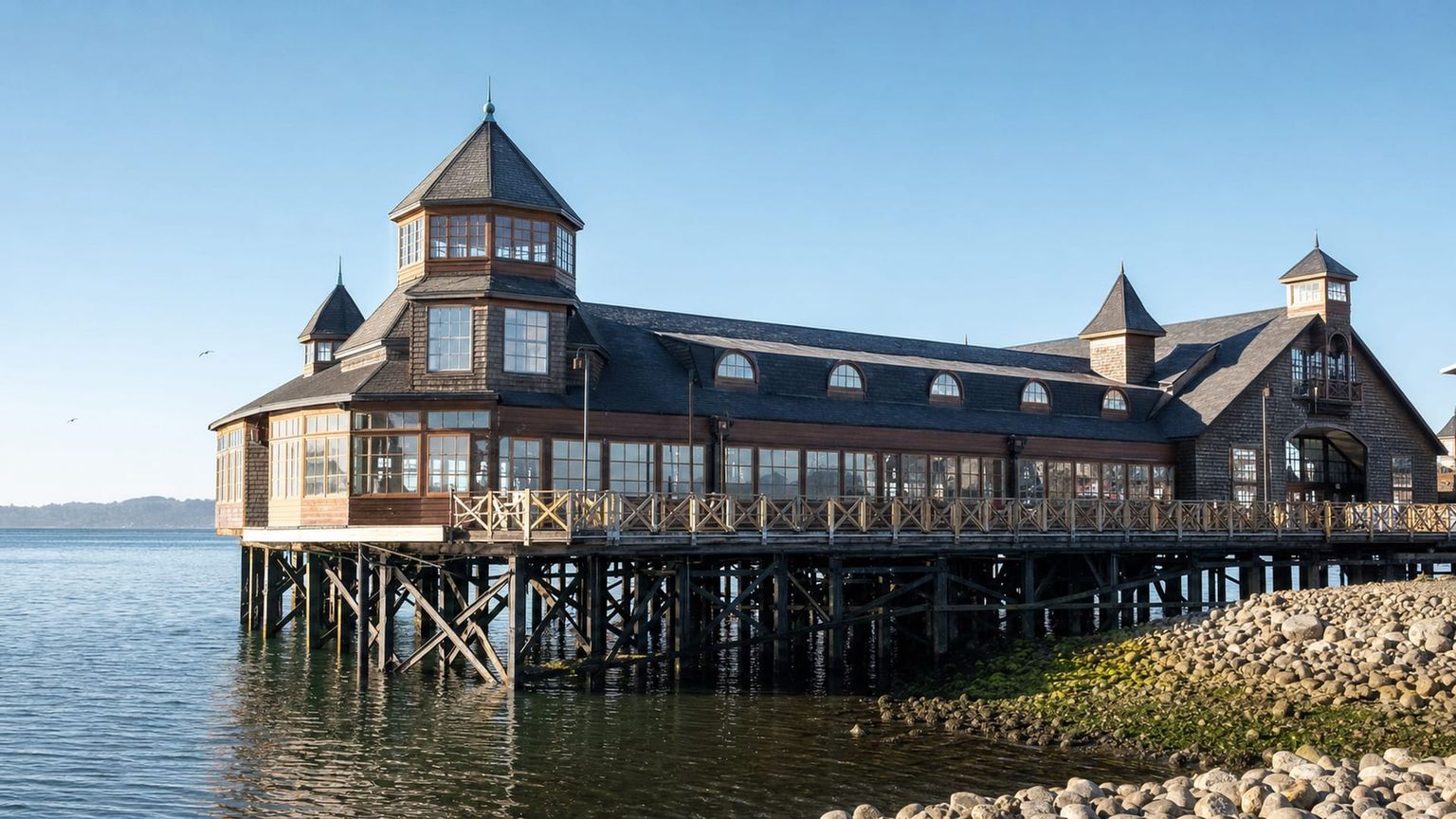
Muelle de Paseo del Mar
This waterfront pier extends into the Seno de Reloncaví, with wide views toward Tenglo Island and the fish market district. It gives you a close read on Puerto Montt’s harbor front, ferries, and working coast in one walk.
Time needed: About 1 hour
Entry: Free to access, with no timed entry or ticket required for the pier or surrounding waterfront promenade
Tip: Go near sunset for clearer island views and calmer foot traffic along the pier.
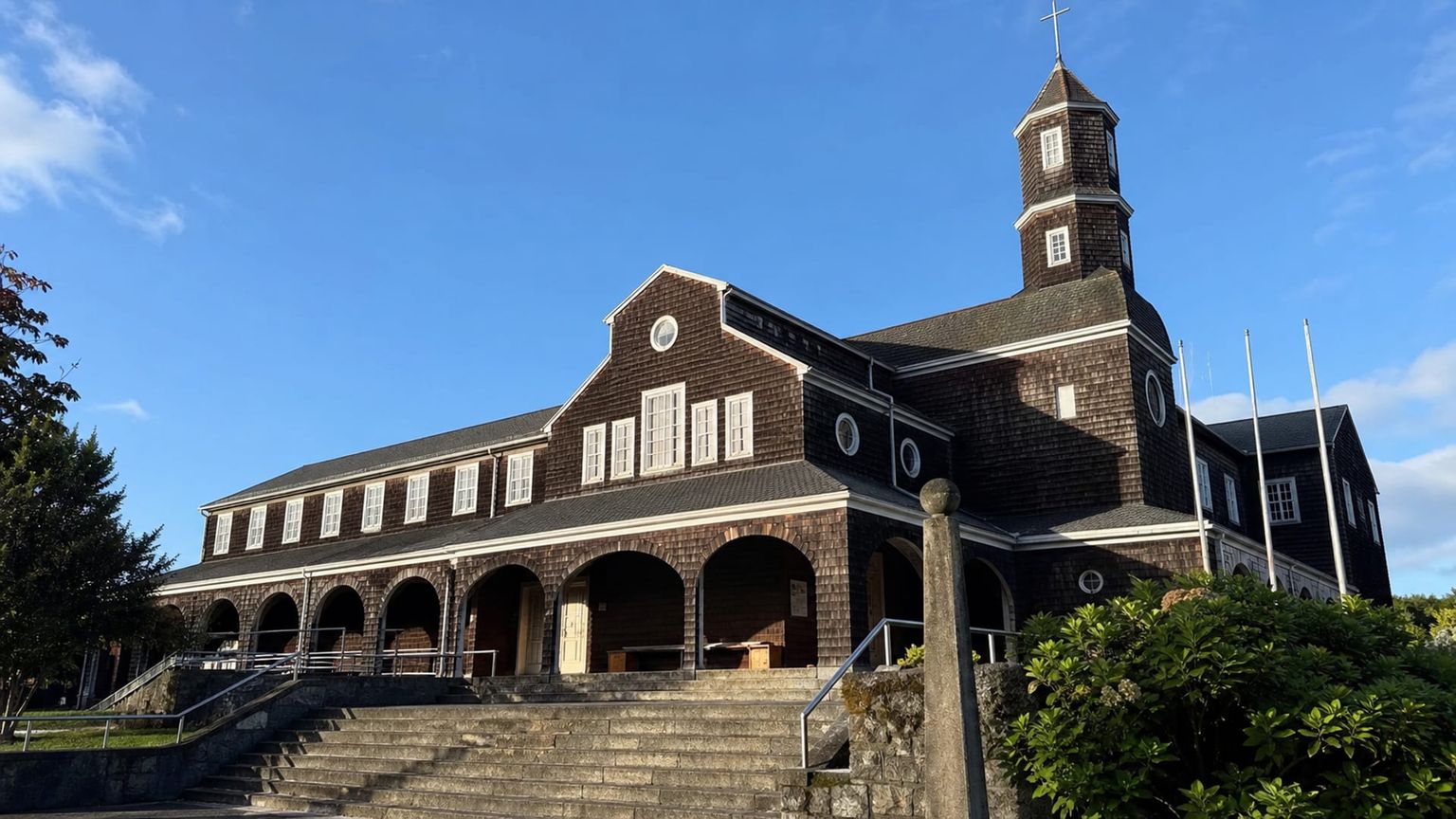
Museo Histórico Juan Pablo II
This city museum traces Puerto Montt’s settlement, maritime trade, and Catholic heritage through maps, photographs, and local artifacts. Its collection gives useful context for the port city before you head farther into Patagonia.
Time needed: About 1 to 2 hours
Entry: Admission usually costs about $3 to $5 (about CLP 3,000 to CLP 5,000) for general museum entry; rates can vary by exhibition
Tip: Visit earlier in the day, when galleries are quieter and reading the displays is easier.
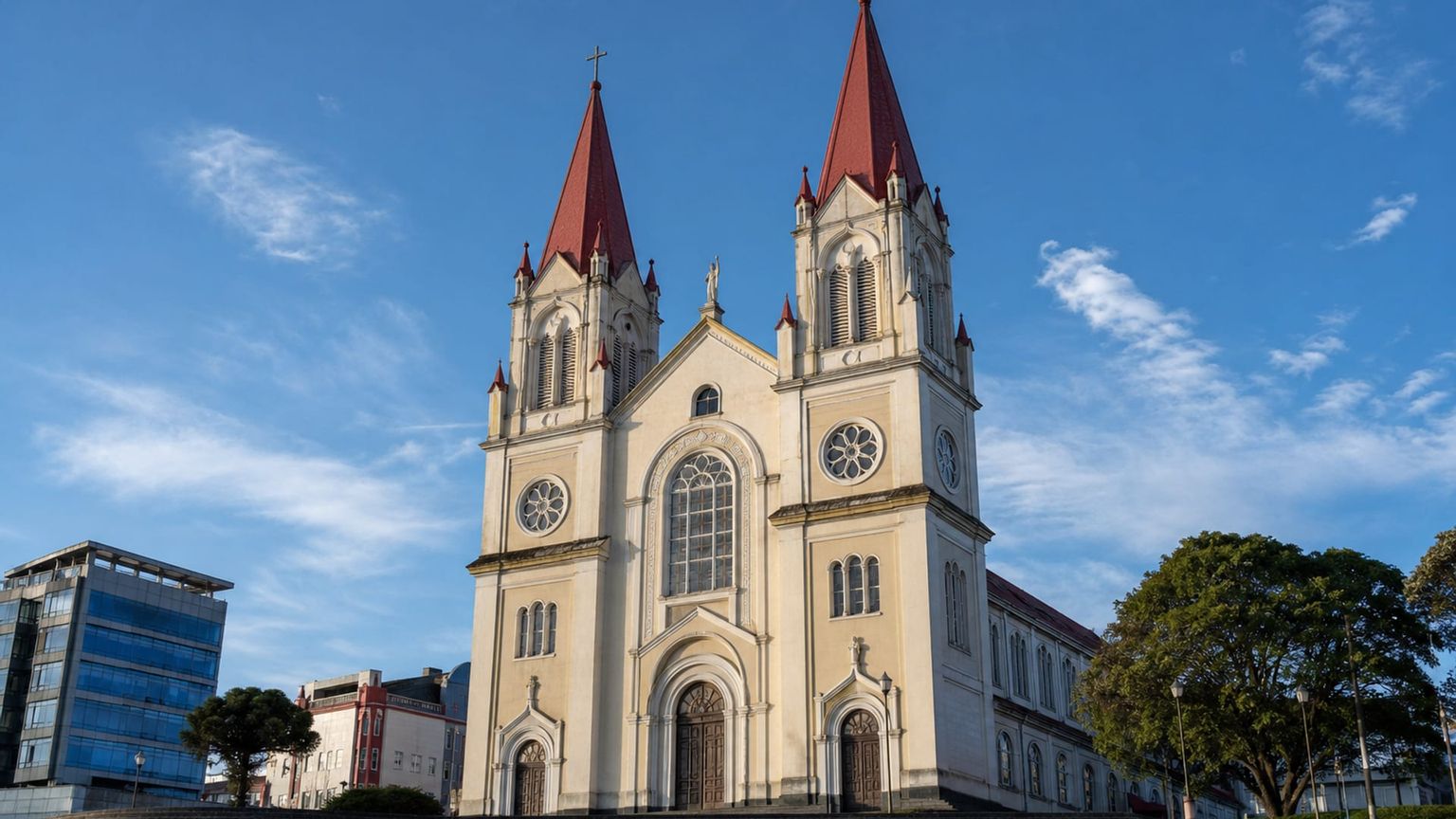
Sagrado Corazón de Jesús Cathedral
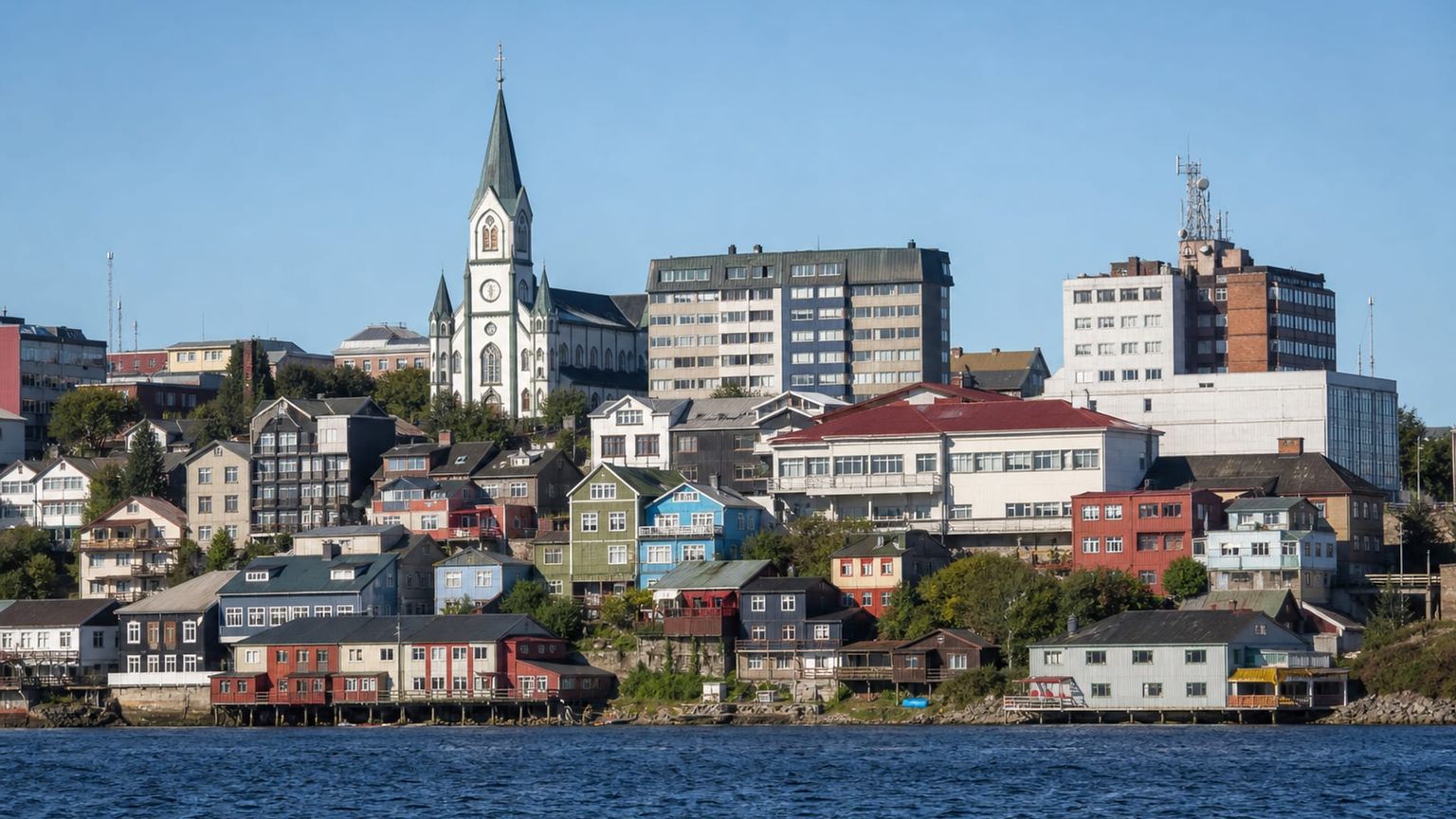
Puerto Montt’s cathedral stands on the main central square and is one of the city’s most visible landmarks. The wooden exterior and hilltop setting make it a key stop for understanding the downtown core and its 19th-century roots.
Time needed: About 30 to 45 minutes
Entry: Free to access, with no timed entry required for general visits and donations optional at the door
Tip: Pair it with a walk through the square, then climb the steps before midday light softens.
Overlooked sites worth visiting

Alerce Andino National Park interpretation trail
A short trail near the park entrance leads through old-growth alerce forest, with boardwalks, ferns, and quiet pools. It suits a half-day stop when you want nature without a long hike.
Time needed: About 1 to 2 hours
Entry: Entrance to the park is about $4 ($4,000 CLP) for adults and about $2 ($2,000 CLP) for children, with some concessions available for residents and seniors; check current rules before arriving, as fees and hours can change by season.
Tip: Go early for softer light and fewer day-trip groups.

Museo Histórico de Puerto Montt
This small downtown museum covers the city’s German settlement, early port growth, and local domestic life through photographs, tools, and rooms set up as period interiors. It is compact enough for a short urban stop.
Time needed: About 45 minutes to 1 hour
Entry: Admission is about $2 ($2,000 CLP) for adults, with reduced rates for students and seniors when available; some days may offer free entry, so check the museum’s current schedule before visiting.
Tip: Pair it with a walk through the nearby historic center.
Traditional food
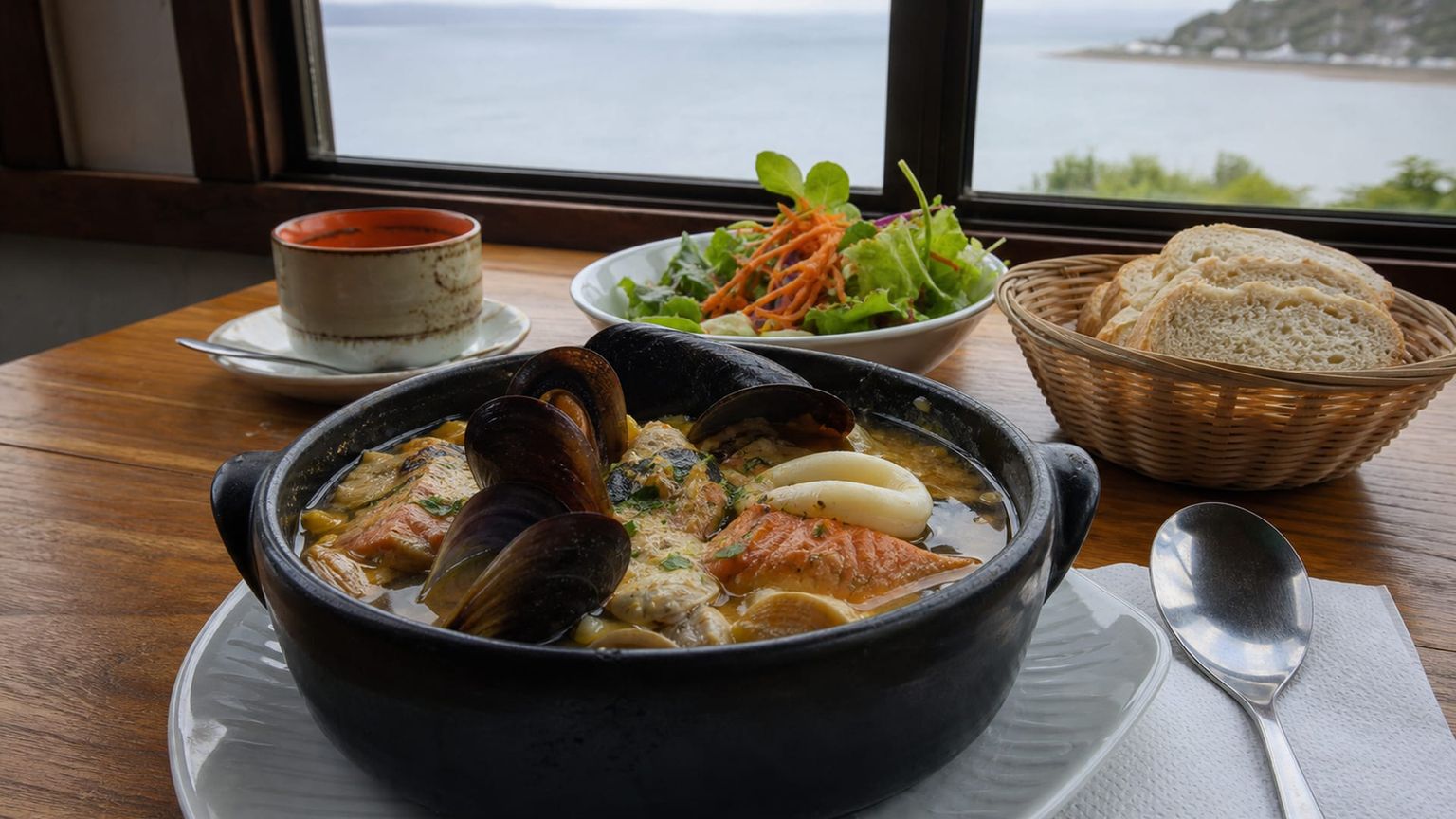
Puerto Montt’s table leans on seafood, potatoes, and smoked or baked preparations, with curanto, milcaos, chapalele, and salmon showing the region’s coastal and island influences. Lunch and dinner timing matters here, because many kitchens close between services.
Curanto
This classic shellfish, meat, and potato dish speaks to the region’s island and coastal roots. For a dependable version in Puerto Montt, Kutral serves a regional menu that often includes curanto in a setting built around southern Chilean cooking.
Milcaos
These potato cakes are a staple companion to heavier southern dishes and make sense as a snack or side. At La Picada de Angelmó, they fit the harbor district’s market-style food culture and pair well with seafood plates.
Chapalele
Chapalele brings a softer, breadlike potato flavor that appears alongside stews and roast dishes across the region. At Restaurant El Fogón de Pepe, the kitchen gives it the kind of home-style treatment that suits a slow lunch.
Salmon
Patagonian salmon shows up grilled, baked, or pan-seared, often with simple sides that let the fish lead. Paraíso Tropical is a common Puerto Montt reference point for seafood-forward plates and a good place to order it.
Best time to visit Puerto Montt
Puerto Montt changes most noticeably with rain, wind, and daylight, so the best season depends on whether you want clearer harbor views, quieter trails, or warmer, busier streets.
Best for: Best for longer daylight and harbor walks
What you get: About 50-66°F (10-19°C), with the busiest visitor flow and steadier outdoor conditions
Trade-offs: Expect more demand for rooms and more people at the waterfront
Best for: Best for calmer city days and museum stops
What you get: About 44-60°F (7-16°C), with thinner crowds and frequent rain that can reshape plans
Trade-offs: Wet weather can shorten trail time and reduce visibility
Best for: Best for low-key urban visits and indoor time
What you get: About 39-52°F (4-11°C), with fewer visitors and shorter daylight hours
Trade-offs: Cold, rain, and wind make long outdoor stops less appealing
Best for: Best for balanced weather and moderate crowds
What you get: About 45-61°F (7-16°C), with improving light and manageable visitor traffic
Trade-offs: Conditions can change quickly, especially near the coast
A realistic 5-day plan in Puerto Montt
A five-day stay in Puerto Montt works best when you keep the center close and place one longer nature outing in the middle. The schedule below alternates museums, harbor walks, and transit-friendly returns to downtown, so meals and transfers stay easy to manage.
Fly into Puerto Montt (PMC), then take a taxi or app-based ride into Puerto Montt Centro, about 25 to 35 minutes depending on traffic and hotel location, for roughly $15 to $22. Stay near Plaza de Armas or the waterfront so your first evening stays simple, with the cathedral, central square, and Muelle de Paseo del Mar within an easy walk. After checking in, drink water, keep dinner close to the center, and choose something light near the waterfront or on the streets around the square, where you can settle in without a long ride back.
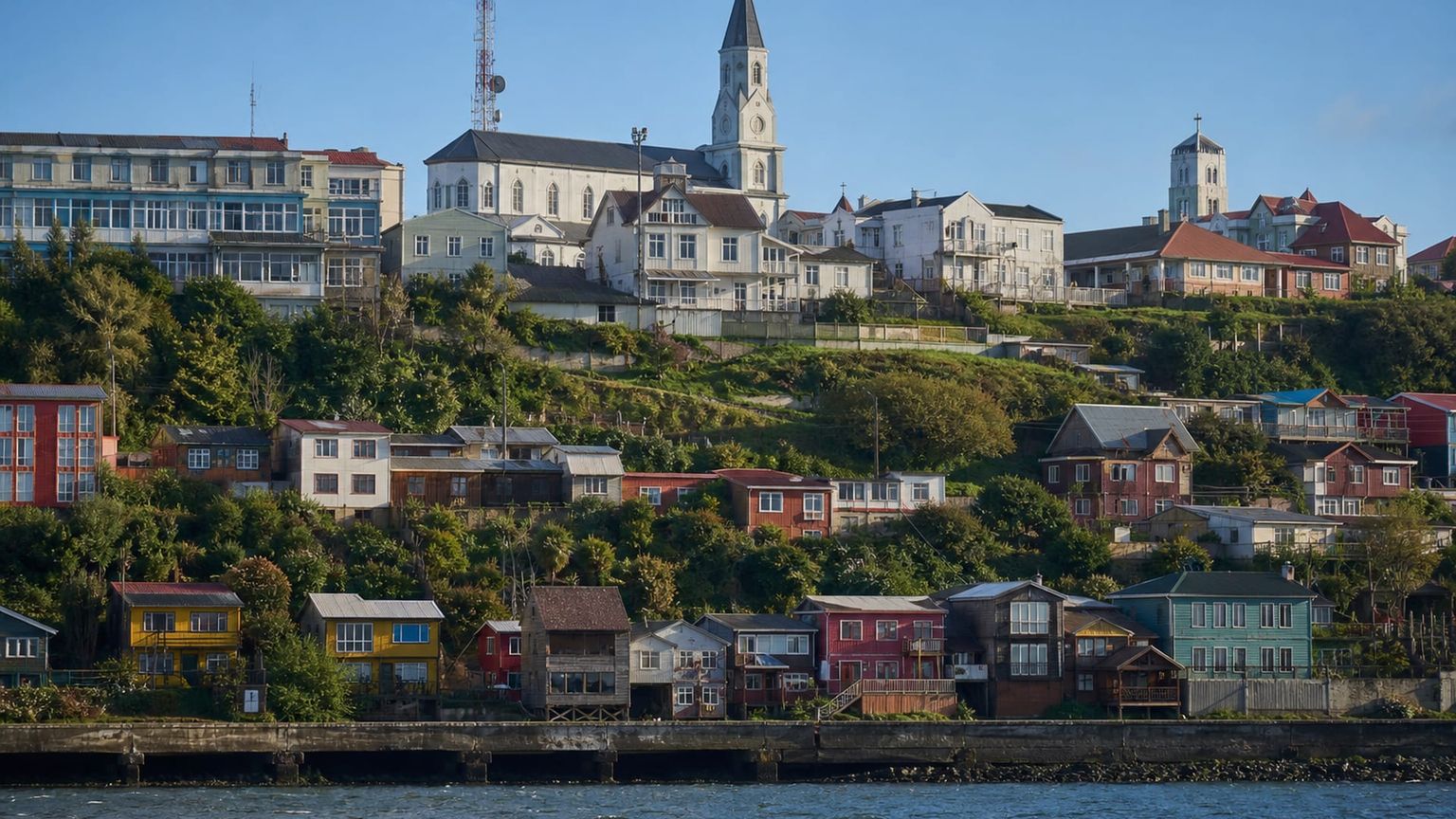
Start at Sagrado Corazón de Jesús Cathedral, then walk about 5 minutes to Museo Histórico de Puerto Montt for a clear introduction to the city’s settlement and port history. From there, continue about 10 minutes on foot to Muelle de Paseo del Mar, where the harbor views open toward Tenglo Island and the fish market district. Plan roughly 1 hour at the pier, then stay for an early evening look over the water before returning to Puerto Montt Centro for dinner.
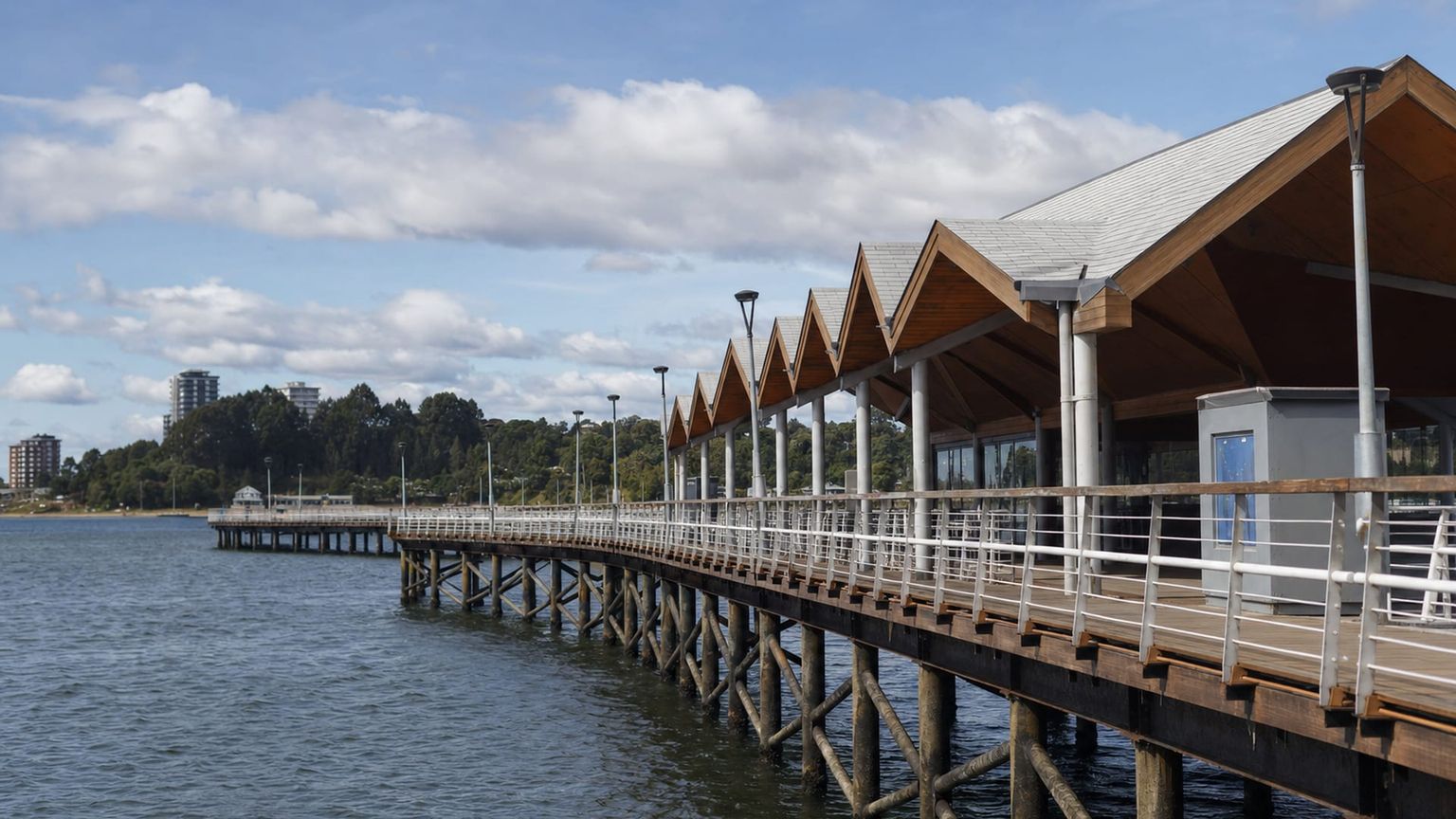
Begin with Museo Histórico Juan Pablo II, which pairs well with a slower morning in the downtown core, and expect about 1 to 2 hours there. Next, head by taxi or bus to Alerce Andino National Park interpretation trail, a half-day nature stop with boardwalks and old-growth alerce forest; allow about 30 to 45 minutes each way from central Puerto Montt depending on traffic and transit. After the trail, return to the center for a simple late lunch or an early dinner near the waterfront.
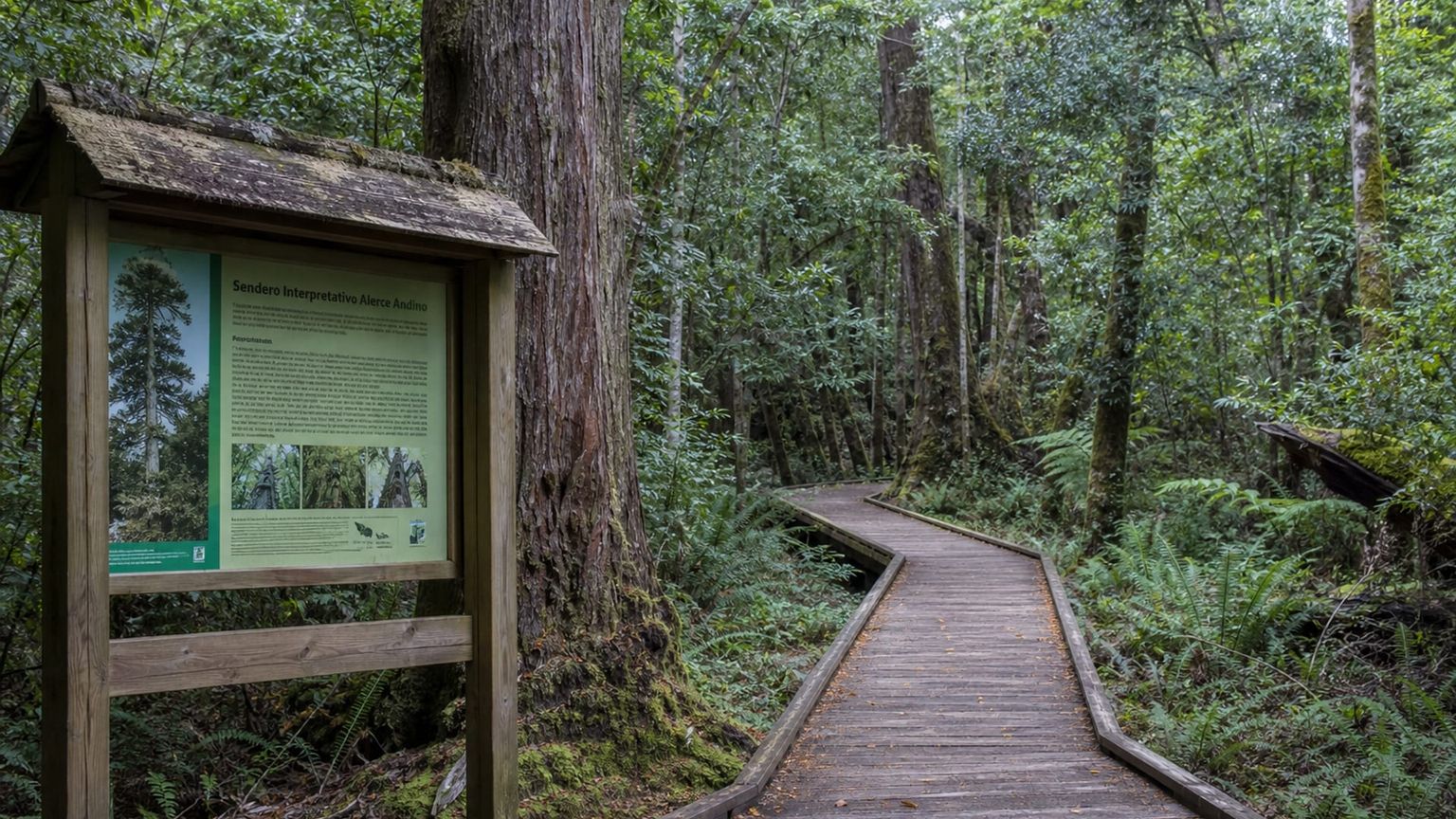
Set out early for Alerce Andino National Park interpretation trail if you skipped it on day 3, because the softer light and lighter foot traffic make the forest walk more rewarding. If you already visited the park, spend the morning back in Puerto Montt Centro, revisiting the cathedral area and then walking about 10 minutes down to Muelle de Paseo del Mar for another harbor look. In the afternoon, keep your pace local, with time for a slow coffee near Plaza de Armas and a final circuit through the central streets before dinner.
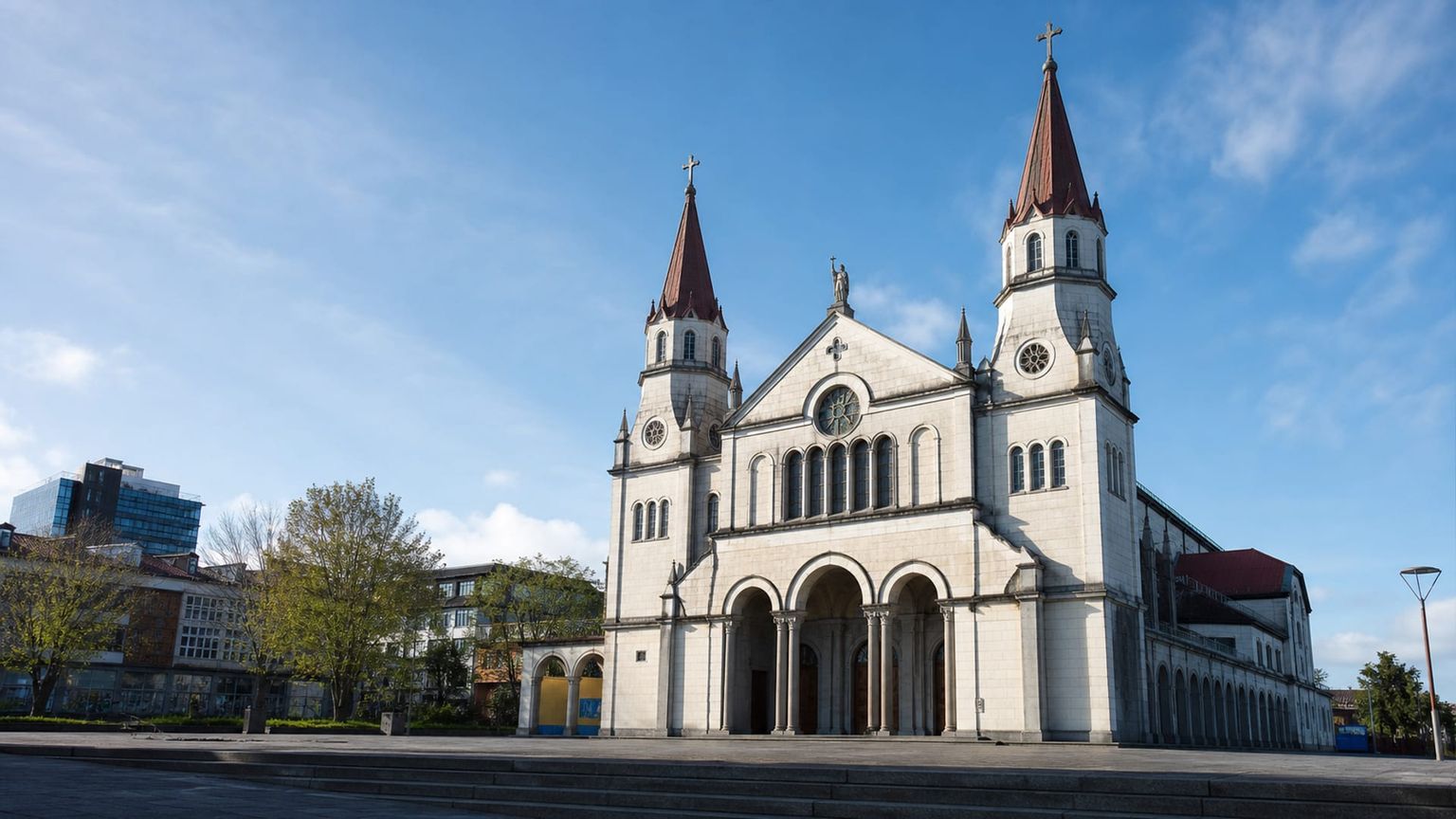
For a final day, start with a short museum stop at Museo Histórico de Puerto Montt if you want one more dose of local history, then head back to Puerto Montt Centro for last-minute shopping near Plaza de Armas. Finish with coffee in the center, where cafés cluster near the waterfront and the main square, so you can sit down before your transfer to Puerto Montt (PMC). If you are flying out, leave from the city center with enough time for the airport ride and any check-in line rather than trying to squeeze in another outing.
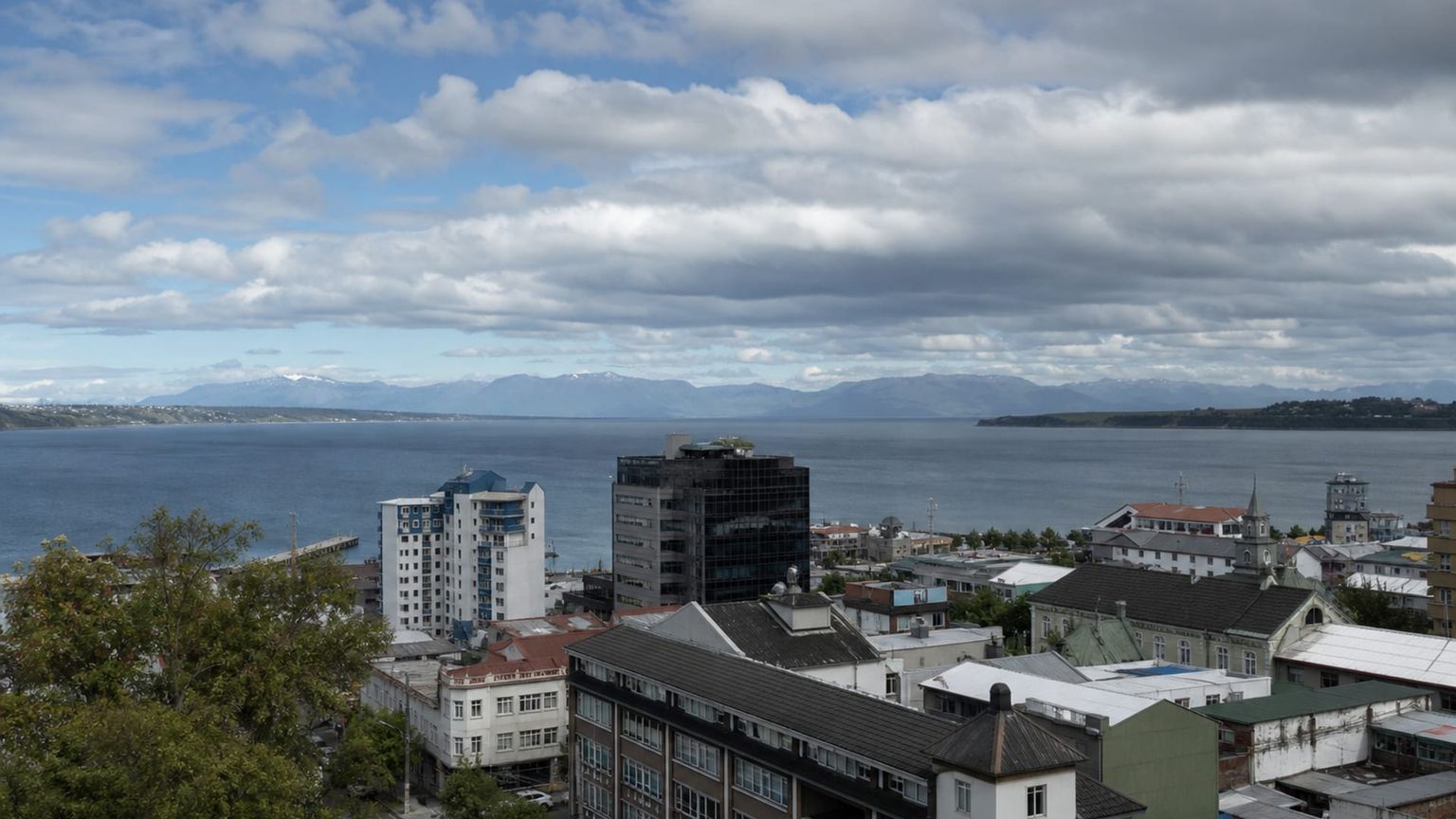
Business-class flights from the US to Puerto Montt
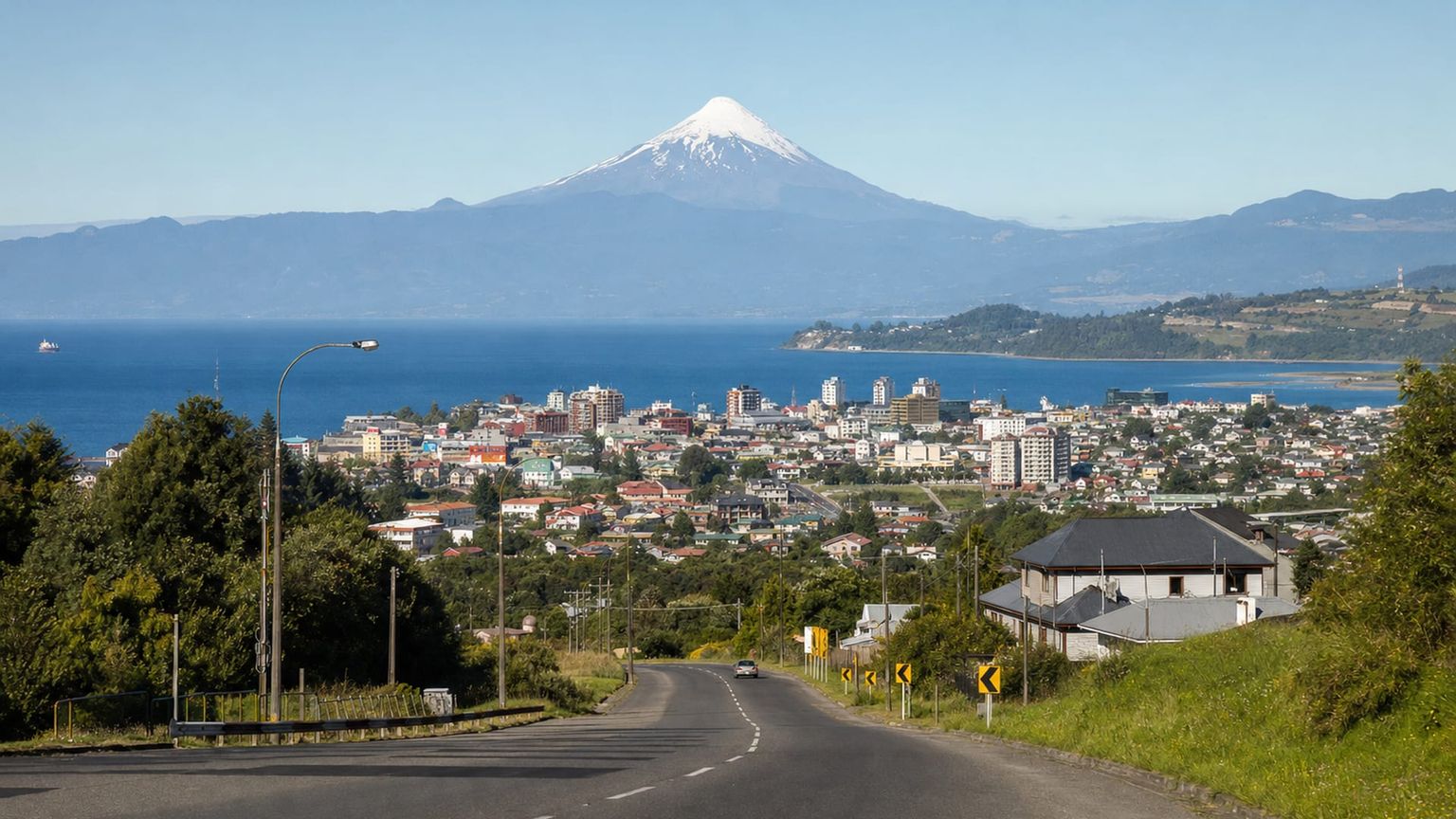
Reaching Puerto Montt usually means a one-stop itinerary, and the fare spread reflects both the connection point and the time of year. The East Coast and West Coast examples below show how different layover choices shape the trip.
From New York, LATAM Airlines, Delta Air Lines, American Airlines, Avianca, Copa Airlines, and Air Canada commonly appear on one-stop itineraries, while nonstop flying is not typical. Round-trip fares start at $2,400 and can reach $5,800; common routings via Santiago (SCL) or Panama City (PTY) often cut the price. Typical travel time runs about 11 to 13 hours nonstop, or 15 to 22 hours with a connection.
Los Angeles itineraries often rely on LATAM Airlines, Delta Air Lines, American Airlines, Avianca, Copa Airlines, and Air Canada, with nonstop flying taking about 14 to 16 hours when available. Round-trip fares usually run $2,100 to $5,200, and the lowest one-stop options often connect through Santiago (SCL) or Lima (LIM); those connections can stretch the trip to about 17 to 26 hours.
Puerto Montt feels different when you slow down
A deliberate Puerto Montt trip stays close to the details that shape the city, the hilltop cathedral, Plaza de Armas, Muelle de Paseo del Mar, and one clear transit decision at a time. That approach leaves room for a museum before lunch, a waterfront walk near sunset, and an easier dinner schedule in Puerto Montt Centro. For help matching the right area, season, and route, ask the AranGrant experts to shape the rest of your plan







