

Chapters:

Need help with your trip?
Our support team is available 24/7. Request a callback or call us directly at (833) 619-0908
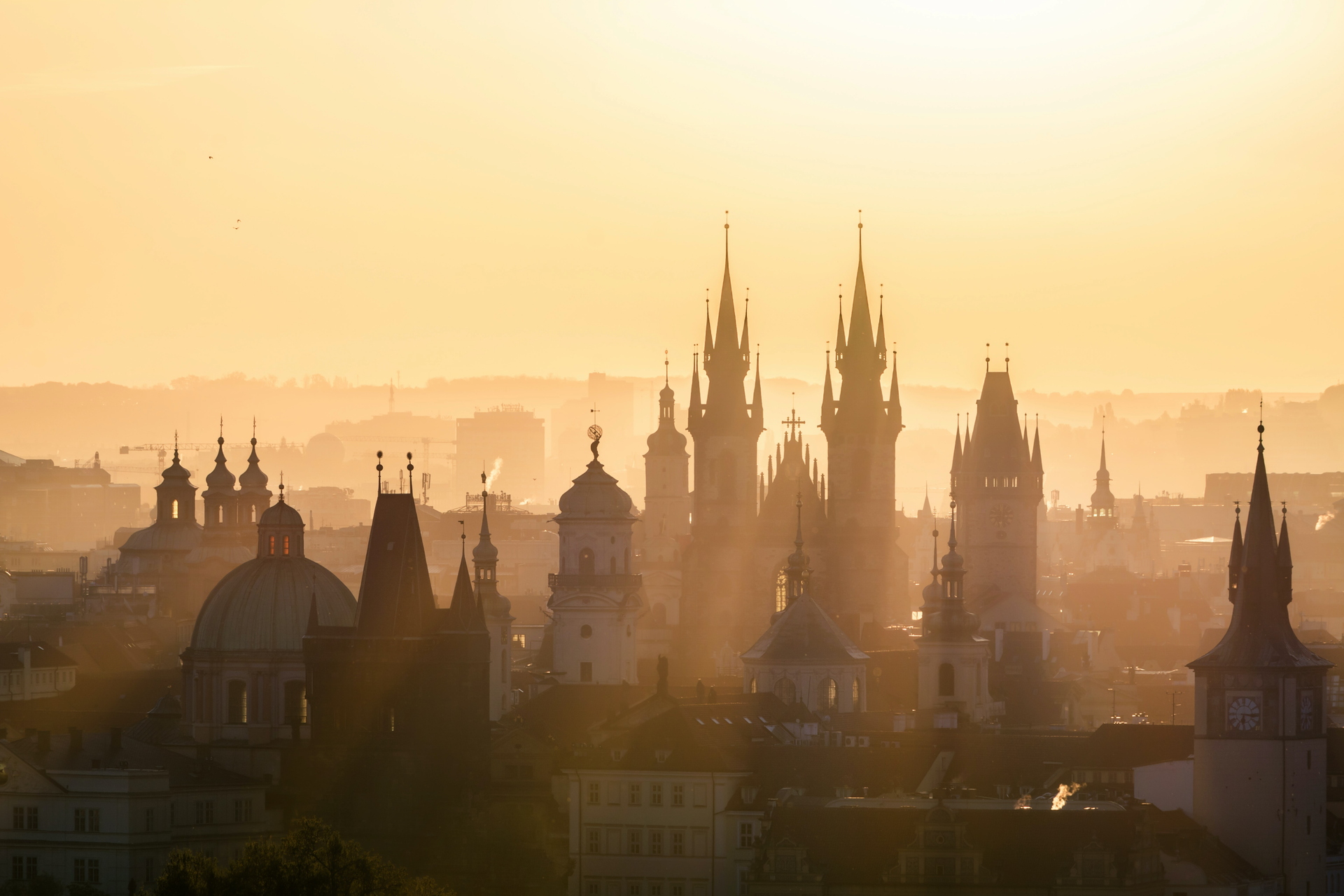
Prague can look compact on a map, but the city asks for more patience than many first visits allow. The Old Town draws travelers in quickly with its historical sights, yet the best days leave room for the quieter streets behind the main routes, the museums between neighborhoods, and the cafés where the city slows down between walks.
A rushed plan turns central Prague into a sequence of crowded landmarks, bridge crossings, and steep routes that can throw off the day. It also leaves little room for tram rides, café breaks, or meals that fit the city’s dining hours.
This guide maps Prague in a calmer order: where to stay, how to move, what to eat, and how to space the sights so each day has a clear focus.
Useful things to know

Main language(s): Czech
Dobrý den (DOH-bree dehn) – Hello / good day
Prosím (PRO-seem) – Please
Děkuji (dyeh-KOO-yee) – Thank you
Mluvíte anglicky? (mloo-VEE-teh AHN-glits-key) – Do you speak English?
Kolik to stojí? (KOH-lik toh STOH-jee) – How much does it cost?

Currency: Czech koruna (CZK, Kč)

Cash and cards: Card and contactless payments are widely accepted. Keep CZK 500 to CZK 1,000 ($24 to $47) in cash for small purchases.

Tipping: You can round up the bill or add 5%–10% in restaurants for good service.

Traditional food: Svíčková, roast duck, goulash, smažený sýr

Water and coffee costs: A bottle of water costs about CZK 30 ($1.40). You can order an espresso at a bar for CZK 60 ($2.80).

Taxis and ride apps: Uber, Bolt, and local taxi companies operate here.

Plug and voltage: Type E and Type C socket, 230V

Dining and shop opening hours: Breakfast is served between 7:00 am and 10:00 am, lunch from 12:00 pm to 2:00 pm, and dinner from 6:00 pm to 9:00 pm. Many kitchens close by 10:00 pm, earlier outside the city center.

Emergency number: Call 112 for all emergencies, or 158 for police, 155 for ambulance, and 150 for fire.
Where to stay in Prague
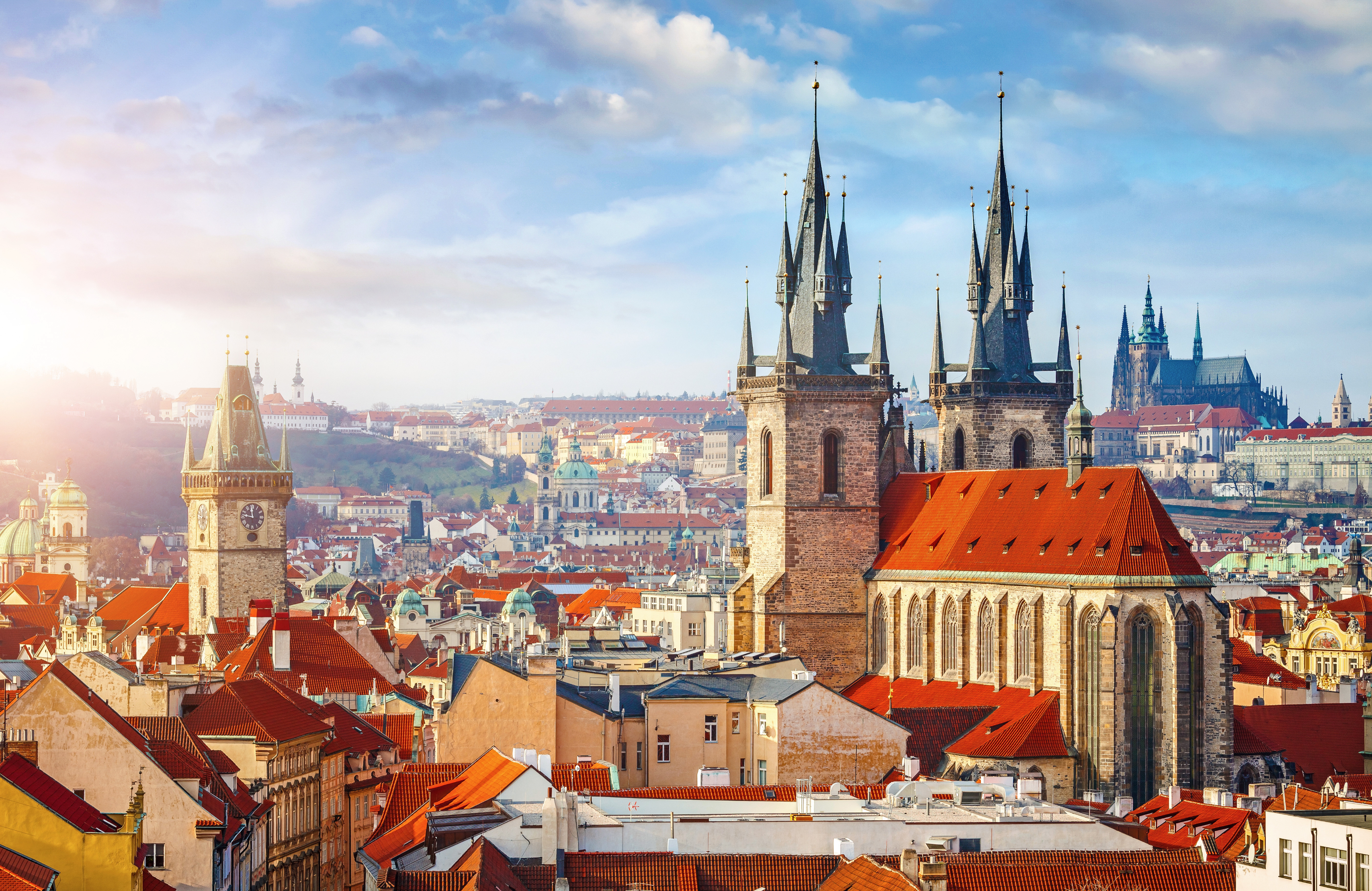
Staying in this area of the city places you near the Astronomical Clock, Old Town Square, and many of the city’s main restaurants and shops. It suits visitors who want the highest number of landmarks within an easy walk.
Best for: First-time visits, walking between major sights, and dining close to the center
What to expect: Busy pedestrian streets, regular tour groups, and lively squares well into the evening
Hotel prices: Highly rated hotels cost CZK 4,500 to CZK 9,000 ($210–$420) per night.
Distance to major sights: 5 to 10 minutes on foot to Old Town Square; 15 to 20 minutes on foot to Charles Bridge
Quietness: Lively all day, then noisy near the main squares and bar streets after dark
Main trade-off: You pay more for the central location, and the most central streets can be crowded, especially in peak season.
Good to know: Late-night noise is common on the busiest streets, so ask for a room away from the square or on an upper floor.
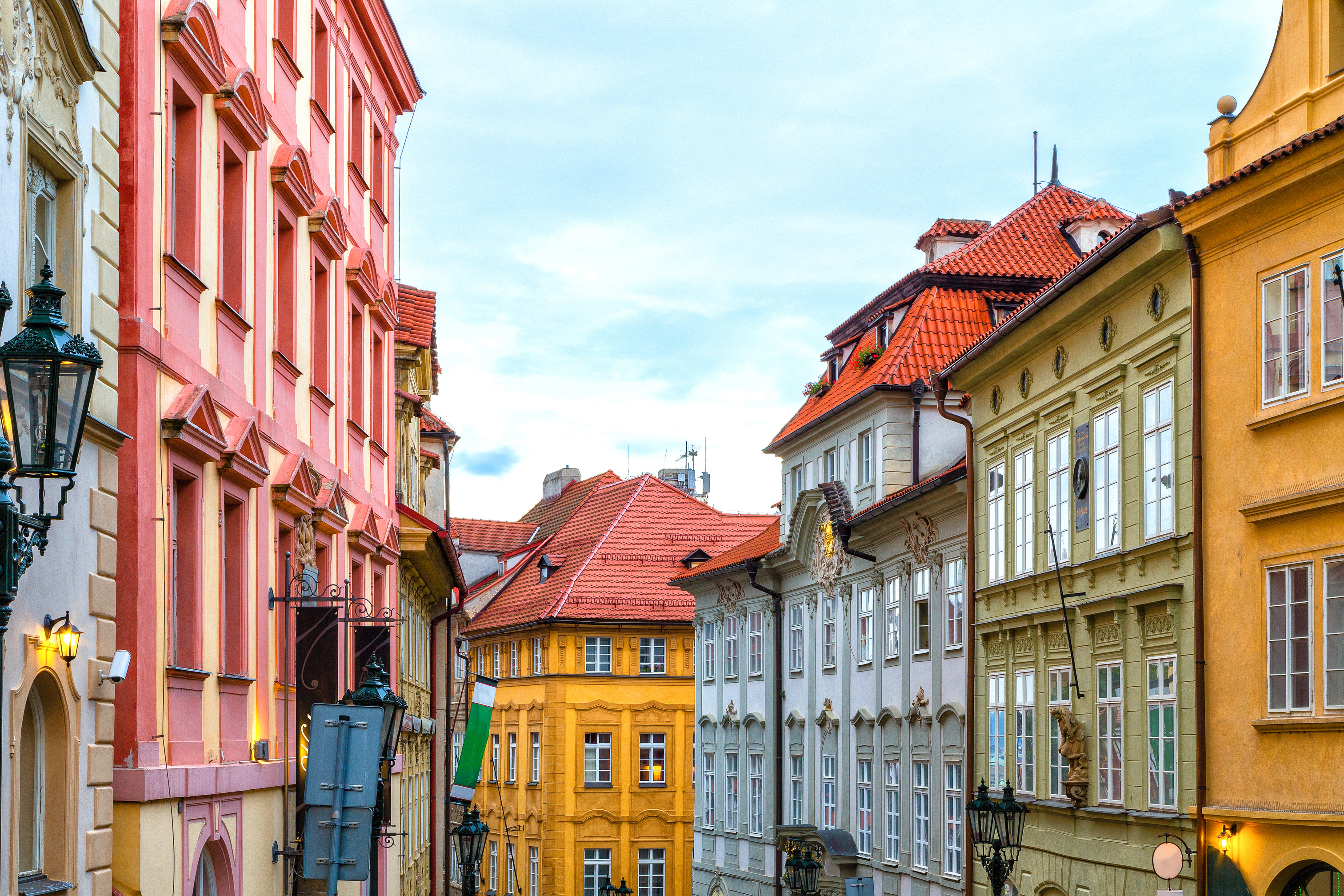
Below Prague Castle, Malá Strana pairs baroque streets with river access and an easy link to the castle district. It is suitable for travelers who want a historic setting with quicker walks to the Charles Bridge and hilltop sights.
Best for: Castle visits, river walks, and travelers who prefer a historic neighborhood with shorter uphill starts
What to expect: Cobbled lanes, elegant facades, and fewer late-night venues than the Old Town side of the river
Hotel prices: Usually CZK 4,000 to CZK 8,500 ($190–$400) per night for well-rated stays
Distance to major sights: 10 to 15 minutes on foot to Prague Castle; 5 to 10 minutes on foot to Charles Bridge
Quietness: Calmer in the morning and evening; tourist flow picks up during daytime sightseeing hours.
Main trade-off: The hills and tram lines can make some stays less convenient if you want easy door-to-door access.
Good to know: Some streets have steep walks, so check the nearest tram stop if you do not want to climb a hill after dinner.
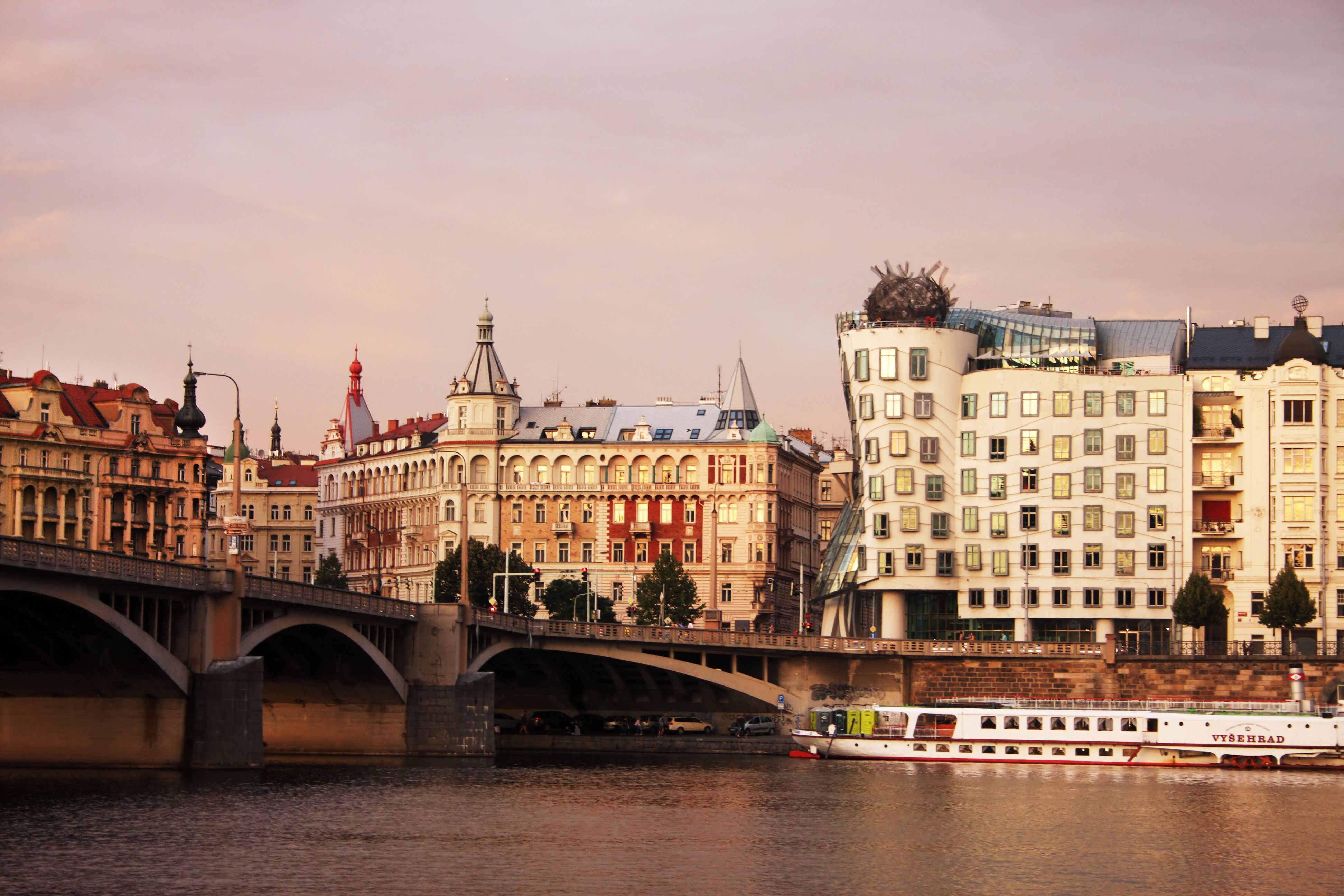
New Town stretches south of the medieval core and centers on Wenceslas Square, major tram lines, and a wide mix of hotels and restaurants. It is a good choice for travelers who don’t want to stay in tourist-heavy areas.
Best for: Metro access, shopping, theater nights, and visitors who want a central location with beautiful wide streets
What to expect: Broad boulevards, daytime office traffic, and busy bars and restaurants near the square at night
Hotel prices: The cost per night in a popular hotel usually ranges from CZK 3,500 to CZK 7,500 ($165 to $350).
Distance to major sights: 10–15 minutes on foot to Old Town Square; 20–25 minutes on foot to Prague National Museum
Quietness: The area is busy during the day, and some blocks are active until late because of nightlife and all-hours traffic.
Main trade-off: The location is central, but the quality of the hotels varies widely from one block to the next.
Good to know: Choose a hotel on a side street instead of one on the square itself if you want easier sleep and less late traffic outside your hotel.
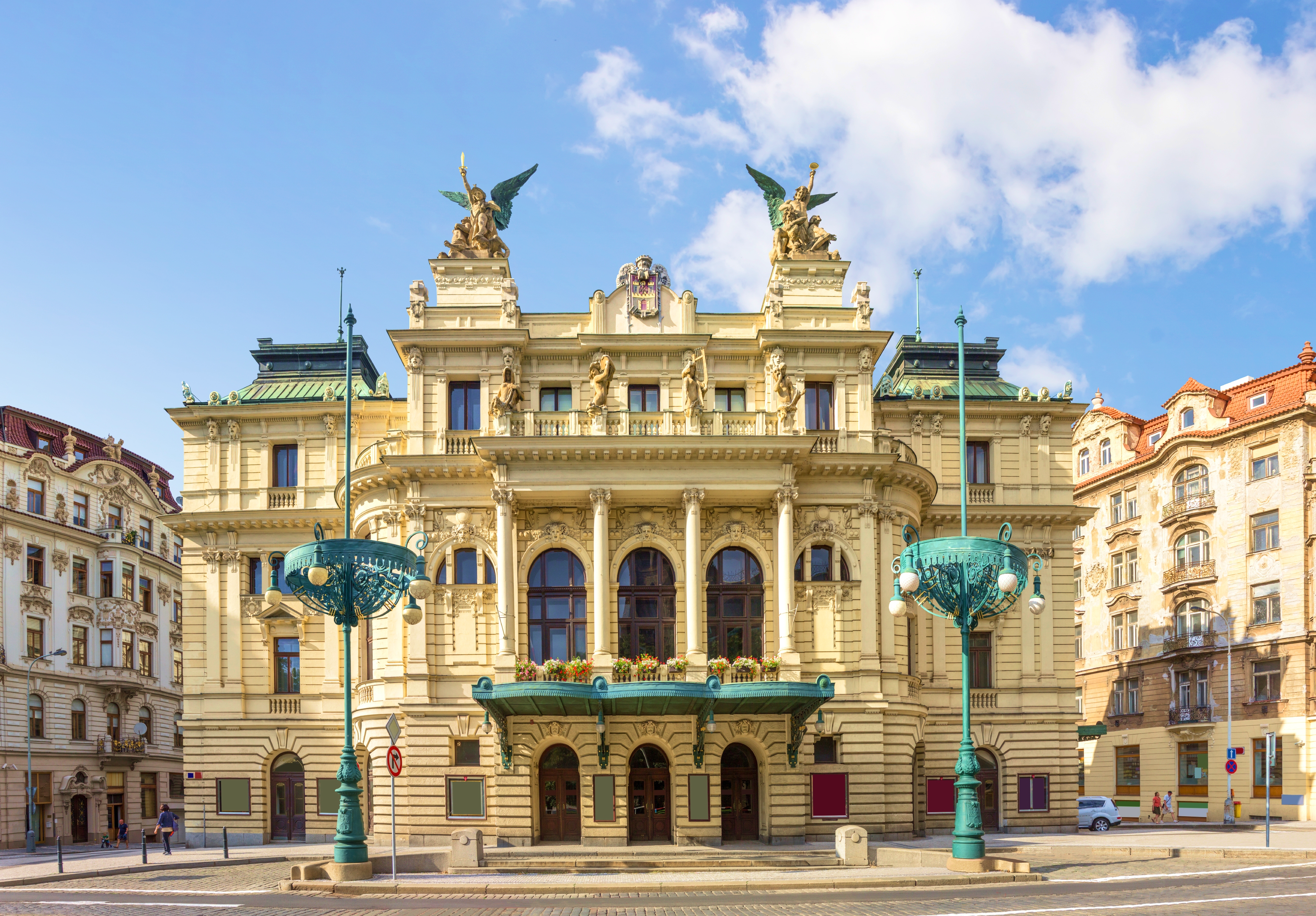
Vinohrady is located just east of the center, with leafy streets, Art Nouveau apartment buildings, and a strong café and dinner scene. It suits visitors who want a local-feeling area with easy metro and tram access into the center.
Best for: Dining, local cafés, and travelers who want a calmer residential location with easy transit to other areas of the city
What to expect: Residential blocks, neighborhood restaurants, and steady local activity instead of tourist crowds
Hotel prices: Usually CZK 2,800 to CZK 6,500 ($130–$310) per night for well-rated stays
Distance to major sights: 15 to 20 minutes by metro or tram to Old Town Square; up to 15 minutes on foot to Wenceslas Square from the western edge
Quietness: Quieter than the center during the day, with some restaurant and bar activity in the evening
Main trade-off: You give up a few minutes of walking time to major sights in exchange for a wider choice of hotels.
Good to know: The western edge is the most convenient if you want short rides to the center, so check the nearest metro stop before booking.
Travelers usually avoid Prague 5’s far western edge, Prague 9 around Vysočany, and the outer stretches of Prague 10 because they are far from the city’s main sights and have limited late-night transport options.
Hotel deals
How to get around Prague efficiently
Prague’s metro, trams, buses, and taxis each cover a different part of the city, so the best option changes with distance and time of day.

Metro
for longer distances
The airport does not have a metro stop, so most visitors take the bus to reach one. With the metro, travelers can reach key stops such as Muzeum, Můstek, Florenc, and Nádraží Veleslavín. A 30-minute ticket costs CZK 30 ($1.40), and a 90-minute ticket costs CZK 40 ($1.90).
Bus and tram
for convenience
Trams carry much of Prague’s day-to-day travel. They cover the center and neighborhoods such as Vinohrady and Holešovice. Buses fill the gaps farther out and connect to the metro. Tickets for buses and trams cost the same as for metros: CZK 30 ($1.40) for 30-minute rides and CZK 40 ($1.90) for 90-minute rides, since Prague has a unified ticketing system.
Taxi
for convenience or late hours
Travelers can order licensed taxis in Prague on taxi apps, by calling a taxi dispatcher, or finding them at stand ranks. Prices for a trip from the airport to the center start at CZK 750 ($35). Payment by card is common, although worth confirming before departure.
*Prices are based on rates updated as of June 2026 and may change at the time of travel.
Use the metro for faster cross-city rides, trams for trips to central neighborhoods and late returns, and taxis or ride apps when you want door-to-door travel after dark or with luggage.
Iconic landmarks
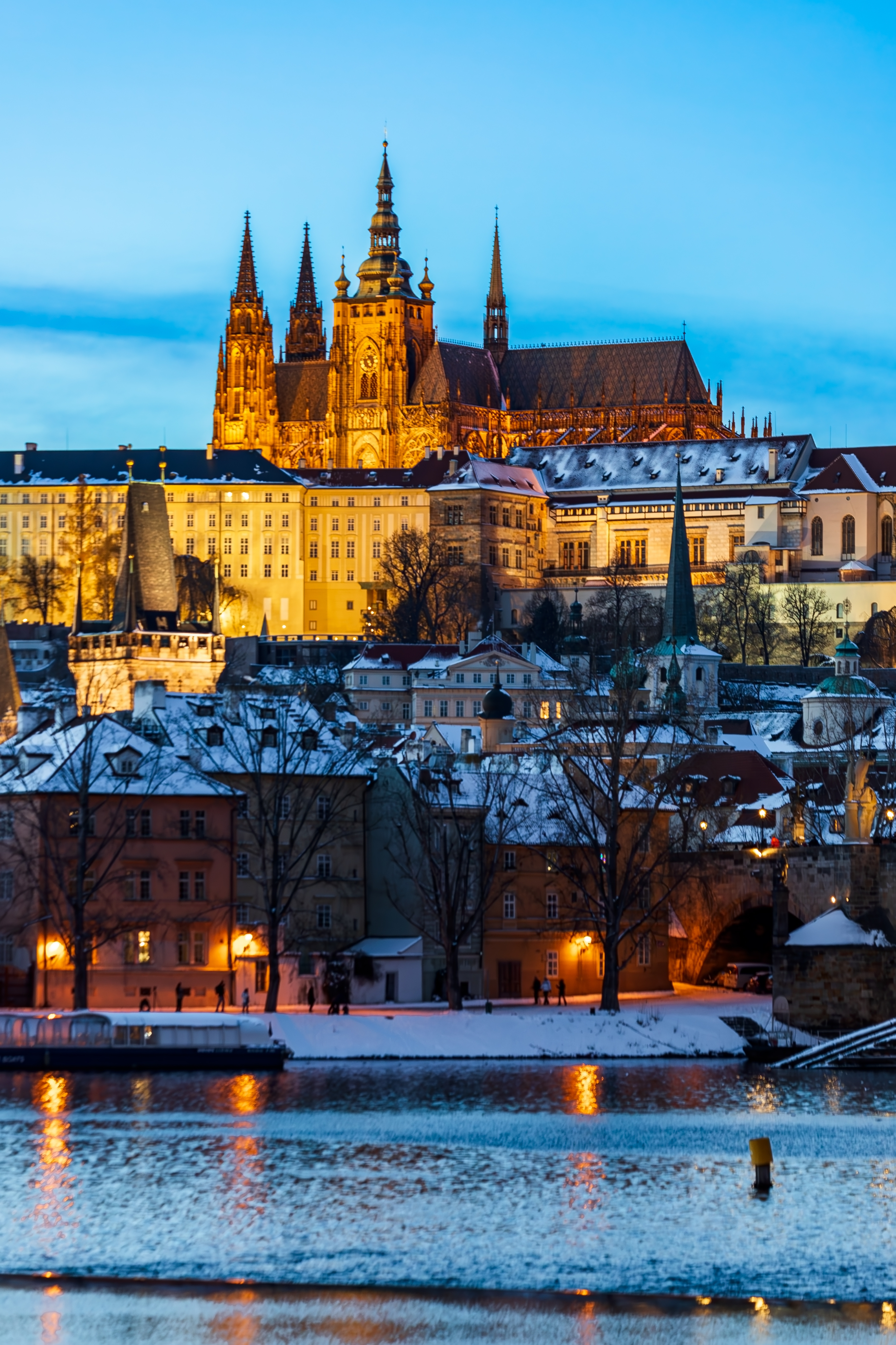
Prague Castle
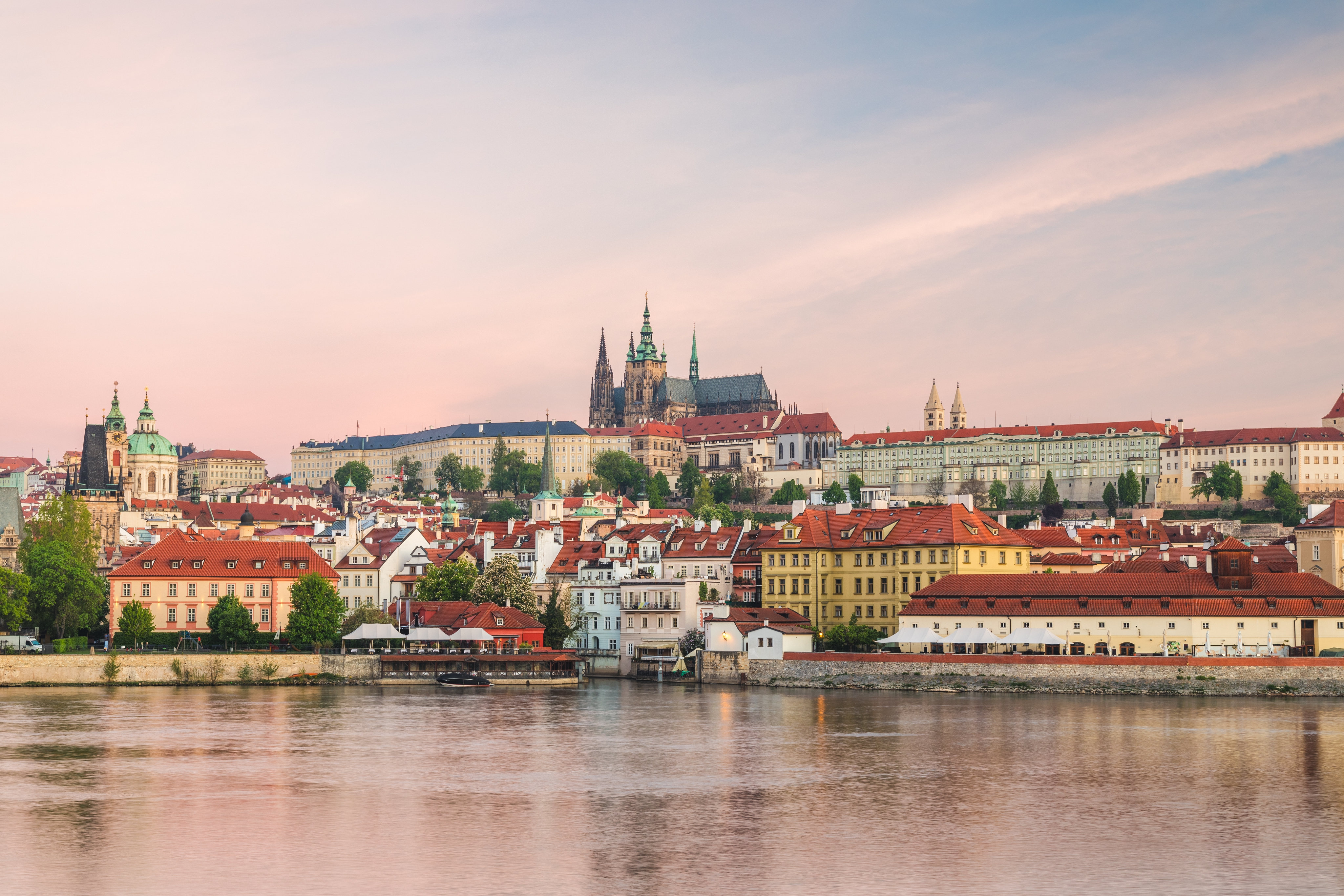
This hilltop complex pairs St. Vitus Cathedral, the Old Royal Palace, and Golden Lane in one site above the Vltava. Its layers of Gothic, Renaissance, and Baroque architecture make it Prague’s defining landmark.
Time needed: About 3 to 4 hours
Entry: The standard ticket costs CZK 700 ($33) and covers all the main historical sites. Visit the official site for details.
Tip: Arrive before 9:00 am to clear security faster and see the courtyards before tour groups.
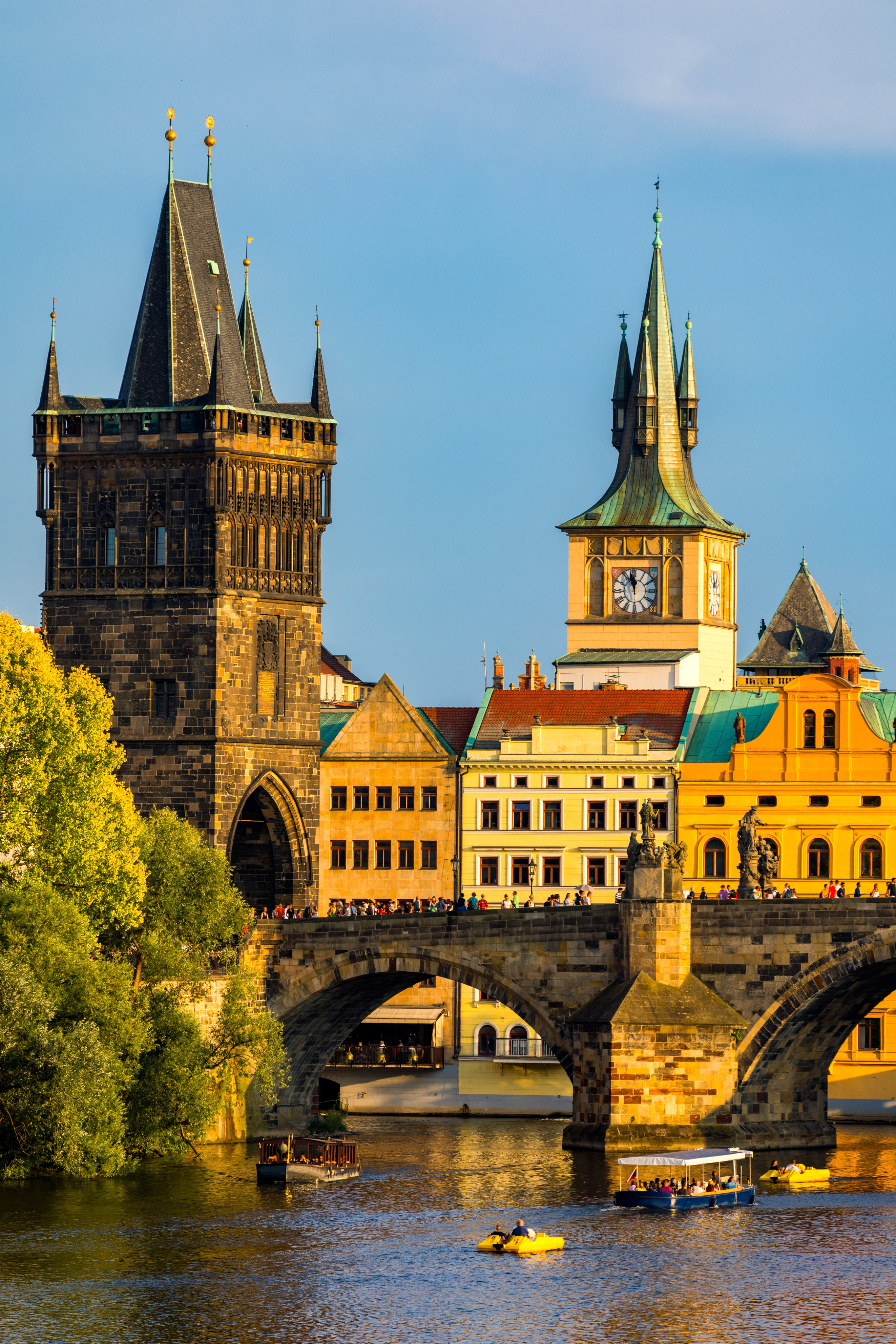
Charles Bridge
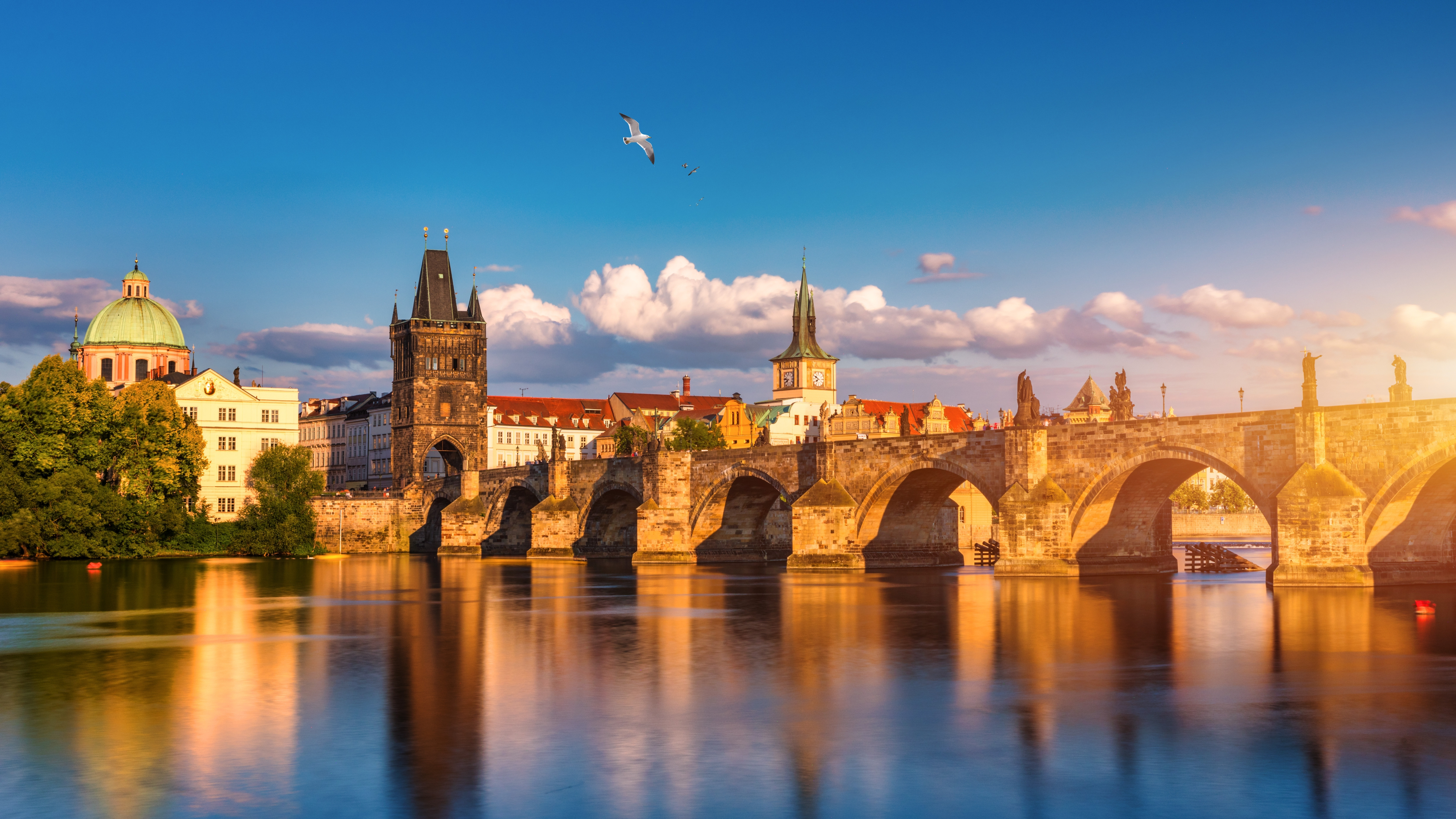
Construction on Charles Bridge began in 1357 under Charles IV and was completed in the early 15th century. The bridge links Old Town and Lesser Town with 30 Baroque statues and direct river views. At dawn, it offers a beautiful view of Prague Castle and the Vltava.
Time needed: About 1 to 2 hours
Entry: The bridge is free to access, but climbing the nearby tower, which offers views over the river and Old Town, costs CZK 280 ($13). Visit the official site for details.
Tip: Visit at sunrise for fewer crowds and open sightlines toward Prague Castle.
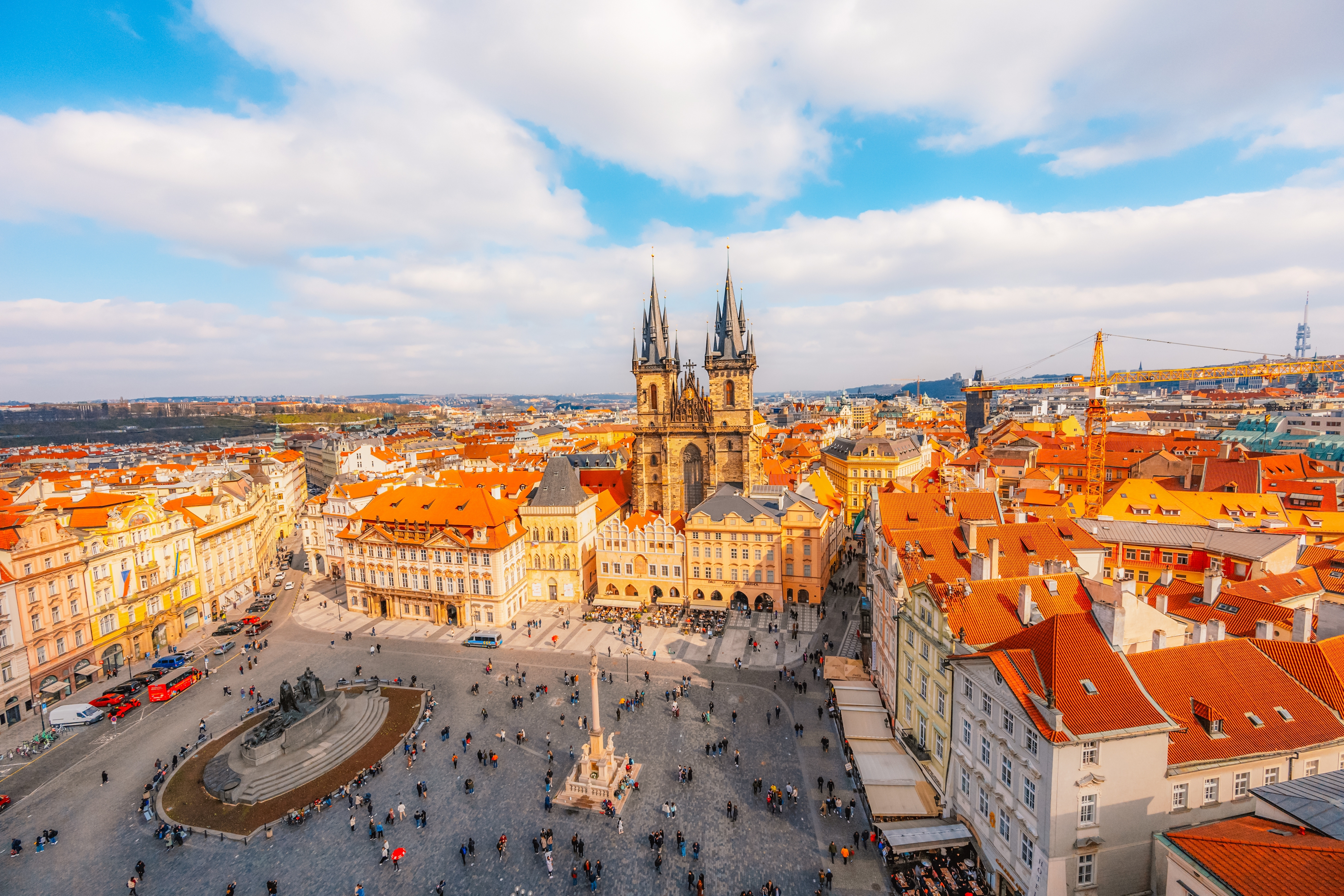
Old Town Square
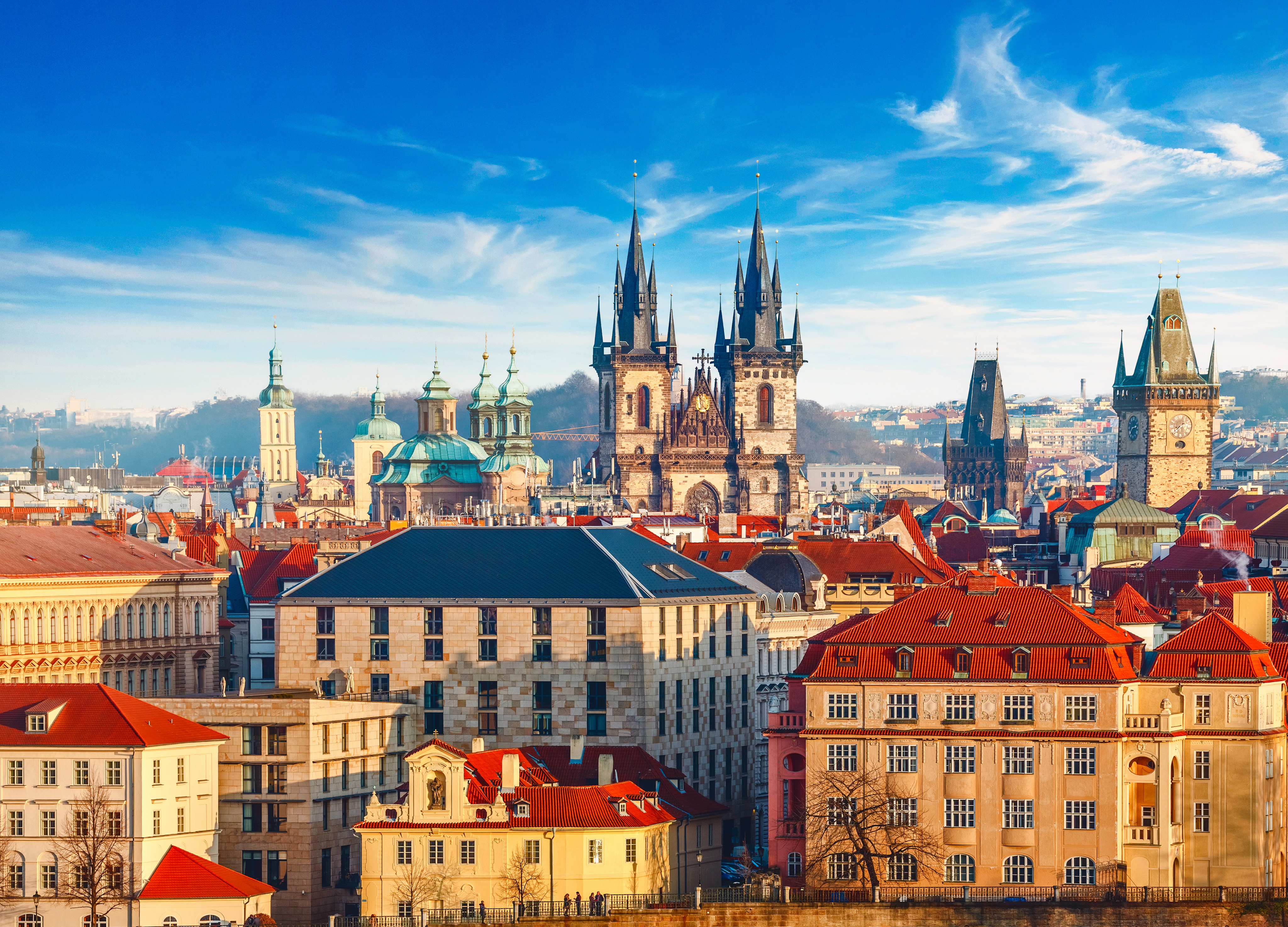
Old Town Square is Prague’s main historic gathering place, framed by the Astronomical Clock, the Gothic spires of the Church of Our Lady before Týn, pastel facades, cafés, and street performers. It is one of the city’s busiest spaces, offering a clear sense of Prague’s medieval core.
Time needed: About 1 to 2 hours
Entry: Free to access
Tip: Visit just before the hourly clock show to avoid big crowds.
Overlooked sites worth visiting
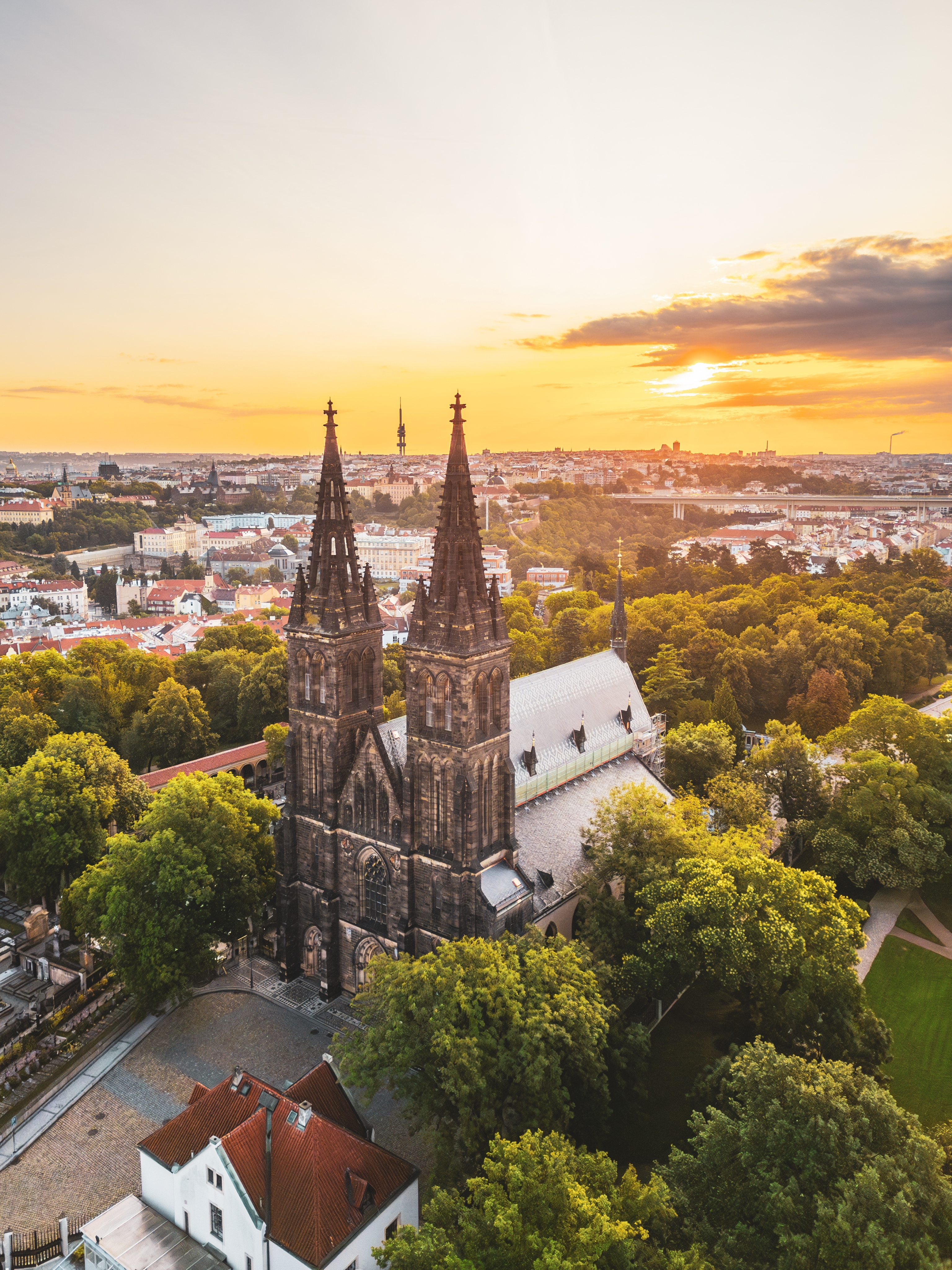
Vyšehrad
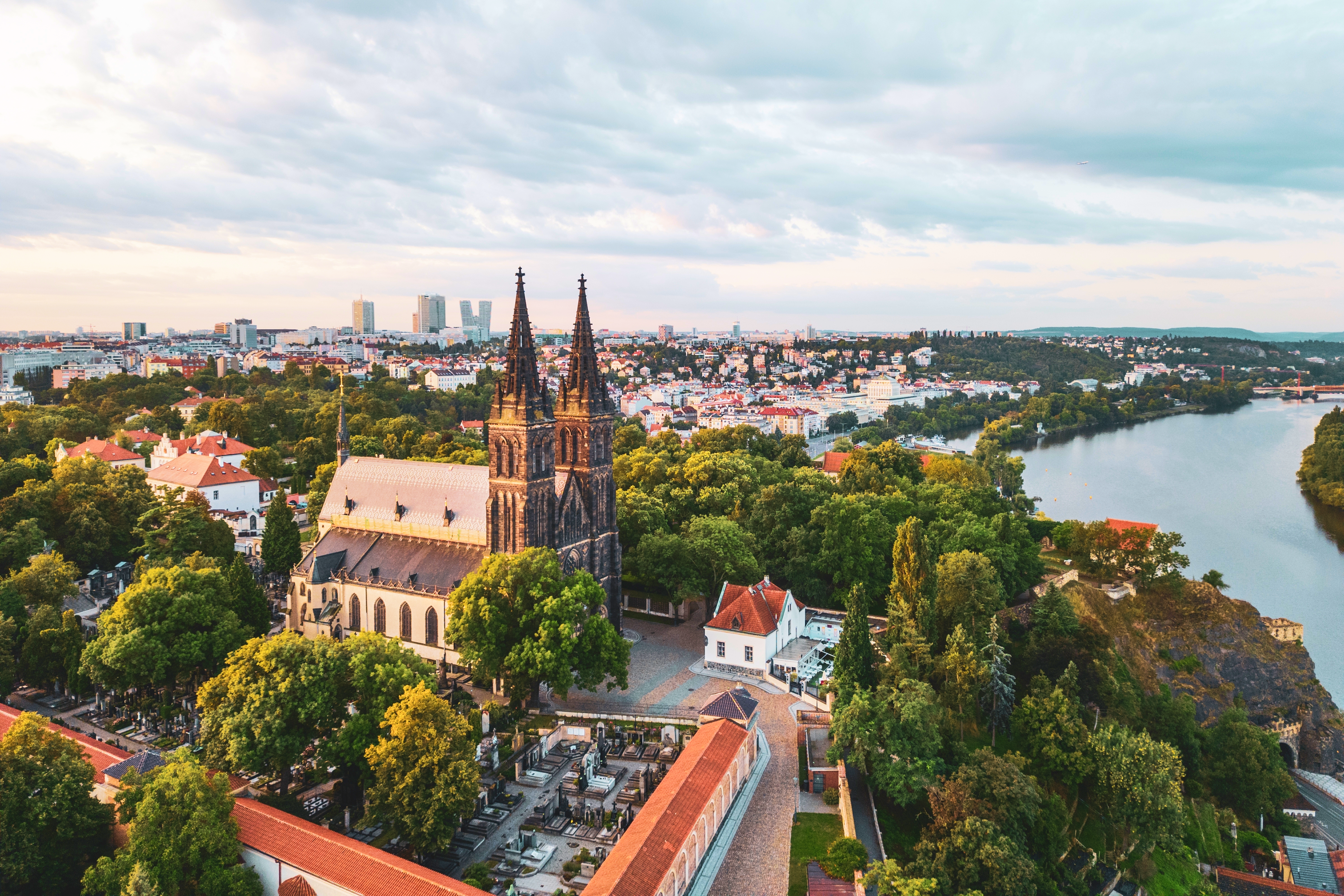
Vyšehrad is a hilltop fortress area with old stone walls, views over the Vltava, the Basilica of St Peter and St Paul, and a cemetery where figures such as Antonín Dvořák and Karel Čapek are buried.
Time needed: About 2 to 3 hours
Entry: The park and ramparts are free to access. Visit the official site for details.
Tip: Visit it late in the afternoon for softer light along the river walls.
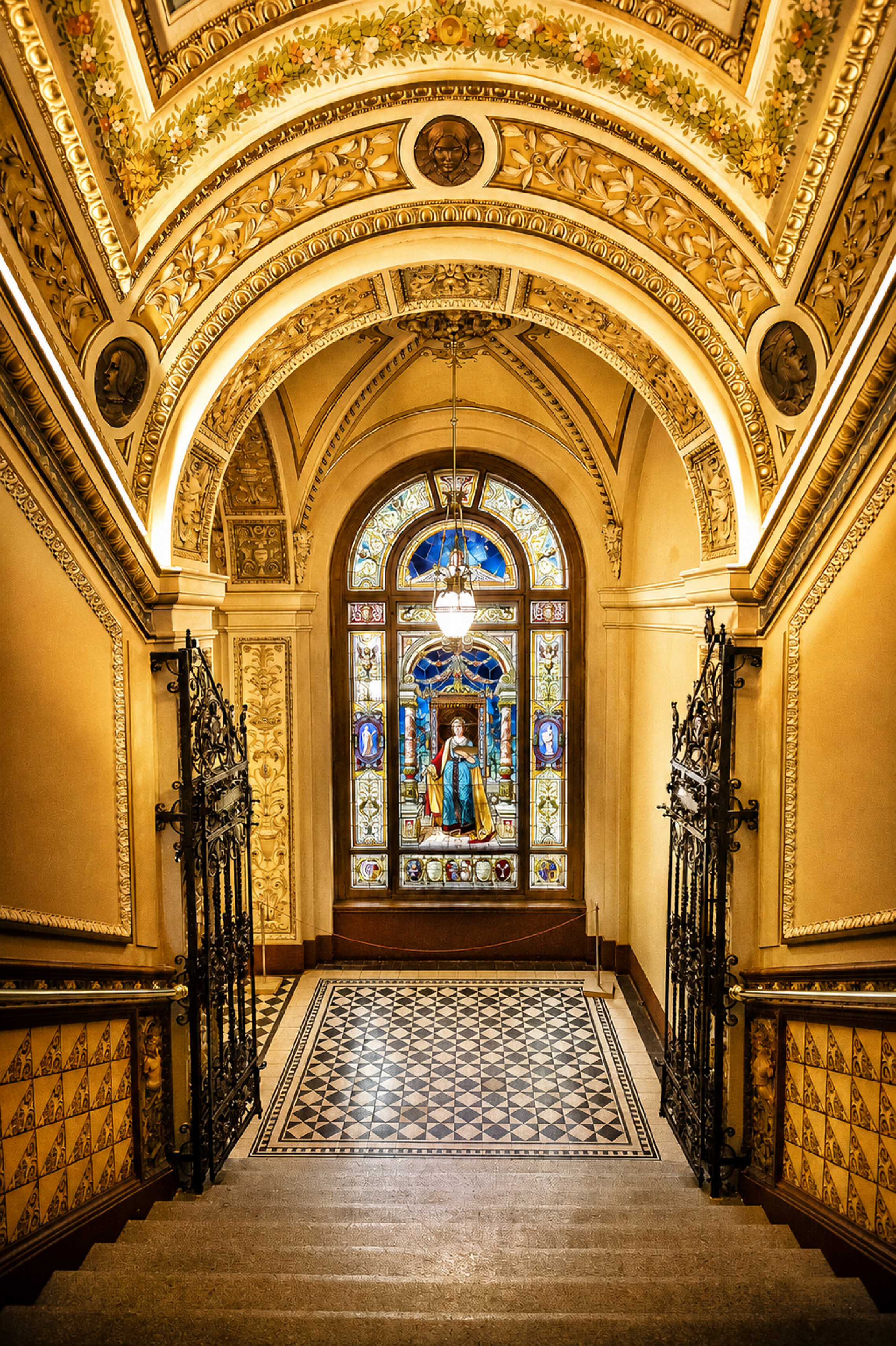
Museum of Decorative Arts in Prague
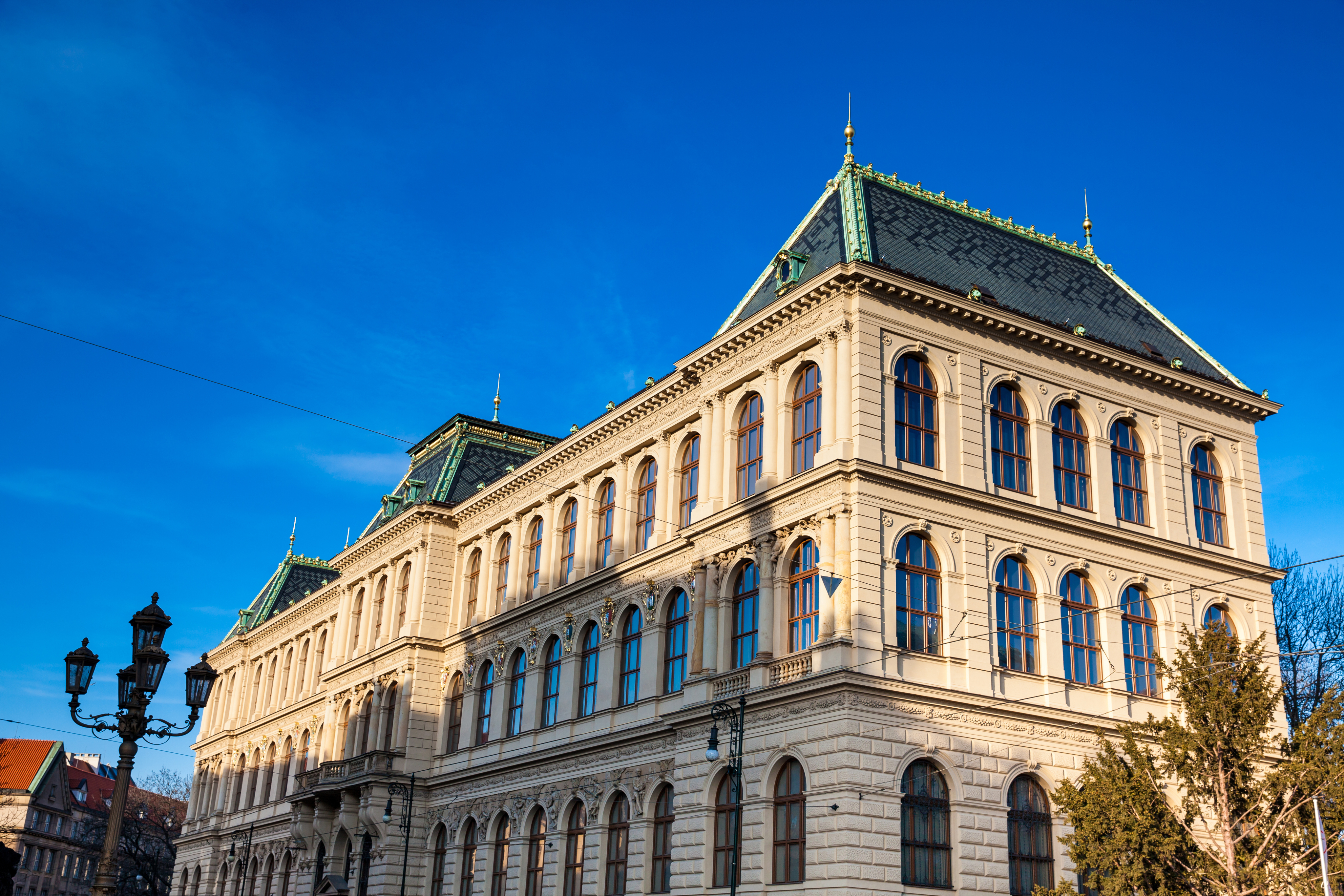
The Museum of Decorative Arts in Prague is located near the Old Town and focuses on Czech glass, ceramics, textiles, furniture, jewelry, and design objects.
Time needed: About 1 to 2 hours
Entry: Basic admission costs CZK 250 ($12), with reduced prices for students and seniors. Visit the official site for details.
Tip: Pair it with a visit to the Old Town or the Jewish Quarter, since the museum is close by.
Traditional food
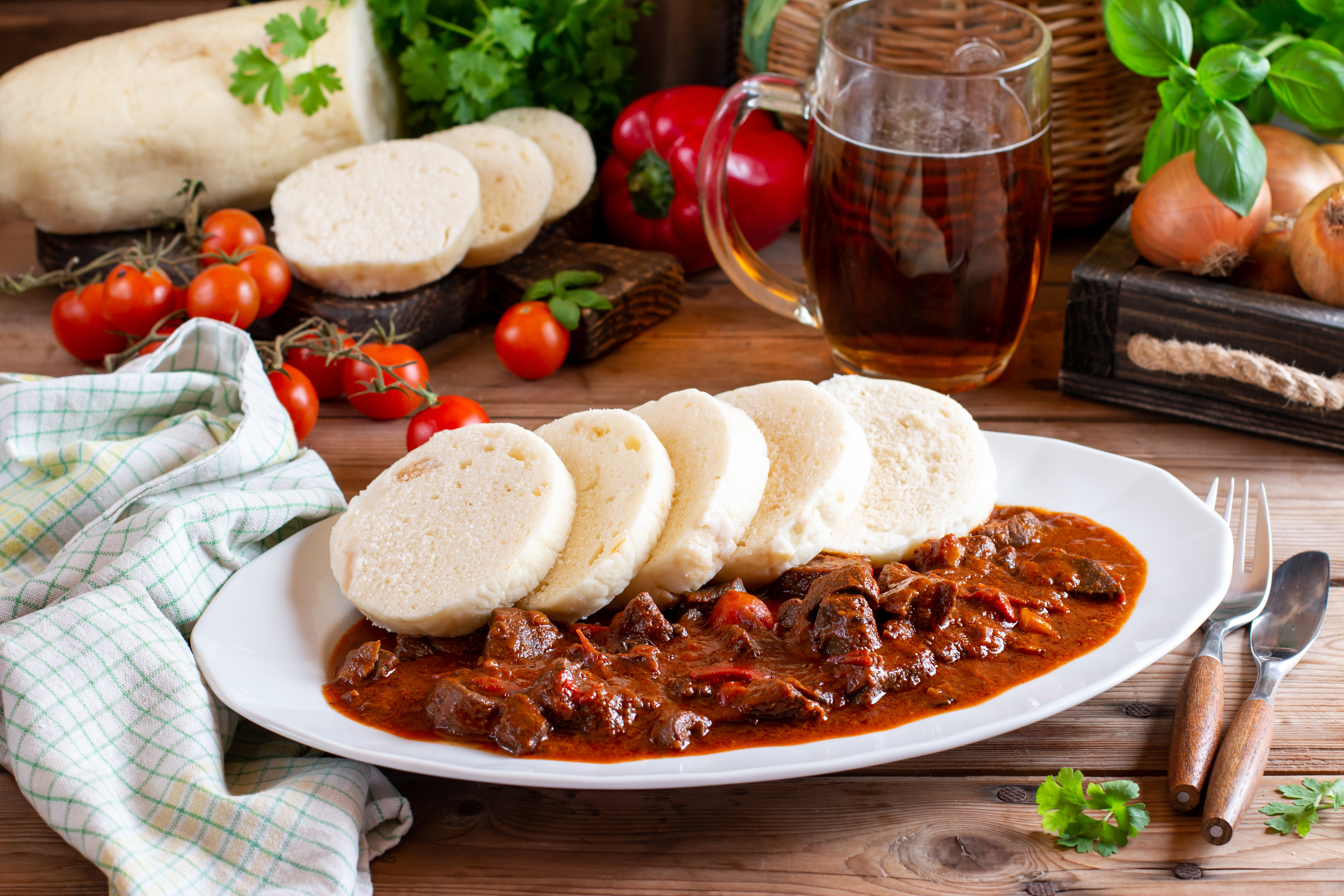
Prague’s cuisine leans on pork, beef, root vegetables, dumplings, and sauces built for slow cooking, with the occasional comfort classic adding variety.
Svíčková
This Czech classic pairs marinated beef with a creamy vegetable sauce and dumplings. V Kolkovně, near Old Town, serves this dish.
Roast duck
Crispy and rich roast duck is served with cabbage and dumplings. U Modré kachničky in Malá Strana is one of Prague’s best-known restaurants for the dish.
Goulash
Prague’s goulash comes thick, paprika-forward, and is best enjoyed with bread or dumplings to catch the sauce. Lokál Dlouhááá in the center is a reliable stop for a traditional plate.
Smažený sýr
Smažený sýr is breaded fried cheese served with tartar sauce and fries. It is one of the oldest comfort dishes in Czech pub culture. Masaryčka, near Masaryk Station, serves a version using quality Gouda fried in butter with homemade breadcrumbs.
Best time to visit Prague
Prague shifts with the seasons, from crisp, walkable spring days to busy summer streets, then to colder months that reward museum trips and shorter outdoor loops.
Best for: Castle walks, river views, and café time before peak-season crowds
What you get: About 45°F to 68°F (7°C to 20°C), with moderate crowds and some rain
Trade-offs: Rain and cool mornings can shorten outdoor plans.
Best for: Long daylight, evening strolls, and full sightseeing days
What you get: Temperatures that range from 58°F to 78°F (14°C to 26°C), with the highest visitor numbers
Trade-offs: Old Town and Charles Bridge can get crowded by midday
Best for: Clearer streets and indoor visits to museums and other attractions
What you get: Weather that shifts from 41°F to 66°F throughout the day (5°C to 19°C), with lighter crowds after early September
Trade-offs: Shorter days arrive quickly in late fall.
Best for: Holiday markets, museums, and quiet river walks
What you get: About 28°F to 41°F (-2°C to 5°C), with smaller crowds outside holiday weeks
Trade-offs: Cold winds and short daylight limit long walking days.
A realistic 5-day plan in Prague
The itinerary we built keeps Prague’s main areas separate: the medieval core first, the castle side next, and a slower day for sights that need more time. The final day is flexible: you can visit a museum, a few shops, or have an unhurried lunch before departure.
Land at Václav Havel Airport Prague (PRG), then take a 30-minute taxi trip to the center. Choose a hotel in Old Town if you want the Astronomical Clock and riverfront lanes nearby, or choose one in Malá Strana if you prefer a quieter first night near the castle. After checking in, drink water, take a short walk, and eat an easy dinner near your hotel, then turn in early so you are rested for the next morning.
Start at Old Town Square, where the Astronomical Clock and Gothic church spires sit in the middle of Prague’s historic core. From there, walk 10 –15 minutes to Charles Bridge, which is free to cross and worth seeing in the quieter morning light. Spend 1 to 2 hours on the bridge, admiring the river views. After lunch in Old Town, devote an hour or two to the Museum of Decorative Arts in Prague, roughly 10 minutes away on foot, for Czech glass, ceramics, and textiles before heading back to dinner in the same neighborhood.
Prague Castle takes up most of the day, so an early start helps; aim to arrive before 9:00 am. The standard ticket costs CZK 700 ($33), and the full visit takes 3 to 4 hours. Enter from Malá Strana and walk uphill through the castle district, then move through St. Vitus Cathedral and Golden Lane before lingering in the courtyards. After lunch, descend toward the river and cross back into Old Town on foot, a walk of about 25 minutes, or return by tram if your legs want a break.
For a slower day, begin at Vyšehrad, which takes 2–3 hours to explore. Entry to the park is free. Go late afternoon if you want softer light along the walls, then walk the grounds and pause at the cemetery before continuing along the river. From there, ride the tram or metro back toward the center. Finish with dinner in New Town, where Wenceslas Square and the surrounding streets give you plenty of culinary choices.
One last museum visit fits neatly into the morning, so return to the Museum of Decorative Arts in Prague if you want a second look, or spend an hour in the Old Town arcades before shops open fully. Then cross into New Town for shopping near Wenceslas Square, and stop for a café break in Vinohrady, about 15 minutes away by tram or metro from the center. Finish with a traditional lunch and an unhurried walk back through the city center before heading to the airport.
Business-class flights from the US to Prague
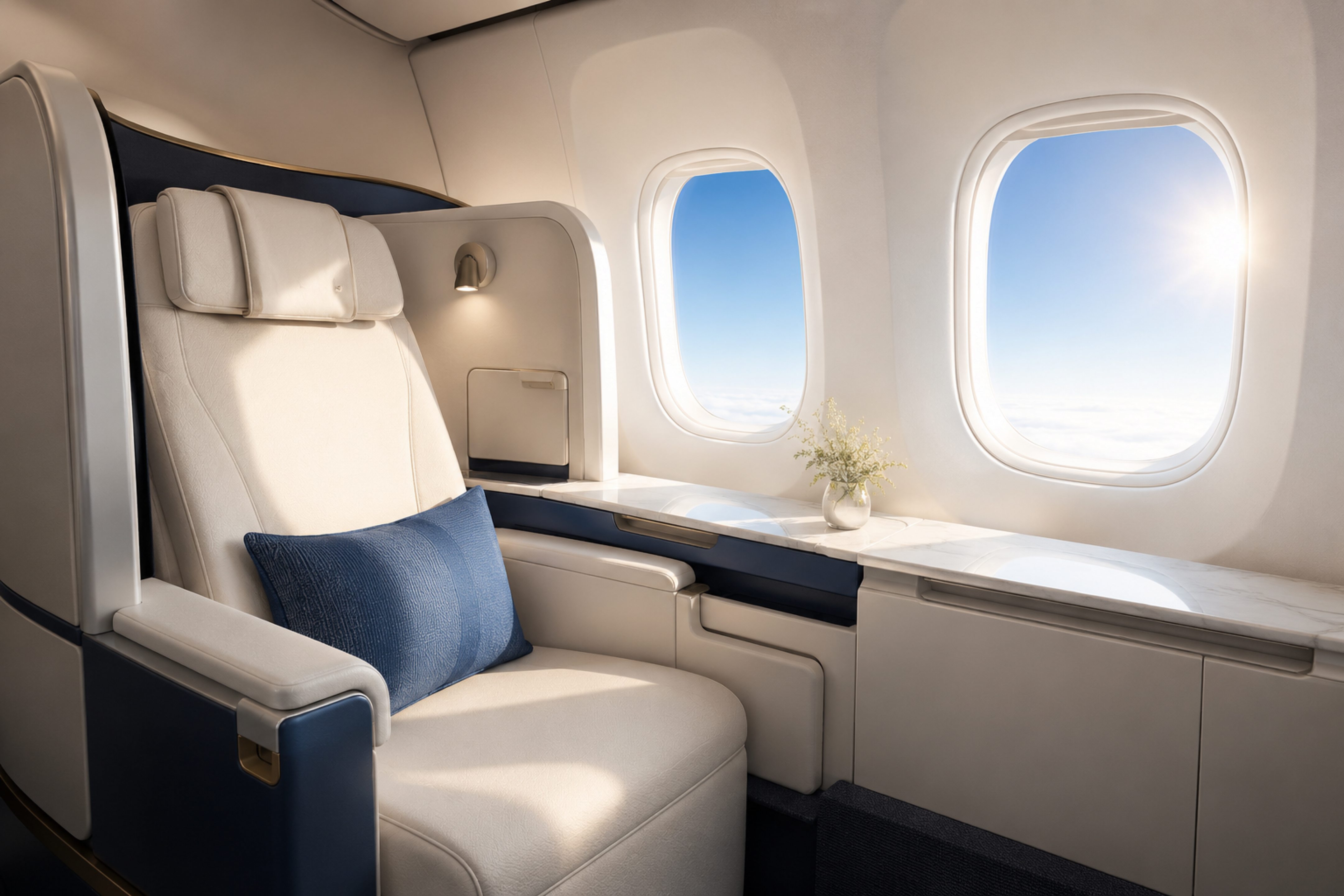
Travelers from the East Coast of the US benefit from shorter flights and nonstop options, while flights to Prague from the West Coast are longer and include a layover.
New York (JFK) options from Delta Air Lines, United Airlines, Lufthansa, Air France, KLM, and British Airways usually take about 8 to 9 hours in the air when nonstop is available. If you do not see a nonstop fare that fits, common layovers through Frankfurt (FRA), Amsterdam (AMS), or Paris (CDG) often bring round-trip fares down to about $1,300 to $2,300, with total travel times typically about 10 to 14 hours.
From Los Angeles (LAX), Lufthansa, British Airways, Turkish Airlines, Delta Air Lines, United Airlines, and Air France usually build the trip around a connection, and the journey tends to run about 13 to 18 hours total. Frankfurt (FRA), Munich (MUC), and Istanbul (IST) appear often on the cheaper itineraries, while round-trip fares in this market usually sit between about $2,900 and $6,200, depending on season and connection quality.
Prague feels different when you slow down
A well-paced Prague trip gives each district a clear job: Old Town for the clock and square, Malá Strana for the walk below the castle, Vyšehrad for space along the river, and a tram ride when the hills or distance call for a break. That mix keeps the city legible without rushing it. If you want help shaping the right stay and route, AranGrant experts can build it around Prague Castle, Vinohrady cafés, or a first-night base near the Old Town







