

Chapters:

Need help with your trip?
Our support team is available 24/7. Request a callback or call us directly at (833) 619-0908
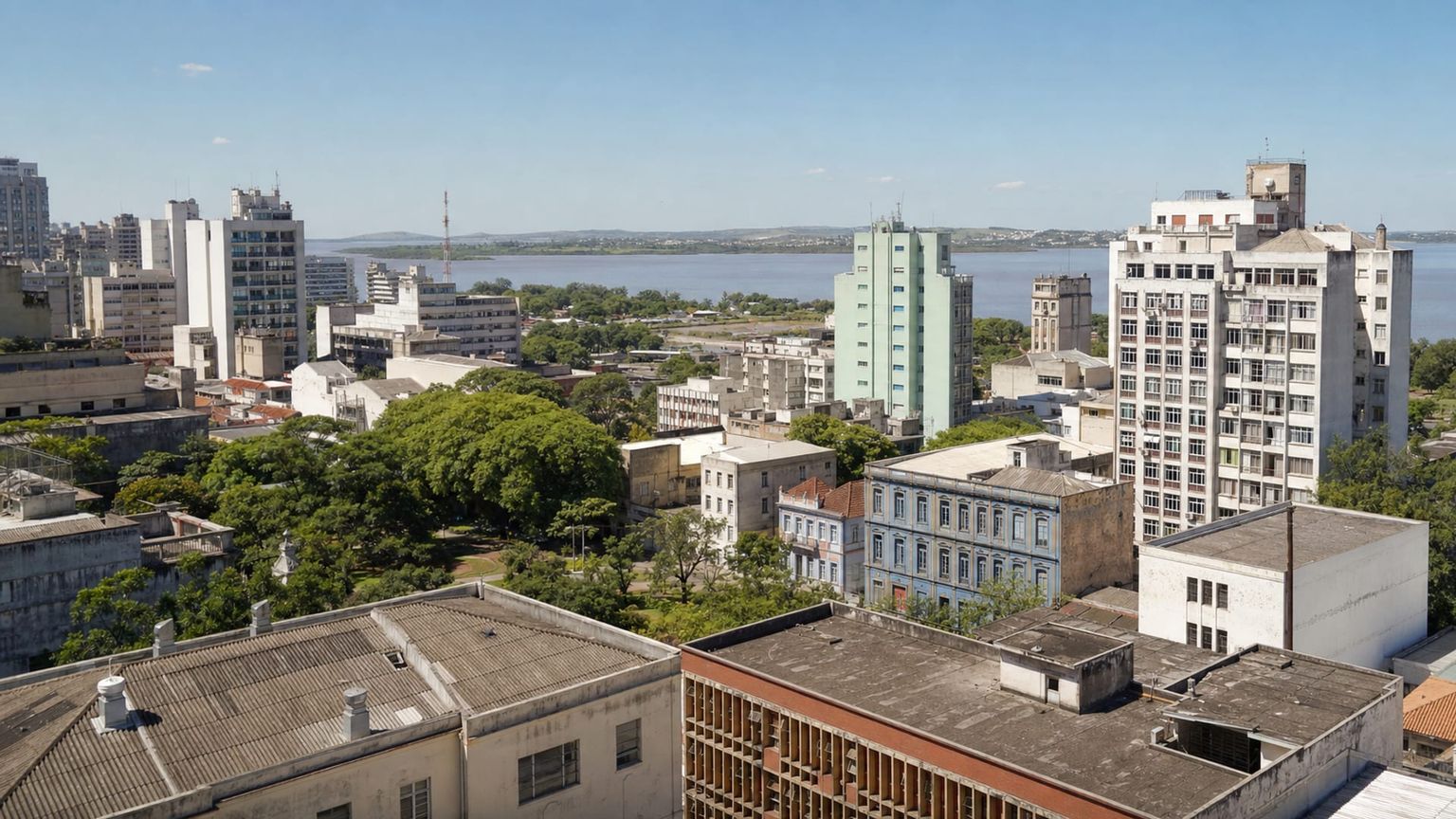
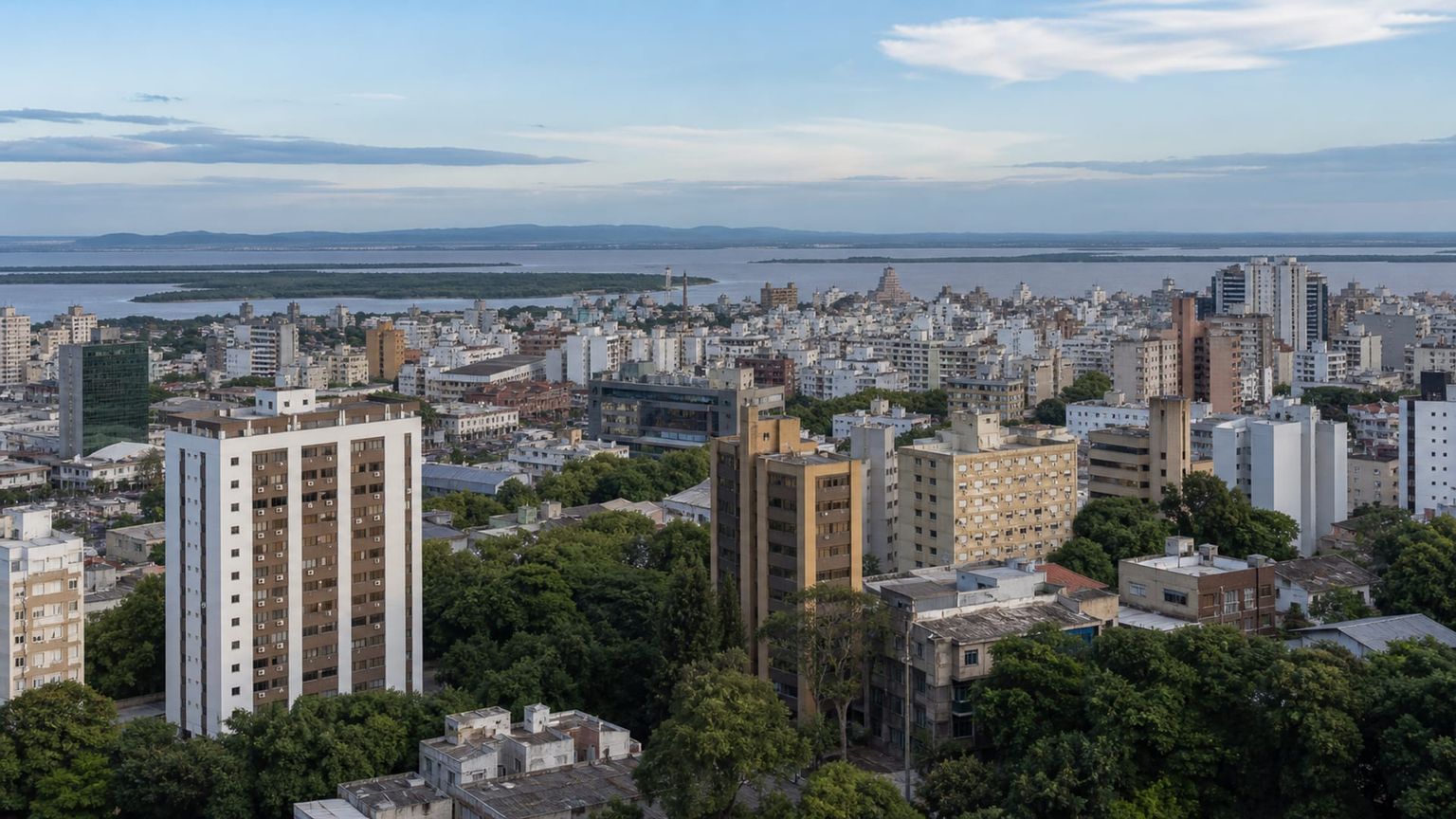
Porto Alegre often gets treated as a quick stop between flights and the riverfront, with travelers splitting time between Moinhos de Vento, the Historic Center, and one sunset at the Guaíba. That routine misses how spread out the city is and how much time downtown crossings and neighborhood hops can take.
When you stack sights without planning, you lose the best light at Usina do Gasômetro, end up crossing the city at rush hour, and miss the dining hours that shape local evenings.
This guide sets out a cleaner order, pairing neighborhoods, transit, and meal timing so each day has a clear purpose.
Useful things to know

Main language(s): Portuguese
Olá (oh-LAH) – Hello
Por favor (poor fah-VOR) – Please
Obrigado (oh-bree-GAH-doh) – Thank you
Você fala inglês? (voh-SEH FAH-lah een-GLEZ?) – Do you speak English?
Quanto custa? (KWAN-toh KOOS-tah?) – How much does it cost?

Currency: The local currency is the Brazilian real (BRL, R$).

Cash and cards: Cards and contactless are widely accepted; carry about R$100 to R$200 ($20 to $40) in cash for small vendors and taxis.

Tipping: Tip is not expected; round up small bills or leave 10% in restaurants if service is good.

Traditional food: churrasco, arroz carreteiro, feijoada, pastel de camarão

Water and coffee costs: Water ~R$5 to R$8 ($1 to $2), bar espresso ~R$6 to R$10 ($1 to $2).

Taxis and ride apps: Uber, 99, and inDrive operate here; confirm the plate before you ride.

Plug and voltage: Type N socket, 127V

Dining and shop opening hours: Breakfast is about 7:00-10:00 am, lunch 12:00-2:00 pm, and dinner 7:00-10:00 pm. Many restaurants close between lunch and dinner, and some do not open on Sunday night.

Emergency number: 190 police, 192 ambulance, 193 fire.
Where to stay in Porto Alegre
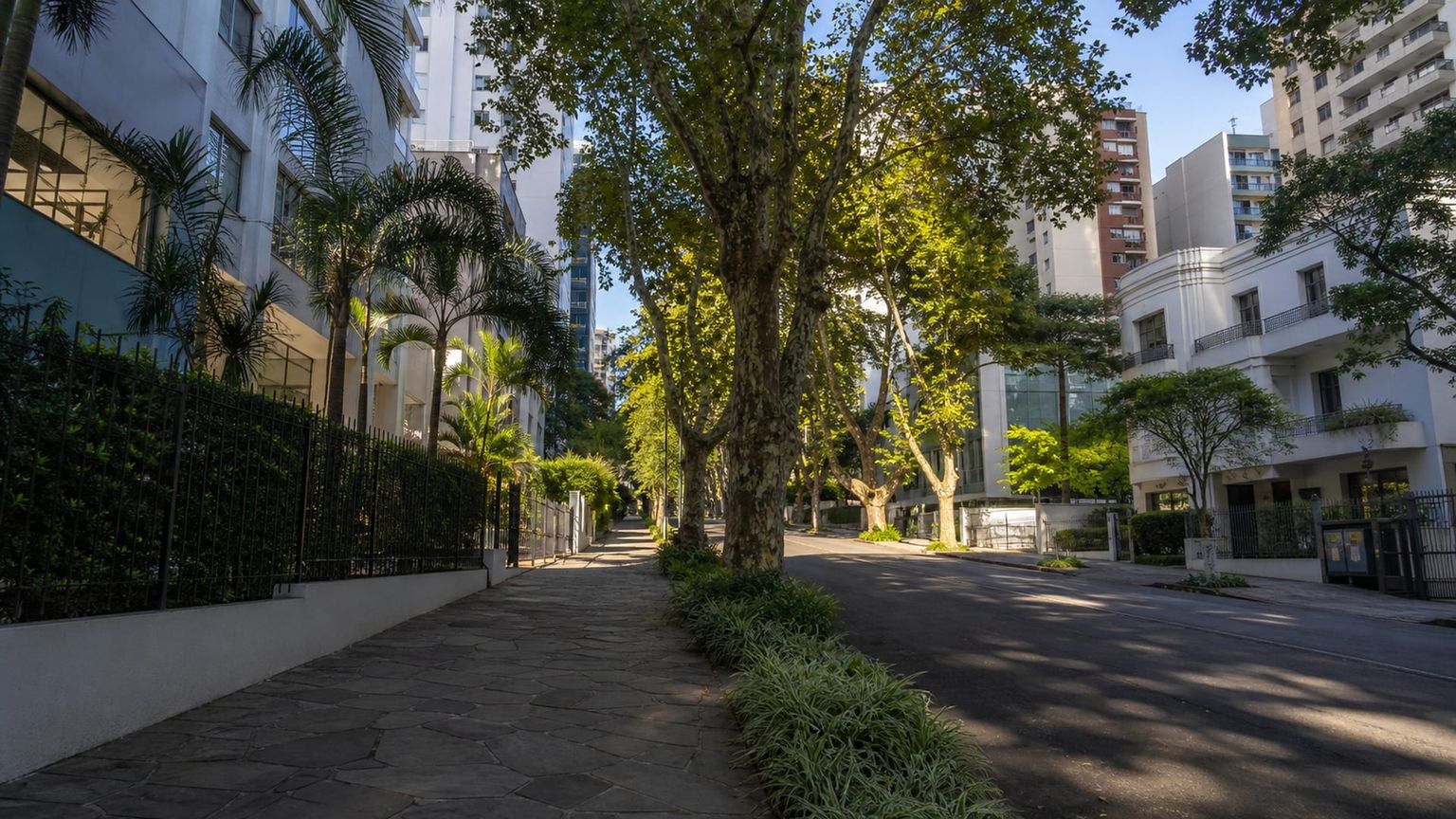
One of Porto Alegre’s most established neighborhoods, Moinhos de Vento centers on tree-lined streets, cafes, and the well-known Parcão park. It suits travelers who want restaurants, some shopping, and quick access to the city’s central sights without staying in the busiest core.
Best for: Dining, park walks, and visitors who want an upscale base near central Porto Alegre
What to expect: Busy sidewalks in the afternoon and evening, with many residents, diners, and hotel guests.
Hotel prices: Usually about R$350 to R$700 (~$70 to ~US$140) per night for well-rated stays
Distance to major sights: About 10 minutes by taxi to Redenção Park, roughly 15 minutes to the Historic Center
Quietness: Calmer by day, livelier at night near restaurant streets and bars.
Main trade-off: Rates are higher than in many other parts of the city, and the most active blocks can feel busy after dark.
Good to know: If you want dinner options close by, choose a street a few blocks off Padre Chagas, since the main strip can run late on weekends.
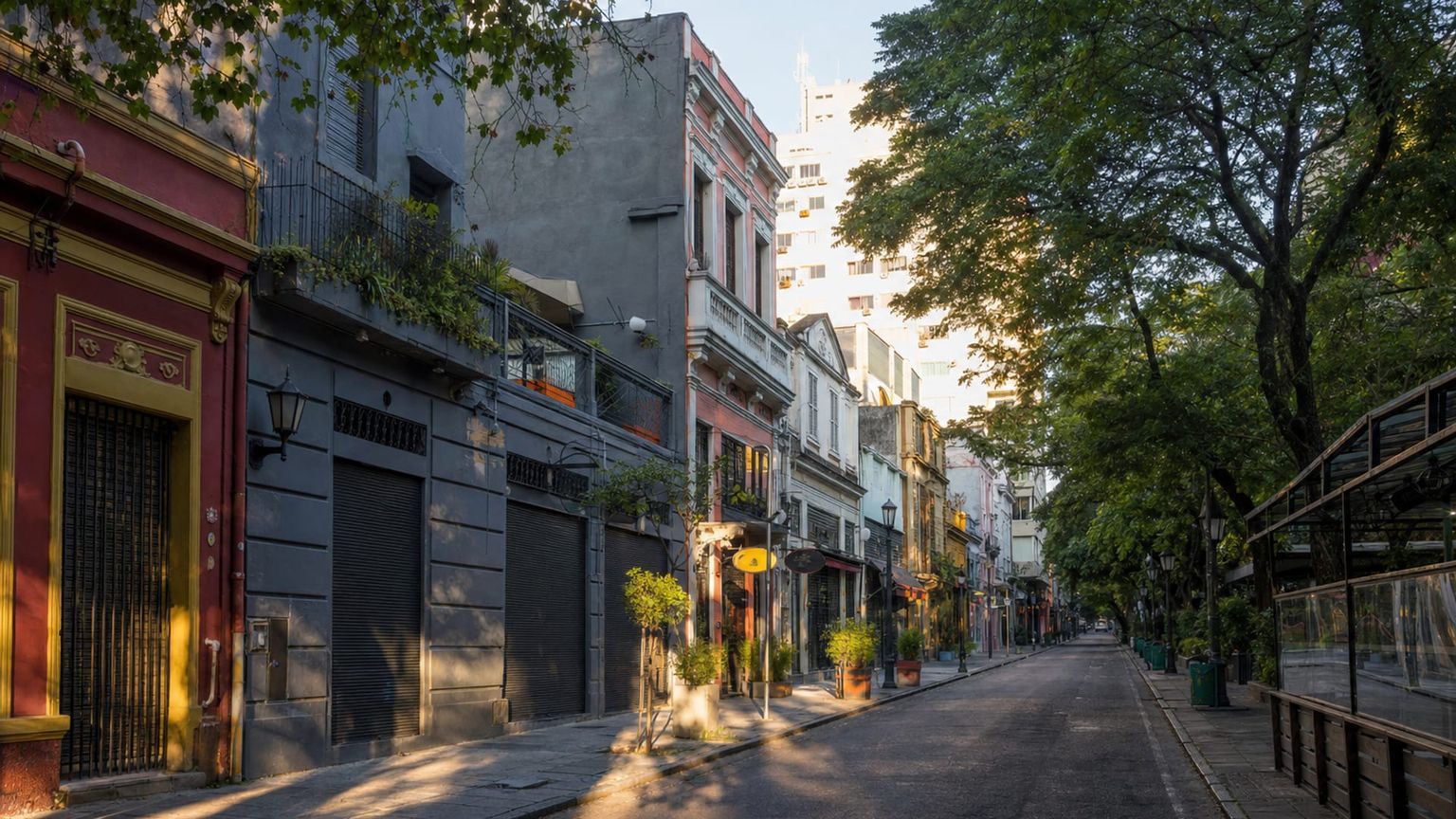
Cidade Baixa is Porto Alegre’s main nightlife district, with bars, casual restaurants, and a dense grid of streets near the Historic Center and Redenção Park. It matters if you want to walk to late openings and stay close to the city’s student and entertainment scene.
Best for: Nightlife, budget-friendly dining, and travelers who want to walk to late openings
What to expect: Crowded streets at night, especially on Thursdays through Saturdays, with a younger and louder crowd.
Hotel prices: Usually about R$220 to R$450 (~$44 to ~US$90) per night for well-rated stays
Distance to major sights: About 10 minutes on foot to Redenção Park, roughly 15 minutes on foot to the Historic Center
Quietness: Quiet in the morning, then noisy and active late into the evening.
Main trade-off: The late-night energy brings more noise, and some blocks are less appealing for early sleepers.
Good to know: Plan for a taxi or rideshare back after midnight, because weekend crowds can make street parking and late walking slower than expected.
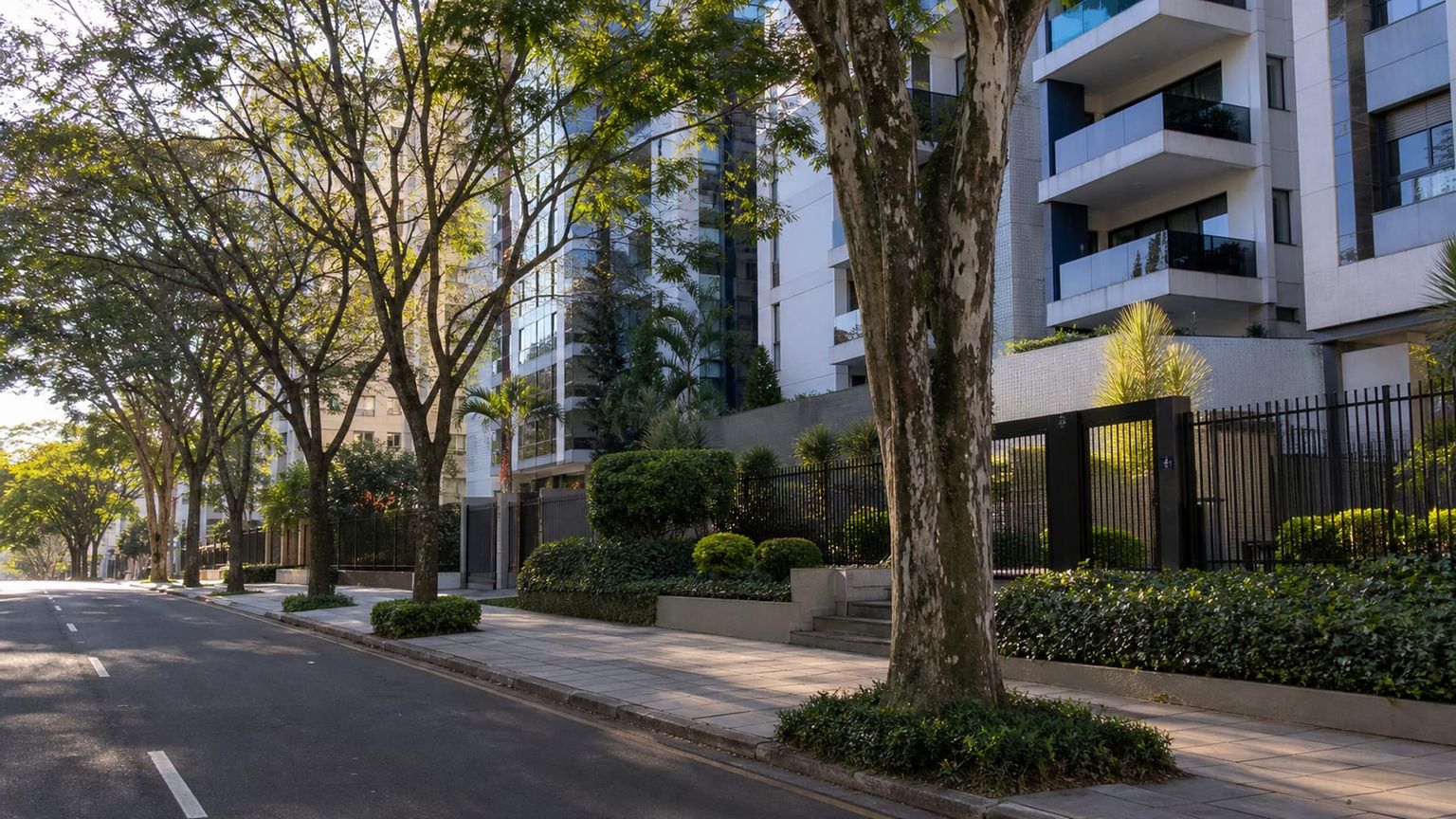
One of Porto Alegre’s most established neighborhoods, Moinhos de Vento centers on tree-lined streets, cafes, and the well-known Parcão park. It suits travelers who want restaurants, some shopping, and quick access to the city’s central sights without staying in the busiest core.
Best for: Dining, park walks, and visitors who want an upscale base near central Porto Alegre
What to expect: Busy sidewalks in the afternoon and evening, with many residents, diners, and hotel guests.
Hotel prices: Usually about R$350 to R$700 (~$70 to ~US$140) per night for well-rated stays
Distance to major sights: About 10 minutes by taxi to Redenção Park, roughly 15 minutes to the Historic Center
Quietness: Calmer by day, livelier at night near restaurant streets and bars.
Main trade-off: Rates are higher than in many other parts of the city, and the most active blocks can feel busy after dark.
Good to know: If you want dinner options close by, choose a street a few blocks off Padre Chagas, since the main strip can run late on weekends.
Travelers usually avoid Farrapos, Humaitá, and Navegantes, which sit west and northwest of the center, far from the main sights in Moinhos de Vento, the Historic Center, and the riverside. São Geraldo and Sarandi are also less convenient for most visitors because they have fewer hotel and dining options, and evening trips to central Porto Alegre take longer.
Hotel deals
How to get around Porto Alegre efficiently
Porto Alegre has no metro, so most visitors lean on buses, taxis, rideshares, and occasional Trensurb rides for longer suburban rail links.

Metro
for longer distances
Porto Alegre does not have a metro system, so most visitors use buses or taxis instead. For rail-based trips, the nearest equivalent is the Trensurb suburban rail line, which links central Porto Alegre with the northern metro area, and fares are typically about $1 ($5) with day-to-day service that makes the most sense for commuting corridors rather than tourist sightseeing.

Bus and tram
for convenience
Buses cover most of Porto Alegre, including the historic center, Moinhos de Vento, the bus terminal area, and many links to the airport district. A single ride is usually about $1 ($5) and most tickets are valid for one boarding, with travel times from the center to POA often roughly 20 to 40 minutes depending on traffic; use them for cross-city trips, then verify the exact line and stop with your hotel or the terminal staff because routes are numerous and some run only at peak times.

Taxi
for convenience or late hours
Licensed taxis in Porto Alegre use metered fares, with airport trips often landing at about $10 to $20 ($50 to $100) from central neighborhoods, depending on traffic and whether you travel by day or at night. You can take them from taxi stands, call a dispatcher, or use an app that connects to registered cabs; most accept cash, and many also take cards or mobile payment, though it is worth confirming before you set off.
*Prices are based on rates updated as of June 2026 and may change at the time of travel.
Use buses for cheap cross-city trips, taxis or rideshares for direct point-to-point movement, and walking for short hops in Moinhos de Vento, the Historic Center, and Cidade Baixa.
Iconic landmarks
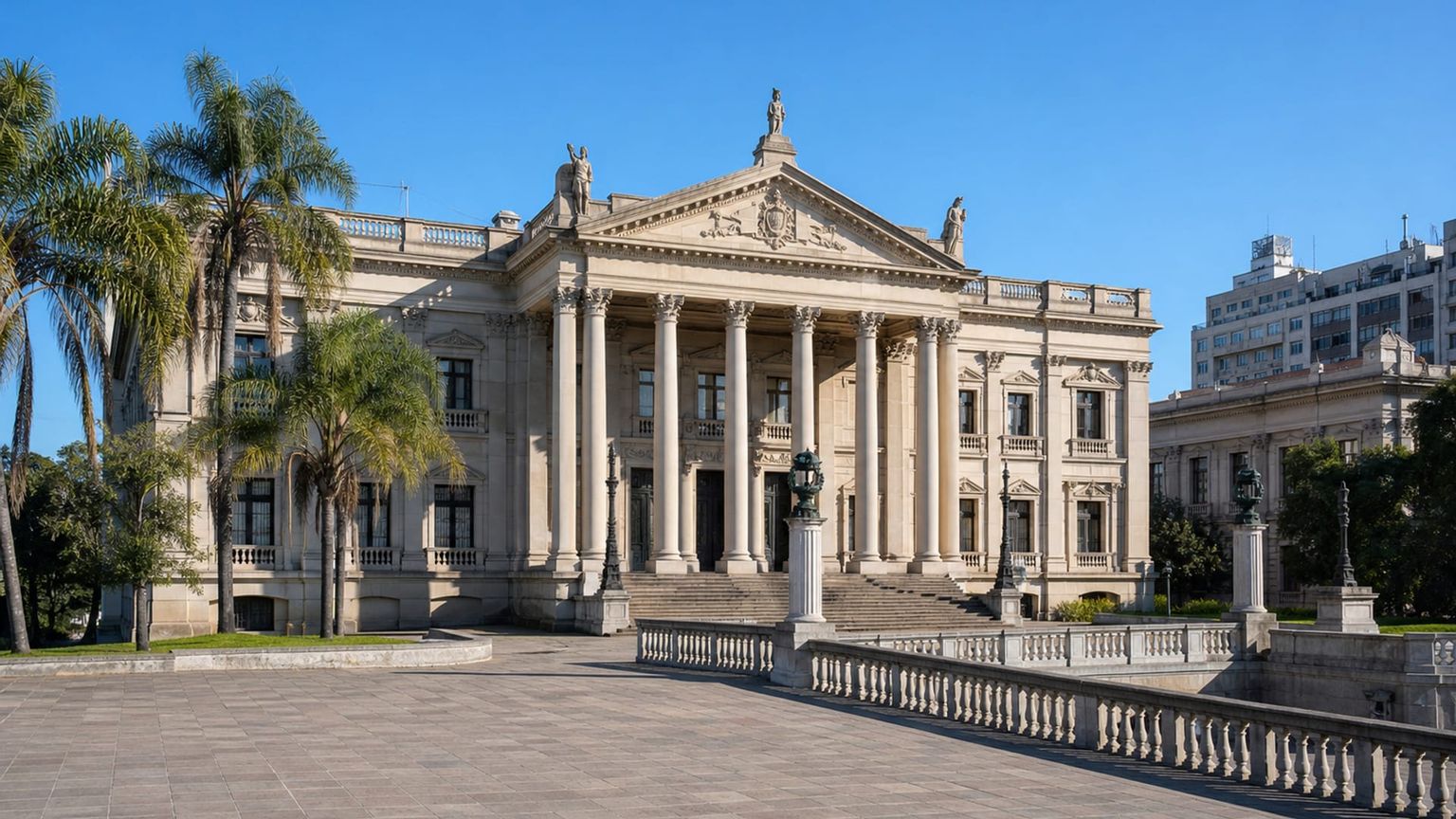
Rio Grande do Sul Museum of Art
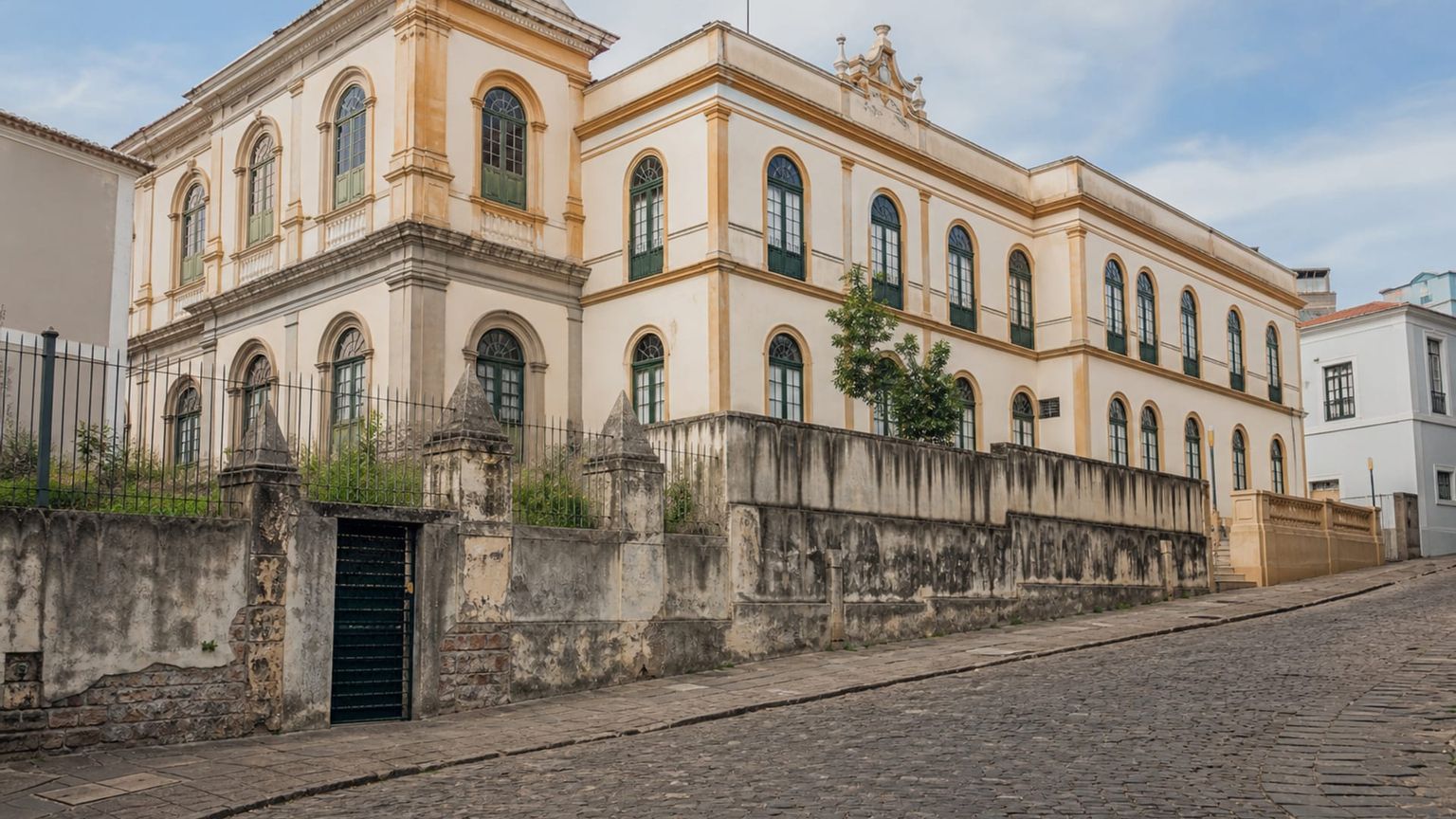
This museum anchors Praça da Alfândega with a compact, well-curated collection of modern and contemporary Brazilian art. Its neoclassical building also gives you one of Porto Alegre’s clearest downtown architectural stops.
Time needed: About 1 to 2 hours
Entry: General admission is free, with some special exhibitions or programs priced separately on select dates. Visit the official site for details.
Tip: Visit on a weekday morning, when galleries are quieter and natural light is best.
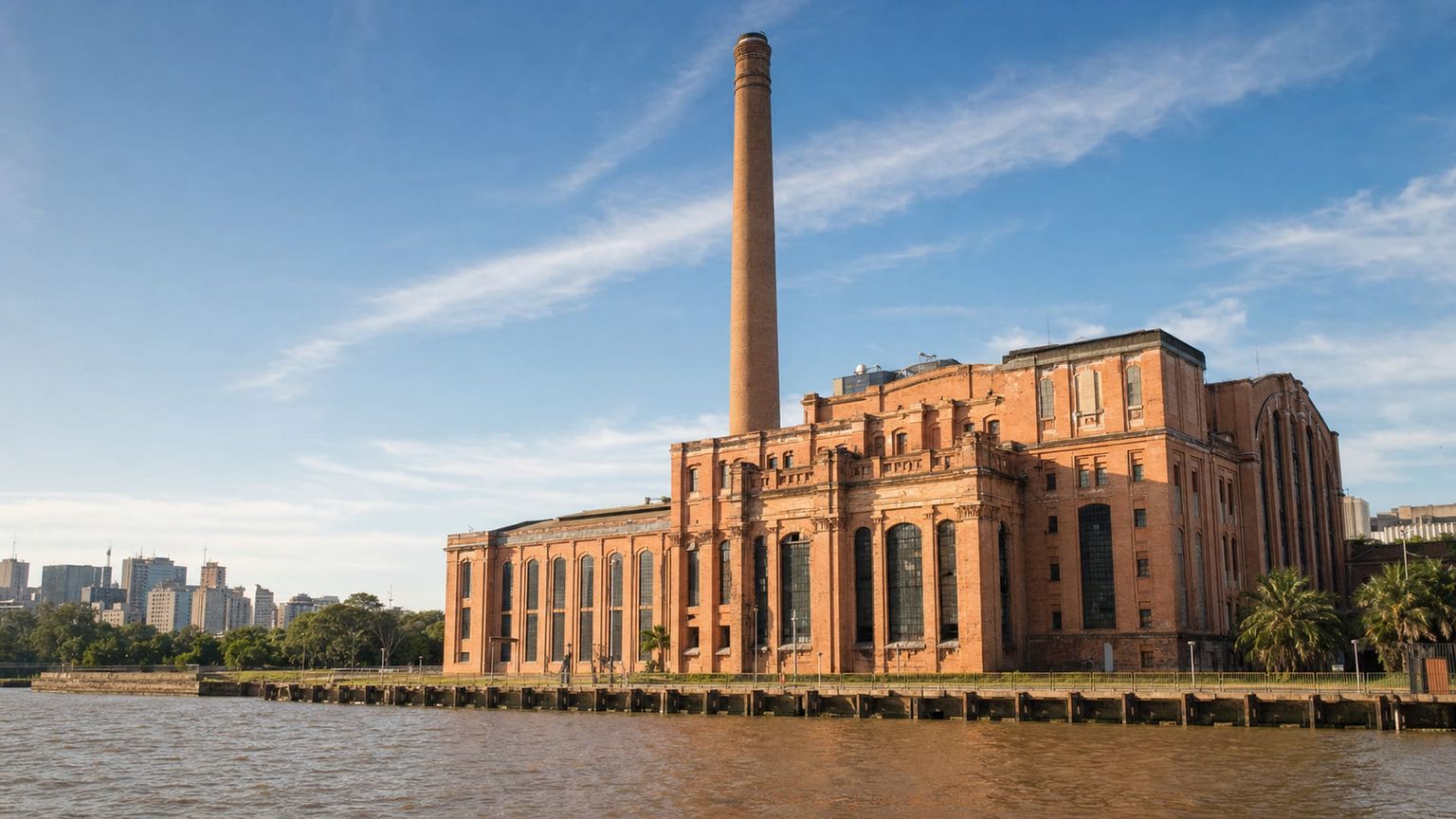
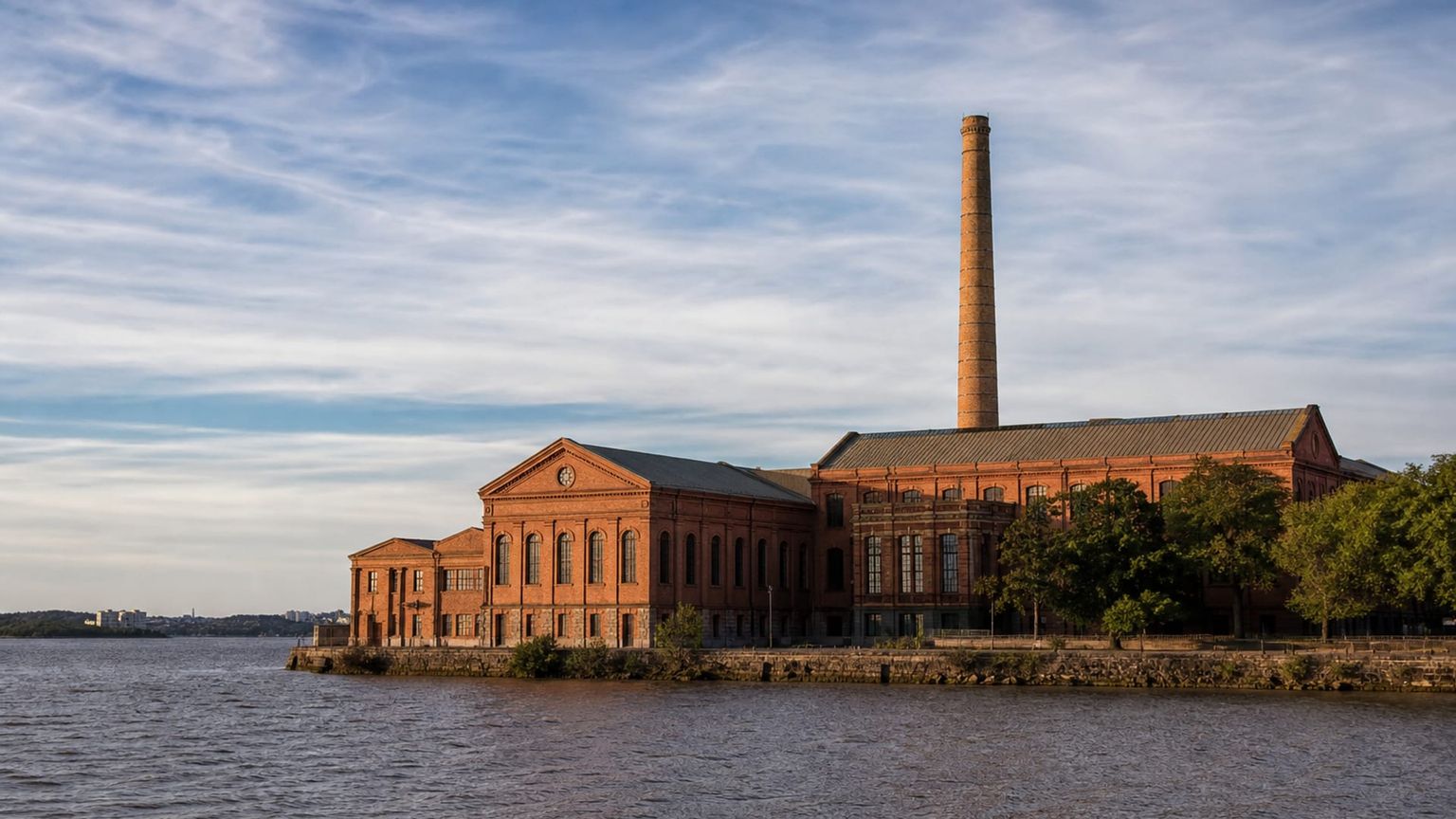
Usina do Gasômetro
This former power station on the Guaíba waterfront is one of Porto Alegre’s best-known landmarks. People come for sunset views, cultural events, and the red-brick industrial facade that defines the river edge.
Time needed: About 1 to 2 hours
Entry: The exterior and waterfront area are free to access; some exhibitions or events inside may charge separate admission. Visit the official site for details.
Tip: Go late in the day, then stay for sunset over the Guaíba and city skyline.
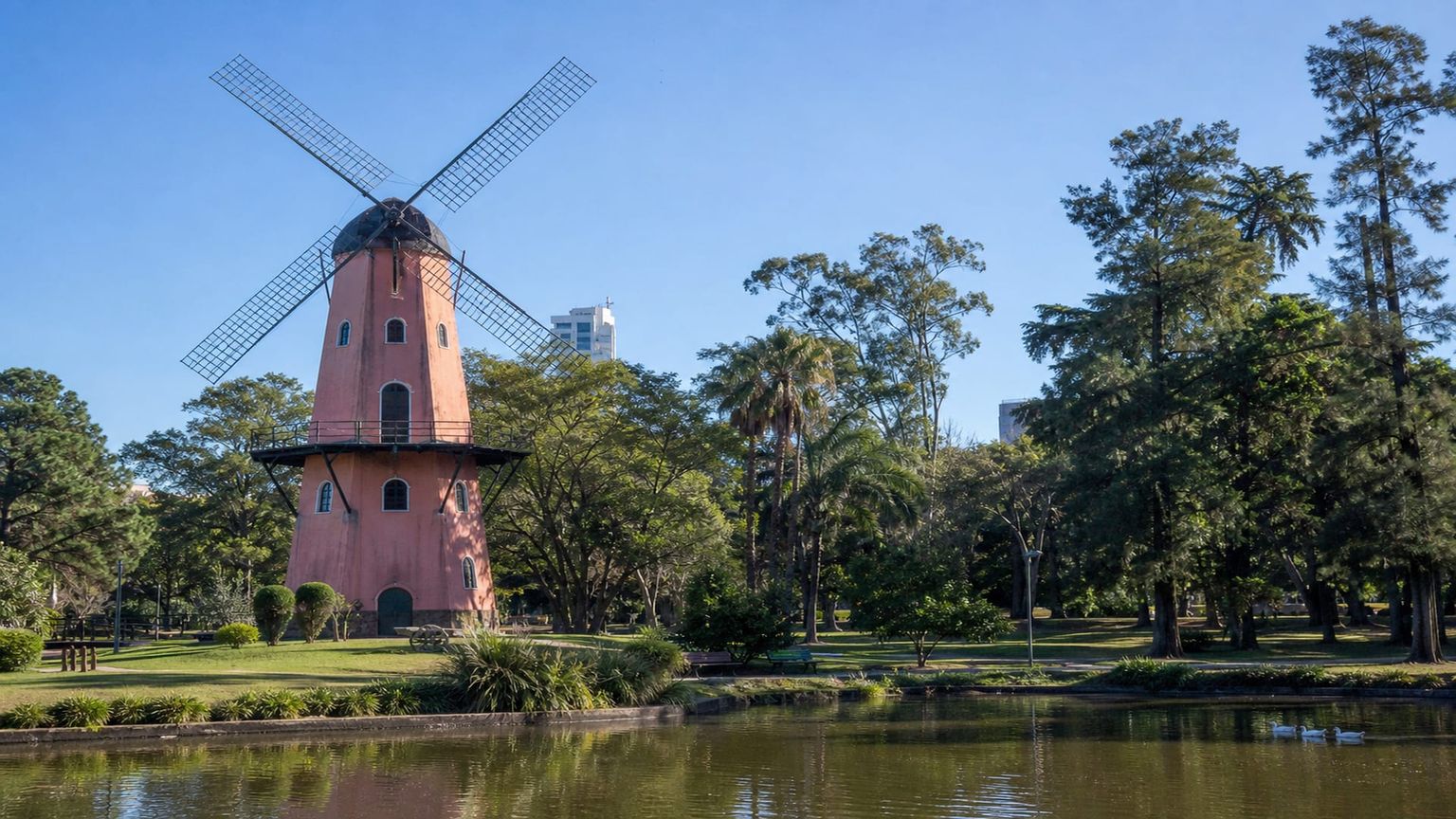
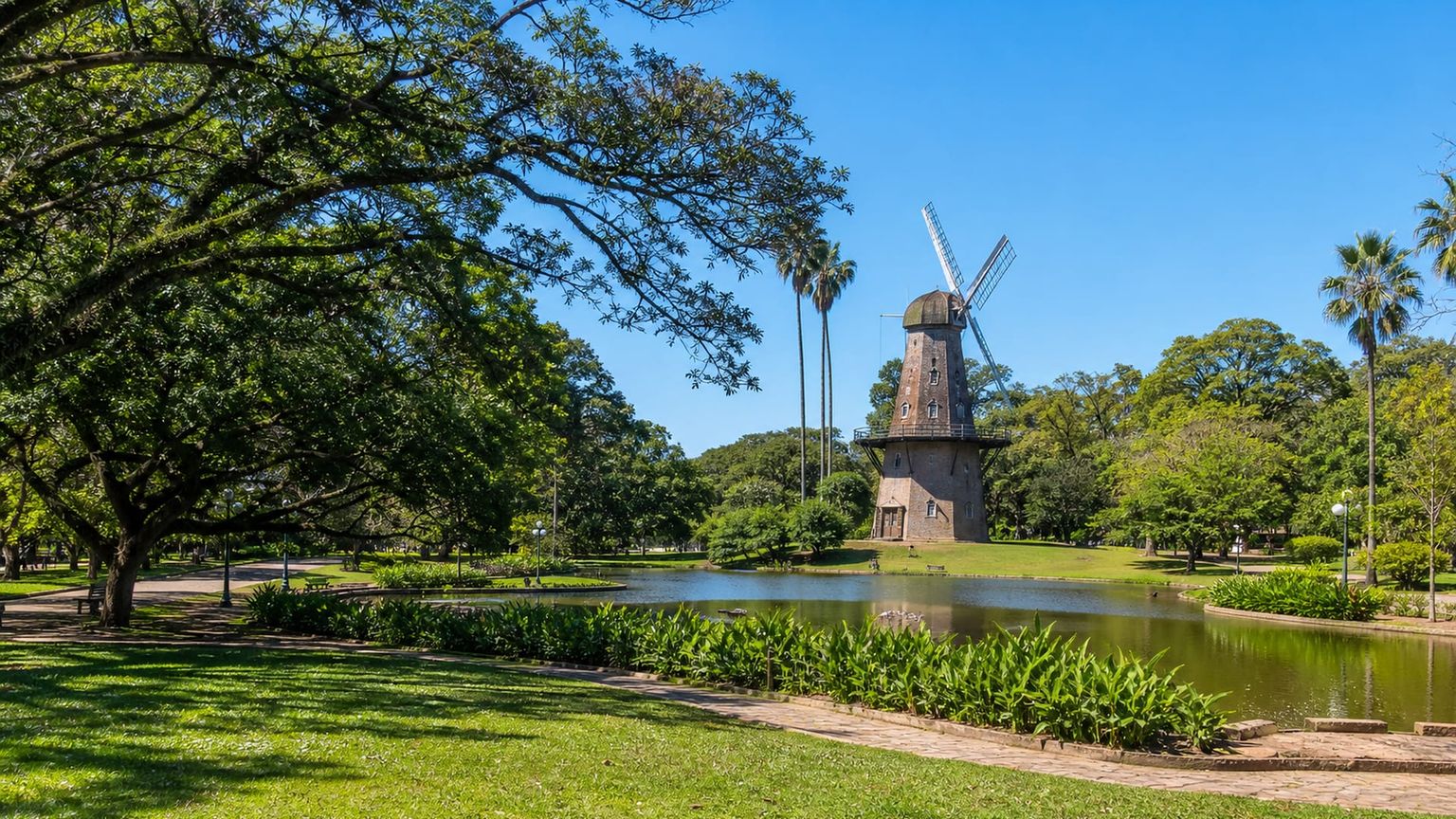
Moinhos de Vento Park
This central park, known locally as Parcão, draws walkers, runners, and families to tree-shaded paths, open lawns, and a small lake. It sits in one of the city’s most established neighborhoods, close to cafes and shops.
Time needed: About 1 to 2 hours
Entry: Free to access, with no ticket required for the park’s paths, lawns, or lake area during normal opening hours.
Tip: Visit early or near sunset, when heat drops and the paths are easiest to enjoy.
Overlooked sites worth visiting

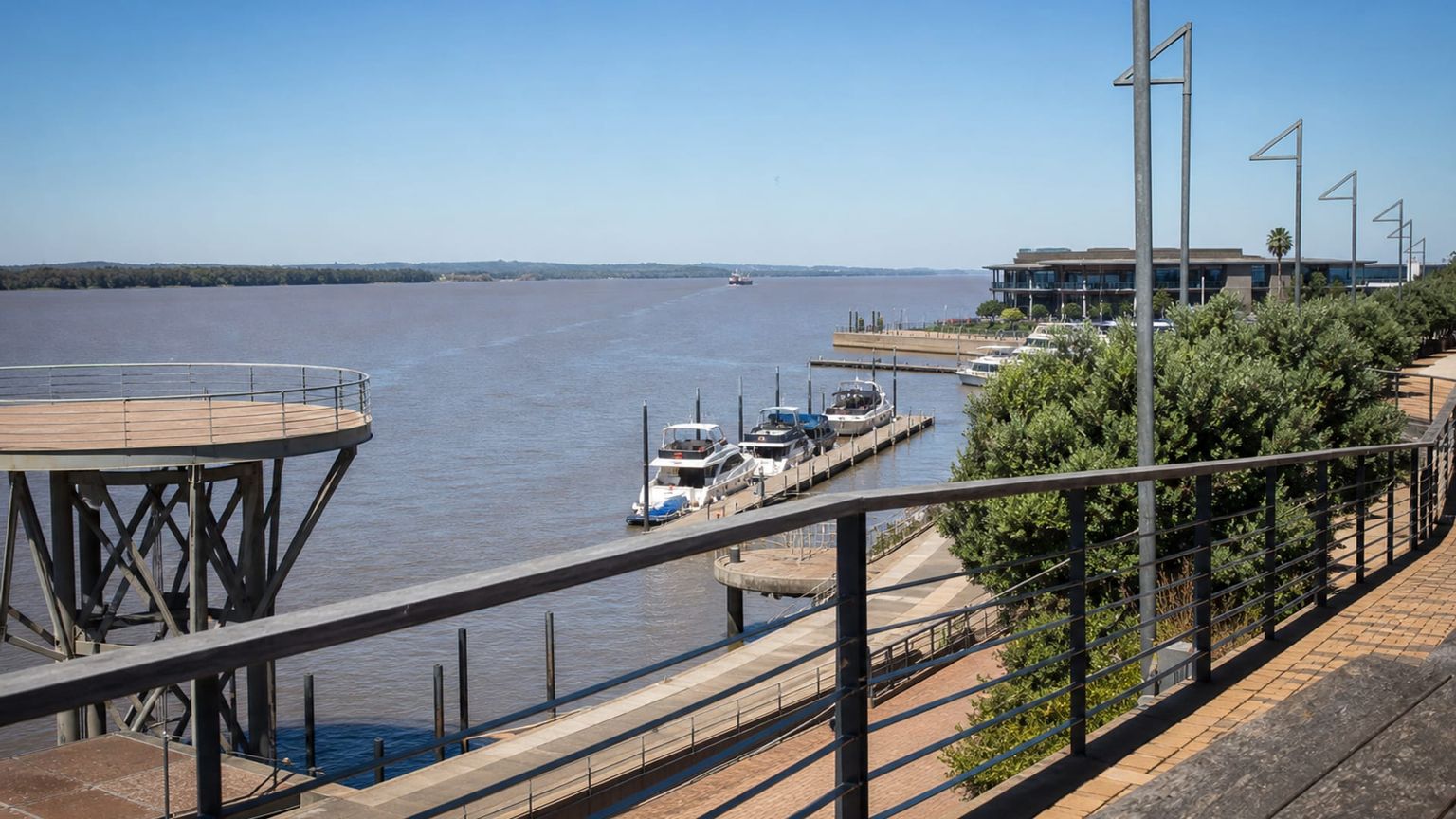
Marina do Guaíba
Waterfront boardwalks, lawns, and river views make this a quieter place for an unhurried walk, with ferries and sailboats passing on the Guaíba. Sunset pulls locals to the edge of the bay.
Time needed: About 1 to 2 hours
Entry: Free to access. You can walk the public waterfront without a ticket, and most visitors just pay for any food, drinks, or boat ride they choose nearby.
Tip: Go near sunset for the widest river views and softer light.

José Lutzenberger Science Center
This small science center in the botanical garden area mixes hands-on exhibits with ecology displays, giving it more depth than a typical city museum. It suits a short indoor stop.
Time needed: About 1 hour
Entry: Standard admission is usually about $2 to $5 (R$10 to R$25), depending on the program or exhibition in place. Some special activities can cost extra, and free entry days are occasionally offered.
Tip: Check the schedule first, since some exhibits open only on select days.
Traditional food
Porto Alegre’s cooking leans on beef, rice, beans, and southern Brazilian comfort dishes, with churrasco, arroz carreteiro, feijoada, and pastel de camarão anchoring long lunches and relaxed dinners.
Churrasco
Charcoal-grilled beef and other meats define the region’s table, usually served in generous cuts with simple sides. Churrascaria Barranco is a classic Porto Alegre address for this style.
Arroz carreteiro
This rice dish folds beef, seasoning, and a little smoke into a plate that suits a mid-day meal. Galpão Crioulo inside the park complex at Parque Maurício Sirotsky Sobrinho is a strong place to try it.
Feijoada
Black beans simmer with pork and sausage into a dish that many restaurants serve as a hearty lunch rather than a late-night meal. Gambrinus, in the Historic Center, is a long-running place to order it.
Pastel de camarão
Crisp pastry and shrimp make this a common snack or starter, especially in casual dining rooms with a bar side. Canto de Jabuti, in Cidade Baixa, is a fitting stop for it.
Best time to visit Porto Alegre
Porto Alegre’s weather shifts enough across the year that park walks, waterfront sunsets, and indoor museum time each have a clearer season.
Best for: Long evenings at the riverfront and later dinners
What you get: About 72 to 89°F (22 to 32°C), with heavier heat and more locals moving plans to early morning or after sunset
Trade-offs: Midday heat can make long outdoor walks tiring
Best for: Balanced sightseeing in the Historic Center, Moinhos de Vento, and along the Guaíba
What you get: About 59 to 81°F (15 to 27°C), with lighter crowds and more comfortable walking weather
Trade-offs: Rain can interrupt outdoor plans
Best for: Museum visits, cafe stops, and clear, low-humidity days
What you get: About 48 to 68°F (9 to 20°C), with fewer visitors and cooler evenings that suit layered clothing
Trade-offs: Some days feel chilly for long waterfront walks
Best for: Park time, outdoor dining, and long neighborhood walks
What you get: About 61 to 82°F (16 to 28°C), with moderate crowds and frequent good weather for sightseeing
Trade-offs: Weather can change quickly, so you still need a flexible plan
A realistic 5-day plan in Porto Alegre
The five-day plan starts with arrival in Moinhos de Vento, then moves through downtown art, park time, Cidade Baixa, and the riverfront. It ends with a slower return to the neighborhoods that work best for a final coffee and one last meal.
Land at Porto Alegre (POA) and take a taxi or rideshare into Moinhos de Vento, which usually takes about 20 to 35 minutes and costs roughly $12 to $20 (R$60 to R$100), depending on traffic and the time of day. Settle into a hotel near Parcão or a few blocks off Padre Chagas, then keep the rest of the evening simple with water, a short stroll for fresh air, and an early dinner at a nearby cafe or churrascaria.
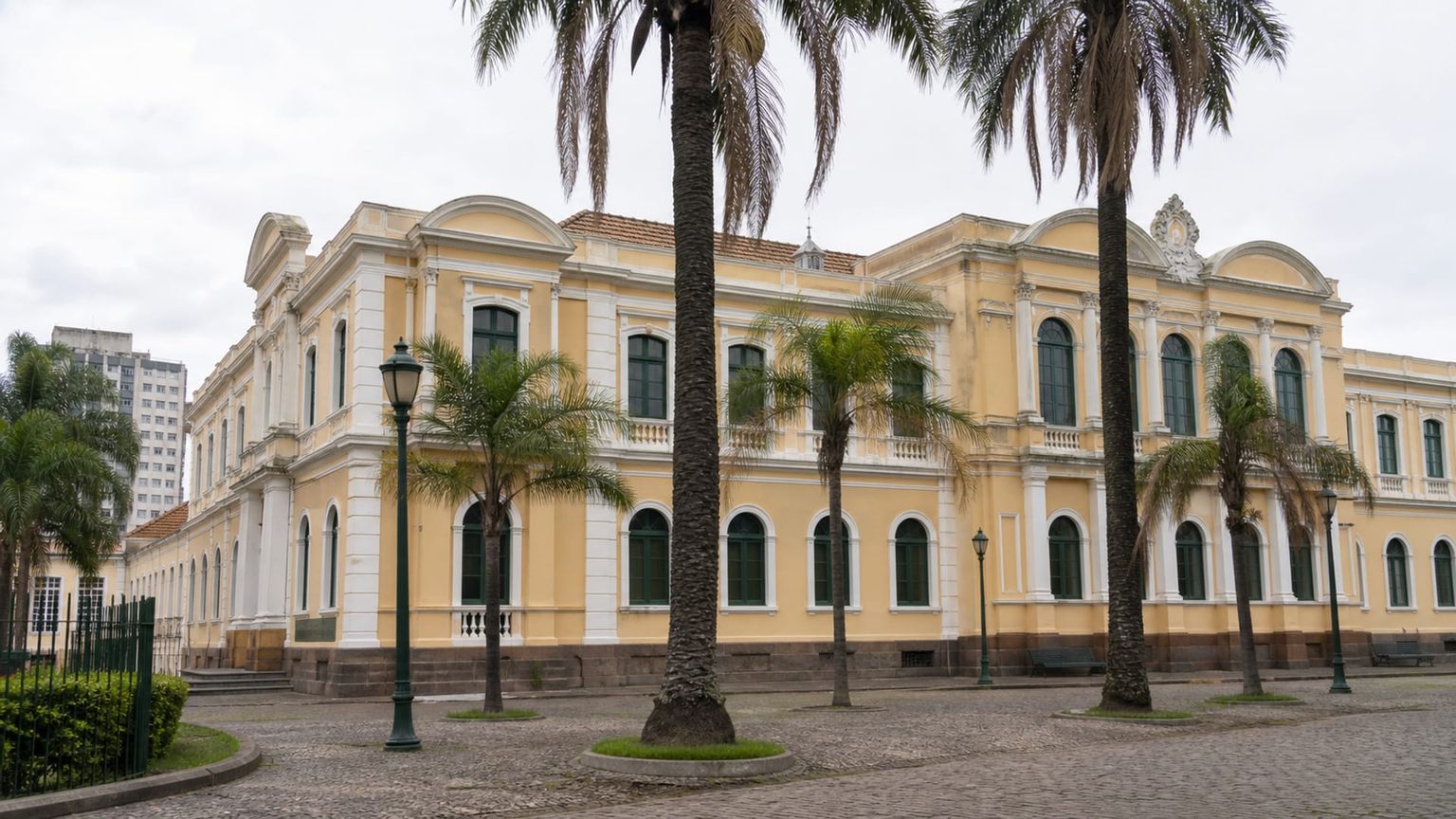
Start at the Rio Grande do Sul Museum of Art in Praça da Alfândega, where the collection and the neoclassical building reward an unhurried morning, then walk about 5 minutes to the surrounding historic blocks for a look at the downtown streetscape. After lunch, head by taxi or rideshare to Usina do Gasômetro in about 10 to 15 minutes, then stay through sunset along the Guaíba waterfront; if you want dinner afterward, Marina do Guaíba is a short waterfront continuation, roughly 5 to 10 minutes away on foot depending on your exact stopping point.
Begin with Moinhos de Vento Park, where shaded paths and the lake make an easy early stop, then walk about 10 minutes to nearby cafes for coffee and a late morning break. From there, take a taxi or rideshare about 10 minutes to Cidade Baixa for lunch and a look at the neighborhood’s street grid, then continue about 15 minutes on foot or by short ride to Redenção Park for an afternoon among walkers, vendors, and open lawns.
Head to Marina do Guaíba near sunset for boardwalk views, sailboats, and a wide look across the river, then pair it with a low-key evening in the center, about 10 to 15 minutes away by taxi. If you want an indoor stop before dinner, add the José Lutzenberger Science Center, which is about 20 to 30 minutes by taxi from the marina and works well as a brief final museum-style visit on a day that stays close to the waterfront and central districts.
Begin with a slow breakfast in Moinhos de Vento, then spend your last hours between the Rio Grande do Sul Museum of Art and the shops of Moinhos de Vento, moving between them by taxi in about 15 minutes or less. Finish with coffee in Moinhos de Vento or one last lunch in Cidade Baixa, then return to your hotel for bags and an easy ride back to Porto Alegre (POA) when you are ready.
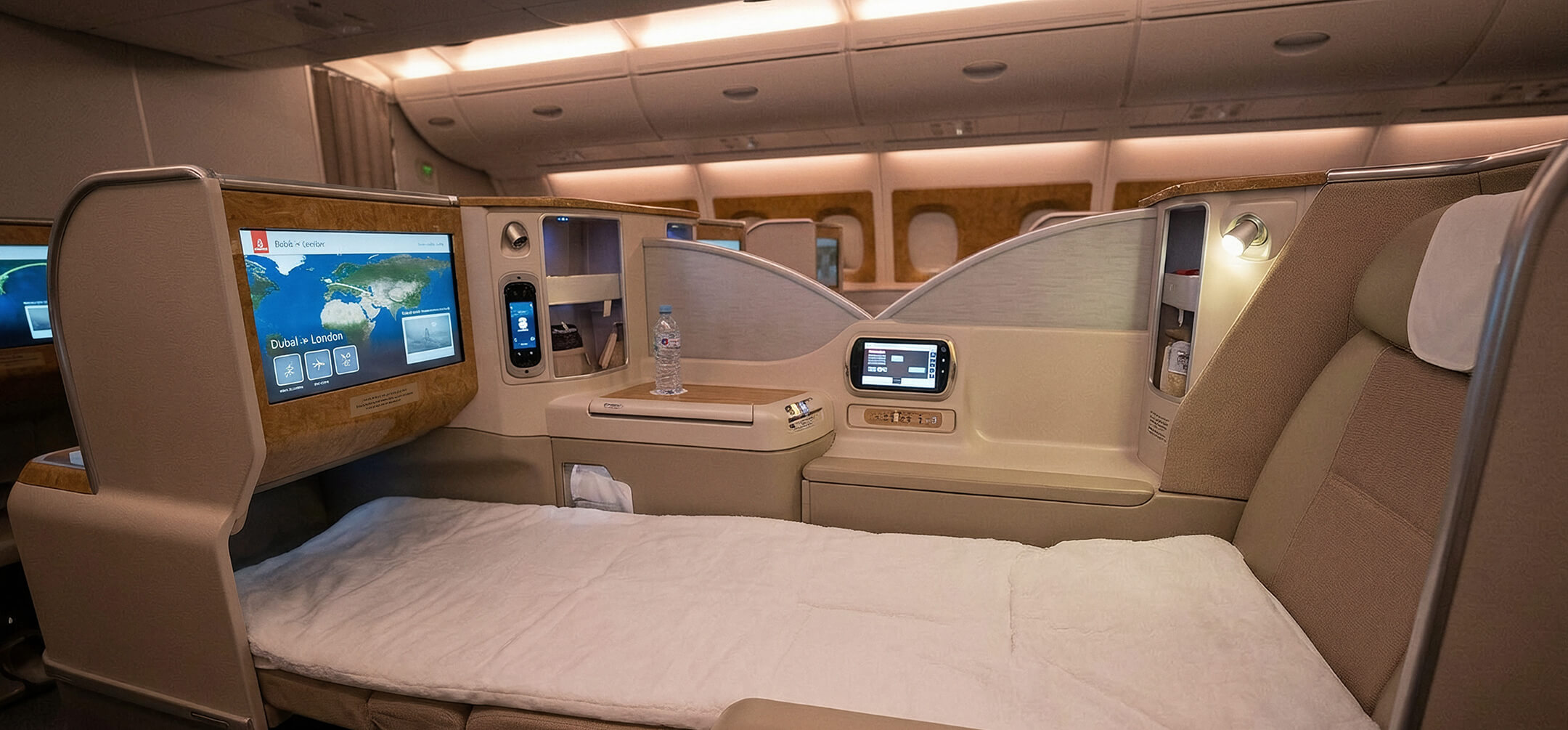
Business-class flights from the US to Porto Alegre
Flights to Porto Alegre often route through hubs in Brazil, the Southern Cone, or Europe, so the useful comparison is usually connection length and total fare rather than nonstop availability. The two examples below show how those patterns differ from New York and Los Angeles.
From New York, Delta Air Lines, LATAM Airlines, Air France, Iberia, and TAP Air Portugal are among the carriers that can connect you to Porto Alegre. Typical itineraries take about 11 to 12 hours nonstop, or about 16 to 21 hours when they route through GRU, SCL, MAD, LIS, or CDG. Round-trip fares usually start from $2,800 and can climb to about $5,500.
Los Angeles itineraries usually run through GRU, SCL, LIM, PTY, or MIA on LATAM Airlines, American Airlines, Delta Air Lines, Aeromexico, or Copa Airlines. Expect round-trip fares from $3,100 to $6,200, with total travel times that are usually set by the connection rather than the long-haul segment itself.
Porto Alegre feels different when you slow down
A good Porto Alegre trip links Moinhos de Vento, the Historic Center, Cidade Baixa, and the Guaíba waterfront instead of treating them as separate stops. Taxis and rideshares handle the longer hops, while walking works best inside each district, especially near Parcão and Praça da Alfândega. If you want help shaping the route, the AranGrant experts can build it around your flight timing and the sunset at Usina do Gasômetro