

Chapters:

Need help with your trip?
Our support team is available 24/7. Request a callback or call us directly at (833) 619-0908
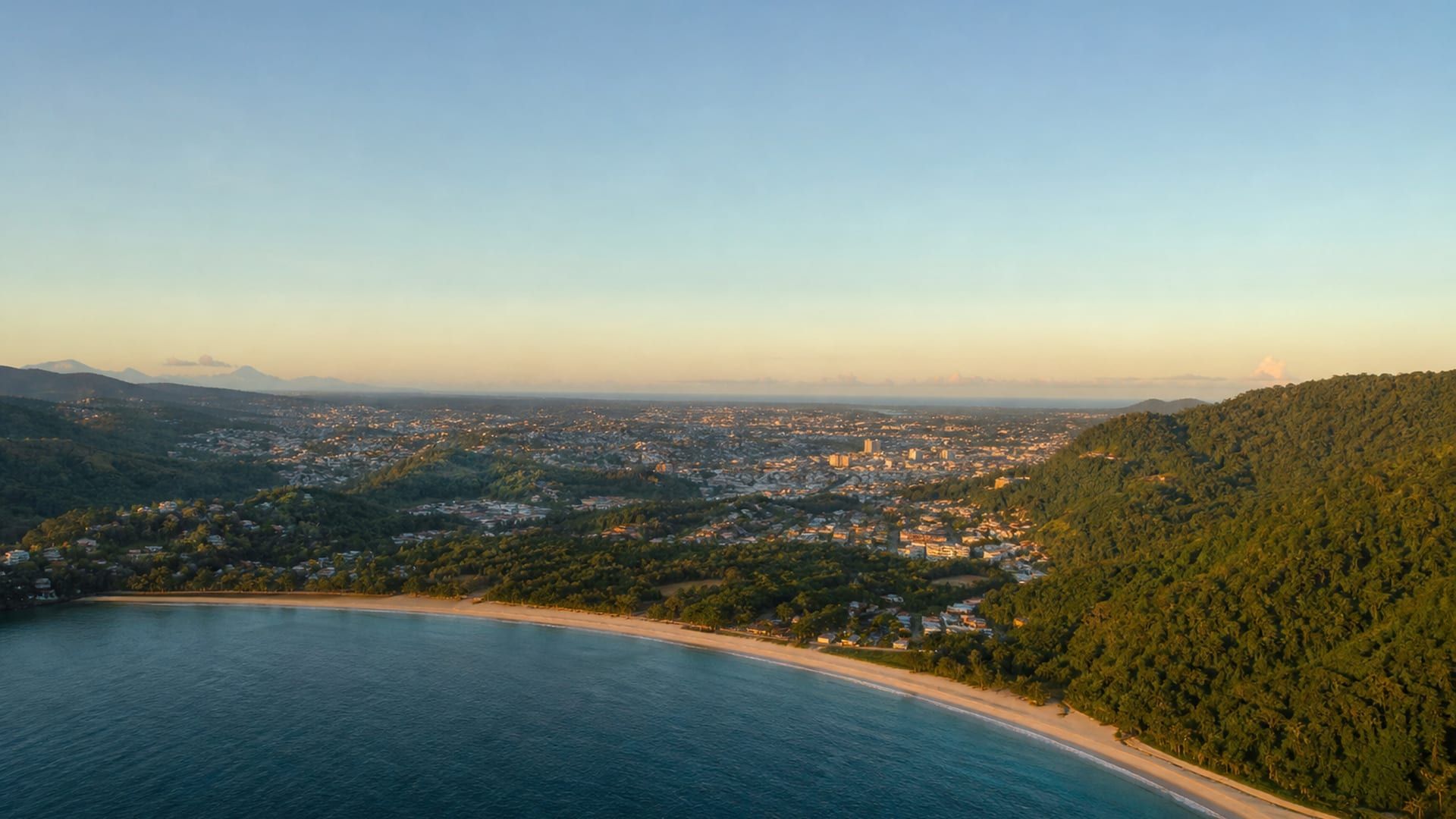
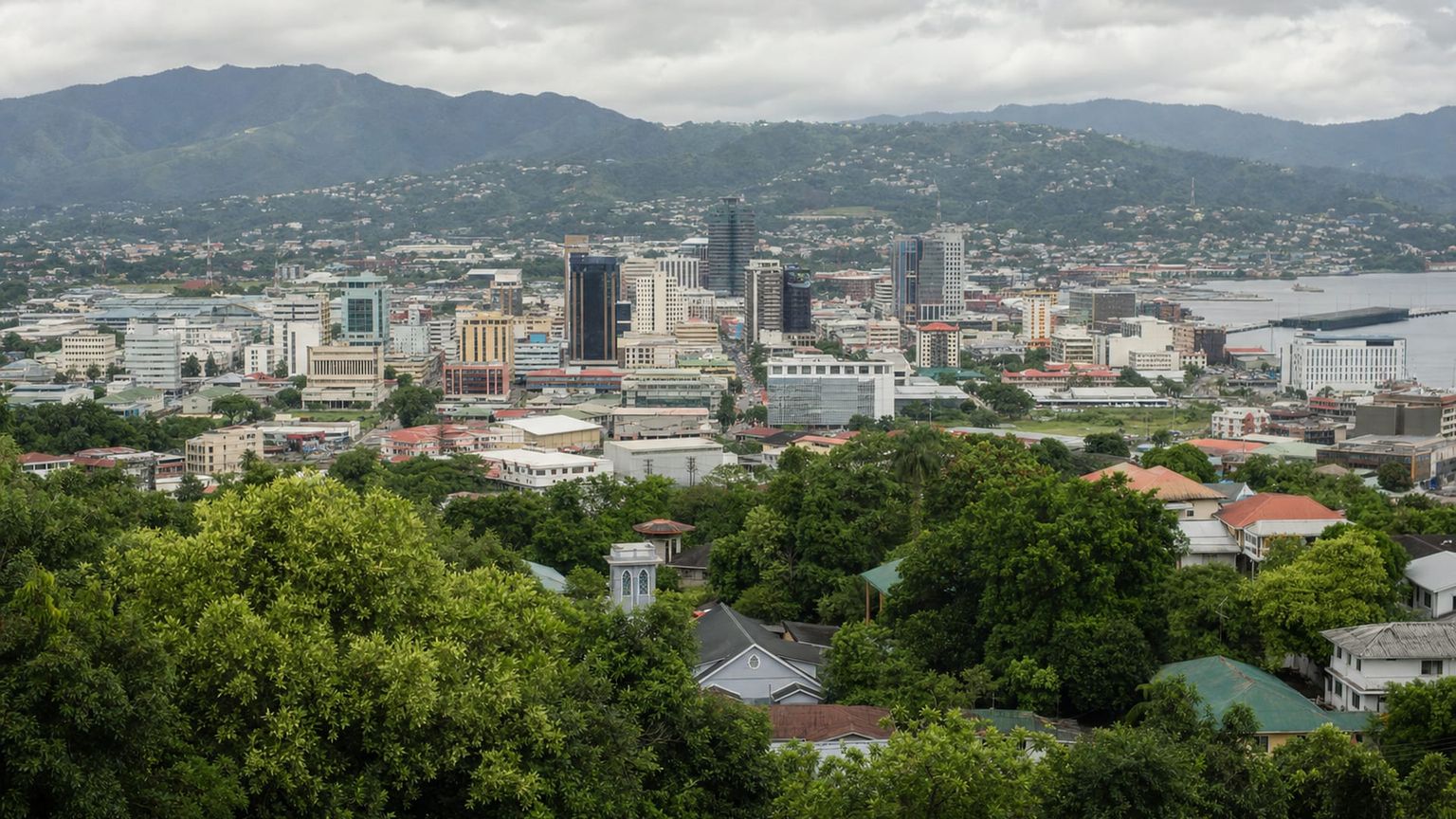
Port of Spain, the capital of Trinidad and Tobago, is a compact city on the Gulf of Paria, backed by the green hills of the Northern Range. Between the sea and the hills, daily life follows a rhythm of its own. Mornings start with doubles from street vendors, late afternoons belong to Queen’s Park Savannah, and after dark, locals head to Ariapita Avenue in Woodbrook to lime, Trinidadian for hanging out with friends.
That rhythm grows louder during Carnival, when the steelpan, an instrument invented in Trinidad, fills the city with music.
The same hills that frame the city lead to Maracas Bay, a 45-minute drive. This guide shows how to fit the city and the beach into five days, with tips on hotels, transportation, and local food.
Useful things to know


Main language(s): English

Currency: Trinidad and Tobago dollar (TTD, TT$)

Cash and cards: Hotels, restaurants, and larger stores take cards, but taxis, street vendors, and beach stalls often take cash only, so keep TT$100 to TT$200 (US$15 to US$30) on hand.

Tipping: Hotels and restaurants often add a 10% to 15% service charge to the bill. If no charge is included, tip 10% to 15% at restaurants and give taxi drivers a similar tip.

Traditional food: Doubles, callaloo, pelau, and bake and shark are among the Trinidadian dishes most closely associated with Port of Spain.

Water and coffee costs: A bottle of water costs TT$8 to TT$12 (US$1 to US$2), and an espresso at a café costs TT$20 to TT$30 (US$3 to US$4).

Taxis and ride apps: Uber doesn’t operate in Trinidad and Tobago. Book rides through local apps such as DROP or TT RideShare, or ask your hotel to call a trusted taxi.

Plug and voltage: Type A/B socket, 115V

Dining and shop opening hours: Restaurants serve breakfast from 7:00 am to 10:00 am, lunch from noon to 3:00 pm, and dinner from 6:00 pm to 10:00 pm. Many shops and restaurants close on Sundays.

Emergency number: 999 for the police, 990 for the fire service, and 811 for ambulance services
Where to stay in Port of Spain
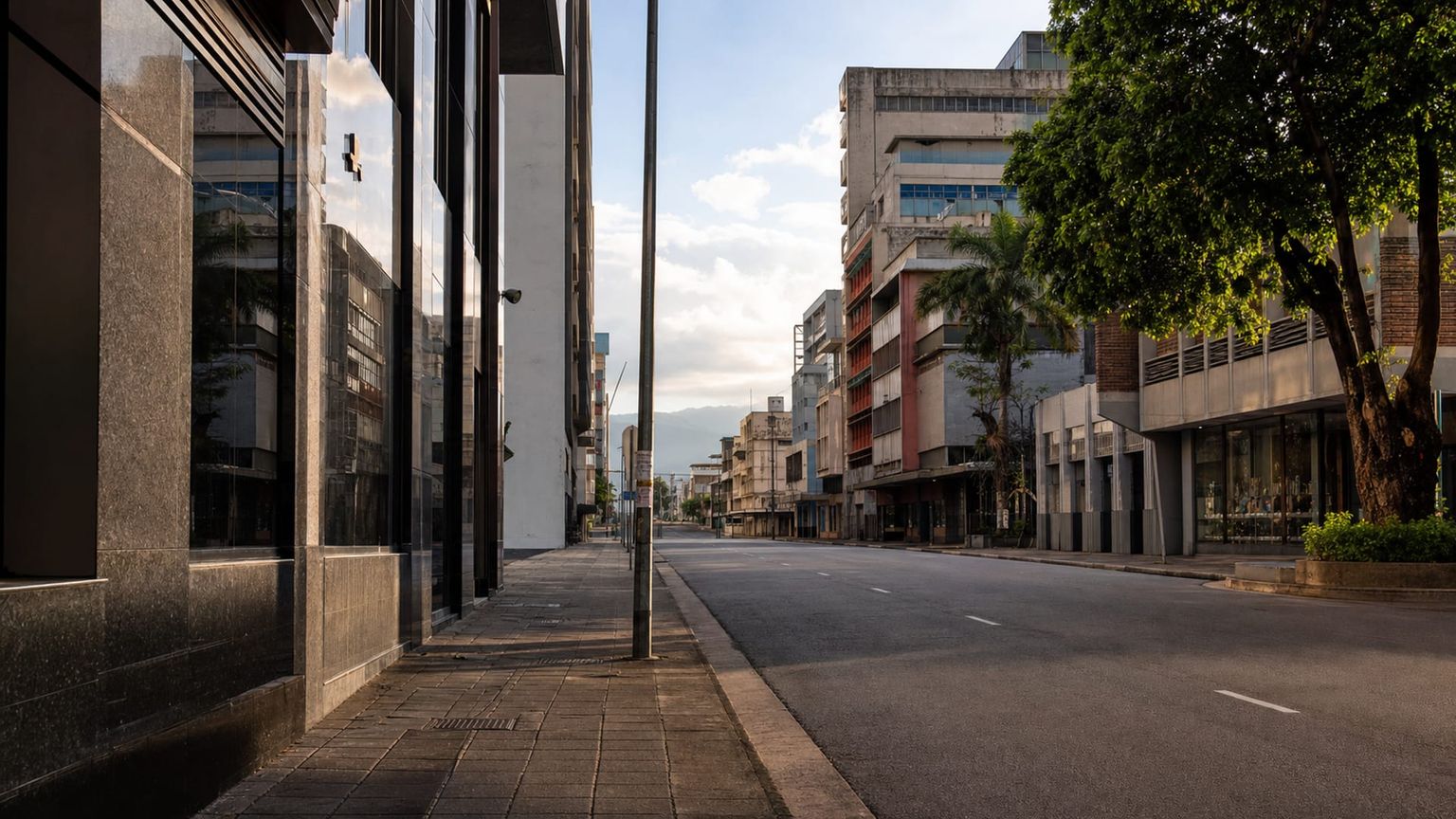
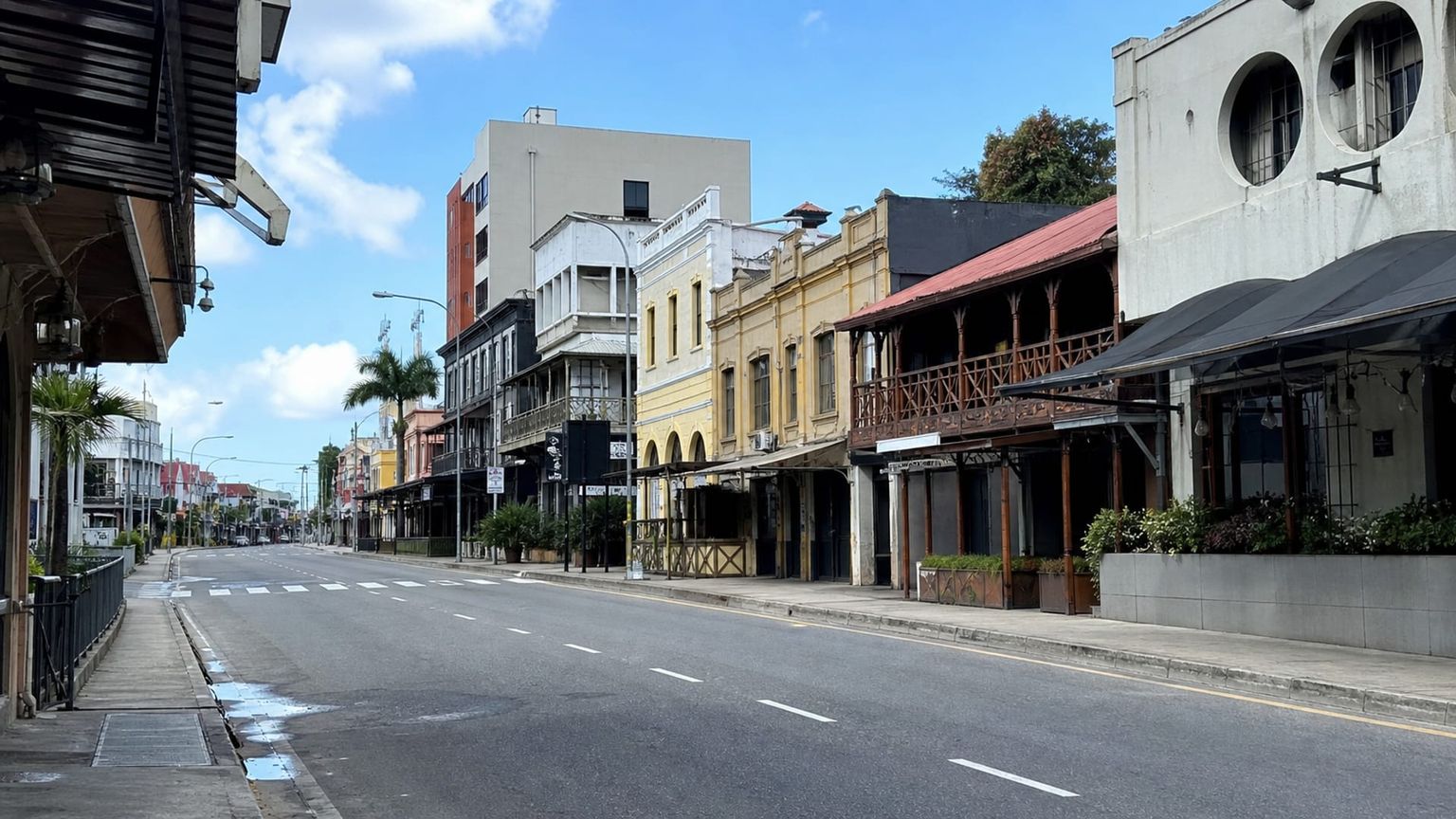
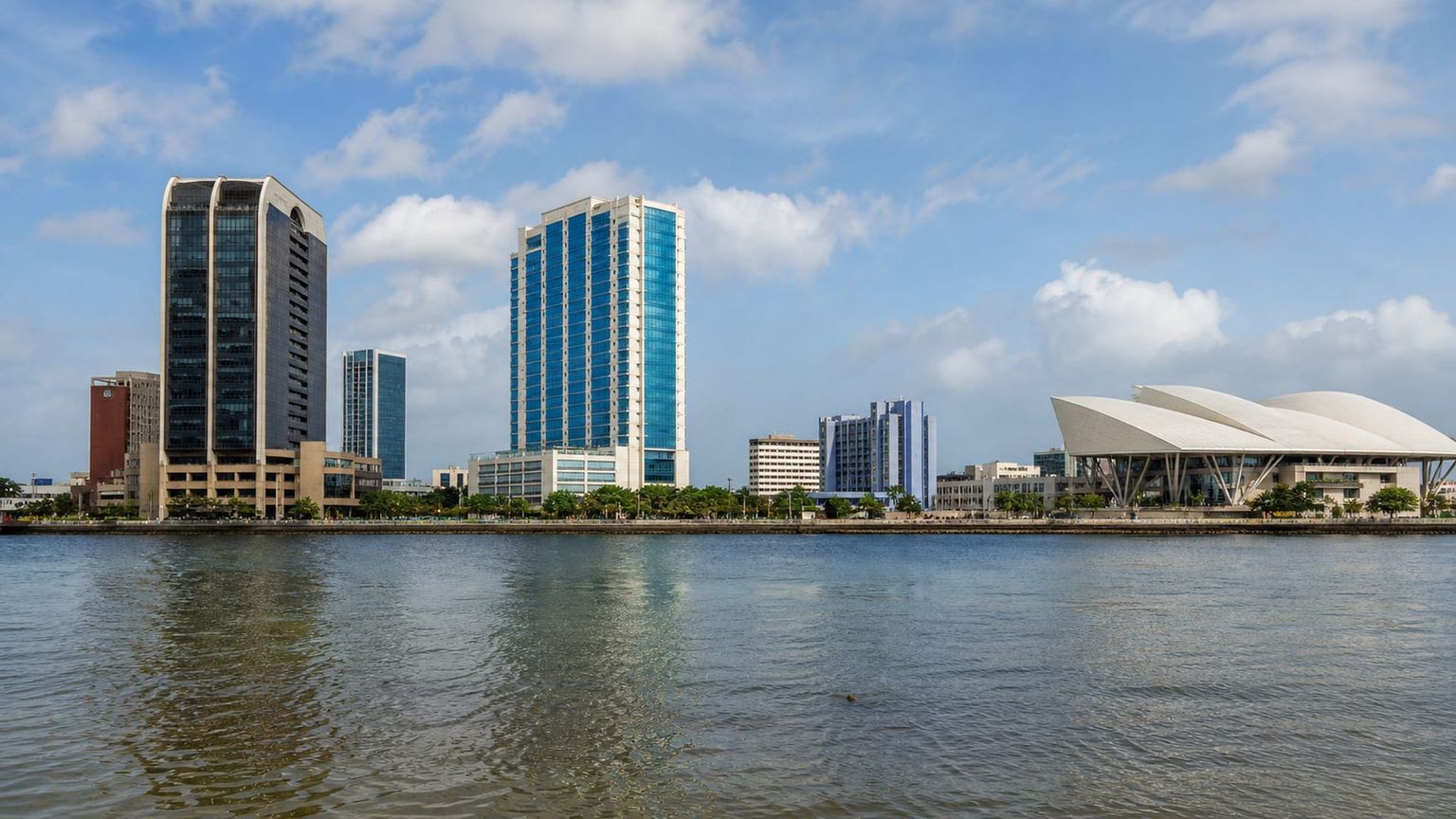
Downtown Port of Spain stretches north from the waterfront along Frederick Street, with Independence Square, the Red House parliament building, and the city’s main shopping streets within a few blocks. The largest hotels, including the Hyatt Regency, face the Gulf of Paria on the waterfront.
Best for: Business trips, short stays, and travelers who want a full-service hotel close to Independence Square
What to expect: Crowded sidewalks, street vendors, and heavy traffic on weekdays, then near-empty streets once shops and offices close
Hotel prices: Well-rated hotels in this area cost TT$1,150 to TT$2,030 (US$170 to US$300) per night.
Distance to major sights: 5 to 15 minutes on foot to the National Museum and Art Gallery and roughly 10 minutes by car to Queen’s Park Savannah
Quietness: The area is noisy on weekdays and very quiet at night and on Sundays.
Main trade-off: Downtown empties after office hours, so plan dinner at your hotel or take a short taxi ride to the restaurants in Woodbrook.
Good to know: Choose a hotel with an on-site restaurant and take taxis after sunset, even for short distances.
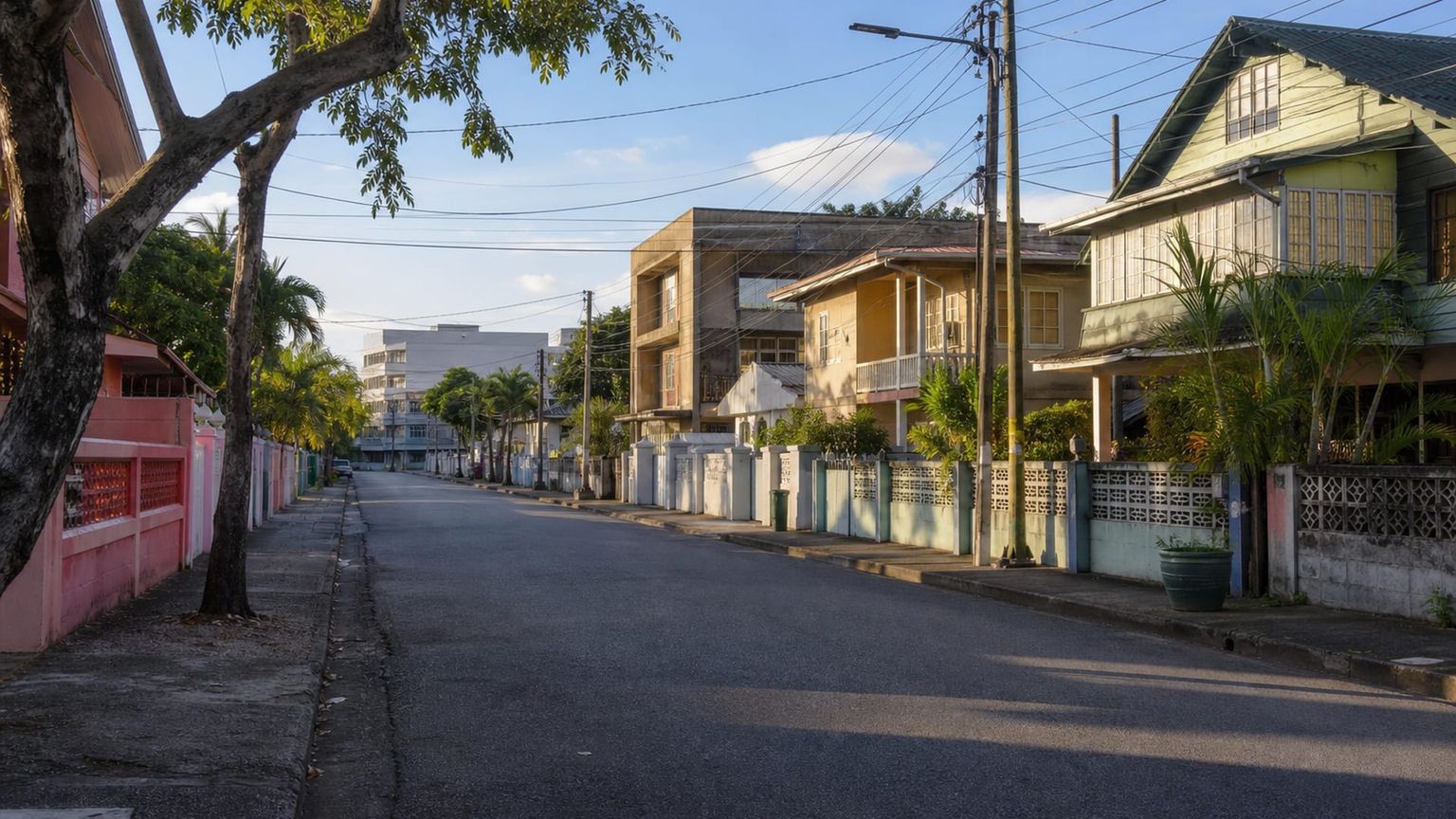
Woodbrook, a former sugar estate west of downtown, mixes colonial wooden houses with ornate fretwork with guesthouses, small hotels, and apartment rentals. Its main street, Ariapita Avenue, has the city’s densest stretch of restaurants, bars, and lounges, and the busiest nightlife in Port of Spain.
Best for: Food lovers, nightlife, and travelers who prefer a small hotel or apartment to a large chain property
What to expect: Calm residential streets during the day, then crowds, music, and street food stalls along Ariapita Avenue at night
Hotel prices: Guesthouses and small hotels charge TT$540 to TT$1,020 (US$80 to US$150) per night.
Distance to major sights: A 10- to 15-minute taxi ride to Independence Square and 5 to 10 minutes by taxi to Queen’s Park Savannah
Quietness: Quiet on side streets, loud on and near Ariapita Avenue in the evenings, especially on weekends
Main trade-off: The area has few large full-service hotels, and rooms near Ariapita Avenue can be noisy until late.
Good to know: Book a room a block or two off Ariapita Avenue so you can walk to its restaurants and still sleep away from the late-night music.
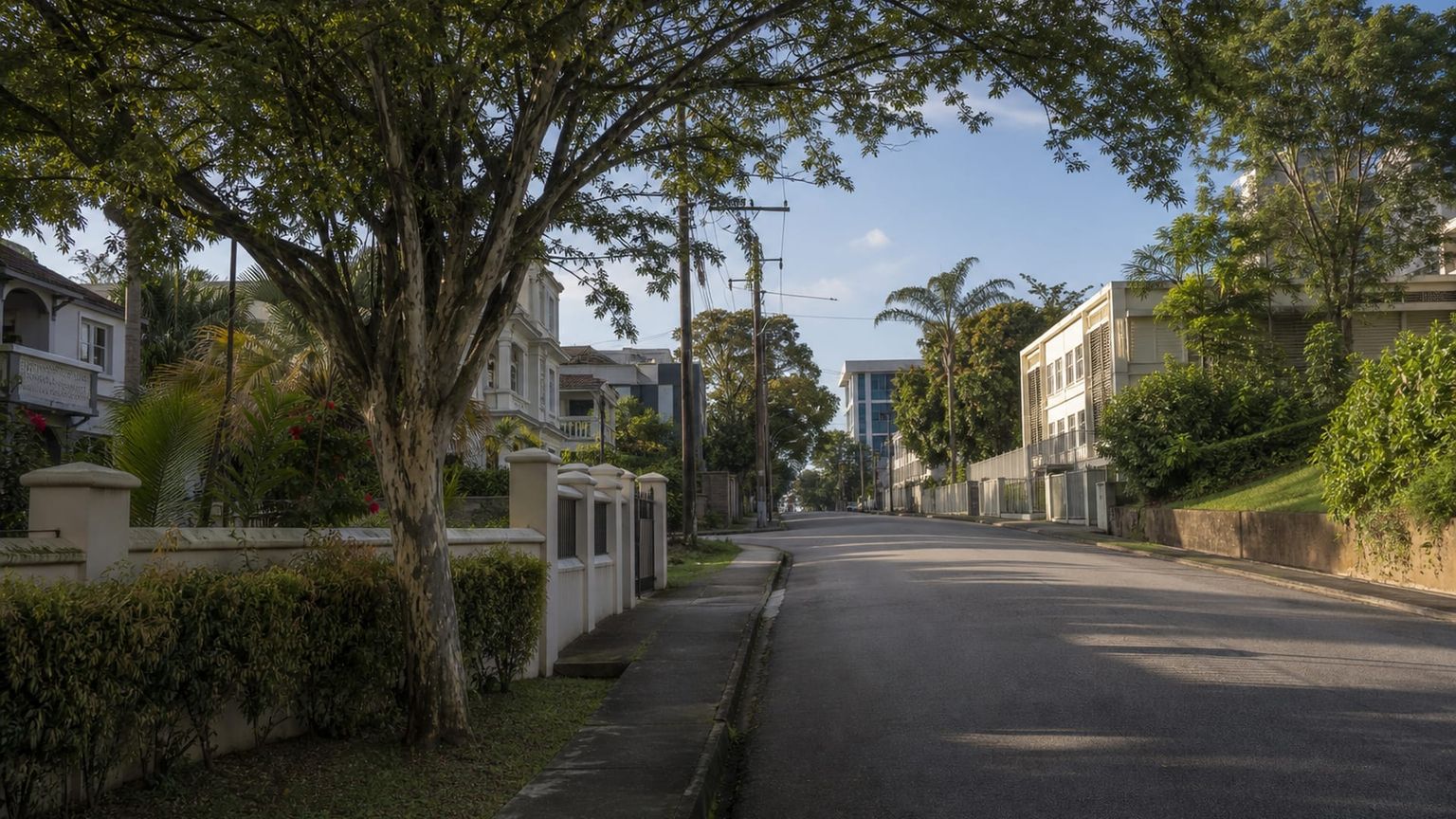
St. Clair is an upscale residential area on the western edge of Queen’s Park Savannah, where the Magnificent Seven, a row of early 20th-century colonial mansions, lines Maraval Road. Its quiet streets are home to large family houses behind high walls, a few guesthouses, and the Kapok Hotel.
Best for: Travelers who want a quiet, upscale neighborhood within walking distance of the Savannah and the Queen’s Park Oval
What to expect: Wide tree-lined streets, light traffic on side roads, and few pedestrians outside office hours
Hotel prices: Well-rated hotels in this area cost TT$880 to TT$1,350 (US$130 to US$200) per night.
Distance to major sights: A 5-minute walk to Queen’s Park Savannah and a 10- to 15-minute taxi ride to Independence Square
Quietness: The area is quiet during the day and even quieter at night.
Main trade-off: St. Clair has fewer restaurants and bars than Woodbrook, so most evenings out start with a short taxi ride.
Good to know: Hotel options are limited, so book early for Carnival in February or March, when rooms across the city sell out.
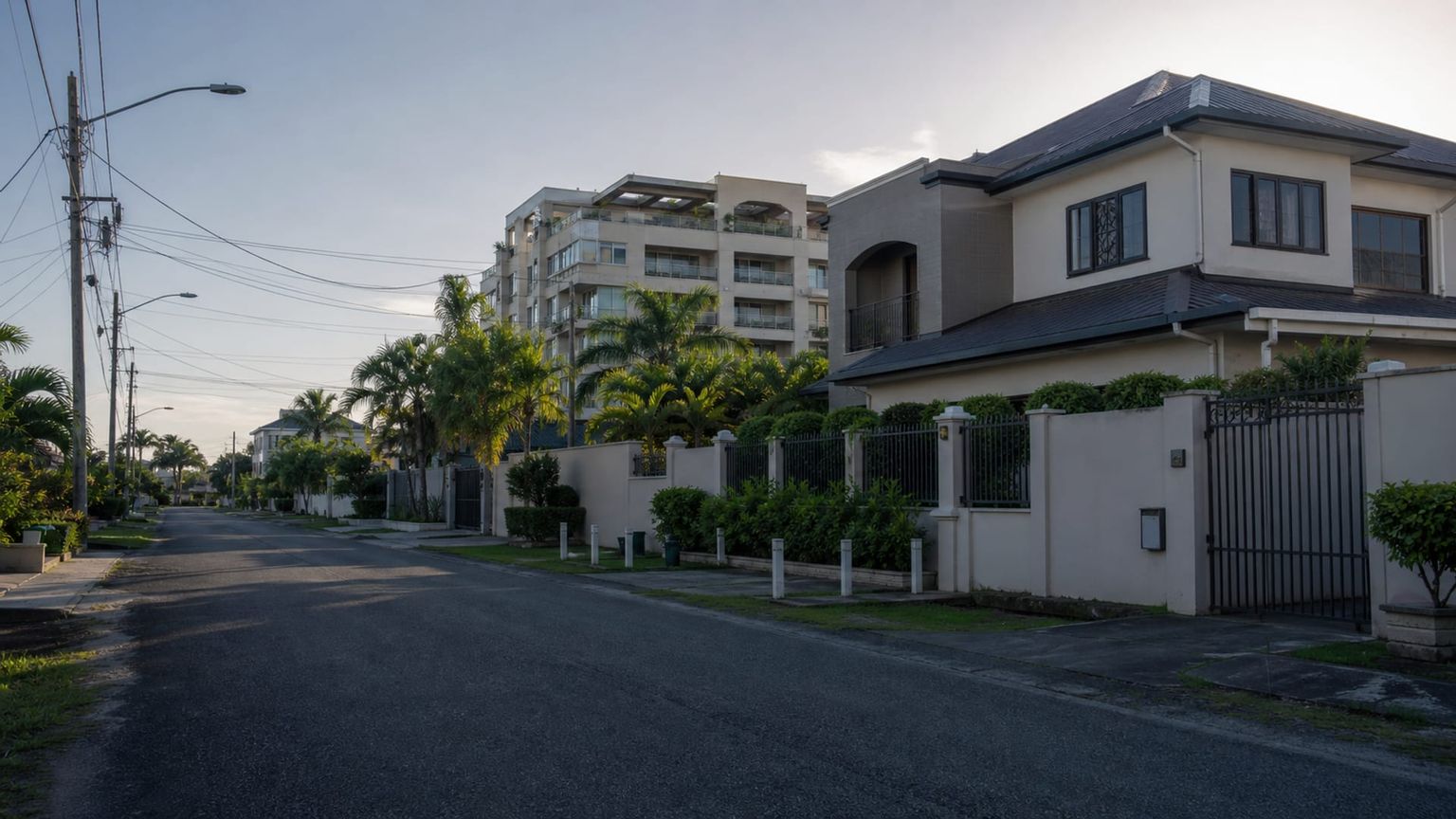
St. Ann’s and Cascade climb the green hillsides north of Queen’s Park Savannah, past the Royal Botanic Gardens and President’s House. Narrow roads wind up the valley between colonial-style villas and modern homes, and the higher streets look out over the city and the Gulf of Paria.
Best for: Travelers who want a full-service hotel with a pool and city views in a quiet, green residential setting
What to expect: Winding hillside roads, upscale homes with gardens, and little foot traffic or street life
Hotel prices: A night at a well-rated hotel here costs TT$1,080 to TT$2,030 (US$160 to US$300).
Distance to major sights: A 5-minute taxi ride to Queen’s Park Savannah and 15 to 20 minutes by taxi to Independence Square
Quietness: Calm during the day, with very little traffic on side roads at night
Main trade-off: Restaurants and bars are limited in the area, so for more evening options, you will need a taxi to Woodbrook or St. Clair.
Good to know: Choose a hotel with an on-site restaurant, since dining options here are spread out and the steep hillside roads are hard to walk.
San Juan, Barataria, Curepe, and Tunapuna are 3 to 9 miles (5 to 15 km) east of downtown along the congested East-West Corridor, so guests staying there face long drives to the sights. Woodbrook and St. Clair offer more evening dining than downtown.
Hotel deals
Getting around Port of Spain
Port of Spain has no metro or tram, so visitors get around by taxi, maxi taxi, or bus, and walk between sights within the compact downtown grid.

PTSC bus
for longer distances on a budget
PTSC buses connect City Gate with Arima, Chaguanas, San Fernando, and other towns. Fares range from TT$2 to TT$12 (US$0.30 to US$1.80) depending on distance. Drivers don’t sell tickets, so buy tickets at the City Gate booth or a small general store before boarding.

Maxi taxi
for short trips on main routes
Maxi taxis are shared minibuses on fixed routes marked by a colored band: yellow for Diego Martin and Chaguaramas, red for Arima. Most leave from City Gate on South Quay; fares are TT$4 to TT$10 (US$0.60 to US$1.50), paid in cash.

Taxi
for convenience or late hours
Taxis have no meters, so agree on the fare first and ride only in licensed cars with H plates. DROP and TT RideShare apps show fares upfront. A ride across central Port of Spain costs TT$70 to TT$170 (US$10 to US$25), and the airport run costs TT$300 to TT$400 (US$45 to US$60), depending on your hotel’s area.
*Prices are based on rates updated as of October 2026 and may change at the time of travel.
Take taxis for most trips, the airport run, and every late return, and save maxi taxis and buses for daytime rides along the main routes out of the city.
Iconic places in Port of Spain
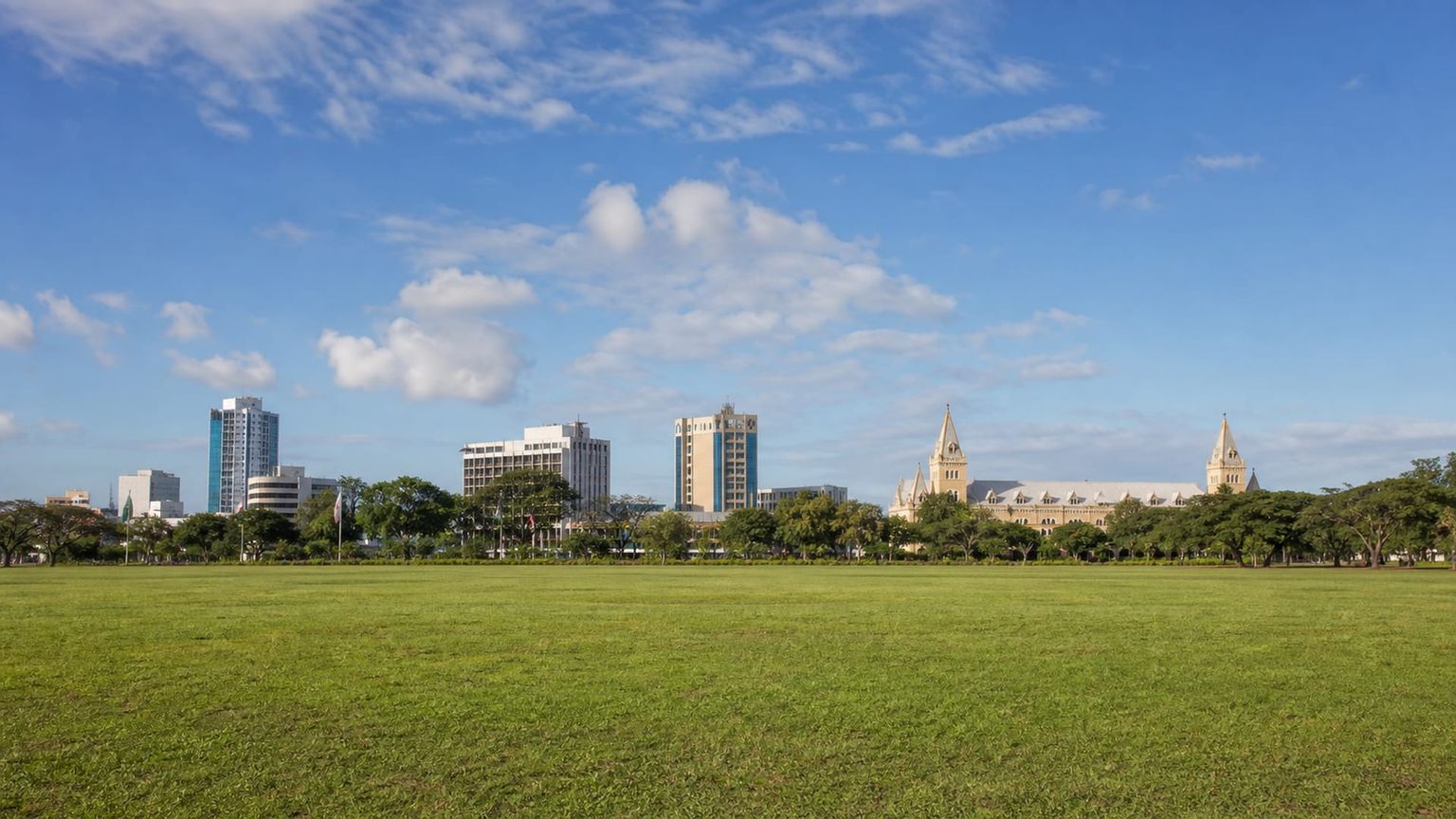
Queen's Park Savannah
Queen’s Park Savannah is Port of Spain’s largest park, a 2.2-mile (3.5 km) loop of lawns and shade trees just north of downtown. The Magnificent Seven, a row of early 20th-century mansions, lines its western edge, and Carnival’s biggest shows take place here each year.
Time needed: About 1 to 2 hours
Entry: The park is free to visit and open every day, with no tickets or timed entry.
Tip: Walk the western side in the morning, when the sun lights the Magnificent Seven.
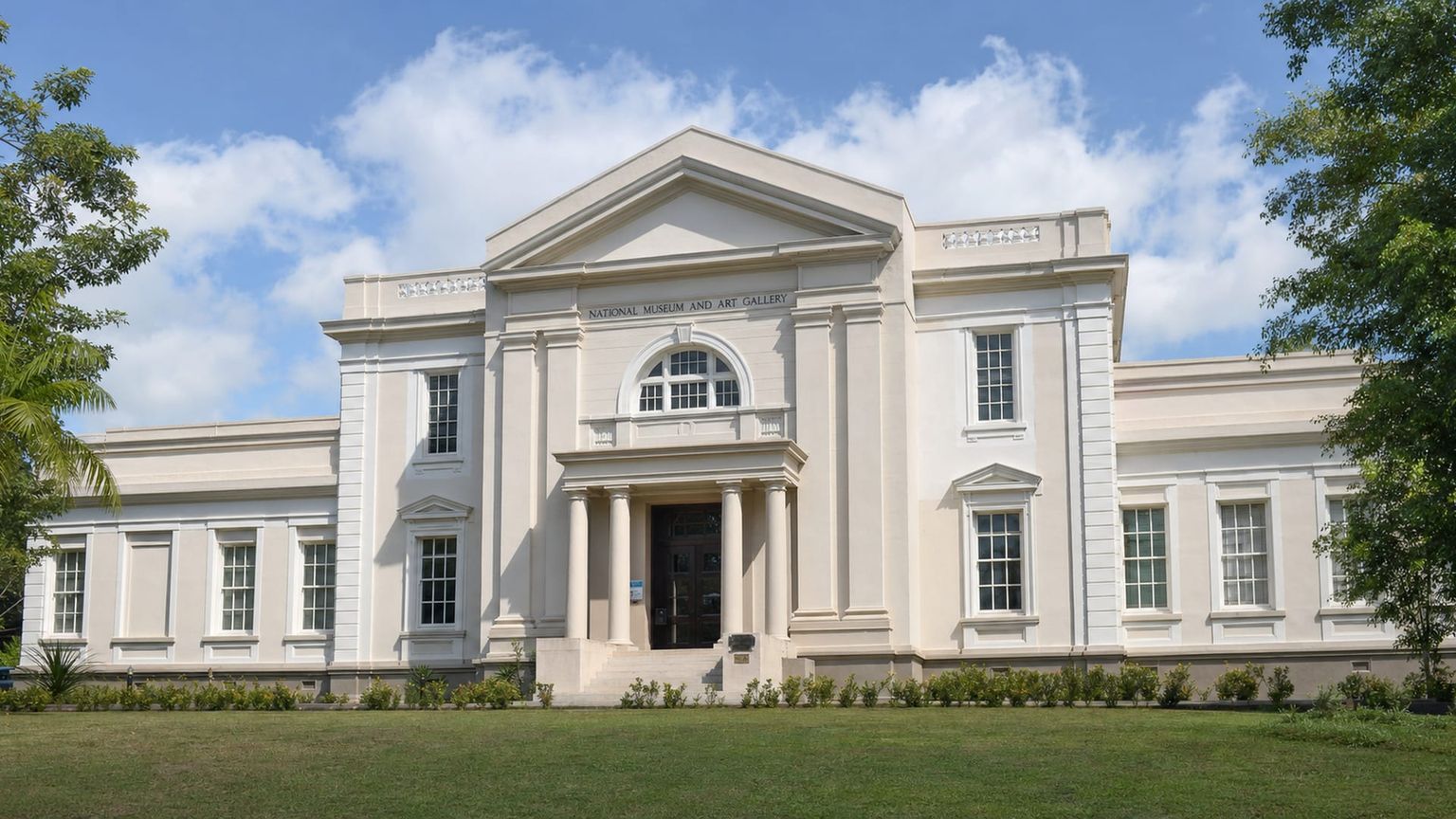
Brian Lara Promenade
The Brian Lara Promenade is the tree-lined western half of Independence Square, named after Trinidad’s record-breaking cricketer. It hosts free concerts, film screenings, and craft fairs.
Time needed: About 30 to 45 minutes
Entry: Walking the promenade is free, and its concerts, film nights, and craft fairs are free to attend.
Tip: Check local event listings before you go, since concerts and craft fairs run on set dates.
President's House
Built in 1876 for the British governor, President’s House is now the home of Trinidad and Tobago’s head of state. Restored after earthquake damage, the blue limestone mansion opens for guided tours.
Time needed: About 1 hour
Entry: Free guided tours start Tuesdays and Thursdays at 10:00 am and 1:30 pm, by appointment with the Office of the President.
Tip: Book well ahead, since tours give priority to schools and community groups.
Overlooked places in Port of Spain

Fort George
Built in 1804 on the hills above St. James, Fort George keeps its original cannons, dungeons, and an 1833 wooden signal station, with panoramic views over Port of Spain and the Gulf of Paria.
Time needed: About 1 hour
Entry: Entry is free. The fort is open daily from 9:00 am to 5:30 pm, and you do not need to book ahead.
Tip: Go in the morning, before the midday heat, and bring water for the walk around the fort.

The Museum of the Trinidad and Tobago Police Service
This small museum in the Old Police Headquarters displays helmets, riot shields, 19th-century cannons, and other artifacts from the force’s history. It is an easy stop on a downtown heritage walk.
Time needed: About 45 minutes
Entry: Free tours run Tuesday to Friday, 10:00 am to 2:00 pm, but you must book in advance with the museum’s online form. Visit the official site for details.
Tip: Combine it with a walk past the Red House and Woodford Square, a short walk away.
What to eat in Port of Spain
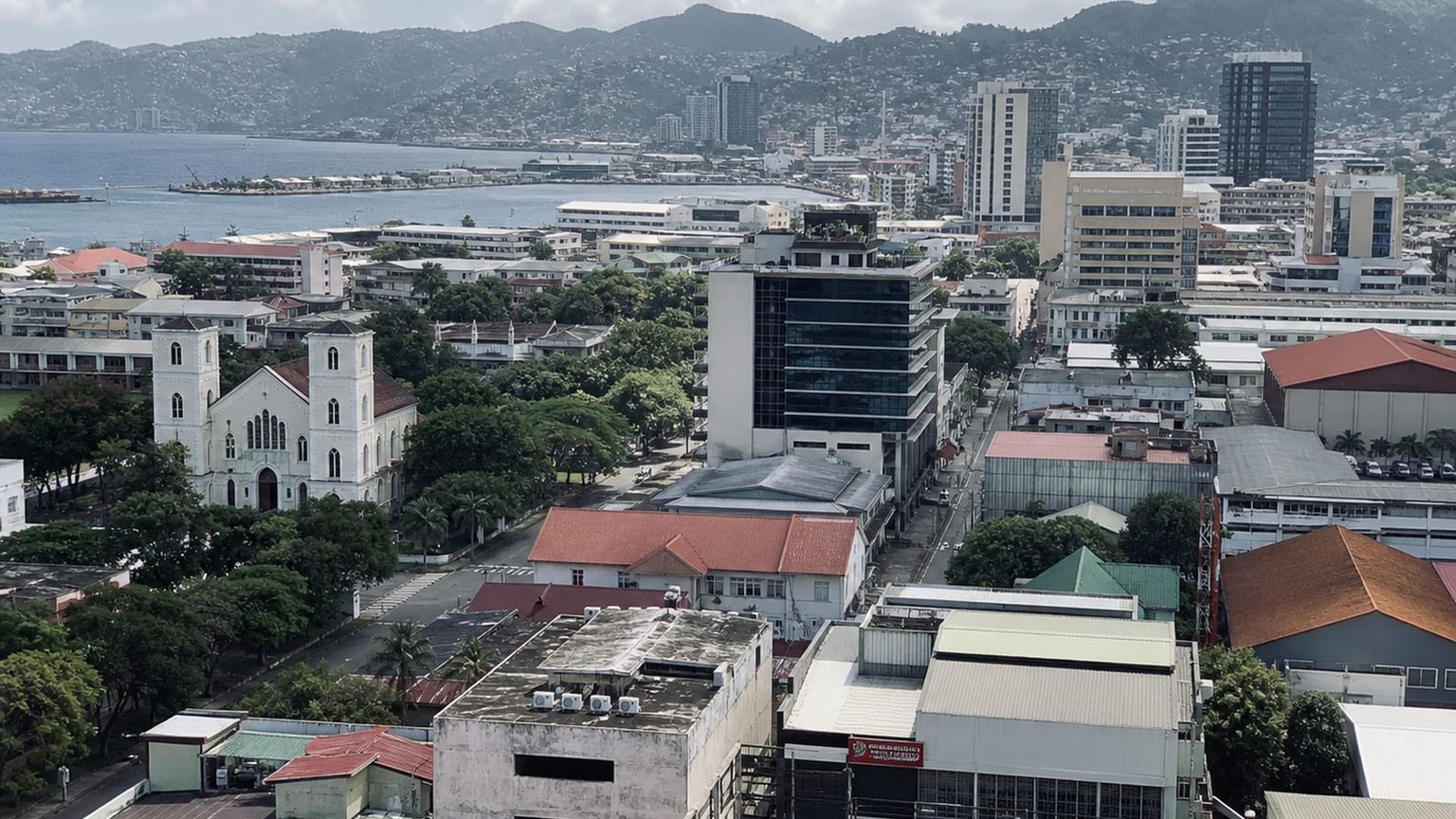
Food in Port of Spain blends African, Indian, Chinese, and European traditions, and the city serves it everywhere, from roadside doubles stands to sit-down Creole lunches in Woodbrook.
Doubles
This is the city’s most recognizable street food, with curried chickpeas tucked into bara bread and finished with pepper sauce. Country Style Hot & Tasty Doubles & Pies sells them from a stand at Queen’s Park Savannah.
Callaloo
Callaloo is a thick green soup of dasheen leaves, okra, and coconut milk, and a staple of Sunday lunch across Trinidad. Veni Mangé, a Creole restaurant on Ariapita Avenue in Woodbrook, serves it as a starter.
Roti
Roti wraps curried chicken, goat, shrimp, or vegetables in a soft flatbread layered with ground split peas. Kanhai’s Roti on Western Main Road in St. James is a popular local stop for a quick, filling lunch.
Bake and shark
Bake and shark is fried shark in fried bread, finished at a self-serve bar with tamarind sauce, chadon beni, and pepper. Richard’s Bake & Shark at Maracas Bay is the best-known stall, with a second branch in St. James.
Best time to visit
Port of Spain is warm all year, so the real choice is between the dry season from January to May and the wetter months from June to December.
Best for: Carnival season, dry January and February days, and beach trips to Maracas Bay
What you get: Temperatures range from 73°F to 86°F (23°C to 30°C). Demand is strong, and hotels fill up over Christmas and in the weeks before Carnival.
Trade-offs: December can still bring heavy rain, so save beach days for January and February.
Best for: Clear skies for Savannah walks, coastal drives, and long afternoons outdoors
What you get: Temperatures range from 74°F to 87°F (23°C to 31°C). Crowds thin out after Carnival, and hotels offer more choice at steadier rates.
Trade-offs: The midday sun is strong, and the wet season returns in late May.
Best for: Long lunches in Woodbrook, indoor sights, and relaxed, flexible city stays
What you get: Temperatures range from 76°F to 88°F (24°C to 31°C). Visitor numbers drop noticeably, and many hotels lower their rates to fill rooms.
Trade-offs: June is the wettest month, and frequent rain in July can cut beach days short.
Best for: Quiet sightseeing, unhurried dinners, and warm seawater on the north coast
What you get: Temperatures range from 75°F to 89°F (24°C to 32°C). Demand stays low until Christmas, so hotels and restaurants are easy to book.
Trade-offs: November brings heavy rain, and tropical storms can pass nearby in September and October.
A 5-day plan in Port of Spain
Five days in Port of Spain leave room for the city’s parks, colonial landmarks, and food, plus a full day on the north coast. The plan below groups nearby sights together, so each day has a clear focus and plenty of time to slow down and eat well.
After check-in, rest at the hotel through the hottest hours of the day. Once the afternoon cools, take a taxi to Woodbrook and stroll past the colonial houses around Adam Smith Square on Ariapita Avenue. Stay on the avenue for dinner at Veni Mangé, a long-running Creole restaurant known for its callaloo soup and stewed dishes.
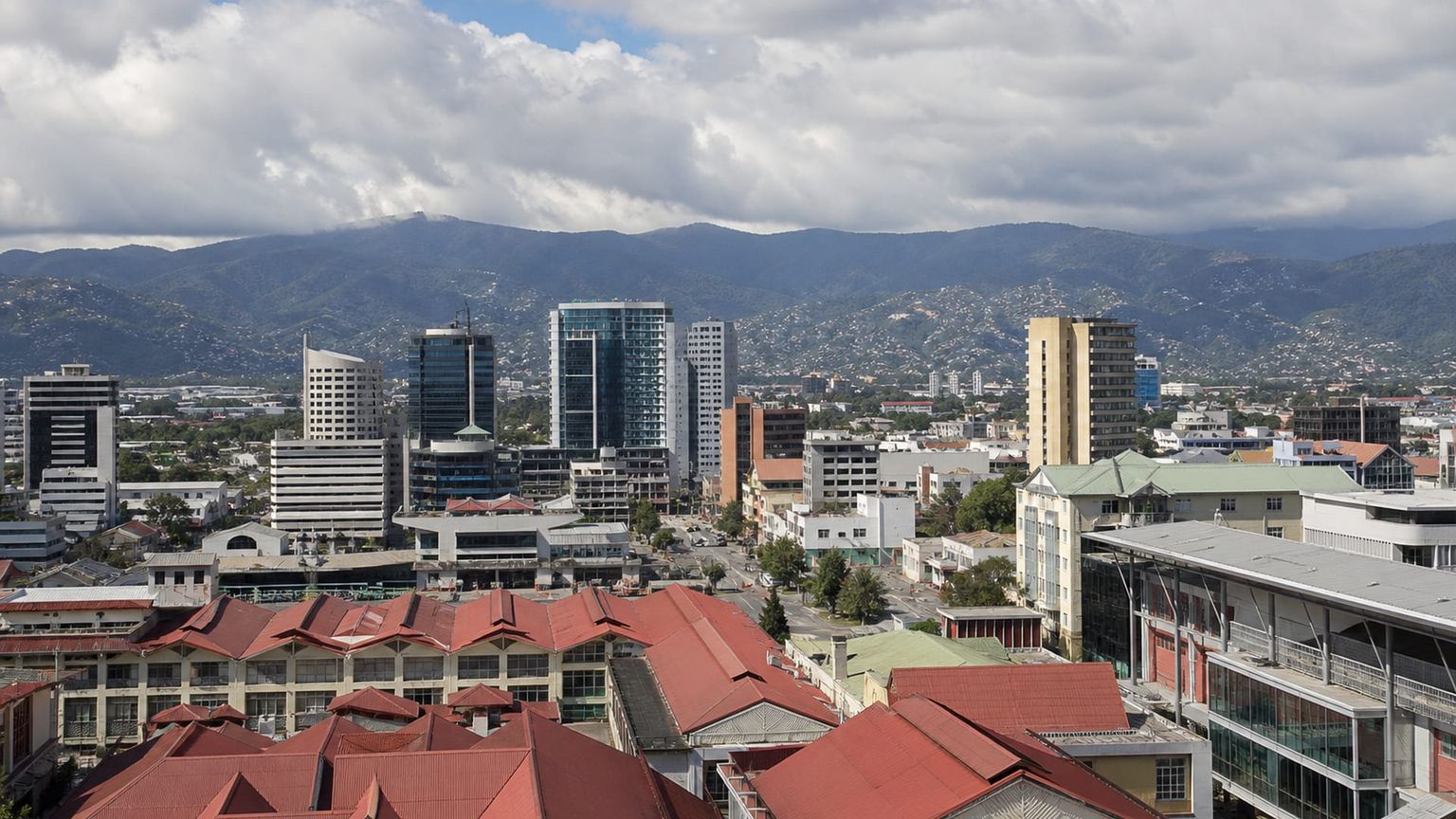
Start with a morning loop of Queen’s Park Savannah, stopping on the western side to see the Magnificent Seven mansions along Maraval Road. Cross to the Royal Botanic Gardens, where shaded paths wind past century-old trees and a butterfly garden. If you booked ahead, join a Tuesday or Thursday tour of President’s House next door. Finish with doubles from a stand on the Savannah’s edge.
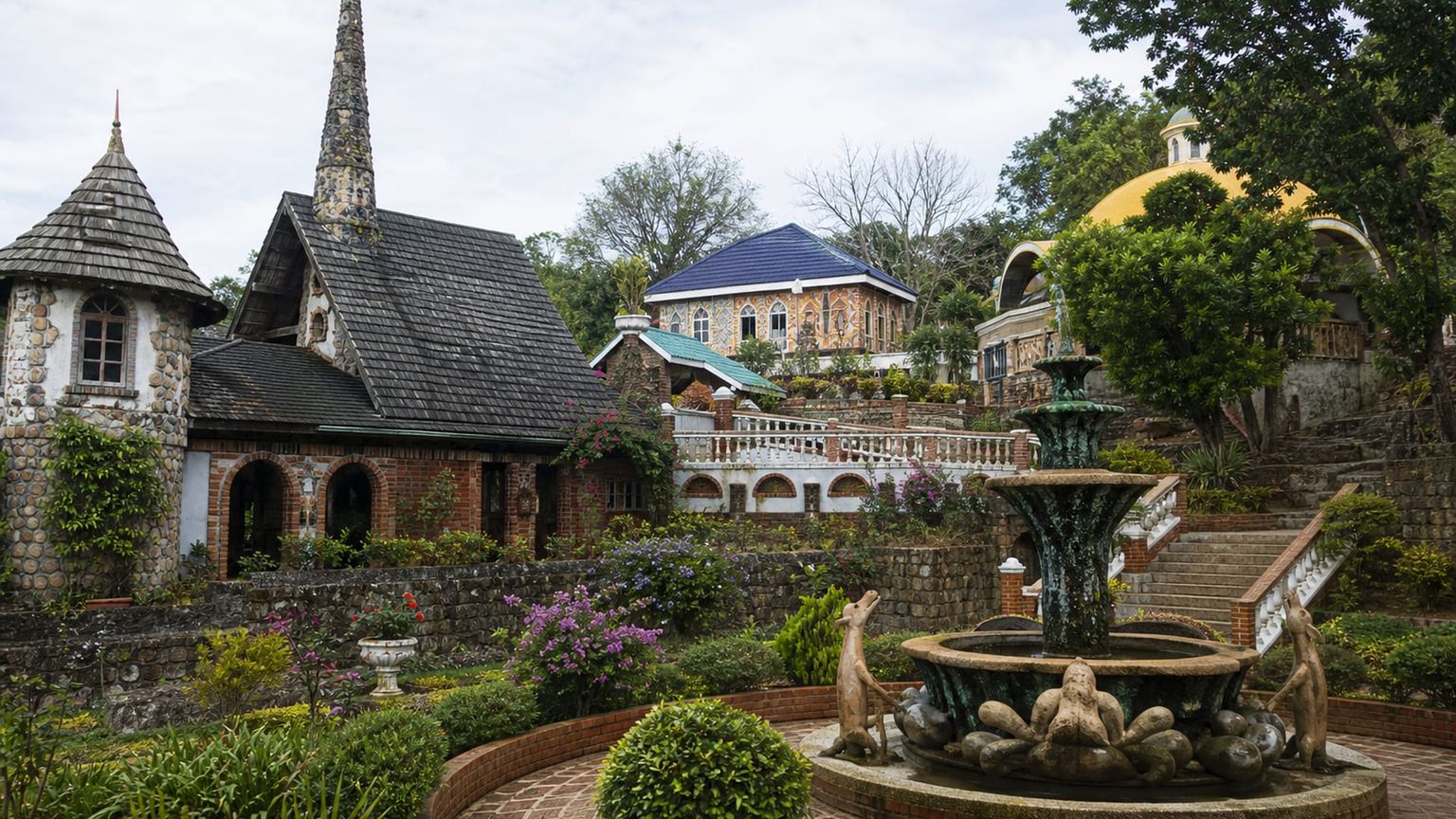
Spend the morning on foot in downtown Port of Spain. Begin at the Cathedral of the Immaculate Conception, then follow Independence Square west along the Brian Lara Promenade. Walk north to Woodford Square and the Red House, the country’s Parliament building. From Tuesday to Friday, a pre-booked tour of the Police Service Museum on St. Vincent Street adds an hour of local history. Return to your hotel for a slow afternoon.
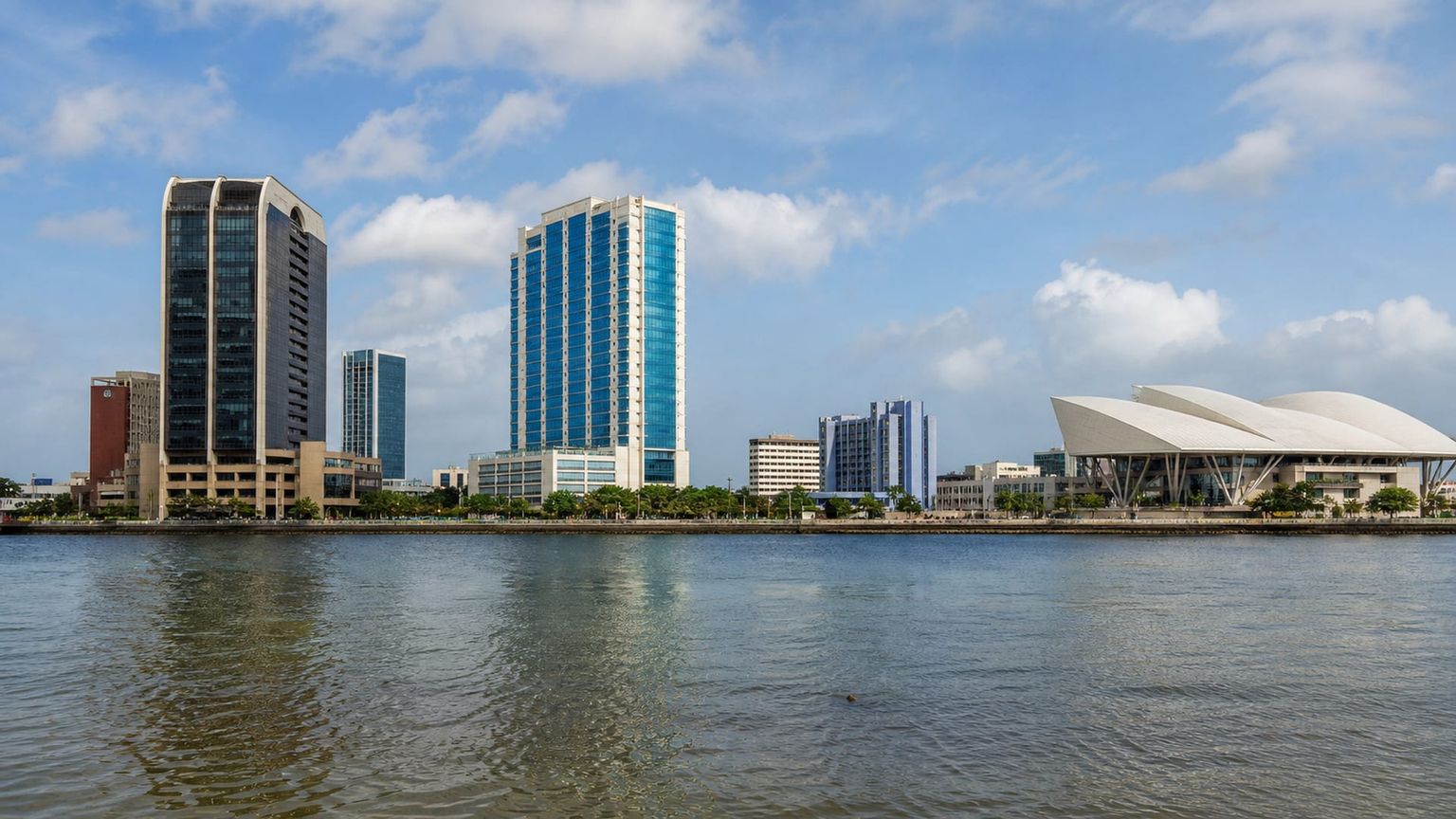
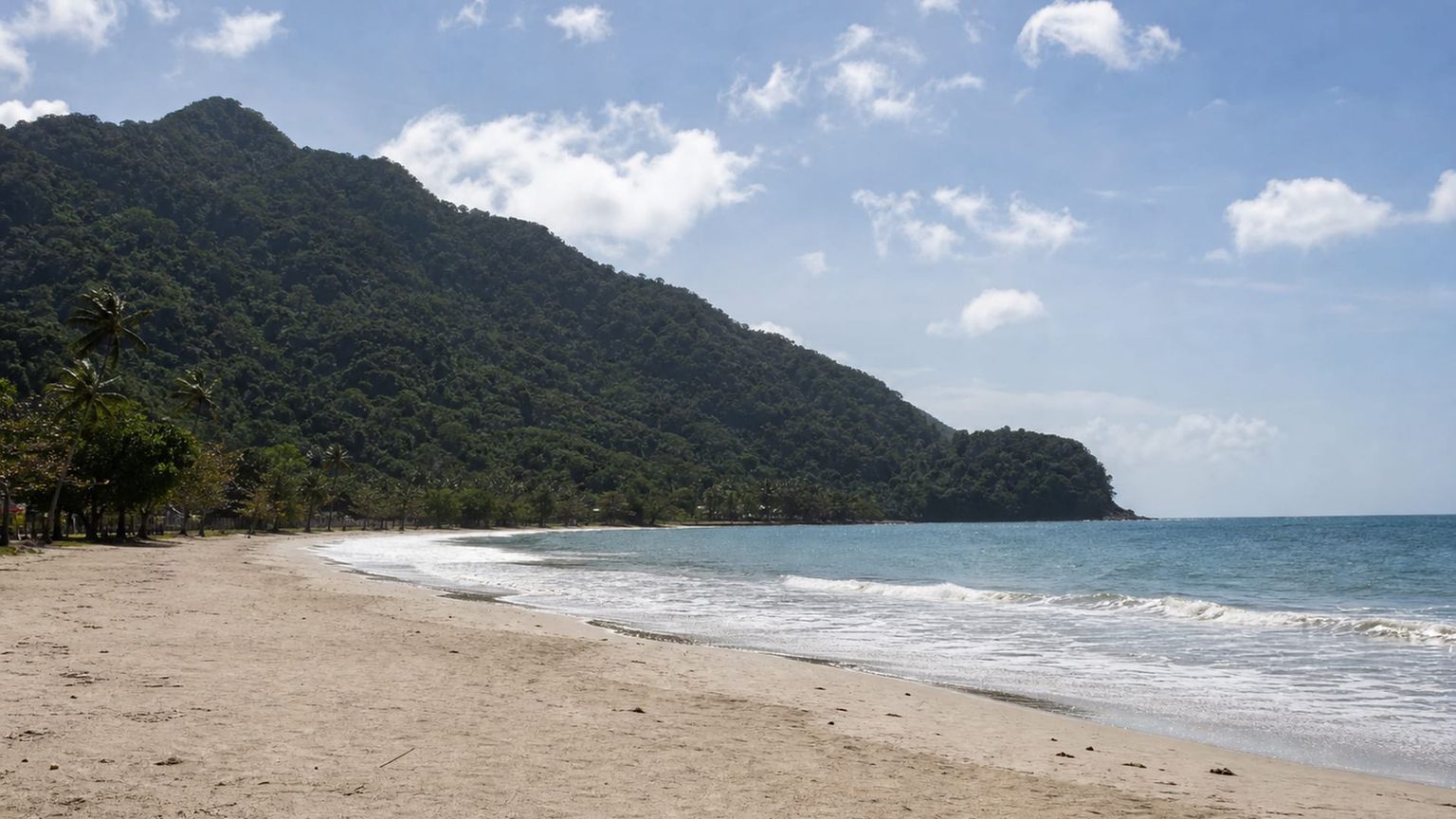
Leave after breakfast for the drive over the Northern Range, stopping at the Maracas Lookout for views of the bay and coconut fudge or tamarind balls from the roadside vendors. Spend the late morning swimming and walking the sand, then order lunch at Richard’s Bake & Shark and build your sandwich at the condiment bar. On the way back, stop in St. James for roti at Kanhai Roti on Western Main Road.
Use the last morning for Fort George, on the hills above St. James. The 1804 fort opens at 9:00 am, and its cannons and signal station overlook the whole city and the Gulf of Paria, which makes it a fitting final view of Port of Spain. Head back for a late lunch in Woodbrook, then collect your bags and leave plenty of time for afternoon traffic on the way to the airport.
Business-class flights from the US to Port of Spain
Port of Spain (POS) is a 5- to 6-hour nonstop flight away from New York (JFK). West Coast travelers need to connect once in Miami (MIA), Houston (IAH), or Panama City (PTY) before reaching Port of Spain.
New York (JFK) to Port of Spain (POS)
Caribbean Airlines is the only carrier with a business-class cabin on the nonstop route from New York (JFK) to Port of Spain (POS), with one to two flights a day. The flight to Port of Spain takes 5 to 6 hours. One-stop alternatives include flights with American Airlines through Miami (MIA) and Copa Airlines through Panama City (PTY). Round-trip business-class fares start at US$1,200 and can reach US$2,400 in peak season.
Los Angeles (LAX) to Port of Spain (POS)
There are no nonstop flights from Los Angeles (LAX) to Port of Spain (POS). American Airlines connects through Miami (MIA), United Airlines through Houston (IAH), and Copa Airlines through Panama City (PTY), with total travel times of 10 to 16 hours. Round-trip business-class fares start at US$1,600 and can reach US$2,900.
Port of Spain brings Caribbean energy to the capital
A good trip to Port of Spain follows a clear rhythm: Savannah mornings and garden walks, downtown landmarks on foot, a full day at Maracas Bay, and evenings on Ariapita Avenue. Grouping nearby sights keeps taxi rides short and leaves time for long lunches and the city’s street food. Once your days have a shape, the next step is getting there comfortably. AranGrant offers business-class flights to Port of Spain (POS) and hotels across the city, so you can book both in one place.







