

Chapters:

Need help with your trip?
Our support team is available 24/7. Request a callback or call us directly at (833) 619-0908
Pittsburgh trips often begin with Downtown, then spill into one or two headline stops before people head back across the rivers. That works, but it leaves out the way the city actually rewards planning: short hops between neighborhoods, lunch windows that matter, and a few blocks that change fast after office hours.
The common miss is distance, not drama. Oakland, the North Shore, the Strip District, and the East End sit close enough for a compact stay, yet they still need buses, rideshares, or careful walking if you want to avoid backtracking and slow cross-town rides.
This guide lays out the city in a cleaner order, with neighborhoods, meals, transit, and day trips arranged so each stop leads into the next without wasting time.
Useful things to know

Main language(s): English

Currency: The local currency is the US dollar (USD, $).

Cash and cards: Cards and contactless are widely accepted; carry about $20 to $40 in cash for tips and small purchases.

Tipping: Tip 15-20% at restaurants; round up taxis and small checks.

Traditional food: Primanti Bros. sandwich, pierogies, haluski, chipped chopped ham

Water and coffee costs: Water about $2 ($2), bar espresso about $4 ($4).

Taxis and ride apps: Uber and Lyft operate here; check pickup zones at Pittsburgh (PIT).

Plug and voltage: Type A/B socket, 120V

Dining and shop opening hours: Breakfast 07:00-10:00, lunch 11:30-14:00, dinner 17:00-21:00. Many places close by 22:00, and some lunch spots shut midafternoon.

Emergency number: 911 for police, fire, and medical emergencies.
Where to stay in Pittsburgh
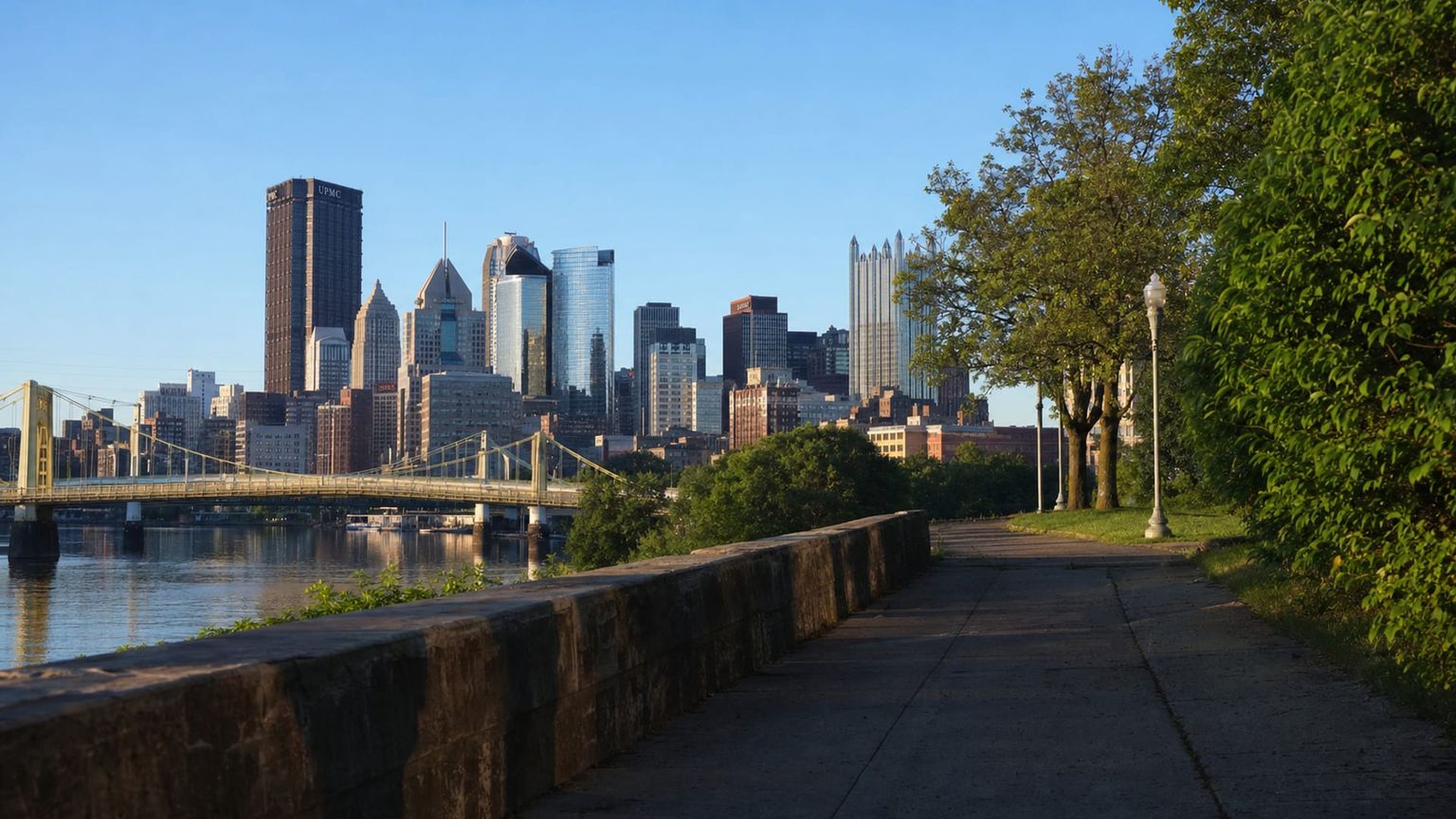
Pittsburgh’s central business district, with the Golden Triangle, major offices, museums, and the city’s main transit connections. It puts you within easy reach of Point State Park, the Cultural District, and the riverfront trails.
Best for: First-time visits, business trips, and travelers who want the shortest hop to major sights
What to expect: Busy sidewalks on weekdays, office towers, hotel guests, and a lighter scene after office hours except near theaters and sports events.
Hotel prices: Usually about $150 to $300 per night for well-rated stays
Distance to major sights: 5 to 15 minutes on foot to Point State Park and the Cultural District, about 10 minutes by transit to Station Square
Quietness: Noisy and active by day, then notably calmer after dinner except on event nights.
Main trade-off: You pay more for central positioning, and some blocks empty out once offices close.
Good to know: If you plan evening outings, check the hotel’s exact block, since some streets go quiet fast after restaurants close.
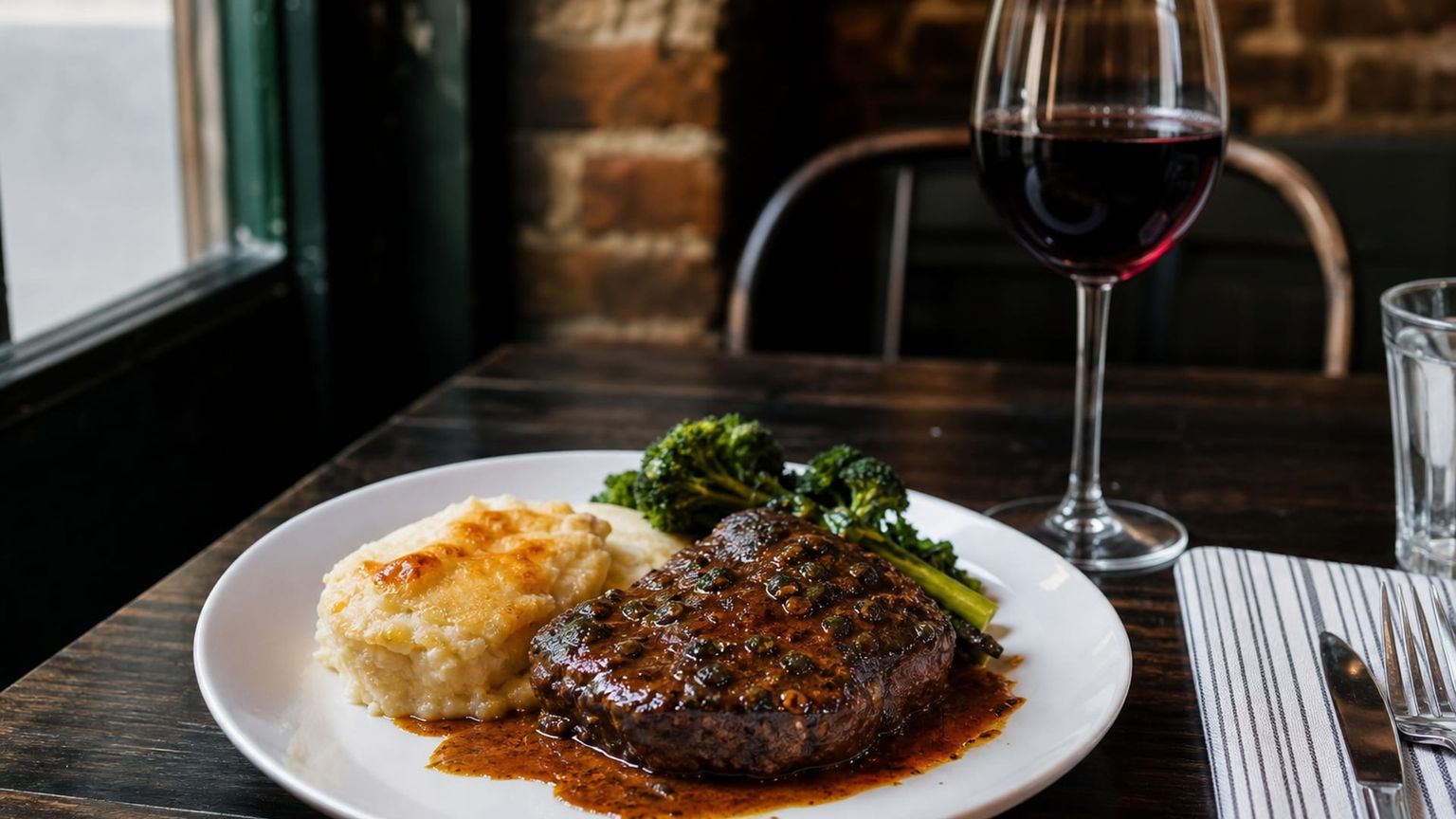
A former industrial zone turned market and food district, known for coffee roasters, specialty groceries, and warehouse-style restaurants. It works well if you want a lively base with easy access to downtown, the river trail, and weekend shopping.
Best for: Food-focused stays, weekend browsing, and travelers who want a lively daytime base
What to expect: Crowded mornings at markets, steady foot traffic along Penn Avenue, and a later-night scene near bars and restaurants.
Hotel prices: Usually about $180 to $320 per night for well-rated stays
Distance to major sights: 10 to 20 minutes on foot to Downtown and the Cultural District, about 15 minutes by transit to Point State Park
Quietness: Busy and energetic through the day, with more noise from traffic and nightlife in the evening.
Main trade-off: Hotel choice is thinner than downtown, and parking can be awkward on market days.
Good to know: Sunday mornings bring the most congestion, so choose lodging with parking or plan to arrive before the market rush.
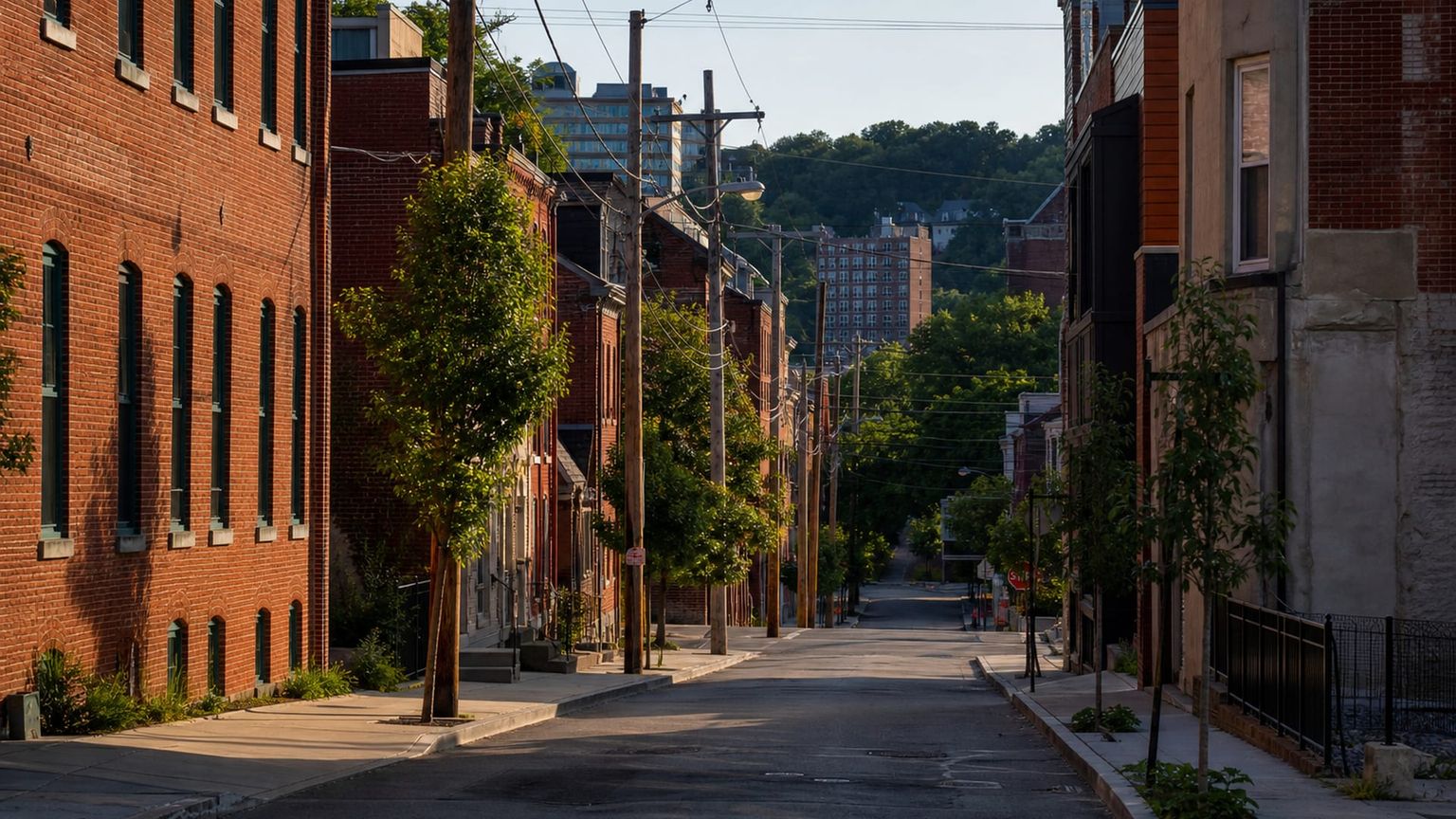
A long, mixed-use neighborhood east of downtown, with restaurants, bars, independent shops, and many renovated rowhouses. It matters if you want a neighborhood stay with a strong dining scene and easy rides to Oakland, the Strip District, and downtown.
Best for: Dining, nightlife, and travelers who prefer a neighborhood feel over a central hotel district
What to expect: Busy sidewalks on Butler and Penn Avenues, young locals out late, and a constant flow of rideshares and delivery traffic.
Hotel prices: Usually about $170 to $300 per night for well-rated stays
Distance to major sights: 15 to 25 minutes by transit to Downtown, about 20 minutes by transit to the Strip District
Quietness: Quieter in the morning and early afternoon, then much louder late at night near the main restaurant blocks.
Main trade-off: You gain better restaurants and a local street scene, but trips to museums and downtown sights take longer.
Good to know: If sleep matters, look beyond Butler Street, since the busiest bar blocks can stay active well past midnight.
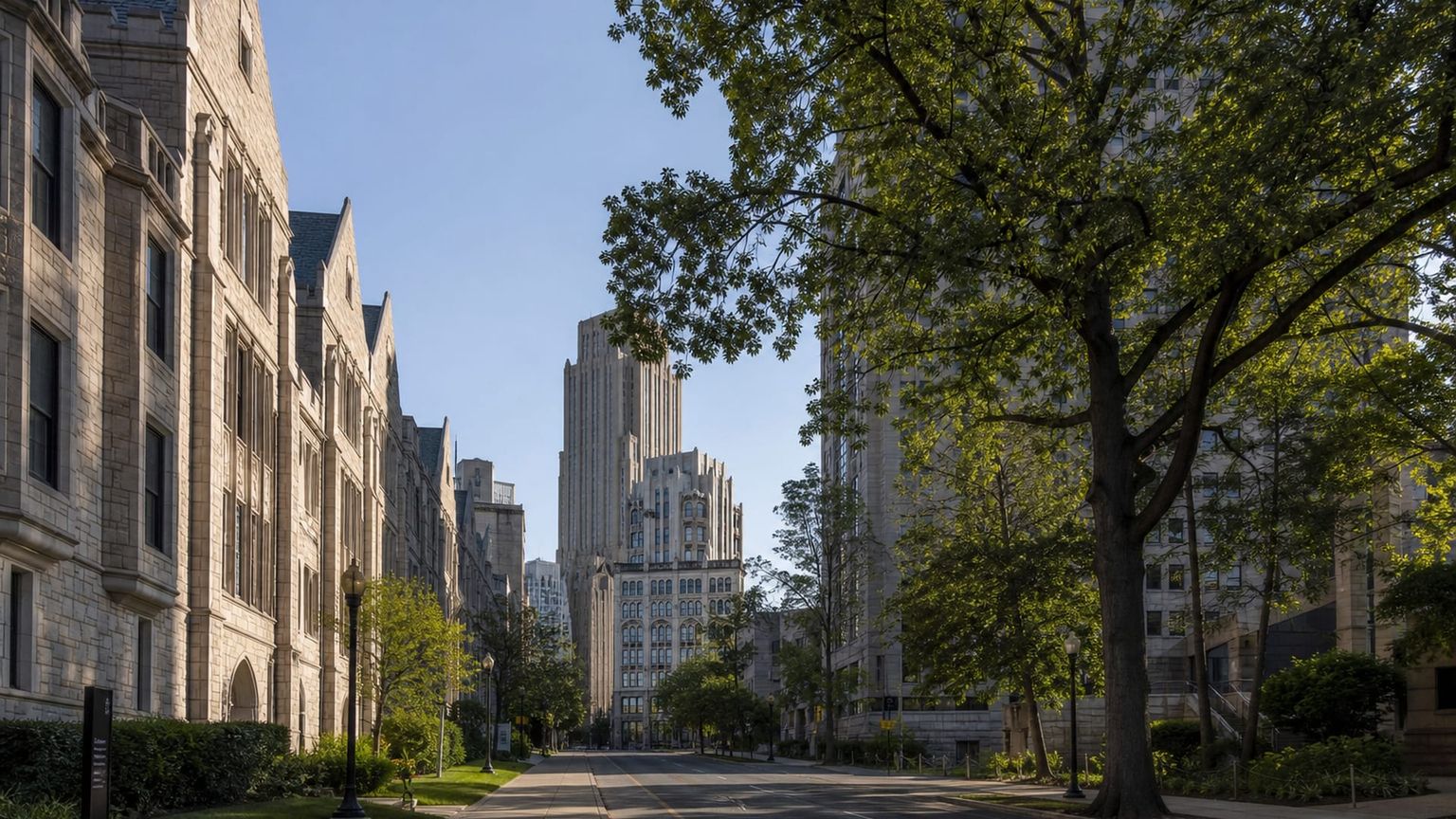
Pittsburgh’s academic and medical district, home to the University of Pittsburgh, Carnegie Mellon University, museums, and major hospitals. It suits travelers who want quick access to cultural sights, green space, and transit to downtown.
Best for: Museum visits, university events, hospital visits, and travelers who want an inner-city base with transit options
What to expect: Heavy daytime movement from students, staff, and patients, plus a busy restaurant strip near Forbes and Fifth Avenues.
Hotel prices: Usually about $140 to $280 per night for well-rated stays
Distance to major sights: 5 to 15 minutes on foot to the Carnegie museums and Schenley Park, about 15 minutes by transit to Downtown
Quietness: Energetic and crowded by day, then calmer at night outside the main restaurant corridors.
Main trade-off: Rooms can book fast during school events and medical conferences, and traffic can be slow at peak hours.
Good to know: If you need an easy hospital or campus visit, confirm whether your hotel includes parking, since street spaces are limited.
Travelers usually avoid staying in Homewood, East Hills, and the far eastern edges of the city because they sit well away from Downtown, the North Shore, and Oakland, where most visitors spend time. Sheraden and Beltzhoover are also less convenient for visitors, since they have fewer hotel options and require longer evening rides to restaurants, museums, and transit hubs.
Hotel deals
How to get around Pittsburgh efficiently
Pittsburgh works best with a mix of the T, buses, taxis, and walking, since the airport sits outside the rail network and several key districts cluster along separate river corridors.

Metro
for longer distances
Pittsburgh has the light rail, the T, rather than a full subway network; it serves Downtown, the South Hills, Station Square, and the North Shore, with free rides in the Downtown subway zone. Fares are $2.75 for a two-hour transfer and $1.35 for seniors and riders with disabilities, while the Airport corridor does not connect by rail. Use it for trips into the core and to South Hills stops, where trains are usually faster than surface traffic.

Bus and tram
for convenience
Port Authority buses cover most of Pittsburgh and the airport area, with frequent links to Downtown, Oakland, the Strip District, and nearby neighborhoods. A standard fare is $2.75, good for a two-hour transfer, and the 28X Airport Flyer runs between downtown, Oakland, and Pittsburgh (PIT) in roughly 30 to 45 minutes depending on traffic. Buy a ConnectCard or pay exact cash on board, and expect lower-frequency service late at night and on weekends.

Taxi
for convenience or late hours
Licensed taxis in Pittsburgh use meters, with no fixed airport flat fare; from Pittsburgh (PIT) to Downtown, the ride usually costs about $40 to $55 before tip, and shorter local trips often fall in the $15 to $30 range. Cabs queue at the airport taxi stand, and most accept cards, though it is smart to confirm before boarding. Tip if the driver helps with bags or the trip involves waiting in traffic.
*Prices are based on rates updated as of June 2026 and may change at the time of travel.
Use the T for Downtown, the North Shore, and South Hills stops, buses for Oakland, the Strip District, and the airport corridor, and taxis or rideshares when you need a direct cross-town run after dinner.
Iconic landmarks
Point State Park
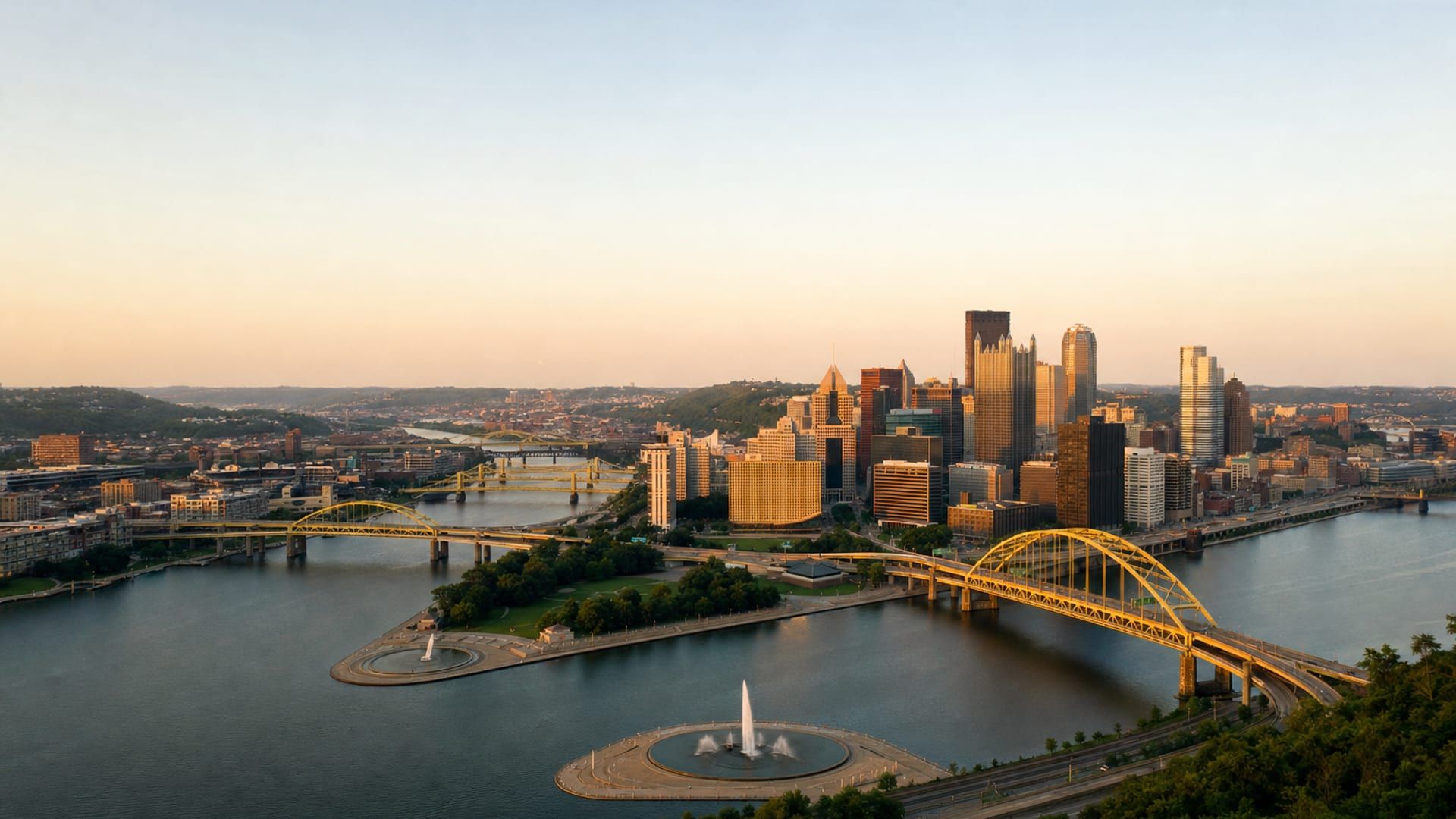
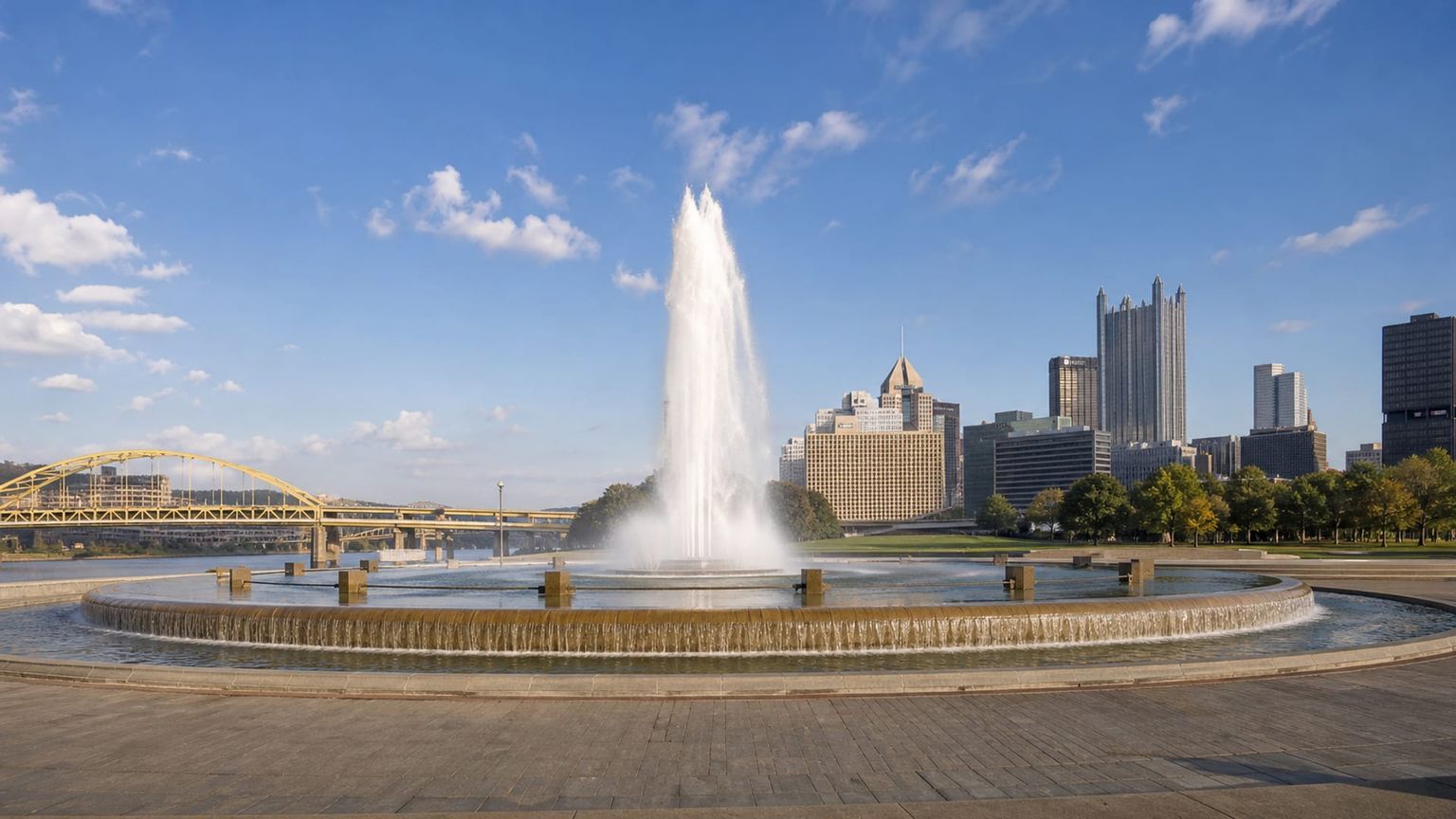
At the meeting point of the Allegheny, Monongahela, and Ohio rivers, Point State Park centers Pittsburgh’s downtown riverfront. Its 150-foot fountain, Fort Pitt Museum access nearby, and wide promenades make it a clear first stop for the city’s history and views.
Time needed: About 1 to 2 hours
Entry: Free to access; Fort Pitt Museum and some seasonal programming charge separately Visit the official site for details.
Tip: Go late afternoon for river light, then stay for the fountain after dusk.
Phipps Conservatory and Botanical Gardens
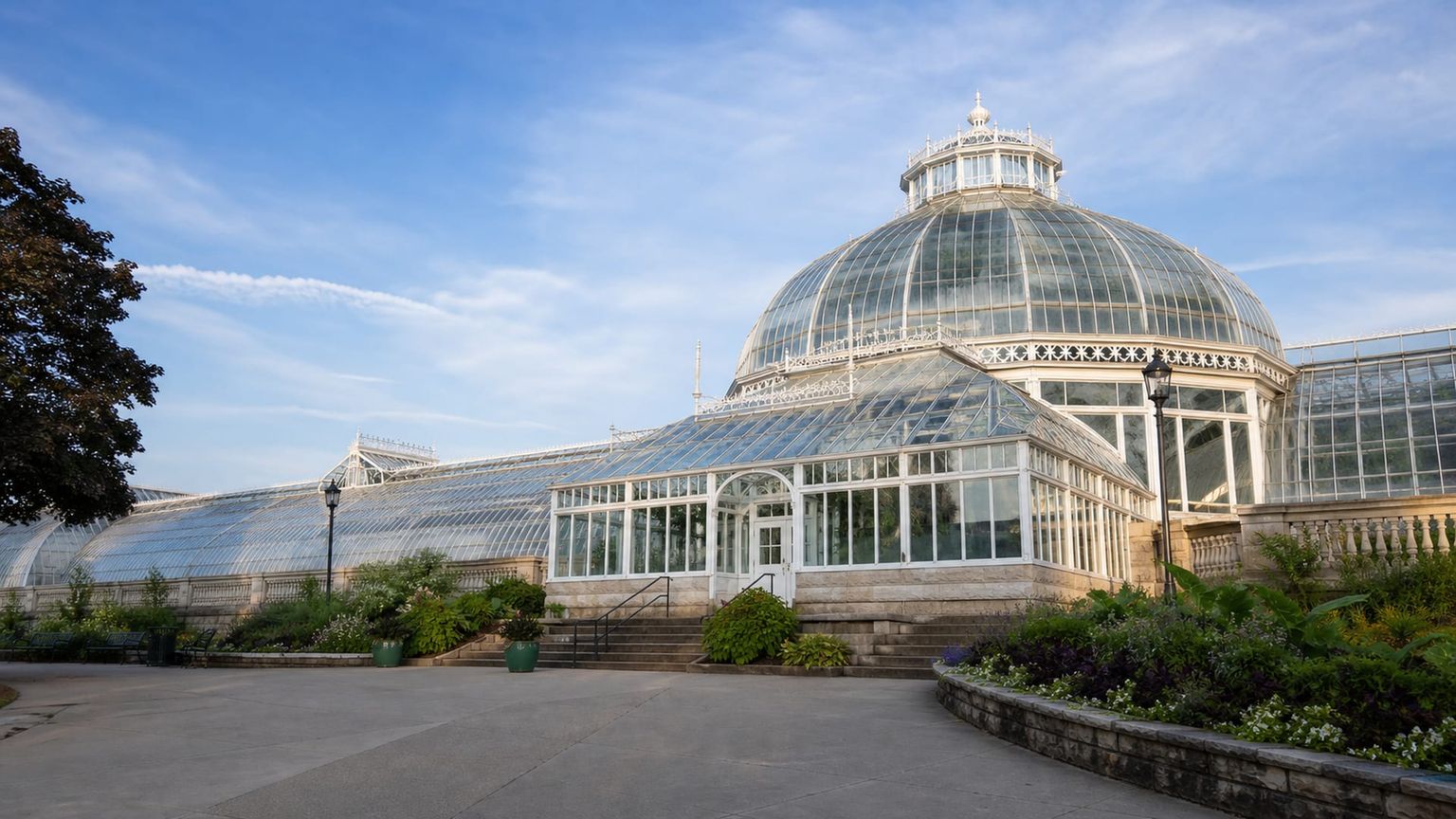
Phipps Conservatory pairs 13 glasshouse rooms with seasonal displays, from orchids and tropical palms to a spring flower show and winter light exhibits. The Victorian-era complex in Schenley Park is one of Pittsburgh’s most visited indoor landmarks.
Time needed: About 2 to 3 hours
Entry: Admission costs about $20 to $25 for adults, with lower rates for children and seniors Visit the official site for details.
Tip: Visit on a weekday morning for quieter rooms and better photos in the glasshouses.
The Andy Warhol Museum
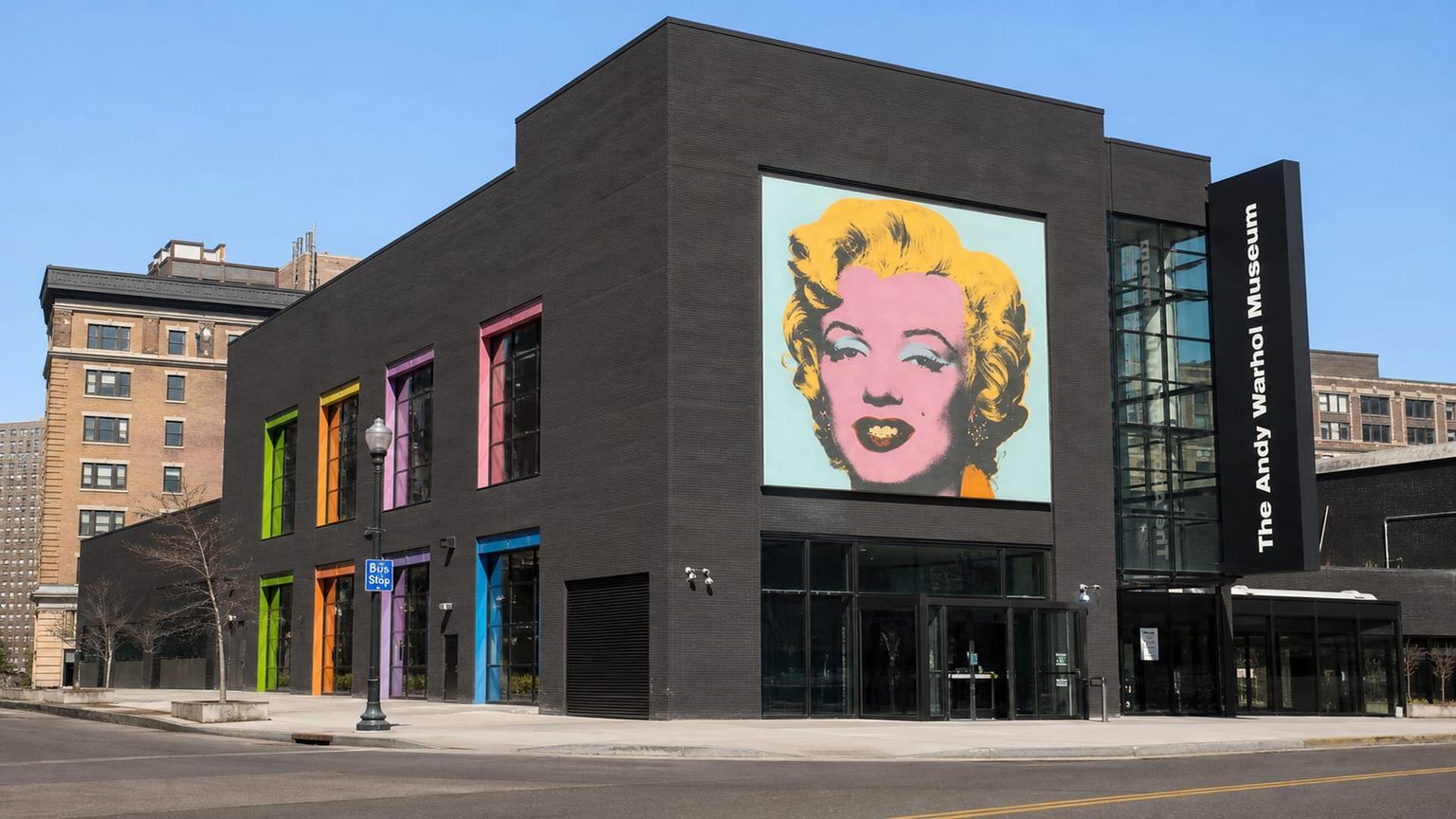
The Andy Warhol Museum on the North Shore holds the world’s largest collection of Warhol art and archives. Seven floors trace his Pittsburgh roots, factory years, films, and prints, with rotating installations that keep the visit anchored in the artist’s own work.
Time needed: About 2 to 3 hours
Entry: Admission costs about $20 to $25 for adults, with discounts for youth, students, and seniors Visit the official site for details.
Tip: Plan extra time for the film galleries, which often run longer than you expect.
Overlooked sites worth visiting

Pittsburgh Botanic Garden
This 65-acre garden west of downtown pairs forest trails with native plantings, wetland views, and a restored farmhouse complex. It suits a slower visit because the paths spread out across wooded hillsides.
Time needed: About 2 hours
Entry: Adult admission is $18 ($18) on weekdays and $20 ($20) on weekends; youth ages 5 to 17 pay $10 ($10); children 4 and under enter free. Parking is free on site, and the garden opens year-round with timed entry on select dates. Visit the official site for details.
Tip: Visit late afternoon for softer light on the hillside paths.

The Frick Pittsburgh
This compact East End complex combines the Frick Art Museum, Clayton, and the Car and Carriage Museum on one walkable campus. The setting rewards a shorter stop with art, Gilded Age interiors, and a small but strong vehicle collection.
Time needed: About 1.5 to 2 hours
Entry: Grounds access is free, and timed tickets for the museum spaces usually cost $15 to $20 ($15 to $20) for adults, with reduced rates for seniors and students; Clayton and the museums follow separate admission rules for some programs. Visit the official site for details.
Tip: Start at Clayton, then finish with the carriage house exhibits.
Traditional food
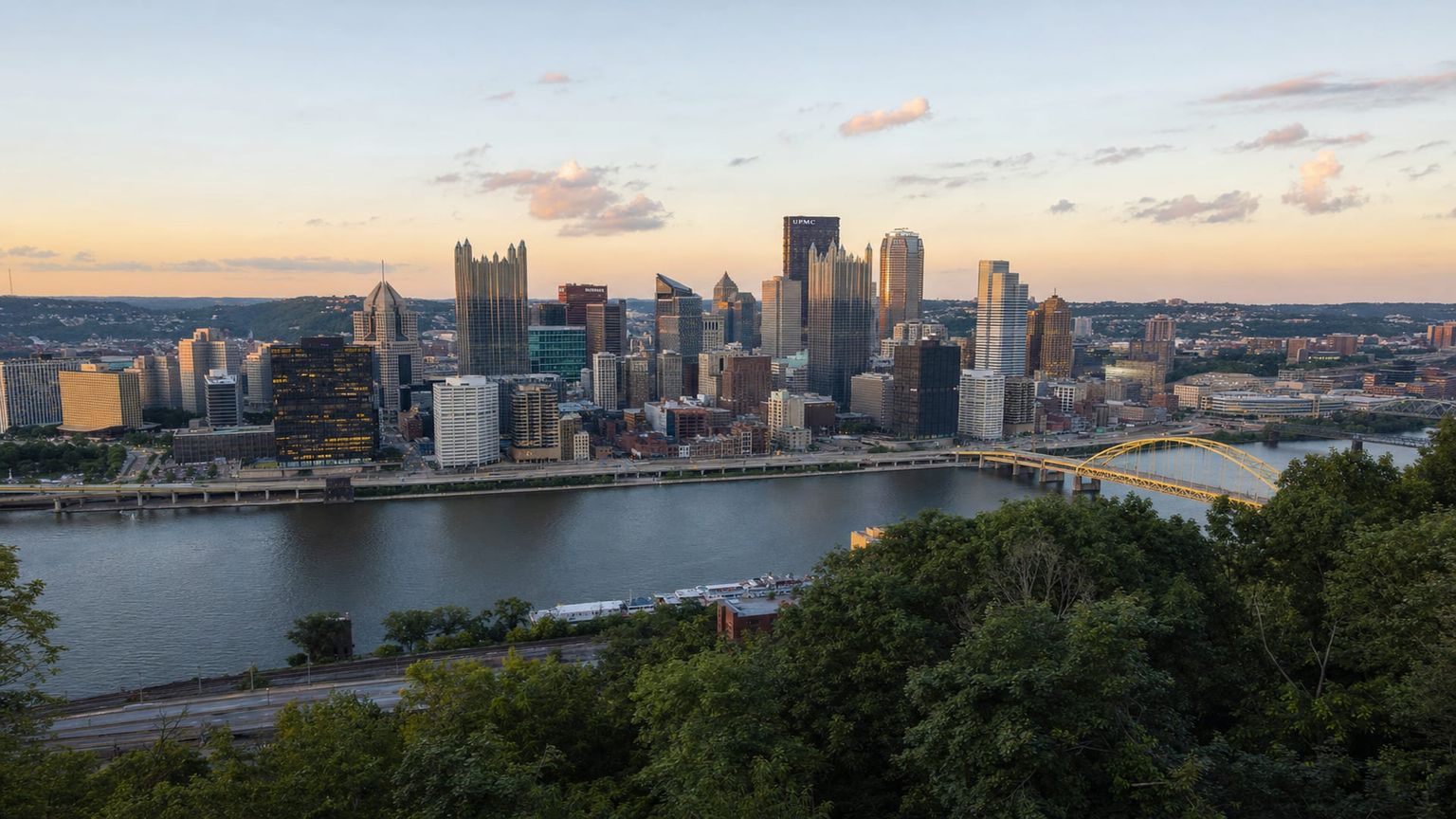
Pittsburgh’s food leans on hearty sandwich shop staples, pierogies, haluski, and chipped chopped ham, with diners and neighborhood counters that keep portions generous and flavors direct.
Primanti Bros. sandwich
This stacked sandwich puts meat, cheese, fries, and coleslaw in one build, a Pittsburgh signature that defines the city’s late-night and game-day eating culture. Primanti Bros. on the Strip District side is the canonical stop.
Pierogies
These filled dumplings show up across the city, usually boiled or pan-fried and finished with onions or butter. For a classic Pittsburgh version, Penn Brewery serves them in a setting that fits the city’s old-school comfort-food pull.
Haluski
Haluski combines cabbage, onions, and noodles into a simple, filling plate that matches Pittsburgh’s working-class dining history. This is a strong order at S&D Polish Deli, where the menu leans into regional staples.
Chipped chopped ham
Chipped chopped ham is a Pittsburgh lunch-box staple, often turned into a sandwich with sweet sauce or served hot in diner form. The original style lives at Isaly’s Restaurant in the metro area, where the city’s classic deli tradition still reads clearly.
Best time to visit Pittsburgh
Pittsburgh changes most through the shoulder months, when the riverfront, hills, and indoor museums all stay useful, while winter brings sharper limits on walking and summer asks for earlier starts.
Best for: River views, gardens, and first patio meals
What you get: About 45°F to 72°F (7°C to 22°C), with moderate crowds and frequent rain that can interrupt long walks
Trade-offs: Weather can turn quickly, so layers matter
Best for: Long daylight, festivals, and full use of the riverfront trails
What you get: About 65°F to 84°F (18°C to 29°C), with heavier crowds at major sights and more weekend traffic
Trade-offs: Humidity and event traffic can slow cross-town trips
Best for: Leaf color, clear museum days, and comfortable neighborhood walks
What you get: About 48°F to 74°F (9°C to 23°C), with balanced crowds and good visibility for skyline views
Trade-offs: Rain and early cold snaps can shorten outdoor time
Best for: Indoor museums, concerts, and quieter hotel availability
What you get: About 24°F to 42°F (-4°C to 6°C), with lighter crowds but occasional snow and icy sidewalks
Trade-offs: Short days make outdoor sightseeing more compressed
A realistic 5-day plan in Pittsburgh
Five days gives Pittsburgh enough time to show its river junction, its museum districts, and its neighborhood food scene without turning the trip into a series of long transfers. The plan below keeps the city in logical clusters, so each day builds from one area to the next.
Land at Pittsburgh International Airport (PIT) and take a taxi or rideshare into Downtown Pittsburgh, roughly 25 to 35 minutes depending on traffic, usually about $45 to $60. If you want a shorter evening commute tomorrow, check into a hotel near Point State Park or the Cultural District, then keep dinner simple with a late meal in Downtown and plenty of water after the flight.
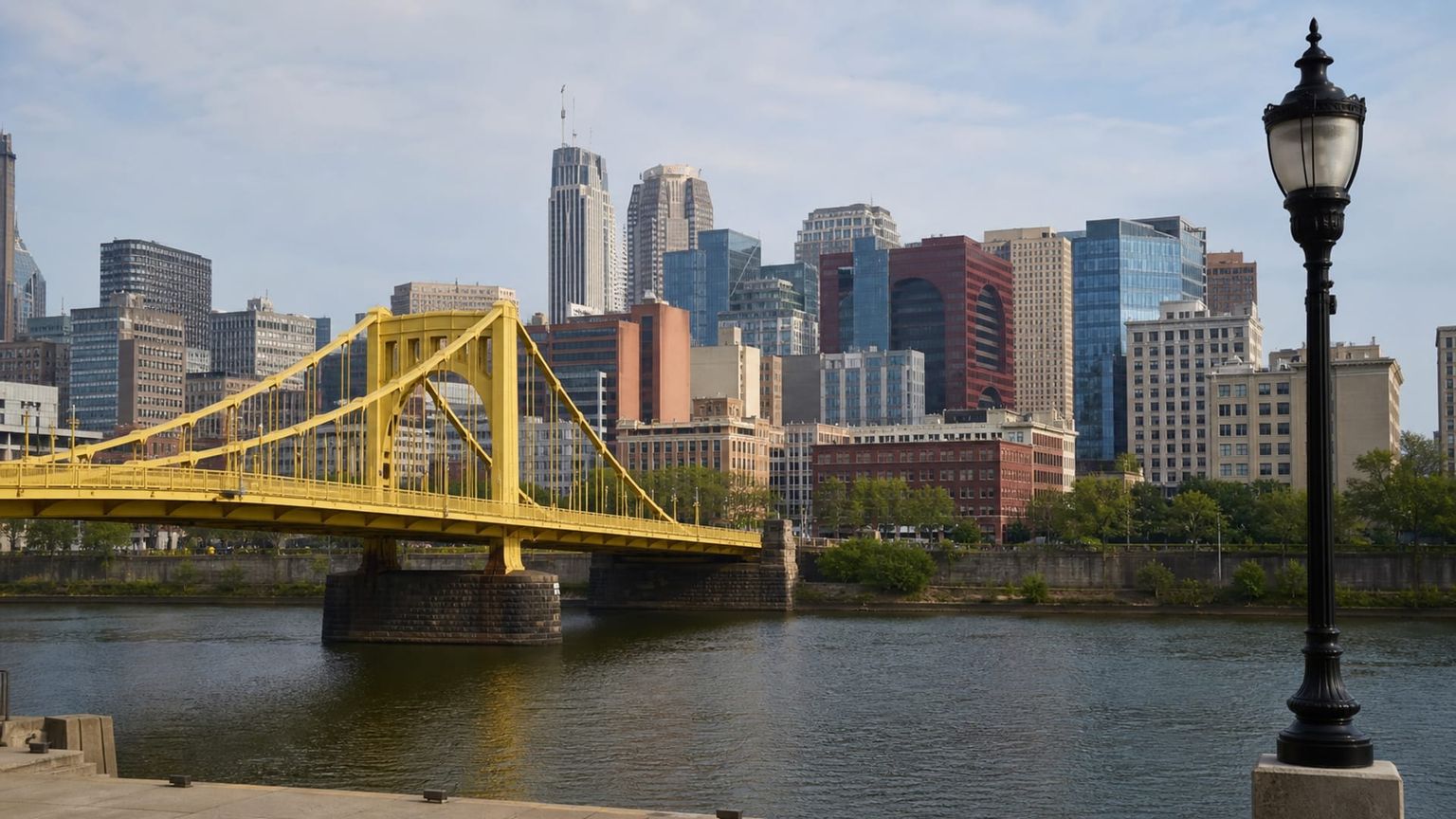
Start at Point State Park for the river junction, fountain, and open views, then walk about 10 minutes into the Cultural District for galleries and the theater corridor. From there, it is a roughly 15-minute walk to the North Shore for The Andy Warhol Museum, where you can spend about 2 to 3 hours before returning downtown for dinner; the full loop works well on foot, with transit as a backup if you want to skip the return walk.
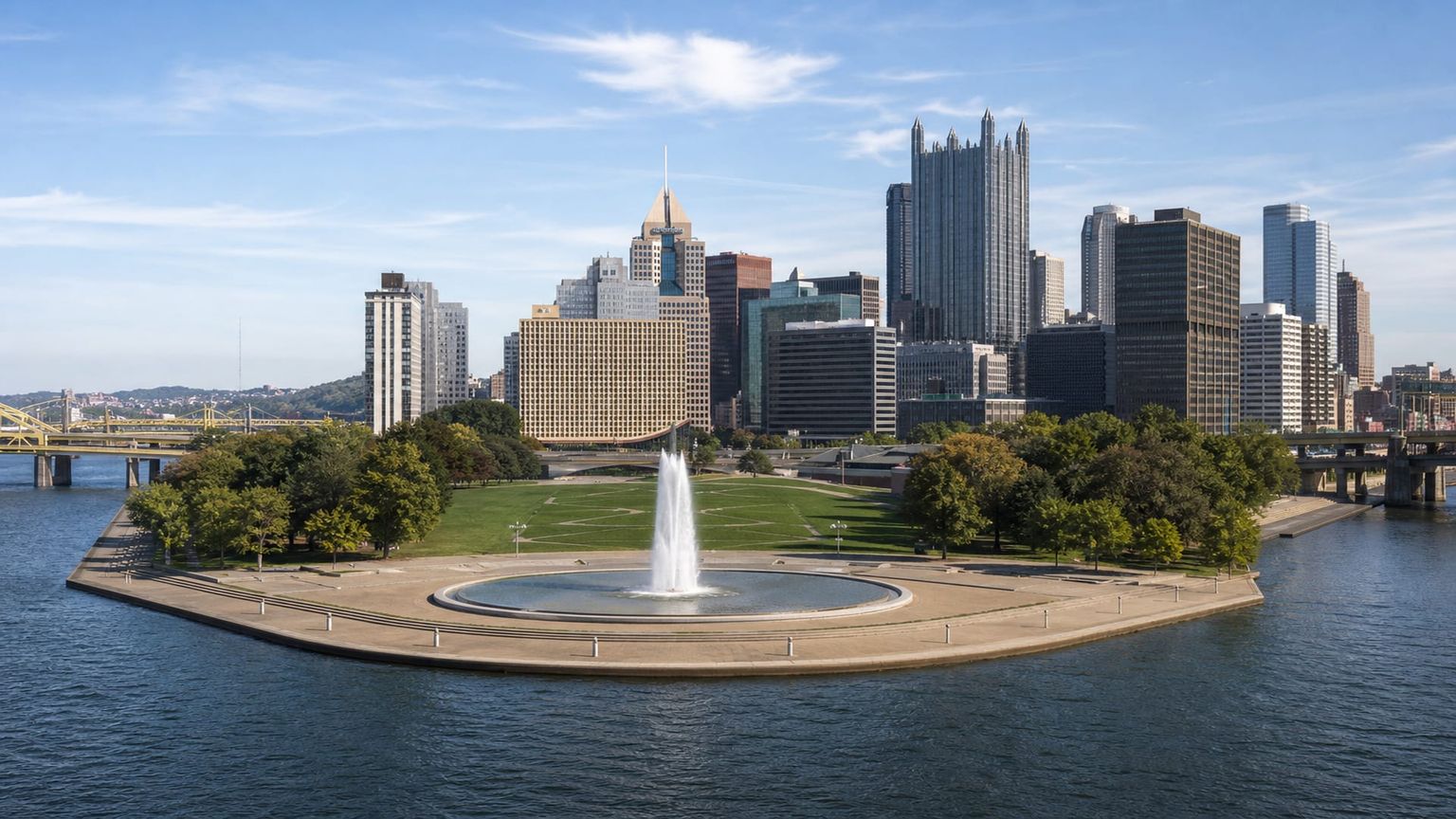
Begin in Oakland at Phipps Conservatory and Botanical Gardens, then walk about 10 to 15 minutes to the Carnegie museums district for nearby campus scenery and a lunch break on Forbes or Fifth Avenues. Afterward, take a rideshare or bus, about 15 minutes, to The Frick Pittsburgh in the East End for Clayton and the Car and Carriage Museum, then head back to Oakland or Downtown for an early night.
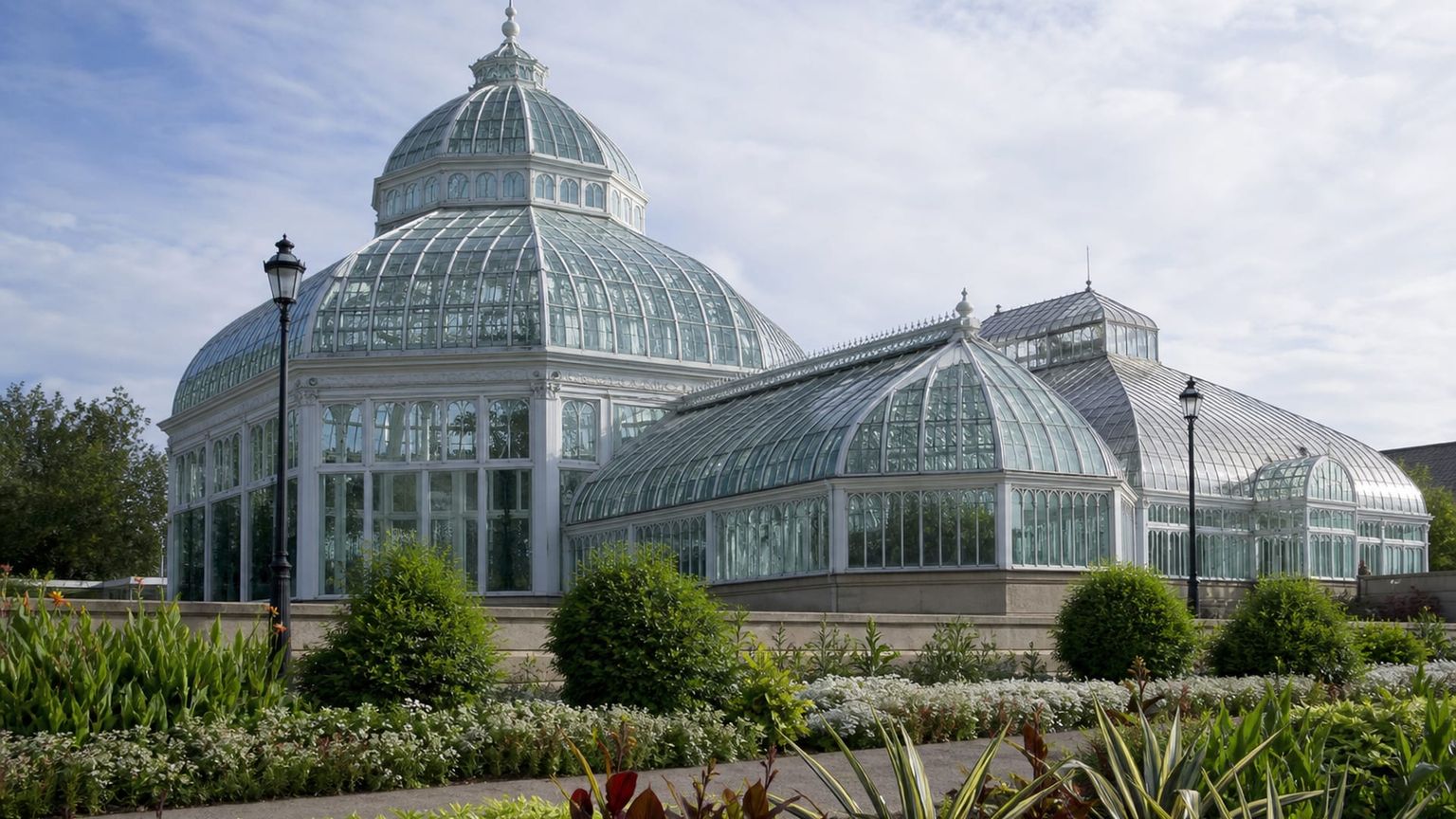
A morning in the Strip District gives you markets, roasters, and specialty food shops, and it pairs well with a café stop and a relaxed browse along Penn Avenue. After lunch, take transit or a rideshare about 15 minutes west to the Pittsburgh Botanic Garden for about 2 hours on the wooded trails, then return to the Strip District or Downtown for an easy dinner.
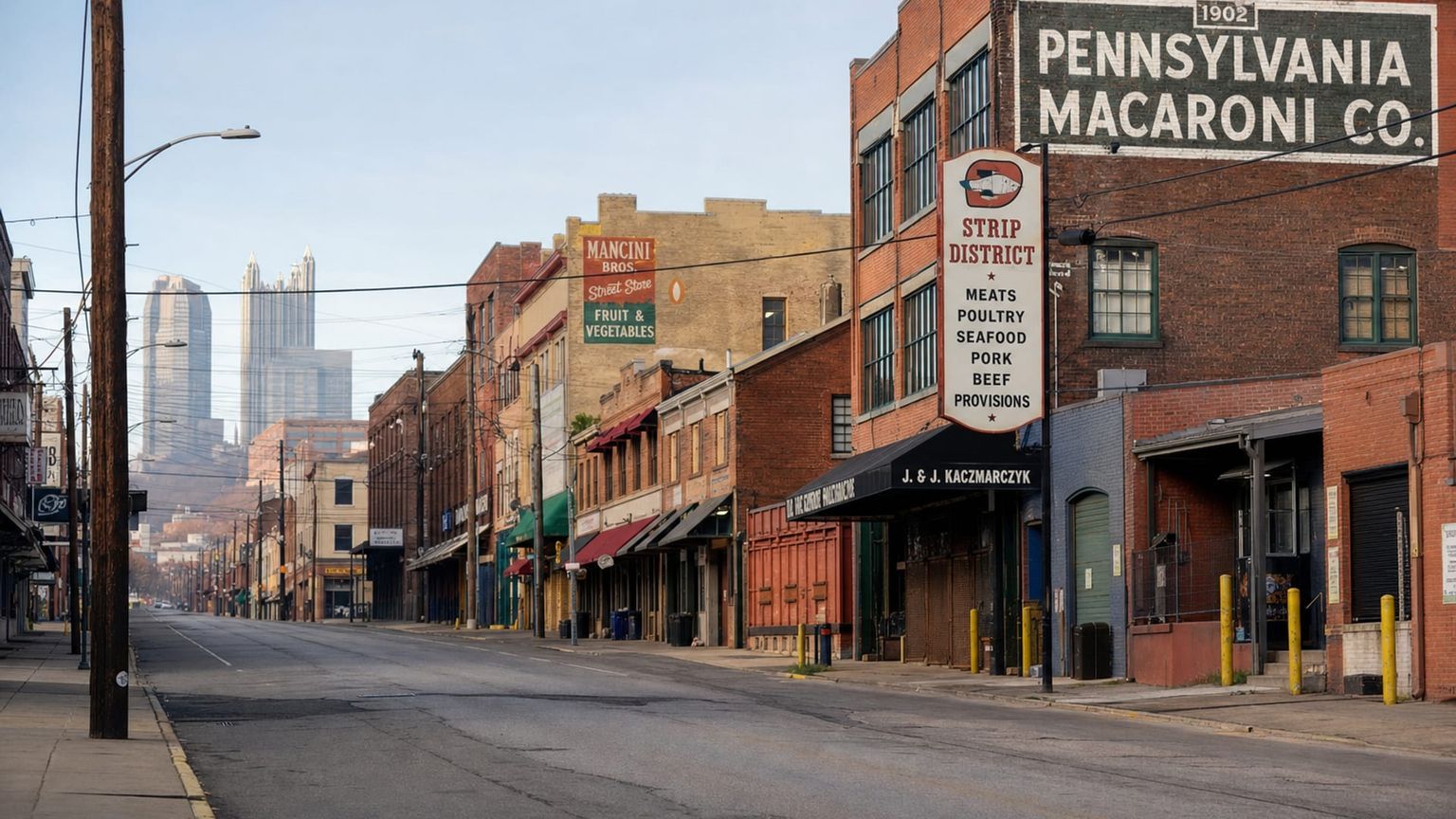
Begin with one final museum stop at The Andy Warhol Museum if you missed it earlier, or return to the building for a shorter repeat visit, then shift to shopping and browsing in Lawrenceville, about 15 minutes by transit from Downtown. Finish with coffee or a light lunch in Lawrenceville or the Strip District, and leave enough time for the trip back to Pittsburgh International Airport (PIT), which usually takes about 25 to 35 minutes by taxi or rideshare.
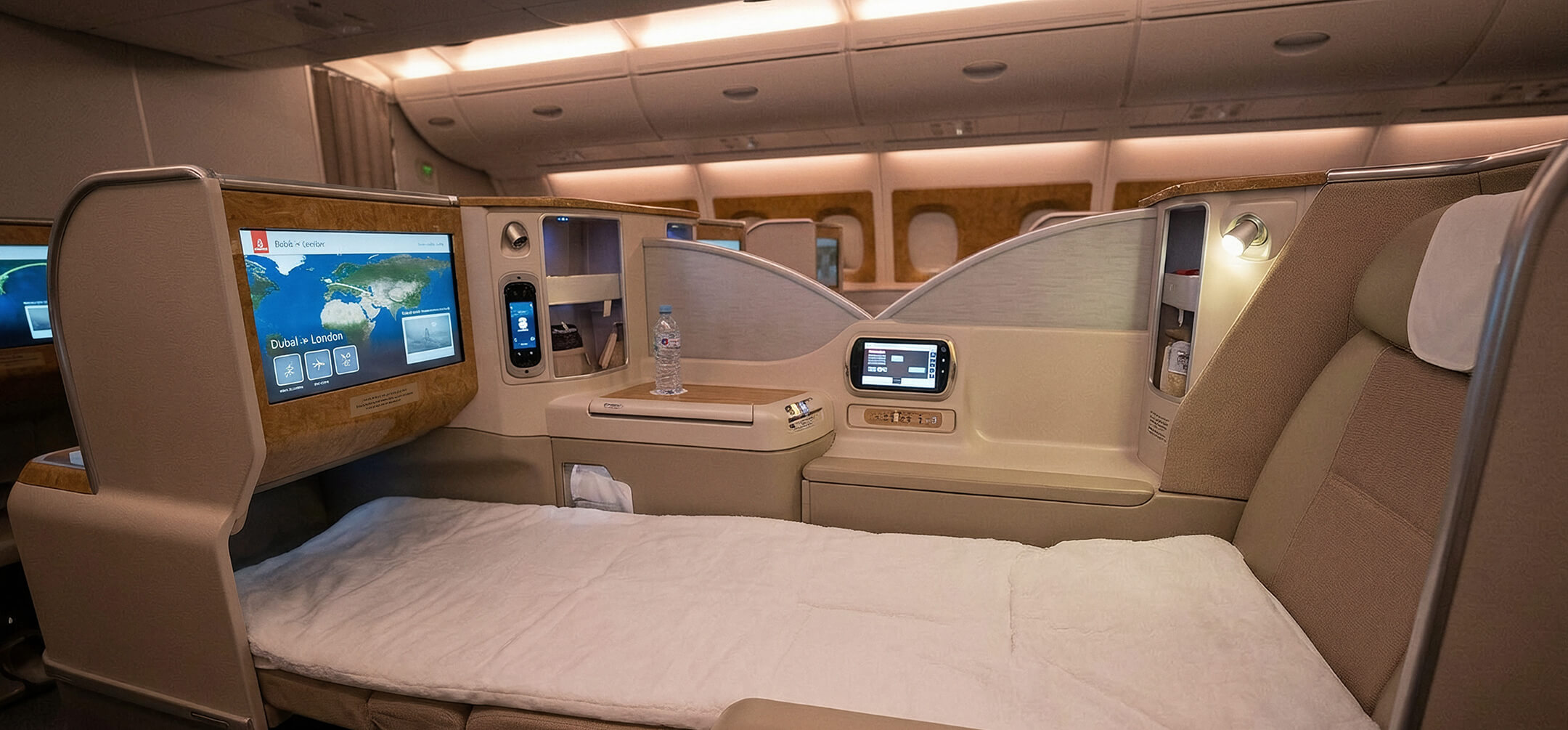
Business-class flights from the US to Pittsburgh
For travelers flying in from the East Coast or the West Coast, the fare spread usually comes down to how many stops you accept and which airlines serve the route. Pittsburgh’s schedule has enough nonstop and one-stop options to keep both ends workable.
From New York, Delta Air Lines, United Airlines, American Airlines, British Airways, Lufthansa, and Air Canada all appear on the route, with some nonstop flights taking about 1 hour 45 minutes. If you accept a connection, common hubs include ORD, IAD, YYZ, LHR, and FRA, with typical itineraries taking about 2 to 5 hours and round-trip fares usually starting from $1,300 and reaching about $3,200.
American Airlines, United Airlines, Delta Air Lines, Alaska Airlines, and Air Canada serve Los Angeles to Pittsburgh, and nonstop flying time usually runs about 4 to 4.5 hours. Round-trip fares usually sit from $1,100 to $2,800, with nonstop tickets often near the higher end of that band.
Pittsburgh feels different when you slow down
A good Pittsburgh trip ties Downtown to the North Shore, Oakland, the Strip District, and one east-end stop without forcing unnecessary crossings of the rivers. You can move by the T, bus, taxi, or a short walk, then break the day with a museum, a market, or a plate of pierogies. If you want the route shaped around Point State Park or Lawrenceville, the AranGrant experts can help you build it from there