

Chapters:

Need help with your trip?
Our support team is available 24/7. Request a callback or call us directly at (833) 619-0908
Pisa trips often start and finish at the Leaning Tower, with travelers spending a few hours in Piazza dei Miracoli and little else. That approach misses how compact the center is, and how quickly crowds build near the square while quieter streets, museums, and the riverfront sit only a short walk away.
Without a plan, the day can become a sequence of short hops through the same busy blocks, with extra time lost to ticket windows, timed entries, and repeated crossings of the river.
This guide spreads the city across five days, pairing the landmark core with San Rossore, San Matteo, and neighborhood dinners so you can move through Pisa at a more even pace.
Useful things to know

Main language(s): Italian
Ciao (chow) – Hello
Per favore (pehr fah-VOH-reh) – Please
Grazie (GRAHT-see-eh) – Thank you
Parla inglese? (PAHR-lah een-GLEH-zeh) – Do you speak English?
Quanto costa? (KWAHN-toh KOH-sta) – How much does it cost?

Currency: The local currency is the euro (EUR, €).

Cash and cards: Cards and contactless are widely accepted; keep about €20 to €40 ($22 to $44) in cash for small purchases.

Tipping: Round up small bills; leave about 5 to 10 percent for good table service.

Traditional food: Cecina, pici all’aglione, cacciucco, torta co’ bischeri

Water and coffee costs: Water about €2 ($2), bar espresso about €1.50 to €2 ($2).

Taxis and ride apps: Free Now and local taxis operate here; app coverage can be limited late at night.

Plug and voltage: Type C/F socket, 230V

Dining and shop opening hours: Breakfast is about 7:00-10:00, lunch 12:30-14:30, and dinner 19:30-22:00. Many restaurants close between lunch and dinner, and some are closed one day a week.

Emergency number: 112 for police, fire, and medical emergencies.
Where to stay in Pisa
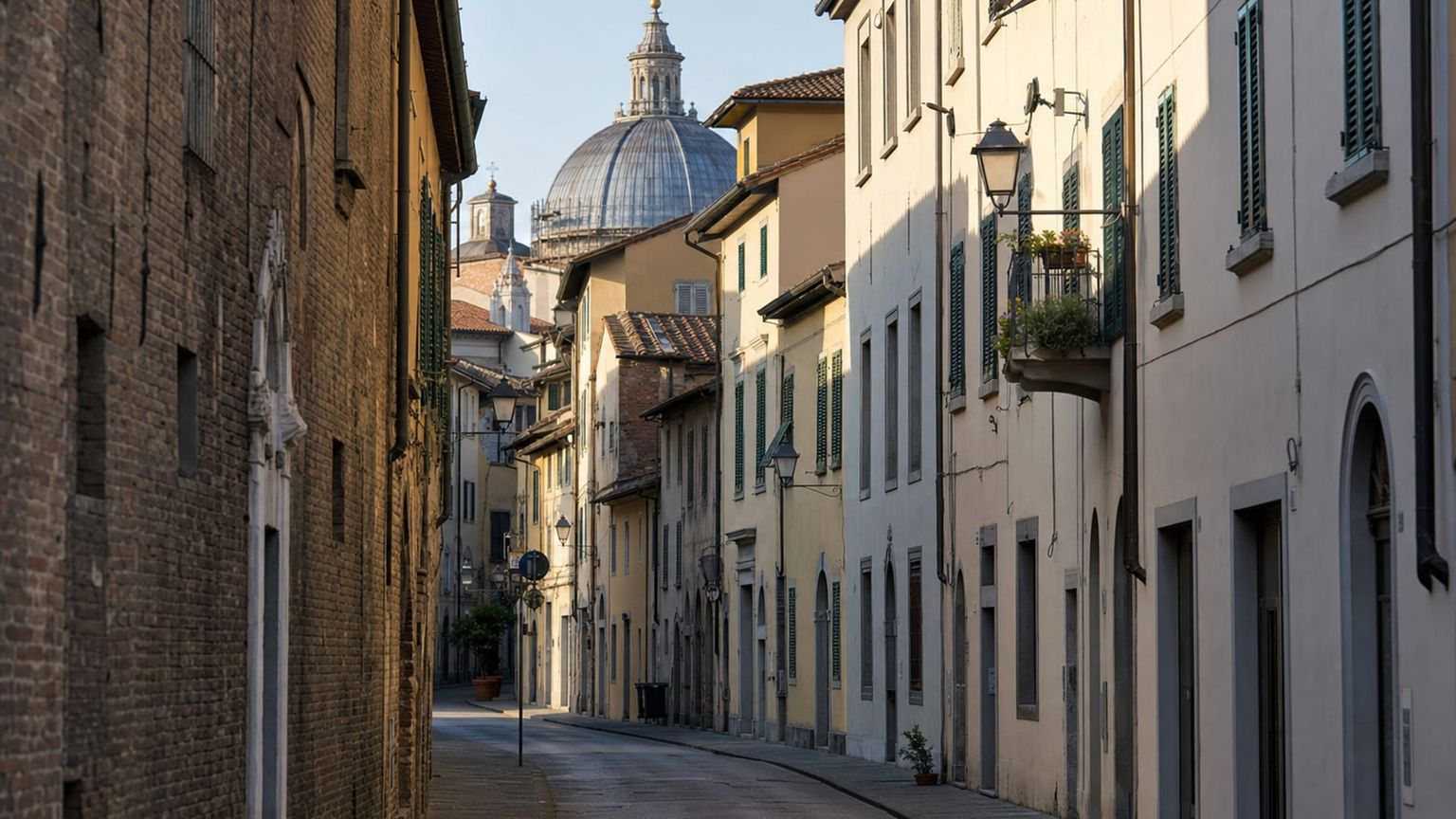
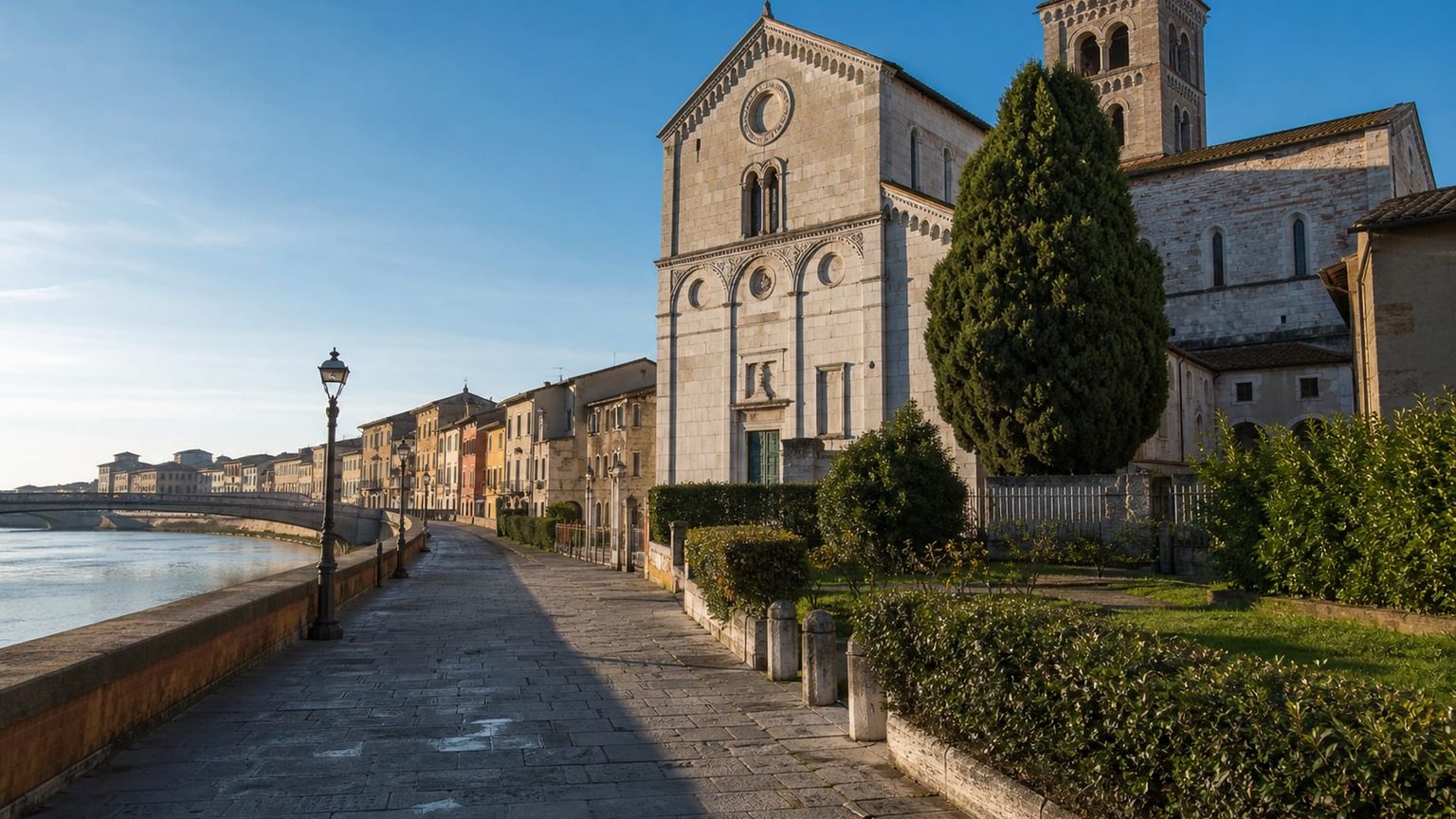
Pisa’s historic center gathers the Leaning Tower, Piazza dei Miracoli, the riverfront, and the main shopping streets in a compact core. Staying here puts museums, cafés, and late dinners within easy walking distance, which cuts down on transit planning.
Best for: First-time visits, sightseeing, and travelers who want to walk to major landmarks
What to expect: Pedestrian streets, busy café terraces, and steady daytime foot traffic near the main monuments.
Hotel prices: Usually about 120€ to 220€ (~$132 to ~$242) per night for well-rated stays
Distance to major sights: 5 to 15 minutes on foot to the Leaning Tower and Piazza dei Miracoli
Quietness: Days are lively and crowded; evenings are calmer once day-trippers leave, though restaurant streets stay active.
Main trade-off: Rooms in the most central blocks can cost more and some buildings have limited elevator access.
Good to know: If you want to minimize taxi use, choose a place south or east of the tower, where the streets are slightly less congested yet still walkable.
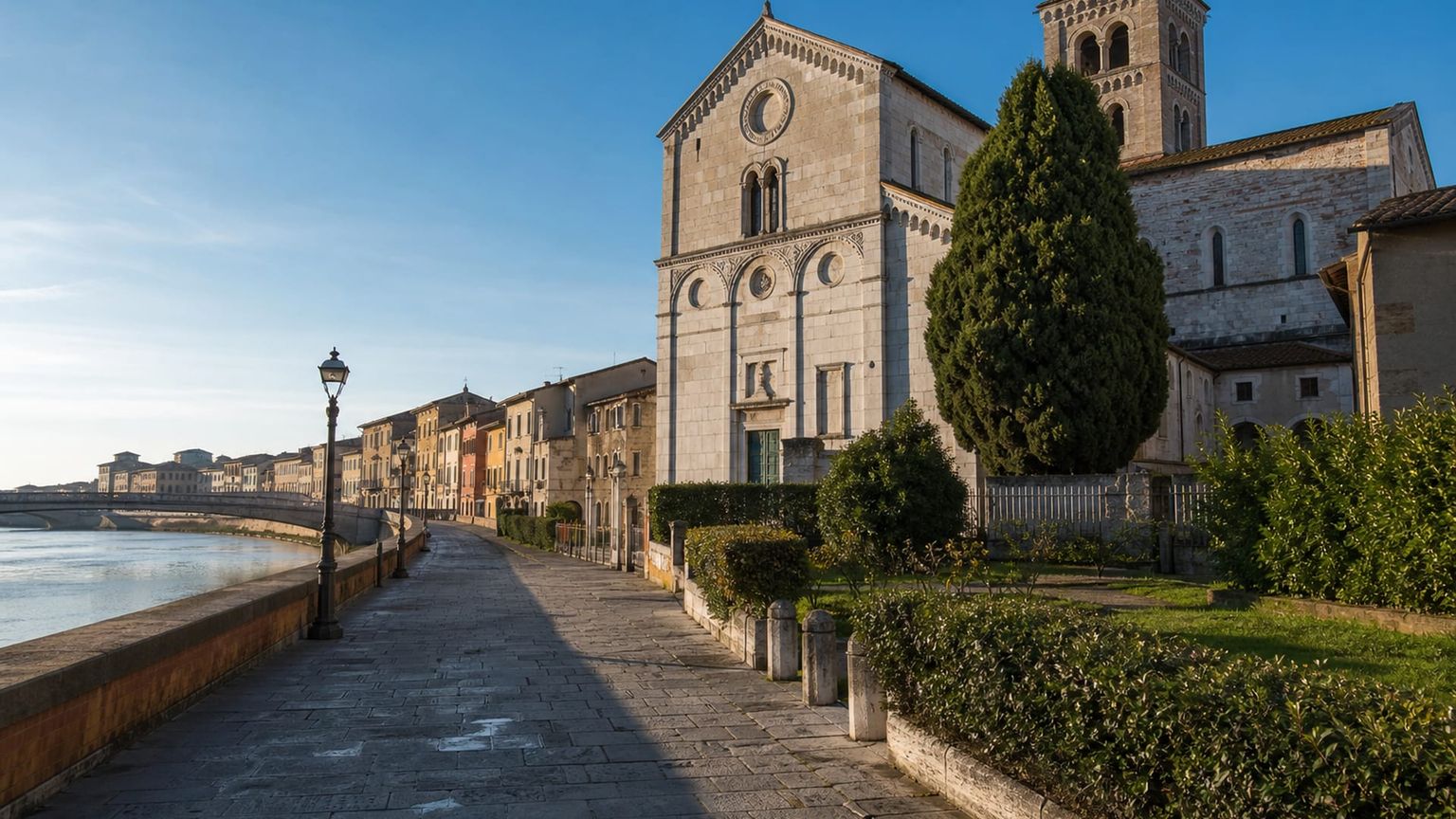
San Martino sits just south of the Arno and mixes residential blocks with small bars, bakeries, and local services. It matters because it gives you a lived-in base close to the center without staying on the busiest monument streets.
Best for: Travelers who want a central base with a quieter residential setting
What to expect: Local residents, neighborhood cafés, and moderate foot traffic rather than a constant tourist crowd.
Hotel prices: Usually about 100€ to 190€ (~$110 to ~$209) per night for well-rated stays
Distance to major sights: 10 to 20 minutes on foot to the Leaning Tower; about 10 minutes on foot to the Arno riverfront
Quietness: Daytime streets are active with neighborhood errands, then evenings usually settle after dinner hour.
Main trade-off: You will walk a bit farther for the cathedral complex and may have fewer hotel choices than in the core.
Good to know: Choose this area if you want to avoid the noisiest monument blocks, but still keep an easy walk to restaurants and the river.
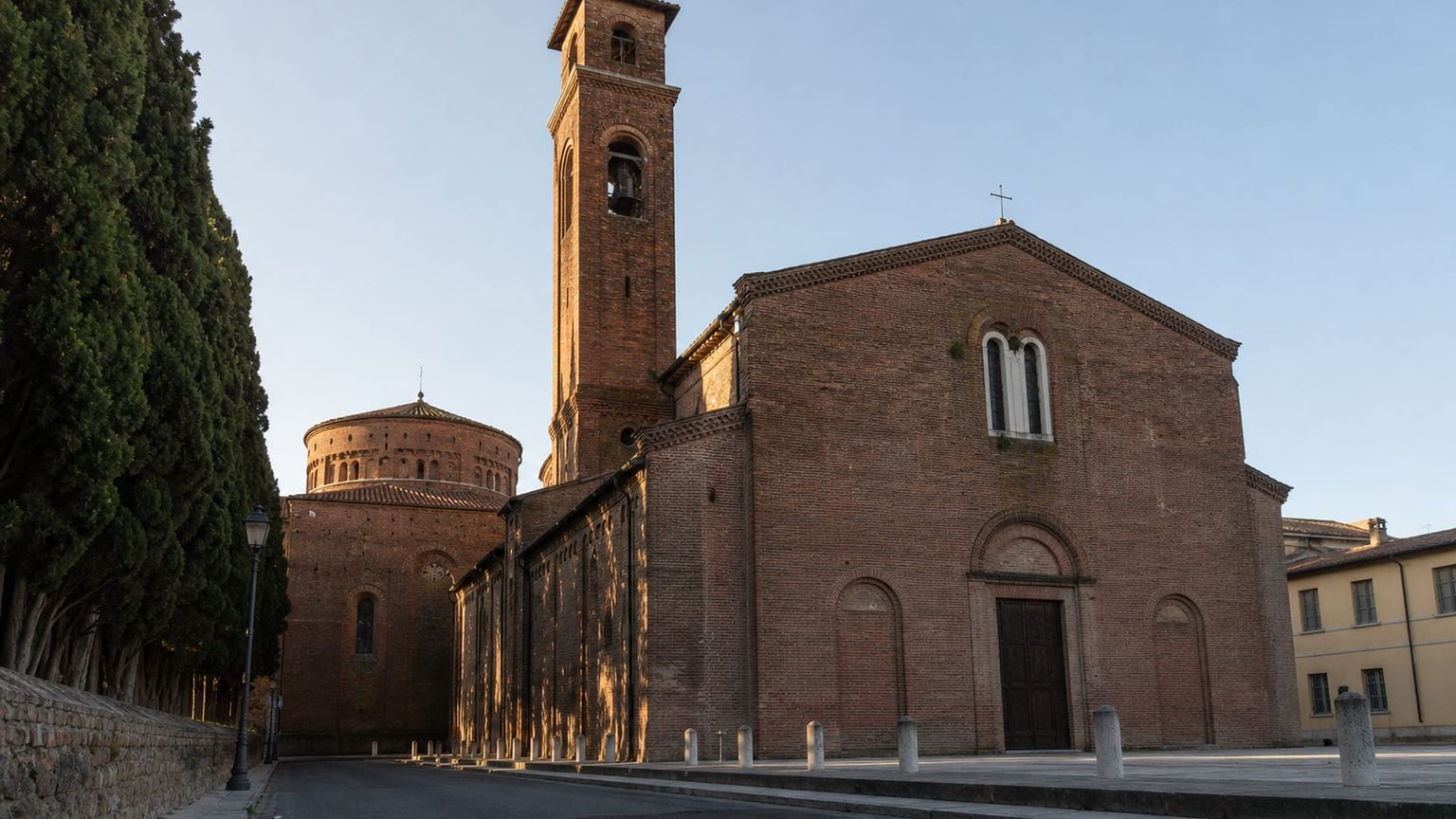
San Francesco is a student-leaning quarter north of the river, with bars, casual dining, and a strong local crowd from the nearby university. It matters for travelers who want more evening energy while staying close to the center.
Best for: Nightlife, casual dining, and travelers who like a more animated evening scene
What to expect: More young people, more late-open bars, and noticeable evening activity on weekends.
Hotel prices: Usually about 90€ to 180€ (~$99 to ~$198) per night for well-rated stays
Distance to major sights: 15 to 20 minutes on foot to the Leaning Tower; about 10 minutes on foot to the Arno riverfront
Quietness: Days are moderate, while evenings can be lively and sometimes noisy near bar streets.
Main trade-off: The best parts of the district can be louder at night, so lighter sleepers should avoid rooms directly above bars.
Good to know: If you plan to stay out late, this quarter reduces the need to cross town after dinner, but street noise can last past midnight.
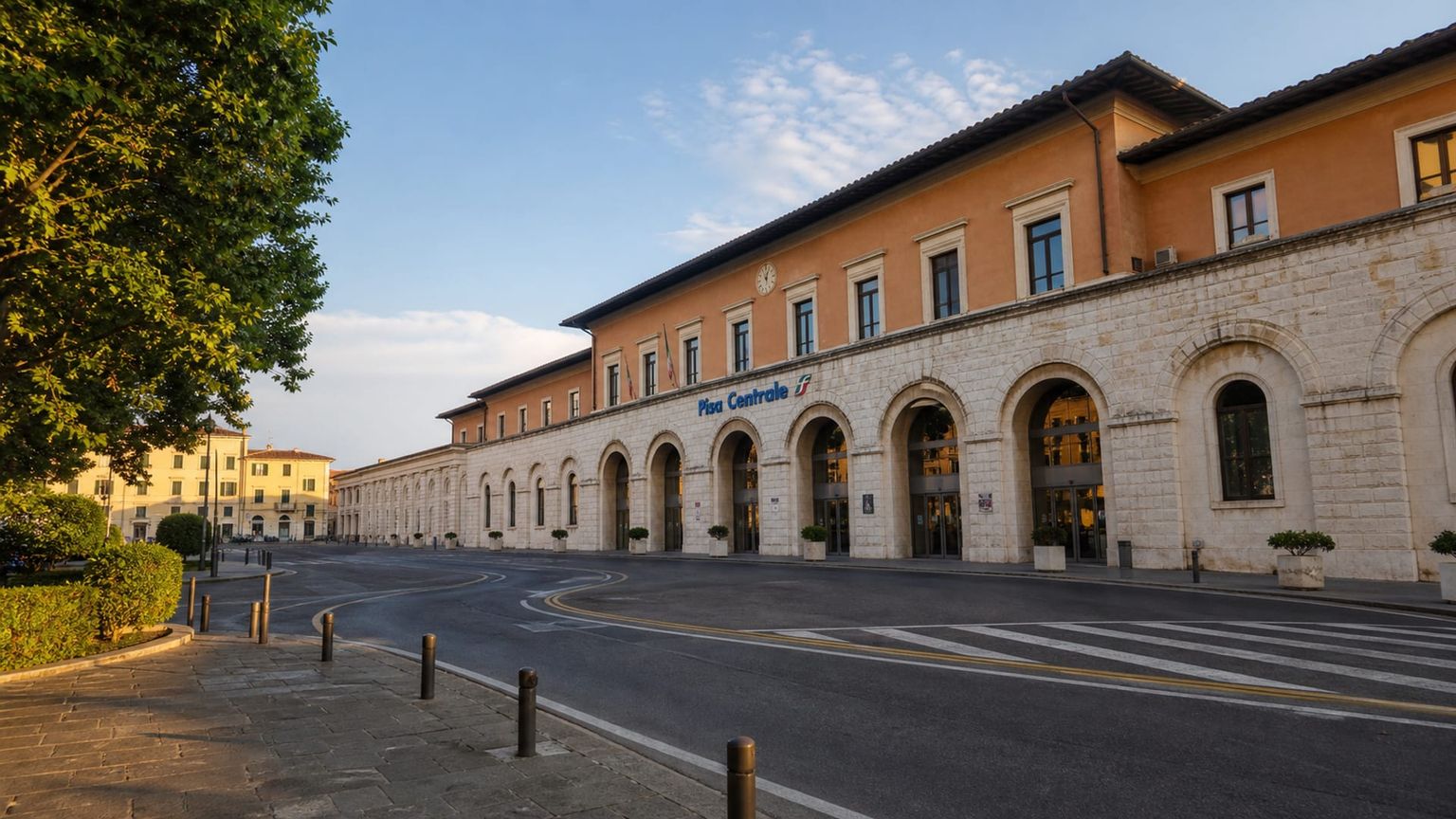
The area around Pisa Centrale is the city’s main arrival point, with easy rail links, taxis, and bus connections. It matters most for short stays, early departures, or anyone planning day trips by train across Tuscany.
Best for: Train travelers, one-night stops, and early departures
What to expect: Busy station forecourts, practical hotel stock, and heavier movement during commute hours.
Hotel prices: Usually about 80€ to 160€ (~$88 to ~$176) per night for well-rated stays
Distance to major sights: 10 to 20 minutes on foot to the historic center; about 15 minutes by bus to the Leaning Tower
Quietness: Days are active and functional; evenings are quieter, though the station area can still feel busy near main roads.
Main trade-off: You save time on rail connections, but the setting is less attractive than the historic core and often more traffic-oriented.
Good to know: This is the place to book if arrival timing matters, since late trains and early departures are far easier from here.
Travelers usually avoid staying in Porta a Mare, because it sits south of the center, away from the Leaning Tower and the main historic streets, with fewer visitor-facing amenities after dark. Cisanello is also less convenient for a short stay, since it is a hospital-and-residential area several kilometers from the main sights, while San Giusto, near Pisa (PSA), suits airport access more than sightseeing and can mean an inconvenient evening trip back into town.
Hotel deals
How to get around Pisa efficiently
Pisa’s lack of a metro makes walking, the PisaMover, buses, and taxis the main tools for crossing short distances without overplanning.

Metro
for longer distances
Pisa has no metro system, so there is no subway link from Pisa Airport (PSA) into the center; the closest rail option is the PisaMover people mover, a shuttle that connects the airport and Pisa Centrale in about 5 minutes, with tickets roughly $7 (€5).

Bus and tram
for convenience
Local buses cover the city and the airport area, with Autolinee Toscane services linking Pisa Centrale, the airport, and neighborhoods such as San Giusto and the historic center; single tickets cost about $1.70 (€1.50) and stay valid for 70 minutes, while 24-hour passes are about $6 (€5).

Taxi
for convenience or late hours
Licensed taxis wait outside Pisa Airport (PSA) and at major ranks, and they usually charge metered fares except for some set airport or fixed-destination prices; a trip from the airport to the center is roughly $10 to $16 (€9 to €15), with late-night and baggage extras possible, and most cabs accept cards but cash still helps.
*Prices are based on rates updated as of June 2026 and may change at the time of travel.
Use the PisaMover for airport arrivals, buses for lower-cost city links, and taxis when you want the fastest hop to or from the center.
Iconic landmarks
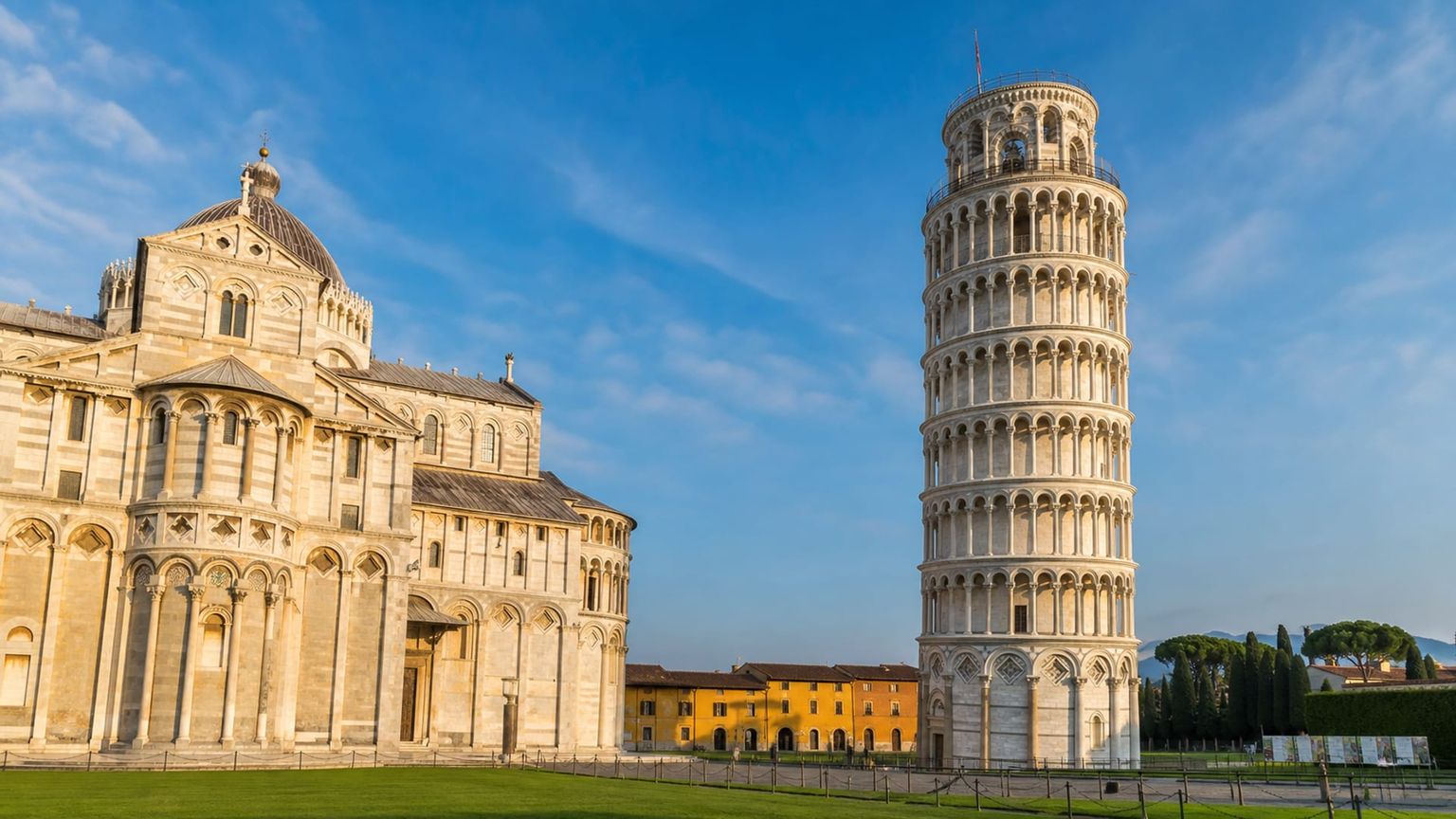
Leaning Tower of Pisa
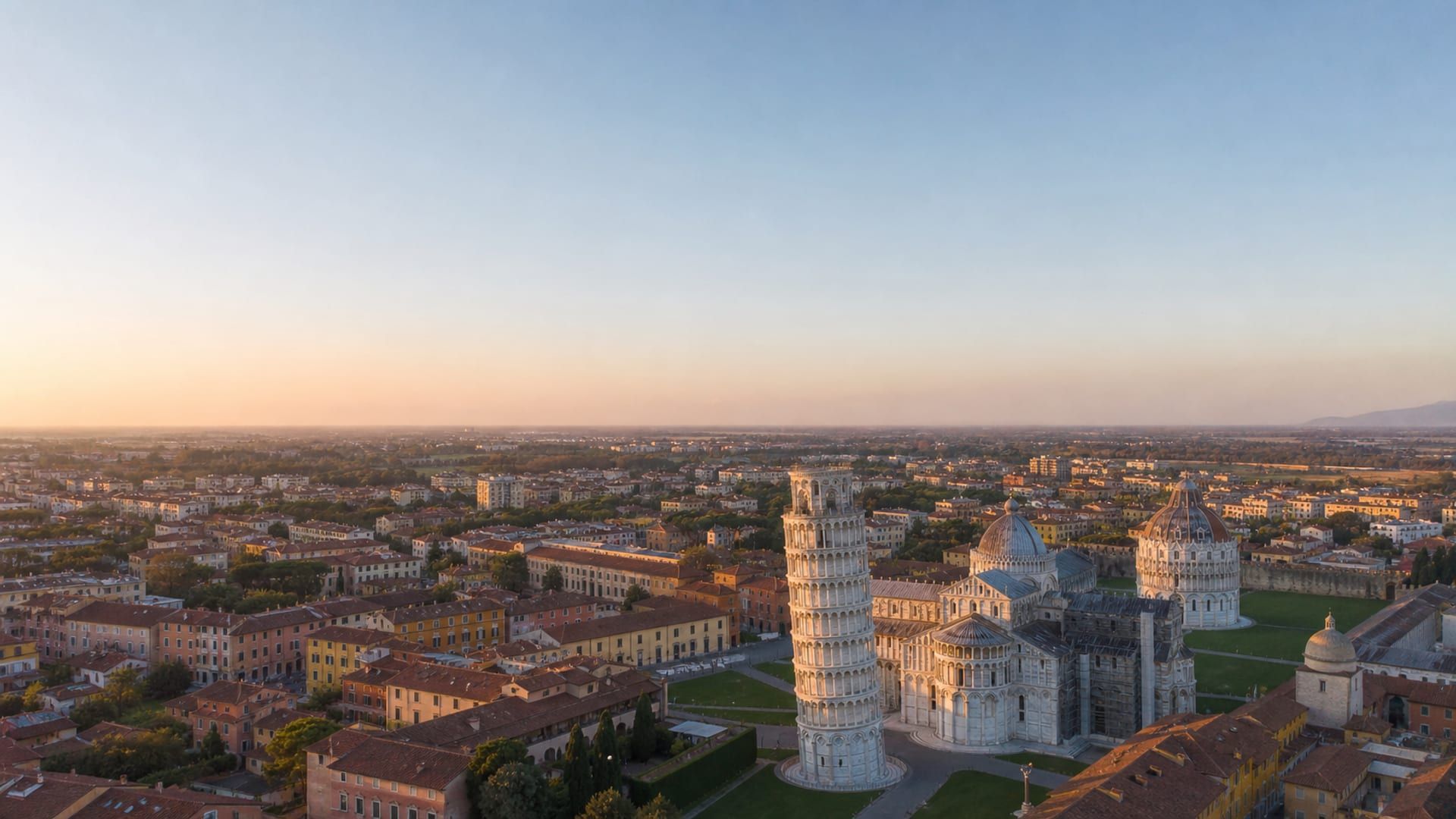
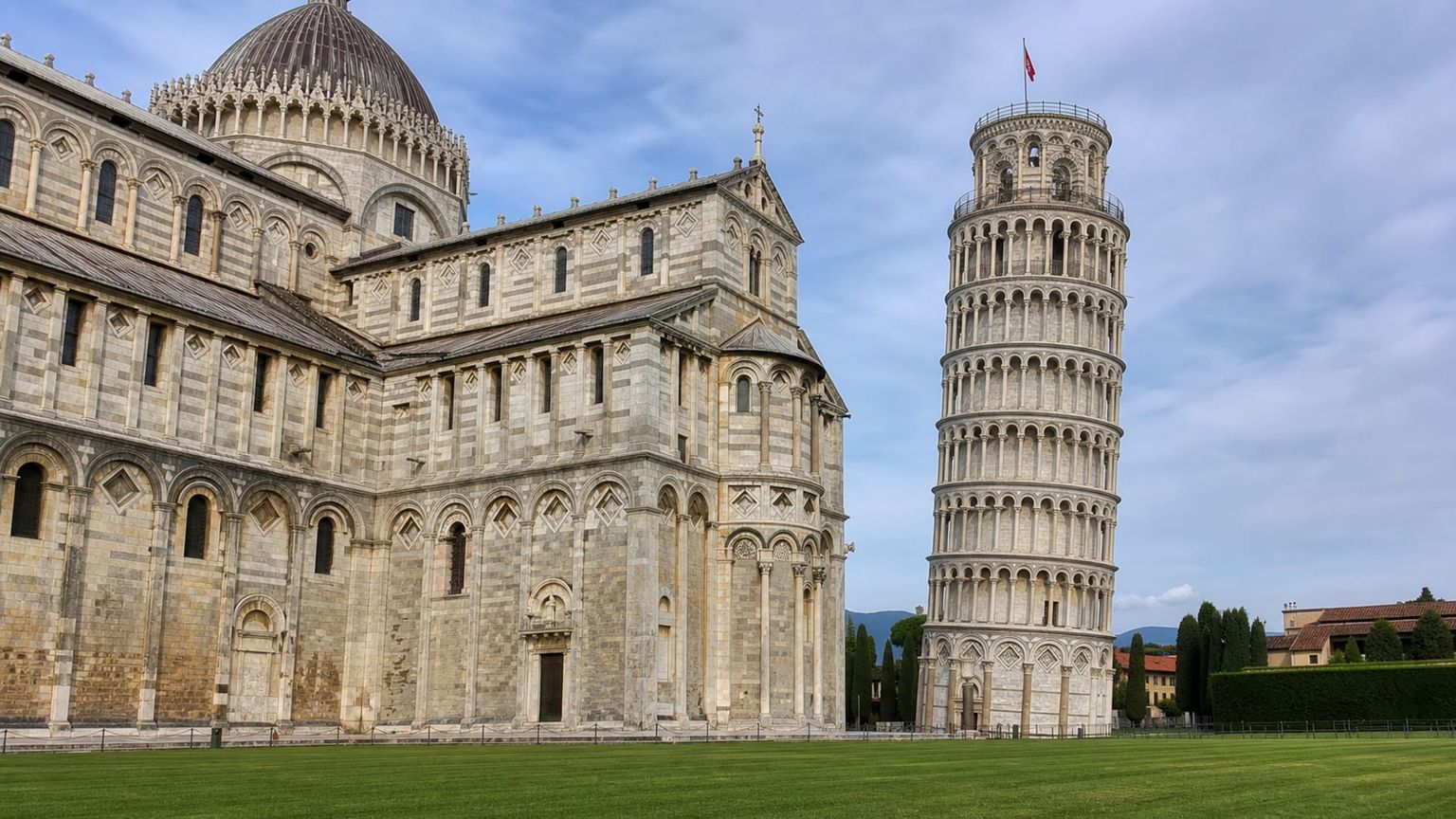
Pisa’s best-known landmark tilts beside the cathedral, rising 56 meters in white marble on the Piazza dei Miracoli. The bell tower dates to the 12th century, and the climb gives wide views over the square and the city.
Time needed: About 1 to 2 hours
Entry: Climbing tickets cost about $27 ($25) to $33 ($30) per person, with set entry times and separate cathedral access rules. Visit the official site for details.
Tip: Go early or late in the day, when the square is calmer and the marble is less harsh.
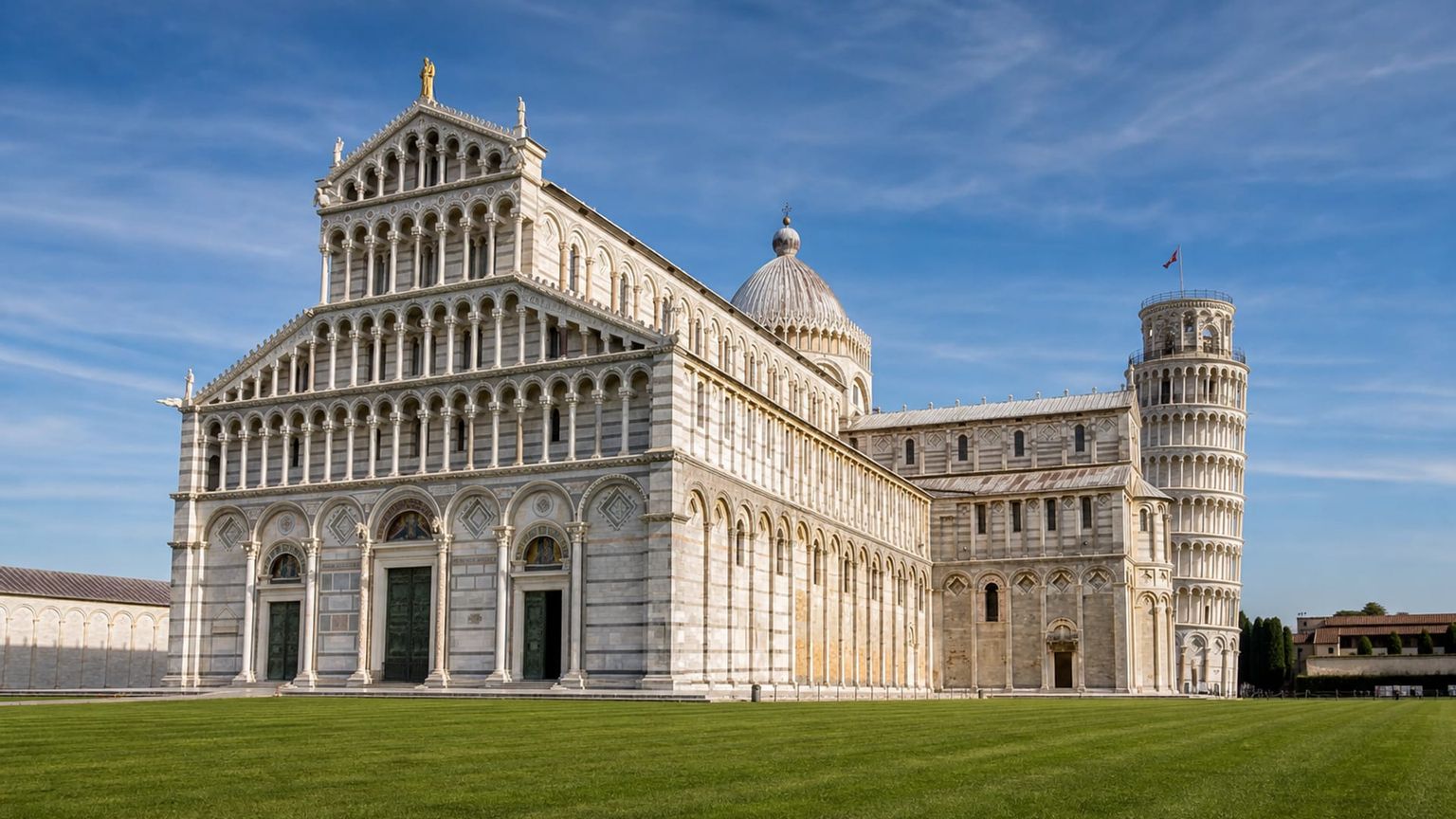
Piazza dei Miracoli
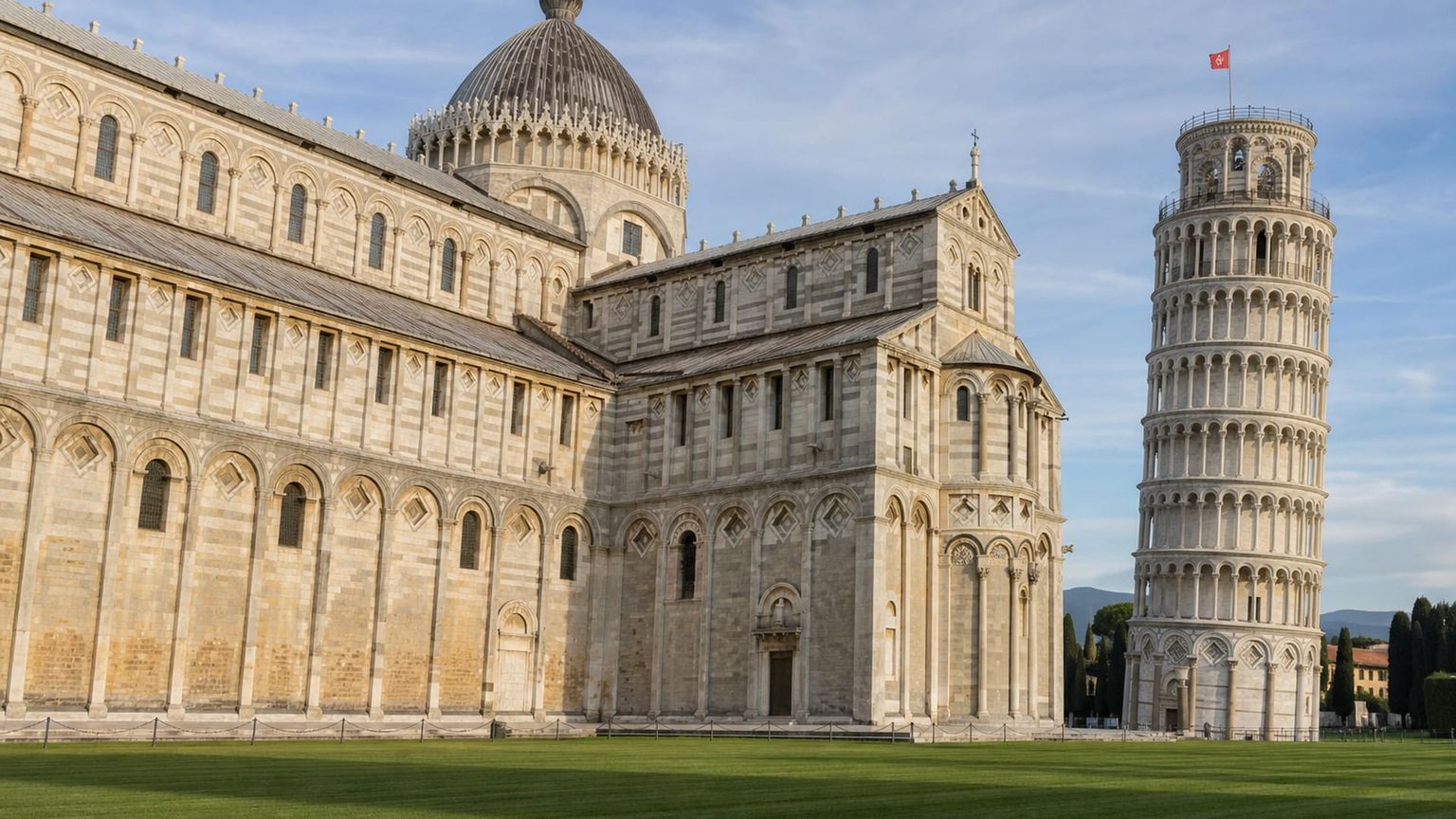
This World Heritage square gathers Pisa’s cathedral, baptistery, tower, and Camposanto on a broad lawn edged by marble arcades. It shows the city’s Romanesque power in one compact walk, with each building offering a different angle.
Time needed: About 2 to 3 hours
Entry: Free to enter the square; individual monuments charge about $8 ($8) to $20 ($18), depending on the building and ticket type.
Tip: Visit at golden hour for softer stone color and fewer tour groups in the lawn areas.
Cathedral of Pisa
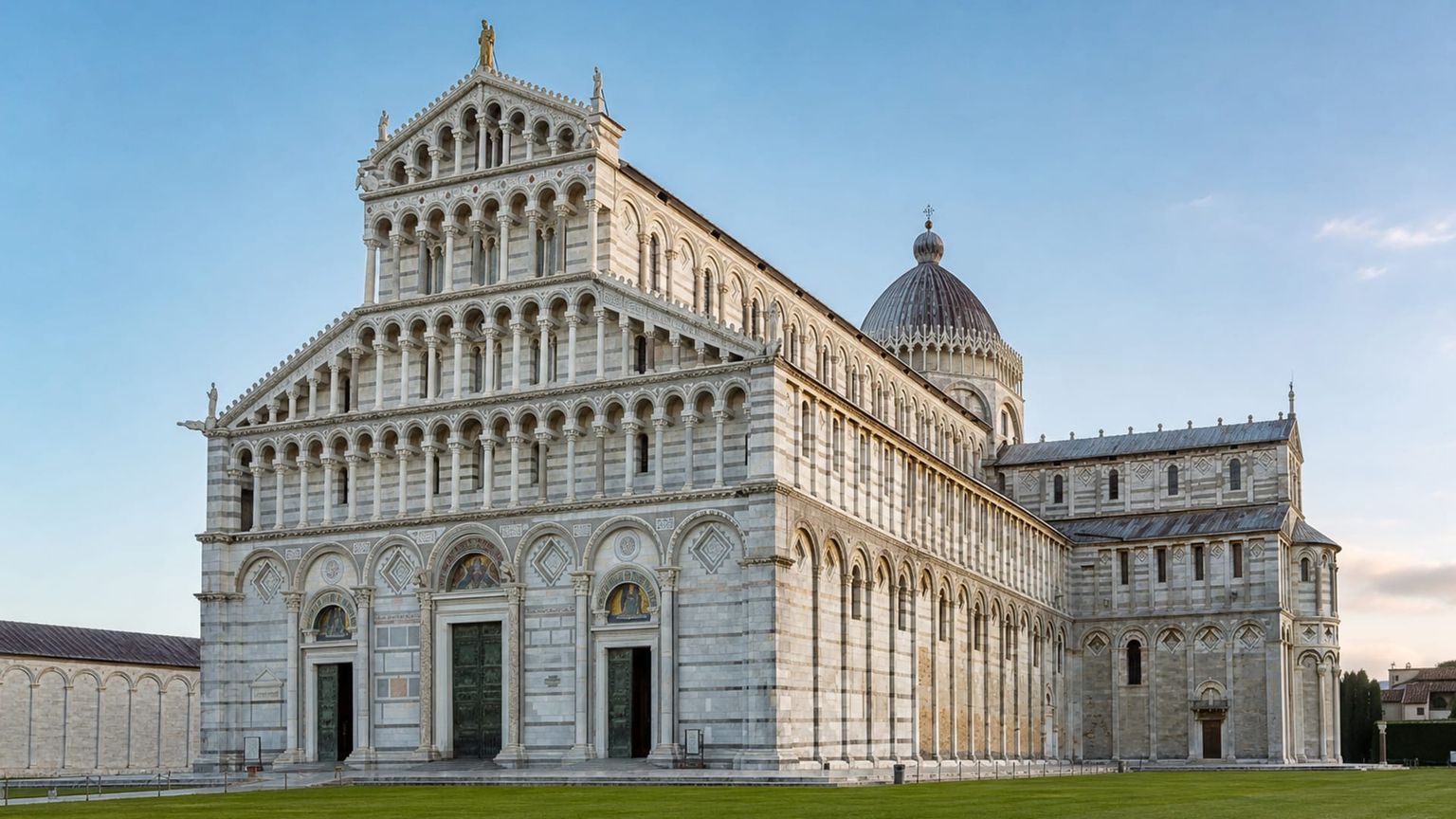
The cathedral anchors the Piazza dei Miracoli with striped marble facades, bronze doors, and a lavish interior of mosaics and carved detail. Built from the 11th century onward, it marks Pisa’s medieval wealth and maritime reach.
Time needed: About 45 minutes to 1 hour
Entry: Cathedral entry is free, but access is timed and requires a separate ticket or combined monument pass on busy days. Visit the official site for details.
Tip: Dress modestly, and aim for a midday stop after the square opens fully to visitors.
Overlooked sites worth visiting

San Rossore Natural Park
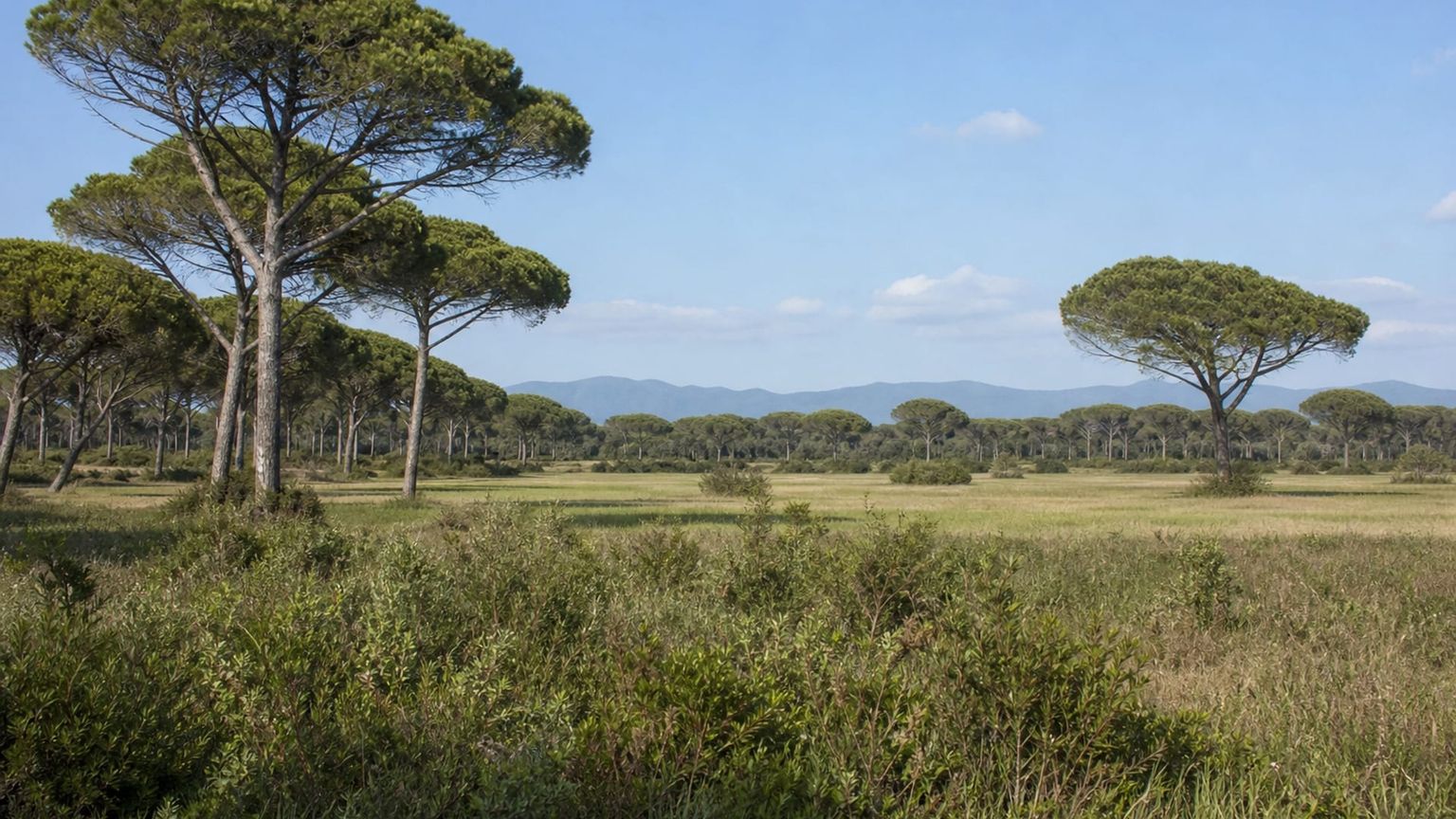
Pine woods, dunes, and marsh channels just north of Pisa make this one of the city’s quietest outdoor escapes. Trails are flat, and birdlife is strongest near the wetland edges.
Time needed: About 2 to 3 hours
Entry: Free to access; some guided tours, bike rentals, or seasonal park activities may cost extra through the park office or concession holders. No standard admission ticket is required for general entry. Visit the official site for details.
Tip: Go early for cooler trails and better bird activity.

National Museum of San Matteo
Housed in a former Benedictine convent, this museum holds Pisano sculpture, painted crosses, and early Tuscan panels. It rewards a short, focused visit and stays quieter than the Leaning Tower area.
Time needed: About 1 to 2 hours
Entry: Admission is typically $10 to $12 (€9 to €11), with reduced rates for EU visitors ages 18 to 25 and free entry for eligible visitors under 18 or on state museum free days. Check current pricing before you go. Visit the official site for details.
Tip: Aim for late morning, when gallery rooms are usually calmer.
Traditional food
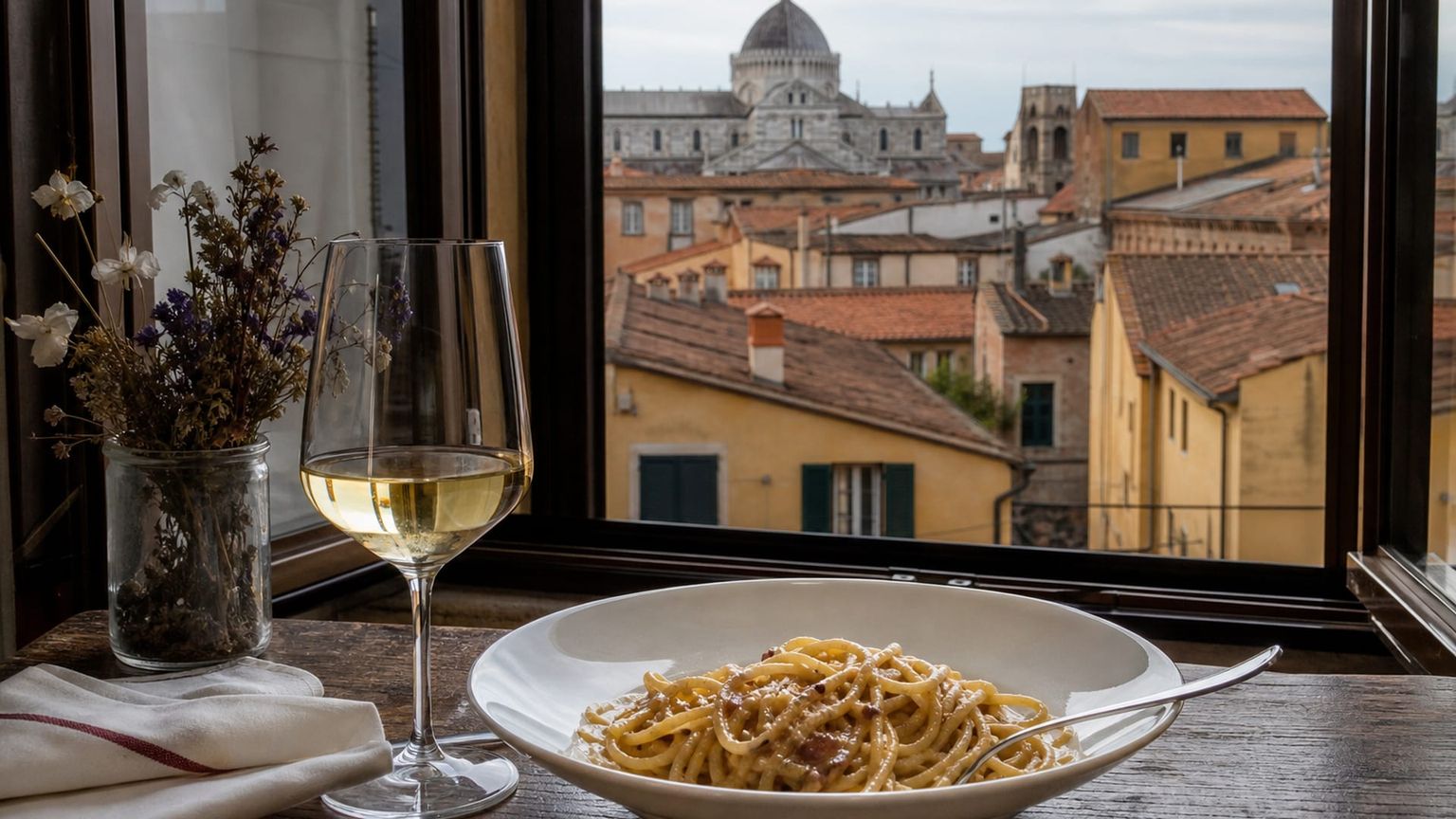
Pisa’s cooking leans on Tuscan bread, beans, pork, seafood, and olive oil, with cecina, pici all’aglione, cacciucco, and torta co’ bischeri showing the range from street snack to old-fashioned dessert.
Cecina
This thin chickpea flatbread comes crisp at the edges and soft inside, and it works well as a quick lunch or snack. For a classic stop in Pisa, try it at L’Europa in the center.
Pici all'aglione
These hand-rolled noodles come coated in a tomato and garlic sauce that is simple on paper and assertive on the plate. La Bottega del Parco near the center serves a version that fits a long lunch.
Cacciucco
This Tuscan seafood stew brings together fish, shellfish, tomato, and chili in a deep, briny broth. In Pisa, Hostaria Le Repubbliche Marinare is a strong place to order it.
Torta co' bischeri
This traditional tart folds chocolate, rice, candied fruit, pine nuts, and spices into a dense pastry linked to the wider Pisan area. Pasticceria Salza is a well-known place to look for it in town.
Best time to visit Pisa
Spring and early autumn suit Pisa best, while summer brings hotter pavement and denser monument crowds, and winter trims both heat and visitor volume.
Best for: Best for long walks, parks, and early monument visits
What you get: About 50°F to 72°F (10°C to 22°C), with moderate crowds that build around holidays
Trade-offs: Rain can interrupt a park morning or a river walk
Best for: Best for late evenings and day trips that start early
What you get: About 66°F to 89°F (19°C to 32°C), with the heaviest crowds near the tower and square
Trade-offs: Midday heat makes the stone square and open streets feel intense
Best for: Best for balanced sightseeing and outdoor time
What you get: About 52°F to 77°F (11°C to 25°C), with fewer groups after the first weeks of September
Trade-offs: Shorter days make late museum visits less flexible
Best for: Best for museum time and quieter streets
What you get: About 37°F to 57°F (3°C to 14°C), with lighter crowds and occasional damp weather
Trade-offs: Some days feel gray, and evening walks can turn chilly
A realistic 5-day plan in Pisa
Five days in Pisa gives you room to separate the monument district from the rest of the city. The plan below starts with arrival, then moves from the tower square to San Rossore, the north bank, and a final day that stays close to central streets before departure.
Land at Pisa (PSA), then take a taxi or a local bus into the historic center, which usually takes about 10 to 15 minutes and costs roughly $15 to $25 by taxi, or about $2 to $4 by bus. If your hotel is in San Martino or near Pisa Centrale, settle in there, drink plenty of water, and keep dinner close to your room, a simple trattoria or café south of the Arno works well after the trip.
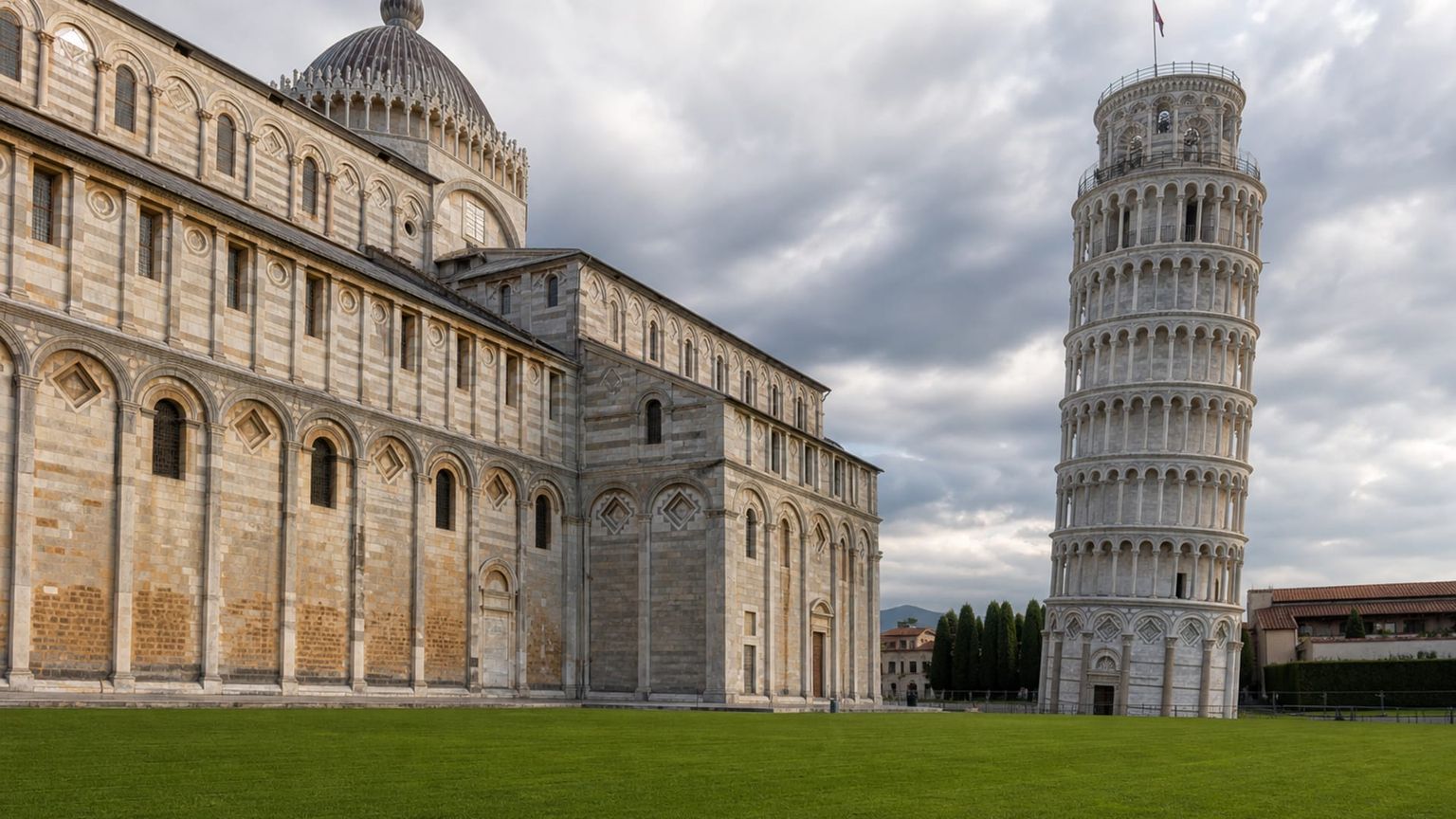
Begin at Piazza dei Miracoli before the crowds thicken, then move into the Cathedral of Pisa and the Leaning Tower of Pisa, which sits right beside it. The cathedral visit takes about 45 minutes to 1 hour, and the tower climb takes about 1 to 2 hours, so book timed entries in advance and expect to spend most of the morning in one compact area. After lunch, walk about 15 minutes to the National Museum of San Matteo for painted panels and Pisano sculpture, then return to the riverfront for an easy evening meal in the historic center.
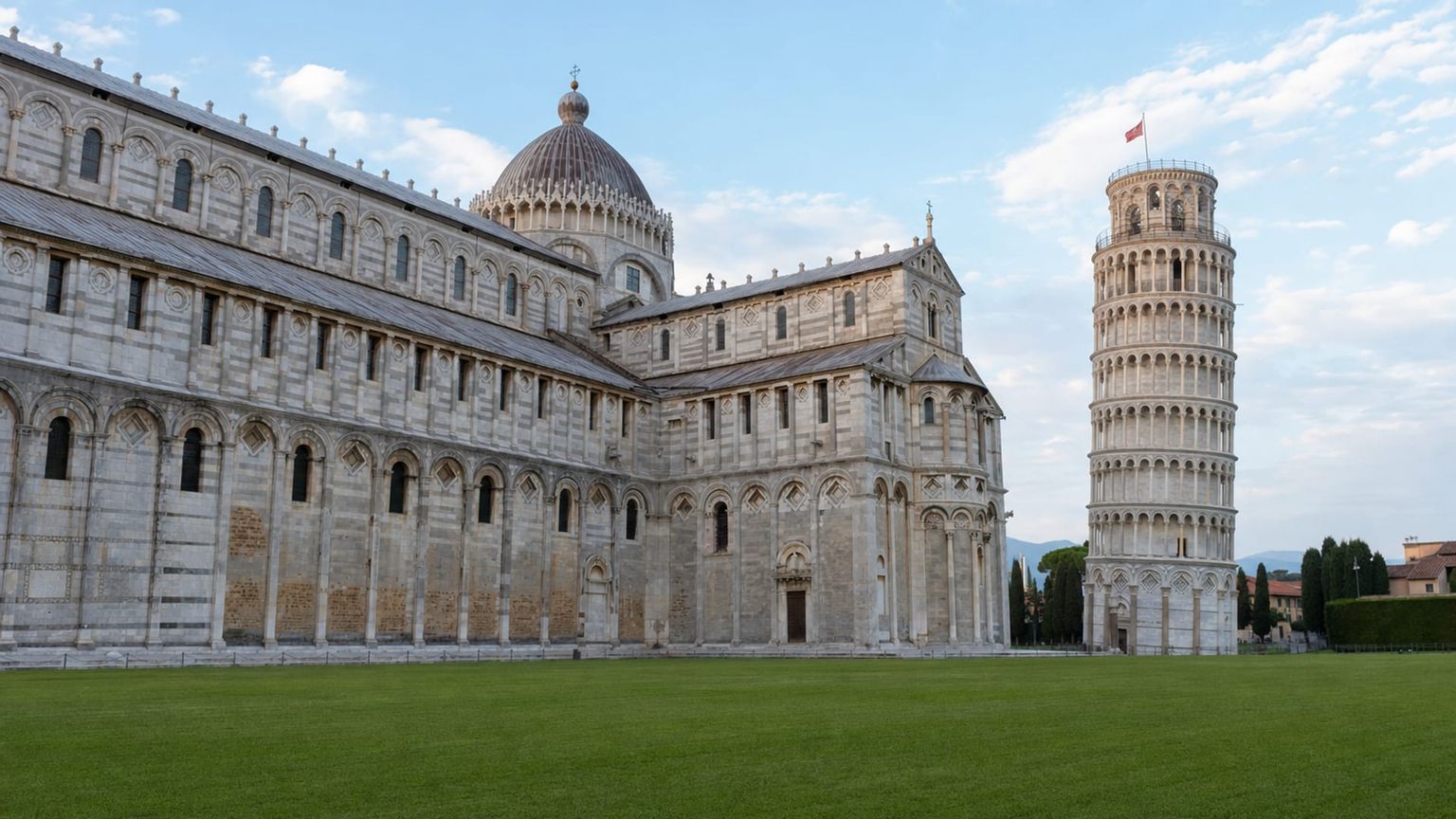
Start the morning in San Rossore Natural Park, roughly a 10 to 15 minute taxi ride or a longer bus ride from the historic center, and spend about 2 to 3 hours on the flat trails and marsh-edge paths. After that, head back toward town and walk about 20 minutes to the historic center for a slower afternoon among cafés, small shops, and the quieter streets south of the tower. Finish with dinner in San Martino, where you can stay close to the river and avoid crossing the busiest monument blocks after dark.
From the city center, make a late-morning return to Piazza dei Miracoli so you can see the square in different light, then circle the lawn and marble facades before or after a short cathedral revisit. If you want a second look at the tower, plan your timing so you can reach it on foot in about 5 to 15 minutes from the historic center, then move on to the nearby shopping streets for a relaxed afternoon. End the day with an unrushed dinner in San Francesco, where the walk back from the north side of the river stays short and the evening atmosphere is livelier than in the monument district.
For the final day, keep your plans compact and local: visit one last museum stop if you missed it earlier, then head to the historic center’s shopping streets for gifts, leather goods, and Tuscan food products. Break for coffee in San Martino, where neighborhood cafés make a quieter stop than the tower area, and if you still want one more short cultural visit, return to the National Museum of San Matteo before leaving town. This gives you an easy finish without adding a long cross-city transfer before departure.
Business-class flights from the US to Pisa
Business-class trips to Pisa usually connect through one European hub rather than fly nonstop, so route choice matters more than distance alone. From both coasts of the US, the useful comparison is the layover city, total travel time, and how much the fare changes by season.
From New York, carriers such as TAP Air Portugal, Lufthansa, Air France, British Airways, ITA Airways, and Turkish Airlines typically price round trips from about $2,200 to $5,500, depending on season and schedule. Most itineraries run through LIS, FRA, CDG, LHR, FCO, or IST, with total travel times of about 10 to 16 hours.
Los Angeles itineraries usually price between about $2,600 and $6,200 round trip, with Lufthansa, Air France, British Airways, Turkish Airlines, ITA Airways, and Iberia among the main options. Many routes connect through FRA, CDG, LHR, IST, MAD, or FCO, and the total trip commonly runs about 13 to 19 hours.
Pisa feels different when you slow down
A deliberate Pisa trip uses the Leaning Tower as the anchor, then widens into the Cathedral of Pisa, San Rossore Natural Park, San Martino cafés, and the streets near Pisa Centrale when timing matters. The most useful transit stays simple, with the PisaMover, buses, and short walks doing most of the work. If you want help matching neighborhoods, flights, and day order, the AranGrant experts can turn Pisa into a trip with a clear shape







