

Chapters:

Need help with your trip?
Our support team is available 24/7. Request a callback or call us directly at (833) 619-0908
Phuket rarely starts with a single plan. Many visitors split the island between one beach base, a temple stop, and one evening in Old Phuket Town, then miss how much transit time shapes the day.
Useful things to know

Main language(s): Thai
สวัสดี (sà-wàt-dee) – Hello/good morning
กรุณา (gà-rú-naa) – Please
ขอบคุณ (khòp-khun) – Thank you
พูดอังกฤษได้ไหม (phûut ang-grìt dâi mái) – Do you speak English?
ราคาเท่าไหร่ (raa-khaa thâo-rài) – How much does it cost?

Currency: The local currency is the Thai baht (THB, ฿).

Cash and cards: Cards and contactless are widely accepted in Phuket; carry about 300 to 1,000 THB ($8 to $28) for taxis, markets, and small shops.

Tipping: Round up small bills; 5-10% is appreciated at nicer restaurants, and hotel staff may get a little extra.

Traditional food: Massaman curry, moo hong, Phuket-style hokkien noodles, roti

Water and coffee costs: Water ~30 to 50 THB ($1 to $1.50), bar espresso ~60 to 100 THB ($2 to $3).

Taxis and ride apps: Grab and Bolt operate here; confirm the fare before you book.

Plug and voltage: Type A/C socket, 230V

Dining and shop opening hours: Breakfast is about 07:00-10:00, lunch 12:00-14:00, and dinner 18:00-21:00. Many places close or slow down in the afternoon, roughly 14:00-17:00.

Emergency number: 191 police, 1669 medical, 199 fire/rescue.
Where to stay in Phuket
Phuket’s busiest beach district packs hotels, bars, and late-night dining along a long sandy bay. It matters because you can pair beach time with easy access to nightlife, shopping, and a wide range of tour desks.
Best for: Nightlife, beach access, and travelers who want the widest choice of hotels and restaurants
What to expect: Crowded sidewalks, heavy traffic at peak hours, and the most activity after dark in Phuket.
Hotel prices: Usually about $60 to $180 per night for well-rated stays
Distance to major sights: About 25 minutes by car to Old Phuket Town, about 40 minutes to Phuket Big Buddha
Quietness: Lively all day and louder at night, especially near Bangla Road; quieter if you stay a few blocks inland
Main trade-off: You get the broadest choice of dining and entertainment, but beach sections can feel busy and taxi waits rise in the evening
Good to know: If you plan late nights, book a room a few streets back from Bangla Road so music and traffic do not sit right below your window.
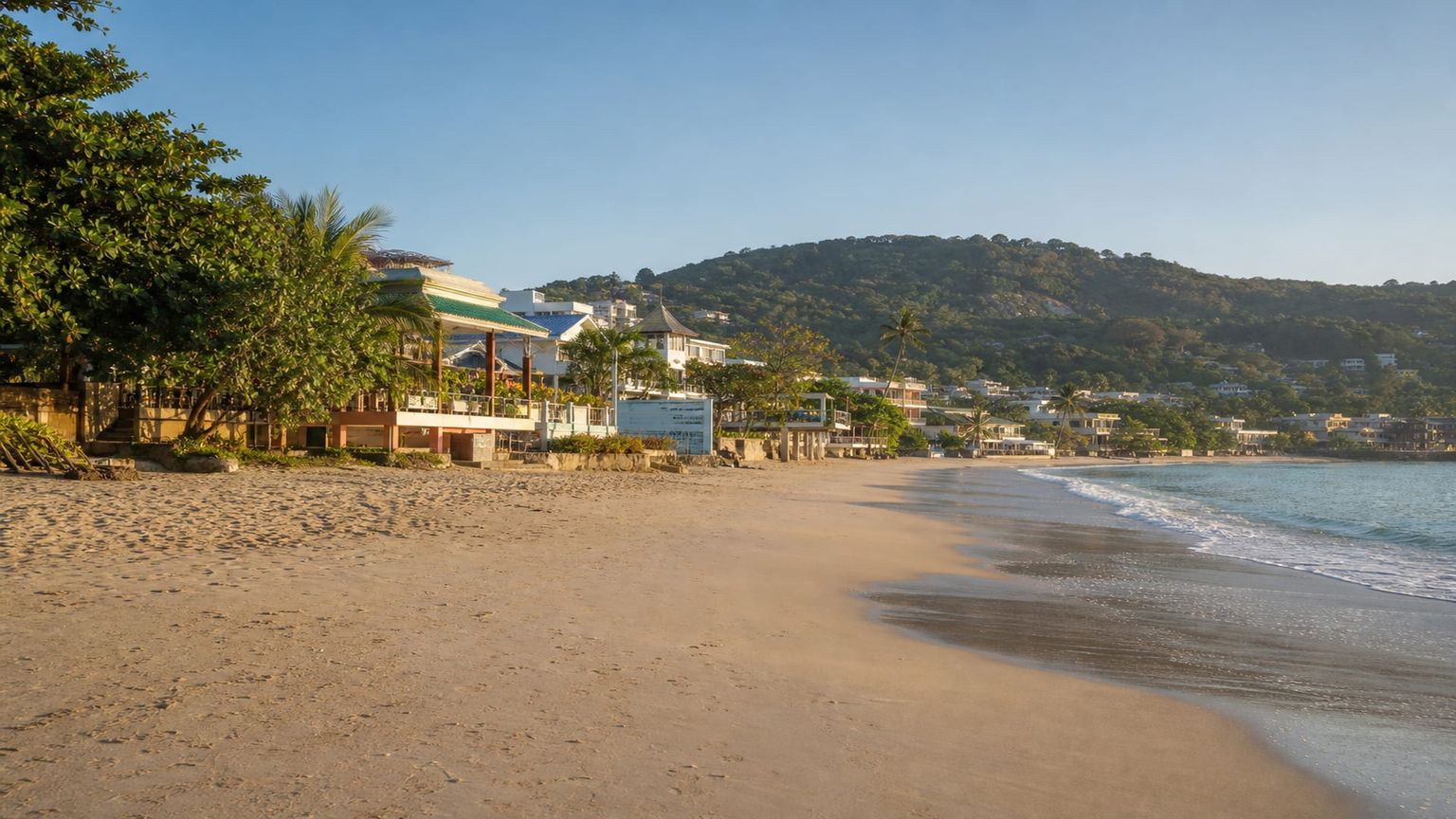
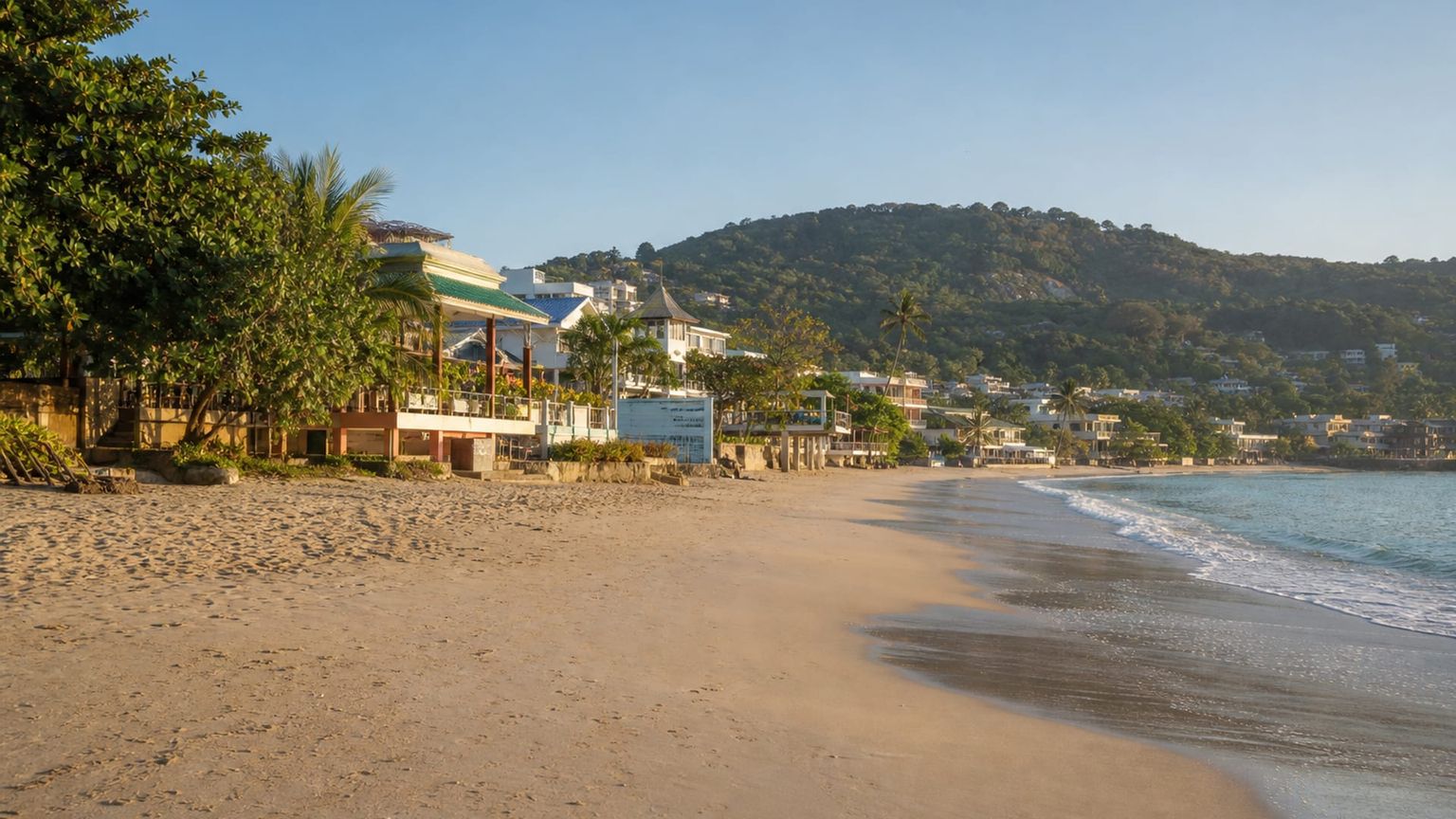
Kata sits on a smaller south coast beach with a family-friendly resort strip and an easygoing mix of cafes, surf schools, and guesthouses. It matters for travelers who want a beach base that stays active without Patong’s pace.
Best for: Beach stays, swimming, beginner surfing, and travelers who want a calmer resort area
What to expect: Busy near the beach road and restaurant strip, with more relaxed streets once you move inland.
Hotel prices: Usually about $50 to $160 per night for well-rated stays
Distance to major sights: About 30 minutes by car to Old Phuket Town, about 20 minutes by car to Phuket Big Buddha
Quietness: Moderate by day and fairly quiet late evening, aside from restaurants near the beach road
Main trade-off: Kata offers a better beach stay than the city center, but you will rely on taxis for most sightseeing and shopping
Good to know: Rooms closest to the sand cost more, and hillside hotels can add a climb if you plan to walk back after dinner.
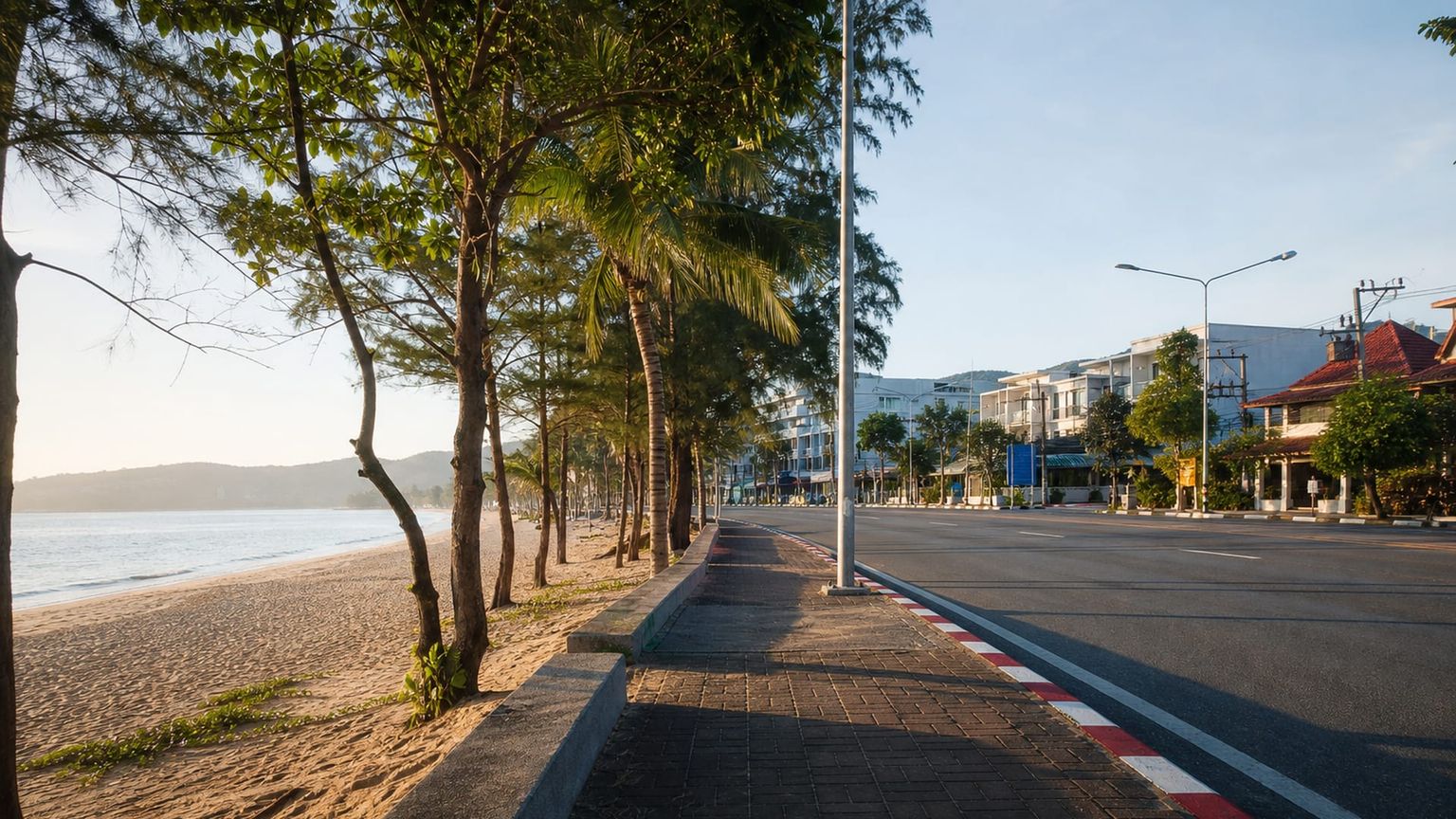
Karon stretches along a long, wide beach with large hotels, casual dining, and more breathing room than Patong. It matters because it gives you a resort stay with easier parking, fewer crowds on the sand, and quick access to the south coast.
Best for: Long beach walks, resort stays, and travelers who want more space than Patong
What to expect: A resort strip with steady foot traffic, but less street noise and less congestion than Patong.
Hotel prices: Usually about $55 to $170 per night for well-rated stays
Distance to major sights: About 25 minutes by car to Old Phuket Town, about 15 minutes by car to Phuket Big Buddha
Quietness: Active near the main road by day, then notably quieter after dinner
Main trade-off: The beach is long and pleasant, but the district has fewer late-night choices and you will use taxis for many outings
Good to know: If you want sea views, check map location carefully, because some lower-priced hotels sit across busy roads rather than on the beach side.
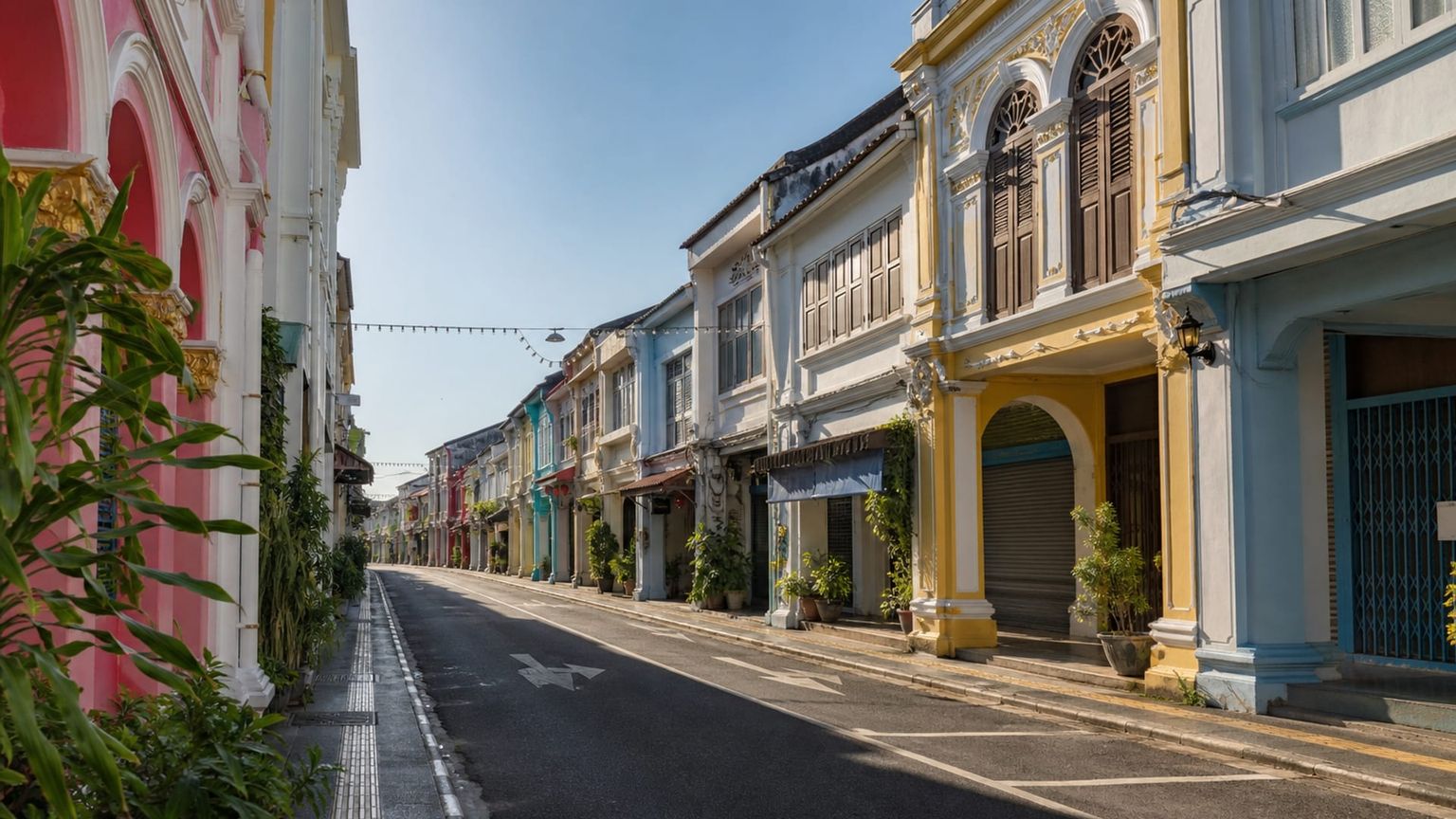
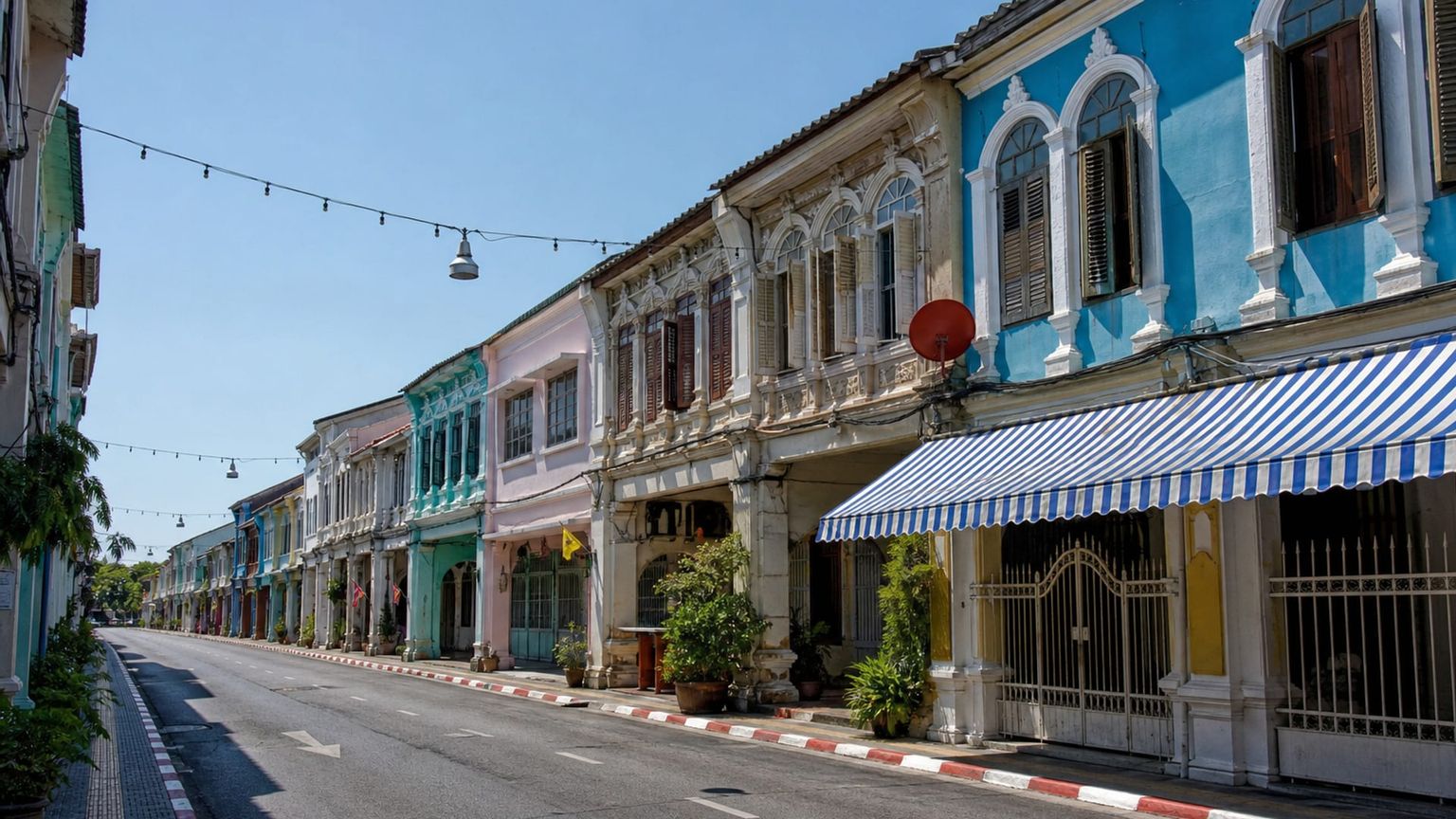
Phuket Town is the island’s historic and administrative core, with Sino-Portuguese shophouses, markets, and a strong local dining scene. It matters because it gives you the best access to old streets, museums, and transport links to the rest of the island.
Best for: Old-town walking, local food, and travelers who want easy access to transport and culture
What to expect: A working city center with market activity, traffic on main roads, and lively evenings around the old streets.
Hotel prices: Usually about $35 to $120 per night for well-rated stays
Distance to major sights: On foot, about 10 minutes to Old Phuket Town, about 45 minutes by car to Phuket Big Buddha
Quietness: Busy in the day, then calmer at night outside the main dining streets
Main trade-off: You gain the best local dining and easiest bus links, but you will be away from the island’s main beaches
Good to know: Stay here if you plan many island transfers, because airport buses, intercity buses, and many day tours are easier to arrange from this side of Phuket.
Travelers usually avoid staying in Mai Khao, because it sits far north of Phuket with long drives to Patong, Phuket Town, and the island’s main sightseeing areas, plus limited dining and nightlife nearby. Ao Por, Cape Panwa, Chalong, and parts of Rawai are also less convenient for a hotel base, since they are farther from the main beach zone and often require longer evening taxi rides, while offering fewer visitor amenities than Patong, Kata, or Phuket Town.
Hotel deals
How to get around Phuket efficiently
With no metro or rail line, Phuket runs on roads, so your timing depends on buses, taxis, and the distance between beach zones and the old town.

Rideshare services
for longer distances
Phuket has no metro or suburban rail, so visitors rely on road transport instead. From Phuket (HKT), that means using buses, airport minibuses, or taxis for every cross-town trip; there is no rail ticket to buy, and transfer times depend on traffic rather than a fixed timetable.

Bus
for convenience
Phuket Smart Bus links Phuket (HKT) with beach areas such as Kamala, Patong, Karon, Kata, and Rawai, with fares of about $1 to $3 (about 35 to 100 baht) and tickets valid for the single ride. Local blue songthaews and municipal buses cover Phuket Town and many beach corridors, usually for about $0.30 to $2 (about 10 to 70 baht), and drivers often collect cash on boarding. Schedules can be sparse outside peak hours, so check the route before you wait at the stop.

Taxi
for convenience or late hours
Licensed taxis in Phuket use set or metered pricing depending on the operator, though airport trips often quote fixed fares before departure. From Phuket (HKT) to Patong, expect roughly $18 to $28, to Kata or Karon about $20 to $30, and to Phuket Town about $12 to $20; metered rides may come in lower in light traffic, but many airport taxis charge a flat rate. Most drivers take cash, and some accept cards or mobile payment only if the fare was arranged in advance.
*Prices are based on rates updated as of June 2026 and may change at the time of travel.
Use buses for cheaper island hops, taxis or ride apps for airport and point-to-point trips, and walking only where the streets stay compact, such as Old Phuket Town or parts of Kata.
Iconic landmarks
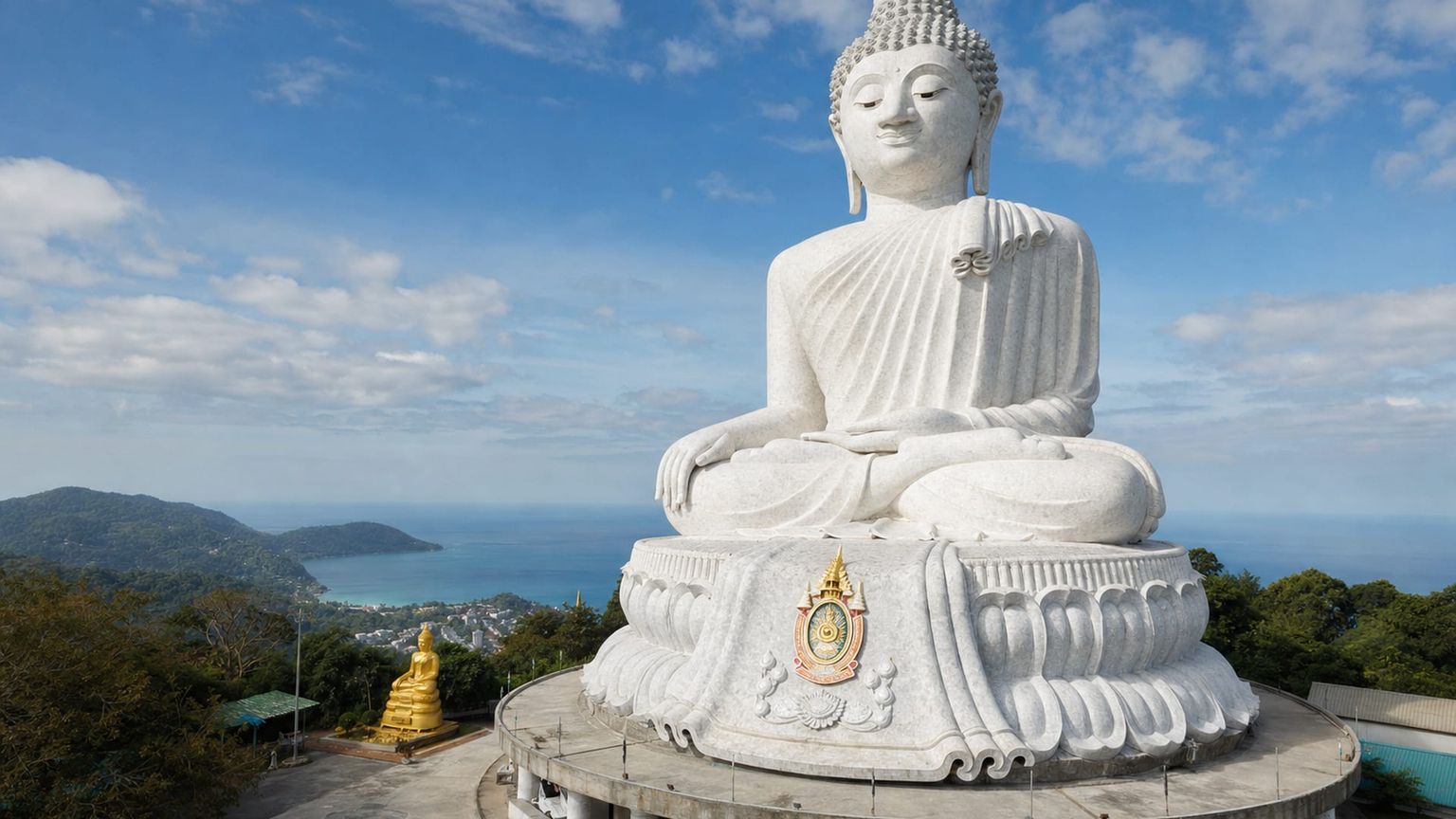
Big Buddha
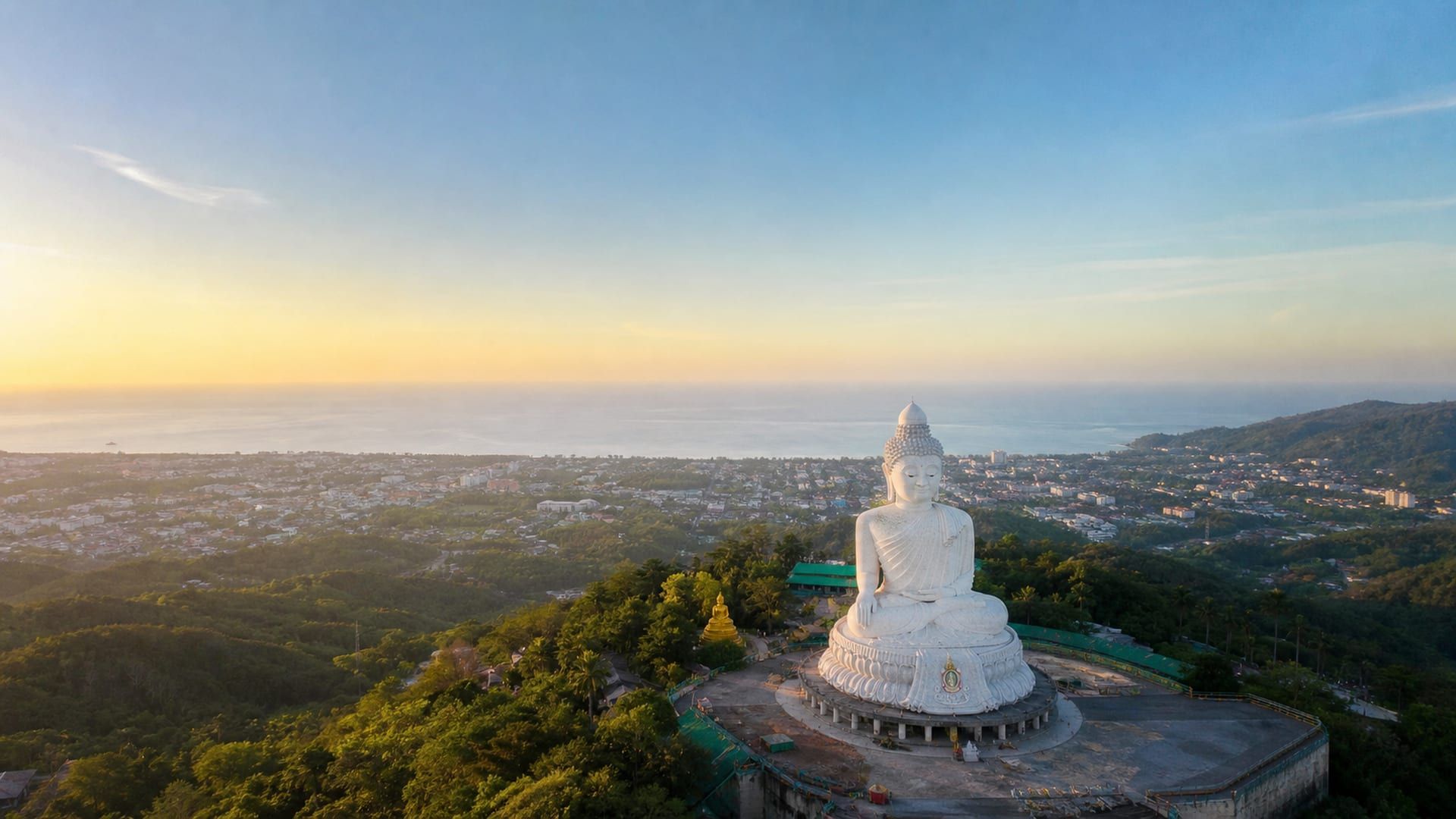
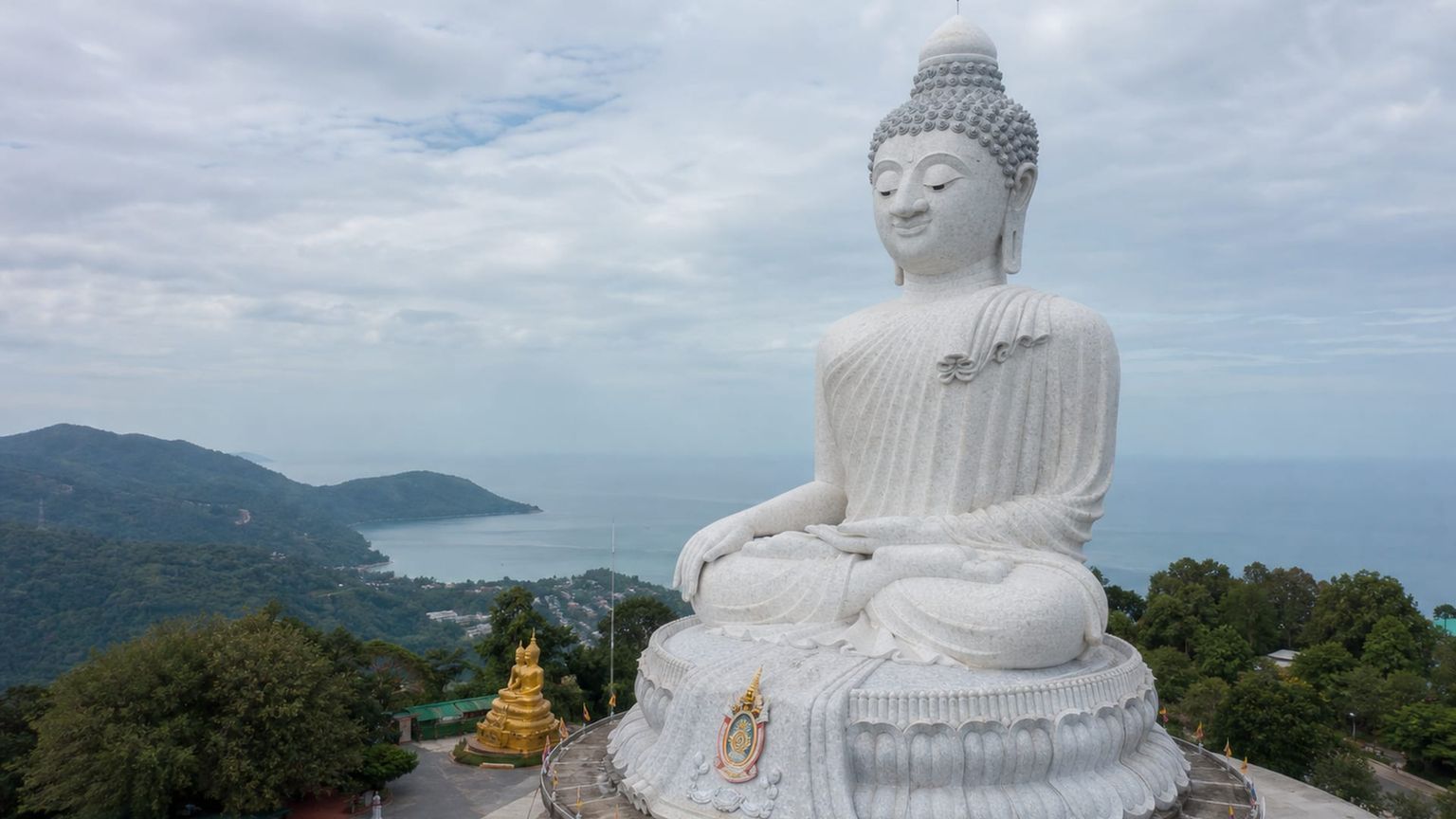
Phuket’s 45-meter white marble Buddha crowns Nakkerd Hill, with wide views over Chalong, Kata, and Karon. The site includes shrines, bells, and donation stations, and visitors must dress modestly to enter the platform area.
Time needed: About 1 to 2 hours
Entry: Free to access; donations are optional, and parking at the hilltop area is free or handled by local attendants at low cost depending on arrival point.
Tip: Go early or late in the day for softer light and less heat on the climb.
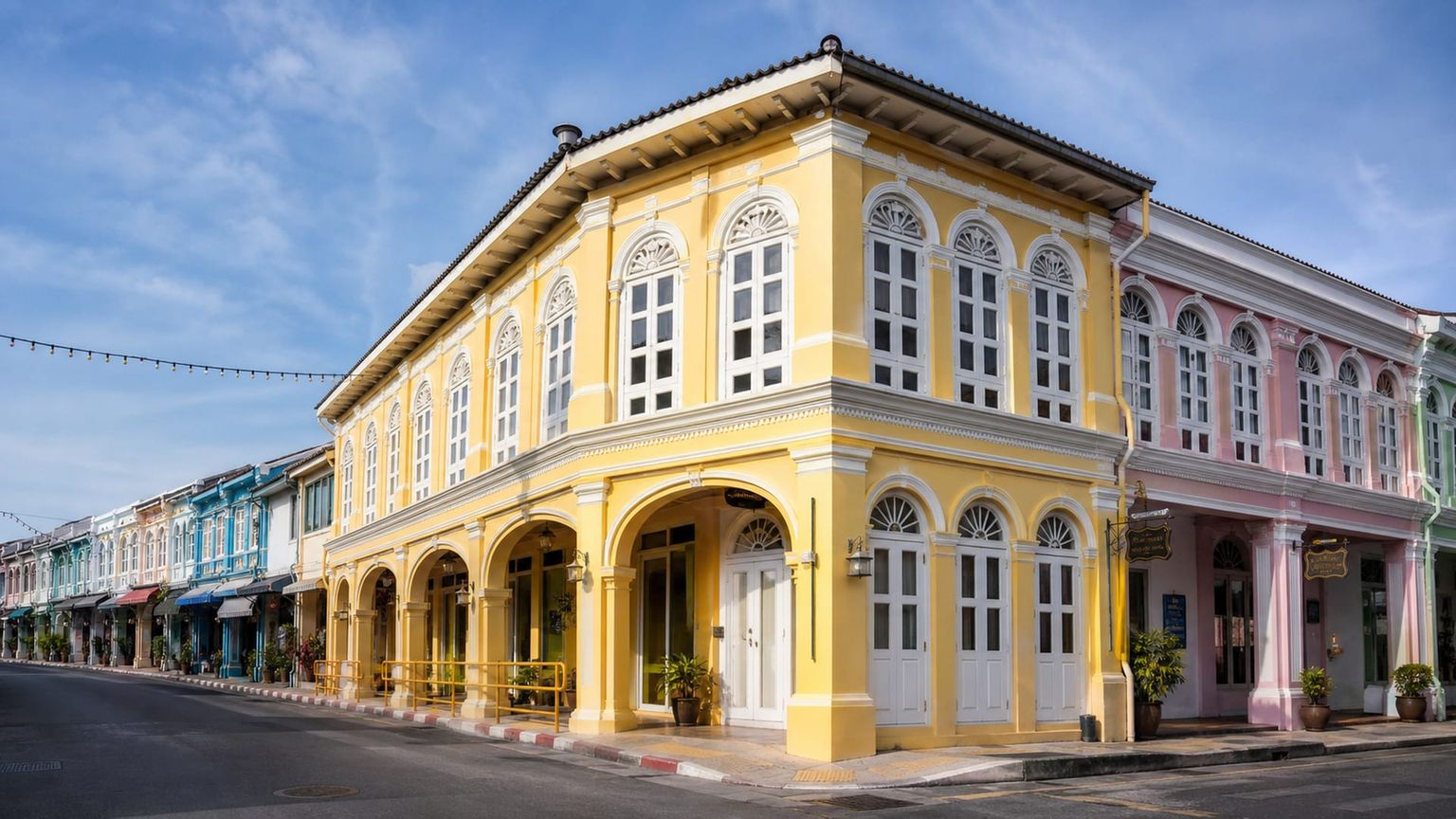
Old Phuket Town
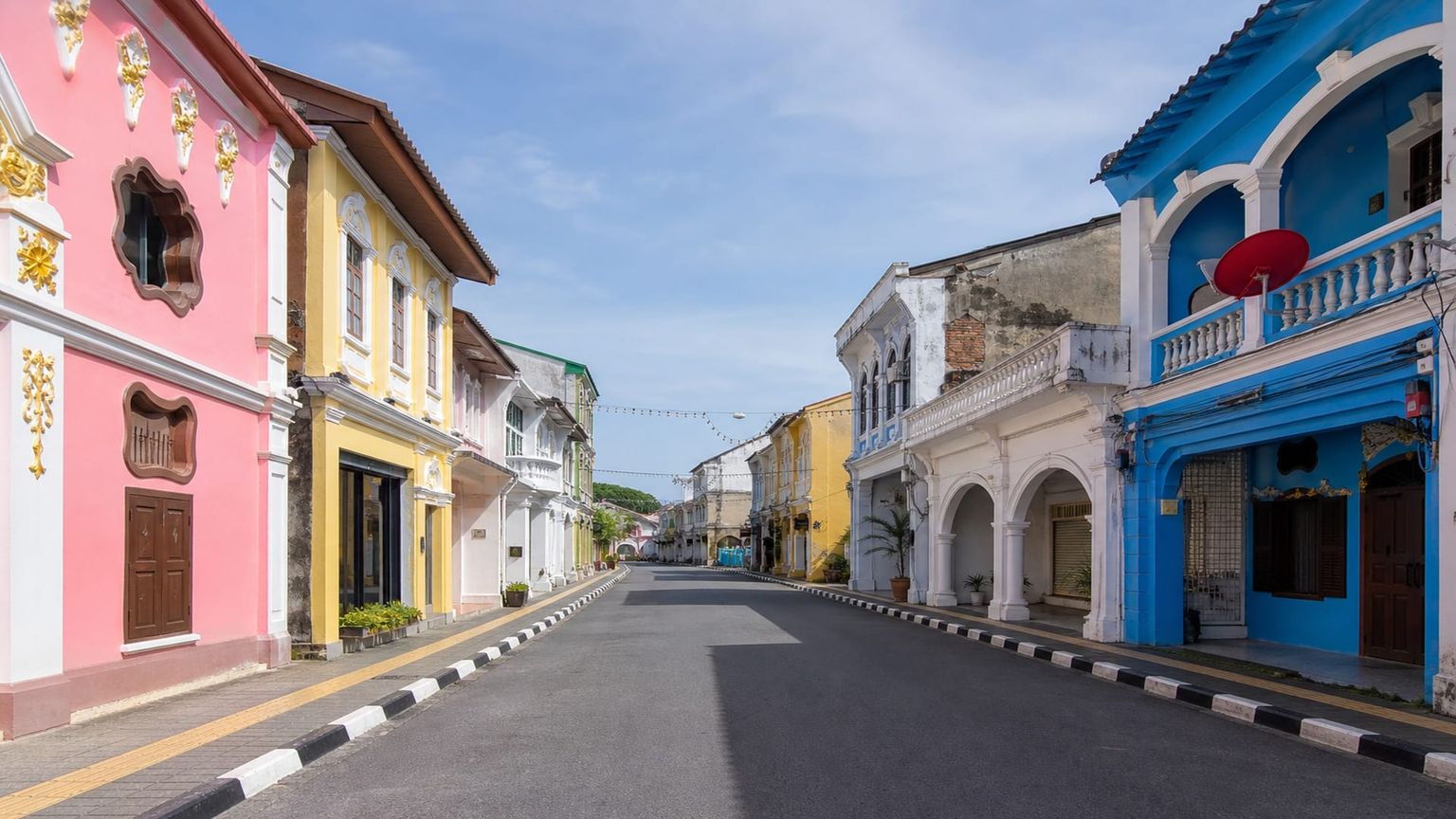
Soi Rommanee and the surrounding shophouse streets preserve Sino-Portuguese facades, tiled mansions, and century-old temples. Cafes, markets, and small museums make this the best place to read Phuket’s trading history on foot.
Time needed: About 2 to 4 hours
Entry: Free to access; museum admissions, where chosen, usually cost about $3 to $8 ($100 to ฿280), while many shophouse streets and temples cost nothing.
Tip: Walk after 4:00 pm, when the facades are shaded and the streets are easier to explore.
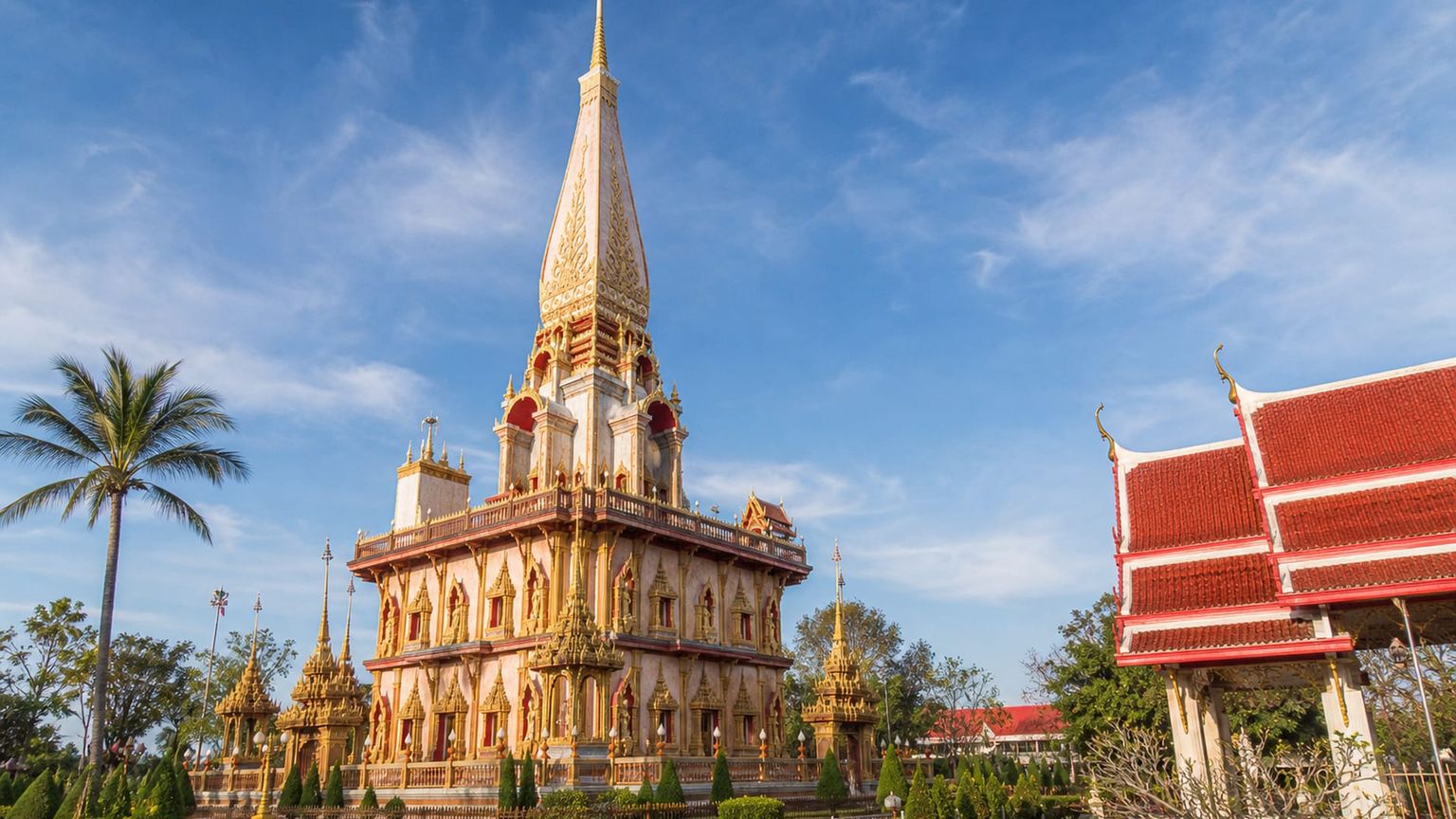
Wat Chalong
Phuket’s largest and most visited temple complex centers on the ornate Chedi, said to contain a relic of the Buddha. Murals, gilded halls, and incense-filled shrines create one of the island’s most important religious stops.
Time needed: About 1 to 2 hours
Entry: Free to access; donations are welcomed, and modest dress is required. Some nearby exhibition areas or extras may charge about $1 to $4 ($40 to ฿140) Visit the official site for details.
Tip: Cover shoulders and knees, and visit before noon to avoid tour-group crowds.
Overlooked sites worth visiting

Soi Romanee
This restored lane in Phuket Old Town lines up Sino-Portuguese shophouses, pastel facades, and small cafés. It gives the clearest view of the district’s historic merchant quarter without the crowds on Thalang Road.
Time needed: About 30 to 45 minutes
Entry: Free to walk through. Stop for coffee or a snack at the small shops along the lane, or join a heritage walk that begins in Old Town and includes nearby streets; paid walks usually cost about $10 to $25 ($360 to ฿900).
Tip: Go early for quieter photos and softer light.

Wat Khao Rang
Set on a hillside in Phuket Town, this temple sees fewer visitors than the island’s beach stops. The hilltop platform gives a compact visit with city views, a large seated Buddha, and a working monastery.
Time needed: About 45 minutes to 1 hour
Entry: Free to enter. Donations are welcome, and the site has no fixed ticket price; if you join a guided temple visit from Phuket Town, expect small-group rates of about $15 to $30 ($540 to ฿1,080) depending on length and transport.
Tip: Wear covered shoulders and keep your voice low near the monastery.
Traditional food
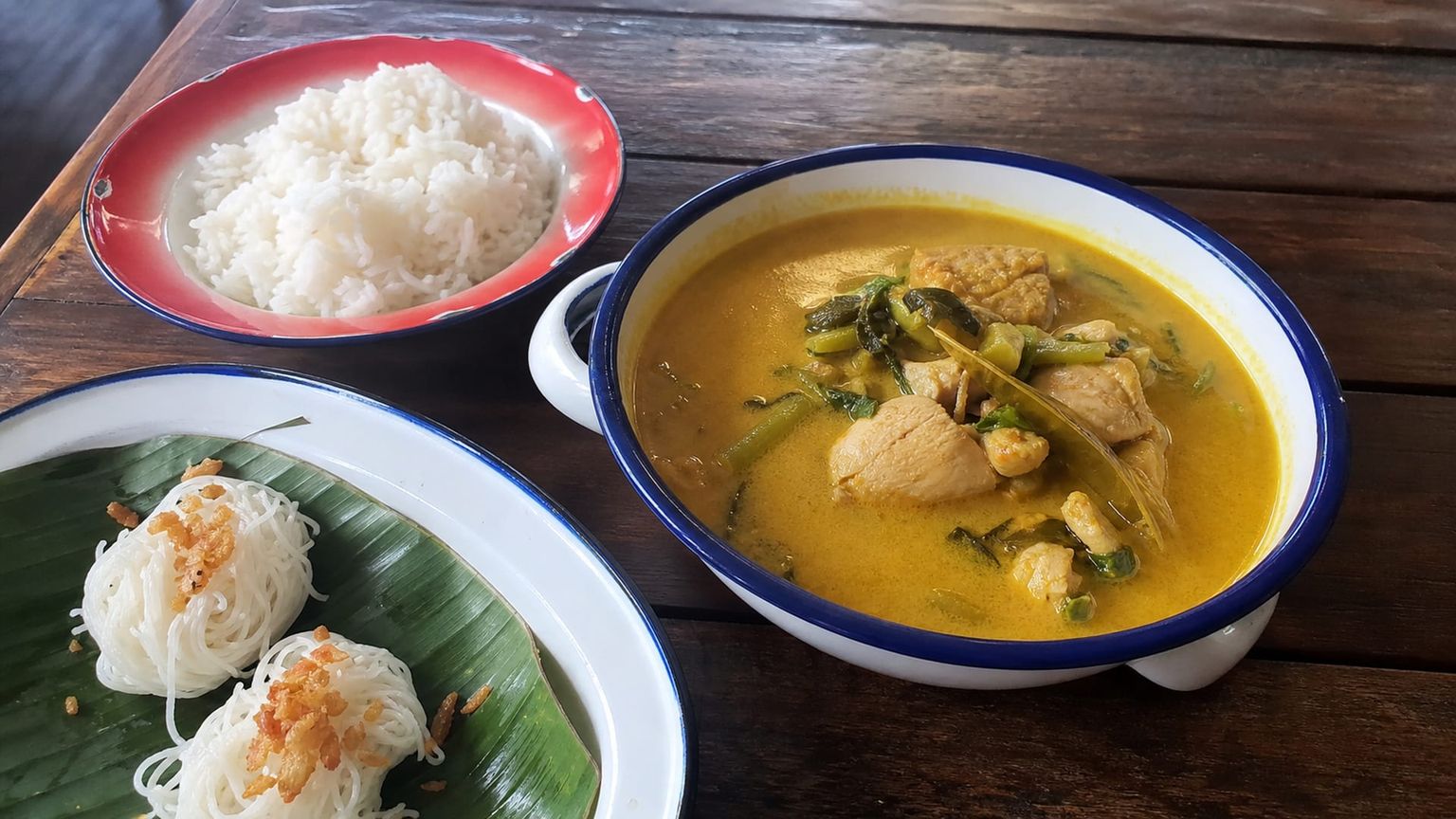
Phuket’s cooking leans on coconut, turmeric, pork, noodles, and fried dough, with sweet-salty curries and quick street-side meals that fit the island’s long lunch breaks and late dinners.
Massaman curry
This mild, fragrant curry usually arrives with beef or chicken, potatoes, peanuts, and warm spices. In Phuket, Raya is the canonical stop for a polished version rooted in local cooking.
Moo hong
Moo hong is slow-braised pork belly in a sweet-savory soy sauce with garlic and pepper. Kopitiam by Wilai in Phuket Town serves one of the island’s best-known renditions.
Phuket-style hokkien noodles
These stir-fried noodles come with pork, seafood, or both, plus a rich broth on the side. One Chun is a dependable Phuket Town address for the local style.
Roti
Roti is the island’s breakfast and late-night comfort food, often paired with curry or sweetened condensed milk. Roti Chaofa is a well-known Phuket stop for this dish.
Best time to visit Phuket
Phuket’s dry season brings clearer skies and stronger beach weather, while the wet months trade some sun for lower room rates and quieter roads.
Best for: Best for beach days, island views, and outdoor sightseeing
What you get: About 75 to 89°F (24 to 32°C), with lighter rain and the highest visitor numbers
Trade-offs: Popular beaches and hotel areas can feel busy, especially in Patong and Kata
Best for: Best for warm sea time and temple visits with fewer crowds than peak season
What you get: About 79 to 93°F (26 to 34°C), with rising heat and shoulder-season crowds
Trade-offs: Midday walking gets hot, so you need to plan indoor breaks and shade
Best for: Best for lower hotel rates and flexible resort stays
What you get: About 77 to 88°F (25 to 31°C), with frequent showers and lighter tourist flow
Trade-offs: Rain can interrupt boat trips and beach plans, especially in the afternoon
Best for: Best for travelers who want the quietest island mood and the best chance of lower prices
What you get: About 76 to 87°F (24 to 31°C), with the wettest weeks of the year and sparse crowds
Trade-offs: Sea conditions and sightseeing plans can shift quickly after heavy rain
A realistic 5-day plan in Phuket
A five-day Phuket stay works best when you separate the island into clear zones: one day for arrival, one for the old town, one for the temple route, one for the south-coast beaches, and one final day for a local sendoff.
Land at Phuket (HKT), then take a metered taxi or prebooked car into Phuket Town, about 30 to 45 minutes and roughly $12 to $20. If you are staying in Patong, plan on about 45 to 60 minutes and roughly $16 to $26, with a little more time if you arrive near rush hour. Settle near Phuket Town if you want an easy first night, or near Patong if you prefer more hotel and dining choices, then drink plenty of water, keep dinner simple, and head to Soi Rommanee or a nearby old-street cafe only if you still have energy.
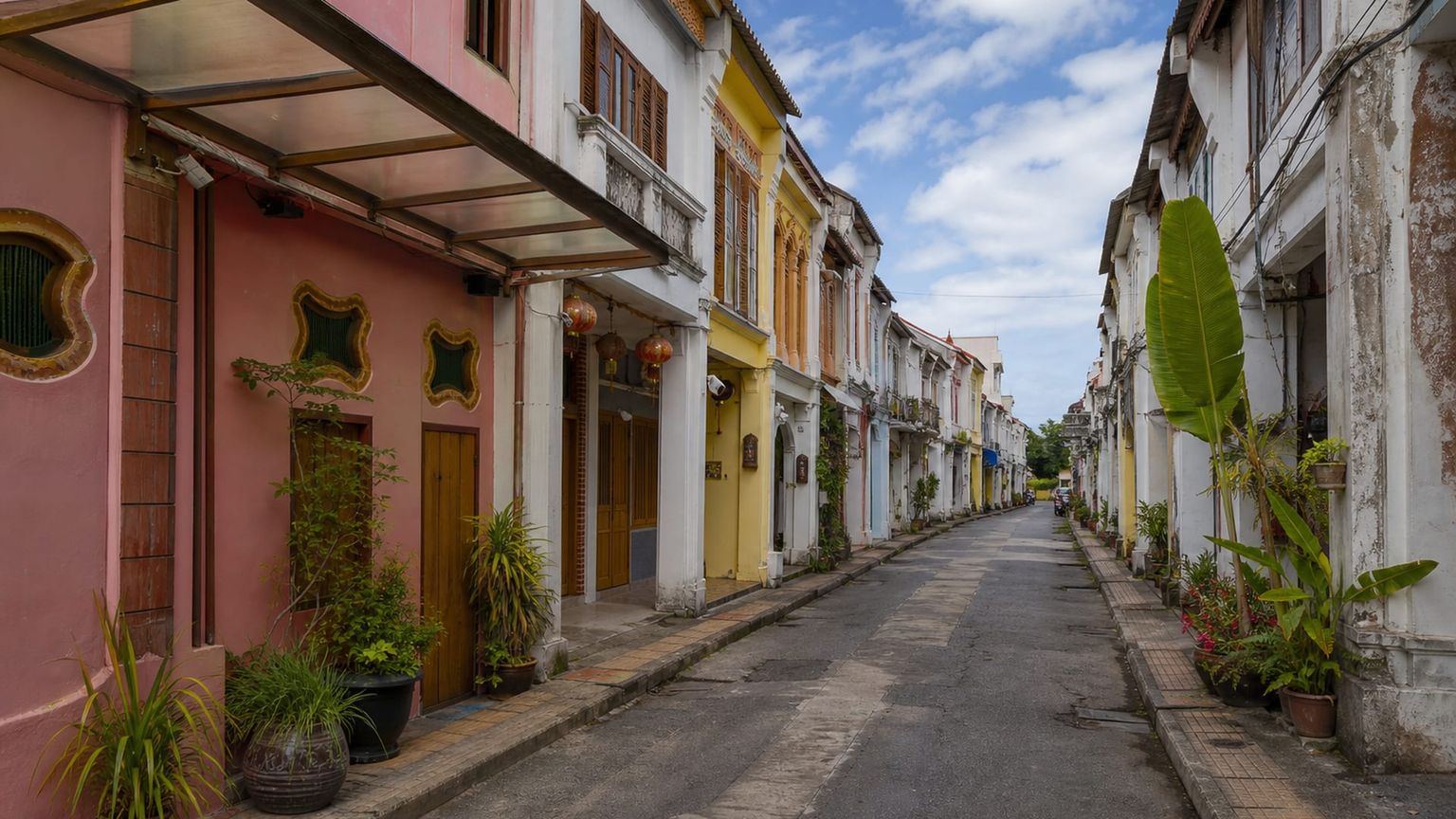
Begin with Old Phuket Town after 4:00 pm light is gone from the facades, and spend about 2 to 4 hours on Soi Rommanee and the surrounding shophouse streets. From Phuket Town, walk about 10 minutes into the old district, then pause for a coffee, temple stop, or a small museum visit, where admissions usually cost about $3 to $8 ($100 to ฿280). Finish with dinner on the same side of town, so you avoid a second taxi ride and can stay out a little longer without crossing the island after dark.
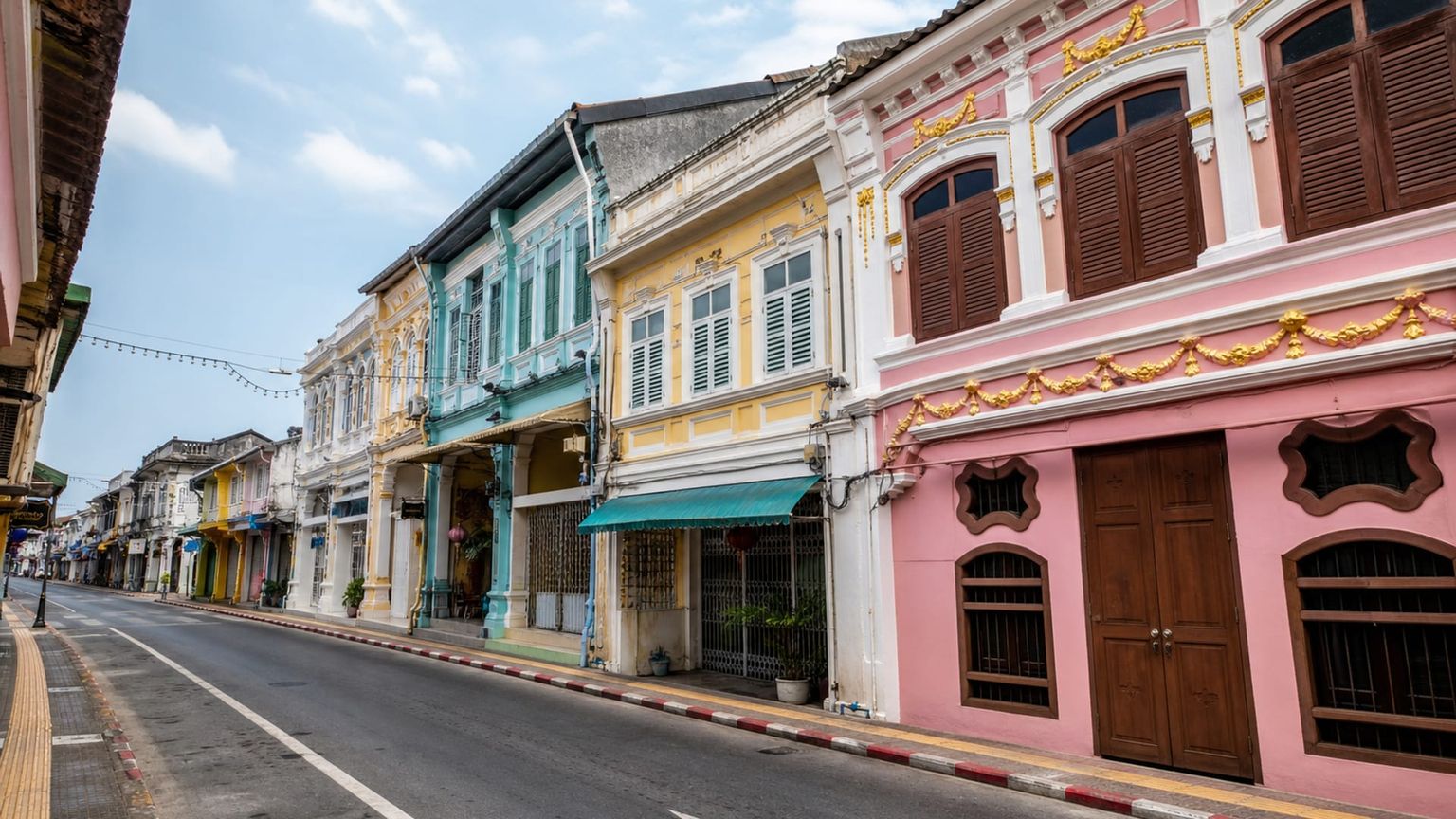
Wat Chalong and the Big Buddha make a strong south-island pairing: go to Wat Chalong before noon, then continue by car for about 20 to 25 minutes to the hilltop at Big Buddha. Wat Chalong is free to enter, though donations are welcome, and the temple complex usually takes about 1 to 2 hours; dress modestly, then add another 1 to 2 hours at Big Buddha for the shrine platform and island views. If you are based in Kata or Karon, the transfer to Big Buddha is shorter, about 15 to 20 minutes by car, which keeps the day compact enough for a relaxed lunch back near the beach.
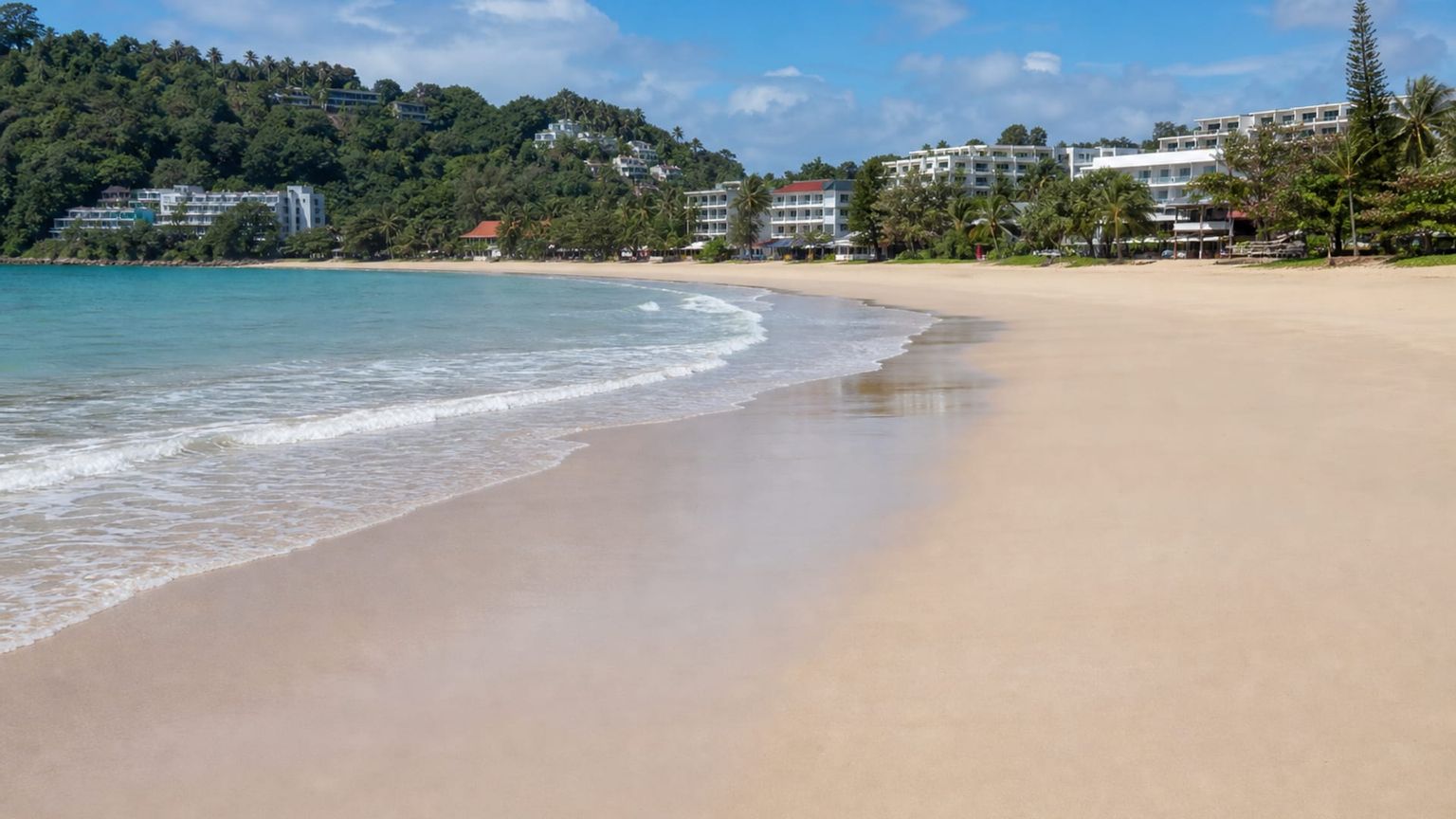
Start near the sand in Kata, where the beach road gives you cafes, surf schools, and an easy beach walk, then continue north or south only if you want a different shoreline feel. If you are staying in Karon, the drive to Kata takes about 10 to 15 minutes by car, and from Patong it usually takes about 20 to 25 minutes. Spend the middle of the day on the beach, then move on to a slower evening in Karon or back to Kata, where dinner spots stay active without the same late-night noise as Patong.
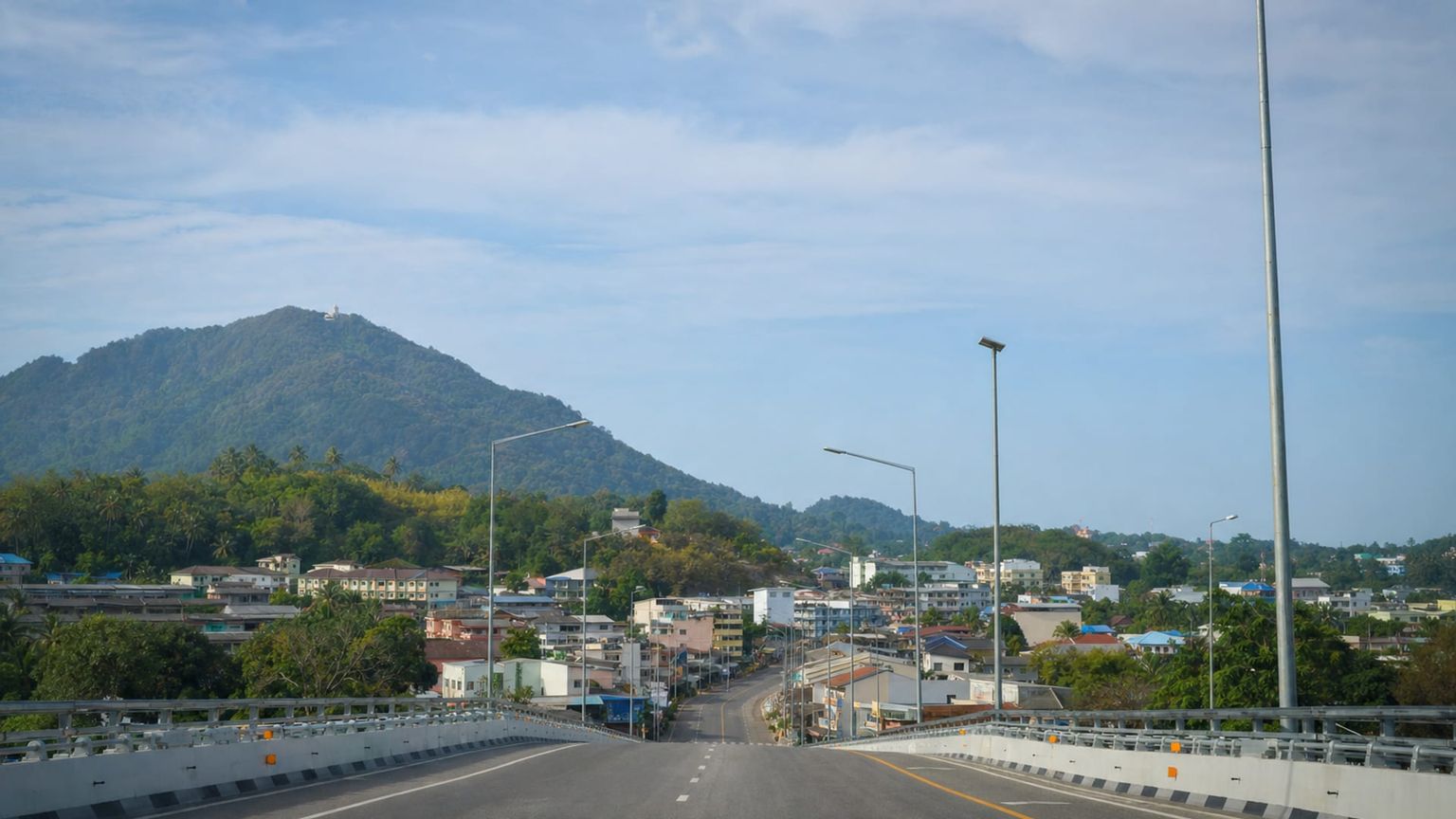
Phuket Town gives the last day a useful base, with the island’s best museum and market access close together, so start with one final museum stop in the old city and then browse local shops in the nearby old streets. From Phuket Town, you can reach Soi Rommanee on foot in about 10 minutes, and a late coffee in the old quarter works well before an airport run. If your flight leaves later in the day, keep bags at the hotel, have an early lunch in the town center, and let the afternoon stay local rather than crossing back to the beach side.
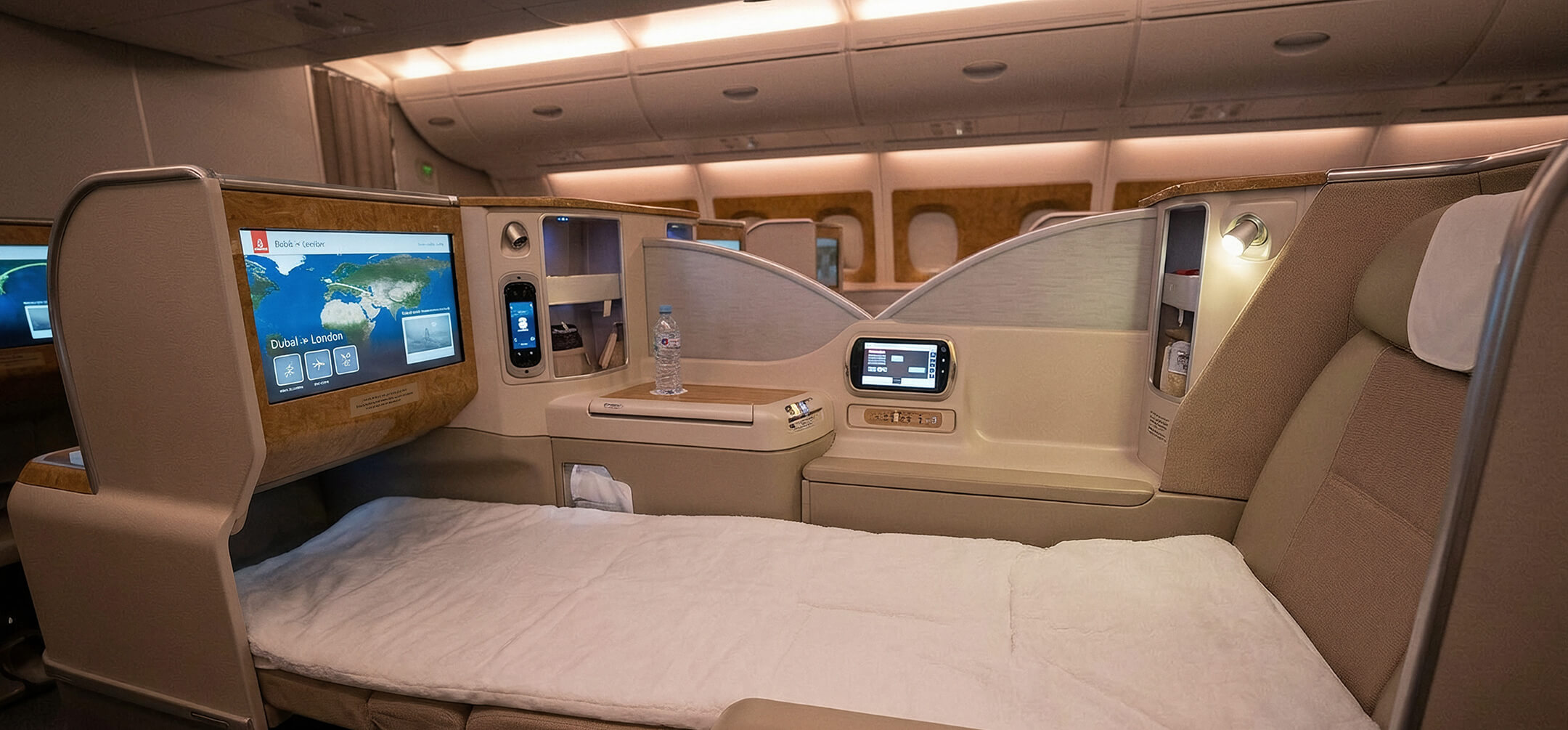
Business-class flights from the US to Phuket
Long-haul routes to Phuket usually connect through major Asian or Gulf hubs, so the useful comparison is less about distance than about how the stopover fits your schedule. Here are two common premium-price examples from the East and West Coasts.
From New York, Qatar Airways, Emirates, Etihad Airways, Singapore Airlines, and Turkish Airlines usually route travelers through Doha, Dubai, Abu Dhabi, Istanbul, or Singapore, with total travel times of roughly 20 to 30 hours. Business-class fares from New York to Phuket usually run $4,500 to $8,500 round-trip.
Los Angeles fares often start at $1,050 and climb to $1,950 round-trip. Qatar Airways, Singapore Airlines, Korean Air, All Nippon Airways, and EVA Air commonly connect through Doha, Hong Kong, Tokyo, Taipei, or Seoul, and a one-stop itinerary through Doha, Hong Kong, or Tokyo usually costs less than a nonstop equivalent.
Phuket feels different when you slow down
A deliberate Phuket trip comes together when you match each day to the right part of the island, Old Phuket Town for shophouses and Soi Rommanee, Wat Chalong and Big Buddha for the south, and Kata or Karon for the beach hours between transfers. Use taxis for the longer crossings and keep walking for the old quarter, where the streets reward slower attention. If you want help shaping the trip, the AranGrant experts can build it around the neighborhoods and travel times that fit you best