

Chapters:

Need help with your trip?
Our support team is available 24/7. Request a callback or call us directly at (833) 619-0908
Phoenix trips often start with a quick airport transfer, a hotel near Downtown or Scottsdale, and a plan built around one marquee hike or museum. Travelers often miss how much the city changes with heat, distance, and daylight.
That approach can compress too much into midday hours, when exposed trails, long cross-town drives, and crowded parking slow everything down. Even short hops need timing, because a museum in central Phoenix, a garden in Papago Park, and dinner in Roosevelt Row can sit far apart.
This guide sets out a slower route through the city, with mornings, afternoons, and evenings matched to the places that work best at each hour. It keeps the airport corridor, light rail, and neighborhood dining in view so the itinerary holds together day by day.
Useful things to know

Main language(s): English

Currency: The local currency is the US dollar (USD, $).

Cash and cards: Cards and contactless are widely accepted; carry about $20 to $40 in cash for tips and small purchases.

Tipping: Tip 15 to 20% at sit-down restaurants; round up small bills and tip taxi drivers about 10%.

Traditional food: Sonoran hot dog, chimichanga, carne asada taco, Navajo taco

Water and coffee costs: Water about $2 to $4, bar espresso about $3 to $5.

Taxis and ride apps: Uber and Lyft operate here; pick-ups follow airport or city app signage.

Plug and voltage: Type A/B socket, 120V

Dining and shop opening hours: Breakfast is about 07:00-10:00, lunch 11:30-14:00, and dinner 17:00-21:00. Many spots close earlier on Sundays.

Emergency number: 911 for police, fire, and medical emergencies.
Where to stay in Phoenix
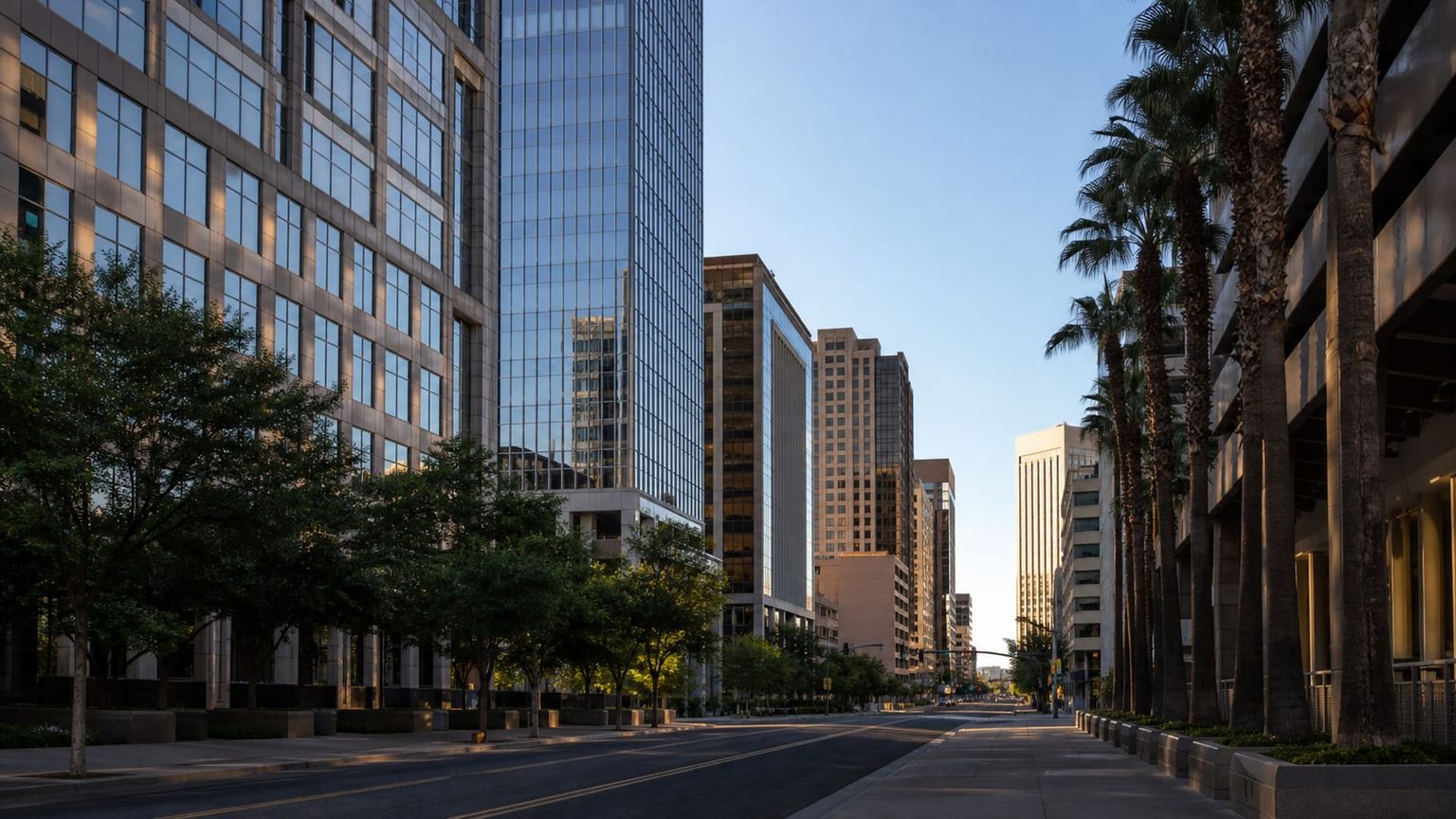
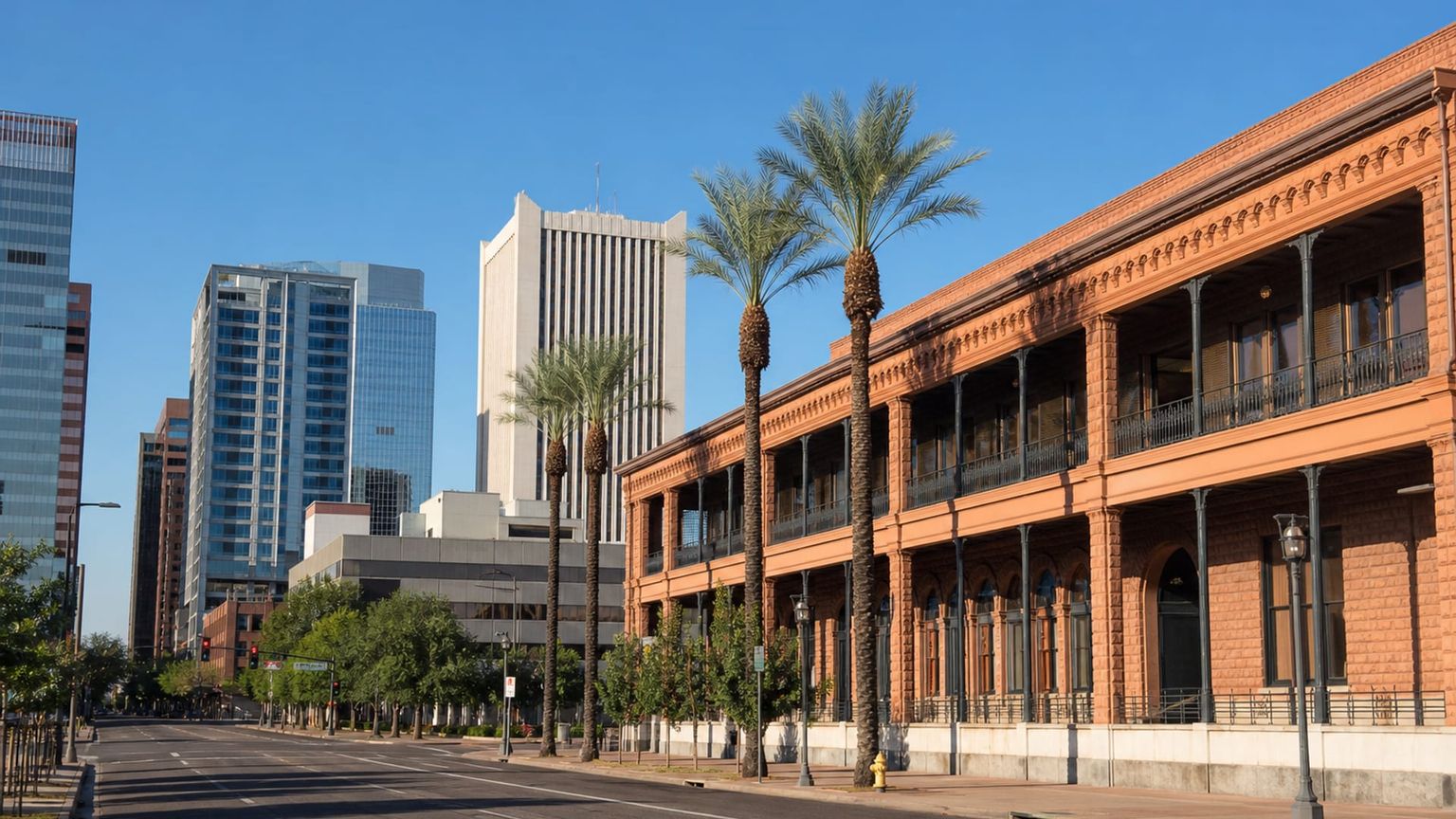
Phoenix’s civic core centers on convention venues, museums, sports arenas, and the light rail. Staying here puts you close to major events, government buildings, and a growing restaurant scene.
Best for: Convention attendees, sports fans, and travelers who want central access to museums and light rail
What to expect: Busy sidewalks by day, with the strongest evening activity near arenas, theaters, and restaurant blocks.
Hotel prices: Usually about $140 to $280 per night for well-rated stays
Distance to major sights: About 10 minutes by light rail to Roosevelt Row; roughly 15 minutes on foot to the Phoenix Art Museum
Quietness: Quieter on weekday nights outside event dates, but can get loud on game and concert evenings.
Main trade-off: Hotels near the arena district can charge more during major events, and some blocks thin out after office hours.
Good to know: If you plan late dinners or game nights, check the walk from your hotel to the light rail and parking, since some blocks become much less active after business hours.
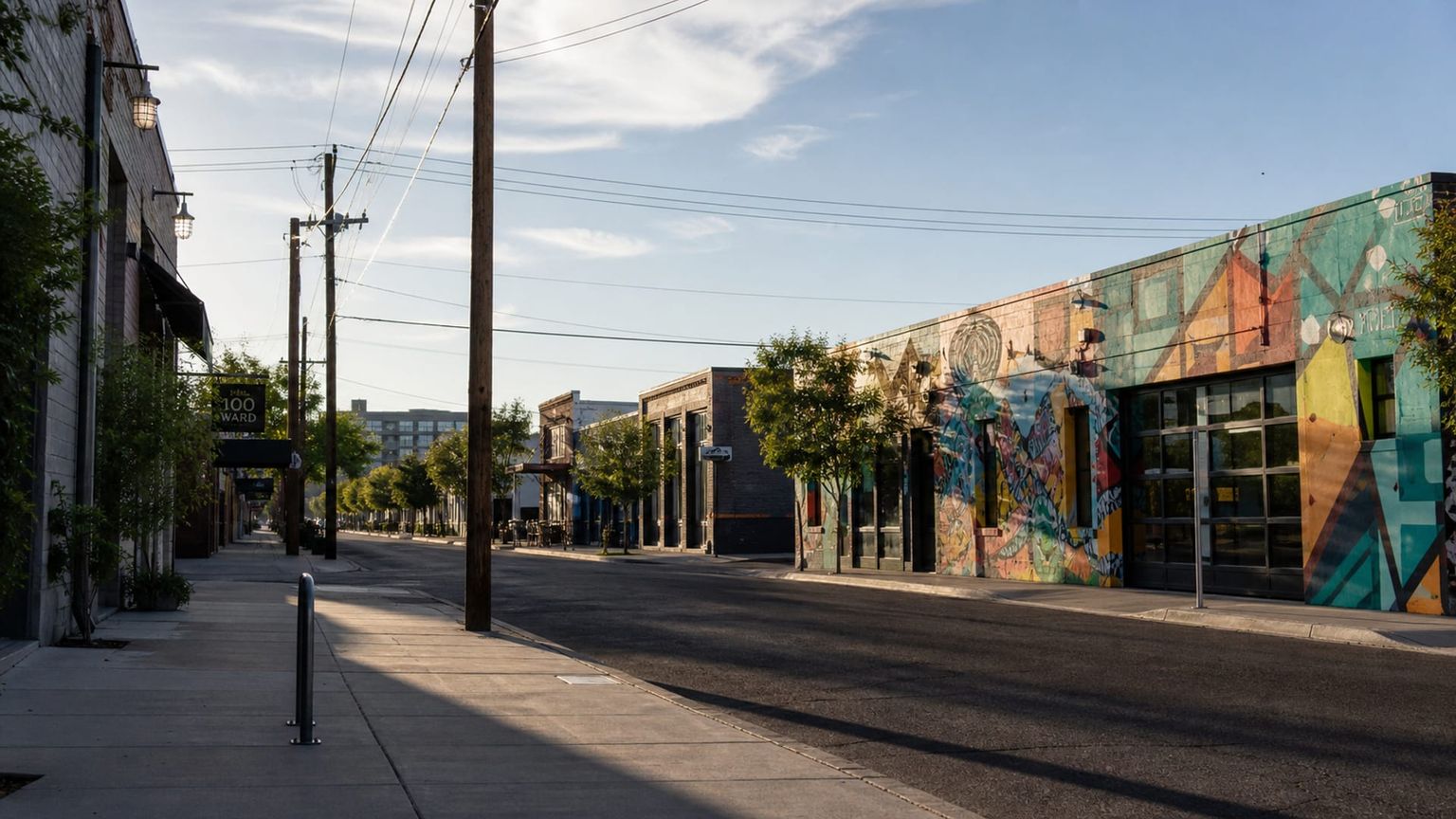
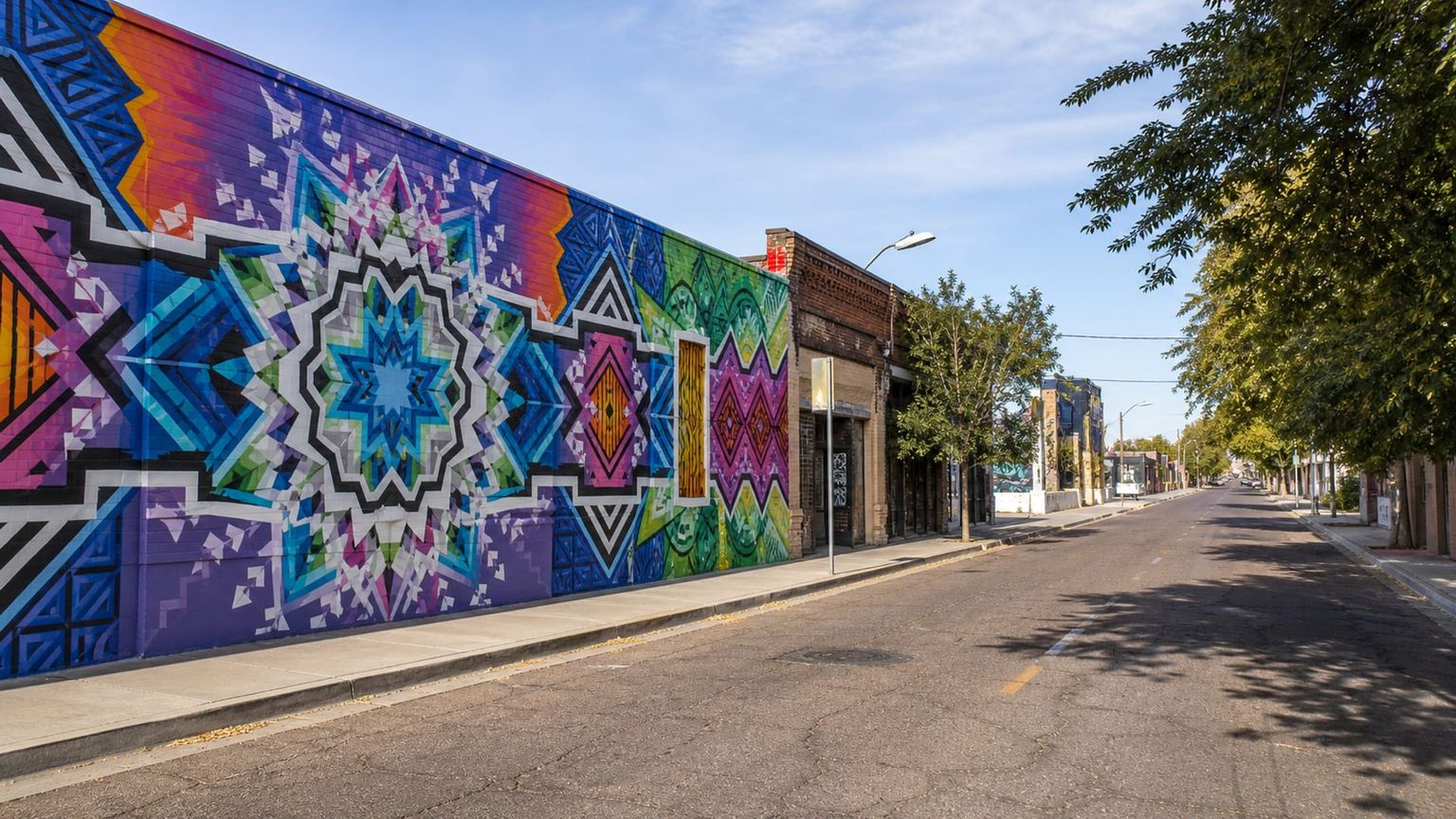
Roosevelt Row is Phoenix’s arts district, known for murals, galleries, indie dining, and small bars. It matters because it gives you the city’s most walkable cluster of creative venues without leaving the central core.
Best for: Art-focused stays, restaurant hopping, and travelers who want an active walkable neighborhood
What to expect: Lively evenings, gallery foot traffic, and a steady mix of visitors and locals along the main streets.
Hotel prices: Usually about $150 to $320 per night for well-rated stays
Distance to major sights: About 10 minutes on foot to the Phoenix Art Museum; roughly 15 minutes by light rail to Chase Field
Quietness: Busy into the evening, then quieter late at night once the bars close.
Main trade-off: The best blocks bring more noise from restaurants and nightlife, and room rates can rise during festivals and weekends.
Good to know: If you are sensitive to street noise, ask for an interior room or a higher floor, since murals and bars cluster along the same few streets.
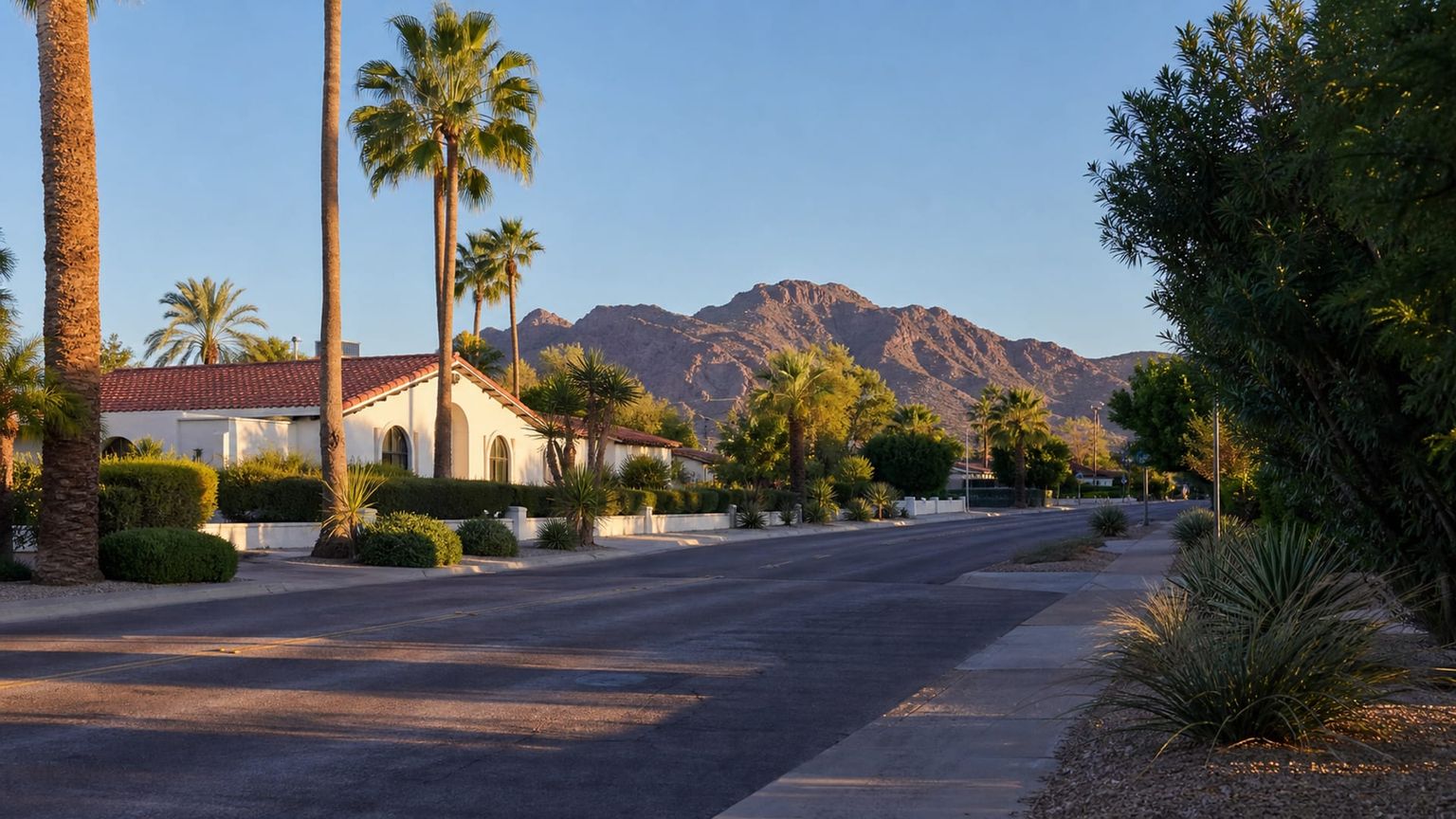
Camelback East stretches across central Phoenix near Biltmore and Arcadia, with resorts, shopping centers, and easy car access. It matters for travelers who want a more residential base while still staying close to central Phoenix and the airport corridor.
Best for: Resort stays, travelers with a car, and visitors who want a quieter base than downtown
What to expect: Mostly car-oriented streets, with pockets of shopping and dining rather than heavy pedestrian traffic.
Hotel prices: Usually about $130 to $300 per night for well-rated stays
Distance to major sights: About 15 minutes by car to downtown Phoenix; roughly 20 minutes by car to Phoenix Sky Harbor International Airport (PHX)
Quietness: Calmer in the evening than downtown, though some hotel and retail strips stay active later.
Main trade-off: You will likely depend on rides or a car for most meals and sightseeing, and many addresses sit far from walkable nightlife.
Good to know: Choose this area if you want to avoid constant street noise, but confirm whether your hotel offers free parking, since daily fees can add up quickly.
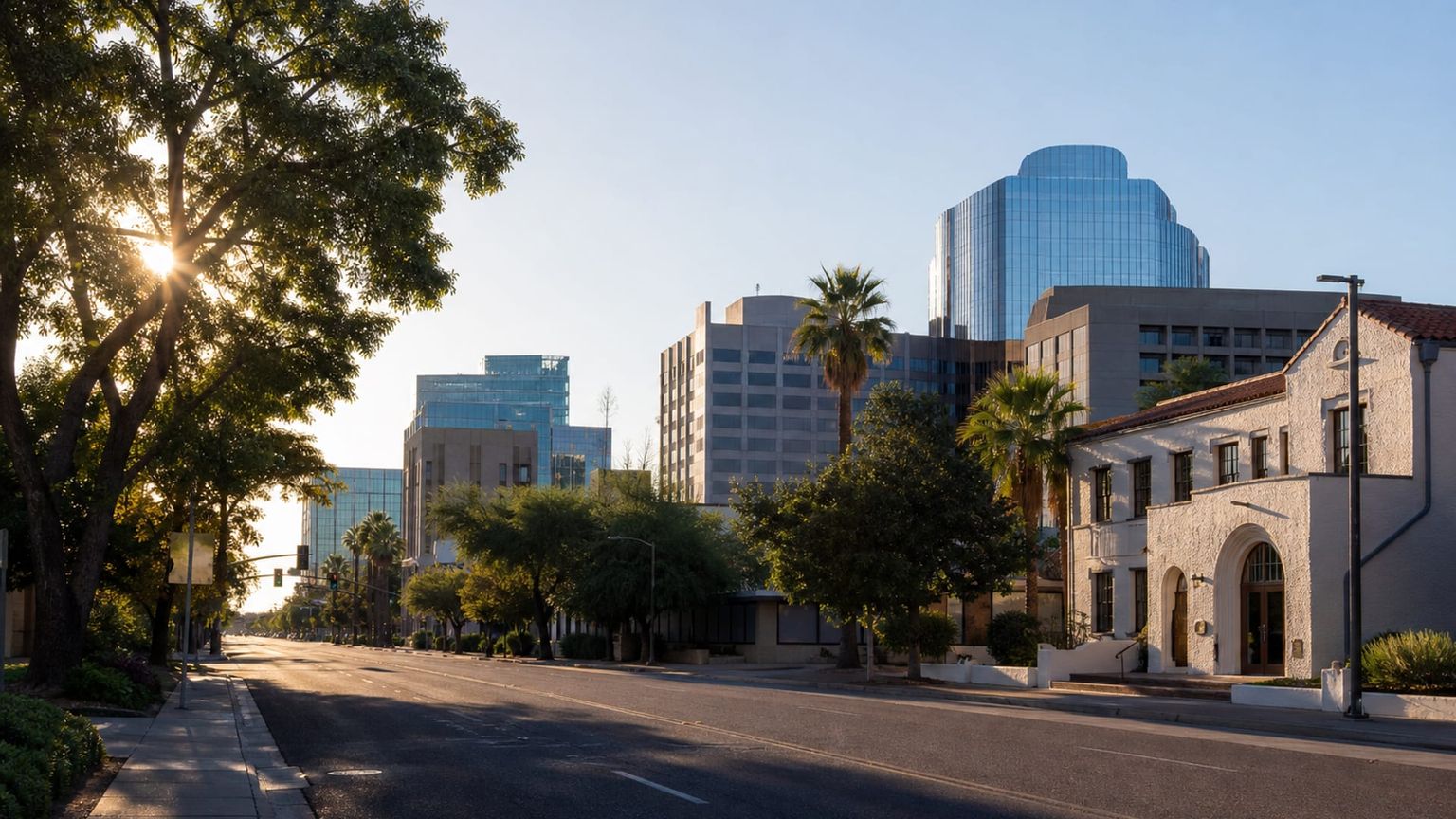
Central Phoenix runs north of downtown through established neighborhoods, neighborhood restaurants, and older commercial corridors. It matters because it gives you a local base with faster access to both downtown events and the museum district.
Best for: Longer stays, neighborhood dining, and visitors who want access to downtown without staying in the thick of it
What to expect: Residential streets with scattered cafes and restaurants, plus moderate traffic on the main corridors.
Hotel prices: Usually about $120 to $260 per night for well-rated stays
Distance to major sights: About 10 minutes by car to downtown Phoenix; roughly 15 minutes by car to the Heard Museum
Quietness: Largely quiet at night, with more activity along major roads and dining strips.
Main trade-off: You gain a calmer setting, but many stays sit beyond easy walking distance from downtown attractions and light rail stops.
Good to know: Check transit and parking before booking, because some addresses are close to the city center yet still feel inconvenient without a car.
Travelers usually avoid booking in far-west Phoenix near Laveen and Tolleson, since these areas sit well away from Downtown, Old Town Scottsdale, and the airport, with limited visitor-oriented dining and nightlife. Parts of north Phoenix, including Deer Valley and areas around Anthem, are also less convenient because they are far from the main sights and can mean long evening drives back after dinner or events.
Hotel deals
How to get around Phoenix efficiently
Phoenix has no subway, so the city works best when you mix Valley Metro light rail or buses with rideshare and taxi trips for the longer stretches between neighborhoods.

Metro
for longer distances
Phoenix has no metro or subway network, so the closest rail option is Valley Metro Rail, a light rail line that runs from Phoenix Sky Harbor International Airport (PHX) via the 44th Street station connector and downtown toward Tempe and Mesa. A 1-day pass costs about $4.00 ($4), and a 7-day pass costs about $20 ($20); passes are valid on buses too. Trains usually come every 12 to 20 minutes, and the airport connector plus light rail trip to downtown takes about 25 to 35 minutes.

Bus and tram
for convenience
Valley Metro buses cover the airport area, downtown Phoenix, Tempe, Scottsdale, and many suburban corridors, while the Orbit neighborhood shuttles in Tempe and the downtown DASH-style circulators fill short gaps. A local bus fare is about $2.00 ($2), with a 1-day pass at about $4.00 ($4); passes are time- and transfer-friendly within the network. Routes 13, 15, and 44 link the airport area with downtown and East Valley destinations, though travel times vary with traffic and signal stops, so allow roughly 30 to 60 minutes for cross-town trips.

Taxi
for convenience or late hours
Licensed taxis line up at Phoenix Sky Harbor International Airport (PHX), and street hails are uncommon outside managed taxi stands; in-town rides are usually metered, while the airport uses a zone-based fare structure on many trips. Expect roughly $25 to $35 ($25 to $35) for downtown Phoenix, about $30 to $45 ($30 to $45) for Tempe, and about $35 to $55 ($35 to $55) for Scottsdale, depending on traffic and the exact drop-off point. Most cabs take credit cards, and airport staff can direct you to the correct rank when you land.
*Prices are based on rates updated as of June 2026 and may change at the time of travel.
Light rail and buses suit downtown, Tempe, and airport-linked trips, while taxis and rideshares make more sense for late dinners, hotter afternoons, and cross-town moves.
Iconic landmarks
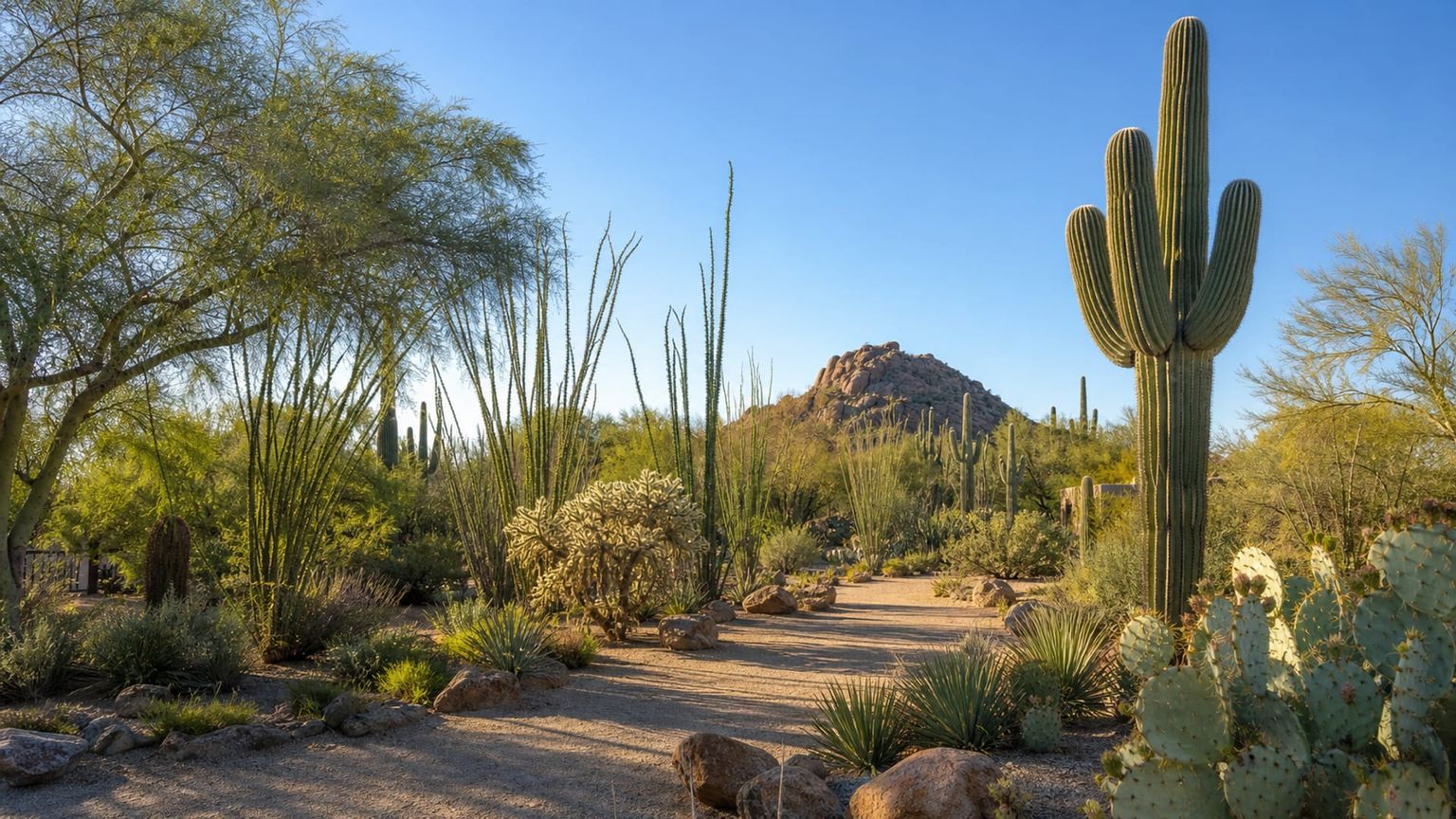
Desert Botanical Garden
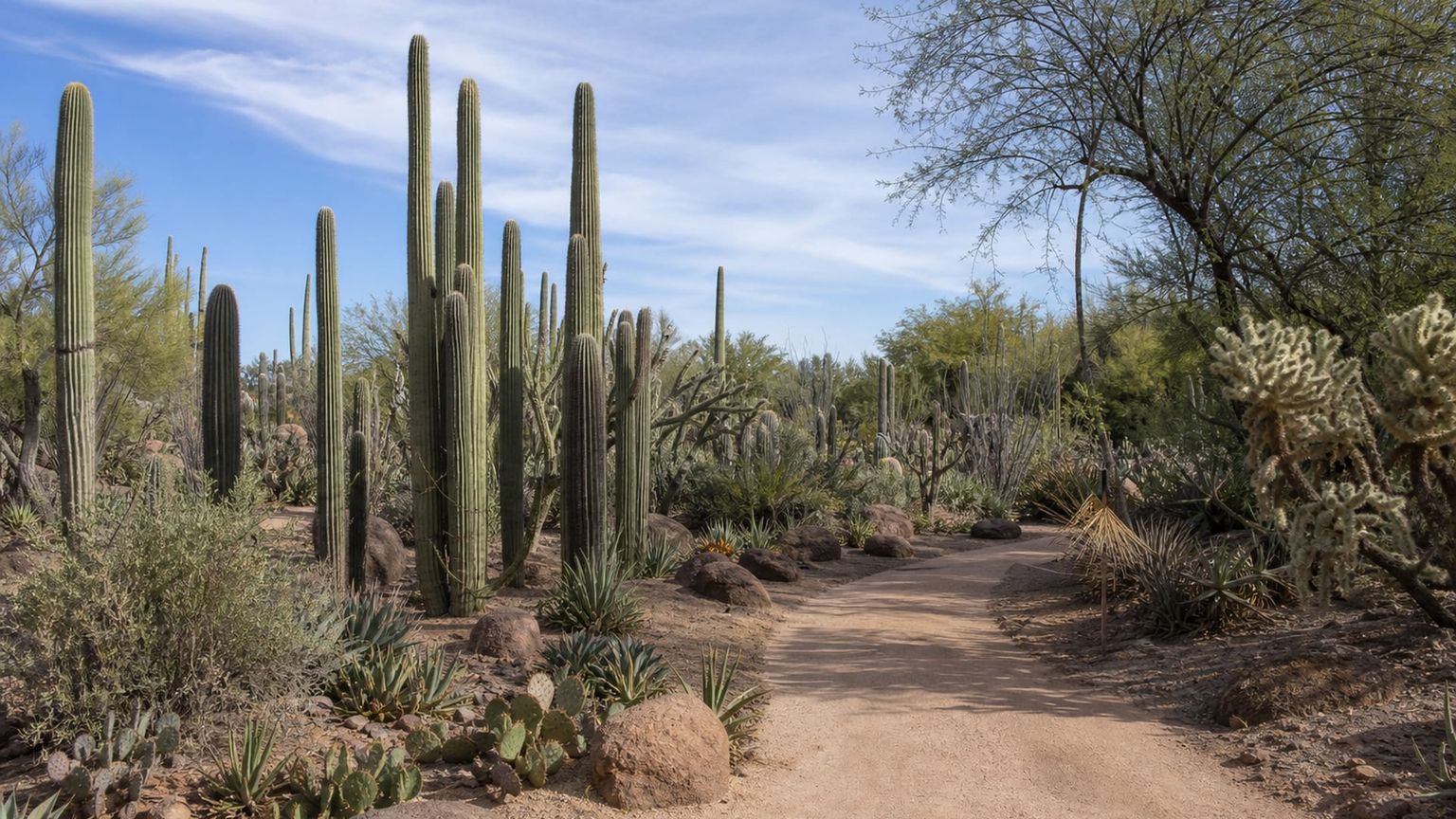
Set in Papago Park, this 140-acre garden displays more than 50,000 desert plants from the Sonoran Desert and beyond. Trails pass towering cacti, seasonal wildflowers, and themed exhibits that change with the calendar.
Time needed: About 2 to 3 hours
Entry: General admission costs $24.95 to $32.95 ($24.95 to $32.95), with lower rates for children and members; special exhibits can cost extra. Visit the official site for details.
Tip: Go near sunset for softer light and cooler temperatures on the main loop trails.
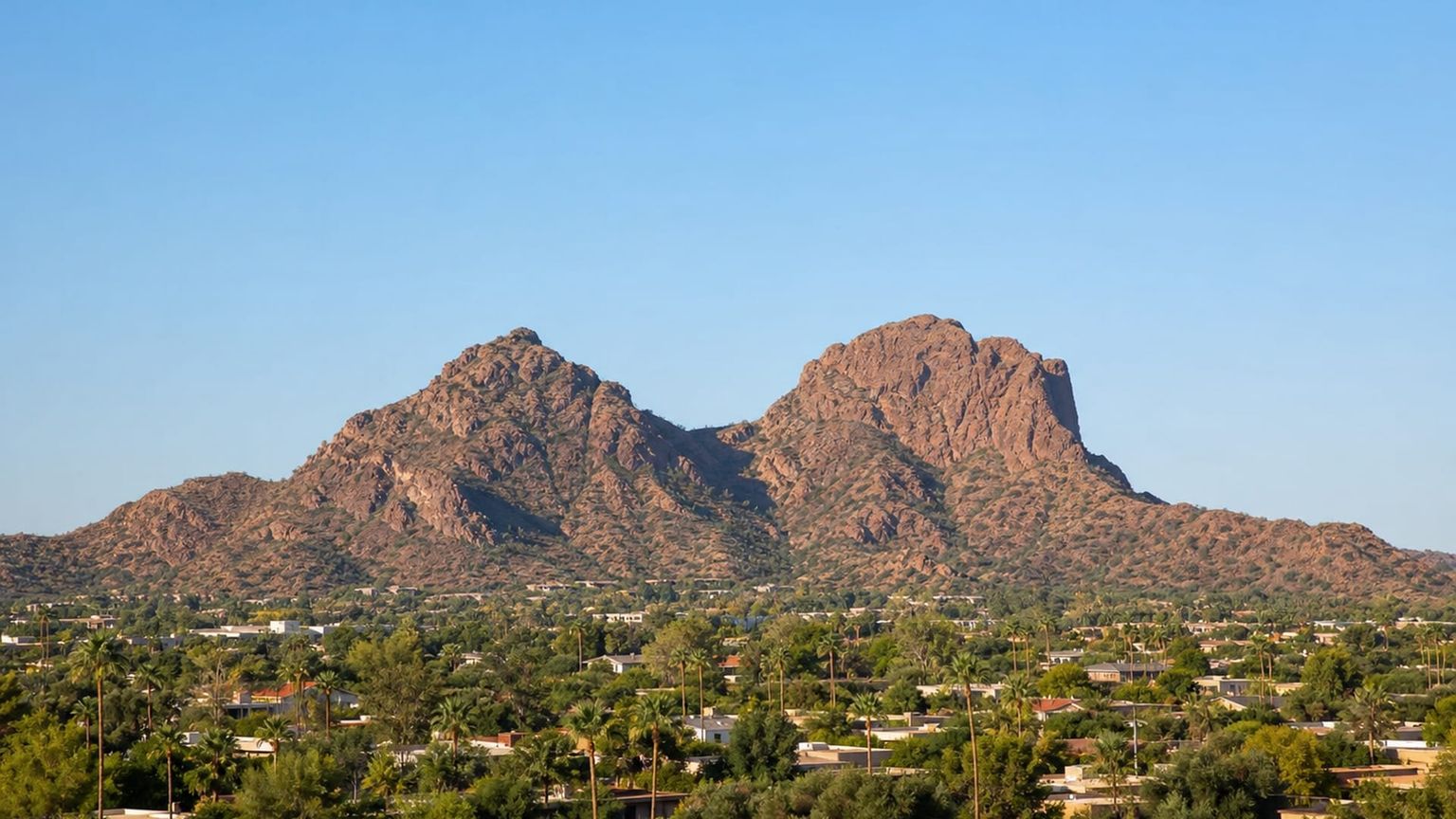
Camelback Mountain
Camelback Mountain rises just east of central Phoenix, with two steep summit hikes, Echo Canyon and Cholla. Both reward the climb with wide views over the valley and are among the city’s most recognizable outdoor landmarks.
Time needed: About 2 to 4 hours
Entry: Free to access on city trailheads; parking can be limited, and there is no ticketed admission for the hiking routes.
Tip: Start at dawn in warm months, because exposed sections heat up fast after sunrise.
Heard Museum
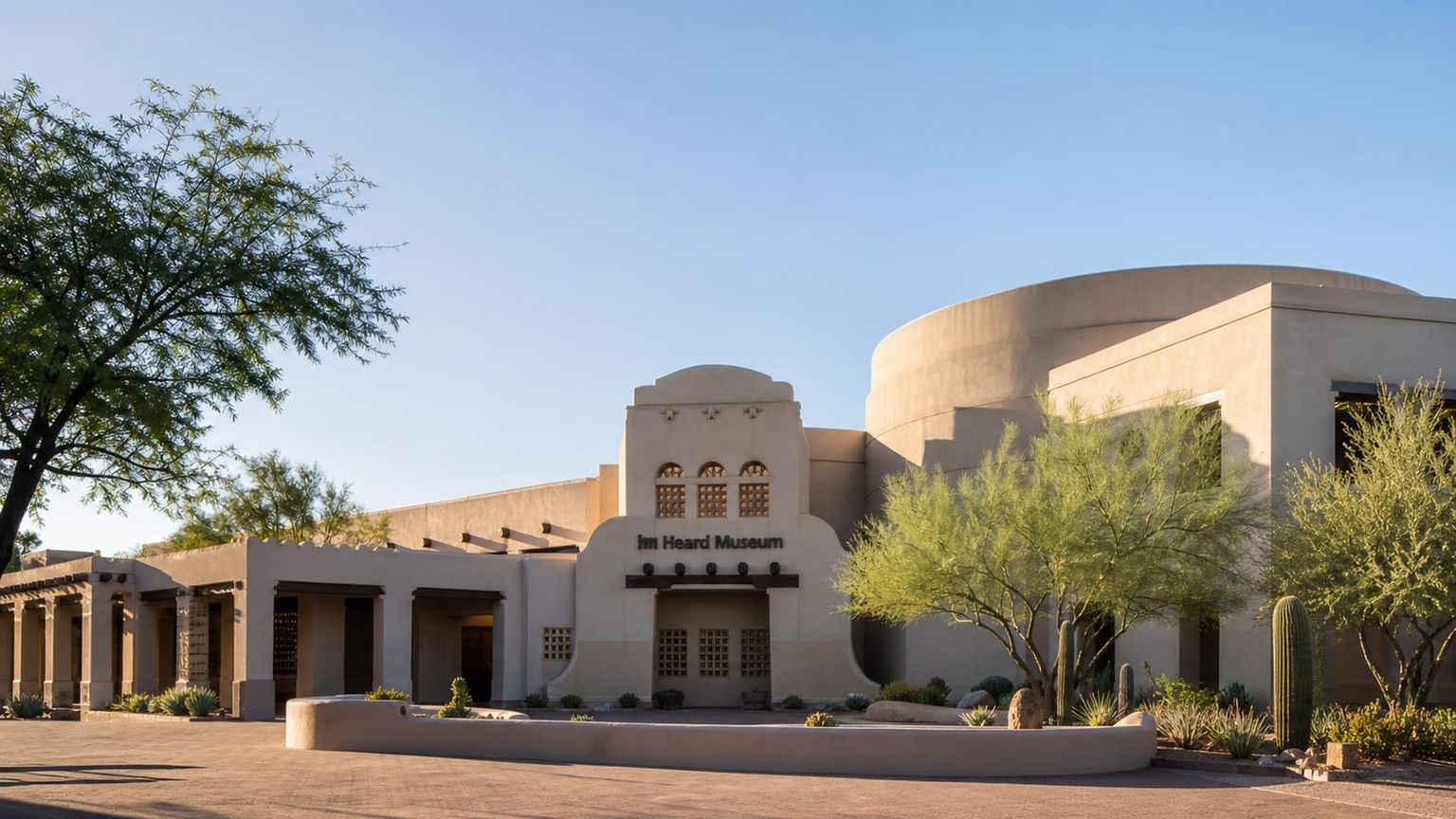
The Heard Museum in central Phoenix focuses on Native American art, history, and contemporary makers, with strong collections from the Southwest. Galleries, courtyard spaces, and rotating exhibitions give the museum depth beyond a single visit.
Time needed: About 2 to 3 hours
Entry: General admission costs $20 to $25 ($20 to $25), with reduced prices for seniors, students, and children; some special events cost extra. Visit the official site for details.
Tip: Plan extra time for the courtyard and gift shop, which add to a full museum visit.
Overlooked sites worth visiting

Pueblo Grande Museum and Archaeological Park
This Hohokam village site preserves platform mounds, compound walls, and a ballcourt near Sky Harbor. A short trail links outdoor ruins with a small museum, so you can pair archaeology with shade.
Time needed: About 1 to 1.5 hours
Entry: Admission is $10 for adults, $8 for seniors 60 and older, $5 for youth ages 3 to 17, and free for children 2 and under; group rates and field-trip pricing vary by program. Visit the official site for details.
Tip: Visit early, the site has limited shade and the trail gets hot by midday.

Japanese Friendship Garden of Phoenix
Ro Ho En packs a koi pond, tea house, stone lanterns, and clipped maples into a compact garden west of downtown. Its paths are short but detailed, with benches that make it easy to linger.
Time needed: About 45 minutes to 1 hour
Entry: Admission costs $10 for adults, $8 for seniors ages 65 and older, $5 for students with ID, and free for children 5 and under; special events and tea ceremonies may be priced separately. Visit the official site for details.
Tip: Go on a weekday morning for quieter paths and softer light over the pond.
Traditional food
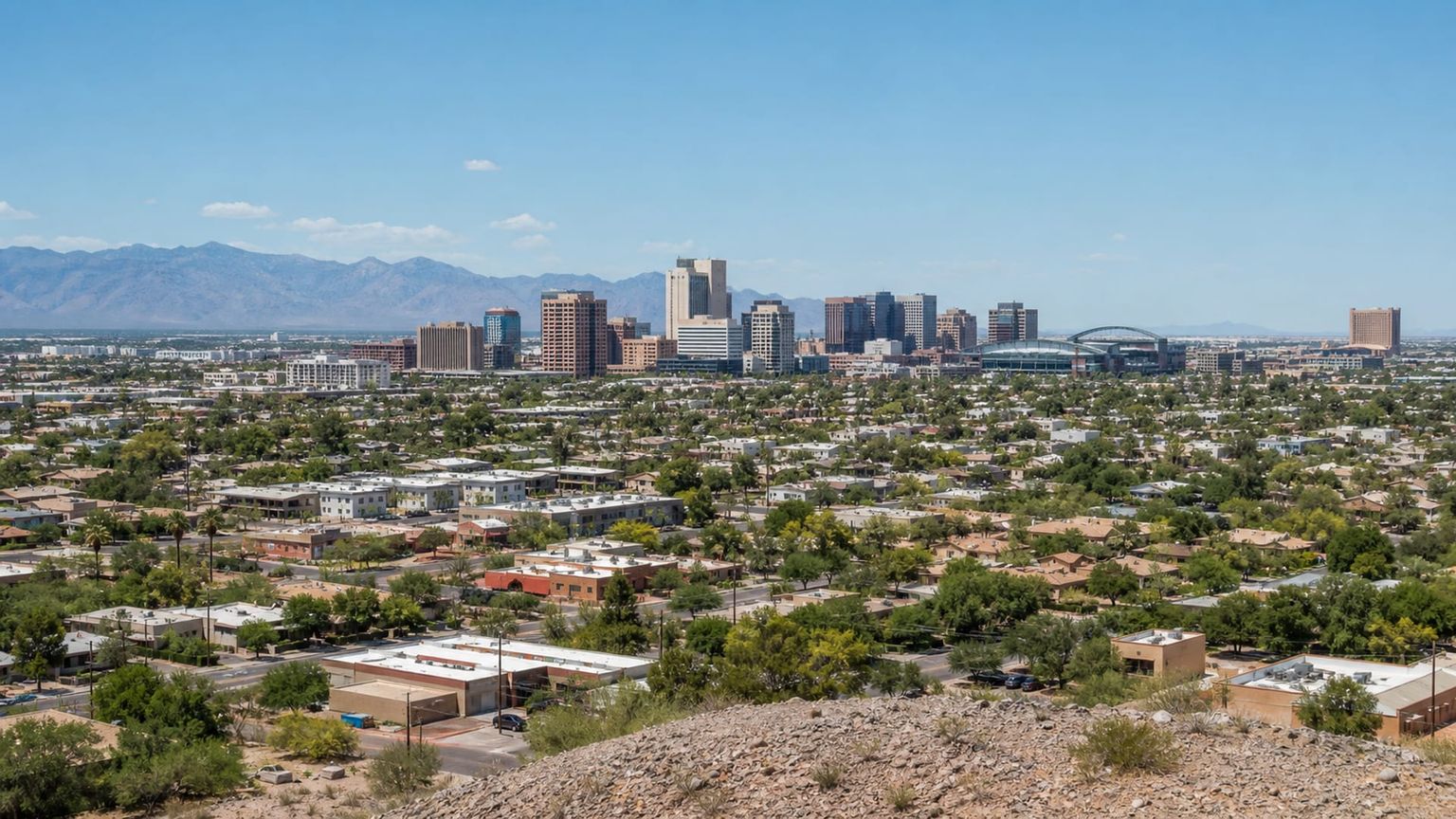
Phoenix food leans on Sonoran flavors, mesquite-grilled meat, flour tortillas, chiles, beans, and crisp fried comforts like chimichanga and Navajo taco, with casual counters and neighborhood spots doing much of the work.
Sonoran hot dog
A bacon-wrapped hot dog in a bolillo-style bun, usually finished with beans, onions, tomato, mustard, and jalapeño salsa. El Caprichoso in Phoenix is a strong canonical stop for it.
Chimichanga
A crisp, deep-fried burrito that often arrives with rice, beans, and salsa. Macayo’s Mexican Food in Phoenix has long been one of the city’s classic places to order one.
Carne asada taco
Grilled beef tucked into a warm tortilla with onion, cilantro, and salsa, built for quick lunches or a casual dinner. Taqueria Obson in Phoenix is a well-known local choice.
Navajo taco
Fry bread topped with beans, meat, cheese, lettuce, and salsa, a hearty dish that shows up on many Southwest menus. The Fry Bread House in Phoenix is the city’s most cited place for it.
Best time to visit Phoenix
Phoenix rewards different plans in each season, since winter brings the best walking weather and summer pushes sightseeing toward early mornings and indoor stops.
Best for: Museum time, patio lunches, and longer walks
What you get: About 60 to 75°F (16 to 24°C), with the busiest visitor season and comfortable days for outdoor plans
Trade-offs: Popular attractions, hotels, and hiking parking lots fill quickly
Best for: Garden visits, neighborhood dining, and light hikes
What you get: About 75 to 95°F (24 to 35°C), with moderate crowds early and rising heat by late spring
Trade-offs: Afternoon temperatures climb fast, especially in May
Best for: Indoor museums, pool time, and sunrise outings
What you get: About 100 to 110°F (38 to 43°C), with lighter tourist crowds but very hot afternoons
Trade-offs: Outdoor sightseeing gets limited to early starts and short stops
Best for: Balanced city days and comfortable evening plans
What you get: About 80 to 95°F (27 to 35°C), with improving conditions and steady crowds around events
Trade-offs: Early fall still runs hot, and major events can raise hotel rates
A realistic 5-day plan in Phoenix
Five days in Phoenix work best when you pair the museums and neighborhood streets with the cooler parts of the day. This plan keeps the first day light, then builds toward art, desert scenery, archaeology, and a calmer final morning before departure.
Land at Phoenix Sky Harbor International Airport (PHX), then take a rideshare or taxi into Downtown Phoenix or Roosevelt Row, about 10 to 20 minutes depending on traffic, for roughly $20 to $35. If you are staying in Downtown Phoenix, check in, drink plenty of water, and keep dinner close to your hotel, preferably in Roosevelt Row, where you can reach a low-key restaurant without adding a long drive after the flight.
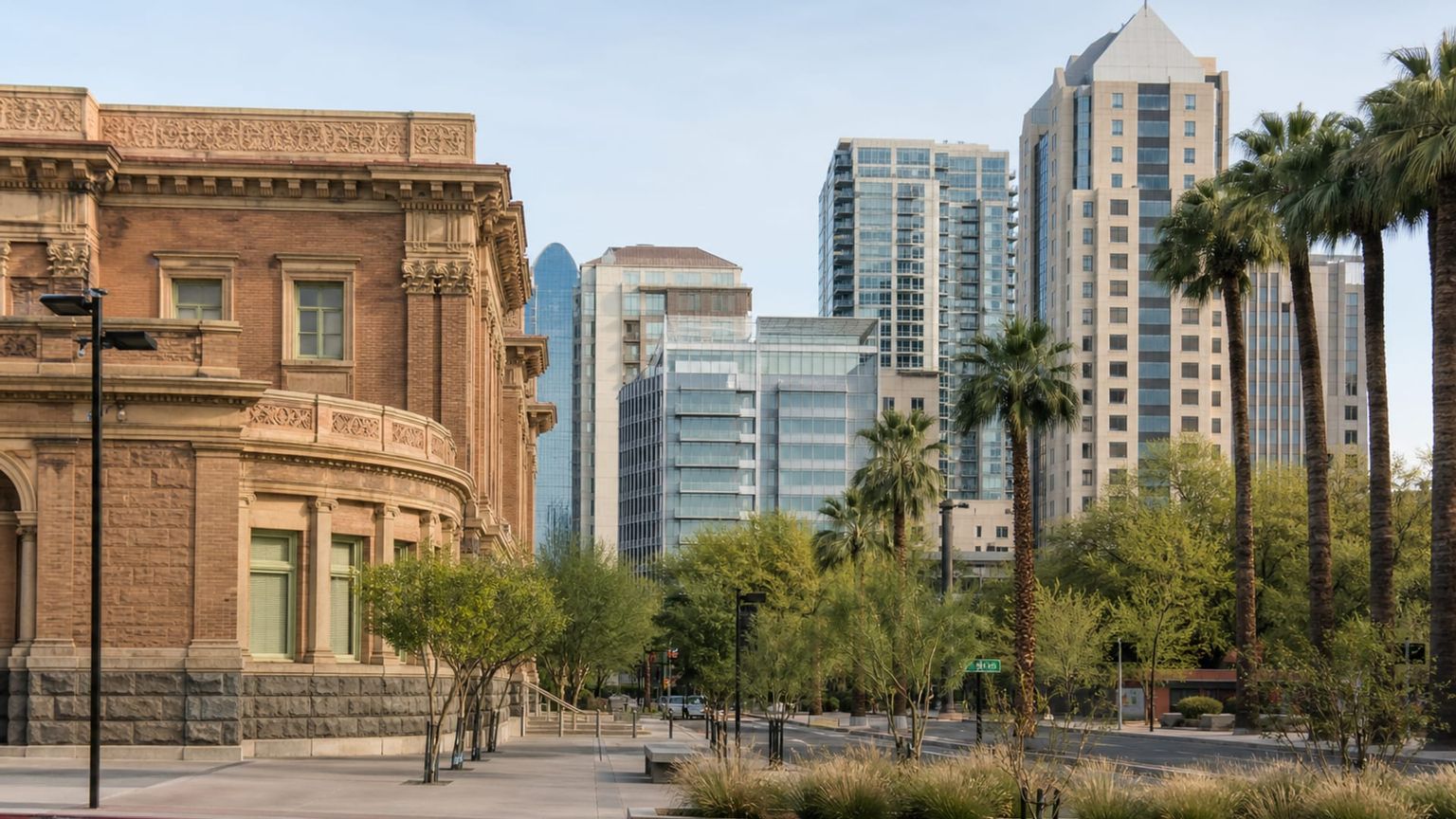
Start early at the Heard Museum, then spend about 2 to 3 hours in the galleries and courtyard, followed by lunch in Central Phoenix or nearby Midtown. In the afternoon, go to the Japanese Friendship Garden of Phoenix, which is about 15 minutes by car from the Heard Museum, and stay about 45 minutes to 1 hour before returning downtown for dinner in Roosevelt Row, about 10 minutes away by car or light rail.
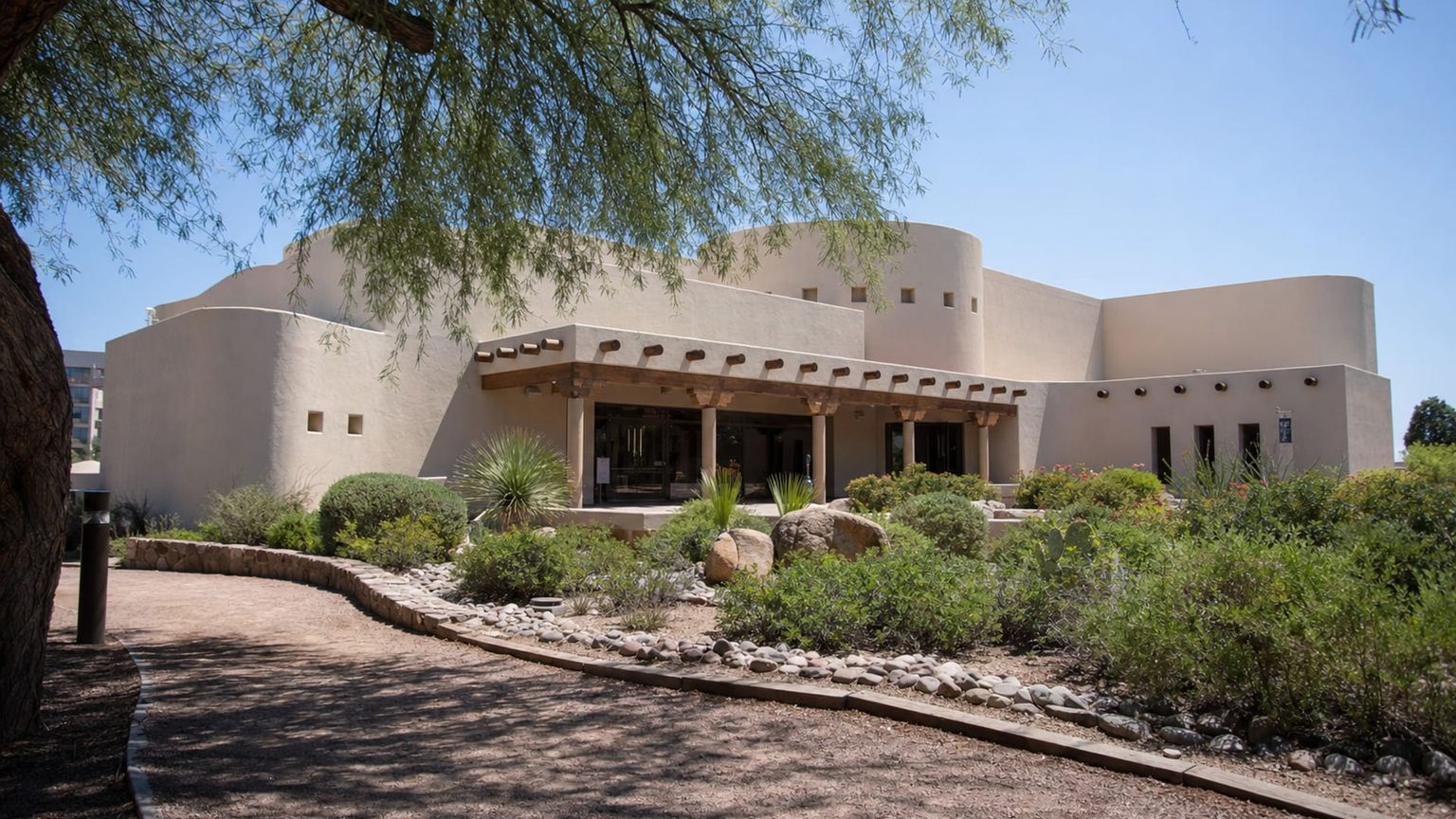
Begin at Desert Botanical Garden in Papago Park, where a 15-minute drive from Downtown Phoenix gets you to the trails in time for cooler morning light. Plan about 2 to 3 hours among the cactus paths, then continue to Camelback Mountain, roughly 20 minutes by car, for a late-afternoon hike if temperatures allow, or a shorter viewpoint stop if you prefer not to climb in the heat.
Pueblo Grande Museum and Archaeological Park fits best as a morning stop, about 10 minutes by car from Sky Harbor and roughly 15 minutes from Downtown Phoenix, before the site heats up. Spend about 1 to 1.5 hours on the trail and in the museum, then head into Roosevelt Row for lunch and an afternoon of murals, galleries, and an easy neighborhood walk, with downtown only a short light-rail or rideshare trip away.
For a final half-day, pair one last museum stop with a slower neighborhood finish: return to the Heard Museum if you want more time with the collections, then move west to the Japanese Friendship Garden of Phoenix for a quiet closing walk. End in Central Phoenix with café time near the neighborhood dining strips, or browse a few shops in Camelback East before heading back to the airport corridor for an evening departure.
Business-class flights from the US to Phoenix
Phoenix has frequent long-haul options, so the route you choose often depends on whether you value a nonstop or are willing to trade time for fare savings. The East Coast and West Coast examples below show how that plays out from two major hubs.
From New York, American Airlines, Delta Air Lines, JetBlue, and United Airlines all sell itineraries to Phoenix Sky Harbor International Airport (PHX), with nonstop flights taking about 5 to 6 hours. One-stop options often connect through ORD, DEN, DFW, IAH, or CLT, and round-trip fares start from $700, with nonstop departures usually priced higher than one-stop options.
Los Angeles travelers can choose among American Airlines, Delta Air Lines, JetBlue, Southwest Airlines, Alaska Airlines, and United Airlines, and nonstop flying time runs about 5 to 6 hours. If you do not mind a stop, common connections go through SFO, DEN, DFW, IAH, or LAS, and round-trip fares from $450 usually sit below the nonstop level.
Phoenix feels different when you slow down
A deliberate Phoenix trip usually means early starts in Papago Park, midday time in the Heard Museum or Roosevelt Row, and shorter evening hops that keep you close to dinner. Valley Metro, rideshare, and taxis each have a clear role once the heat rises or the distance opens up. If you want help matching the right neighborhood and airport plan, the AranGrant experts can help shape the trip around Phoenix’s real pace







