

Chapters:

Need help with your trip?
Our support team is available 24/7. Request a callback or call us directly at (833) 619-0908
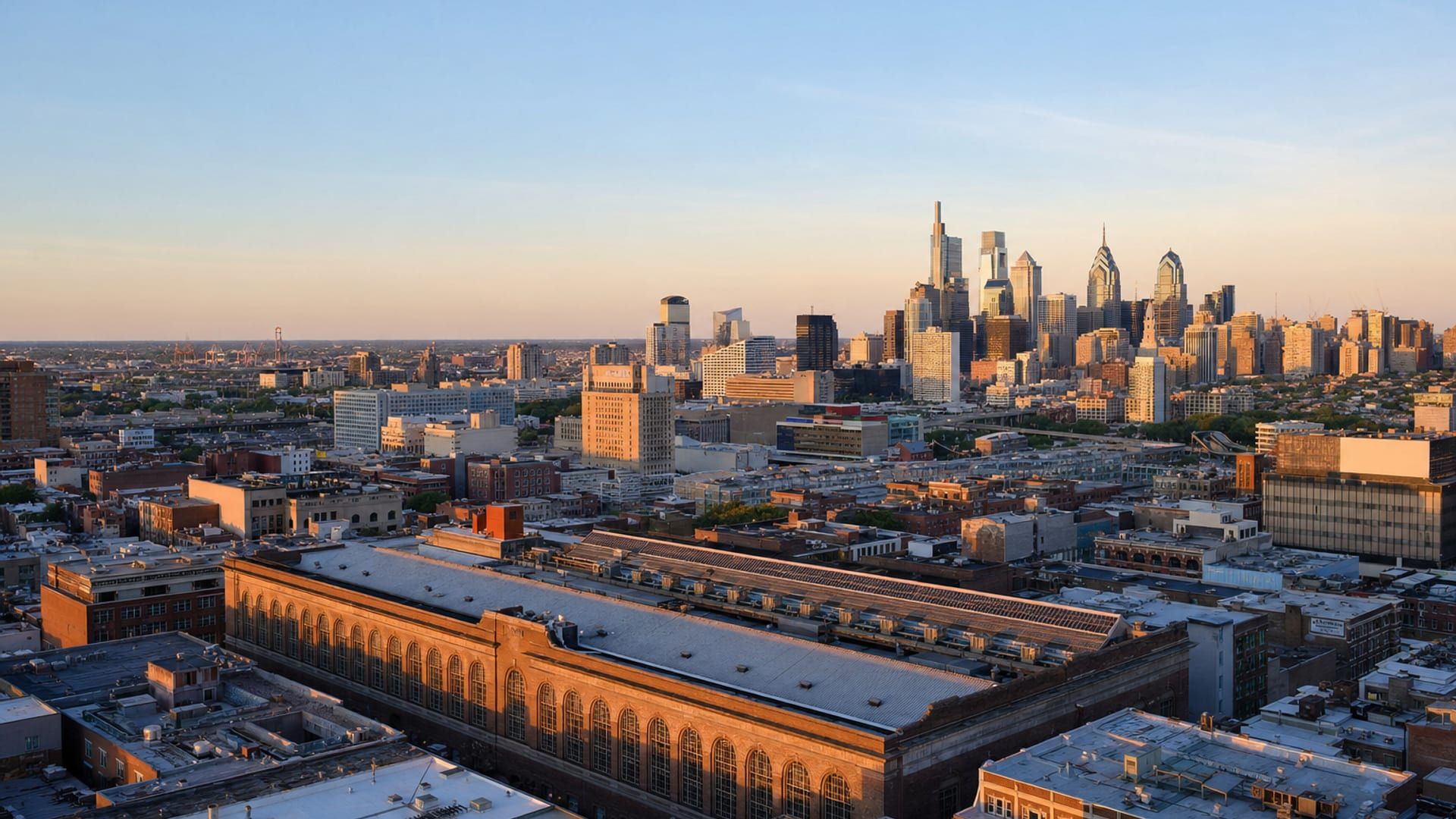
Philadelphia usually starts with a short list of icons, then a rushed loop between them, and many visitors miss the time between stops. The city rewards planning because its historic core, museum district, and food markets sit close enough for a dense day, yet not close enough to ignore transit or walking time.
Without a plan, crowds build at the same landmarks, meals get squeezed into whatever is open, and cross-town moves can break the day. Old City, Center City, and the Parkway each ask for a different pace.
This guide sets out those neighborhoods in a sequence that matches real travel time, with room for food, museums, and an easier return to your hotel.
Useful things to know

Main language(s): English

Currency: The local currency is the US dollar (USD, $).

Cash and cards: Cards and contactless are widely accepted; carry about $20 to $40 in cash for tips, small purchases, and transit gaps.

Tipping: Tip 15 to 20% at sit-down restaurants if service is not included; round up for taxis and casual counters.

Traditional food: Philly cheesesteak, soft pretzel, roast pork sandwich, scrapple

Water and coffee costs: Water about $2 to $4, bar espresso about $3 to $6.

Taxis and ride apps: Uber and Lyft operate here; pickup points vary by terminal.

Plug and voltage: Type A/B socket, 120V

Dining and shop opening hours: Breakfast is about 07:00-10:00, lunch 12:00-14:00, and dinner 17:00-21:00. Many kitchens close by 22:00, with late-night spots in center city and Fishtown.

Emergency number: 911 covers police, fire, and medical emergencies.
Where to stay in Philadelphia
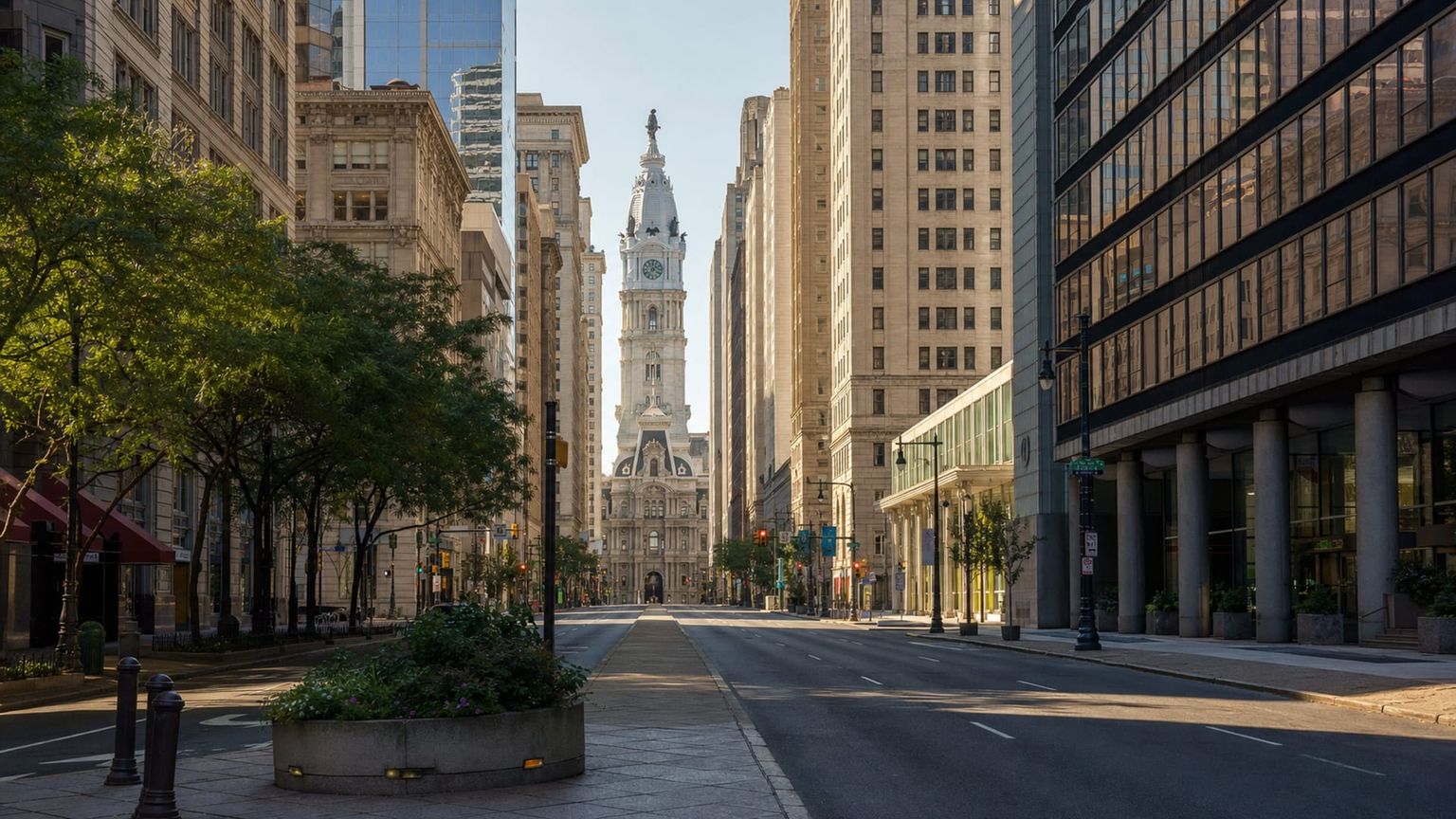
Philadelphia’s main downtown grid, Center City puts you beside City Hall, Rittenhouse Square, and the busiest dining blocks. It suits visitors who want the densest mix of museums, shopping, restaurants, and transit access in one place.
Best for: First-time visits, museum days, dining, shopping, and easy transit
What to expect: Busy sidewalks, constant restaurant traffic, and the most hotel choice in the city.
Hotel prices: Usually about $180 to $350 per night for well-rated stays
Distance to major sights: 10 to 20 minutes on foot to the Philadelphia Museum of Art, about 10 minutes by transit to Independence Hall
Quietness: Lively all day, with some blocks easing after dinner while main avenues stay active late.
Main trade-off: Rates stay high, and the busiest blocks can feel noisy at night.
Good to know: Staying near Walnut Street or Rittenhouse Square makes evening meals easy, but parking is expensive and limited.
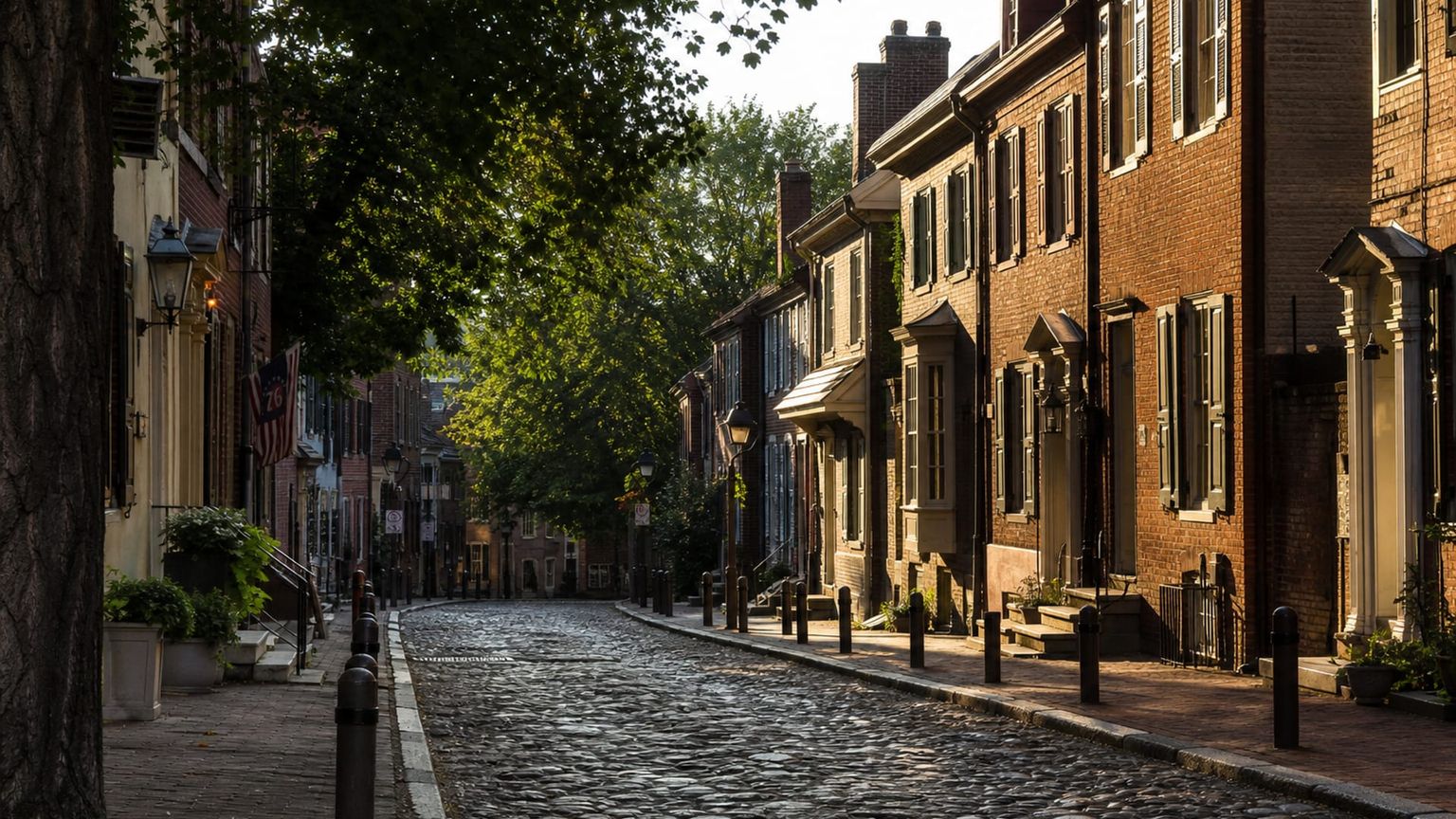
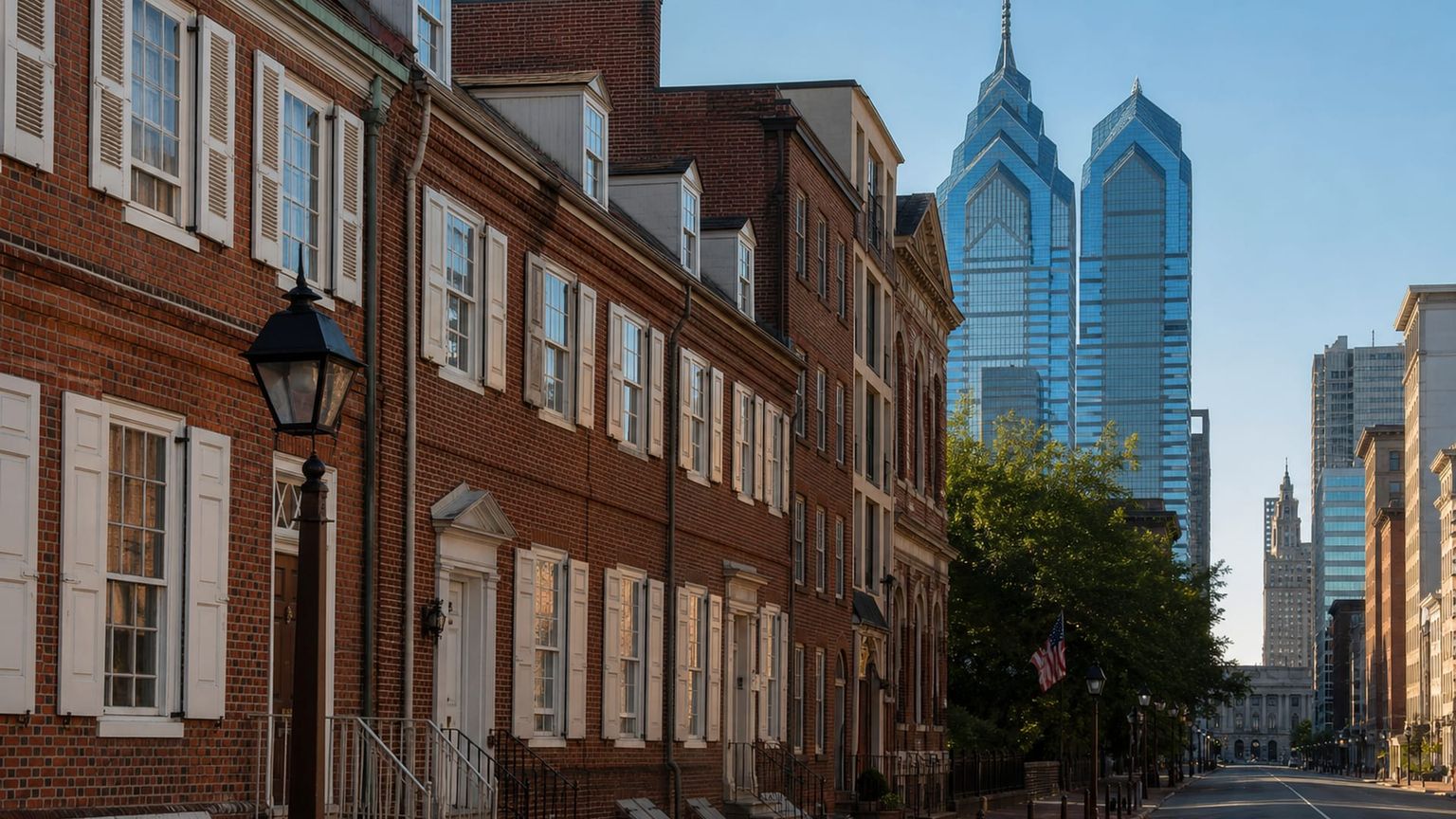
Old City sits east of Center City and clusters many of Philadelphia’s historic sights, including Independence Hall, the Liberty Bell, and the riverfront grid. It matters for travelers who want to walk to the city’s most visited landmarks and spend more time in restored brick blocks than in transit.
Best for: History-focused trips, short stays, and travelers who prefer walking to major landmarks
What to expect: Tour groups by day, quieter side streets at night, and a compact mix of cafes, galleries, and small hotels.
Hotel prices: Usually about $200 to $380 per night for well-rated stays
Distance to major sights: 5 to 15 minutes on foot to Independence Hall and the Liberty Bell, about 20 minutes by transit to the Philadelphia Museum of Art
Quietness: Busy in the daytime, then notably calmer after dinner once the sightseeing crowd thins.
Main trade-off: The location is excellent for landmarks, but nightlife and late shopping are more limited than in Center City.
Good to know: Some streets empty out early, so choose a hotel near Market Street or Chestnut Street if you want more evening foot traffic.
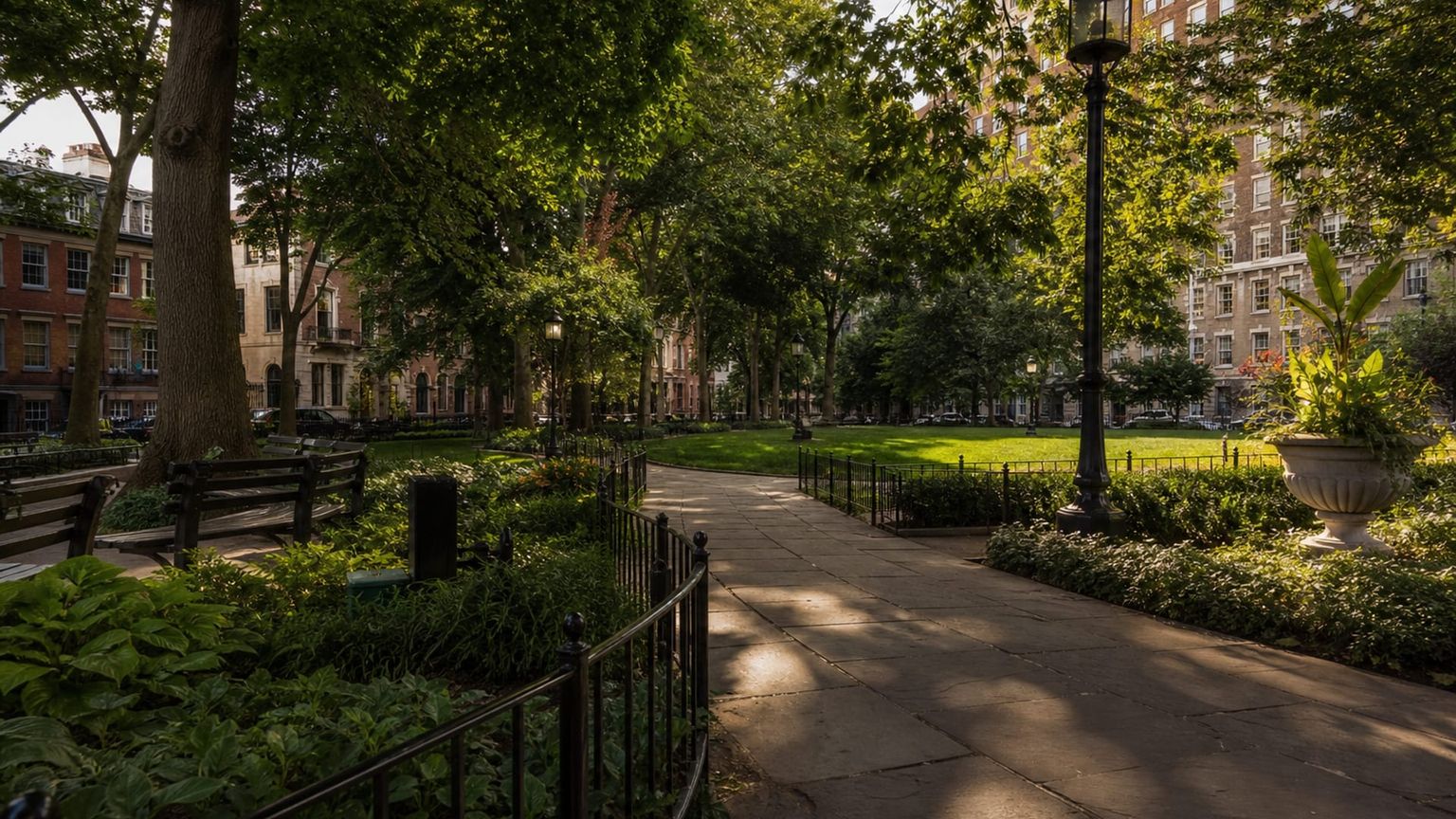
Rittenhouse Square is the upscale western pocket of Center City built around its namesake park, with high-end dining, polished blocks, and strong hotel options. It works well for travelers who want an attractive base close to shopping and restaurants without giving up central access.
Best for: Upscale stays, restaurant trips, couples, and travelers who want a central base with park access
What to expect: Dense foot traffic, cafe patios, and an active evening scene along Walnut Street and nearby side streets.
Hotel prices: Usually about $220 to $450 per night for well-rated stays
Distance to major sights: 15 to 20 minutes on foot to City Hall, about 15 minutes by transit to Independence Hall
Quietness: Active through dinner and into the evening, then quieter on residential side streets.
Main trade-off: You pay a premium for the location, and the most appealing blocks book up early.
Good to know: Expect shorter walks to major sights than in farther west neighborhoods, but some rooms face traffic on broad avenues.
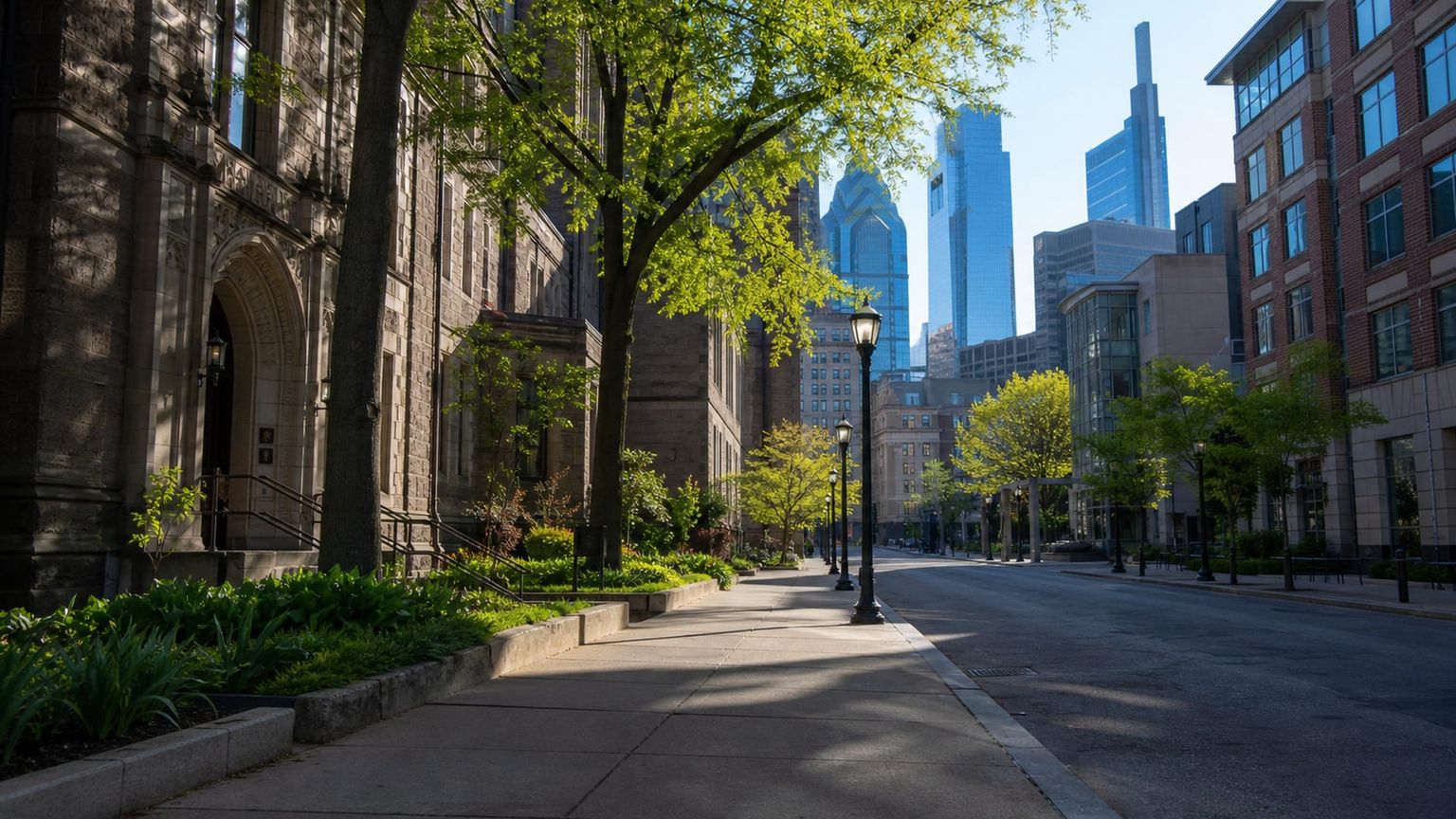
University City sits west of the Schuylkill River and centers on Penn, Drexel, and nearby medical campuses. It gives you modern hotels, good transit, and a useful base if your trip includes the universities, the hospital district, or easy regional rail access.
Best for: University visits, medical appointments, rail access, and travelers who prefer a west-side base
What to expect: Student foot traffic, weekday bustle near campus corridors, and calmer residential streets after dark.
Hotel prices: Usually about $170 to $320 per night for well-rated stays
Distance to major sights: 10 to 15 minutes by transit to City Hall, about 25 minutes by transit to Independence Hall
Quietness: Busier on weekdays and during class hours, then quieter on many blocks in the evening.
Main trade-off: You save time near Penn and Drexel, but you will rely on transit or rides to reach the historic core at night.
Good to know: Cross-river walks are possible in daylight, yet most visitors will find trains or rideshares more convenient after dinner.
Travelers usually avoid staying in Northeast Philadelphia, because it sits far from Center City, the Museum District, and Old City, and late-night transit is limited. Parts of Southwest Philadelphia and the industrial stretches near Philadelphia (PHL) can also be less convenient, with fewer visitor amenities and longer rides to major sights; some outer sections of North Philadelphia and West Philadelphia are better for day trips than for hotel bases, since they put you farther from the main tourist core.
Hotel deals
How to get around Philadelphia efficiently
Philadelphia works best with walking layered onto SEPTA, taxis, and rideshares, since the Airport Line reaches Center City directly while the subway and buses cover the rest of the city at a modest fare.

Metro
for longer distances
SEPTA’s Market-Frankford Line reaches Philadelphia (PHL) via 30th Street Station and stops in Center City; the airport itself is not on the subway network. Use regional rail or the airport train if you want rail transit into downtown, with Airport Line trains running about every 30 minutes and taking roughly 20 to 25 minutes to Center City. A SEPTA transit fare is $2.50 per ride, with transfers available through the fare system.

Bus and tram
for convenience
Bus routes 37, 108, and 115 serve Philadelphia (PHL) and connect the airport with nearby neighborhoods, Eastwick, and transport links in the city. Buses run with local traffic and stop frequently, so they suit short trips and lower-cost connections rather than direct downtown access. Pay $2.50 per ride on SEPTA, or use a transferable fare card if you will combine bus and rail trips.

Taxi
for convenience or late hours
Licensed taxis wait at the airport taxi stands in Philadelphia (PHL), and passengers should use the official queue rather than street-hailing at the terminal. Trips to Center City are metered, usually about $28 to $40 before tip and tolls, while trips to the airport from the city often land in the same range depending on traffic. Credit cards are widely accepted, and rideshare pickup is also available if you prefer app-based booking.
*Prices are based on rates updated as of June 2026 and may change at the time of travel.
Use SEPTA for airport transfers and short downtown hops, taxis or rideshares for late evenings or cross-town moves, and walking when your day stays inside Old City, Center City, or Rittenhouse Square.
Iconic landmarks
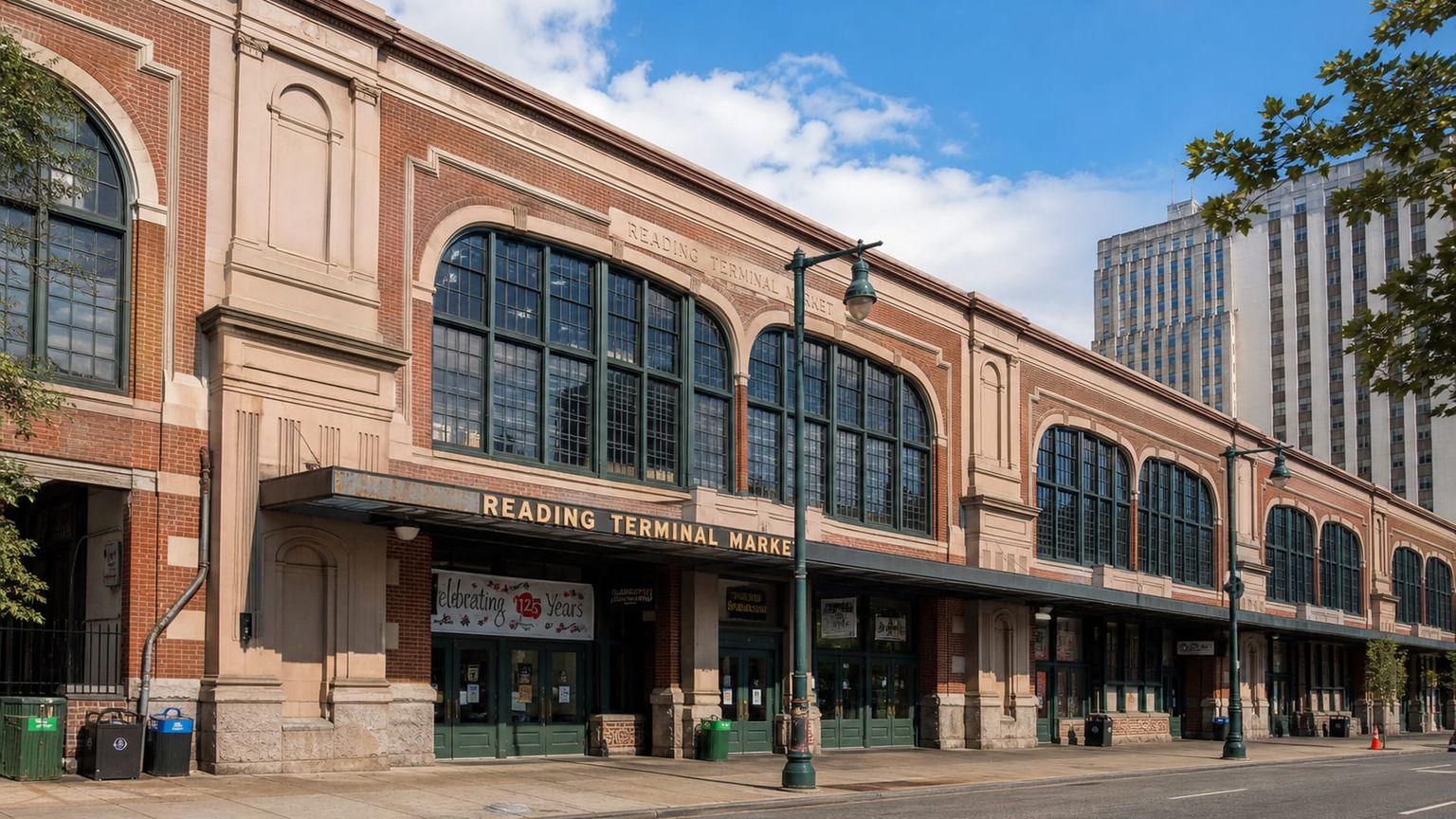
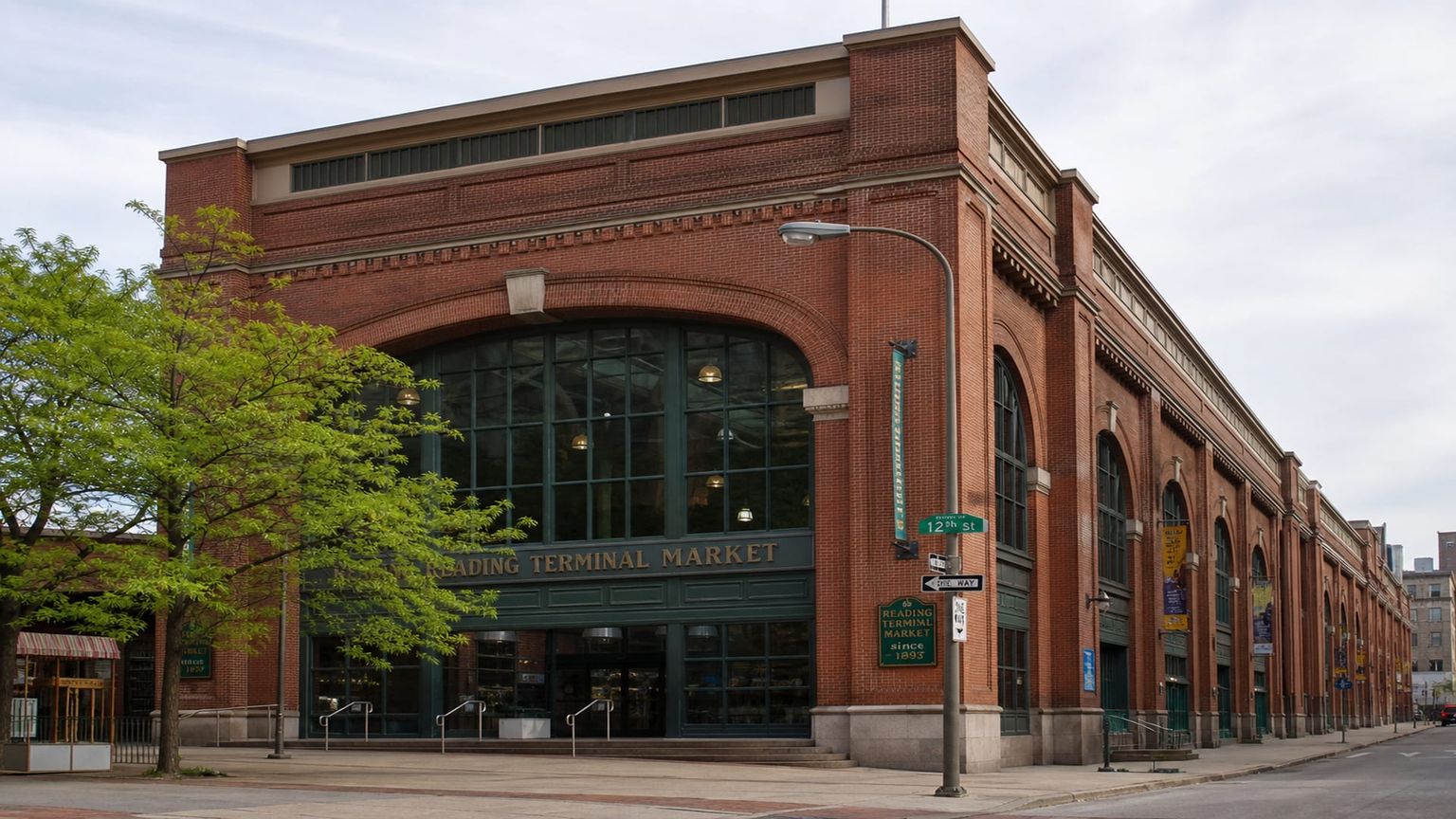
Reading Terminal Market
Opened in 1893 under the former train shed, this market packs about 80 vendors into one roof. You can sample Pennsylvania Dutch baking, roast pork, seafood, coffee, and produce in a tightly arranged historic hall in Center City.
Time needed: About 1 to 2 hours
Entry: Free to enter; food and drink prices vary by vendor, with many snacks costing about $5 to $15 ($5 to $15). Visit the official site for details.
Tip: Visit before noon to avoid the lunch rush and to see the widest range of counters open.
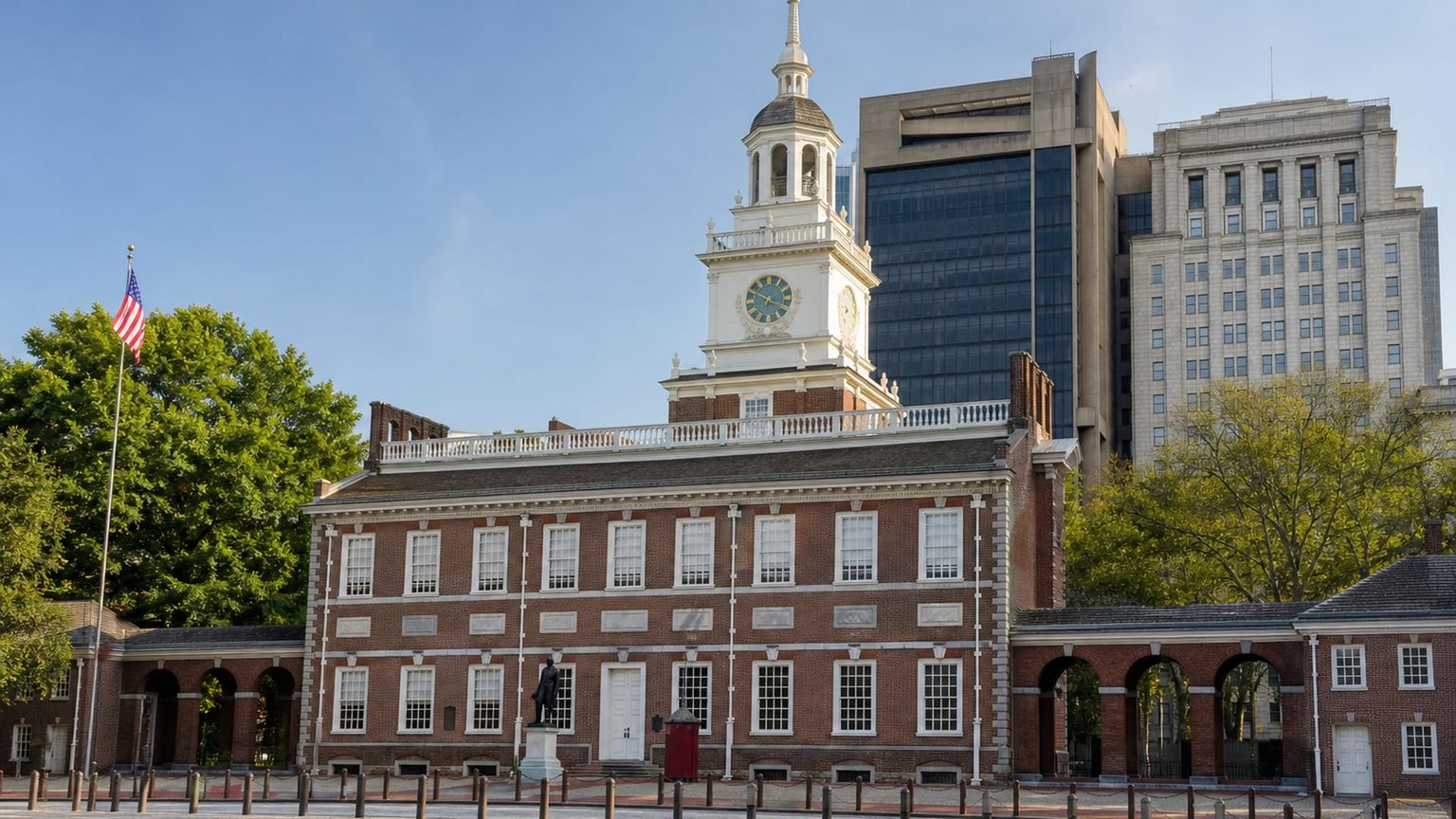
Independence Hall
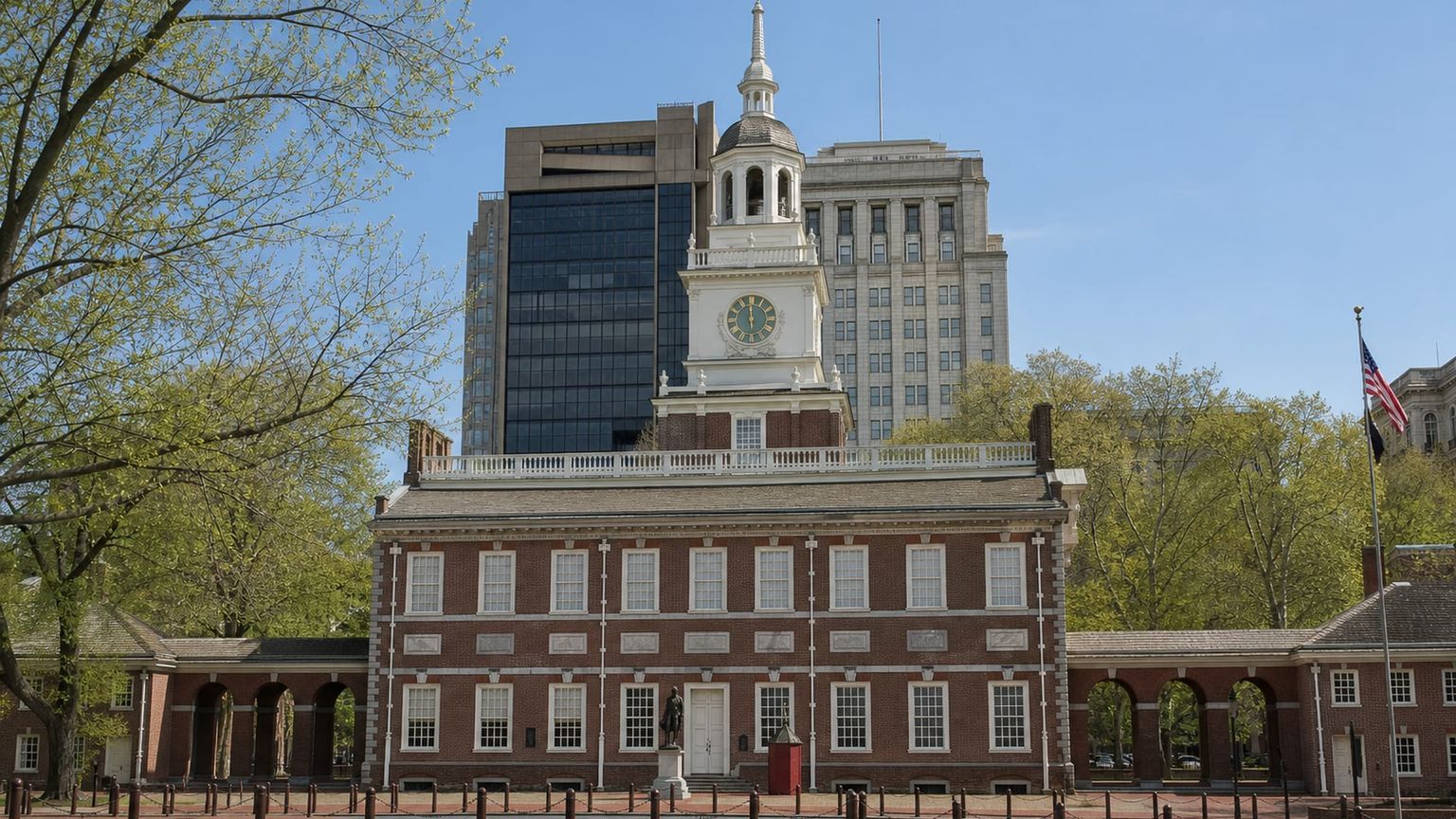
This red-brick Georgian building is where both the Declaration of Independence and the U.S. Constitution were debated and signed. The assembly room, council chamber, and period furnishings anchor the story with original detail in the Old City district.
Time needed: About 1 to 2 hours
Entry: Timed-entry tours are free, and advance reservations are required for most visits. Walk-up tickets are limited when space opens on the day. Visit the official site for details.
Tip: Arrive early for security, then allow time for the Liberty Bell nearby after your tour.
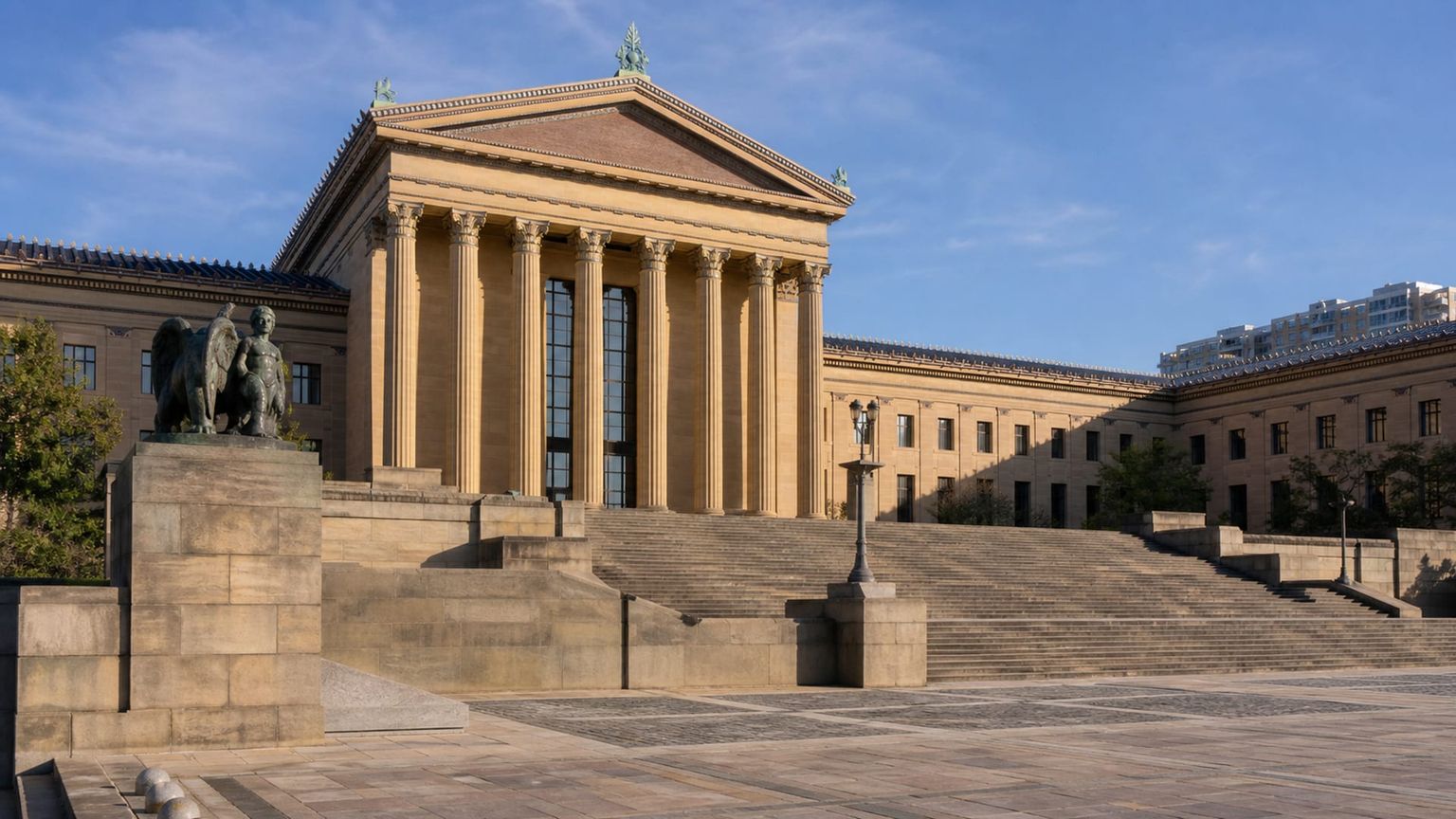
Philadelphia Museum of Art
Its grand steps lead to one of the country’s major art collections, with works by Duchamp, Renoir, van Gogh, and Brancusi. The building also hosts rotating special exhibitions and clear views over the Benjamin Franklin Parkway.
Time needed: About 2 to 3 hours
Entry: General admission costs $30 ($30) for adults, $28 ($28) for seniors, and $14 ($14) for ages 18 to 25; ages 17 and under enter free. Visit the official site for details.
Tip: Go on a weekday morning for quieter galleries and shorter lines at the entrance.
Overlooked sites worth visiting

Bartram's Garden
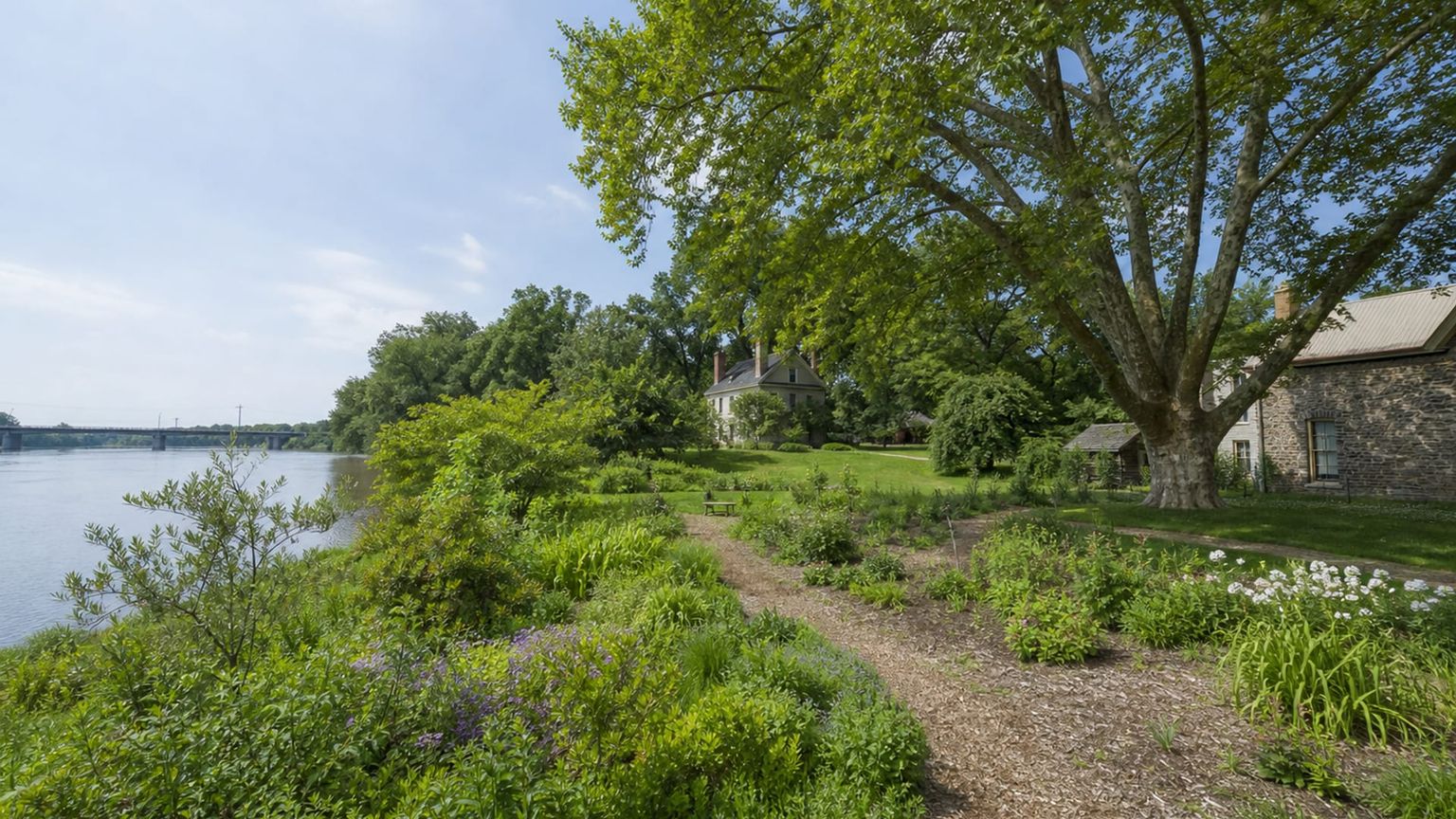
A riverside botanical garden on the Schuylkill, with historic trees, meadows, and restored paths that invite a slower visit. Its waterfront setting gives you room to wander without the museum crowds.
Time needed: About 1 to 2 hours
Entry: Grounds access is free; some special programs and tours carry separate fees, usually about $5 to $15 ($5 to $15), depending on the event and season. Check the calendar for current rates before you go. Visit the official site for details.
Tip: Go near sunset for softer light on the river.

Masonic Temple
This Center City landmark packs seven lodge rooms, each with a different architectural style, into one ornate civic building. The interiors reward a short guided visit with carved detail and rare nineteenth-century craft.
Time needed: About 1 hour
Entry: Guided tours cost $20 to $25 ($20 to $25) for adults, with reduced rates for children, students, and seniors. Hours vary by tour schedule, so verify current times and ticket availability before arriving. Visit the official site for details.
Tip: Plan for a weekday tour if you want smaller groups.
Traditional food
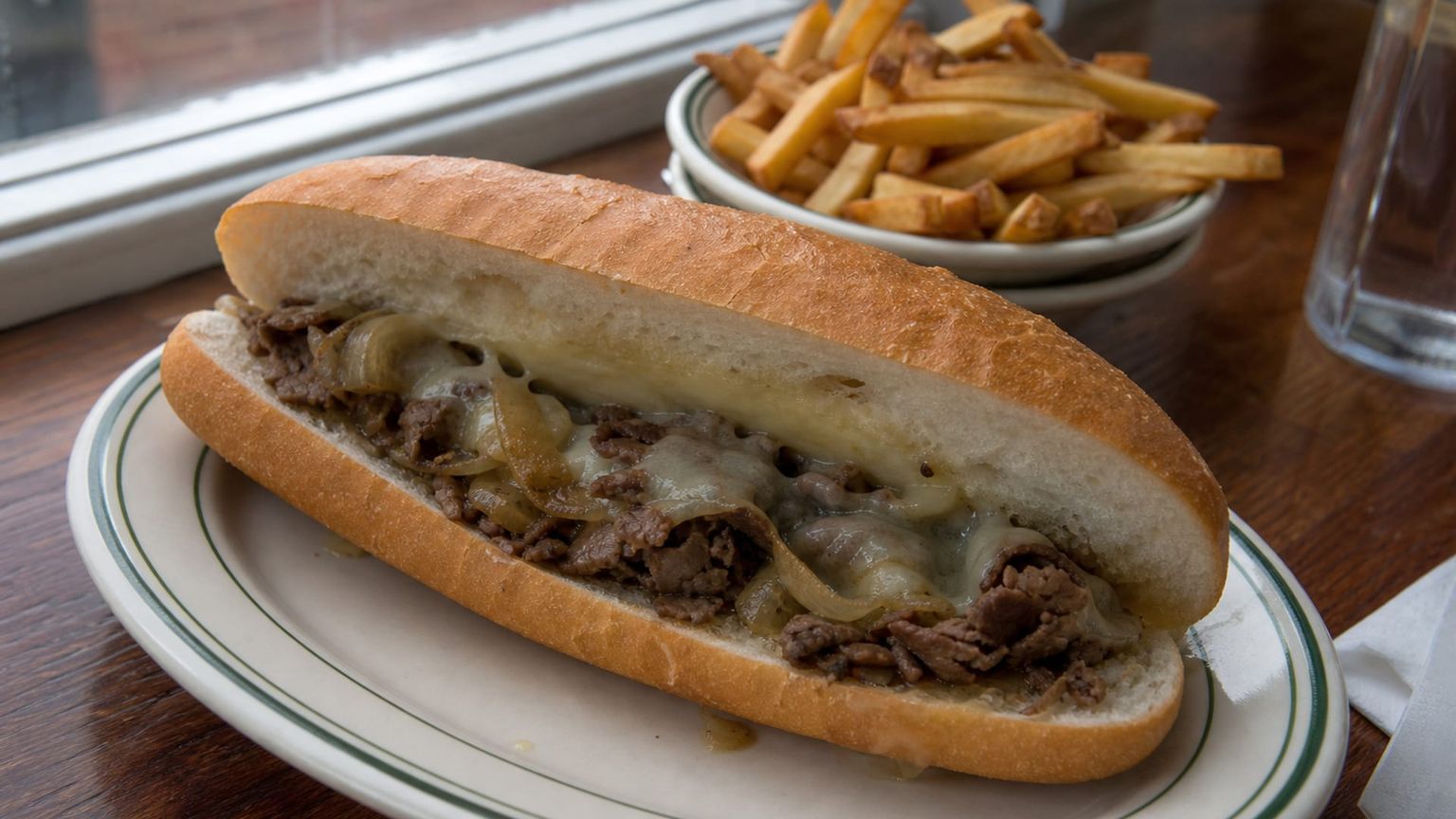
Philadelphia cooking leans on roast pork, cheesesteaks, pretzels, scrapple, and market fare, with sharp rolls, onions, and long lines at lunch. The best meals here often come from counters, sandwich shops, and busy halls that keep service moving fast.
Philly cheesesteak
Thin-sliced beef with melted cheese on a soft roll defines the city’s best-known sandwich. For a classic version, Dalessandro’s Steaks and Hoagies in Roxborough draws steady local traffic and a loyal following.
Soft pretzel
Philadelphia-style pretzels are dense, salty, and built for a quick breakfast or afternoon snack. Miller’s Twist at Reading Terminal Market is a canonical stop for a fresh, well-made version.
Roast pork sandwich
Roast pork usually comes with sharp provolone and broccoli rabe, and it shows the city’s best sandwich balance of richness and bite. DiNic’s at Reading Terminal Market is the reference stop for it.
Scrapple
Scrapple is a Pennsylvania Dutch breakfast staple with a crisp outside and soft interior, often served alongside eggs. Dutch Eating Place at Reading Terminal Market is the most reliable canonical stop for it.
Best time to visit Philadelphia
Philadelphia changes most by season, with spring and fall bringing the best mix of weather, while summer adds heat and winter keeps museum days appealing.
Best for: Walking Old City and the Parkway in mild weather
What you get: About 45 to 72°F (7 to 22°C), with moderate crowds and frequent rain
Trade-offs: Showers can interrupt outdoor plans
Best for: Long daylight, festival days, and riverfront walks
What you get: About 68 to 87°F (20 to 31°C), with heavier crowds and sticky afternoons
Trade-offs: Heat and humidity can slow cross-city sightseeing
Best for: Museum days, neighborhood walks, and patio dining
What you get: About 50 to 75°F (10 to 24°C), with balanced crowds and clear air
Trade-offs: October weekends can book up quickly
Best for: Indoor attractions and lower hotel prices outside holidays
What you get: About 28 to 44°F (-2 to 7°C), with lighter crowds and occasional snow
Trade-offs: Cold snaps make walking between sights less comfortable
A realistic 5-day plan in Philadelphia
This five-day plan follows the city in a workable order, starting with the historic core, then moving through the museum district, market halls, and a quieter riverside stop before departure. Each day keeps transit time in view.
Fly into Philadelphia (PHL), then take SEPTA Airport Line to Center City in about 25 minutes for roughly $7.25, or a taxi or rideshare to Rittenhouse Square for about $30 to $45. Check in near Walnut Street or Rittenhouse Square, drink water, then keep dinner close with a low-key meal at Reading Terminal Market if you arrive before closing or along nearby Locust Street if you get in later. The first night works best with an early walk, an unhurried plate, and an early bedtime.
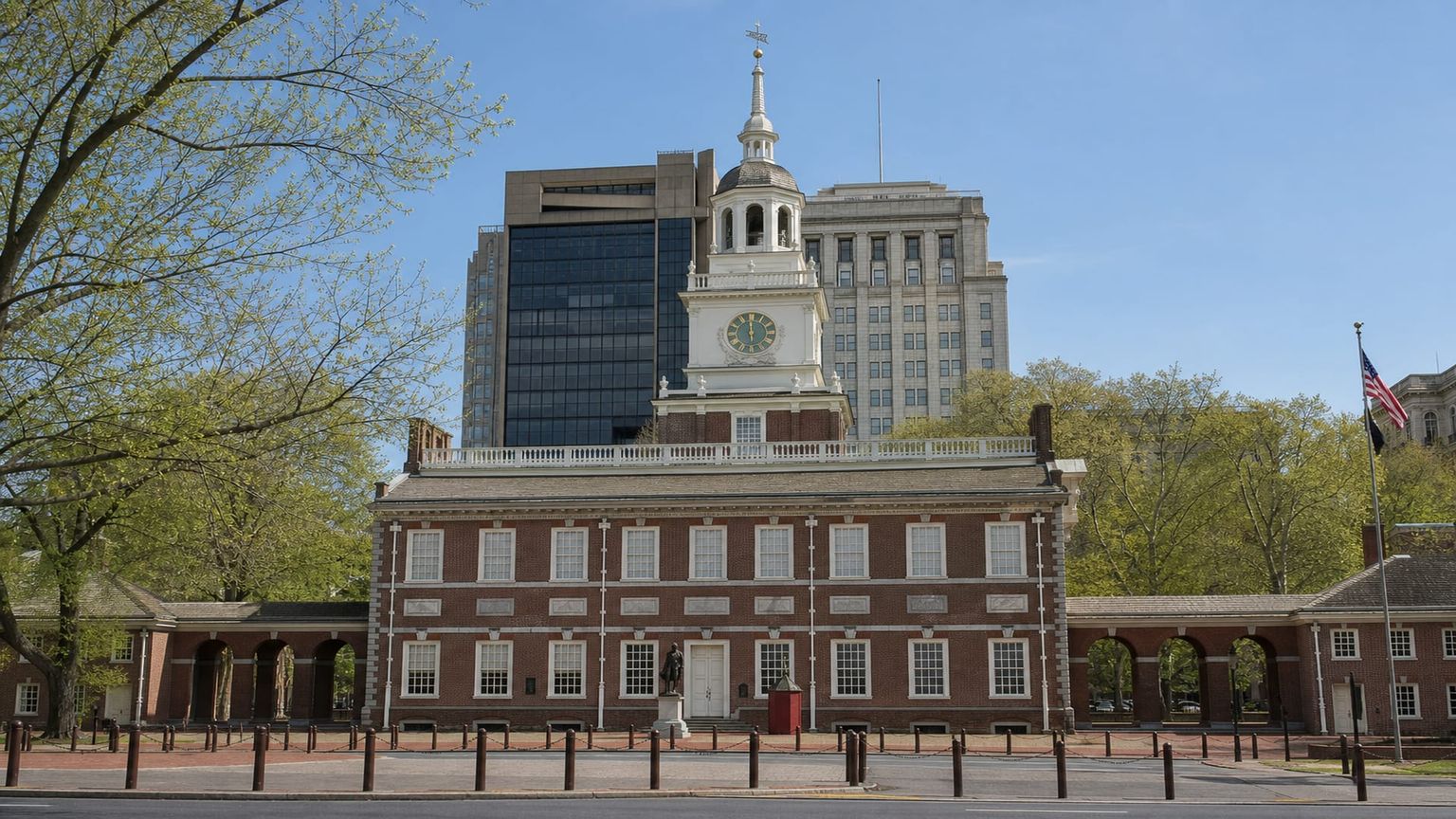
Start in Old City with Independence Hall, where a timed tour usually takes about 1 to 2 hours and advance booking helps. From there, walk about 5 minutes to the Liberty Bell, then continue roughly 10 minutes to nearby Market Street for lunch or coffee. In the afternoon, head west by transit to the Philadelphia Museum of Art, about 20 minutes from Old City, and spend 2 to 3 hours with the collection and Parkway views. Stay in Center City or Rittenhouse Square so the return ride after dinner is short.
Reading Terminal Market makes an easy morning anchor, especially before noon, when more counters are open and the lunch rush has not started. Plan 1 to 2 hours there, then take a rideshare or the Broad Street Line about 10 to 15 minutes to the Masonic Temple for a guided tour that lasts about 1 hour. Afterward, walk roughly 10 minutes south into Center City for an early dinner near City Hall or along Chestnut Street, where the restaurant choice is broad and the transit back to your hotel stays simple.
Cross the Schuylkill in the morning for Bartram’s Garden, which sits about 15 minutes by transit from University City and about 20 minutes from Center City depending on where you start. Spend 1 to 2 hours among the meadows and waterfront paths, then return east for a late lunch in University City or Center City. If you want a stronger art finish, pair the garden with another 2-hour stop at the Philadelphia Museum of Art, reached in roughly 20 minutes by transit from University City, and save dinner for the Rittenhouse Square blocks.
A final unhurried day works well for one last museum stop, then a shopping pass through Center City or Rittenhouse Square before a café break in Old City. If you missed the Philadelphia Museum of Art earlier, go for a shorter visit of about 2 hours; otherwise, linger over bookstores, clothing shops, and department stores along Walnut Street. Finish with coffee or a late breakfast at a cafe in Old City, then head back to your hotel, collect bags, and leave for Philadelphia (PHL) with enough time for airport check-in.
Business-class flights from the US to Philadelphia
For longer-haul arrivals, the most useful comparisons are the nonstop or one-stop options from New York and Los Angeles. The route length changes the shape of the trip, especially once connections enter the picture.
From New York, American Airlines, Delta Air Lines, JetBlue, and Spirit Airlines all operate on the route, and nonstop flying takes about 1 to 1.5 hours. If schedules require a connection, common hubs include CLT, ATL, DFW, MIA, and ORD, with layovers of about 3 to 7 hours. Round-trip fares usually start at $700, and nonstop options generally sit near $1,200 to $2,000.
Los Angeles travelers usually see American Airlines, United Airlines, Delta Air Lines, JetBlue, and Spirit Airlines on the board. Nonstop flying takes about 5 to 5.5 hours, while one-stop itineraries via CLT, ORD, DFW, DEN, or ATL often stretch to about 7 to 11 hours. Expect roughly $900 to $1,800 round-trip for nonstop flights, while one-stop itineraries can come in lower when schedules allow.
Philadelphia feels different when you slow down
A deliberate Philadelphia trip gives each district its own space, from the timed rooms of Independence Hall to the lunch counters at Reading Terminal Market and the museum steps on the Parkway. Add SEPTA when the distance widens, then return to Center City or Rittenhouse Square before dinner. If you want help shaping the route, the AranGrant experts can point you toward the best fit for your dates, season, and neighborhood of choice







