Chapters:

Need help with your trip?
Our support team is available 24/7. Request a callback or call us directly at (833) 619-0908
Paris offers an incredible mix of landmarks, museums, neighborhoods, and cafés, which is part of what makes planning a trip here so exciting. A morning at the Louvre, an Eiffel Tower visit, lunch across the river, and an evening in Montmartre may seem manageable on paper. Still, such a day may quickly become more about moving than experiencing.
The best Paris itineraries usually do not try to cover every famous place at once. They group museums, neighborhoods, cafés, and walks in a way that respects the city’s rhythm. Some days should revolve around one major visit. Others work better when they have time for a long lunch, a slower walk, or time along the Seine.
If Paris is already on your calendar, this guide helps you prepare with clearer expectations. If you are still planning, it gives you a practical structure for choosing where to stay, how to move through the city, what to prioritize, and how to shape each day without overloading the trip.
Useful things to know

Main language(s): French
Bonjour (bohn-zhoor) – Hello / good morning
S'il vous plaît (seel voo pleh) – Please
Merci (mehr-see) – Thank you
Parlez-vous anglais ? (par-lay voo ahn-glay) – Do you speak English?
Combien ça coûte ? (kohm-byen sah koot) – How much does it cost?

Currency: Euro (EUR, €)

Cash and cards: Credit and debit cards are widely accepted in Paris, including Apple Pay and Google Pay. Still, carrying about €20–€50 in cash helps for small cafés, markets, public restrooms, or tips.

Tipping: Tipping is not mandatory in France. Service is included in restaurants, but leaving small change (about 5–10%) or rounding up the bill is appreciated for good service. For taxis, rounding up to the nearest euro is common.

Traditional food: Croissants, steak frites, onion soup, croque-monsieur, escargots, crêpes, and macarons are among the classic foods most commonly associated with Paris.

Water and coffee costs: Espresso usually costs between €2 and €4, while bottled water typically ranges from €1.50 to €4, depending on the area and venue.

Taxis and ride apps: G7 and Uber operate in Paris, while official taxis use regulated fares. It’s better to avoid unofficial taxi drivers near airports, train stations, and major tourist areas.

Plug and voltage: France uses Type C/E/F sockets with a standard voltage of 230V.

Dining and shop opening hours: Breakfast is usually quick, often from 7:00 to 10:00. Lunch commonly runs from 12:00 to 14:30, while dinner is typically from roughly 19:30–22:00. Many restaurants close on Sunday and/or Monday, and some smaller places may close mid-afternoon; classic cafés often stay open longer for snacks and coffee.

Emergency number: Anywhere in France, dial 112 for emergencies, including police, ambulance, and fire services.
Where to stay in Paris
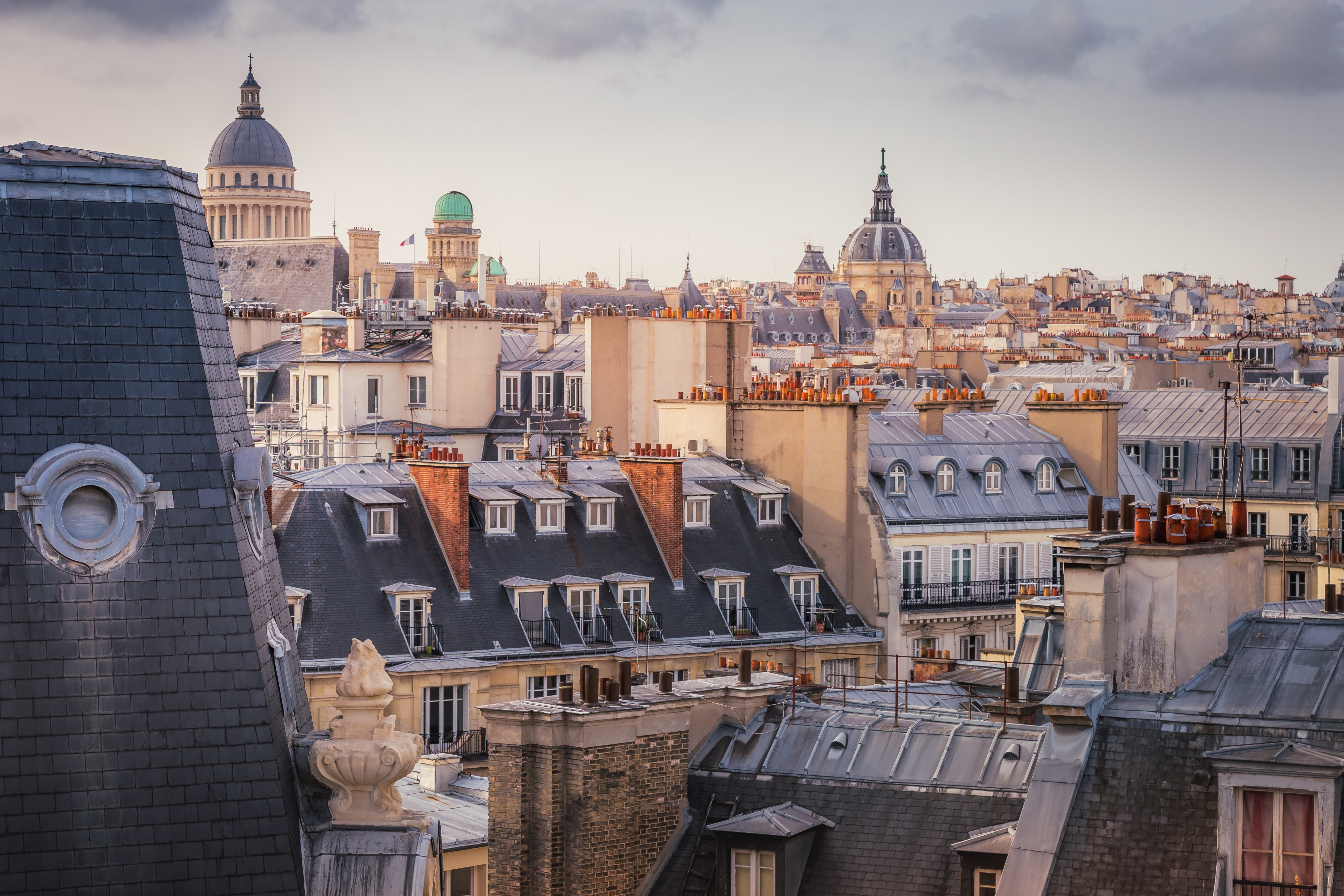
Saint-Germain-des-Prés is located on the Left Bank, with elegant streets, classic cafés, galleries, and easy access to the Seine. The area feels polished without losing French character, which makes it a suitable option for slower days centered on walking, dining, bookshops, and museums.
Best for: Couples, refined stays, museum visits, cafés, and Left Bank atmosphere
What to expect: Elegant streets, galleries, bookstores, classic cafés, boutiques, and steady visitor activity
Hotel prices: Hotels usually range from about €250 to €600 ($290 to $700) per night
Distance to major sights: The Louvre, Musée d’Orsay, and Luxembourg Gardens are roughly 10 to 20 minutes away on foot
Quietness: Quieter than Le Marais at night, although the main café streets stay active
Main trade-off: Hotels often cost more than similar stays in less central neighborhoods
Good to know: This area works especially well if you want to spend more time walking than using the métro.
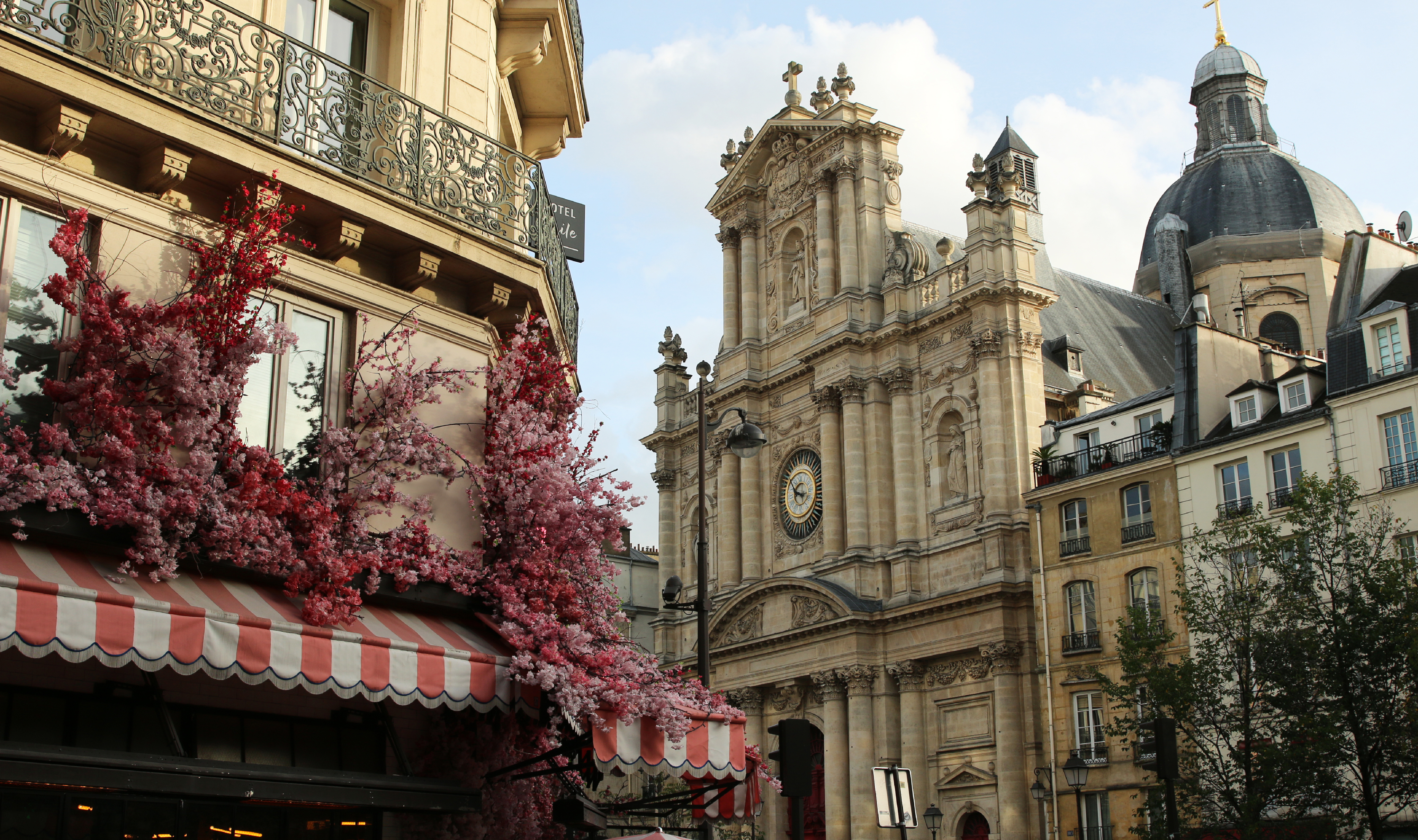
Le Marais is an area close to the Seine, Notre-Dame, boutique shopping, small museums, and busy café streets. Its mix of historic mansions, Jewish Quarter streets, galleries, and restaurants makes it one of the most practical areas for a first Paris stay without feeling isolated from local life.
Best for: First-time visits, walkability, restaurants, and a central historic setting
What to expect: Narrow streets, boutiques, galleries, cafés, small museums, and busy weekends
Hotel prices: Well-rated stays usually range from about €200 to €500 ($230 to $580) per night
Distance to major sights: Notre-Dame and the Seine are about 10 to 15 minutes away on foot; the Louvre is roughly 20 minutes away
Quietness: Lively during the day and evening, especially near Rue Vieille du Temple and Rue des Rosiers
Main trade-off: Smaller hotel rooms and higher rates in the most central streets
Good to know: Choose a hotel near a métro station if you plan to visit the Eiffel Tower, Montmartre, or western Paris often.
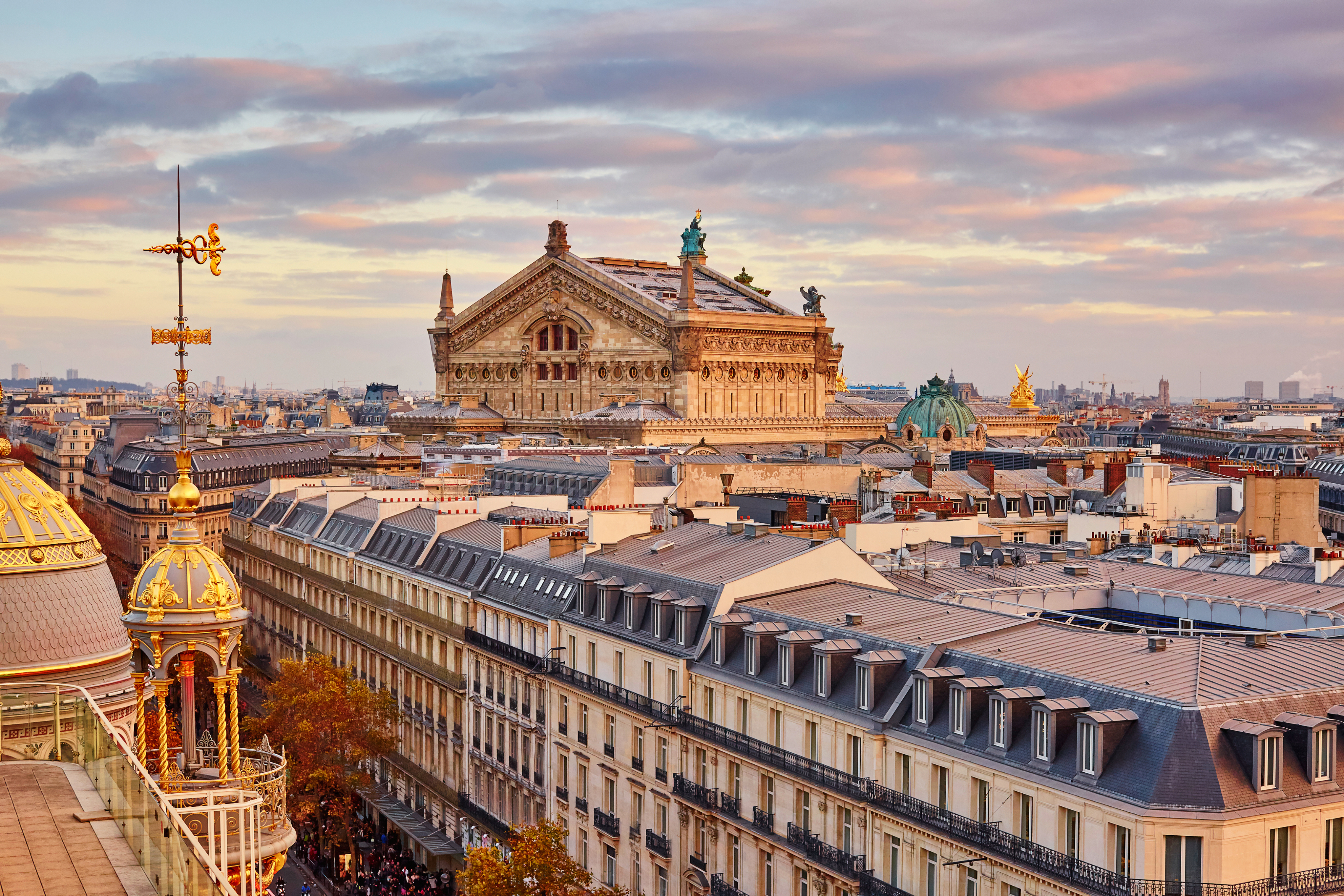
Opéra and the 9th arrondissement are located between major shopping streets, theaters, covered passages, and easy métro access. The area feels lively and urban, with easy access to the Louvre side of central Paris, department stores, and dining streets farther north in South Pigalle.
Best for: Shopping, transport access, dining, theaters, and repeat visitors
What to expect: Busy boulevards, department stores, covered passages, restaurants, and multiple métro connections
Hotel prices: A stay in a high-end hotel ranges from €170 to €450 ($200 to $520) per night
Distance to major sights: Palais Garnier and Galeries Lafayette are close by; the Louvre is roughly 15 to 25 minutes away on foot
Quietness: Lively during the day, quieter on smaller side streets in the evening
Main trade-off: Some streets feel more commercial than atmospheric, especially near the busiest shopping areas
Good to know: Staying a few streets away from Boulevard Haussmann usually gives better evening calm without losing convenience.
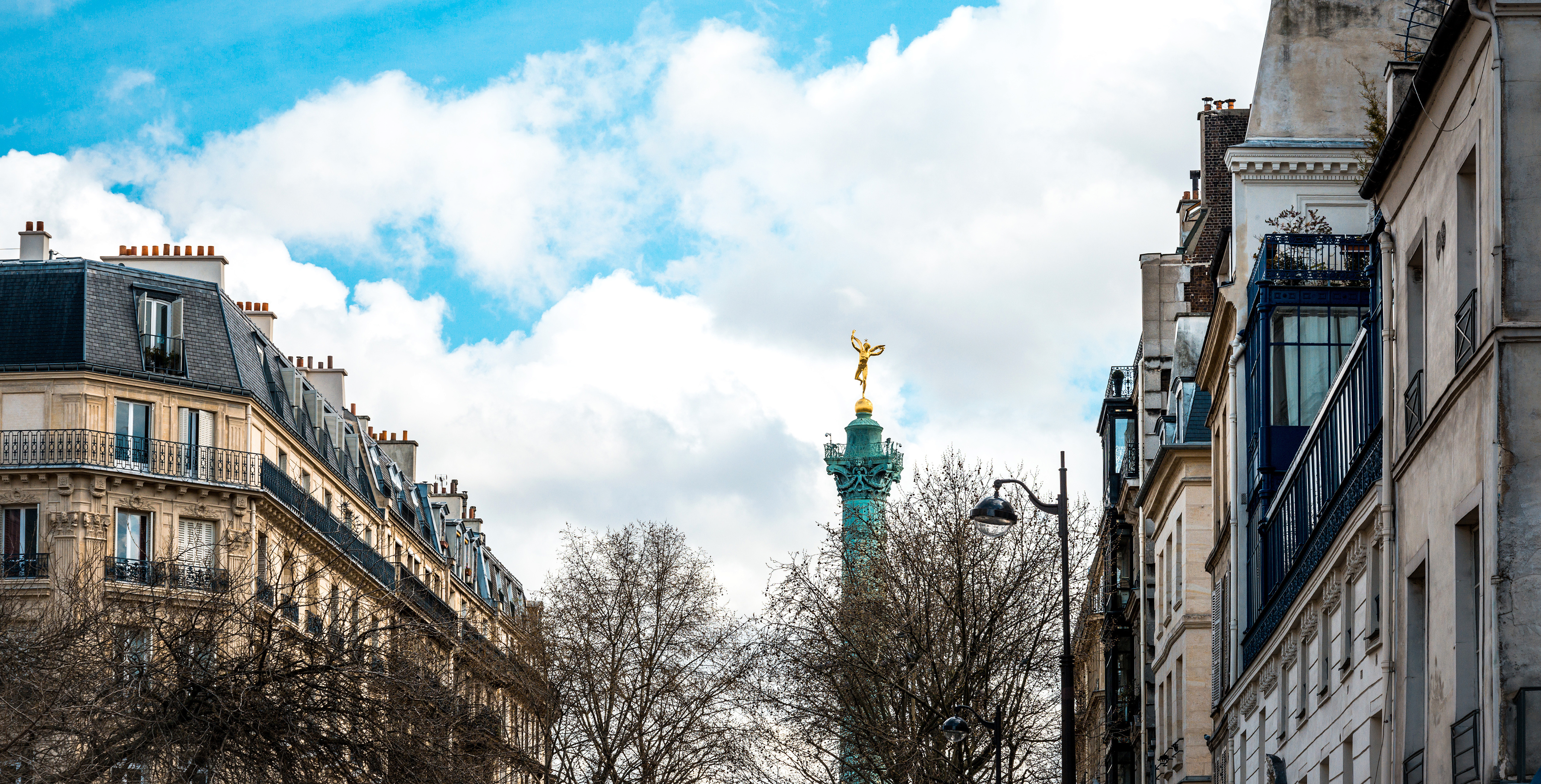
Bastille is where the 11th, 12th, and 4th arrondissements converge, anchored by Place de la Bastille and the modern Opéra Bastille. The neighborhood has a lively restaurant and bar scene, and direct Métro access on Lines 1, 5, and 8.
Best for: Nightlife, local energy, lower hotel rates, and wide Métro connections
What to expect: Lively after dark, with busy cafés, bars, and a twice-weekly street market
Hotel prices: Typically €175 to €400 ($200 to $450) per night for well-rated stays, with boutique options priced higher
Distance to major sights: Le Marais is a 20-minute walk away; Notre-Dame is about a 30-minute walk or two Métro stops away on Line 1; the Louvre is roughly 10 minutes away on Line 1
Quietness: Active during the day and often noisy at night on the bar-heavy streets closest to the square
Main trade-off: Late-night noise can affect sleep near Rue de Lappe and Rue de la Roquette
Good to know: Check whether your hotel is on a main nightlife street or a quieter side street; the difference in noise levels can be significant.
Travelers who value easy access to Paris’s main attractions usually avoid staying in areas such as La Courneuve, Saint-Denis, and Aubervilliers.
Hotel deals
How to get around Paris efficiently
Getting around Paris is straightforward when you combine walking with public transport and occasional taxi rides between more distant areas.

Metro
for longer distances
You can purchase tickets through the Île-de-France Mobilités app, at station machines, or on a Navigo Easy card. Google Maps, Citymapper, and Bonjour RATP work well for navigation and transfer planning.

Bus and tram
for convenience
A Bus-Tram ticket costs €2.05 ($2.30), remains valid for 90 minutes, and must be validated each time you board. Buy tickets through the Île-de-France Mobilités app, on a Navigo Easy card, or at metro and RER stations. Bus routes often provide a better street-level view of the city than underground transport.

Taxi
for convenience or late hours
A ride within central Paris costs €10–€30 ($12–$35), depending on distance and traffic. G7 and Uber help book licensed vehicles and usually provide more predictable pickup locations than street hailing near major landmarks.
*Prices are based on rates updated as of June 2026 and may change at the time of travel.
In practice, walking is the best way to experience central Paris, while public transport and taxis help reduce unnecessary cross-city travel and save time between neighborhoods.
Iconic landmarks
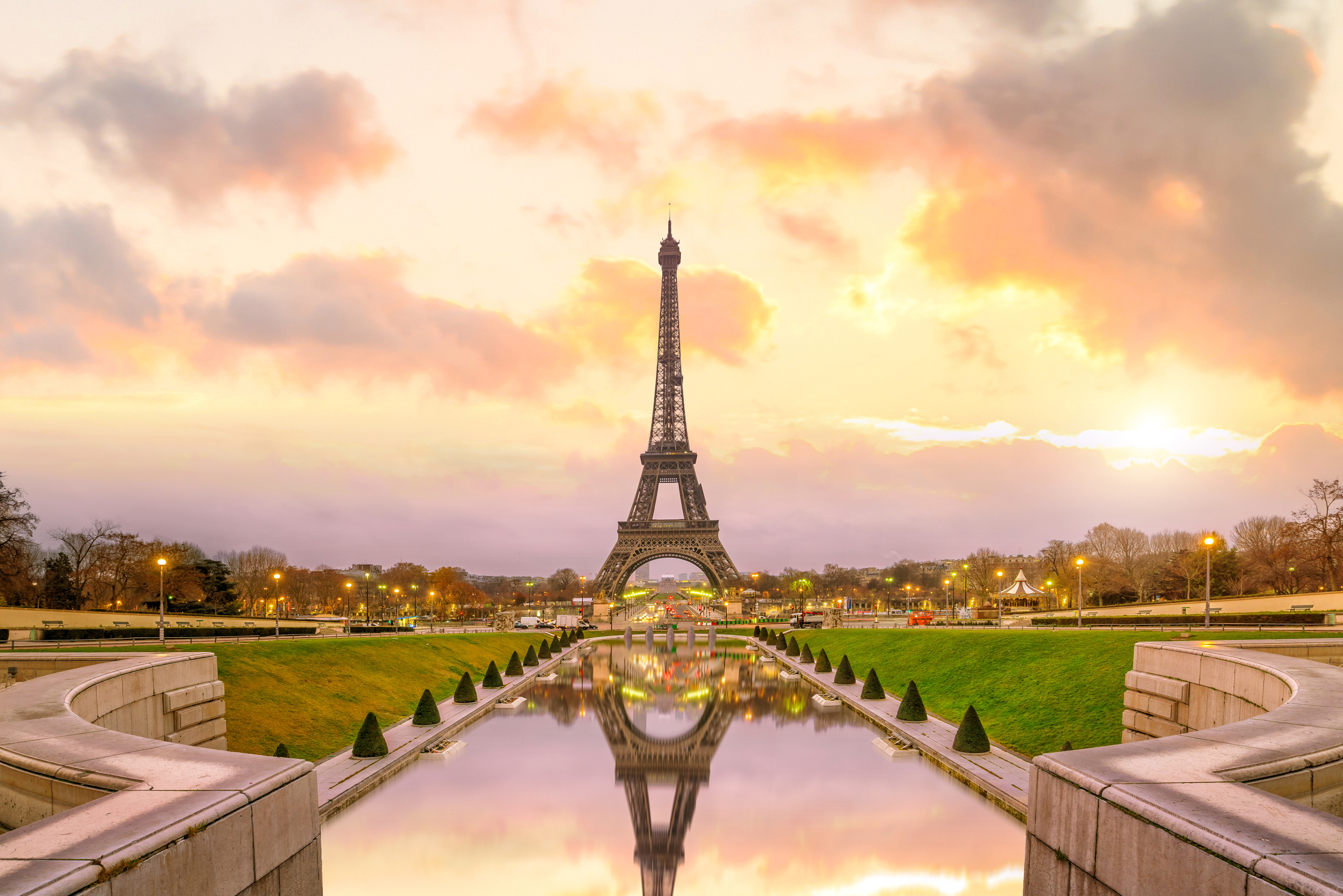
Eiffel Tower
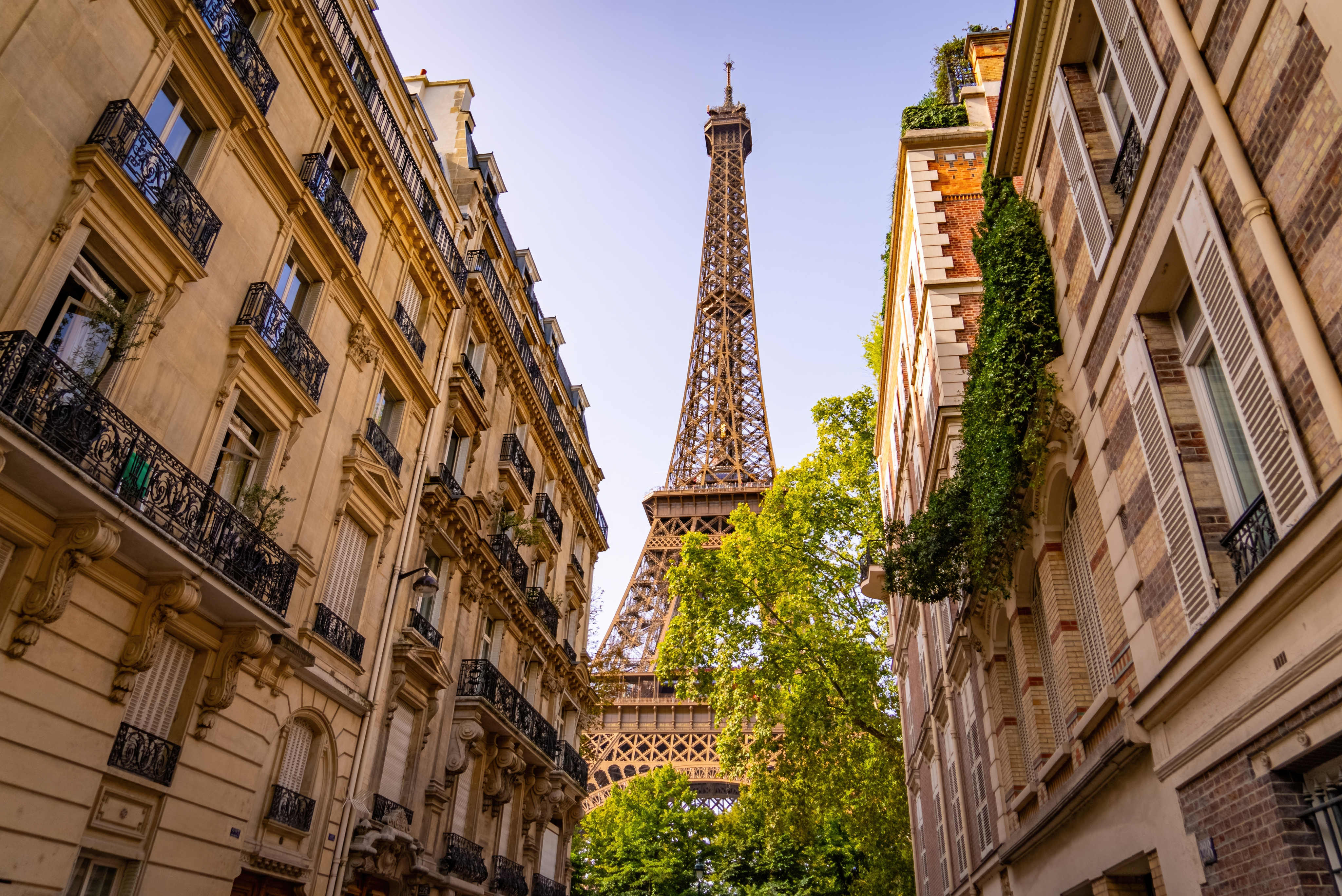
The Eiffel Tower remains the clearest symbol of Paris and one of the city’s most visited landmarks. Its iron structure, viewing platforms, and Seine-side location make it worth planning carefully, especially if you want the visit to feel scenic rather than rushed.
Time needed: A typical visit takes about 2 to 3 hours.
Entry: Tickets cost €23.50 ($27) for elevator access to the second floor and €36.70 ($42) for elevator access to the summit. You can Visit the official site for details.
Tip: Book timed tickets in advance and choose an early morning or evening slot for a calmer experience.
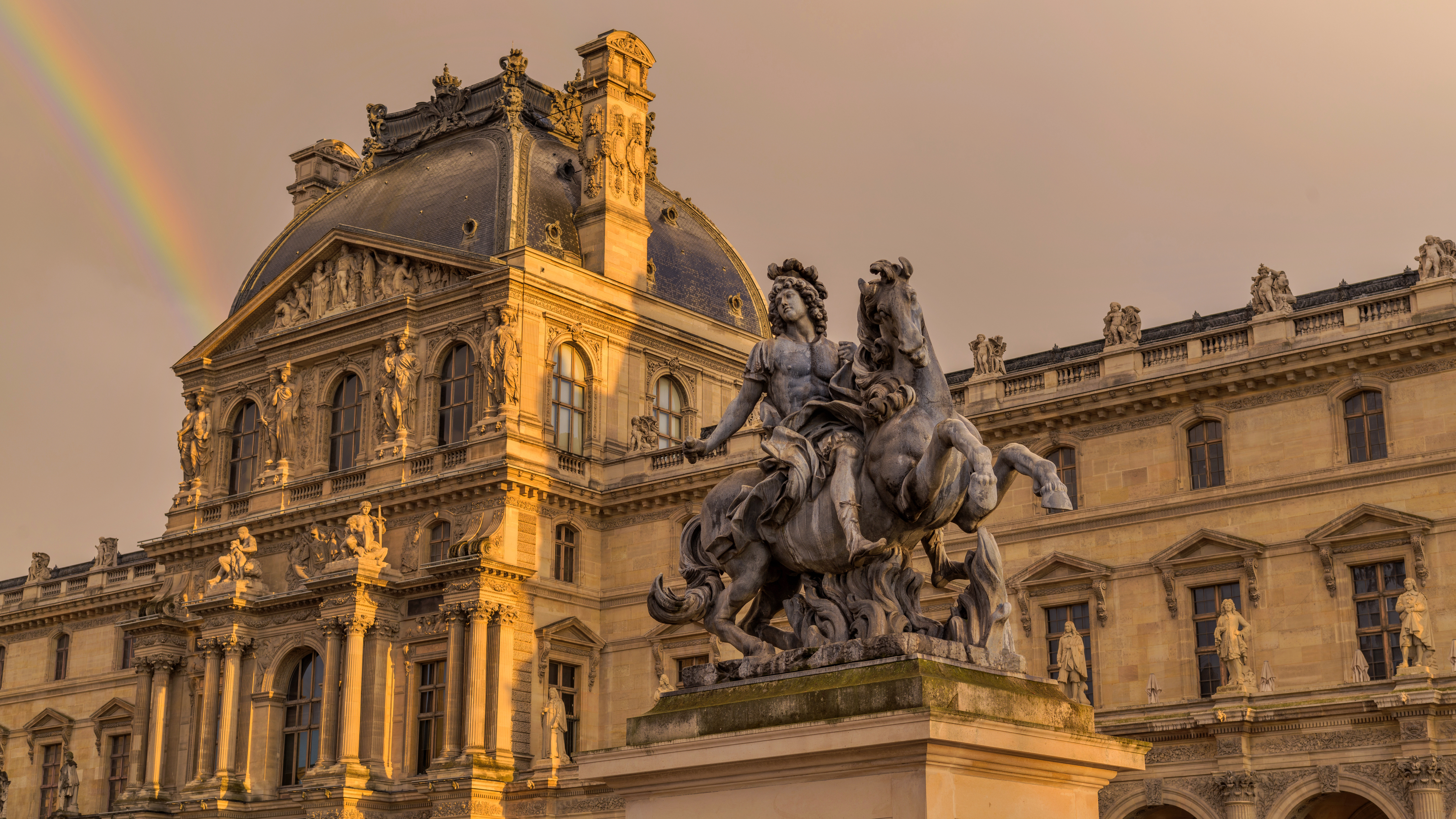
Louvre Museum
The Louvre is one of the world’s largest and most important art museums, set inside a former royal palace beside the Seine. Its collections range from ancient sculpture to Renaissance painting, making the visit rewarding yet difficult to manage without a clear plan.
Time needed: An in-depth visit usually takes 3 to 4 hours.
Entry: Tickets cost €22 ($26) for EEA visitors (citizens of the European Economic Area) and €32 ($37) for non-EEA visitors. You can Visit the official site for details.
Tip: Choose one or two wings before arriving, since trying to cover the whole museum in one visit quickly becomes tiring.
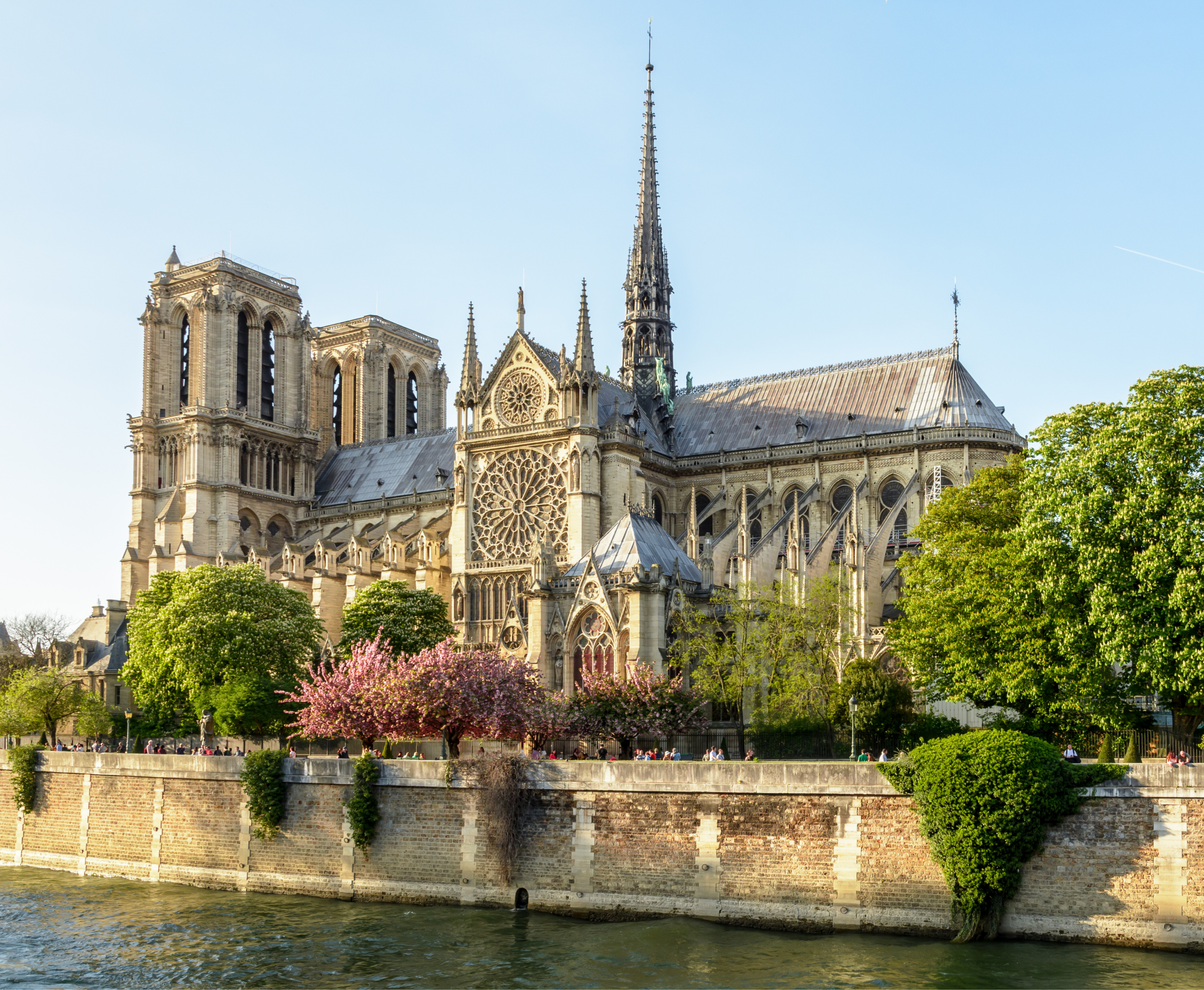
Notre-Dame Cathedral
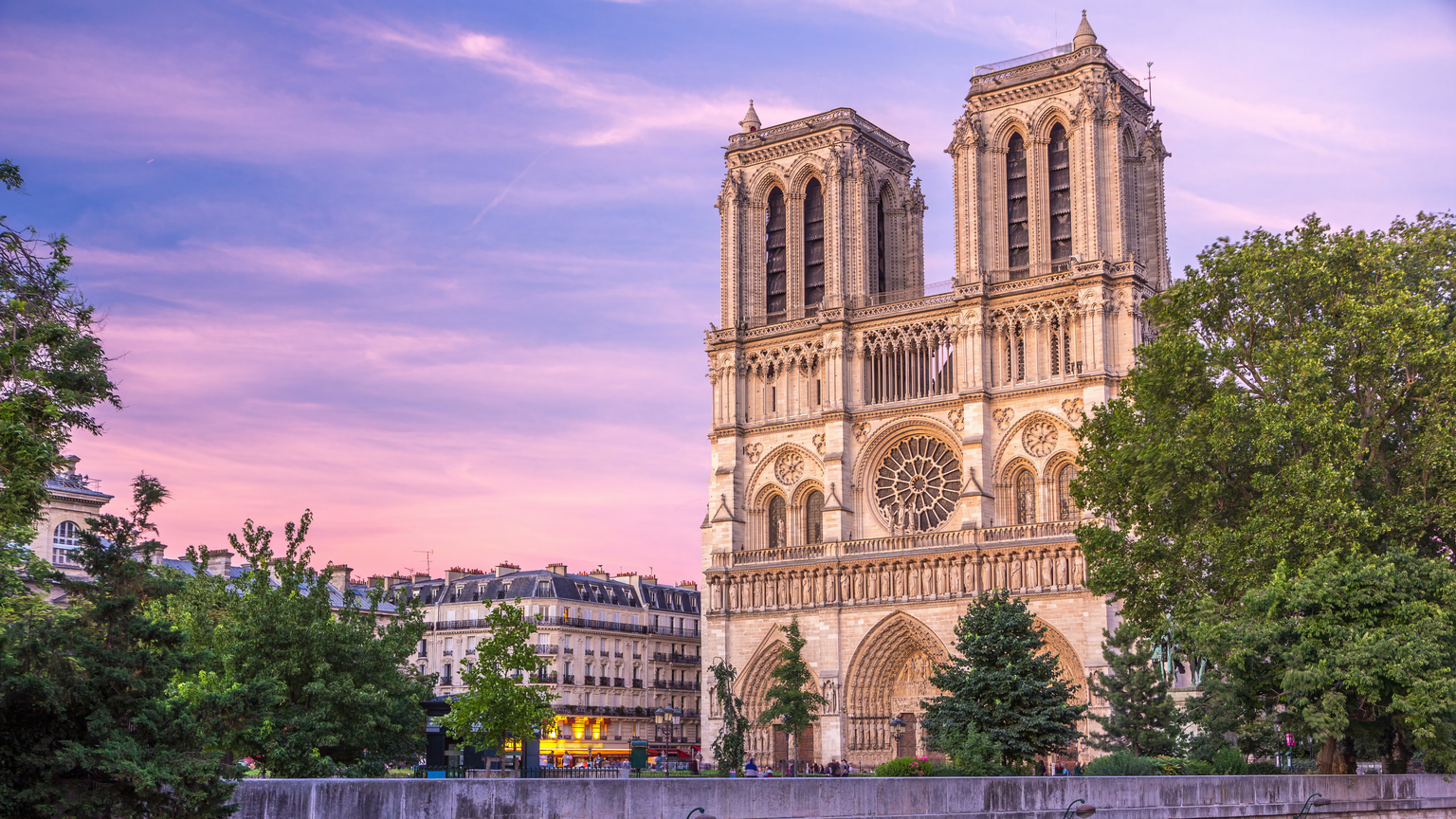
On Île de la Cité, Notre-Dame is Paris’s famous Gothic cathedral, known for its flying buttresses, rose windows, and sculpted facade. Restored after the 2019 fire, it is one of the city’s most important historic and religious sites.
Time needed: A visit to the cathedral takes 1 to 2 hours; with the Bell Towers, it might take up to 4 hours.
Entry: The cathedral is free to enter. You can make a free timed reservation on the official site. Bell Towers access costs €16 ($18) and must be booked online in advance.
Tip: Book time slots early, especially for mid-March through October dates.
Overlooked sites worth visiting
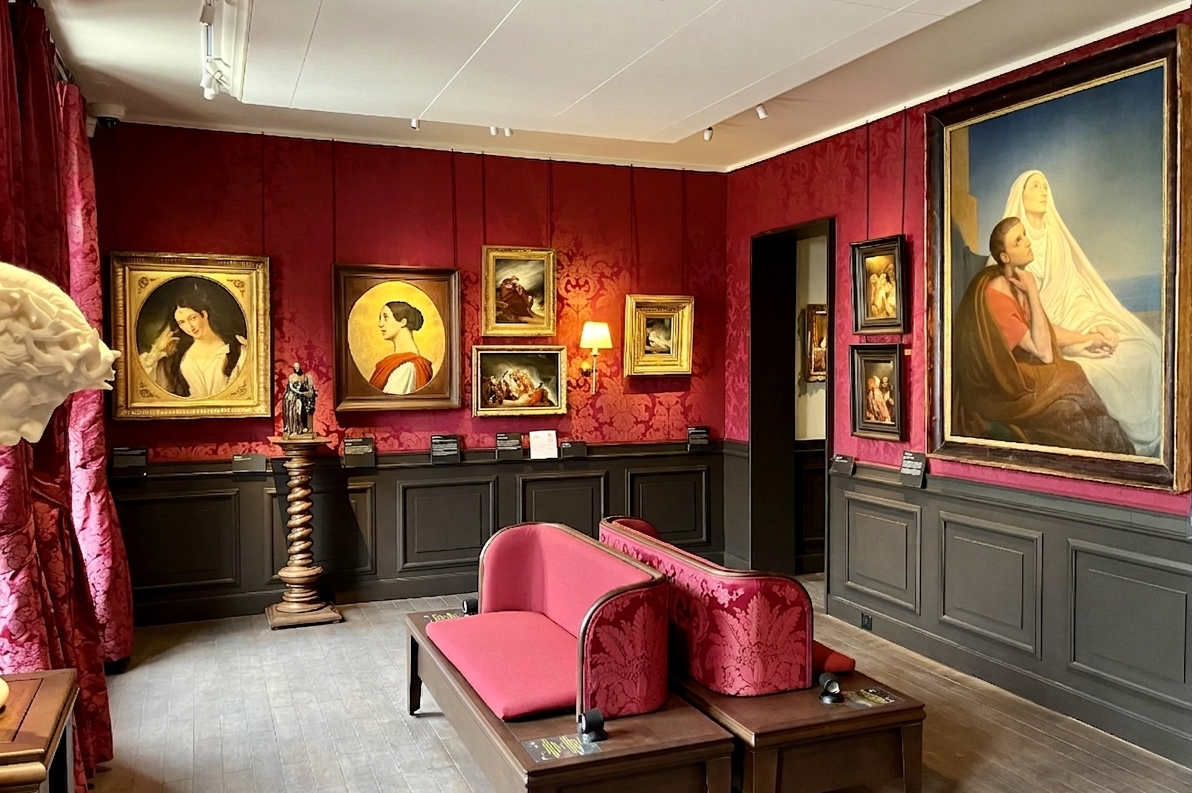
Musée de la Vie Romantique
In the Nouvelle Athènes district of the 9th arrondissement, close to Pigalle, this small museum occupies the former home and studio of Dutch-French Romantic painter Ary Scheffer. Period rooms, a garden, and rotating temporary exhibitions cover 19th-century art and literature.
Time needed: About 1.5 hours
Entry: Permanent collection access is free; special exhibitions usually require a paid ticket. Expect to pay roughly €12 ($14) depending on the show. You can visit the official site for tickets.
Tip: Visit it on a weekday morning for the quietest visit.
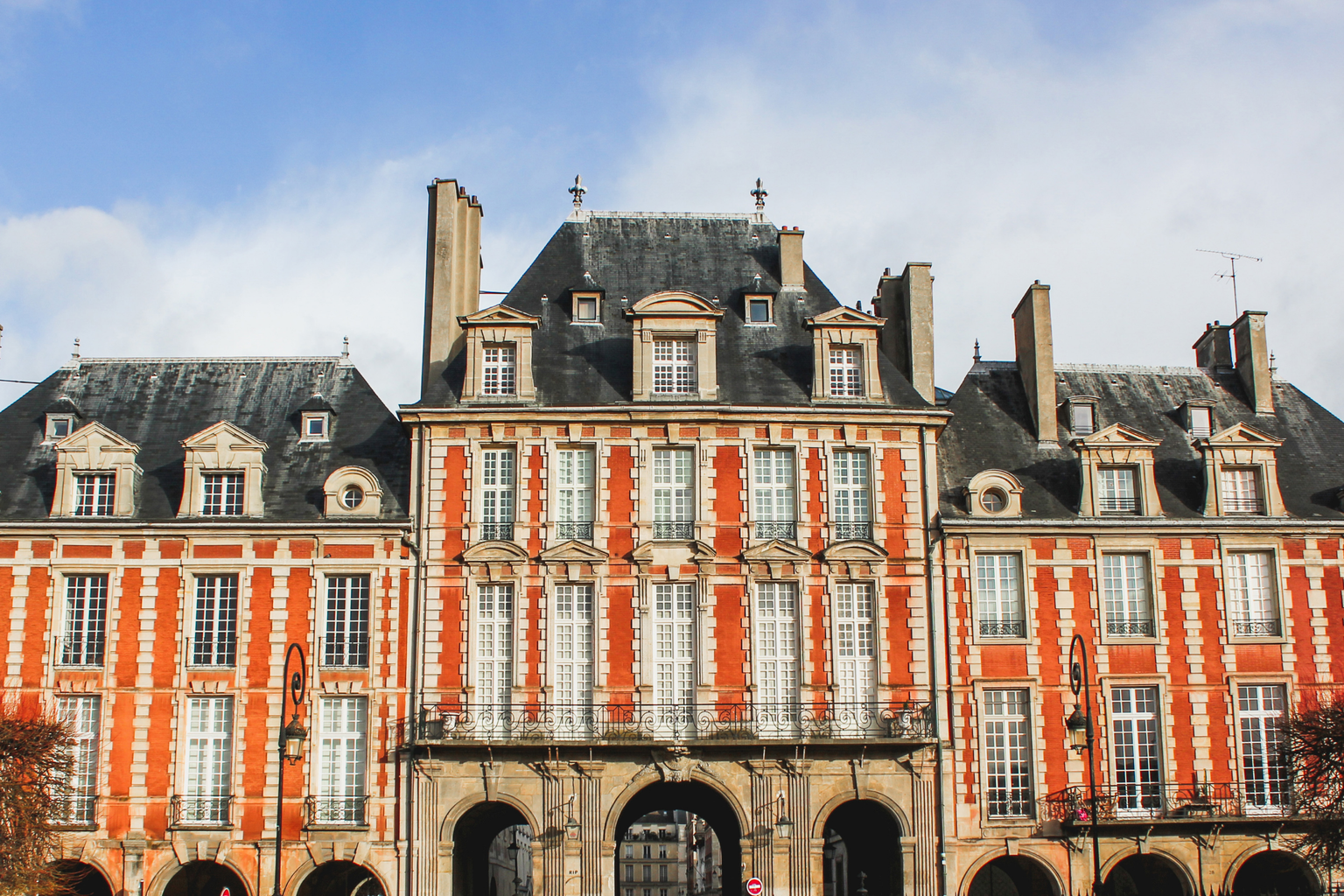
Maison de Victor Hugo
On Place des Vosges, this apartment museum occupies the home where Hugo lived from 1832 to 1848, with rooms containing his furniture, manuscripts, drawings, and personal objects arranged to follow his life chronologically.
Time needed: About 1 to 1.5 hours
Entry: Permanent collection entry is free. Temporary exhibitions may carry a separate charge. You can visit the official site for details.
Tip: The garden café (Café Mulot) is accessible through the museum entrance, and may be a pleasant stop after your visit.
Traditional food
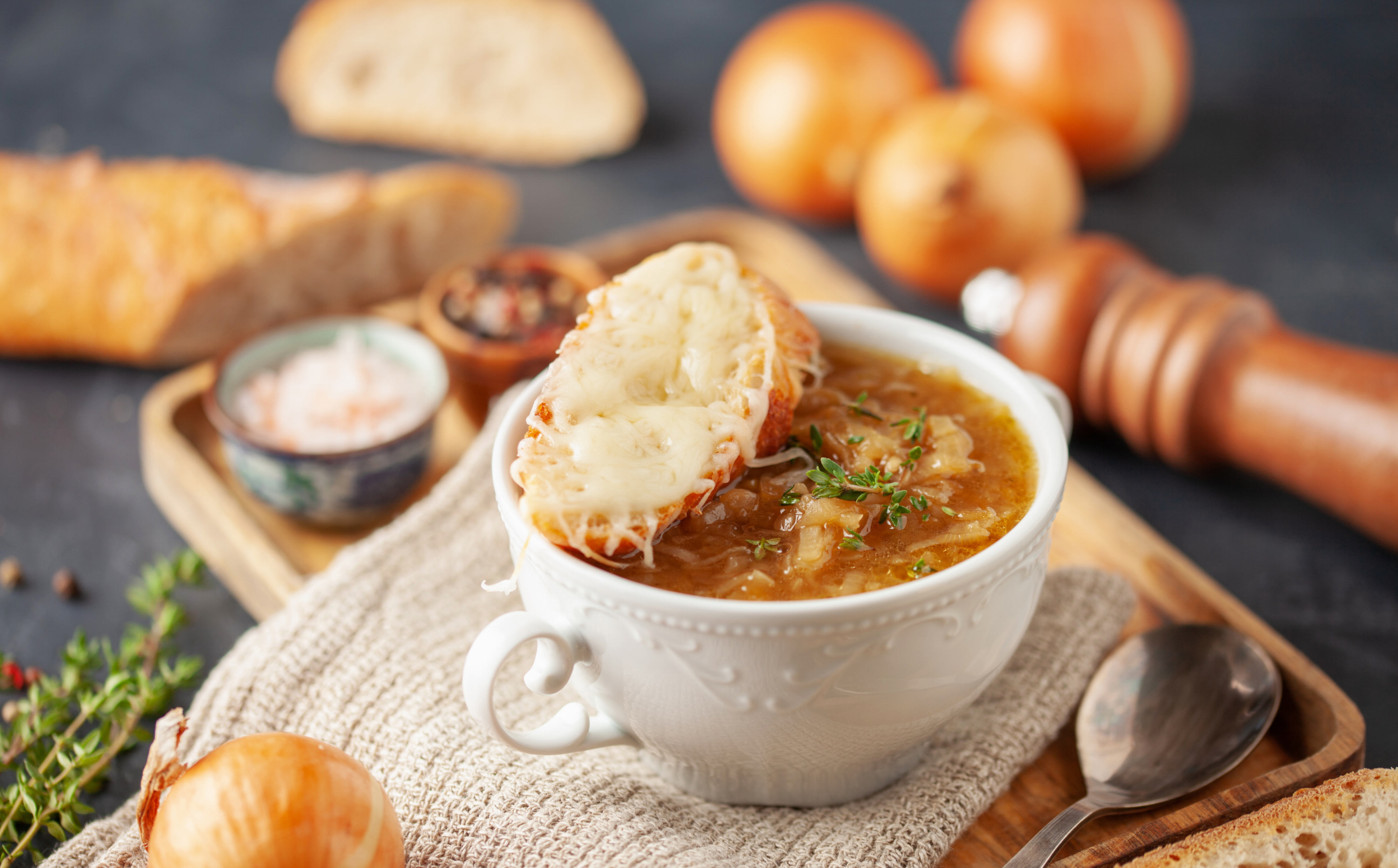
Parisian food culture combines classic bistro dishes, bakery traditions, regional French influences, and pastry shops that shape daily life across the city. The best meals often feel simple at first, but they rely on technique, timing, and ingredients that define French cooking.
French onion soup
French onion soup combines slowly cooked onions, beef broth, toasted bread, and melted cheese into one of the city’s most familiar bistro dishes. Its rich flavor and simple ingredients reflect the comfort-driven side of Parisian dining. Bouillon Chartier serves a traditional version in a classic Paris setting.
Crêpes and galettes
Crêpes and galettes come from Brittany, but Paris has made them part of everyday casual dining. Galettes use buckwheat batter and savory fillings, while crêpes usually lean sweet with butter, sugar, chocolate, or fruit. Breizh Café in Le Marais is one of the best-known places to try both.
Escargots
Escargots are snails typically prepared with garlic, parsley, and butter, creating one of France’s most recognizable traditional dishes. In Paris, they remain closely tied to historic brasseries and classic restaurant dining. L’Escargot Montorgueil served them in the city since 1832.
Croissants and viennoiseries
Croissants and viennoiseries shape Parisian mornings, from simple butter croissants to more elaborate pastries made with laminated dough, a reflection of how deeply bakery culture is woven into daily life. Du Pain et des Idées is known for traditional bread and pastries near Canal Saint-Martin.
Best time to visit Paris
The best time to visit Paris depends on the type of trip you prefer, since each season affects crowd levels, prices, weather, and how much time you spend outdoors.
Best for: Comfortable sightseeing days, garden walks, outdoor cafés, and museum visits
What you get: Mild temperatures between 51°F and 72°F (10°C–22°C), blooming gardens, longer daylight hours, and lively streets before peak summer crowds arrive
Trade-offs: Higher hotel prices and heavier crowds during Easter, school holidays, and late May
Best for: Long daylight hours, terrace dining, evening walks, and outdoor events
What you get: Warm temperatures between 75°F and 79°F (24°C–26°C), busy landmarks, late sunsets, and an energetic atmosphere along the Seine
Trade-offs: Larger crowds, higher hotel prices, warmer métro rides, and reduced comfort during afternoon sightseeing
Best for: Comfortable walking weather, museums, dining, and a slower travel pace
What you get: Temperatures between 50°F and 70°F (10°C–21°C), softer light, active cultural calendars, and easier movement through major attractions after summer
Trade-offs: Rain becomes more frequent later in the season, and daylight shortens noticeably by November
Best for: Lower hotel prices, museums, cafés, shopping, and quieter sightseeing conditions
What you get: Temperatures between 39°F and 48°F (4°C–9°C), shorter queues outside holiday weeks, festivities in December, and a calm pace in January and February
Trade-offs: Shorter daylight hours, colder evenings, occasional rain, and fewer long outdoor walks
A realistic 5-day plan in Paris
Once you understand how distances, museum visits, and timing shape your days in Paris, the next step is to apply that structure to a workable itinerary. A five-day stay gives you enough time to see the city without rushing, as long as each day remains focused and manageable.
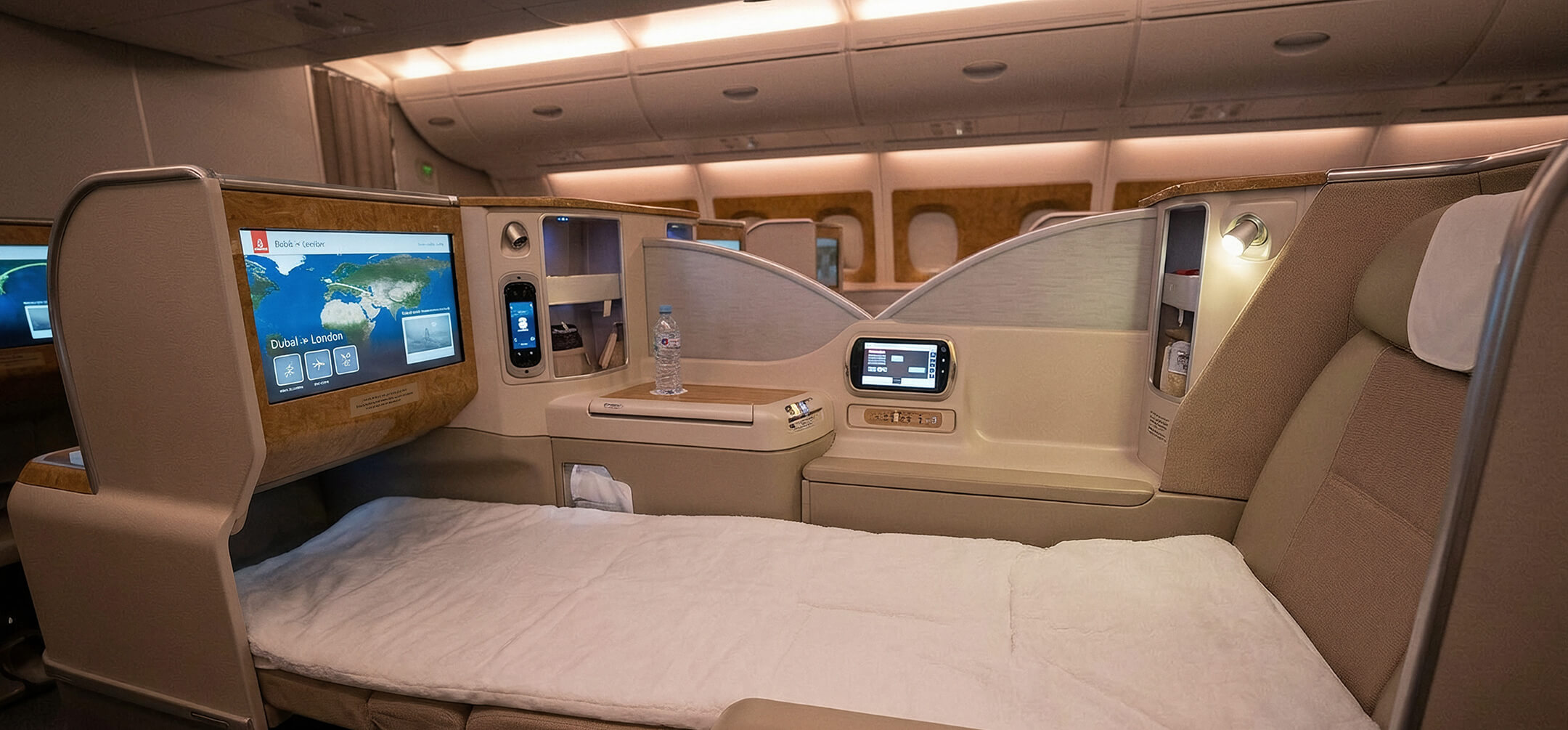
Business-class flights to Paris usually land at Charles de Gaulle Airport. You can take a taxi to reach the city center; taxis operate 24/7, with prices starting at €55 ($64). Private transfers usually range from €70 to €150 ($72 to $155), while Uber typically costs between €49 and €80 ($57–$93), depending on demand and traffic.
Another convenient option is the RER B train, which departs every 10 to 15 minutes on weekdays and costs €11.80 ($14). Once you reach Paris, avoid planning anything demanding for the first day. Check in, get settled, and spend the evening close to your hotel, especially if your flight arrives after a long overnight journey.
Start the day with a visit to the Louvre, when movement through the museum is easier and there aren’t many crowds. Entry tickets cost €22 ($26) for EEA visitors and about €32 ($37) for non-EEA visitors.
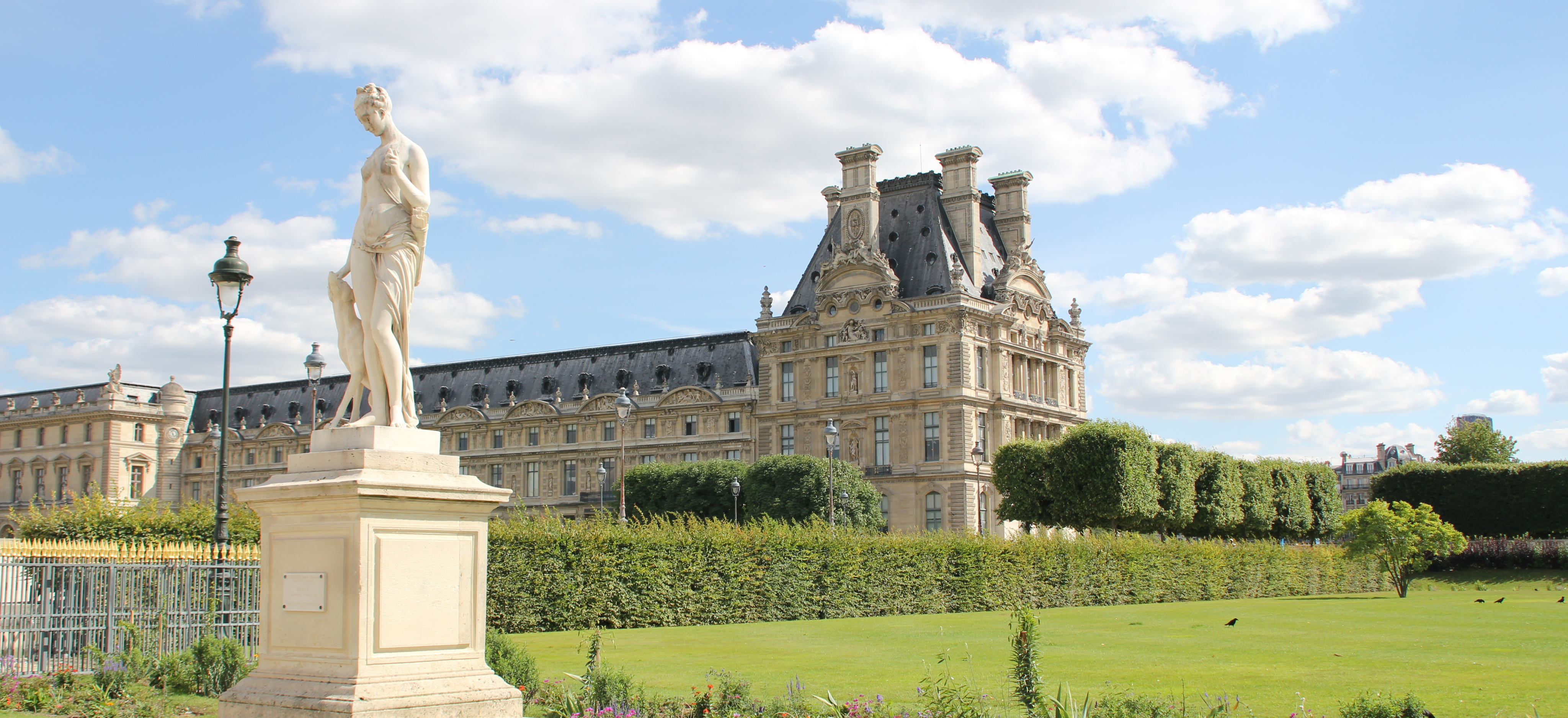
An in-depth visit usually takes 3 to 4 hours, so there is little benefit in adding another museum visit afterward. From there, continue through the Tuileries Garden, Place Vendôme, and Palais Royal, all located close to each other.
Plan this day around the Eiffel Tower, Invalides, and nearby Left Bank streets. Eiffel Tower tickets cost €23.50 ($27) for elevator access to the second floor and about €36.70 ($43) for elevator access to the summit.
Visiting in the morning or evening usually means lighter crowds and a more comfortable experience. Since the main sights are located near each other, keeping the day within this part of Paris avoids unnecessary travel.
Notre-Dame, Île de la Cité, and Le Marais sit close enough together to explore comfortably on foot. Begin near the cathedral, then continue toward Le Marais for cafés, boutiques, small museums, and historic streets.
Later in the day, cross toward Saint-Germain-des-Prés for galleries, bookshops, and dinner on the Left Bank. The distances are manageable, but the area becomes busier as the day progresses, so a longer lunch break helps keep the pace comfortable.
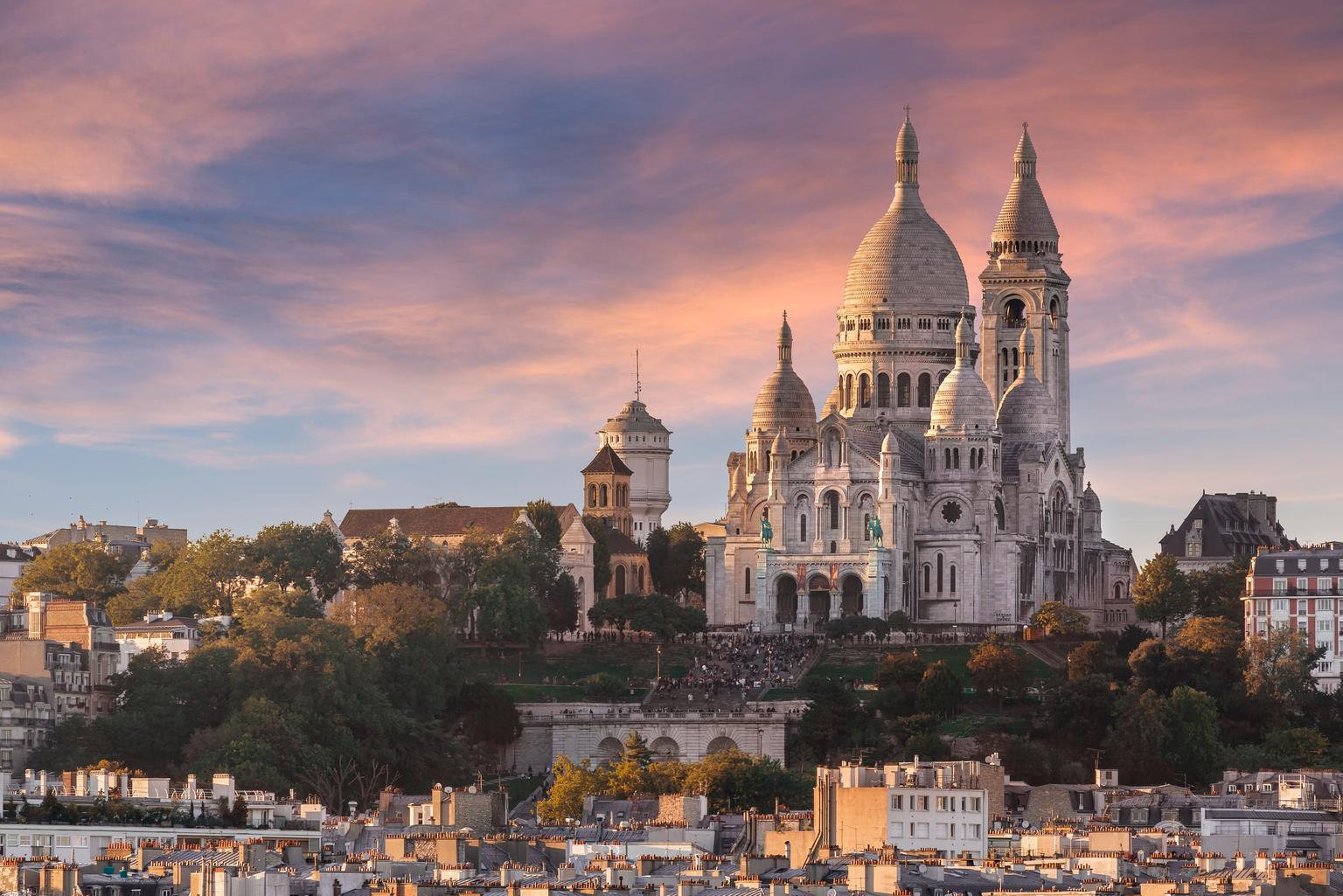
The final day of the trip should stay simple. If time allows, start with a morning walk through Montmartre before the area becomes busier. Then return to your hotel area, prepare for departure, and leave enough time for the airport transfer.
Business-class flights from the US to Paris

You can find flights to Paris from major hubs across the United States. The examples below show typical options from both the East Coast and West Coast in 2026.
New York (JFK) to Paris (CDG)
Air France, in partnership with Delta Air Lines, offers nonstop flights on this route that last 7 to 8 hours. Round-trip business-class flights typically cost between $3,100 and $4,100, with prices reaching $7,600 for bookings made at the last minute.
Los Angeles (LAX) to Paris (CDG)
On the Los Angeles to Paris route, Air France also operates direct flights with Delta Air Lines. The flight lasts approximately 11 hours. Round-trip tickets usually range from $4,500 to $6,000, while last-minute bookings surpass $12,600.
Paris feels different when savored slowly
Paris reveals itself best when each day has a clear focus. A crowded schedule can turn the city into a sequence of transfers, queues, and rushed visits, while a more deliberate plan gives you time to enjoy the museums, cafés, river walks, and neighborhoods properly.
If you are planning a trip to Paris, our AranGrant experts can help you compare flights, choose well-placed hotels, and shape the itinerary around comfort, timing, and the way you want to experience the city.