

Chapters:

Need help with your trip?
Our support team is available 24/7. Request a callback or call us directly at (833) 619-0908
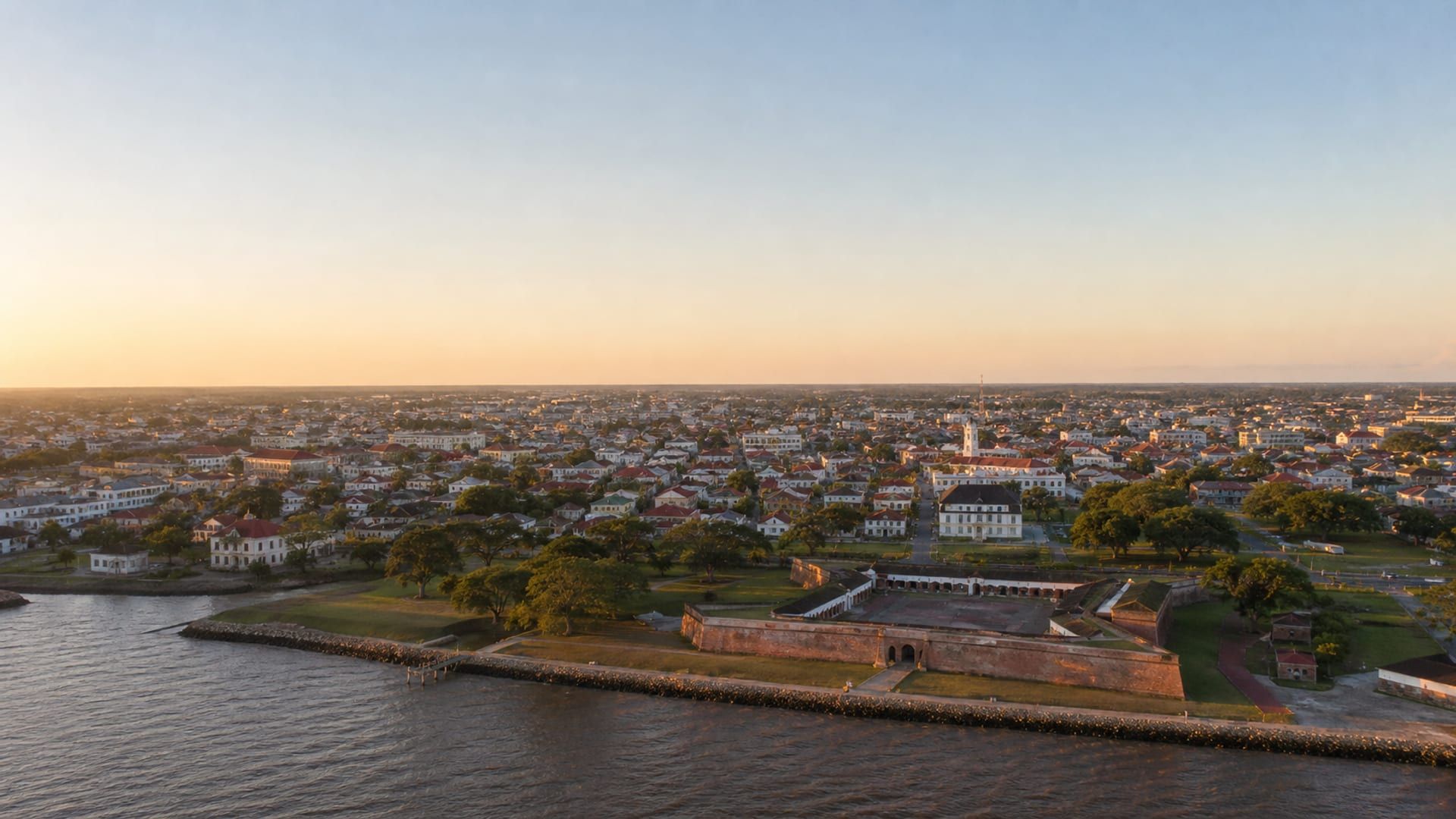
Paramaribo rewards travelers who slow the pace at the riverfront, then move inward to the wooden streets, synagogues, and markets that sit a short walk apart. Many visitors still treat it as a brief stop between flights and miss how compact the historic center actually is.
That habit can leave too much of the city to taxis and too little time for Fort Zeelandia, Waterkant, and the cathedral district. Streets thin out quickly after dark, and a scattered plan can waste daylight on backtracking.
This guide keeps the center of gravity in the historic core, folds in one nature outing, and maps meals, transport, and flight options into a clearer five-day shape.
Useful things to know
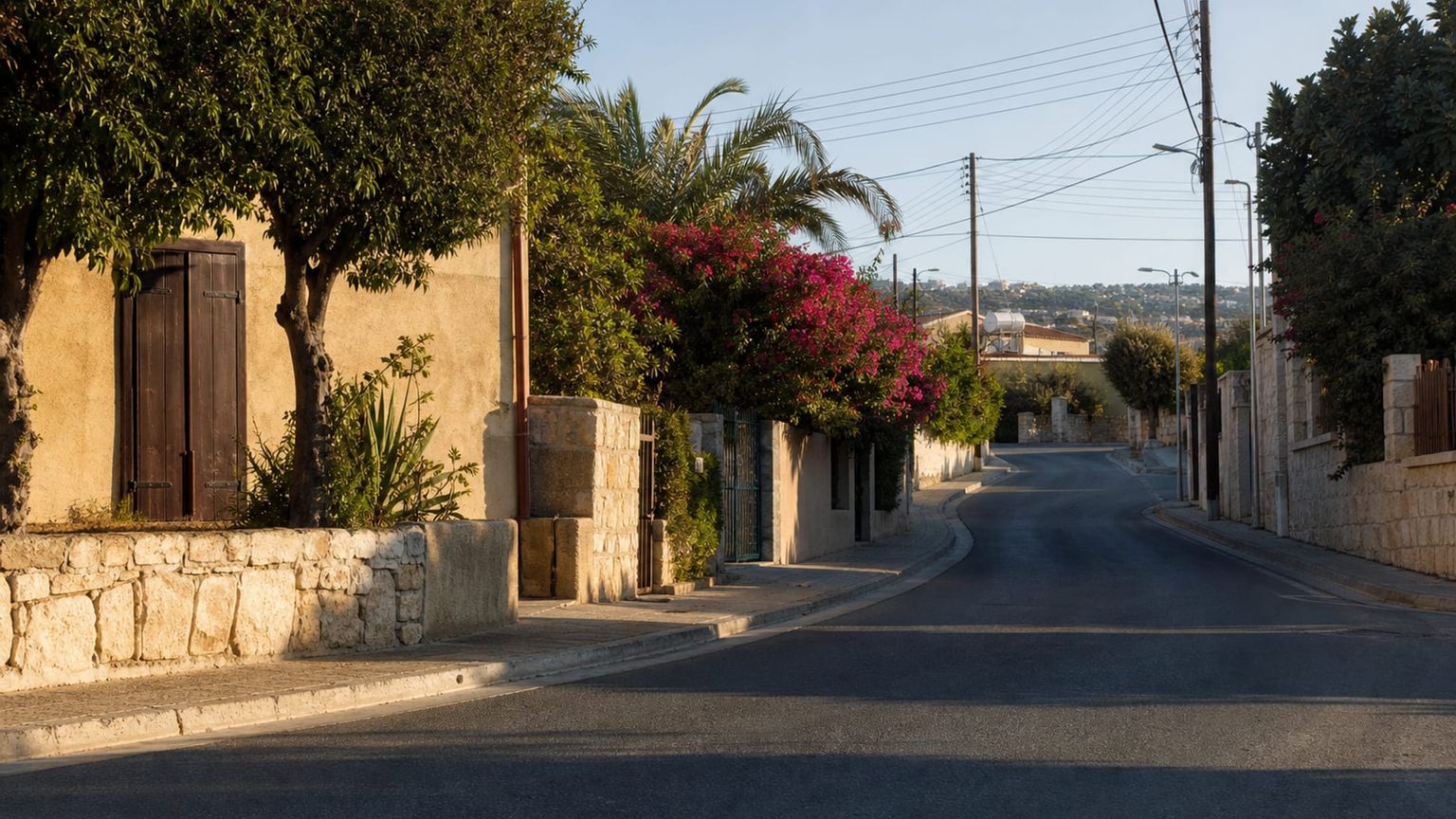

Main language(s): Dutch, Sranan Tongo
Hallo (hah-loh) – Hello
Alstublieft (al-stu-BLEEFT) – Please
Dank u (dahnk oo) – Thank you
Spreekt u Engels? (spraykt oo EN-gels) – Do you speak English?
Hoeveel kost het? (hoo-fayl kost hut) – How much does it cost?

Currency: The local currency is the Surinamese dollar (SRD, $).

Cash and cards: Cards and contactless work at some hotels and larger businesses, but carry about SRD 500 to 1,000 in cash for taxis, markets, and small shops.

Tipping: Round up small bills and add about 5-10% in restaurants if service is good.

Traditional food: Pom, roti, moksi alesi, saoto soup

Water and coffee costs: Water about SRD 25 to 40 ($1 to $2), bar espresso about SRD 60 to 90 ($2 to $3).

Taxis and ride apps: WhatsApp-based taxis are common; official ride-hailing apps are limited, so confirm the fare before you start.

Plug and voltage: Type A/B/C socket, 127/220V

Dining and shop opening hours: Breakfast is about 07:00-09:00, lunch 12:00-14:00, and dinner 18:00-21:00. Many places close early on Sundays, and some kitchens stop before the posted closing time.

Emergency number: Dial 115 for police, 113 for ambulance, and 110 for fire.
Where to stay in Paramaribo
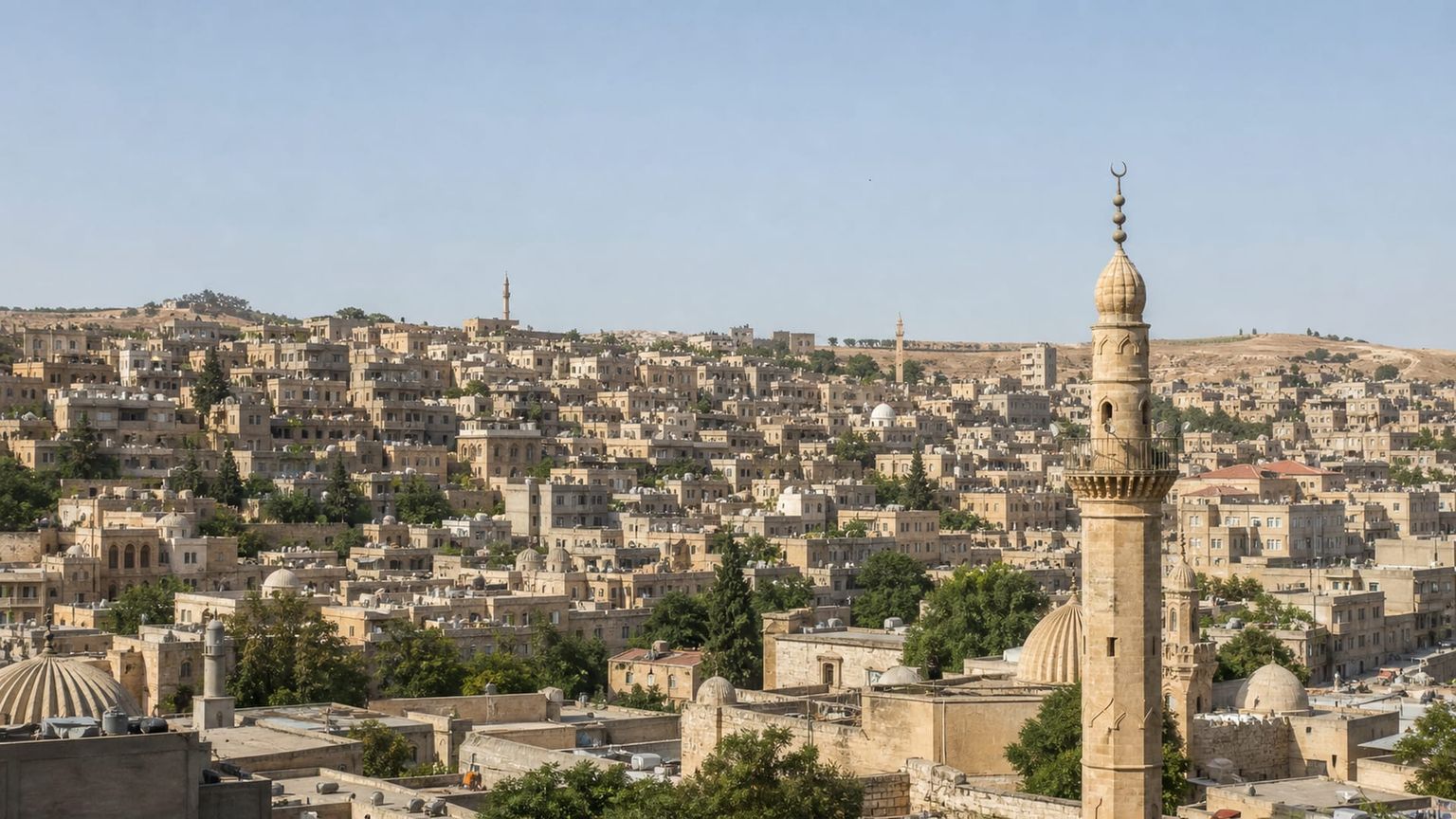
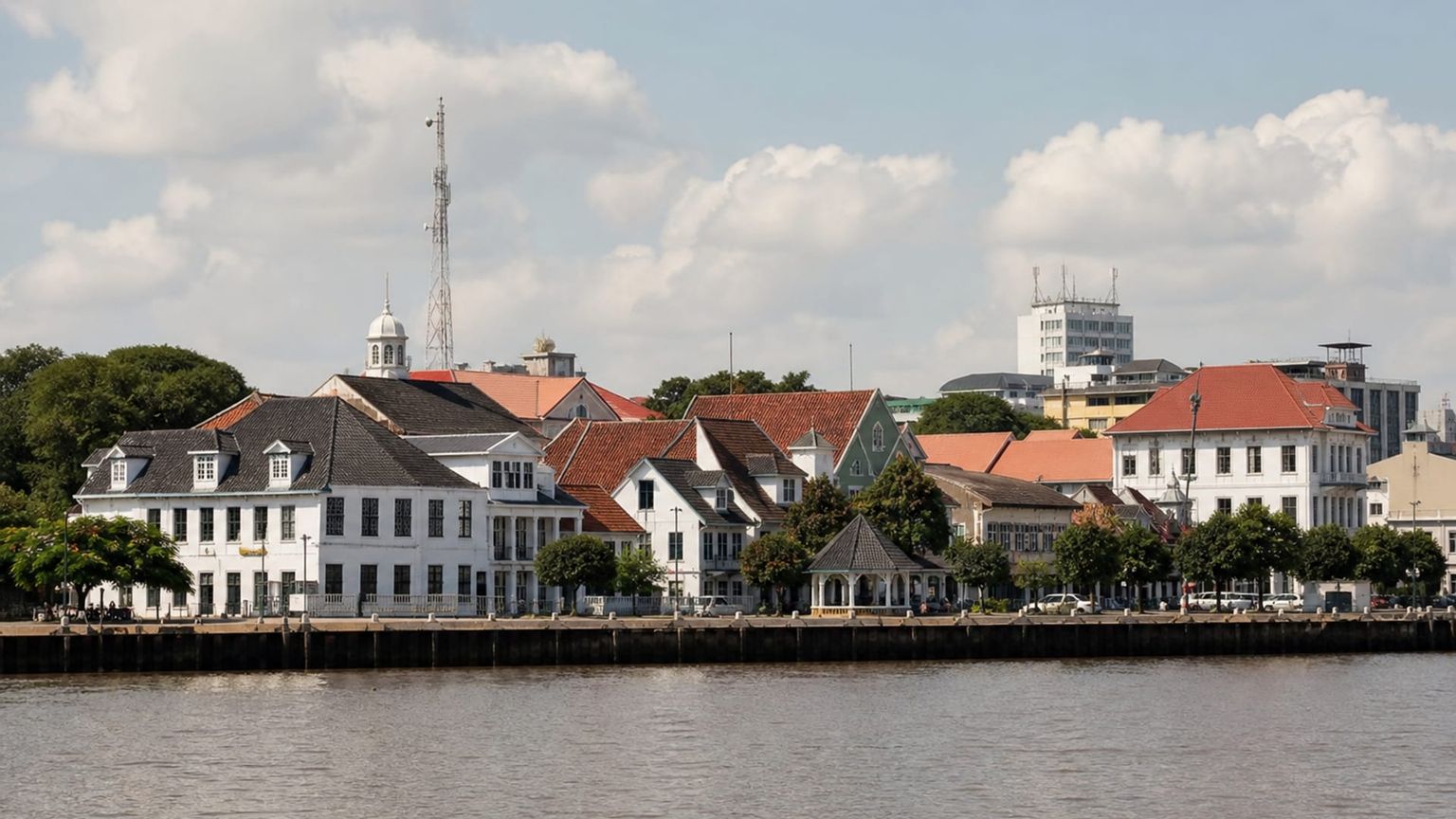
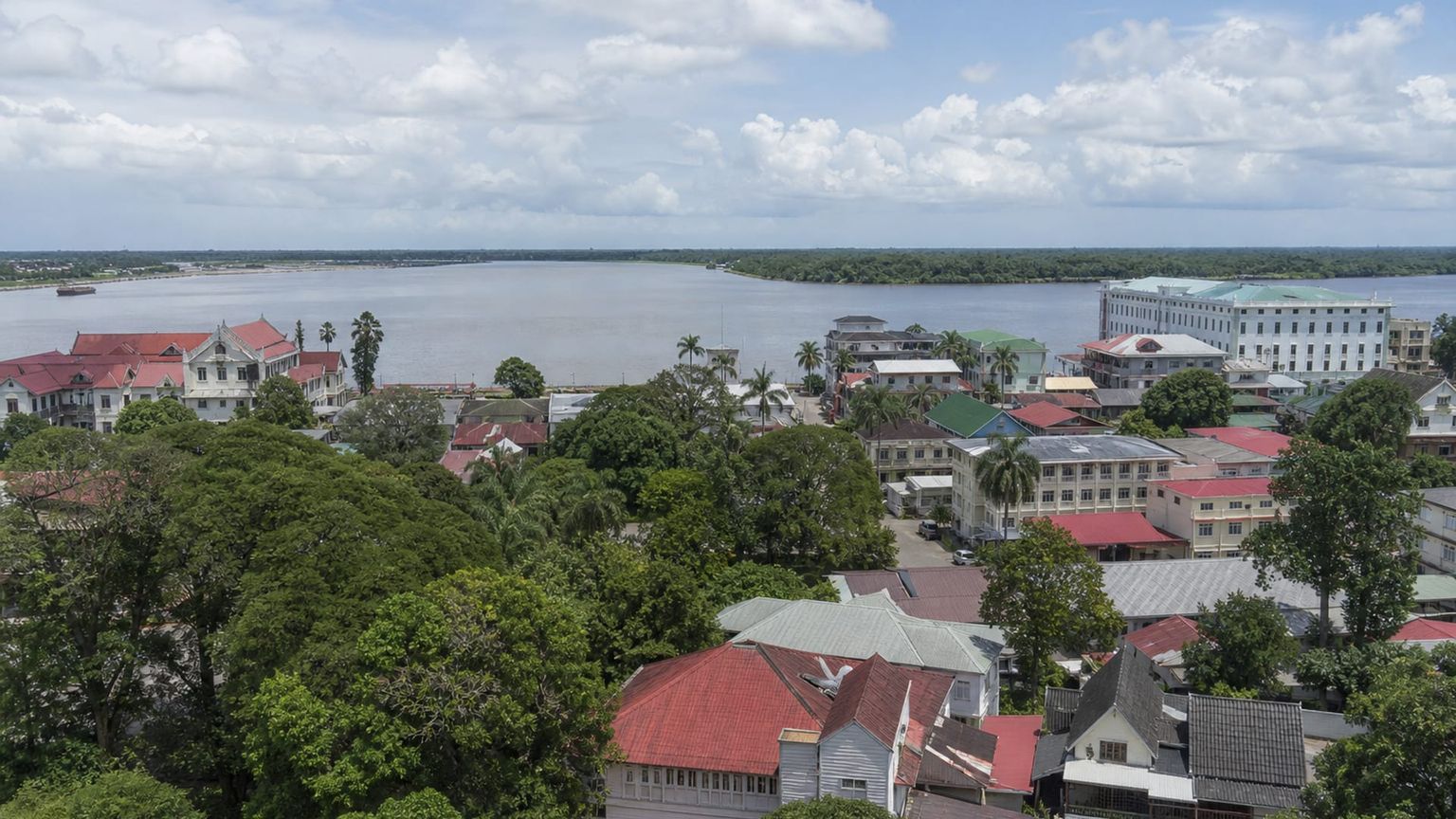
Paramaribo’s riverfront core, Waterkant puts you beside the Suriname River, the Wooden Cathedral, and the city’s colonial-era streets. It suits travelers who want to walk to the main sights and stay close to restaurants, shops, and the evening promenade.
Best for: First-time visits, heritage walks, and staying close to the main sights
What to expect: By day, the streets are busy with visitors, office workers, and café traffic; after dark, the riverfront gets quieter and some blocks empty out.
Hotel prices: Usually about $70 to $160 per night for well-rated stays
Distance to major sights: 5 to 10 minutes on foot to the Presidential Palace and Fort Zeelandia
Quietness: Busy by day, calmer at night, though the waterfront can still see foot traffic in the early evening
Main trade-off: Centrality comes with older buildings, variable room size, and a rate premium for the best addresses.
Good to know: Choose a room set back from the riverfront if you want less evening noise from pedestrians and traffic.
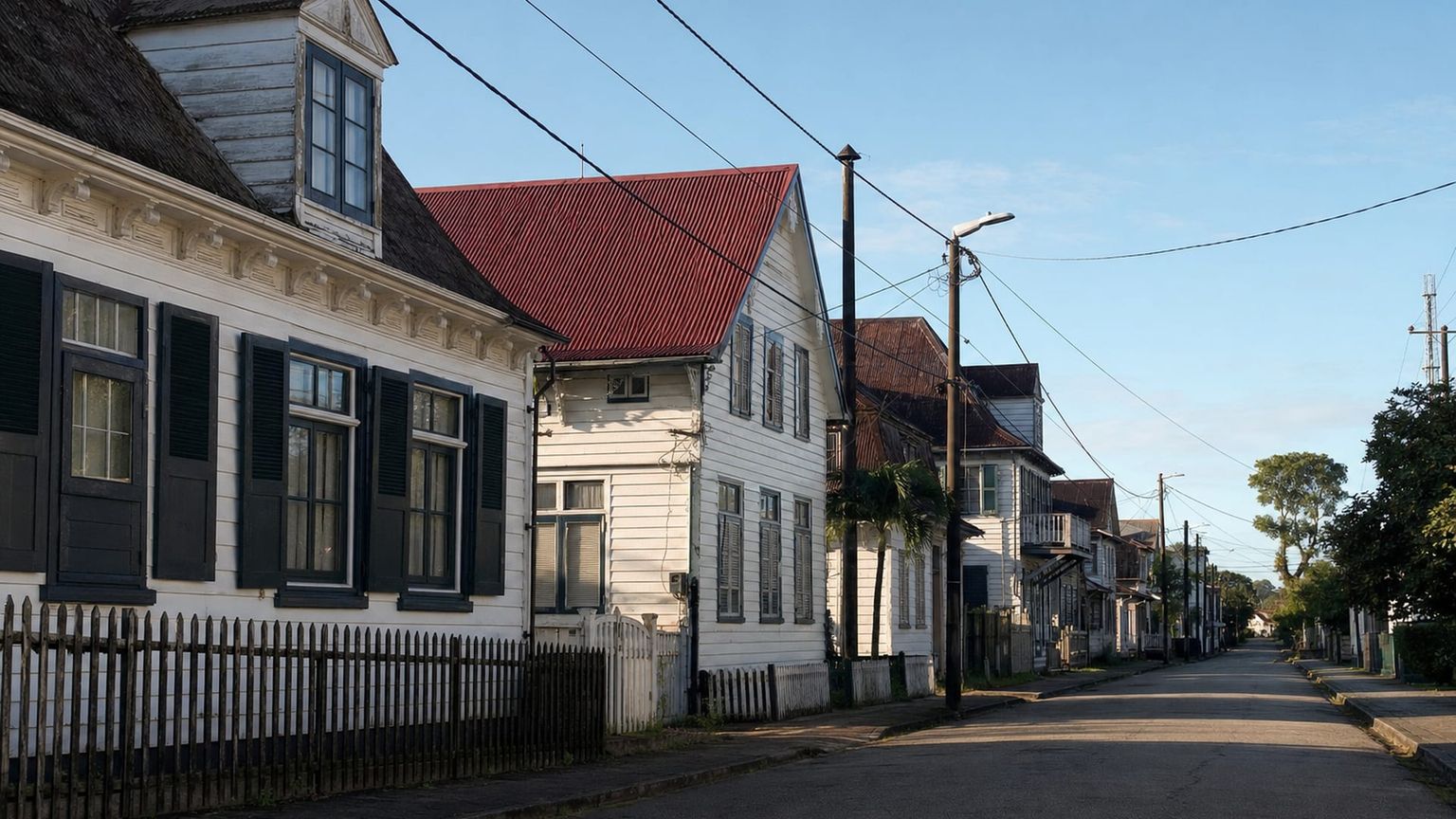
Combé sits just west of the historic center and mixes residential streets with hotels, small eateries, and easy access to downtown Paramaribo. It works well for visitors who want a central base without staying in the most crowded riverfront blocks.
Best for: Balanced access to downtown, business trips, and travelers who want a quieter central base
What to expect: Street activity is moderate, with local traffic, guesthouses, and a few neighborhood restaurants rather than a late-night scene.
Hotel prices: Usually about $60 to $130 per night for well-rated stays
Distance to major sights: 10 to 15 minutes on foot to Fort Zeelandia, about 15 minutes by taxi to the district’s riverfront sights
Quietness: Generally quieter than the riverfront, with more movement in the morning and early evening than late at night
Main trade-off: You gain quieter nights, but many historic landmarks and the liveliest dining streets still require a walk or short taxi ride.
Good to know: Some side streets have limited lighting after dark, so pick lodging with on-site parking or a staffed entrance if you plan late returns.
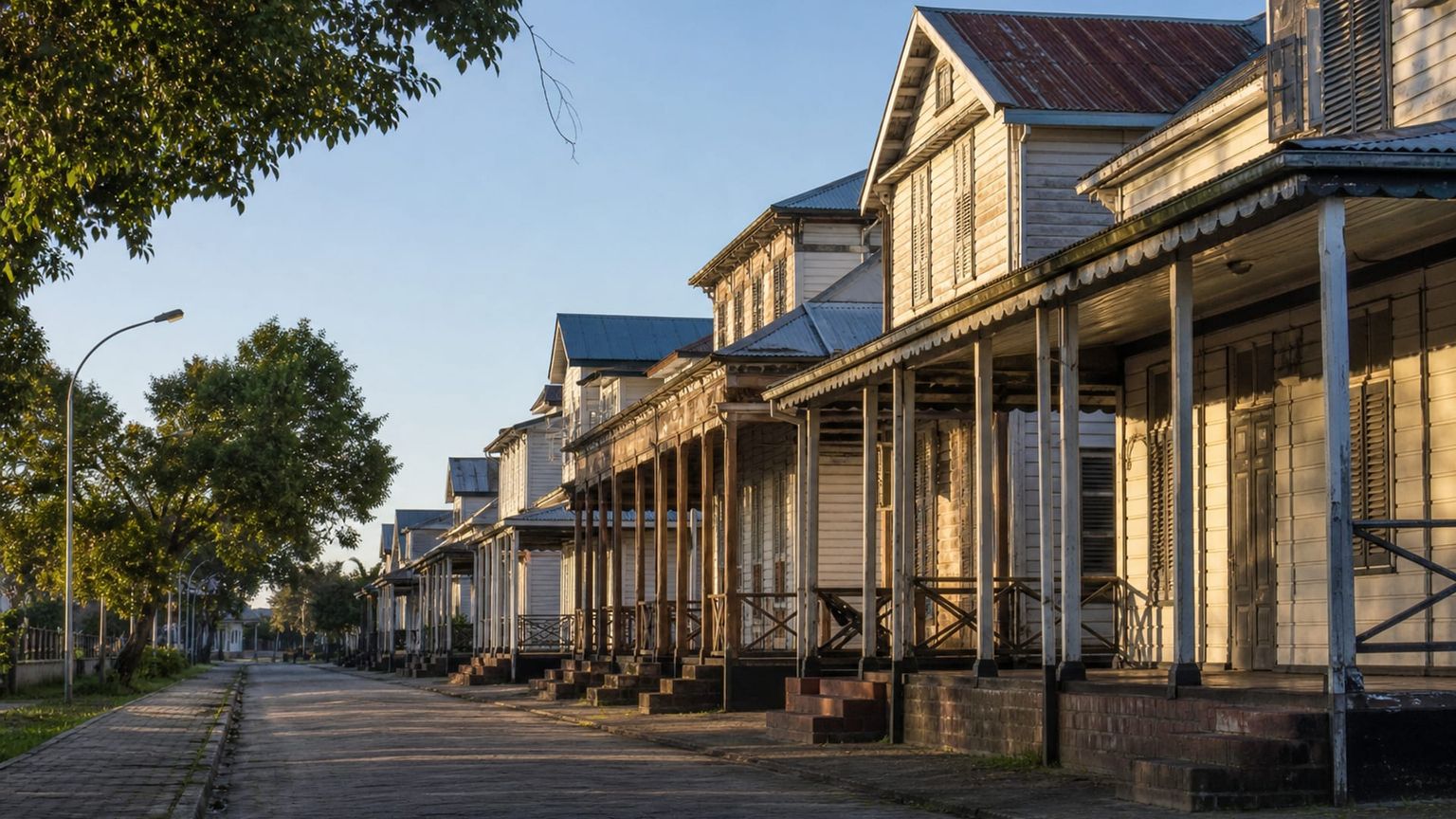
Zorg en Hoop is a residential area in southern Paramaribo with guesthouses, clinics, and local businesses spread along wider streets. It appeals to travelers who value lower-key surroundings and do not mind using taxis for the historic core.
Best for: Longer stays, travelers with cars, and guests who prefer a residential setting
What to expect: The area is mostly local and low-key, with modest traffic, few tourists, and activity centered on daytime errands.
Hotel prices: Usually about $45 to $100 per night for well-rated stays
Distance to major sights: 20 to 25 minutes by taxi to Fort Zeelandia and the Waterfront
Quietness: Quiet in the evening, with more daytime movement from errands and commuting
Main trade-off: Prices can be lower than in the center, but you will spend more on taxis and lose easy walking access to the main sights.
Good to know: Night dining choices are limited, so check whether your hotel has an on-site restaurant or plan to eat before heading back.
Travelers usually avoid the far western and southern outskirts of Paramaribo, including Leonsberg, Welgelegen, and Latour, because they sit well away from the historic center and the main riverfront sights. Afobakaweg is also less convenient for a short stay, since it leads out of the city and offers fewer visitor amenities and more inconvenient evening travel back to central Paramaribo.
Hotel deals
How to get around Paramaribo efficiently
Paramaribo has no metro, so most visitors move between the center, the airport, and outer neighborhoods with taxis, buses, minibuses, and short walks.

Metro
for longer distances
Paramaribo has no metro, so the nearest substitute is the city’s small bus network and occasional shared-minibus links rather than a rail system. For PBM arrivals, plan on road transfers of roughly 30 to 45 minutes into the center, depending on traffic and your hotel location.

Bus and tram
for convenience
City buses and minibuses link the center with neighborhoods such as Blauwgrond, Zorg en Hoop, and routes toward Commewijne, but they do not cover the city in a dense grid. Fares are usually about $0.50 to $2, often paid in cash on boarding, and services can be irregular, so allow extra time if you need a connection.

Taxi
for convenience or late hours
Licensed taxis in Paramaribo usually charge set fares rather than using a meter, and drivers often quote the price before departure. From Paramaribo (PBM) to the center, expect roughly $25 to $35 by day and a bit more late at night; within the city, short trips often cost about $5 to $15, and many drivers prefer cash in USD or Surinamese dollars.
*Prices are based on rates updated as of June 2026 and may change at the time of travel.
Walk for Waterkant and the historic core, use taxis for PBM and Peperpot, and lean on buses only when your timing can absorb a slower, less frequent connection.
Iconic landmarks
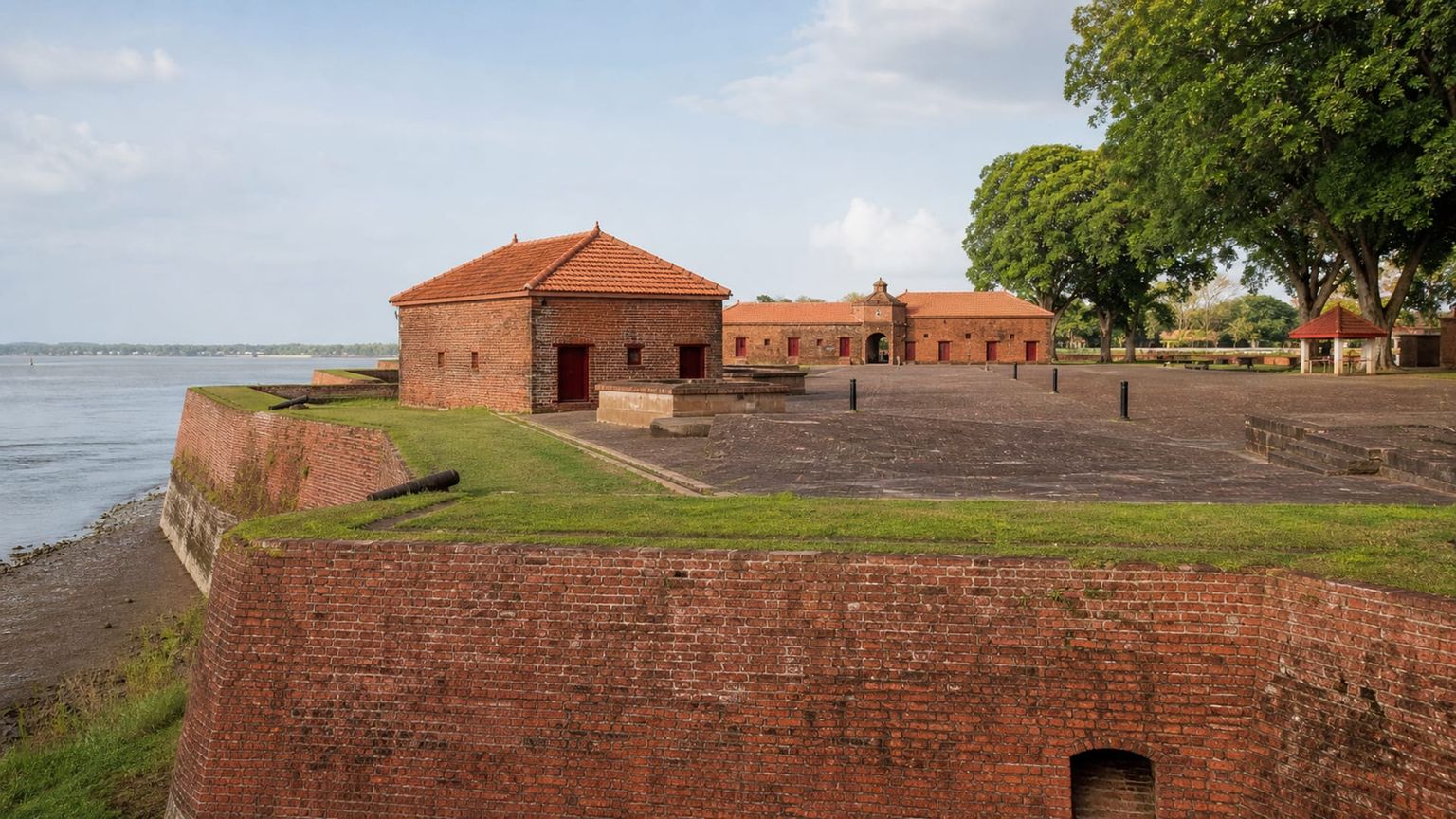
Fort Zeelandia
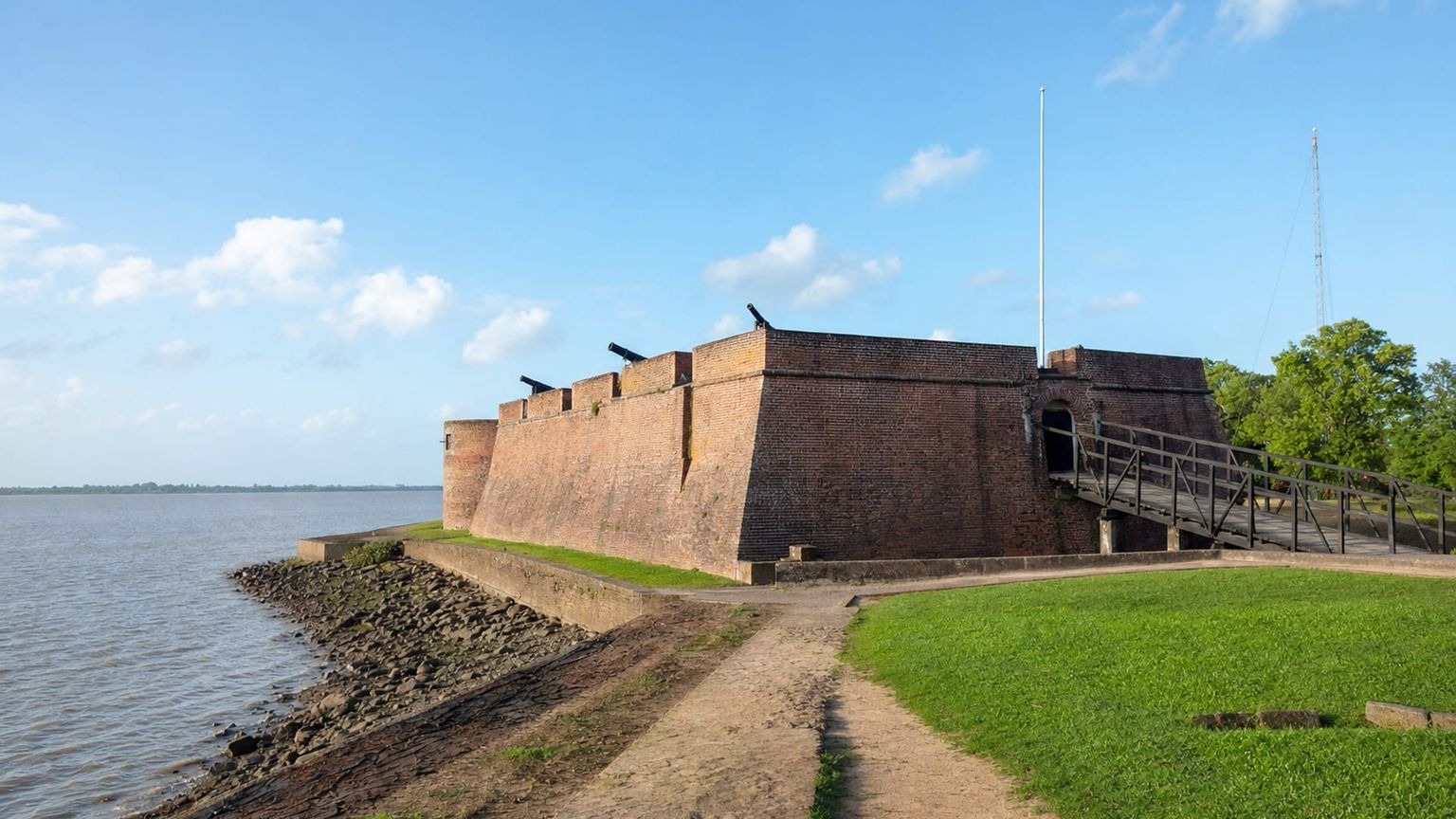
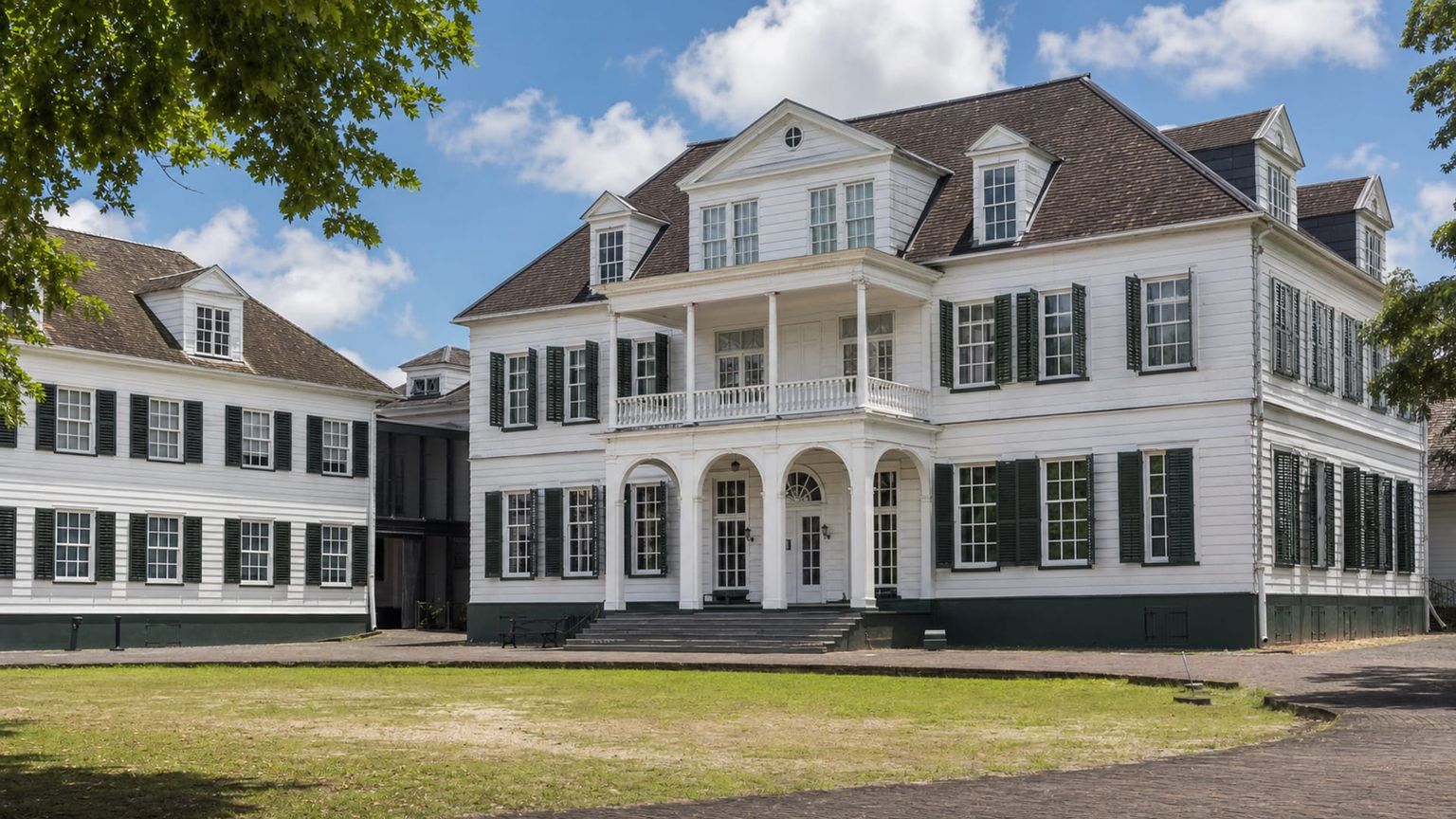
Dutch-built fort on the Suriname River in Paramaribo’s historic center, now home to the Surinaams Museum. The riverside walls, colonial buildings, and exhibit rooms make it one of the city’s clearest links to Dutch-era history.
Time needed: About 1 to 2 hours
Entry: Museum admission is about $5 ($5). Special exhibits and guided access may cost extra on selected days. Visit the official site for details.
Tip: Go early for cooler air and better light on the riverfront walls.
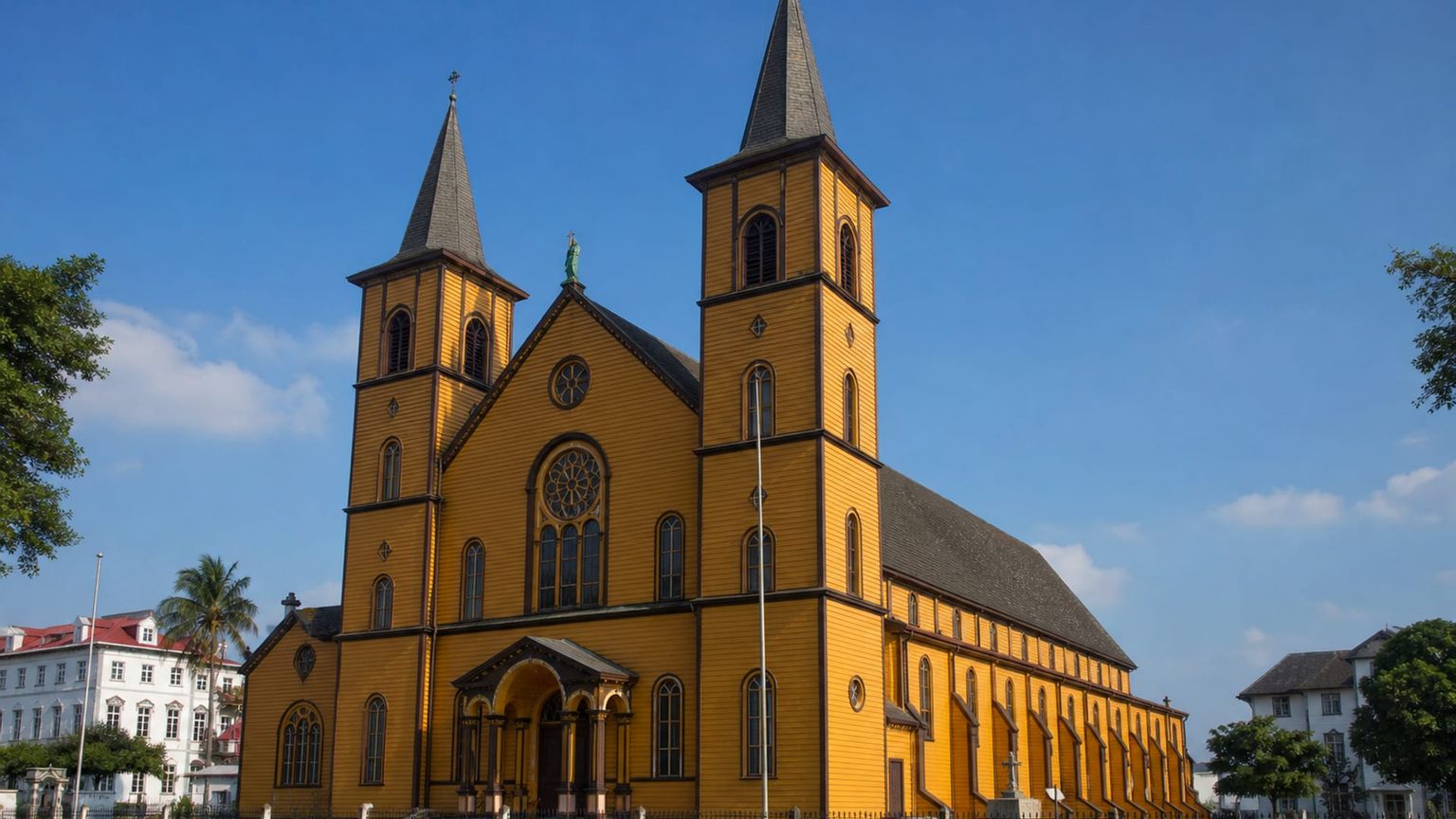
Saint Peter and Paul Cathedral
This wooden Roman Catholic cathedral in downtown Paramaribo is one of the largest wooden churches in the Caribbean. Its carved interior, twin towers, and restored structure show how local craftsmanship shaped a major landmark.
Time needed: About 30 to 45 minutes
Entry: Entry is free to access; donations are welcome, and guided visits are offered on select days for a small fee.
Tip: Visit midmorning, when the interior is brighter and quieter than late afternoon.
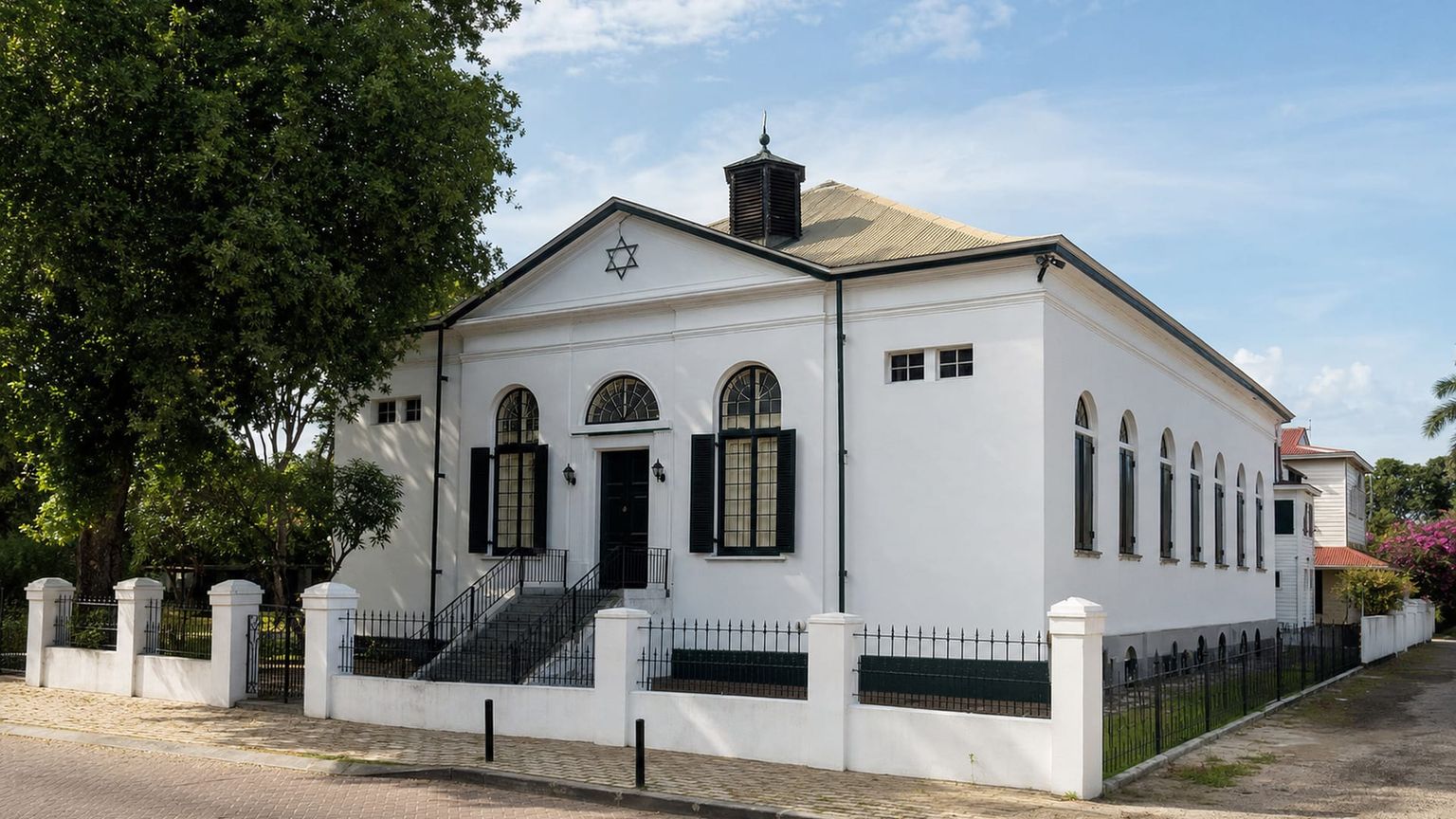
Neveh Shalom Synagogue
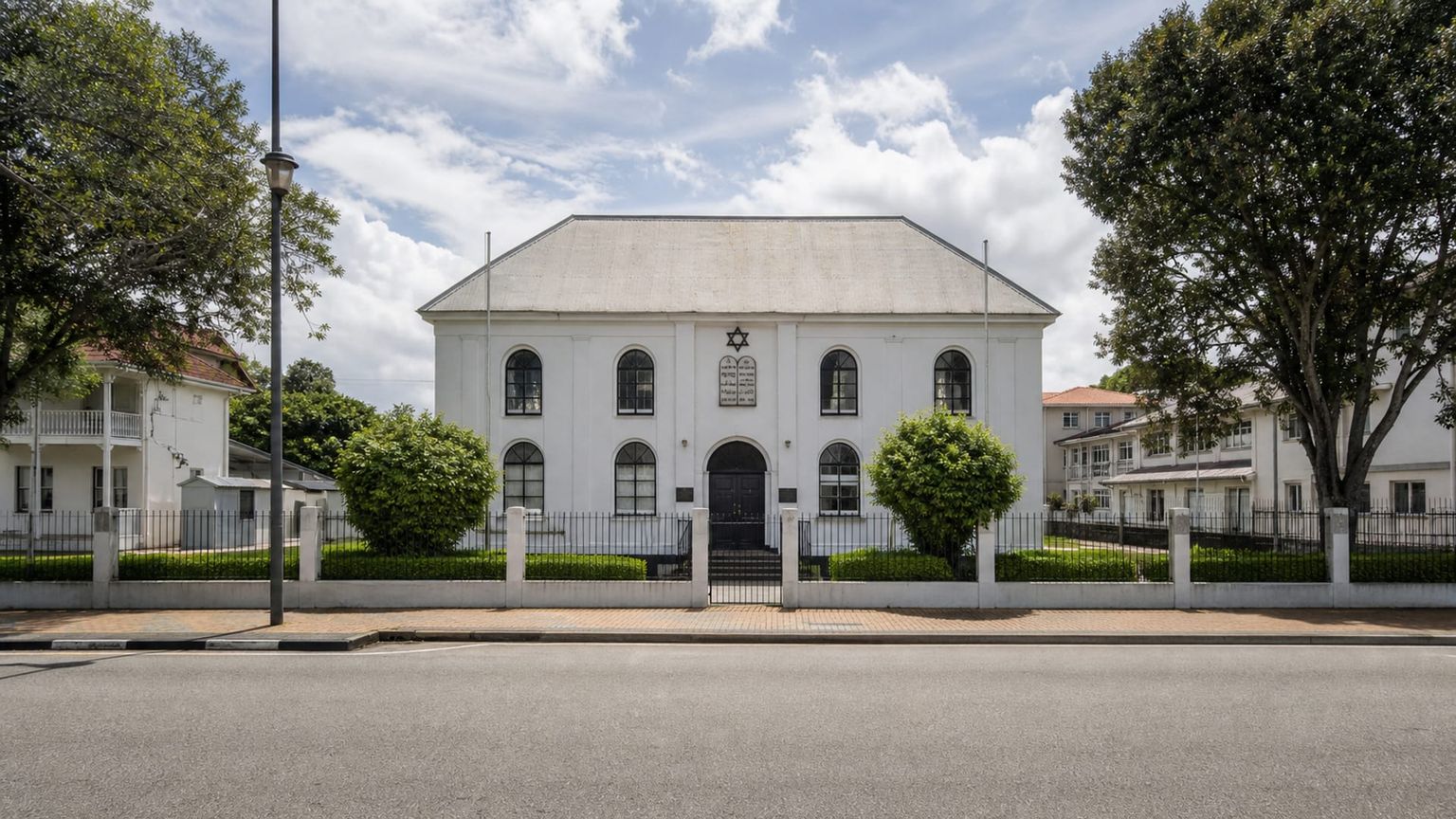
Built in 1719, Neveh Shalom is the oldest synagogue in Suriname still in regular use. Its white exterior, simple interior, and shared grounds with a mosque reflect Paramaribo’s long Jewish and Muslim presence downtown.
Time needed: About 30 to 45 minutes
Entry: Entry is free to access outside services; donations are appreciated, and guided visits are offered at set times. Visit the official site for details.
Tip: Check service times before you go, then visit outside worship hours for easier access.
Overlooked sites worth visiting

Peperpot Nature Park
Former plantation grounds now hold mangroves, birdlife, and shaded trails along the Suriname River. The flat paths suit a slow walk, bike ride, or short canoe outing from Paramaribo.
Time needed: About 2 to 3 hours
Entry: Admission is usually free for the park grounds; some guided walks, bike rentals, or canoe rentals are extra and vary by operator, typically about $10 to $25 ($270 to $675) per person.
Tip: Go early for birds and cooler paths.

Numismatiek Museum Suriname
This compact museum traces Suriname’s currency history with coins, banknotes, medals, and colonial-era issues. Displays are small but detailed, and the central location makes it easy to pair with a short city walk.
Time needed: About 45 minutes to 1 hour
Entry: Entry is typically free or by small donation; special guided visits or group arrangements may charge a modest fee, usually about $2 to $5 ($54 to $135), depending on the visit.
Tip: Check opening hours before you go.
Traditional food
Paramaribo’s food mixes Dutch, Javanese, Creole, and Hindustani roots, so roti, pom, moksi alesi, and saoto soup often share the same menu. Expect rice, cassava, pepper, peanuts, and coconut in a dining scene that runs from simple lunch counters to riverside tables.
Roti chicken
Soft roti with curried chicken, potato, and vegetables gives you one of Paramaribo’s most common lunch plates. Roopram Roti in Paramaribo is a classic stop for it.
Pom
Pom combines citrus, chicken, and baked root vegetable in a rich Surinamese casserole. Zus & Zo in central Paramaribo is a well-known place to order it.
Moksi alesi
Moksi alesi brings rice together with meat, beans, and seasoned vegetables in a single plate. De Gadri in Paramaribo serves a version that fits the city’s mixed culinary style.
Saoto soup
Saoto soup is a clear, layered chicken soup with herbs, bean sprouts, egg, and rice. Zus & Zo in Paramaribo is a solid address for a bowl at lunch.
Best time to visit Paramaribo
Paramaribo is warm year-round, but rainfall, humidity, and riverfront conditions shift enough to change when walking, birdwatching, and outdoor sightseeing work best.
Best for: Best for lively city stays with lighter rain breaks than the wetter months.
What you get: About 77-88°F (25-31°C), with warm afternoons and moderate crowd levels outside holiday peaks.
Trade-offs: Showers can interrupt riverfront walks and nature plans.
Best for: Best for travelers who want good daylight for the historic center and Peperpot.
What you get: About 77-89°F (25-32°C), with humid conditions and lighter crowds than the winter holiday stretch.
Trade-offs: Rain becomes more frequent as the season advances.
Best for: Best for the driest stretch of the year and the easiest outdoor sightseeing.
What you get: About 75-87°F (24-31°C), with many clear days and the most comfortable walking weather.
Trade-offs: This is one of the busier periods for visitors.
Best for: Best for quieter streets and flexible hotel choice.
What you get: About 77-89°F (25-32°C), with heat, humidity, and fewer visitors than in midyear.
Trade-offs: This is the wetter side of the calendar, so keep plans adaptable.
A realistic 5-day plan in Paramaribo
A good five-day stay in Paramaribo keeps the first days close to the river, then adds the synagogue quarter, a nature break, and one final loop through the center before departure. The sequence below avoids repeated cross-town trips and leaves room for slower meals.
Land at Paramaribo-Zanderij Airport (PBM), then take a taxi into town, which usually takes about 45 to 60 minutes and costs roughly $35 to $50. Aim for Waterkant if you want the easiest first-night walk to the riverfront, or Combé if you prefer a quieter central base. After check-in, drink plenty of water, take a short stretch along the Suriname River, and keep dinner simple near your hotel, then turn in early so you are rested for the historic core the next morning.
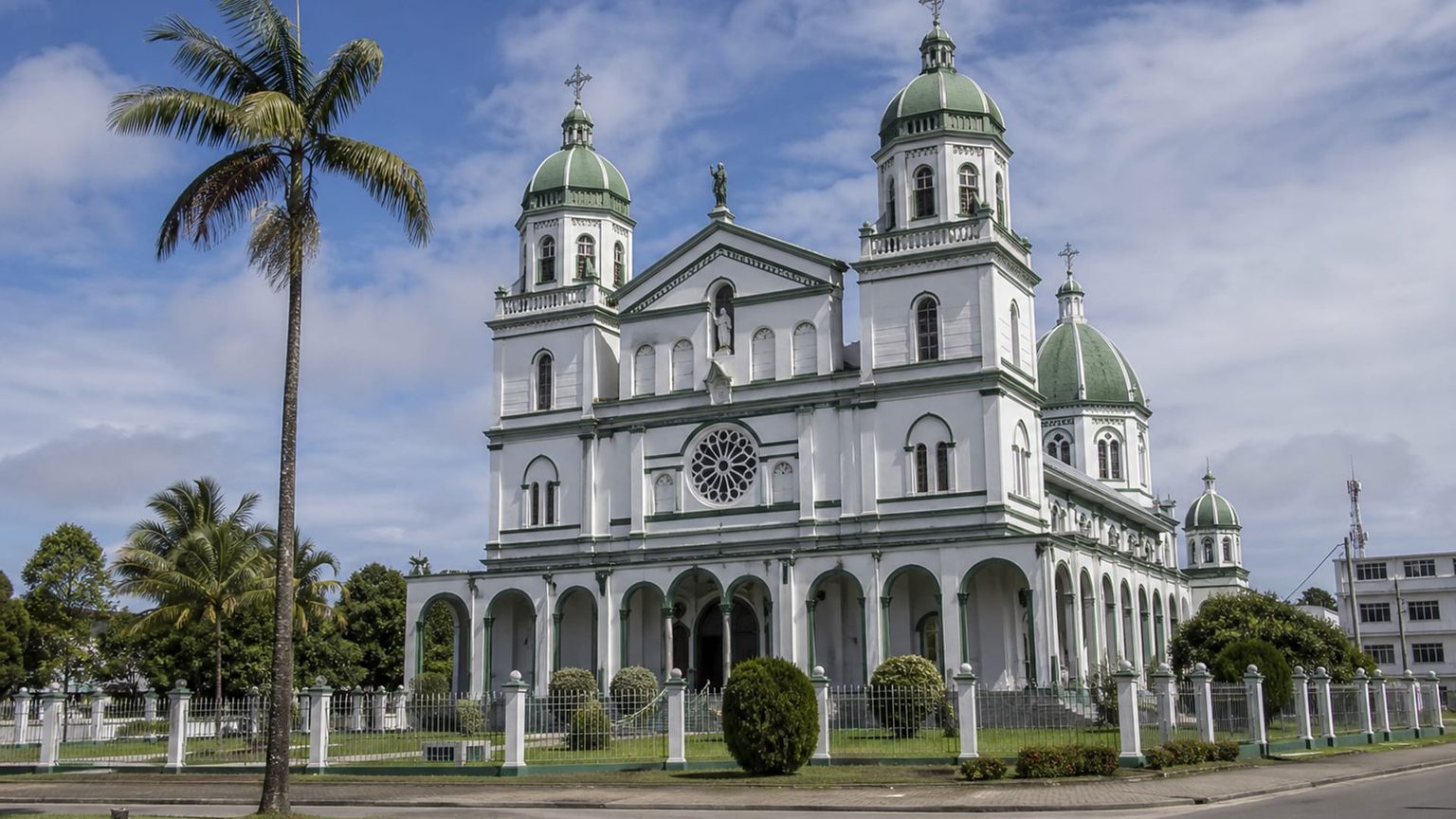
Start at Fort Zeelandia in the morning, where the museum visit takes about 1 to 2 hours and admission is about $5 ($5). From there, walk about 10 minutes to the Waterkant riverfront for a slow look at the colonial streets, then continue roughly 5 minutes on foot to the Presidential Palace area before heading to Saint Peter and Paul Cathedral, about 10 to 15 minutes away on foot. Allow 30 to 45 minutes inside the cathedral, then finish with dinner back in Waterkant, where you can stay close to the evening promenade without adding taxi time.
Begin midmorning at Neveh Shalom Synagogue, which takes about 30 to 45 minutes to visit and sits close enough to downtown for an easy combined outing. From there, walk about 5 to 10 minutes to the nearby mosque and shared historic center blocks, then continue about 10 minutes on foot to the Numismatiek Museum Suriname for a short stop of roughly 45 minutes to 1 hour. End the afternoon with coffee in Combé, a calm district just west of the center, and keep the rest of the evening low-key because the streets there thin out after dark.
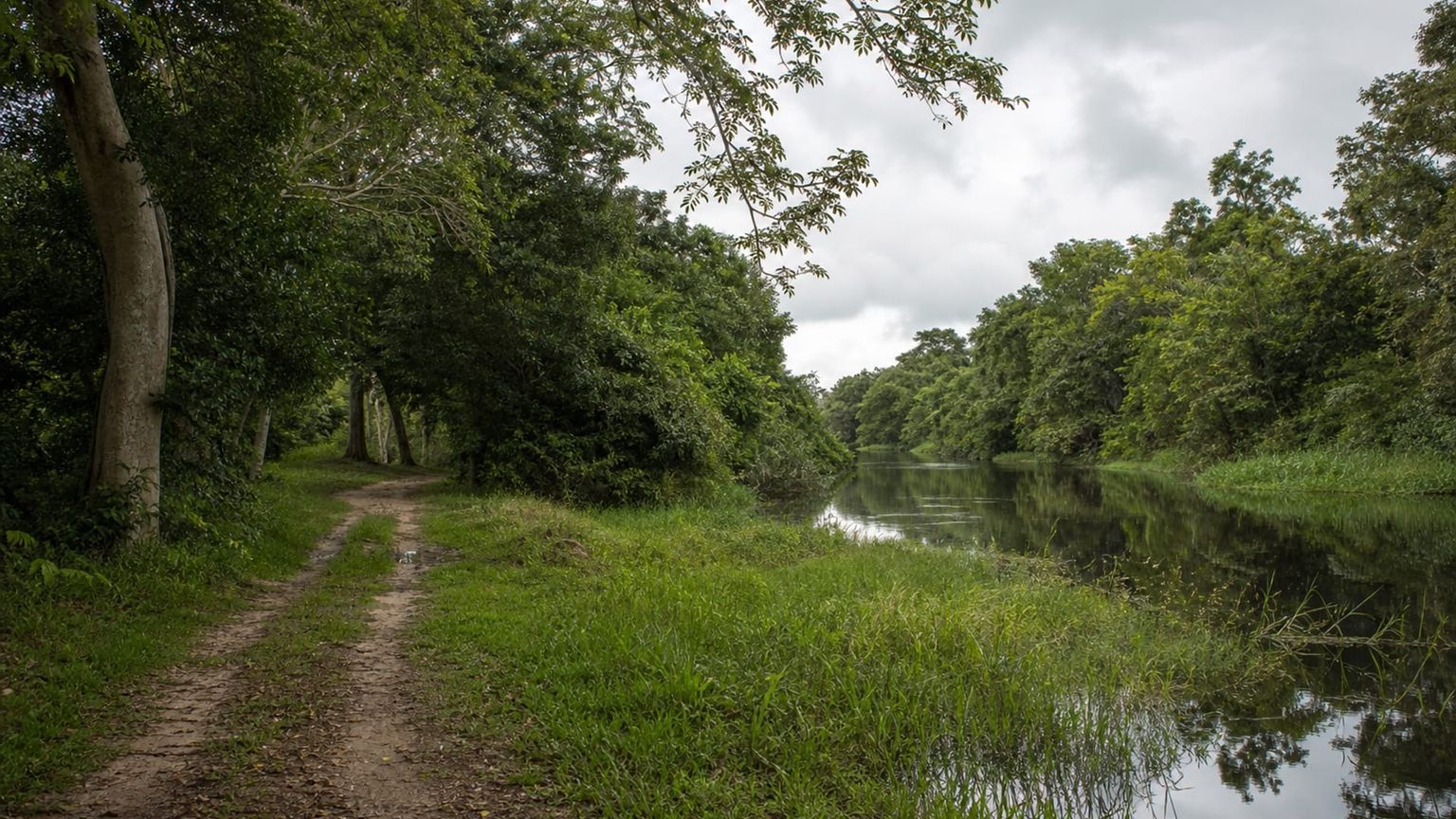
An early start works best for Peperpot Nature Park, reached by taxi or arranged transport in roughly 20 to 30 minutes from central Paramaribo. Plan about 2 to 3 hours there for the flat trails, birdlife, and river edge views, then return to the city and spend the late afternoon back in Waterkant or Combé, depending on where you are staying. If you want one more easy stop before dinner, loop through the center for a short second look at the riverfront, then eat near your hotel rather than stretching the night out.
For the final day, keep plans compact and local, starting with a return visit to whichever museum or landmark you want to see again, then moving to downtown shopping in Waterkant, where souvenir stalls and small shops sit within an easy walk of the river. If you still have time before heading out, settle into a café in Combé for a quiet coffee and a last look at neighborhood life, then return to your hotel for checkout and a taxi to Paramaribo-Zanderij Airport (PBM).
Business-class flights from the US to Paramaribo
For travelers arriving from the United States, the cleanest options usually run through a European or Latin American hub. The examples below show how the route choices differ from New York and Los Angeles.
From New York, Copa Airlines, Surinam Airways, KLM Royal Dutch Airlines, Air France, JetBlue, and United Airlines all sell itineraries that typically take about 7 to 12 hours with a connection. PTY, AMS, CDG, MIA, and FLL are the main layover points, and round-trip fares start at about $1,900 and often reach $4,800.
Los Angeles itineraries usually take longer, about 10 to 17 hours, and the lower-priced options often route through Amsterdam, Paris, Panama City, Miami, or Dallas. KLM Royal Dutch Airlines, Air France, Copa Airlines, Surinam Airways, American Airlines, and United Airlines appear most often, with round-trip fares from about $2,400 to $6,200.
Paramaribo feels different when you slow down
A deliberate Paramaribo trip keeps you in the historic core for most of the stay, with taxis used for PBM arrival and Peperpot, then walking the short links between Fort Zeelandia, Waterkant, the cathedral, and the synagogue area. Add dinner near your hotel, a coffee stop in Combé, and one last pass along the river before checkout. If you want help shaping the route, the AranGrant experts can match your dates to the best neighborhood and flight pattern







