

Chapters:

Need help with your trip?
Our support team is available 24/7. Request a callback or call us directly at (833) 619-0908
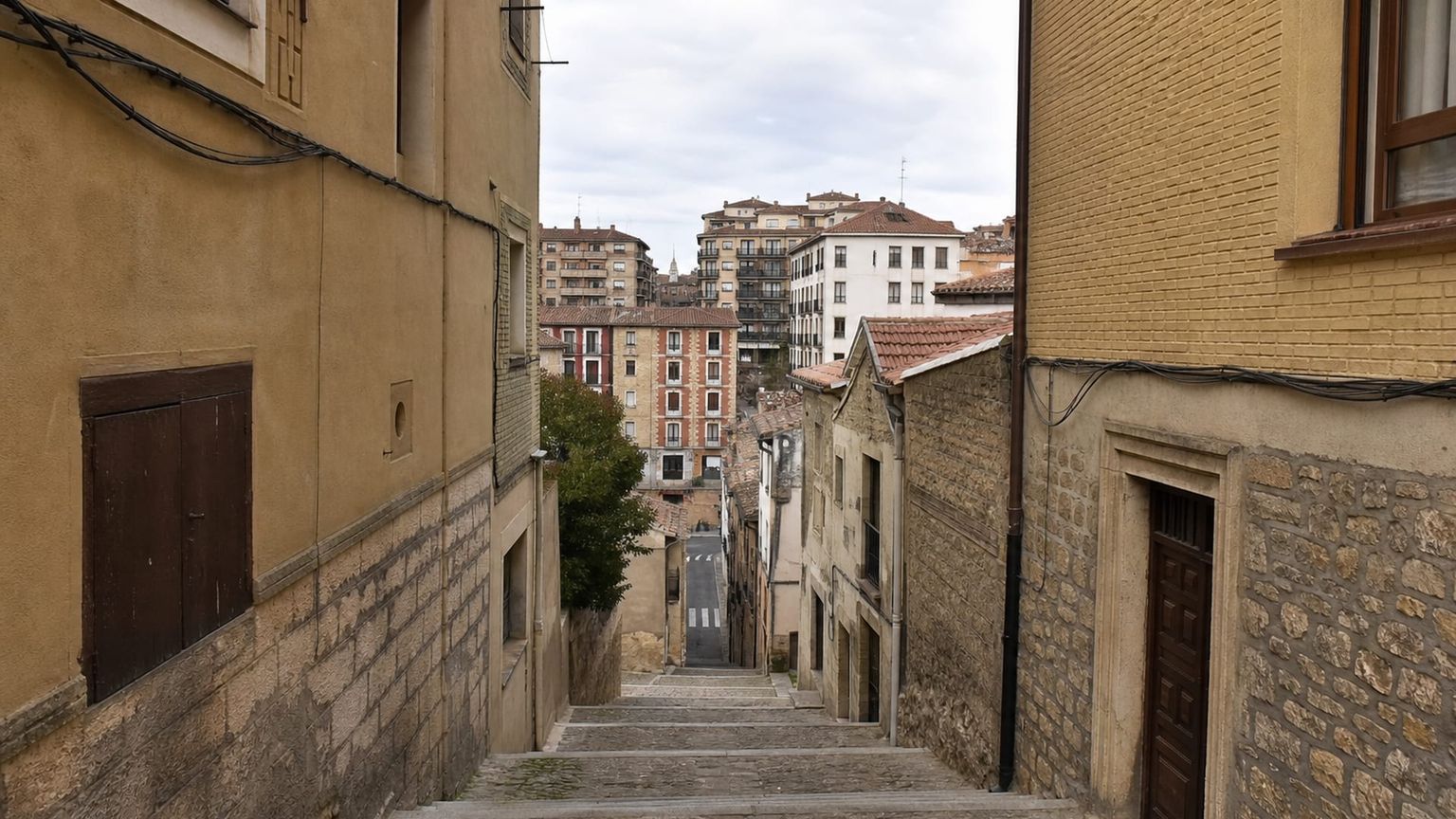
Pamplona rewards visitors who notice the details between the headline stops: a cloister in the morning, a square at coffee time, a fort wall in late light. Many trips still skim past those quieter hours.
That approach can leave you zigzagging through narrow streets, facing crowded lunch windows, and missing how close the cathedral, Plaza del Castillo, and the Citadel sit to one another. The city is compact, but timing still shapes the experience.
This guide sets out a slower sequence, with neighborhoods, meals, and day plans arranged to reduce backtracking and keep each day anchored to one part of the center.
Useful things to know

Main language(s): Spanish
Hola (OH-lah) – Hello / good morning
Por favor (por fah-VOR) – Please
Gracias (GRAH-see-ahs) – Thank you
¿Habla inglés? (AH-blah een-GLAYS) – Do you speak English?
¿Cuánto cuesta? (KWAHN-toh KWES-tah) – How much does it cost?

Currency: The local currency is the euro (EUR, €).

Cash and cards: Cards and contactless are widely accepted; carry about €20 to €40 ($22 to $44) in cash for small buys.

Tipping: Round up small bills; leave about 5 to 10 percent for good table service.

Traditional food: Pimientos del piquillo, chistorra, cordero al chilindrón, menestra de verduras

Water and coffee costs: Water about €1.50 ($2), bar espresso about €1.50 to €2 ($2 to $2.50).

Taxis and ride apps: Free Now and Uber operate here; taxis are often the more available option.

Plug and voltage: Type C/F socket, 230V

Dining and shop opening hours: Breakfast is about 8:00-10:30, lunch 13:30-15:30, and dinner 20:30-22:30. Many bars close between lunch and dinner, and Sunday hours can be shorter.

Emergency number: 112 for police, fire, and medical emergencies.
Where to stay in Pamplona
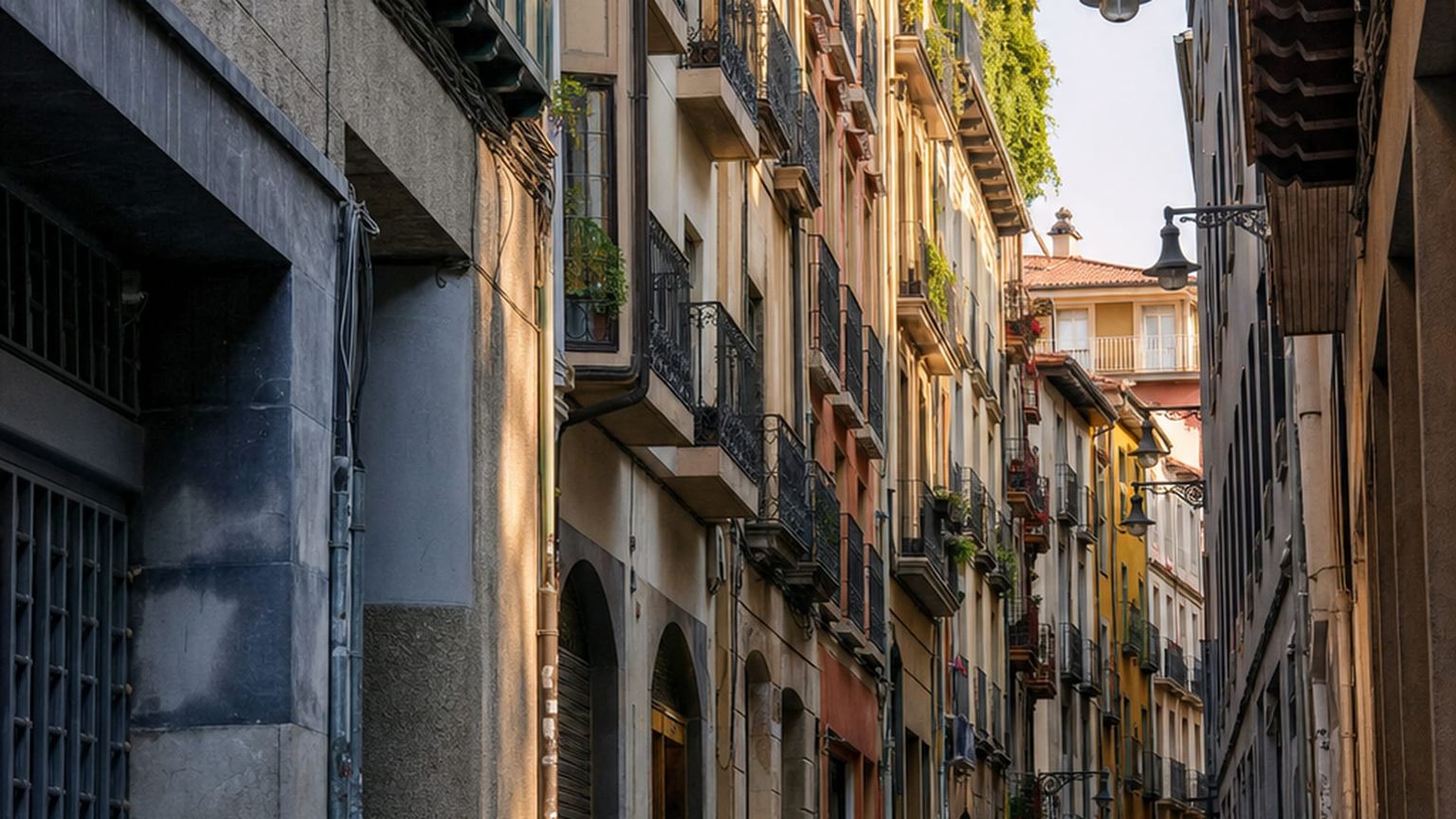
Pamplona’s historic core clusters around Plaza del Castillo, the cathedral, and the winding streets used during San Fermín. It gives you the city’s main sights, tapas bars, and the closest walk to many festival venues.
Best for: Sightseeing, nightlife, and staying closest to the main historic landmarks
What to expect: Expect busy pedestrian streets, bars that fill up at night, and a steady stream of visitors, especially on weekends and during festival season.
Hotel prices: Usually about €90 to €180 (~$99 to ~$198) per night for well-rated stays
Distance to major sights: 5 to 10 minutes on foot to Plaza del Castillo and Pamplona Cathedral
Quietness: Active during the day and lively late into the evening, with noise from bars and street traffic.
Main trade-off: Rooms can be smaller and pricier than in outer districts, and some streets get loud after dinner.
Good to know: If you want sleep, ask for an interior room or a higher floor, because late-night noise carries through the narrow streets.
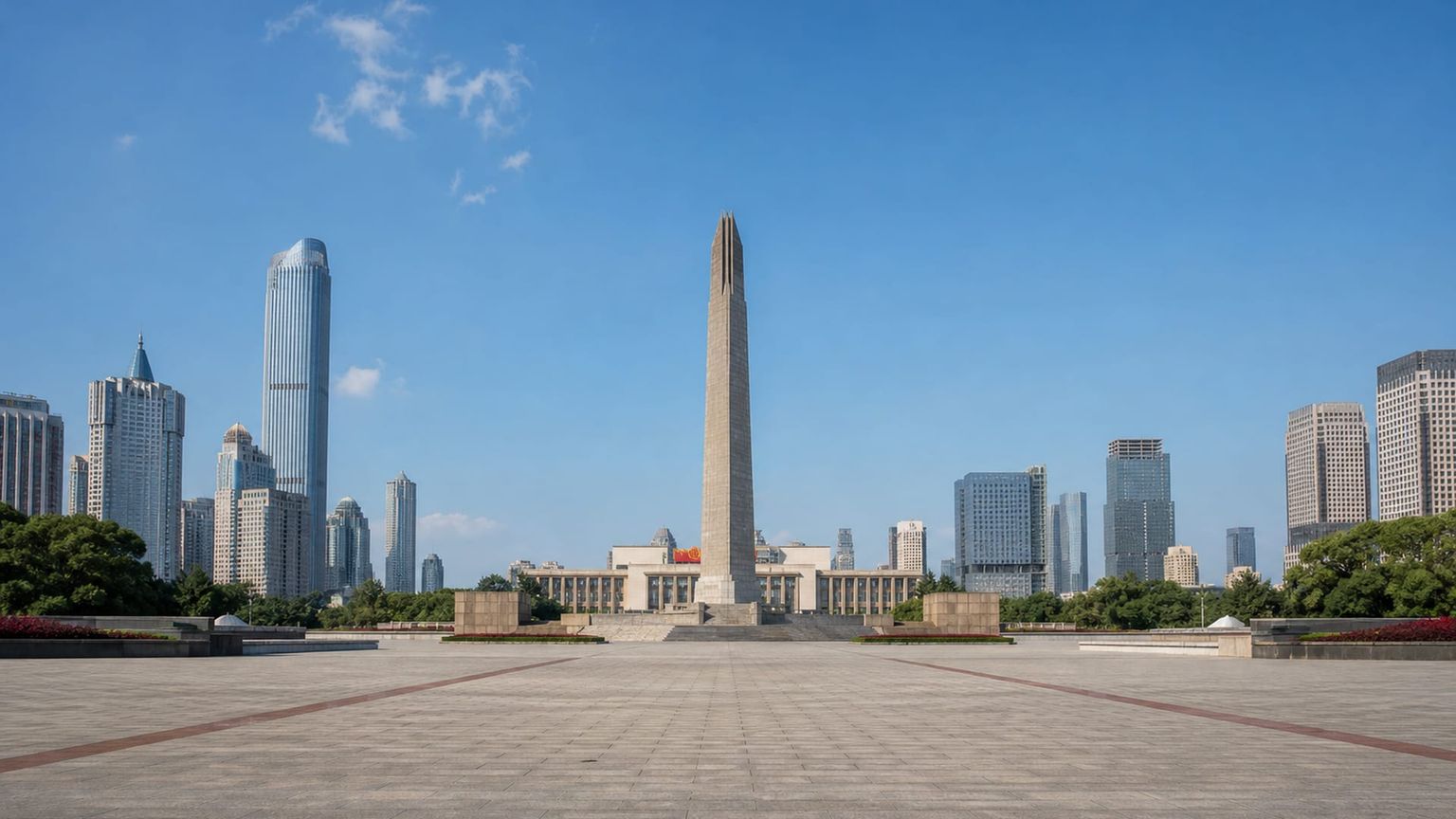
Segundo Ensanche is the elegant 20th-century extension south of the old center, with broad avenues, shops, and many midrange hotels. It puts you within an easy walk of the old town while giving you a calmer place to return to at night.
Best for: Central stays, shopping, business trips, and travelers who want easier access without being in the busiest lanes
What to expect: Expect wider streets, more traffic than in the old town, and a mix of locals, shoppers, and business travelers.
Hotel prices: Usually about €85 to €160 (~$94 to ~$176) per night for well-rated stays
Distance to major sights: 10 to 15 minutes on foot to Plaza del Castillo and about 15 minutes to Pamplona Cathedral
Quietness: Quieter at night than the old town, though the main avenues stay active and can carry traffic noise.
Main trade-off: You trade a more historic atmosphere for slightly more walking to the tightest cluster of bars and sights.
Good to know: Street parking and taxi access are easier here than in the medieval center, which matters if you are arriving with luggage or a car.
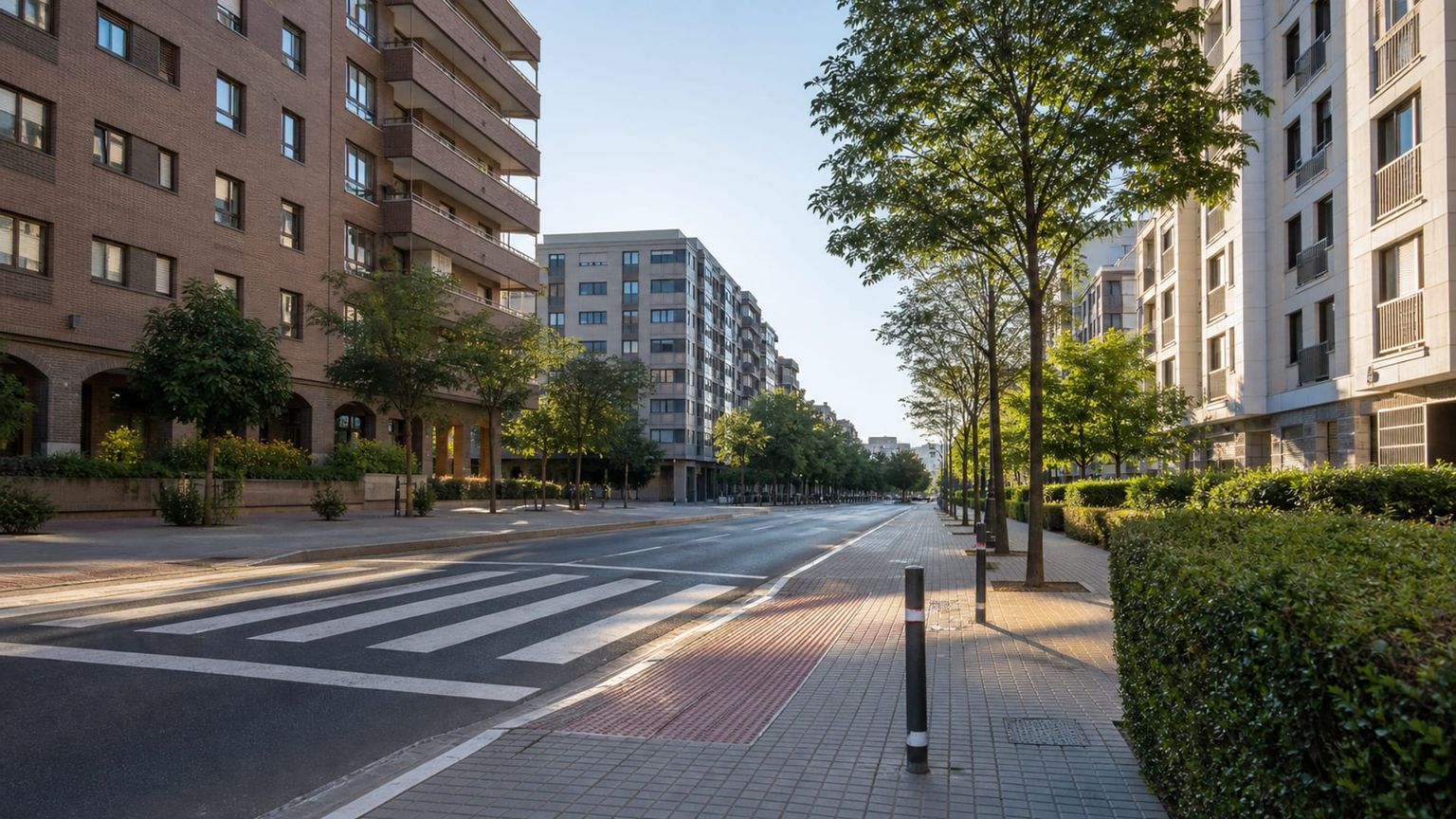
Iturrama sits just south of the center and mixes apartment blocks, student life, and everyday neighborhood services. It works well for visitors who want lower-key streets, good bus links, and a more local feel than the tourist core.
Best for: Longer stays, lower-key evenings, and travelers who prefer a local neighborhood over the tourist core
What to expect: Expect neighborhood cafés, supermarkets, and a younger crowd near the university areas, especially on weekdays.
Hotel prices: Usually about €70 to €130 (~$77 to ~$143) per night for well-rated stays
Distance to major sights: 15 to 20 minutes on foot to Plaza del Castillo and about 10 minutes by bus to Pamplona Cathedral
Quietness: Calmer in the evening than the center, with more residential stillness and fewer late-night bars.
Main trade-off: You will rely more on buses or walking, and the immediate surroundings have fewer restaurants than the old town.
Good to know: This area suits travelers who plan to eat breakfast and dinner near their hotel, since the late-night options thin out after the center closes.
Travelers usually avoid staying in Cizur and the western edge of the city, since they sit away from Pamplona’s old town, Plaza del Castillo, and the main dining streets, which makes evening trips back from central restaurants less convenient. The industrial fringes near Landaben and areas far from the historic core are also less convenient because they have fewer visitor amenities and put you farther from the main sights.
Hotel deals
How to get around Pamplona efficiently
Pamplona’s bus network, city taxis, and walkable center make short hops easier than long cross-town rides, which matters when you are moving between the old quarter, Segundo Ensanche, and the airport.

Metro
for longer distances
Pamplona has no metro, so you will rely on city buses, walking, and taxis for urban trips; for rail, the closest equivalent is intercity train service at Pamplona station. If you are connecting to the airport, road transfer from Pamplona (PNA) to the center takes about 10 to 20 minutes by car, depending on traffic.

Bus and tram
for convenience
Transport Urbano Comarcal runs the main bus network, with frequent links across central Pamplona and nearby districts, plus airport and intercity connections on selected routes. A single ride typically costs about $1.50 to $2 ($1.60 to $2.20), with time-based tickets and day passes available on some products; validate on boarding and expect most city hops to take 10 to 25 minutes.

Taxi
for convenience or late hours
Licensed taxis line up at ranks, and you can phone a dispatch center rather than hailing on the street outside busy spots. Fares are metered, with an airport trip to central Pamplona usually about $15 to $22 (€14 to €20), more late at night or on holidays; cards are often accepted, but carrying some cash is still sensible.
*Prices are based on rates updated as of June 2026 and may change at the time of travel.
Walk for the old center, use buses for neighborhood links, and take a taxi for airport transfers or late-evening returns.
Iconic landmarks
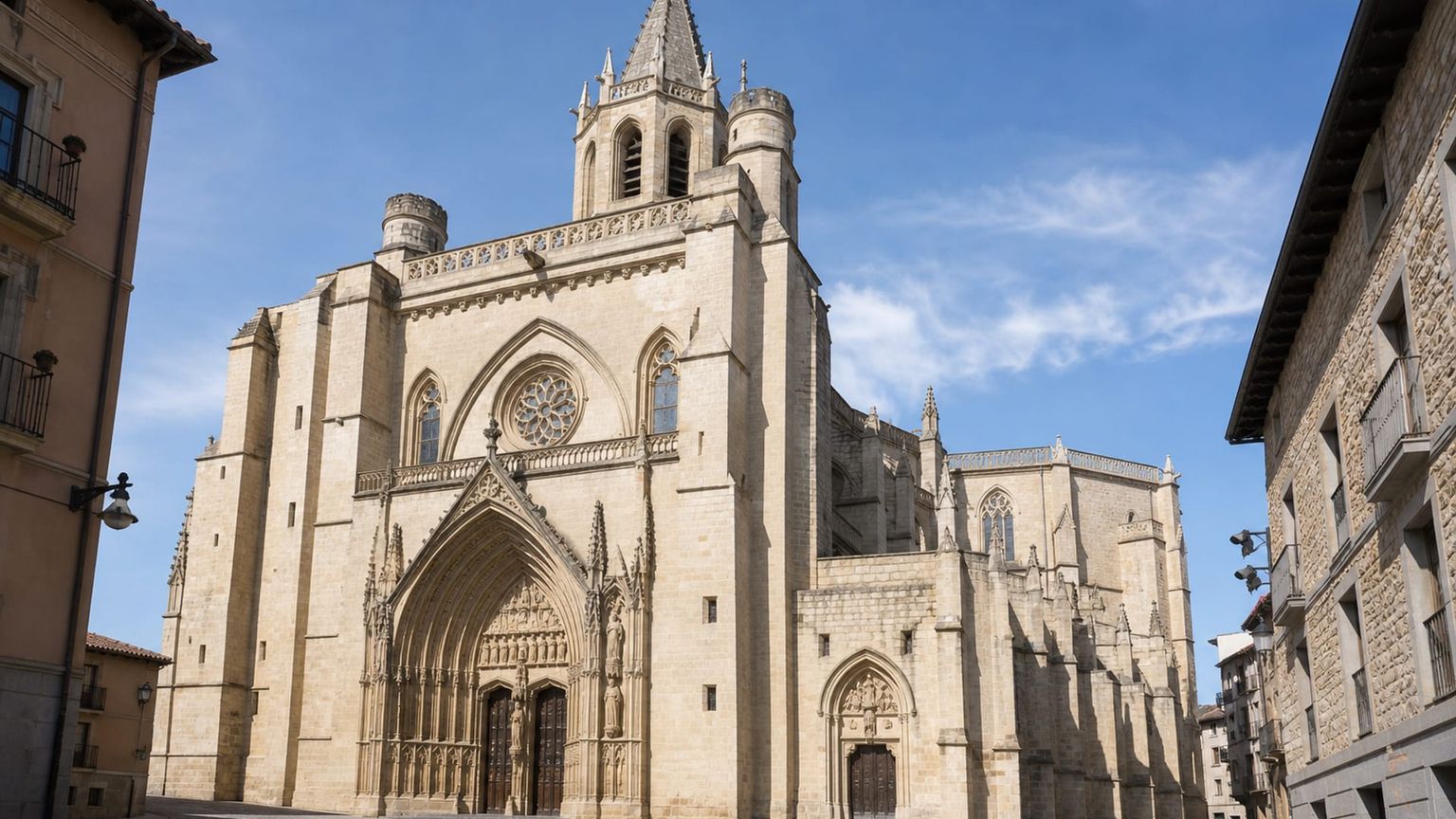
Pamplona Cathedral
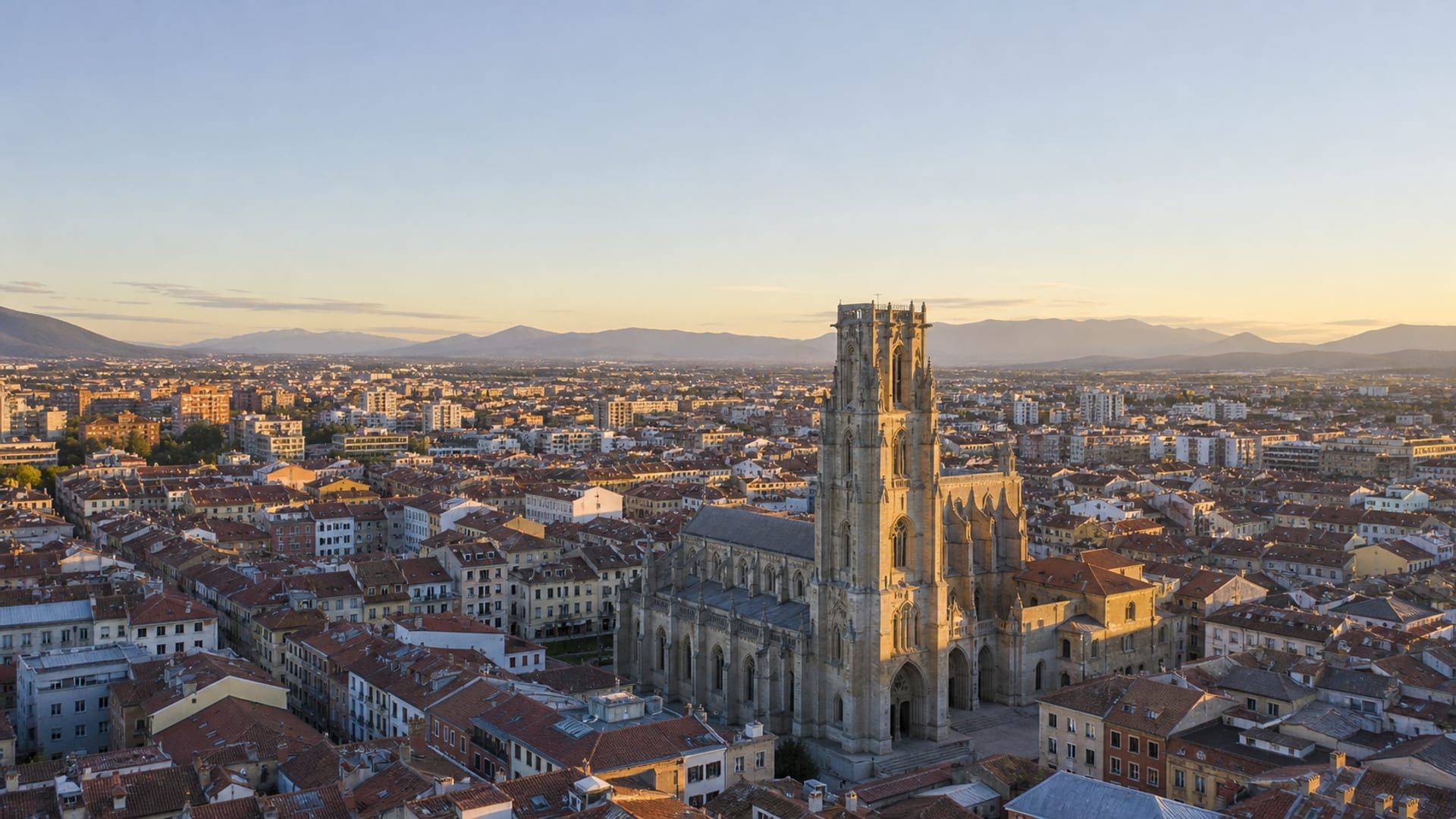
This Gothic cathedral anchors the old quarter with a neoclassical facade, cloisters, and a museum set in the former monastery rooms. The complex also preserves medieval sculpture and one of the city’s most important religious interiors.
Time needed: About 1 to 2 hours
Entry: Standard admission costs about $7 ($6) for the cathedral, cloister, and museum; reduced rates apply for students and seniors. Visit the official site for details.
Tip: Go early for quieter cloisters and softer light in the museum rooms.
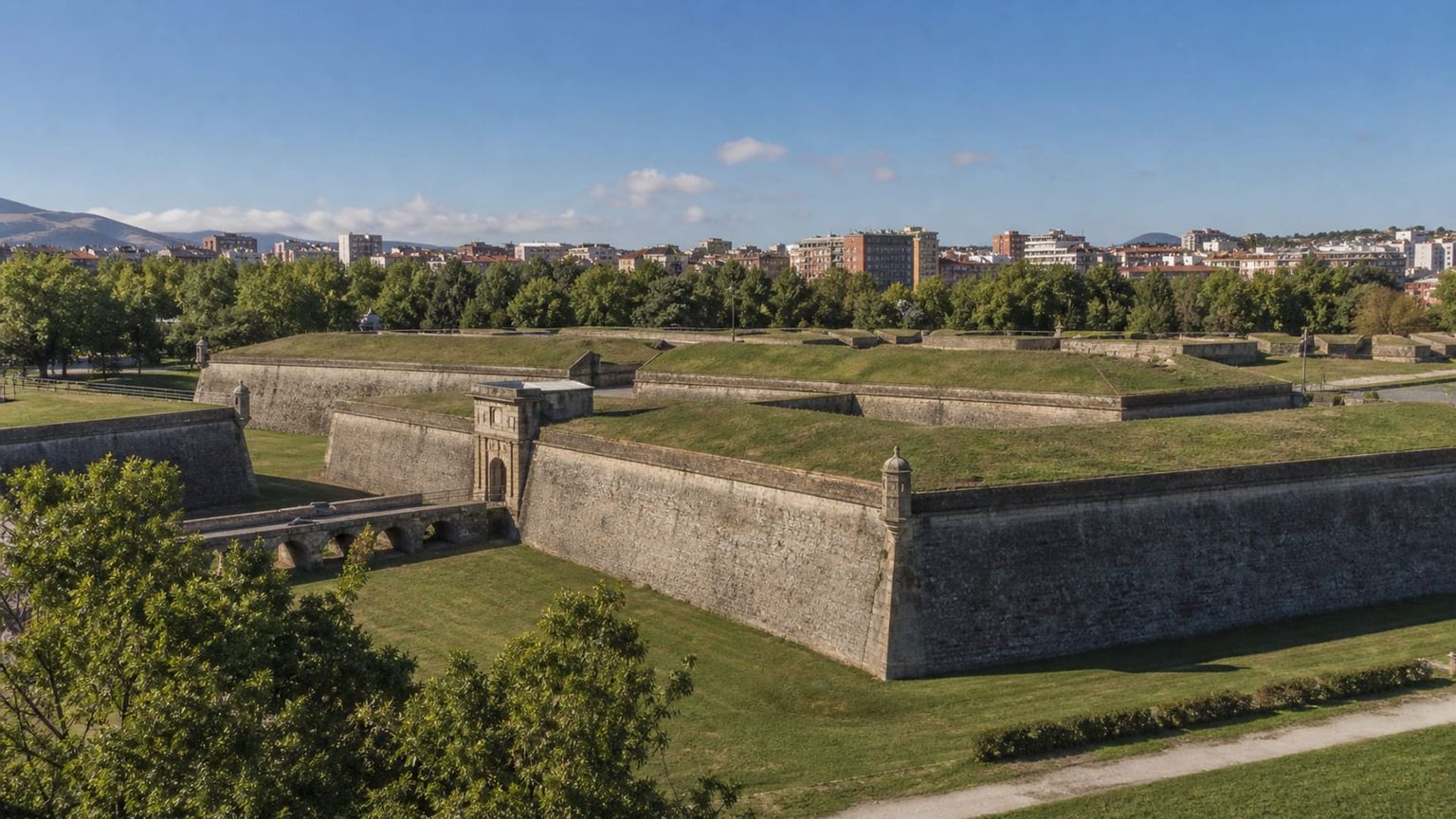
Citadel of Pamplona
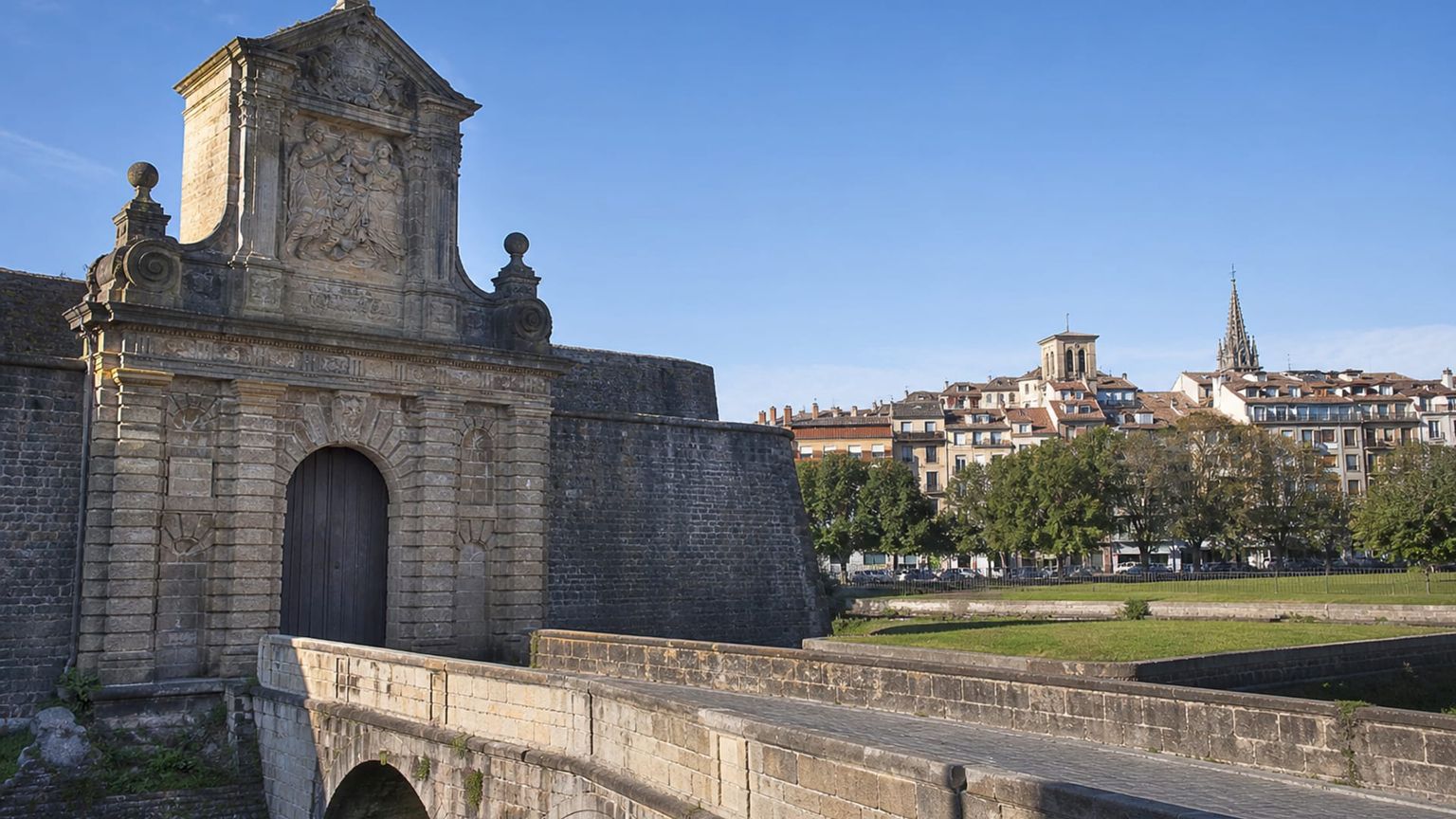
This 16th-century star fort sits on a grassy park inside the city walls, with bastions, moats, and wide paths used for walking and cycling. Its geometry and scale make the defensive plan easy to read on foot.
Time needed: About 1 to 2 hours
Entry: Free to access, with no ticket needed for the grounds, bastions, or park paths inside the citadel.
Tip: Visit in late afternoon for longer shadows that make the fort layout easier to see.
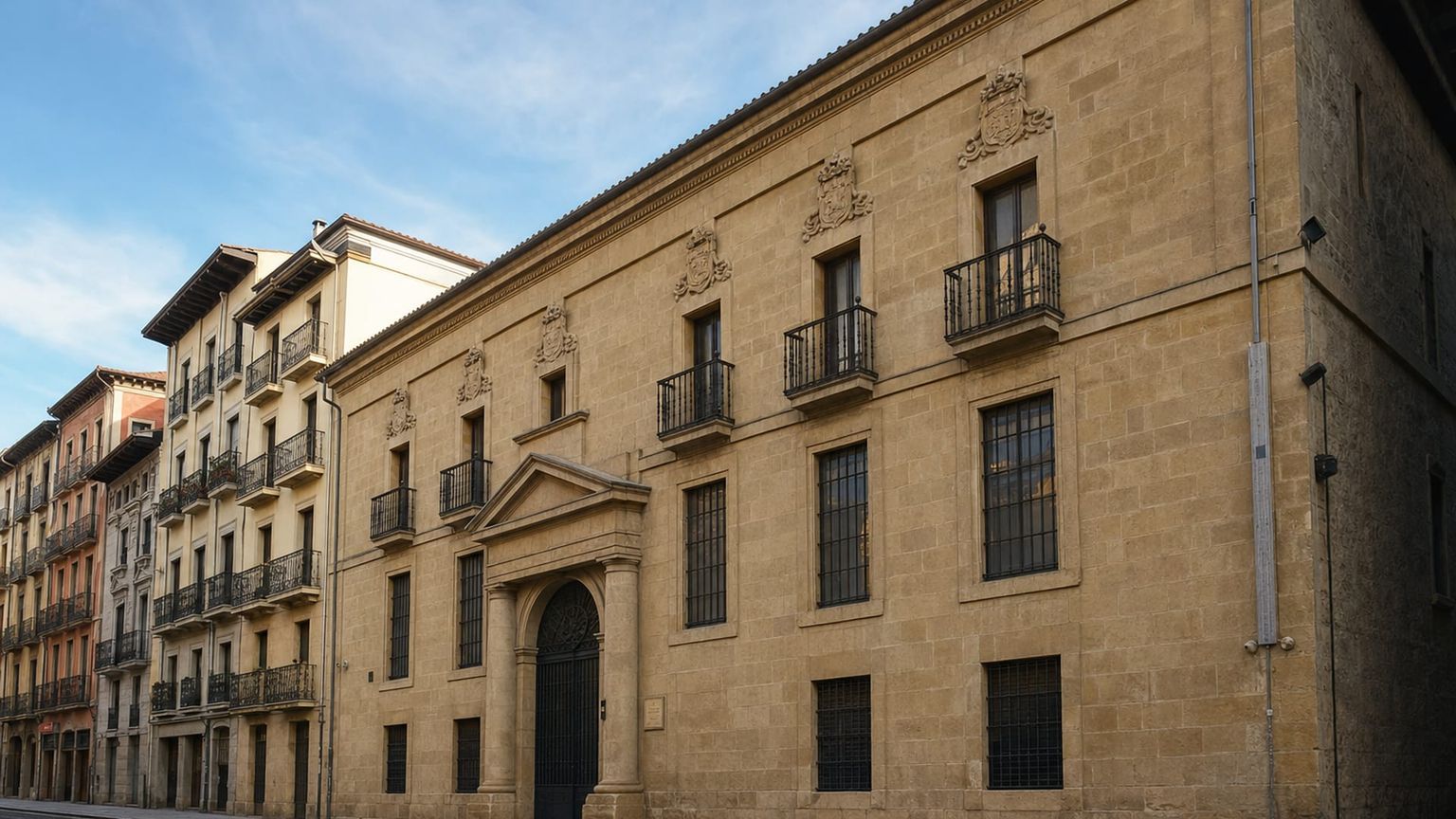
Museum of Navarra
Housed in a former hospital, this museum traces Navarra’s history from Roman and medieval finds to Goya and later art. Highlights include Roman mosaics, carved capitals, and the famous portrait by Goya of the Marqués de San Adrián.
Time needed: About 1 to 2 hours
Entry: Standard admission costs about $4 ($3.50), with free entry on some public holidays and reduced rates for eligible visitors. Visit the official site for details.
Tip: Pair the visit with the old town, since the museum sits within an easy walk.
Overlooked sites worth visiting

Museum of Navarra
This compact museum pairs Roman mosaics and medieval sculpture with one of Pamplona’s best-known local paintings, the portrait of the Marquis of San Adrián. The collection fits well into a short city stop.
Time needed: About 1 hour
Entry: Admission is typically about $4 to $6 (€4 to €5). The ticket covers the permanent collection, including archaeology, Roman mosaics, and the Goya portrait, with occasional temporary shows that may cost extra. Visit the official site for details.
Tip: Allow time for the top floor, where the key works are clustered.

Pamplona Citadel
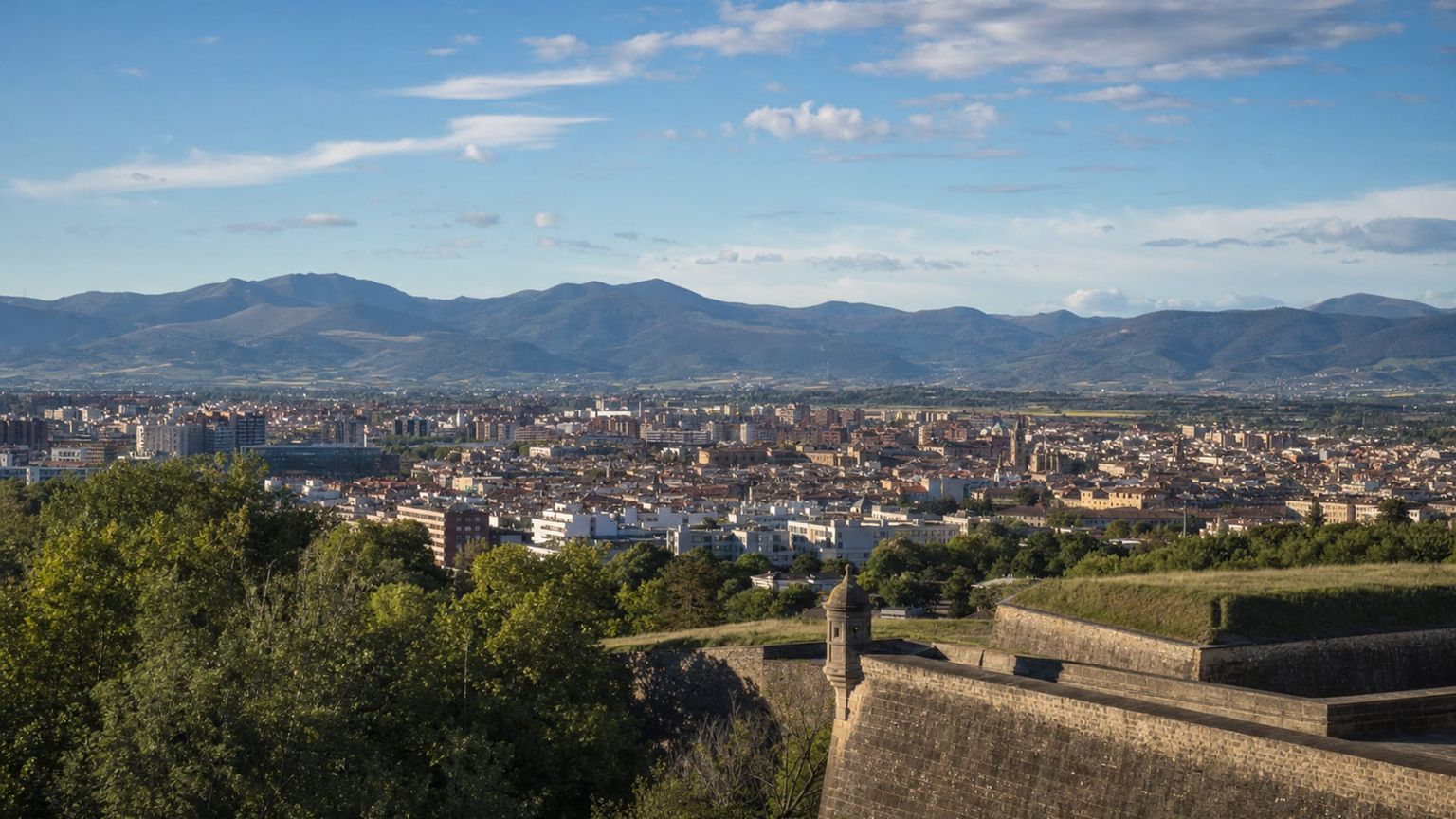
A star-shaped 16th-century fortress wrapped by grassy ramparts and walking paths. Local runners use the perimeter for laps, and the bastions give clear views across the old town and toward the river.
Time needed: About 1 to 2 hours
Entry: Free to access. The citadel’s outer park and ramparts are open without an admission fee, and you can walk the defensive circuit, enter the grounds at several points, and pause at the bastions for city views.
Tip: Go near sunset for the best light on the stone walls.
Traditional food
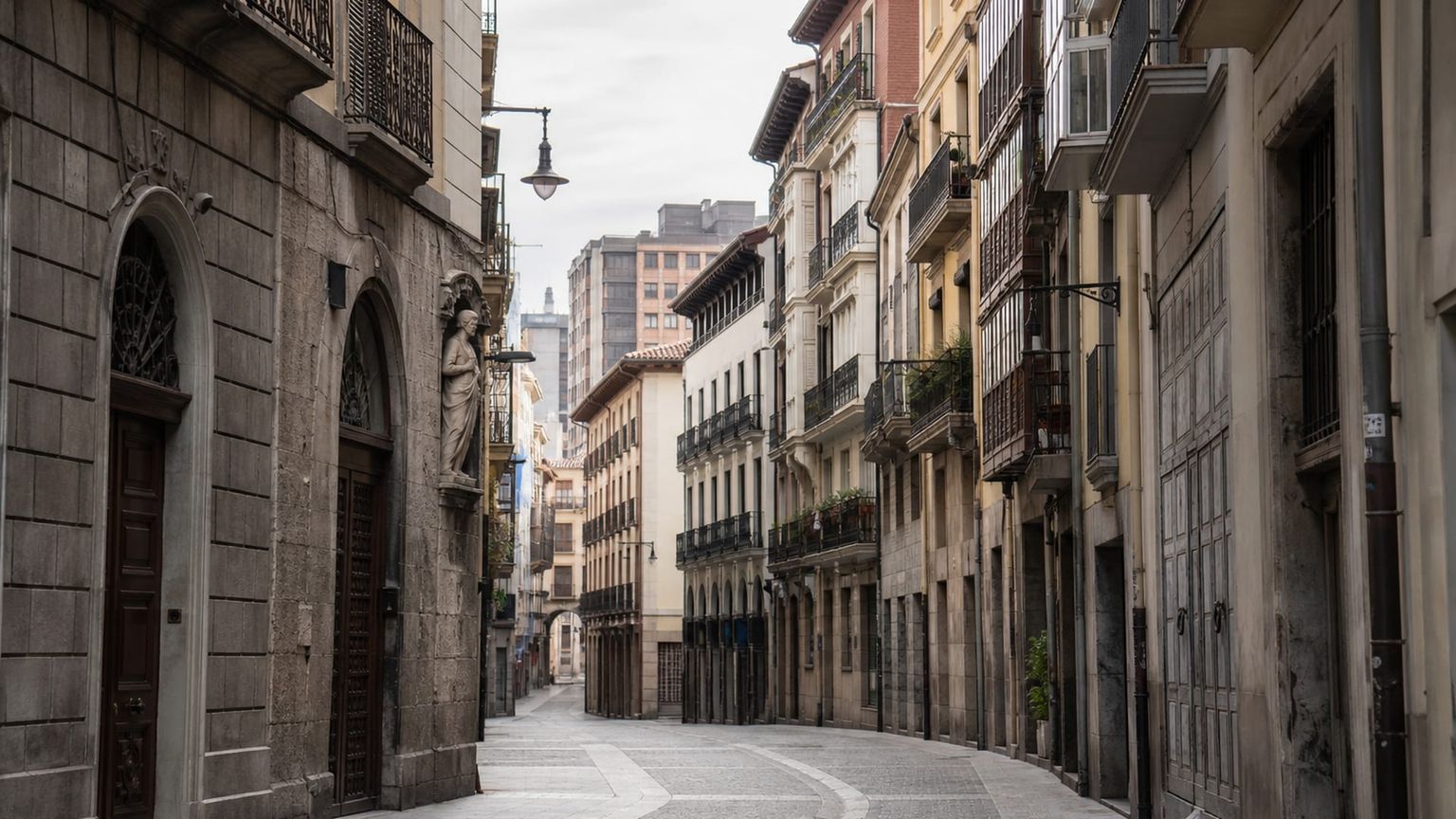
Pamplona’s cooking leans on peppers, cured sausage, lamb, and garden vegetables, with tapas bars setting the pace between lunch and dinner. Expect hearty Navarrese flavors rather than delicate plates.
Pimientos del piquillo
These sweet roasted peppers usually arrive stuffed or served with olive oil and a little salt. For a classic version in Pamplona, try them at Café Iruña, where the old-room setting suits a long stop in Plaza del Castillo.
Chistorra
This thin, paprika-scented pork sausage shows up in sandwiches, pintxos, and simple bar plates. Bar Gaucho serves a well-known version in the center, where you can order it with a drink and keep moving.
Cordero al chilindrón
Lamb cooked with peppers and tomato sauce brings one of Navarra’s signature combinations to the table. Asador El Merca’o is a strong place to try it in Pamplona, especially if you want a slower meal rather than a quick bar stop.
Menestra de verduras
This mixed vegetable stew turns local produce into a full plate, often with artichokes, asparagus, and peas in season. Baserriberri gives it a more contemporary presentation while staying rooted in the city’s vegetable-forward cooking.
Best time to visit Pamplona
Pamplona changes more by season than by day, with spring and autumn giving the easiest walking weather, summer bringing festival crowds, and winter staying quieter and cooler.
Best for: Best for cathedral visits, Citadel walks, and comfortable days on foot
What you get: Temperatures usually run about 48 to 68°F (9 to 20°C), with moderate crowds and a livelier local calendar
Trade-offs: Rain can interrupt longer walks
Best for: Best for long evenings, outdoor dining, and San Fermín season
What you get: Temperatures usually run about 61 to 86°F (16 to 30°C), with the biggest crowds in early July and warm streets after dark
Trade-offs: Festival weeks raise prices and fill the center
Best for: Best for museum time, city walking, and calmer restaurant waits
What you get: Temperatures usually run about 46 to 72°F (8 to 22°C), with lighter crowds than summer and clear sightseeing days
Trade-offs: Later months bring shorter daylight
Best for: Best for low-key museum visits and quieter meals in the center
What you get: Temperatures usually run about 34 to 48°F (1 to 9°C), with the lightest crowds and more room in cafés
Trade-offs: Cold mornings and shorter days reduce outdoor time
A realistic 5-day plan in Pamplona
Five days gives Pamplona enough room for its main sights without turning the center into a checklist. The plan below starts with arrival, then layers the cathedral, the Citadel, and the museum into a route that keeps each day close to one another.
Land at Pamplona (PNA), then take a taxi into the center in about 15 to 20 minutes for roughly €15 to €20, or use the local bus if your arrival timing lines up and you do not mind a slower trip. Check in near the Old Town if you want the shortest walk to Plaza del Castillo and the cathedral, or choose Segundo Ensanche for broader streets and easier luggage handling. After settling in, keep the first evening simple, drink water, and head to a nearby tapas bar in Plaza del Castillo or along the streets just south of it for an early dinner.
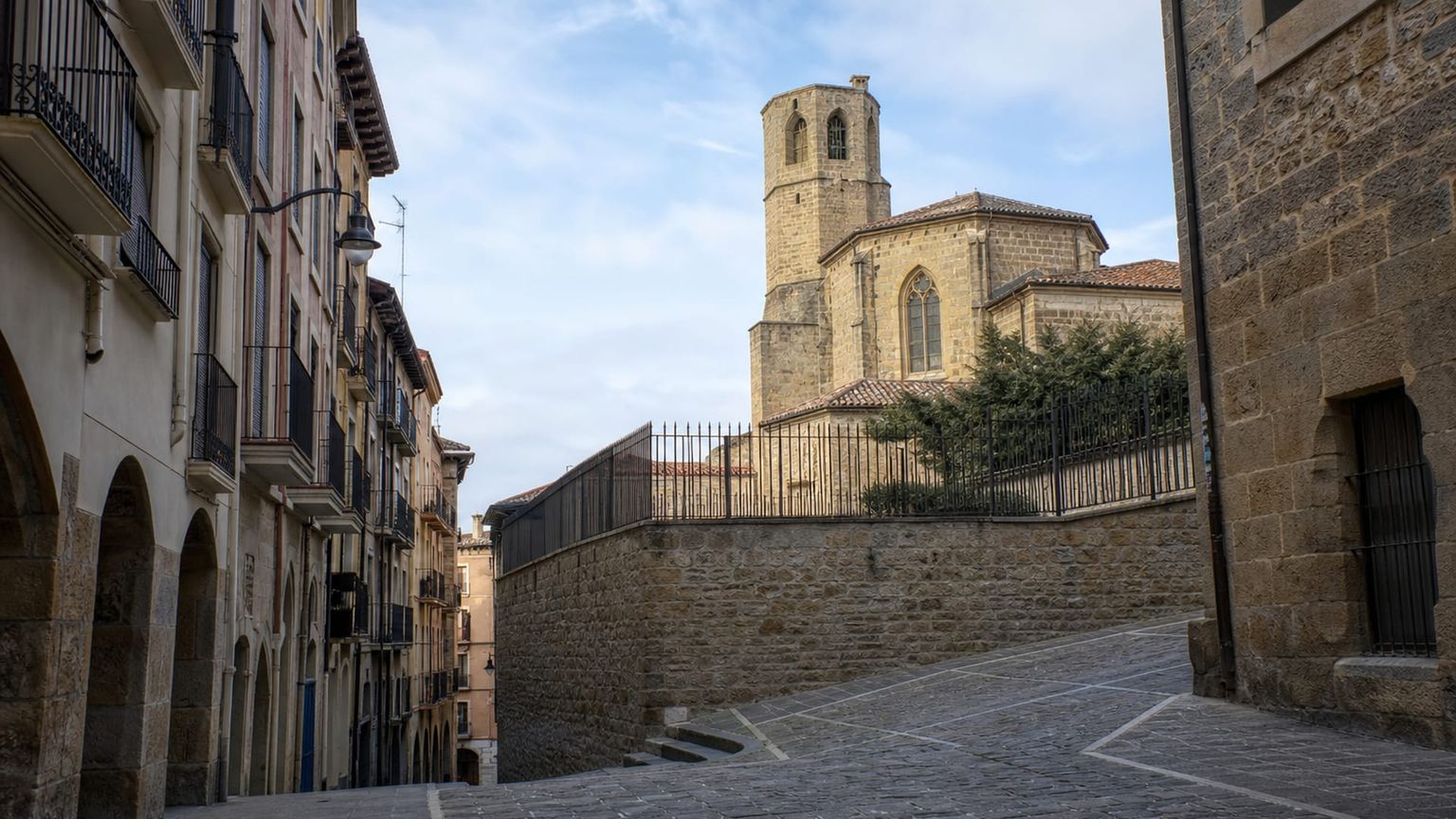
Start in Pamplona Cathedral, where the cloister and museum work well in the quieter morning light, then walk about 5 minutes to Plaza del Castillo for coffee and a short pause in the city’s main square. From there, continue about 10 minutes on foot to the Museum of Navarra, which pairs Roman mosaics, medieval sculpture, and Goya in a compact visit of about 1 hour. Finish the afternoon with a 10-minute walk to the edge of the Old Town for an easy dinner, then stay close to your hotel so you are not rushing through the narrow streets after dark.
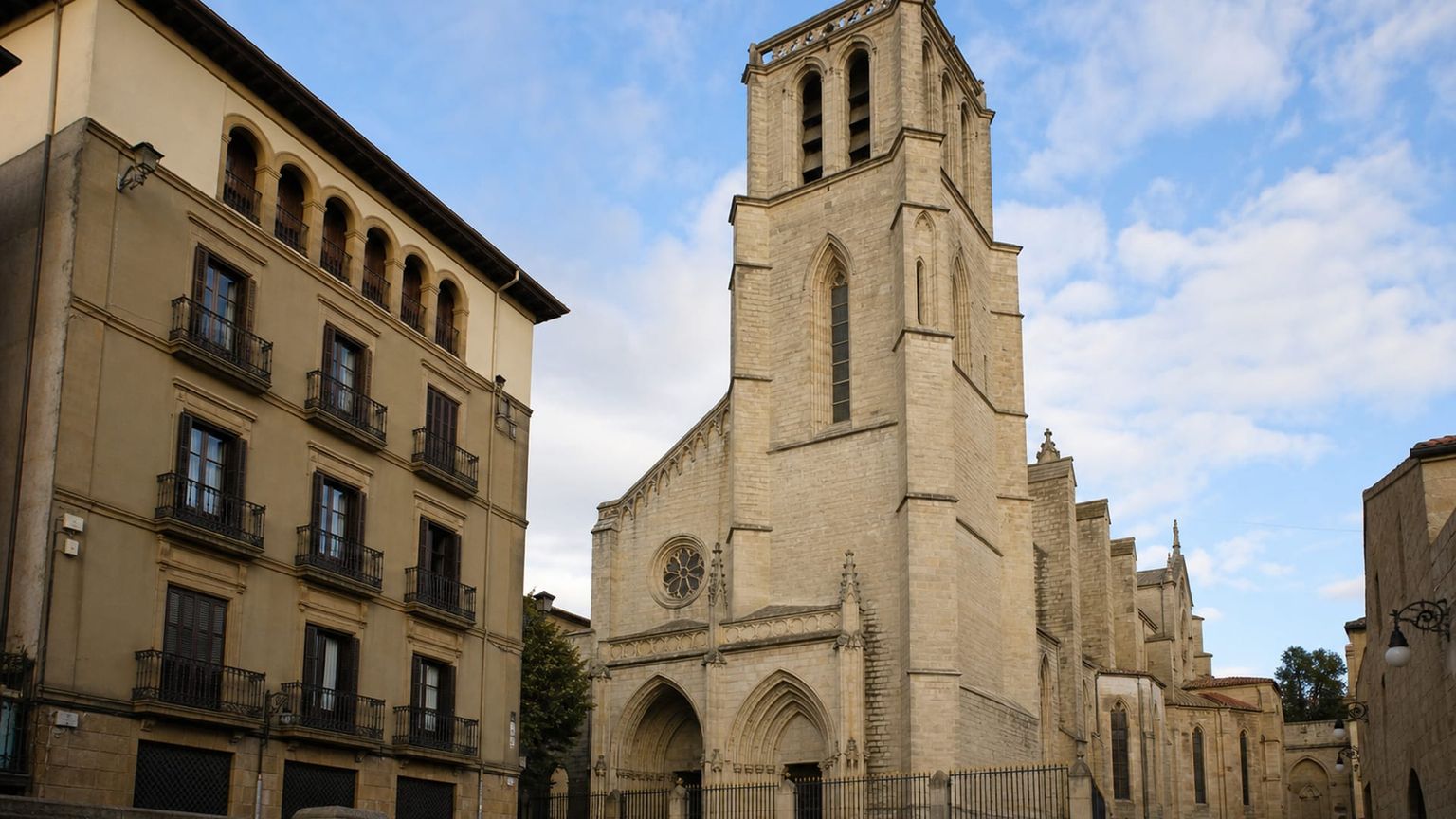
Begin at the Citadel of Pamplona, where you can spend about 1 to 2 hours walking the bastions and park paths, then cross into the nearby Old Town in roughly 10 to 15 minutes on foot. Stop for lunch near Plaza del Castillo, then return to the Pamplona Cathedral area in about 5 minutes to look again at the exterior and the surrounding lanes you may have missed on day 2. In the late afternoon, circle back toward the Citadel for a second pass at the ramparts and views, which photograph best in lower light.
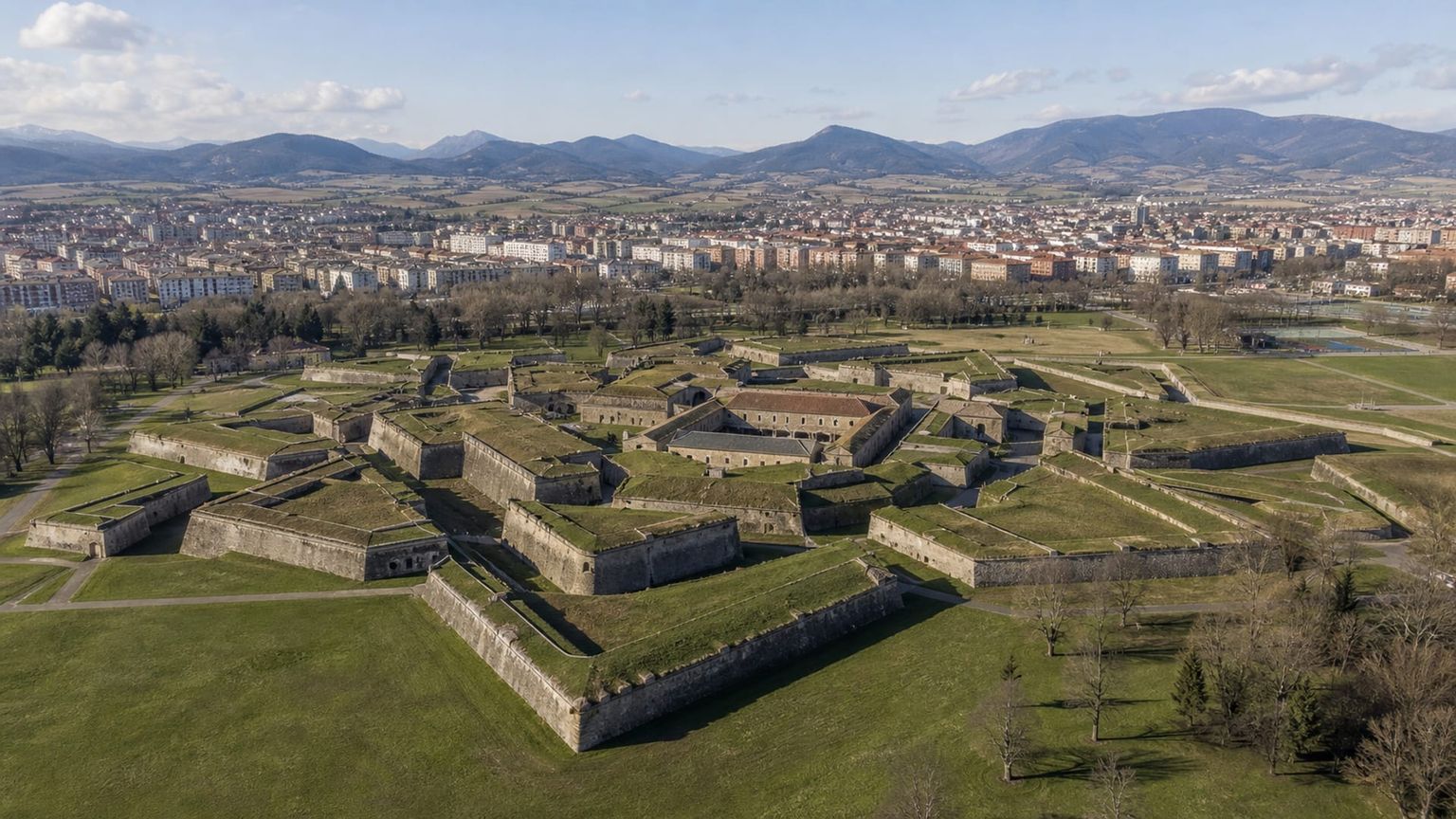
A longer walking day works well here: start with the Museum of Navarra if you want one more focused look at the collection, then spend about 10 minutes walking into the Citadel park for an outdoor break. After that, continue about 8 to 12 minutes toward Segundo Ensanche, where broad avenues make a clear change of pace from the medieval center and give you time for shopping or a relaxed lunch. End the day with an easy walk back to the Old Town, about 10 to 15 minutes from most central points, for dinner and a final wander through the streets around Plaza del Castillo.
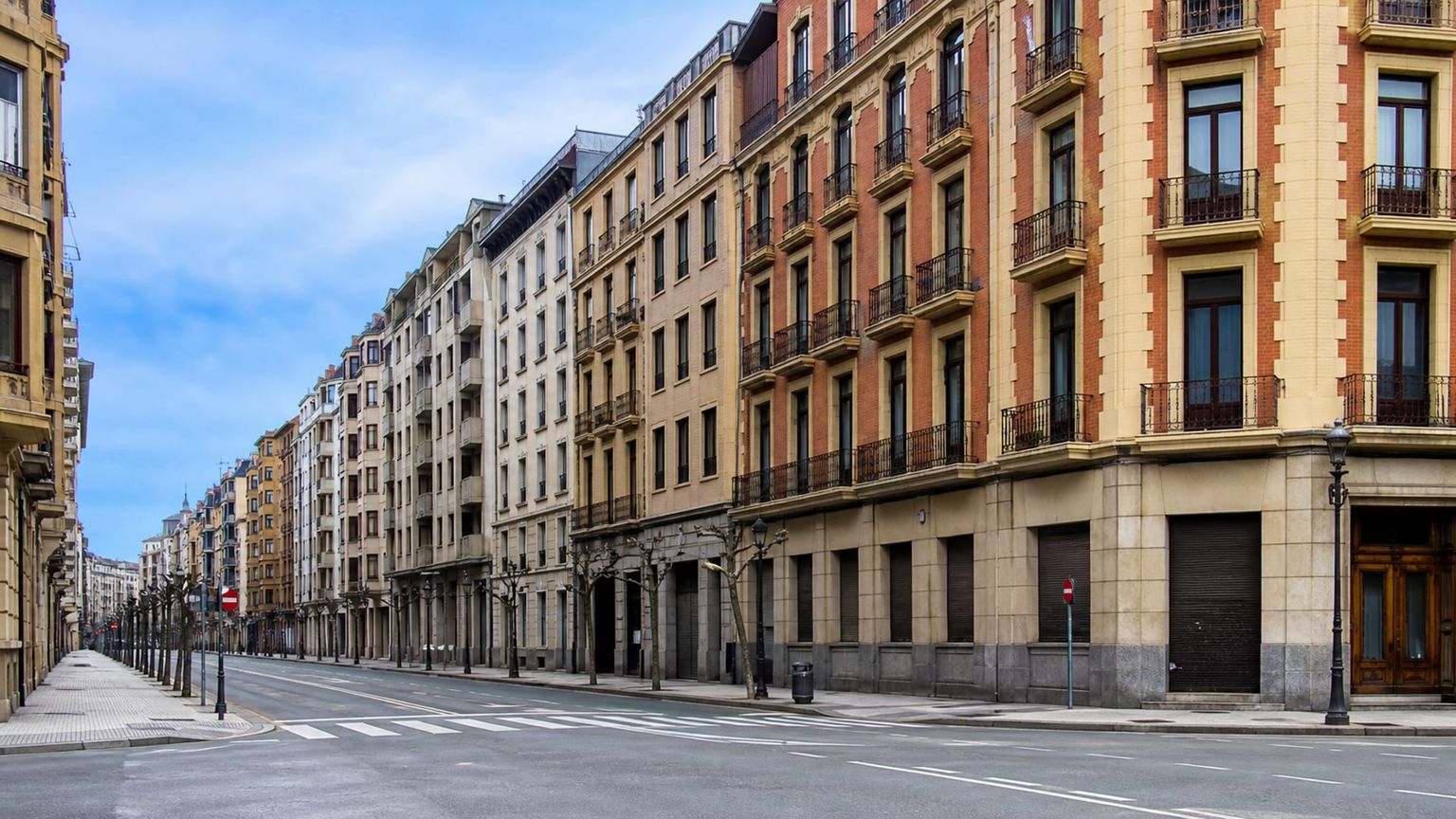
For your last morning, settle into a café in Iturrama or Segundo Ensanche for breakfast, then head to the Museum of Navarra if you missed anything or want one final hour with the Roman pieces and Goya portrait. Afterward, browse shops in Segundo Ensanche, where the wider avenues make gift shopping simpler than in the old quarter, then pause for a coffee before collecting luggage. If your flight leaves later in the day, keep your route short and return to the airport by taxi in about 15 to 20 minutes, with a fare of roughly €15 to €20.
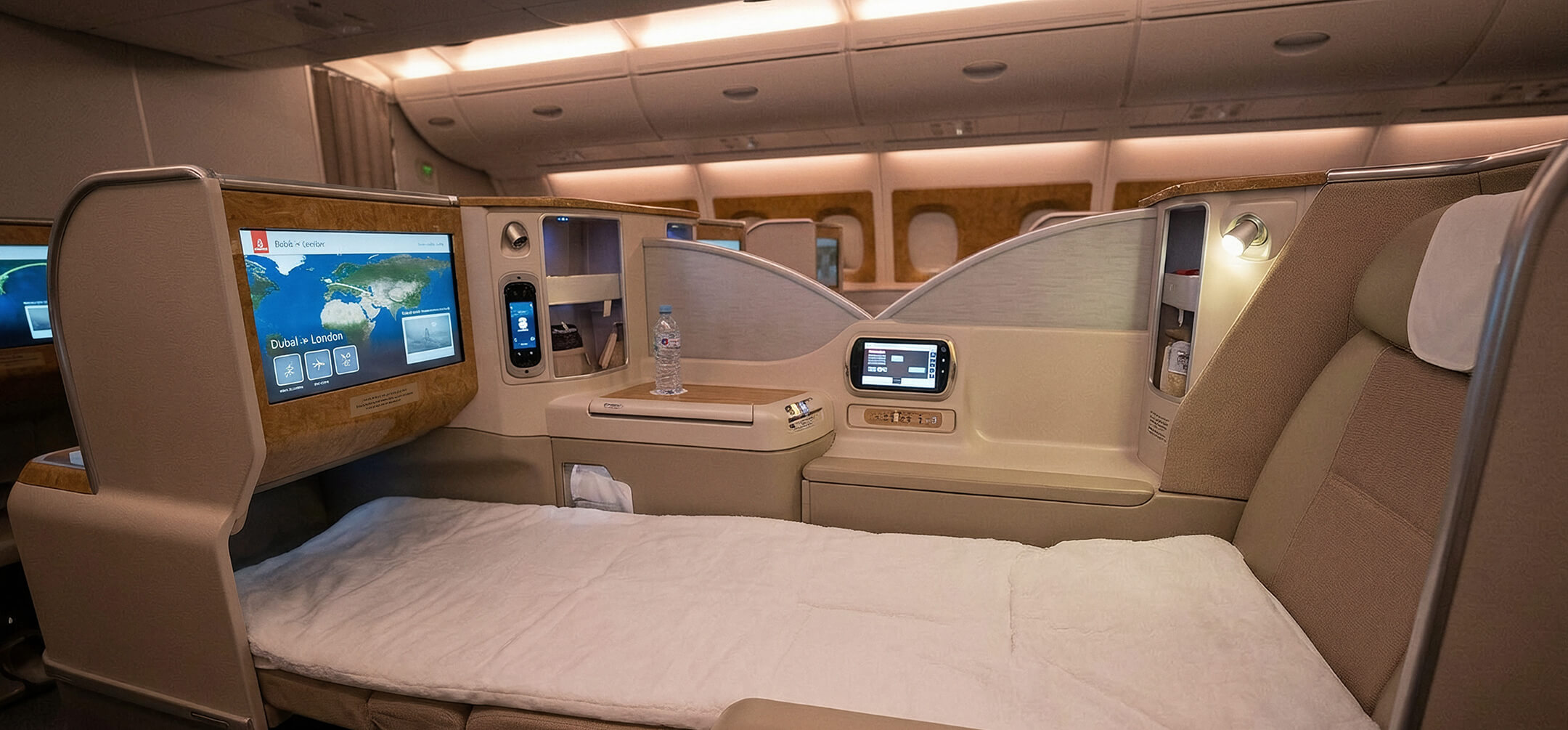
Business-class flights from the US to Pamplona
Pamplona is usually reached by one-stop flights from the United States, and the route you choose often matters more than the fare alone. From both coasts, the most common options connect through large European hubs.
From New York, American Airlines, British Airways, Iberia, Lufthansa, Air France, and United Airlines are all part of the mix, with nonstop flying time listed at about 7 to 8 hours on the best schedules. When a connection makes more sense, common hubs include Madrid (MAD), London (LHR), Paris (CDG), Frankfurt (FRA), and Dublin (DUB), and round-trip fares usually start at about $2,300 and can reach $5,500.
Los Angeles travelers usually see Iberia, British Airways, American Airlines, Lufthansa, and United Airlines on the board, and the trip generally runs about 11 to 12 hours when it is nonstop. Round-trip fares from Los Angeles usually run from $2,600 to $6,000; if you do not mind a layover, common routings via Madrid (MAD), London (LHR), or Frankfurt (FRA) can bring the total down more noticeably.
Pamplona feels different when you slow down
A careful Pamplona trip follows the city’s own map, with mornings in the cathedral and museum, afternoons in the Citadel, and evenings drifting between Plaza del Castillo and the streets just south of it. Segundo Ensanche works well when you want wider sidewalks, while the Old Town keeps you closest to the dining streets. If you want AranGrant experts to help shape the timing, start with those neighborhoods and build from there