

Chapters:

Need help with your trip?
Our support team is available 24/7. Request a callback or call us directly at (833) 619-0908
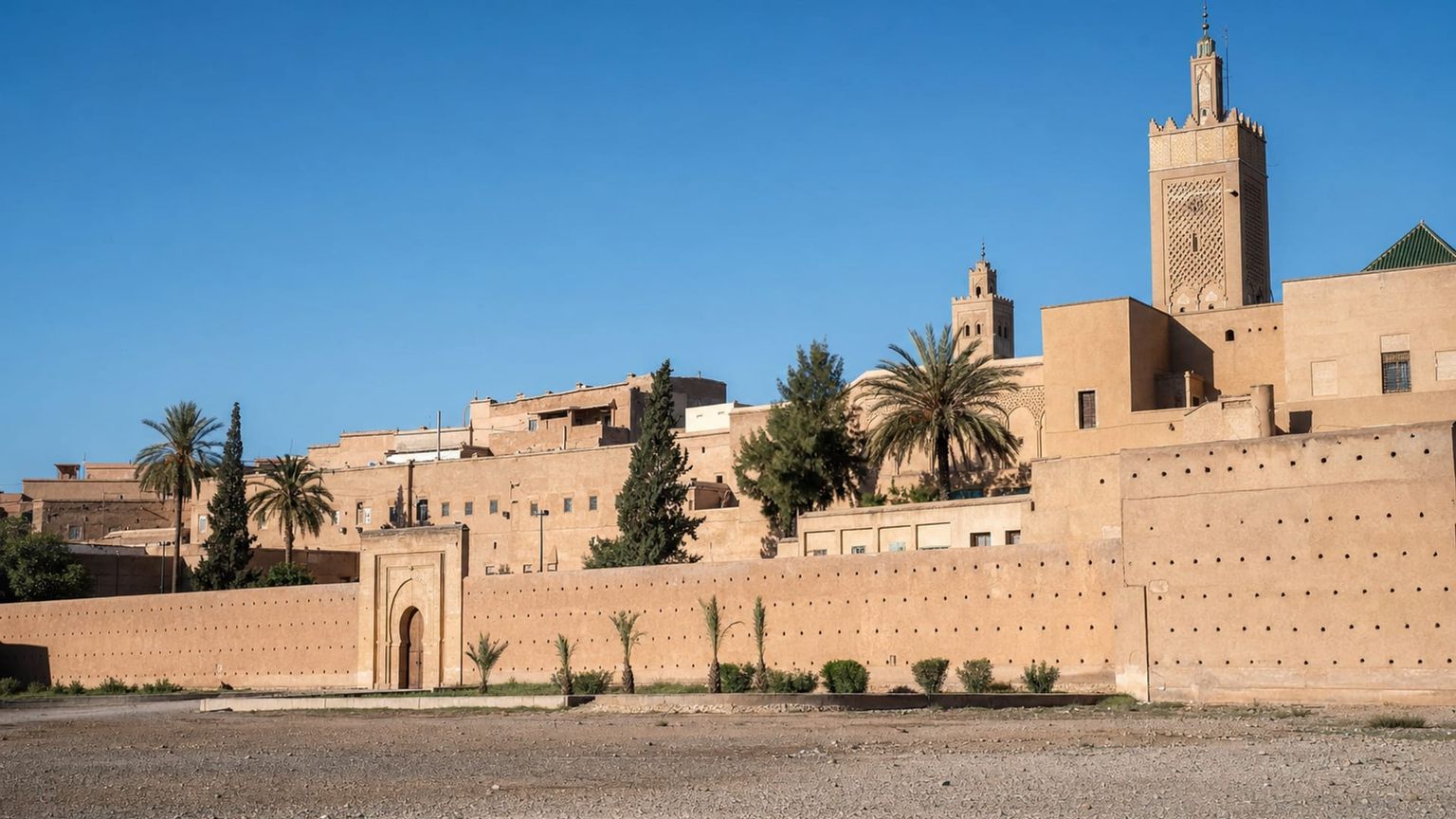
Oujda-Angad trips often begin with a taxi from the airport, a hotel near the center, and a quick sweep of the medina, yet many visitors miss how much the city rewards short, timed stops.
That habit leaves distance and opening hours to decide the day, so people spend more time crossing town than seeing it. The center, the mosque area, and the cultural sites sit close, but not close enough to ignore the map.
This guide puts the trip into a clear order, with where to stay, what to eat, how to move, and how to space the days so each stop fits the next.
Useful things to know

Main language(s): Arabic, French
Salam (sah-LAHM) – Hello
Afak (ah-FAK) – Please
Shukran (shook-RAHN) – Thank you
Wash kat-hder l-anglais? (wash kat-HDER l'an-GLAY) – Do you speak English?
Bshحال? (b-sh-hal) – How much does it cost?

Currency: The local currency is the Moroccan dirham (MAD, د.م.).

Cash and cards: Cards are accepted at some hotels and larger shops, but carry about MAD 200 to 400 ($20 to $40) in cash.

Tipping: Round up small bills, and leave about 5% to 10% in nicer restaurants if service was good.

Traditional food: Couscous, tagine, pastilla, msemen

Water and coffee costs: Water ~MAD 6 to 10 ($1 to $1.50), bar espresso ~MAD 12 to 18 ($1.25 to $2).

Taxis and ride apps: InDrive and Careem may work; confirm pickup before you set out, as coverage can be patchy.

Plug and voltage: Type C/E socket, 220V

Dining and shop opening hours: Breakfast is about 07:00-10:00, lunch 12:30-15:00, and dinner 19:30-22:30. Many shops and some restaurants close for Friday prayer midday.

Emergency number: Call 19 for police, 15 for ambulance, 15 for fire.
Where to stay in Oujda-Angad
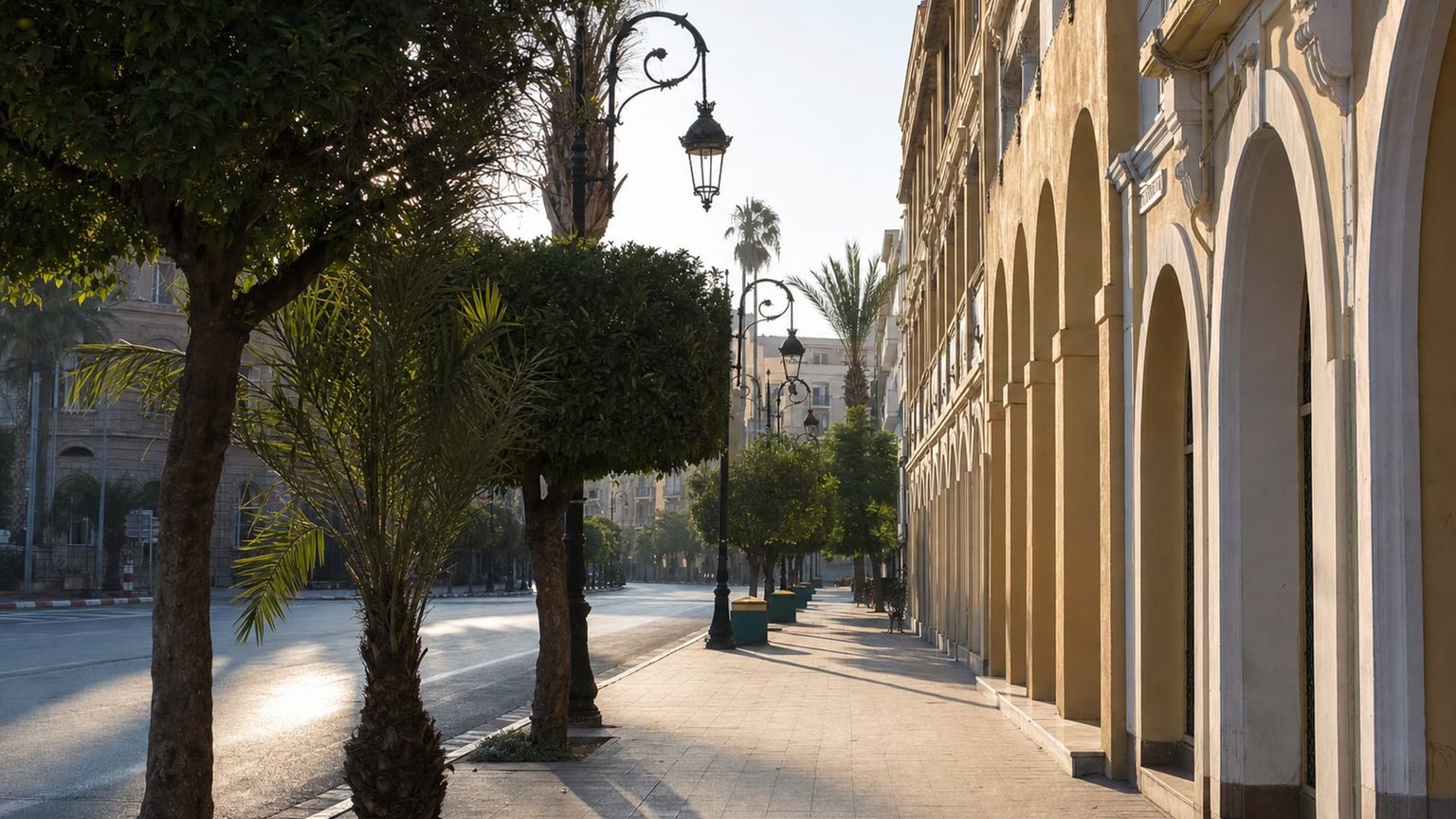
Oujda’s central district puts you near Mohammed V Avenue, the main commercial streets, and the city’s oldest public spaces. It suits travelers who want markets, cafes, and easy taxi access without leaving the urban core.
Best for: Markets, short city walks, and travelers who want the most central base
What to expect: Busy streets, regular pedestrian activity, and the highest concentration of shops and cafes in the city.
Hotel prices: Usually about 300 MAD to 700 MAD (~$30 to ~$70) per night for well-rated stays
Distance to major sights: 10 to 15 minutes on foot to Place 9 Avril 1947; about 10 minutes by taxi to Oujda Train Station
Quietness: Active during the day and still lively into the evening, especially near main roads and cafes.
Main trade-off: Traffic, parking pressure, and more ambient noise than in outer residential quarters.
Good to know: Pick this area if you want to rely on taxis sparingly, since many daily needs sit within a short walk.
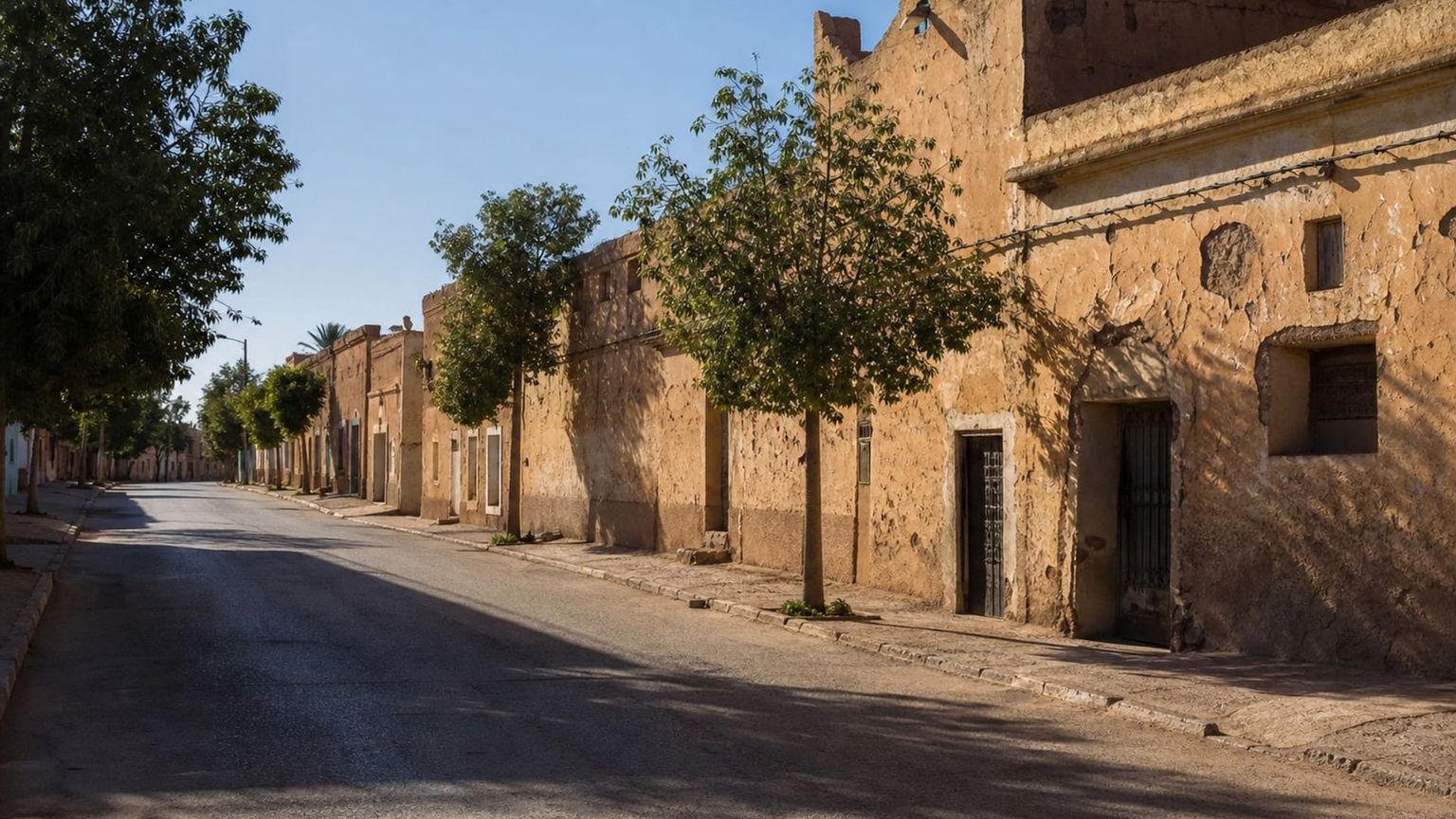
Beni Yakhlef sits in Oujda’s western urban fringe, with newer housing blocks and easier road access than the historic core. It works well for visitors who prefer a residential base with quicker car access and a bit more breathing room.
Best for: Longer stays, car users, and travelers who prefer a residential setting
What to expect: Local apartment buildings, neighborhood shops, and lighter foot traffic than the center.
Hotel prices: Usually about 250 MAD to 500 MAD (~$25 to ~$50) per night for well-rated stays
Distance to major sights: About 15 to 20 minutes by taxi to Place 9 Avril 1947; about 20 minutes to Oujda Train Station
Quietness: Quieter in the day than the center, with evenings that stay mostly residential.
Main trade-off: You will depend more on taxis for restaurants, historic sights, and late-night outings.
Good to know: Check the exact address before booking, because the area can spread out and not every listing sits near frequent transport.
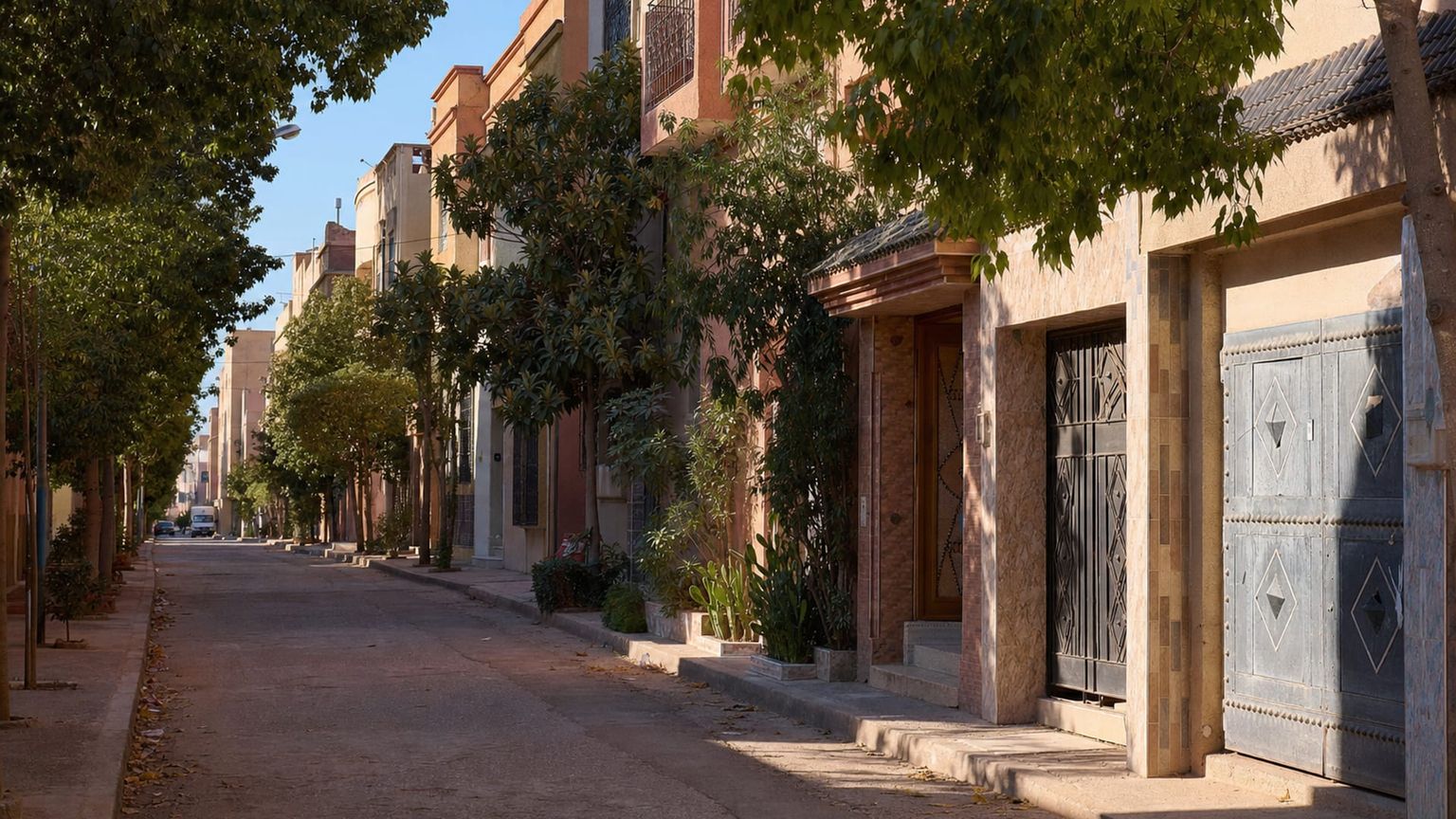
Hay Al Qods is a broad residential district in southern Oujda, known for apartment blocks, local shops, and everyday city life. It appeals to travelers who want lower-key surroundings and do not need to stay in the most active commercial streets.
Best for: Budget-minded stays, apartment rentals, and visitors comfortable using taxis
What to expect: Mostly neighborhood traffic, corner stores, and a local crowd rather than tourists.
Hotel prices: Usually about 200 MAD to 450 MAD (~$20 to ~$45) per night for well-rated stays
Distance to major sights: About 15 minutes by taxi to Place 9 Avril 1947; about 15 to 20 minutes to Oujda Train Station
Quietness: Calmer in the daytime than central Oujda, with evenings that are generally low-key.
Main trade-off: You save on room rates, but dining and sightseeing usually require a taxi ride.
Good to know: Choose it if you plan to sleep more than socialize, since late-night restaurant options are limited nearby.
Travelers usually avoid the industrial outskirts near Oujda-Angad Airport, because they sit far from the medina and the main center and have few visitor amenities. The far northern edge of Oujda, including newer residential districts beyond the city center, is less convenient for sightseeing and evening dining, while the immediate roads on the city fringe can be awkward without a car.
Hotel deals
How to get around Oujda-Angad efficiently
Oujda-Angad has no metro, so most visitors move between the airport, the center, and the main sights by taxi, with city buses filling only a limited local role.

Metro
for longer distances
Oujda-Angad has no metro, so there is no subway network to use from the airport area; most visitors rely on taxis or intercity buses for trips into Oujda and the surrounding region.

Bus and tram
for convenience
Public buses serve Oujda city, but they do not provide a frequent, airport-centered link from Oujda-Angad. Local rides are usually paid on board, typically about $0.50 to $1 (5 to 10 MAD), and journey times into central Oujda are roughly 25 to 40 minutes depending on stops and traffic.

Taxi
for convenience or late hours
Licensed taxis use set fares on many common airport and city trips rather than a meter, and drivers usually quote the price before departure. From Oujda-Angad to central Oujda, expect about $10 to $15 (100 to 150 MAD) in a small taxi, with larger or prebooked cars costing more; airport night trips and luggage can add a small surcharge. Cash is the norm, usually in dirhams, and it helps to confirm the fare before you get in.
*Prices are based on rates updated as of June 2026 and may change at the time of travel.
Taxis work best for airport transfers and cross-town hops, buses suit low-cost city rides when time is flexible, and walking makes sense once you are already in the center.
Iconic landmarks
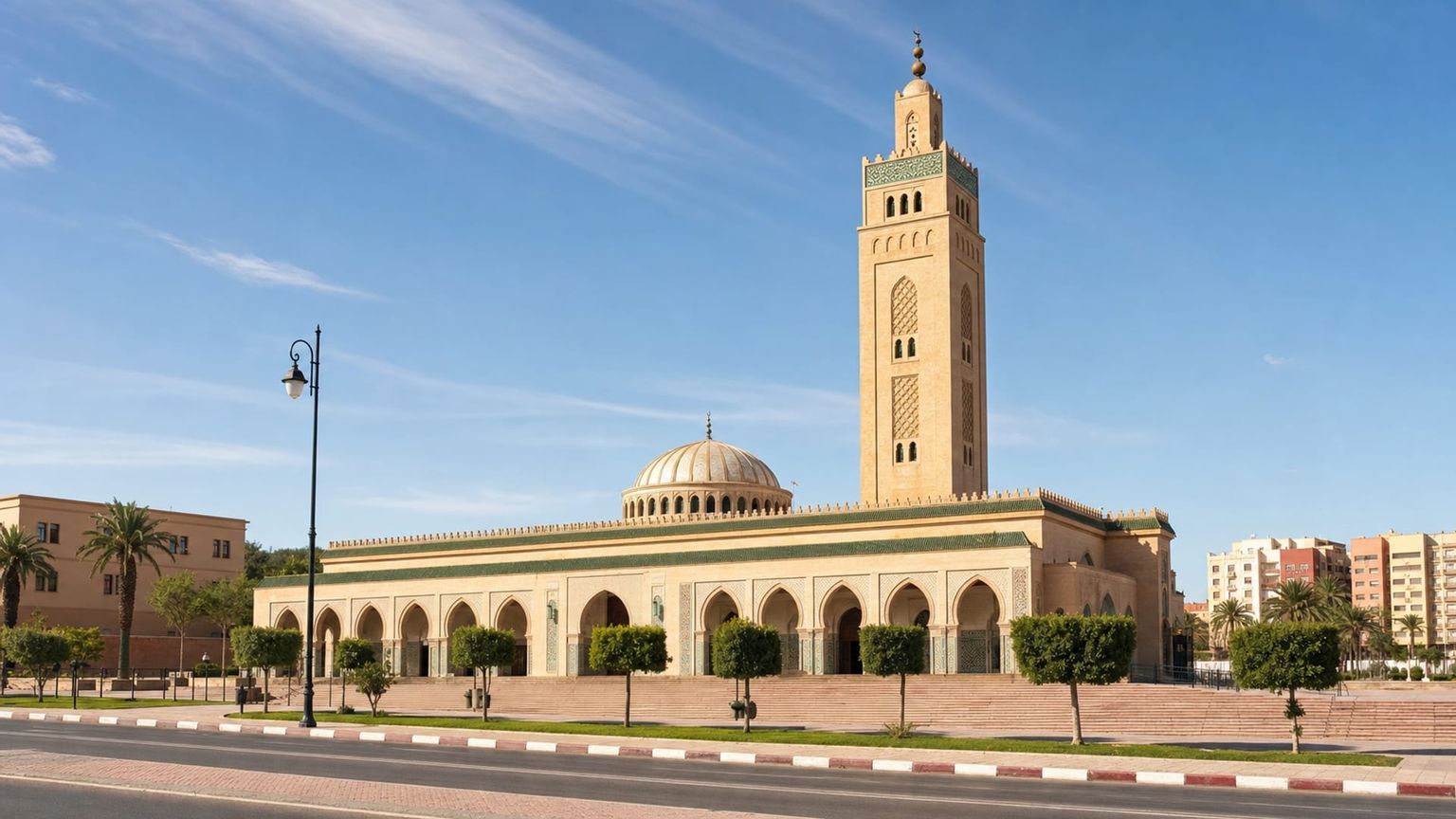
Grand Mosque of Oujda
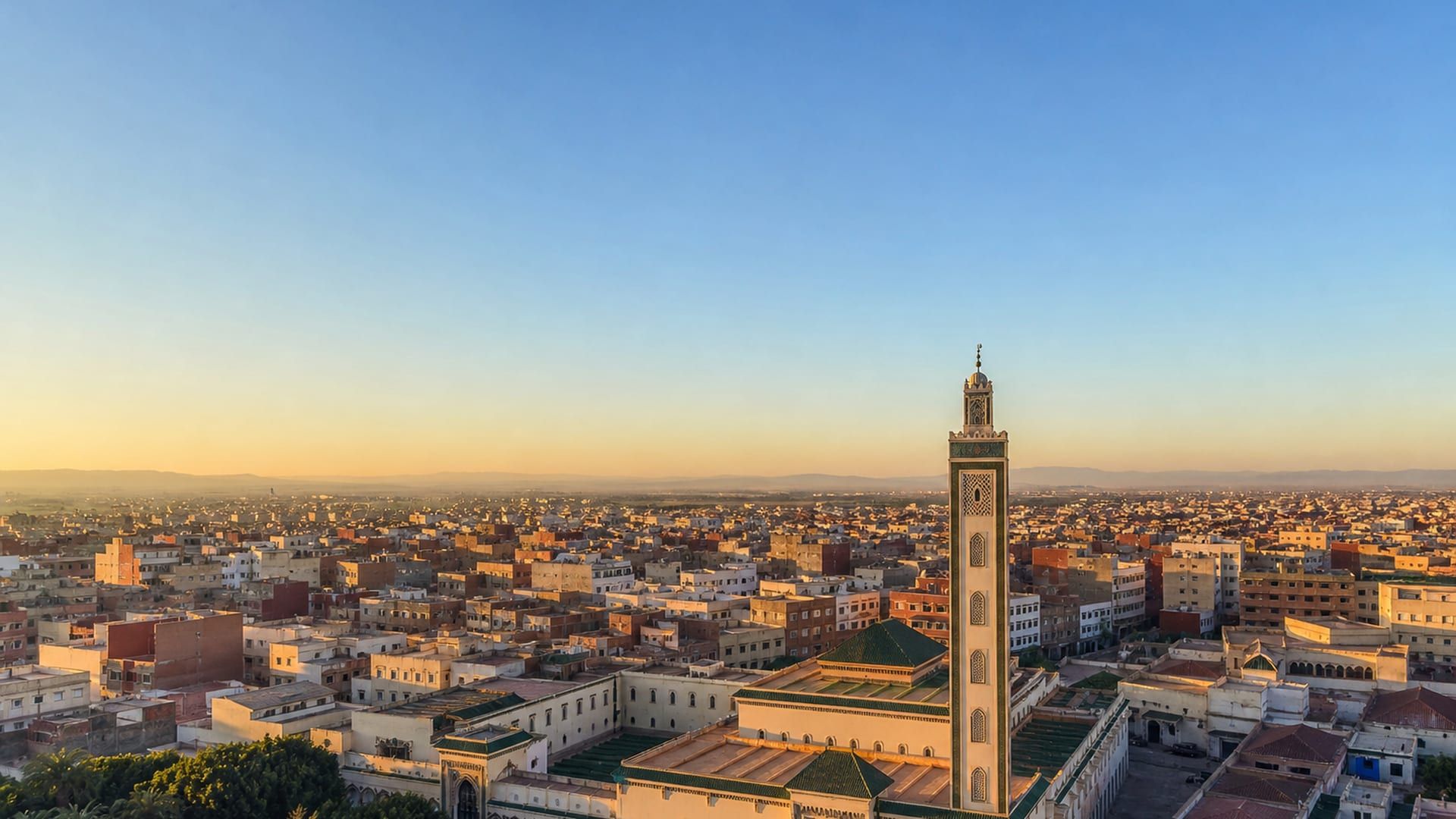
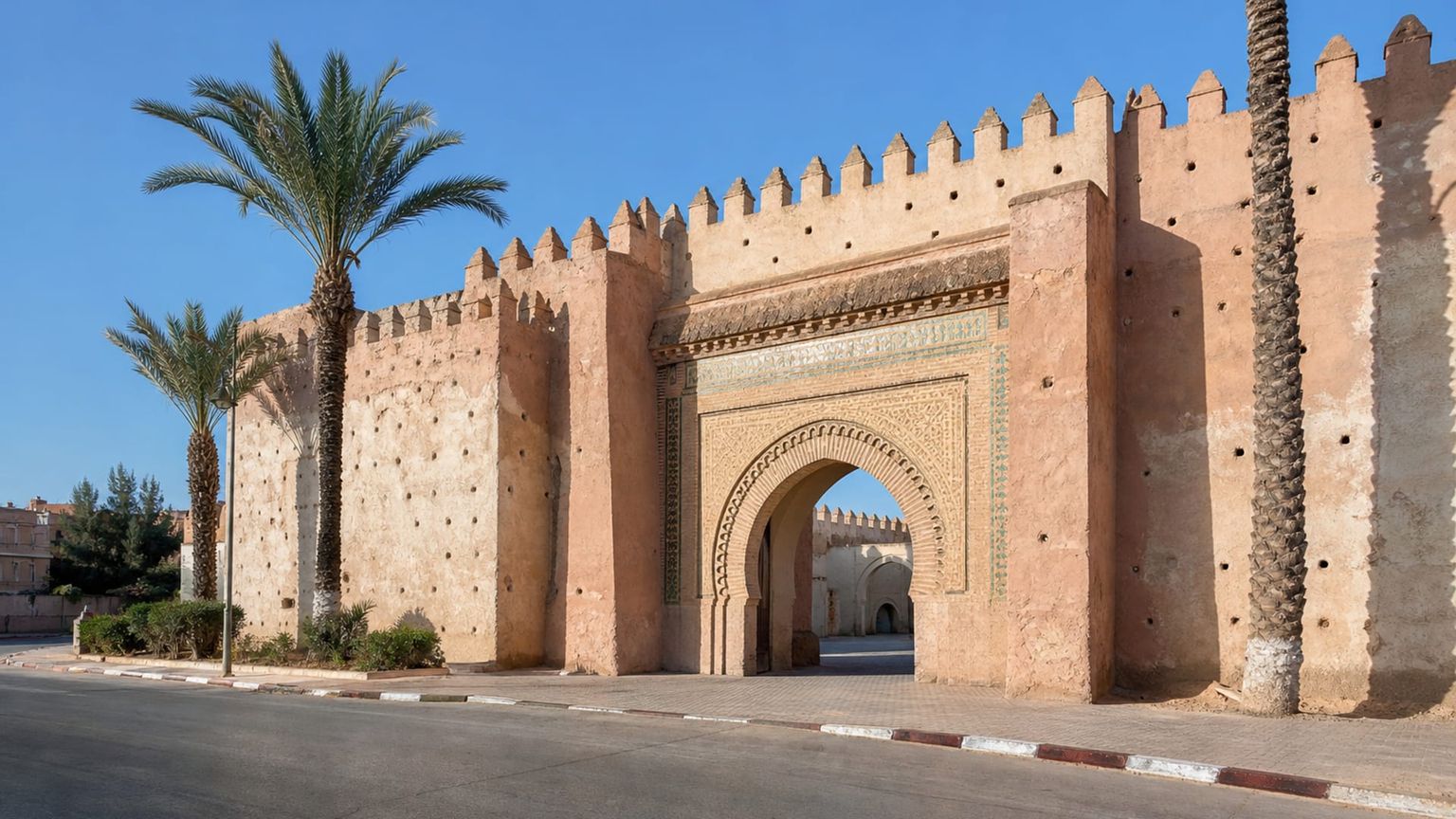
The Grand Mosque anchors the old medina with a large courtyard, arcaded prayer hall, and a minaret that marks the skyline. It gives a clear read on Oujda’s religious and urban history without leaving the city center.
Time needed: About 45 minutes to 1 hour
Entry: Free to access; non-Muslim visitors can usually view the exterior and courtyard areas, while prayer spaces remain reserved for worshippers.
Tip: Visit outside prayer times, and pair it with a walk through the nearby medina lanes.
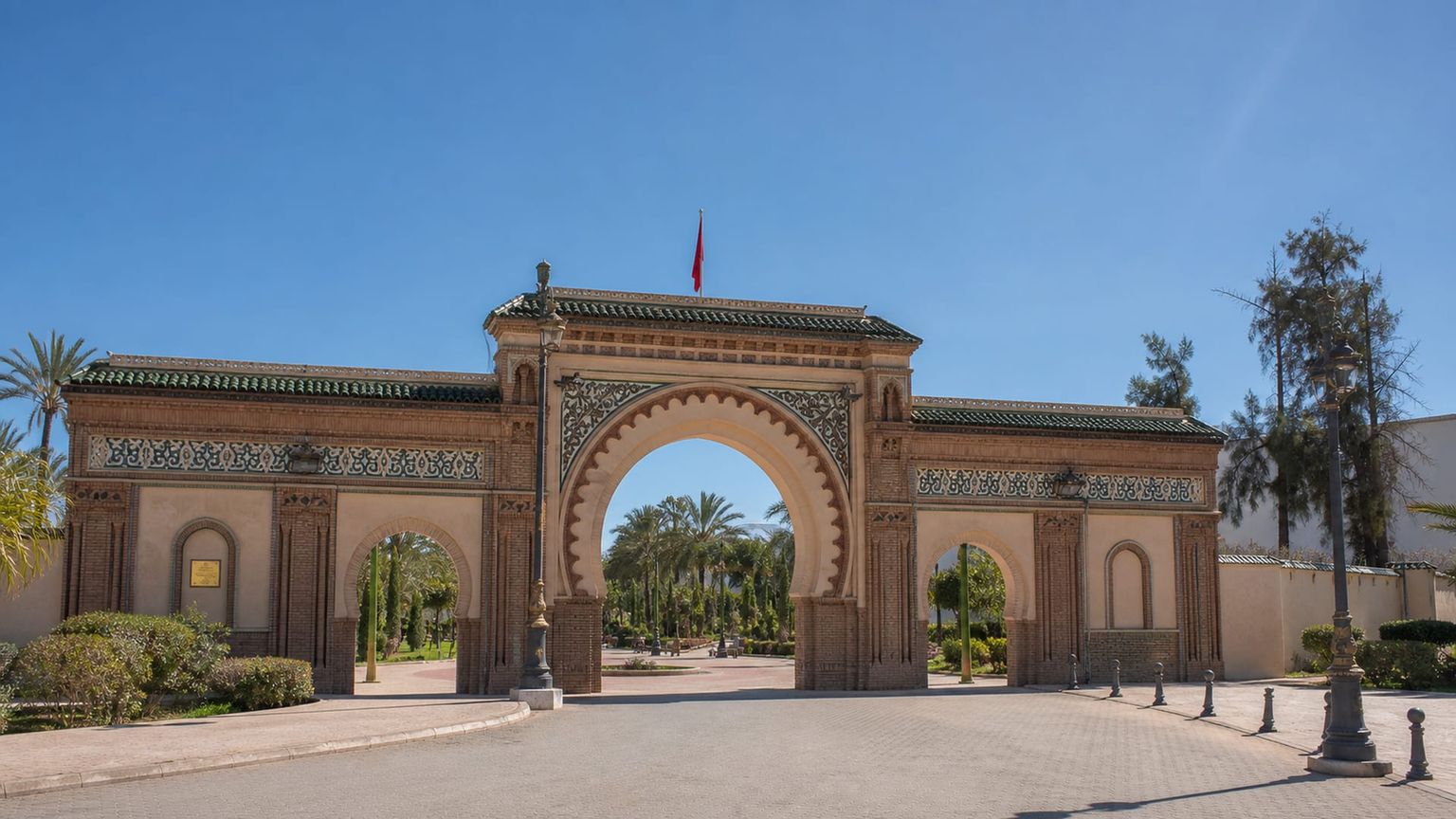
Park Lalla Aicha
Park Lalla Aicha offers the city’s main green expanse, with broad walks, shaded lawns, and family gathering areas. It sits close to the center, making it an easy stop between medina visits and evening dinner.
Time needed: About 1 to 2 hours
Entry: Free to access; the park is open air, with no timed admission, and visitors pay only for optional cafe purchases or rentals inside.
Tip: Go late afternoon for shade, then stay for the lights and foot traffic after sunset.
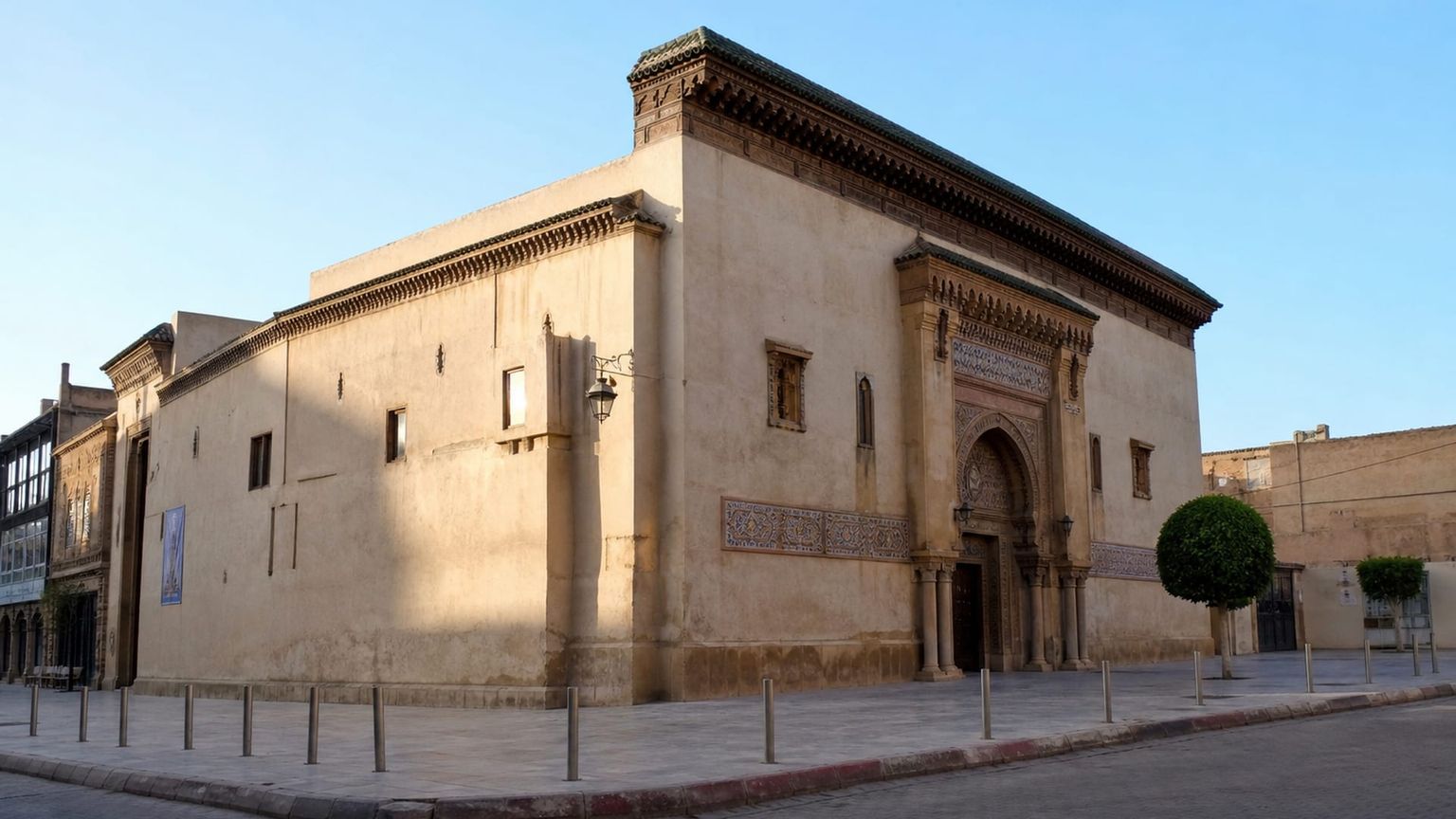
Dar Sebti Cultural Center
Dar Sebti occupies a restored residence with Andalusian-style gardens, tiled rooms, and spaces used for exhibitions and concerts. Its architecture and cultural programming make it one of Oujda’s most distinctive historic stops.
Time needed: About 1 to 2 hours
Entry: Admission usually costs about $2 to $5 (about 20 to 50 MAD) depending on the event or exhibition, with occasional free open days for visitors.
Tip: Check the event schedule before you go, since opening hours shift with exhibitions.
Overlooked sites worth visiting

Sidi Yahya Sanctuary
A small hilltop zawiya east of the center, with a whitewashed shrine, cemetery, and wide views over Oujda’s rooftops. Pilgrims still visit, but weekday mornings are quiet.
Time needed: About 45 minutes
Entry: Free to visit; donations are welcome if you enter the shrine area or receive guidance from caretakers. There is no fixed ticket, and visitors should dress modestly and remove shoes if asked inside.
Tip: Go early for softer light and fewer visitors.

Lalla Aicha Cultural Complex
A compact cultural stop in central Oujda, with exhibition rooms and a small theater that often host local art, music, and school events. It is easy to pair with a short walk nearby.
Time needed: About 1 hour
Entry: Entry typically costs about $1 to $3 (10 to 30 MAD) for exhibitions, with some events priced separately; check the posted schedule at the door because opening hours and programming can change.
Tip: Check the day’s program before you go.
Traditional food
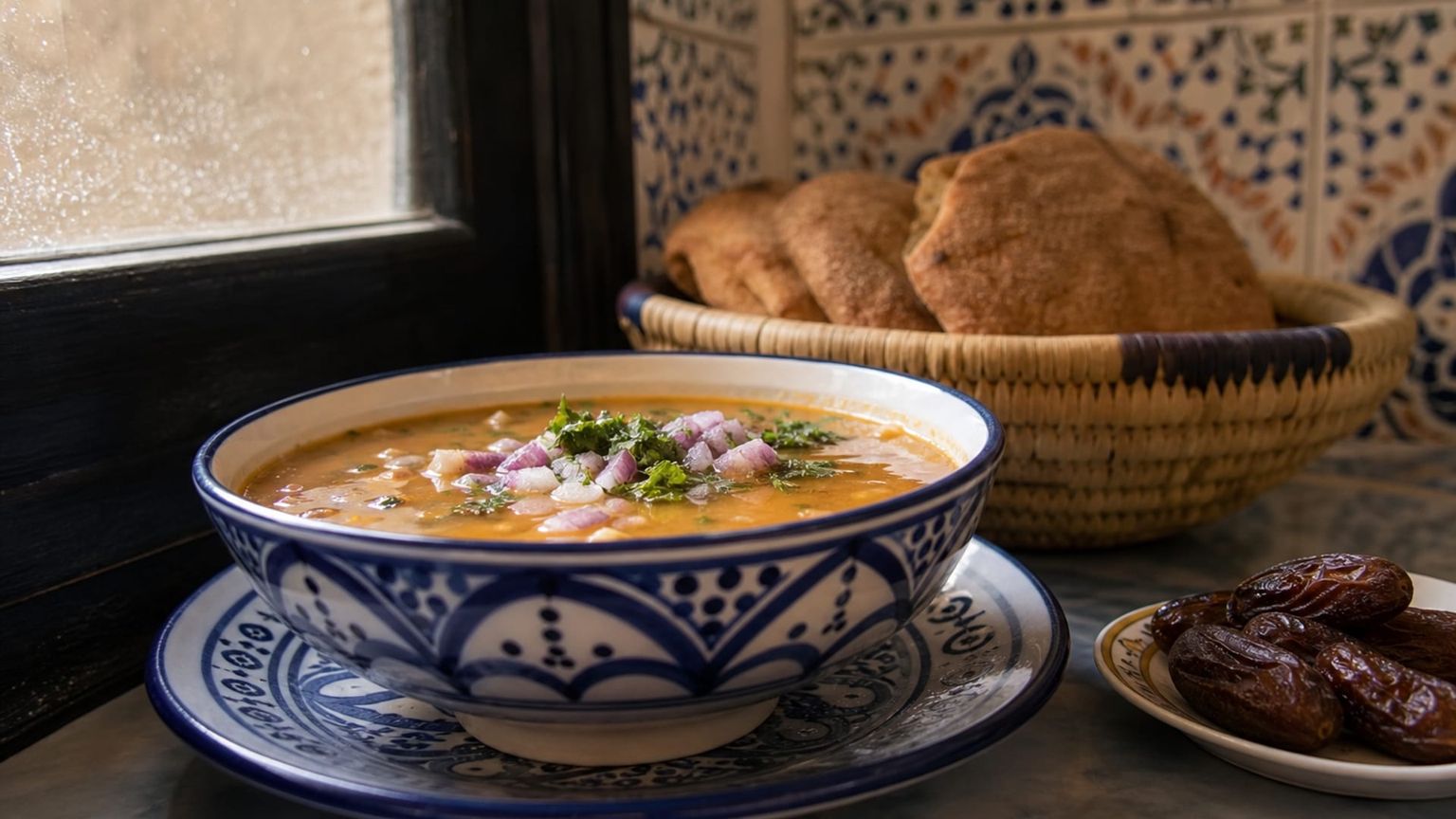
Oujda’s cooking leans on couscous, tagine, pastilla, and msemen, with cumin, saffron, preserved lemon, and slow-cooked meat shaping many plates. Cafes and neighborhood grills keep meals casual and local.
Couscous
Steamed semolina with vegetables and meat, usually served in a generous family-style portion. For a dependable plate in Oujda, Beldi offers a fitting setting for this staple.
Tagine
Slow-cooked meat or chicken with vegetables, spices, and preserved lemon, served in the clay pot that names it. La Kasbah is a natural stop for a classic version in the city.
Pastilla
A layered savory pie that often combines poultry, almonds, and warm spice with crisp pastry. Restaurant Al Andalous is the canonical pick here for a richer, celebratory rendition.
Msemen
Square Moroccan flatbread, often eaten at breakfast with honey, butter, or savory fillings. Cafe Randa works well for a morning stop when you want it fresh off the griddle.
Best time to visit Oujda-Angad
Oujda warms quickly in late spring and summer, while winter brings cooler evenings and a better fit for museum and café time; the shoulder months usually give the easiest balance for walking.
Best for: Best for medina walks and outdoor stops before summer heat builds
What you get: About 66 to 82°F (19 to 28°C), with lighter crowds than peak summer and pleasant afternoons
Trade-offs: Occasional wind and a few warmer days can change plans
Best for: Best for long evenings, park time, and slower sightseeing
What you get: About 76 to 97°F (24 to 36°C), with moderate daytime crowds and more activity after sunset
Trade-offs: Midday heat can make central walks tiring
Best for: Best for comfortable city exploring and cultural stops
What you get: About 64 to 84°F (18 to 29°C), with steady foot traffic and good conditions for short rides plus walking
Trade-offs: Some days bring cooler evenings than expected
Best for: Best for low-key museum visits and relaxed café breaks
What you get: About 45 to 64°F (7 to 18°C), with fewer visitors and a quieter pace in the center
Trade-offs: Evenings can feel cold, especially after sunset
A realistic 5-day plan in Oujda-Angad
Five days in Oujda works best as a compact city plan. The airport transfer, the medina, the cultural stops, and the park all sit close enough to link without long detours, as long as you keep the days ordered with care.
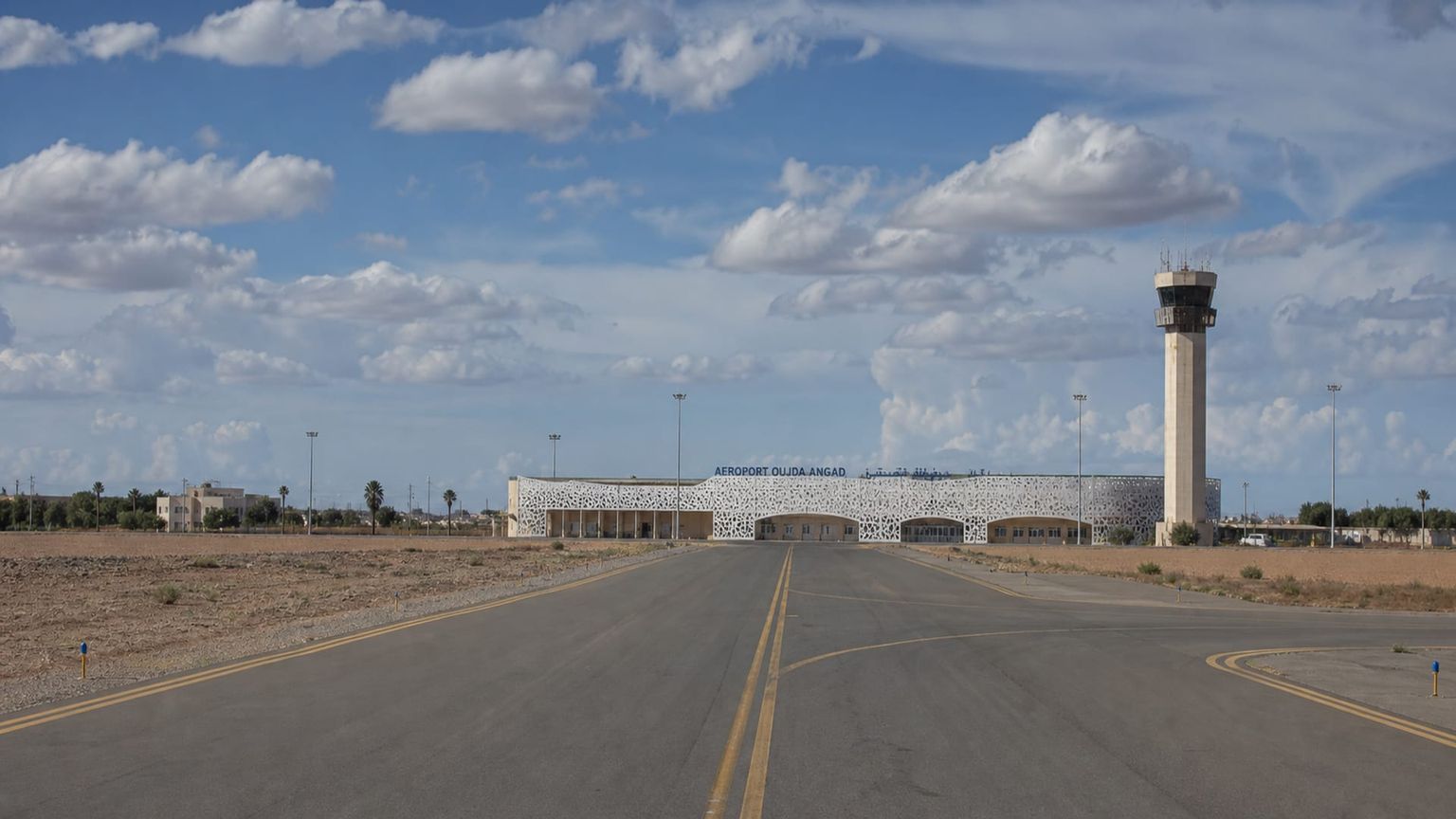
Land at Oujda-Angad Airport (OUD), then take a taxi into the city center, which usually takes about 20 to 30 minutes and costs roughly 100 to 150 MAD, about $10 to $15. Staying near Mohammed V Avenue or Place 9 Avril 1947 keeps your first evening simple, with easy access to cafes, pharmacies, and a short walk to the main streets. Settle in, drink plenty of water, and plan a light dinner in the city center, where you can choose a bakery, a casual grill, or a small cafe without crossing town after a long flight.
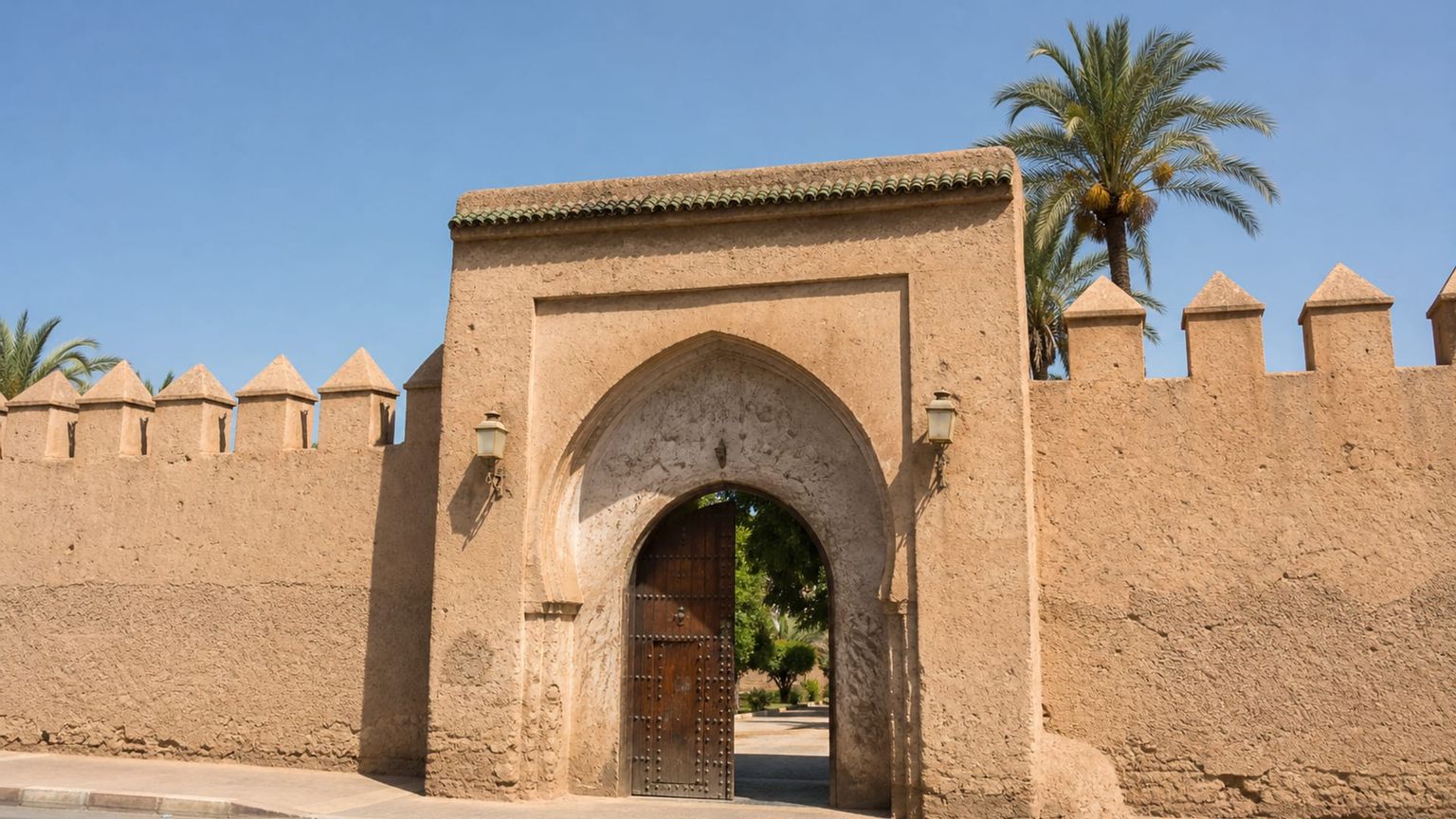
Start in the old medina with the Grand Mosque of Oujda, then walk about 10 minutes to the nearby lanes for a slow loop through the center before lunch. In the afternoon, reach Dar Sebti Cultural Center by taxi in roughly 5 to 10 minutes from the medina, or about 15 minutes on foot if you prefer a longer stroll, and spend an hour or two in the restored house and garden complex. Finish at Park Lalla Aicha, about 5 to 10 minutes by taxi from Dar Sebti, for an easy late-afternoon pause before dinner near the city center.
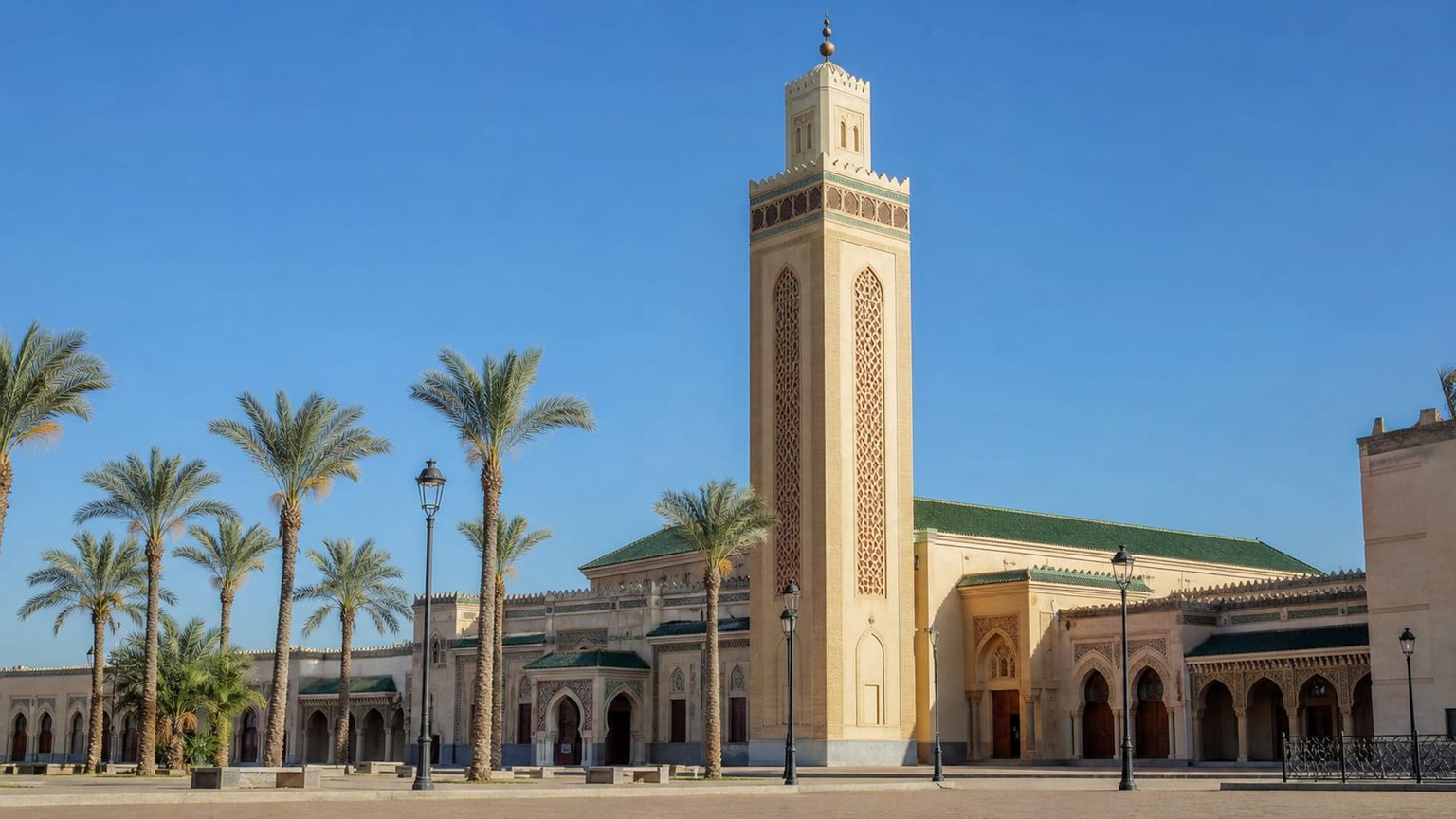
Begin at Sidi Yahya Sanctuary, about 10 to 15 minutes by taxi from the center, and arrive early so you can see the hilltop shrine and the city views before the day gets busy. From there, return toward town and stop at Lalla Aicha Cultural Complex, which is about 10 minutes by taxi from Sidi Yahya Sanctuary, for a look at the exhibitions or a scheduled performance. End the day with a short walk through nearby central streets, where you can break for tea and then head back to your hotel without a long cross-city transfer.
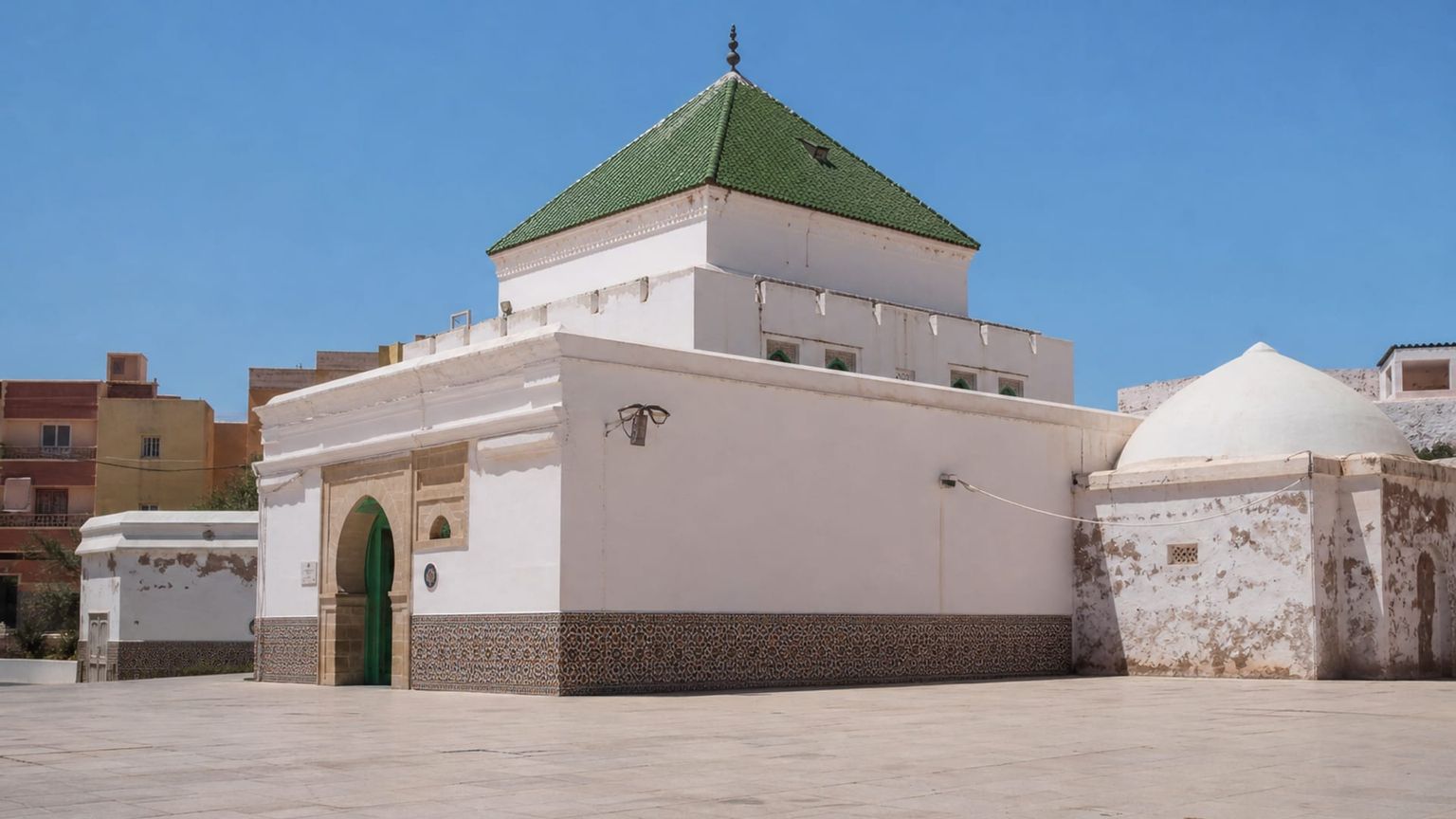
Spend the morning back at Park Lalla Aicha, then walk about 10 to 15 minutes to the city center for a café break and a slower look at the main commercial streets. After lunch, revisit the medina zone for a second pass through the Grand Mosque area, or return to Dar Sebti Cultural Center if a new exhibition or concert is on, since both sit within about 5 to 10 minutes of the center by taxi. The afternoon works best as a compact loop, with short rides between stops and time left for an unhurried dinner near Mohammed V Avenue.
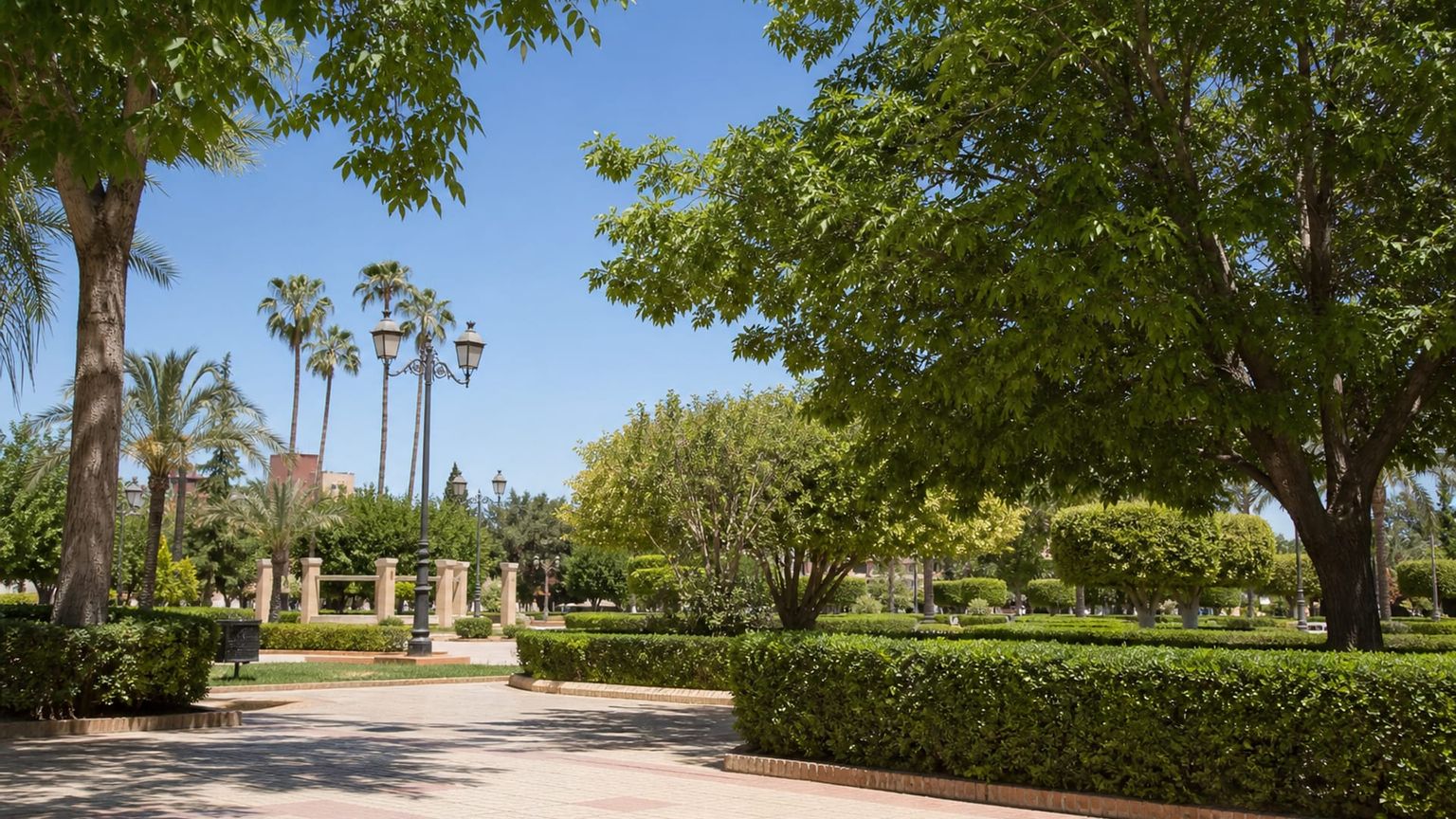
A final day in Oujda works well as a short city circuit, not a long outing, so begin with one last stop at Dar Sebti Cultural Center or the Grand Mosque area if you missed anything earlier. After that, head to the city center for shopping along Mohammed V Avenue and the nearby commercial streets, where you can buy snacks, small gifts, or travel basics without leaving the core district. End with coffee in the city center, then return to your hotel in time for an easy airport transfer to Oujda-Angad Airport (OUD).
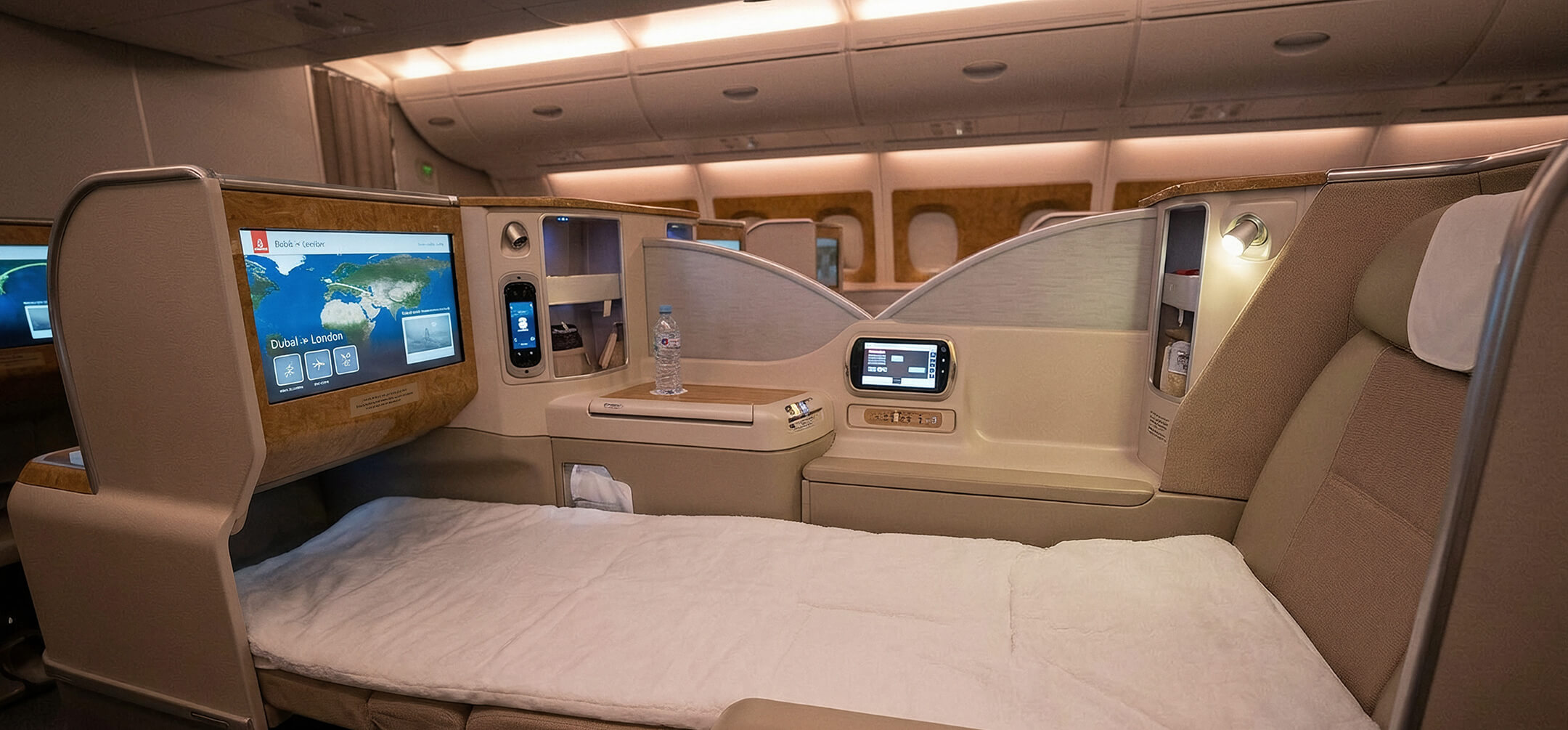
Business-class flights from the US to Oujda-Angad
Flights to Oujda-Angad usually involve one stop, so the useful comparison is which hub, airline set, and fare band fits your dates. The routes from New York and Los Angeles differ most in connection time and the price spread.
From New York, options commonly run via Paris (CDG) or Casablanca (CMN), with Air France, Royal Air Maroc, Turkish Airlines, Iberia, and TAP Air Portugal among the airlines you may see. One-stop itineraries usually take about 12 to 18 hours, and round-trip fares start at about $4,200 and can reach $7,500.
Los Angeles fares usually start at about $4,000 and can climb to $7,200, especially on one-stop trips via Casablanca (CMN) or Paris (CDG). Royal Air Maroc, Air France, Turkish Airlines, Iberia, and Lufthansa are the main names to check, and total travel time often lands in the 15 to 22 hour range.
Oujda-Angad feels different when you slow down
A good Oujda-Angad stay follows the map in a disciplined way, with the city center as the anchor, Dar Sebti and the Grand Mosque in one cluster, and Park Lalla Aicha or Sidi Yahya added when the day can handle a short taxi ride. That approach leaves room for coffee on Mohammed V Avenue and an easy return before the airport run. If you want help shaping the route, the AranGrant experts can build it around your dates and pace