

Chapters:

Need help with your trip?
Our support team is available 24/7. Request a callback or call us directly at (833) 619-0908
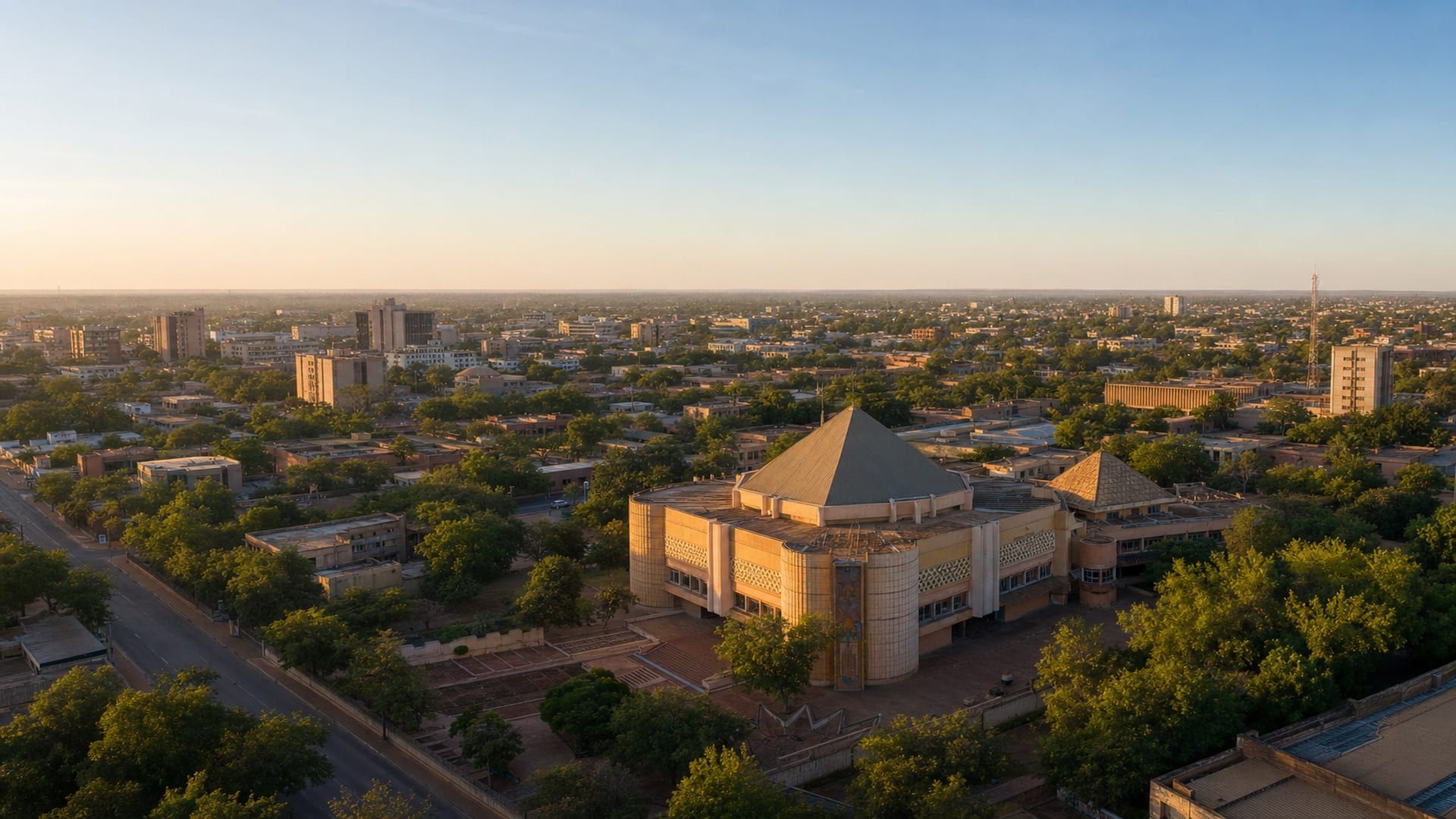
Ouagadougou trips often start with a taxi to a central hotel, a museum stop, and a quick dinner before dusk. What many visitors miss is how much timing shapes the day here, from office-hour traffic to early restaurant closures.
Distances are short on a map, but heat, road conditions, and limited evening options change the pace. If you treat the city like a place for long wandering, you can lose time in taxis and arrive after key sights or tables have emptied.
This guide organizes the city by neighborhood, opening hours, and transfer times, so each day fits the way Ouagadougou actually moves.
Useful things to know

Main language(s): French, Mooré
Bonjour (bohn-zhoor) – Hello / good morning
S'il vous plaît (seel voo pleh) – Please
Merci (mehr-see) – Thank you
Parlez-vous anglais ? (par-lay voo ahn-gleh) – Do you speak English?
C'est combien ? (say kohm-byen) – How much does it cost?

Currency: The local currency is the West African CFA franc (XOF, CFA).

Cash and cards: Cards are accepted at larger hotels and shops, but cash still matters; carry about CFA 10,000 to 20,000 ($17 to $34).

Tipping: Round up small bills; 5-10% is appreciated in better restaurants.

Traditional food: Riz gras, poulet bicyclette, tô, grilled fish

Water and coffee costs: Water about CFA 500 to 1,000 ($1 to $2), bar espresso about CFA 1,500 to 2,000 ($3 to $3.50).

Taxis and ride apps: Yango and inDrive operate here; confirm the fare before you start.

Plug and voltage: Type C/E socket, 220V

Dining and shop opening hours: Breakfast is about 07:00-09:00, lunch 12:00-14:30, and dinner 19:00-22:00. Many restaurants close between lunch and evening.

Emergency number: Dial 112 for emergency police, fire, or medical help.
Where to stay in Ouagadougou
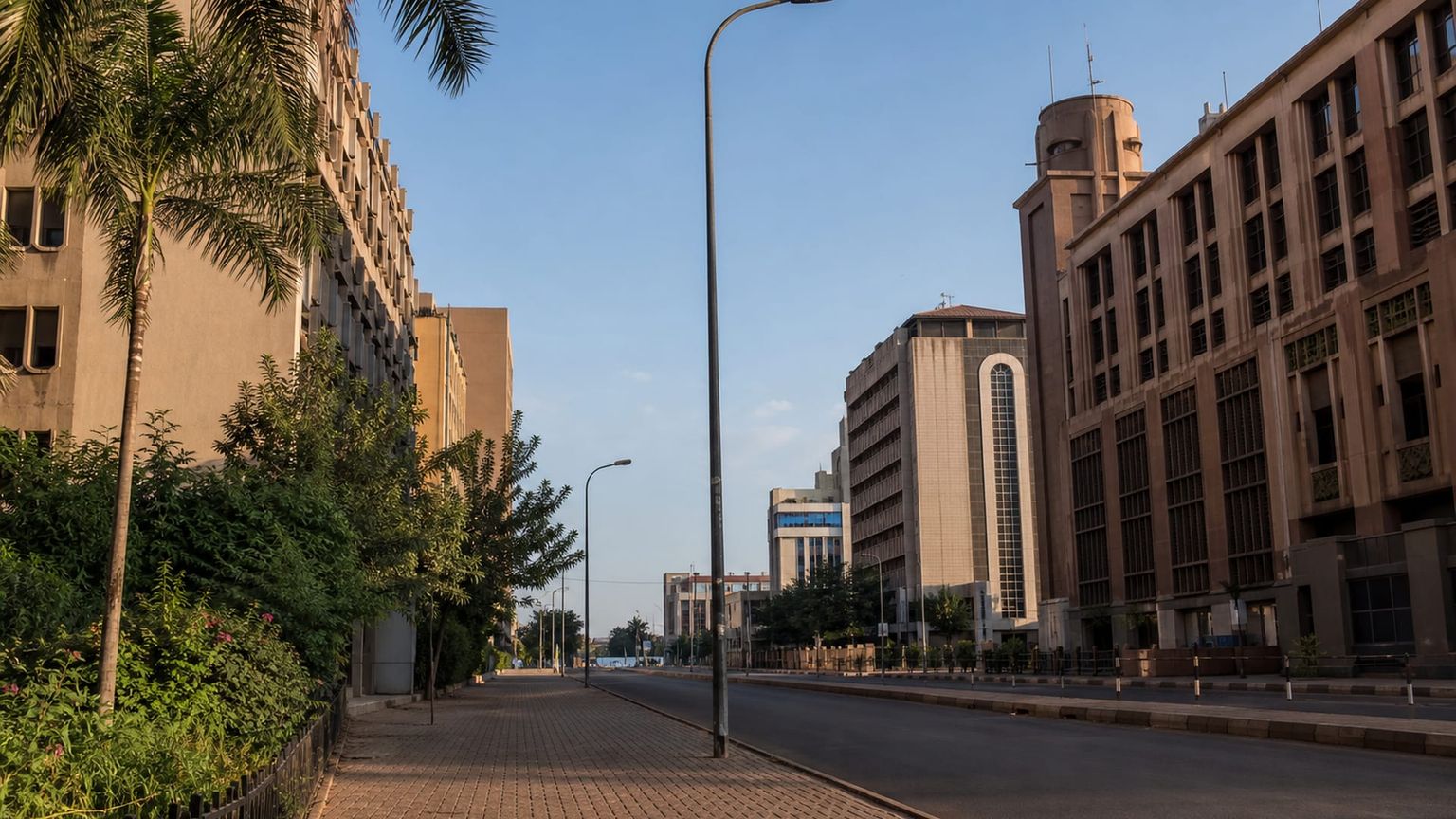
Ouagadougou’s administrative and commercial core, with ministries, banks, embassies, and the busiest office streets. It suits travelers who want to stay close to restaurants, taxis, and the city’s main daytime activity.
Best for: Business trips, short stays, and visitors who want central access to dining and transport
What to expect: Busy daytime traffic, steady foot movement near offices, and a more subdued scene after dark.
Hotel prices: Usually about $70 to $180 per night for well-rated stays
Distance to major sights: 10 to 15 minutes by taxi to Place des Nations Unies, about 15 minutes to the National Museum of Burkina Faso
Quietness: Lively during office hours, quieter in the evening once businesses close.
Main trade-off: Hotels here can cost more than in outer districts, and peak-hour traffic can slow short rides.
Good to know: Evening dining choices thin out after office hours, so plan dinners before the streets empty.
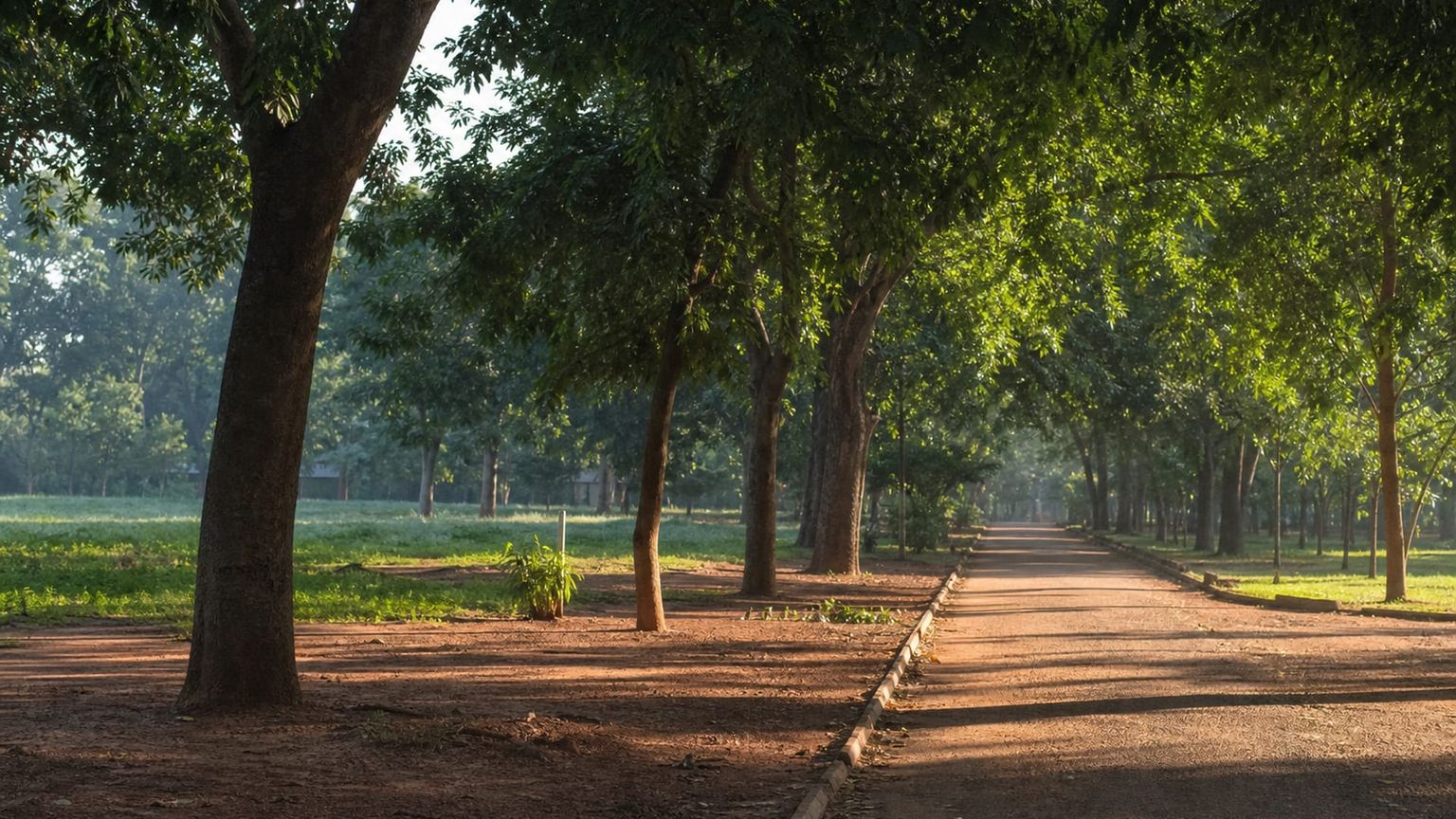
A green, residential pocket near central Ouagadougou, known for tree cover, villa compounds, and a calmer street pattern than the core. It works well if you want a quieter base without losing access to the center.
Best for: Travelers who want a quieter residential base and easy taxi access to the center
What to expect: Low-key streets, limited late-night activity, and more local than tourist traffic.
Hotel prices: Usually about $60 to $150 per night for well-rated stays
Distance to major sights: 10 to 20 minutes by taxi to Place des Nations Unies, about 20 minutes to the National Museum of Burkina Faso
Quietness: Calm through the day, and notably quieter after sunset.
Main trade-off: You may need taxis for most meals and errands, since walkable options are fewer than in the center.
Good to know: Choose this area if you value sleep, but factor in extra rides for dinners and evening plans.
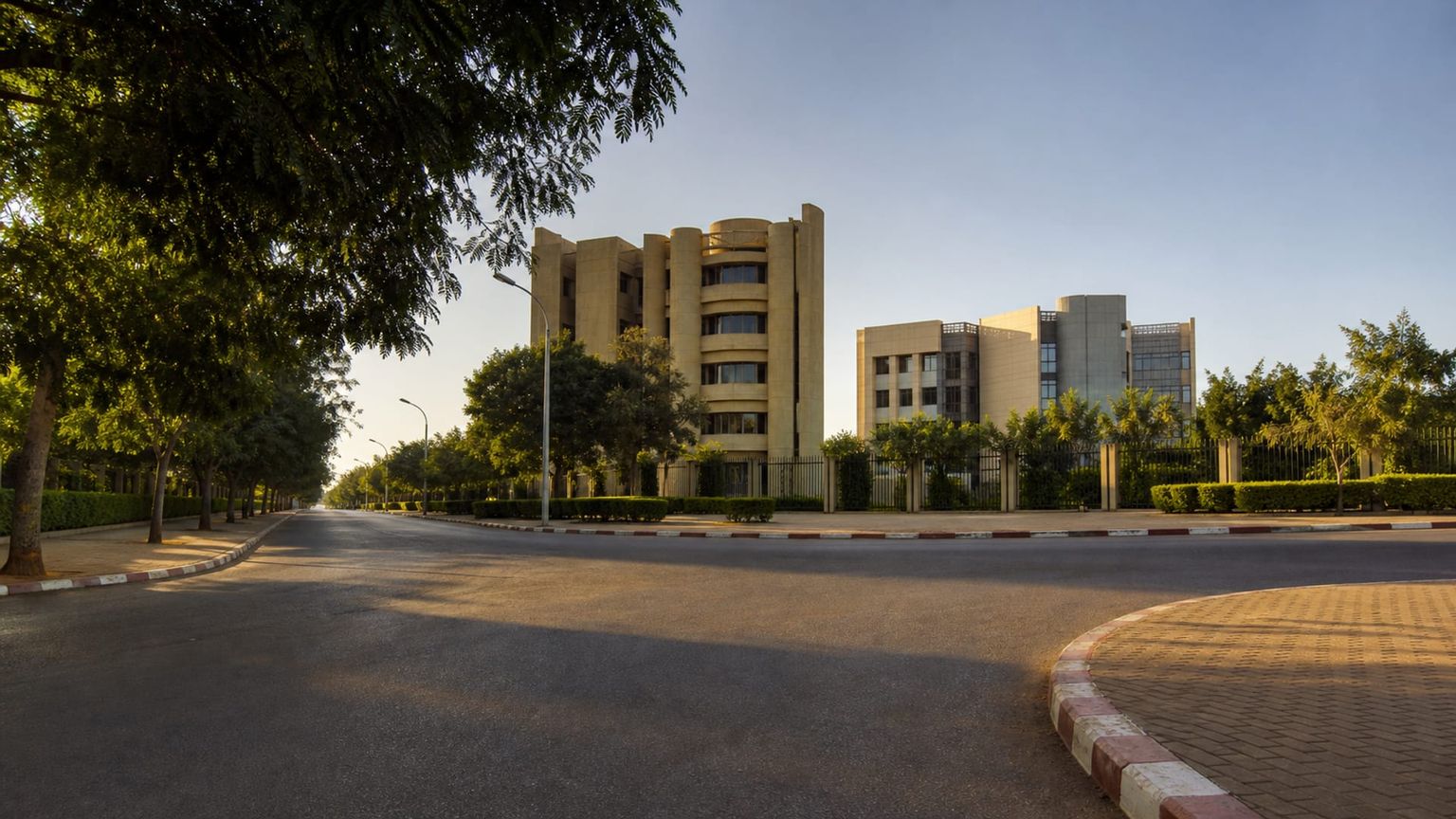
A newer south-side district built around government buildings, villas, and large roads, with many of the city’s higher-end hotels. It matters because many visitors base here for room quality, security, and space.
Best for: Upscale hotels, longer stays, and travelers who prefer newer buildings and wider streets
What to expect: Wide avenues, car traffic, and a more spread-out feel than the central districts.
Hotel prices: Usually about $90 to $220 per night for well-rated stays
Distance to major sights: 20 to 30 minutes by taxi to Place des Nations Unies, about 25 minutes to the National Museum of Burkina Faso
Quietness: Busy on main roads by day, with quieter hotel compounds at night.
Main trade-off: It sits farther from the oldest central sights, so you will spend more time in taxis.
Good to know: This is the area to choose if your hotel priorities matter more than walkable access to the core.
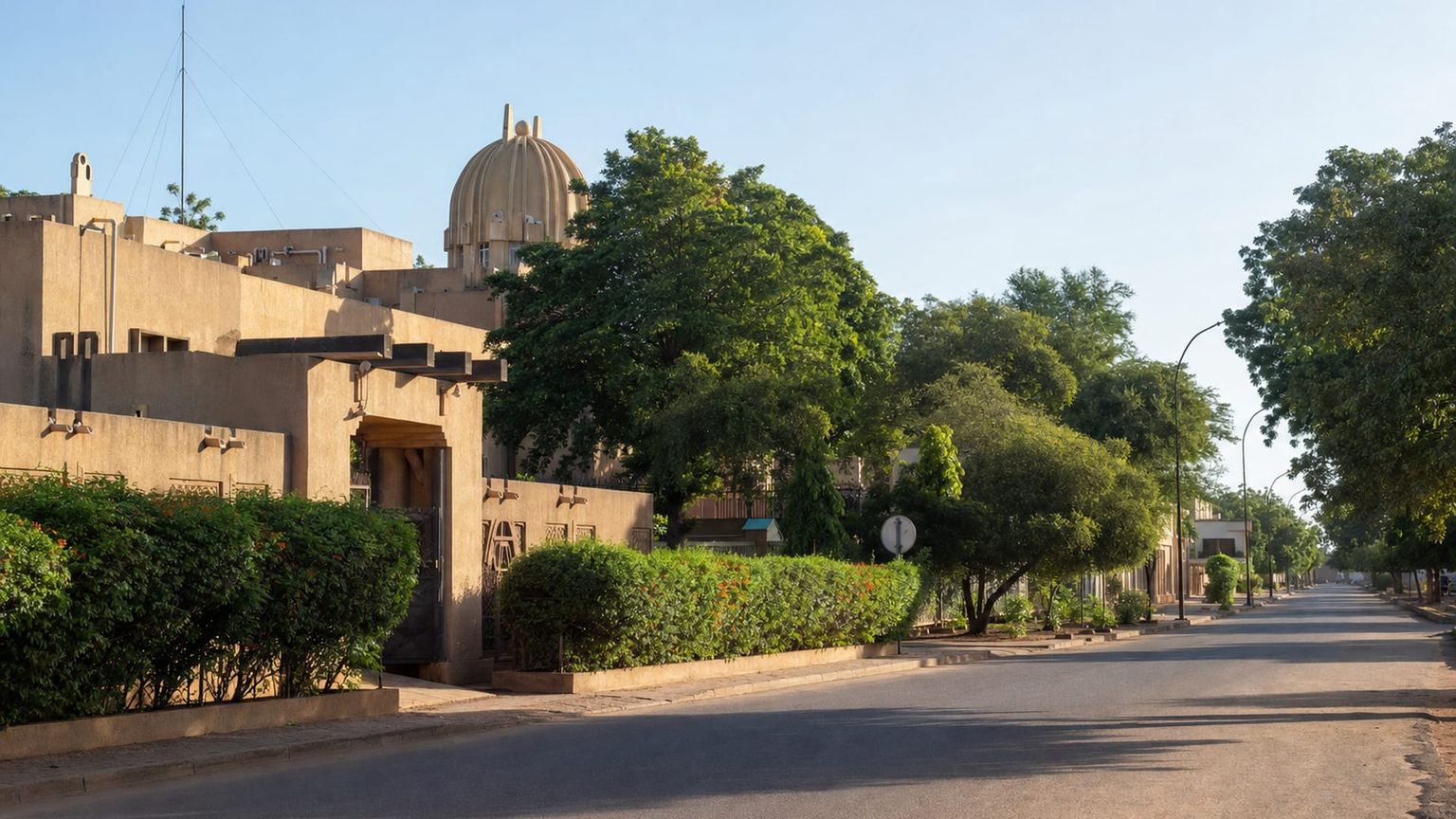
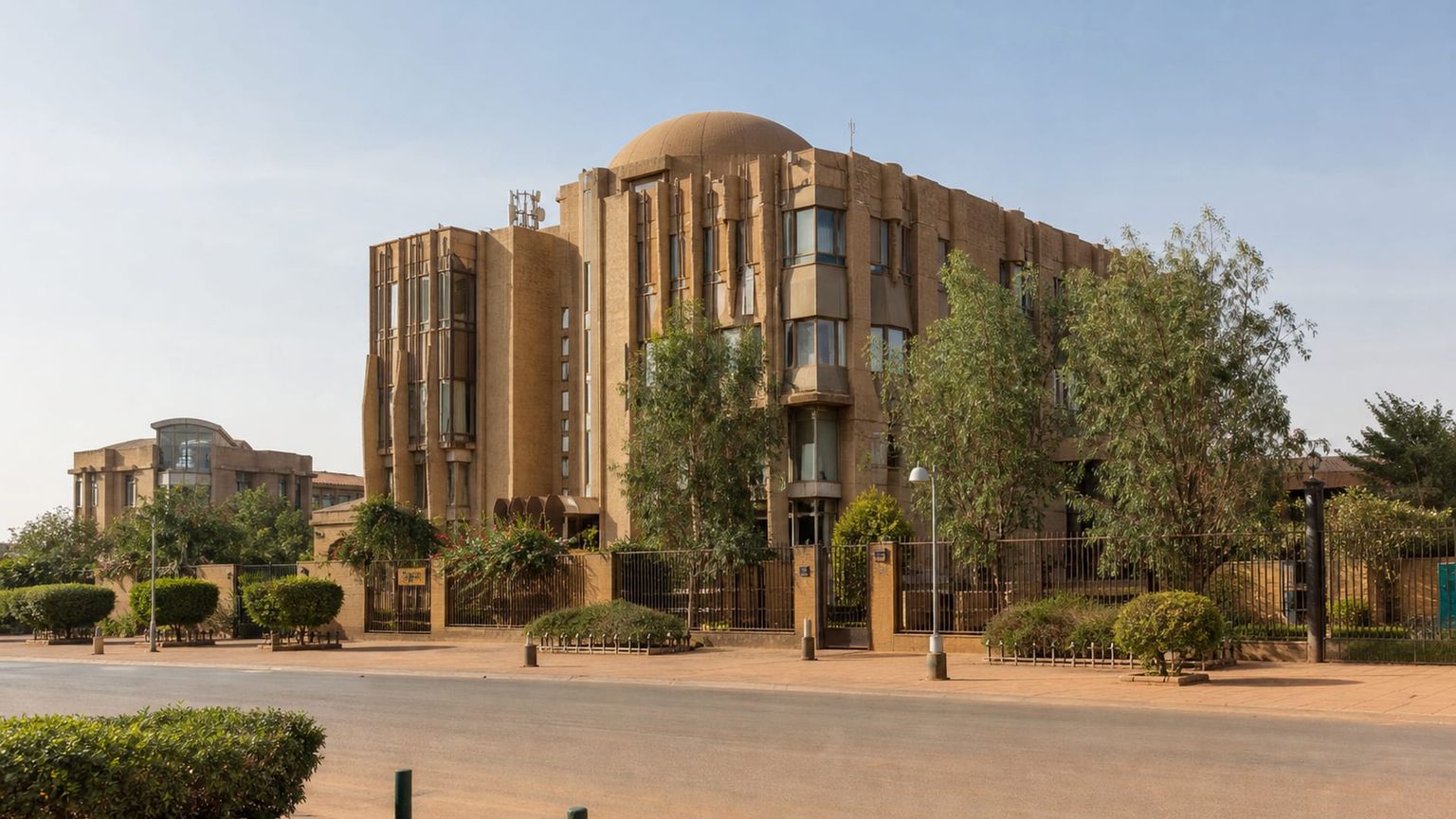
A central district that mixes residences, offices, and embassies, with fast access to the old city and main corridors. It is useful for travelers who want a middle ground between the center and quieter streets.
Best for: Visitors who want central access with a slightly calmer street pattern than the busiest commercial blocks
What to expect: Moderate traffic, government activity nearby, and local restaurants scattered along main roads.
Hotel prices: Usually about $55 to $140 per night for well-rated stays
Distance to major sights: 10 to 15 minutes by taxi to Place des Nations Unies, about 15 to 20 minutes to the National Museum of Burkina Faso
Quietness: Active in the day, then quieter in the evening outside the main roads.
Main trade-off: Lodging choices can be thinner than in Centre-ville, so the best rooms book early.
Good to know: If you plan to move around by taxi, this area keeps most central trips short without staying in the busiest core.
Travelers usually avoid staying in Zogona, Patte d’Oie, Pissy, and Kamboinsé, because they sit farther from the main sights and central dining areas, and evening taxis can take longer to arrange. The outer industrial and peripheral parts of Ouagadougou also have fewer visitor amenities, so most visitors stay closer to the city center.
Hotel deals
How to get around Ouagadougou efficiently
Ouagadougou has no metro or suburban rail, so most visitors pair short walks with taxis, shared vans, or ride-hail trips across the center and out to Ouaga 2000.

Metro
for longer distances
Ouagadougou has no metro or suburban rail, so visitors rely on road transport for trips between the airport area, central neighborhoods, and the main markets. Walking works best for very short hops, while longer cross-town journeys usually take about 15 to 35 minutes by taxi depending on traffic.

Bus and tram
for convenience
Régie Autonome des Transports Routiers Interurbains does not run a city tram, and local bus coverage in Ouagadougou is limited, with minibuses and shared vans serving the main corridors more than a fixed tourist grid. Fares are usually about $0.20 to $0.60 (about 120 to 360 CFA), paid in cash, and short rides can take 20 to 45 minutes because vehicles stop often and fill before leaving.

Taxi
for convenience or late hours
Licensed taxis in Ouagadougou use negotiated fares rather than meters, so agree on the price before boarding, including any airport pickup from Ouagadougou (OUA). Typical city rides cost about $2 to $6 (about 1,200 to 3,600 CFA), while trips to the airport area or longer cross-town runs often land near $4 to $10 (about 2,400 to 6,000 CFA); drivers usually prefer cash in CFA, and late-night fares can be higher.
*Prices are based on rates updated as of June 2026 and may change at the time of travel.
Walk for brief hops in the center, use taxis for most cross-town trips, and keep buses or minibuses for lower-cost rides when time is less important.
Iconic landmarks
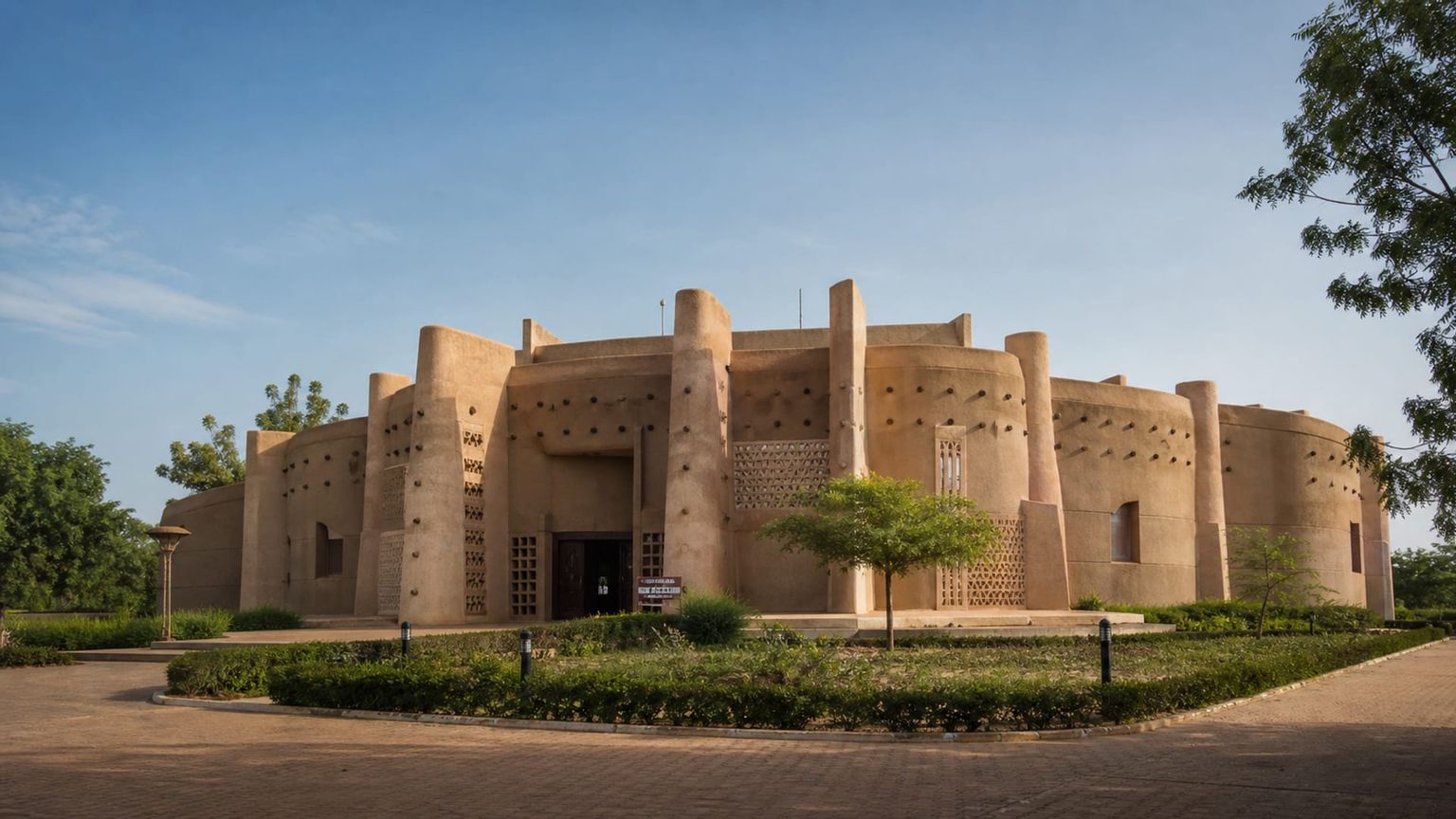
National Museum of Burkina Faso
This compact museum presents masks, textiles, tools, and household objects from Burkina Faso’s many ethnic groups. It also holds sculpture and ritual pieces, giving a clear overview of local material culture in the capital.
Time needed: About 1 to 2 hours
Entry: Admission is usually about $2 to $4 (1,000 to 2,500 CFA francs) for adults; some exhibitions or guided visits may cost extra.
Tip: Visit in the morning, when the galleries are quieter and the heat is lower.
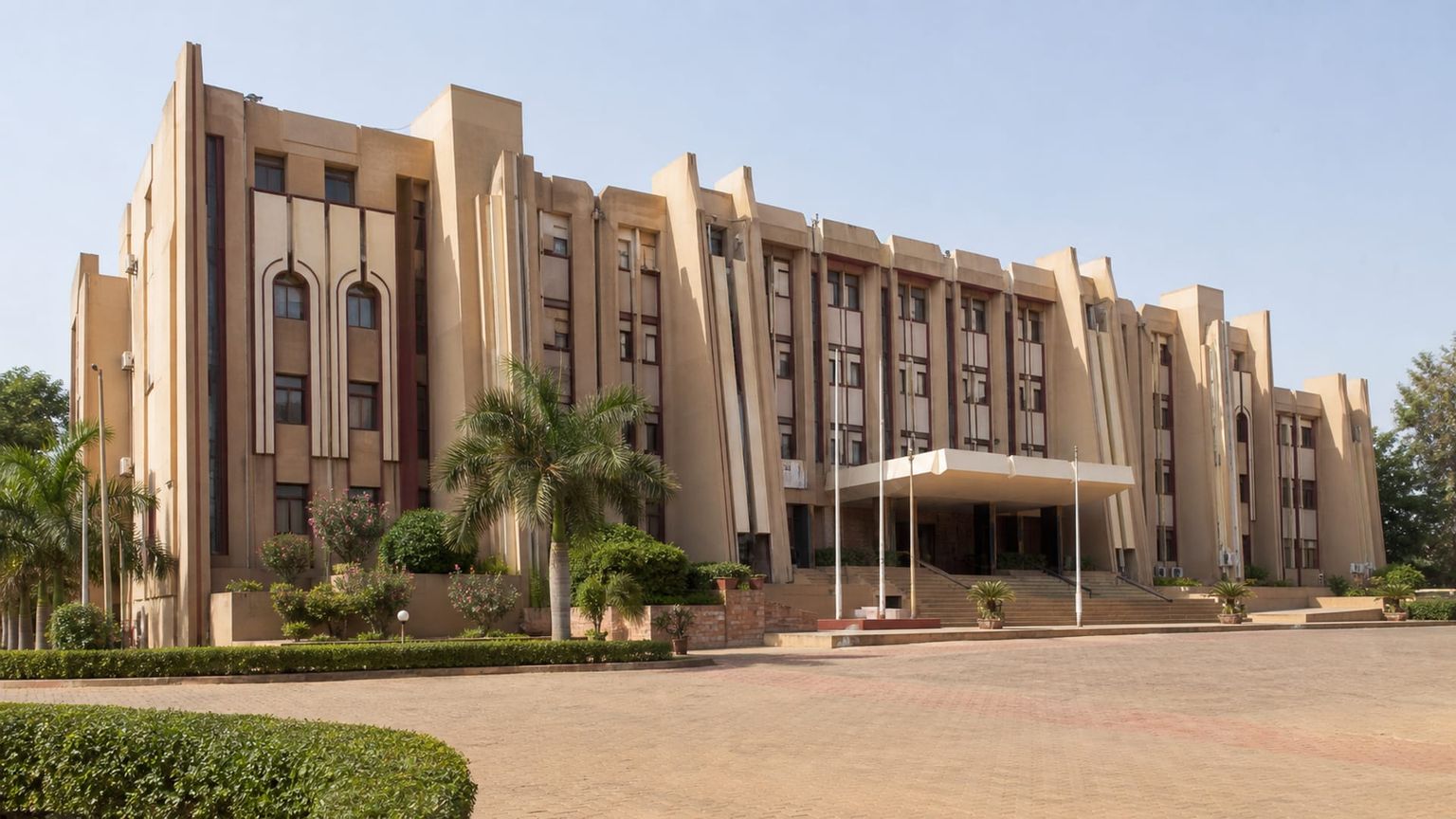
National Assembly of Burkina Faso
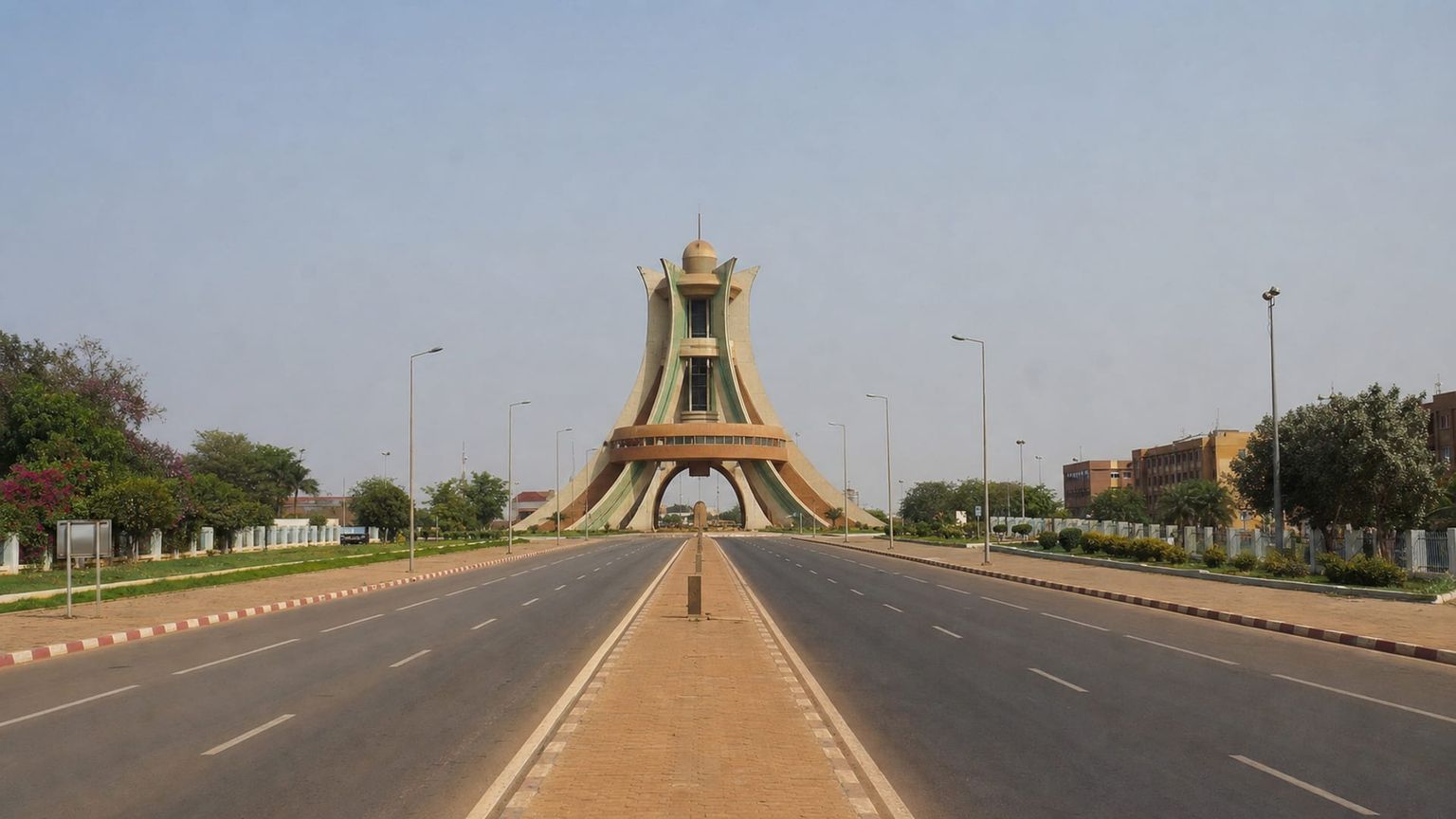
The National Assembly building is a major modern landmark in Ouagadougou and a useful stop for understanding the country’s political center. Its bold facade and civic square make it one of the city’s most recognizable institutional sites.
Time needed: About 30 to 45 minutes
Entry: Free to view from the exterior; access to interior areas is restricted and may require prior authorization for official visits.
Tip: Go in late afternoon for softer light on the facade and less midday heat.
Basilica of Our Lady of the Immaculate Conception
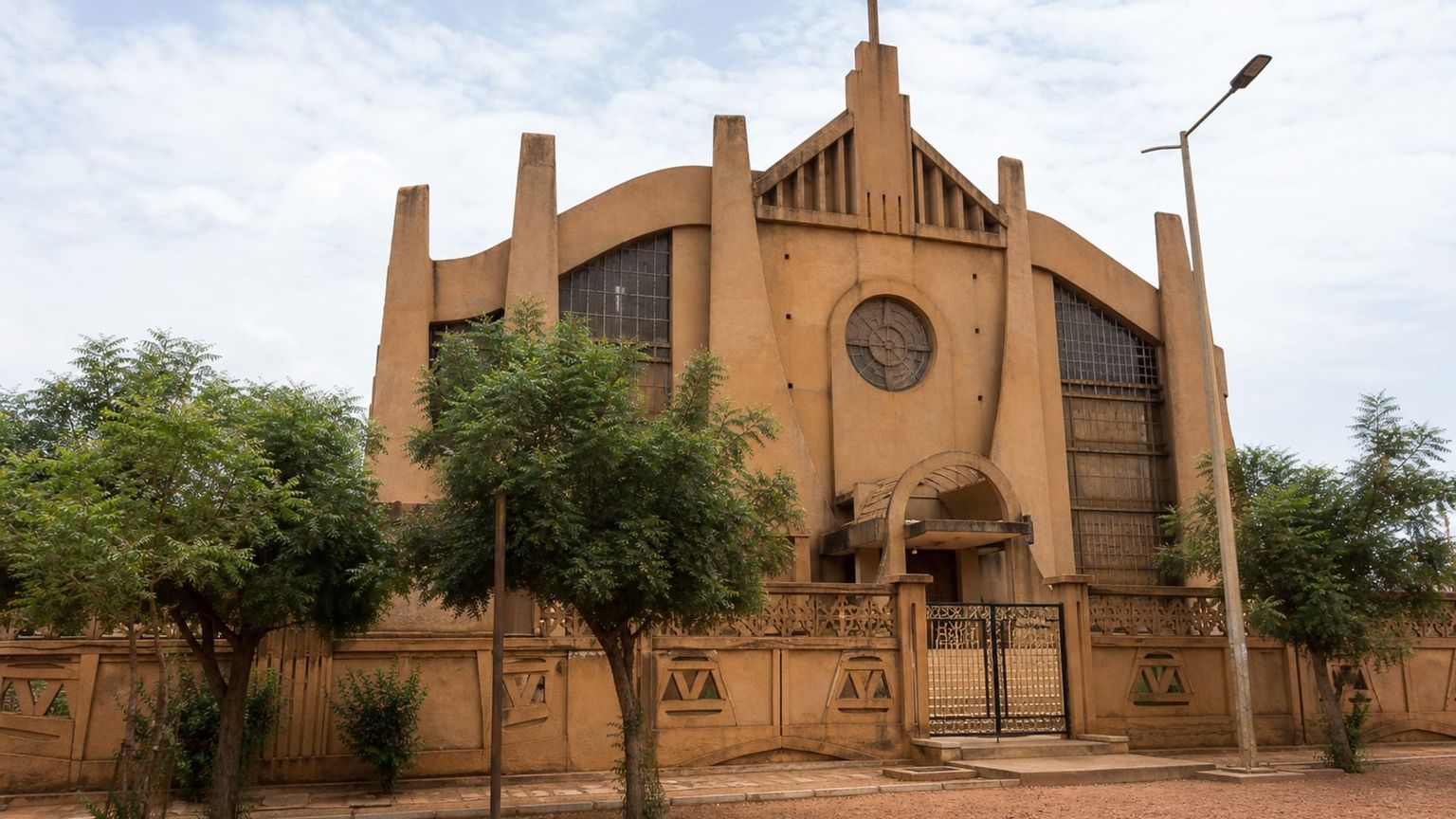
This Catholic basilica stands among Ouagadougou’s most important religious buildings, with twin towers and a large forecourt. Its scale and stonework make it a notable architectural stop within the city center.
Time needed: About 45 minutes to 1 hour
Entry: Free to enter for worship and visiting outside services; donations are welcome, and modest dress is expected inside.
Tip: Arrive outside mass times, then spend a few minutes in the forecourt for the best view.
Overlooked sites worth visiting

Bangr-Weoogo Urban Park
A broad green reserve on the city’s edge, with dirt paths, birdlife, and shaded clearings. It works well for a slow walk, short cycle, or an early-morning visit before the heat builds.
Time needed: About 1 to 2 hours
Entry: Entry is free for pedestrians; some activities inside the park, such as guided visits, bike rental, or vehicle access, may carry separate local charges that vary by operator and day.
Tip: Go early for cooler air and better bird activity.

Museum of Music
This compact museum catalogs Burkinabe instruments, performance traditions, and recordings in one small stop. Displays are concise, so you can see the whole collection without a long visit.
Time needed: About 45 minutes to 1 hour
Entry: Admission is typically about $2 to $4 (about 1,200 to 2,400 CFA francs) per adult, with possible small extra charges for photography, special exhibitions, or private group visits depending on the day.
Tip: Pair it with a daytime market stop to keep the outing short.
Traditional food
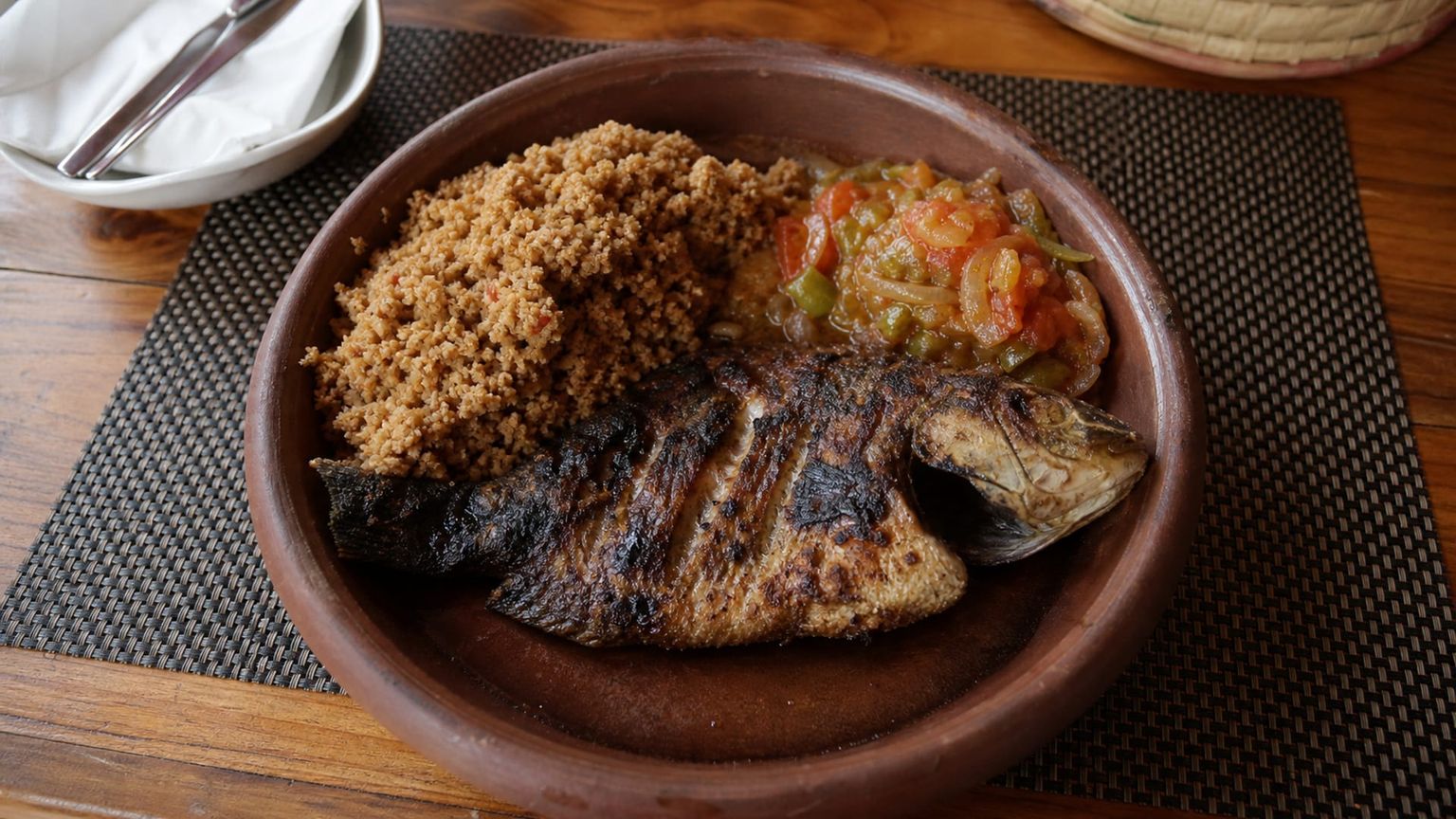
Ouagadougou’s cooking leans on grains, grilled meat, and peppery sauces, with riz gras, poulet bicyclette, tô, and grilled fish appearing often at lunch counters and dinner tables.
Riz gras
A seasoned rice dish cooked with tomato, vegetables, and meat, often served as a filling midday plate. At Ouaga 2000, it is a strong order at Le Verdoyant, where the menu fits a relaxed lunch stop.
Poulet bicyclette
This roasted local chicken comes with a firmer texture and a deeper grilled flavor than standard rotisserie bird. At Centre-ville, La Perle is a common stop for it, especially when you want a straightforward dinner plate.
Tô
A staple made from millet or sorghum flour, served with sauce and eaten by hand in the local style. In Ouagadougou, Chez Simone is a dependable place to try it alongside a day meal.
Grilled fish
Fish is often marinated, grilled over charcoal, and served with onions, vegetables, or a spicy sauce. In the city center, Le Grand Moulin is a familiar address for a simple fish meal.
Best time to visit Ouagadougou
Ouagadougou stays hot for much of the year, so the best time to visit shifts with rainfall, dust, and the comfort of moving between central sights.
Best for: Best for cooler mornings, museum visits, and walking between central landmarks
What you get: About 65 to 91°F (18 to 33°C), with dry air, lighter rain risk, and the busiest travel period for city stays
Trade-offs: Dust and Harmattan haze can reduce visibility and make the air feel dry
Best for: Best for quieter hotels and shorter sightseeing loops before the rains begin
What you get: About 75 to 103°F (24 to 39°C), with fewer visitors and more intense midday heat
Trade-offs: Afternoon temperatures can make long outdoor stops tiring
Best for: Best for green scenery, bird activity, and flexible indoor-outdoor days
What you get: About 72 to 92°F (22 to 33°C), with more humidity, frequent rain, and lighter tourist crowds
Trade-offs: Storms can interrupt cross-town rides and slow park visits
Best for: Best for a balanced mix of rain-cleared air and manageable sightseeing conditions
What you get: About 73 to 95°F (23 to 35°C), with tapering rain, moderate crowds, and better movement than peak wet season
Trade-offs: Heat returns quickly once the rain eases
A realistic 5-day plan in Ouagadougou
This five-day plan keeps the city in a workable order, from arrival in the center to the museums, basilica, park, and a final departure day that still leaves room for one last stop.
Land at Ouagadougou (OUA), then take a taxi into Centre-ville or Koulouba, which usually takes about 15 to 25 minutes and costs roughly $4 to $10 (about 2,500 to 6,000 CFA francs), depending on traffic and where your hotel sits. Settle into a central hotel so dinner needs only a short ride, then keep the evening simple with water, a short walk near your block, and a quiet meal in Centre-ville before the city thins out after office hours.
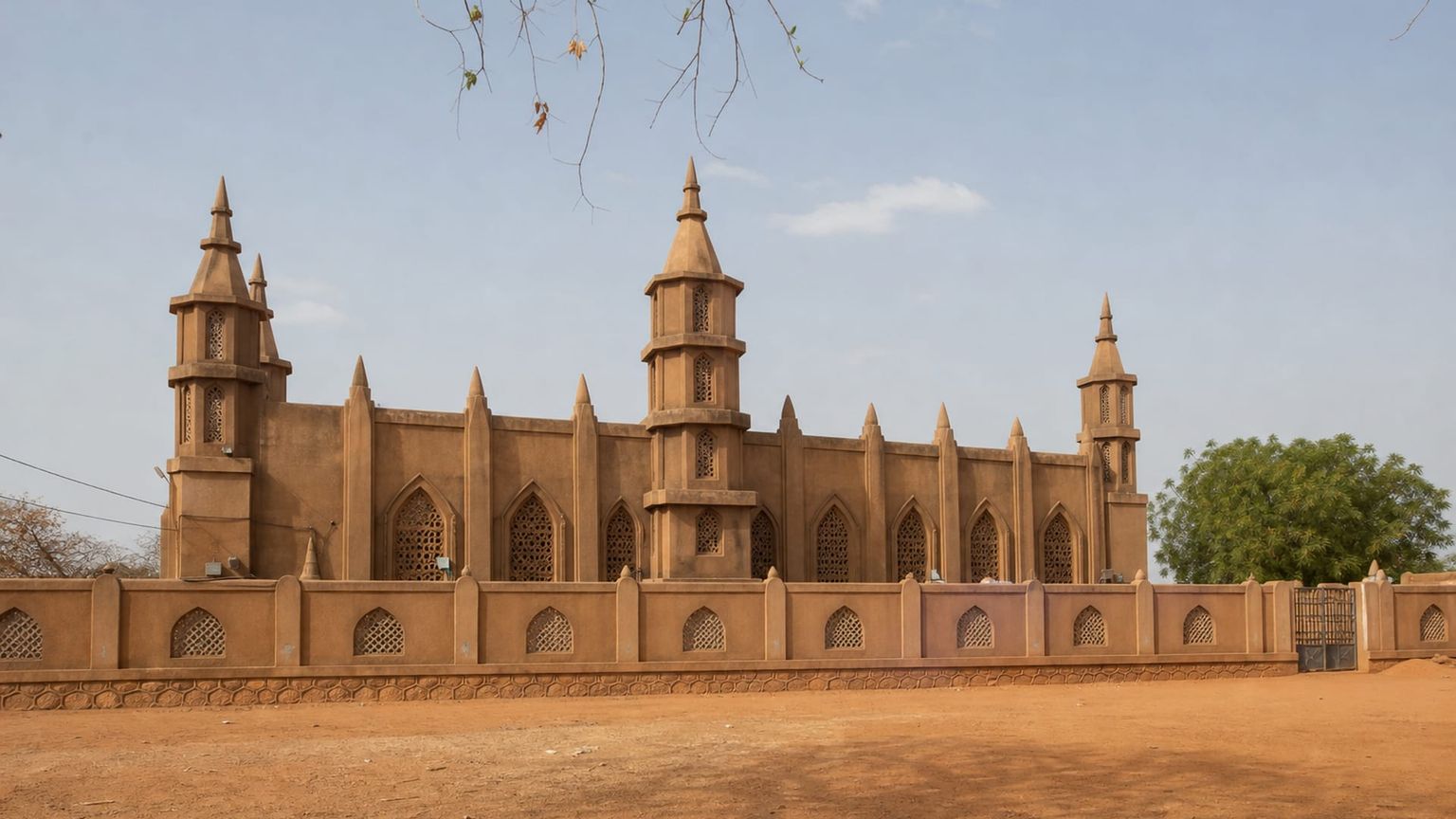
Start at the National Museum of Burkina Faso in the morning, when the galleries are quieter and the heat is lower, then spend about 1 to 2 hours with the masks, textiles, and ritual pieces. From there, take a taxi about 15 minutes to the Basilica of Our Lady of the Immaculate Conception for a 45-minute stop, then continue in another 10 minutes to the National Assembly of Burkina Faso for exterior photos and a look at the civic square. End with an early dinner back in Centre-ville, since evening restaurant options narrow once the offices empty.
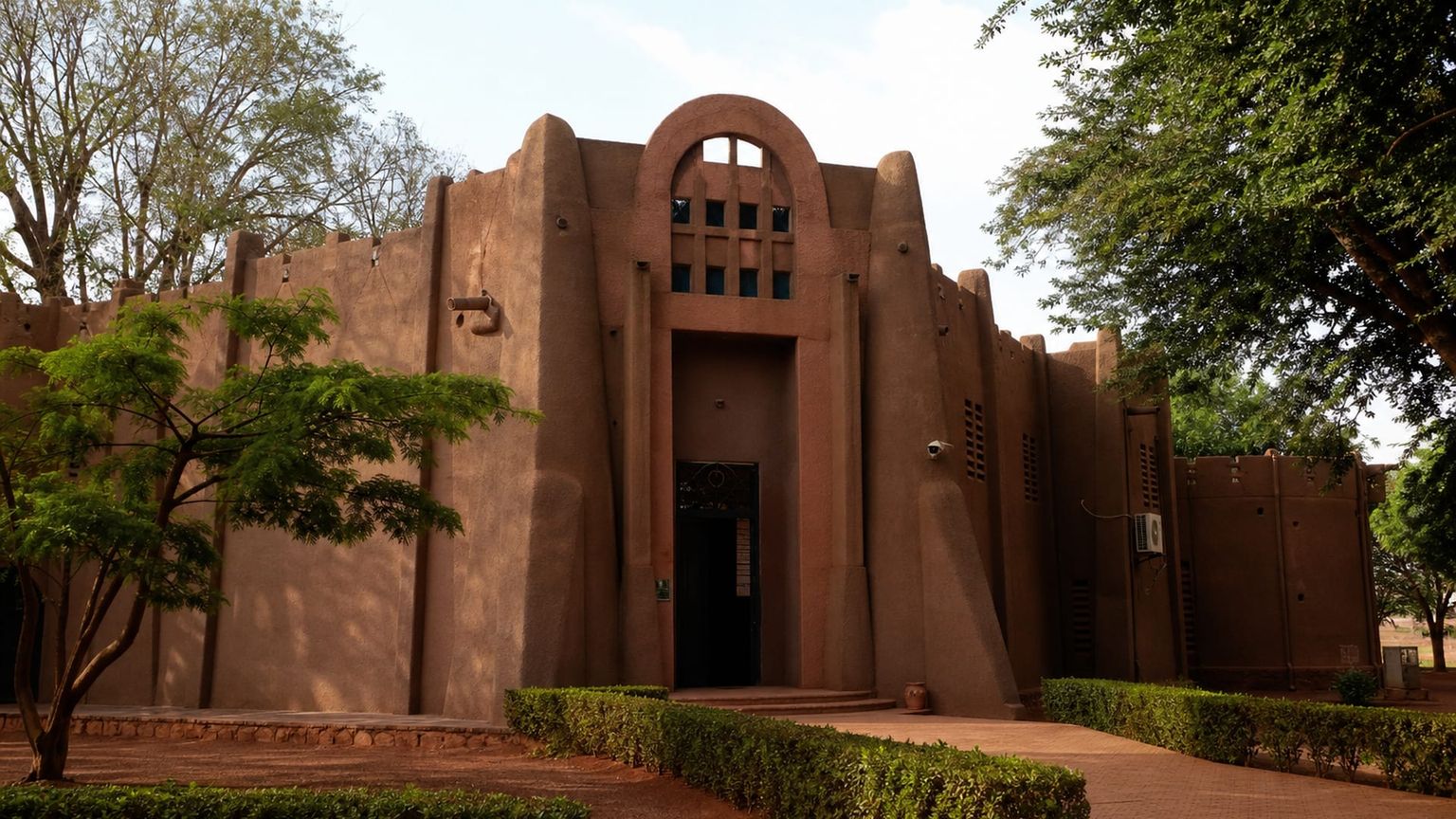
Begin early at Bangr-Weoogo Urban Park, about 20 to 30 minutes by taxi from most central hotels, and stay for a one- to two-hour walk while the air is still cool. After the park, ride 20 to 25 minutes to the Museum of Music for a compact visit of about 45 minutes to 1 hour, then return through Koulouba for a late lunch or coffee before heading back to your hotel. The day works well as a low-drive pairing of green space and a small museum, with the longest stretch in the middle rather than in one long crossing.
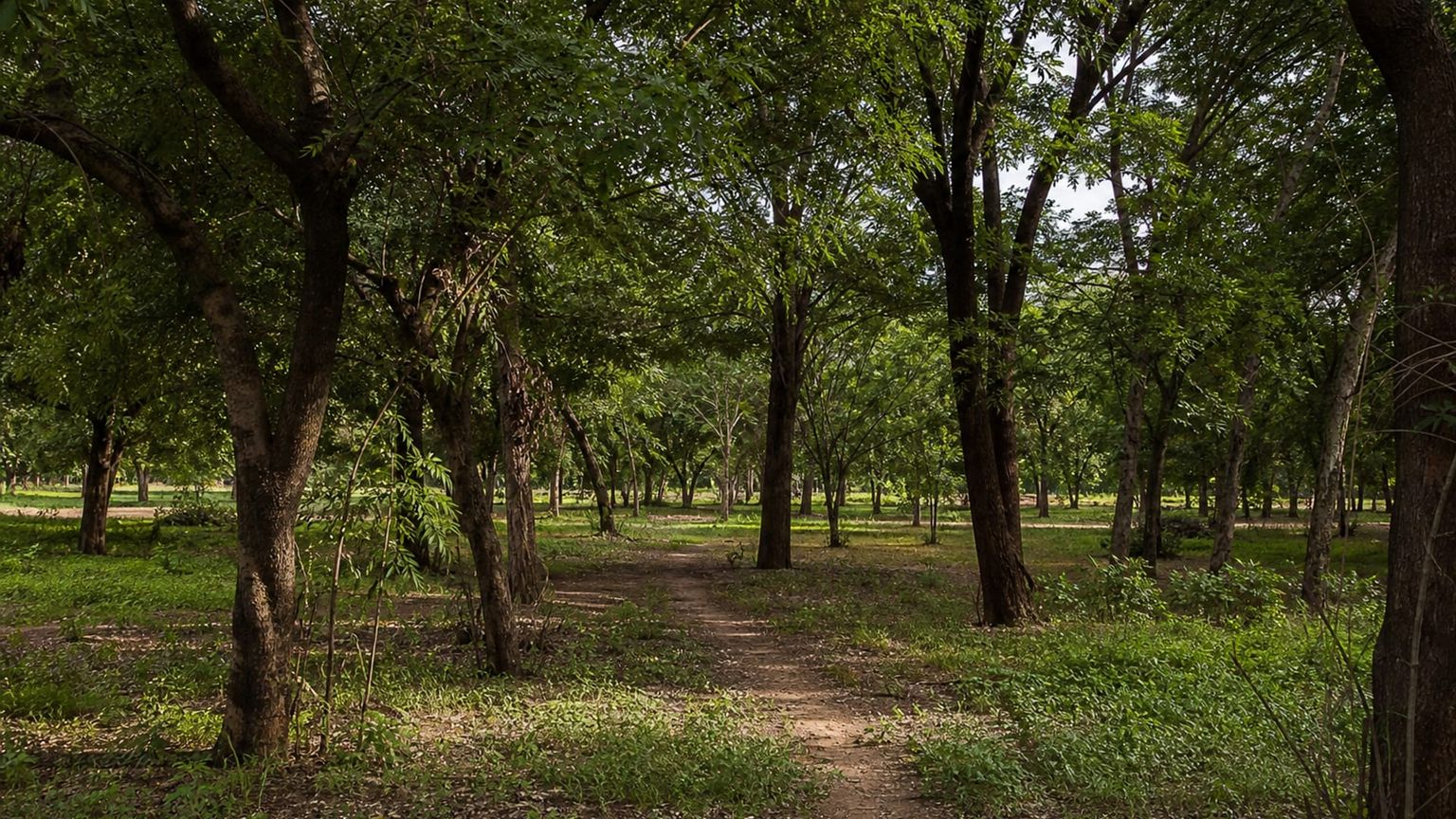
The city’s civic and religious landmarks fit neatly together today, starting in Koulouba or Centre-ville with the Basilica of Our Lady of the Immaculate Conception, then moving about 10 minutes by taxi to the National Assembly of Burkina Faso for a second stop. From there, continue roughly 15 minutes to the National Museum of Burkina Faso if you want one more indoor visit, or shorten the loop and keep the afternoon free for a return to your hotel and a calm dinner in Centre-ville. This route keeps rides short while still giving you a clear look at the capital’s main institutions.
Finish with a slower circuit that stays useful for an afternoon departure: one last stop at the Museum of Music in central Ouagadougou, then a taxi into Ouaga 2000 for shopping or a hotel-area lunch before heading back toward the airport. If you want a final coffee, choose a café in Zone du Bois, where the streets are quieter and you can sit for a while without committing to a long outing. Build in enough time to cross the city back to Ouagadougou (OUA), since the drive can stretch once midday traffic starts to build.
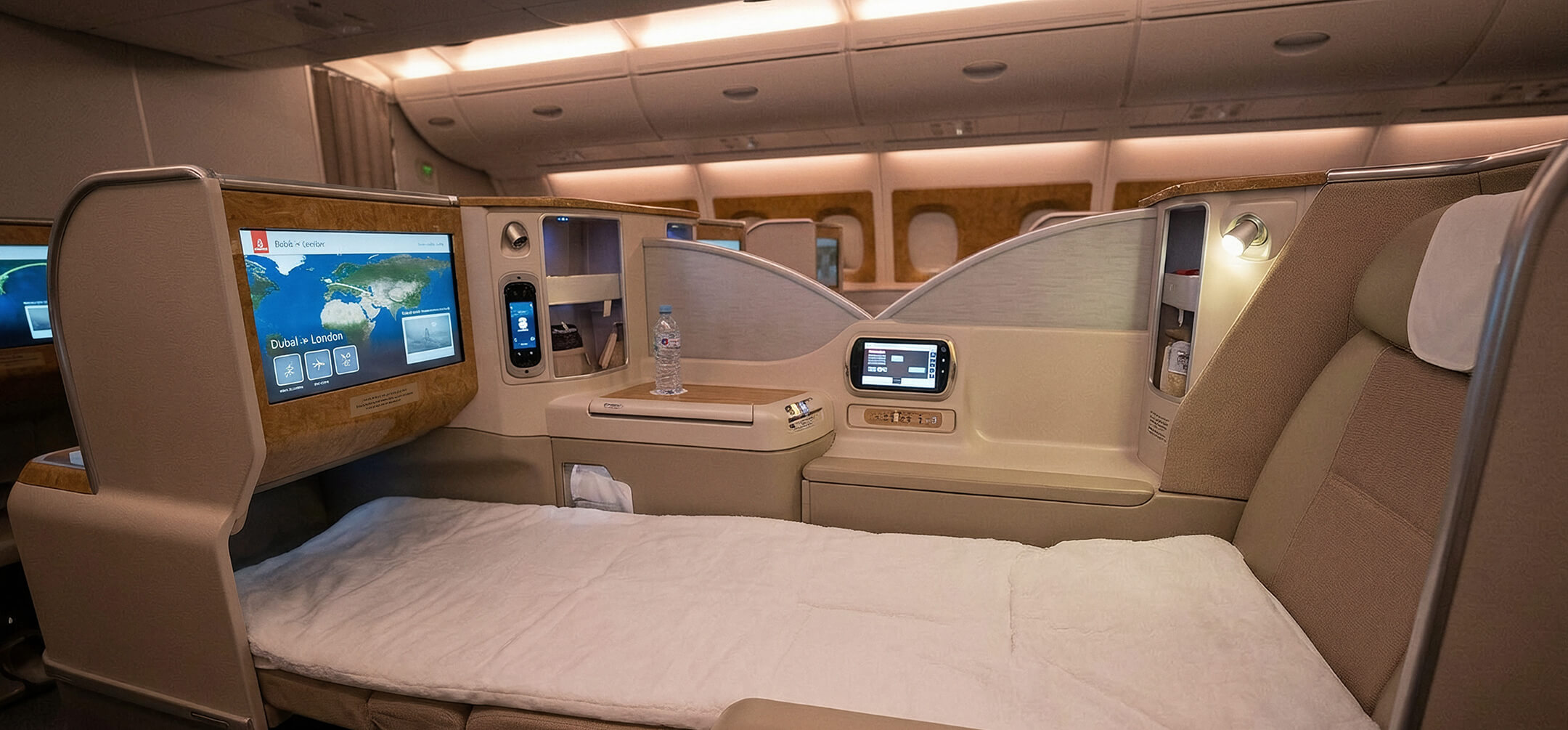
Business-class flights from the US to Ouagadougou
Long-haul routes into Ouagadougou usually connect through major European, Gulf, or African hubs, so the first choice is often the transfer point rather than the fare alone. The examples below show how that plays out from New York and Los Angeles.
From New York, Air France, Brussels Airlines, Emirates, Ethiopian Airlines, Royal Air Maroc, and Turkish Airlines all appear on the market, with fares for dates that route through European or Gulf hubs usually starting at about $3,800. Common layover points include Addis Ababa, Amsterdam, Abu Dhabi, Paris, and Casablanca, and the full journey often runs about 13 to 20 hours.
From Los Angeles, round-trip fares are usually about $4,100 to $7,000, and itineraries that connect once through Addis Ababa, Paris, or Istanbul can bring the lower end of that range into view. Air France, Brussels Airlines, Ethiopian Airlines, Royal Air Maroc, and Turkish Airlines are among the airlines that sell these itineraries.
Ouagadougou feels different when you slow down
A good Ouagadougou stay usually comes down to a central base, taxi hops that stay short, and timed visits to places like the National Museum of Burkina Faso, the Basilica of Our Lady of the Immaculate Conception, and Bangr-Weoogo Urban Park. Centre-ville gives you the clearest access, while Koulouba and Zone du Bois soften the pace at night. If you want help shaping the route, speak with the AranGrant experts and build your trip around the hours that work best here