

Chapters:

Need help with your trip?
Our support team is available 24/7. Request a callback or call us directly at (833) 619-0908
Ottawa often gets treated as a quick government stop, with travelers splitting time between Parliament Hill, the market, and a museum or two. That pattern works, but it often leaves out the river crossings, canal walks, and neighborhood dinners that make the city easier to read.
The common miss is pacing. Sights sit close on the map, yet the river, transit links, and seasonal hours can make a simple plan feel scattered if you stack too much into one afternoon.
This guide keeps the core landmarks, then adds a clearer order for where to stay, how to move, what to eat, and when to branch out beyond downtown.
Useful things to know

Main language(s): English

Currency: The local currency is the Canadian dollar (CAD, C$).

Cash and cards: Cards and contactless are widely accepted; carry about C$20 to C$40 ($15 to $30) in cash for small purchases or tips.

Tipping: Tip 15-20% at restaurants, round up in taxis, and leave small coins for casual help.

Traditional food: Poutine, butter tarts, beaver tails, tourtière

Water and coffee costs: Water about C$2 to C$4 ($1.50 to $3), bar espresso about C$3 to C$5 ($2 to $4).

Taxis and ride apps: Uber and Lyft operate here; availability can thin out late at night.

Plug and voltage: Type A/B socket, 120V

Dining and shop opening hours: Breakfast runs about 07:00-10:00, lunch 12:00-14:00, and dinner 17:30-21:00. Many restaurants close earlier on Sunday.

Emergency number: 911 for police, fire, and ambulance.
Where to stay in Ottawa
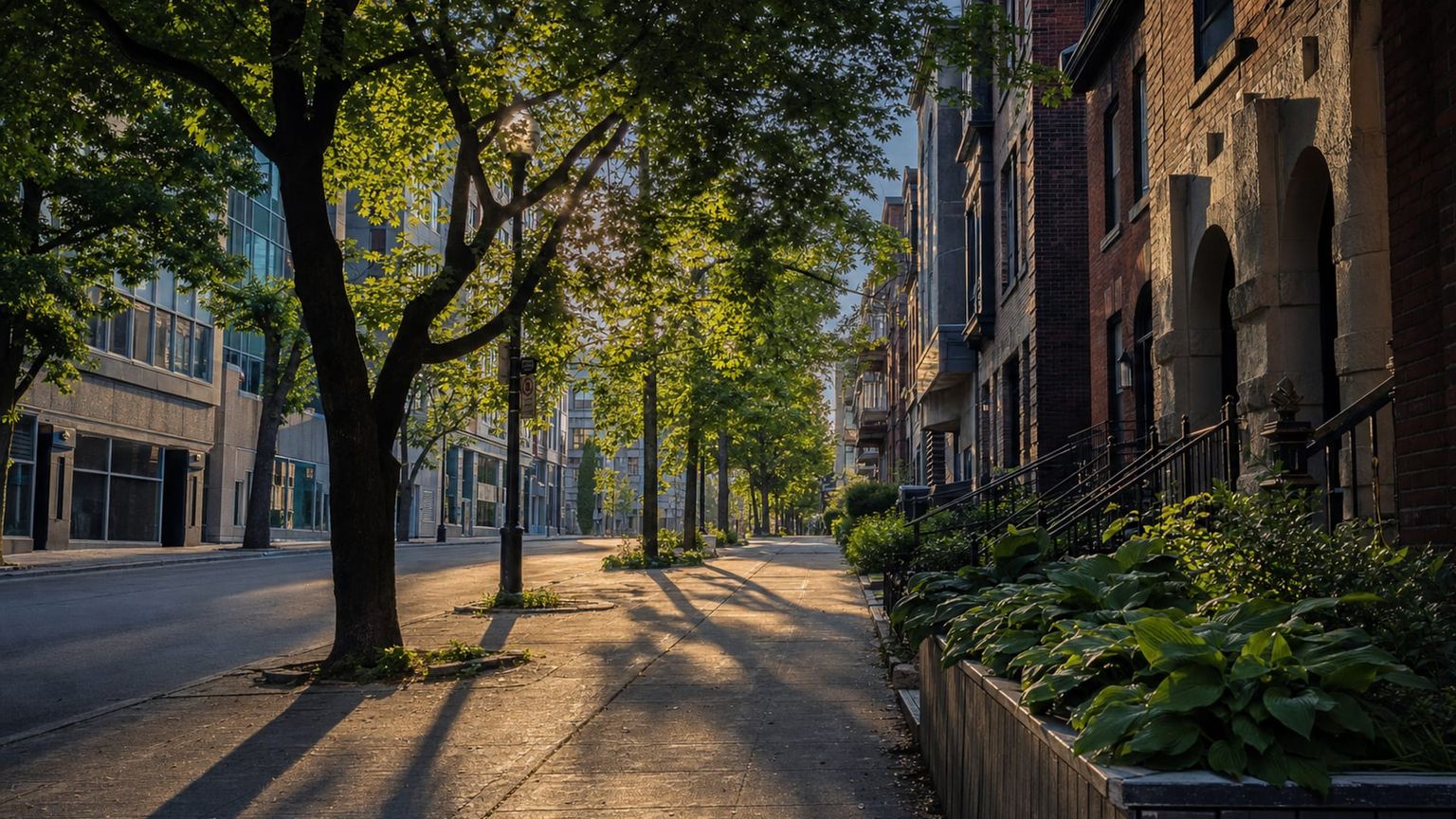
Centretown puts you in Ottawa’s central grid just south of Parliament Hill, with the National Arts Centre, shops on Bank Street, and easy access to the canal. It works well for visitors who want to move between museums, dining, and government landmarks without relying on long rides.
Best for: First-time visits, dining, and walkable access to Parliament Hill and the canal
What to expect: Busy sidewalks, office workers by day, and a steady flow of restaurant and bar traffic at night.
Hotel prices: Usually about $180 to $320 per night for well-rated stays
Distance to major sights: About 10 to 15 minutes on foot to Parliament Hill; about 12 minutes by transit to the National Gallery of Canada
Quietness: Daytime is lively and businesslike; evenings are calmer on side streets, but Bank Street stays active.
Main trade-off: You pay central prices, and rooms close to Bank Street can pick up traffic and late-evening noise.
Good to know: Choose a higher floor or a room away from the main corridors if you sleep lightly.
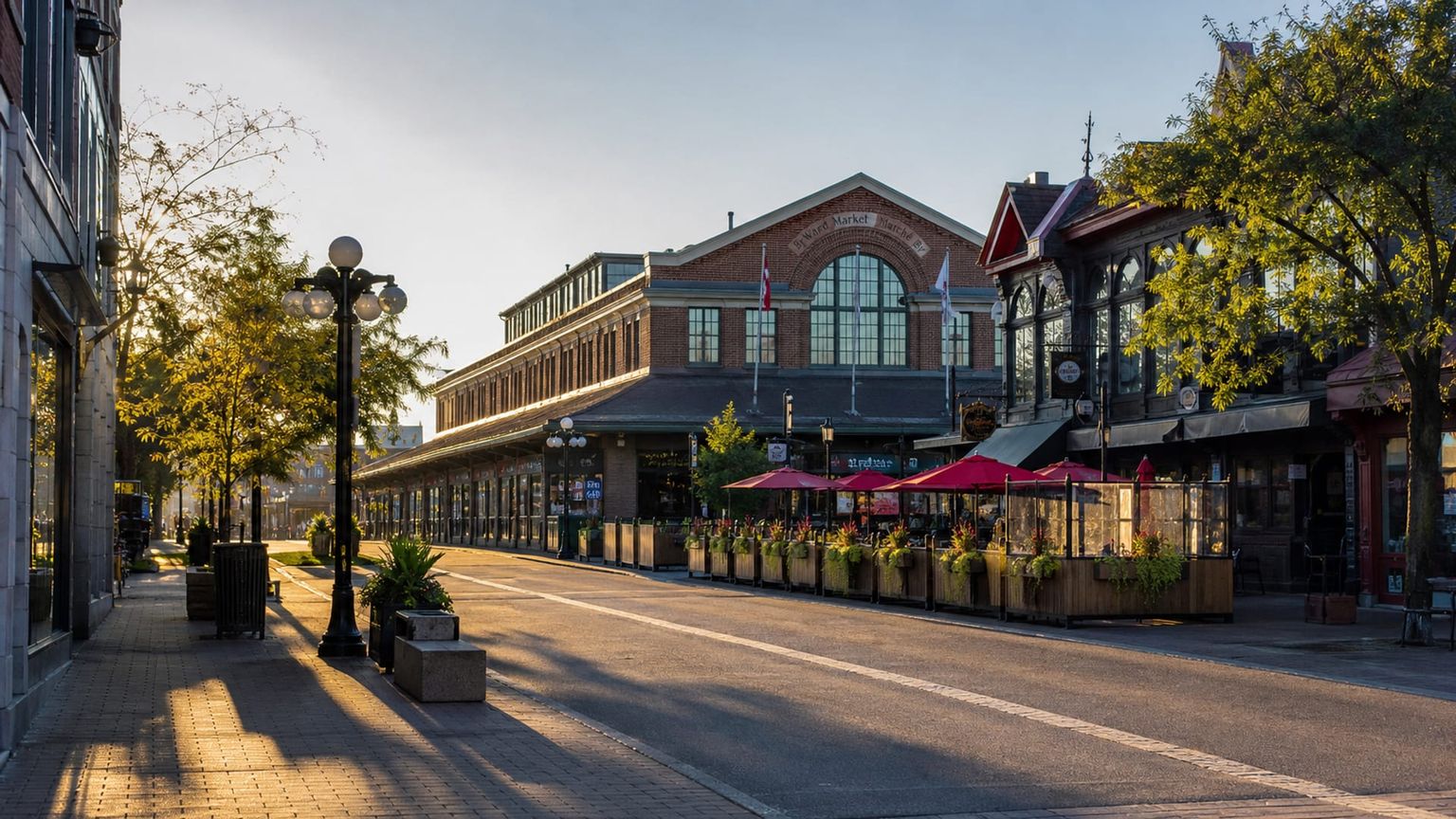
ByWard Market is Ottawa’s historic market district, packed with restaurants, bars, galleries, and souvenir shops near the National Gallery and the Rideau Canal. It suits travelers who want to step out into the city’s most concentrated dining and nightlife area.
Best for: Nightlife, restaurants, and travelers who want a lively central base
What to expect: Crowded streets, late-opening patios, and heavy foot traffic from afternoon through the night.
Hotel prices: Usually about $190 to $360 per night for well-rated stays
Distance to major sights: About 10 minutes on foot to Parliament Hill; about 8 minutes on foot to the National Gallery of Canada
Quietness: It stays energetic well into the evening, and late-night noise can carry on weekends.
Main trade-off: The district is convenient, but music, bar crowds, and weekend activity can affect sleep.
Good to know: If you want quieter nights, look just outside the market core rather than on the busiest blocks.
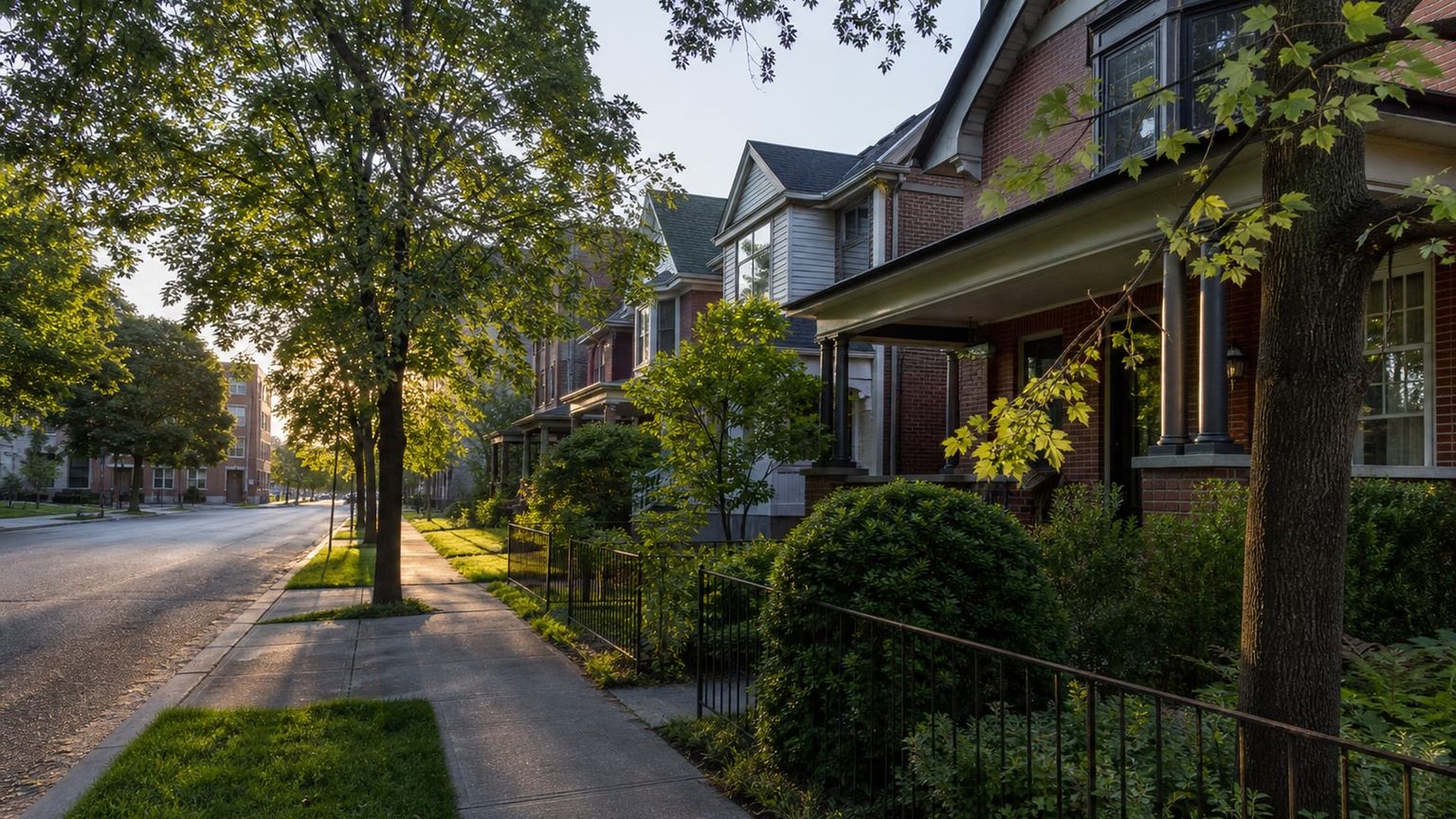
The Glebe sits south of downtown along Bank Street and the Rideau Canal, with independent shops, cafes, and heritage houses giving it a neighborhood feel. It matters for visitors who want a residential base with quick access to TD Place, the canal, and central Ottawa.
Best for: Canal walks, neighborhood dining, and visitors attending events at TD Place
What to expect: Local foot traffic, casual cafes, and a calmer street scene than the downtown core, with more activity on Bank Street.
Hotel prices: Usually about $170 to $300 per night for well-rated stays
Distance to major sights: About 20 minutes on foot to Parliament Hill; about 15 minutes on foot to Lansdowne and TD Place
Quietness: Days bring steady neighborhood activity; evenings are generally quieter than downtown, except near dining strips and event nights.
Main trade-off: You will spend more time getting to Parliament Hill and the museums than if you stay in the core.
Good to know: If your plans center on downtown sights, check transit times before booking because walking back from the hill takes longer than many visitors expect.
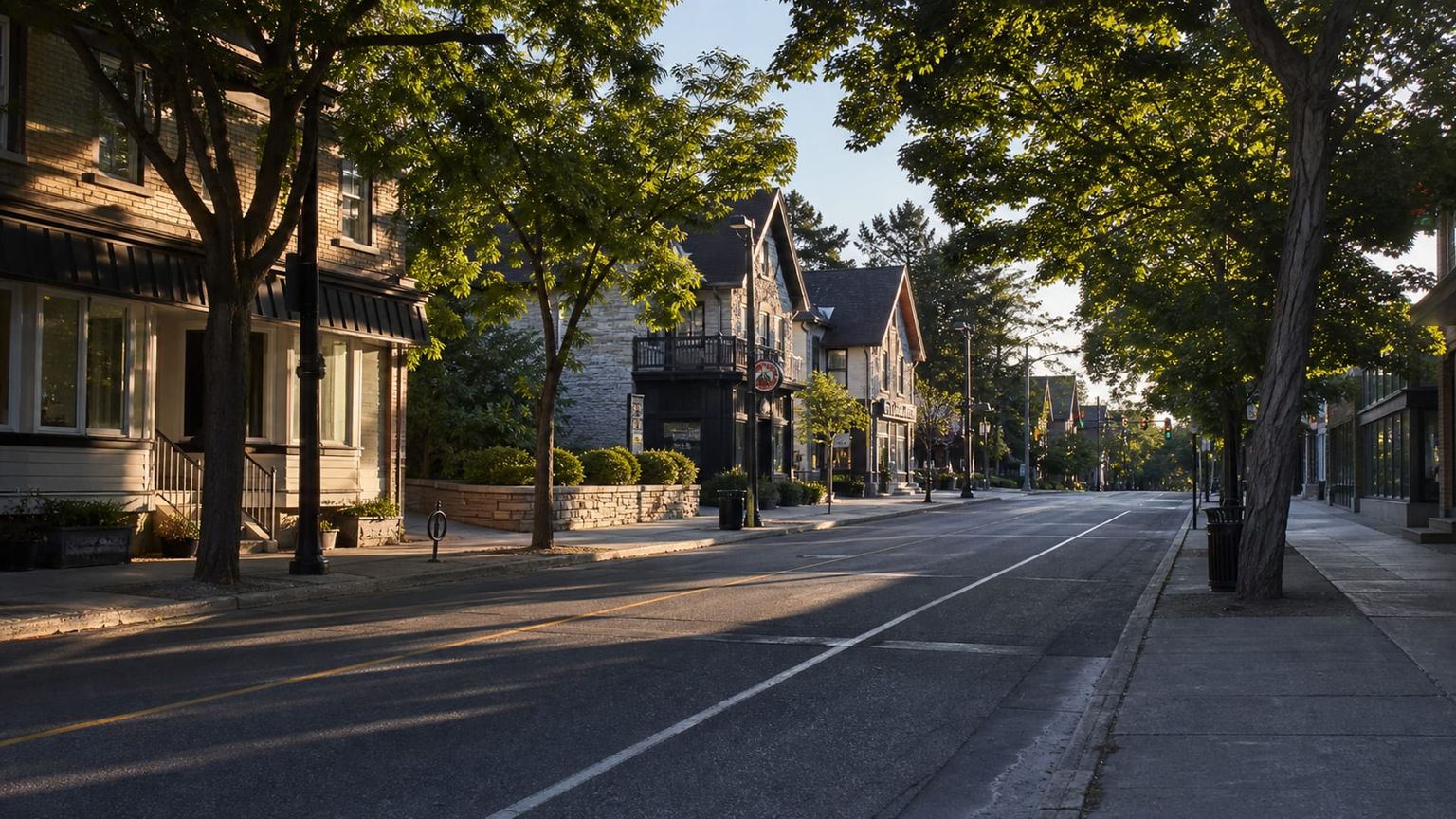
Westboro lies west of downtown along Richmond Road, with cafes, boutiques, and easy access to the Ottawa River pathways and beach areas. It suits visitors who want a residential district with outdoor access and a local dining scene rather than a central tourist base.
Best for: River walks, casual dining, and travelers who prefer a residential neighborhood
What to expect: Patios, local shoppers, and cyclists in a busy retail strip, then a much quieter pace on side streets after dinner.
Hotel prices: Usually about $160 to $280 per night for well-rated stays
Distance to major sights: About 20 to 25 minutes by transit to Parliament Hill; about 10 minutes on foot to the Ottawa River pathway
Quietness: Active on Richmond Road during the day; evenings are calmer away from the main strip.
Main trade-off: It is farther from the main museum cluster, so you will use transit or rides more often for central sightseeing.
Good to know: Plan for extra time if you have evening reservations downtown, since return trips can take longer than the trip in.
Travelers usually avoid staying in Ottawa’s Barrhaven, Kanata, and Orléans if they plan to sightsee in the core, since all three sit far from Parliament Hill, the ByWard Market, and the Canal. Greely and Stittsville are also less convenient for most visitors because they are suburban, have fewer hotel options and visitor-oriented amenities, and usually require longer evening trips back from restaurants and museums.
Hotel deals
How to get around Ottawa efficiently
Ottawa pairs walkable central districts with OC Transpo buses, the O-Train, taxis, and ride apps, so most visitors can move cleanly between the core, the airport, and the river crossing.

Metro
for longer distances
Ottawa has no metro or subway, so there is no rail network to use for short hops across the core. The closest equivalent is OC Transpo’s light rail, the O-Train, especially Line 1 between Tunney’s Pasture, Bayview, and Blair, with trains every few minutes at busy times and local transfers covered by a regular fare within the system’s 90-minute validity window.

Bus and tram
for convenience
OC Transpo buses and the O-Train cover downtown, the ByWard Market, Centretown, the airport link, and suburban hubs such as Barrhaven, Orleans, and Kanata. A single adult fare is about $2.80 (C$4.00) by card or cash, with transfers valid for 90 minutes, so you can switch between bus and rail without paying again inside that window.

Taxi
for convenience or late hours
Licensed taxis use metered fares, not fixed citywide set rates, and the meter usually starts at about $3.40 (C$4.90) before adding distance and time, so a ride from Ottawa (YOW) to downtown typically runs about $30 to $40 (C$43 to C$58), traffic depending. You can hail one at the airport taxi rank or book by phone, and most cabs accept cards, though it still helps to confirm payment before departure.
*Prices are based on rates updated as of June 2026 and may change at the time of travel.
Walk for Parliament Hill, the market, and the canal; use the O-Train or buses for cross-town moves; choose a taxi or ride app when you want the airport or a late return without transfers.
Iconic landmarks
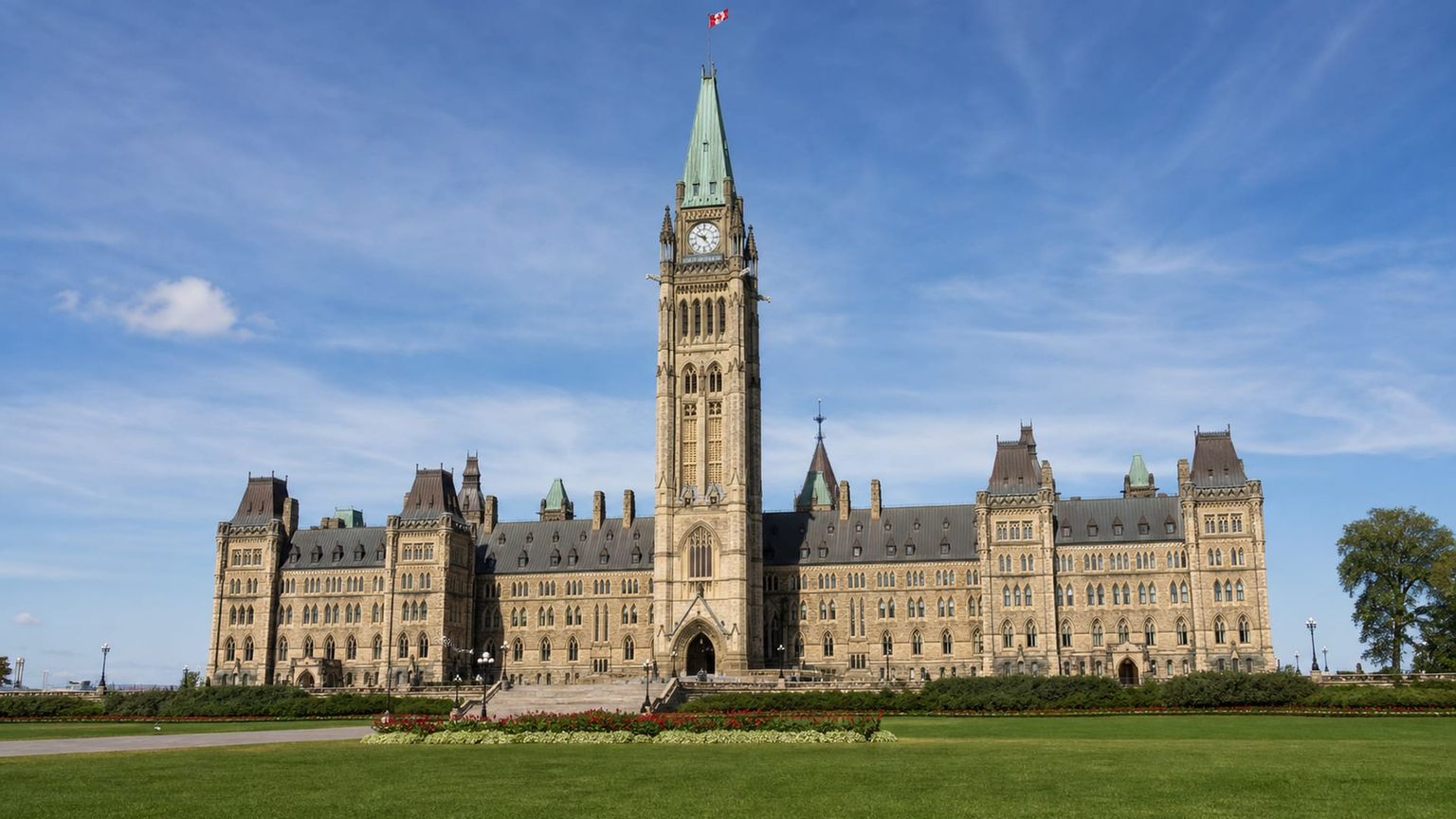
Parliament Hill
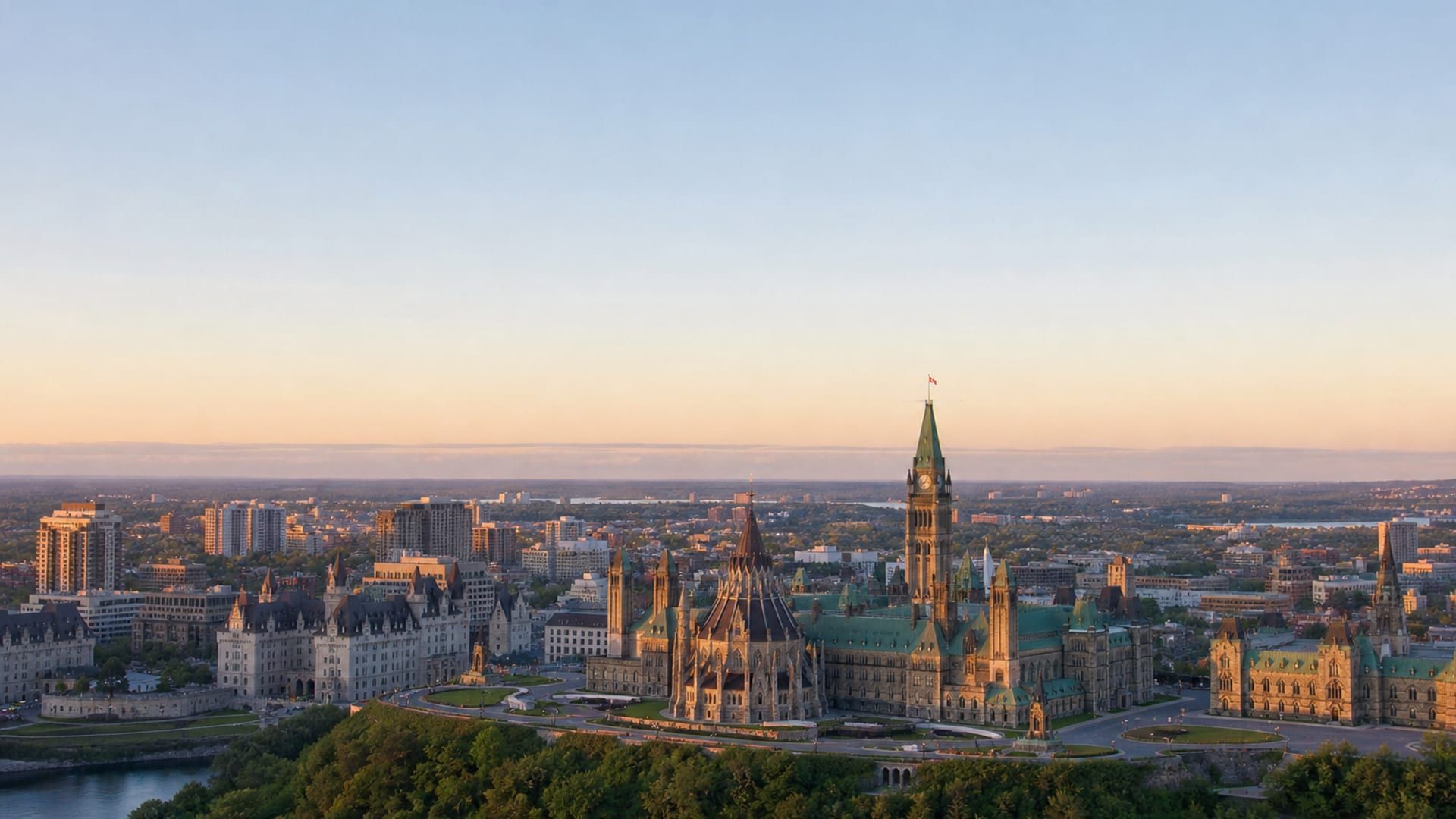
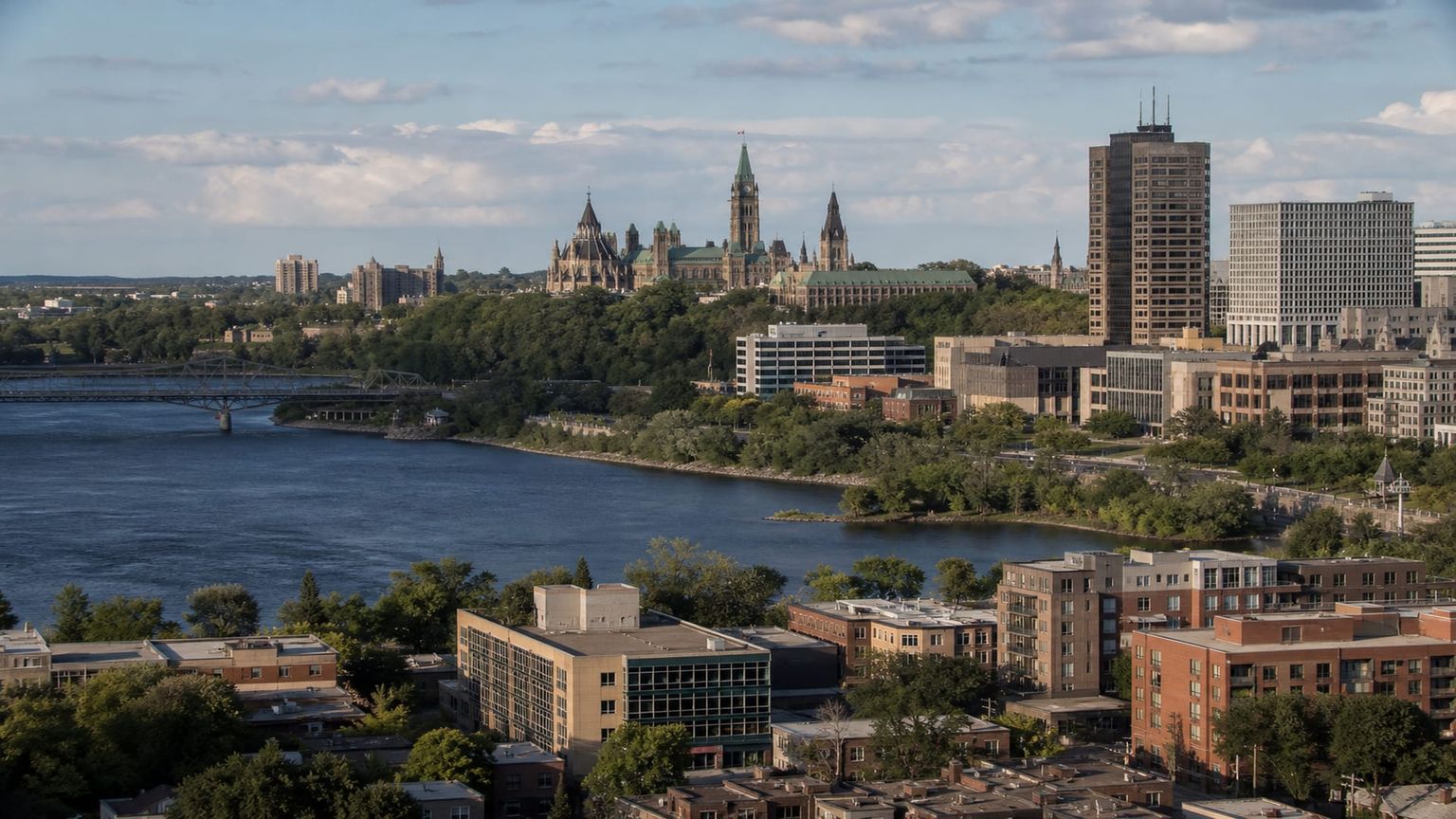
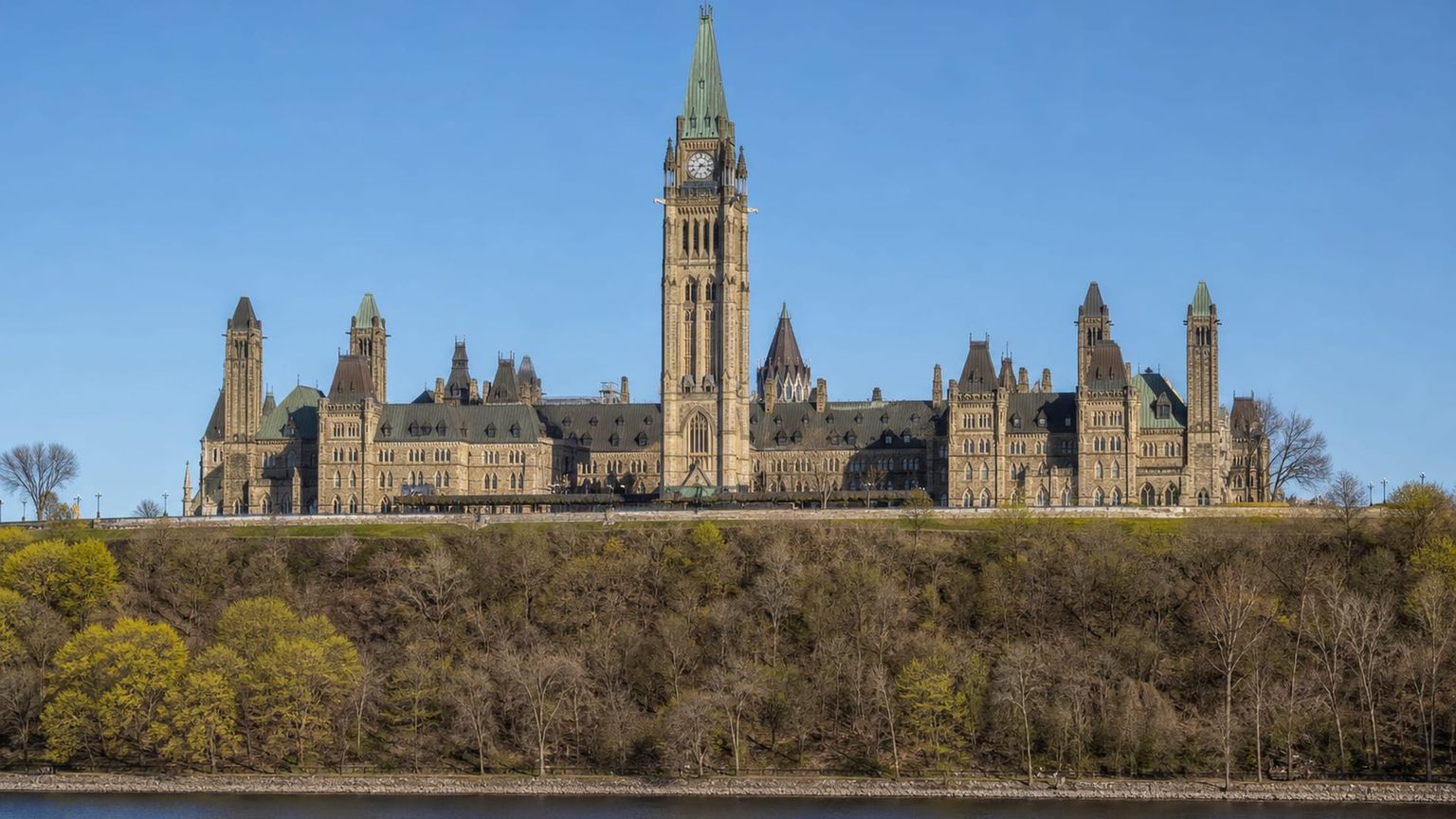
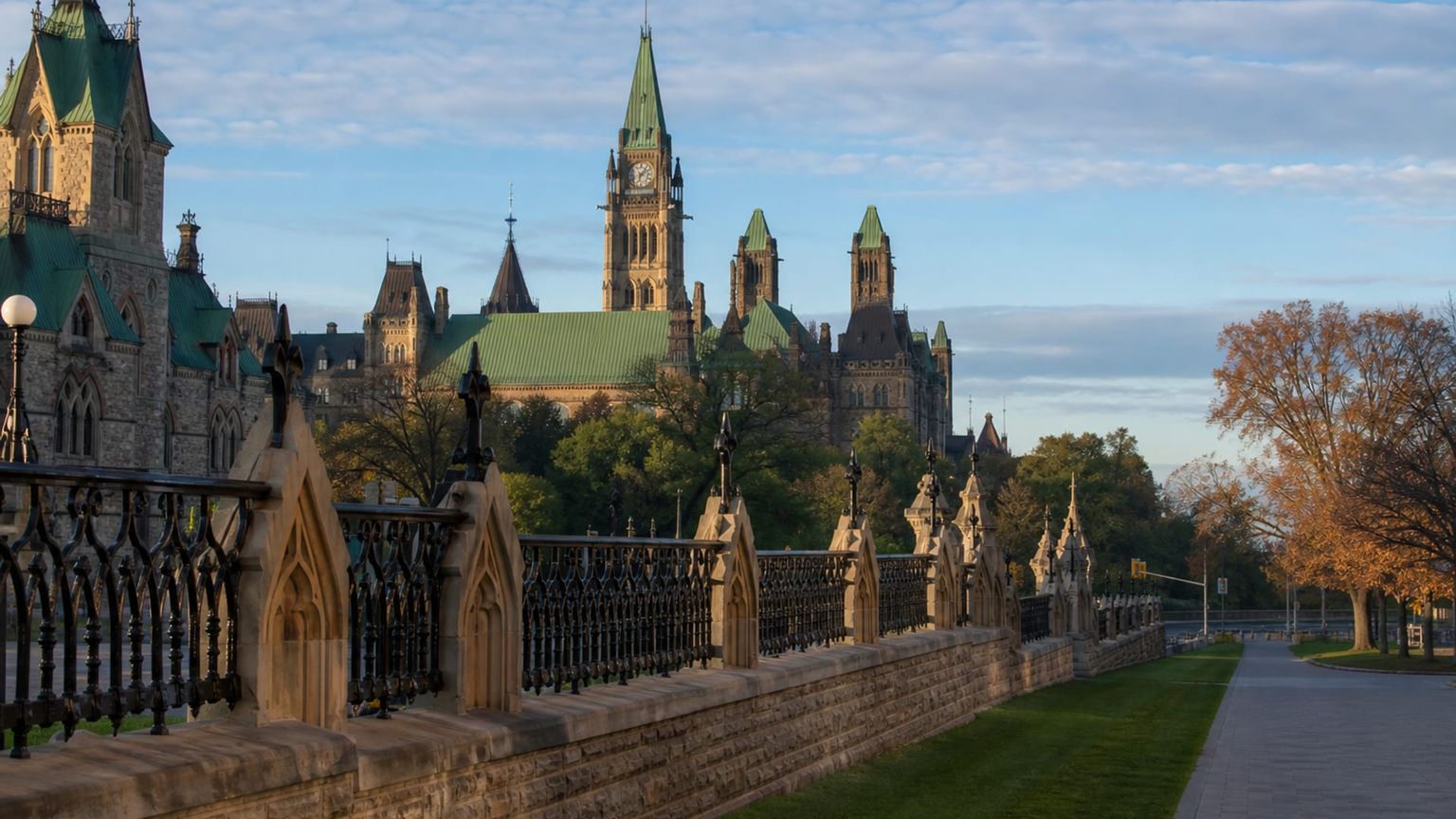
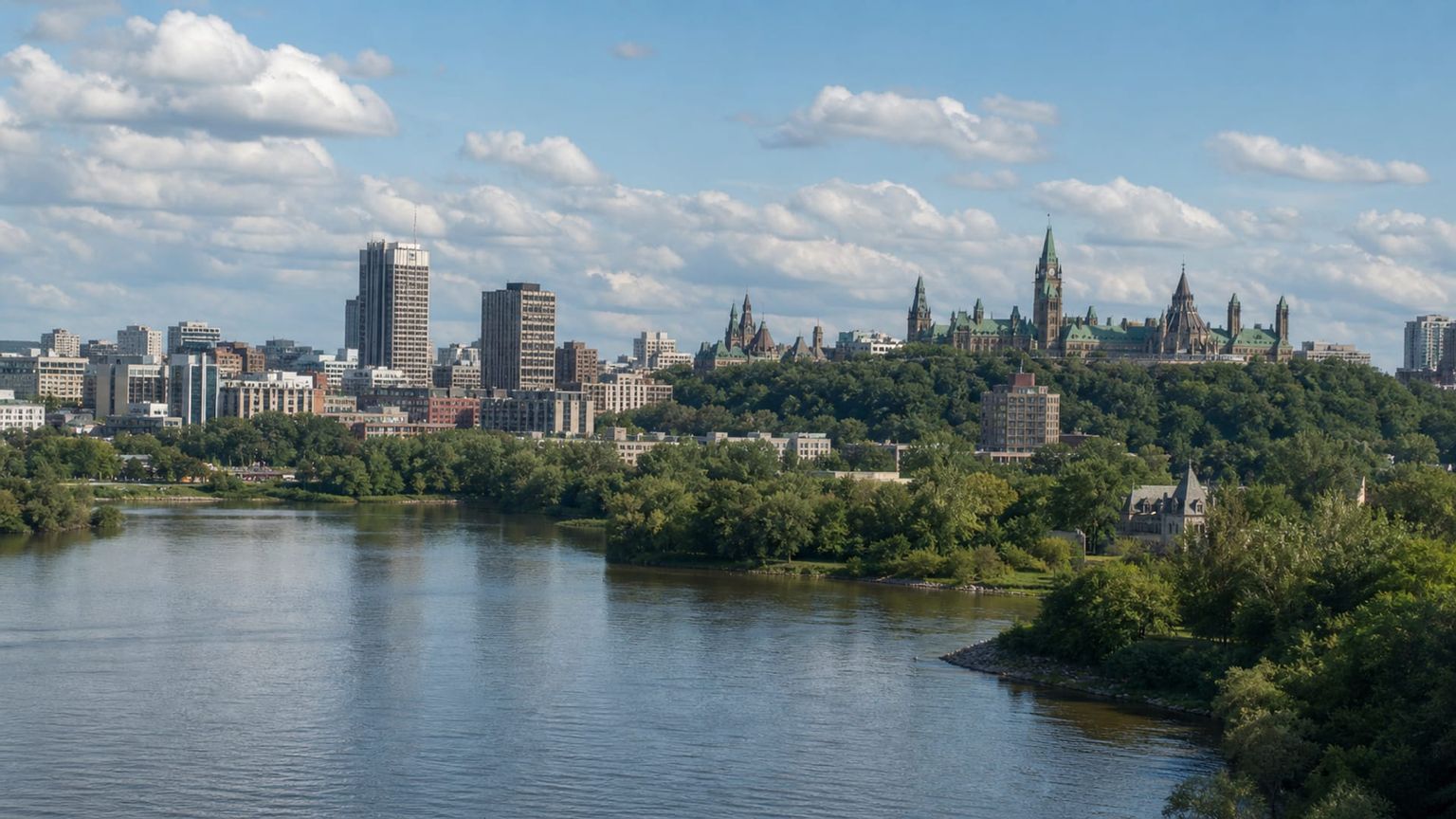
Ottawa’s Parliament Hill anchors Canada’s federal center with the Gothic Revival Parliament Buildings, the Centennial Flame, and views over the Ottawa River. The grounds also host the Changing of the Guard in summer and Canada Day events.
Time needed: About 1 to 2 hours
Entry: Free to access; guided interior visits for the Parliament Buildings are free, but security screening and timed entry may apply. Visit the official site for details.
Tip: Arrive early for exterior photos, then return at dusk for the lit facades and river view.
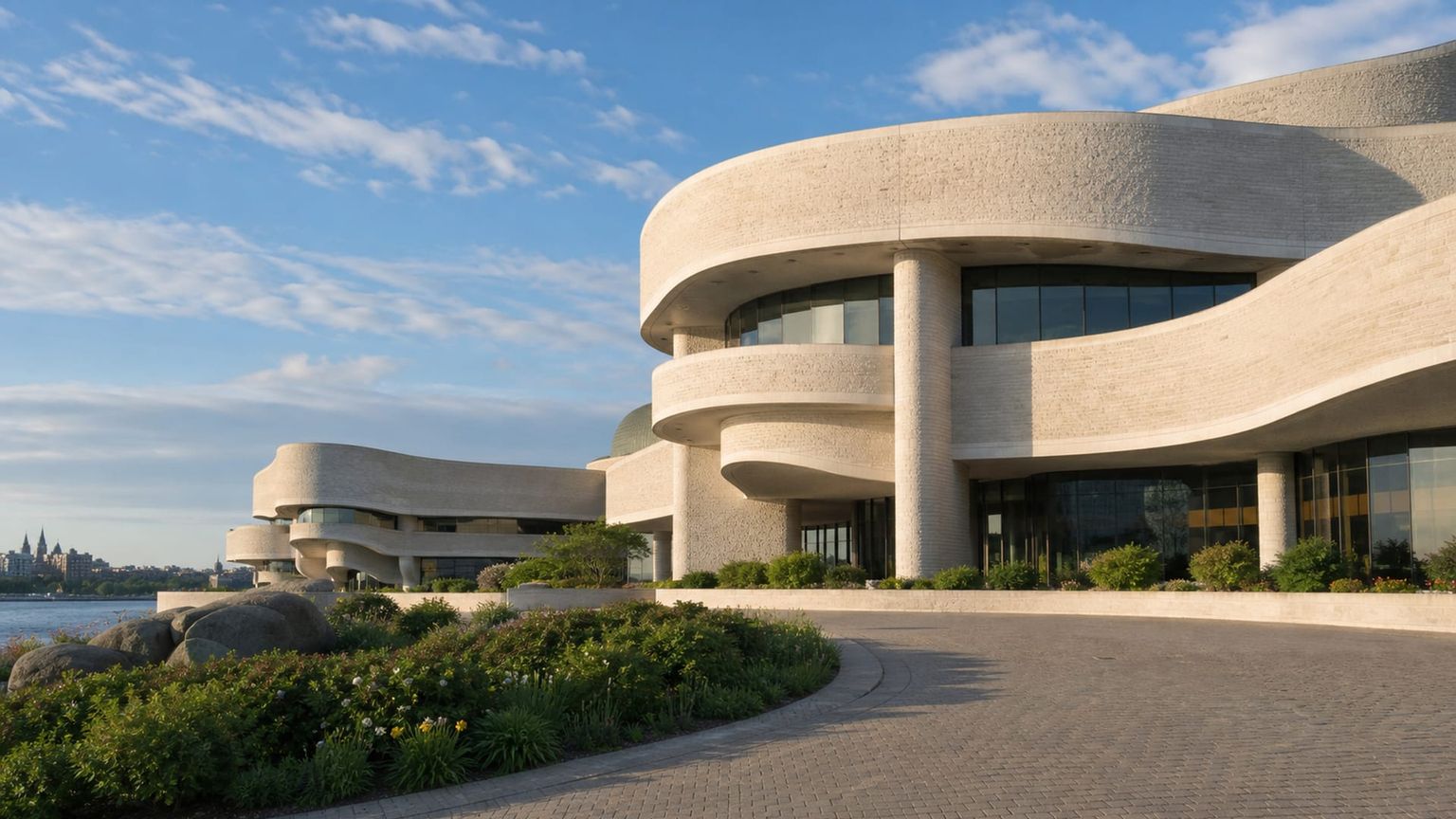
Canadian Museum of History
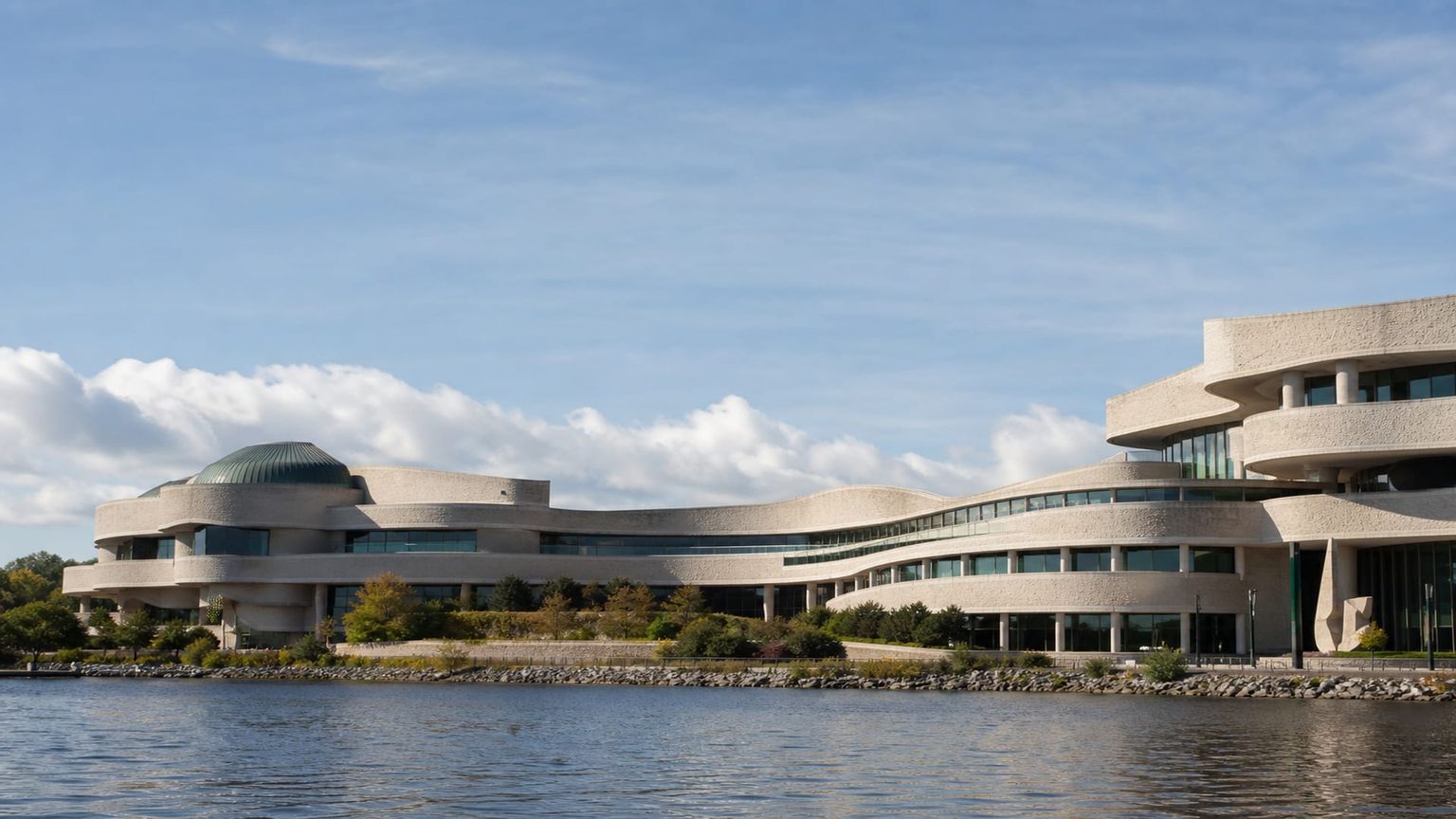
Across the river in Gatineau, the Canadian Museum of History presents Canada through Indigenous, colonial, and modern collections in a landmark curved building. Its Grand Hall and Canadian History Hall make it one of the area’s key museum stops.
Time needed: About 2 to 3 hours
Entry: Standard admission costs $20.95 ($24.15) for adults, $18.50 ($21.32) for seniors, and $16.00 ($18.40) for students. Visit the official site for details.
Tip: Go midmorning on a weekday so you can linger in the Grand Hall before lunch crowds build.
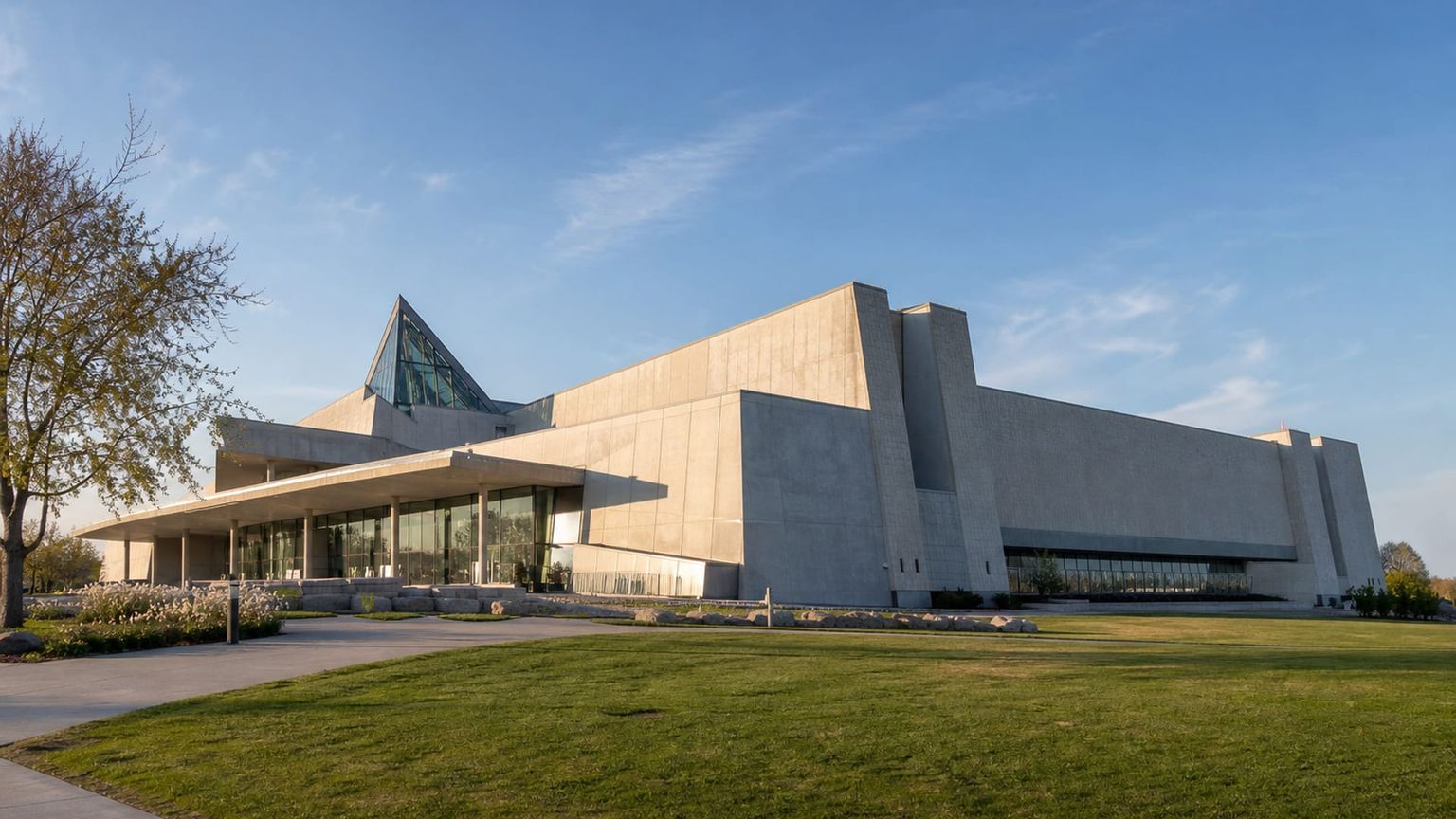
Canadian War Museum
The Canadian War Museum combines a dramatic angular building with galleries on conflict, peace, and military history from the earliest colonial wars to the present. Its artefacts and personal accounts make it one of Ottawa’s most important museums.
Time needed: About 2 to 3 hours
Entry: Standard admission costs $20.95 ($24.15) for adults, $18.50 ($21.32) for seniors, and $16.00 ($18.40) for students. Visit the official site for details.
Tip: Plan your visit for late afternoon, then step outside for river and downtown views at golden hour.
Overlooked sites worth visiting

Mer Bleue Bog Trail
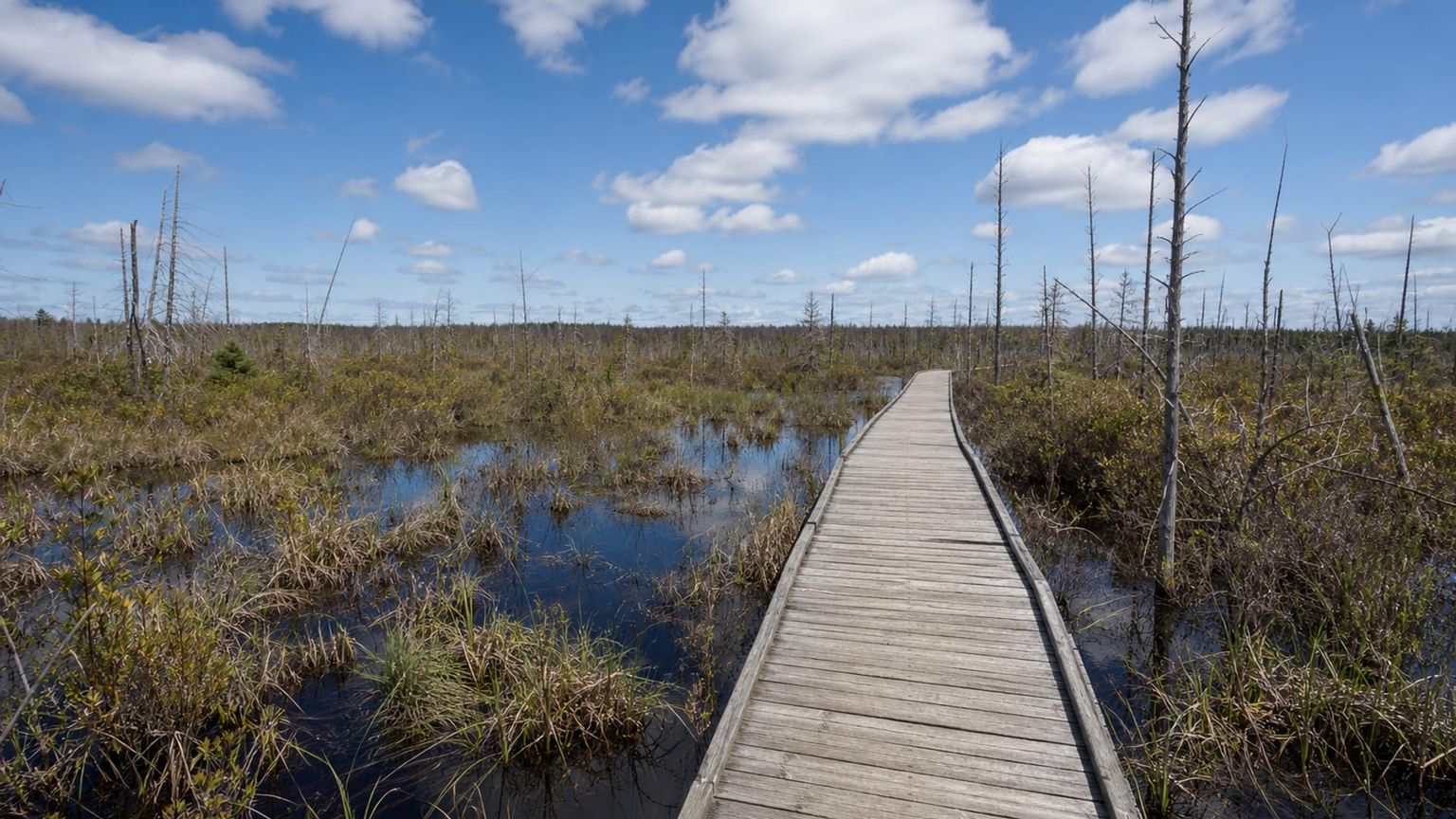
A raised boardwalk crosses black spruce and sphagnum bog, with pitcher plants and tamarack in spring and summer. Early morning brings quieter conditions and better chances to spot birds.
Time needed: About 1 to 2 hours
Entry: Free to access. The trail is open year-round and suits a self-guided visit with no ticketing or timed entry. Some sections can be muddy after rain, so visitors should wear shoes with traction and plan extra time for the return walk.
Tip: Go early for softer light and fewer walkers.

Billings Estate National Historic Site
Ottawa’s oldest surviving house pairs a Georgian-era residence with family cemetery grounds and small museum rooms. The compact site gives a direct look at early city history without a long visit.
Time needed: About 1 hour
Entry: Standard admission is about $9.55 ($10.80) for adults, about $7.50 ($8.50) for seniors and youth, and free for children under 5. The site runs on seasonal hours, with some programs and guided access offered only on selected dates. Visit the official site for details.
Tip: Check seasonal hours before you go, since access changes by month.
Traditional food
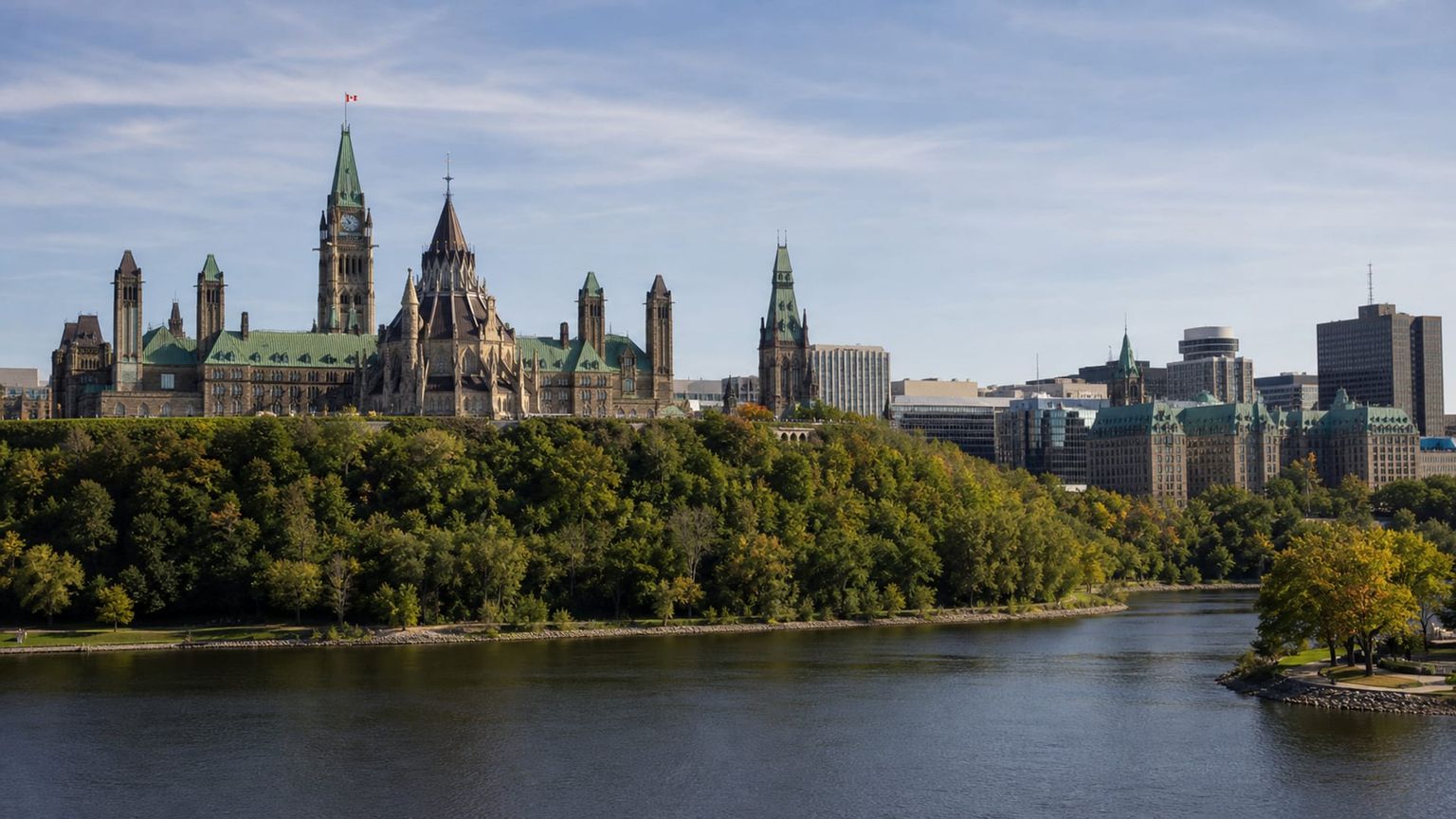
Ottawa’s table leans on French Canadian comfort food, diner staples, and café fare, with poutine, butter tarts, beaver tails, and tourtière showing up in both casual spots and longer meals.
Poutine
This Quebec-born dish is the city’s most common late-day comfort order, with fries, cheese curds, and gravy showing up on pub menus and casual counters. Fritz’s European Fry House is a good Ottawa stop for a classic, no-frills plate.
Butter tarts
A rich pastry with a gooey sugar filling, butter tarts fit Ottawa’s bakery-and-cafe side as well as its holiday tables. The Sconewitch at ByWard Market is a dependable place to look for a sweet version.
Beaver tails
This fried dough treat is stretched flat, topped with sugar or chocolate, and best eaten warm after a walk through the market or along the canal. Beavertails Ottawa in ByWard Market is the city’s most direct match.
Tourtière
Tourtière is a seasoned meat pie tied to French Canadian cooking and often served as a hearty dinner. The SmoQue Shack has offered a strong Ottawa example of the style, with a menu that suits a colder evening.
Best time to visit Ottawa
Ottawa changes pace sharply by season, with warm, walkable summers, crisp fall color, long winter cold, and a brief but pleasant shoulder season between snowmelt and peak heat.
Best for: Canal walks, museum days, and lighter crowds before summer
What you get: About 34 to 66°F (1 to 19°C), with cool mornings, mixed weather, and fewer visitors than in peak summer.
Trade-offs: Rain and lingering chill can shorten outdoor plans.
Best for: Parliament Hill, patios, festivals, and longer evenings
What you get: About 58 to 81°F (14 to 27°C), with the heaviest crowds and the busiest hotel demand of the year.
Trade-offs: Popular sights, especially the market and canal, feel busiest in the afternoon.
Best for: Leaf color, clear walking weather, and museum pairing days
What you get: About 38 to 68°F (3 to 20°C), with moderate crowds that thin after Thanksgiving weekend.
Trade-offs: Temperatures drop quickly by late October.
Best for: Snowy canal scenery, indoor museums, and holiday events
What you get: About 12 to 30°F (-11 to -1°C), with the fewest tourists but the coldest walking conditions.
Trade-offs: Short daylight and snow can slow down neighborhood wandering.
A realistic 5-day plan in Ottawa
Five days gives Ottawa enough time for the federal core, both major museums, and one quieter outing beyond downtown. The plan below keeps most transfers short, then adds a final day that leaves room for coffee, shopping, or one last museum stop before you head out.
Land at Ottawa (YOW) and take a taxi or rideshare into Centretown or the ByWard Market, which usually takes about 20 to 30 minutes and costs roughly $35 to $45 CAD, or about $26 to $33 USD. If you want to save a little, the OC Transpo airport bus can work for about $4 to $5 CAD, though it takes longer and can require a transfer. Settle into a room near Bank Street or the market core, drink some water, then keep dinner close to your hotel, perhaps at a casual spot in Centretown or a quieter block just outside ByWard Market.
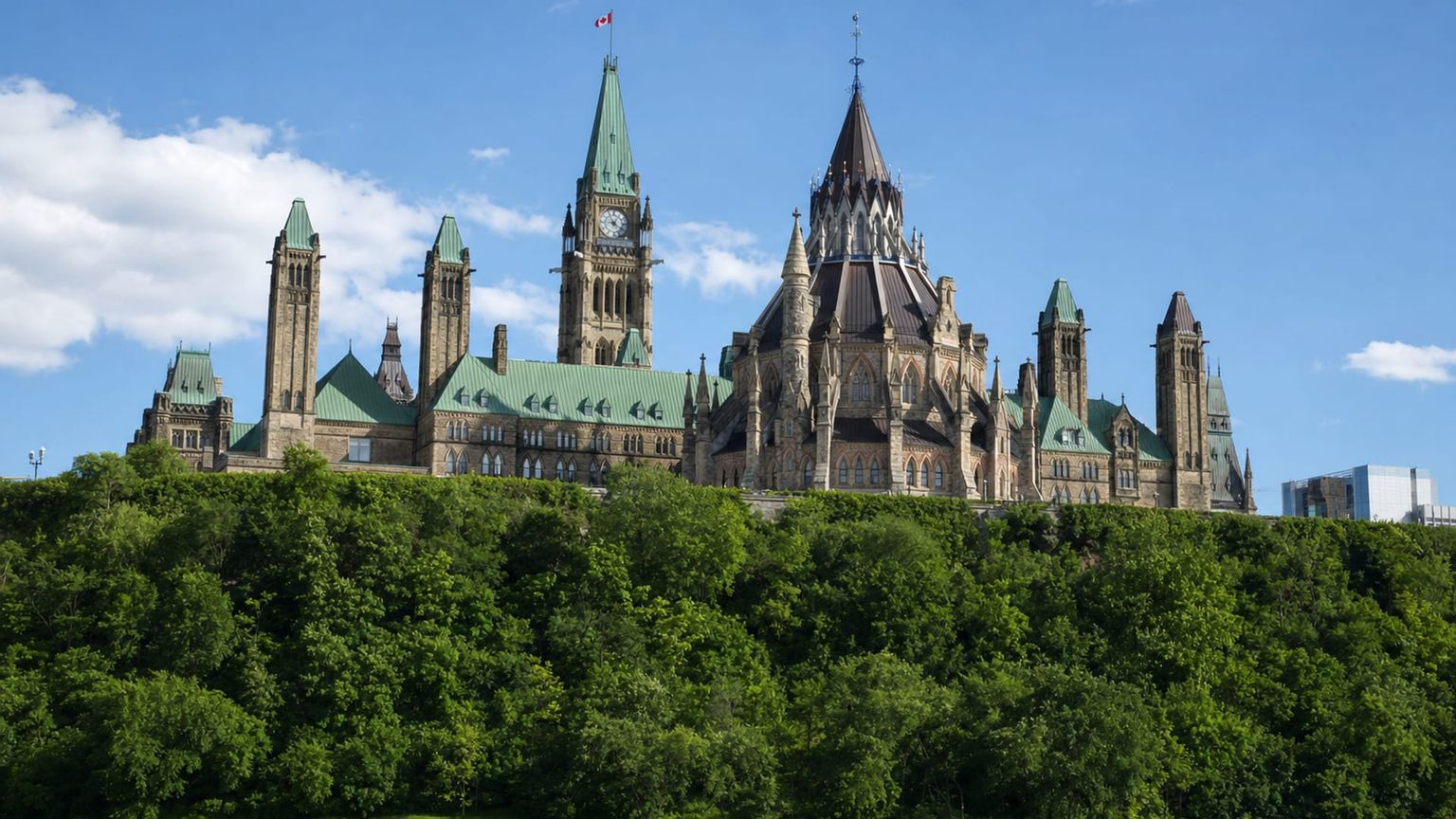
Parliament Hill sets the tone for the day, and it works best as an early start before the crowds build. Spend about 1 to 2 hours on the grounds, then walk roughly 10 minutes to the National Arts Centre area or continue on foot into ByWard Market for coffee and lunch. In the afternoon, stay in the same central zone and wander the market streets, where galleries, souvenir shops, and patio tables sit within a short walk of the Hill. If you want a dusk return, go back to Parliament Hill for the lit facades and the river view.
Cross the river in the morning for the Canadian Museum of History, which you can reach from downtown in about 10 to 15 minutes by car or transit plus a short walk. Plan 2 to 3 hours there, then continue to the Canadian War Museum, roughly 10 to 15 minutes away by taxi or rideshare, or about 25 to 30 minutes if you combine a bus ride with walking. That pairing makes a full museum day without long backtracking, and the two buildings give you very different views of Canadian identity, one through history and the other through conflict and peace.
A quieter side of Ottawa waits at Mer Bleue Bog Trail, about 25 to 35 minutes from central Ottawa by car, with boardwalk paths that reward an early start. Spend 1 to 2 hours on the raised trail, then head back toward the city for Billings Estate National Historic Site, about 20 minutes by car from the bog or roughly 15 to 20 minutes from the downtown core. The estate takes about 1 hour, so the day balances open wetland scenery with one compact historic stop before an easy dinner back in Centretown or The Glebe.
One last morning fits well in The Glebe, where you can have coffee on Bank Street, browse local shops, and walk the canal edge before checking out. If you want a final museum stop, return to the Canadian Museum of History or the Canadian War Museum, depending on what you missed earlier, then keep your shopping to ByWard Market or Bank Street so you stay close to your hotel. For a last meal, choose a café in Centretown or a brunch place in The Glebe, then head to Ottawa (YOW) without trying to pack in one more major stop.
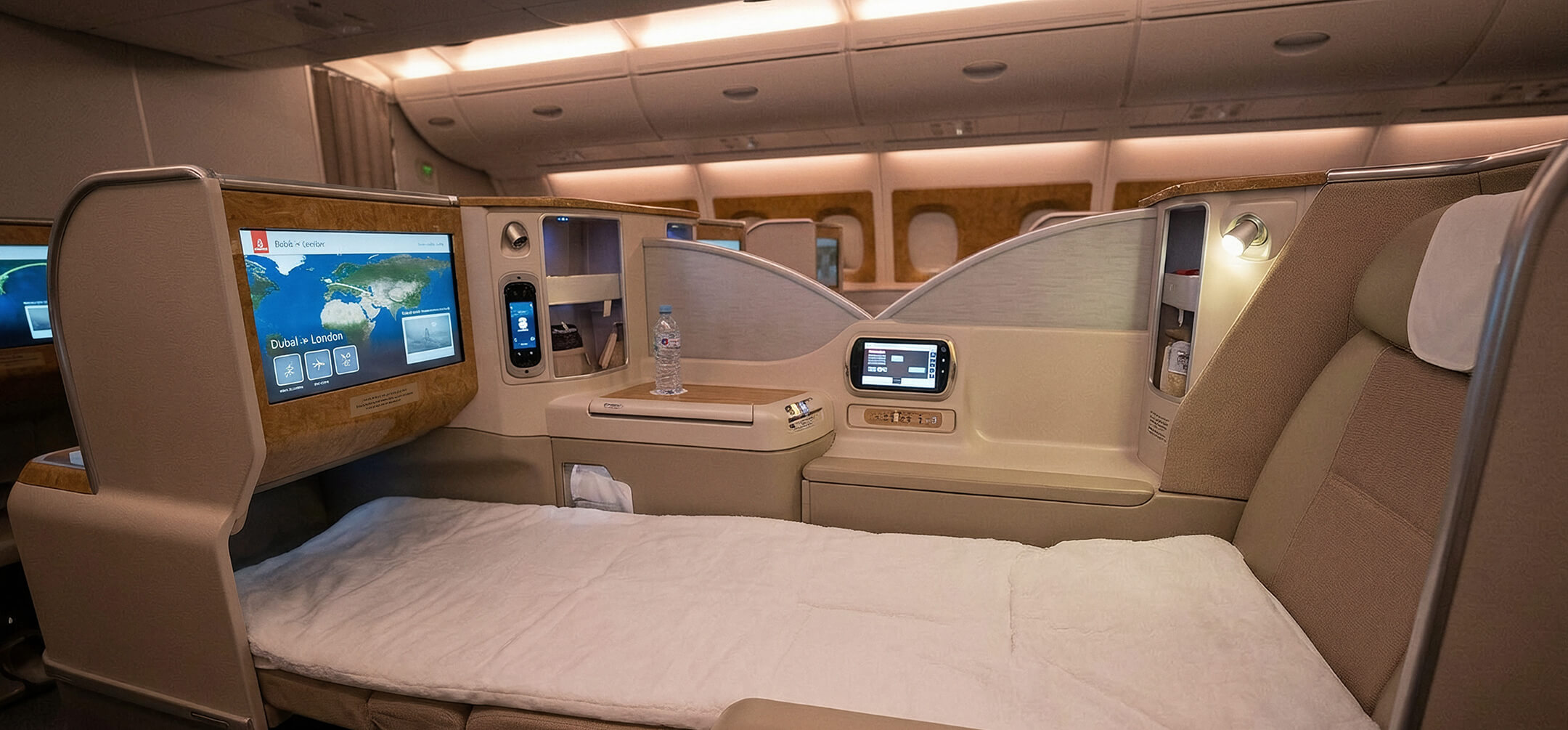
Business-class flights from the US to Ottawa
Ottawa is close enough to New York for a quick one-stop or nonstop trip, while West Coast travelers usually need a longer connection. The examples below show how the fare spread changes with route length and layovers.
From New York, Air Canada, United Airlines, Porter Airlines, Delta Air Lines, and American Airlines all serve Ottawa, and nonstop flying takes about 1 to 1.5 hours. If you do not mind a layover, common routings via YYZ or YUL can drop fares to about $500, with round-trip fares usually ranging from $700 to $1,800.
West Coast itineraries from Los Angeles usually run via YYZ, YUL, ORD, DEN, or SFO, and the trip takes about 7 to 11 hours with connections. Air Canada, United Airlines, American Airlines, WestJet, and Porter Airlines all appear on this market, and round-trip fares usually start at $1,000 and climb to $2,600, with nonstop schedules carrying the highest fares most of the time.
Ottawa feels different when you slow down
A good Ottawa stay gives each district a clear role: Parliament Hill for the national setting, ByWard Market for dinner, the Canadian Museum of History and the Canadian War Museum for a full museum day, then The Glebe or Centretown for an easy final morning. In warmer months, the canal and river paths add another layer, while winter shifts attention indoors. If you want help shaping the details, AranGrant experts can match your timing to the right neighborhood and route