Chapters:

Need help with your trip?
Our support team is available 24/7. Request a callback or call us directly at (833) 619-0908
Ostrava trips often begin with the center, a tower, and one industrial site, then leave travelers guessing how to fit the river district, the tram lines, and the outer neighborhoods into one stay.
That pattern misses how spread out the city is. Distances are not long, but they do affect the day, and the most interesting stops sit in different parts of town, so unplanned backtracking can waste time.
This guide maps Ostrava in a clearer order, with neighborhoods, transit, food, and flights arranged so each day has a specific focus rather than a loose checklist.
Useful things to know

Main language(s): Czech
Dobrý den (DOH-bree dehn) – Hello / good day
Prosím (proh-SEEM) – Please
Děkuji (DYEH-koo-yee) – Thank you
Mluvíte anglicky? (MLOO-vee-teh AHN-glits-kee) – Do you speak English?
Kolik to stojí? (KOH-lik toh STOH-yee) – How much does it cost?

Currency: The local currency is the Czech koruna (CZK, Kč).

Cash and cards: Cards and contactless are widely accepted; carry about Kč200 to Kč500 ($9 to $22) for small stalls or taxis.

Tipping: Round up the bill or leave about 5 to 10% for good service.

Traditional food: Silesian potato dumplings, potato pancakes, bean soup, koláče

Water and coffee costs: Water ~Kč30 ($1.30), bar espresso ~Kč50 ($2.20).

Taxis and ride apps: Bolt and local taxis operate here; verify pickup points before you book.

Plug and voltage: Type E socket, 230V

Dining and shop opening hours: Breakfast is about 7:00-10:00, lunch 11:30-14:00, and dinner 18:00-21:00. Many restaurants close between lunch and dinner or on Sunday evenings.

Emergency number: 112 for all emergencies, 155 for ambulance, 150 for fire, 158 for police.
Where to stay in Ostrava
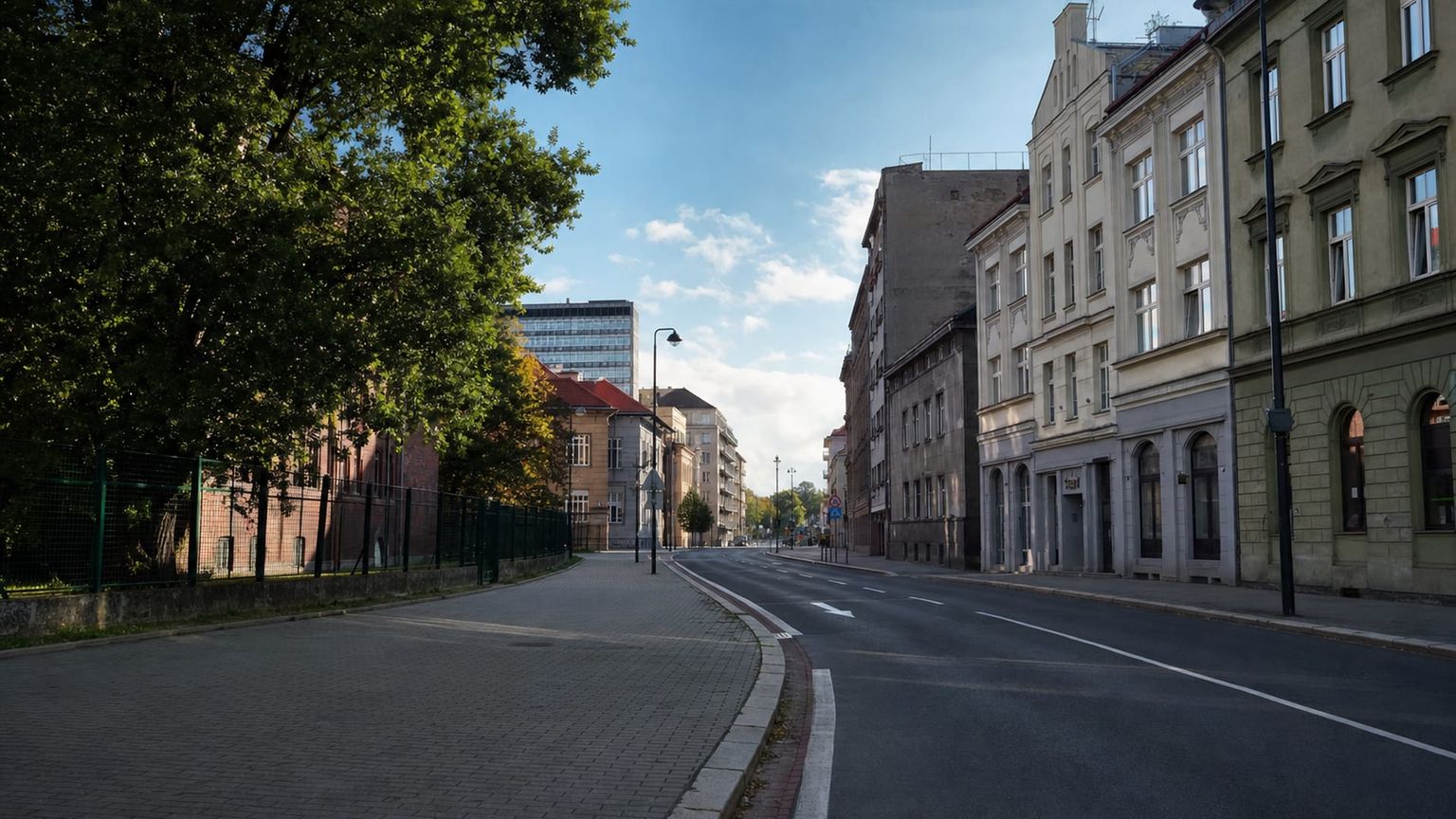
The historic core of Ostrava, Moravská Ostrava centers on the main square, civic buildings, restaurants, and most of the city’s business addresses. It puts you closest to museums, tram lines, and the densest concentration of places to eat after dark.
Best for: First-time visits, museum access, and staying close to the main square
What to expect: Busy streets by day, then a moderate evening crowd around restaurants, bars, and the tram stops.
Hotel prices: Usually about 1,900 Kč to 3,800 Kč (~84$ to ~168$) per night for well-rated stays
Distance to major sights: 5 to 10 minutes on foot to Masaryk Square and the Ostrava Museum
Quietness: Noisy during weekday business hours, with a calmer late night once the restaurants close.
Main trade-off: Central rooms can cost more, and some streets pick up tram noise or late foot traffic.
Good to know: Choose a room away from the main tram corridors if you want an easier sleep and do not mind walking a few extra minutes.
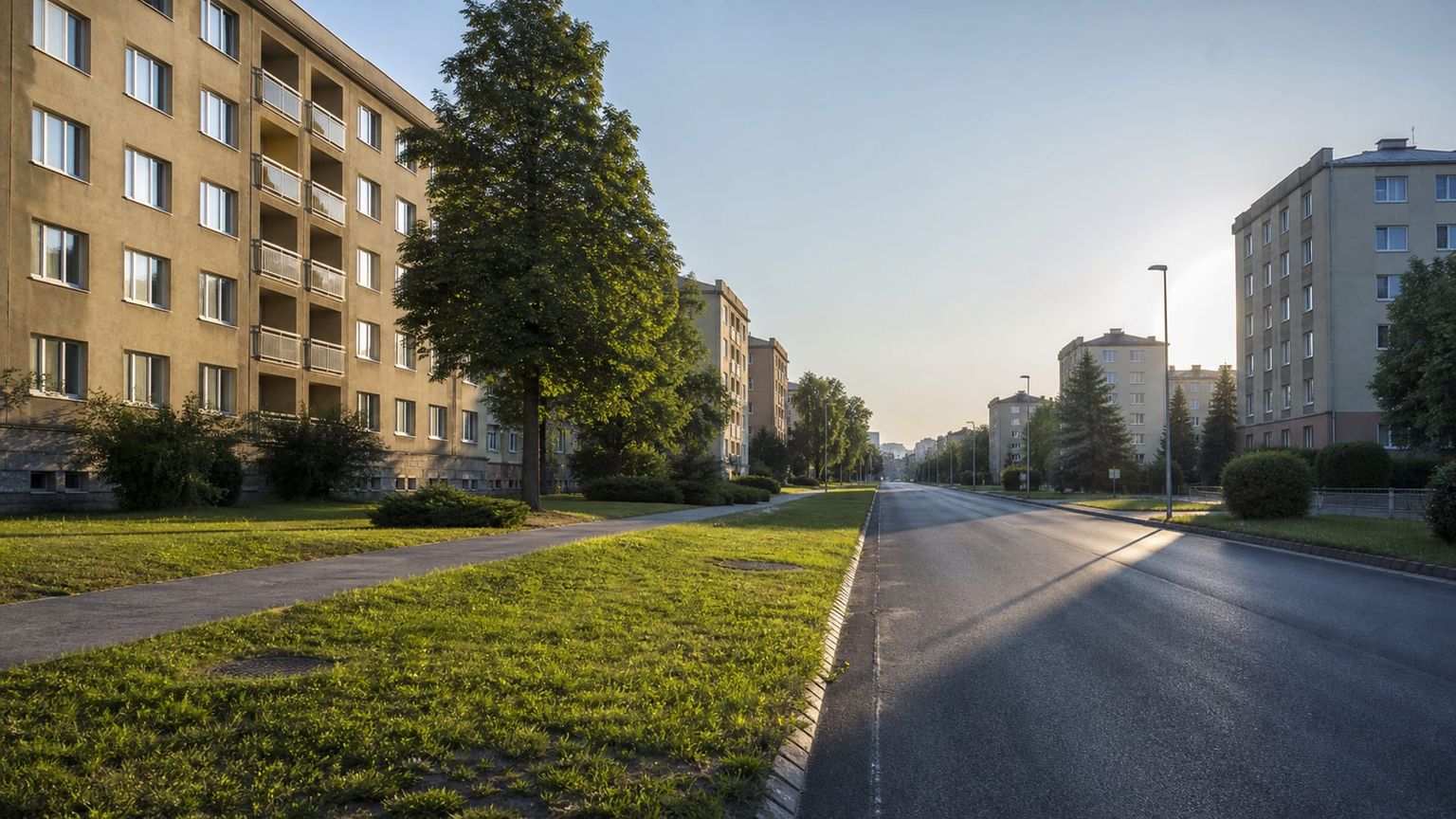
Poruba is a large planned district in western Ostrava, known for its broad avenues, residential blocks, and student population near the university area. It suits travelers who want a local neighborhood feel with good tram access and less pressure than the center.
Best for: Longer stays, tram-based trips, and travelers who want a residential base
What to expect: A mix of student energy, neighborhood shops, and steady local movement rather than heavy tourist traffic.
Hotel prices: Usually about 1,500 Kč to 3,000 Kč (~66$ to ~132$) per night for well-rated stays
Distance to major sights: 20 to 25 minutes by tram to Masaryk Square and about 15 minutes to Vítkovice
Quietness: Generally calmer than the center by day, and notably quieter in the evening outside the main strips.
Main trade-off: You spend more time on trams, and late-night dining choices are thinner than in the center.
Good to know: Check the tram stop before booking, since the district is large and a room near the right line saves a lot of time.
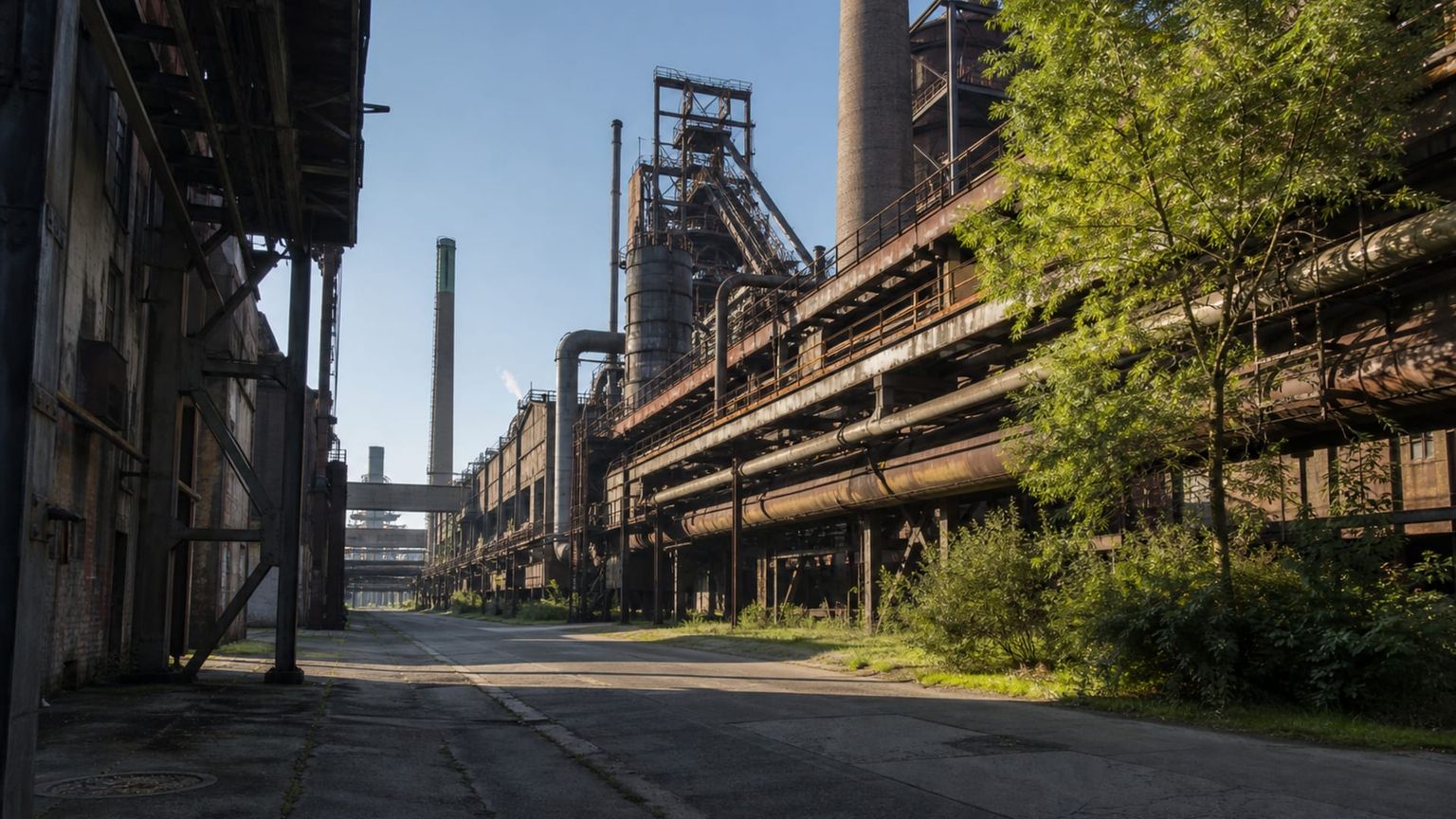
Vítkovice combines former industrial sites, event venues, and practical city housing on Ostrava’s southeast side. It matters because the lower area around Dolní Vítkovice puts major concerts and exhibitions within easy reach.
Best for: Events at Dolní Vítkovice, industrial sightseeing, and short stays
What to expect: An active area near event spaces, with quieter residential streets a few blocks away.
Hotel prices: Usually about 1,400 Kč to 2,900 Kč (~62$ to ~128$) per night for well-rated stays
Distance to major sights: 10 to 20 minutes on foot to Dolní Vítkovice and about 15 minutes by tram to Masaryk Square
Quietness: Calm on ordinary nights, then much busier on concert and festival evenings.
Main trade-off: Some blocks feel detached from the center, and event nights can raise noise and parking demand.
Good to know: If you are visiting for a show, book early, because rooms near the venue tighten quickly before major events.
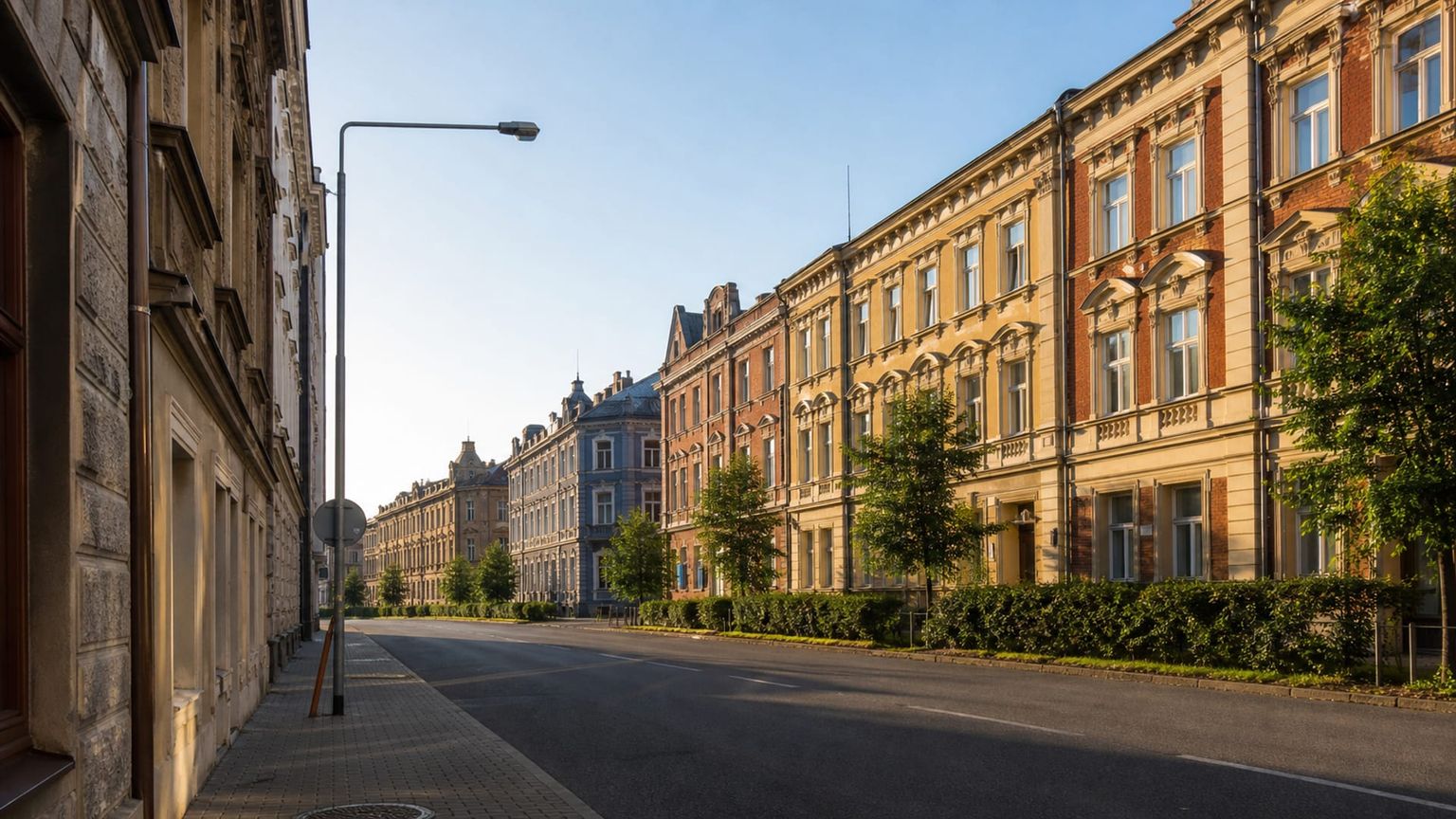
Mariánské Hory sits just east of the center and offers an everyday residential setting with trams, local shops, and quick links into downtown. It works well for travelers who want lower rates without losing easy access to Ostrava’s main sights.
Best for: Budget-conscious stays, tram access, and travelers who do not need to be in the center
What to expect: Mostly local foot traffic, small shops, and a quieter street scene than the central districts.
Hotel prices: Usually about 1,200 Kč to 2,500 Kč (~53$ to ~110$) per night for well-rated stays
Distance to major sights: 10 to 15 minutes by tram to Masaryk Square and about 20 minutes to Dolní Vítkovice
Quietness: Quiet on weekday evenings, with more movement around tram stops and grocery streets during the day.
Main trade-off: You save on lodging, but you will rely on trams or taxis for most dinners and sights.
Good to know: Check evening tram frequency before booking, because a lower room rate can matter less if you plan late returns.
Travelers usually avoid Poruba for a sightseeing stay, because it sits far west of the center and most major sights, so evening trips back take longer. Mariánské Hory, Hrušov, and Kunčice are also less convenient, since they are more residential or industrial, with fewer visitor amenities and weaker access to the main station, the riverfront, and the old town.
Hotel deals
How to get around Ostrava efficiently
Ostrava works best when you pair trams with short taxi rides, since the network connects the center, Vítkovice, Poruba, and Landek more cleanly than a single walking plan does.

Metro
for longer distances
Ostrava does not have a metro, so your closest rail backbone is the suburban train network, with frequent links through Ostrava hlavní nádraží and other S-bahn style stops for cross-city trips.

Bus and tram
for convenience
Trams form the core of day-to-day travel in Ostrava, with buses filling in the outer districts and the airport side of the city; single tickets are time-based, typically about $1 to $2 (roughly 25 to 40 CZK) for 15 to 60 minutes, depending on validity, and you can buy them at machines, kiosks, or by SMS where available.

Taxi
for convenience or late hours
Licensed taxis in Ostrava use metered fares rather than fixed citywide set rates, with airport trips to central districts usually about $20 to $35 (roughly 450 to 800 CZK) and shorter rides often about $5 to $12 (roughly 120 to 280 CZK); use marked cabs or app-based booking, confirm the meter starts at pickup, and most accept cards, though cash is still common.
*Prices are based on rates updated as of June 2026 and may change at the time of travel.
Use trams for the center and Poruba, taxis or Bolt for airport runs and late returns, and suburban trains when you need a faster cross-city connection.
Iconic landmarks
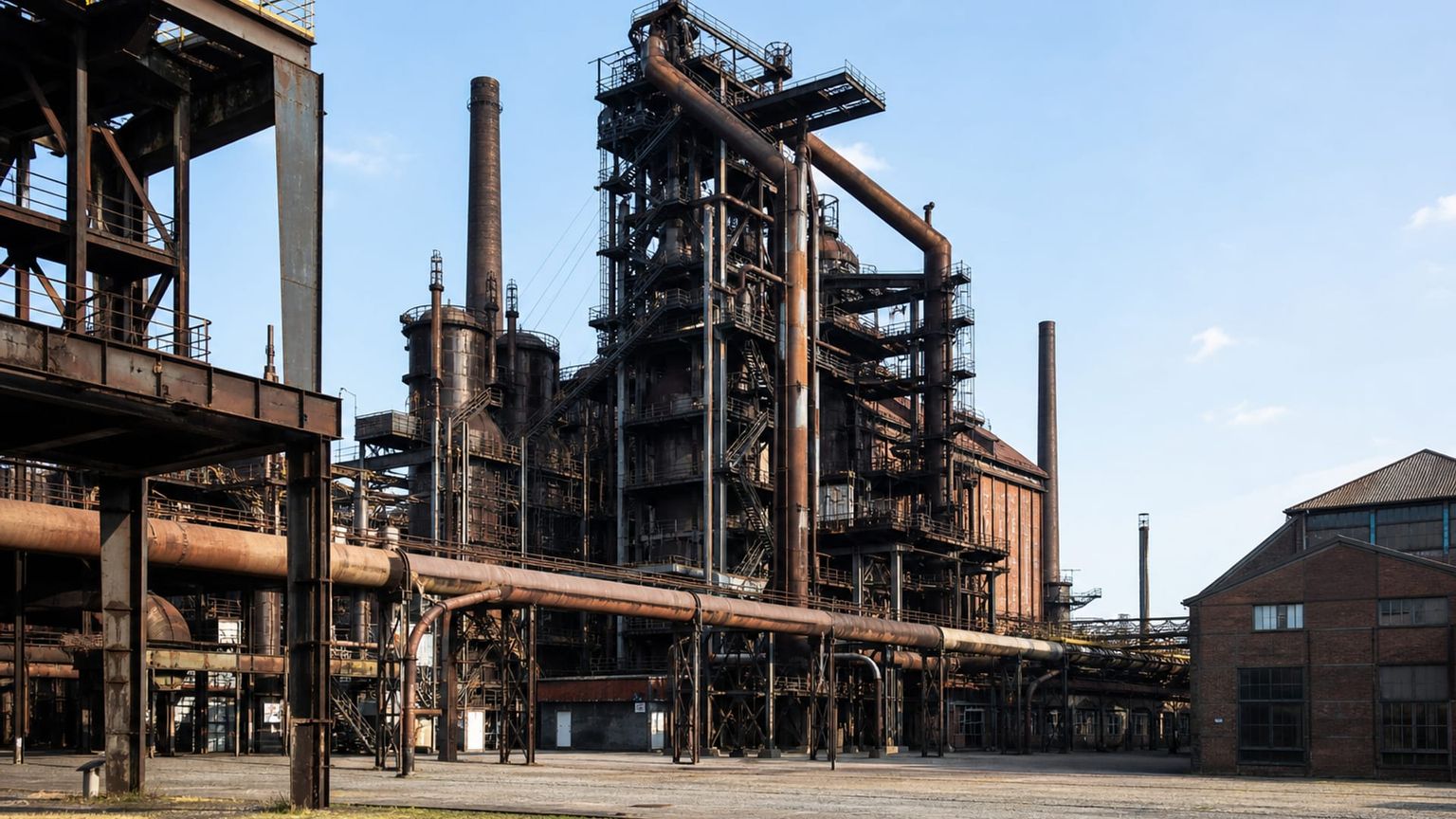
Lower Vítkovice
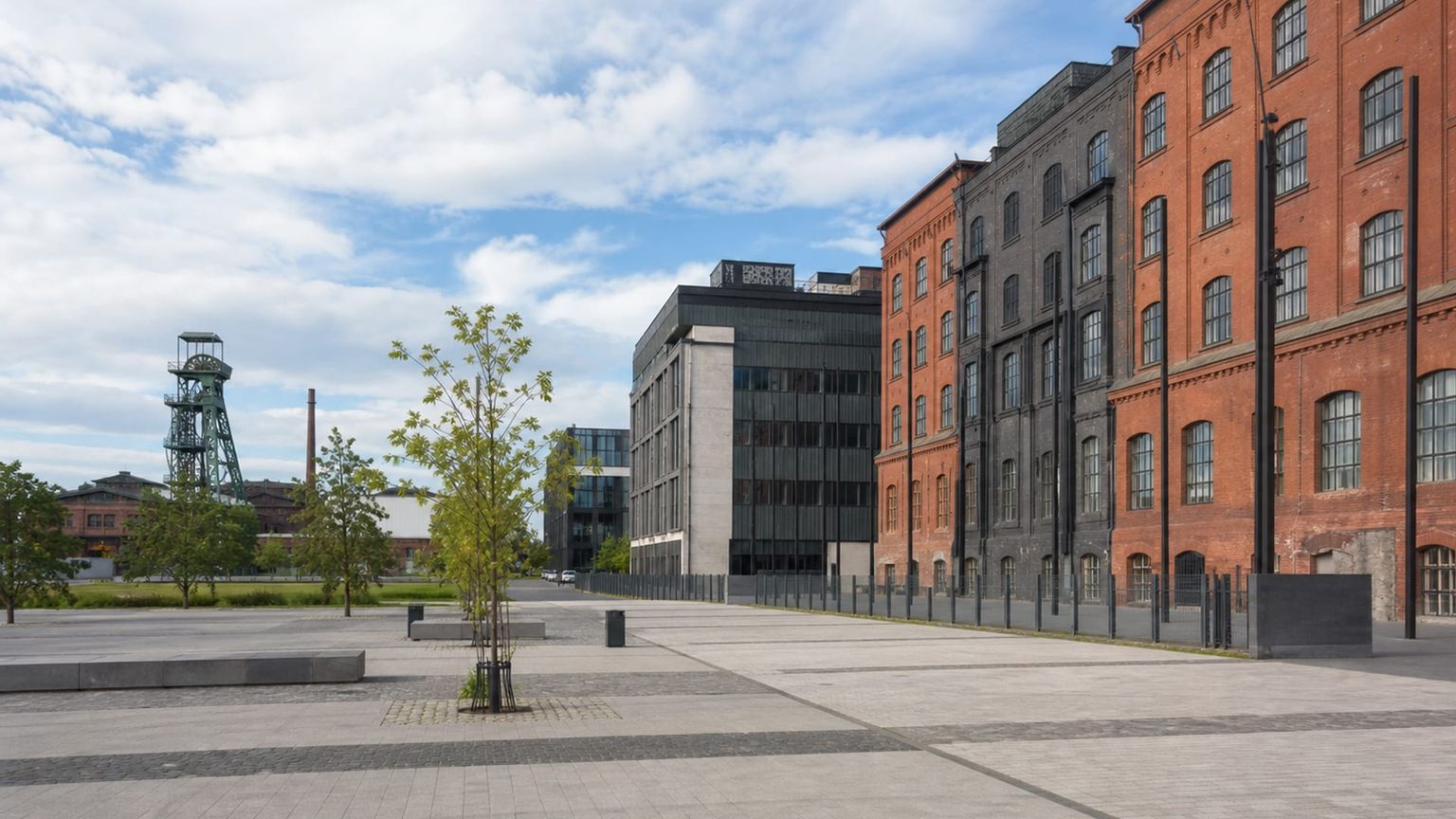
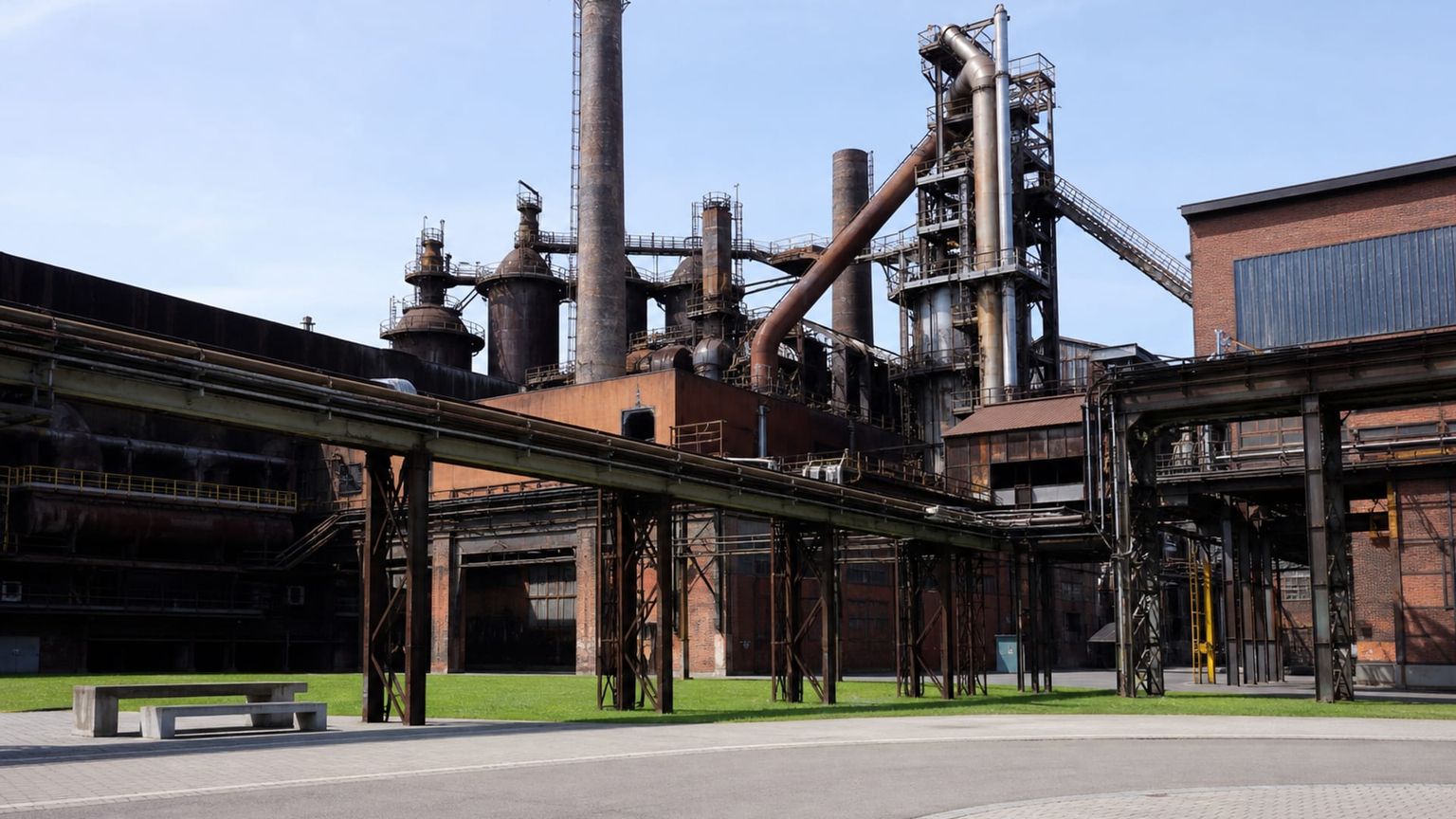
A former coal and steel complex turned visitor site, Lower Vítkovice pairs industrial halls with the Bolt Tower, the Gasometer, and the Science and Technology Center. The preserved machinery gives Ostrava its clearest large-scale industrial landmark.
Time needed: About 3 to 4 hours
Entry: Standard tickets cost about $12 to $22 (about 280 Kč to 520 Kč), depending on the tower, exhibition, and guided access you choose. Visit the official site for details.
Tip: Go in late afternoon, then stay for the city lights from Bolt Tower.
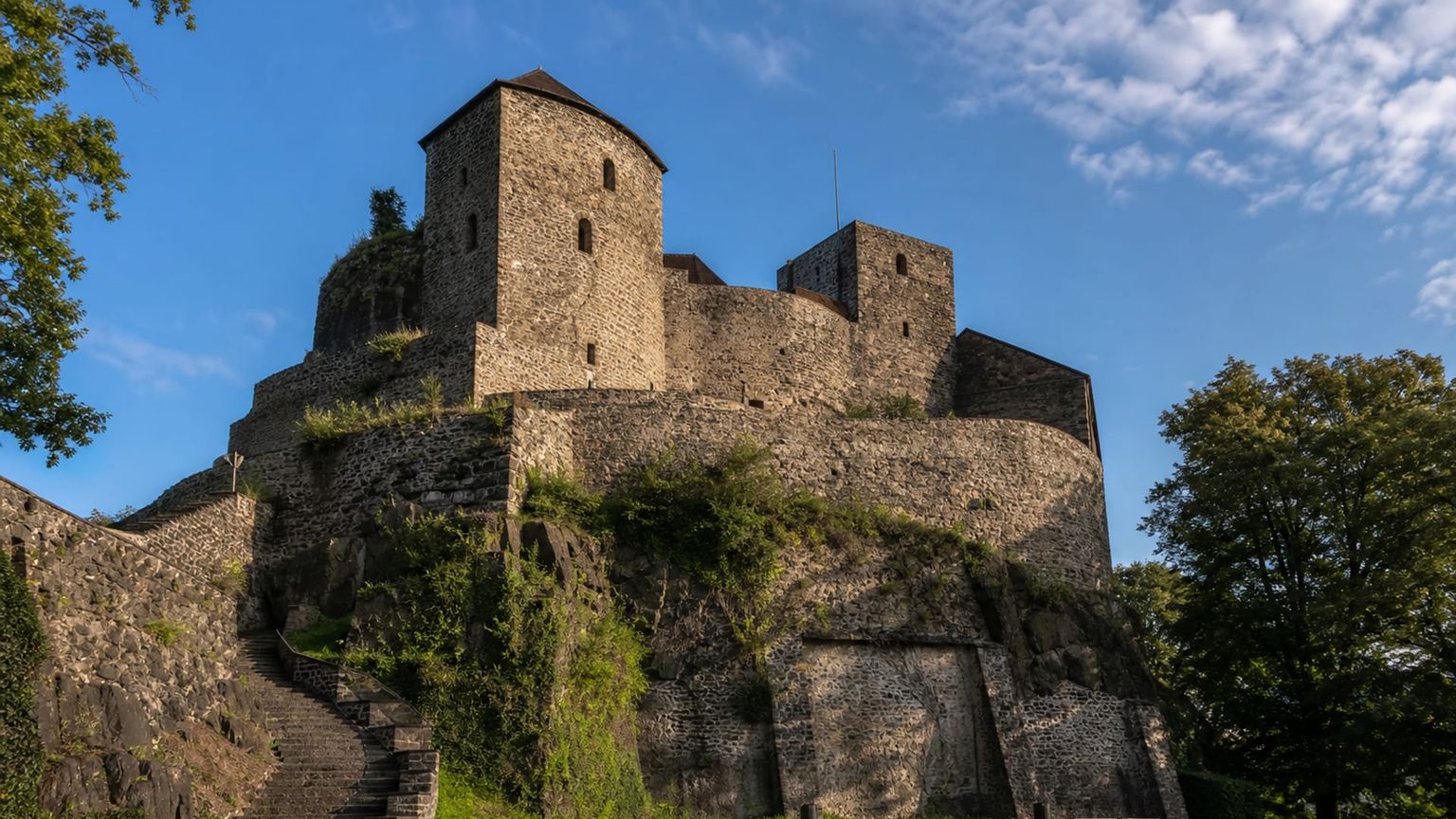
Silesian Ostrava Castle
Set near the confluence of the Ostravice and Lučina rivers, Silesian Ostrava Castle combines a rebuilt fortress, a moat, and event spaces. Its hilltop position and river views make it one of the city’s most visible historic anchors.
Time needed: About 1 to 2 hours
Entry: Standard tickets cost about $5 to $9 (about 120 Kč to 210 Kč), with lower prices for children, students, and seniors. Visit the official site for details.
Tip: Arrive in the morning for quieter courtyards and clearer views across the rivers.
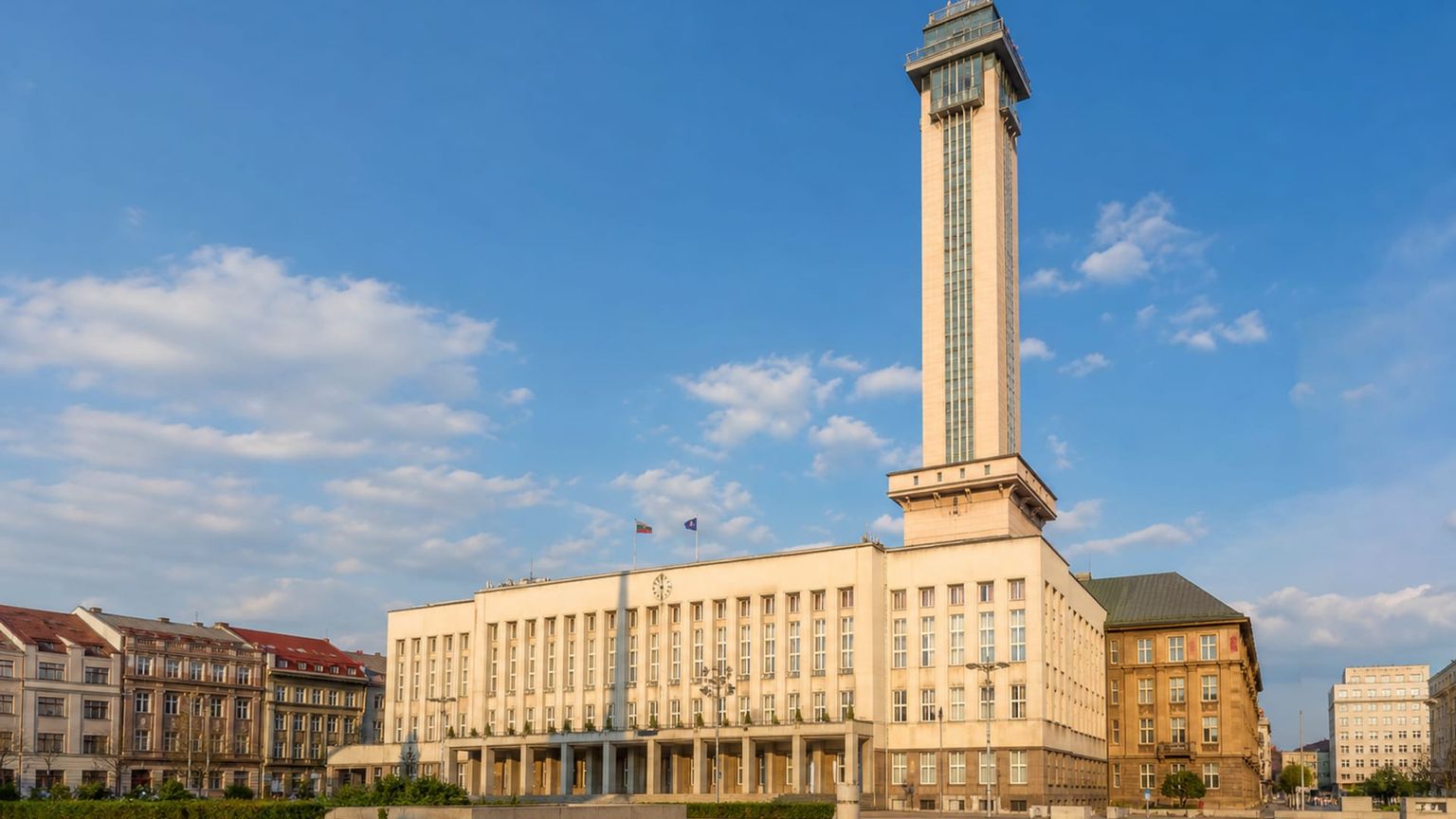
New City Hall Observation Tower
Ostrava’s New City Hall has the tallest town hall tower in the Czech Republic, with an observation deck high above the center. The view reaches the Beskids on clear days, while the building itself shows interwar civic architecture.
Time needed: About 45 to 60 minutes
Entry: Observation deck tickets cost about $4 to $6 (about 95 Kč to 140 Kč), with reduced rates for children and seniors. Visit the official site for details.
Tip: Go on a clear weekday afternoon, when the skyline and hills show best.
Overlooked sites worth visiting

Landek Park
This former coal mine complex pairs industrial history with underground passages, a headframe, and a mining museum. The site also includes the Anselm mine and a lookout tower over Ostrava’s eastern edge.
Time needed: About 2 to 3 hours
Entry: Adult admission is about $9 ($205 CZK), with reduced tickets for children, students, and seniors. Some guided underground visits and special exhibits cost extra, and opening times vary by season and tour schedule. Visit the official site for details.
Tip: Wear shoes with good traction for the underground sections.

Slezskoostravský hrad
This restored castle sits above the Ostravice and Lučina rivers, with a compact courtyard, exhibition rooms, and seasonal events. Its hilltop position also gives clear views toward the city center.
Time needed: About 1 to 2 hours
Entry: Standard admission is about $7 ($160 CZK) for adults, about $4 ($90 CZK) for students and seniors, and about $3 ($70 CZK) for children. Event pricing and guided tour fees vary by season. Visit the official site for details.
Tip: Visit in late afternoon for softer light over the rivers.
Traditional food
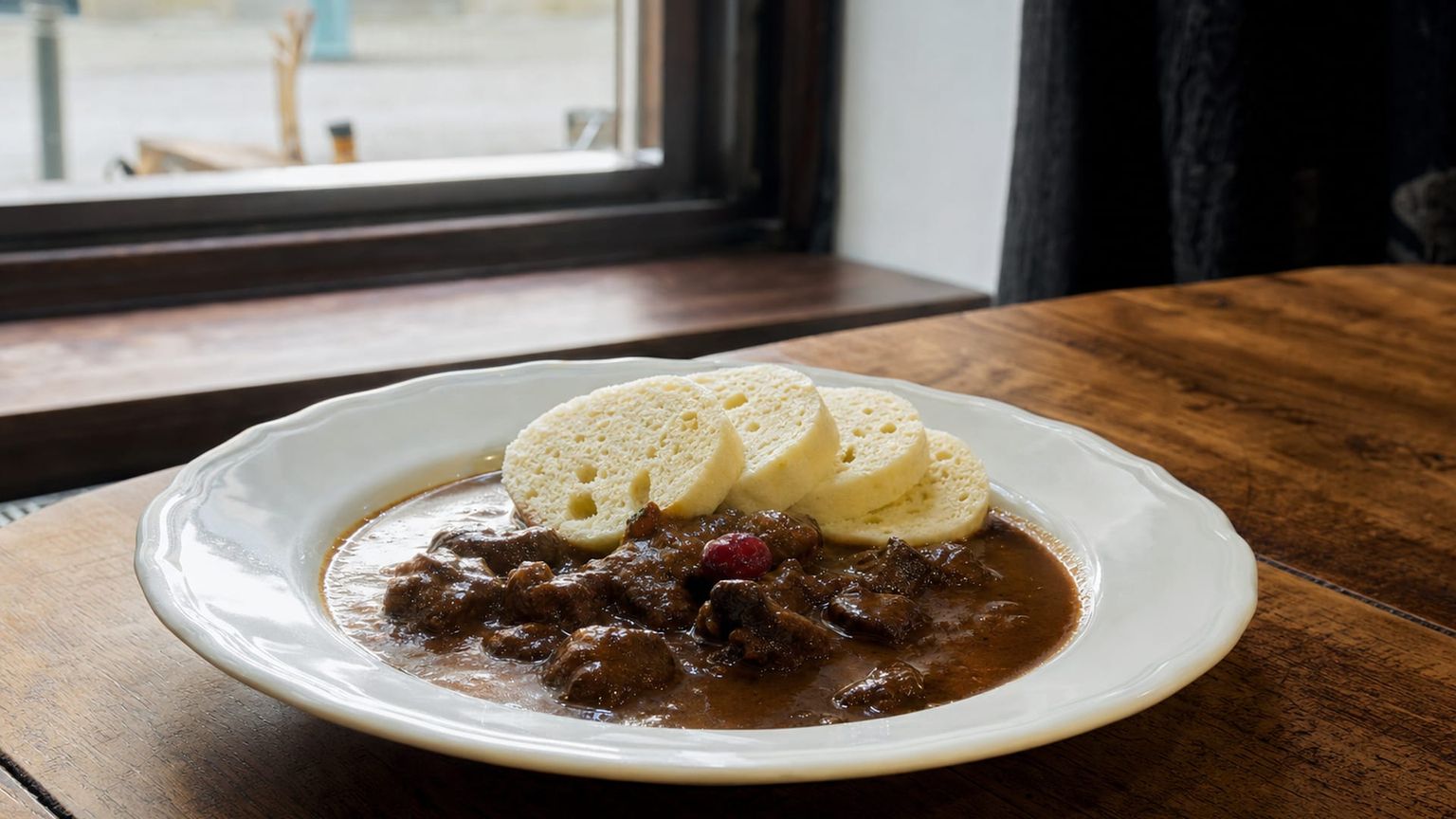
Ostrava’s cooking leans on potatoes, dumplings, beans, and baked pastries, with hearty sauces and simple seasoning that suit a working city. Expect Silesian staples, lunch-friendly portions, and cafés that keep the pace unhurried.
Silesian potato dumplings
Soft potato dumplings are a local staple, often served with sauce or meat and suited to a simple midday meal. In Ostrava, Penzion a restaurace Silvie is a solid place to order them.
Potato pancakes
These crisp pancakes often arrive with savory toppings or sour cream, and they fit Ostrava’s hearty, potato-centered cooking. Restaurace U Dvoraka serves a version that matches the city’s traditional style.
Bean soup
Bean soup brings a warming, filling start or light meal, usually built on broth, legumes, and smoked notes. In Ostrava, it fits the menu at Hogo Fogo Bistro.
Koláče
Koláče are round pastries filled with fruit, cheese, or poppy seed, and they work well with coffee or as a late-morning snack. Kavárna Daniel is a good stop for them in the city center.
Best time to visit Ostrava
Ostrava changes most between the colder months, when indoor sights matter more, and late spring through early autumn, when the castle, towers, and riverfront feel easier to combine in one day.
Best for: Industrial sites, river walks, and milder sightseeing days
What you get: About 45°F to 68°F (7°C to 20°C), with moderate crowds and changeable weather
Trade-offs: Rain can interrupt outdoor plans and mornings still feel cool
Best for: Long evenings at Lower Vítkovice and castle terraces
What you get: About 59°F to 79°F (15°C to 26°C), with the highest visitor numbers and lively evenings
Trade-offs: Popular sites feel busier, and hot afternoons can slow museum hopping
Best for: City views, neighborhood walks, and calmer museum visits
What you get: About 41°F to 66°F (5°C to 19°C), with lighter crowds after summer
Trade-offs: Days shorten quickly, especially by late October
Best for: Museums, cafés, and short, focused city days
What you get: About 23°F to 39°F (-5°C to 4°C), with thin crowds and colder streets
Trade-offs: Outdoor sightseeing takes more planning, and some evenings feel short
A realistic 5-day plan in Ostrava
This five-day plan starts in Moravská Ostrava, then moves outward toward the industrial sites, riverfront, and residential districts that give the city its shape. The sequence keeps tram rides short and leaves room for one slower neighborhood day before departure.
Land at Ostrava (OSR) and take a taxi or prebooked transfer into Moravská Ostrava, roughly 30 to 35 minutes, for about 700 Kč to 900 Kč, or about $31 to $40. Check in near Masaryk Square so your first evening stays simple, then drink water, unpack, and eat a light dinner on or near the main square, where you can walk back without a long ride.
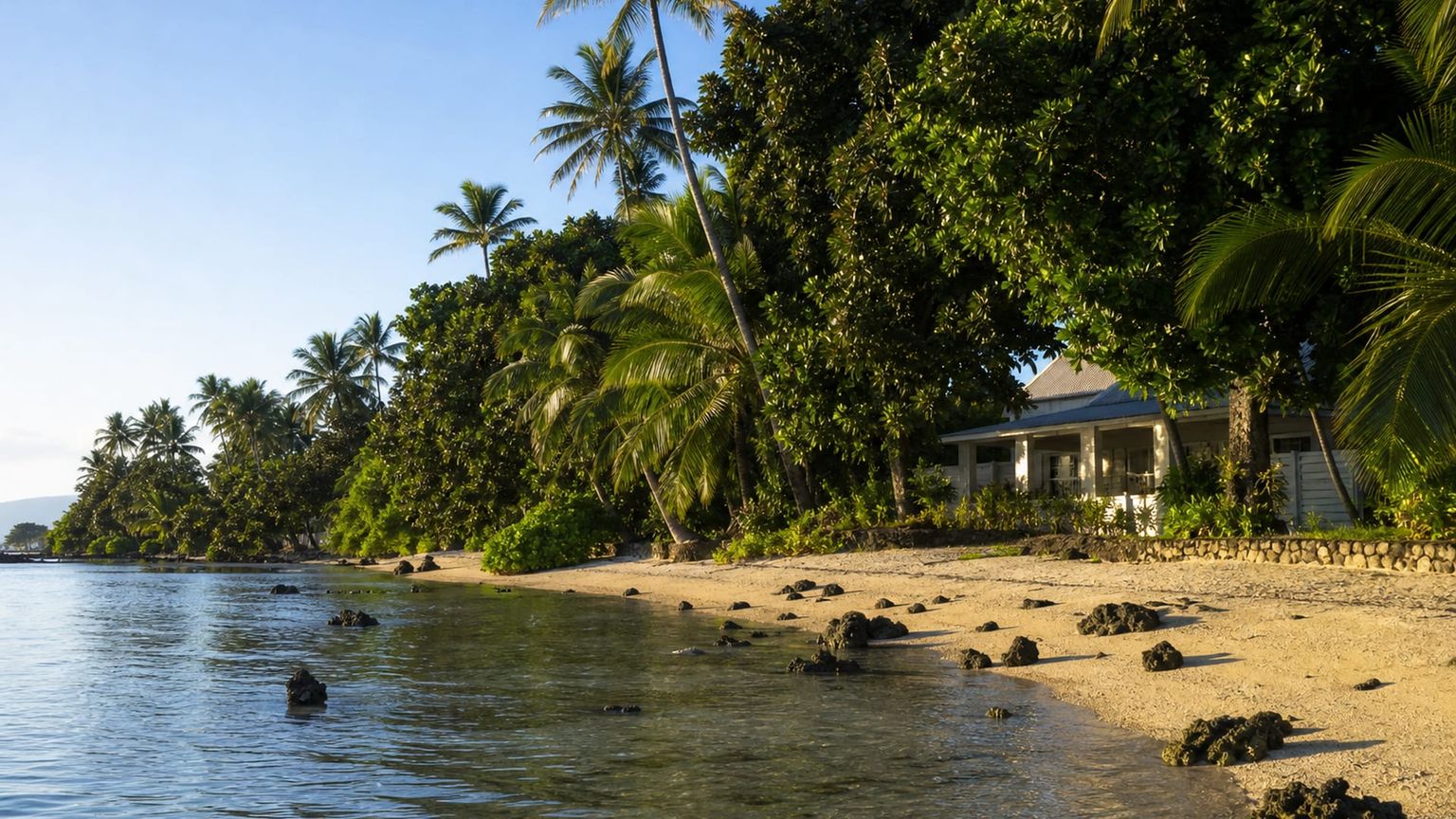
Start at the New City Hall Observation Tower, then walk about 10 minutes to Masaryk Square and the Ostrava Museum for a closer look at the center. From there, take a tram or taxi to Lower Vítkovice, about 15 to 20 minutes away, and spend the late afternoon among the former furnaces, the Bolt Tower, and the Science and Technology Center. Stay through sunset if the weather is clear, because the site works well as an evening stop and standard tickets cost about $12 to $22 (about 280 Kč to 520 Kč) depending on what you enter.
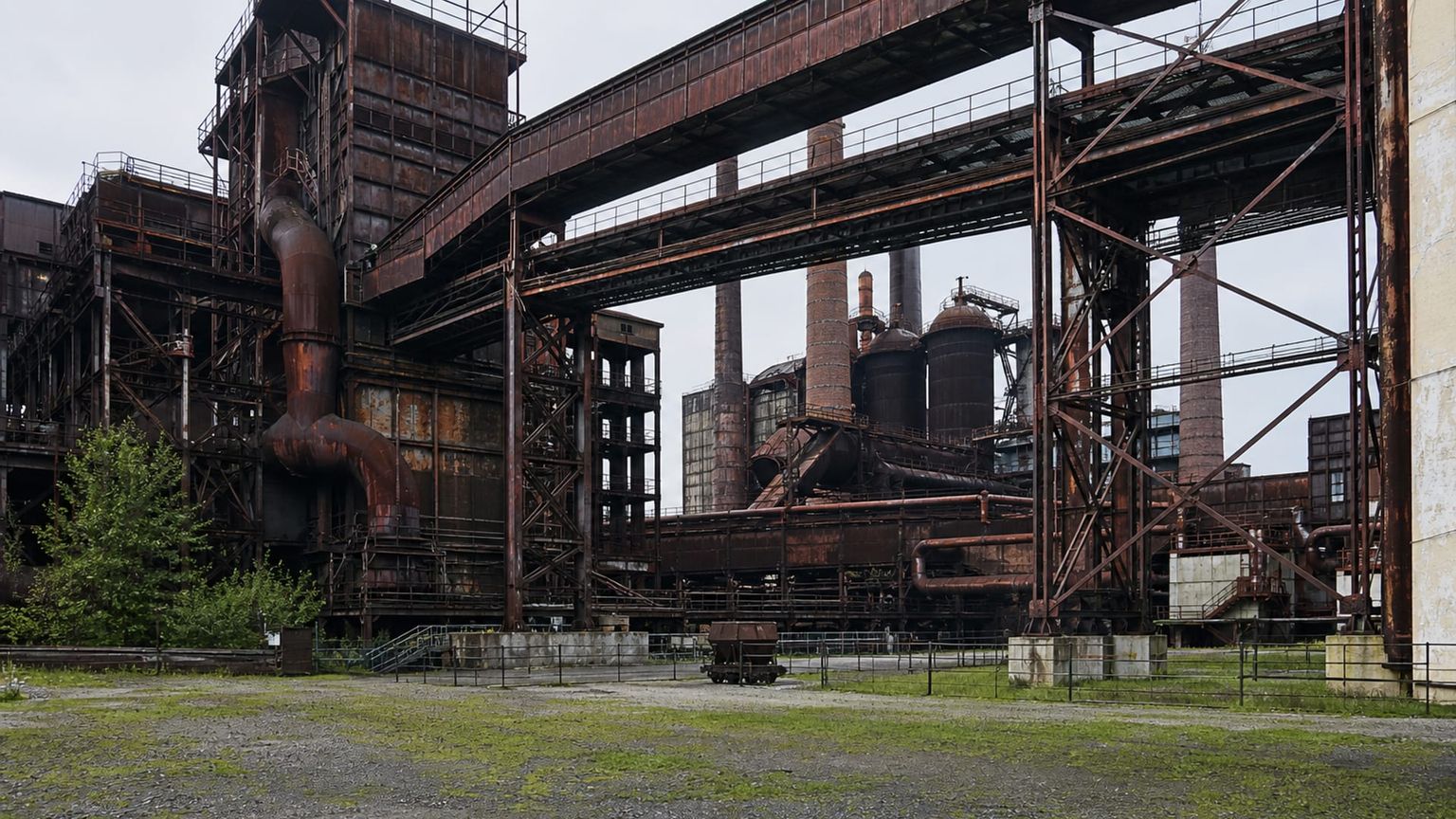
Begin with Silesian Ostrava Castle, which sits about 10 to 15 minutes by tram from Moravská Ostrava, and give yourself 1 to 2 hours for the courtyard and river views. After that, walk about 15 minutes along the riverside paths to the city center, then continue to Landek Park by tram or taxi, roughly 20 to 25 minutes away, for the underground mine exhibits and mining museum. Wear shoes with good traction, since the underground sections need firmer footing, and expect admission to start at about $9 ($205 CZK).
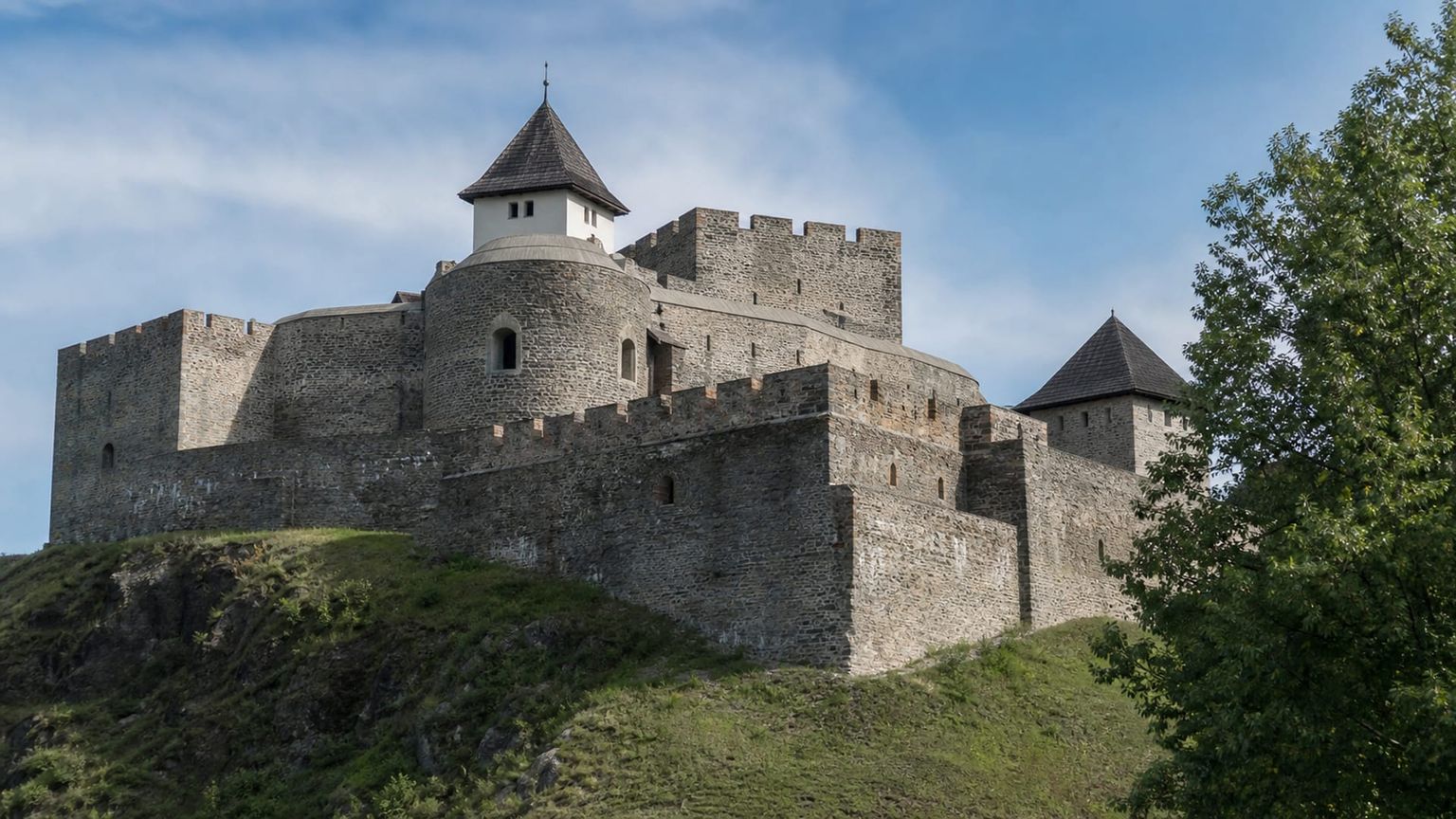
Head out to Poruba in the morning, about 20 to 25 minutes by tram from Masaryk Square, and spend time among its broad avenues, neighborhood shops, and student-filled streets. After lunch, return toward Vítkovice, about 15 minutes away by tram, for a second look at the industrial district without the pressure of a full museum visit, then finish with a quieter dinner back in Moravská Ostrava.
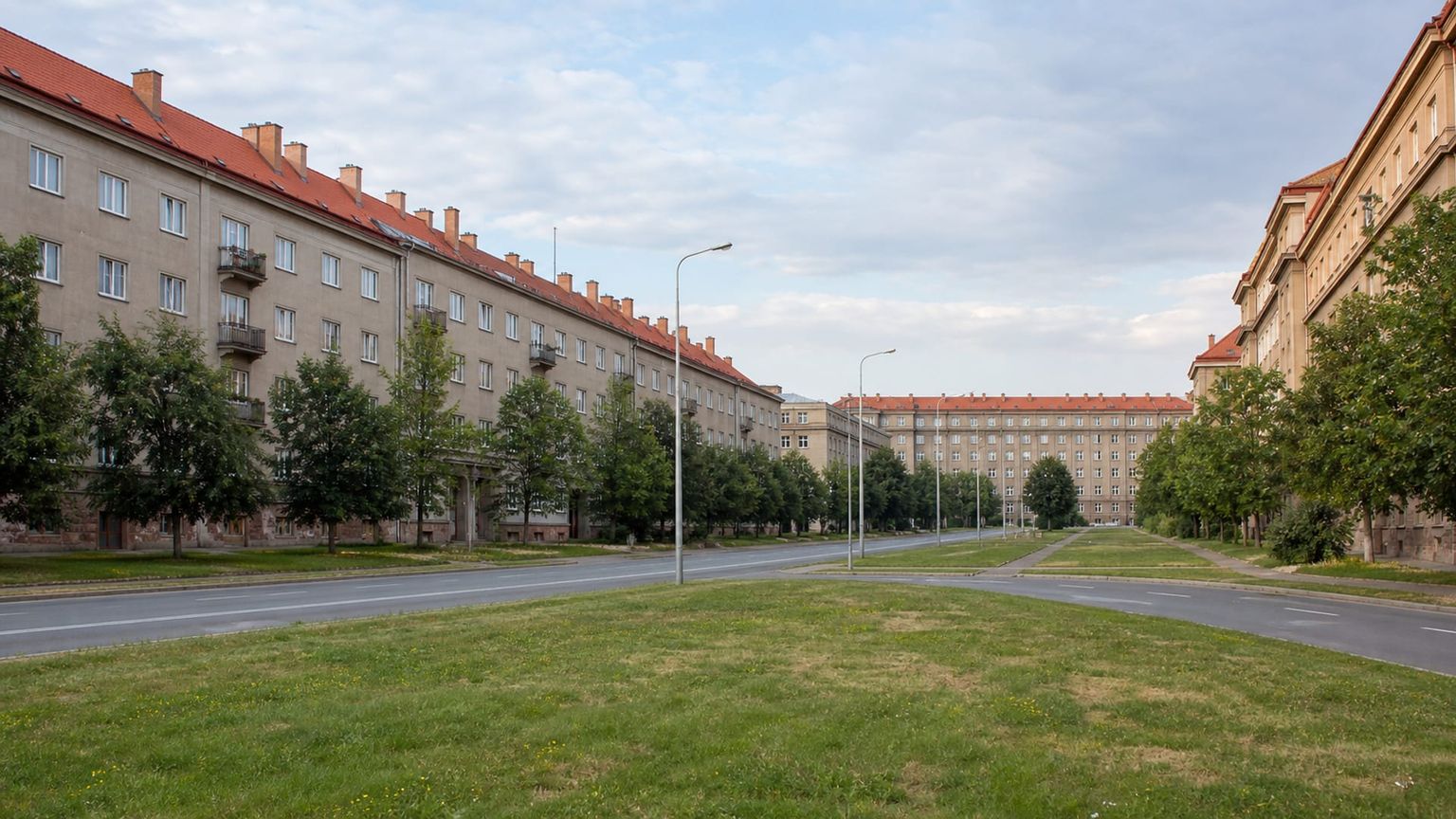
For a final half-day, start with a short visit to the New City Hall Observation Tower if you want one last city view, then move on to shopping and cafés in Moravská Ostrava near the main square. If you prefer a quieter last stop, take the tram to Mariánské Hory for a neighborhood coffee break and a few local shops before heading back for your transfer from Ostrava (OSR).
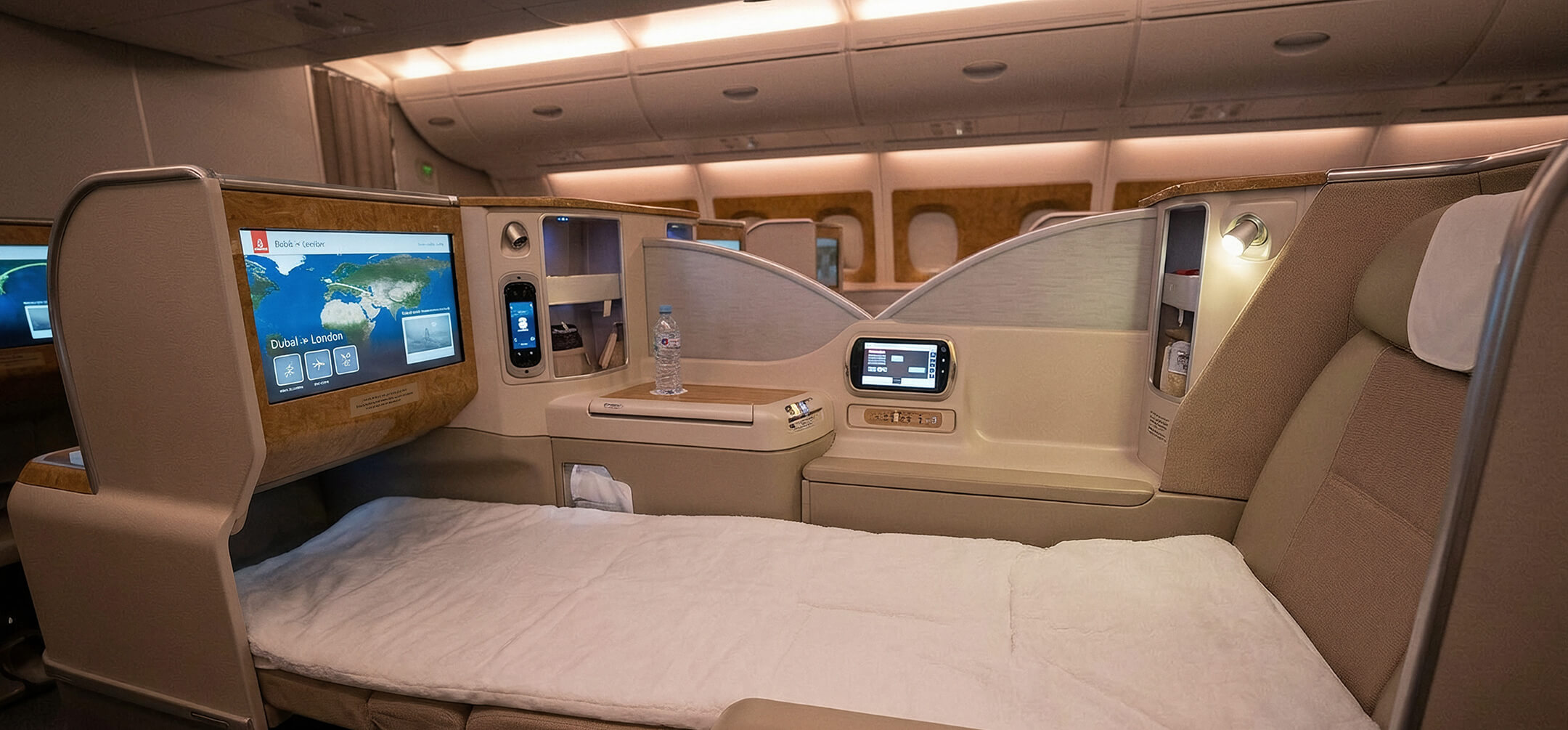
Business-class flights from the US to Ostrava
Reaching Ostrava from the US usually means a one-stop itinerary, and the route often changes more by connection city than by airline logo. From both coasts, the useful comparison is not just price, but how the connection fits the total travel time.
From New York, LOT Polish Airlines, Lufthansa, KLM, Air France, and Turkish Airlines all appear on the typical one-stop list, and the total journey usually runs about 11 to 15 hours. Common hubs include WAW, FRA, AMS, CDG, and IST, with round-trip fares from $2,900 to $5,800.
Los Angeles travelers usually see Lufthansa, KLM, Air France, Turkish Airlines, or LOT Polish Airlines on the options list, and the trip generally takes about 14 to 19 hours. FRA, AMS, CDG, IST, and WAW are the usual connection points, and round-trip fares usually start at $3,400 and climb to about $6,900.
Ostrava feels different when you slow down
A deliberate Ostrava trip gives each area a job: Moravská Ostrava for the first and last nights, Lower Vítkovice for the industrial core, Silesian Ostrava Castle for the river views, and Poruba for a quieter neighborhood break. Trams do the regular work, while taxis and Bolt fill the gaps after dinner or on arrival from Ostrava (OSR). If you want help shaping the route, the AranGrant experts can plan it around the city pieces that matter most to you