

Chapters:

Need help with your trip?
Our support team is available 24/7. Request a callback or call us directly at (833) 619-0908
Oslo trips often begin with the airport train, a hotel near Sentrum, and a list of headline sights. What many visitors miss is how much the city opens up once they include the waterfront, hilltop parks, and neighborhood streets beyond the center.
That first-pass plan can leave people covering short distances one by one, then backtracking across the city for dinner or transit. Oslo rewards tighter grouping, because the main sights sit in different districts and a few of them are spread far enough apart to make timing matter.
This guide maps the city in that order, with a stay base, day-by-day routing, food stops, seasonal timing, and flight options that fit the way Oslo actually works.
Useful things to know

Main language(s): Norwegian
Hei (hey) – Hello
Vær så snill (vair soh shill) – Please
Takk (tahk) – Thank you
Snakker du engelsk? (SNAH-ker doo ENG-el-sk?) – Do you speak English?
Hvor mye koster det? (vor MY-eh KOSS-ter deh?) – How much does it cost?

Currency: The local currency is the Norwegian krone (NOK, kr).

Cash and cards: Cards and contactless are widely accepted; carry about NOK 100 to 200 ($9 to $18) in cash.

Tipping: Round up or leave about 5-10% for good service; it is appreciated but not expected.

Traditional food: Rakfisk, lutefisk, fårikål, kjøttkaker

Water and coffee costs: Water about NOK 30 ($3), bar espresso about NOK 40 ($4).

Taxis and ride apps: Uber and Bolt operate here; taxis can be pricey.

Plug and voltage: Type C/F socket, 230V

Dining and shop opening hours: Breakfast is about 07:00-09:30, lunch 11:30-14:00, and dinner 17:00-21:00. Many restaurants close early on Sundays, and some cafes have shorter hours on Saturdays.

Emergency number: Dial 112 for police, 113 for ambulance, 110 for fire.
Where to stay in Oslo
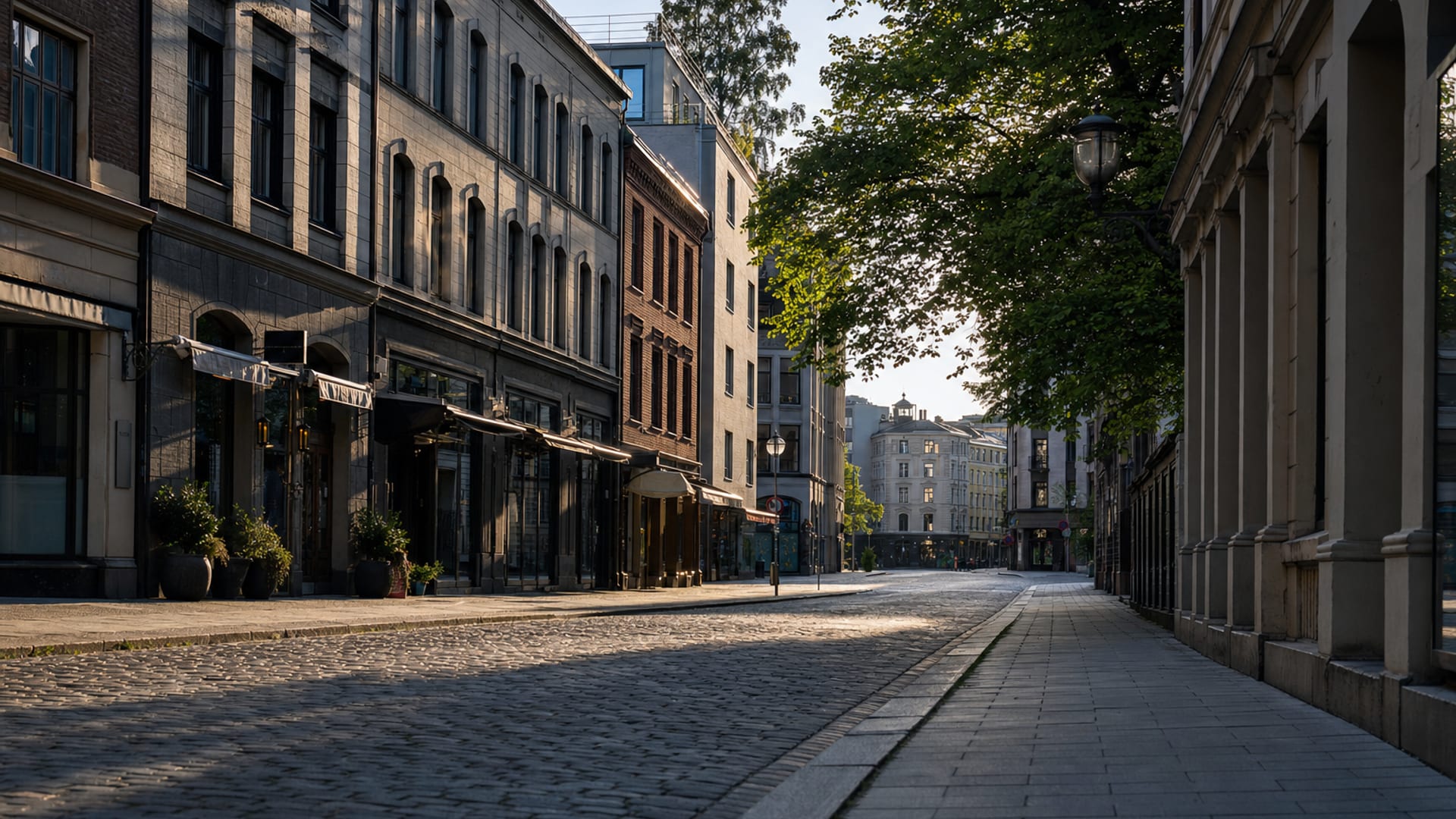
Oslo’s central district puts the main station, Karl Johans gate, the National Theatre, and the waterfront within an easy walk. It suits visitors who want transit links, museums, shopping, and late dining close together.
Best for: First-time visits, short stays, and travelers who want the city’s main sights close by
What to expect: Busy sidewalks by day, office crowds at lunch, and a steadier evening flow near restaurants and bars.
Hotel prices: Usually about 160€ to 280€ (~175$ to ~305$) per night for well-rated stays
Distance to major sights: 5 to 15 minutes on foot to Oslo Central Station and Karl Johans gate; about 10 minutes by tram to the Oslo Opera House
Quietness: Busy through the day, then calmer after office hours except near nightlife streets.
Main trade-off: Hotel prices tend to be higher, and the busiest blocks can feel lively late into the evening.
Good to know: Check the exact block before booking, since a room near the station or main bars can be noticeably louder at night.
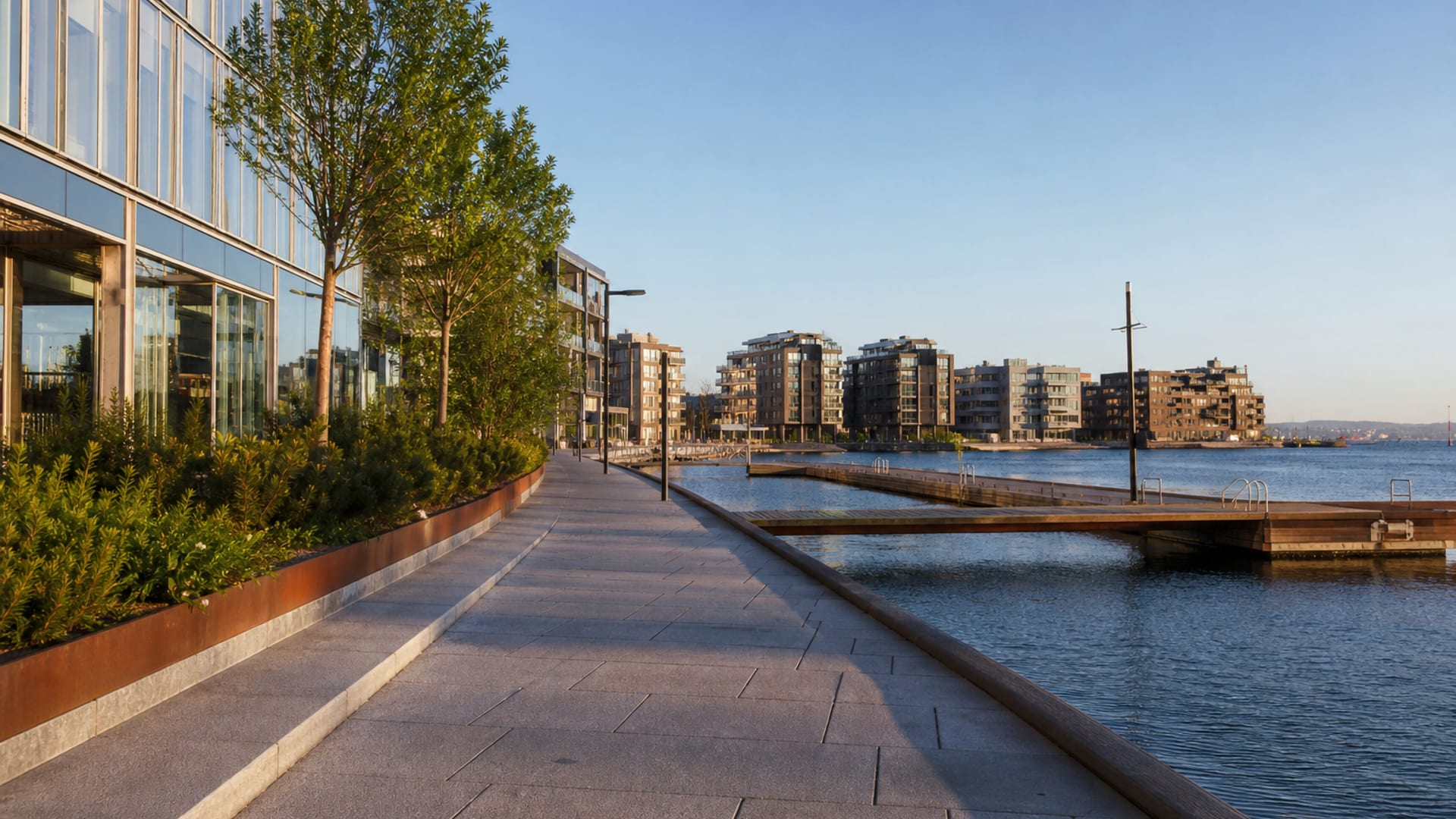
This harborfront cluster pairs modern apartments, restaurants, galleries, and direct water views beside the harbor promenade. It matters for trips that mix waterfront walks, design museums, and easy access to ferries and the city center.
Best for: Waterfront stays, dining, design museums, and travelers who want an upscale harbor setting
What to expect: Active at lunch and dinner, with steady promenade traffic, terrace seating, and many visitors in fair weather.
Hotel prices: Usually about 220€ to 420€ (~240$ to ~460$) per night for well-rated stays
Distance to major sights: 15 to 20 minutes on foot to the National Museum; about 10 minutes by bus or tram to Oslo Central Station
Quietness: Busy near restaurants and the promenade by day, then quieter late at night once dining crowds thin.
Main trade-off: Rooms often cost more than inland neighborhoods, and the waterfront brings more foot traffic in good weather.
Good to know: A sea-facing room may still sit above busy evening terraces, so ask about floor level and courtyard exposure.
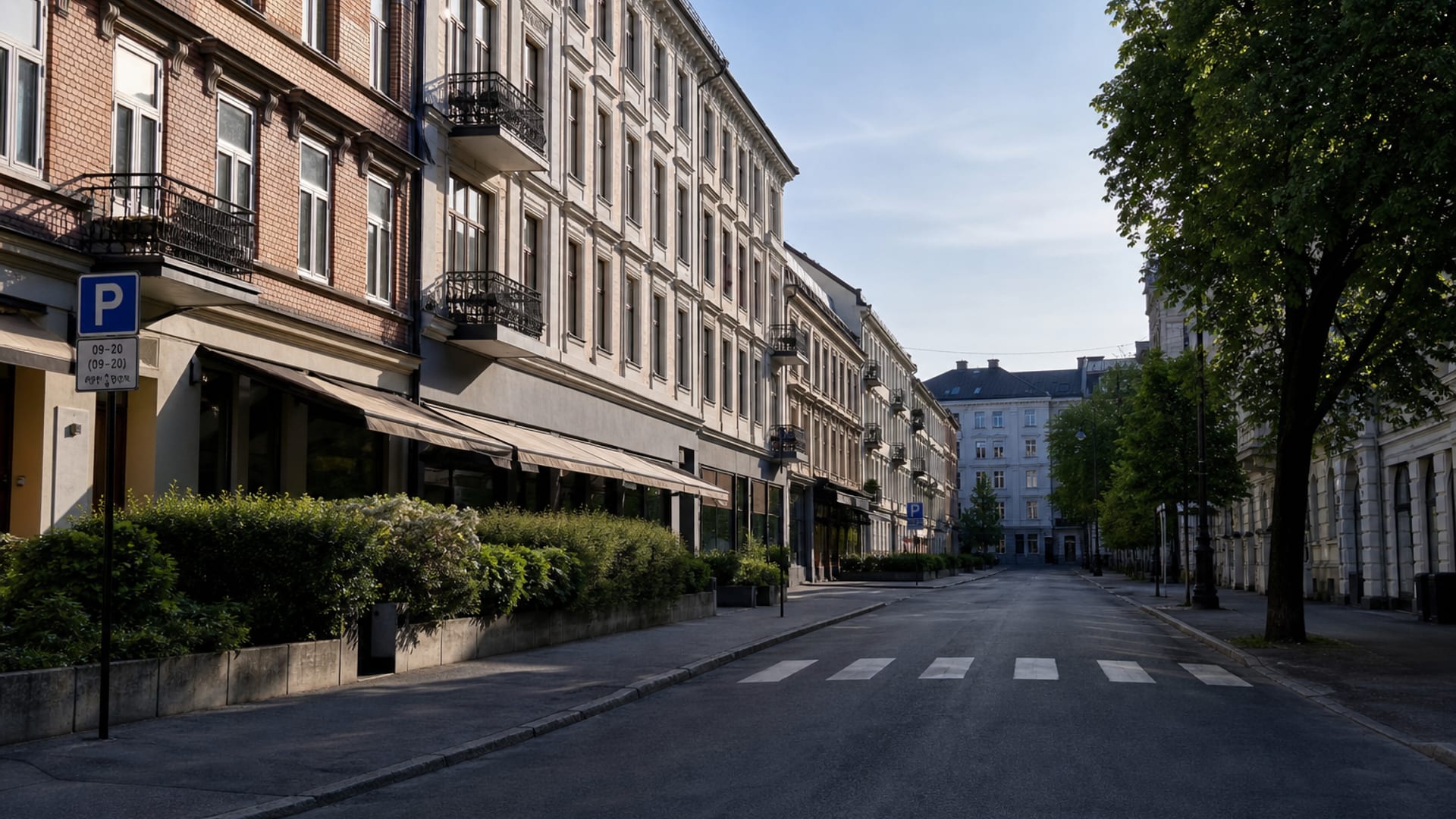
Majorstuen is a well-connected west-side neighborhood with tram and subway links, shopping streets, and quick access to Frogner Park and the sculpture park. It works well for visitors who want a residential base with easy cross-city transit.
Best for: Transit access, longer stays, and travelers who prefer a residential base with cafés and shops
What to expect: Local daytime traffic, students and shoppers around the main junction, and quieter side streets after dark.
Hotel prices: Usually about 140€ to 250€ (~155$ to ~275$) per night for well-rated stays
Distance to major sights: About 10 minutes by metro to Oslo Central Station and 15 minutes on foot to Frogner Park
Quietness: Active around the station and shopping streets by day, but side streets are calmer in the evening.
Main trade-off: You will not be beside the waterfront or old town, so some sightseeing will require transit.
Good to know: If you plan many museum visits, choose a place close to the metro or tram stops rather than a block farther west.
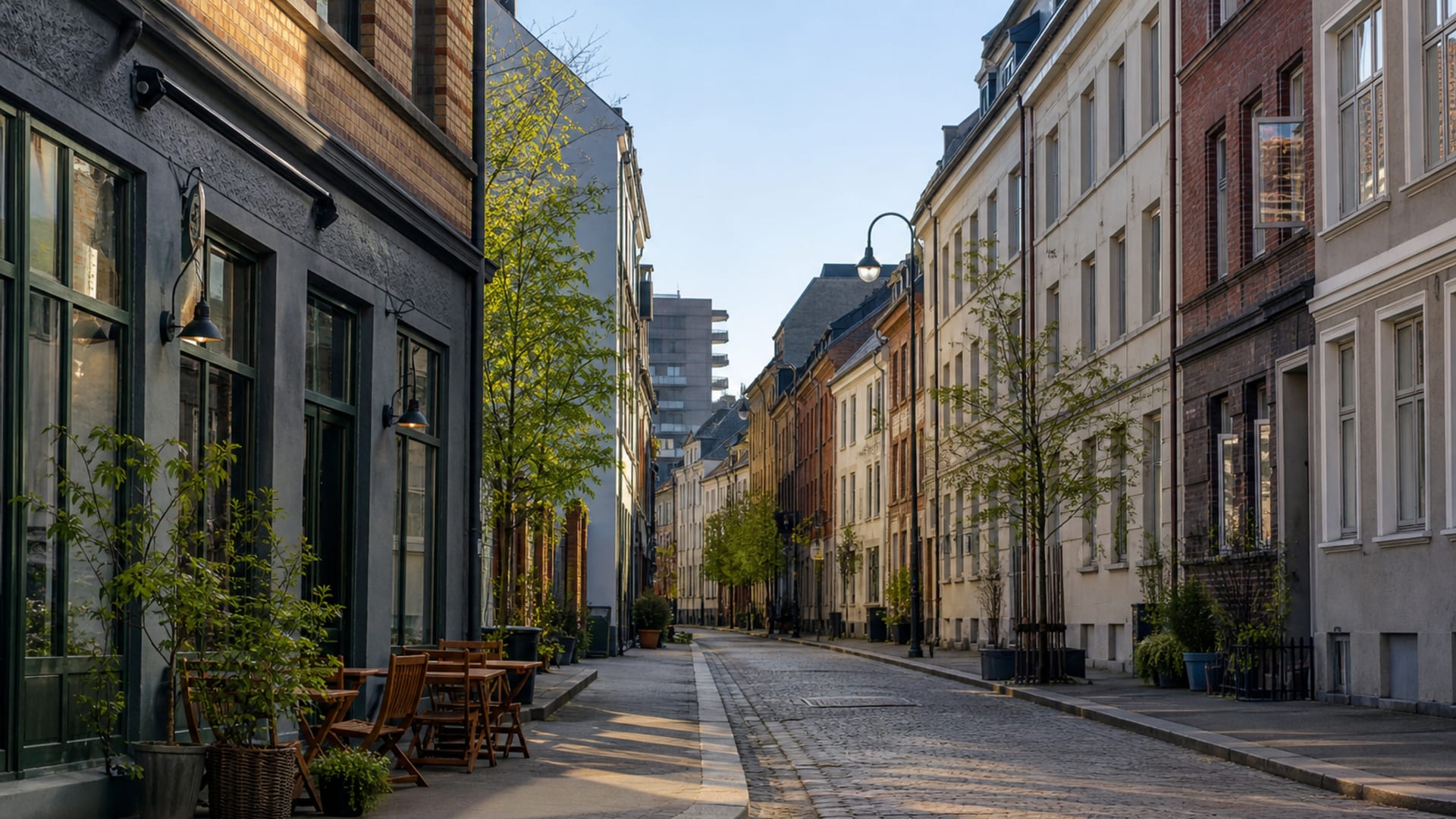
Grünerløkka is Oslo’s café-and-bar neighborhood, with independent shops, river paths, and a dense cluster of small restaurants. It matters for travelers who want a neighborhood with more evening life and a younger local crowd.
Best for: Dining, nightlife, independent shops, and travelers who want a livelier neighborhood base
What to expect: Full sidewalks near cafés and bars, especially from late afternoon onward, with a younger crowd and more street activity.
Hotel prices: Usually about 130€ to 230€ (~140$ to ~255$) per night for well-rated stays
Distance to major sights: About 10 to 15 minutes by tram to Oslo Central Station and 20 minutes on foot to the Botanical Garden
Quietness: Lively in the afternoon and evening, then quieter on side streets after midnight.
Main trade-off: Late-night noise can affect rooms near bar streets, and some central sights need a short transit ride.
Good to know: For lighter nights, avoid addresses directly above bars, since weekend noise carries farther than many listings suggest.
Travelers usually avoid Grorud and Stovner, which sit far from Oslo’s main sights and have fewer hotel clusters and visitor amenities. Furuset, Mortensrud, and Ytre Enebakk are also less convenient for short stays because evening transit takes longer and you spend more time commuting back into the center.
Hotel deals
How to get around Oslo efficiently
Oslo’s T-bane, trams, buses, and airport rail each cover a different slice of the city, so the best plan is to use the mode that matches the district you are crossing.

Metro
for longer distances
Oslo has the T-bane, with lines 1 through 5 fanning out from the center to neighborhoods such as Majorstuen, Storo, and Sognsvann; a single ticket is valid for 60 minutes and costs about $4.50 to $5.50, while 24-hour and 7-day passes can make more sense if you are making several trips. Trains run frequently on core sections, and the same ticket also works on local buses, trams, and ferries within the zone, so you can link a short ride with a longer cross-city trip without buying a separate fare.

Bus and tram
for convenience
Route 20, tram 12, and the airport express-style Flybussen are not the same thing, so check the operator before boarding, but Oslo’s bus and tram network covers the central neighborhoods, waterfront, and most inner districts well. A standard ticket usually costs about $4.50 to $5.50 and lasts 60 minutes, with night buses filling gaps after the metro shuts down on some stretches; board with a mobile ticket, card, or preloaded Ruter ticket, then validate only if the app or machine asks for it.

Taxi
for convenience or late hours
Metered taxis are the norm in Oslo, and licensed cars line up at official stands, hotels, and the airport, Oslo (OSL), rather than being hailed curbside in the street. Expect about $60 to $90 from the center to the airport in normal traffic, with late-night, weekend, and luggage surcharges pushing some rides higher; city-center trips often land in the roughly $15 to $35 range, and most cabs take cards as well as contactless payment.
*Prices are based on rates updated as of June 2026 and may change at the time of travel.
Walk for Sentrum, the waterfront, and short inner-city hops, use the metro or tram for Majorstuen and Grünerløkka, and take a taxi when luggage, late hours, or the airport make speed more important than price.
Iconic landmarks
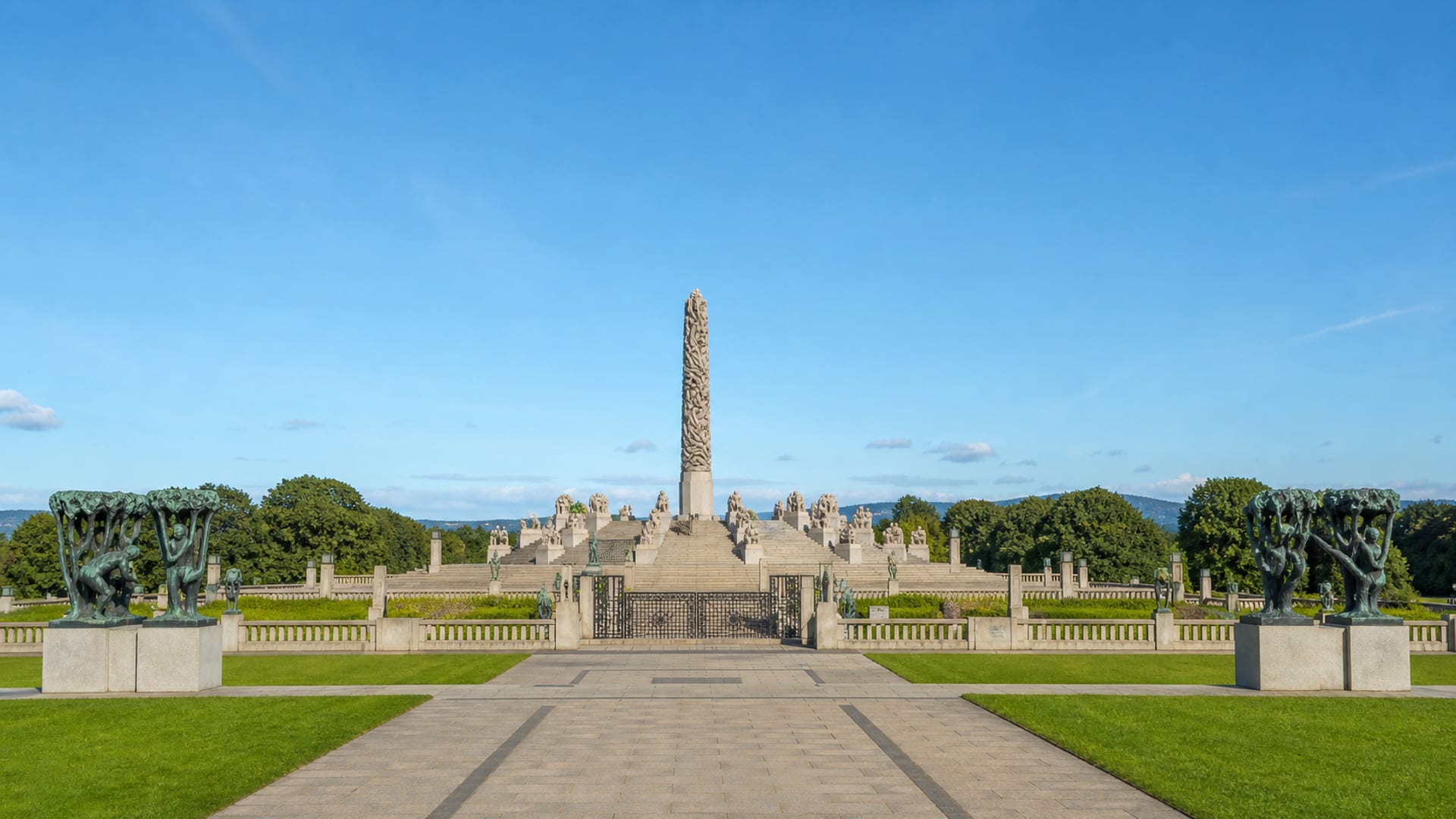
Vigeland Sculpture Park
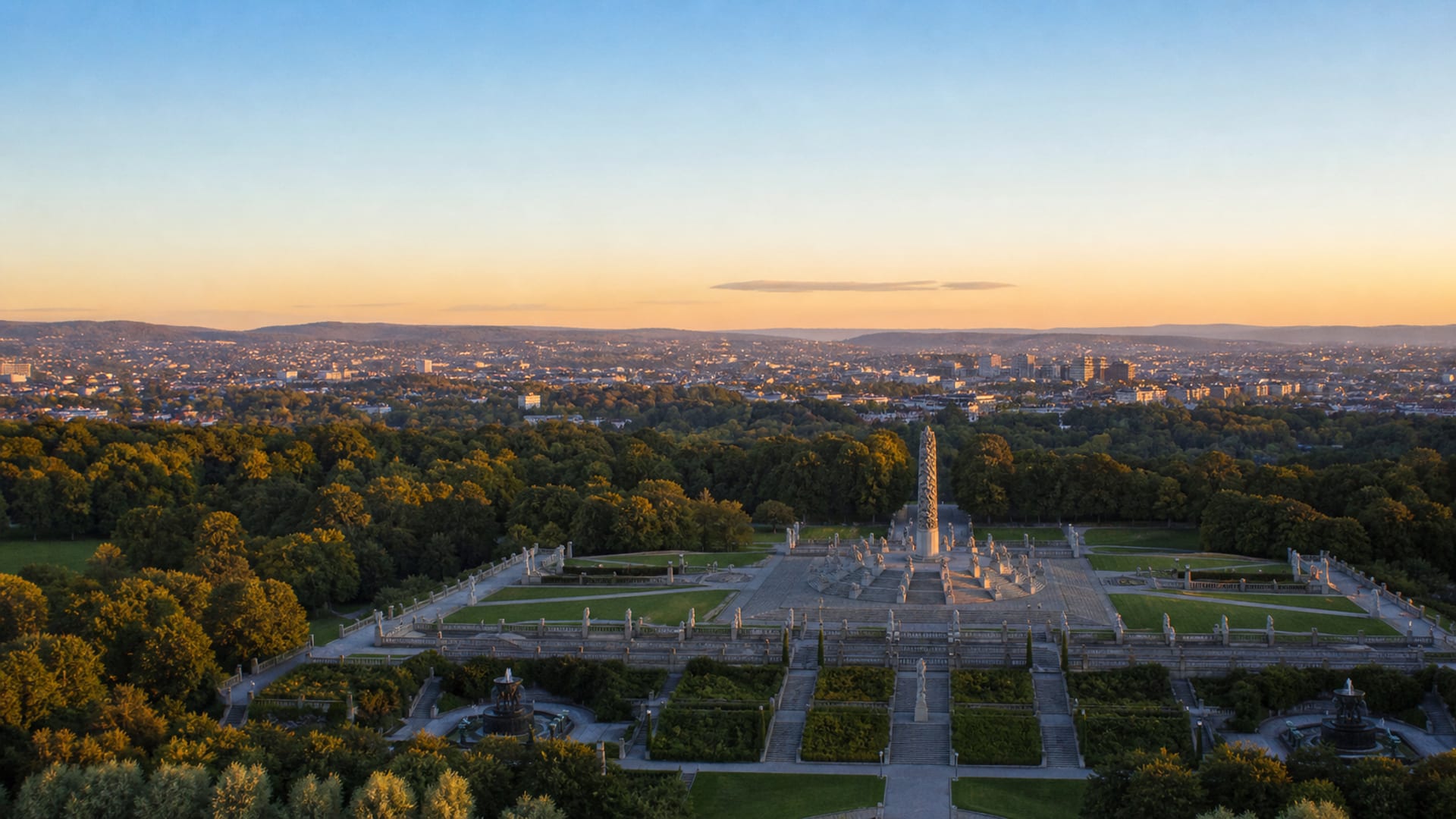
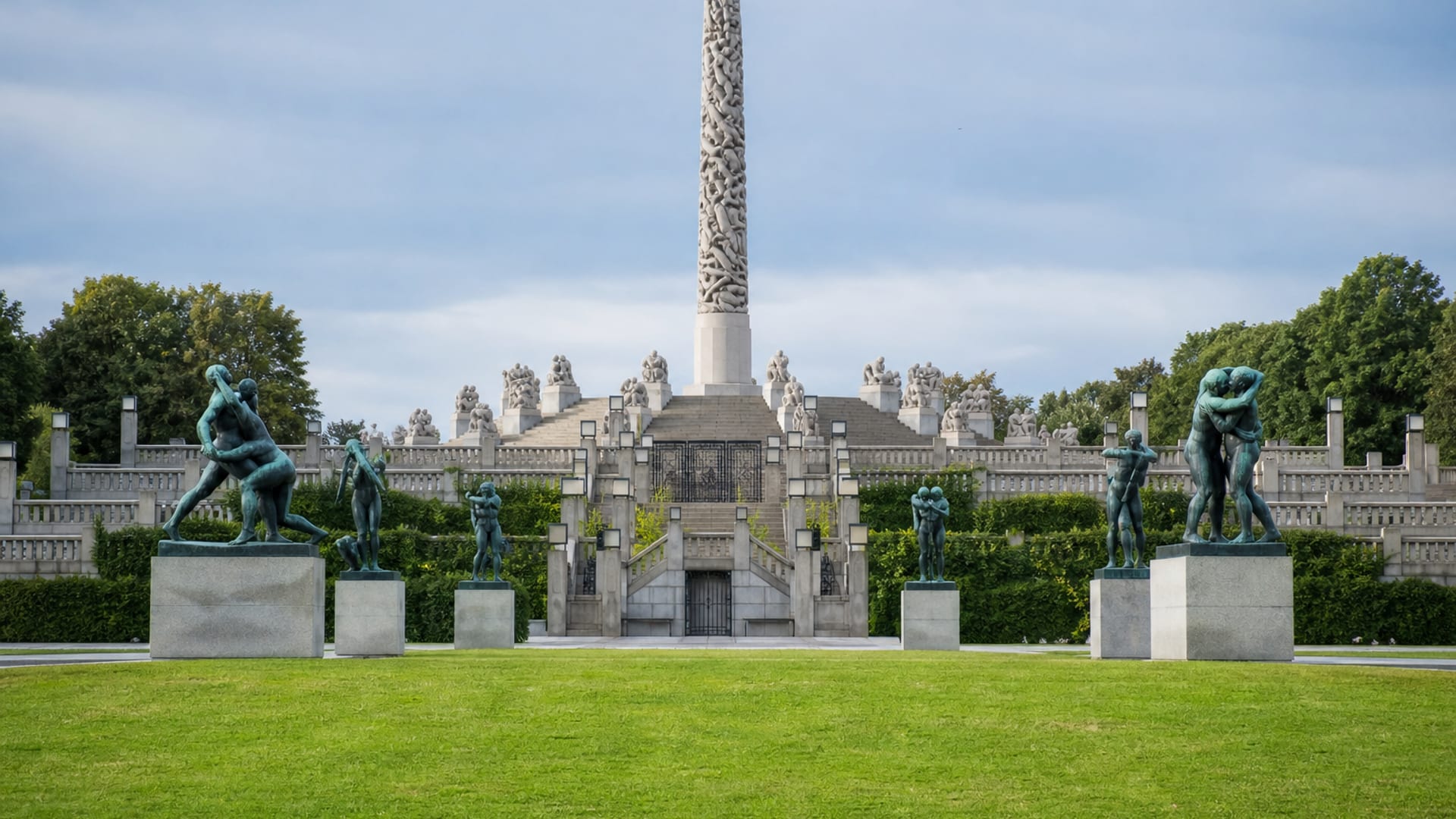
Gustav Vigeland’s open-air sculpture park holds more than 200 bronze, granite, and wrought-iron works inside Frogner Park. The best-known pieces include the Monolith and the Angry Boy, both easy to reach on foot.
Time needed: About 1 to 2 hours
Entry: Free to access; no timed entry, no ticket required, and the park stays open year-round during daylight hours, with paths open to all visitors Visit the official site for details.
Tip: Go early or late for softer light and fewer crowds on the main paths.
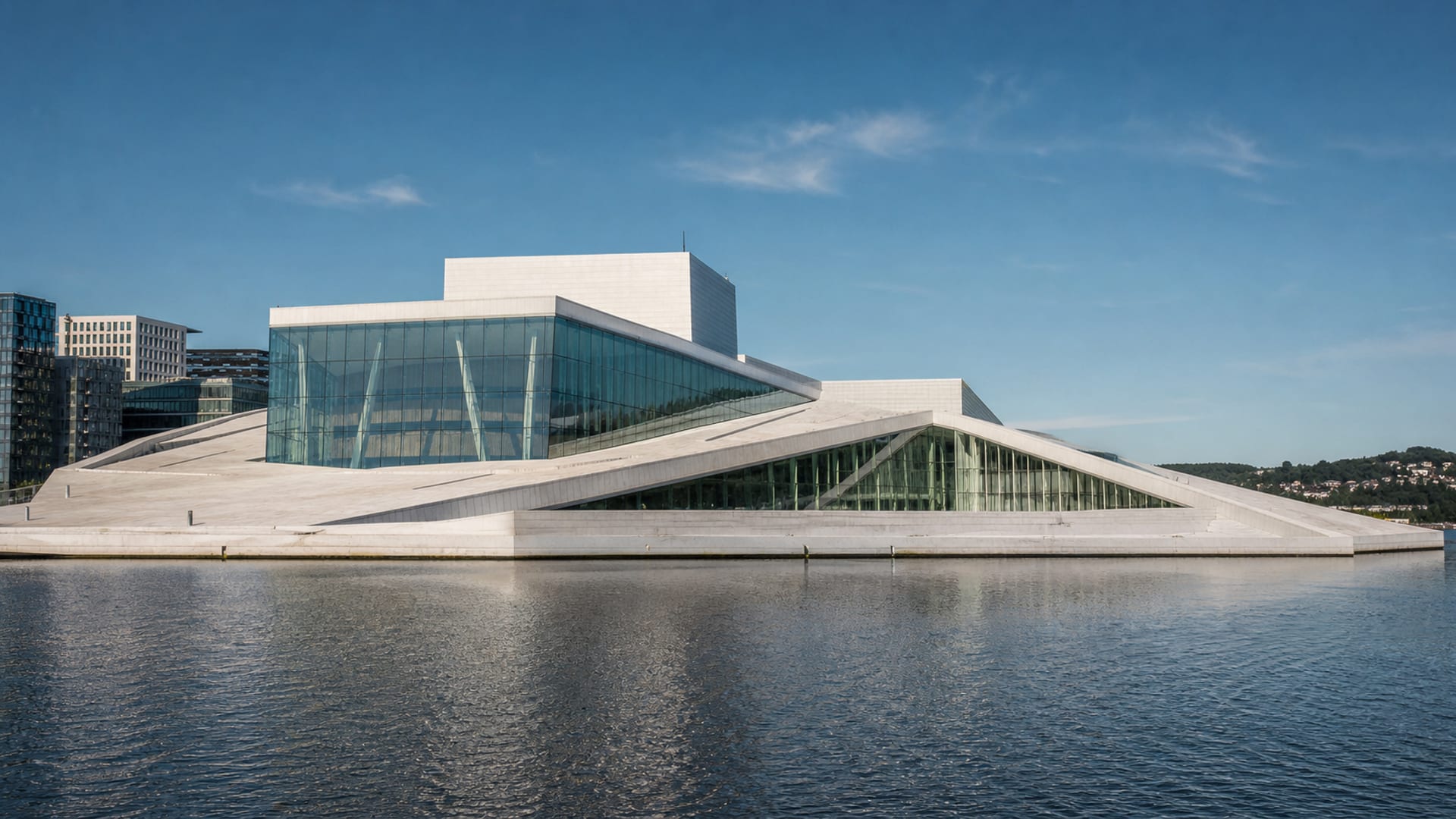
The Norwegian National Opera and Ballet
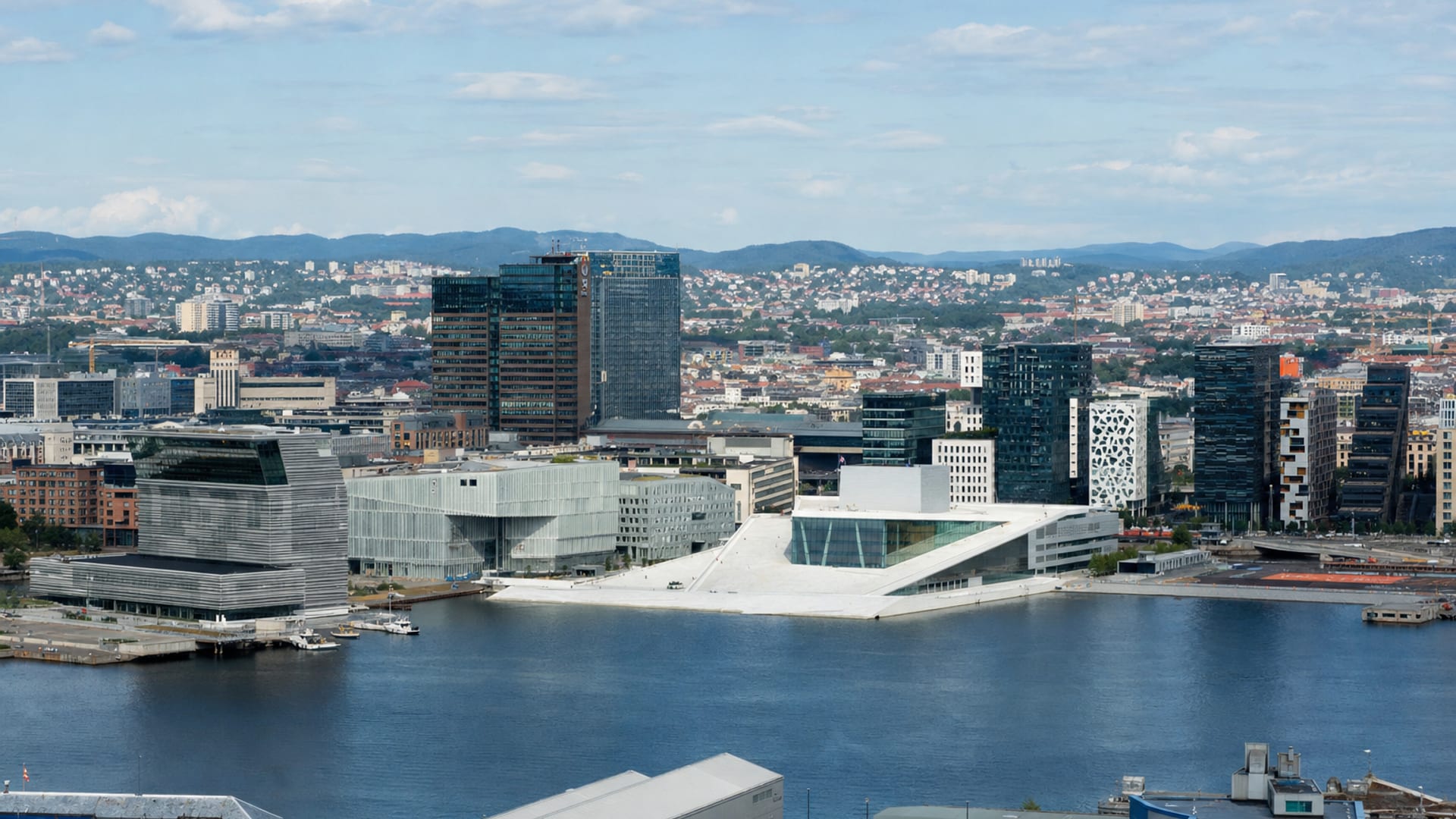
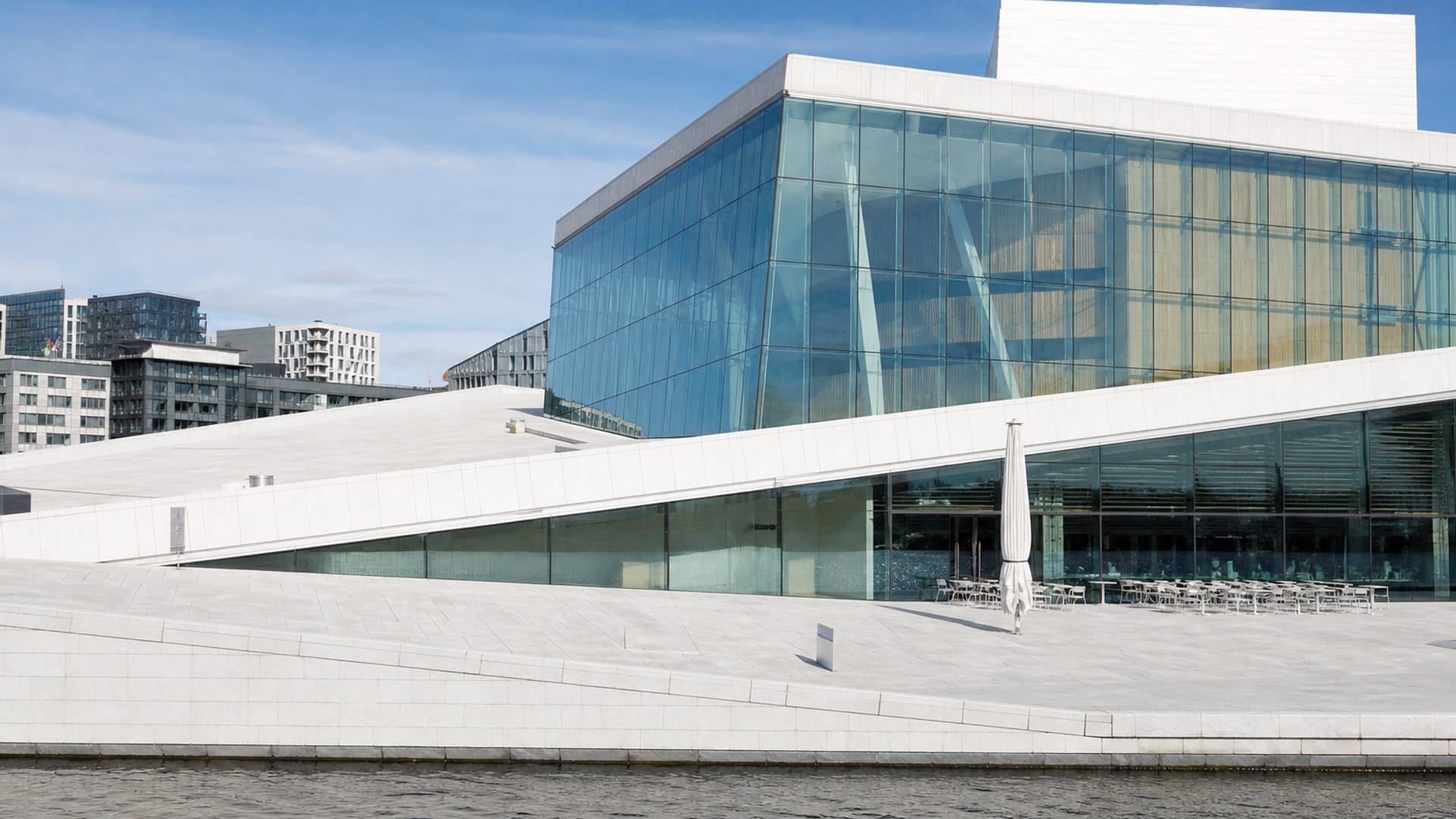
Snøhetta’s white marble roof slopes into the fjord, and visitors can walk on it for city and harbor views. Inside, the main house anchors Oslo’s modern waterfront and hosts ballet, opera, and touring performances.
Time needed: About 1 to 2 hours
Entry: Roof access is free; performance tickets vary by program, with standard seats usually costing $20 to $140 ($215 to NOK 1,500) depending on the production Visit the official site for details.
Tip: Visit near sunset for fjord views, then return after dark for the lit facade.
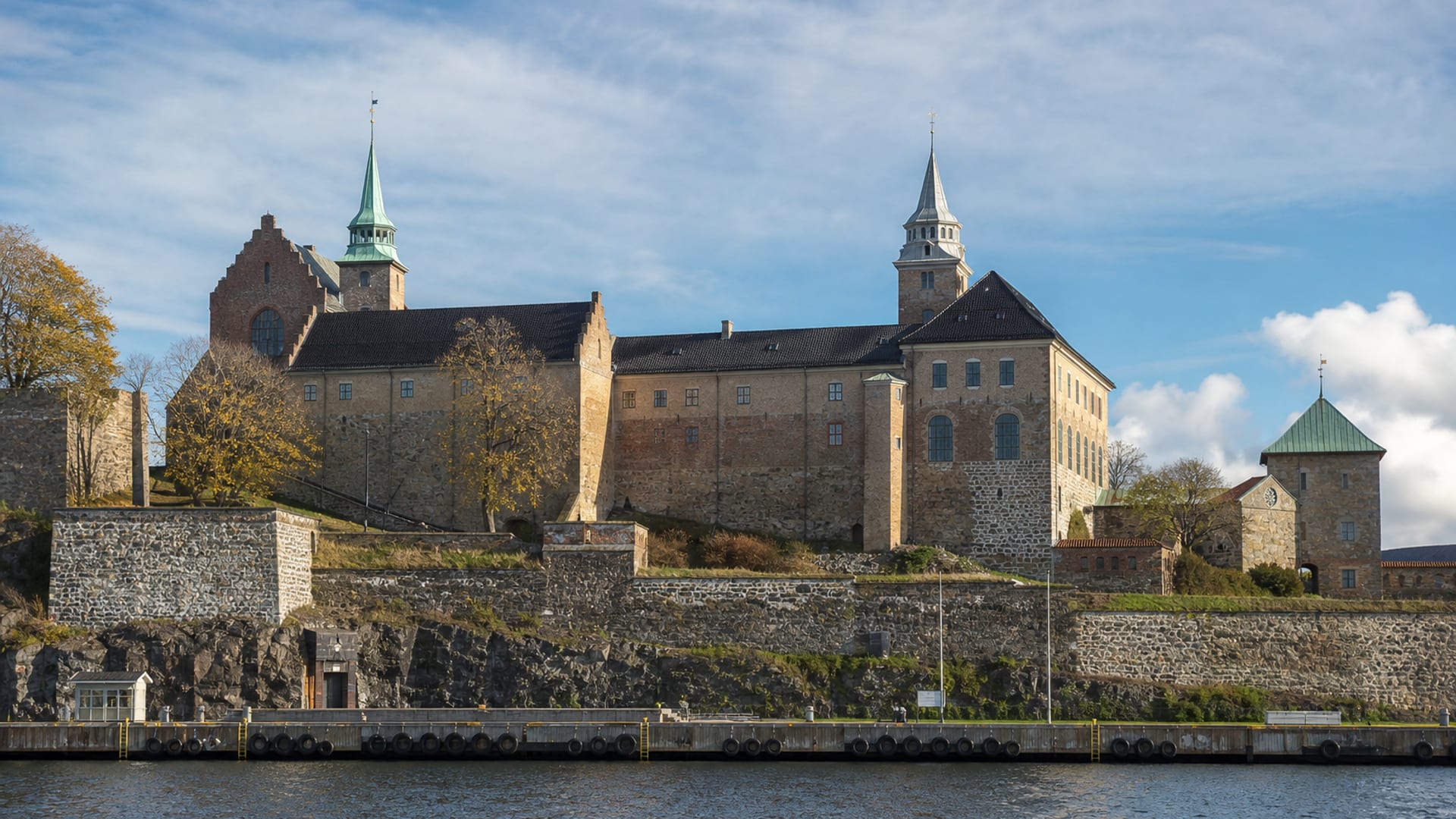
Akershus Fortress
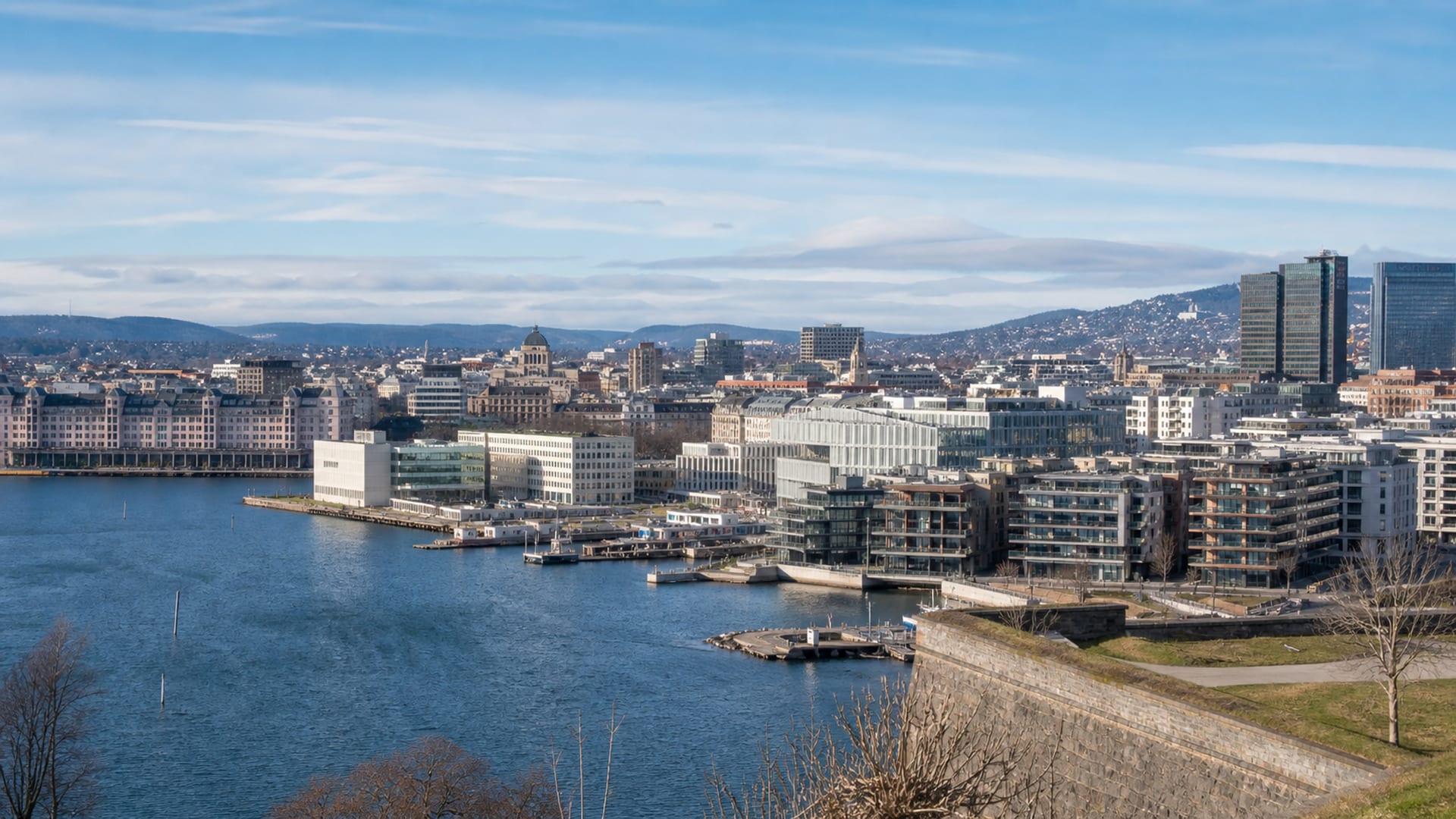
This medieval fortress above the harbor combines stone ramparts, museums, and long views over the inner Oslofjord. It traces Oslo’s military history from the 13th century and also serves as a public park.
Time needed: About 1 to 2 hours
Entry: Grounds are free to access; museum admission varies by exhibition, with some guided areas and events charging separate fees Visit the official site for details.
Tip: Pair the fortress walk with the harbor edge below, then climb back before dusk.
Overlooked sites worth visiting

Ekebergparken Sculpture Park
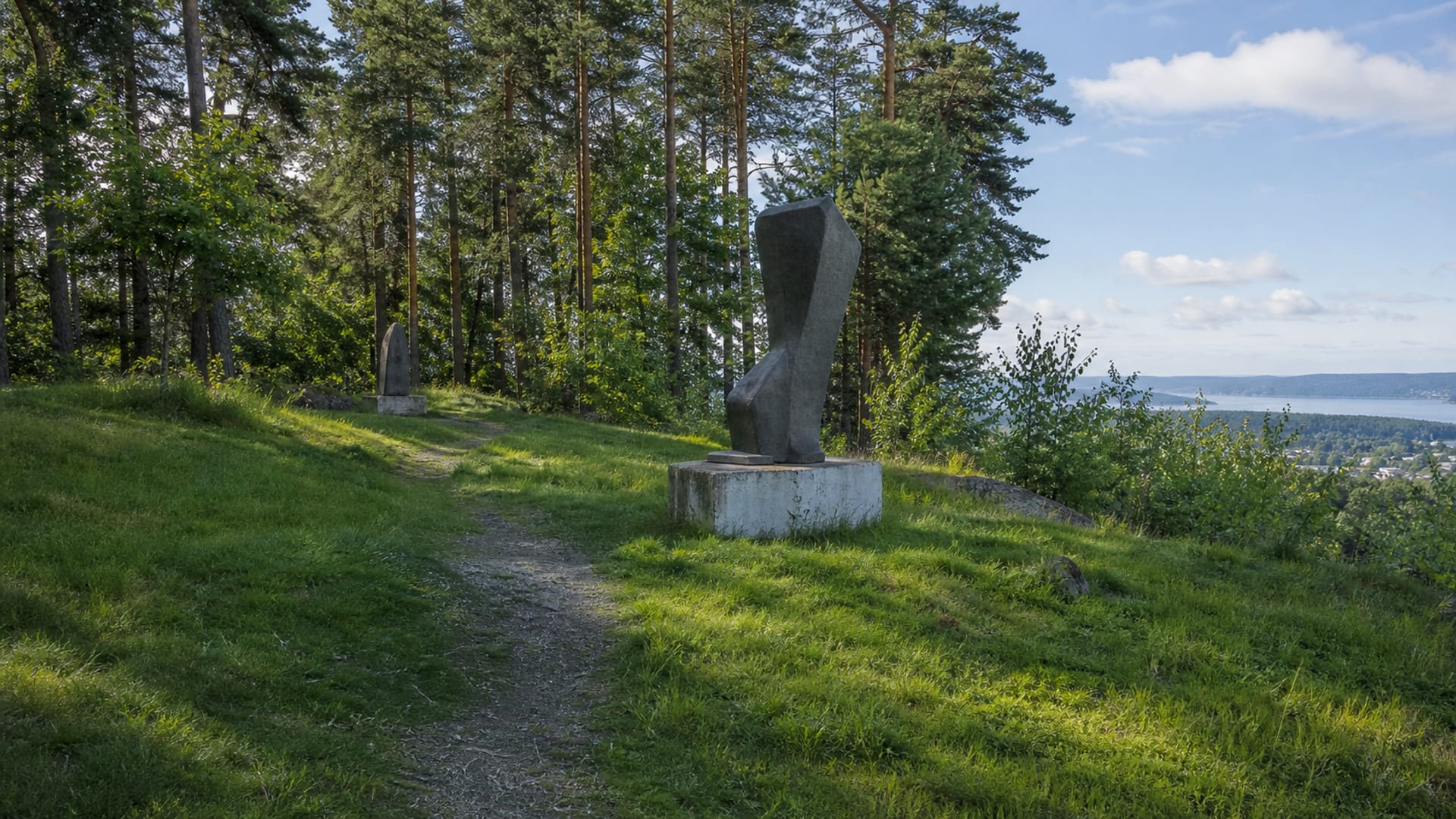
Hilltop trails link contemporary sculptures with broad views over the harbor and fjord. The site is open air, partly wooded, and easy to visit in a slow loop rather than a rushed stop.
Time needed: About 1.5 to 2.5 hours
Entry: Free to access; special exhibitions, guided walks, or temporary events can add a fee, but the main park, outdoor sculpture collection, and viewpoints have no admission charge for general visitors Visit the official site for details.
Tip: Go near sunset for long harbor views and softer light.

DAMN! Contemporary Art Museum
Inside an old industrial building on Tjuvholmen, this small museum pairs rotating Norwegian contemporary art with a compact footprint. Its scale makes it easy to fit between nearby harbor walks and lunch.
Time needed: About 1 hour
Entry: Standard admission costs about $18 ($200 NOK) for adults, with reduced rates for students and seniors; special exhibitions or events may be priced separately, and tickets are sold at the museum desk and online Visit the official site for details.
Tip: Pair it with the Tjuvholmen waterfront in the same visit.
Traditional food
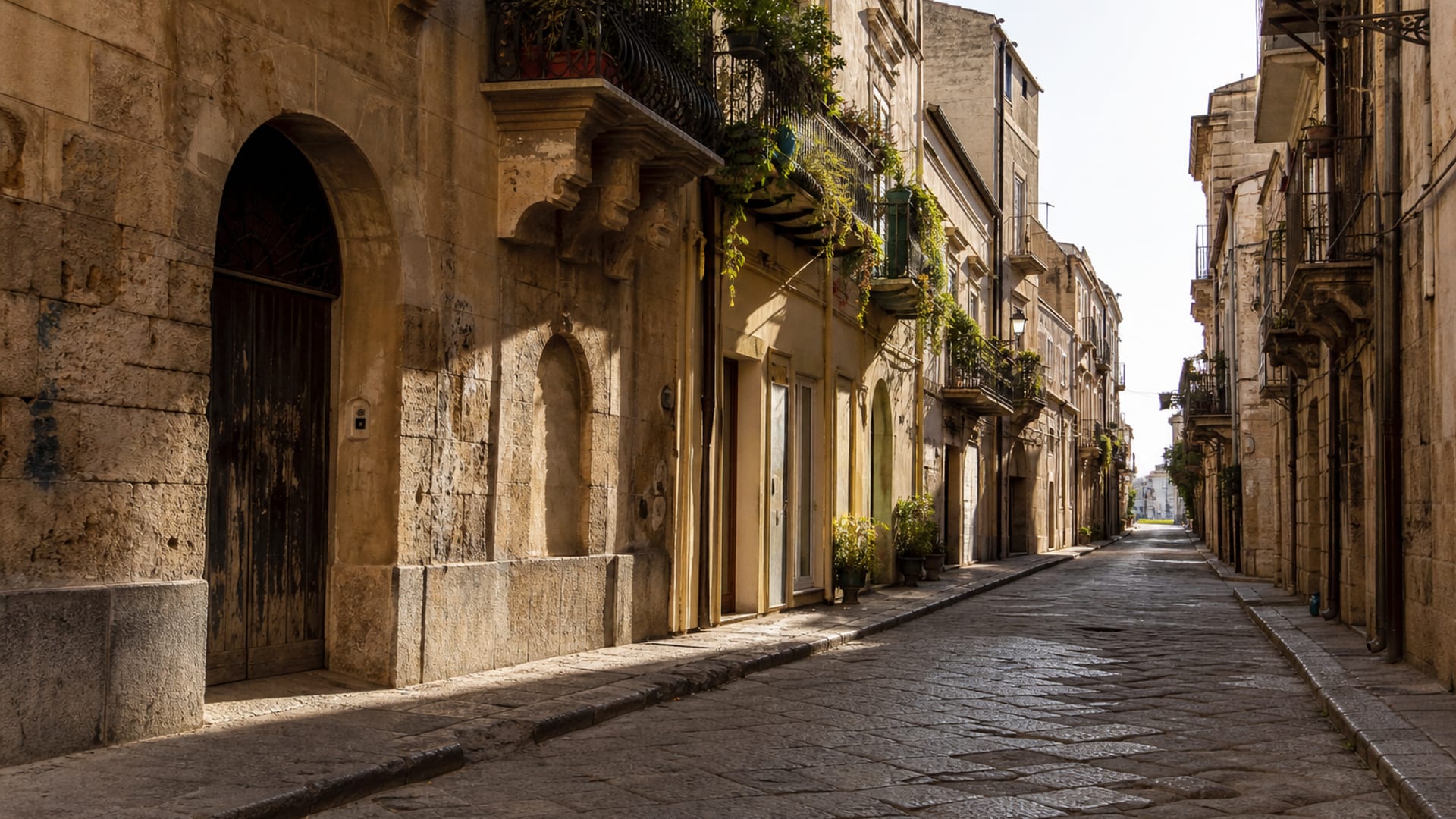
Oslo’s table leans on fish, lamb, potatoes, cream, and winter-preserved dishes such as rakfisk and lutefisk, with open sandwiches and café lunches filling the gaps between museum visits and long walks.
Rakfisk
Fermented trout served with flatbread, sour cream, onions, and potatoes. For a classic Oslo version, book at Kaffistova, where the dish fits neatly into a traditional Norwegian menu.
Lutefisk
Dried whitefish rehydrated and cooked into a soft, mild dish, usually served with bacon, peas, and potatoes. Engebret Café is a well-known place to try it in a formal old-Oslo setting.
Fårikål
Lamb and cabbage slow-cooked with peppercorns, often considered Norway’s national dish. På Høyden serves a version that suits a traditional dinner in the city center.
Kjøttkaker
Norwegian meat cakes served with gravy, peas, potatoes, and lingonberries. For an old-fashioned plate in Oslo, Theatercaféen offers a dependable central option.
Best time to visit Oslo
Oslo shifts quickly with the seasons, from bright summer evenings on the harbor to colder months that reward museum time, café stops, and shorter outdoor loops.
Best for: Longer days, lighter crowds, and the first comfortable walks along the harbor
What you get: About 34 to 58°F (1 to 14°C), with cool mornings and moderate crowd levels
Trade-offs: Weather can swing between sun, rain, and wind
Best for: Late sunsets, outdoor dining, ferry rides, and the easiest time for long sightseeing days
What you get: About 54 to 72°F (12 to 22°C), with the highest visitor counts in central areas
Trade-offs: Popular waterfront areas and major sights feel busier
Best for: Clear air, fall color in the parks, and a calmer museum-and-neighborhood pace
What you get: About 37 to 56°F (3 to 13°C), with moderate crowds early in the season and fewer visitors later
Trade-offs: Shorter days arrive quickly
Best for: Museums, restaurants, and snow-dusted walks when the city gets its quietest
What you get: About 19 to 36°F (-7 to 2°C), with lighter crowds outside holiday periods
Trade-offs: Cold spells and limited daylight shape the day
A realistic 5-day plan in Oslo
Five days works well in Oslo because the city asks you to change settings, not just check off sights. This plan starts in Sentrum, moves through the waterfront and west side, then gives one day to Grünerløkka before a low-stress final morning.
Fly into Oslo (OSL), then reach Sentrum by Flytoget airport express in about 19 minutes or by the regular airport train in roughly 23 to 25 minutes; tickets usually cost about $22 to $26 (NOK 239 to NOK 279) on the express and about $12 to $18 (NOK 129 to NOK 199) on the standard train. If you arrive late or with heavy luggage, a taxi into the center usually takes about 40 minutes and often costs about $90 to $120 (NOK 1,000 to NOK 1,300), depending on traffic. Settle into a hotel near Oslo Central Station, Karl Johans gate, or the waterfront, then keep dinner close by with an easy meal in Sentrum or at Aker Brygge and Tjuvholmen, where you can eat without adding a long ride after the flight. Drink plenty of water, take a short walk along the harbor if daylight remains, and turn in early.
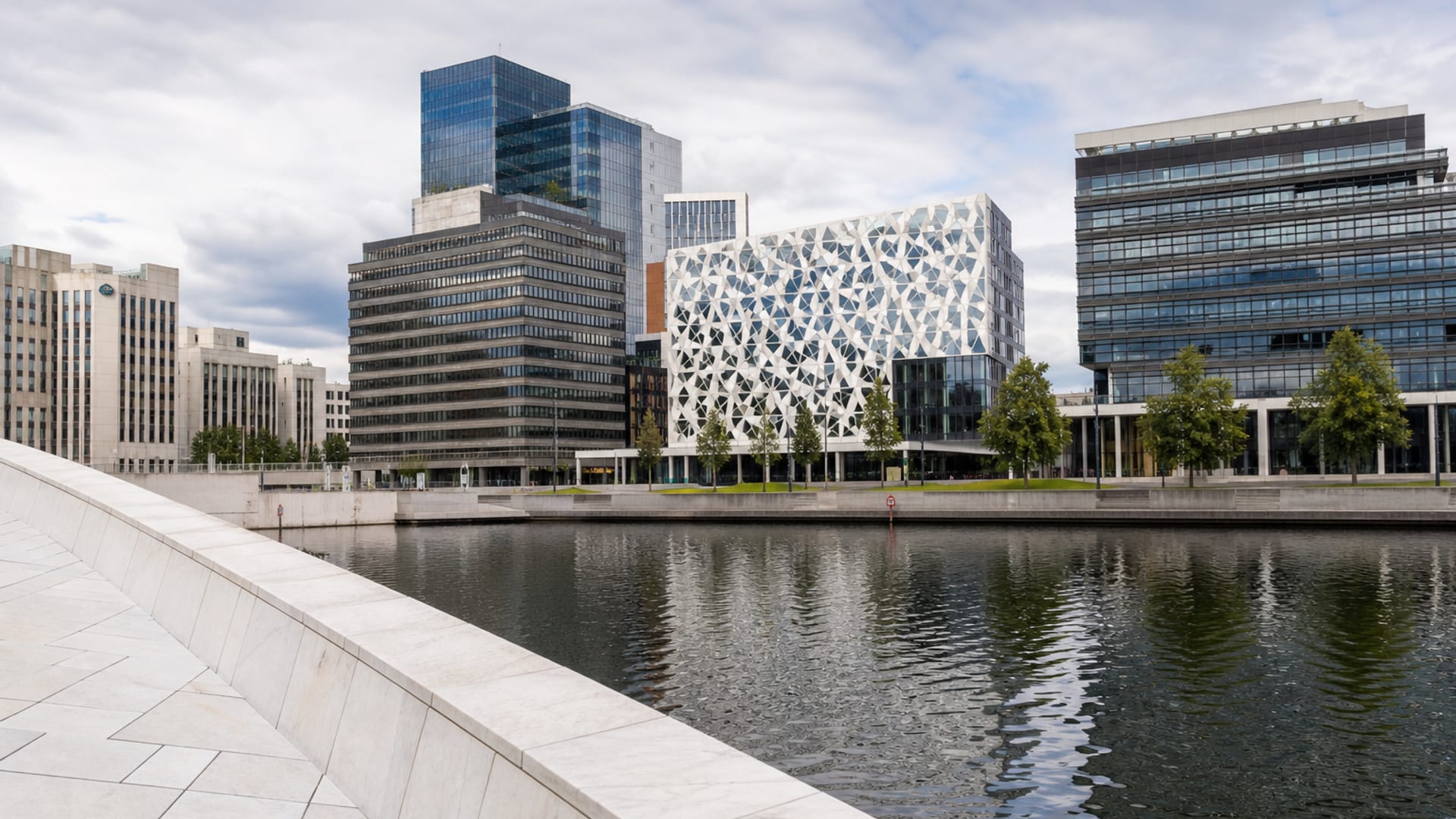
Start with Akershus Fortress, then walk down toward the inner harbor in about 10 minutes to take in the water views before moving on to the Norwegian National Opera and Ballet, which is roughly a 12-minute walk from the fortress entrance. Spend time on the opera roof for fjord and city views, then continue back through Sentrum for lunch near Karl Johans gate. In the afternoon, head by tram or subway to Majorstuen in about 15 to 20 minutes and walk 15 minutes to Vigeland Sculpture Park, where more than 200 works fill Frogner Park. Go in late afternoon if you want softer light across the main paths, then return to Sentrum for dinner.
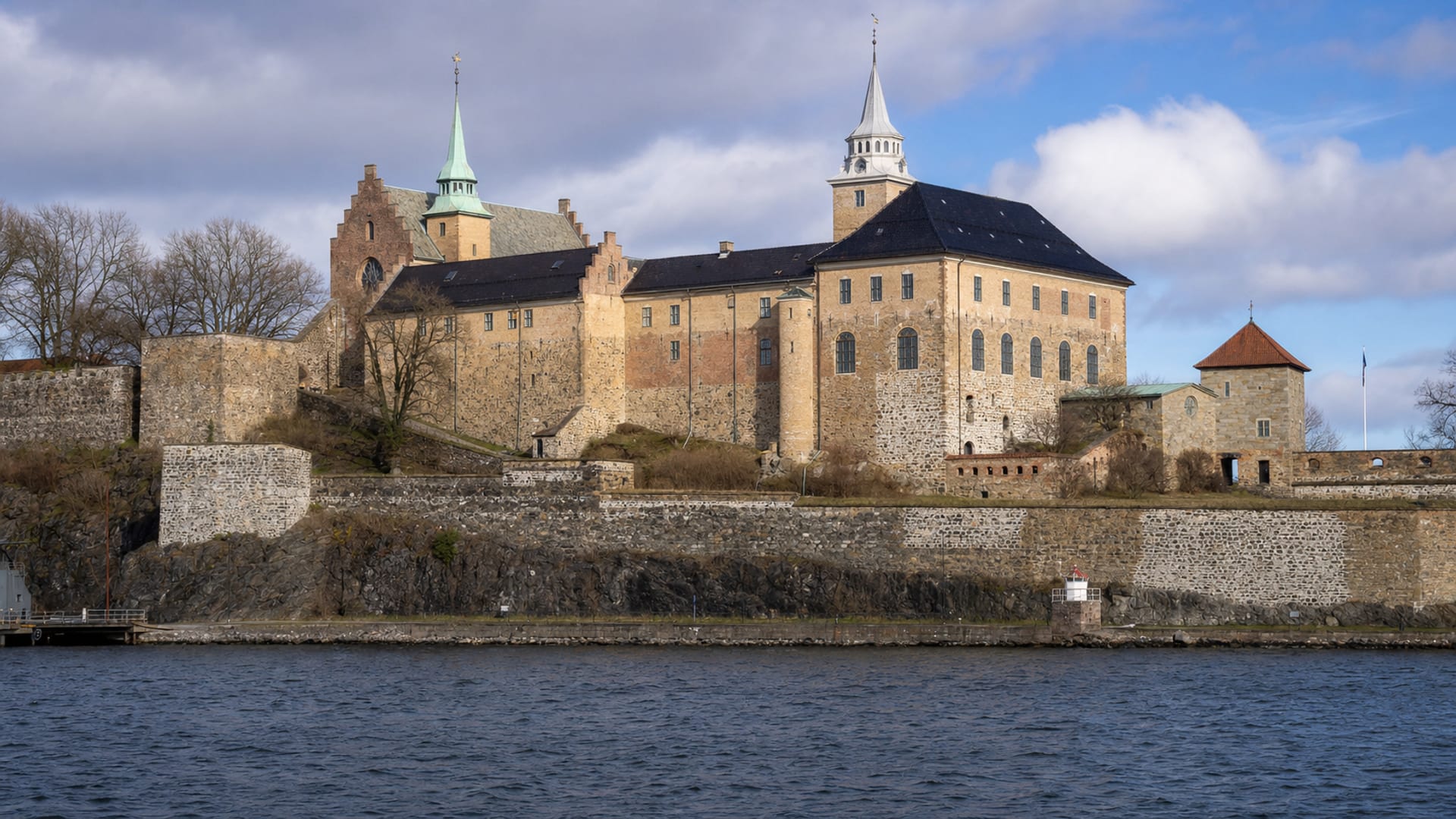
A waterfront morning works well here, beginning at Aker Brygge and Tjuvholmen for a promenade walk and an easy visit to DAMN! Contemporary Art Museum, which sits in the same harborfront area. From there, stay on foot for lunch nearby, then continue to the National Museum area or ride about 10 minutes back toward Sentrum if you want a central break between stops. In the afternoon, move south by bus or taxi to Ekebergparken Sculpture Park, which takes about 15 to 20 minutes from the center depending on traffic. The hilltop paths combine sculptures with broad fjord views, so plan about 1.5 to 2.5 hours and aim for sunset if the weather is clear.
Begin in Majorstuen and ride the metro or tram back into the west side in about 10 to 15 minutes for another look at Frogner Park if you want a slower repeat of the area, or head straight to Grünerløkka for a different neighborhood pace. In Grünerløkka, spend the morning on independent shops and café streets, then walk to the river paths for a longer break before lunch. From there, the Botanical Garden is about 20 minutes on foot, or you can keep the day centered on the neighborhood’s small restaurants and street life. Finish with dinner in Grünerløkka, where the evening crowd builds gradually after work and stays active into the night.
For a final day, begin with one last museum stop at the National Museum, then walk about 10 minutes to Karl Johans gate for shopping and an unhurried center-city lunch. After that, head back toward Aker Brygge or Sentrum for coffee, or choose a café in Grünerløkka if you prefer a neighborhood stop before departure. If your flight leaves later in the day, a short harbor walk near the Opera House gives you one more look at the waterfront without committing to a full outing. Keep transit simple, stay close to your luggage, and leave enough time to reach Oslo (OSL) for the airport train or a taxi.
Business-class flights from the US to Oslo
For long-haul trips, Oslo often connects through major European hubs unless you find a nonstop on the dates you want. The two examples below show how the route can shift depending on whether you start on the East Coast or the West Coast.
From New York, nonstop options with United Airlines, Scandinavian Airlines, Icelandair, Lufthansa, British Airways, and Air France typically run about 7 to 8 hours. If you do not mind a stop, common connections through CPH, LHR, FRA, KEF, or AMS can bring fares down to about $1,200 to $2,500.
Los Angeles travelers usually see Scandinavian Airlines, Lufthansa, Air France, British Airways, KLM, and Turkish Airlines on the board, with nonstop flying times of about 12 to 13 hours. When you price out alternatives, one-stop dates through FRA, LHR, AMS, CDG, or IST often sit at the lower end of the market, and business fares from Los Angeles to Oslo usually run from about $3,500 to $7,500 round-trip, with nonstop dates usually at the top end of that range.
Oslo feels different when you slow down
A deliberate Oslo trip usually means fewer cross-city zigzags and more time in places that sit naturally together, such as Sentrum, Aker Brygge, Tjuvholmen, Majorstuen, and Grünerløkka. The metro, tram, and airport rail do the heavy lifting, while the waterfront, Akershus Fortress, the Opera House, and Vigeland Sculpture Park give the city its shape. If you want help matching those neighborhoods to your dates, AranGrant experts can build the route around the season and the airport train







