

Chapters:

Need help with your trip?
Our support team is available 24/7. Request a callback or call us directly at (833) 619-0908
Omaha trips often start and end with the Old Market, a museum stop, and a dinner reservation, yet many visitors skip the riverfront or underestimate how spread out the central neighborhoods are.
That approach can waste time in traffic or on backtracks between downtown, Midtown, and Blackstone, especially when museum hours, Sunday closures, and limited evening transit narrow the day.
This guide arranges the city in a tighter order, so each day has a clear area, a sensible transit plan, and room for the food stops that matter most.
Useful things to know
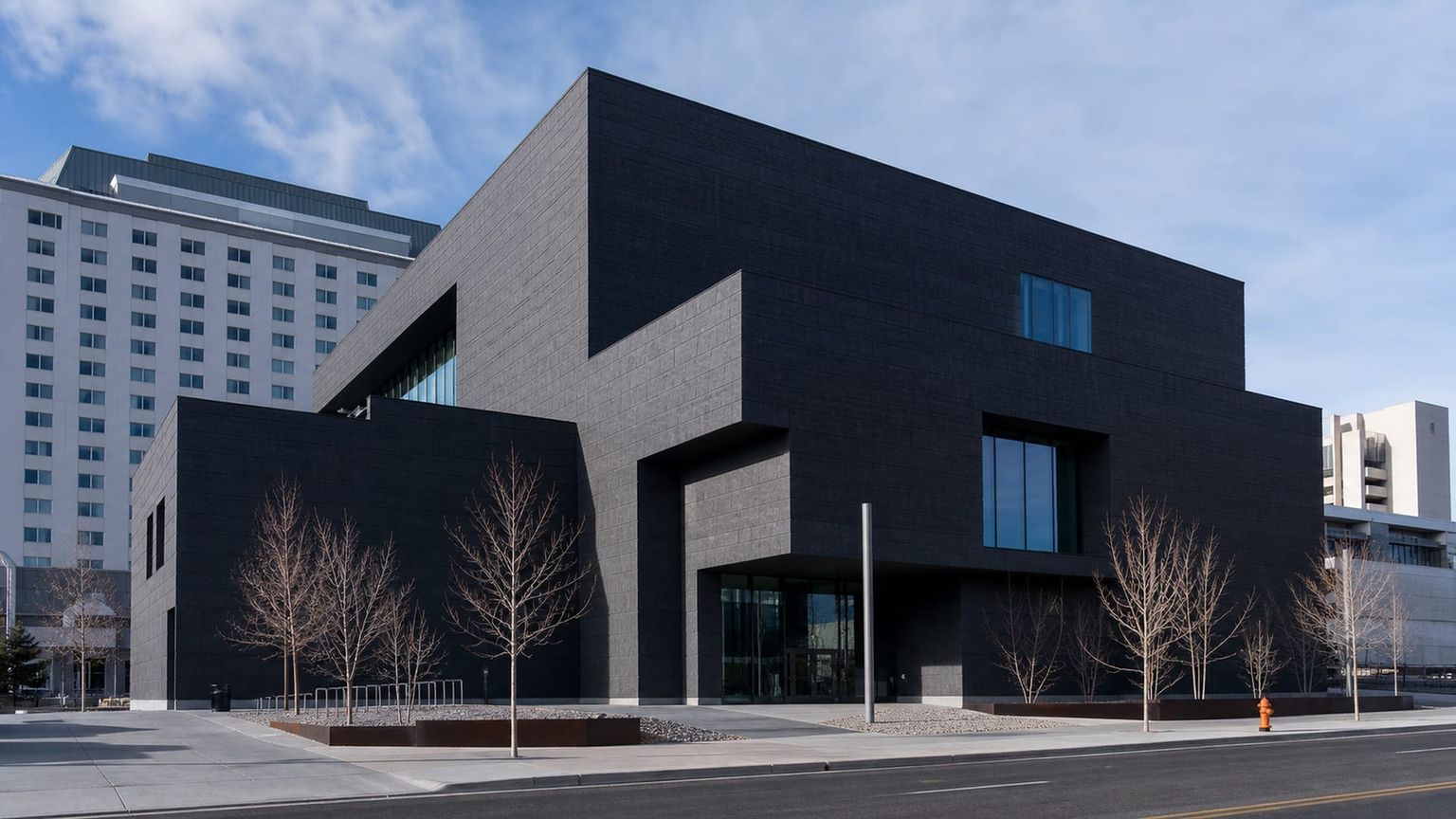

Main language(s): English

Currency: The local currency is the US dollar (USD, $).

Cash and cards: Cards and contactless are widely accepted; keep about $20 to $40 in cash for small purchases and tips.

Tipping: Tip 15% to 20% at sit-down restaurants; round up small bills and tip taxi drivers a little for good service.

Traditional food: Reuben sandwich, Nebraska steak, Runza, butter brickle

Water and coffee costs: Water about $2 to $3, bar espresso about $4 to $6.

Taxis and ride apps: Uber and Lyft operate here; wait times can stretch late at night.

Plug and voltage: Type A/B socket, 120V

Dining and shop opening hours: Breakfast is about 07:00-09:00, lunch 11:30-13:30, and dinner 17:30-20:30. Many places close earlier on Sundays.

Emergency number: 911 for police, fire, and medical emergencies.
Where to stay in Omaha
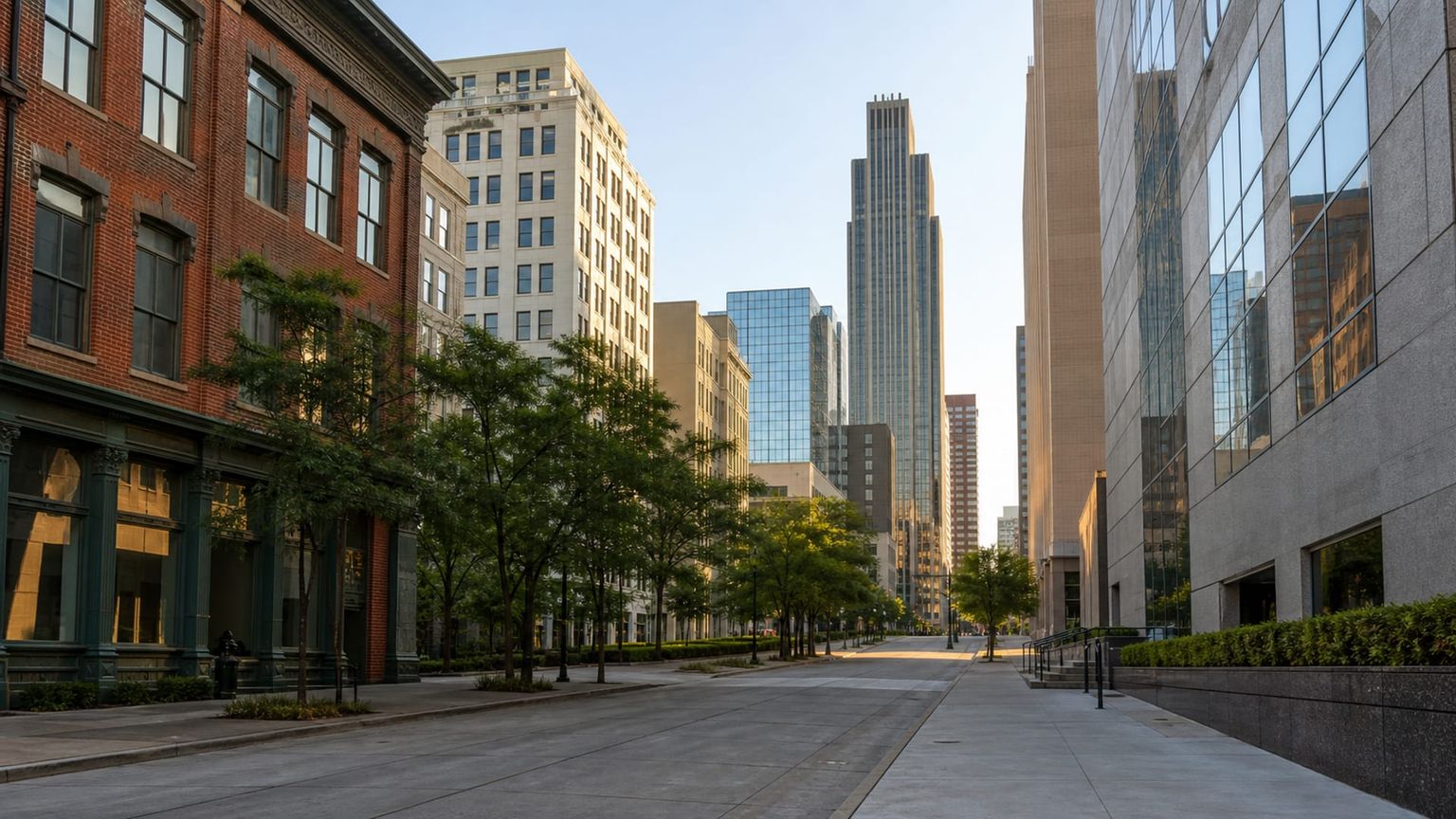
Omaha’s central business district pairs high-rise hotels with restaurants, bars, the riverfront, and the Old Market nearby. It puts visitors close to convention venues, museums, and many first-stop sights, which matters if you want to spend more time out than in transit.
Best for: Sightseeing, business trips, and travelers who want the widest choice of restaurants and nightlife
What to expect: Busy sidewalks by day, then a livelier evening scene around dining streets and hotel bars.
Hotel prices: Usually about $140 to $260 per night for well-rated stays
Distance to major sights: About 10 to 15 minutes on foot to the Old Market; roughly 15 to 20 minutes on foot to the Durham Museum
Quietness: Daytime is active and often crowded; evenings stay busy near dining and entertainment blocks, quieter on office streets.
Main trade-off: You pay more for central access, and street noise can rise on weekend nights.
Good to know: Pick a room a few blocks off the main bar streets if you want easier sleep without leaving the center.
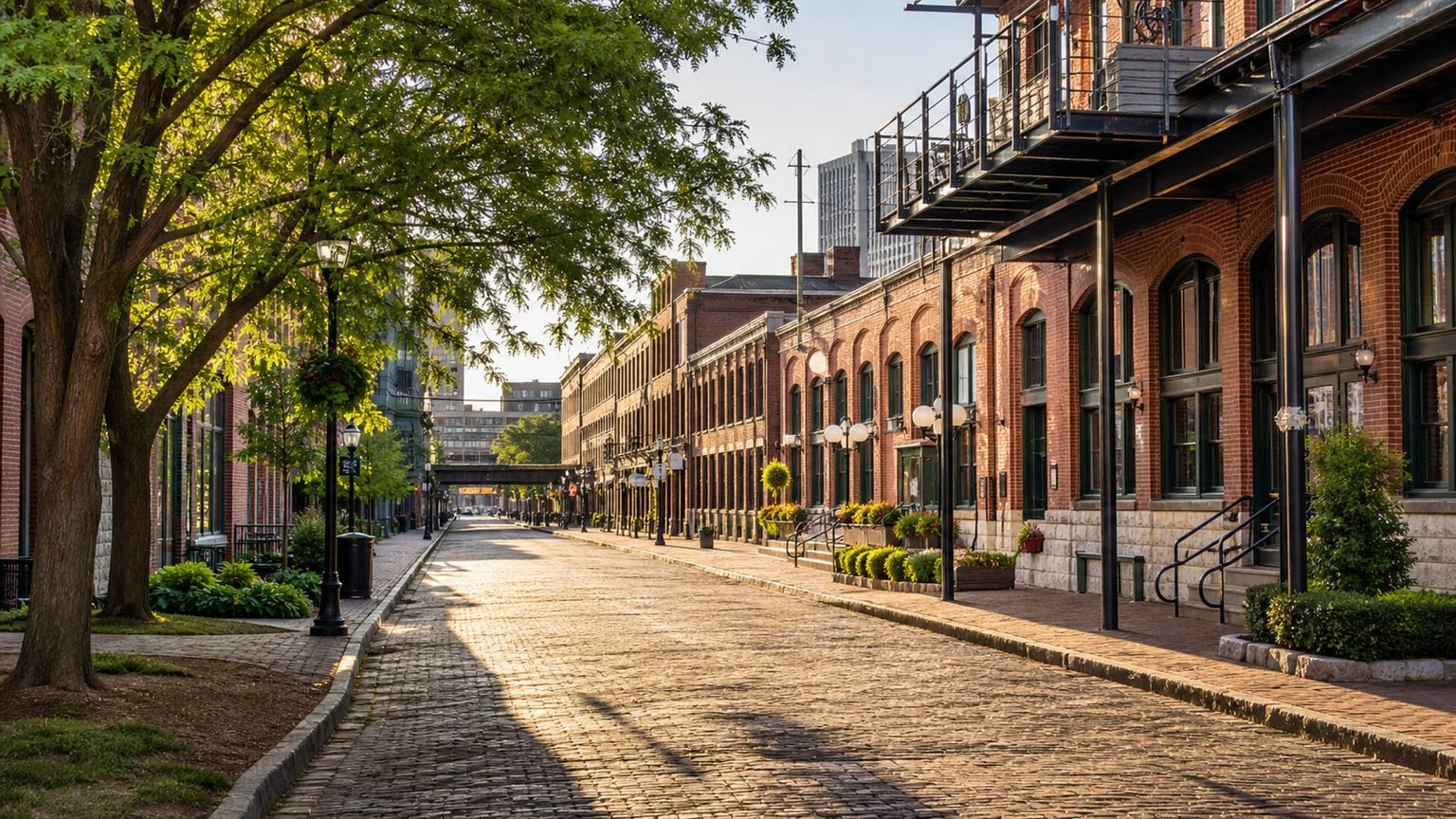
The Old Market is Omaha’s historic warehouse district, known for brick streets, boutiques, galleries, and some of the city’s best dining. It matters because many visitors come here for evenings out and walkable access to downtown attractions.
Best for: Dining, nightlife, couples trips, and visitors who want a walkable historic setting
What to expect: Tourist-focused, active, and busiest in the evening when restaurants, patios, and bars fill up.
Hotel prices: Usually about $160 to $300 per night for well-rated stays
Distance to major sights: About 5 to 10 minutes on foot to the Bob Kerrey Pedestrian Bridge; roughly 10 to 15 minutes on foot to the Durham Museum
Quietness: Quieter in the morning and early afternoon; evenings can be noisy, especially on weekends.
Main trade-off: Lodging prices are often higher, and late-night sound carries through the narrow streets.
Good to know: If you plan early starts, stay on an upper floor or away from the busiest restaurant blocks.
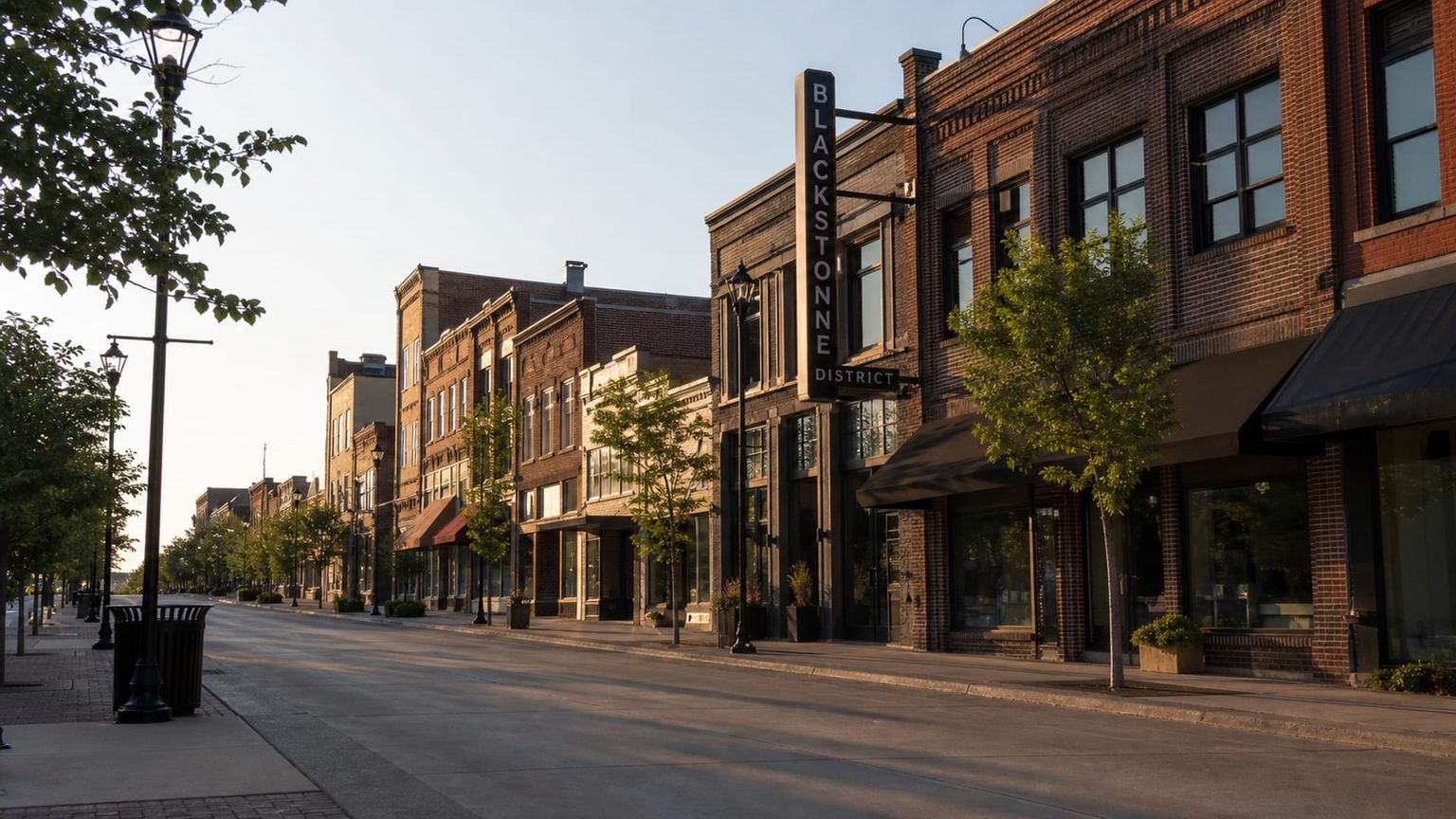
Blackstone is a compact entertainment area west of downtown, with restored buildings, cocktail bars, coffee shops, and a growing restaurant scene. It matters for travelers who want a neighborhood feel with quick access to Midtown and the city center.
Best for: Food-focused stays, nightlife, and travelers who prefer a neighborhood base near downtown
What to expect: Active streets, especially after work and on weekends, with a younger crowd and many dinner reservations.
Hotel prices: Usually about $130 to $240 per night for well-rated stays
Distance to major sights: About 10 to 15 minutes by car to the Old Market; roughly 15 to 20 minutes on foot to Joslyn Castle from the district’s core
Quietness: Calmer in the daytime near residential blocks; evenings get louder around bars and late restaurants.
Main trade-off: You get strong dining access, but parking and room rates can rise during busy weekends.
Good to know: Choose lodging away from Farnam Street if you want less late-night traffic noise.
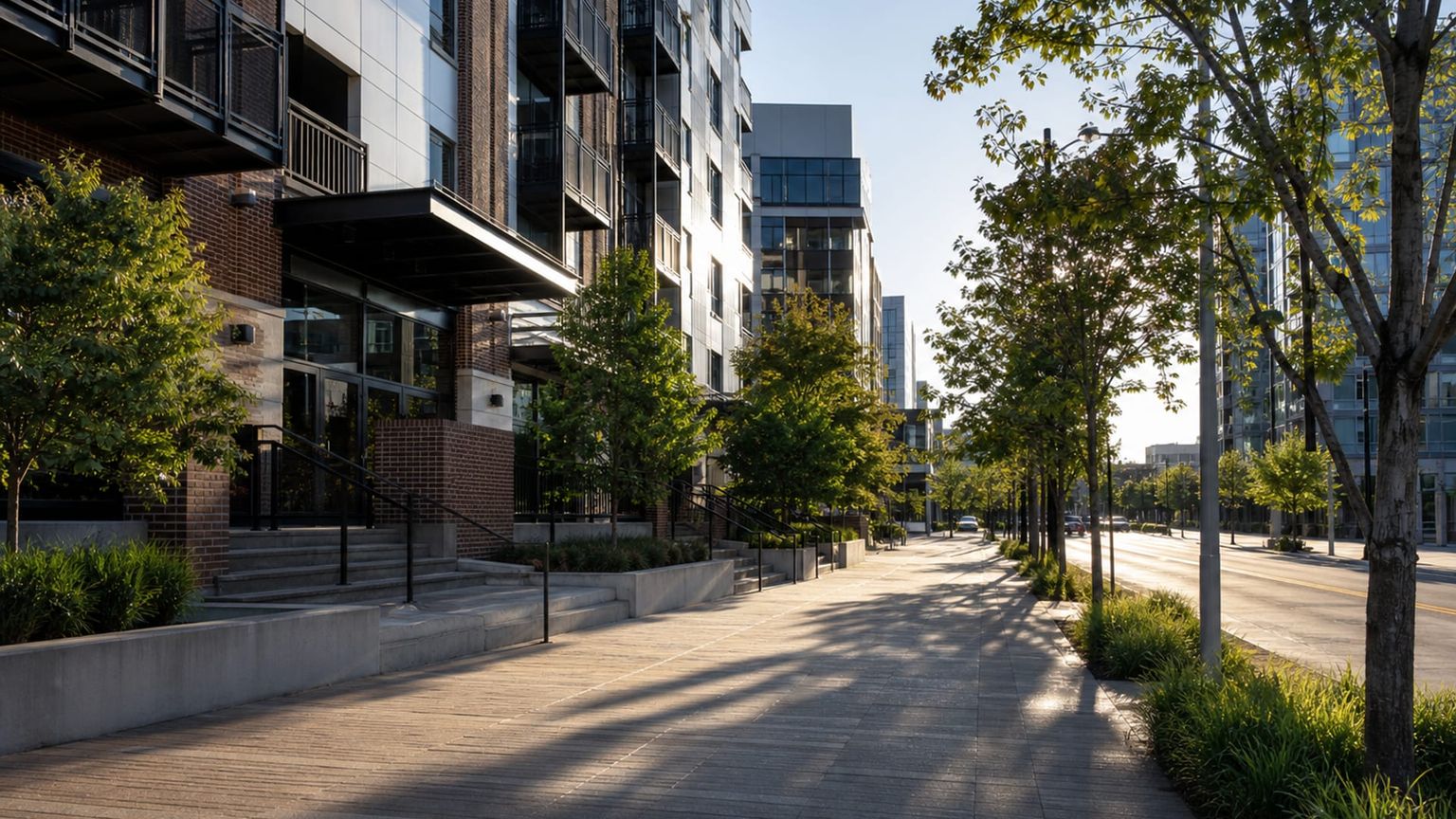
Midtown Crossing sits in central Omaha between downtown and the Dundee area, with newer apartments, shops, and everyday dining. It matters as a base if you want easy movement across the city without staying in the busiest entertainment strips.
Best for: Longer stays, car travelers, and visitors who want a central base with lower evening intensity
What to expect: Moderate street activity, with more local foot traffic than tourists and a steady flow of residents.
Hotel prices: Usually about $120 to $220 per night for well-rated stays
Distance to major sights: About 10 to 15 minutes by car to downtown; roughly 15 minutes by car to the Joslyn Art Museum
Quietness: Generally quieter than downtown after dark, though major intersections still carry traffic noise.
Main trade-off: You give up immediate walkability to the Old Market, so most evenings out will require a short ride.
Good to know: This area works best if you value easier parking and do not mind using rideshares for dinner or nightlife.
Travelers usually avoid staying in South Omaha, which sits far from downtown attractions and has fewer visitor-oriented hotels and restaurants. North Omaha, Florence, and the industrial stretches near Eppley Airfield are also less convenient for most visitors, because they are distant from the Old Market and downtown, with limited evening dining and transit options.
Hotel deals
How to get around Omaha efficiently
Omaha has no metro, so most visitors move between downtown, Midtown, and the airport with buses, taxis, rideshares, and short walks.

Metro
for longer distances
Omaha has no metro or subway network, so visitors rely on buses, taxis, rideshare, and cars instead. The closest transit substitute is Metro Transit buses, which connect downtown, Midtown, the university area, and Westroads on scheduled routes. Single fares are about $1.25, with day passes about $3, and transfers usually remain valid for 90 minutes.

Bus and tram
for convenience
Metro Transit runs Omaha’s main bus network, with the best coverage along downtown, the Old Market, Midtown, Aksarben, the university area, and Westroads. Routes thin out at night and on Sundays, so check timetables before heading to outer neighborhoods. A single ride costs about $1.25, a day pass about $3, and most tickets are valid for 90 minutes.

Taxi
for convenience or late hours
Licensed taxis in Omaha use metered fares, not fixed citywide set prices, and airport trips often land in the roughly $20 to $35 range from downtown, depending on traffic and waiting time. You can book by phone, use airport taxi stands at Omaha Eppley Airfield (OMA), or take a street pickup where allowed. Most cabs accept cards and cash, though it is worth confirming payment before you set off.
*Prices are based on rates updated as of June 2026 and may change at the time of travel.
Walk in the Old Market and downtown, use Metro Transit for low-cost daytime trips, and choose taxis or rideshares when you are crossing the city or heading to Omaha Eppley Airfield (OMA).
Iconic landmarks
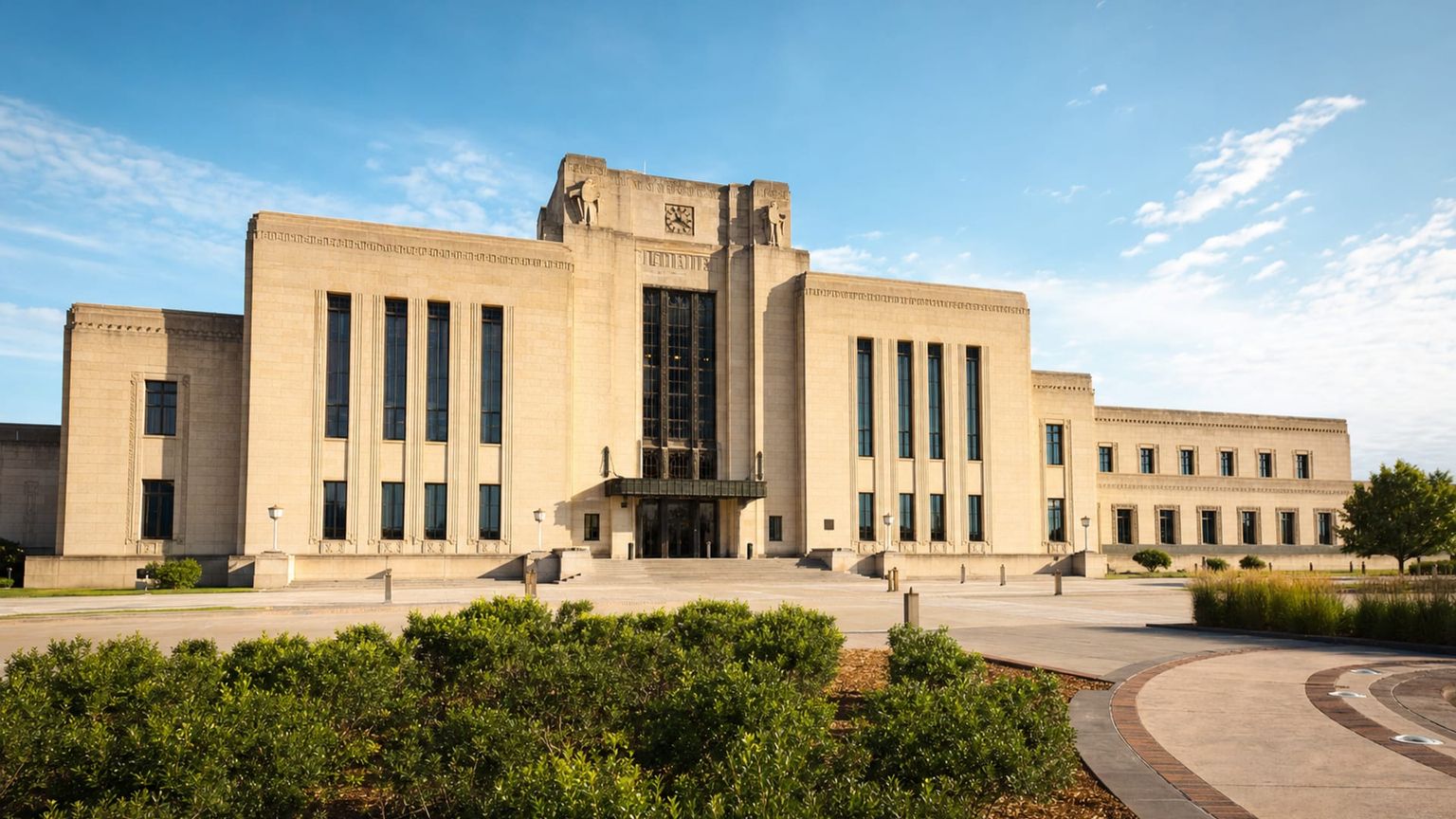
The Durham Museum
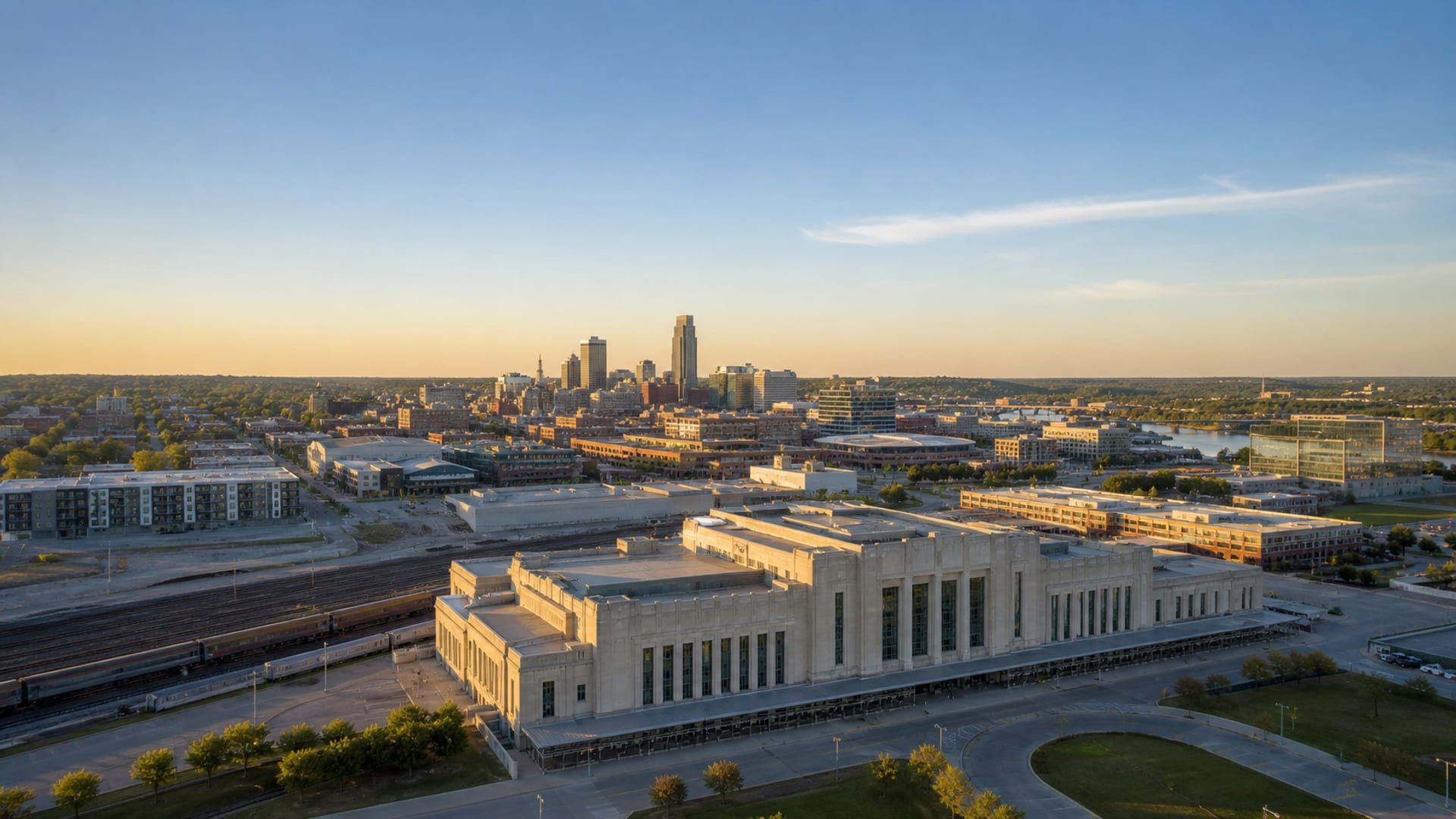
Housed in Omaha’s restored Union Station, the museum displays train cars, a 1930s soda fountain, and changing exhibits on the city’s rail and commerce history. The building itself is a major Art Deco landmark.
Time needed: About 2 hours
Entry: Standard admission costs $13 ($13) for adults, $11 ($11) for seniors and military, and $8 ($8) for children ages 3 to 17 Visit the official site for details.
Tip: Visit in the morning, when the station interior is quieter and easier to photograph.
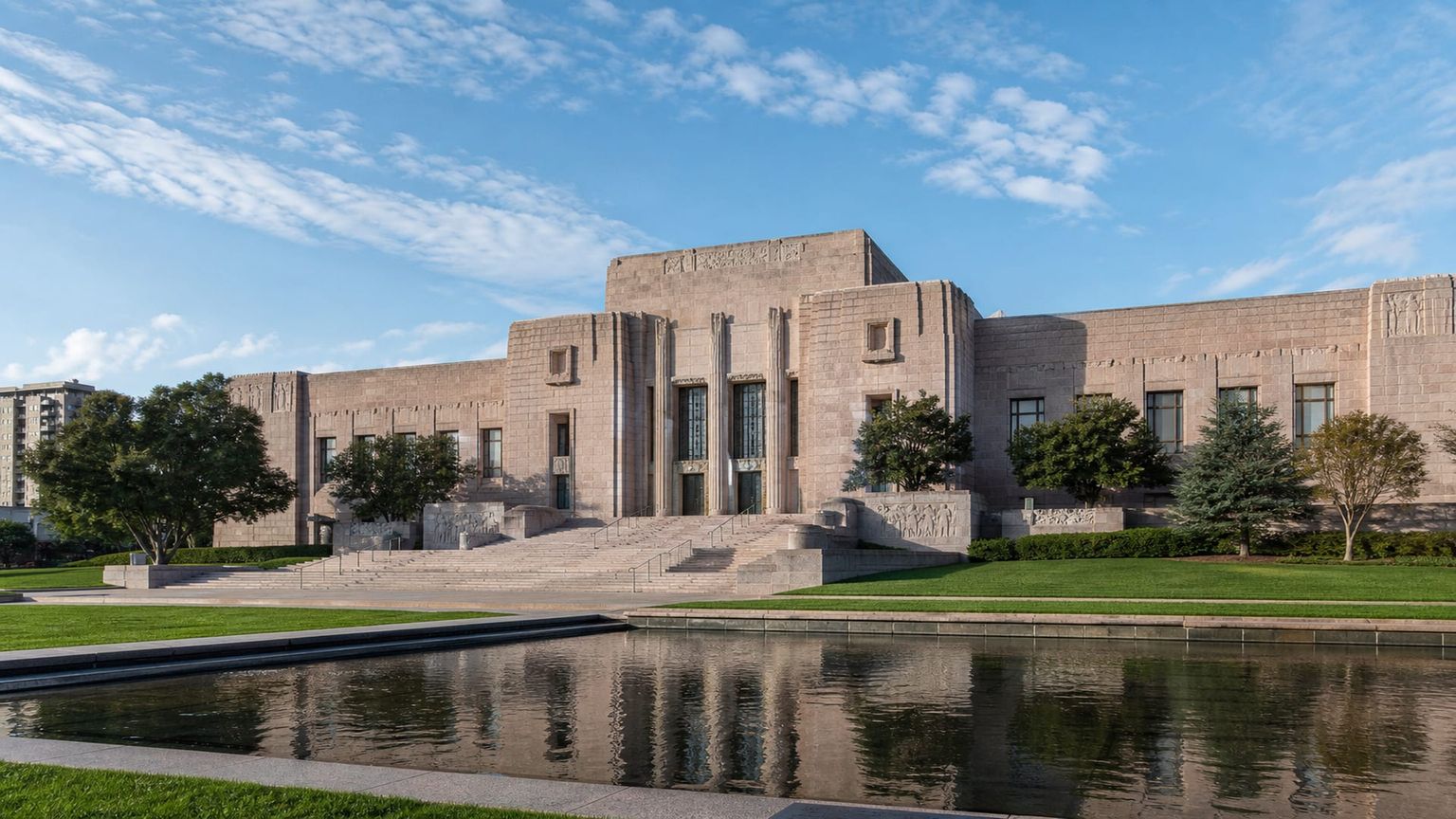
Joslyn Art Museum
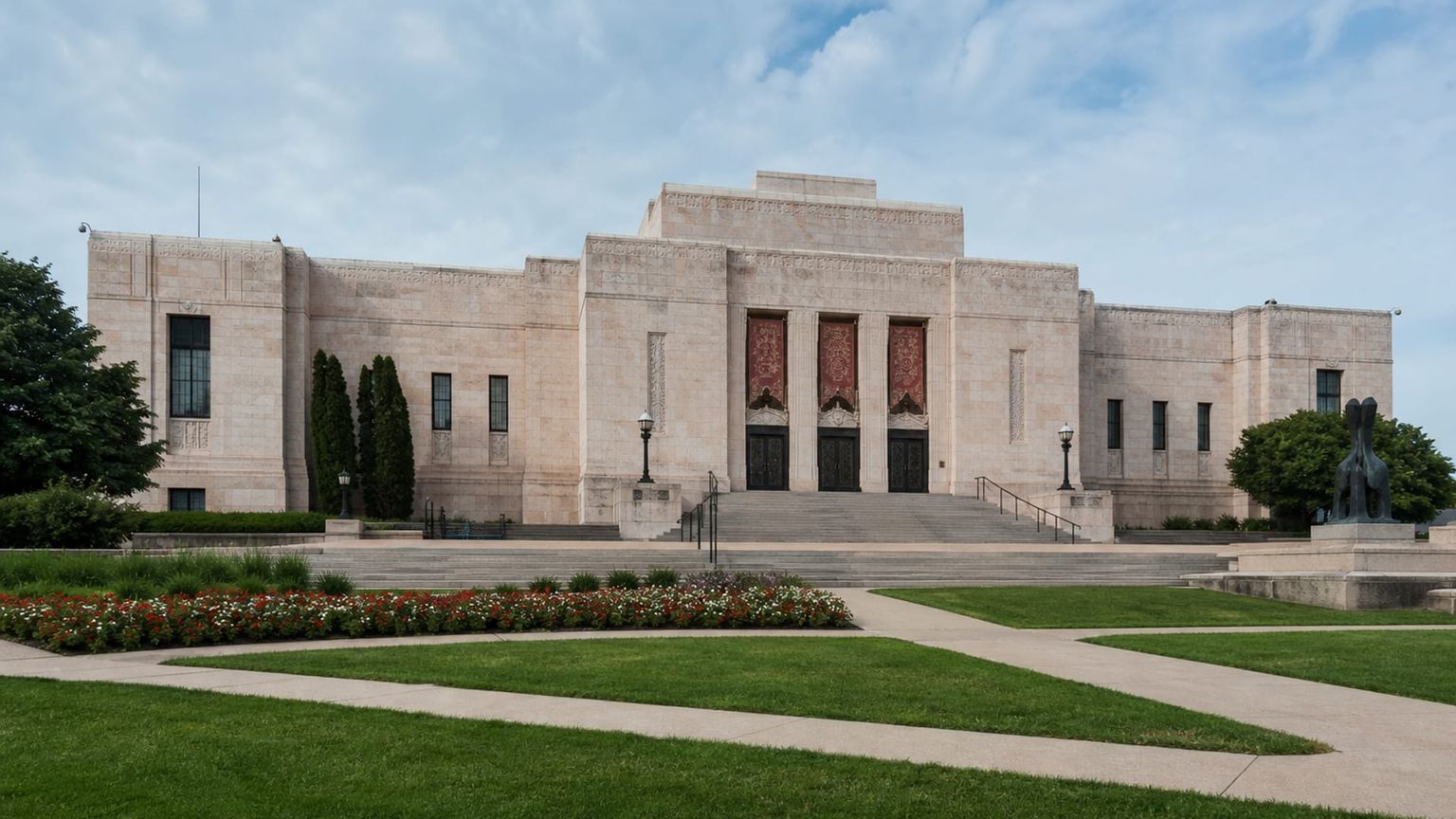
Joslyn Art Museum holds Greek, Renaissance, and American works in a pink Georgia marble building set in central Omaha. Its collection includes paintings, sculpture, and Native American art across several wings.
Time needed: About 2 hours
Entry: Free to enter; special exhibitions may carry separate ticket prices depending on the show Visit the official site for details.
Tip: Go late afternoon, when gallery traffic often thins and the marble exterior lights well.
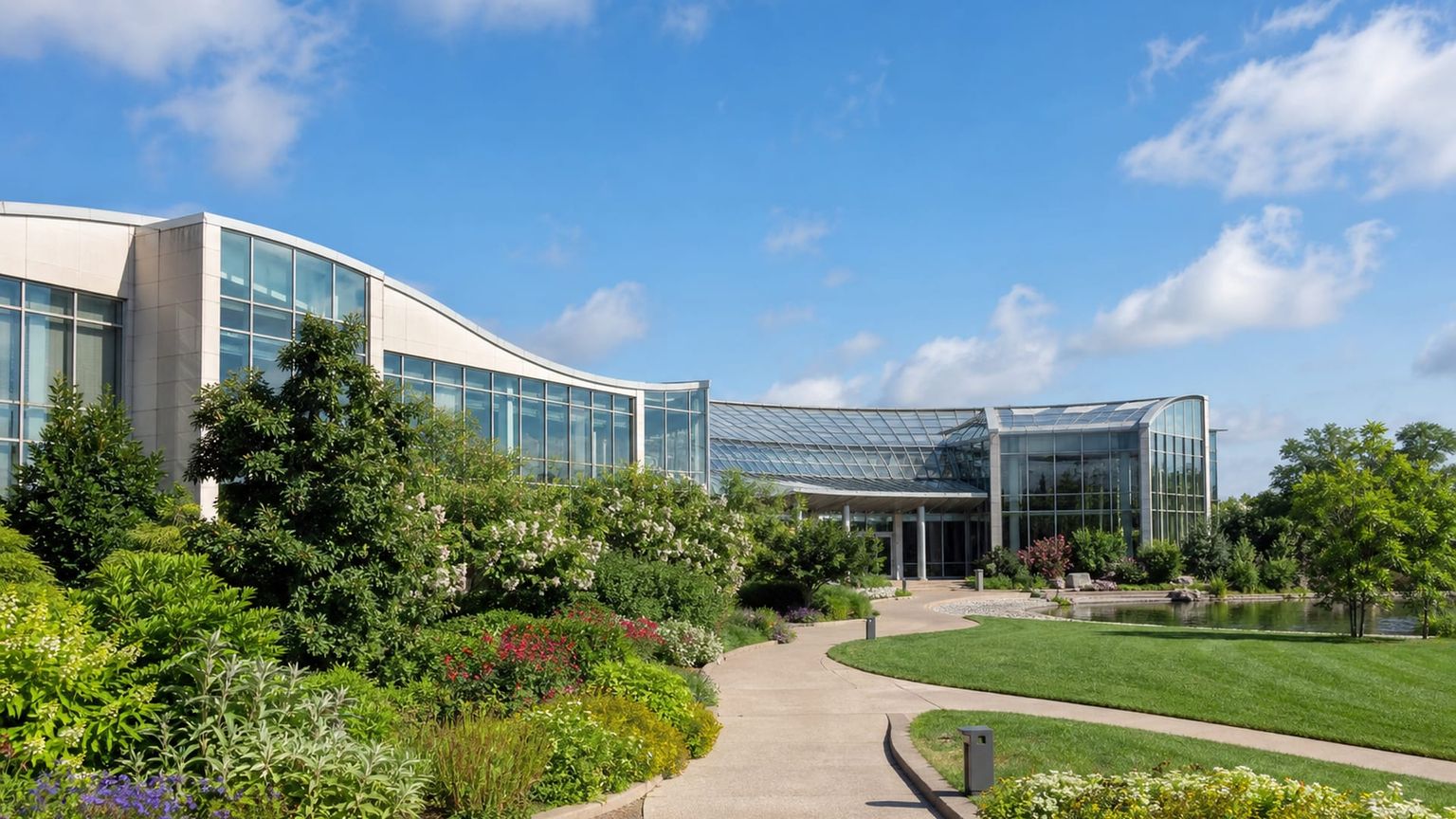
Lauritzen Gardens
Lauritzen Gardens spans 100 acres south of downtown, with themed outdoor gardens, a conservatory, and wooded trails. Seasonal plantings, a model railroad garden, and river views make it one of Omaha’s top nature stops.
Time needed: About 2 to 3 hours
Entry: Adult admission costs $15 ($15), senior admission costs $13 ($13), child admission costs $7 ($7), and children under 2 enter free Visit the official site for details.
Tip: Arrive near opening time for cooler paths and the best light on the conservatory glass.
Overlooked sites worth visiting

Lauritzen Gardens
A 100-acre botanical garden with themed outdoor rooms, a Victorian-style conservatory, and wooded trails. Spring blooms, summer roses, and winter greenhouse displays give it year-round appeal.
Time needed: About 2 to 3 hours
Entry: Adult admission is $15, seniors 62 and older and military with ID pay $13, youth ages 6 to 13 pay $8, children 5 and under enter free; special exhibits may add a separate fee. Visit the official site for details.
Tip: Visit early on weekdays for quieter paths and softer light.

The Durham Museum
Set in Omaha’s former Union Station, this museum pairs restored Art Deco interiors with exhibits on rail travel, local history, and traveling displays. Its central hall is compact enough for a focused visit.
Time needed: About 1 to 2 hours
Entry: General admission is $15 for adults, $13 for seniors 60 and older, $12 for youth ages 3 to 11, and free for children under 3; special exhibitions may require a separate ticket. Visit the official site for details.
Tip: Stop by in the morning to see the station hall before it gets busy.
Traditional food
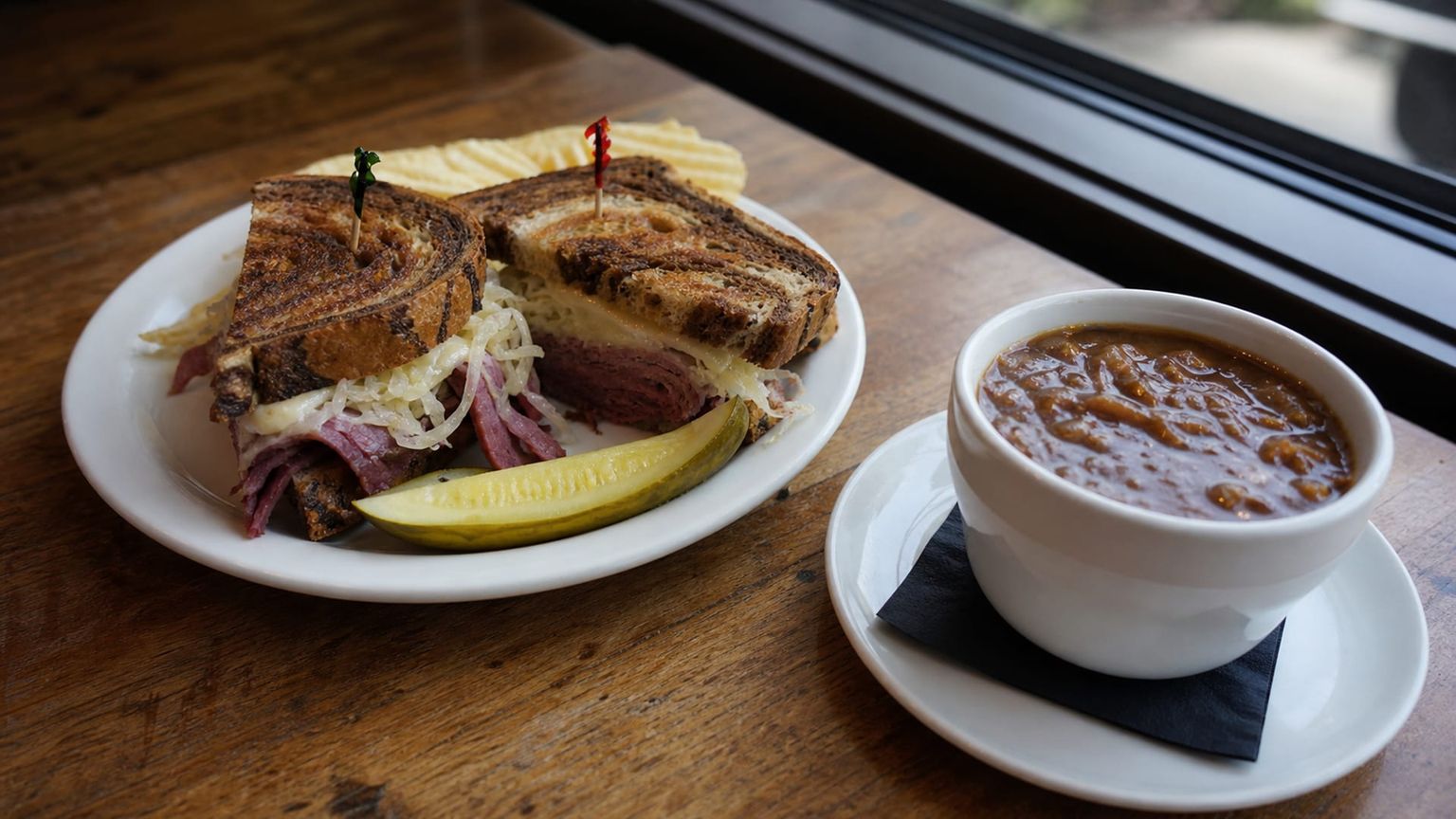
Omaha dining leans on beef, sandwiches, and Midwestern comfort, with Reuben sandwiches, steak, Runza, and butter brickle showing up across diners, steakhouses, and neighborhood spots.
Reuben sandwich
Omaha claims a strong case for the Reuben, stacked with corned beef, sauerkraut, Swiss, and dressing. Crescent Moon serves a classic version in a spot that many locals and visitors treat as a standard reference.
Nebraska steak
A Nebraska steak is a straightforward way to meet the city’s beef tradition, usually centered on a well-cut, properly cooked strip or ribeye. The Drover has long been a local benchmark for steak dinners.
Runza
Runza is the state’s signature meat-filled bread pocket, warm, filling, and easy to find at casual counters around town. The official Runza restaurant chain is the most canonical place to try it in Omaha.
Butter brickle
Butter brickle adds caramelized toffee notes to ice cream and desserts, giving Omaha a sweet finish that is easy to spot on local menus. Coneflower Creamery serves a memorable version and keeps the flavor in regular rotation.
Best time to visit Omaha
Omaha shifts clearly with the seasons, from warm garden months to colder museum days, so the best time depends on whether you want outdoor walks or a lighter indoor schedule.
Best for: Garden visits, river walks, and mild sightseeing days
What you get: About 45°F to 72°F (7°C to 22°C), with moderate crowds and changeable weather
Trade-offs: Rain and wind can interrupt outdoor plans
Best for: Long evenings, patio dining, and full garden color
What you get: About 65°F to 88°F (18°C to 31°C), with the heaviest visitor flow and more heat
Trade-offs: Humidity can make midday walking tiring
Best for: Museum visits, restaurant weeks, and crisp downtown walks
What you get: About 40°F to 73°F (4°C to 23°C), with lighter crowds after summer
Trade-offs: Temperatures drop quickly in late October and November
Best for: Indoor museums, steakhouses, and shorter city days
What you get: About 18°F to 38°F (-8°C to 3°C), with the quietest streets and occasional snow
Trade-offs: Cold weather limits time in parks and gardens
A realistic 5-day plan in Omaha
The five-day plan keeps Omaha in manageable sections, starting close to downtown before moving between museums, gardens, and neighborhood dining. It leaves enough room for short transfers and still gives each part of the city its own day.
Land at Omaha (OMA) and take a taxi or rideshare into downtown, the Old Market, or Blackstone, usually in about 15 to 25 minutes for roughly $20 to $35. If you are staying in the Old Market, settle in near the brick-lined core so dinner is an easy walk, then drink water, unpack only what you need, and keep the evening close to your hotel with a light meal on Farnam Street or in the market district.
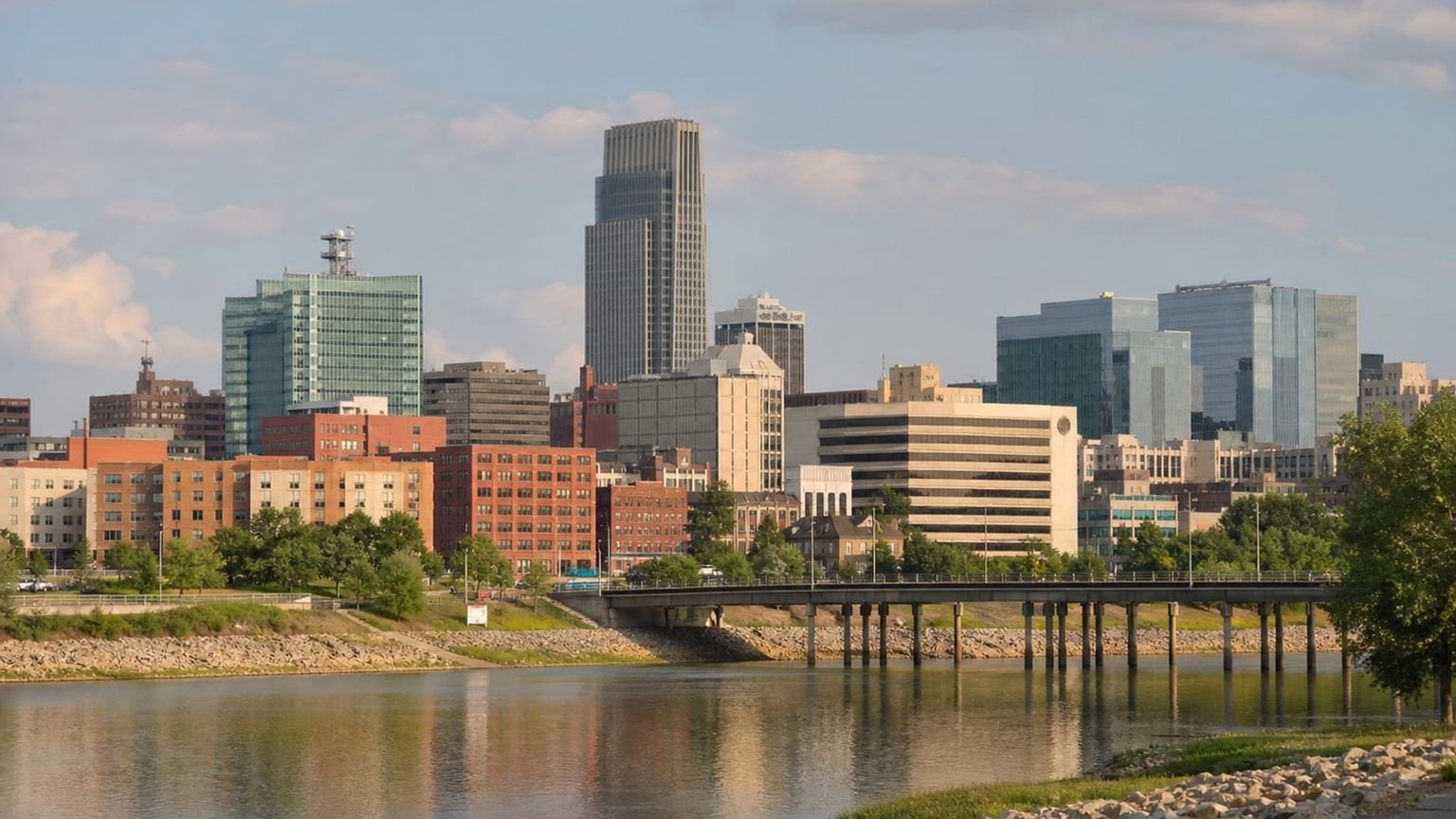
Begin in the morning at The Durham Museum, about 10 to 15 minutes on foot from the Old Market and roughly 15 to 20 minutes on foot from downtown hotels, then spend about 1 to 2 hours among the restored Union Station hall, train cars, and local history exhibits. From there, walk about 20 minutes or take a short rideshare to Joslyn Art Museum for an afternoon visit, which pairs well with a late lunch nearby and gives you an easy, art-focused day anchored in central Omaha.
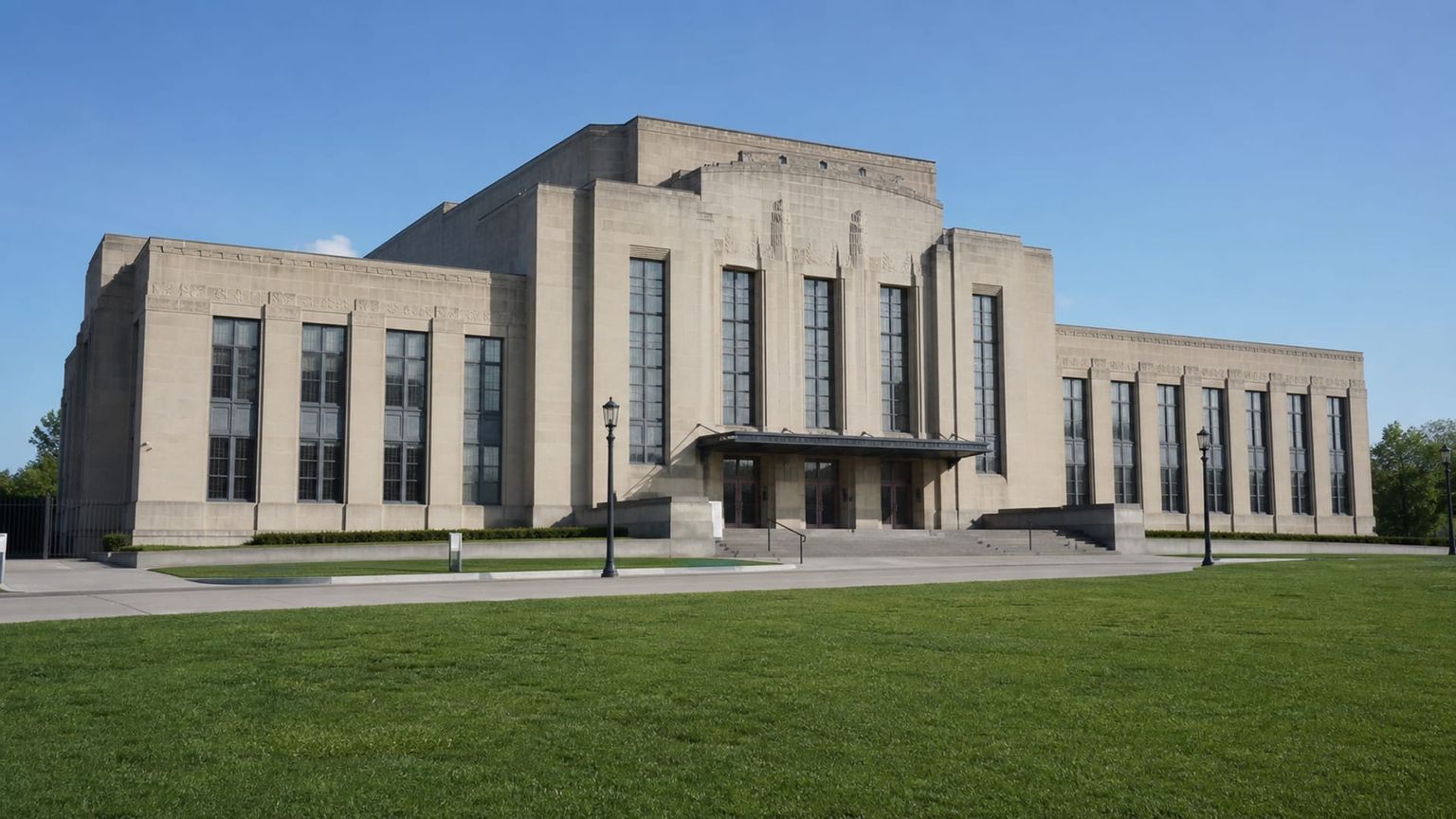
Start with Lauritzen Gardens, ideally early in the day, since the drive from downtown takes about 10 to 15 minutes and the greenhouse light is best before midday. After about 2 to 3 hours among the conservatory, trails, and themed gardens, return toward the riverfront and finish with an easy evening in the Old Market, where you can walk about 10 minutes from the Bob Kerrey Pedestrian Bridge area to dinner and a relaxed drink.
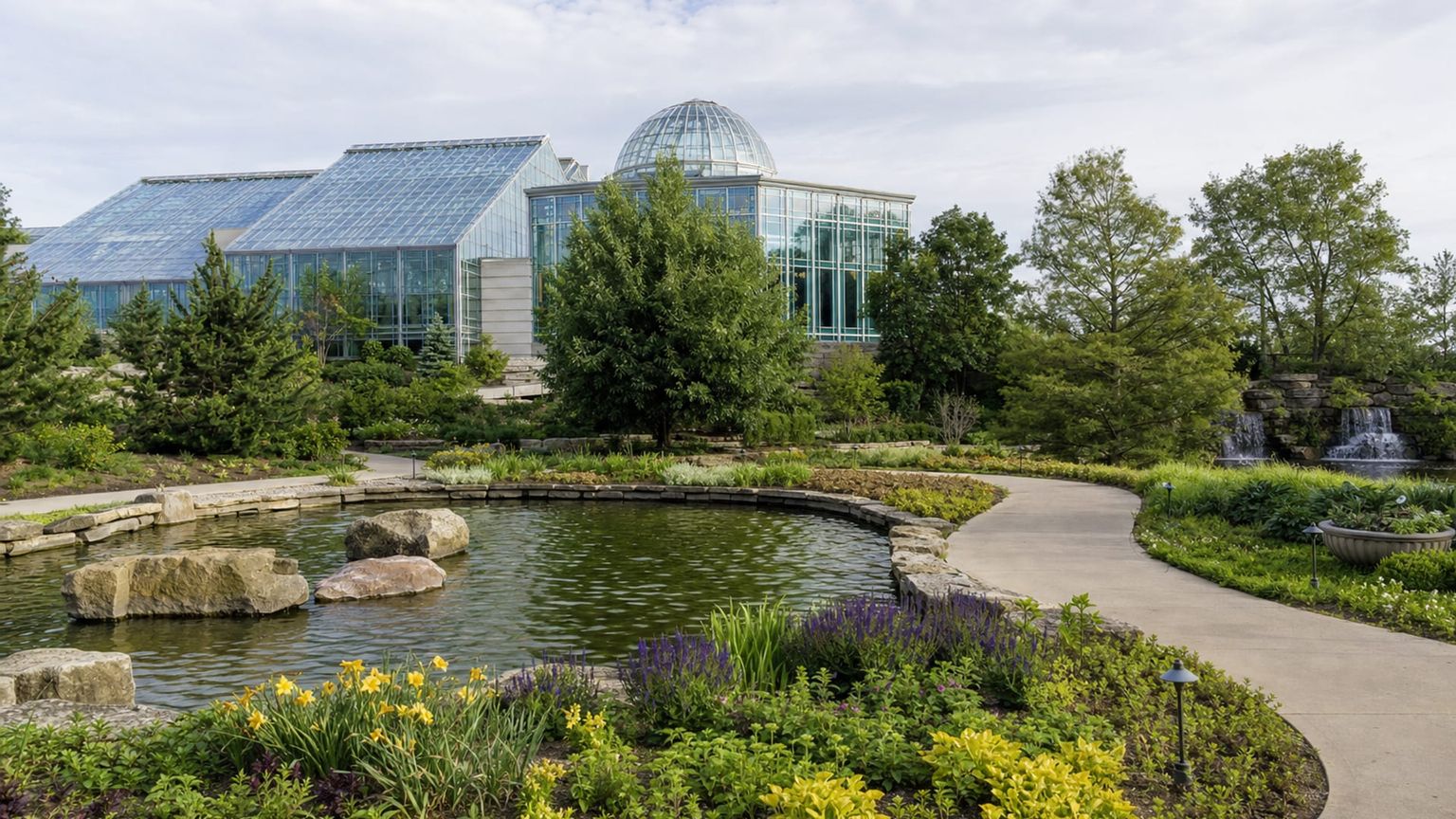
Cross the center of the city with a downtown morning, then head to Joslyn Art Museum, which sits roughly 15 minutes by car from Midtown Crossing and about 10 to 15 minutes from downtown hotels. After the museum, spend the afternoon in Blackstone, where a short drive from Joslyn takes about 10 minutes, and plan dinner there so you can move from galleries to restaurants without a long return trip.
A final morning in Omaha works well at Lauritzen Gardens if you want one last quiet stop, or at The Durham Museum if you prefer a shorter indoor visit before departure. Before heading to Omaha (OMA), fit in a coffee in Midtown Crossing or the Old Market and a little shopping in the Old Market’s brick streets, then leave enough time for a 15 to 25 minute ride back to the airport.
Business-class flights from the US to Omaha
For long-haul arrivals, Omaha often connects through larger hubs, especially on business fares from New York and Los Angeles. The best option depends on whether you value a nonstop schedule or a lower fare through a hub.
Delta Air Lines, United Airlines, American Airlines, JetBlue, and Southwest Airlines all sell fares from New York to Omaha, and nonstop flying takes about 2 to 3 hours. If you do not mind a stop, common connections through Chicago (ORD), Denver (DEN), Houston (IAH), Dallas (DFW), or Atlanta (ATL) can bring round-trip fares down from about $650 to $1,900.
From Los Angeles, United Airlines, Delta Air Lines, American Airlines, and Southwest Airlines usually price round trips between about $750 and $2,100. Nonstop travel takes roughly 3 to 4 hours, while one-stop trips through Denver (DEN), Chicago (ORD), Dallas (DFW), Atlanta (ATL), or Houston (IAH) often add time but widen the fare range.
Omaha feels different when you slow down
A deliberate Omaha trip gives each district a job: the Old Market for walking and dinner, downtown for The Durham Museum, Midtown for easier cross-city movement, and Blackstone for an evening meal that does not require a long return trip. Add Lauritzen Gardens if the weather cooperates, and keep Metro Transit or rideshares in reserve when the blocks stretch out. If you want help matching a stay to your plan, the AranGrant experts can point you toward the right neighborhood and season