

Chapters:

Need help with your trip?
Our support team is available 24/7. Request a callback or call us directly at (833) 619-0908
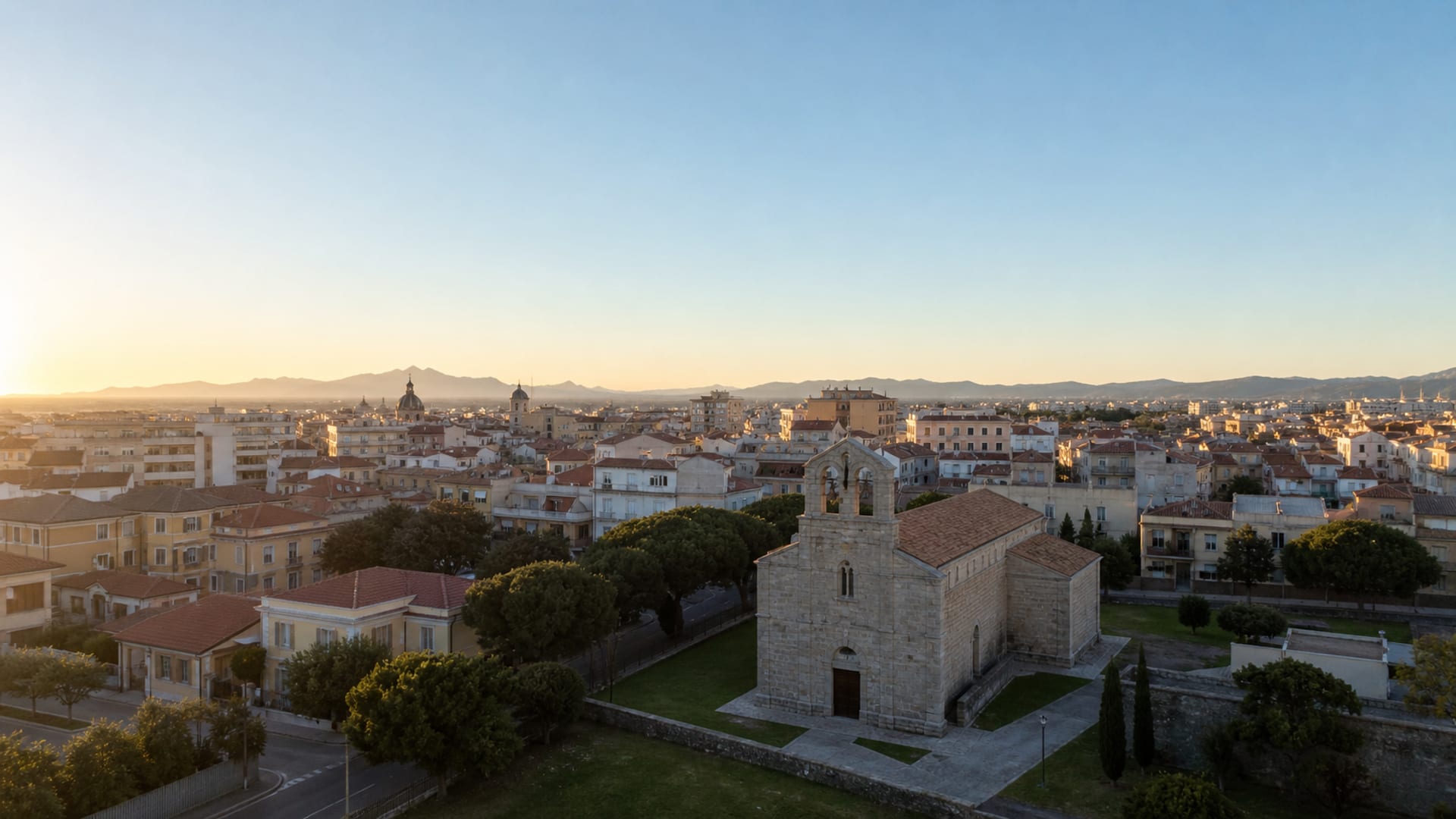
Olbia is often the first stop of travelers in northeastern Sardinia, but the city deserves more than a quick transfer to the coast. Its historic center, Roman and Nuragic remains, working harbor, and nearby beaches give the trip several distinct sides within a relatively compact area.
The key is deciding how to divide your time. Central Olbia is easy to explore on foot, while archaeological sites such as Sa Testa and Su Monte ‘e S’Abe require short trips outside the center. Pittulongu adds a beach day without taking you far from the city.
A thoughtful plan keeps those experiences separate enough to enjoy properly. In five days, you can combine history, local food, time by the water, and slower evenings.
Useful things to know
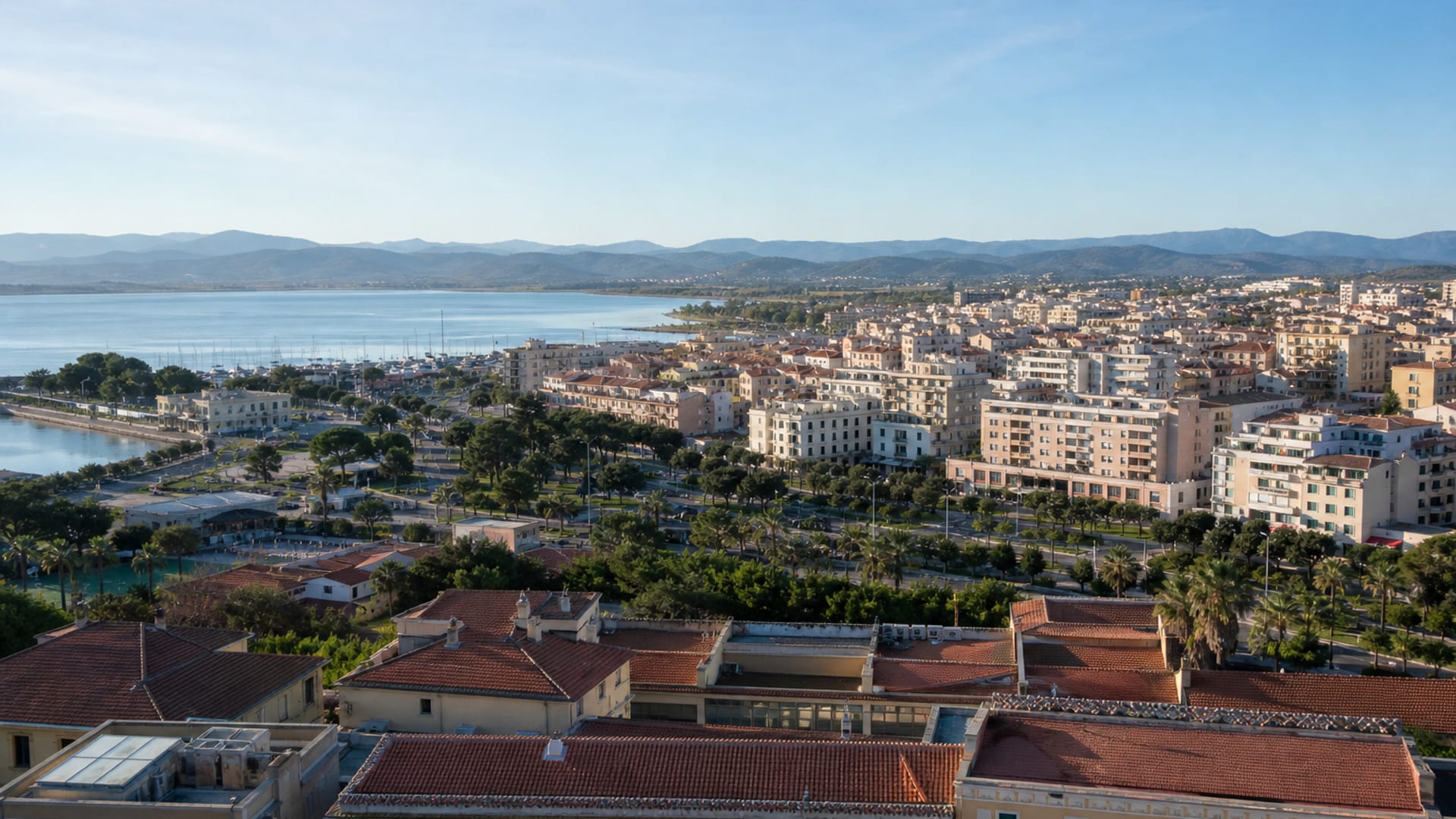

Main language(s): Italian
Ciao (chow) – Hello
Per favore (pehr fah-VOH-reh) – Please
Grazie (GRAHT-see-eh) – Thank you
Parla inglese? (PAHR-lah een-GLEH-zeh) – Do you speak English?
Quanto costa? (KWAHN-toh KOH-sta) – How much does it cost?

Currency: Euro (EUR, €)

Cash and cards: Cards and contactless payments are widely accepted. Carry some cash for small purchases, markets, and places where card payment may be unavailable.

Tipping: Tipping is optional. Round up small bills or leave 5% to 10% at restaurants when the service is good.

Traditional food: Zuppa gallurese, cozze di Olbia, porceddu, seadas, and chjusoni are among the Sardinian and Gallurese foods associated with Olbia.

Water and coffee costs: Bottled water is €1.50 to €4 ($1.75 to $4.65), while an espresso typically costs €1.20 to €2 ($1.40 to $2.30).

Taxis and ride apps: Licensed taxis operate throughout Olbia and at the airport. Uber is available for requesting local taxis through the app.

Plug and voltage: Type C, F, and L sockets, 230V, 50Hz.

Dining and shop opening hours: Breakfast starts at 7:00 am; lunch runs from 12:30 pm to 2:30 pm, and dinner from 7:30 pm to 11:00 pm. Shops may close from 1:00 pm to 3:00 pm.

Emergency number: Call 112 for police, fire, medical emergencies, and other urgent assistance.
Where to stay in Olbia
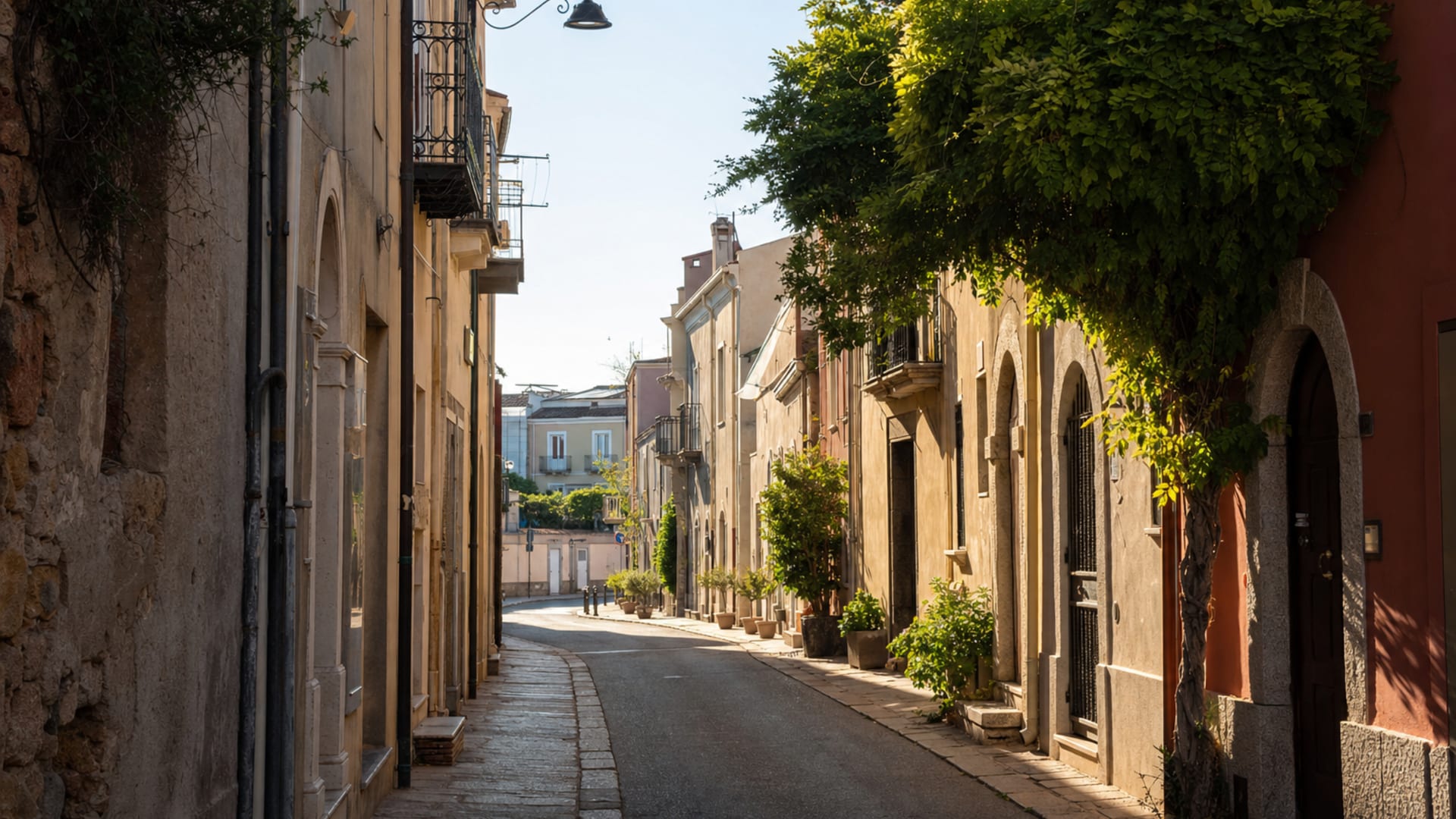
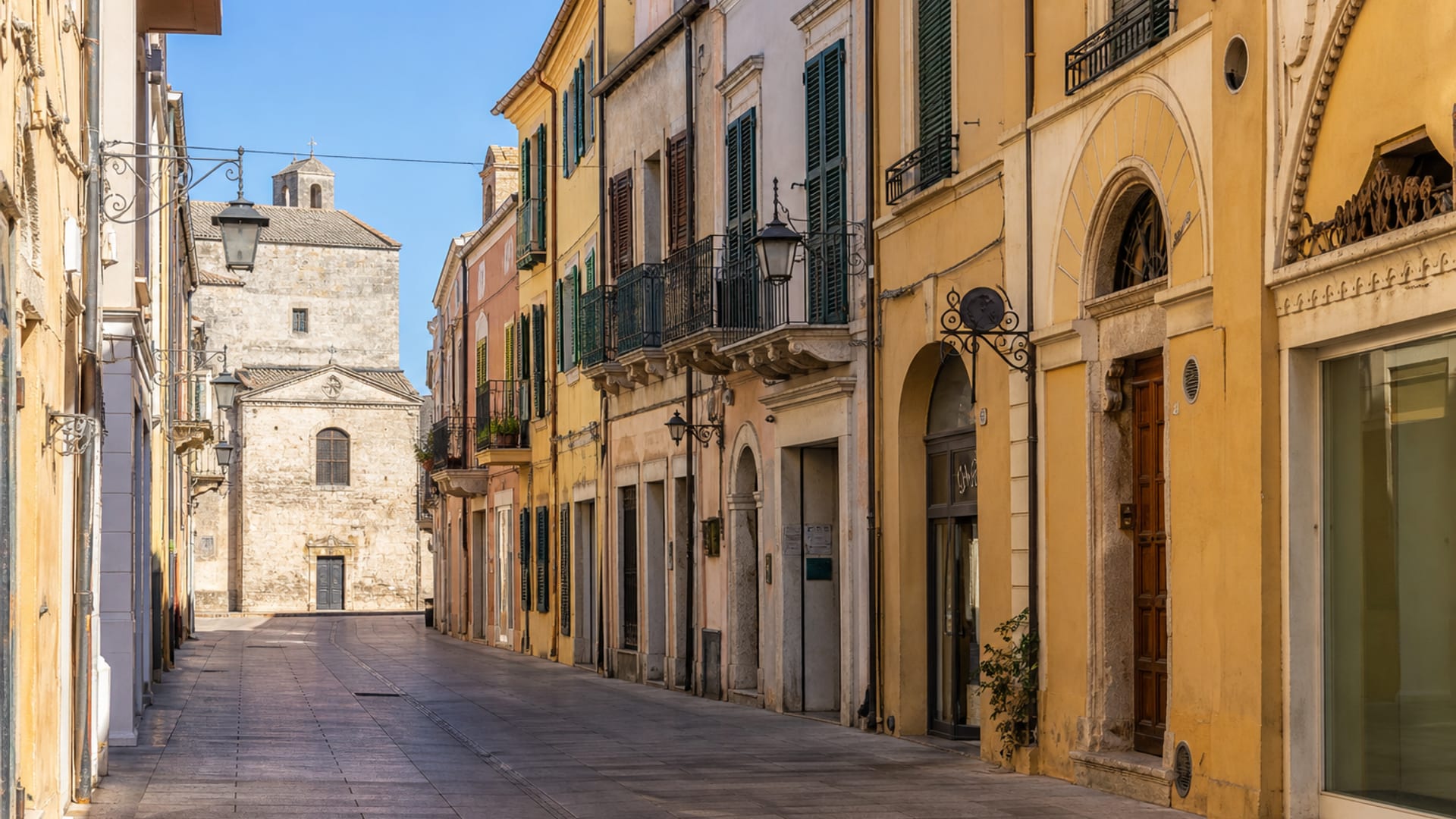
Olbia Centro Storico centers on Corso Umberto I and Via Regina Elena, with cafés, restaurants, shops, the train station, and the inner waterfront close by. Most central sights are easy to reach on foot, while summer evenings bring more activity along the main streets and squares.
Best for: Dining, shopping, and travelers who want to move around on foot
What to expect: Busy pedestrian streets by day, livelier in the evening near bars and restaurants, with the strongest concentration of activity in the center.
Hotel prices: Usually about $120 to $220 per night for well-rated stays
Distance to major sights: 10 minutes on foot to the Basilica of San Simplicio, about 12 minutes on foot to the waterfront
Quietness: Quieter in the morning, then noticeably livelier after dinner and on weekend nights.
Main trade-off: Parking is limited and weekend noise can rise near the main streets.
Good to know: : The train station is beside the historic center, so this area is convenient for rail arrivals and frequent dinners or evenings in town.
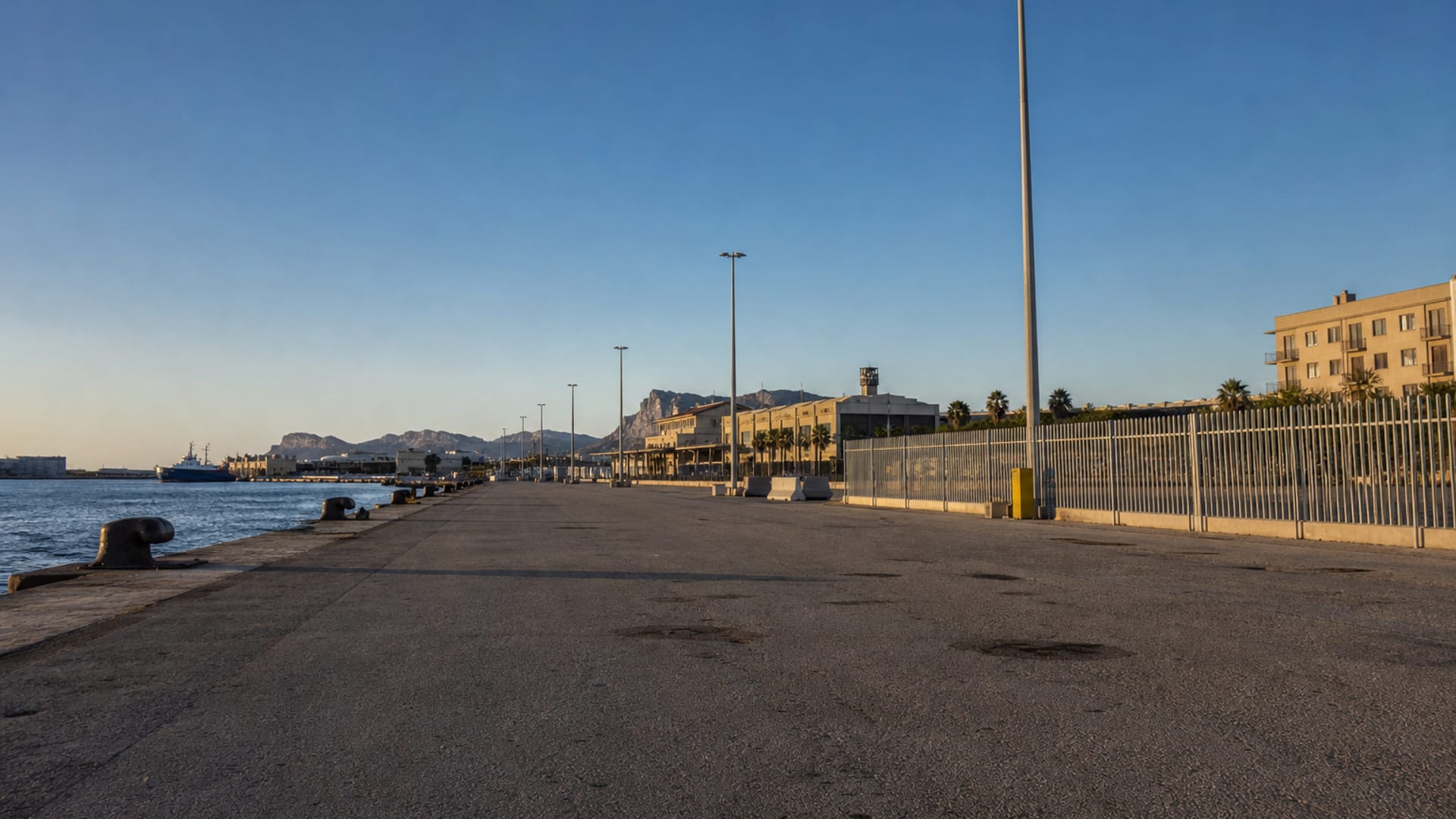
Viale Aldo Moro runs north from central Olbia through a busy commercial and residential area with hotels, restaurants, shops, and services. It is more convenient for drivers than the historic center, with several hotels offering parking, while central sights are usually a short taxi ride away.
Best for: Ferry travelers, overnight transits, and harbor access
What to expect: Functional by day with port traffic, then quieter after office hours, except near ferry departures and arrivals.
Hotel prices: Usually about $110 to $200 per night for well-rated stays
Distance to major sights: 5 minutes on foot to the ferry terminal, about 15 minutes on foot to Corso Umberto
Quietness: Busy and active around ferry times, calmer late evening once the port workday ends.
Main trade-off: You will be farther from the main evening promenade than in the historic center.
Good to know: : Check whether parking is included before booking; several hotels provide it, but availability and access conditions differ by property.
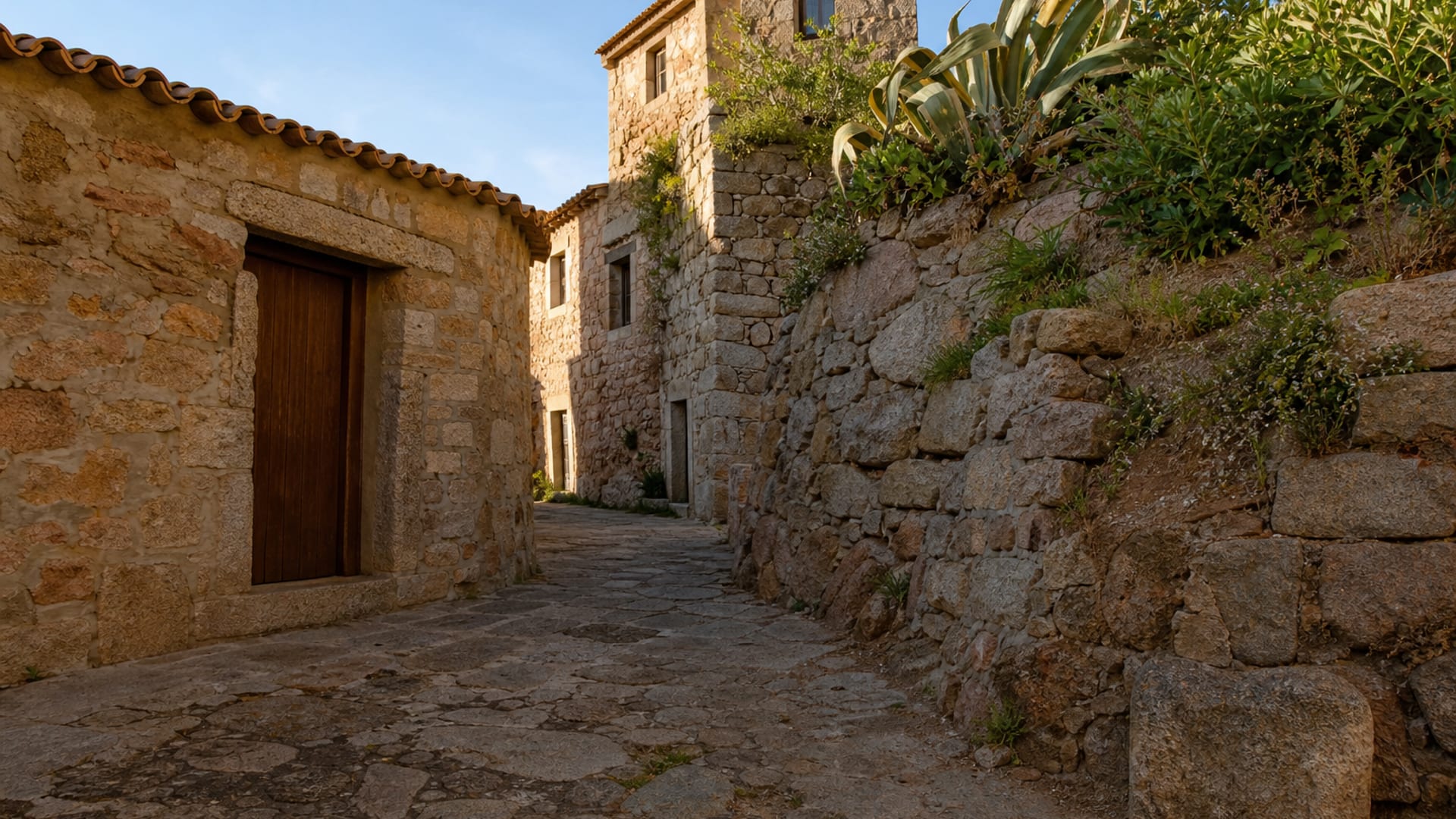
Tilibbas is a residential neighborhood northeast of central Olbia, with apartment buildings, local shops, and several guesthouses and rentals. Parts of the area are within walking distance of San Simplicio and the Archaeological Museum.
Best for: Longer stays, car travelers, and visitors who prefer a residential setting
What to expect: Low-key streets with local traffic, fewer pedestrians, and a more domestic feel than the core center.
Hotel prices: Usually about $95 to $170 per night for well-rated stays
Distance to major sights: 10 to 15 minutes by bus or taxi to the historic center, about 20 minutes to the harbor
Quietness: Quiet during the day and generally calmer in the evening than the center.
Main trade-off: You will likely need transit or a car for most dinners and sightseeing.
Good to know: : Tilibbas has apartments and guesthouses with parking, which can be useful for longer stays or trips that include a rental car.
Pittulongu is a coastal neighborhood about 3 miles (5 km) northeast of central Olbia, with sandy beaches, hotels, vacation rentals, and waterfront restaurants. Pittulongu Beach, Lo Squalo, Mare e Rocce, and Bados are nearby, while ASPO Line 4 links the area with central Olbia year-round.
Best for: Drivers, airport access, and travelers who want a quieter residential base
What to expect: Mostly local traffic, apartment buildings, and few late-night crowds outside neighborhood bars or shops.
Hotel prices: Usually about $90 to $160 per night for well-rated stays
Distance to major sights: About 12 minutes by taxi to Olbia Costa Smeralda Airport (OLB), about 15 minutes by bus or taxi to Corso Umberto
Quietness: Typically quiet in the evening, with only light neighborhood activity after dark.
Main trade-off: It is less convenient if you want to walk to restaurants every night.
Good to know: : ASPO Line 4 links Pittulongu with central Olbia and continues to Lo Squalo, Mare e Rocce, Pellicano, and Bados in summer.
For a sightseeing-focused stay, Zona Industriale and Murta Maria are less convenient, as they require more travel time to central Olbia. Pittulongu is better for beach access, while Centro Storico is more convenient for walking to restaurants, sights, and evening activities.
Hotel deals
How to get around Olbia efficiently
Olbia has a compact city center, which travelers can easily explore on foot. ASPO buses, taxis, and regional trains cover the airport, beach, port, and longer island trips.

Metro
for longer distances
Regional trains connect Olbia with Sassari, Cagliari, Golfo Aranci, and other Sardinian towns. Fares start at €1.30 ($1.50) and rise with distance. Through October 30, 2026, some trains stop at Olbia Terranova due to construction works; service to central Olbia is scheduled to resume afterward.

Bus and tram
for convenience
ASPO buses are the main option for trips within Olbia, including the airport, Isola Bianca port, and seasonal beach routes. A 90-minute ticket costs €1 ($1.17), or €1.50 ($1.75) when bought on board. Tickets are also sold through the ASPO app, retailers, machines, and SMS.

Taxi
for convenience or late hours
Taxis are useful for airport transfers, trips with luggage, late returns, and direct trips when bus times are inconvenient. The minimum fare between Olbia Costa Smeralda Airport and the city is €15 ($17.50). Metered rates and official night, holiday, and luggage supplements apply.
*Prices are based on rates updated as of August 2026 and may change at the time of travel.
Walk in central Olbia, use ASPO buses for rides to the airport, port, and beaches, take taxis for direct trips, and choose trains for longer travel across Sardinia.
Iconic landmarks
Basilica of San Simplicio
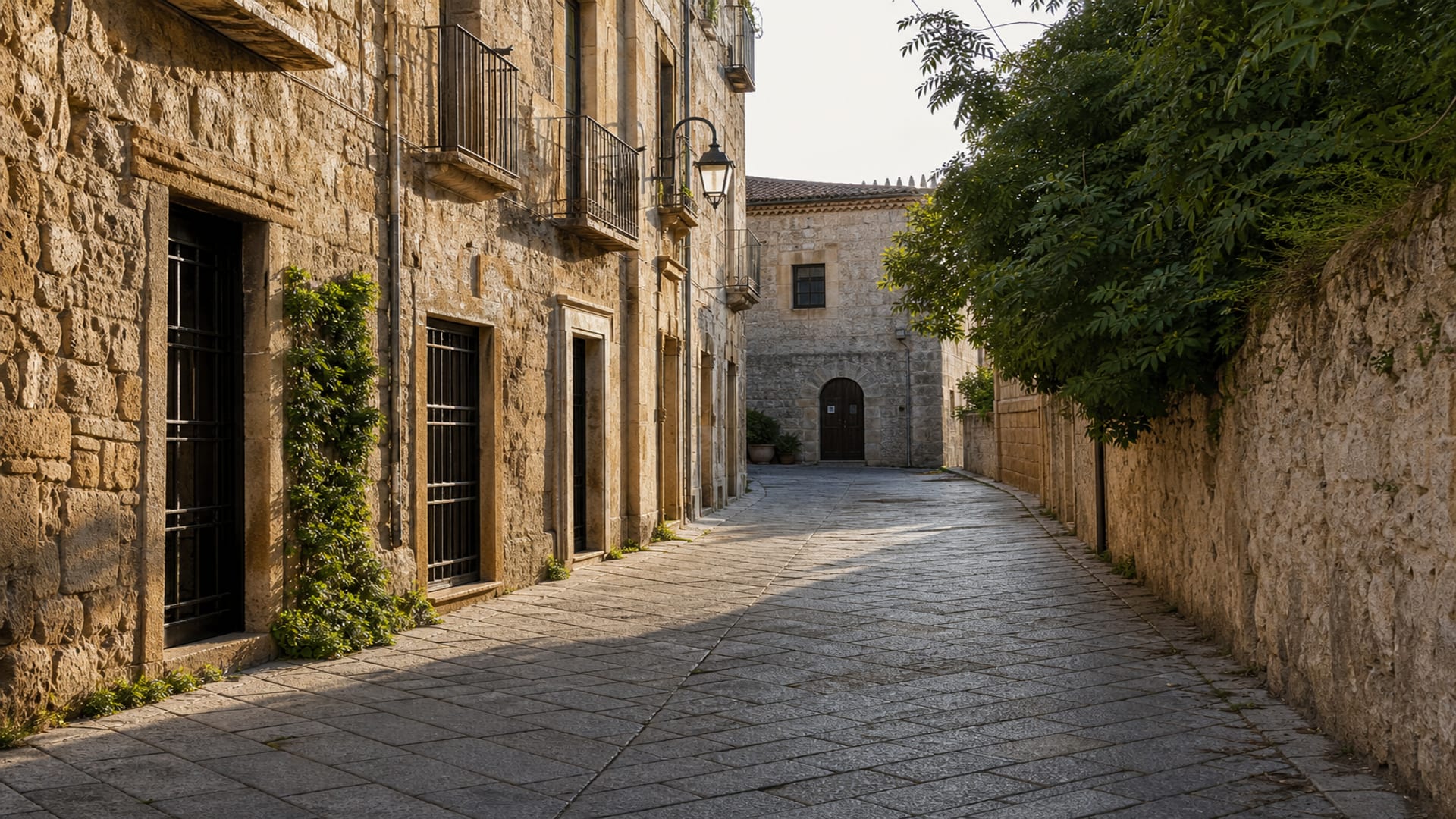
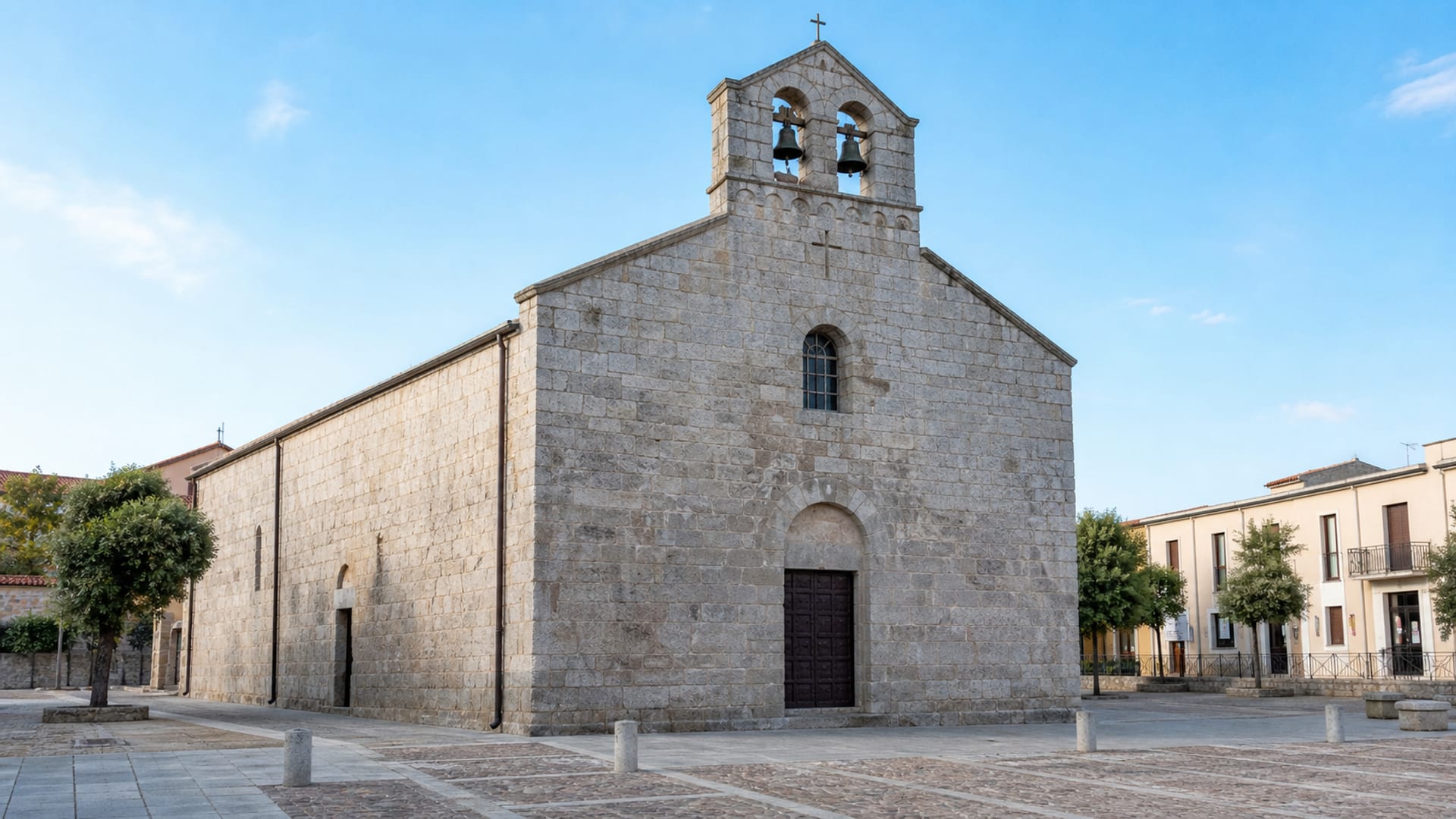
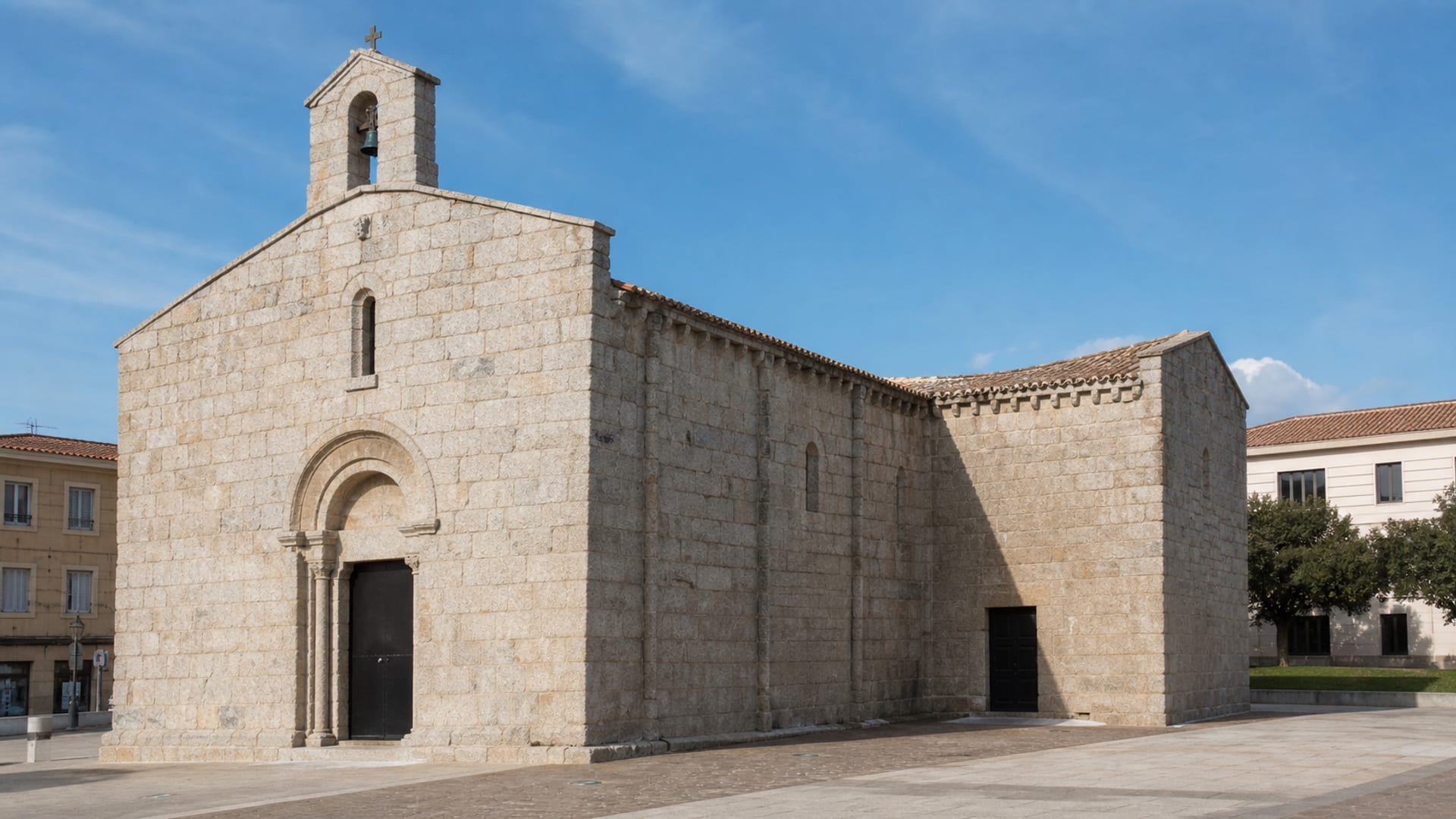
The Basilica of San Simplicio is Olbia’s principal Romanesque church, built mainly from local Gallura granite between the late 11th and 12th centuries. Its three-nave interior, restrained façade, and elevated position reflect northeastern Sardinia’s medieval architecture.
Time needed: About 30 to 45 minutes
Entry: Free to access; donations are welcome, and there is no timed entry for general visits during opening hours.
Tip: : Avoid visiting during Mass if you want time to see the interior quietly.
Chiesa di San Paolo Apostolo
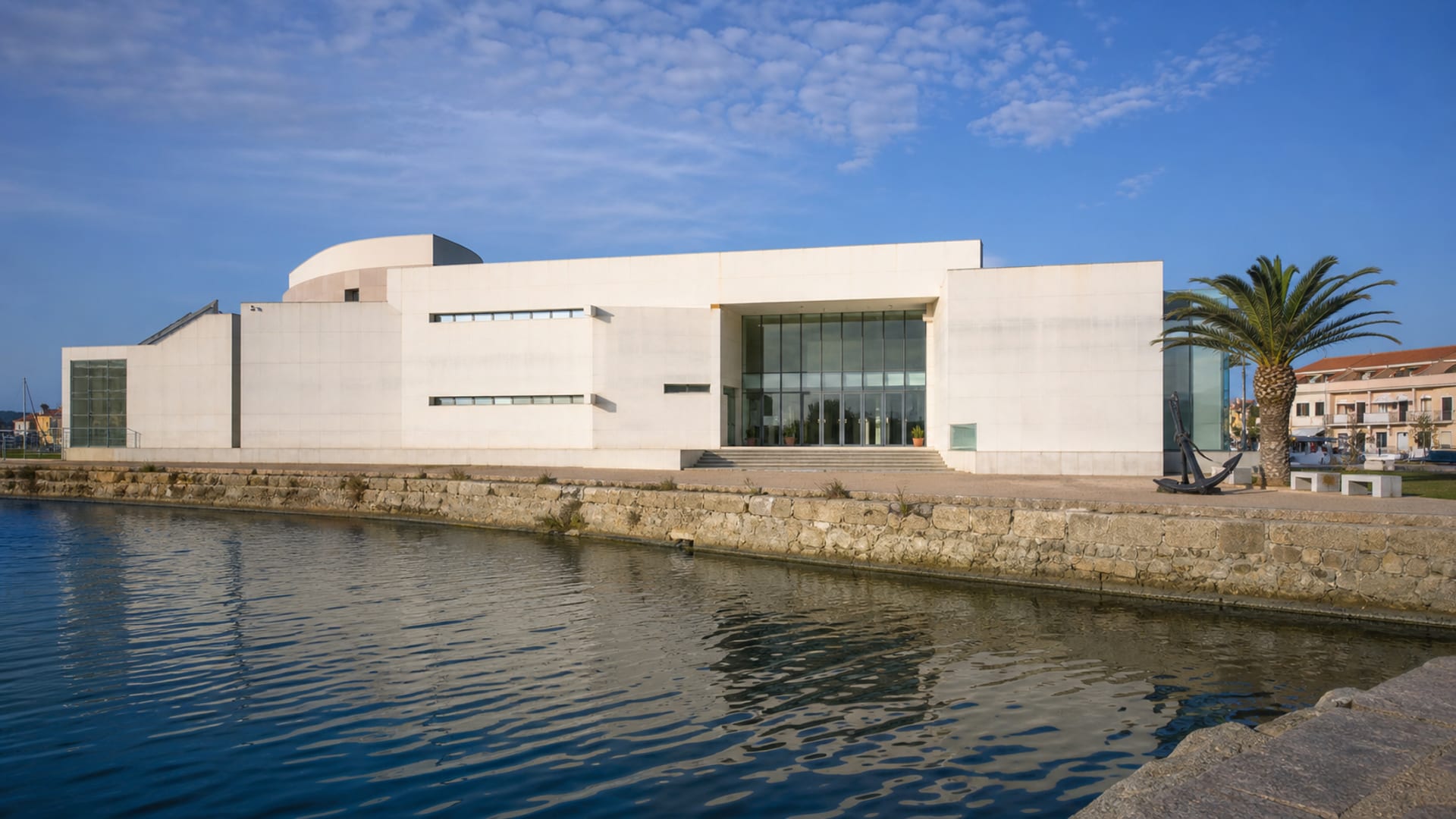
San Paolo Apostolo rises at the highest point of Olbia’s historic center and is known for its colorful majolica dome. The mainly 18th-century granite church was enlarged in 1939, when its Latin-cross layout, transept, and distinctive dome took their present form.
Time needed: About 1 to 2 hours
Entry: Tickets cost about $8 to $10 (€7 to €9) for adults, with reduced rates for children, students, and guided group visits. Visit the official site for details.
Tip: : Check service times before visiting, as sightseeing access may be limited during Mass.
Tomb of the Giants of Su Mont'e e S'Abe
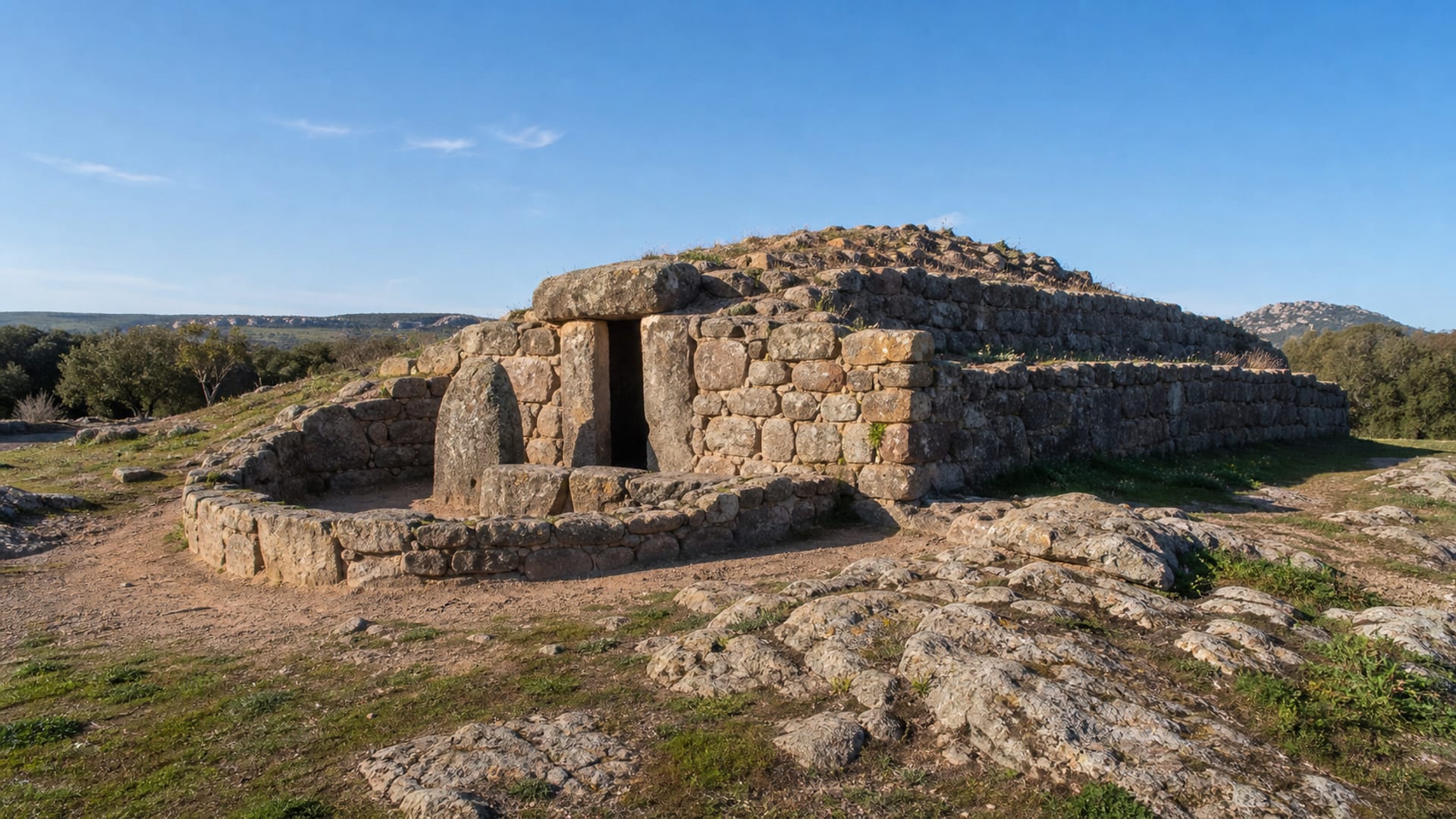
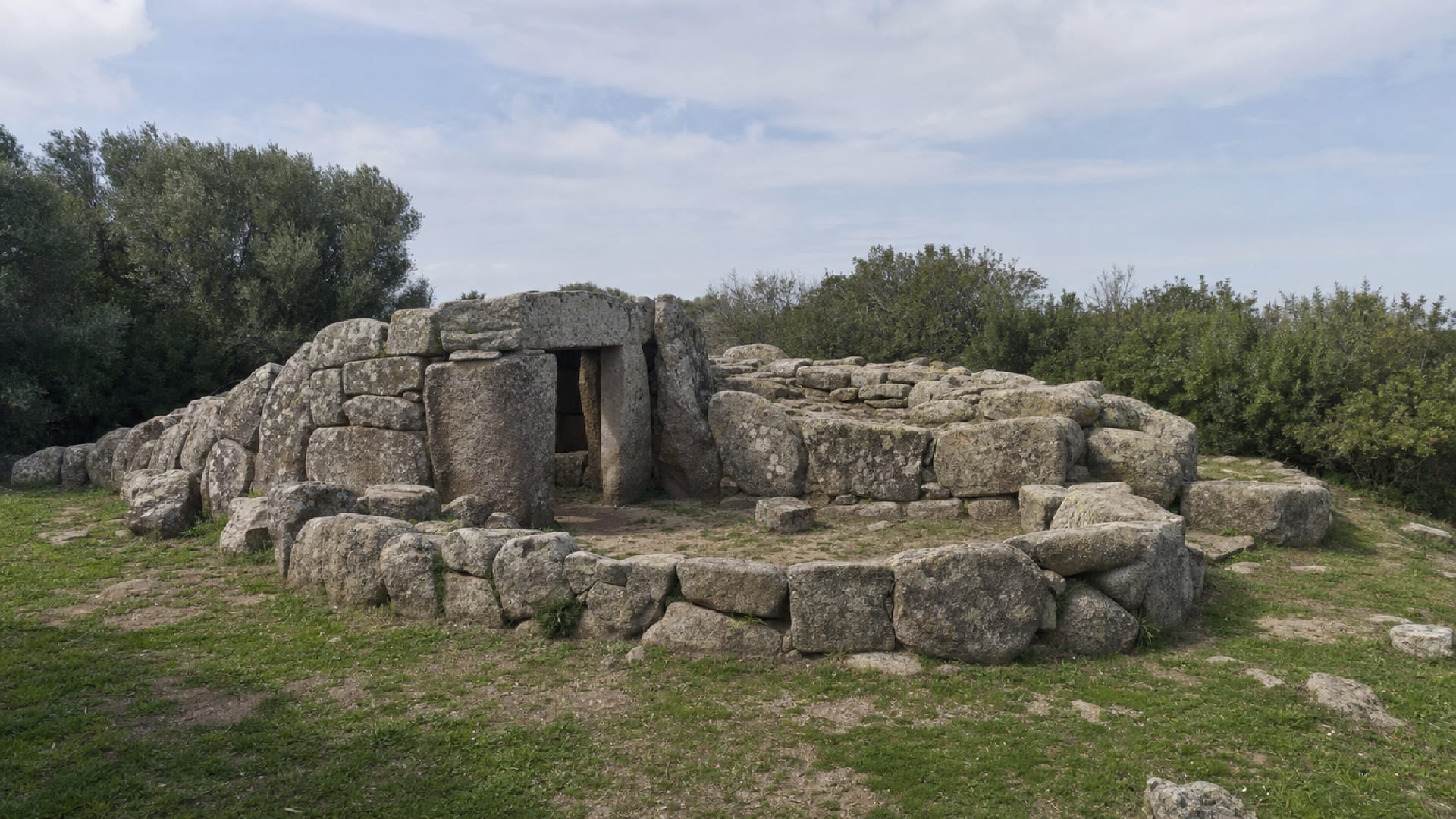
Near Castello di Pedres, Su Monte ‘e S’Abe is a Bronze Age collective burial site with a long stone corridor and semicircular exedra. Its earliest phase dates to the Early Bronze Age, with later Nuragic additions that transformed it into one of Sardinia’s largest Giants’ Tombs.
Time needed: About 45 minutes to 1 hour
Entry: Tickets cost about $5 to $7 (€4 to €6) for adults, with lower prices for children and local reductions on some days. Visit the official site for details.
Tip: : The signed path from the parking area is short; bring sun protection in warm weather.
Overlooked sites worth visiting

Pozzo Sacro di Sa Testa
Sa Testa is a Late Bronze Age Nuragic sacred well, built around a spring. Visitors enter through an elliptical courtyard and descend 17 stone steps to the circular water chamber below.
Time needed: About 30 to 45 minutes
Entry: Free to enter. Donations are welcome, and visits are self-guided during normal opening hours; check parish notices for Mass times and occasional closures, since access can change for religious events or maintenance.
Tip: : Follow the short signed path from the parking area and bring sun protection.

Acquedotto Romano di Sa Rughittula
Sa Rughittula preserves part of Olbia’s Roman aqueduct, including two complete arches, pier bases, a settling basin, and a nearby cistern once linked to the city’s ancient water system.
Time needed: About 1 hour
Entry: Standard admission costs about $6 to $8 (€5 to €7) for adults, with reduced rates for children, students, and seniors. Temporary exhibits or guided visits can add a small surcharge, and tickets are sold at the museum desk. Visit the official site for details.
Tip: : Read the on-site panels to understand how the aqueduct supplied ancient Olbia.
Traditional food
Olbia’s local food reflects Gallurese cooking and the nearby gulf, with baked bread dishes, roast pork, local mussels, and cheese-filled desserts among its characteristic foods.
Zuppa gallurese
Zuppa gallurese layers slices of bread with pecorino and meat broth, then bakes them until the liquid is absorbed and the top forms a golden crust. Locanda Rudalza serves a traditional version with sheep broth.
Olbia mussels
Olbia mussels come from the sheltered Gulf of Olbia and are commonly cooked with simple seasonings that keep their briny flavor prominent. Kombo Street serves them with toasted bread in a traditional seafarers’ style.
Porceddu
Porceddu is Sardinian suckling pig roasted slowly with herbs, often over an open fire, until the meat is tender and the skin turns crisp. Agriturismo Agrisole serves it with roast potatoes as part of its Sardinian dinner menu.
Seadas
Seadas are fried pastries filled with fresh cheese and usually served warm with honey, combining savory cheese with a sweet finish. Maison et Charme lists seadas among the traditional Sardinian desserts on its current menu.
Best time to visit Olbia
Olbia is most comfortable in spring and early fall, when mild weather suits city walks and makes coastal outings easier to plan.
Best for: Walking, outdoor sights, and coastal day trips before the summer heat
What you get: Highs rise from about 61°F (16°C) in March to 73°F (23°C) in May, with mild days, longer daylight, and fewer peak-season visitors.
Trade-offs: Sea temperatures are low in early spring, and some coastal businesses reopen later in the season.
Best for: Beach days, swimming, long evenings, and the fullest seasonal activity
What you get: Highs reach about 82°F to 87°F (28°C to 31°C), with warm sea temperatures, busy beaches, long days, and additional seasonal transport.
Trade-offs: July and August bring the strongest heat, higher hotel demand, and busier beaches and restaurants.
Best for: Warm-water swimming, sightseeing, and coastal trips after peak summer
What you get: Roughly 60 to 79°F (16 to 26°C), with lighter crowds after peak summer
Trade-offs: Seasonal beach services and some coastal businesses reduce hours or close later in fall.
Best for: City walks, archaeological sites, and low-season stays without summer crowds
What you get: Daytime highs average about 57°F to 58°F (14°C), with cooler evenings, shorter days, and much less seasonal activity along the coast.
Trade-offs: Some coastal restaurants and tourism businesses close or reduce hours outside the main season.
A realistic 5-day plan in Olbia
Five days give enough time for Olbia’s historic center, Nuragic and Roman remains, and nearby coast without repeating the same sights. Grouping each day by area keeps transfers short and leaves the final schedule flexible.
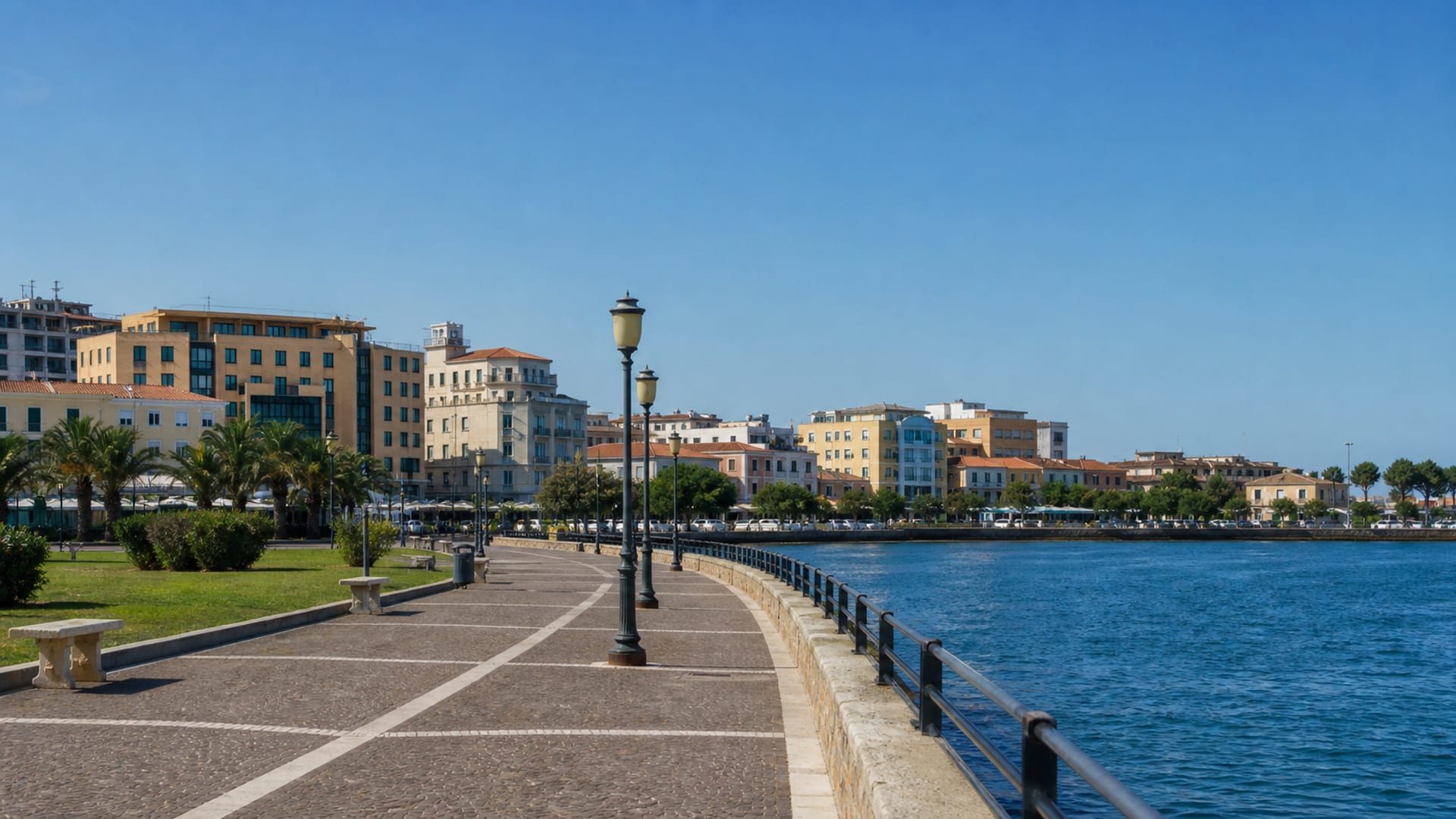
Land at Olbia Costa Smeralda Airport (OLB) and take a taxi into central Olbia, with a minimum airport-to-city fare of €15 ($17.50). After check-in, spend the afternoon getting familiar with Centro Storico. Corso Umberto introduces the main shopping street, while the nearby squares, cafés, and Molo Brin waterfront show how the old center meets the harbor. Keep dinner nearby and the first evening light.
Start at Pozzo Sacro di Sa Testa, where a 17-step stone staircase descends from an elliptical courtyard to the spring chamber of a Late Bronze Age sanctuary. Continue toward Pittulongu for lunch and time by the coast, where several sandy beaches face the Gulf of Olbia. The route keeps the day northeast of the center and balances a focused archaeological visit with swimming, a beach walk, or a slower afternoon by the sea.
Spend the morning at Su Monte ‘e S’Abe, one of Sardinia’s largest Giants’ Tombs, where a long burial corridor and semicircular exedra show how Nuragic communities built collective funerary monuments. Later, continue to Sa Rughittula to see surviving arches, pier bases, a settling basin, and a cistern from Olbia’s Roman aqueduct. The two sites trace different periods of the city’s past before dinner back in central Olbia.
Keep this day within central Olbia, beginning at the Basilica of San Simplicio to see its Gallura-granite Romanesque architecture and three-nave interior. Continue through the historic streets to San Paolo Apostolo and its colorful majolica dome, then follow Corso Umberto, Via Regina Elena, and the central squares toward the inner waterfront. The walk brings together medieval churches, local street life, shops, cafés, and the harbor in one compact day.
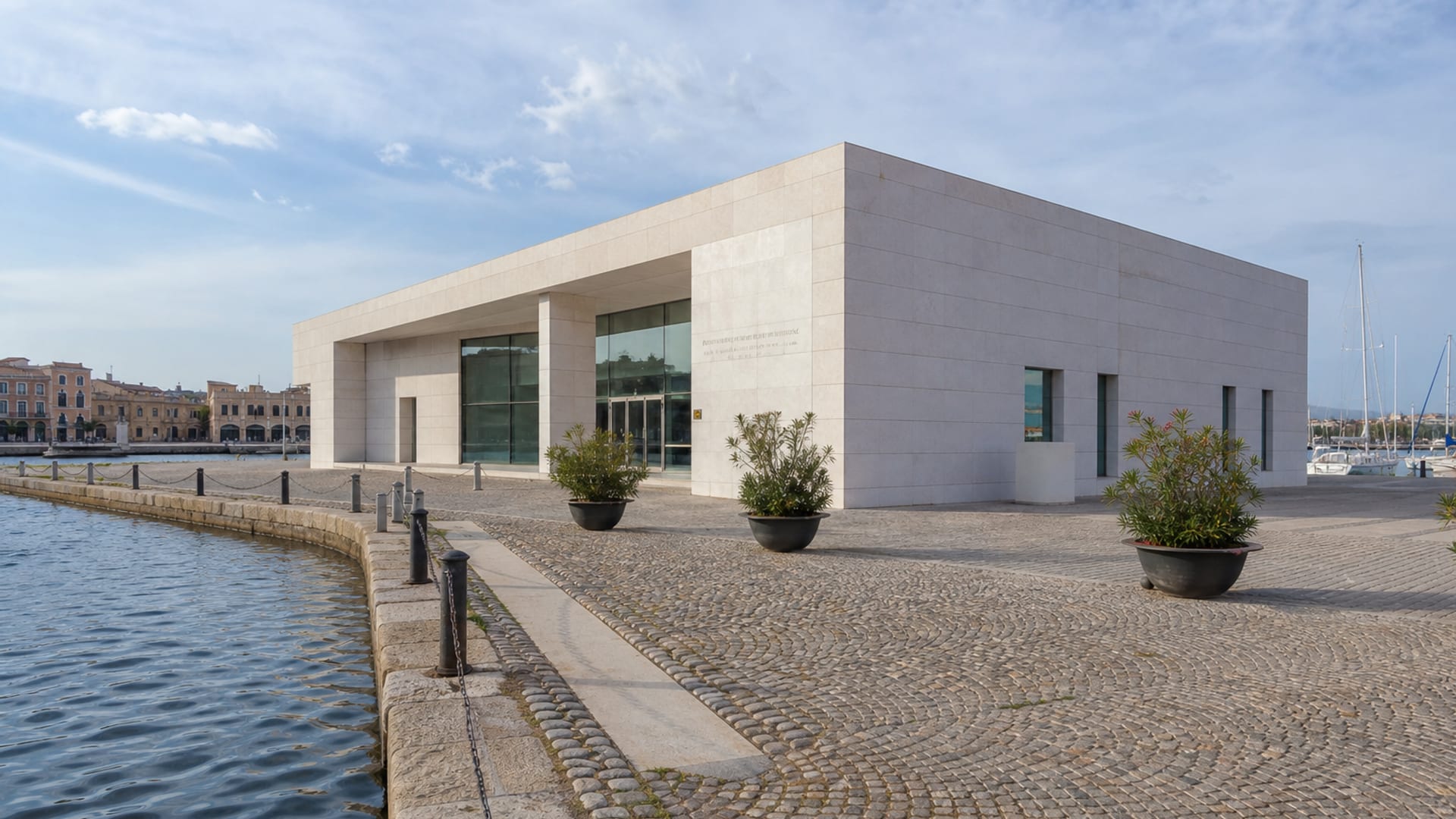
Keep the final day flexible around the flight schedule. Walk along Molo Brin and the inner waterfront, where boats, open harbor views, and cafés give you a final look at Olbia without adding a long transfer. Return through Corso Umberto for lunch, coffee, or last-minute shopping, then collect your luggage and leave enough time for the short trip to Olbia Costa Smeralda Airport (OLB), especially if traffic is heavier near departure time.
Business-class flights from the US to Olbia
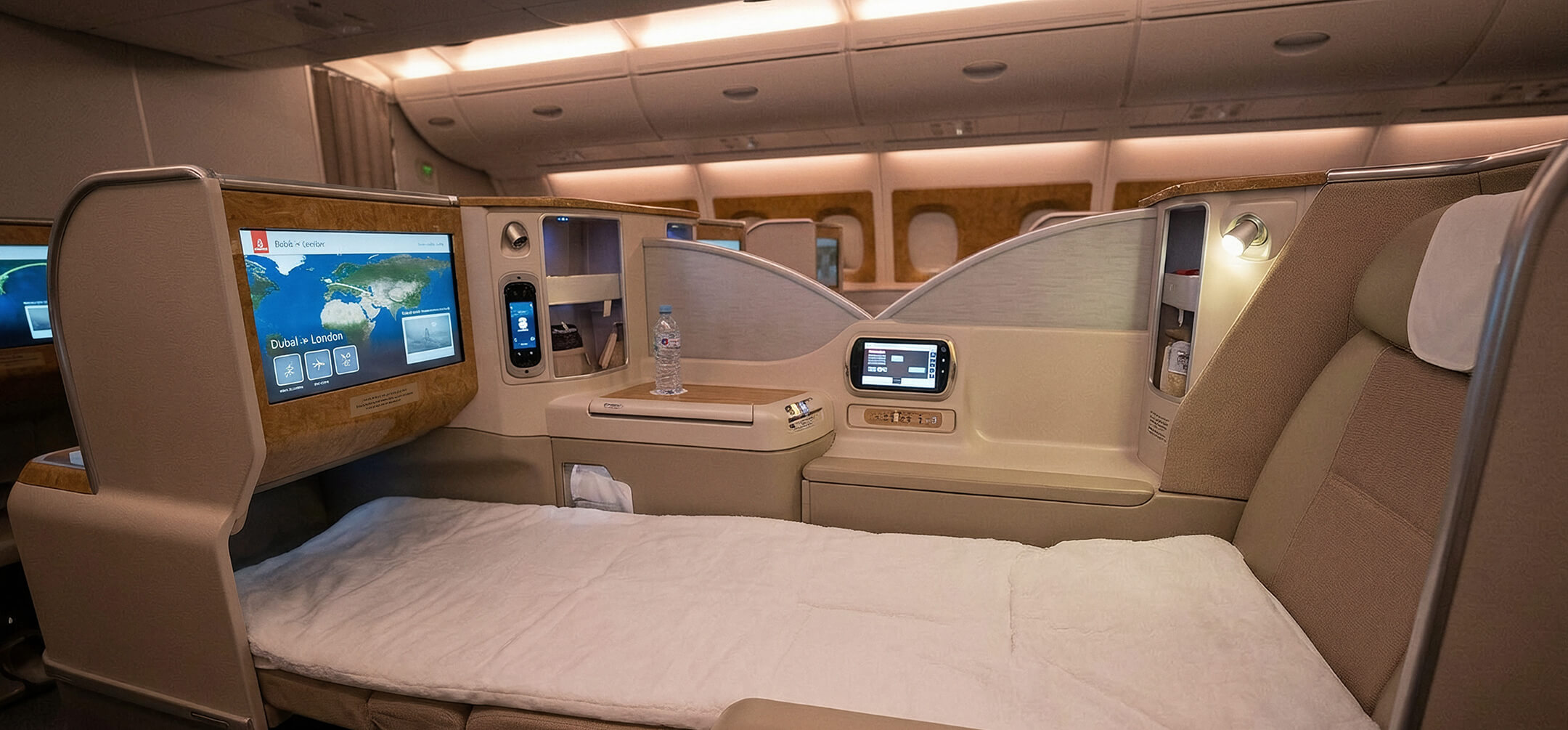
Business-class flights to Olbia are concentrated in the summer schedule, with a Delta nonstop from New York and one-stop options from both coasts.
New York (JFK) to Olbia (OLB)
From New York (JFK), Delta operates the only nonstop flight to Olbia (OLB), with four weekly departures from late May through late October and an 8.5-hour flight time. Seasonal one-stop options include Austrian Airlines via Vienna (VIE), Lufthansa via Frankfurt (FRA) or Munich (MUC), SWISS/Edelweiss via Zurich (ZRH), and British Airways via London (LHR). Trips take 11.5 to 29 hours or longer, with round-trip business-class fares of roughly $3,900 to $10,000.
Los Angeles (LAX) to Olbia (OLB)
From Los Angeles (LAX), all itineraries to Olbia (OLB) require at least one stop. Seasonal options include Lufthansa via Munich (MUC) or Frankfurt (FRA), Delta via New York (JFK), KLM/Transavia via Amsterdam (AMS), SWISS/Edelweiss via Zurich (ZRH), Iberia via Madrid (MAD), and British Airways via London (LHR). Travel times generally vary from 14 to 29 hours or longer, while round-trip business-class fares typically range from $4,300 to $11,000.
A well-paced way to experience Olbia
Olbia is at its best when the trip leaves room for both discovery and downtime. Giving the historic center, archaeological sites, and coast their own time keeps each day focused without making the itinerary feel crowded. Once the shape of the trip is clear, our AranGrant travel experts can help with the practical side by comparing business-class flights and hotels that fit your dates, priorities, and preferred pace.