

Chapters:

Need help with your trip?
Our support team is available 24/7. Request a callback or call us directly at (833) 619-0908
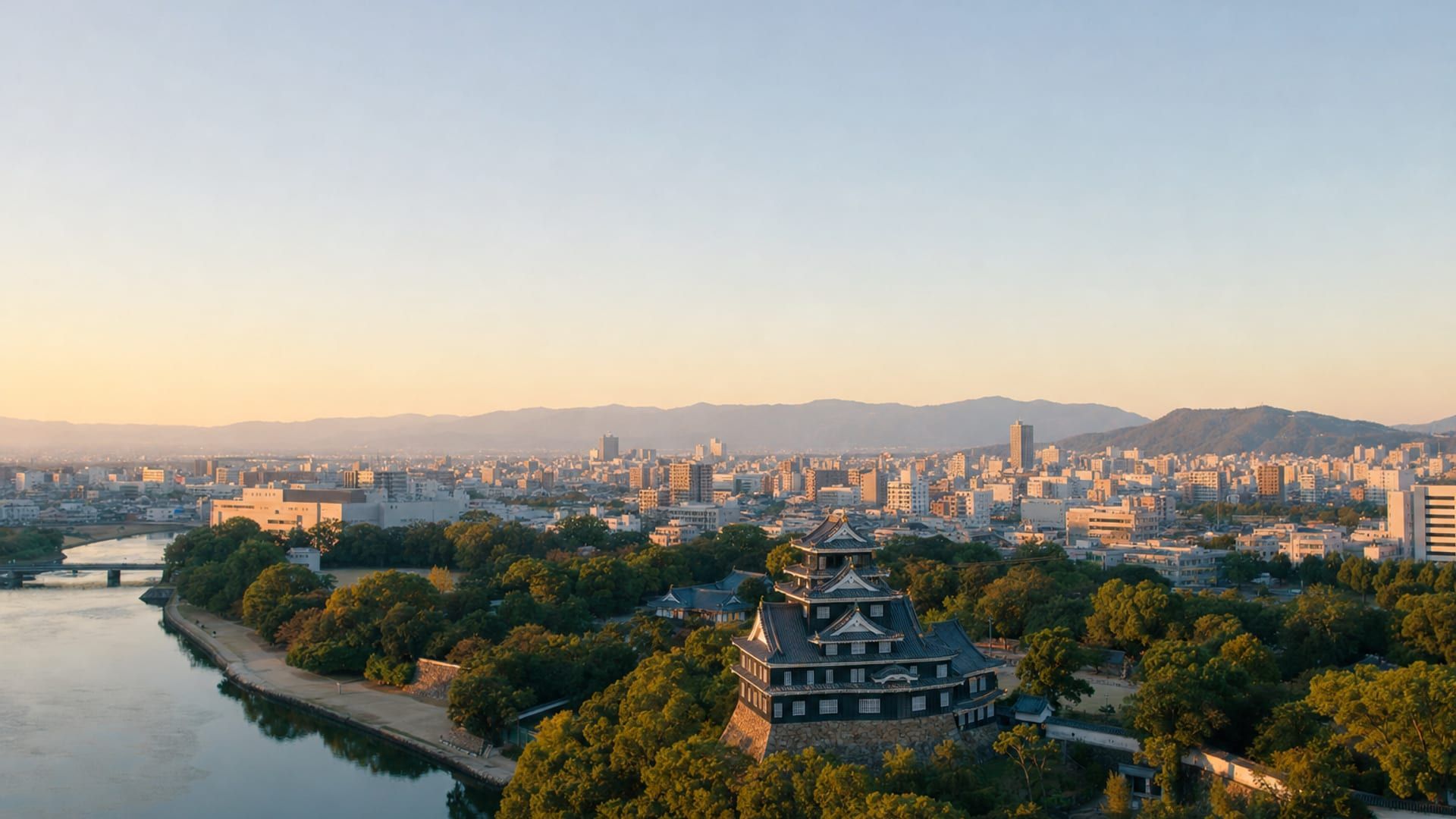
Okayama trips often start and end at the station, with Korakuen, the castle, and one museum filling the middle. That works, but it can leave Kibitsu Shrine, the tram network, and the city’s food culture outside the plan.
The usual approach also compresses the city into a quick loop, even though the best sights sit in different districts and reward different times of day. Without that spacing, transit choices, opening hours, and meal stops can all compete at once.
This guide separates arrival, sightseeing, and departure into a clearer sequence, so you can move through Okayama at a measured pace and still cover the places that define it.
Useful things to know

Main language(s): Japanese
Konnichiwa (kohn-nee-chee-wah) – Hello / good afternoon
Onegaishimasu (oh-neh-guy-shee-mahs) – Please
Arigatou gozaimasu (ah-ree-gah-toh goh-zah-ee-mahs) – Thank you
Eigo o hanasemasu ka? (eh-goh oh hah-nah-seh-mahs koo) – Do you speak English?
Ikura desu ka? (ee-koo-rah dehss koo) – How much does it cost?

Currency: The local currency is the Japanese yen (JPY, ¥).

Cash and cards: Cards and contactless are widely accepted; carry about ¥3,000 to ¥5,000 ($20 to $35) in cash for smaller spots.

Tipping: No tipping is expected; round up only in taxis if you want to.

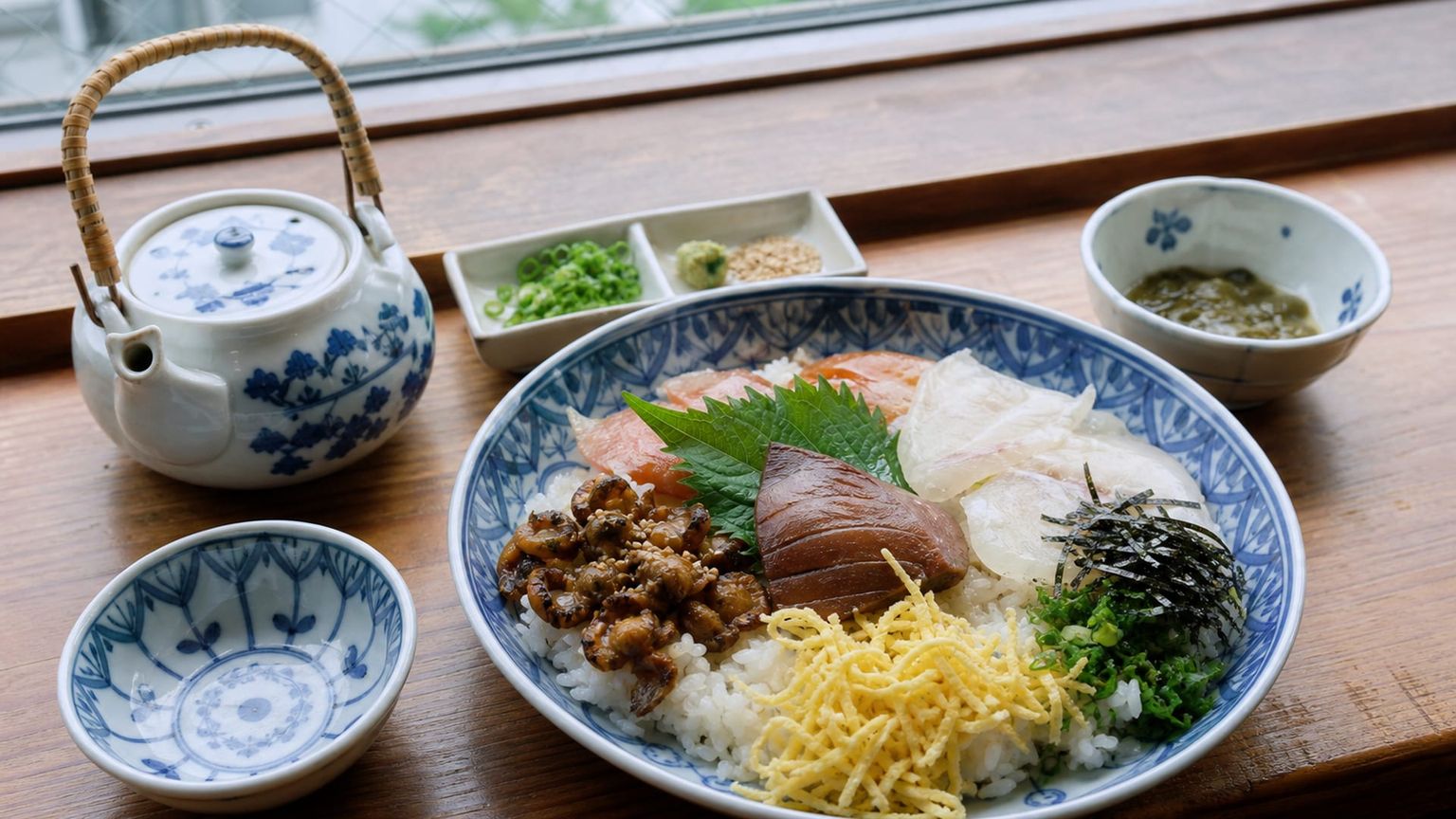
Traditional food: Kibidango, Barazushi, Okayama-style demi-katsudon, Mamakari sushi

Water and coffee costs: Water about ¥120 ($1), bar espresso about ¥500 ($3.50).

Taxis and ride apps: JapanTaxi and Uber operate here; availability can be limited outside central Okayama.

Plug and voltage: Type A/B socket, 100V

Dining and shop opening hours: Breakfast is about 7:00-9:00, lunch 11:30-14:00, and dinner 17:30-21:00. Many restaurants close one day a week, often Monday or Tuesday.

Emergency number: 119 for fire and ambulance; 110 for police.
Where to stay in Okayama
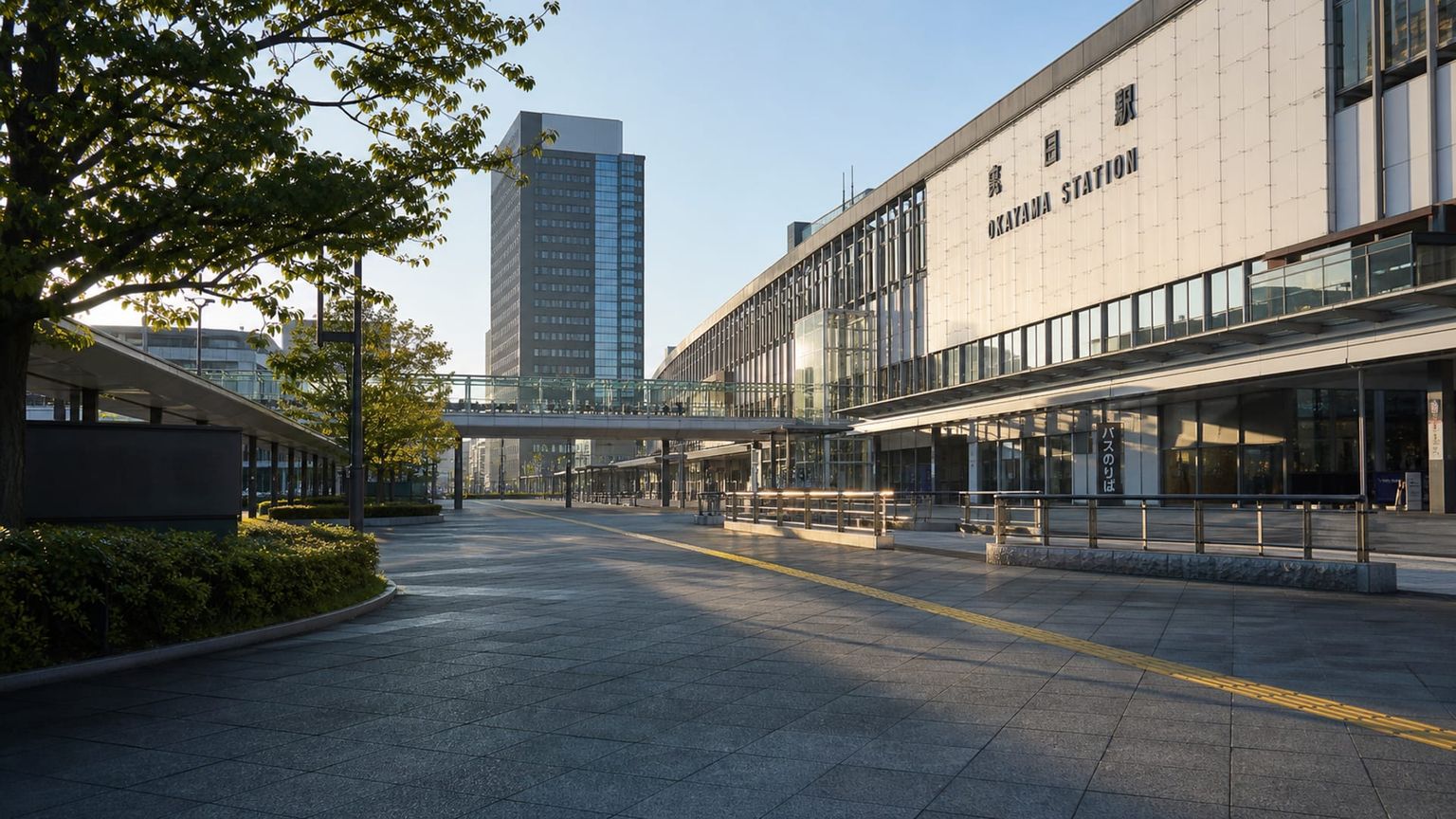
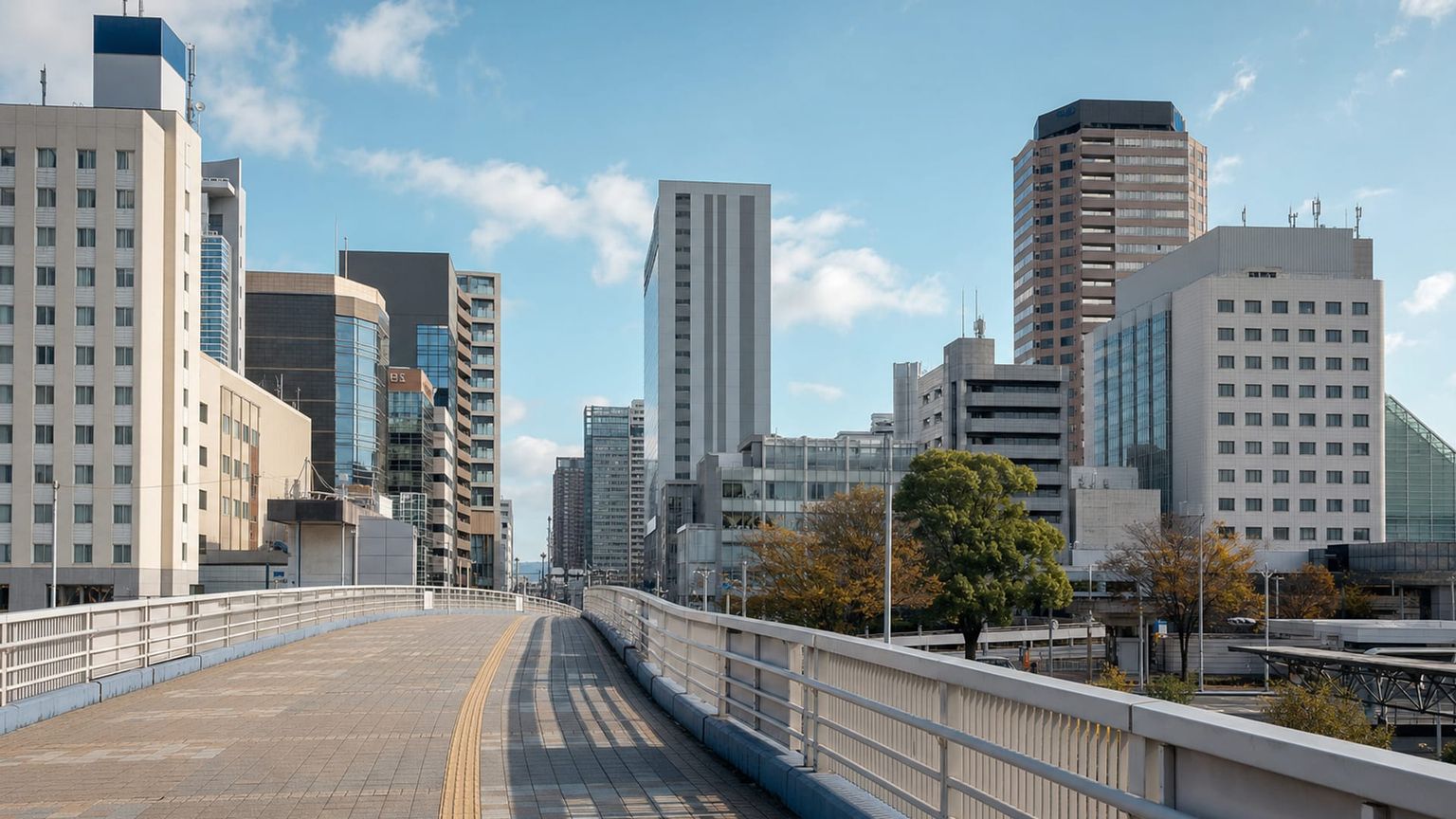
Okayama Station is the city’s main rail hub, with easy access to the Shinkansen, local trains, buses, and the tram network. It puts you close to department stores, dining, and a fast link to Okayama Castle and Korakuen Garden.
Best for: Rail travelers, short stays, and visitors who want the simplest base for moving across the city
What to expect: Busy sidewalks by day, with commuters, shoppers, and travelers passing through; evenings are calmer once stores close.
Hotel prices: Usually about ¥9,000 to ¥20,000 (~$60 to ~ $135) per night for well-rated stays
Distance to major sights: 10 to 15 minutes by bus or tram to Okayama Castle and Korakuen Garden
Quietness: Livelier by day, quieter in the evening after the station rush fades.
Main trade-off: Hotel rates can sit above the city average, and the immediate blocks have more transit traffic than character.
Good to know: If you plan early departures or late arrivals, staying here cuts transfer time and keeps taxis easy to find.
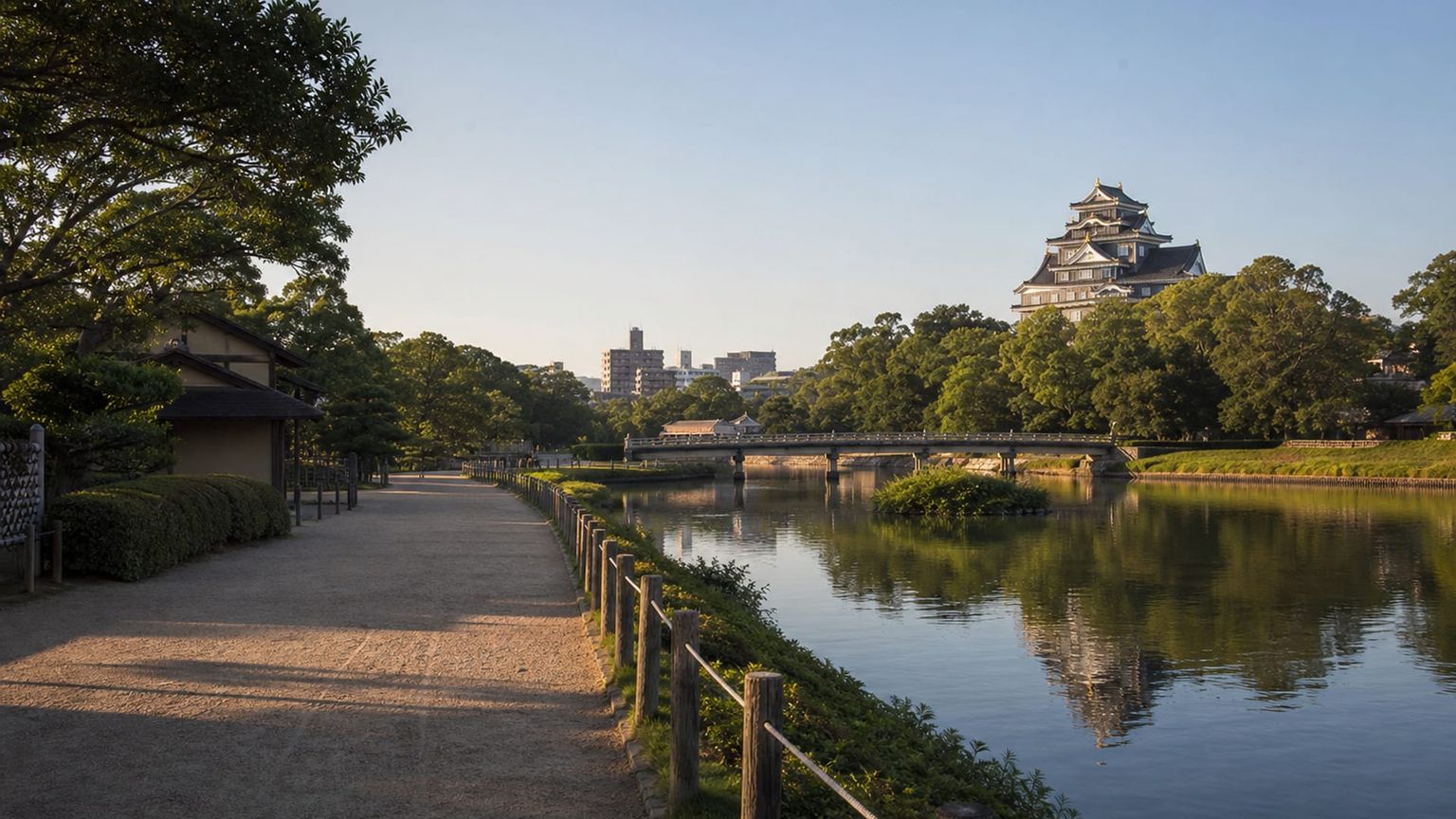
This area sits beside two of Okayama’s main sights, Korakuen Garden and Okayama Castle, so you can walk to the city’s most visited landmarks. It suits travelers who want an historic setting and easy access to riverside paths and museum stops.
Best for: Sightseeing, garden visits, and travelers who prefer walking to the city’s headline landmarks
What to expect: Daytime brings a steady flow of visitors and tour groups; evenings are much calmer, with quieter streets near the park edges.
Hotel prices: Usually about ¥10,000 to ¥24,000 (~$68 to ~ $165) per night for well-rated stays
Distance to major sights: 5 to 10 minutes on foot to Korakuen Garden and Okayama Castle
Quietness: Active in daylight, notably quieter at night once the park closes and day visitors leave.
Main trade-off: Choice is narrower than near the station, and dinner options thin out after the main sightseeing hours.
Good to know: Check closing times, because the garden and castle area quiets down early and late-night dining takes more planning.
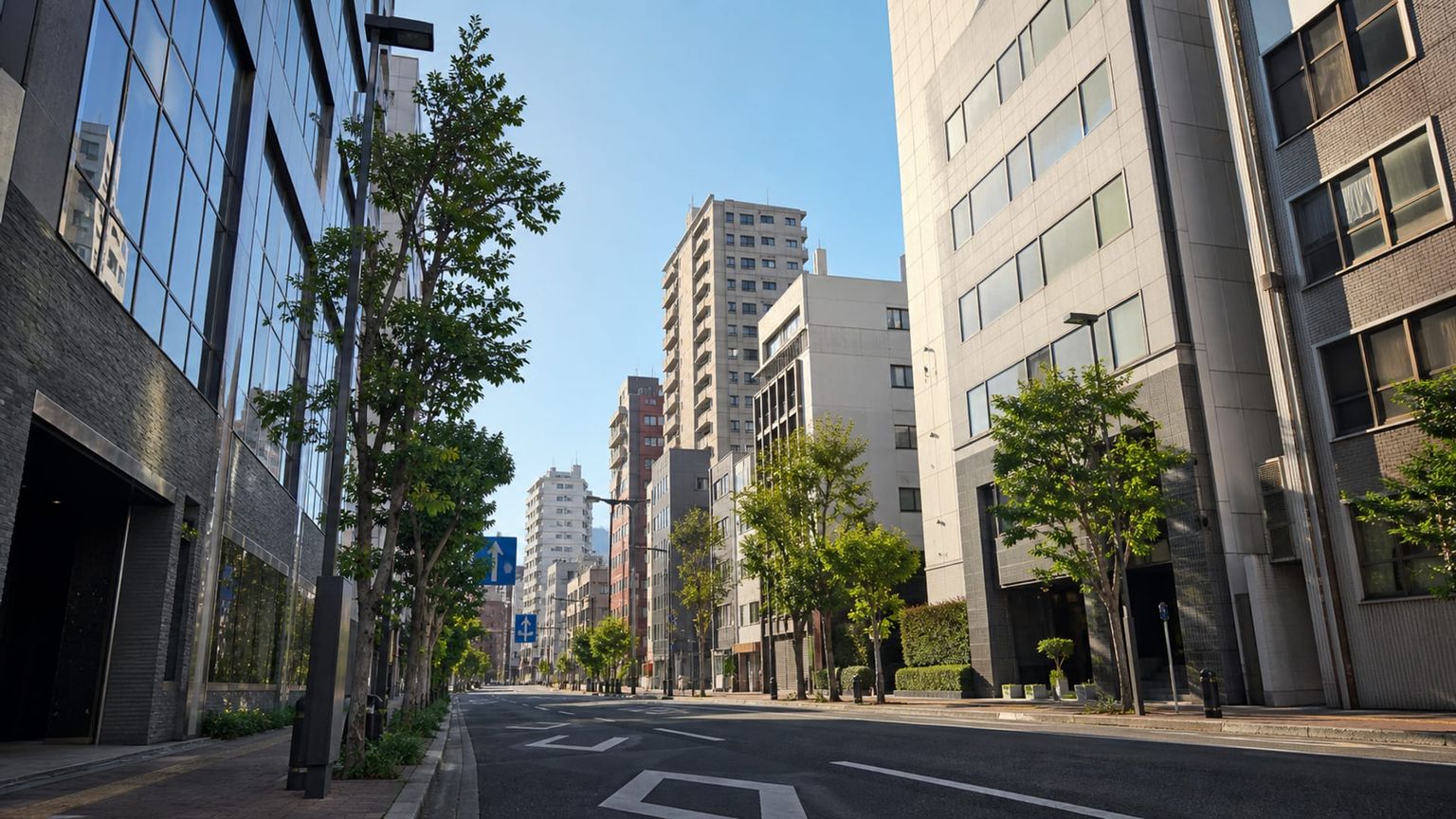
Kita ward covers the central part of Okayama north of the station, including shopping streets, offices, and residential blocks. It gives you a broader mix of restaurants and local life while keeping a reasonable transit link to the main sights.
Best for: Travelers who want a less tourist-heavy base, everyday dining, and easy city access
What to expect: Moderate street activity, with office workers, local shoppers, and residents rather than constant tourist traffic.
Hotel prices: Usually about ¥8,000 to ¥18,000 (~$55 to ~ $123) per night for well-rated stays
Distance to major sights: 10 to 20 minutes by tram or bus to Okayama Castle and Korakuen Garden
Quietness: Generally calmer than the station core by evening, though main streets still see local traffic.
Main trade-off: You may walk or ride a bit more for major attractions, and hotel selection varies block by block.
Good to know: Look at the nearest tram stop before booking, since a short walk to the right line makes daily movement much easier.
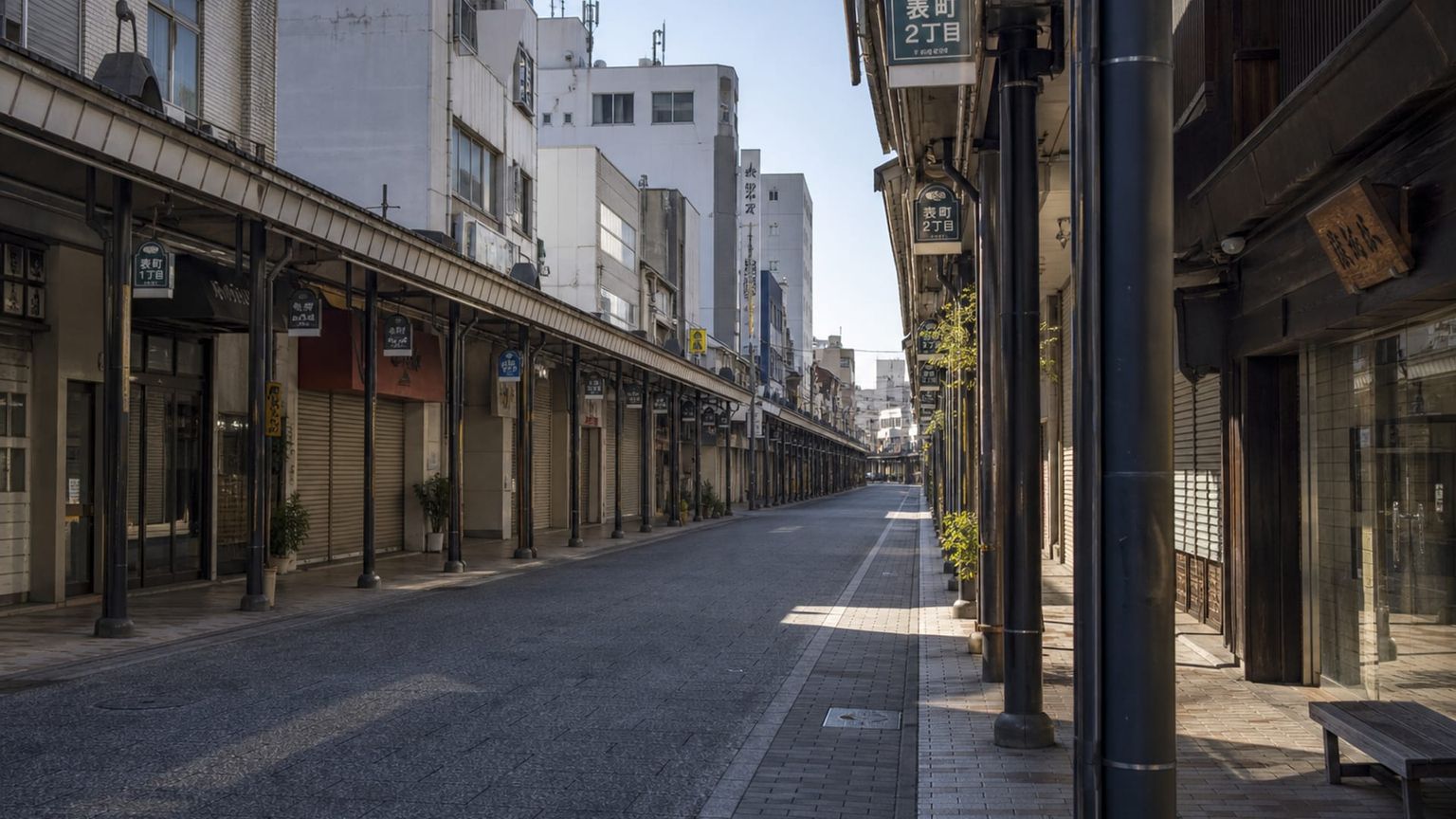
Omotecho and the nearby Nishigawa district form one of Okayama’s livelier central pockets, with arcades, cafés, bars, and independent shops. It works well if you want evenings out within walking distance and still want access to the station and castle area.
Best for: Dining, nightlife, shopping, and travelers who like staying in the busiest central blocks
What to expect: Lively streets in the afternoon and evening, with arcade foot traffic, restaurant spillover, and more noise than other central areas.
Hotel prices: Usually about ¥9,500 to ¥22,000 (~$65 to ~ $150) per night for well-rated stays
Distance to major sights: 15 to 20 minutes on foot to Okayama Station, about 10 minutes by tram to Okayama Castle
Quietness: Busy into the evening, then quieter late at night after the bars and restaurants thin out.
Main trade-off: The area brings more noise and foot traffic, and room rates can rise on weekends.
Good to know: If you are sensitive to late-night sound, ask for a room away from the arcade-facing streets.
Travelers usually avoid Okayama Station’s far northern edge near the freight and industrial blocks, because it puts you farther from Korakuen, Okayama Castle, and the main arcade, with fewer visitor-oriented streets at night. The Port of Okayama and coastal industrial areas are also less convenient, since they sit well south of the city center and require extra time for evening travel back from dinner or sightseeing.
Hotel deals
How to get around Okayama efficiently
Okayama links its core areas with JR trains, the Okayama Electric Tramway, buses, and taxis, so most days work best as a mix of short rides and walkable sections.

Metro
for longer distances
Okayama does not have a metro system, so visitors usually use the JR network and Okayama Electric Tramway instead. JR trains connect Okayama Station with Kurashiki in about 17 to 20 minutes and with Bizen and Akaiwa on local services; IC cards are accepted on most urban rail trips, and single fares are usually about $1 to $4 (¥150 to ¥600).

Bus and tram
for convenience
Okayama Electric Tramway links Okayama Station with central stops such as Okayama City Hall, Saidaiji, and Higashi-Okayama, with fares of about $1 to $2 (¥100 to ¥200) and transfers that are valid only for that ride. City buses cover the airport, Korakuen, and the university district, with day-to-day fares usually about $1 to $5 (¥200 to ¥800); pay as you exit, and check route numbers at major stops because many services thin out after early evening.

Taxi
for convenience or late hours
Licensed taxis meter their fares, and a ride from Okayama Airport (OKJ) to central Okayama usually costs about $40 to $55 (¥6,000 to ¥8,500) in normal traffic, while a trip from Okayama Station to Korakuen or the castle area often lands near $5 to $10 (¥800 to ¥1,500). You can hail one at taxi ranks, phone a dispatch company, or book through hotel staff; most accept cash and many take credit cards or transport IC cards, though late-night surcharges can apply.
*Prices are based on rates updated as of June 2026 and may change at the time of travel.
Use trains for Kibitsu and other suburban hops, the tram for central stops, buses for the airport and Korakuen, and taxis when you want a direct late-night return.
Iconic landmarks
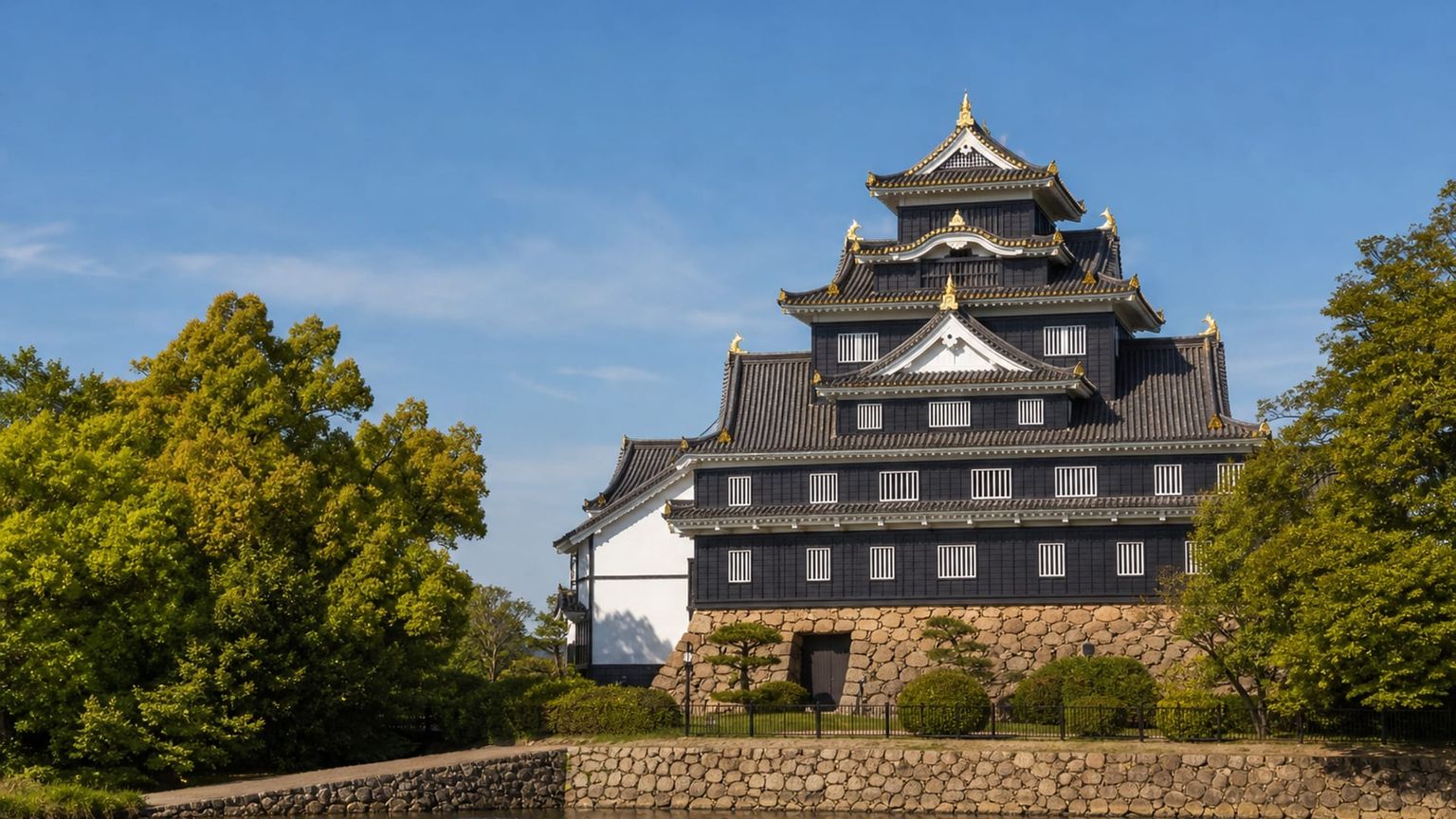
Okayama Castle
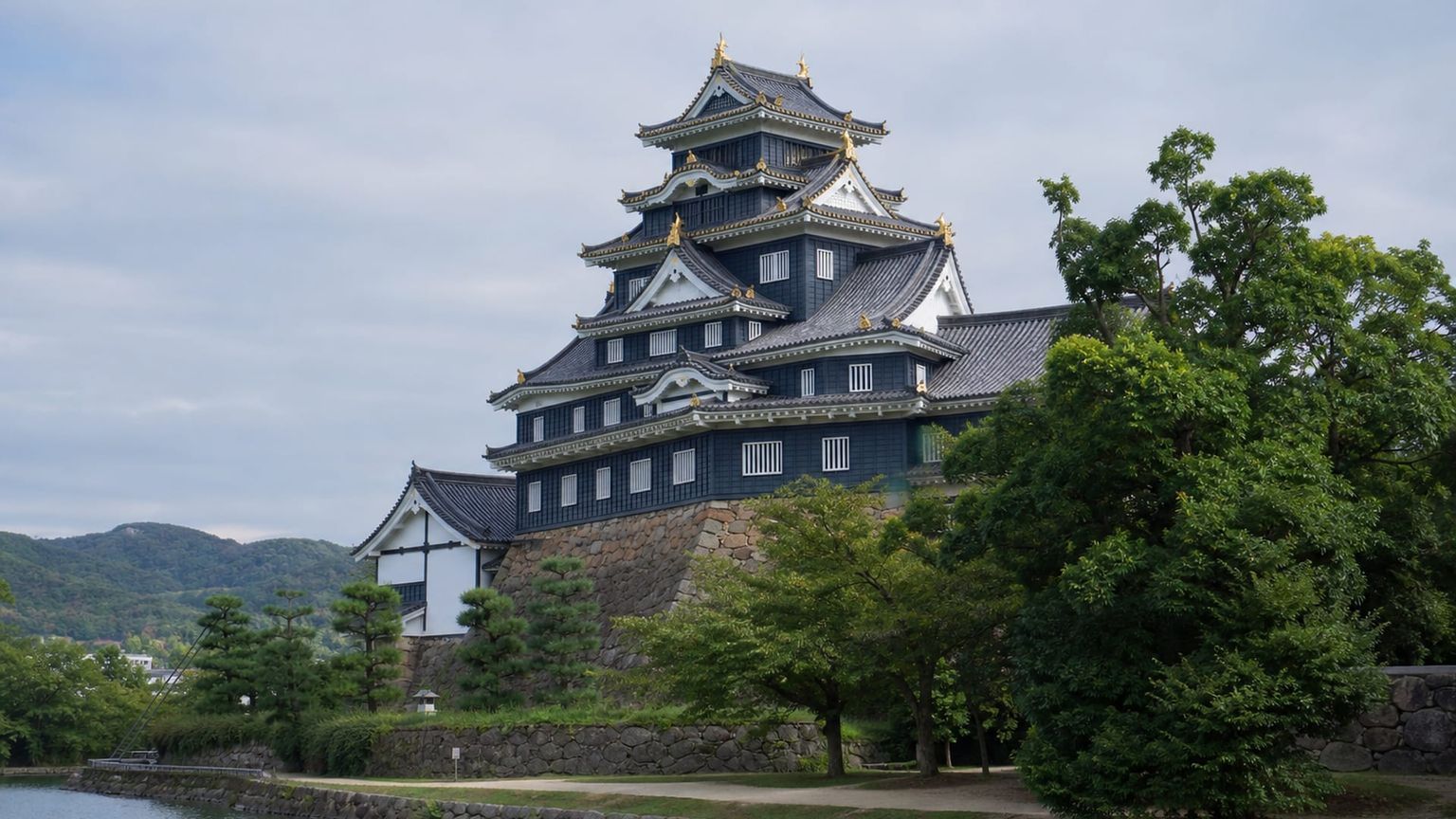
The black keep rises beside the Asahi River and houses exhibits on the Ikeda clan and the castle town. Its rebuilt main tower and riverside setting make it one of Okayama’s clearest samurai-era landmarks.
Time needed: About 1 to 2 hours
Entry: Standard admission costs about $2 ($300) for adults and $1 ($120) for children. Visit the official site for details.
Tip: Go late afternoon for softer light on the black keep and river.
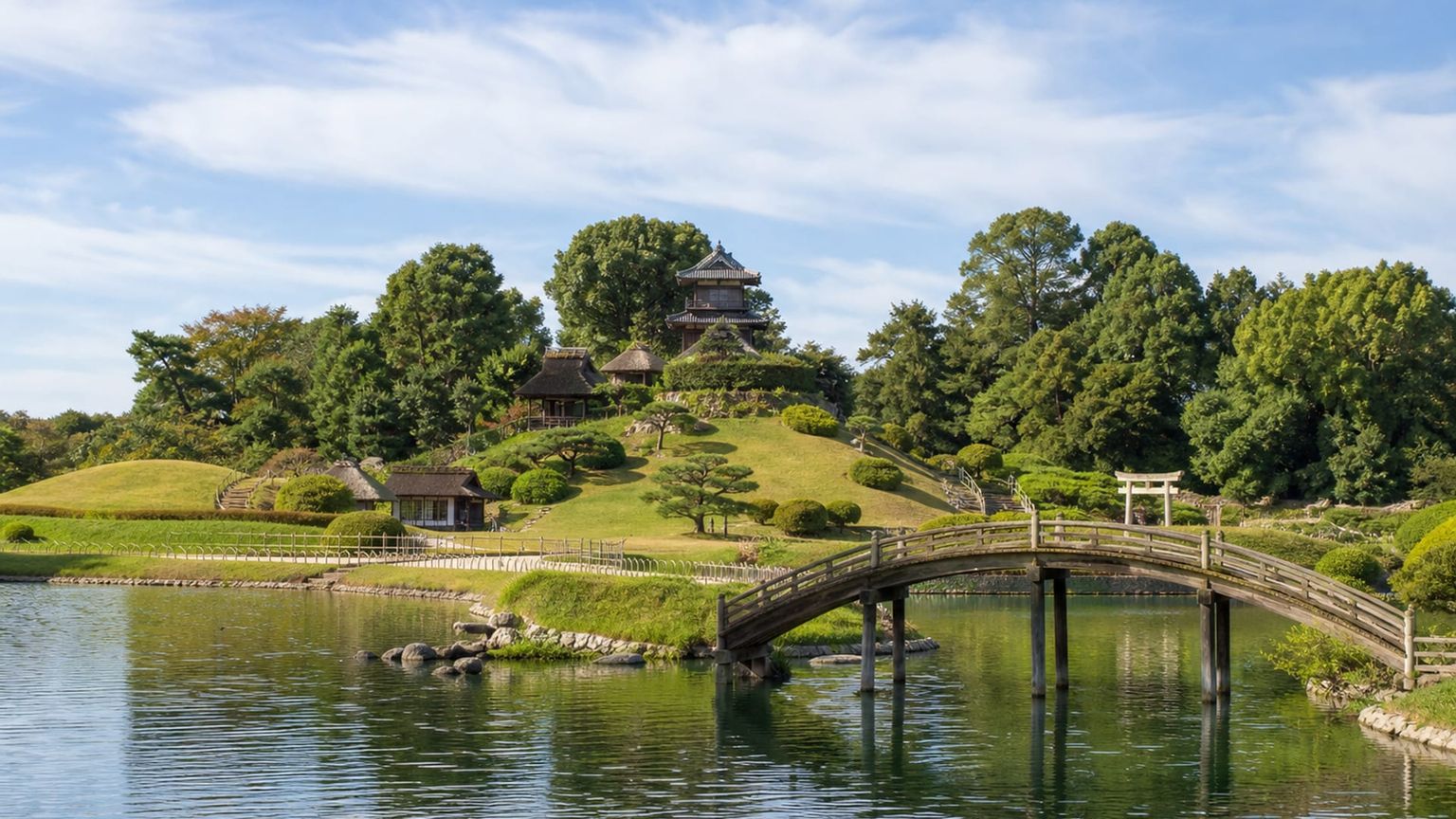
Korakuen Garden
One of Japan’s three great landscape gardens, Korakuen pairs ponds, bridges, tea houses, and wide lawns with borrowed views of Okayama Castle. Its paths reward slow walks in every season.
Time needed: About 2 to 3 hours
Entry: Standard admission costs about $4 ($570) for adults and $1 ($250) for children. Visit the official site for details.
Tip: Visit early for quieter paths and clearer reflections in the ponds.
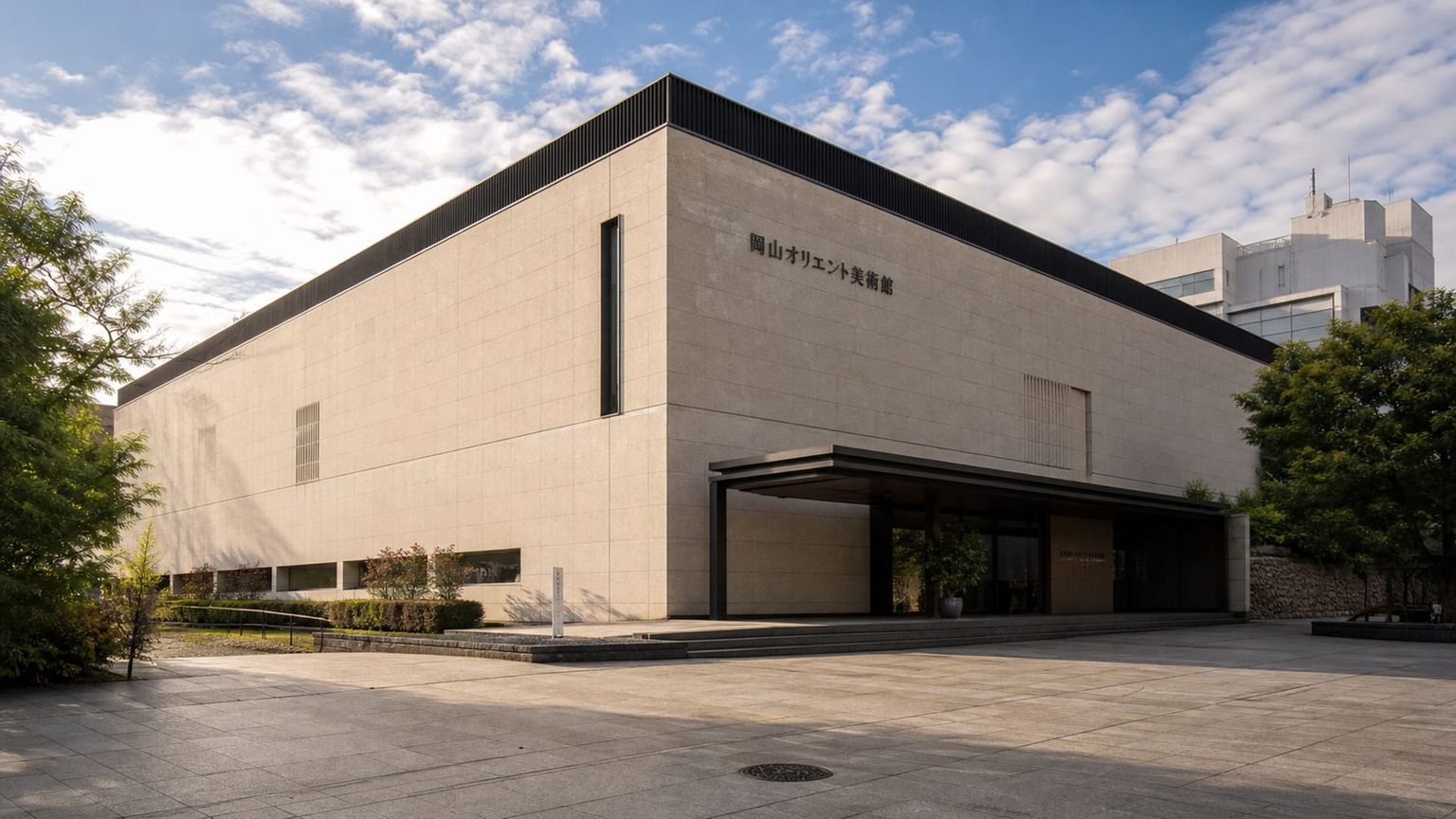
Okayama Orient Museum
This city museum focuses on ancient Near Eastern art, with cuneiform tablets, seals, ceramics, and sculpture in a compact downtown setting. It gives Okayama an unusual cultural stop beyond the garden and castle circuit.
Time needed: About 1 to 2 hours
Entry: Standard admission costs about $6 ($900) for adults and $3 ($450) for children. Visit the official site for details.
Tip: Pair it with a nearby lunch stop, then visit before the afternoon crowds.
Overlooked sites worth visiting

Kibitsu Shrine
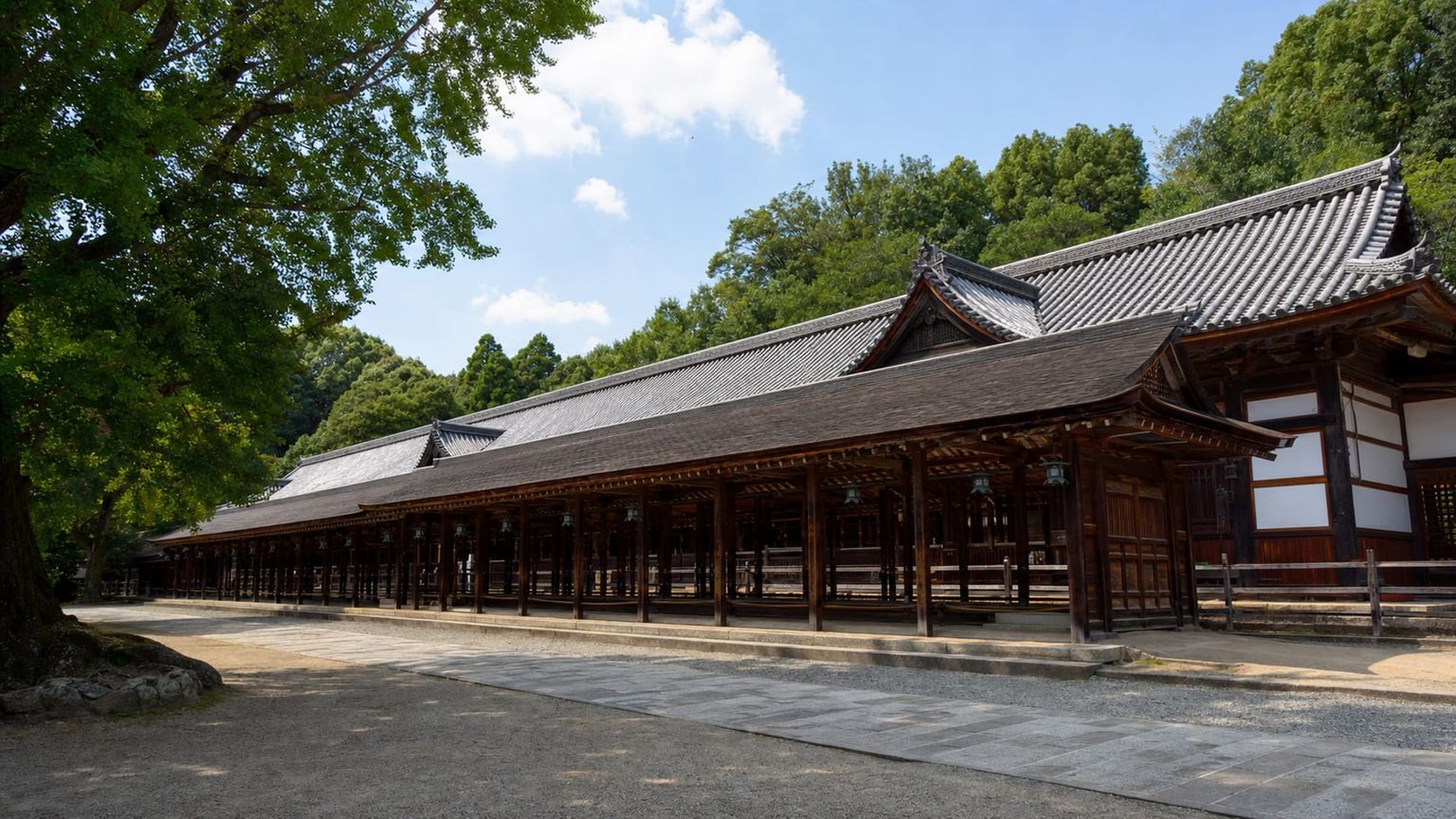
A long wooden corridor links the main buildings to the hillside precinct, and the grounds hold one of Japan’s rare dual-arrow archery halls. Spring azaleas and autumn color draw quiet crowds.
Time needed: About 1 hour
Entry: Free to enter the grounds; some ritual areas and special viewing periods may charge separate fees, typically a few hundred yen if offered. Expect no ticket desk for the main approach, and bring cash if you plan to join a paid ceremony or seasonal exhibit.
Tip: Visit early for emptier walkways and softer light.

Hayashibara Museum of Art
This compact museum near Okayama Castle shows samurai armor, tea bowls, swords, and Noh masks from the family’s collection. Its scale makes it easy to pair with a short city walk.
Time needed: About 1 hour
Entry: Admission is typically $7 to $9 (about ¥1,000 to ¥1,300) for adults, with lower rates for students and children. Special exhibitions can add a separate fee, and the museum usually closes on Mondays or after exhibition changeovers. Visit the official site for details.
Tip: Check the exhibit calendar before you go, as the gallery rotates displays.
Traditional food
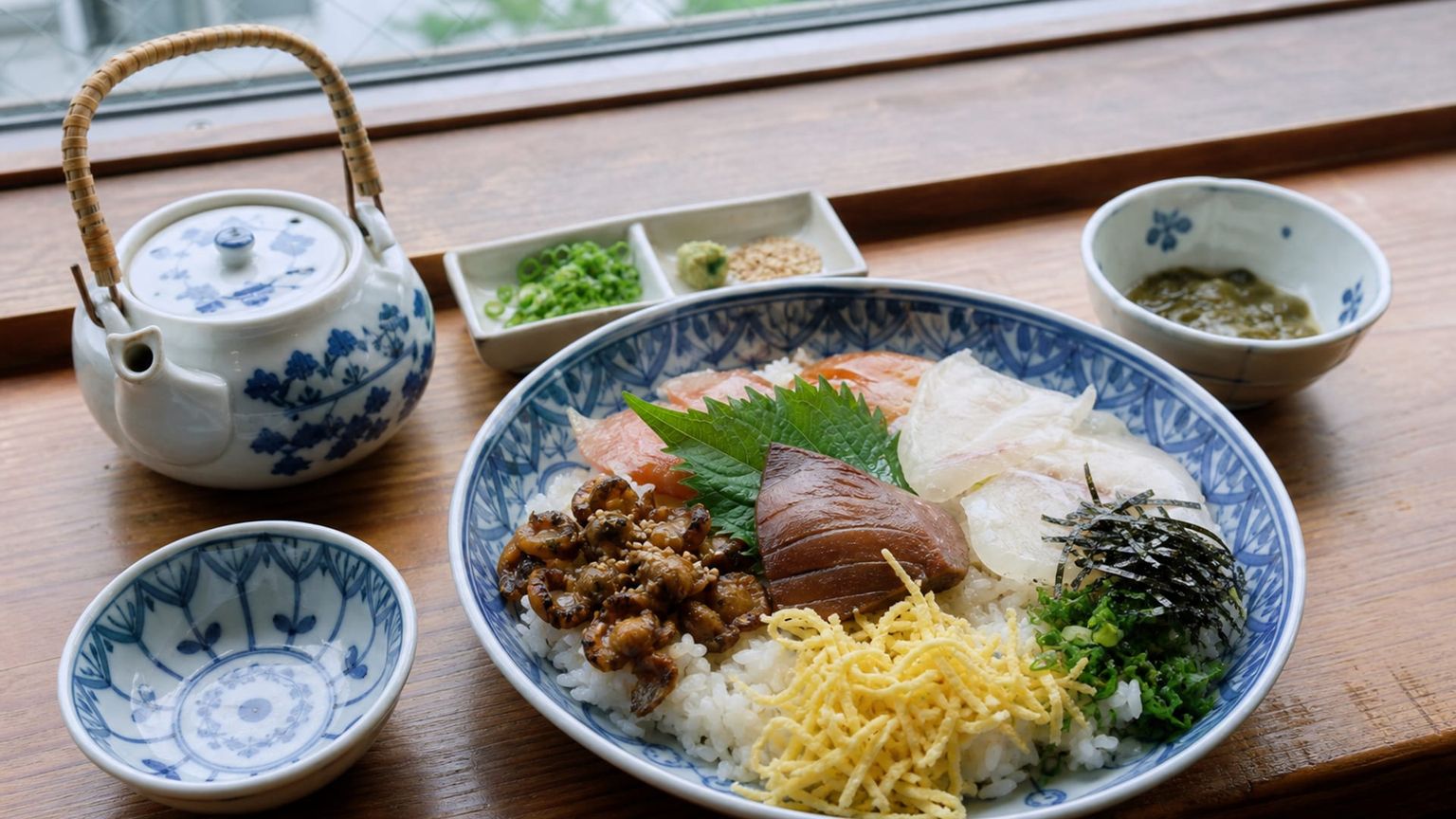
Okayama’s food centers on rice, river fish, and sweet wheat noodles, with dishes like kibidango, barazushi, demi-katsudon, and mamakari sushi showing the city’s local comfort range in compact lunches and casual dinners.
Kibidango
These small dumplings are the prefecture’s best-known sweet, often sold as a quick snack near major sights. Kibi Dango Kobo is a canonical stop in Okayama for a fresh, local take.
Barazushi
Okayama’s colorful scattered sushi mixes seafood, vegetables, and egg over rice, and it works well as a lunch plate before sightseeing. Ebisu Sushi serves a well-regarded version in the city center.
Okayama-style demi-katsudon
This version tops a cutlet bowl with a demi-glace sauce instead of the usual sweet egg sauce, giving the dish a deeper, Western-influenced finish. Ajitsukasa Nono at Okayama Station is a strong reference point.
Mamakari sushi
Small sardine-like fish from the Seto Inland Sea appear here marinated and pressed onto rice, with a bright, clean finish that suits Okayama’s coastal pantry. Hitosaji is a good central restaurant for it.
Best time to visit Okayama
Okayama’s seasons change the garden first, then the castle views, while summer heat pushes more of the day into indoor museums and early starts.
Best for: Korakuen blossoms, shrine walks, and mild outdoor days
What you get: About 50°F to 73°F (10°C to 23°C), with cherry season drawing the largest crowds in the core sights
Trade-offs: Popular days fill early, especially in late March and April
Best for: Long daylight, river views, and museum breaks between walks
What you get: About 72°F to 91°F (22°C to 33°C), with heavier humidity and lighter crowds at indoor sites
Trade-offs: Heat and rain make midday sightseeing harder
Best for: Clear skies, castle views, and foliage in the garden and shrine grounds
What you get: About 54°F to 77°F (12°C to 25°C), with comfortable conditions and steady visitor flow
Trade-offs: Weekend travel can still thicken around major landmarks
Best for: Quiet museum visits and crisp walks through the city center
What you get: About 34°F to 51°F (1°C to 11°C), with lower crowds and short daylight hours
Trade-offs: Cold mornings make early outdoor starts less appealing
A realistic 5-day plan in Okayama
The five-day plan below starts with arrival, then gives the garden, castle, shrine, museums, and departure day separate space. That split makes it easier to match transit to each district and avoid stacking the city’s biggest sights into one hurried loop.
Landing at Okayama Airport (OKJ) is simplest by airport limousine bus, which takes about 30 to 40 minutes to Okayama Station and costs roughly ¥780. If you are arriving late, book a room in the Okayama Station area, then settle in with water, a station-area convenience store dinner, and an early night before starting sightseeing. The blocks around the station keep taxis and tram access close, so you can get from the platform to your hotel, then back out for an easy meal without adding much transit.
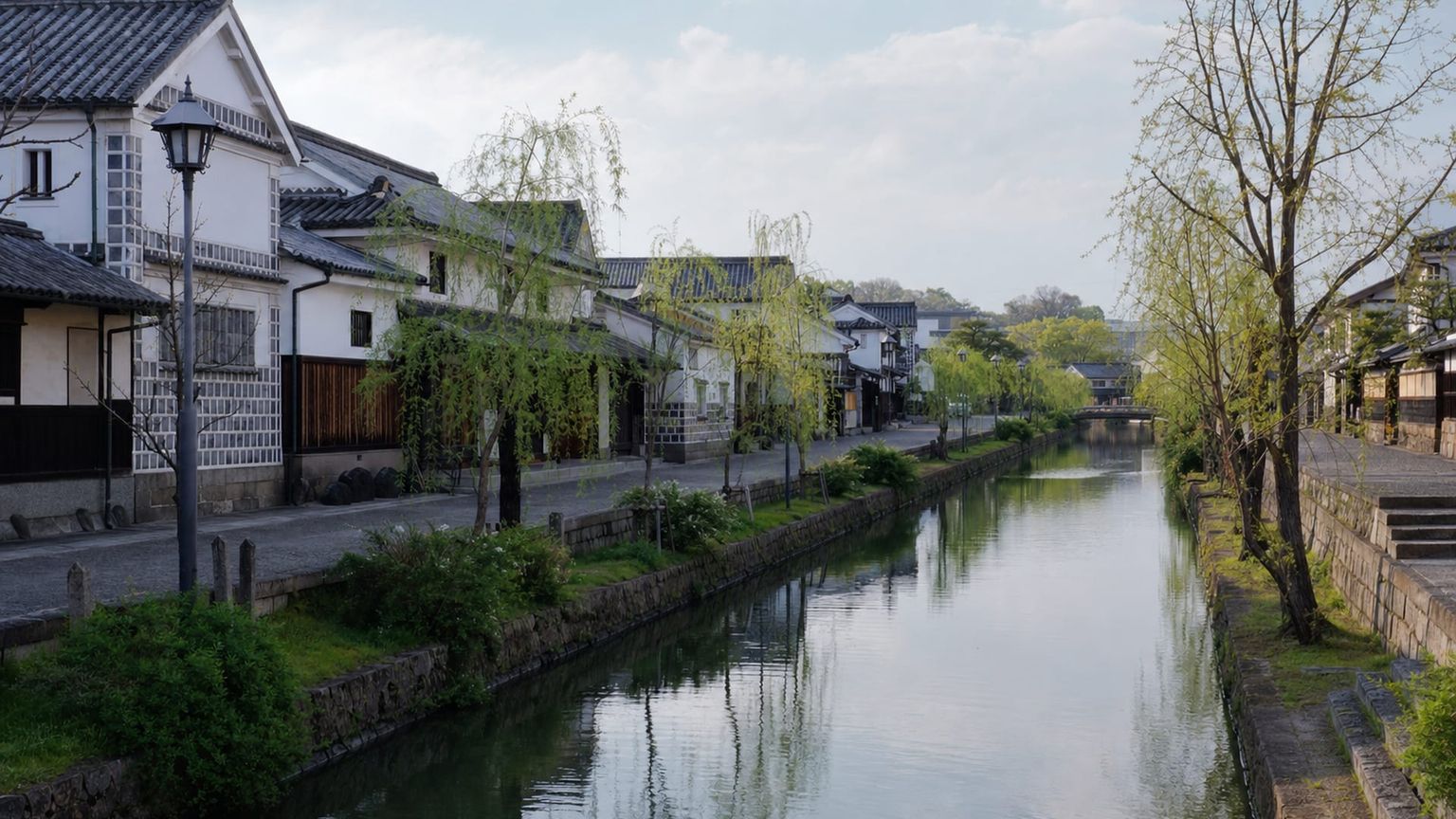
Begin at Korakuen Garden, where opening-time paths are quieter and the ponds hold clearer reflections, then cross to Okayama Castle, about 10 to 15 minutes on foot. Set aside about 2 to 3 hours for the garden and 1 to 2 hours for the castle, with a break for lunch near the park edge between them. Late afternoon suits the castle best, when the black keep catches softer light and the riverfront is more photogenic.
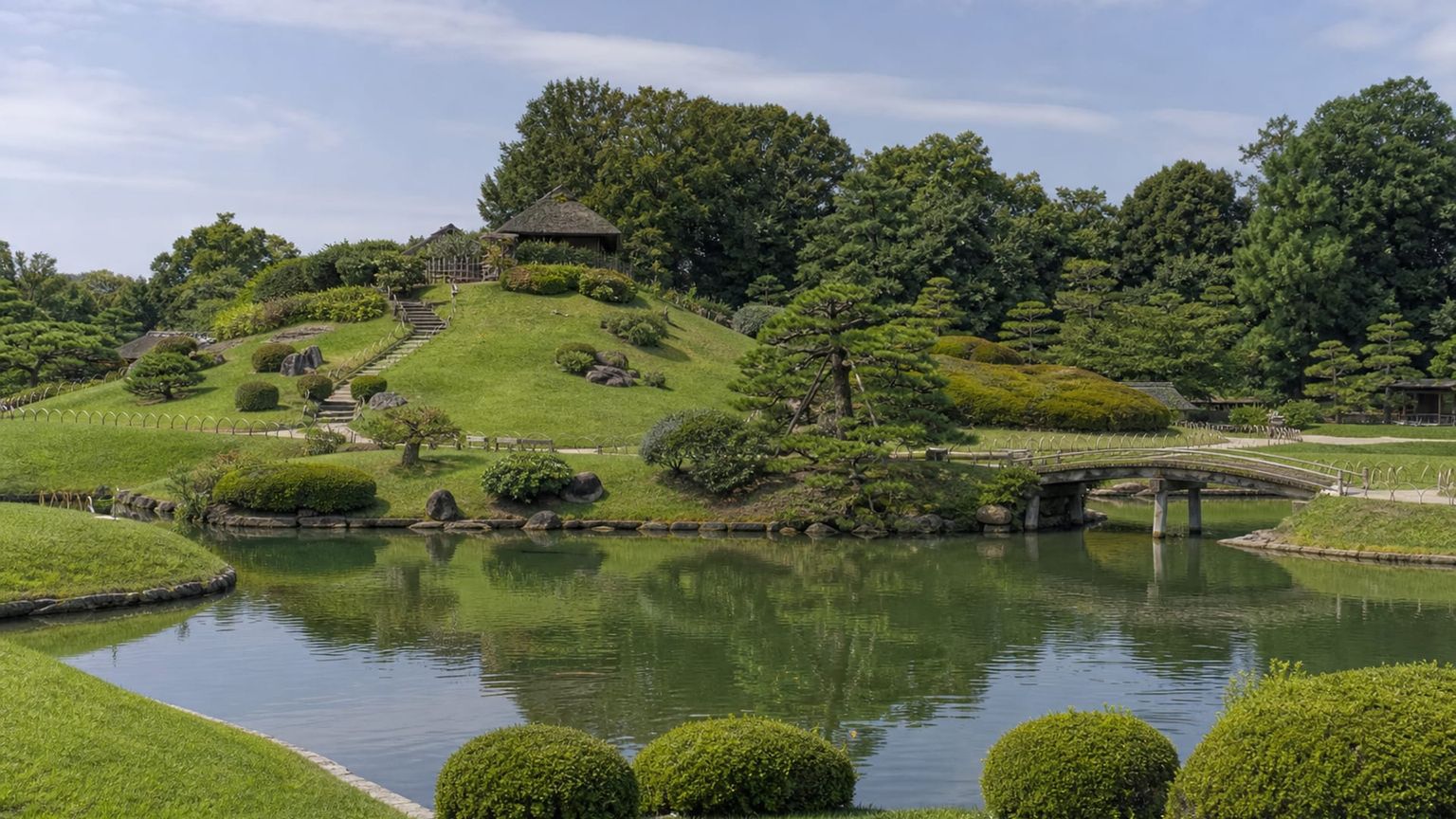
A morning at Kibitsu Shrine gives the trip a different pace, and the grounds are easiest to enjoy early when the walkways are emptier. From Okayama Station, the ride takes about 15 to 20 minutes by train and then a short walk, and the shrine itself needs about 1 hour. Return to the city for the Okayama Orient Museum, which sits about 10 to 15 minutes by tram or bus from the station area and pairs well with a late lunch nearby; the museum takes about 1 to 2 hours and adds ancient Near Eastern art to the itinerary.
Start with the Hayashibara Museum of Art, then head to nearby Okayama Castle and Korakuen for a second look at the city’s core sights from a different angle. The museum visit takes about 1 hour, and the castle and garden are close enough to combine with a walk, so you can move between them on foot in about 10 to 15 minutes. If you are staying in Omotecho and Nishigawa, finish the day with dinner and a short evening stroll through the arcades, where the streets stay active into the night.
A final morning in Kita ward works well for a quieter pace, with a café stop in the central blocks before you check out. If your flight leaves later in the day, the station area makes luggage storage and tram access easy, and you can fit in one last museum stop or a slow pass through Omotecho and Nishigawa for shopping before heading back to Okayama Airport (OKJ). Aim to leave the city center with enough time for the bus ride, which usually takes about 30 to 40 minutes from Okayama Station.
Business-class flights from the US to Okayama
Okayama usually reaches travelers on one-stop itineraries, and the routing choice matters more than the final fare difference. From both coasts of the United States, the main decision is whether to prioritize a shorter connection chain or a lower fare.
From New York, Japan Airlines, All Nippon Airways, Korean Air, China Eastern Airlines, Cathay Pacific, and Qatar Airways all appear in common options. Direct travel is not listed, so expect about 14 to 15 hours plus a connection, with typical hubs through Tokyo (HND), Tokyo (NRT), Seoul (ICN), Hong Kong (HKG), or Doha (DOH). Round-trip fares from New York to Okayama usually start at $5,500 and can reach about $10,500.
Los Angeles usually offers a shorter trip than the East Coast, with Japan Airlines, All Nippon Airways, Korean Air, Cathay Pacific, China Airlines, and EVA Air among common carriers. Nonstop flying runs about 11 to 12 hours, while one-stop options usually add 15 to 21 hours total; common hubs include Tokyo (HND), Tokyo (NRT), Seoul (ICN), Taipei (TPE), and Hong Kong (HKG). Round-trip fares from Los Angeles to Okayama usually run from $4,800 to $9,000; if you do not mind a layover, common routings via Tokyo (HND) or Tokyo (NRT) can trim the fare.
Okayama feels different when you slow down
A deliberate Okayama trip gives each district its own space: Korakuen and Okayama Castle in one day, Kibitsu Shrine in the morning calm, then Omotecho, Nishigawa, or the station area for dinner and a final walk. The city works best when you let the tram, JR lines, and short taxi rides do the connecting. If you want help shaping that balance, AranGrant experts can turn your Okayama stay into a route that fits the season and your arrival time







