


Chapters:

Need help with your trip?
Our support team is available 24/7. Request a callback or call us directly at (833) 619-0908
Okap trips often start with the same loop, a taxi from Cap-Haïtien (CAP), a hotel near the center, then one or two easy sights before dinner. Travelers who skip beyond that pattern often miss how much time traffic, daylight, and closing hours shape the day.
The distances are short on a map, but crossing town can take longer than expected, especially when you add the airport run, the waterfront, and the road toward Labadie. Without a plan, the day can shrink into repeat rides and late arrivals.
This guide maps the city in a firmer order, with clear neighborhood choices, timed sightseeing, food stops, and flight notes that match how Okap actually moves.
Useful things to know
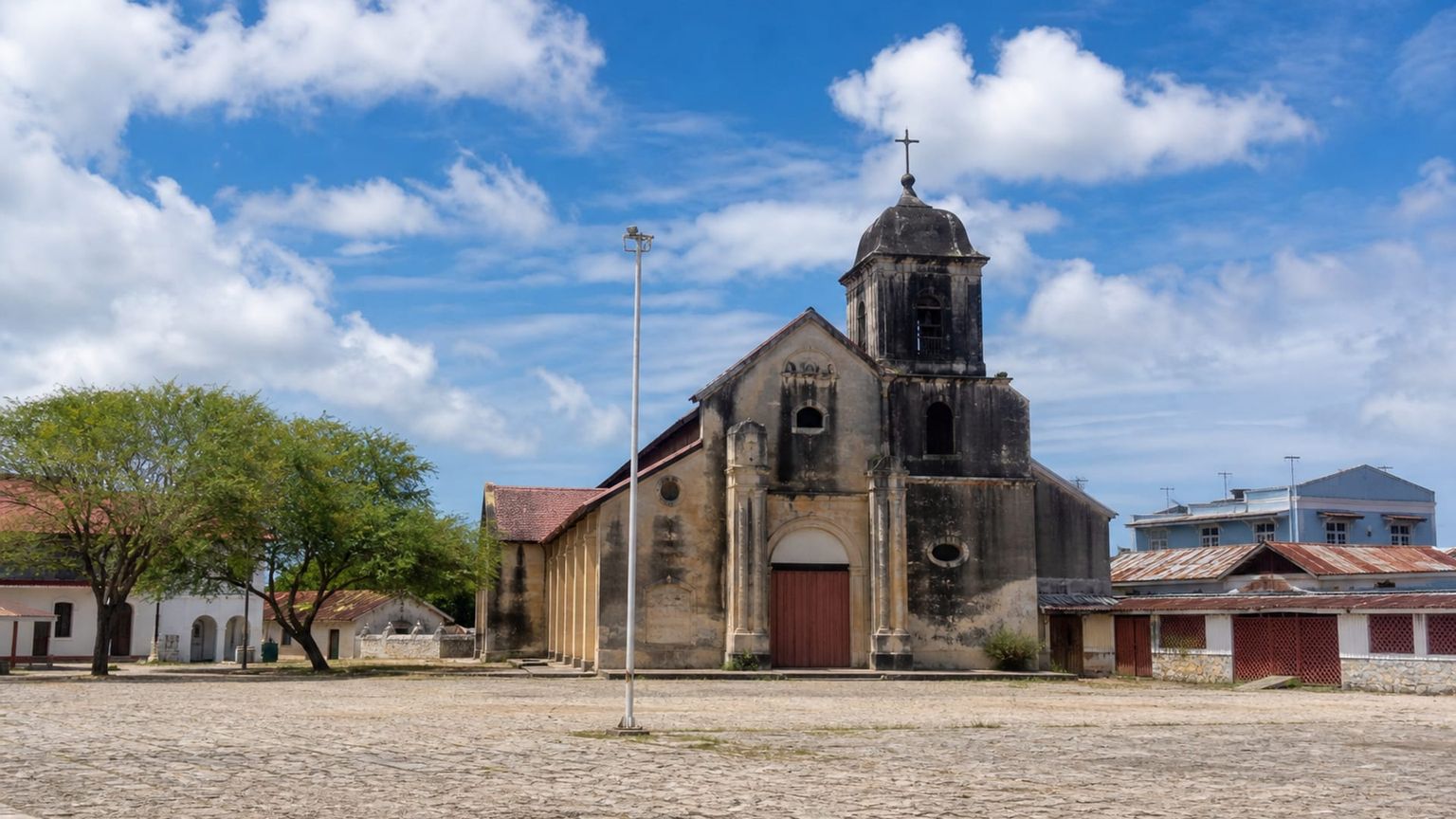

Main language(s): English

Currency: The local currency is the Haitian gourde (HTG, G).

Cash and cards: Cards and contactless are widely accepted; keep about $20 to $40 in cash for small purchases and taxis.

Tipping: Tip 10% to 15% in nicer restaurants; round up small bills and taxi fares.

Traditional food: Jerk chicken, ackee and saltfish, curried goat, festival

Water and coffee costs: Water about 100 CFA ($0.15), bar espresso about 500 CFA ($0.80).

Taxis and ride apps: Yango and Uber operate here; confirm pickup points before you request a car.

Plug and voltage: Type A/B socket, 120V

Dining and shop opening hours: Breakfast is about 07:00-09:00, lunch 12:00-14:00, and dinner 18:00-21:00. Many places close early outside the main hotel and business areas.

Emergency number: Dial 117 for police, 118 for fire, 119 for ambulance.
Where to stay in Okap
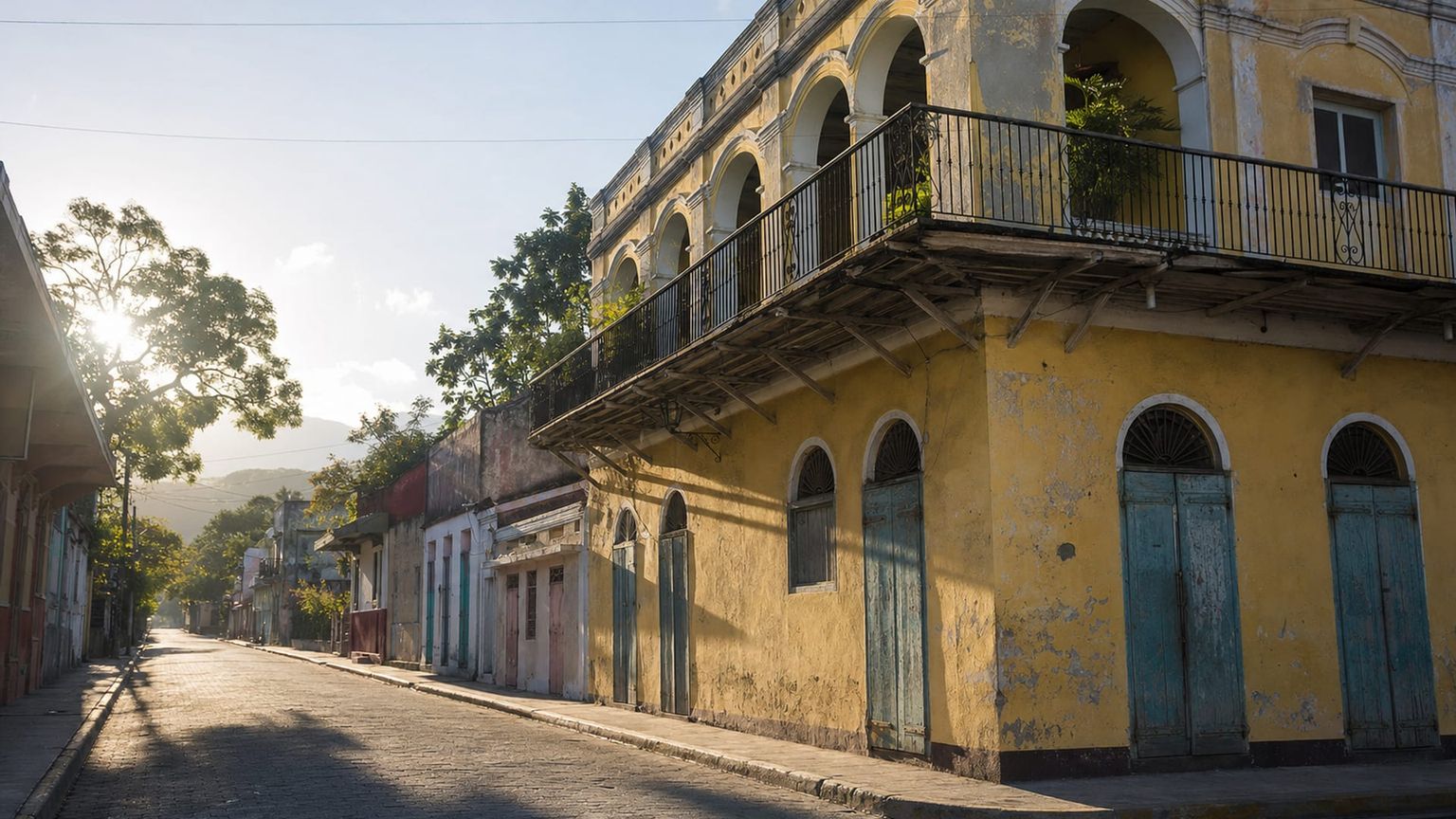
The historic center puts you close to Cap-Haïtien’s main market streets, colonial-era blocks, and the waterfront. It suits travelers who want the city’s daily life, taxi access, and the quickest reach to the port and central sights.
Best for: Market browsing, urban sightseeing, and visitors who want the shortest hops to the port and central district
What to expect: Busy streets, constant traffic, and the most activity after dark near main avenues.
Hotel prices: Usually about $50 to $140 per night for well-rated stays
Distance to major sights: About 10 minutes on foot to Place d’Armes and roughly 15 minutes by taxi to the Cap-Haïtien waterfront
Quietness: Lively through the day, and still active in the evening near the main roads.
Main trade-off: You get the best location, but traffic, noise, and thinner sleep quality on the busiest streets are common.
Good to know: Choose a room off the main road if you plan to sleep early, since street noise rises sharply near the market and transport stands.
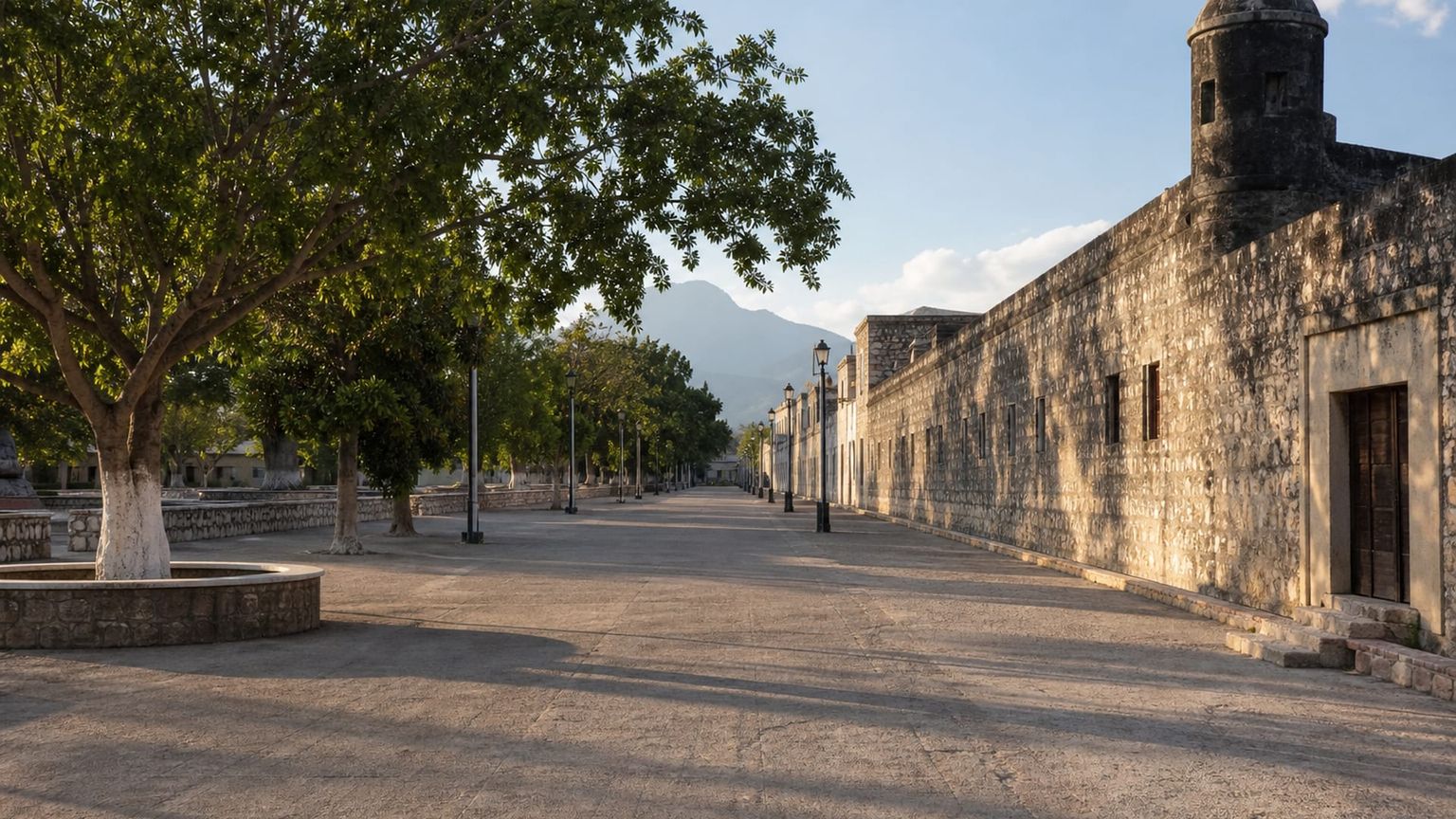
Vertières sits west of the center and is known for its residential streets and monument area tied to Haiti’s independence history. It gives you a more local base with easier parking and a shorter escape from the densest downtown traffic.
Best for: Travelers who want a quieter residential base, monument visits, and easier car access
What to expect: Residential blocks, light street activity, and fewer late-night crowds than downtown.
Hotel prices: Usually about $40 to $110 per night for well-rated stays
Distance to major sights: About 15 minutes by taxi to Place d’Armes and roughly 10 minutes to Vertières monument area
Quietness: Calmer in the day, and notably quieter after dark than the city center.
Main trade-off: You trade walkability for a quieter setting, so most meals, errands, and evening plans will need a taxi.
Good to know: If you are relying on rides, confirm the hotel can call one easily, because evening pickups are less immediate than in the center.
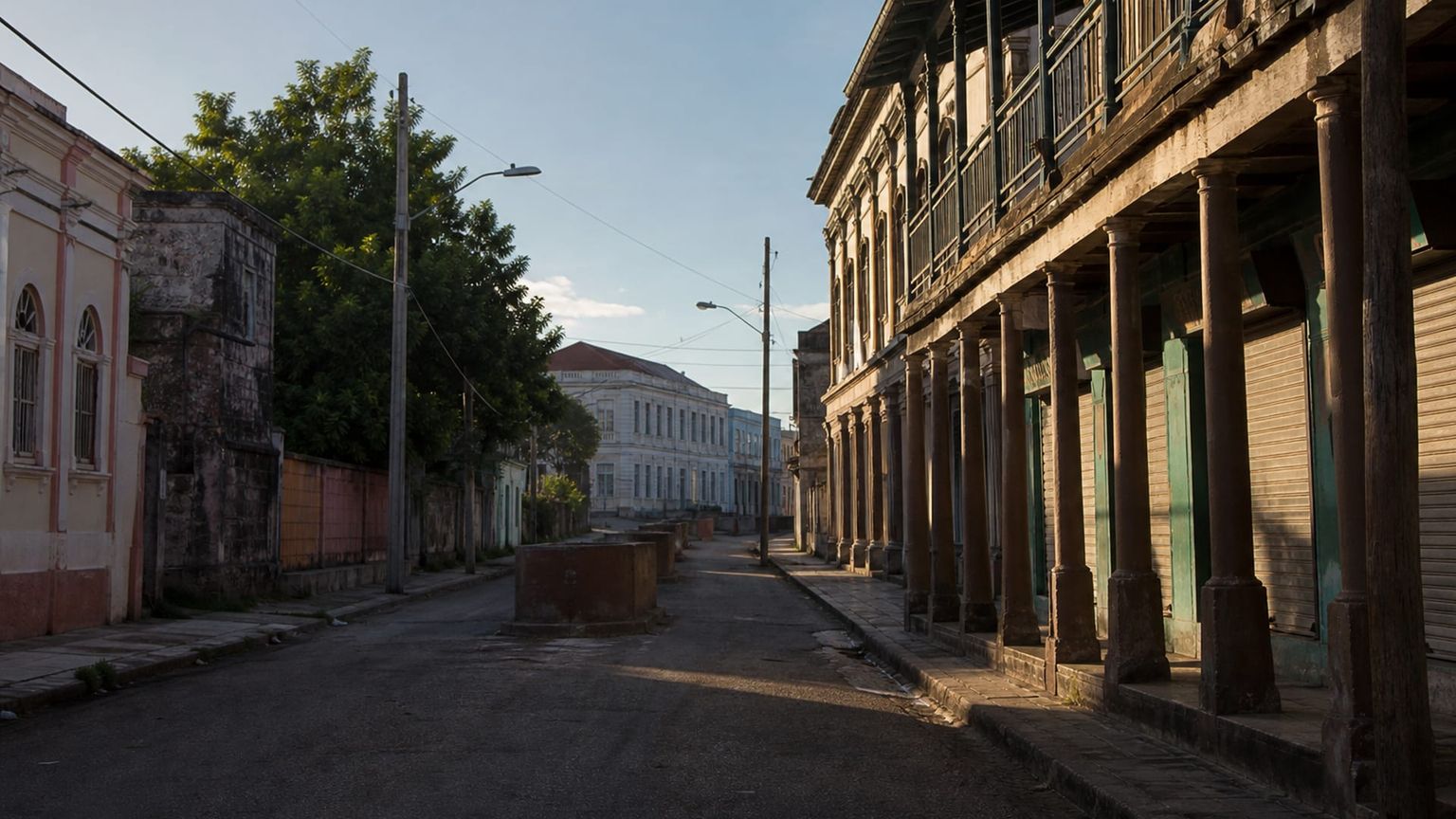
The Labadie corridor covers the coast north of Cap-Haïtien near the cruise and beach zone. It works for beach-focused stays and shore excursions, with more open space than the city center and quicker access to the waterfront.
Best for: Beach time, cruise stopovers, and travelers who prefer a coastal base over the downtown grid
What to expect: Low-density coastal road life, resort activity, and quieter evenings away from the city core.
Hotel prices: Usually about $80 to $220 per night for well-rated stays
Distance to major sights: About 25 to 35 minutes by taxi to Cap-Haïtien center and roughly 20 minutes to Labadie beach area
Quietness: Quiet during the day outside resort zones, and very quiet at night once excursion traffic ends.
Main trade-off: It is less convenient for city dining and errands, and transport costs rise if you go back and forth often.
Good to know: Book here only if your plans are beach-leaning, because evening restaurant choice and taxi frequency are both thinner than downtown.
Travelers usually avoid the industrial port zone near Cap-Haïtien’s harbor, because it is far from the main visitor sights and has limited hotel options. The inland outskirts along Route Nationale No. 1 toward Plaine du Nord are also less convenient, with fewer visitor amenities and longer evening travel back into the city center.
Hotel deals
How to get around Okap efficiently
Cap-Haïtien has no metro, so most visitors rely on buses, taxis, ride-hailing, and short walks between central stops.

Metro
for longer distances
Okap has no metro or subway. Use the suburban rail or regional bus links instead, because they cover the airport area better than any underground network would.

Bus and tram
for convenience
Buses serve the airport area, with local routes linking CAP to nearby neighborhoods and the main terminal area. Fares are usually about $1 to $3, and tickets or cards, when available, often stay valid for about 60 to 90 minutes, depending on the operator.

Taxi
for convenience or late hours
Licensed taxis at CAP usually use set airport fares or a meter, depending on the operator and time of day. Expect about $10 to $25 for nearby districts and about $25 to $40 for longer cross-city rides; ask the driver to confirm whether the trip is flat-rate or metered before departure, and pay in cash, card, or app-based payment where accepted.
*Prices are based on rates updated as of June 2026 and may change at the time of travel.
Use walking for the center, taxis for cross-town hops and the airport, and buses or ride-hailing when you want to keep costs down or avoid waiting at the curb.
Iconic landmarks

Cathédrale Notre-Dame d'Haïti
Port-au-Prince’s cathedral shell on Place Sainte-Anne marks the scale of the 2010 earthquake and the city center’s recovery. The ruined nave, broken towers, and open grounds make it one of the capital’s most visited urban landmarks.
Time needed: About 45 minutes to 1 hour
Entry: Free to access; no ticket is required, and visits are self-guided during daylight hours when the grounds are open.
Tip: Go early for softer light and fewer people, then pair it with a walk around Place Sainte-Anne.
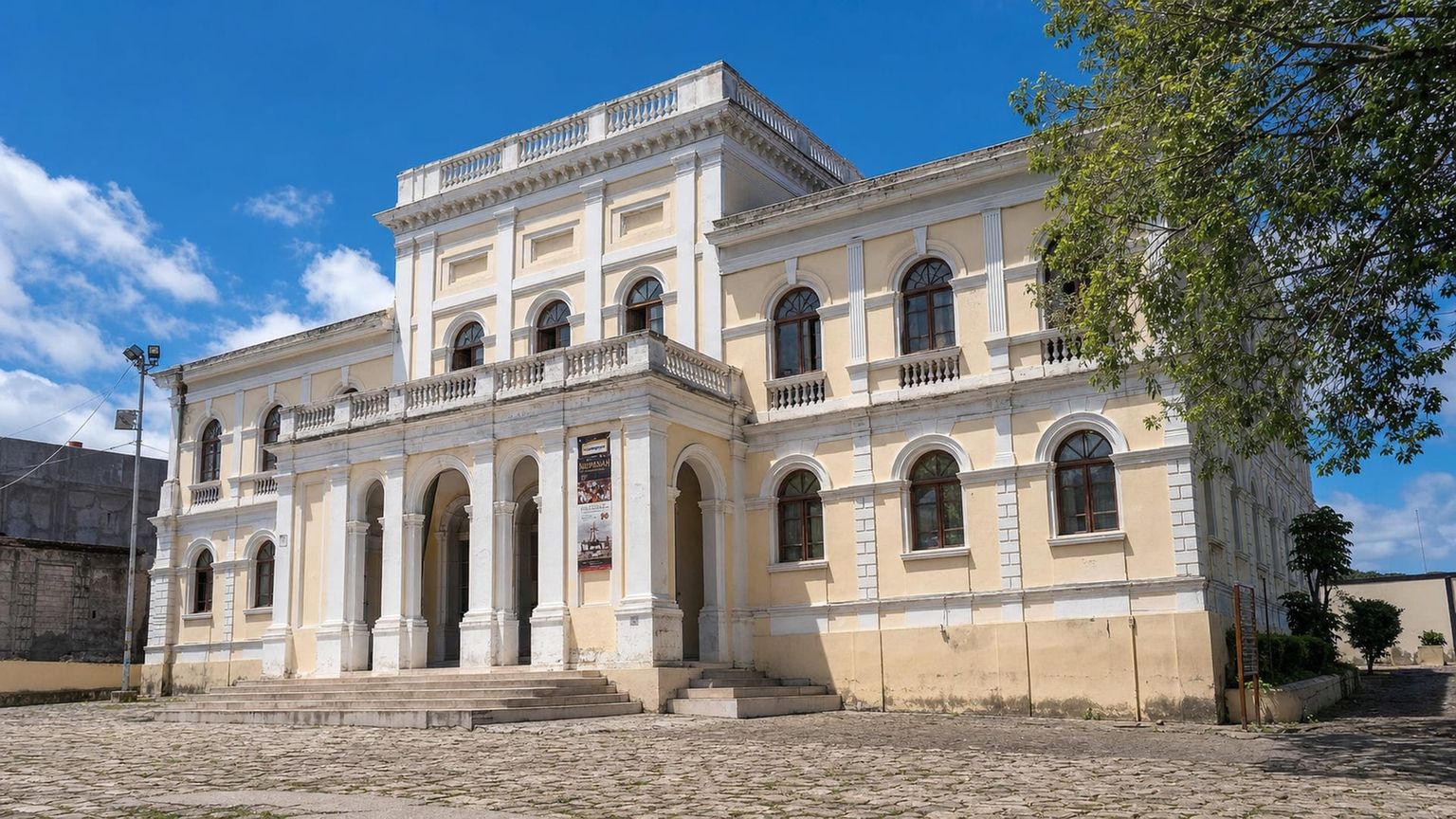
MUPANAH, Musée du Panthéon National Haïtien
This national museum traces Haiti’s history from independence through the modern era, with portraits, documents, and artifacts tied to revolutionary leaders. Its underground setting near the presidential quarter adds context to the exhibits.
Time needed: About 1.5 to 2 hours
Entry: Admission is about $5 to $10 (approximately 650 to 1,300 HTG) for adults, with lower rates for students and children. Visit the official site for details.
Tip: Visit in the morning, then leave time for the nearby National Palace area and center-city streets.
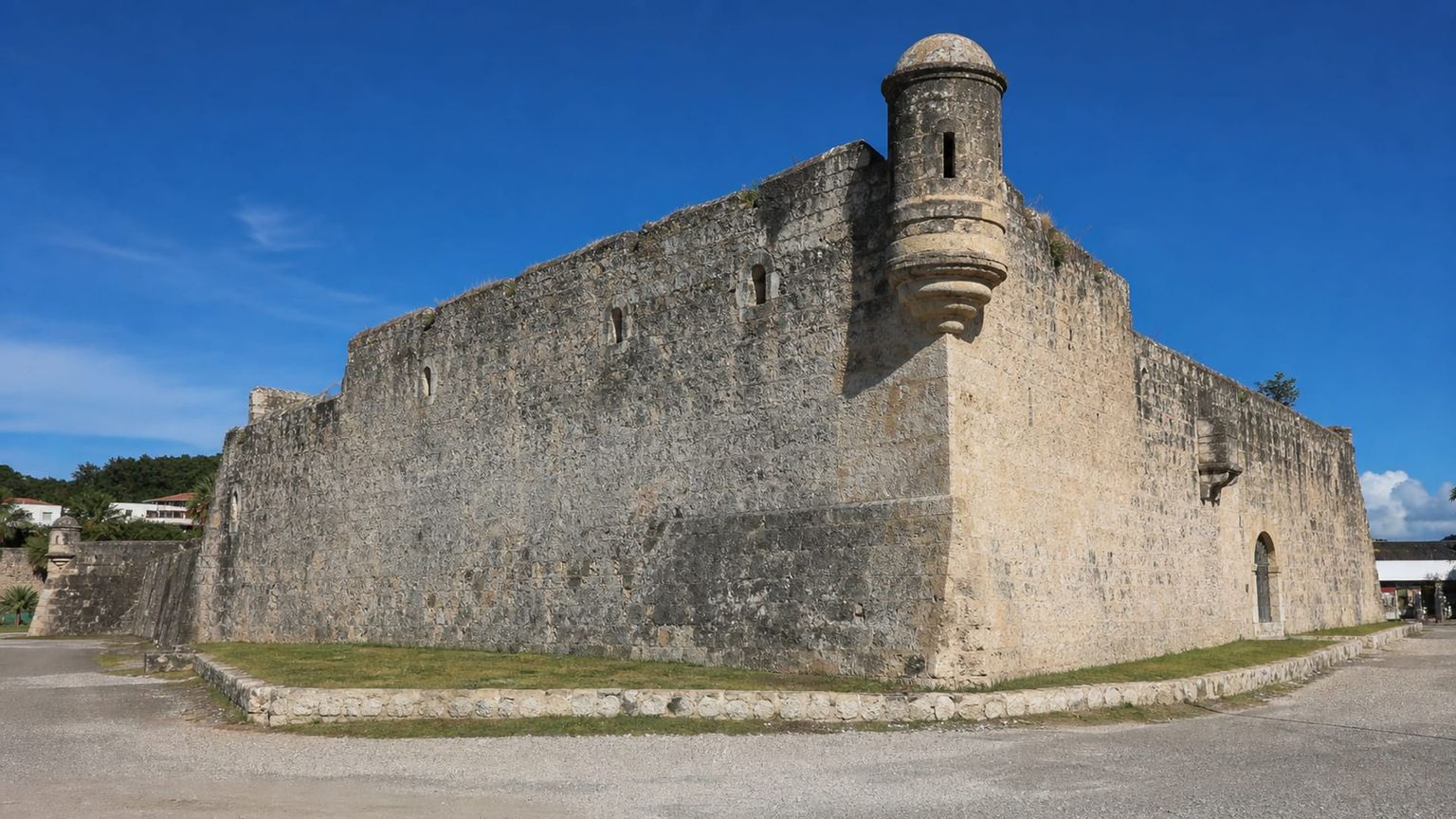
Fort Jacques
Built in the early 19th century above Pétion-Ville, Fort Jacques protects a ridge with wide views over the bay and the inland hills. Stone bastions, barracks ruins, and mountain air make it a clear counterpoint to the capital below.
Time needed: About 2 to 3 hours
Entry: Entry is about $2 to $4 (approximately 260 to 520 HTG), usually collected on site; expect extra transport costs from Port-au-Prince.
Tip: Wear sturdy shoes, because the final approach is steep and uneven after rain.
Overlooked sites worth visiting

Cerro de la Cruz
This hill above Aguadilla gives wide views over the bay, town, and Atlantic coast. A short climb leads to a cross-topped lookout, with benches and open air for an unhurried stop.
Time needed: About 45 minutes to 1 hour
Entry: Free to access. There is no admission fee for the lookout, and the site works well as a short stop if you want a high view without paying for a museum or guided visit. Bring water, since the climb has little shade and the path can feel hot by midday.
Tip: Go near sunset for cooler air and clearer bay views.

Museo de Arte de Aguadilla y del Caribe
Set in a compact downtown building, this museum shows Puerto Rican and Caribbean art in a small, manageable space. The collection gives a local counterpoint to the coast and adds context to the town.
Time needed: About 1 hour
Entry: Admission usually costs about $3 to $5. The museum is small enough to visit in a single stop, and the ticket price is low compared with larger island museums. Check current hours before going, because opening times can vary on holidays and some weekdays.
Tip: Visit in the morning, when the galleries are quietest.
Traditional food
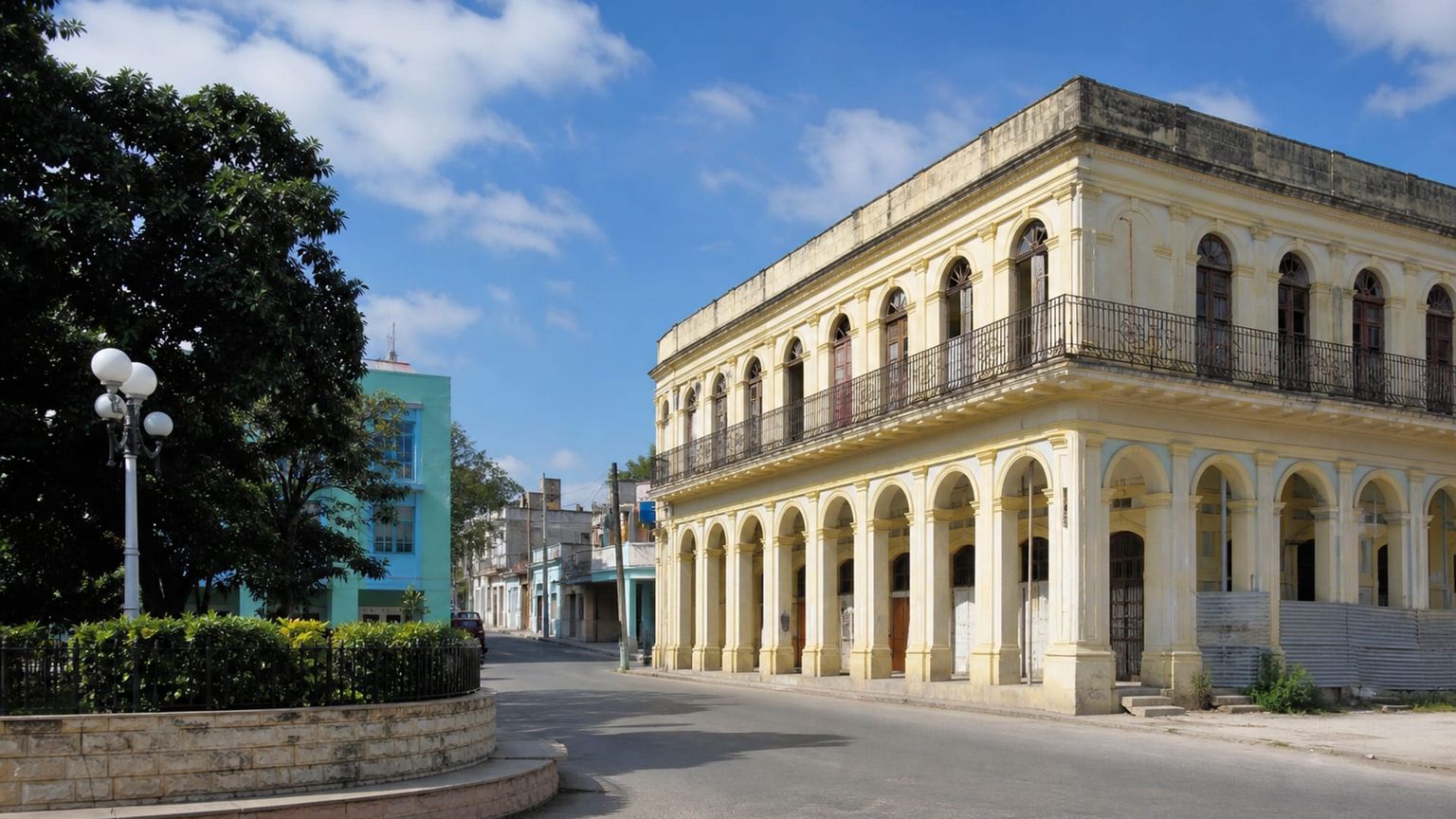
Okap’s food leans on jerk chicken, ackee and saltfish, curried goat, and festival, with heat, salt, and slow-cooked sauces shaping the plate. Lunch counters and hotel dining rooms both matter here, because many places close early.
Jerk chicken
Charred, peppery, and usually served with rice and beans, this is the easiest first order when you want a familiar Haitian-Caribbean plate. Lakay, a well-known Cap-Haïtien dining room, is a strong place to start.
Ackee and saltfish
Ackee brings a soft, buttery texture that balances the salted fish and onions, making this a classic breakfast or lunch dish. Try it at L’Auberge du Vieux Port, where the kitchen handles local staples well.
Curried goat
Slow-cooked goat carries warm spice and a richer sauce, often served with rice, plantains, or bread for soaking. Cap Deli often appears on local shortlists for a dependable plate in the center.
Festival
These lightly sweet fried dumplings work as a side with grilled meat or fish, and they also suit a snack stop between sights. Restaurant Barbeque is a natural match if you want the dish alongside a casual local meal.
Best time to visit Okap
Cap-Haïtien stays warm year-round, but rain, humidity, and hurricane-season storms make some months better for beach time and cross-town sightseeing than others.
Best for: Best for drier days and the cleanest conditions for city sightseeing
What you get: About 77°F to 86°F (25°C to 30°C), with lighter crowds than peak holiday weeks and generally easier movement around town
Trade-offs: Even the dry season can still bring humid afternoons
Best for: Best for museum time, center-city walks, and manageable daytime heat
What you get: About 79°F to 88°F (26°C to 31°C), with moderate visitor numbers and a steady pace in most districts
Trade-offs: Short showers become more common as the season progresses
Best for: Best for beach hours in Labadie and long shoreline breaks
What you get: About 81°F to 90°F (27°C to 32°C), with fewer crowds on some weekdays but heavier heat through midday
Trade-offs: Humidity can make afternoon walking less comfortable
Best for: Best for flexible travelers who can work around stormier weather windows
What you get: About 79°F to 88°F (26°C to 31°C), with lighter tourist traffic and variable conditions
Trade-offs: Rain and tropical systems can disrupt day plans
A realistic 5-day plan in Okap
The five-day plan below keeps the city center at the core, then adds Vertières, the waterfront, and Labadie in a sequence that cuts back on unnecessary backtracking.
Land at Cap-Haïtien (CAP) and take a taxi into Cap-Haïtien center, which usually takes about 15 minutes and costs roughly $10 to $20. Check in near the market streets or the waterfront, then keep dinner simple with a nearby spot in the center so you can hydrate, settle in, and avoid a long evening ride after the flight.
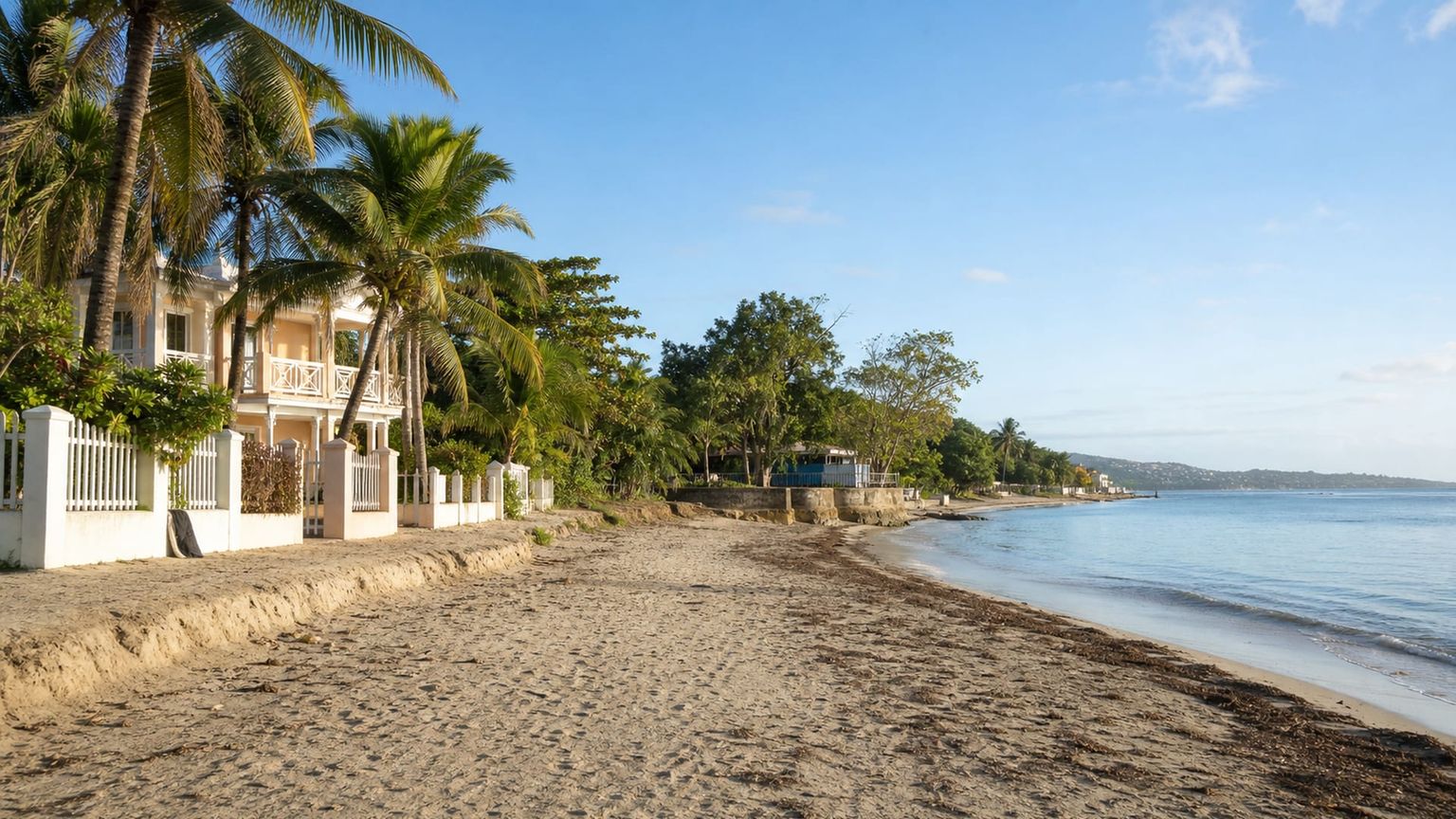
Start at MUPANAH, Musée du Panthéon National Haïtien in the morning, where admission is about $5 to $10 and the visit takes about 1.5 to 2 hours. From there, walk or take a short taxi to Cathédrale Notre-Dame d’Haïti, which is about 10 to 15 minutes away depending on traffic, then continue on foot toward Place Sainte-Anne and the surrounding center streets. Finish with lunch in Cap-Haïtien center, so you stay close to your hotel before the afternoon traffic builds.
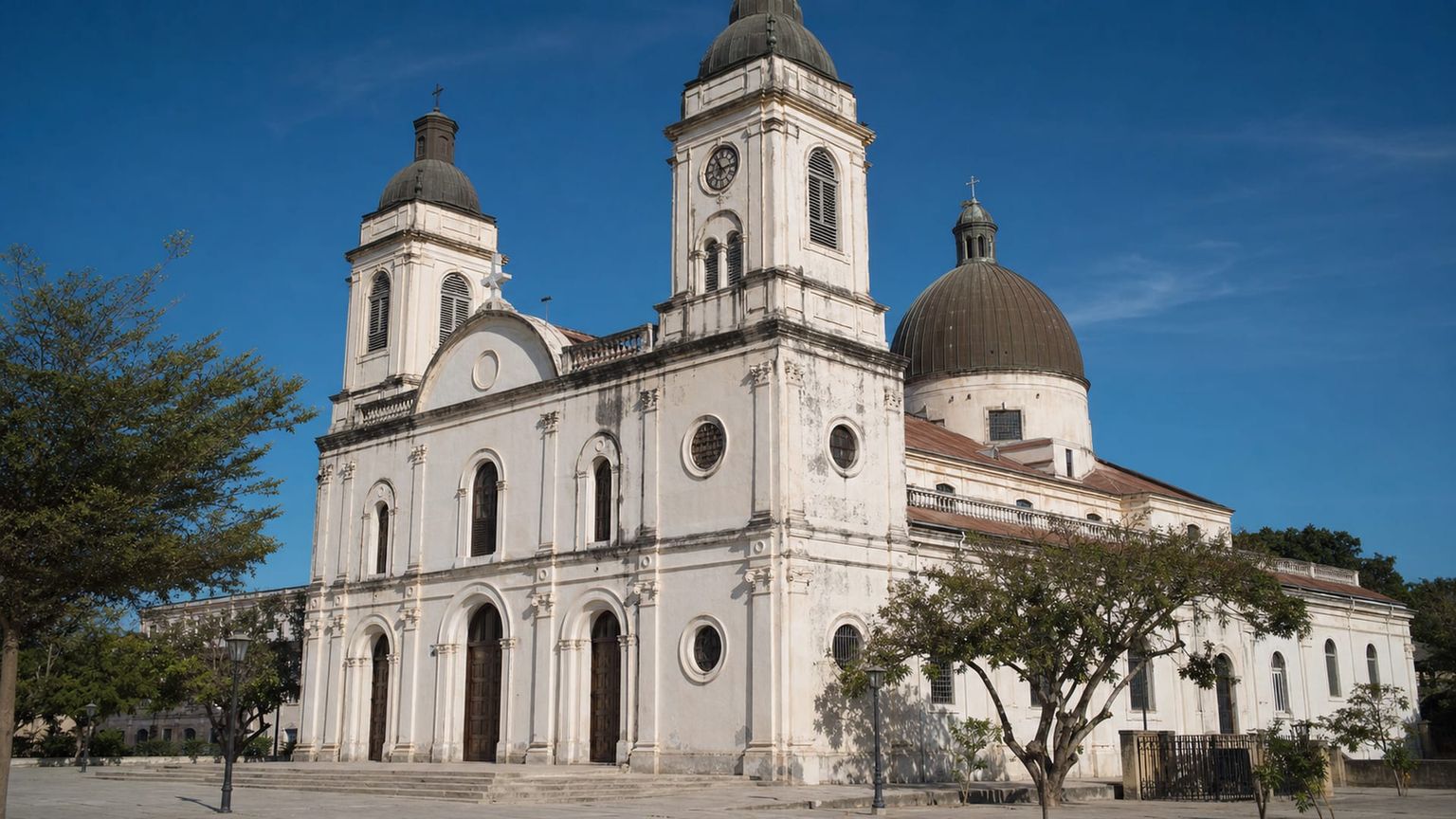
Begin in Vertières, about 10 minutes by taxi from the center, and spend time at the monument area tied to Haiti’s independence history. After that, return downtown for a slower walk through Cap-Haïtien center, with the market streets and colonial-era blocks within easy reach on foot. End the day on the waterfront, where a taxi from the center usually takes about 15 minutes, and plan dinner back near your base to avoid late cross-town trips.

A taxi from Cap-Haïtien center to the Labadie corridor usually takes about 25 to 35 minutes, so head out early if you want a full coastal day. Spend the morning by the beach zone, then keep the middle of the day low-key with time near the shore before returning inland. If you want one more visual stop before dinner, stop again at the waterfront in town on the drive back, then have an early meal in the center or along the coast if your hotel offers it.
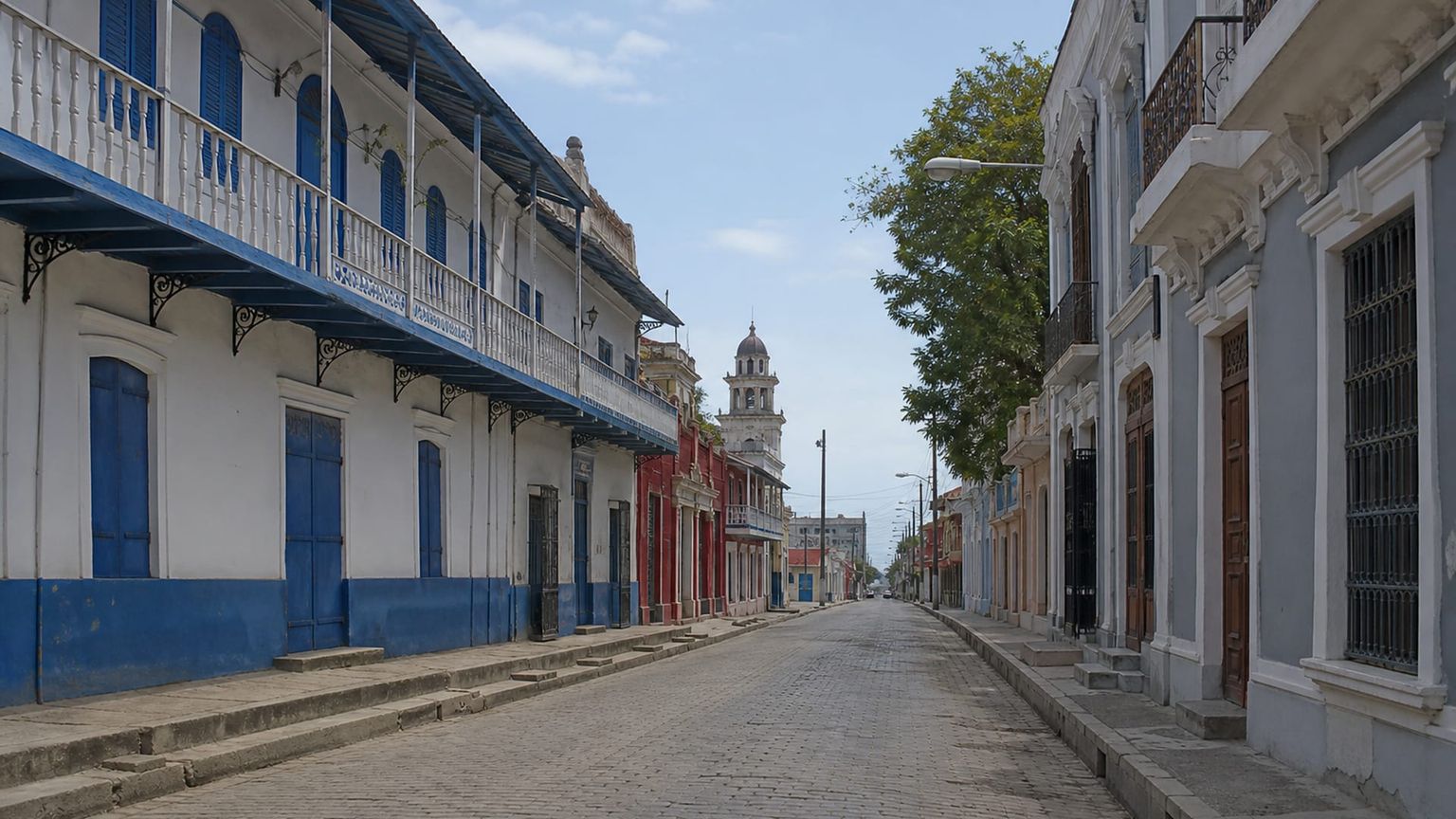
Finish with a short, easy day in Cap-Haïtien center, starting with a final pass through the market streets for shopping and souvenirs. If you have time for one last museum-style stop, return to MUPANAH for a second look at any galleries you missed, then settle into a café near the center for coffee before your transfer. Aim for a taxi back to Cap-Haïtien (CAP) with at least 2 hours to spare, since traffic can slow the route even on a short departure run.
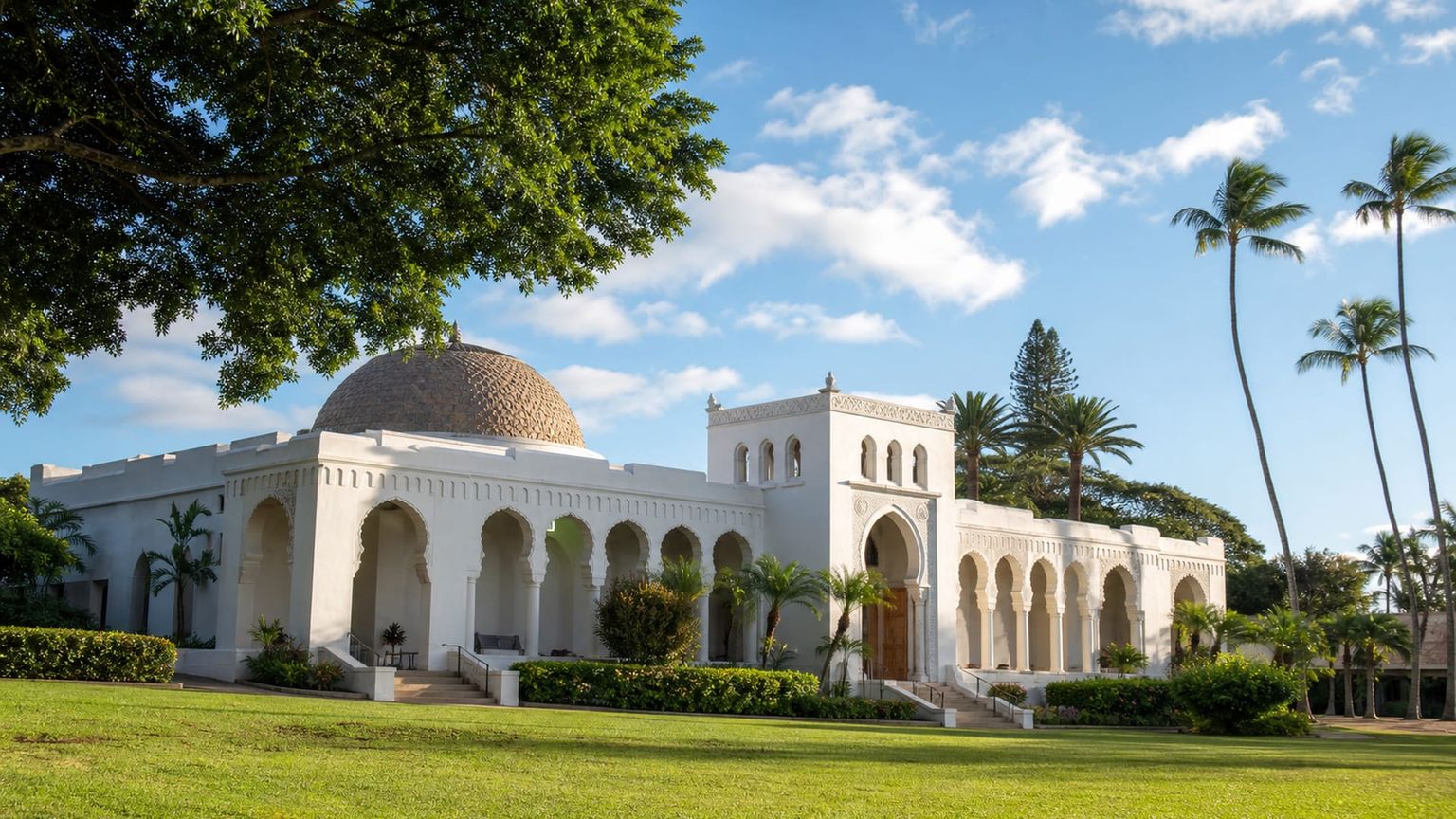
Business-class flights from the US to Okap
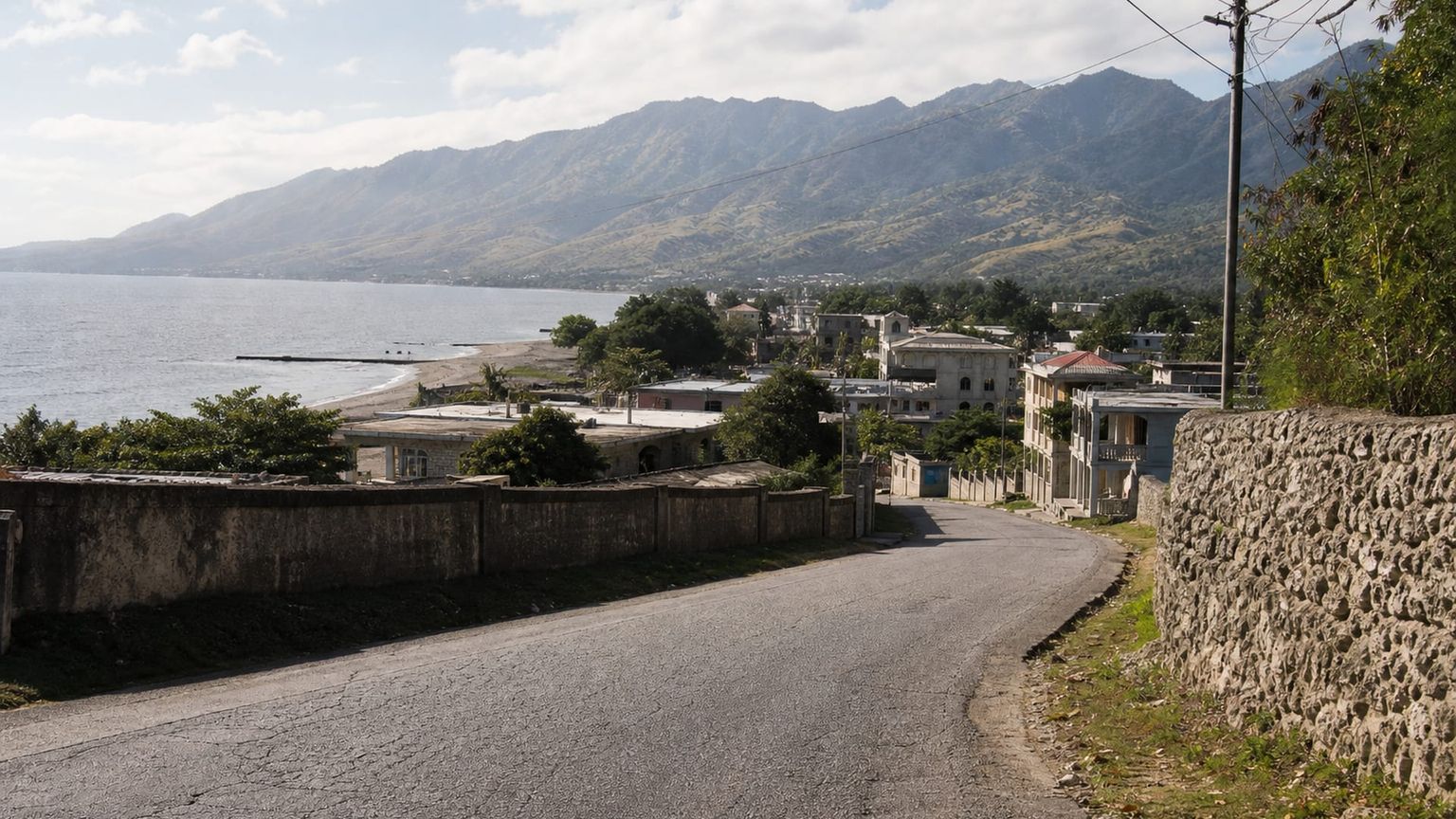
Long-haul flights into Cap-Haïtien usually connect through major hubs, so the two examples below focus on the most common one-stop patterns from New York and Los Angeles. Prices shift with season and connection time, but the duration and layover structure tend to matter most.
From New York, carriers such as Turkish Airlines, Qatar Airways, Emirates, Ethiopian Airlines, and Royal Air Maroc usually price trips at about $3,800 to $6,500 round-trip. Common connections run through IST, DOH, DXB, ADD, or CMN, and total travel time is typically 18 to 28 hours.
Los Angeles departures most often route via IST, DOH, DXB, or ADD on Turkish Airlines, Qatar Airways, Emirates, or Ethiopian Airlines. Expect about $3,600 to $6,200 round-trip, with total journey times usually in the 18 to 30 hour range.
Okap feels different when you slow down
A deliberate Okap trip usually stays close to the market streets, Place Sainte-Anne, Vertières, and the waterfront, then saves Labadie for the day that can absorb a longer taxi ride. That pace leaves room for museum visits, an early dinner, and a clean airport transfer from Cap-Haïtien (CAP). If you want help turning those pieces into a booking plan, AranGrant experts can help you line up the route







