

Chapters:

Need help with your trip?
Our support team is available 24/7. Request a callback or call us directly at (833) 619-0908
Oaxaca is a city of layered traditions, where food, craft, architecture, and daily life stay closely connected. In Centro Histórico, churches, markets, courtyards, and museums sit within a compact street grid, while neighborhoods such as Jalatlaco and Xochimilco add murals, workshops, cafés, and a more residential pace.
Beyond the center, Monte Albán and Hierve el Agua bring very different experiences, from Zapotec archaeology to mineral formations above the valley. Back in the city, meals stretch from market snacks and tlayudas to long lunches built around mole and mezcal.
Five days give you enough time to see the major sights without crowding every hour. This article covers where to stay, what to eat, how to get around, when to visit, and how to plan the trip from the US.
Useful things to know

Main language(s): Spanish
Hola (OH-lah) – Hello
Por favor (por fah-VOR) – Please
Gracias (GRAH-syahs) – Thank you
¿Habla inglés? (AH-blah een-GLEHS) – Do you speak English?
¿Cuánto cuesta? (KWAHN-toh KWEHS-tah) – How much does it cost?

Currency: Mexican peso (MXN, $)

Cash and cards: Cards are accepted at many hotels, restaurants, and larger stores, but keep pesos for markets, taxis, street food, and smaller businesses.

Tipping: Leave 10% to 15% at restaurants and bars for good service. Tipping is voluntary, and a small tip for taxi drivers or hotel staff is common.

Traditional food: Oaxaca is known for mole negro, tlayudas, chapulines, and memelas.

Water and coffee costs: Bottled water costs MXN 35 to MXN 60 ($1.90 to $3.30), while an espresso is usually MXN 25 to MXN 60 ($1.40 to $3.30).

Taxis and ride apps: Uber and DiDi operate in Oaxaca. At Oaxaca International Airport (OAX), authorized airport taxis are the main official ground-transport option.

Plug and voltage: Type A and B sockets, 127V, 60Hz. US plugs usually fit, but check that your device accepts the local voltage.

Dining and shop opening hours: Breakfast often begins around 7:00 am, lunch from 1:00 pm, and dinner from 7:00 pm. Many central restaurants stay open through the afternoon.

Emergency number: Dial 911 for police, fire, ambulance, or civil protection.
Where to stay in Oaxaca
Centro Histórico contains Oaxaca’s Zócalo, Cathedral, Santo Domingo, Benito Juárez Market, museums, restaurants, and much of its colonial architecture. Most central sights are walkable, while hotels range from simple courtyard properties to boutique options in restored historic buildings.
Best for: First-time visits, sightseeing, and easy access to restaurants and museums
What to expect: Busy pedestrian streets by day, with steady dining and hotel traffic after dark.
Hotel prices: Usually about $80 to $220 per night for well-rated stays
Distance to major sights: 5 to 10 minutes on foot to the zócalo and Oaxaca Cathedral
Quietness: Noisiest near the main plazas and restaurant blocks; quieter on side streets and upper floors at night.
Main trade-off: Central location brings more foot traffic, street noise, and higher rates than outer neighborhoods.
Good to know: During Guelaguetza and Día de Muertos, parades and public events fill central streets, so check hotel access and room location before arrival.
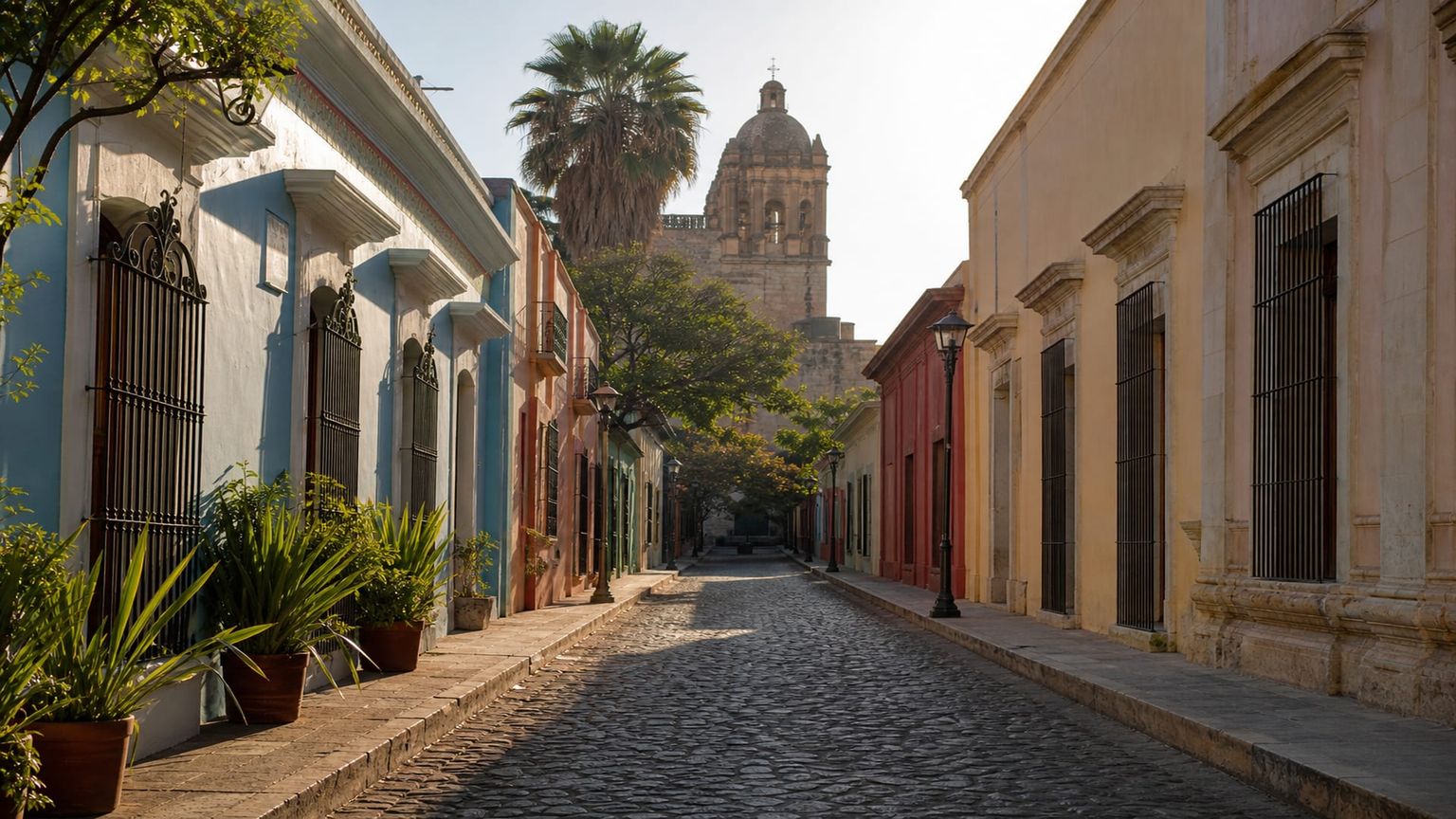
Jalatlaco is a compact historic neighborhood east of Centro, known for cobblestone streets, colorful façades, murals, cafés, and the Templo de San Matías. It keeps you within walking distance of central Oaxaca while offering a more residential setting than the streets around the Zócalo.
Best for: Couples, café hopping, and travelers who want a quieter base near Centro
What to expect: Residential streets with local foot traffic, a few cafes, and more of a neighborhood pace than the zócalo.
Hotel prices: Usually about $90 to $240 per night for well-rated stays
Distance to major sights: 15 to 20 minutes on foot to the zócalo; about 5 to 10 minutes by taxi to the historic center
Quietness: Calmer than Centro in the day and evening, though a few restaurant blocks stay active after dinner.
Main trade-off: You will walk a little farther for major sights, and the best rooms can book quickly in high season.
Good to know: Check whether your hotel has parking if you are driving, and choose an interior or side-street room if nighttime street noise concerns you.
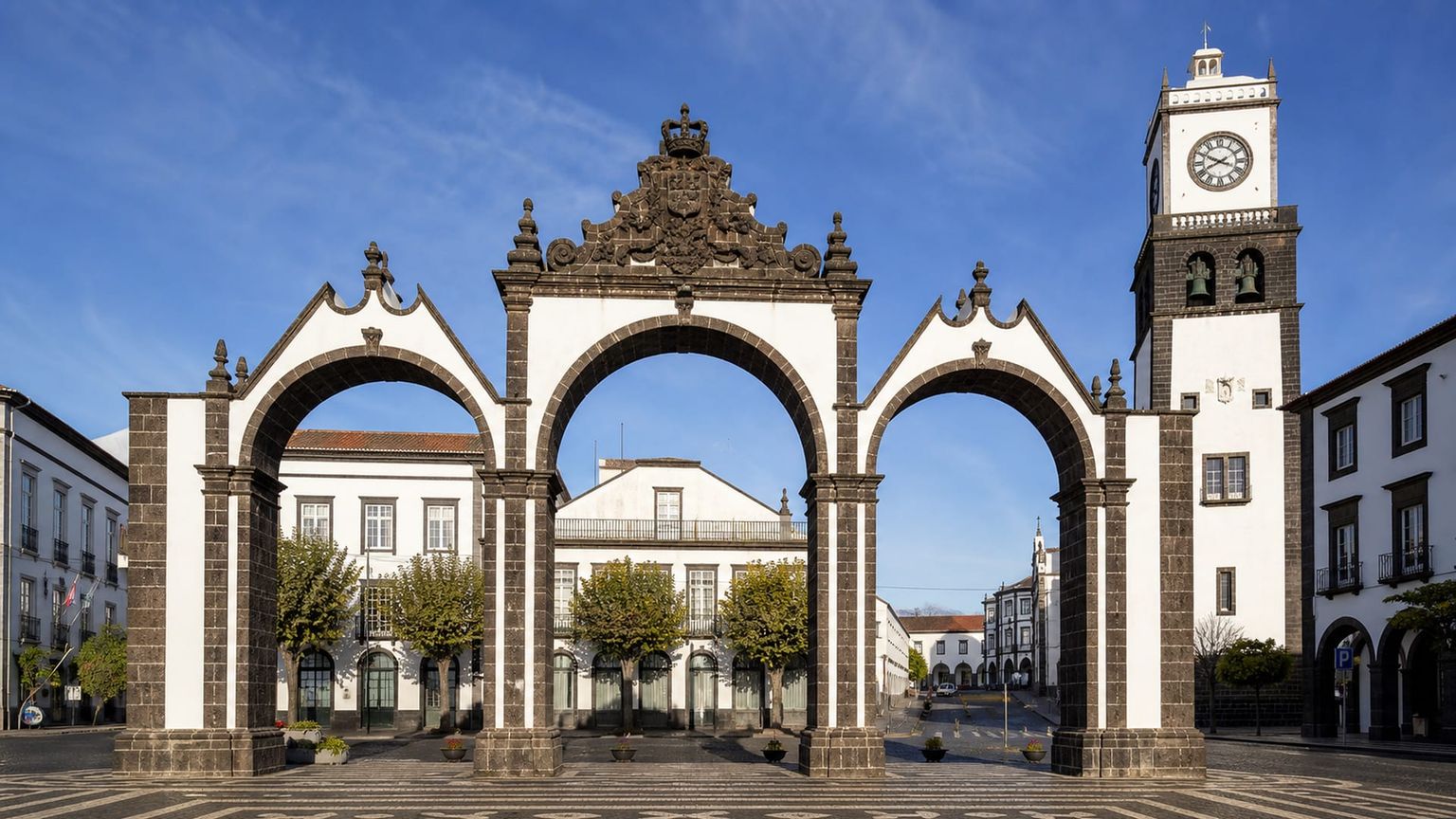
Reforma is a residential and commercial neighborhood north of Centro, with wider streets, restaurants, cafés, shops, and several midrange hotels. Santo Domingo and the Zócalo remain within a short taxi ride, while many blocks have a residential feel and regular local traffic each day.
Best for: Longer stays, travelers with a car, and visitors who want newer hotels
What to expect: Broad streets, more traffic than foot traffic, and a more residential feel than the historic center.
Hotel prices: Usually about $70 to $180 per night for well-rated stays
Distance to major sights: 10 to 15 minutes by taxi to the zócalo; about 20 to 25 minutes to the Santo Domingo area on foot
Quietness: Quieter than Centro in the evening, though main avenues can stay busy with traffic.
Main trade-off: You trade a central walkable setting for more time in taxis and fewer landmark-side evening options.
Good to know: Check the exact hotel location before booking, since Reforma covers a broad area and walking times to Centro vary noticeably by block.
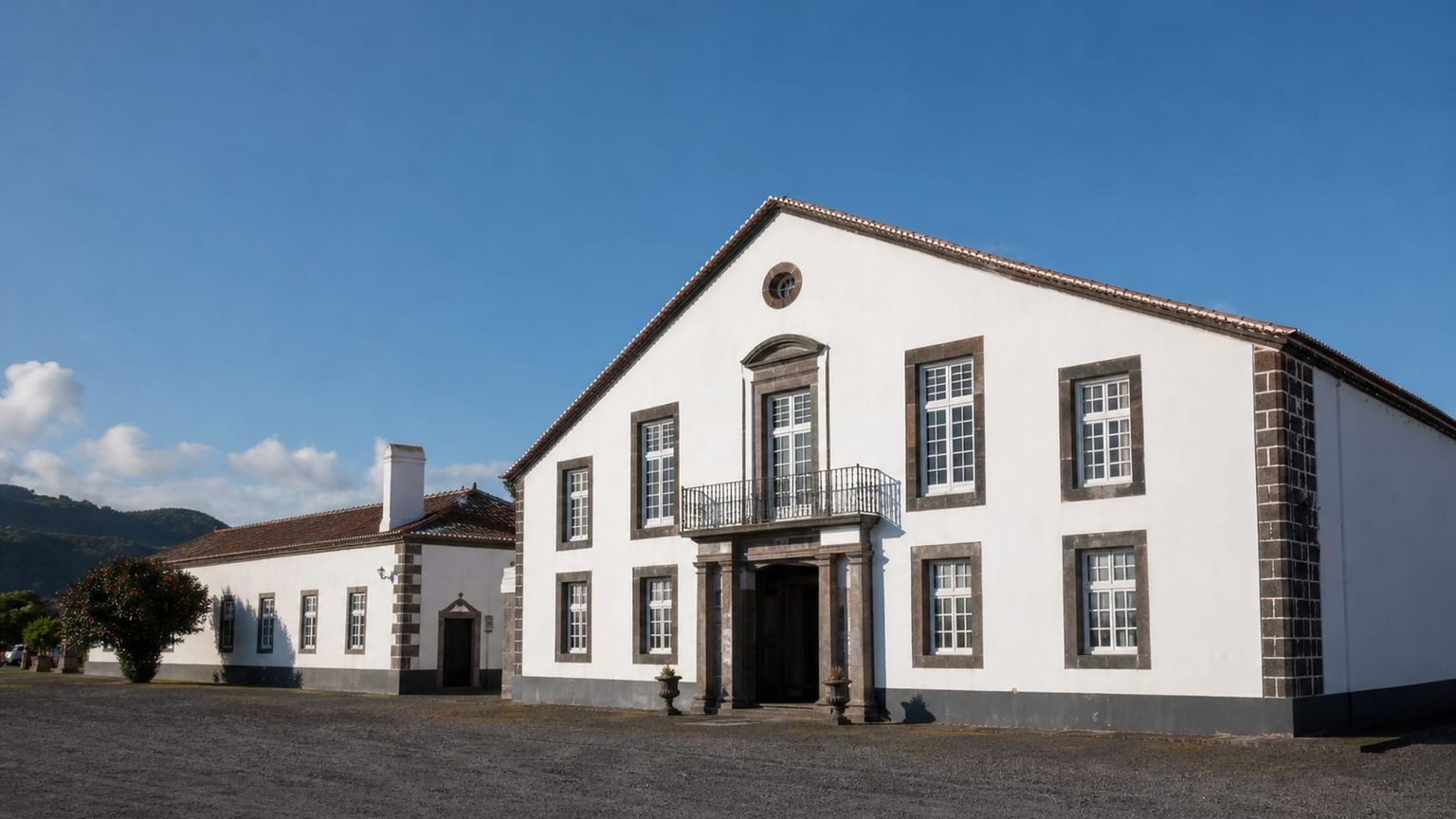
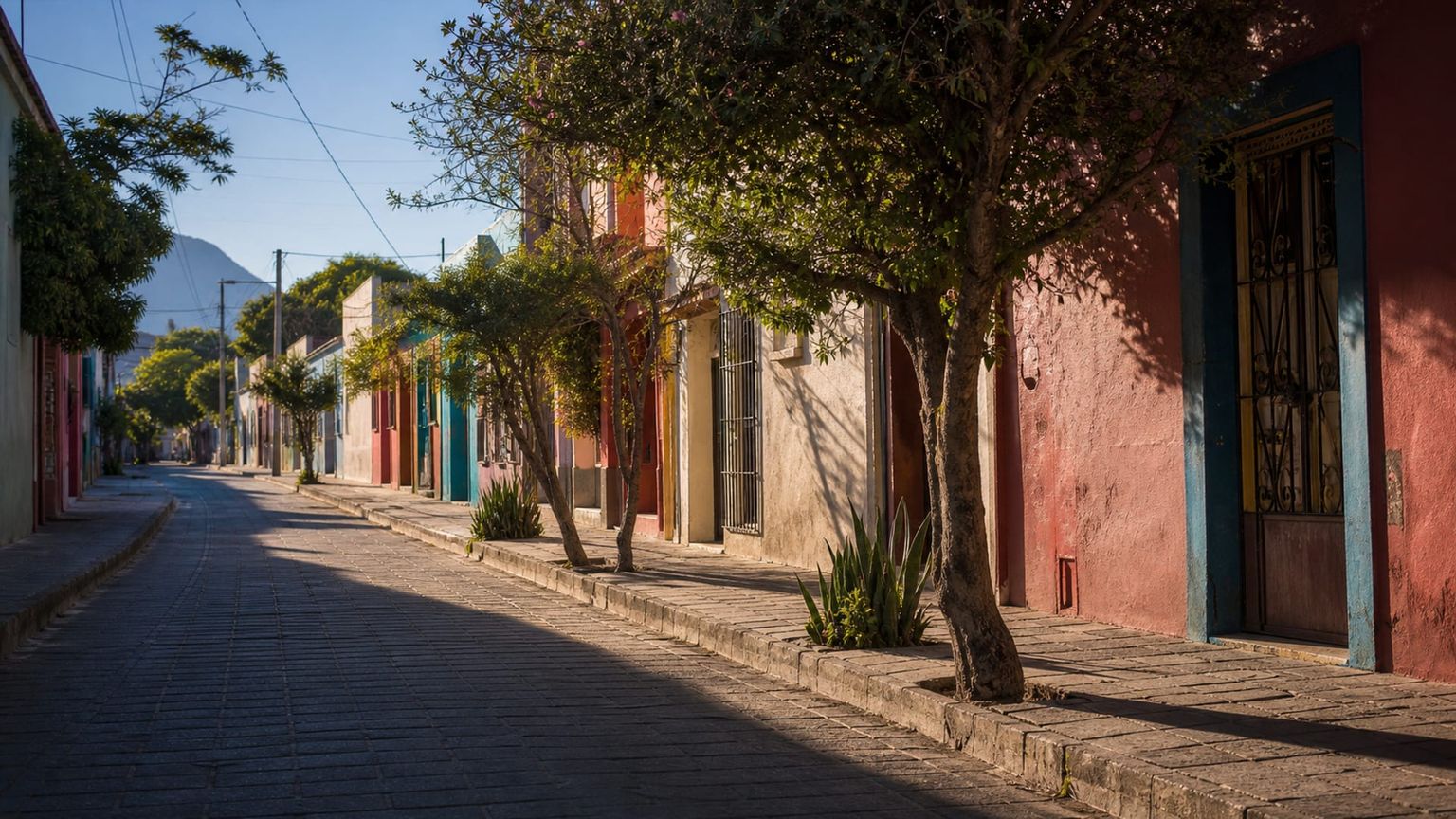
Xochimilco is one of Oaxaca’s traditional barrios, just north of Centro, with cobblestone streets, the 18th-century Los Arquitos aqueduct, textile workshops, local shops, and residential blocks. Its southern edge lies only a few blocks from Santo Domingo, so much of central Oaxaca remains walkable.
Best for: Repeat visitors, longer stays, and travelers who prefer a residential setting
What to expect: Low-key street life, local shops, and fewer visitors than the central districts.
Hotel prices: Usually about $60 to $150 per night for well-rated stays
Distance to major sights: About 10 to 15 minutes by taxi to the zócalo
Quietness: Generally quieter than Centro both day and evening, with only modest neighborhood noise.
Main trade-off: It is less convenient for walking to attractions, so you will rely on taxis or ride-hailing more often.
Good to know: Check the exact hotel address before booking; properties near Los Arquitos can put Santo Domingo and central Oaxaca within an easy walk.
Travelers focused on central sightseeing usually avoid Santa Rosa Panzacola, outer San Felipe del Agua, and Villa de Zaachila. They add daily travel to Centro, while hotels closer in keep museums, markets, and restaurants easier to reach.
Hotel deals
How to get around Oaxaca efficiently
Oaxaca has no metro or tram system, so buses, taxis, ride apps, and airport transport cover most trips beyond Centro and nearby neighborhoods each day.

BinniBus
for low-cost cross-town trips
BinniBus covers Centro, Reforma, and many outer neighborhoods, with routes operating across the metropolitan area. The official adult fare is MXN 8 ($0.45) per ride, making it the lowest-cost option when you don’t need a direct trip or a fixed arrival time.

Taxi and rideshare services
for direct trips and late hours
Street taxis and ride apps suit direct trips, luggage, and late evenings. Short rides commonly cost MXN 70 to MXN 150 ($3.90 to $8.30). Agree on the taxi fare before boarding, or use Uber or DiDi to see the quoted price in the app.

Airport taxi and shared van
for airport transfers
For rides from Oaxaca International Airport (OAX), book authorized transport inside arrivals. A shared van, locally called a colectivo, costs MXN 140 ($7.70) to Centro, while a private airport taxi is about MXN 510 ($28.20). The shared van may stop at several hotels.
*Prices are based on rates updated as of October 2026 and may change at the time of travel.
Use BinniBus for low-cost cross-town trips, taxis or ride apps for direct travel, and authorized airport transport for arrivals and departures at OAX.
Iconic landmarks
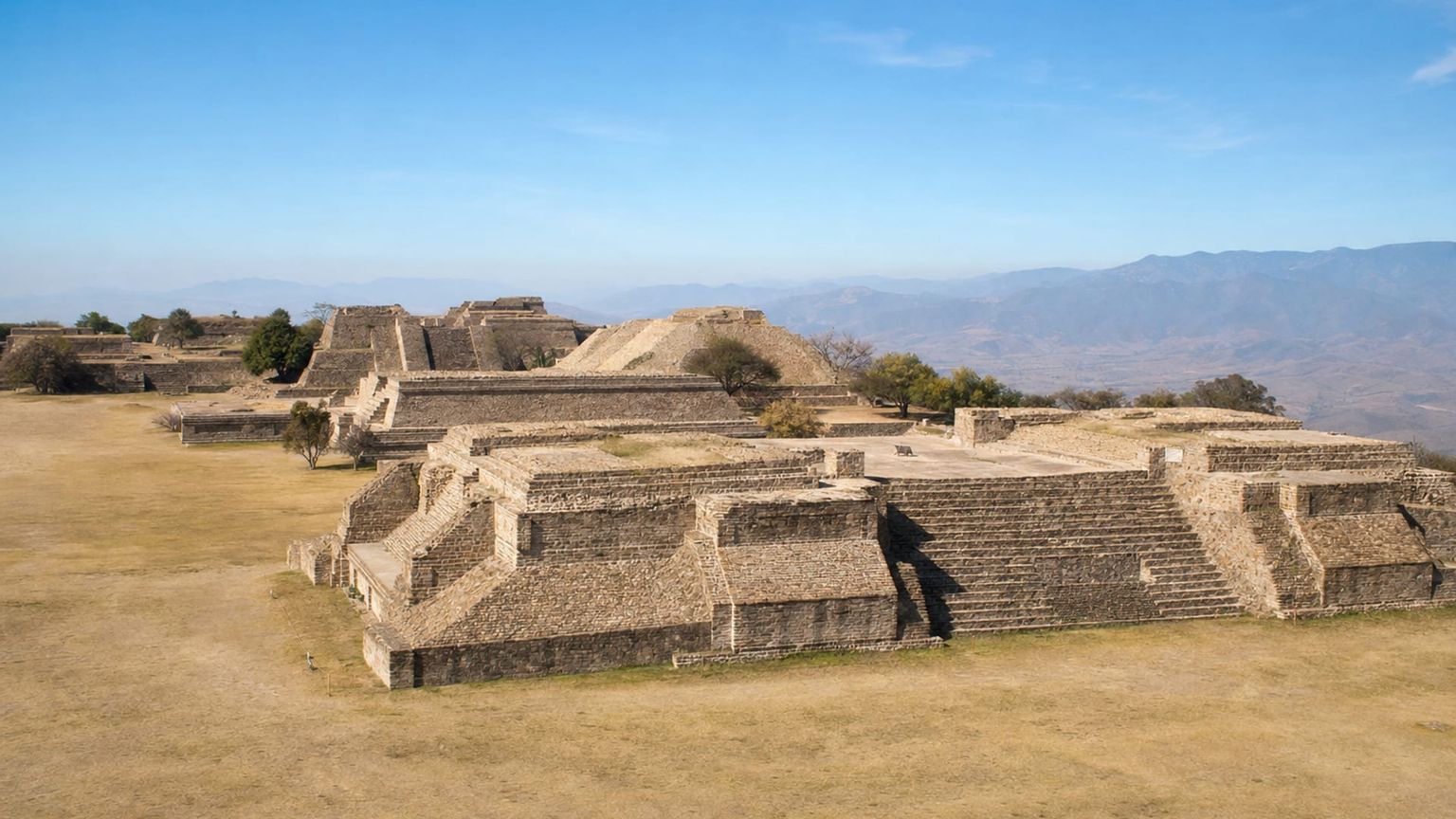
Monte Albán
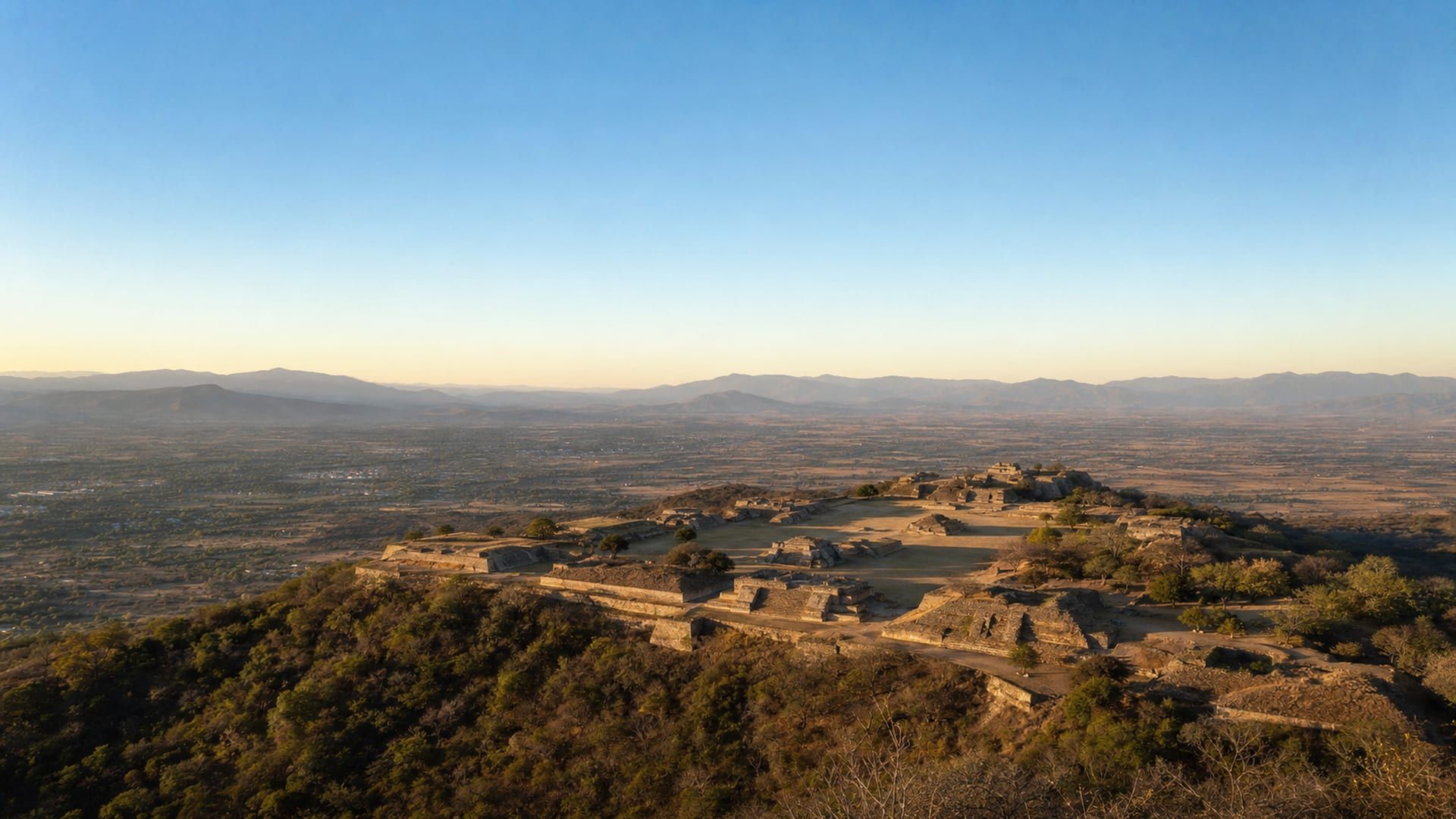
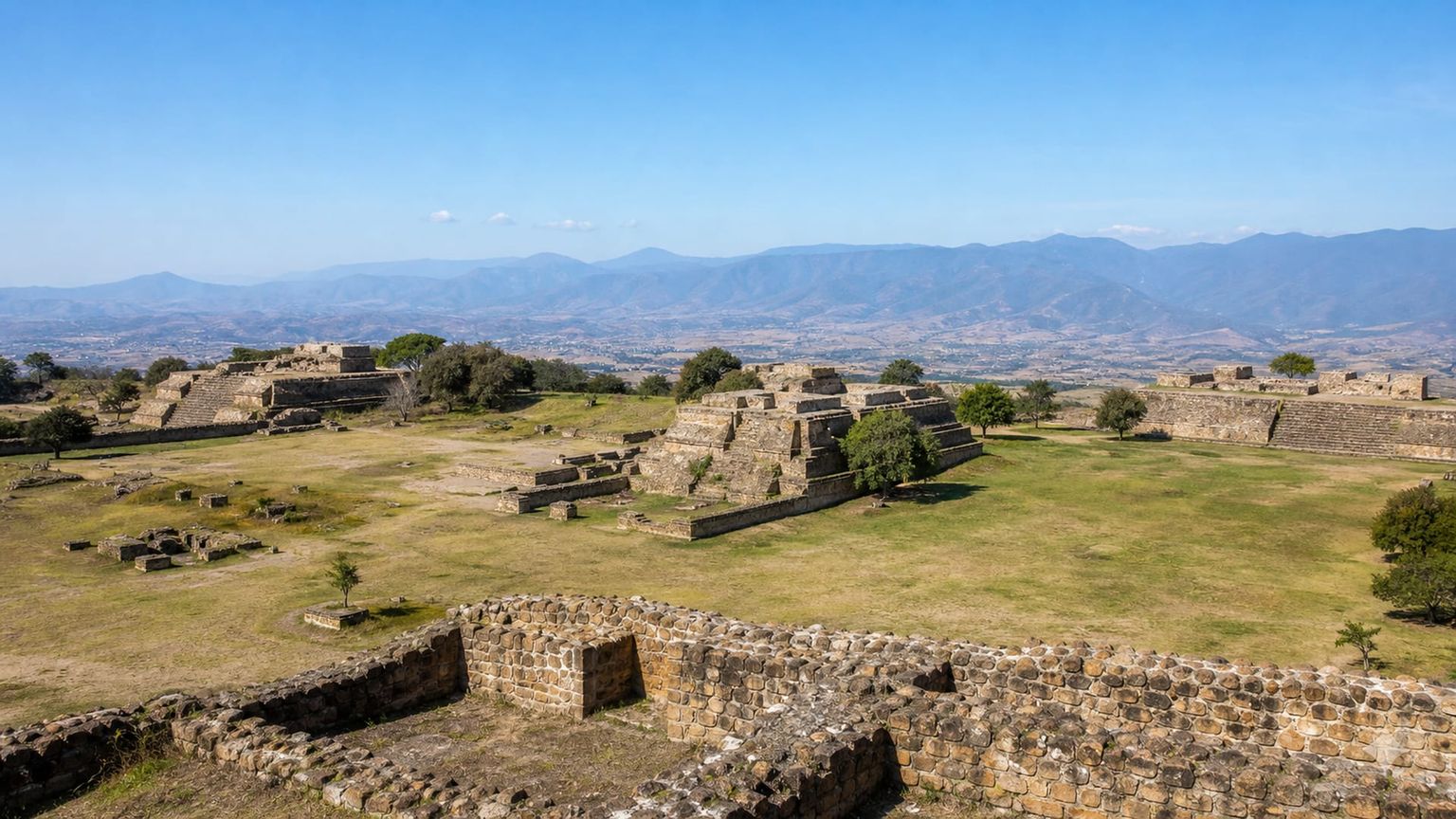
Monte Albán rises above the Oaxaca Valley on a mountaintop leveled by the Zapotecs. Its Great Plaza, temples, ball court, carved Danzantes, tombs, and raised platforms trace more than a millennium of political and ceremonial life, with broad valley views between the ruins.
Time needed: About 2 to 3 hours
Entry: Admission costs $6 ($100 MXN) for foreign adults; Mexican citizens and residents pay $3 ($65 MXN), with reduced rates for students and seniors. Visit the official site for details.
Tip: Go near opening and bring sun protection; much of the archaeological zone is exposed.
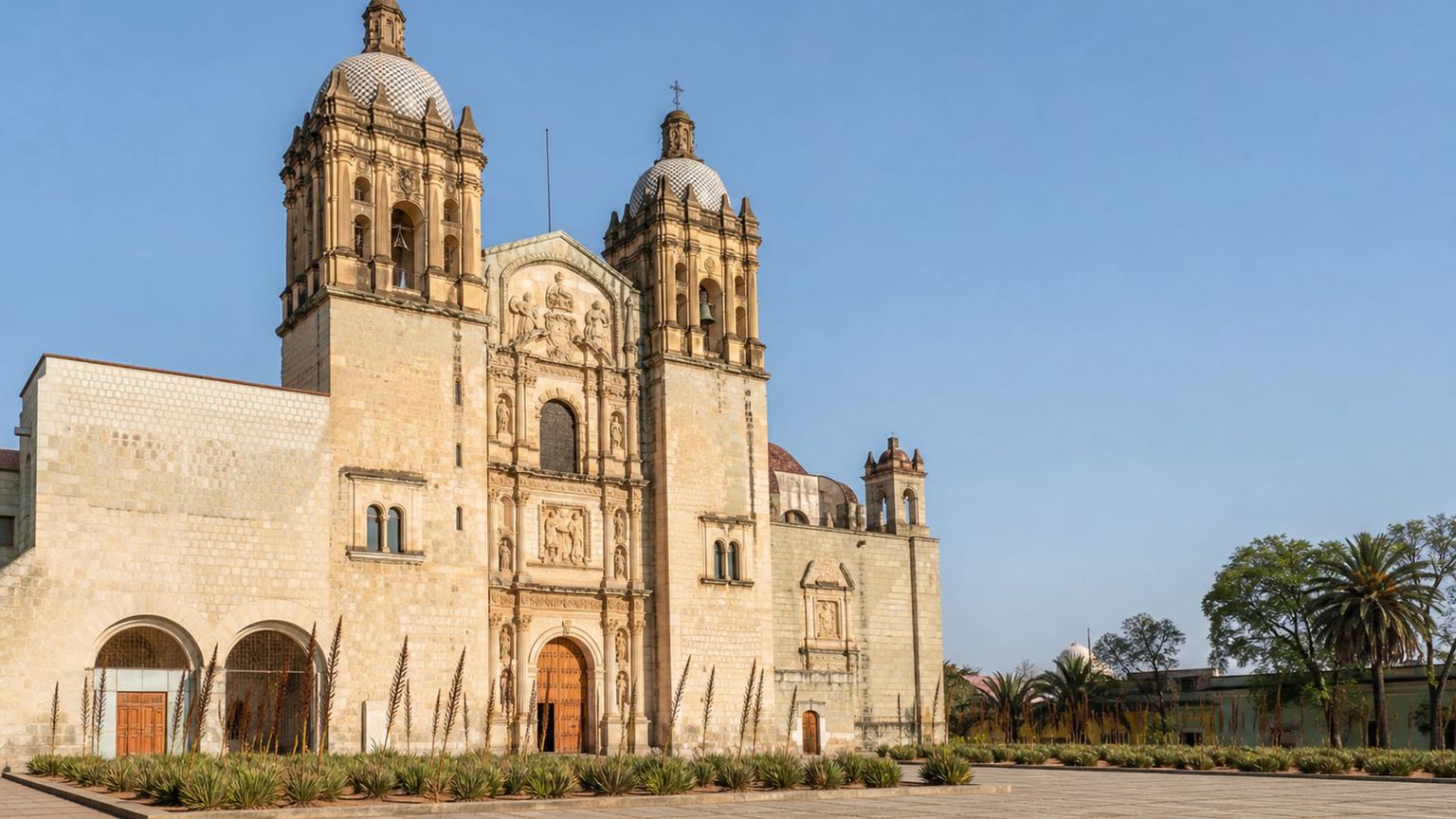
Santo Domingo de Guzmán Church and ex-convent
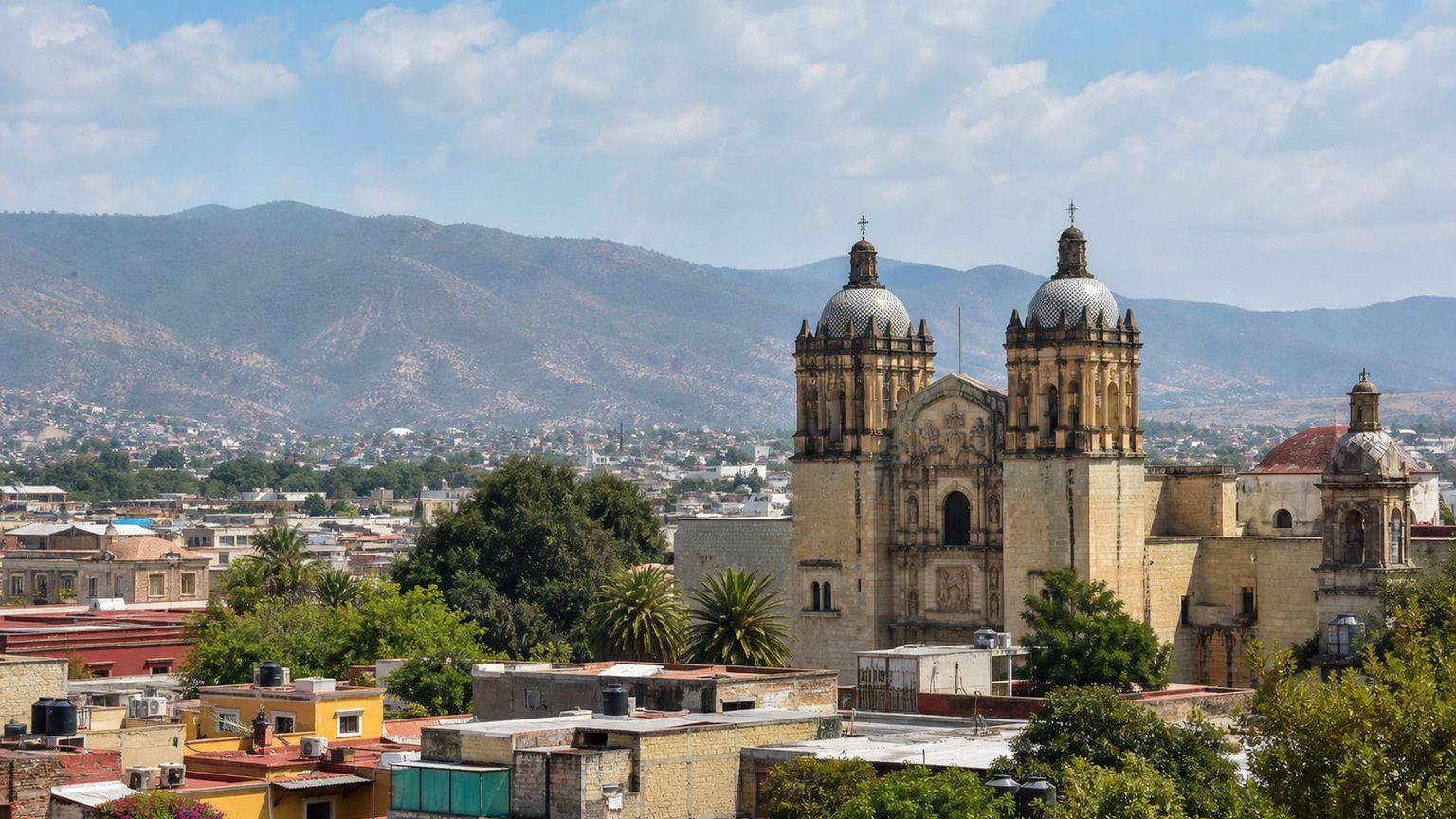
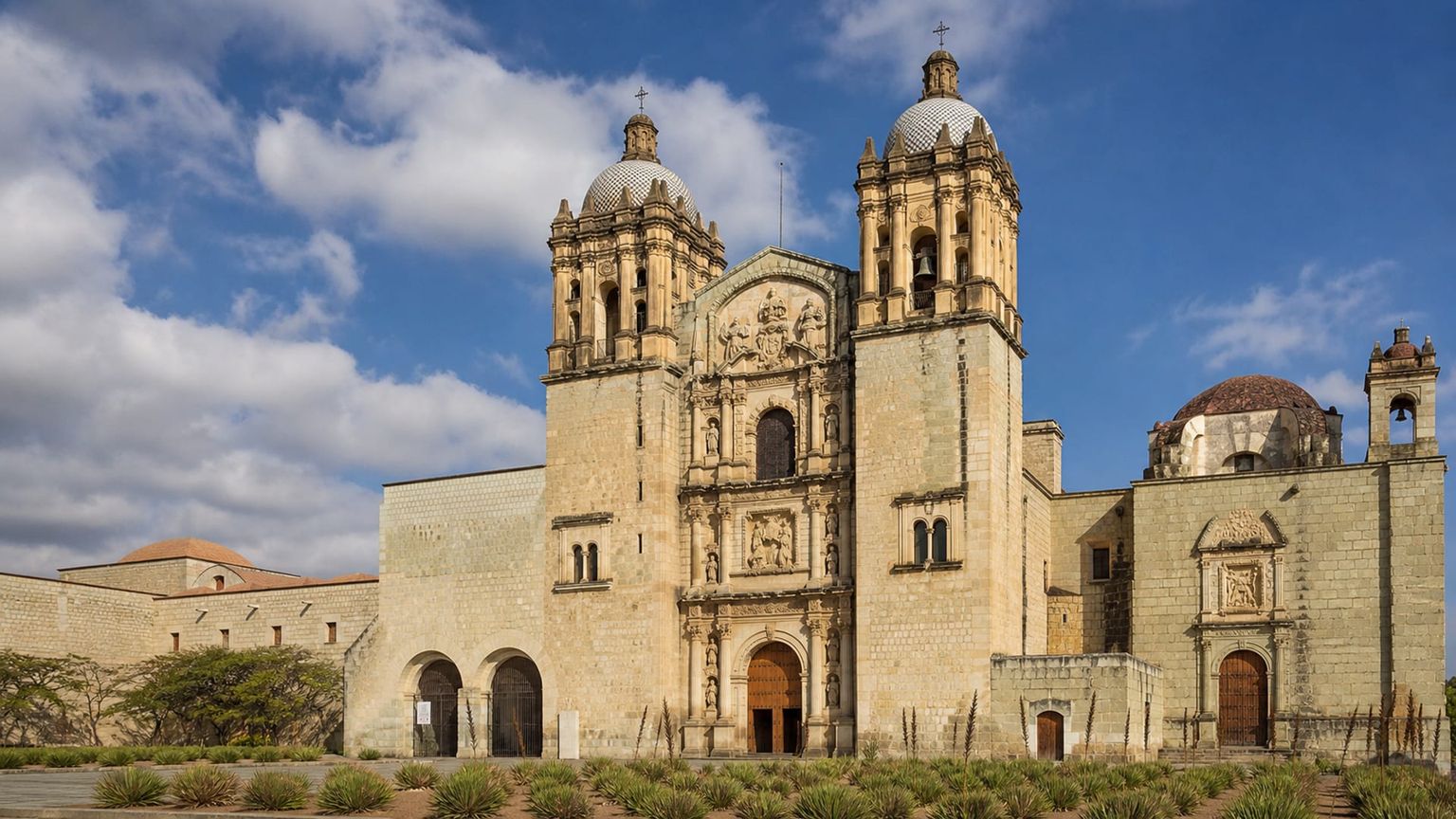
Santo Domingo pairs one of Oaxaca’s defining Baroque churches with the former Dominican convent beside it. Inside the temple, gilded decoration fills the nave and chapels; the convent now houses the Museo de las Culturas de Oaxaca, including the treasures from Monte Albán’s Tomb 7.
Time needed: About 1 to 2 hours
Entry: Admission to the church is free; museum access in the former convent costs $4 ($70 MXN) for adults, with reduced rates for eligible visitors. Visit the official site for details.
Tip: Visit the museum first, then enter the church if services or ceremonies are not underway.
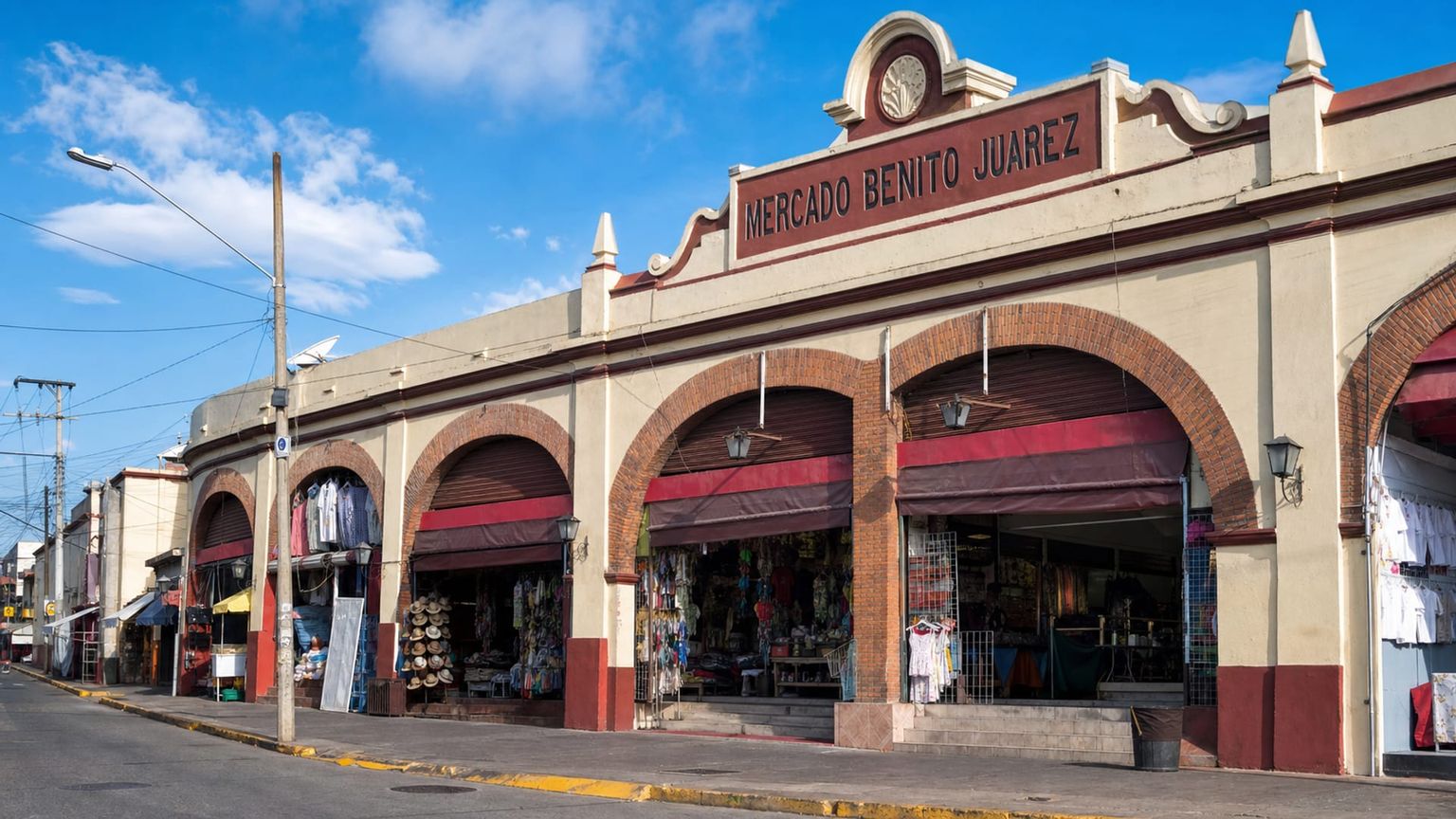
Mercado Benito Juárez
Mercado Benito Juárez, one block south of the Zócalo, has traded in central Oaxaca for more than 130 years. Its aisles hold quesillo, mezcal, chapulines, dried chiles, bread, flowers, crafts, and everyday goods, making it useful for both local food shopping and small souvenirs.
Time needed: About 1 to 2 hours
Entry: Free to enter; food, drinks, and goods are priced by stall, with meals often costing $3 to $10 ($55 to $180 MXN).
Tip: Continue to Mercado 20 de Noviembre for grilled meats, moles, and other Oaxacan dishes.
Overlooked sites worth visiting

Museo Textil de Oaxaca
Museo Textil de Oaxaca fills a restored 18th-century house with rotating exhibitions on Oaxacan, Mexican, and international textiles, from weaving techniques to contemporary design.
Time needed: About 2 to 3 hours
Entry: Entry typically costs $5 to $10 ($85 to $170 MXN), and parking or local shuttle fees may add a few dollars more. Bring cash for on-site payment, since card acceptance can be limited at the gate and in the small stalls nearby.
Tip: Visit on Wednesday at 5:00 pm for the museum’s free Spanish-language guided tour

Museo de Arte Contemporáneo y de las Culturas Oaxaqueñas
MACCO occupies an 18th-century house on Macedonio Alcalá, with changing exhibitions of contemporary Oaxacan, Mexican, and international art spread across galleries and open-air patios.
Time needed: About 1 hour
Entry: Admission is usually free or about $2 to $4 ($35 to $70 MXN) for special exhibits, with occasional temporary closures for installation changes. Check posted hours at the entrance, because opening times can shift with new programming.
Tip: Check the current exhibition program before you go, since the galleries change regularly.
Traditional food
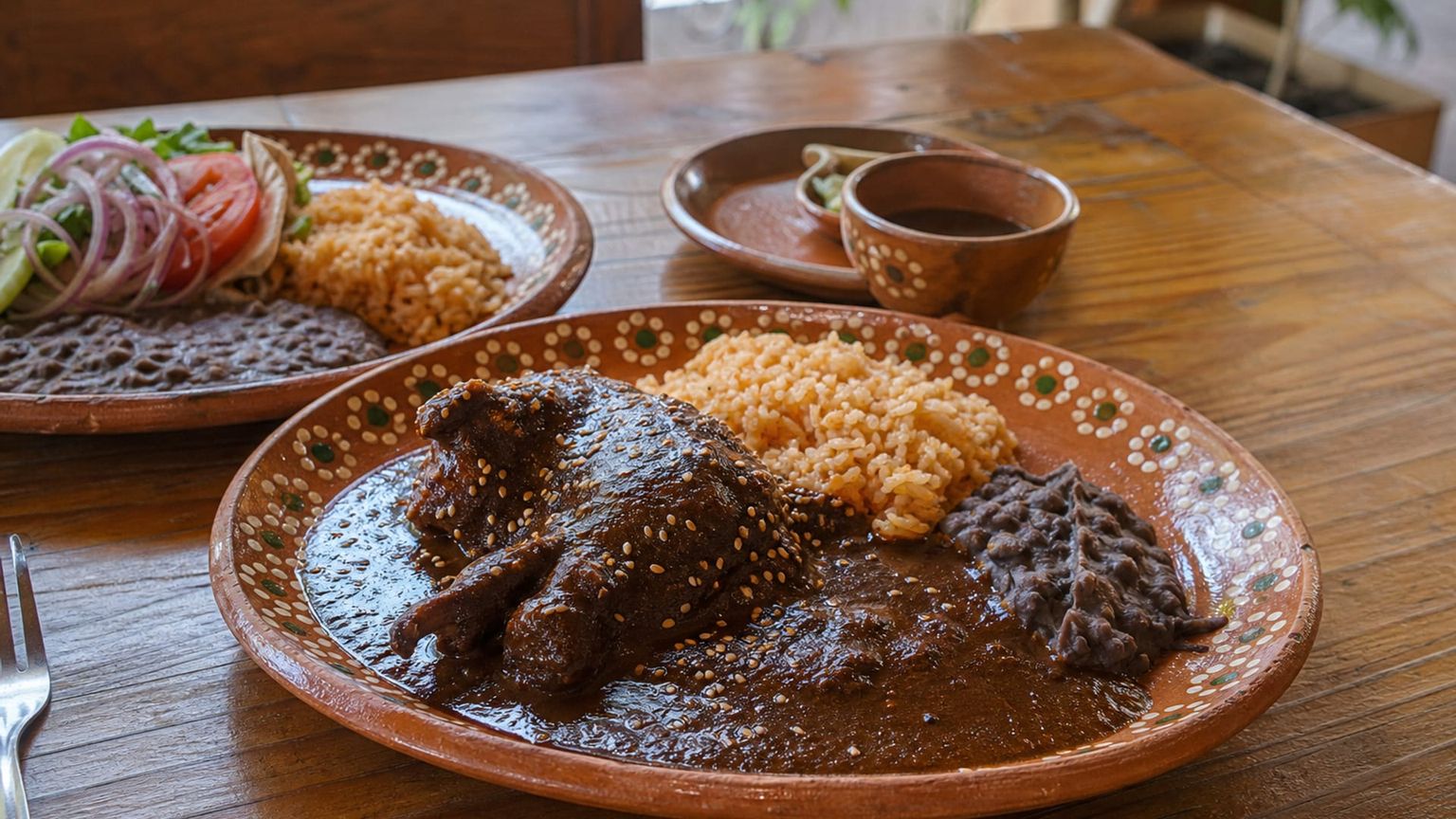
Oaxaca’s food is rooted in corn, chiles, beans, herbs, cheese, cacao, and long-cooked moles. Tlayudas, chapulines, memelas, and mole negro are among the dishes most closely tied to the city.
Mole negro
Mole negro is a dark, complex sauce made with dried chiles, spices, seeds, nuts, and often chocolate, usually served with chicken or turkey. La Olla serves its version with chicken, plantain and sweet potato purées, and rice.
Tlayuda
A tlayuda starts with a large toasted corn tortilla spread with beans and asiento, then topped with quesillo, vegetables, and often tasajo or chorizo. La Terraza de Tita keeps this Oaxacan staple on its regular menu in Centro.
Chapulines
Chapulines are toasted or fried grasshoppers seasoned with chile, lime, garlic, or salt, then eaten as a snack or added to tacos and other dishes. Vendors at Mercado Benito Juárez sell them in bags and by weight throughout the market.
Memelas
Memelas are thick, hand-shaped corn cakes cooked on a comal and usually topped with asiento, beans, fresh cheese, and salsa, with meat optional. Itanoní serves several memelitas made with local corn and traditional toppings.
Best time to visit Oaxaca
Oaxaca stays warm most of the year, but rain and major festivals change the experience more than temperature, especially from June onward.
Best for: Dry weather, clear mornings, city walks, markets, and archaeological sites
What you get: December through February is the driest stretch, with highs near 78°F to 82°F (26°C to 28°C) and nights near 48°F to 50°F (9°C to 10°C).
Trade-offs: Holiday periods bring strong demand, and cool mornings and evenings can feel chilly without a light layer.
Best for: Dry streets, clear skies, city walks, markets, and day trips outside Oaxaca
What you get: March starts warm and dry, while April and May bring highs from 85°F to 87°F (29°C to 31°C) before the wetter season begins in late spring.
Trade-offs: Afternoons can feel hot, and Easter week brings extra demand for hotels, restaurants, and central events.
Best for: Green hills, Guelaguetza celebrations, long evenings, and lower daytime heat
What you get: June through August stays near 79°F to 81°F (26°C to 27°C), with frequent afternoon rain and Oaxaca’s major Guelaguetza events in July.
Trade-offs: Rain can disrupt outdoor plans, and Guelaguetza dates bring heavier demand and crowded central streets.
Best for: Day of the Dead events, food, cultural programs, and cooler late-season days
What you get: September is the wettest month, then rain drops sharply by November while highs stay near 78°F to 80°F (26°C to 27°C) through fall.
Trade-offs: Late October and early November bring higher hotel demand and crowded streets for Día de Muertos.
A realistic 5-day plan in Oaxaca
A five-day visit leaves enough time for Centro, Monte Albán, Hierve el Agua, Jalatlaco, and Xochimilco without packing too much into one day. The longest trips are kept apart, with markets, museums, neighborhood walks, and meals filling the gaps.
After the flight, use the authorized transport desk at Oaxaca International Airport (OAX). A shared van to Centro costs MXN 140 ($7.70), while a private airport taxi is about MXN 510 ($28.20). Check into your hotel, unpack, and spend the first evening close to the hotel. Walk through the Zócalo and nearby streets for a first look at the cathedral and central plazas, then settle in for an early dinner with mole, soup, or another simple local dish before turning in.
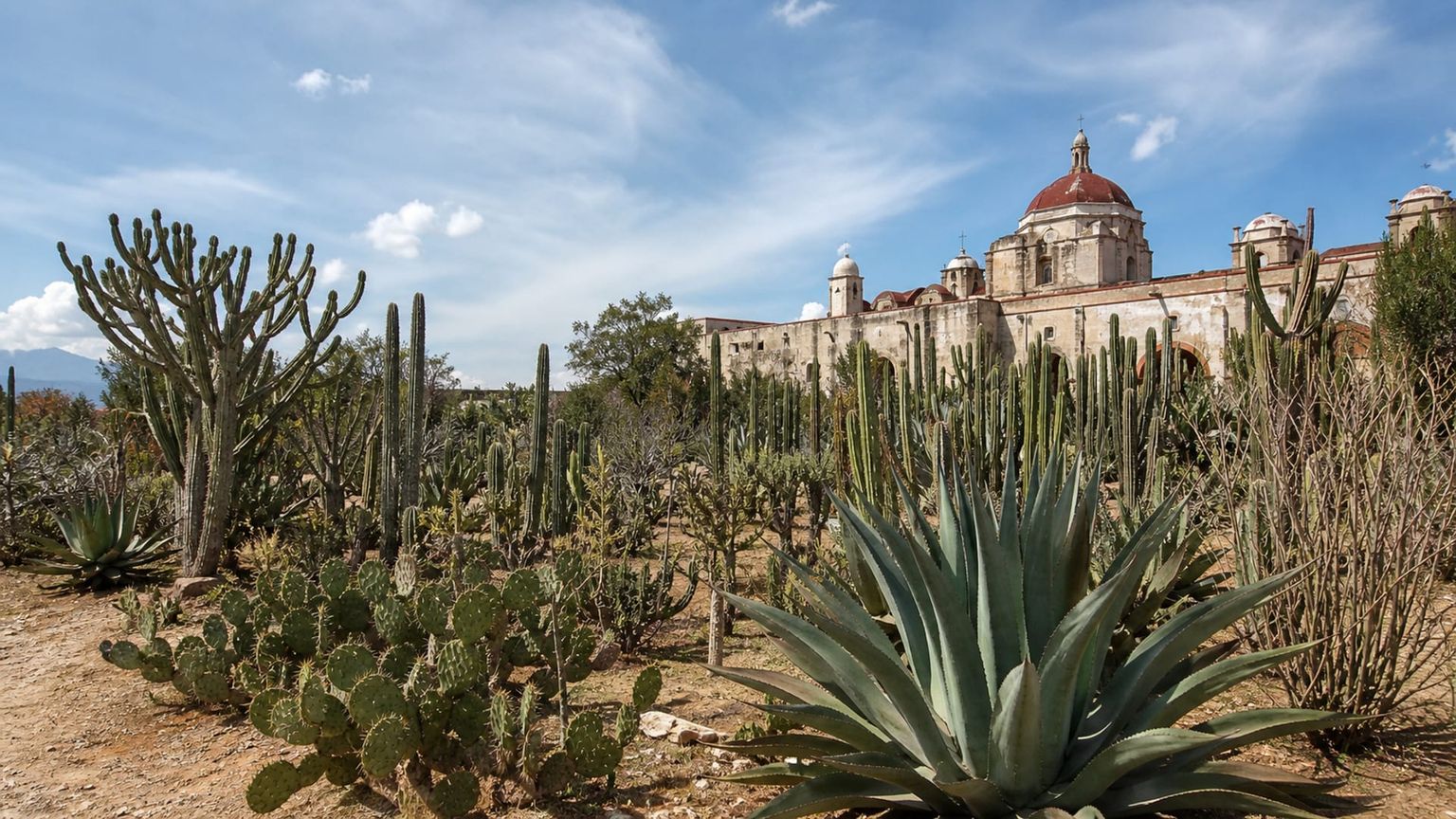
Give the morning to Mercado Benito Juárez, where aisles of quesillo, chocolate, chiles, mezcal, chapulines, and crafts offer a first look at Oaxaca’s food culture. From there, walk north through Centro to Santo Domingo. Visit the Museo de las Culturas for Zapotec and Mixtec objects, including the treasures of Tomb 7, then step into the church next door. Schedule this day Tuesday through Saturday, when the museum is open, and have dinner nearby.
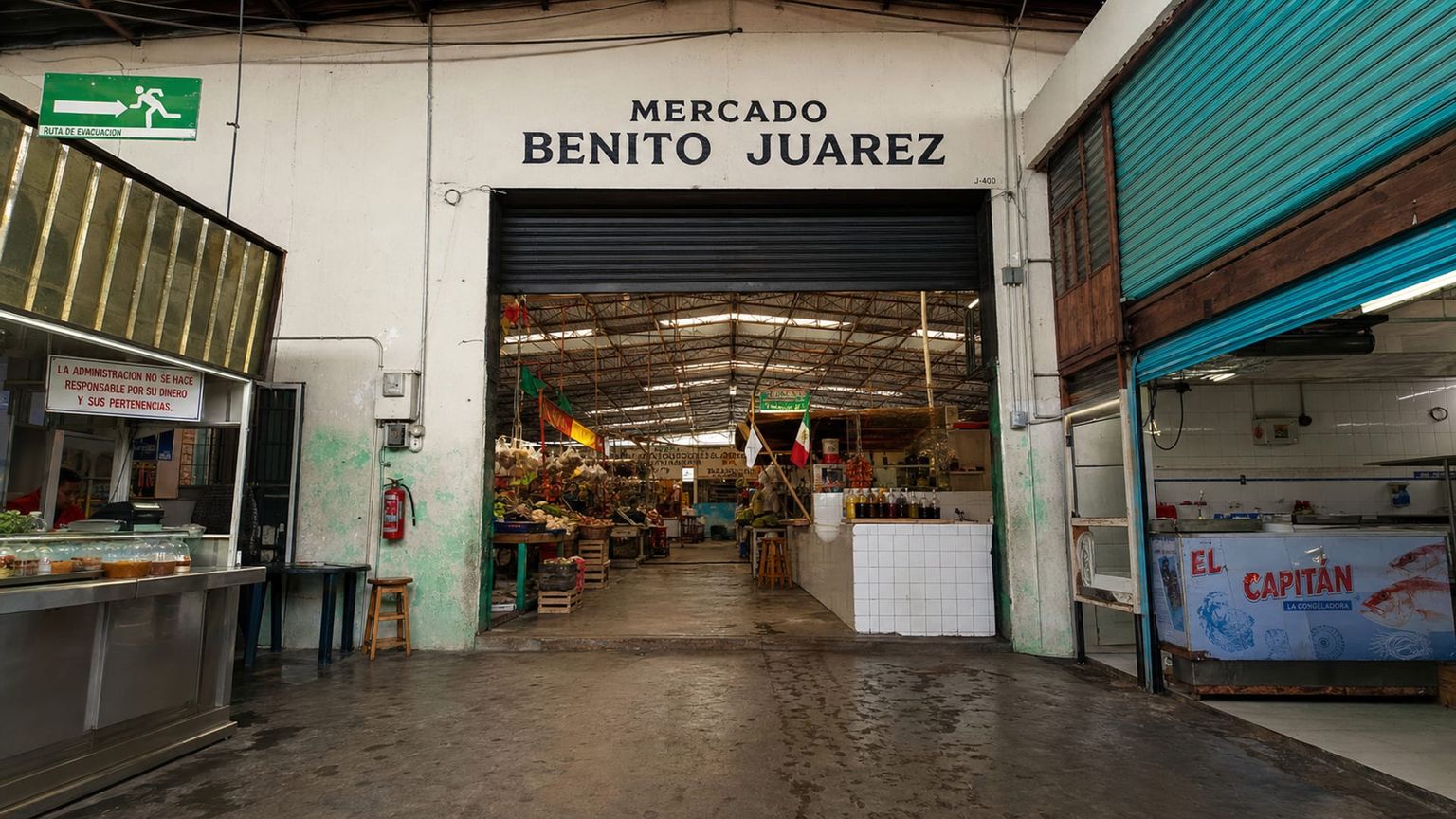
Head to Monte Albán near opening time, when the exposed mountaintop is cooler, and the Great Plaza, ball court, tombs, and carved monuments are easier to explore. Plan two to three hours on site, then return to Oaxaca for a late lunch. Spend the afternoon in Jalatlaco, walking its cobblestone streets, murals, small cafés, and San Matías church. End with dinner or mezcal in the neighborhood, with no need for another long transfer.
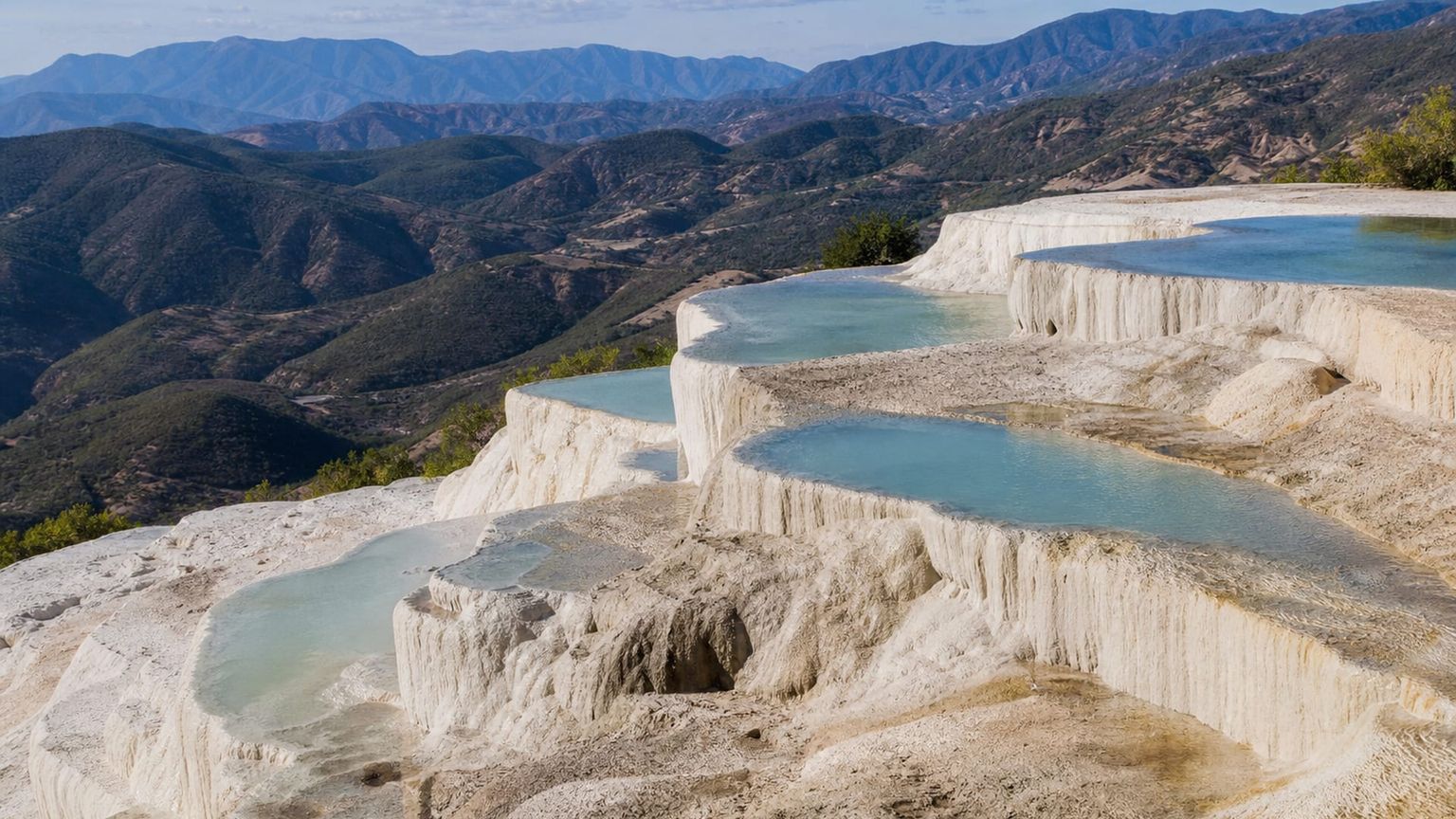
Set aside most of the day for Hierve el Agua, where mineral springs have formed pale rock terraces and two petrified waterfalls above the valley. Leave Oaxaca early, follow the paths between the pools and viewpoints, and stop for lunch at one of the small fondas near the site. The drive takes a substantial part of the day, so keep the evening free after returning to Centro and finish with an unhurried dinner close to the hotel.
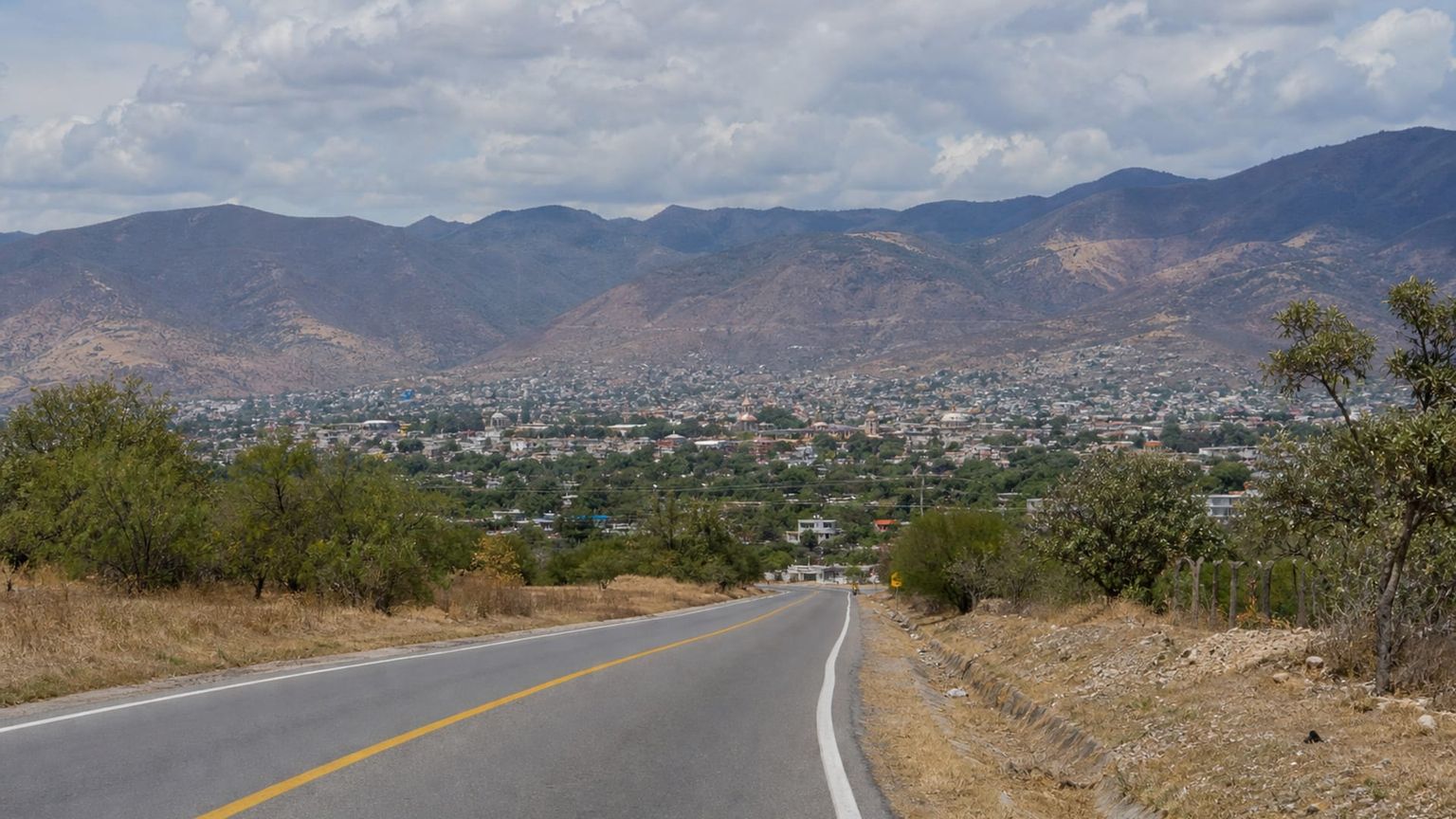
Keep the final day close to Oaxaca. Begin at the Museo Textil de Oaxaca, where rotating exhibitions explain weaving, dyes, and textile traditions from Oaxaca and beyond. Afterward, head north to Xochimilco for Los Arquitos, cobblestone streets, textile workshops, and a relaxed lunch near Mercado de la Cascada. Return to Centro for luggage, then leave enough time for the trip to Oaxaca International Airport (OAX) without rushing the last few hours.
Business-class flights from the US to Oaxaca
Oaxaca Airport (OAX) does not have nonstop business-class service from New York or Los Angeles, so the trip requires a single change in Mexico or the US.
New York (JFK) to Oaxaca
From New York John F. Kennedy International Airport (JFK), Aeromexico connects to Oaxaca International Airport (OAX) through Mexico City (MEX), while American Airlines routes through Dallas Fort Worth (DFW). Total journey time ranges from 9 to 23 hours, depending on the layover. Round-trip business-class fares usually range from $1,000 to $5,100.
Los Angeles (LAX) to Oaxaca
From Los Angeles International Airport (LAX), Aeromexico connects through Mexico City (MEX), United through Houston (IAH), and American Airlines through Dallas Fort Worth (DFW). Travel time ranges from 7 to 28 hours, so itinerary length varies widely with the layover. Round-trip business-class fares generally range from $1,100 to $3,800, giving Los Angeles a wider range of one-stop options.
Plan Oaxaca at an easy pace
Oaxaca is easier to enjoy when each day has a clear focus, with Centro, Monte Albán, Hierve el Agua, and the surrounding neighborhoods given their own time. That keeps long transfers from taking over the trip and leaves space for markets, meals, museums, and slower afternoons. AranGrant can help with the practical side by comparing business-class flights and hotel options for the dates you are planning.