

Chapters:

Need help with your trip?
Our support team is available 24/7. Request a callback or call us directly at (833) 619-0908
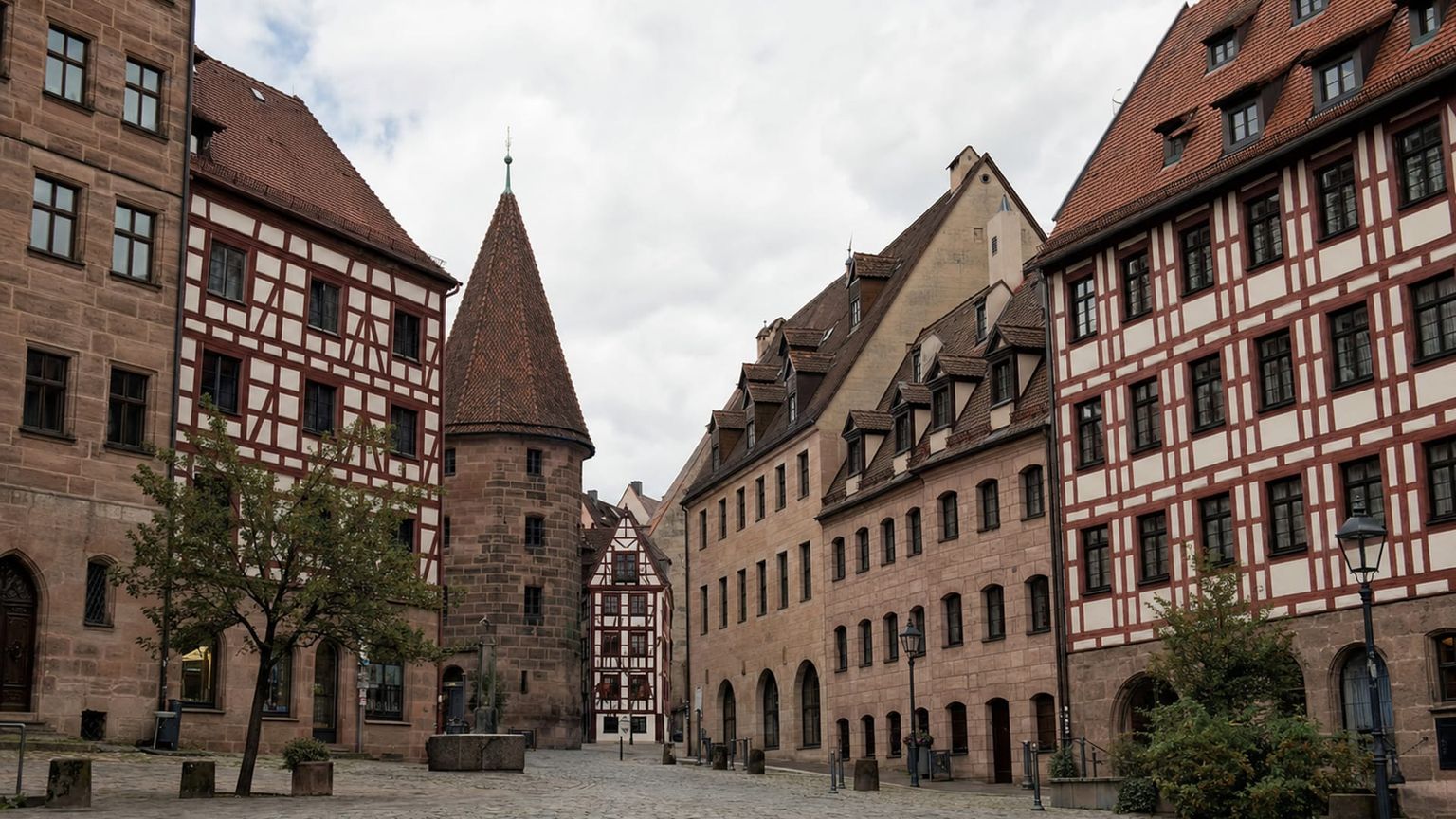
Nürnberg trips often start with the castle, the market square, and a quick look at the gingerbread stalls, then move on before the city’s quieter corners enter the plan. That misses how much of the center sits within a short walk, and how much time disappears when visitors bounce between the castle ridge, the station area, and the southern memorial sites.
The result is a day that covers names, but not the distances between them, or the difference between crowded squares and calmer side streets. Even a compact map can feel full if you do not separate the old town from the museum quarter and the east-side sites.
This guide sets out a slower order: where to stay, how to move, which dishes to try, and how to stretch five days without wasting time on backtracking.
Useful things to know

Main language(s): German
Hallo (HAH-loh) – Hello
Bitte (BIT-teh) – Please
Danke (DAHN-keh) – Thank you
Sprechen Sie Englisch? (SHPREH-khen zee ENG-lish?) – Do you speak English?
Wie viel kostet das? (vee feel KOSS-tet dahs?) – How much does it cost?

Currency: The local currency is the euro (EUR, €).

Cash and cards: Cards and contactless are widely accepted; carry about €20 to €40 ($22 to $44) in cash for small purchases.

Tipping: Round up the bill or add about 5-10% for good service; it is not required.

Traditional food: Nuremberg bratwurst, sauerkraut, Schäufele, gingerbread

Water and coffee costs: Water ~€2 ($2), bar espresso ~€3 ($3).

Taxis and ride apps: Free Now and Bolt operate here; Uber may have limited coverage.

Plug and voltage: Type C/F socket, 230V

Dining and shop opening hours: Breakfast is about 7:00-10:00 am, lunch 12:00-2:00 pm, and dinner 6:00-9:00 pm. Many restaurants close one or two days a week, often Sunday or Monday.

Emergency number: 112 for police, fire, and medical emergencies.
Where to stay in Nürnberg
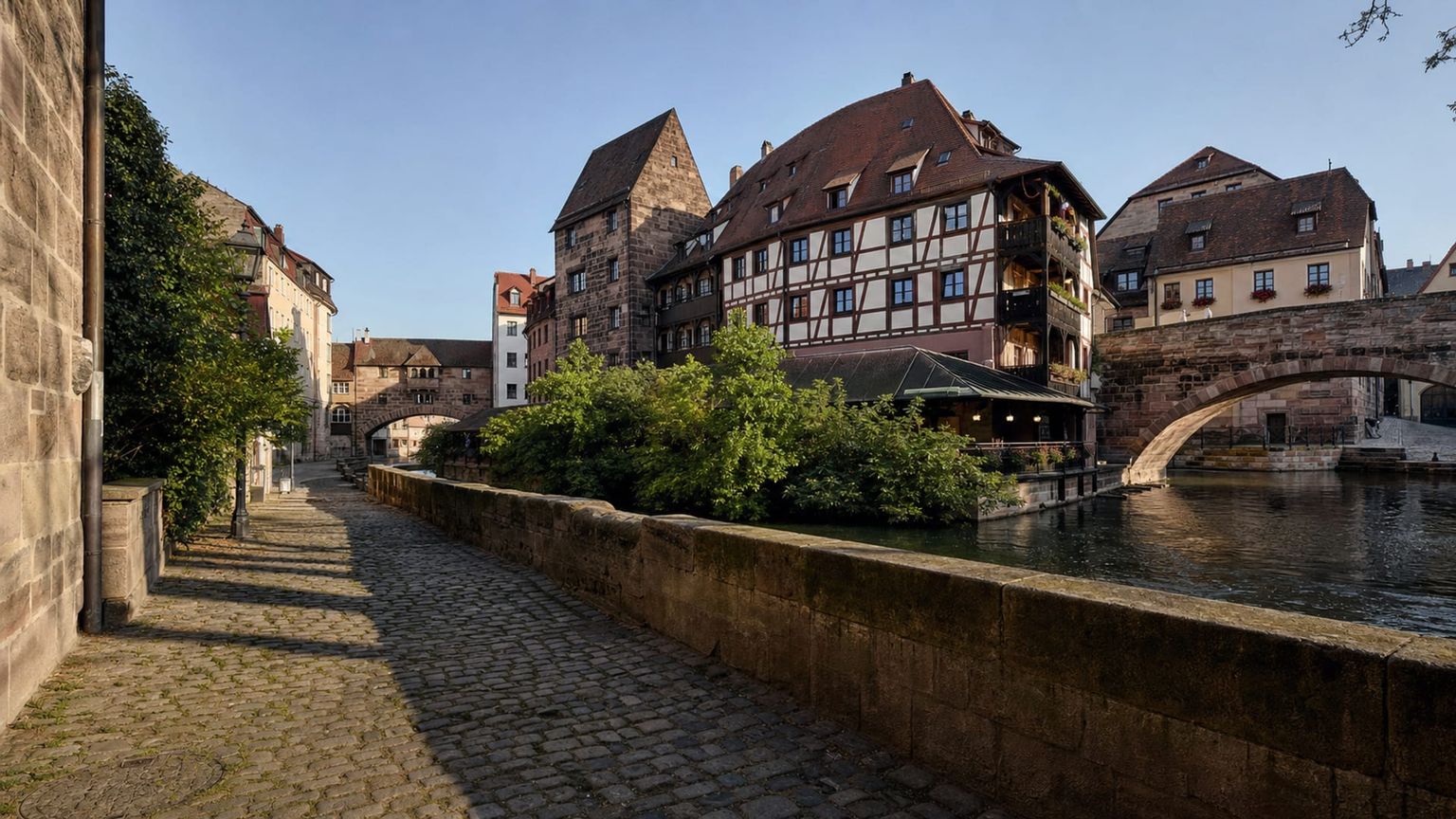
Nürnberg’s walled old town clusters the main sights, market squares, and the Pegnitz riverfront into one walkable core. It suits visitors who want the Germanisches Nationalmuseum, the castle, and evening restaurants within an easy reach of the city center.
Best for: First-time visits, sightseeing, and easy access to major landmarks
What to expect: Stone lanes, steady daytime foot traffic, and busy restaurant streets near the main squares; evenings stay lively near the center.
Hotel prices: Usually about 120€ to 220€ (~132$ to ~242$) per night for well-rated stays
Distance to major sights: 5 to 15 minutes on foot to the Imperial Castle, Hauptmarkt, and Germanisches Nationalmuseum
Quietness: Busy by day and active in the evening, with quieter side streets after shops close
Main trade-off: Central addresses cost more and some streets get noisy from late diners and weekend visitors.
Good to know: Book early if you want a room inside the historic core, because the best-located hotels sell out first in festival periods.
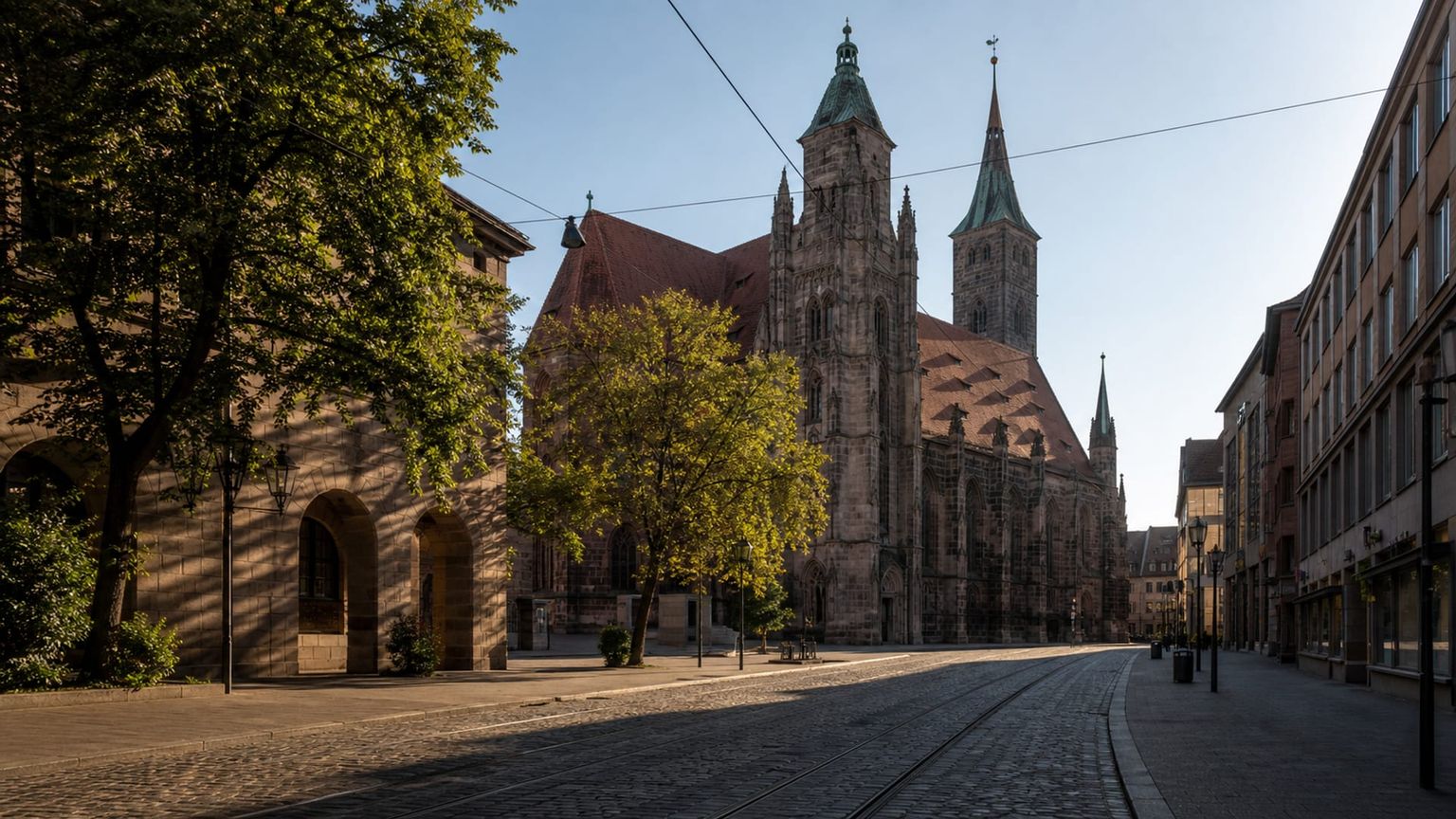
Lorenz sits just south and east of the main station, close to shopping streets, chain hotels, and tram links. It works well if you want quick arrivals, simple transit to the old town, and a larger choice of midrange stays.
Best for: Rail arrivals, short stays, and travelers who want fast transit links
What to expect: Dense blocks, busy sidewalks, and regular tram and train movement around the station and shopping corridors.
Hotel prices: Usually about 100€ to 190€ (~110$ to ~209$) per night for well-rated stays
Distance to major sights: 10 to 20 minutes on foot to Hauptmarkt and about 10 minutes by transit to the Imperial Castle
Quietness: Noisy and active by day, then calmer late at night once the station and retail traffic thin out
Main trade-off: The station area brings more foot traffic, so some blocks feel less appealing for light sleepers.
Good to know: Choose a hotel a few streets off the station if you want easier nights, because the blocks right beside the tracks see more late movement.
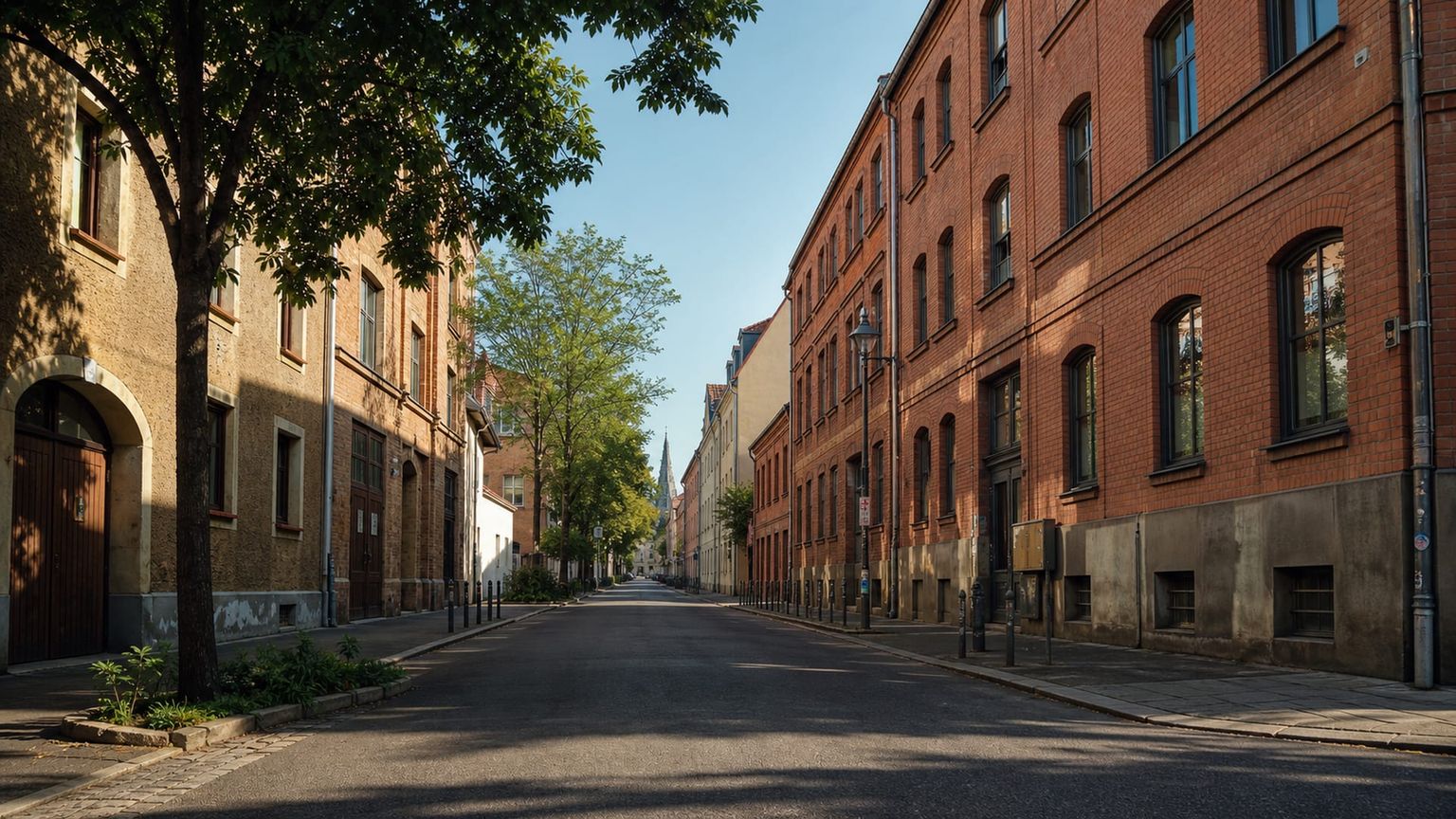
Gostenhof is a west-side neighborhood known for independent cafés, bars, galleries, and older apartment blocks. It gives you a more local base with good tram access to the old town, plus an easy route to the museum quarter.
Best for: Dining, nightlife, creative spaces, and travelers who prefer a local neighborhood feel
What to expect: Mixed residential streets, café traffic, and a younger evening crowd around the main lanes and squares.
Hotel prices: Usually about 90€ to 170€ (~99$ to ~187$) per night for well-rated stays
Distance to major sights: 15 to 25 minutes on foot to the old town edge and about 10 minutes by tram to the Germanisches Nationalmuseum
Quietness: Moderately active during the day and livelier at night near bars, while side streets stay calmer
Main trade-off: You gain more neighborhood character, but most major sights need a short tram ride or a longer walk.
Good to know: If you are sensitive to late noise, avoid rooms directly above bar streets on Friday and Saturday nights.
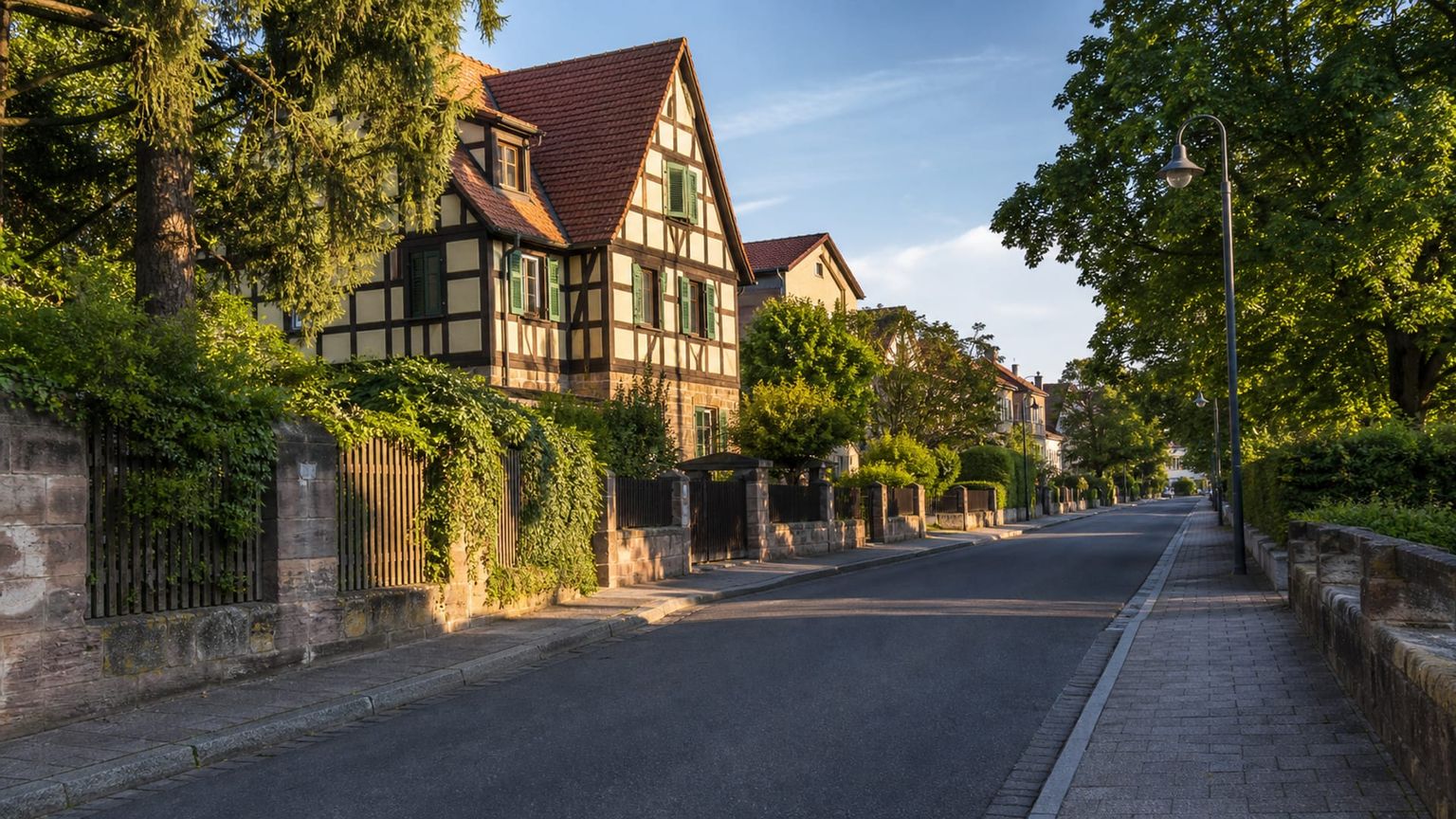
Mögeldorf sits east of the center, with green edges, residential streets, and fast access to the Wöhrder See area. It suits travelers who want a quieter base while staying connected to the old town and the east-side museums.
Best for: Calmer stays, longer visits, and travelers with a car or a preference for residential streets
What to expect: Low-rise housing, local shops, and a slower street scene with more commuters than tourists.
Hotel prices: Usually about 85€ to 160€ (~94$ to ~176$) per night for well-rated stays
Distance to major sights: 20 to 30 minutes by tram to Hauptmarkt and about 15 minutes on foot to Wöhrder See
Quietness: Quiet in the evening and more active in the morning, especially near the station and local shopping streets
Main trade-off: You trade central convenience for a longer trip into the historic core and fewer late dining options nearby.
Good to know: Check tram timetables before booking, because late-evening frequency drops compared with the inner city.
Travelers usually avoid Langwasser, Kornburg, and Gebersdorf for a short city stay, since they sit well away from the Old Town, Hauptmarkt, and Castle Hill, with fewer visitor amenities nearby. Parts of Südstadt and the farther edges of Weststadt are also less convenient, because evening transit back from the center takes longer and the hotel stock there is geared more to local traffic than sightseeing.
Hotel deals
How to get around Nürnberg efficiently
Nürnberg runs on a U-Bahn, tram, and bus network that reaches the airport, the main station, and the old town, so most visitors can mix walking with short rides instead of relying on cars.

Metro
for longer distances
Nuremberg has a U-Bahn rather than a city-center metro: the U1, U2, and U3 lines link Nürnberg Airport (NUE), the Hauptbahnhof, and the old town, with trains usually every 5 to 10 minutes. A 1-day ticket costs about $10 ($10), and single tickets are valid for 90 minutes, long enough for most point-to-point rides. For central sightseeing, the U-Bahn covers the main hops well; stations are signed in English and German.

Bus and tram
for convenience
Trams and buses fill the gaps the U-Bahn leaves, with dense coverage in the center and useful links to neighborhoods such as Gostenhof, St. Johannis, and the Documentation Center area. Single fares start at about $3 ($3), and day tickets are worth it if you plan several short trips, with most tickets valid for 90 minutes or longer depending on the fare type. Buy from machines, apps, or major stops, then validate only if the ticket type requires it.

Taxi
for convenience or late hours
Licensed taxis queue at the airport, the main station, and ranks across the center, and you can also call one by phone or app. Fares are metered, not set, with a typical trip from Nürnberg Airport (NUE) to the center costing about $25 to $35, and short inner-city rides often landing near $10 to $18. Drivers usually accept cash and cards, though it helps to confirm card payment before departure.
*Prices are based on rates updated as of June 2026 and may change at the time of travel.
Use the U-Bahn for airport and station links, trams and buses for the museum quarter and outlying sights, and taxis when you want a direct late-night return.
Iconic landmarks
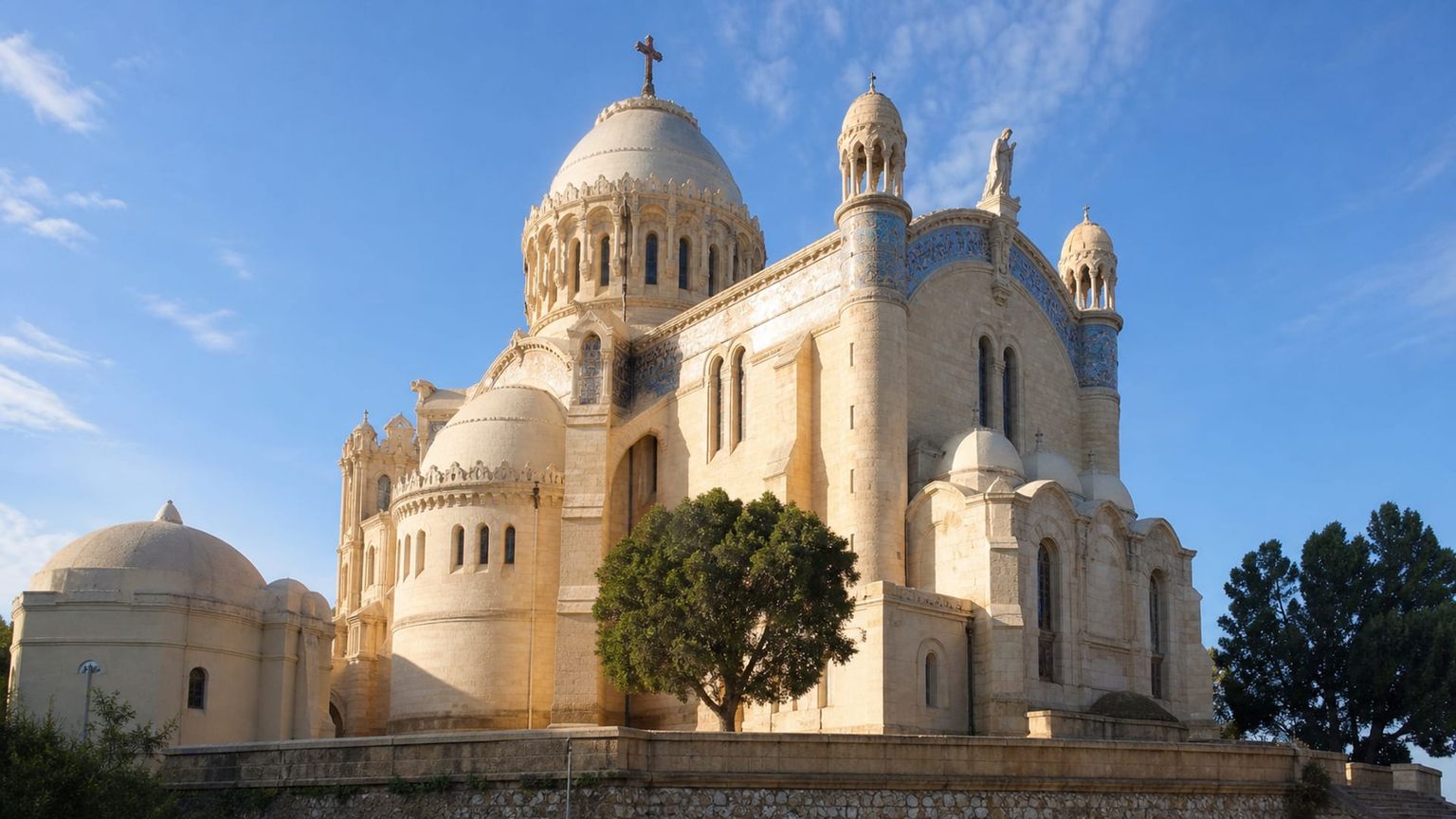
Nuremberg Castle
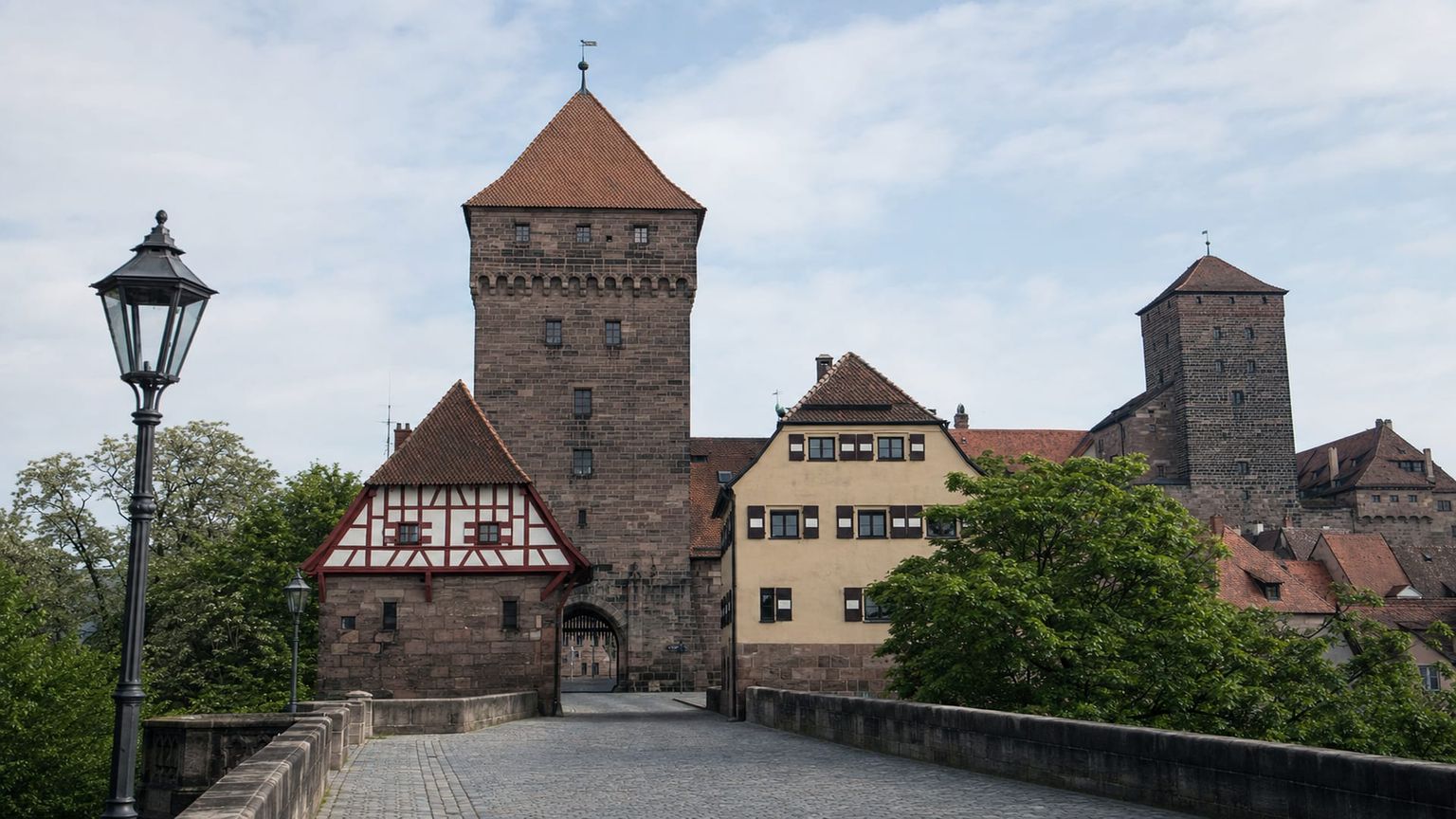
The Imperial Castle crowns the sandstone ridge above the old town and brings together the Imperial Castle, the Sinwell Tower, and deep wells from the medieval fortifications. Its courtyards and ramparts give a clear read on Nuremberg’s imperial past.
Time needed: About 2 to 3 hours
Entry: Admission to the castle grounds is free; museum and tower tickets cost about $8 to $12 (€7 to €11), depending on the sections you visit. Visit the official site for details.
Tip: Go near opening time for quieter courtyards and clearer views from the ramparts.
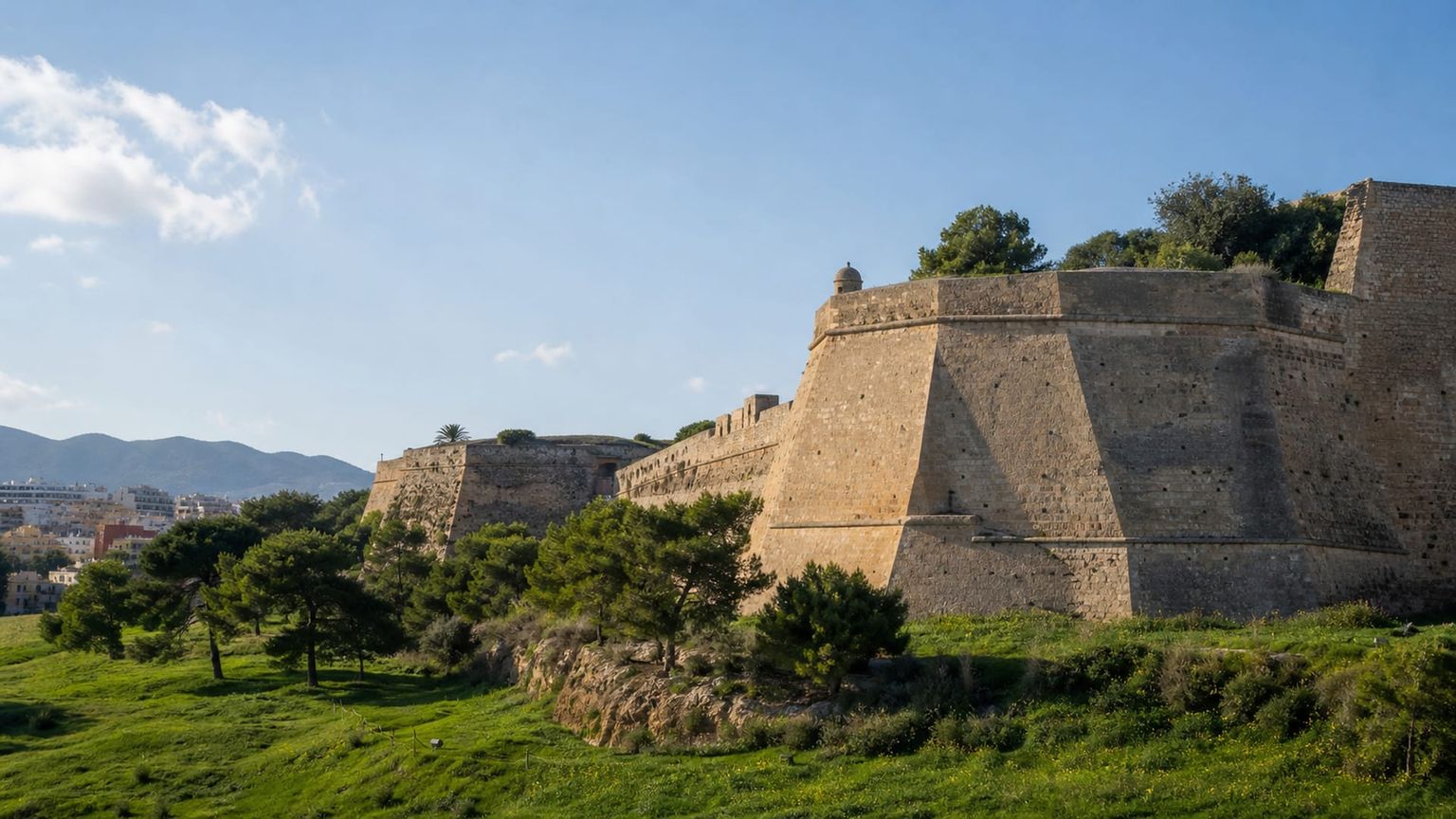
St. Lorenz Church
St. Lorenz rises over the south side of the old town with a vast Gothic nave, stained glass, and major works such as Veit Stoss’s Annunciation. Its scale and detail make it one of the city’s key church interiors.
Time needed: About 1 to 2 hours
Entry: Entry is free; special concerts or tower access, when offered, usually cost about $6 to $12 (€5 to €11). Visit the official site for details.
Tip: Visit midday if you want stronger light through the choir windows and glass.
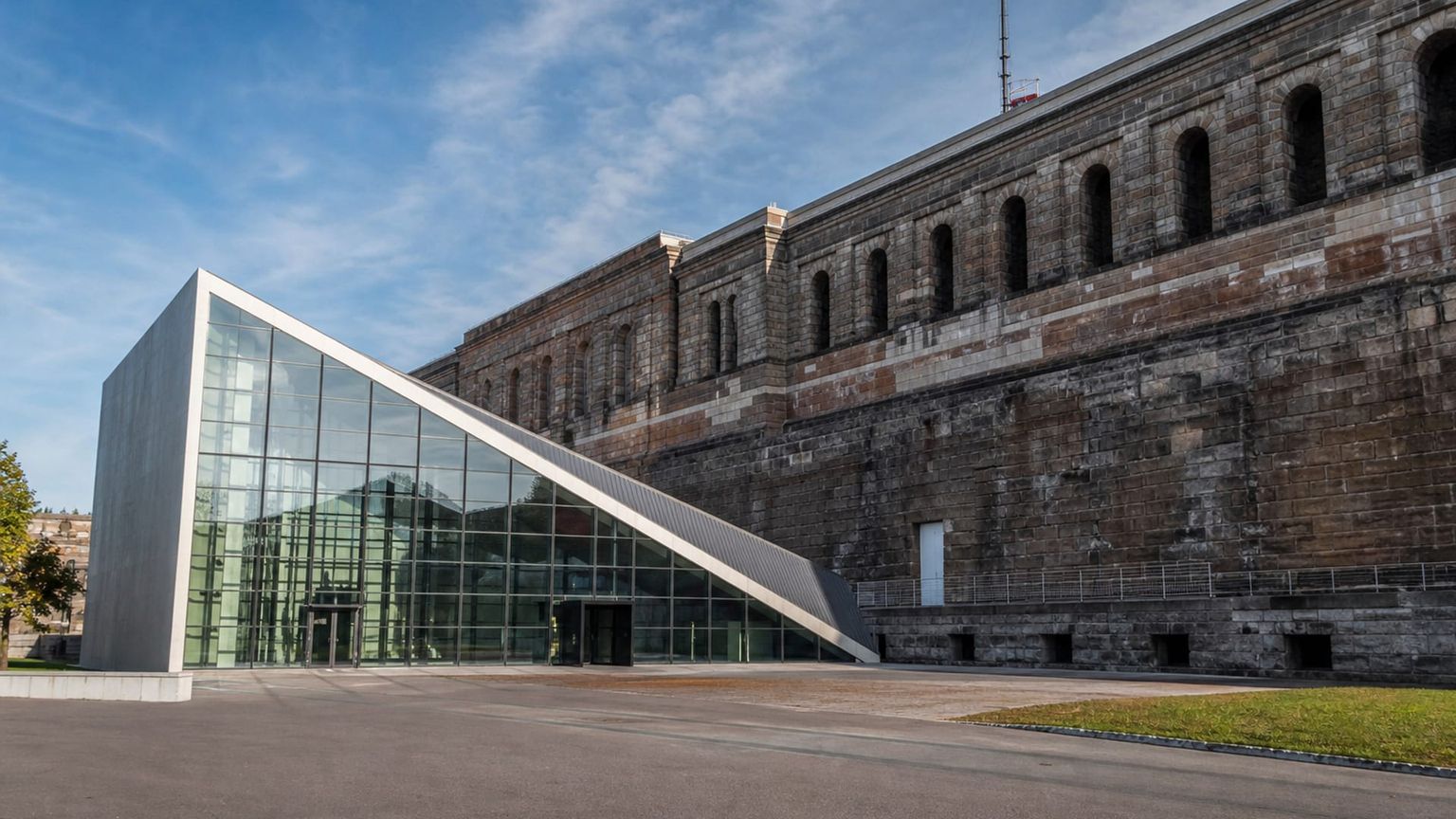
Documentation Center Nazi Party Rally Grounds
The Documentation Center occupies the unfinished Congress Hall from the Nazi rally grounds and explains the regime’s propaganda, control, and mass spectacle through documents, models, and film. It pairs well with the preserved site around it.
Time needed: About 2 to 3 hours
Entry: Standard tickets cost about $8 to $10 (€7 to €9), with reduced rates for students and concessions, and children often enter free. Visit the official site for details.
Tip: Allow extra time for the outdoor grounds, which add context to the indoor exhibits.
Overlooked sites worth visiting

Hesperidengärten
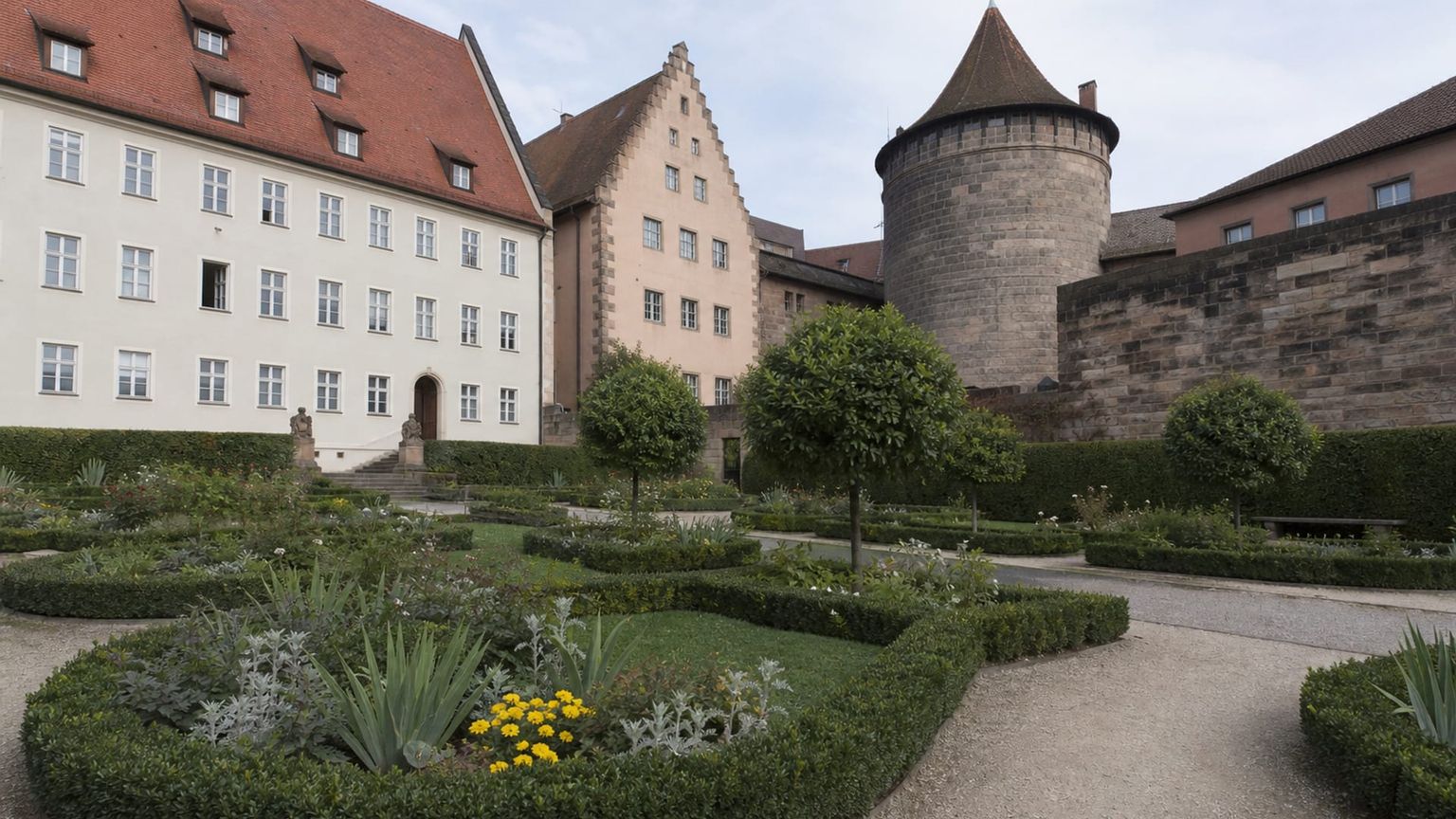
A pocket of baroque garden design tucked behind the street grid, with clipped hedges, fountains, and seasonal planting. It rewards a short detour for a quiet walk and close-up details.
Time needed: About 30 to 45 minutes
Entry: Free to access; the garden is open to the public without a ticket. There is no admission charge for a short visit, and you can pass through during daylight hours when gates are open.
Tip: Go in the morning for softer light and fewer people.

Tucherschloss and Hirsvogelsaal
This compact museum pairs a former patrician home with a richly decorated Renaissance hall. The collection shows how Nürnberg’s merchant elite lived, collected, and entertained.
Time needed: About 1 to 2 hours
Entry: Adult admission is about $7 ($7), with reduced prices for students and seniors and occasional free entry for children. Check the museum schedule, since opening days and guided access can vary by season. Visit the official site for details.
Tip: Allow extra time for the carved ceiling in Hirsvogelsaal.
Traditional food
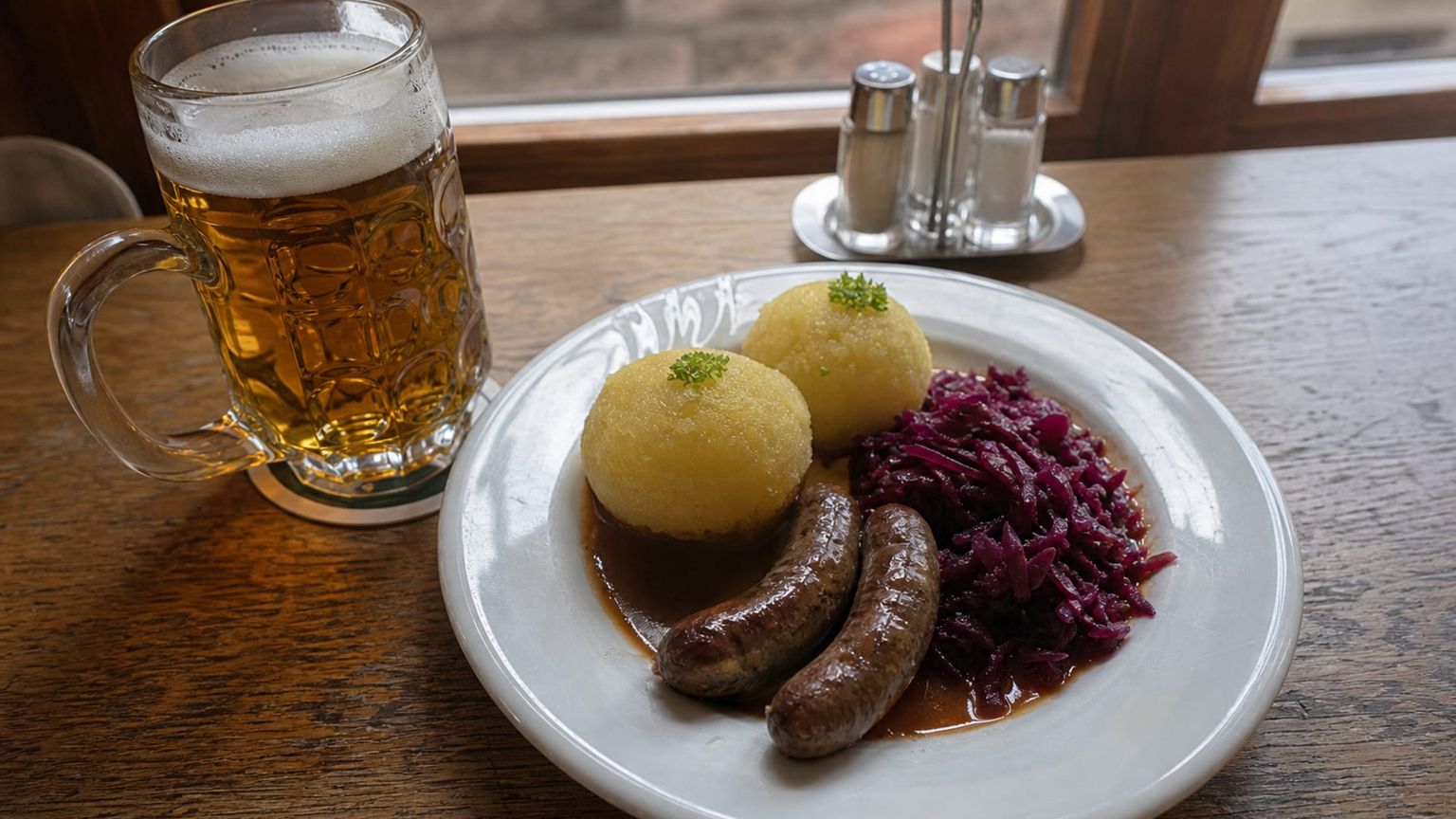
Franconian cooking here leans on pork, cabbage, yeast dough, and spice, with Nuremberg bratwurst, Schäufele, sauerkraut, and gingerbread showing up in beer halls, bakeries, and old-town restaurants.
Nuremberg bratwurst
Small, peppery sausages usually served three, six, or a dozen at a time, often with sauerkraut or potato salad. Bratwursthäusle near St. Sebald is a classic address for them in the old town.
Schäufele
A roast pork shoulder with crisp crackling and a rich pan sauce, usually paired with dumplings and cabbage. Albrecht-Dürer-Stube is a well-known place to order it in central Nürnberg.
Sauerkraut
Braised cabbage with bright acidity, often served beside sausages or pork to balance the richness of Franconian plates. Restaurant Essigbrätlein uses it in a more refined setting, often alongside seasonal regional dishes.
Nuremberg gingerbread
Spiced Elisenlebkuchen and other gingerbread varieties appear especially in winter, but many bakeries sell them year-round. Wicklein’s house near the old town is one of the city’s best-known names for them.
Best time to visit Nürnberg
Nürnberg works in every season, though the old town, castle hill, and outdoor sites change character with temperature, daylight, and market crowds.
Best for: Castle walks, river paths, and museums before the summer rush
What you get: Temperatures average about 39 to 66°F (4 to 19°C), with moderate crowds and changeable weather
Trade-offs: Rain can interrupt longer walks
Best for: Long evenings in Altstadt, outdoor cafés, and slow museum days
What you get: Temperatures average about 57 to 78°F (14 to 26°C), with the busiest crowds of the year in the center
Trade-offs: Hot afternoons and fuller squares can slow sightseeing
Best for: Clearer streets, strong restaurant season, and comfortable walking weather
What you get: Temperatures average about 40 to 65°F (4 to 18°C), with lighter crowds than summer and cool evenings
Trade-offs: Shorter days reduce late outdoor time
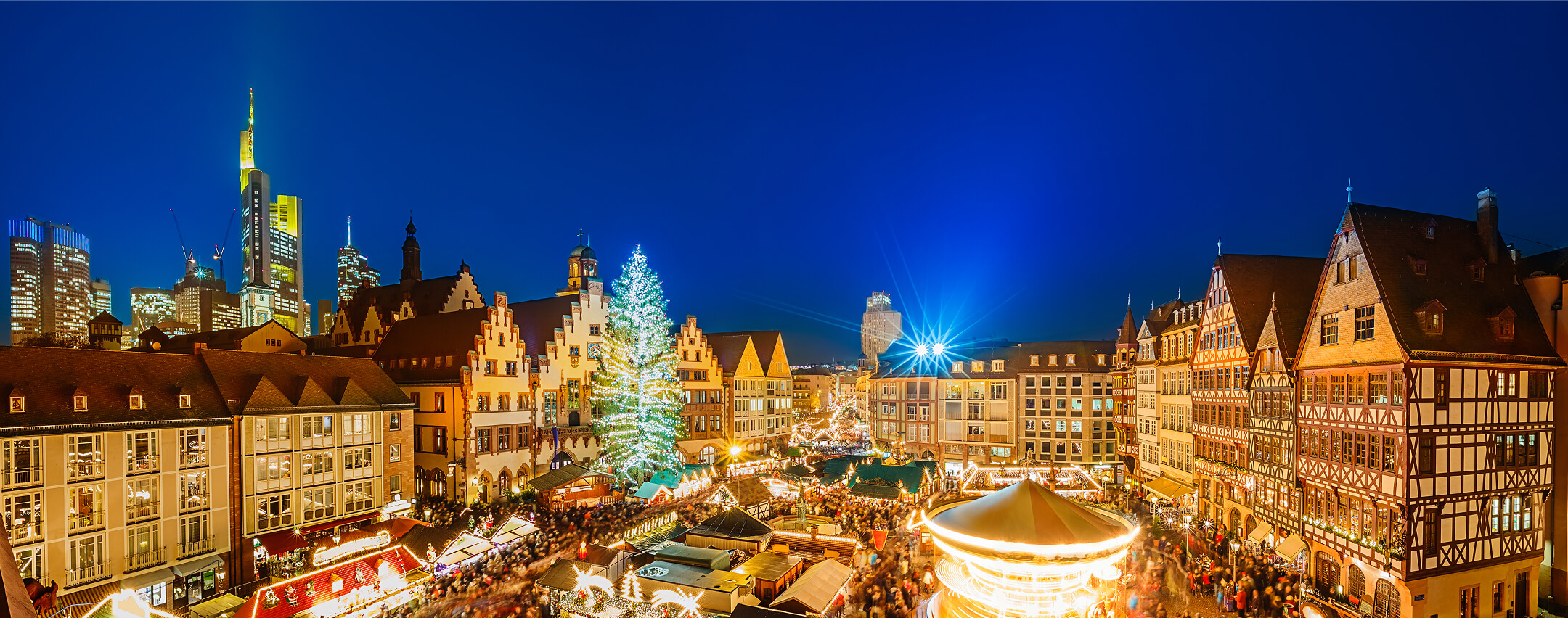
Best for: Christmas markets, gingerbread shopping, and indoor time at museums and churches
What you get: Temperatures average about 28 to 41°F (-2 to 5°C), with holiday crowds in December and quieter weeks afterward
Trade-offs: Cold air and early darkness limit long walks
A realistic 5-day plan in Nürnberg
The five-day plan starts in the old town, then widens to the castle, the main church, the memorial sites, and a quieter final day. That order keeps the longer transfers grouped together and leaves the center open for meals, shopping, and one last walk before departure.
Land at Nürnberg (NUE) and take the airport metro from Nürnberg Airport to the main station, then walk or ride one stop into Altstadt or Lorenz. The trip takes about 15 to 20 minutes door to door and costs roughly $4 to $6 (€3.50 to €5). If you arrive before check-in, leave your bag near the station, then settle into an easy first evening in Lorenz with a simple Franconian dinner, a glass of water, and an early night.
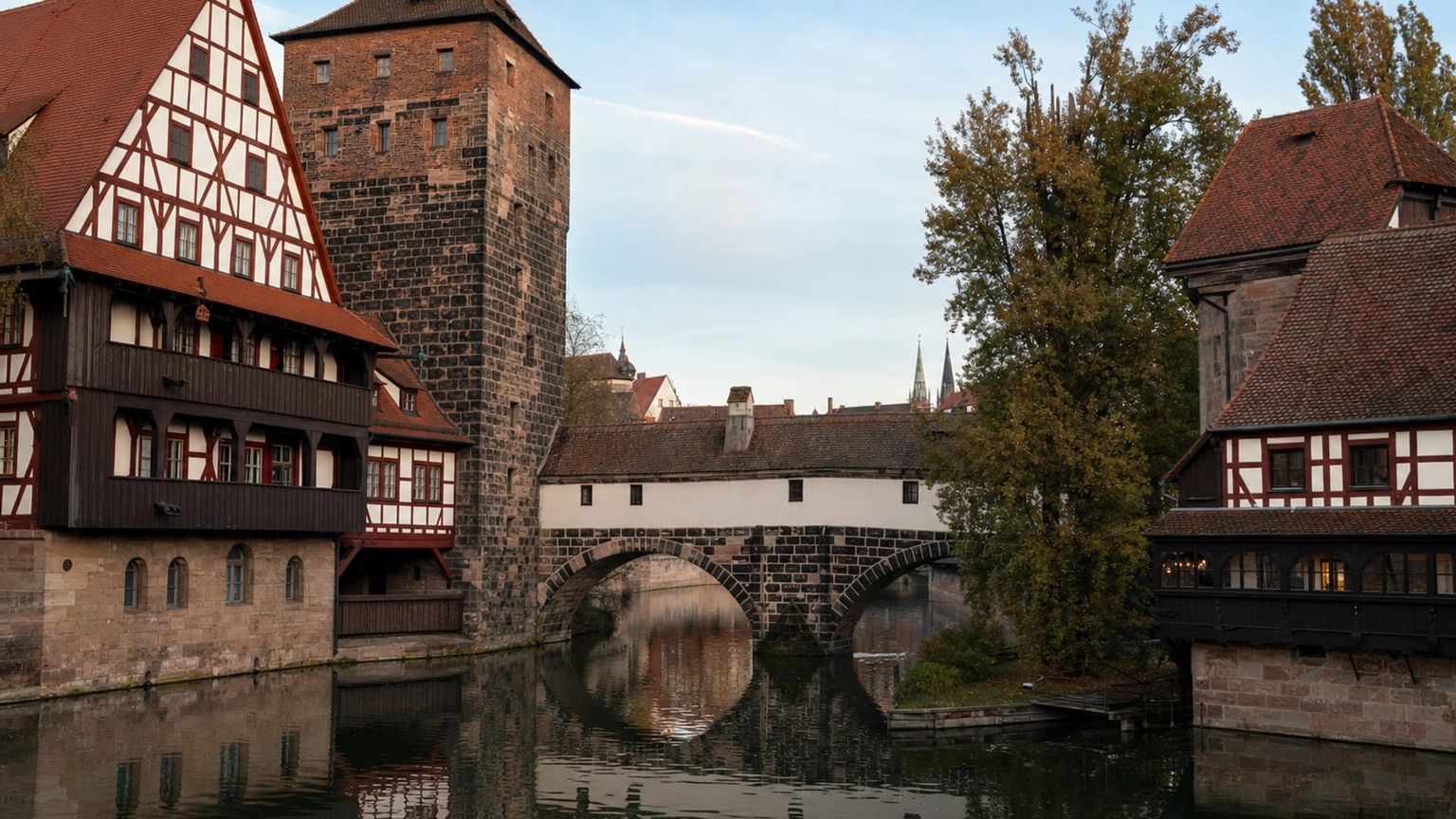
Start with Nuremberg Castle in the morning, when the courtyards are quieter, then walk about 10 minutes down into the old town for Hauptmarkt and the nearby lanes around Altstadt. From there, continue about 8 to 10 minutes on foot to St. Lorenz Church for the nave and stained glass, then finish with a relaxed riverfront walk before dinner in the center.
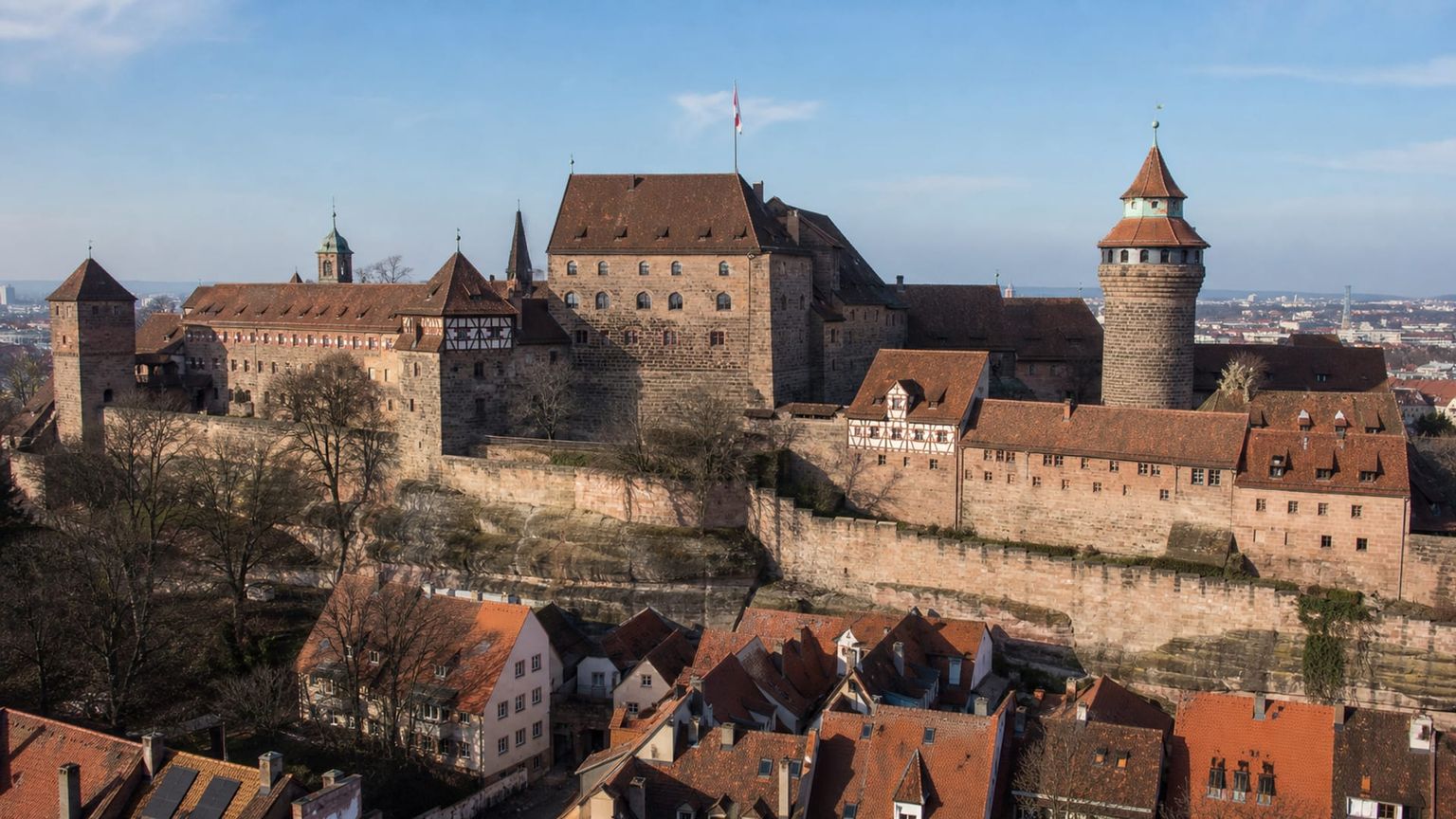
Begin at the Documentation Center Nazi Party Rally Grounds, which takes about 15 to 20 minutes by tram from Altstadt and about 2 to 3 hours to visit. After that, ride back toward the center in roughly 20 minutes for the Germanisches Nationalmuseum area, then end the afternoon at Tucherschloss and Hirsvogelsaal, about 10 to 15 minutes on foot from the museum quarter, for the Renaissance hall and house interiors.
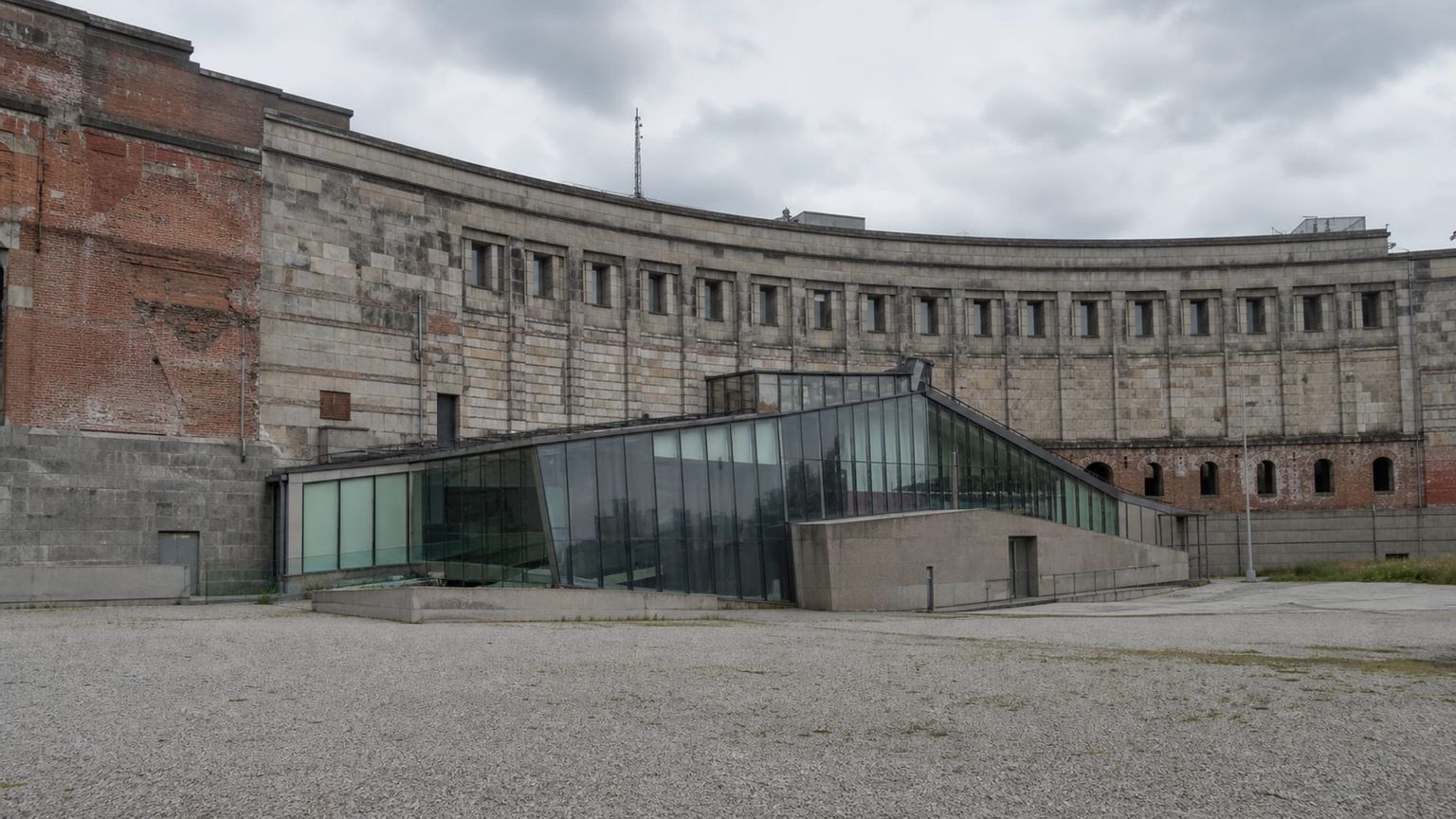
A quieter fourth day pairs Hesperidengärten with the old town’s smaller museum spaces. Reach the gardens in about 10 to 15 minutes by transit from Altstadt, spend 30 to 45 minutes among the hedges and fountains, then continue to the Tucherschloss and Hirsvogelsaal for about 1 to 2 hours. If you want one more scenic stop, return to the castle ridge for late light over the rooftops.
For a softer final pace, start with a last museum visit near the center, then spend time shopping in Lorenz or the Hauptmarkt streets before lingering over coffee in Gostenhof. The afternoon works well for picking up local specialties, revisiting a favorite square, or taking one final slow walk through Altstadt before heading to Nürnberg (NUE).
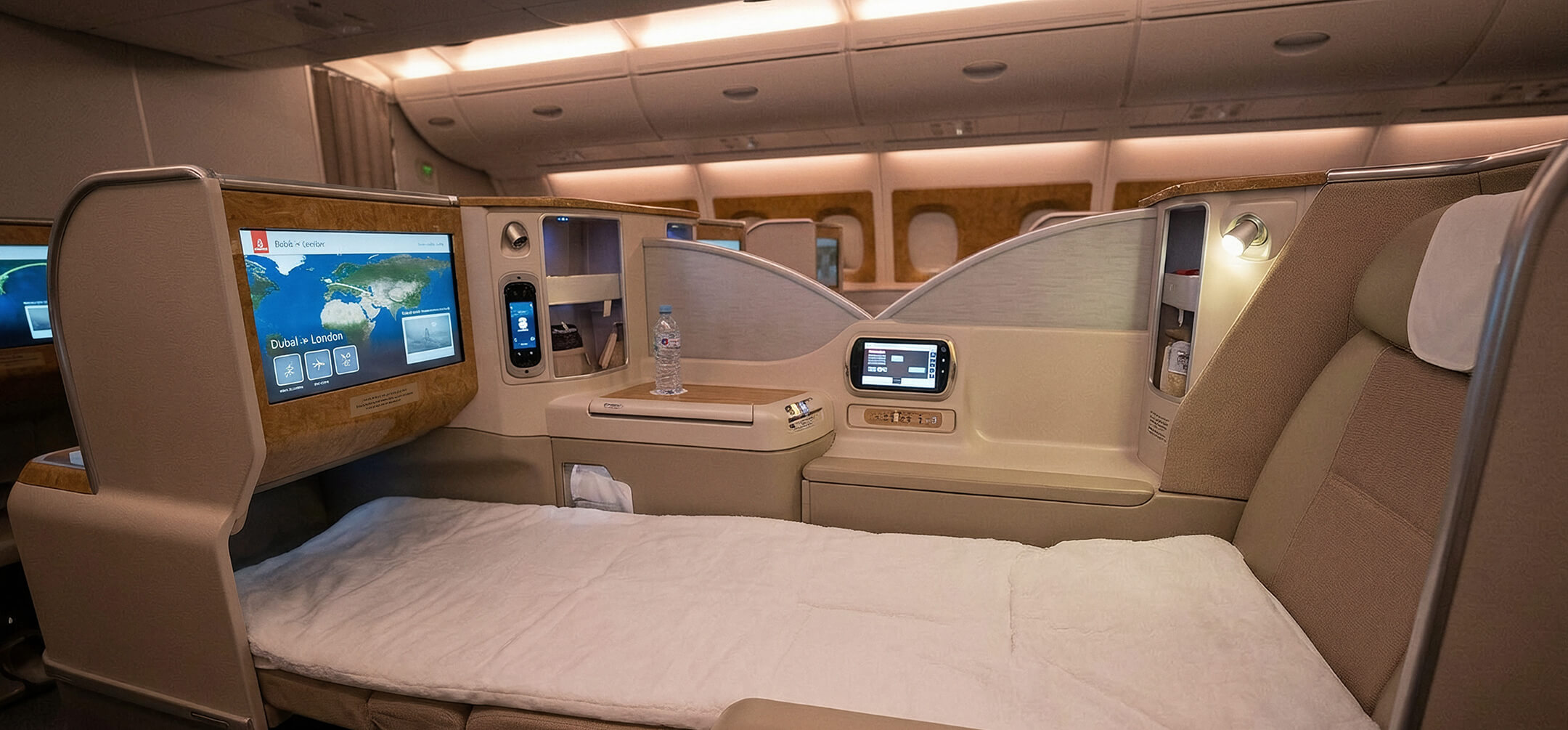
Business-class flights from the US to Nürnberg
For long-haul arrivals, Nürnberg usually fits best on one-stop itineraries through major European hubs. The East Coast and West Coast examples below show how airlines, connection points, and fare bands shift by origin.
From New York, Lufthansa, United Airlines, Delta Air Lines, Austrian Airlines, and Air Canada all appear on workable one-stop itineraries. Routing via Frankfurt, Munich, Zurich, Vienna, or Toronto usually takes about 8 to 13 hours total, and business-class fares from New York usually run from $2,400 to $5,800 round trip.
From Los Angeles, Lufthansa, United Airlines, Swiss International Air Lines, and Air Canada are the main names to compare, with many trips connecting in Frankfurt or Zurich. Expect about 13 to 18 hours total travel time, and business fares from Los Angeles usually run from $2,900 to $6,900 round trip.
Nürnberg feels different when you slow down
A deliberate Nürnberg stay gives you time to separate the castle ridge from the station quarter, the memorial grounds from the old town, and a quick bratwurst stop from a longer meal in Altstadt. Trams, short U-Bahn rides, and walks through Lorenz or Gostenhof make the city easy to read in pieces. If you want help shaping the right base and flight plan, the AranGrant experts can build it around the neighborhoods and sights that matter most to your trip