

Chapters:

Need help with your trip?
Our support team is available 24/7. Request a callback or call us directly at (833) 619-0908
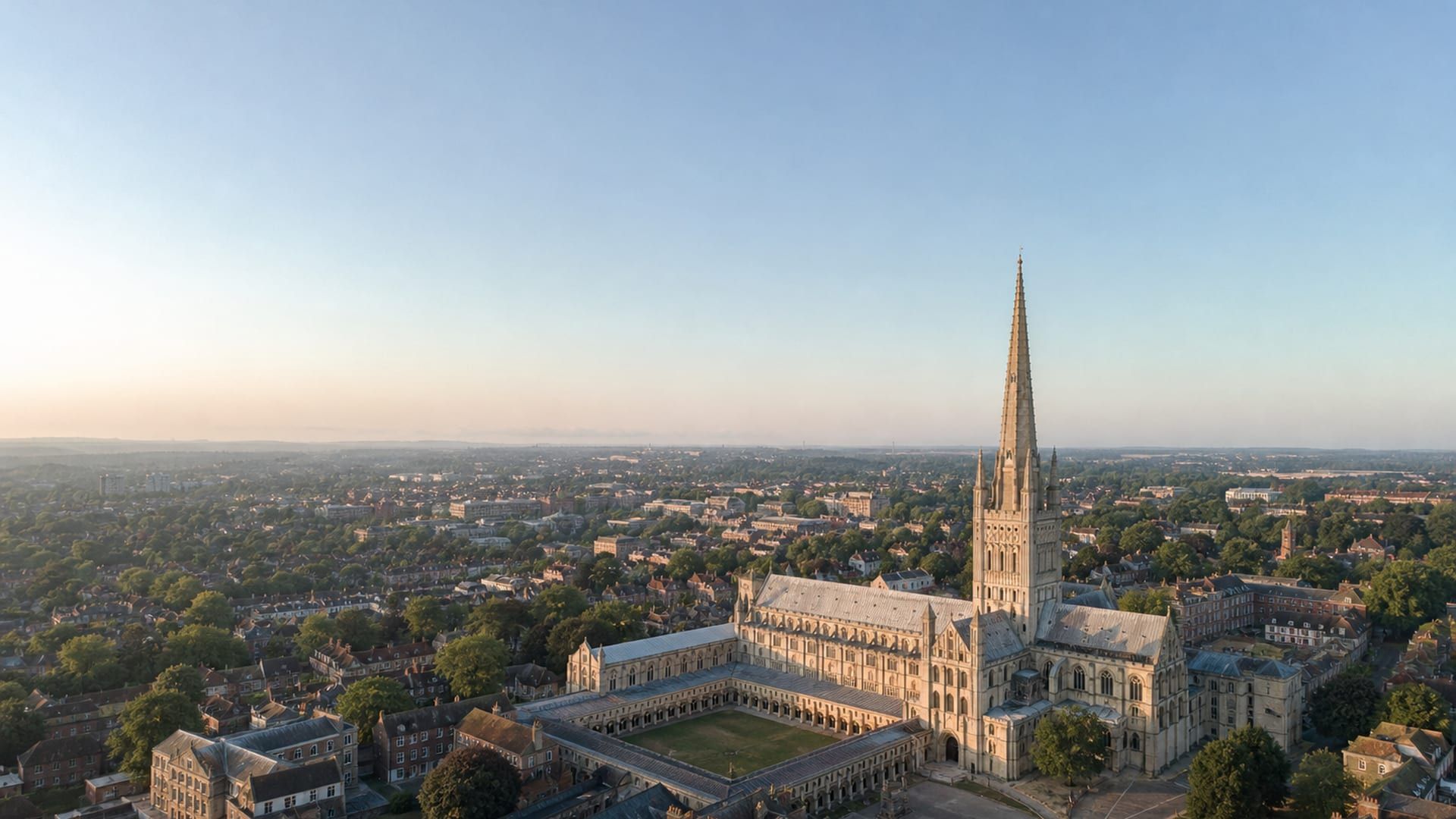
Norwich usually rewards travelers who start with the cathedral, the market, and a hotel near the center, then leave the rest to chance. What often gets missed is how much the city changes once you step into The Lanes, the riverfront, or the university district.
That casual approach can waste time. Norwich is compact, but the best sites still sit in distinct pockets, and the route between them matters when you want to fit in museums, meals, and a calm evening without backtracking.
This guide keeps the walking manageable, groups sights by area, and leaves room for the market, cathedral close, and river stops to work as part of a clear plan.
Useful things to know

Main language(s): English

Currency: The local currency is the pound sterling (GBP, £).

Cash and cards: Cards and contactless are widely accepted; carry about £20 to £40 ($25 to $50) in cash for small shops or markets.

Tipping: Tip 10% in restaurants if service is good; round up small taxi fares.

Traditional food: Norfolk dumplings, Cromer crab, Norfolk Black turkey, fish and chips

Water and coffee costs: Water ~£1.50 ($2), bar espresso ~£3 ($4).

Taxis and ride apps: Uber operates here; local minicab firms also take phone bookings.

Plug and voltage: Type G socket, 230V

Dining and shop opening hours: Breakfast 07:00-09:00, lunch 12:00-14:00, dinner 18:00-21:00. Many kitchens close by 22:00, with Sunday hours often shorter.

Emergency number: 999 or 112 for police, fire, and ambulance.
Where to stay in Norwich
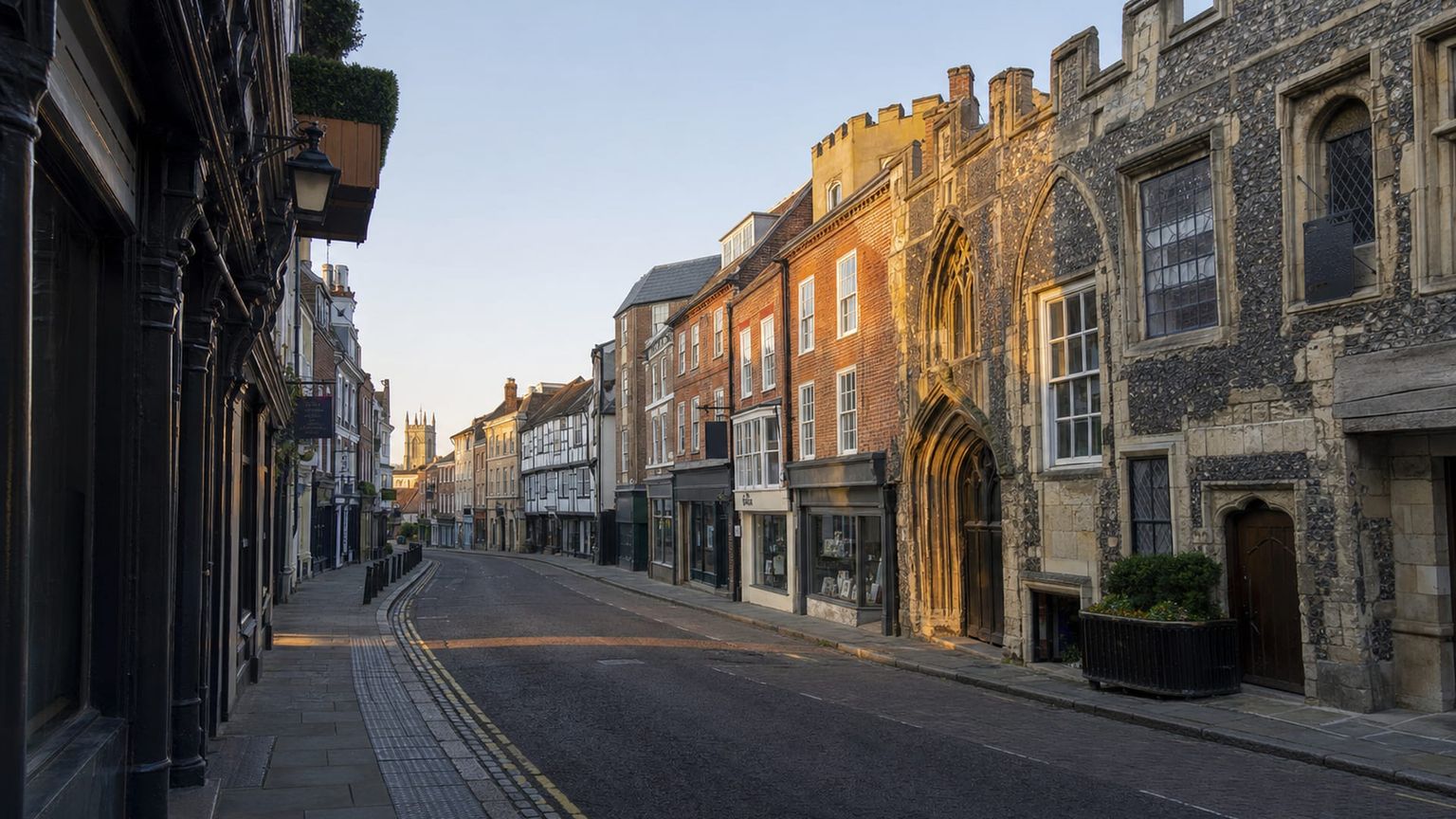
The city center puts you beside Norwich Market, the cathedral quarter, and the main shopping streets. It suits visitors who want to walk to museums, restaurants, and evening venues without relying on taxis.
Best for: First-time visits, car-free stays, and easy access to restaurants, shops, and historic sights
What to expect: Busy daytime streets, steady foot traffic, and more activity near the market and cathedral into the evening.
Hotel prices: Usually about $140 to $240 per night for well-rated stays
Distance to major sights: 5 to 10 minutes on foot to Norwich Market; about 10 to 15 minutes on foot to Norwich Cathedral
Quietness: Lively during the day and early evening, then quieter on side streets late at night.
Main trade-off: Central rooms cost more, and the busiest streets can bring noise on weekends and market days.
Good to know: If you want to walk out for meals and sightseeing, this is the easiest base, but check whether your room faces the street or a quieter courtyard.
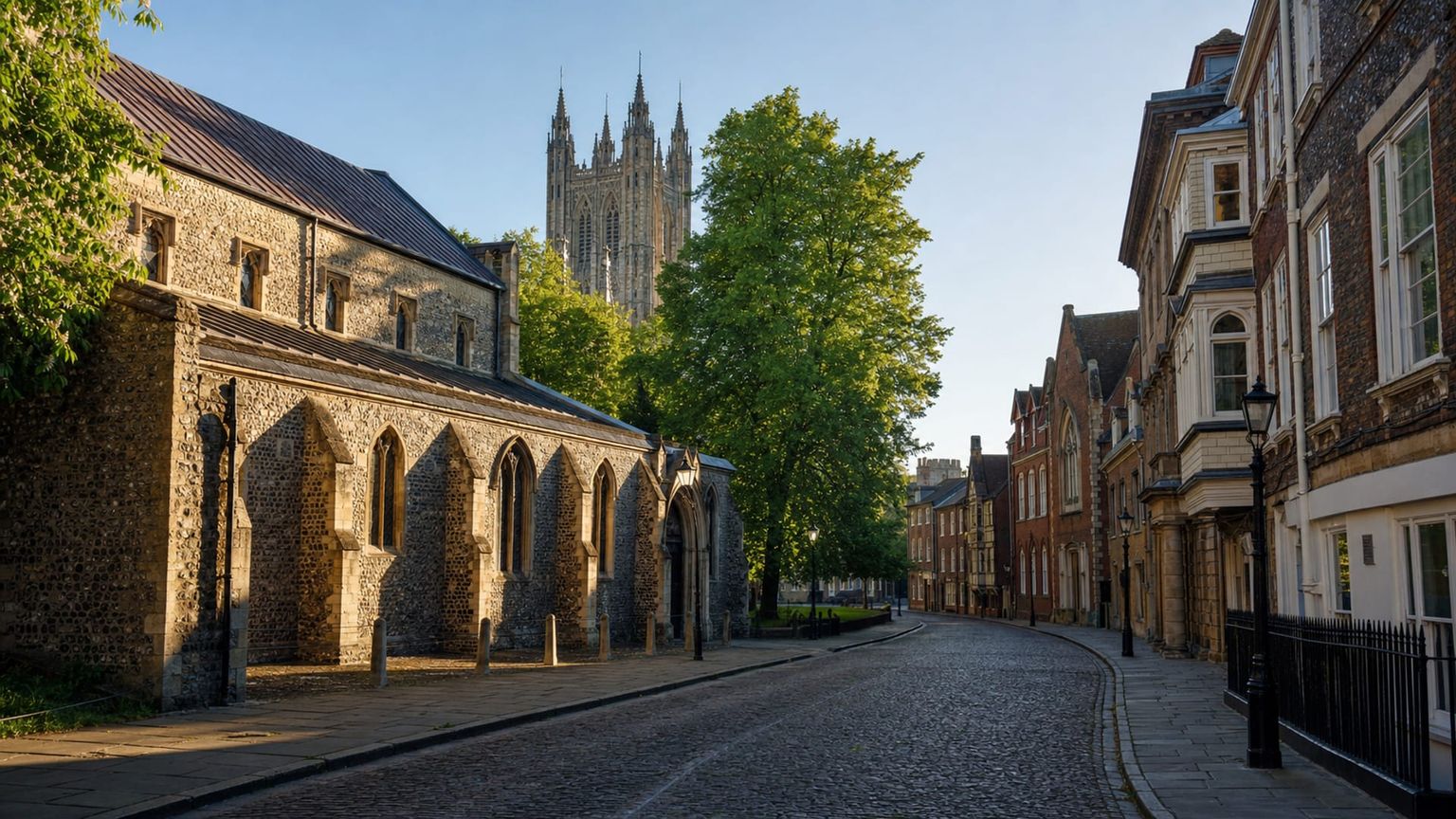
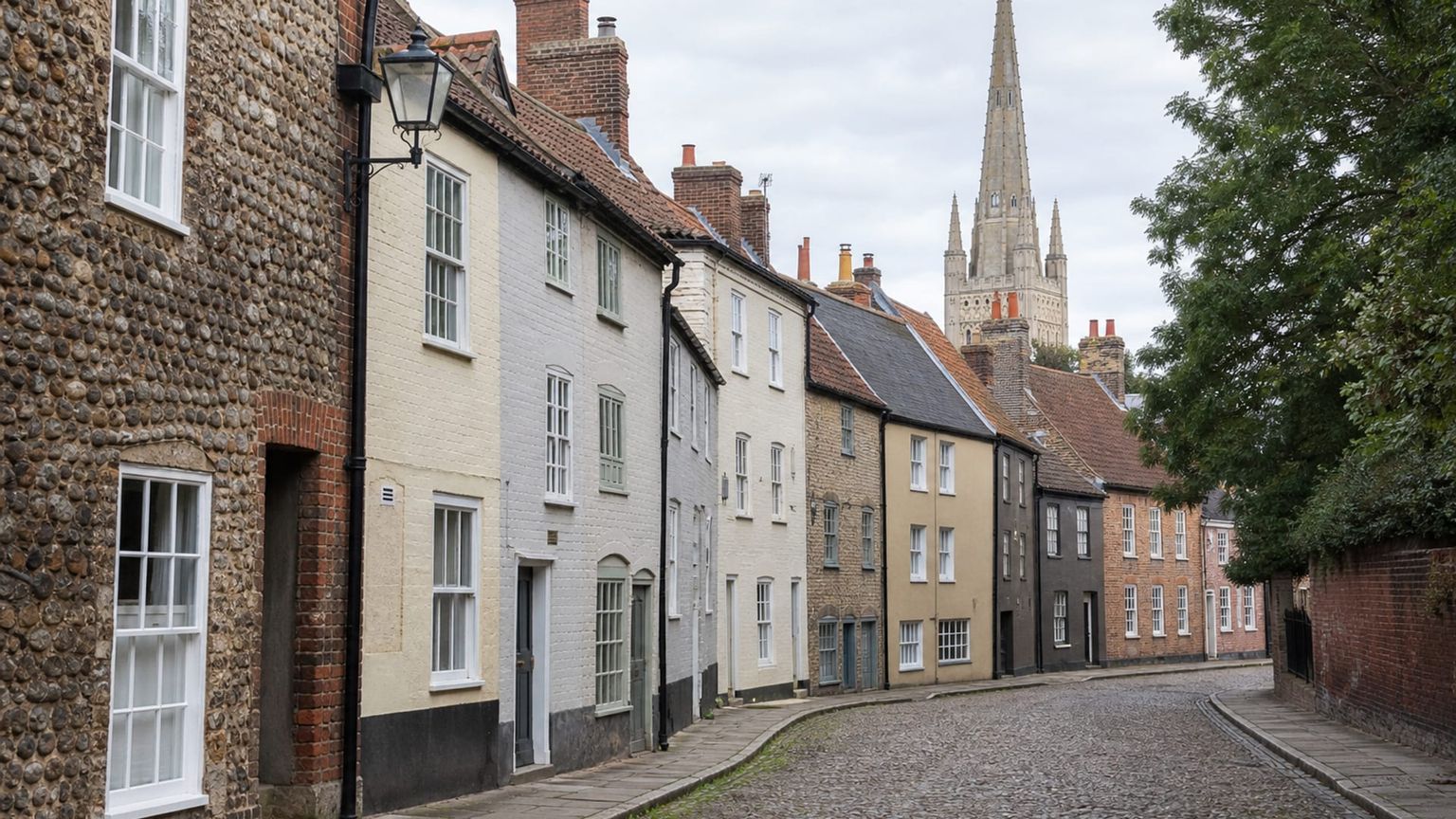
Tombland and the Cathedral Quarter sit just east of the main shopping core, with cobbled lanes, old courtyards, and some of Norwich’s most atmospheric historic buildings. It works well for travelers who want a quieter, more characterful stay close to the center.
Best for: Historic atmosphere, cathedral access, and stays within an easy walk of the center
What to expect: Pedestrian-friendly streets, moderate daytime activity, and a calmer feel after dinner than the main retail streets.
Hotel prices: Usually about $150 to $260 per night for well-rated stays
Distance to major sights: 2 to 8 minutes on foot to Norwich Cathedral; about 12 to 18 minutes on foot to Norwich Market
Quietness: Quieter than the main center in the evening, though nearby pubs can still create some late noise.
Main trade-off: Hotels here can cost more for the setting, and the cobbled streets may be less convenient with heavy luggage.
Good to know: Some lanes are narrow and parking is limited, so plan on walking or using a taxi if you arrive with bags.
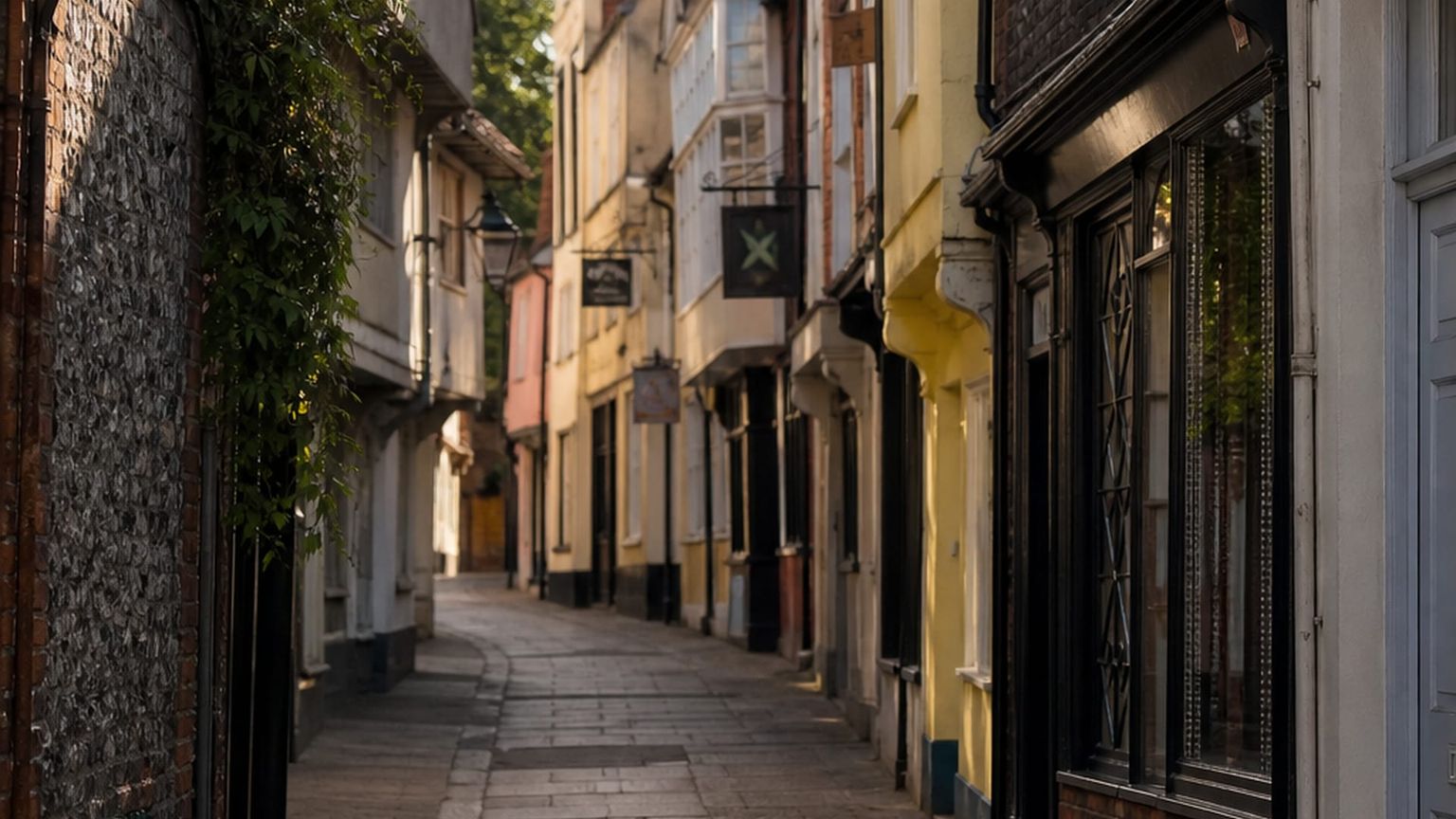
The Lanes is the maze of small streets south of the city center, packed with independent shops, cafes, pubs, and small restaurants. It suits visitors who want to step straight into Norwich’s most local-feeling central neighborhood.
Best for: Independent dining, shopping, and travelers who want a central base with character
What to expect: Compact streets, strong daytime foot traffic, and a busy evening scene around pubs and restaurants.
Hotel prices: Usually about $130 to $220 per night for well-rated stays
Distance to major sights: 5 to 12 minutes on foot to Norwich Market; about 12 to 20 minutes on foot to Norwich Cathedral
Quietness: Busy through the day and into the evening, with quieter backstreets after the pubs close.
Main trade-off: You get location and atmosphere, but nightlife noise can be an issue on Friday and Saturday nights.
Good to know: Choose this area if you plan to eat out often, because many of the best tables are right on your doorstep.
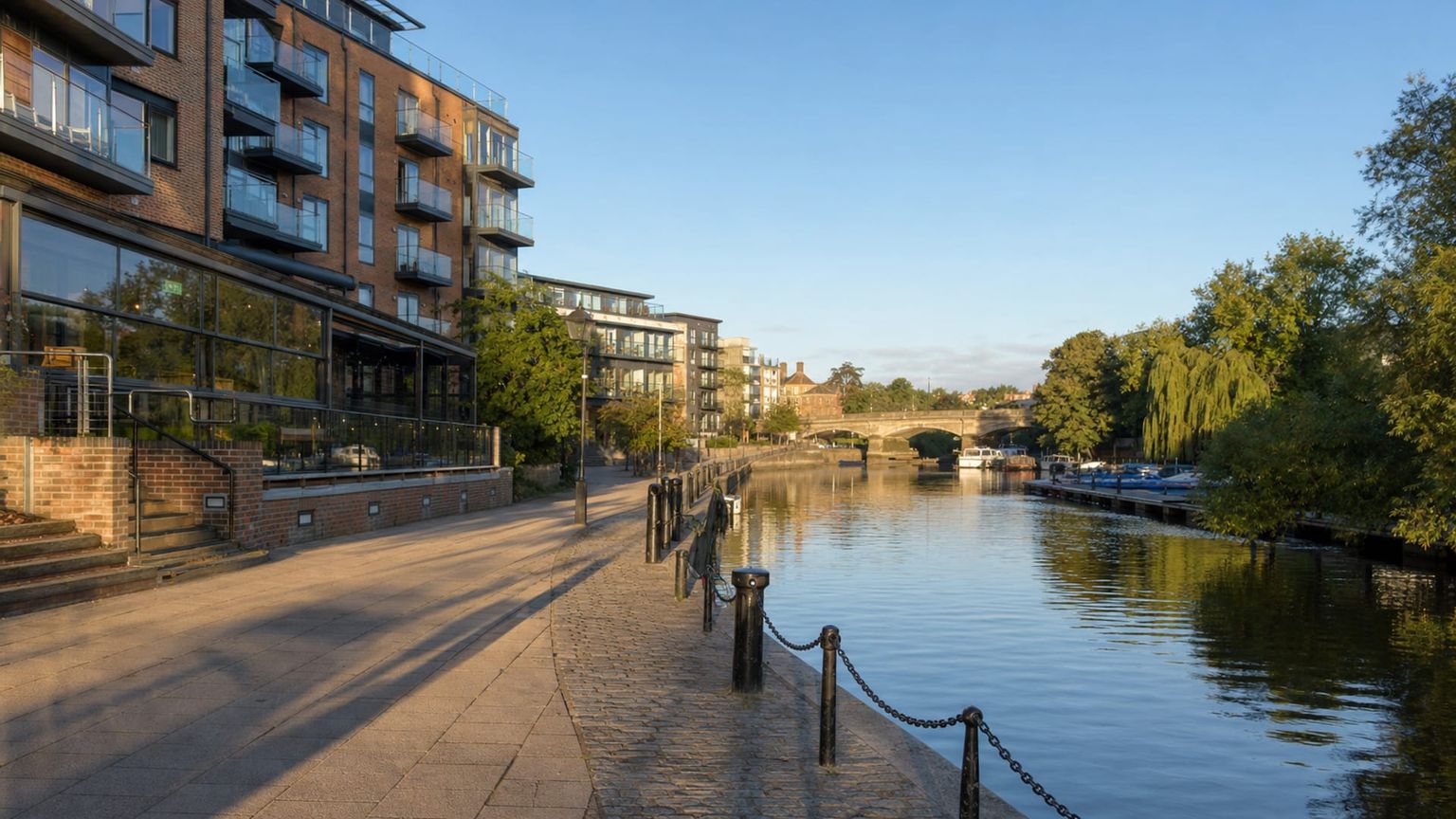
Riverside sits south and east of the center along the River Wensum, with hotels, a cinema, chain restaurants, and the main station close by. It is a good pick for travelers arriving by train or wanting an easier modern-hotel setup.
Best for: Train arrivals, newer hotels, and travelers who want easy station access
What to expect: Modern blocks, steady evening footfall near restaurants and entertainment, and less historic street character than the center.
Hotel prices: Usually about $120 to $210 per night for well-rated stays
Distance to major sights: 10 to 15 minutes on foot to Norwich Market; about 12 to 18 minutes on foot to Norwich Cathedral
Quietness: Moderately busy in the evening near the leisure complex, quieter on the riverside edges and later at night.
Main trade-off: The area is less distinctive than the old quarters, and the walk into the historic core is a little longer.
Good to know: If you are catching an early train, staying here trims the walk to Norwich station and keeps check-in simple after arrival.
Travelers usually avoid Thorpe St Andrew and Sprowston for hotel stays, since they sit outside the central sights and depend on bus or car trips for evenings out. Eaton and Cringleford are also less convenient for short city breaks, with fewer visitor-facing amenities and more time spent getting back into the center after dinner.
Hotel deals
How to get around Norwich efficiently
Norwich has no metro, so most visitors move between the center, the station, and the university area with buses, taxis, or short walks.

Metro
for longer distances
Norwich has no metro or subway network, so the closest equivalent is the city bus system and, for longer trips, Greater Anglia trains from Norwich station; from Norwich Airport, the city center takes about 25 to 35 minutes by road.

Bus and tram
for convenience
First Bus and Konectbus cover the main airport and city links, with services into Norwich bus station and the rail station; single fares usually sit at about $2 to $4, with day tickets about $6 to $10, and most tickets are valid for the rest of the day after purchase.

Taxi
for convenience or late hours
Licensed taxis use meters rather than fixed airport fares, and a trip between Norwich Airport and central Norwich typically costs about $18 to $28, rising with traffic or late-night travel; book by phone or through a local minicab office, and most cabs take cards, though cash still works.
*Prices are based on rates updated as of June 2026 and may change at the time of travel.
Walk for the core sights, take a bus for the university and airport links, and use a taxi when you arrive late or need to cut transfer time.
Iconic landmarks
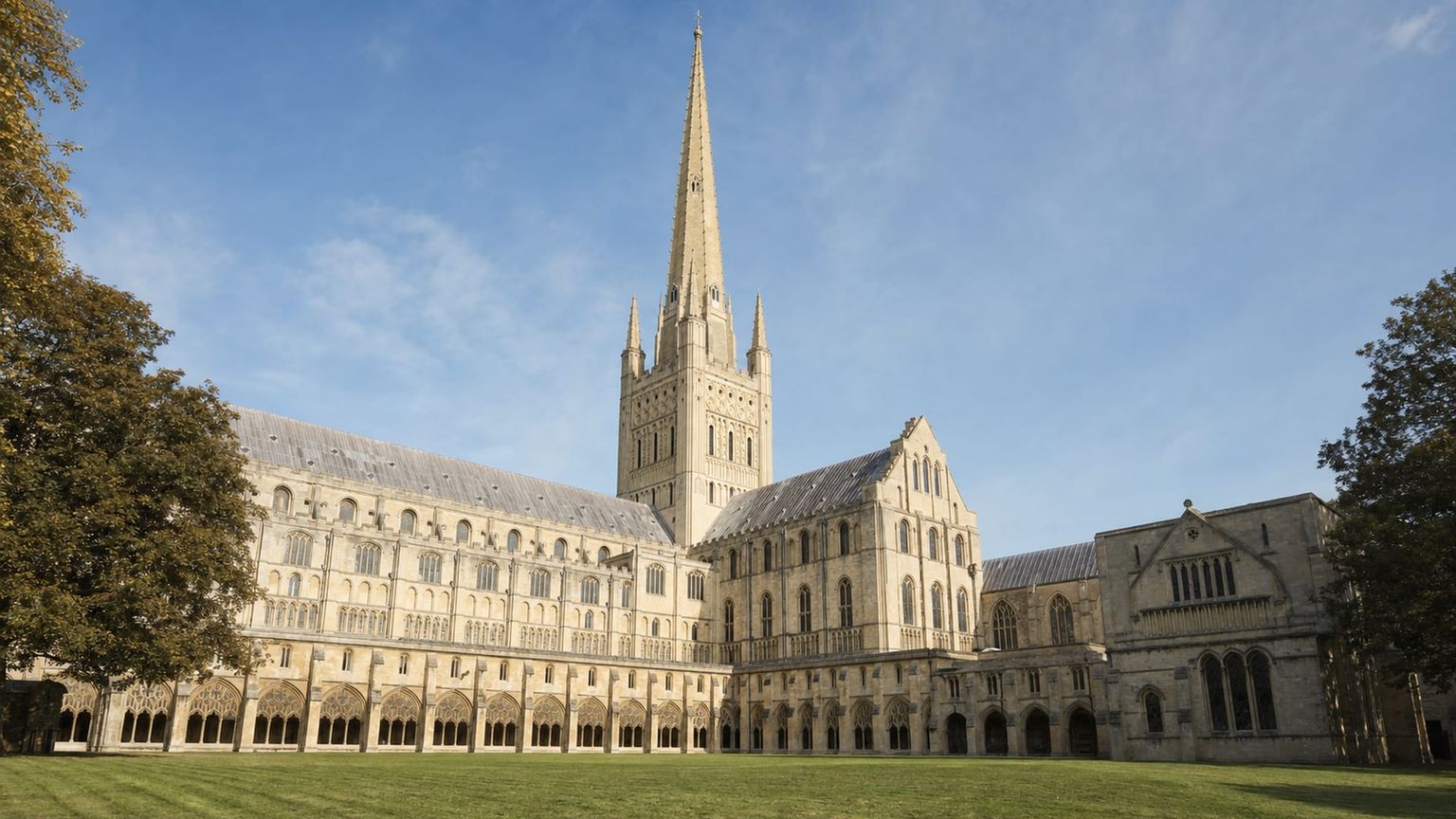
Norwich Cathedral
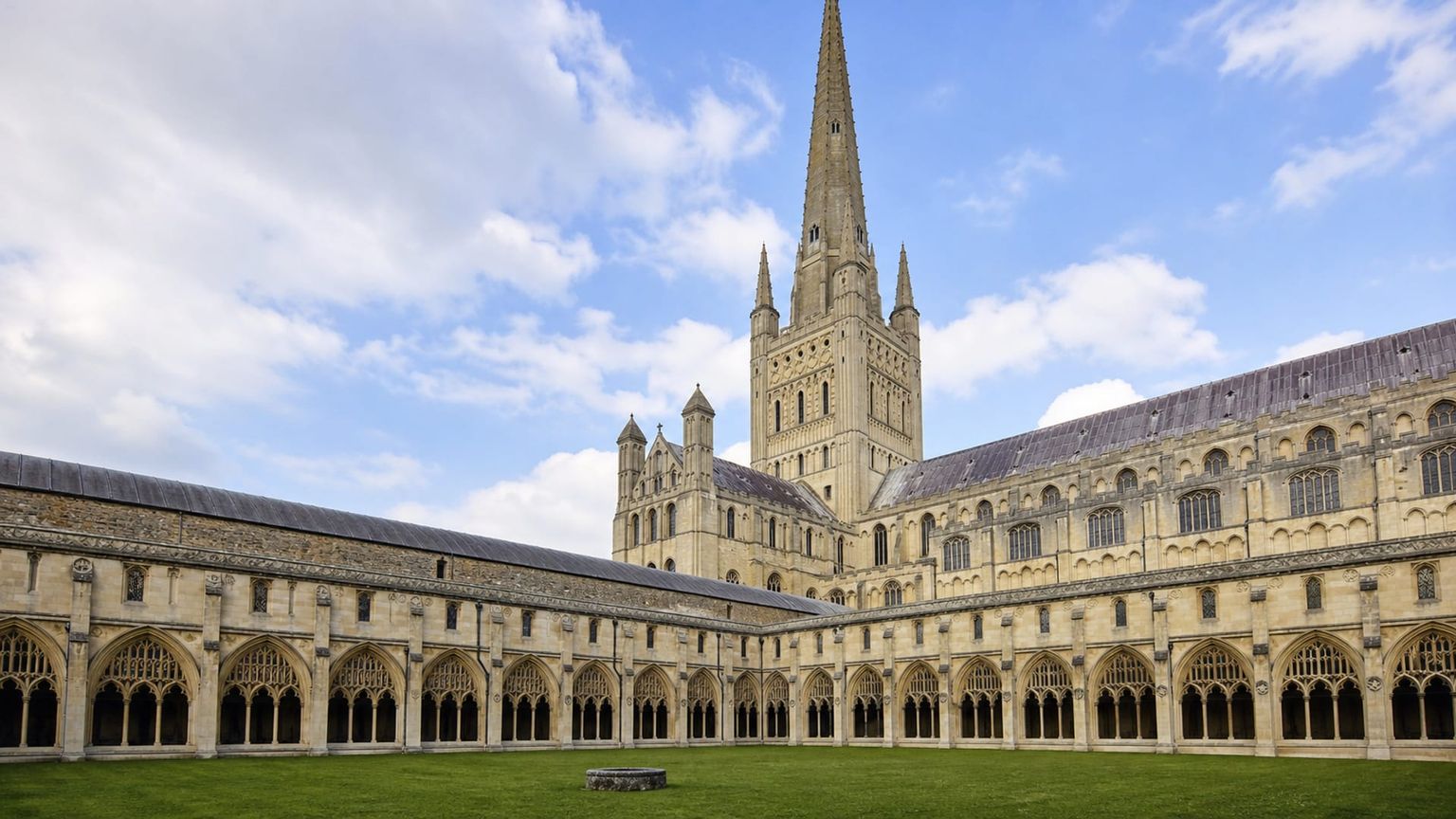
Norwich Cathedral’s Romanesque nave, rib-vaulted cloisters, and 315-foot spire make it the city’s defining landmark. Built from 1096, it also preserves more than 1,000 carved roof bosses and a quiet close.
Time needed: About 1 to 2 hours
Entry: Standard admission is free; donations are welcome, while tower visits and special exhibitions carry separate charges from about $7 to $14 (£6 to £12). Visit the official site for details.
Tip: Arrive early, then circle the close before the midday crowds and guided groups.
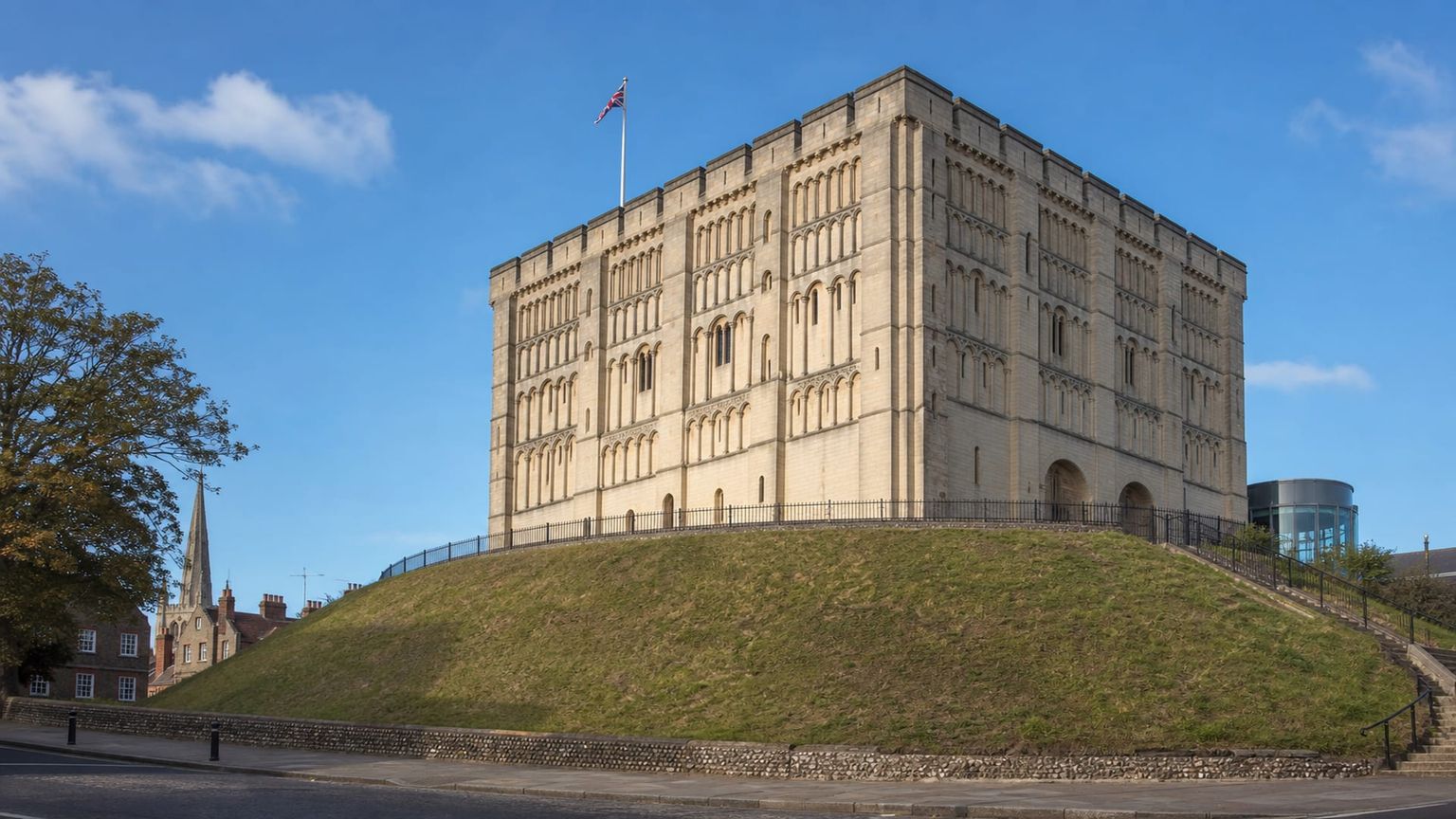
Norwich Castle Museum and Art Gallery
Set in a former royal fortress, Norwich Castle combines a Norman keep with galleries on East Anglian history, fine art, and decorative objects. The keep’s recent restoration gives clear views across the city roofline.
Time needed: About 2 to 3 hours
Entry: Adult admission is about $15 ($12.90); child tickets are about $9 ($7.70), with family and concession rates also available. Visit the official site for details.
Tip: Start in the keep first, then leave time for the upper galleries and city view decks.
Sainsbury Centre for Visual Arts
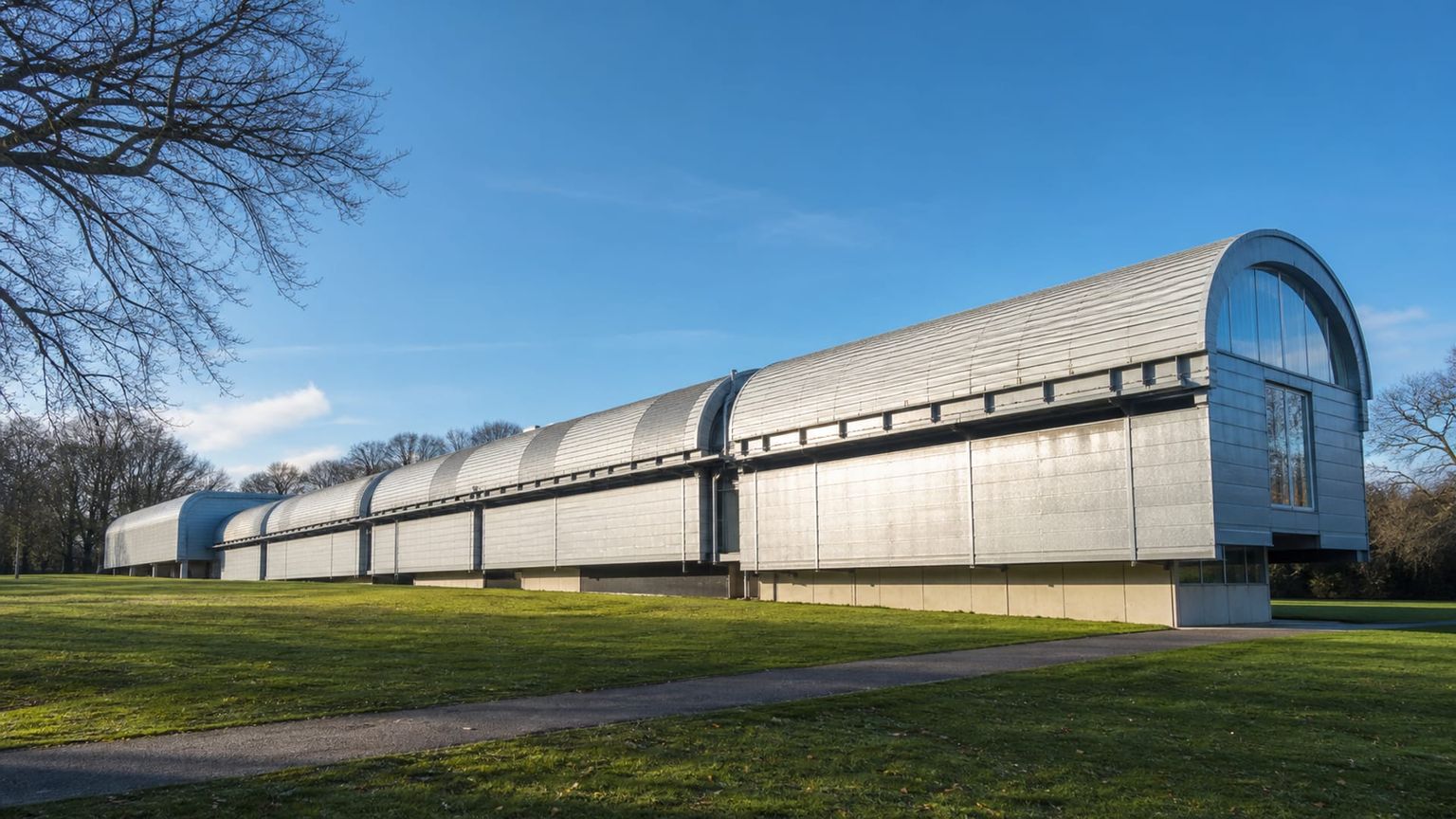
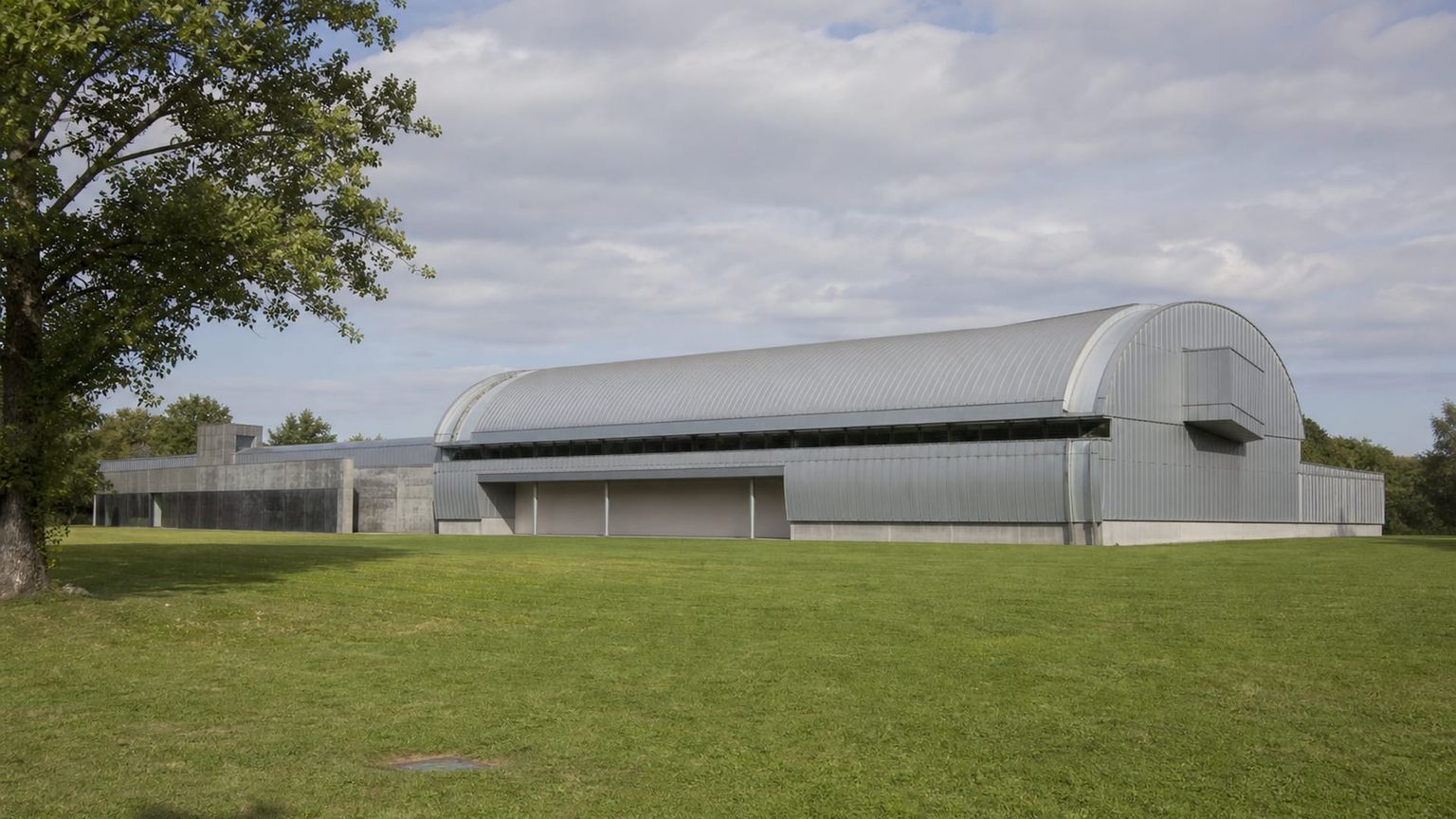
Designed by Norman Foster, the Sainsbury Centre pairs a high, light-filled hall with collections ranging from ancient sculpture to twentieth-century painting. Its setting on the University of East Anglia campus makes the building itself part of the visit.
Time needed: About 2 to 3 hours
Entry: General admission to the permanent collection is free; special exhibitions typically cost about $10 to $18 (£8 to £15) per adult. Visit the official site for details.
Tip: Use a clear afternoon, the long glass walls make the galleries brighter than evening visits.
Overlooked sites worth visiting

Pull's Ferry
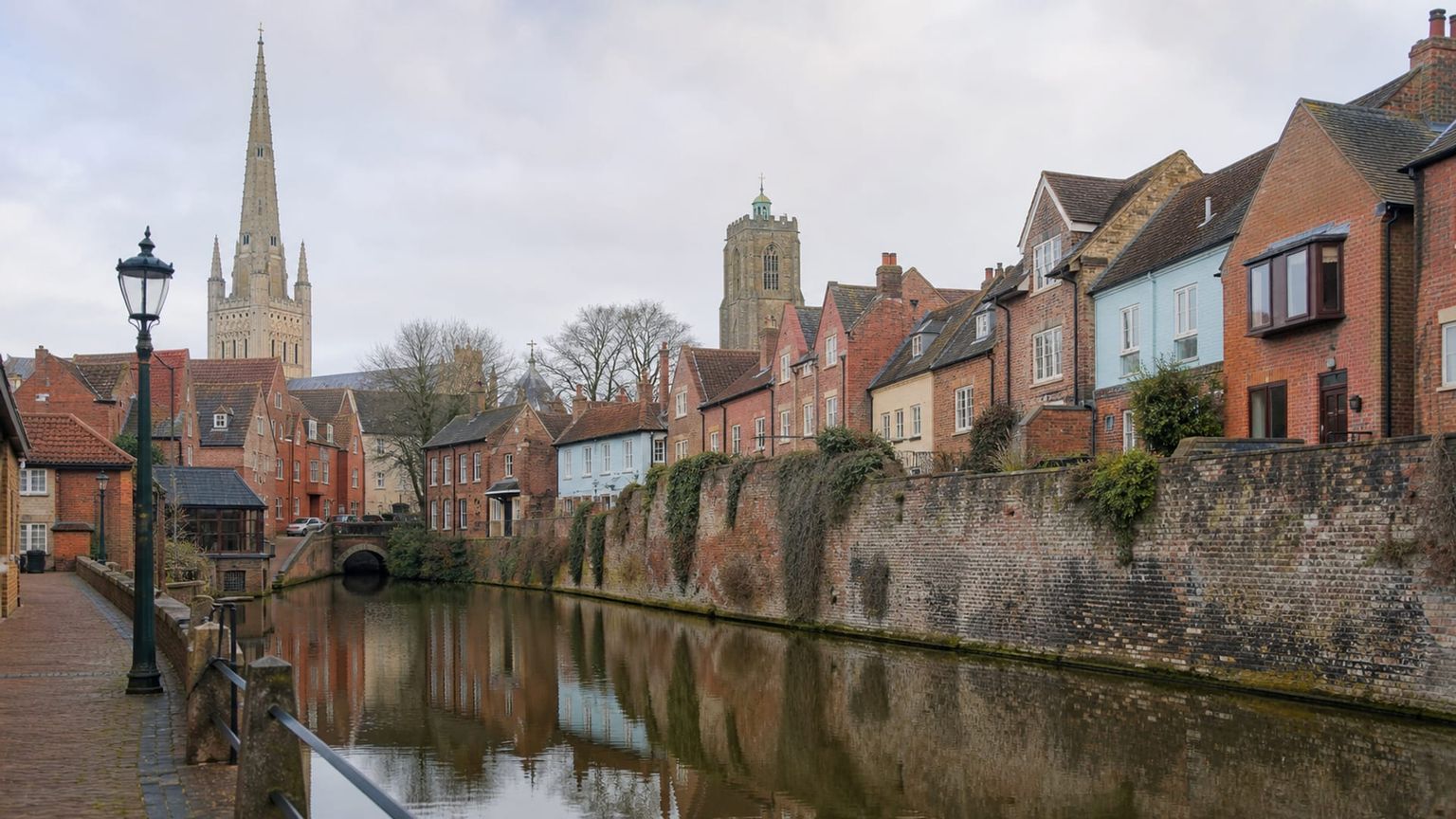
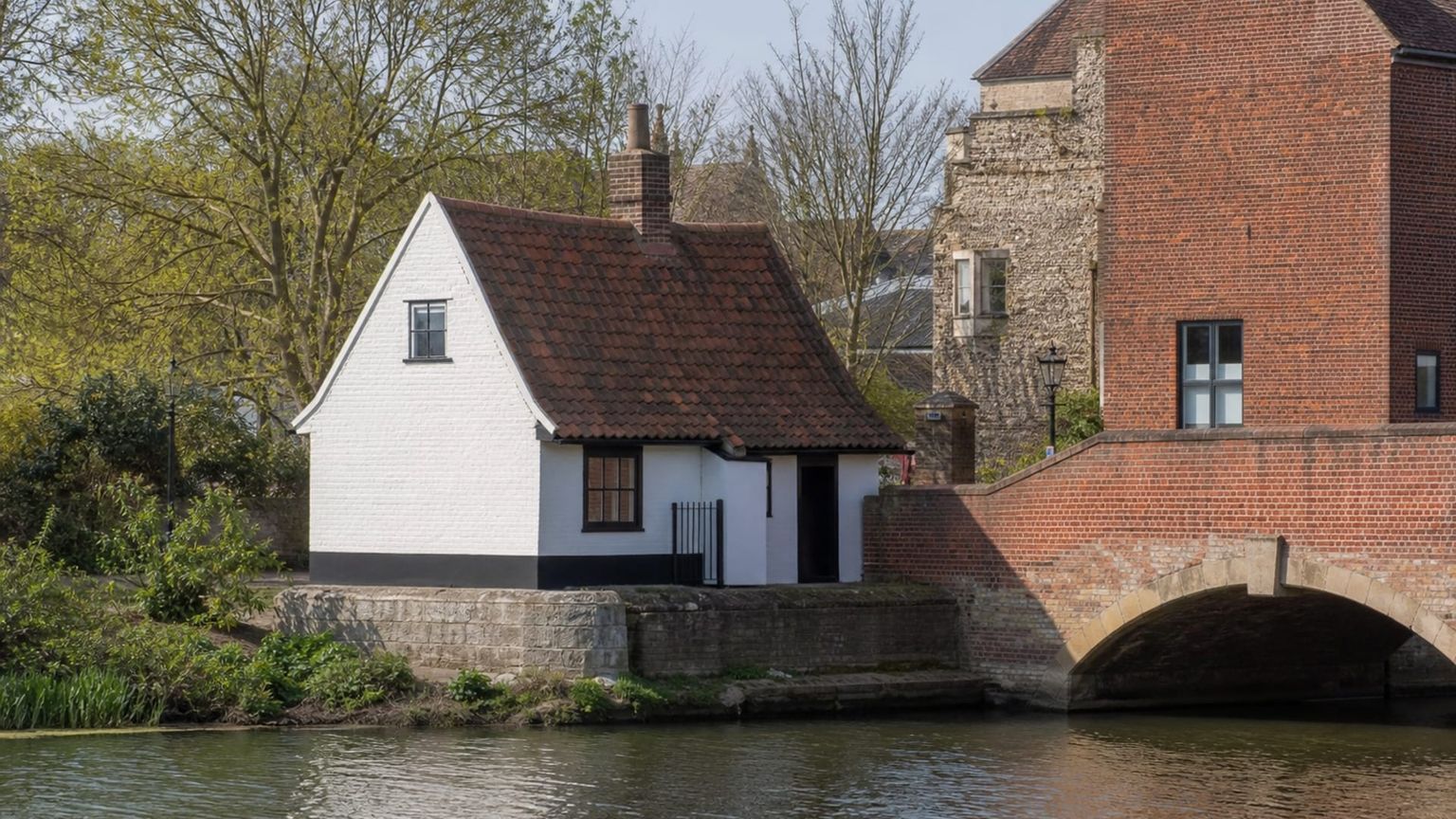
This 15th-century watergate on the River Wensum sits beside the old Bishop Bridge and gives a rare look at Norwich’s medieval riverfront. The setting suits a short stop before or after a walk.
Time needed: About 30 to 45 minutes
Entry: Free to access; it is a public riverfront viewpoint with no admission charge. You can see the exterior from the riverside path at any time, and nearby streets offer free access to the bridge area and the watergate frontage.
Tip: Visit late afternoon for better light on the brickwork.

Sainsbury Centre for Visual Arts
The Sainsbury Centre for Visual Arts at the University of East Anglia pairs modern architecture with a compact collection that spans Africa, Oceania, Asia, and Europe. The galleries make an easy cultural stop in one building.
Time needed: About 1 to 2 hours
Entry: General admission is free for the permanent collection. Special exhibitions may carry a separate charge, often about $10 to $20 (£8 to £16), depending on the show and ticket type; check the current schedule before you go. Visit the official site for details.
Tip: Check exhibition timings if you want to combine it with lunch on campus.
Traditional food
Norwich cooking leans on Norfolk dumplings, Cromer crab, turkey, and river fish, with menus that favor local produce and pub dining. Expect simple plates, strong seafood, and roasts that suit an easy lunch or an early supper.
Cromer crab
Sweet, briny crab is one of Norfolk’s signature dishes, and Benedicts serves it with the kind of careful treatment that makes a simple shellfish plate feel like a highlight.
Norfolk dumplings
These soft, floury dumplings often come with stews or roast plates, and The Copper kettle at The Maids Head Hotel is a strong place to try them in a classic setting.
Norfolk Black turkey
This local turkey appears on roast menus and holiday plates, and Stoke Mill keeps the dish rooted in regional produce with a polished dining-room setting.
Fish and chips
For a straightforward Norwich classic, Grosvenor Fish Bar turns out crisp batter, chunky chips, and the sort of takeaway meal that suits a relaxed evening in the center.
Best time to visit Norwich
Norwich shifts gently by season, with spring and summer giving you longer walks, clearer riverfront light, and more time outside, while autumn and winter favor quieter streets and museum-focused days.
Best for: Cathedral visits, river walks, and first outdoor lunches
What you get: Highs of about 50 to 61°F (10 to 16°C), with moderate crowds and fresh conditions for walking
Trade-offs: Rain still turns up often, so layers help
Best for: Long days for the market, The Lanes, and the riverfront
What you get: Highs of about 64 to 72°F (18 to 22°C), with the busiest streets and the most daylight
Trade-offs: Popular sites and dinner tables book up faster
Best for: Museum days, pub dinners, and steady sightseeing
What you get: Highs of about 52 to 66°F (11 to 19°C), with lighter crowds after the summer peak
Trade-offs: Shorter days make late walks less appealing
Best for: Indoor time in the castle, cathedral, and cafes
What you get: Highs of about 43 to 48°F (6 to 9°C), with quiet streets and a slower pace
Trade-offs: Cold rain and early dusk can narrow the day
A realistic 5-day plan in Norwich
The five-day plan starts with arrival and a light first evening, then moves through the cathedral, the castle, the university campus, and the riverfront in a way that keeps each day clustered and manageable.
Land at Norwich (NWI), then take a taxi or prebooked car into the city center in about 20 to 25 minutes for roughly $35 to $50 (£28 to £40). If you are arriving by rail instead, Riverside keeps the walk to Norwich station short and puts you within about 10 to 15 minutes of Norwich Market and 12 to 18 minutes of Norwich Cathedral. After check-in, stay close to your hotel, have a light dinner in The Lanes or the Market area, and finish with water and an early night so the next day starts comfortably.
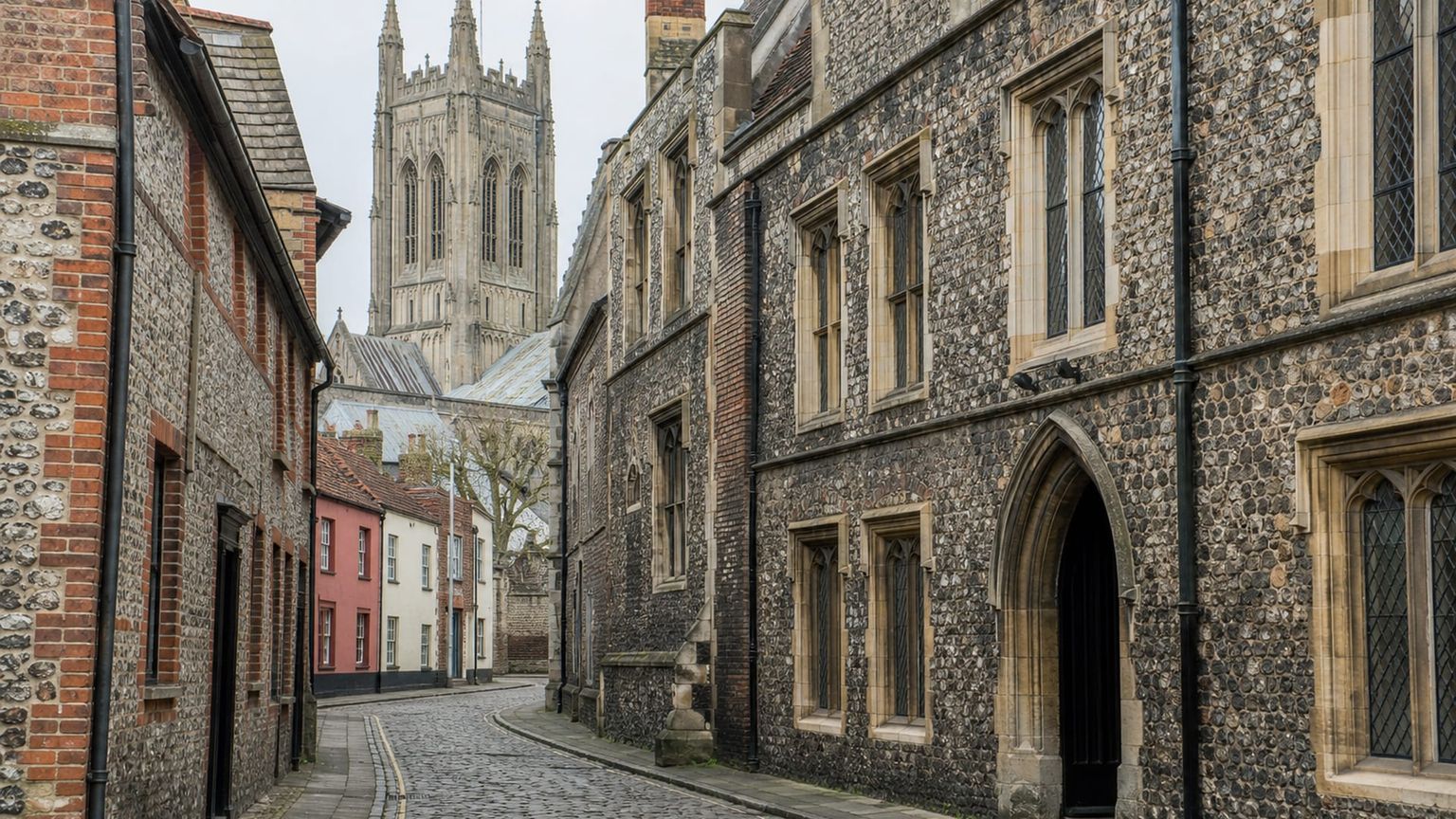
Begin at Norwich Cathedral when the close is still quiet, then spend about 1 to 2 hours taking in the nave, cloisters, and spire. From there, walk about 10 minutes to Pull’s Ferry for the riverfront and watergate view, then continue another 10 to 15 minutes into the center for lunch near Norwich Market. In the afternoon, head to Norwich Castle Museum and Art Gallery, which takes about 2 to 3 hours and sits roughly 5 to 10 minutes on foot from the market, so you can finish with an easy walk back through the city center for dinner.
Start with the Sainsbury Centre for Visual Arts on the University of East Anglia campus, where you can spend about 2 to 3 hours with the permanent collection and the Foster-designed building. After that, take a taxi or local bus back toward the center, then browse The Lanes for independent shops and cafes before dinner. If you want an extra stop, return to Norwich Market on foot from The Lanes in about 5 to 10 minutes, then end the evening with a meal in the city center.
For a slower fourth day, begin with Norwich Castle if you want a second look at the keep or specific galleries, then walk about 10 to 15 minutes to the cathedral quarter for coffee and a short circuit of Tombland. After lunch, follow the streets toward the river and stop again at Pull’s Ferry if you want a better late-afternoon light on the brickwork, or linger in The Lanes for shops and pubs. The day works well as a city-walk loop, with most transfers staying within about 10 to 15 minutes on foot.
Norwich suits a relaxed final morning, so pair one last indoor stop at the Norwich Castle Museum and Art Gallery with a few hours for browsing in The Lanes or around Norwich Market. If you prefer a quieter send-off, settle into a cafe in Tombland or the Cathedral Quarter, then pick up any last purchases in the city center before heading to the station or airport. A taxi back to Norwich (NWI) from the center usually takes about 20 to 25 minutes, leaving enough room for a calm departure without cramming in another major sight.
Business-class flights from the US to Norwich

Flights to Norwich usually connect through one of a few major European hubs, so the best choice often comes down to timing and fare rather than nonstop convenience. The east coast and west coast routes each follow their own pattern.
From New York, British Airways, KLM, Lufthansa, Air France, Swiss International Air Lines, and Virgin Atlantic typically route through London (LHR), Amsterdam (AMS), Frankfurt (FRA), Paris (CDG), or Zurich (ZRH), with total travel times of about 9 to 13 hours. Fares usually start at $2,000 and can reach $4,200 round-trip, so a one-stop itinerary often trims the cost without adding an extreme journey.
Los Angeles fares usually begin at $2,400 and can reach $5,500 round-trip, with Lufthansa, British Airways, Air France, KLM, and Virgin Atlantic using one-stop itineraries via London (LHR), Amsterdam (AMS), Frankfurt (FRA), Paris (CDG), or Zurich (ZRH). Expect roughly 14 to 19 hours door to door when you connect through Europe.
Norwich feels different when you slow down
A deliberate Norwich trip keeps you close to the center, so mornings can start at the cathedral, afternoons can move between Norwich Castle and The Lanes, and later walks can reach Pull’s Ferry or Riverside without a long transfer. That mix leaves room for markets, museum time, and an easy dinner before you turn in. If you want the same kind of itinerary shape without the planning work, AranGrant experts can help you line up Norwich around the neighborhoods and sights that fit your pace







