

Chapters:

Need help with your trip?
Our support team is available 24/7. Request a callback or call us directly at (833) 619-0908
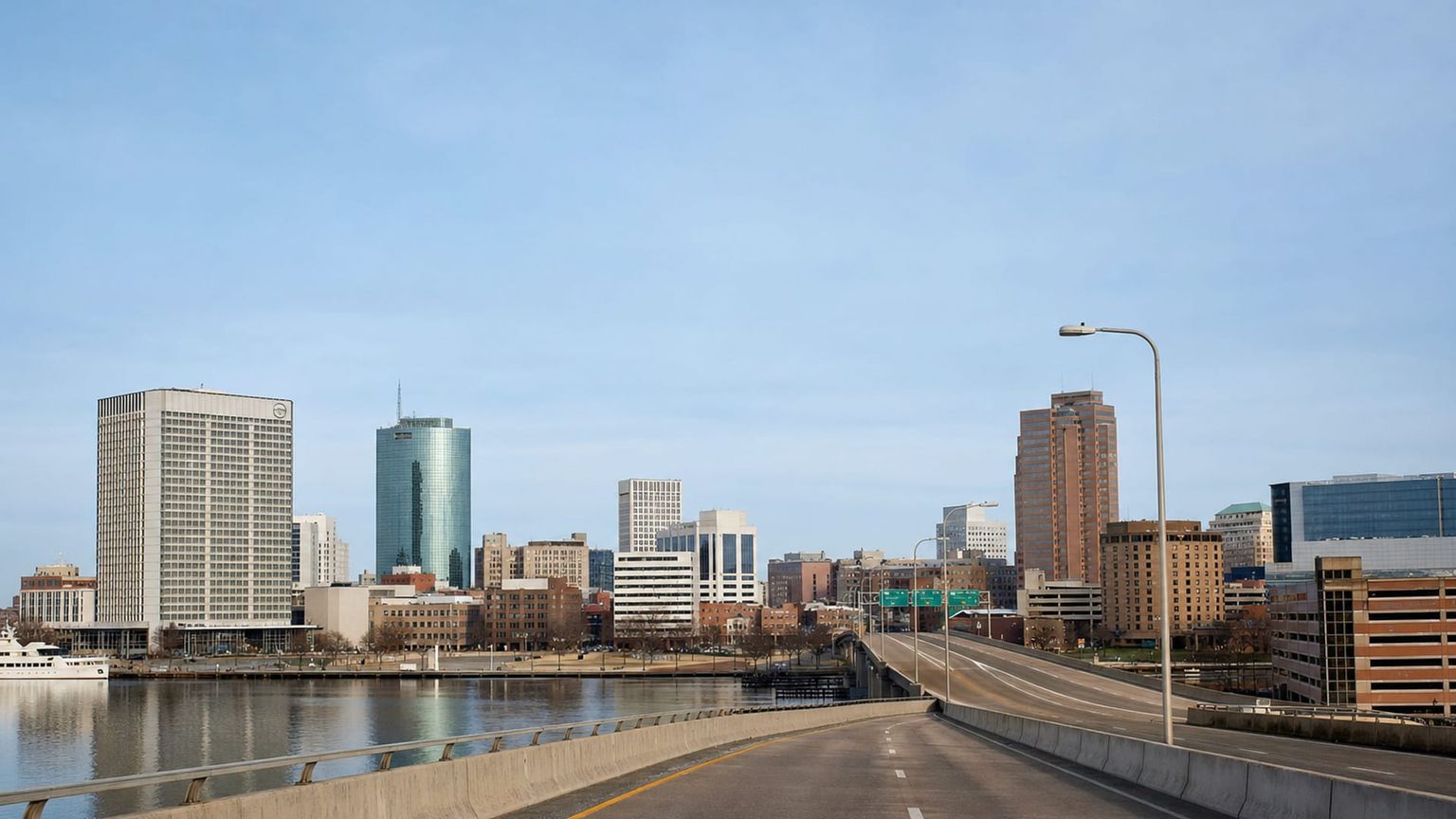
Norfolk trips often start with a downtown hotel, a museum stop, and one bayfront detour, but visitors sometimes miss how much ground the city covers between the river, Ghent, Ocean View, and the lighthouse side of town.
That spread matters because short hops can still take time, especially when you mix traffic, bridge crossings, and neighborhoods with limited late-night transit. A loose plan can waste hours.
This guide maps the city in a cleaner order, pairing each area with the right day so you can move through Norfolk without backtracking.
Useful things to know

Main language(s): English

Currency: The local currency is the US dollar (USD, $).

Cash and cards: Cards and contactless are widely accepted; carry about $20 to $40 in cash for small purchases.

Tipping: Tip 15-20% in sit-down restaurants if service is not included; round up small bills elsewhere.

Traditional food: Norfolk style Chinese, Virginia ham, oyster stew, she-crab soup

Water and coffee costs: Water about $2 to $3, bar espresso about $3 to $5.

Taxis and ride apps: Uber and Lyft operate here; availability can thin late at night.

Plug and voltage: Type A/B socket, 120V

Dining and shop opening hours: Breakfast runs about 06:30-09:00, lunch 11:30-14:00, and dinner 17:30-21:00. Many restaurants close early on Sundays.

Emergency number: Call 911 for police, fire, or medical emergencies.
Where to stay in Norfolk
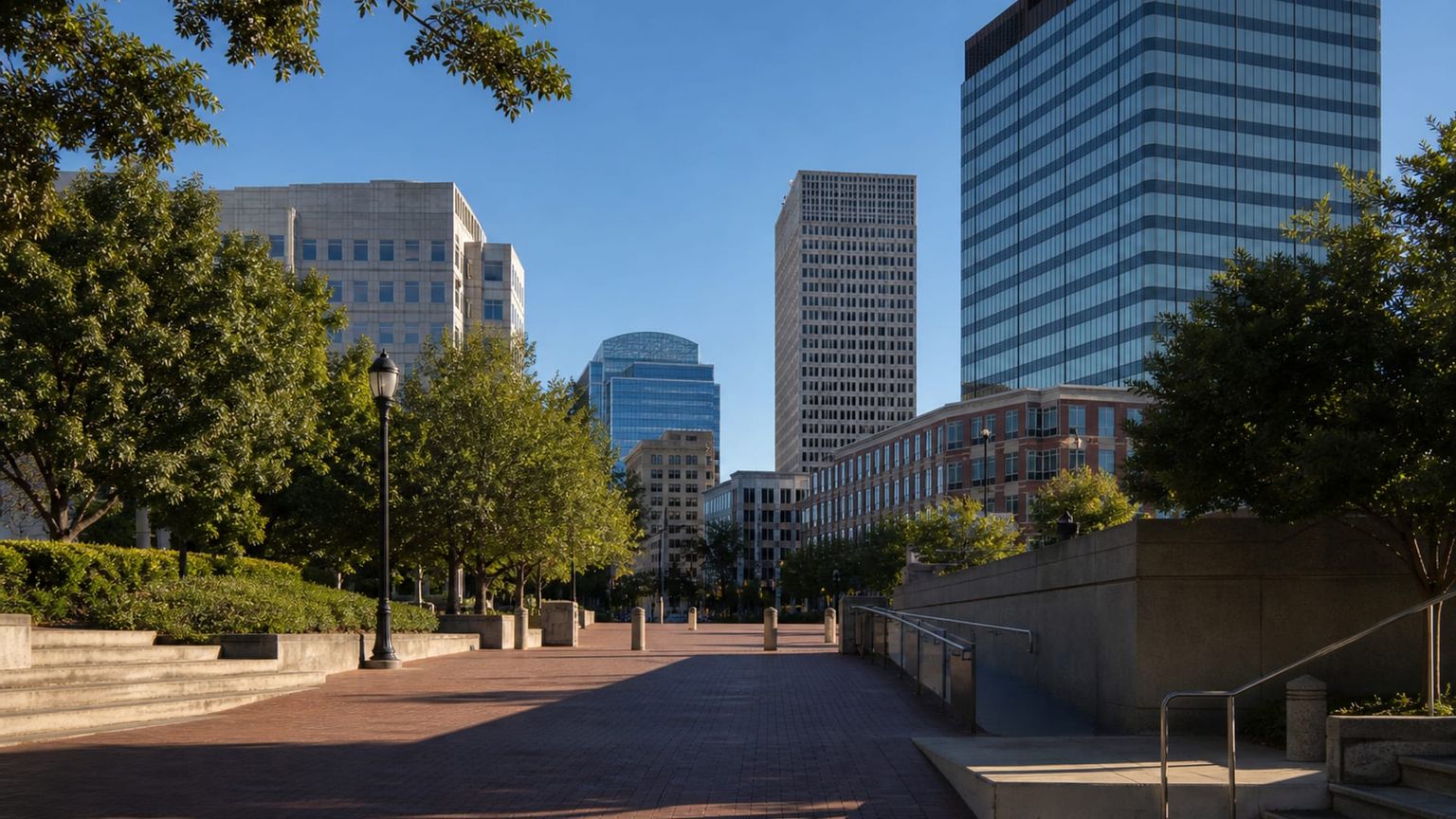
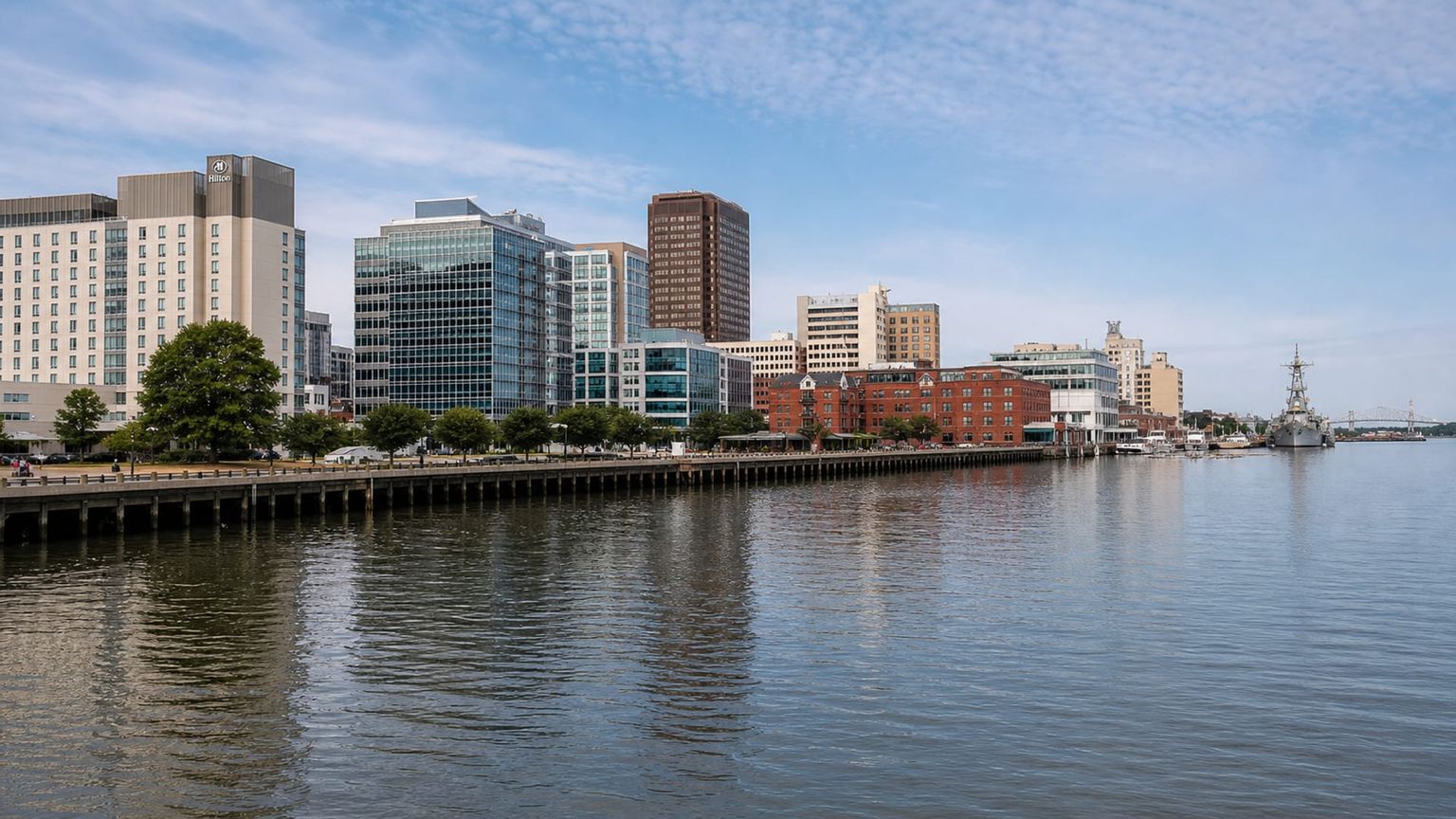
Norfolk’s central business and waterfront district, home to the MacArthur Center, Waterside, and the Elizabeth River Trail. It suits visitors who want the city’s main dining, museum, and event cluster within an easy walk or short ride.
Best for: Walkable sightseeing, dining, festivals, and travelers who want the most central base
What to expect: Busy sidewalks by day, with office workers, diners, and event crowds; evenings stay active near Waterside and the riverfront.
Hotel prices: Usually about $160 to $280 per night for well-rated stays
Distance to major sights: 5 to 15 minutes on foot to Waterside, Chrysler Museum of Art, and the Elizabeth River Trail
Quietness: Lively in the day and early evening, then calmer on side streets late at night.
Main trade-off: Hotels here cost more than in outer districts, and peak event nights can bring noise near the waterfront.
Good to know: Parking can be expensive or limited, so a car-free stay works best if you plan to use the light rail, rideshares, or walking.
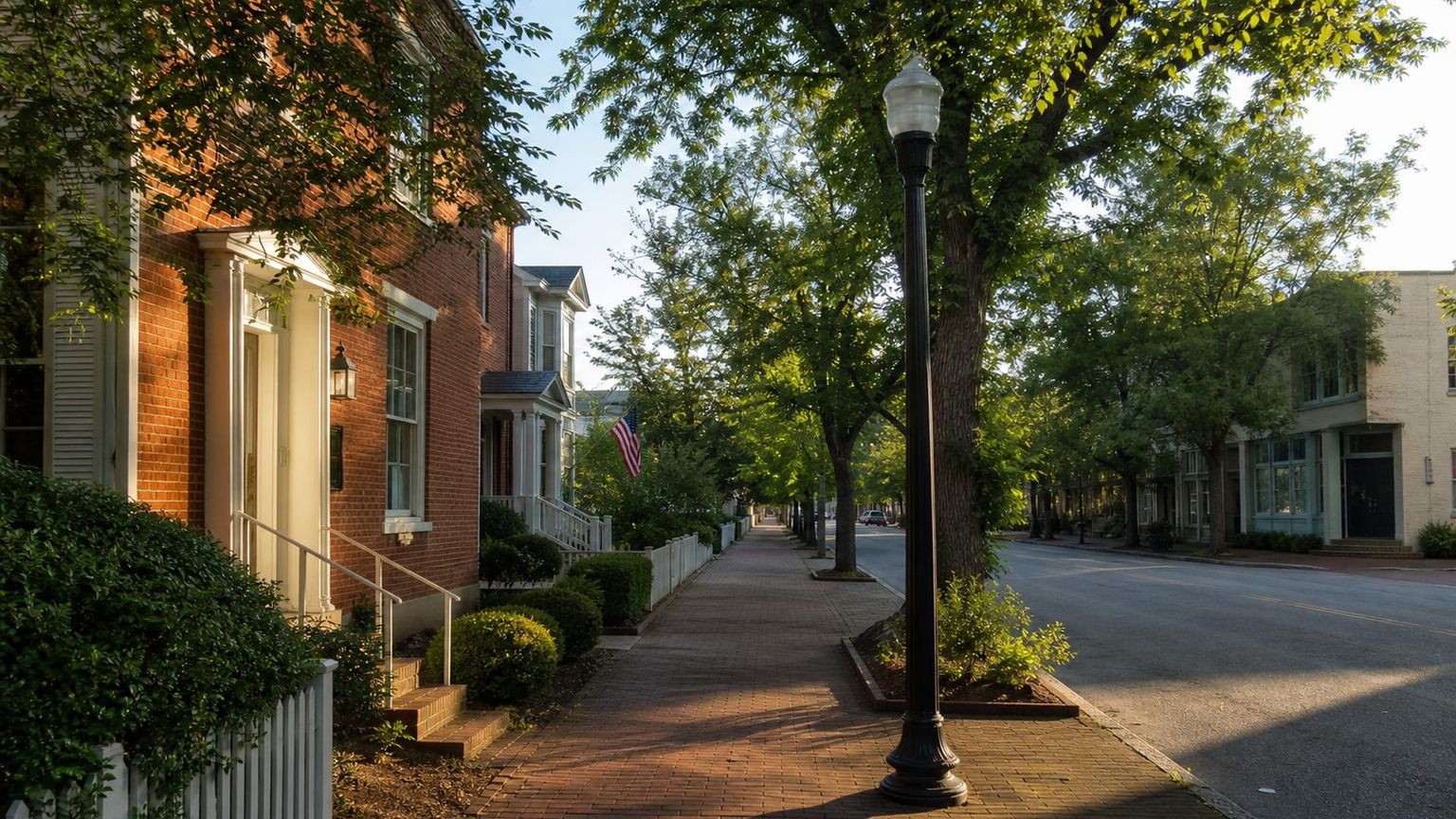
A historic neighborhood just northwest of downtown, known for early 20th-century houses, local restaurants, coffee shops, and the Chrysler Museum area. It matters for travelers who want a residential setting that still keeps the center close.
Best for: Restaurant hopping, museum visits, and travelers who prefer a residential setting
What to expect: Tree-lined streets, local foot traffic, and a smaller-scale dining scene rather than late-night energy.
Hotel prices: Usually about $150 to $260 per night for well-rated stays
Distance to major sights: 10 to 20 minutes on foot to the Chrysler Museum of Art and about 10 minutes by car to downtown Norfolk
Quietness: Quieter than downtown in the evening, though restaurant blocks stay active after dinner.
Main trade-off: Fewer large hotels sit here, so selection can be limited and prices rise on weekends.
Good to know: If you want late-night bars or a dense hotel row, you will likely need to head downtown or use a car.
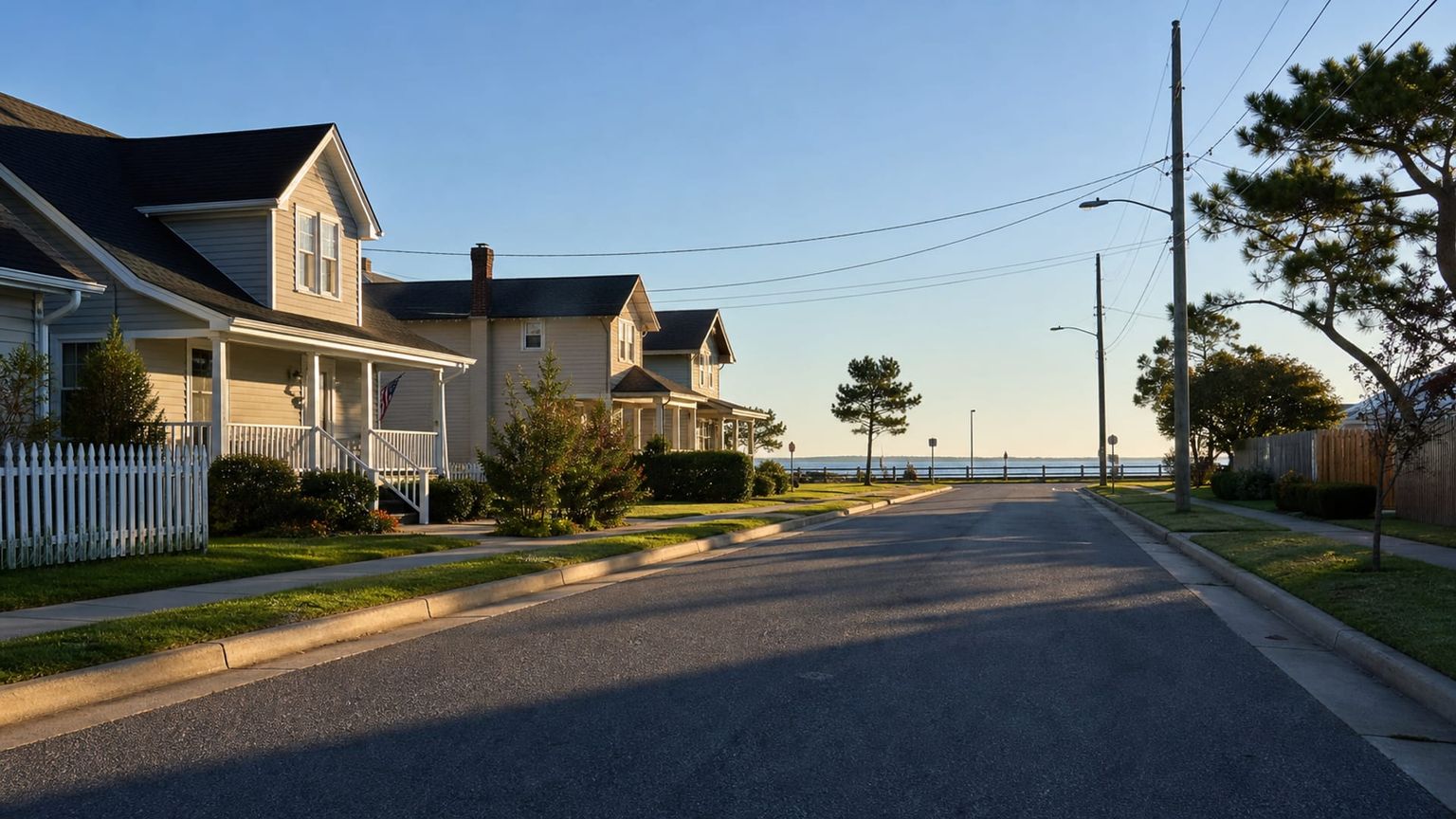
Norfolk’s northern waterfront stretch along Chesapeake Bay, with beaches, piers, and a looser resort feel than the city center. It works for visitors who want water access, sunrise walks, and a more spread-out stay.
Best for: Beach time, waterfront walks, and travelers with a car
What to expect: Casual coastal traffic, beachgoers in warm weather, and a quieter pace away from the downtown core.
Hotel prices: Usually about $130 to $230 per night for well-rated stays
Distance to major sights: About 25 to 35 minutes by car to downtown Norfolk and roughly 20 minutes to Norfolk Botanical Garden
Quietness: Calmer by night, with the loudest periods near the beach and bayfront on summer weekends.
Main trade-off: You will spend more time in transit for downtown museums, shows, and nightlife.
Good to know: Public transit is thinner here than in central Norfolk, so check parking and rideshare options before booking.
Travelers usually avoid staying in East Ocean View, Willoughby Spit, and parts of Norfolk Airport for a visitor base, since they sit far from downtown, the waterfront, and the main museums, with limited walkable dining and shopping. Ghent’s edges near busy arterial roads are also less convenient for guests without a car, and the area around the industrial port is far from sightseeing areas with few hotel options or evening amenities.
Hotel deals
How to get around Norfolk efficiently
Norfolk has no metro, so the city works best with walking downtown, plus buses, taxis, and rideshares for the longer links between the waterfront, Ghent, Ocean View, and Cape Henry.

Metro
for longer distances
Norfolk’s airport area has no metro, so visitors rely on buses, taxis, or rideshares instead. From Norfolk (OFK), the closest rail option is regional rail at Norfolk Station, which links into Amtrak rather than a local subway network.

Bus and tram
for convenience
Hampton Roads Transit buses connect Norfolk (OFK) with downtown, the airport, and nearby neighborhoods, with single rides at about $2 ($2) and day passes at about $4 ($4). Expect most trips to downtown Norfolk to take roughly 20 to 35 minutes by bus, depending on transfers and traffic; check schedules carefully because evening and weekend frequencies can be limited.

Taxi
for convenience or late hours
Licensed taxis in Norfolk use metered fares rather than set airport flat rates, with airport trips to downtown usually costing about $18 to $30 before tip, depending on traffic and waiting time. You can queue at the airport taxi stand or book by phone, and most cabs accept credit cards, though it helps to confirm before you depart.
*Prices are based on rates updated as of June 2026 and may change at the time of travel.
Walk downtown when your stops cluster, use buses for budget-friendly daytime cross-town trips, and choose taxis or rideshares when you need speed, late-night timing, or a direct airport run.
Iconic landmarks
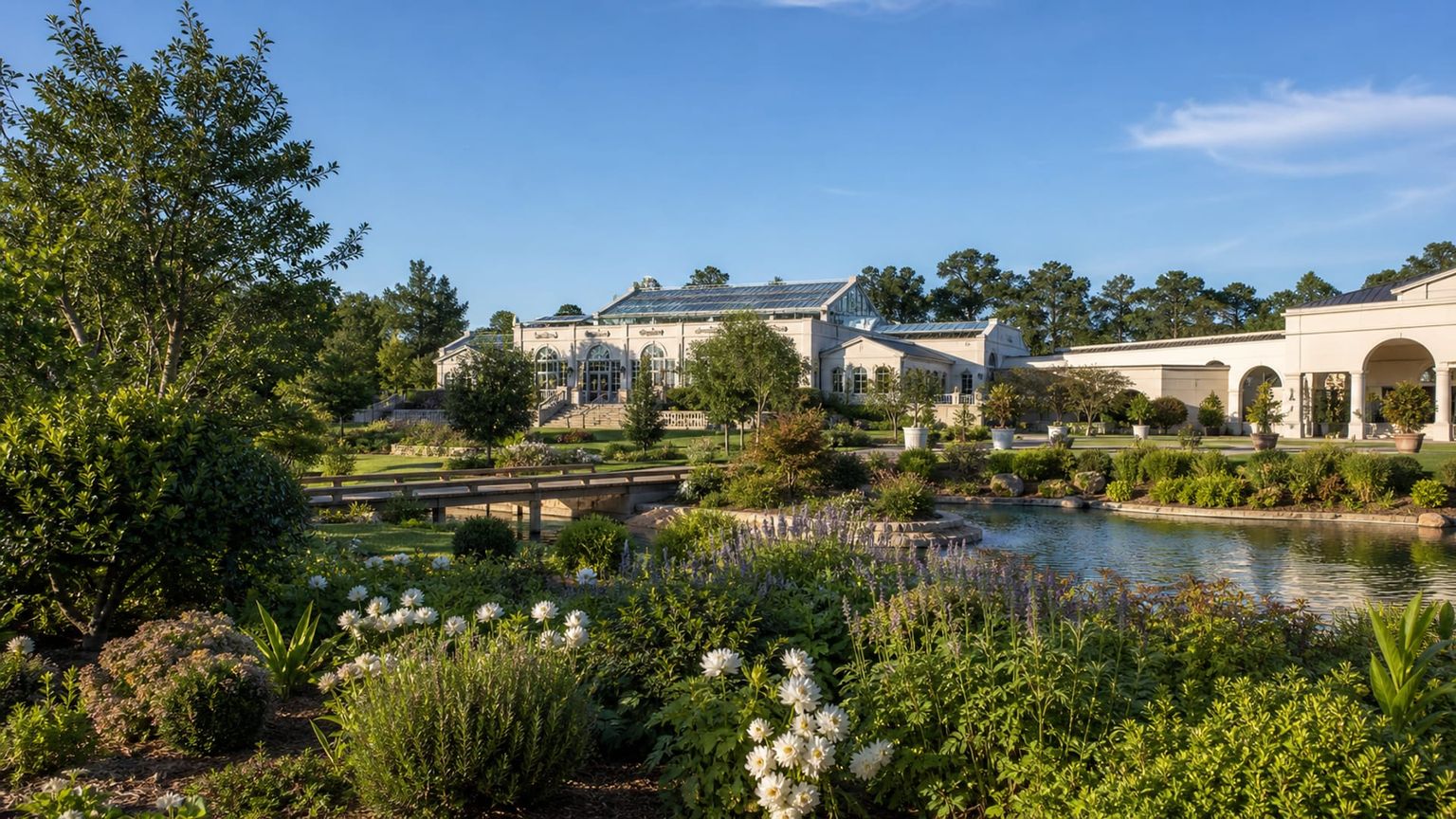
Norfolk Botanical Garden
Norfolk Botanical Garden spans 175 acres, with themed plantings, lakes, and more than 60 distinct garden areas. The tram, walking paths, and seasonal blooms make it one of the city’s most complete outdoor stops.
Time needed: About 2 to 3 hours
Entry: Adult admission costs about $20, with reduced rates for children and seniors; tram rides and seasonal events may cost extra on site. Visit the official site for details.
Tip: Arrive early on warm days, when paths are quieter and the light is better for photos.
Chrysler Museum of Art
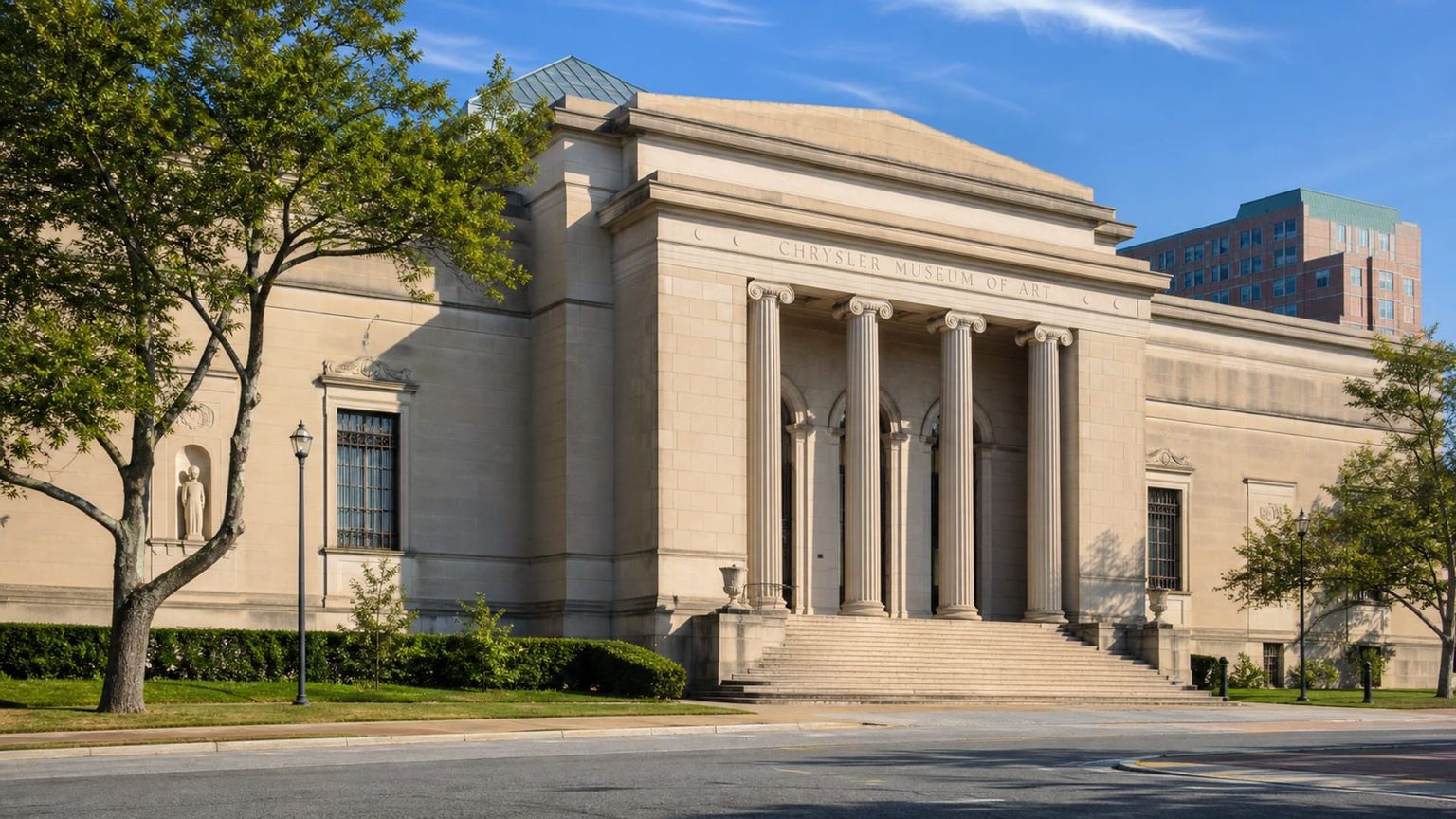
The Chrysler Museum of Art holds more than 30,000 works, from ancient objects to glass by Dale Chihuly and contemporary American painting. Its free entry and strong collection make it a core Norfolk stop.
Time needed: About 2 to 3 hours
Entry: Free to access; special exhibitions, programs, and studio activities may carry separate fees or ticketing requirements on site. Visit the official site for details.
Tip: Start with the glass galleries, then move through the permanent collection before afternoon crowds build.
Cape Henry Lighthouse
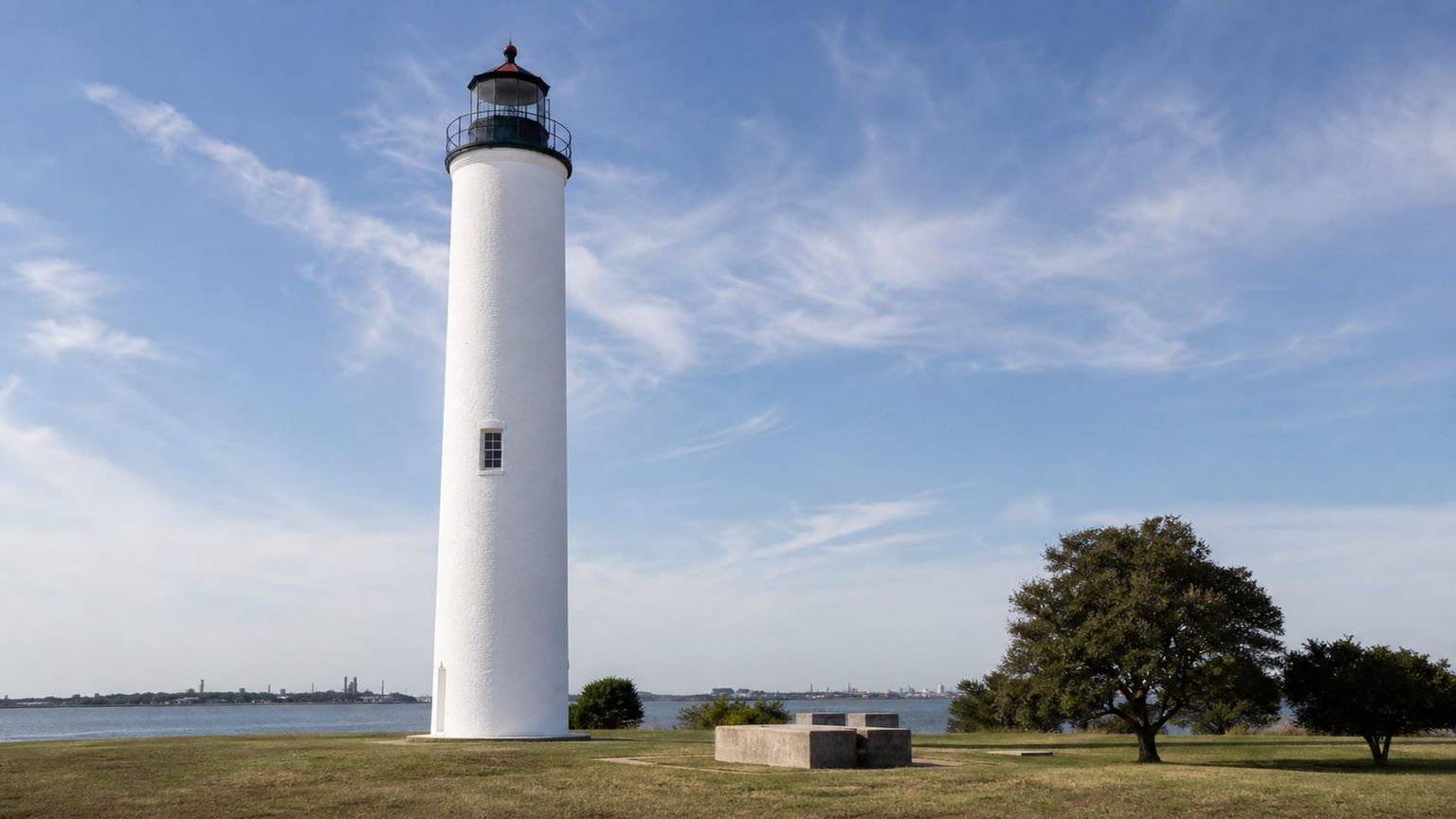
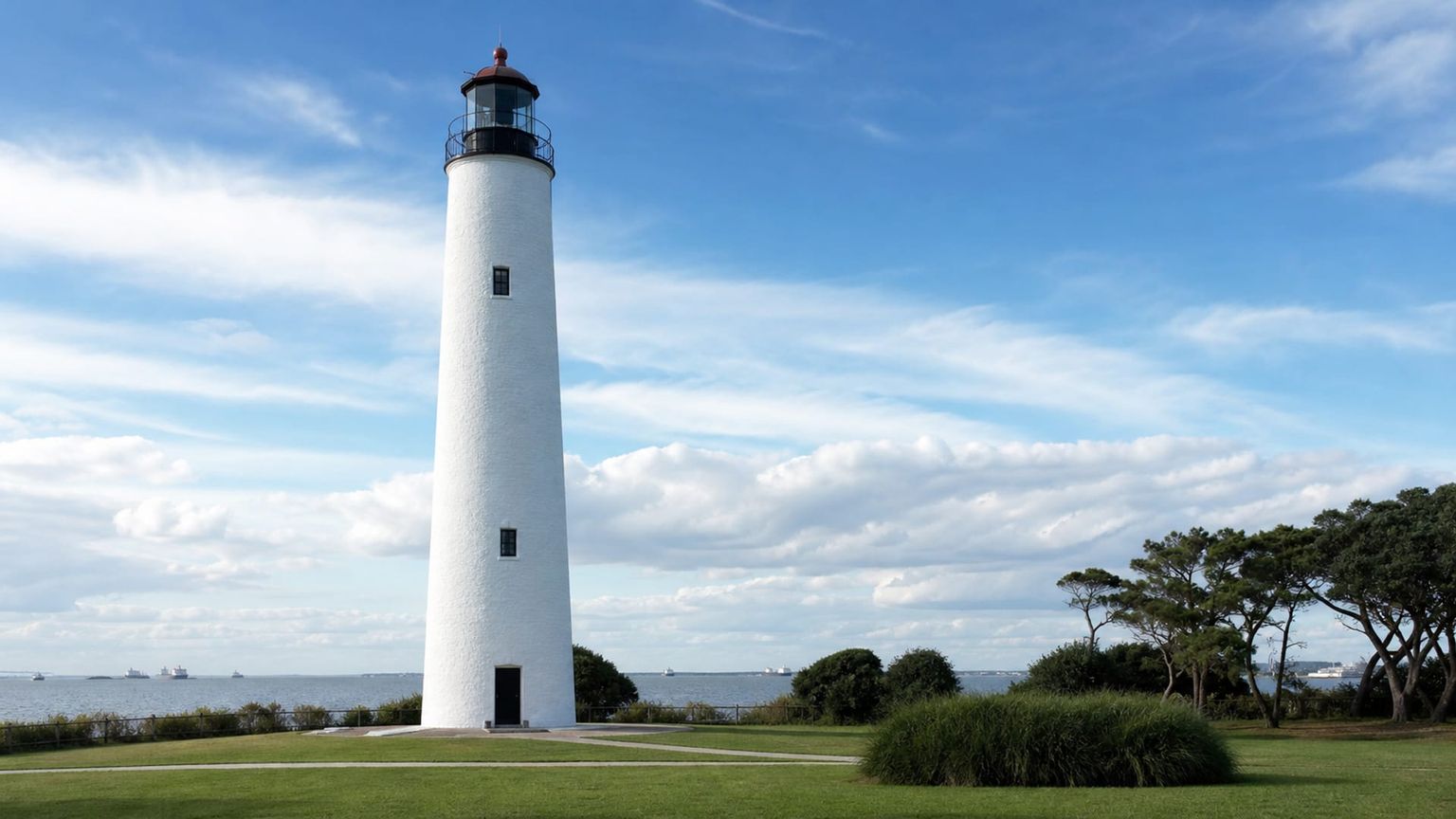
Cape Henry Lighthouse stands at the mouth of the Chesapeake Bay, where the First Landing site and the original 1792 lighthouse trace Norfolk’s early maritime history. The climb adds wide views over the bay and inlet.
Time needed: About 1 to 2 hours
Entry: Tickets cost about $13 to $17 for adults, with lower prices for children, seniors, and military visitors; the climb is ticketed. Visit the official site for details.
Tip: Wear shoes with grip, since the stair climb is narrow and exposed in spots.
Overlooked sites worth visiting

Hermitage Museum and Gardens
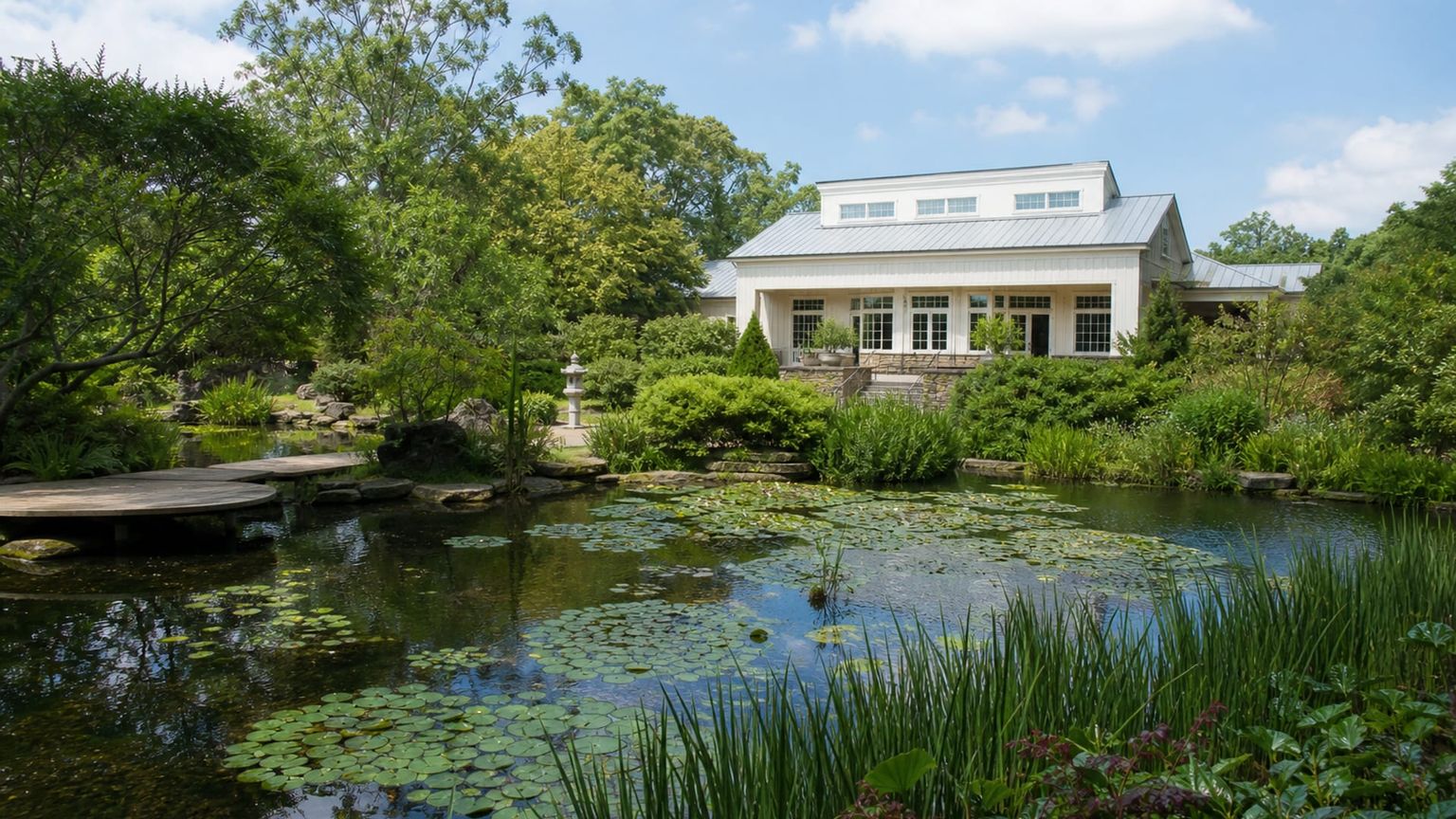
A riverside estate with formal gardens, wooded trails, and the Sargeant House galleries, it pairs art with a quiet walk on the Lafayette River. The grounds give you room to linger without a long drive.
Time needed: About 2 to 3 hours
Entry: Grounds access is free. Museum admission is typically about $10 to $15 for adults, with discounts for seniors, students, and military visitors; special exhibitions or events can cost extra, depending on the calendar. Visit the official site for details.
Tip: Go in late afternoon for softer light on the river.

Attucks Theatre
This 1919 theater, known as the Apollo of Norfolk, has a restored facade and a compact auditorium that still anchors the city’s African American arts history. It suits a short, focused stop downtown.
Time needed: About 1 hour
Entry: Ticket prices vary by performance. Tours and special events are often priced separately, and some community programs are free or low cost; check the venue calendar for current admission before you go. Visit the official site for details.
Tip: Check the calendar, then pair a show with nearby dinner.
Traditional food
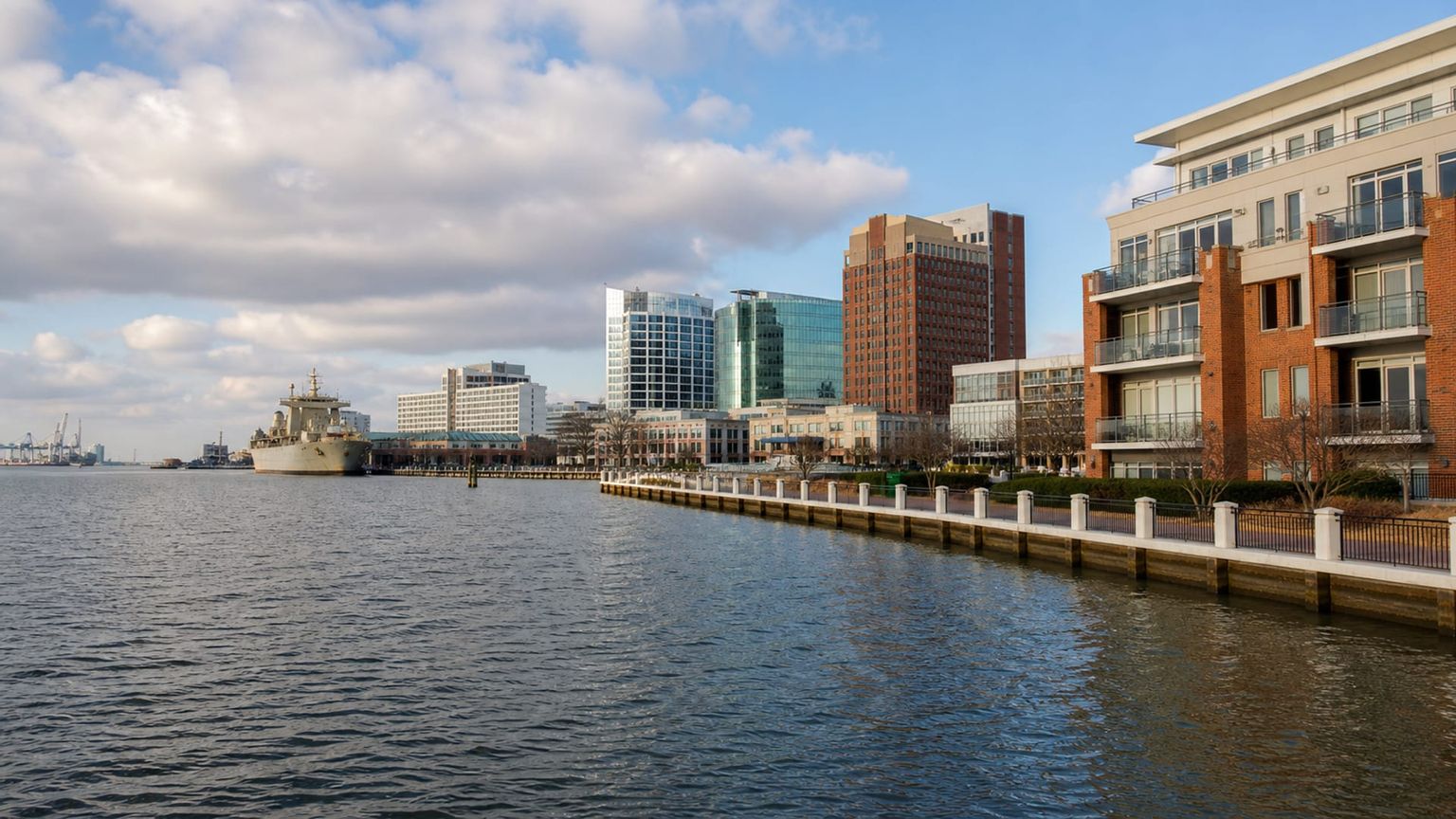
Norfolk’s table leans on Chesapeake Bay seafood, Virginia pork, and regional Chinese-American classics, with oyster stew, she-crab soup, and ham sandwiches turning up beside neighborhood plates and early-closing dining rooms.
Norfolk style Chinese
This local take on Chinese-American cooking usually shows up in neighborhood takeout spots and dine-in rooms across the city. Peter Chang is a strong modern pick in Norfolk for that tradition, with a broader menu that still fits the style’s local audience.
Virginia ham
Salted, smoky Virginia ham anchors sandwiches and breakfast plates, and Norfolk restaurants often serve it in familiar, unfussy forms. Freemason Abbey Restaurant is a solid downtown choice when you want the regional standard on the plate.
Oyster stew
Oyster stew brings a gentle brine and a creamy base that fits Norfolk’s coastal pantry. The River Star Diner in nearby Virginia Beach is a dependable metro-area stop for a version that matches the region’s seafood tradition.
She-crab soup
She-crab soup is one of Norfolk’s signature dishes, built on crab meat, cream, and a touch of sherry. 456 Fish in downtown Norfolk is a strong canonical stop for a polished bowl with local roots.
Best time to visit Norfolk
Norfolk shifts by season more than by month, with mild spring and fall days that suit walking, humid summers near the bay, and winter stretches that stay manageable for museums and indoor plans.
Best for: Garden visits, waterfront walks, and neighborhood dining
What you get: Expect roughly 58 to 78°F (14 to 26°C), with moderate crowds and more comfortable walking than in midsummer.
Trade-offs: Rain can interrupt outdoor plans, especially in April.
Best for: Beach time, festivals, and long daylight hours
What you get: Temperatures usually sit about 75 to 89°F (24 to 32°C), and crowds build near Ocean View, downtown events, and the botanical garden.
Trade-offs: Heat and humidity can make midday sightseeing tiring.
Best for: Museums, outdoor meals, and lighthouse visits
What you get: Plan for about 58 to 82°F (14 to 28°C), with lighter crowds after summer and pleasant conditions for city walks.
Trade-offs: Hurricane season can still disrupt travel early in the fall.
Best for: Low-key museum days and cheaper hotel dates
What you get: Typical temperatures run about 35 to 55°F (2 to 13°C), with the calmest crowds of the year and easier booking windows.
Trade-offs: Cold snaps and shorter days limit time on the water.
A realistic 5-day plan in Norfolk
Five days in Norfolk work best when you cluster the city by geography. The plan below starts downtown, shifts through Ghent and the gardens, then saves the bayfront and lighthouse for the day that can absorb longer drives.
Fly into Norfolk (OFK), then take a taxi or rideshare to Downtown Norfolk, about 15 to 20 minutes and roughly $20 to $30 before tip. Check in near Waterside or the riverfront so you can walk to dinner, then keep the first evening simple with water, a short stroll on the Elizabeth River Trail, and an early meal downtown.

Start at the Chrysler Museum of Art, where admission is free, and spend about 2 to 3 hours moving from the glass galleries to the permanent collection. From there, it is roughly a 10-minute walk to Ghent, where you can have lunch on Colley Avenue and linger over its early 20th-century streets before a late-afternoon stop at the Hermitage Museum and Gardens, about 10 minutes by car from central Ghent. Finish with dinner back in Downtown Norfolk, about 10 minutes away.
Begin with Norfolk Botanical Garden, about 15 to 20 minutes by car from Downtown Norfolk, and plan on 2 to 3 hours among the themed plantings and tram routes. After that, continue to Ocean View, roughly 20 minutes away, for a bayfront walk or a beach break, then return downtown for an evening near Waterside or MacArthur Center.
Cape Henry Lighthouse sets the tone for the day, and from Downtown Norfolk the drive takes about 25 to 35 minutes each way. Spend 1 to 2 hours on the climb and the surrounding First Landing site, then head back toward the center and end the afternoon at Attucks Theatre, which sits a short ride from downtown restaurants and usually pairs well with an early dinner nearby.
One last morning at the Chrysler Museum of Art works well if you want a final museum stop, especially because admission is free and the glass collection gives you a clear closing note. Afterward, browse MacArthur Center in Downtown Norfolk for shopping, then stop for coffee in Ghent before heading out, with the airport transfer again taking about 15 to 20 minutes by taxi or rideshare.
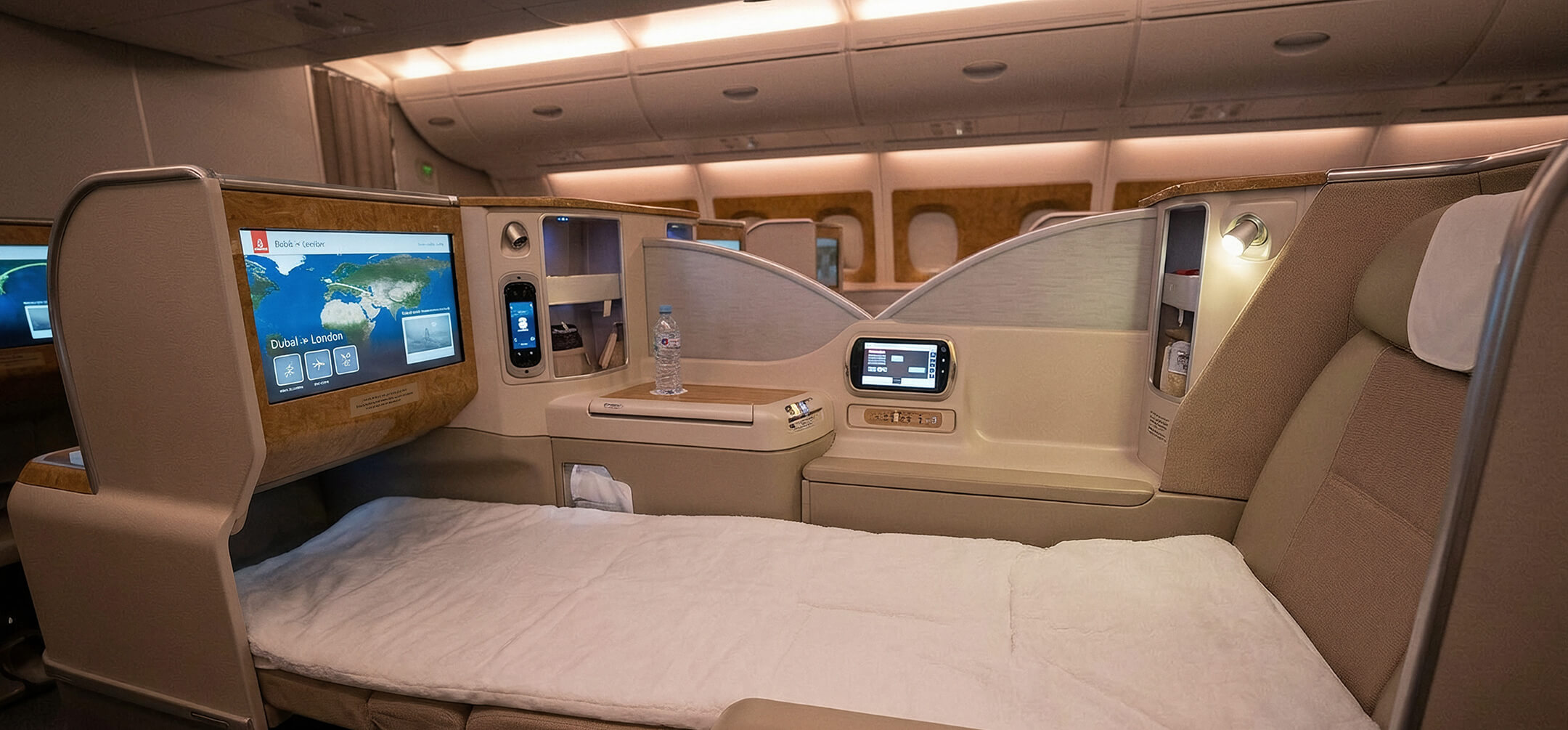
Business-class flights from the US to Norfolk
Norfolk’s flight options are easiest to read as one-stop links from major East Coast and West Coast hubs. The examples below show how fares and connection patterns change by origin.
From New York City, Delta Air Lines, American Airlines, United Airlines, and Spirit Airlines all appear on the route. Typical one-stop itineraries connect through Charlotte, Atlanta, Dallas, or Houston, and those connections can trim fares to about $260 to $430 compared with the usual $320 to $560 range.
Los Angeles travelers usually see American Airlines, United Airlines, Delta Air Lines, and Alaska Airlines on the route to Norfolk. One-stop trips often connect through DFW, ORD, ATL, CLT, or DEN, with round-trip fares generally starting at $420 and reaching about $760, while schedules often favor connections over direct timing.
Norfolk feels different when you slow down
A good Norfolk trip ties together downtown, Ghent, the Chrysler Museum, and one bayfront day without forcing long cross-city detours. Buses and short rideshares cover the gaps, while Cape Henry and Ocean View fit best when you give them their own stretch of time. If you want help shaping those pieces into a trip that matches your dates, the AranGrant experts can build it around Norfolk’s waterfront, museums, and food stops