

Chapters:

Need help with your trip?
Our support team is available 24/7. Request a callback or call us directly at (833) 619-0908
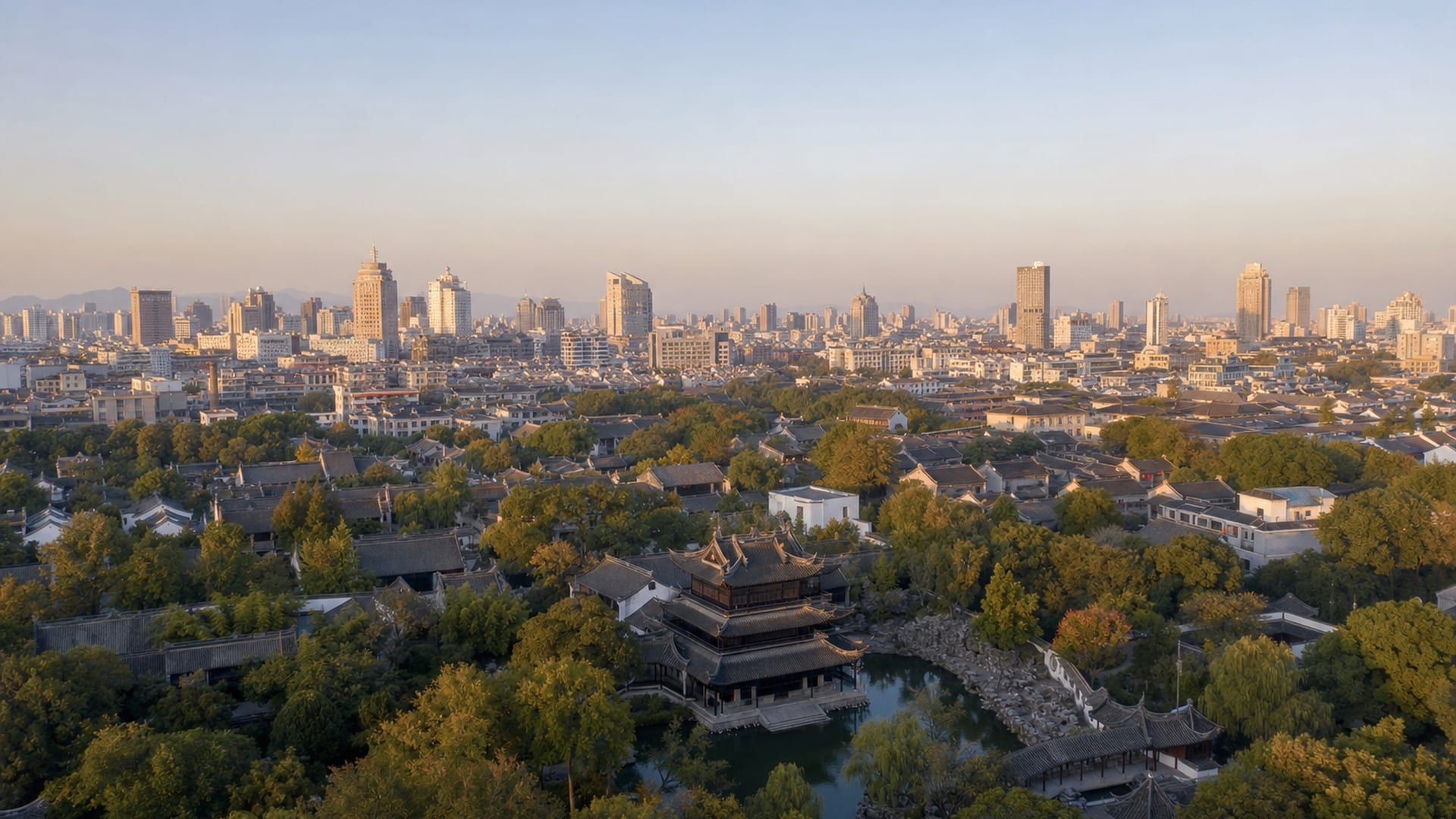
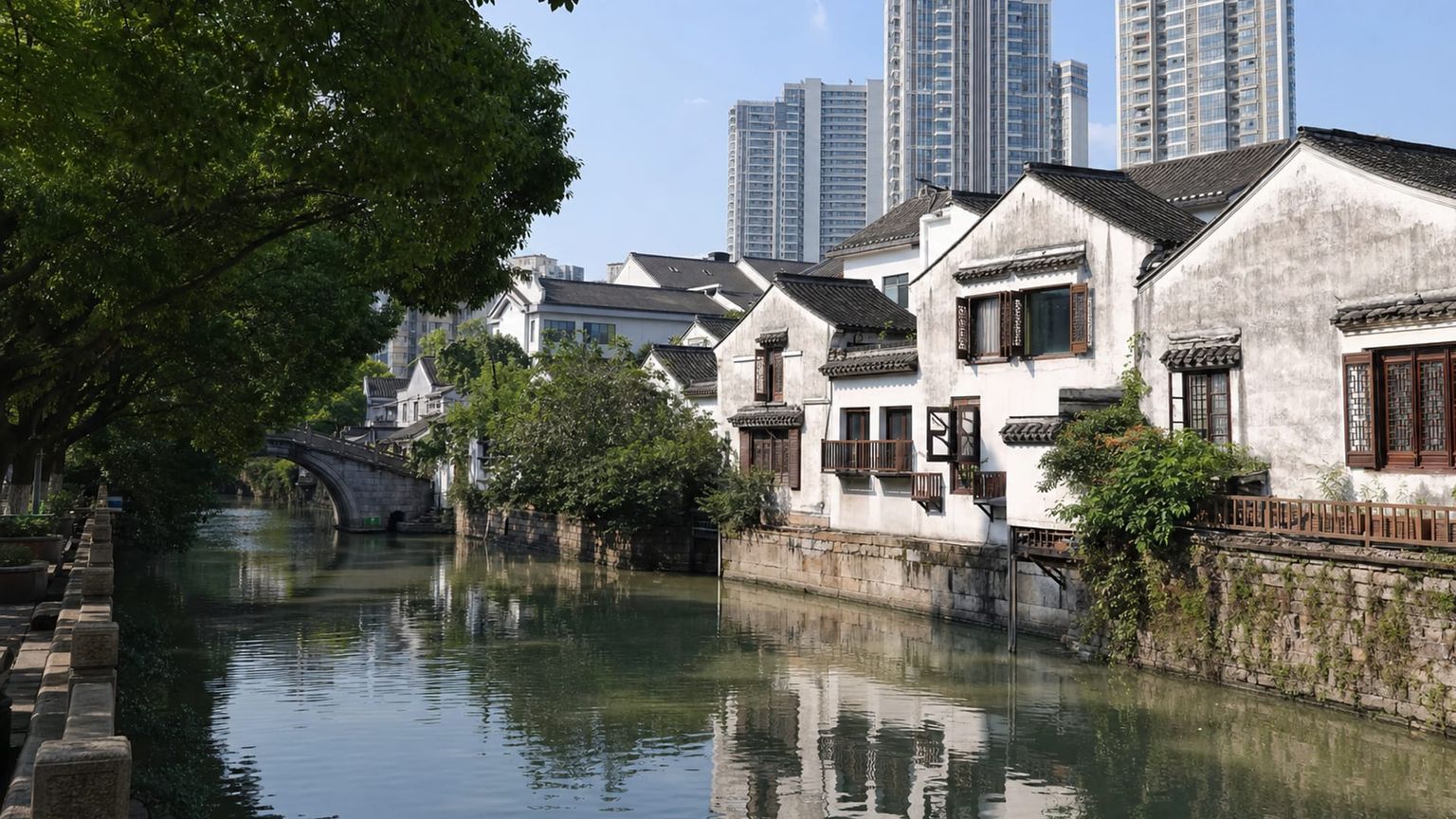
Ningbo’s history as a port city appears in very different forms across the city. Tianyi Pavilion preserves centuries of literary culture beside Moon Lake, the Old Bund recalls Ningbo’s maritime connections, and the eastern districts introduce a newer skyline of offices, hotels, and public spaces. Farther out, Asoka Temple and Dongqian Lake add religious history and open landscapes.
This guide helps you plan five days in Ningbo, from choosing the right area to stay to navigating the city, trying local dishes, and fitting its main sights into a practical itinerary.
Useful things to know

Main language(s): Mandarin Chinese, the local Ningbo dialect
Nǐ hǎo (nee how) – Hello
Qǐng (ching) – Please
Xièxie (shieh-shieh) – Thank you
Nǐ huì shuō Yīngyǔ ma? (nee hway shwoh ying-yoo mah) – Do you speak English?
Duōshǎo qián? (dwor-shaow chyen) – How much does it cost?

Currency: Chinese yuan (CNY, ¥)

Cash and cards: Alipay and WeChat Pay are common, and you can link eligible international cards to both. Keep some yuan for smaller businesses and cash payments.

Tipping: Tipping is generally not expected at restaurants, hotels, or in taxis in mainland China.

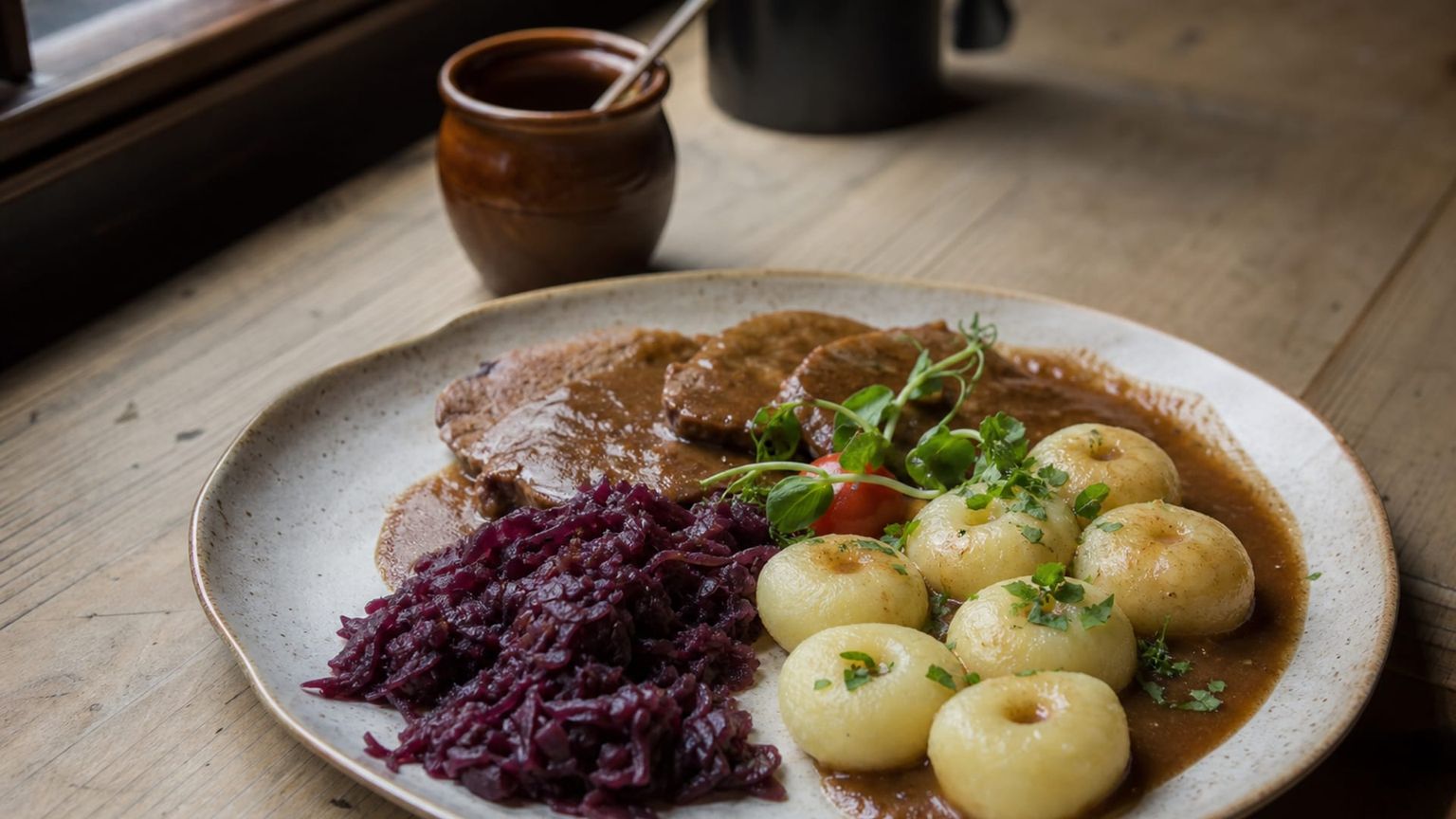
Traditional food: Ningbo tangyuan, seafood noodles, yellow croaker, freshwater fish, and soy-seasoned seafood are closely associated with local cooking.

Water and coffee costs: Bottled water costs ¥2–¥5 ($0.30–$0.80), while coffee at international chains and specialty cafés is often ¥20–¥40 ($3–$6).

Taxis and ride apps: DiDi operates throughout Ningbo. Saving destinations in Chinese can make taxi journeys easier, while Amap and Baidu Maps are useful for navigation.

Plug and voltage: Type A, C, and I sockets, 220V

Dining and shop opening hours: Many restaurants serve breakfast from 7:00 am, lunch from 11:00 am, and dinner from 5:00 pm. Mall restaurants often stay open until 9:00 or 10:00 pm.

Emergency number: Call 110 for police, 120 for an ambulance, and 119 for the fire department.
Where to stay in Ningbo
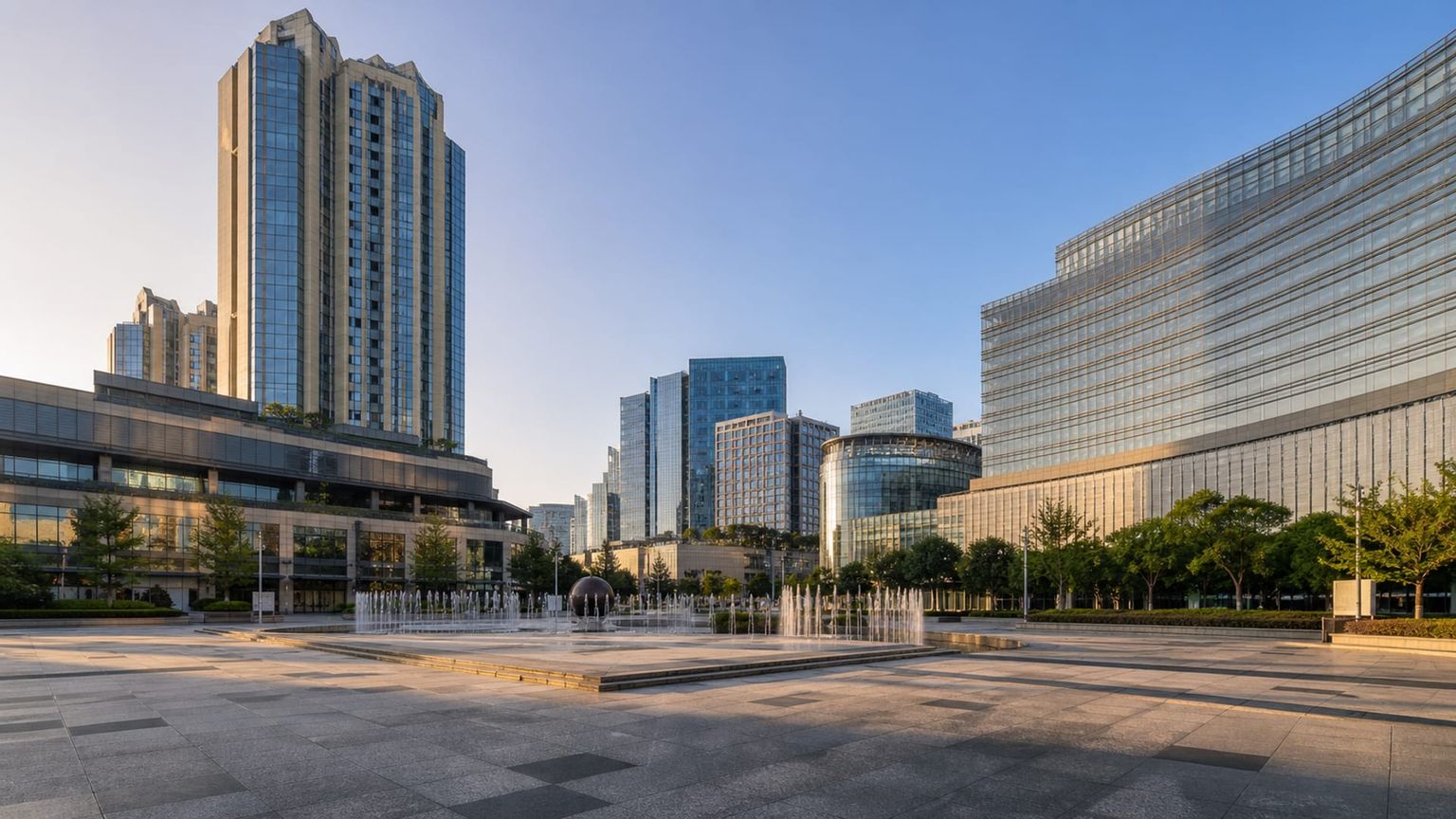
Tianyi Square is central Ningbo’s main commercial district, with shopping centers, restaurants, hotels, and direct metro access. Tianyi Pavilion, Moon Lake, and the Old Bund are all nearby, making the area convenient for travelers who want sightseeing and dining within the same part of the city.
Best for: First visits, shopping, restaurants, and easy access to central attractions
What to expect: Malls, busy streets, restaurants, offices, and strong public transportation links
Hotel prices: Nightly rates typically range from ¥350 to ¥750 ($50–$110).
Distance to major sights: Tianyi Pavilion is 20 minutes away on foot, while the Old Bund is a short ride away.
Quietness: Central streets stay active into the evening, especially close to malls and metro exits.
Main trade-off: The busiest blocks can get crowded during evenings, weekends, and holidays.
Good to know: Choose a higher-floor room or a hotel away from the square for less street noise.
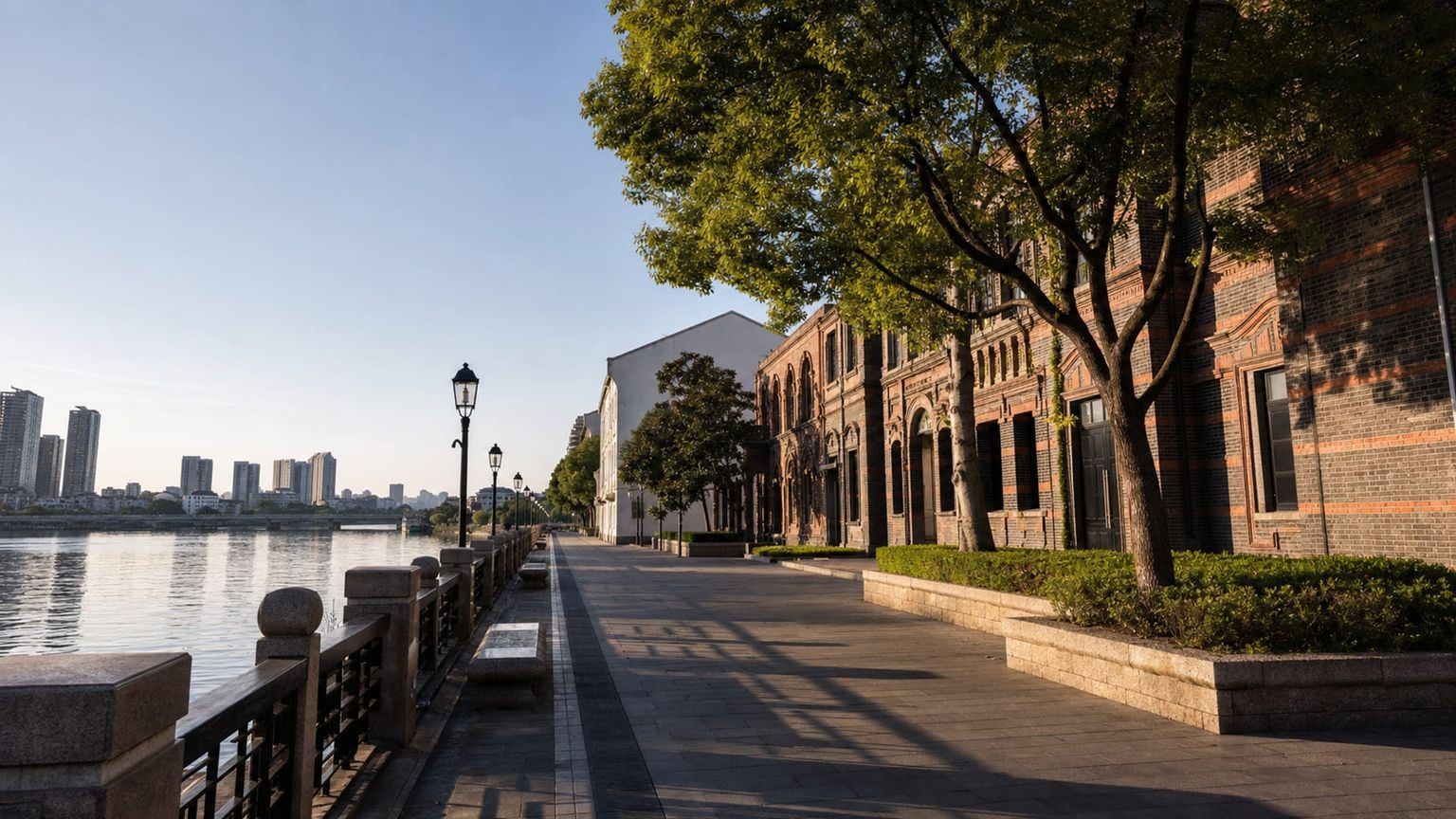
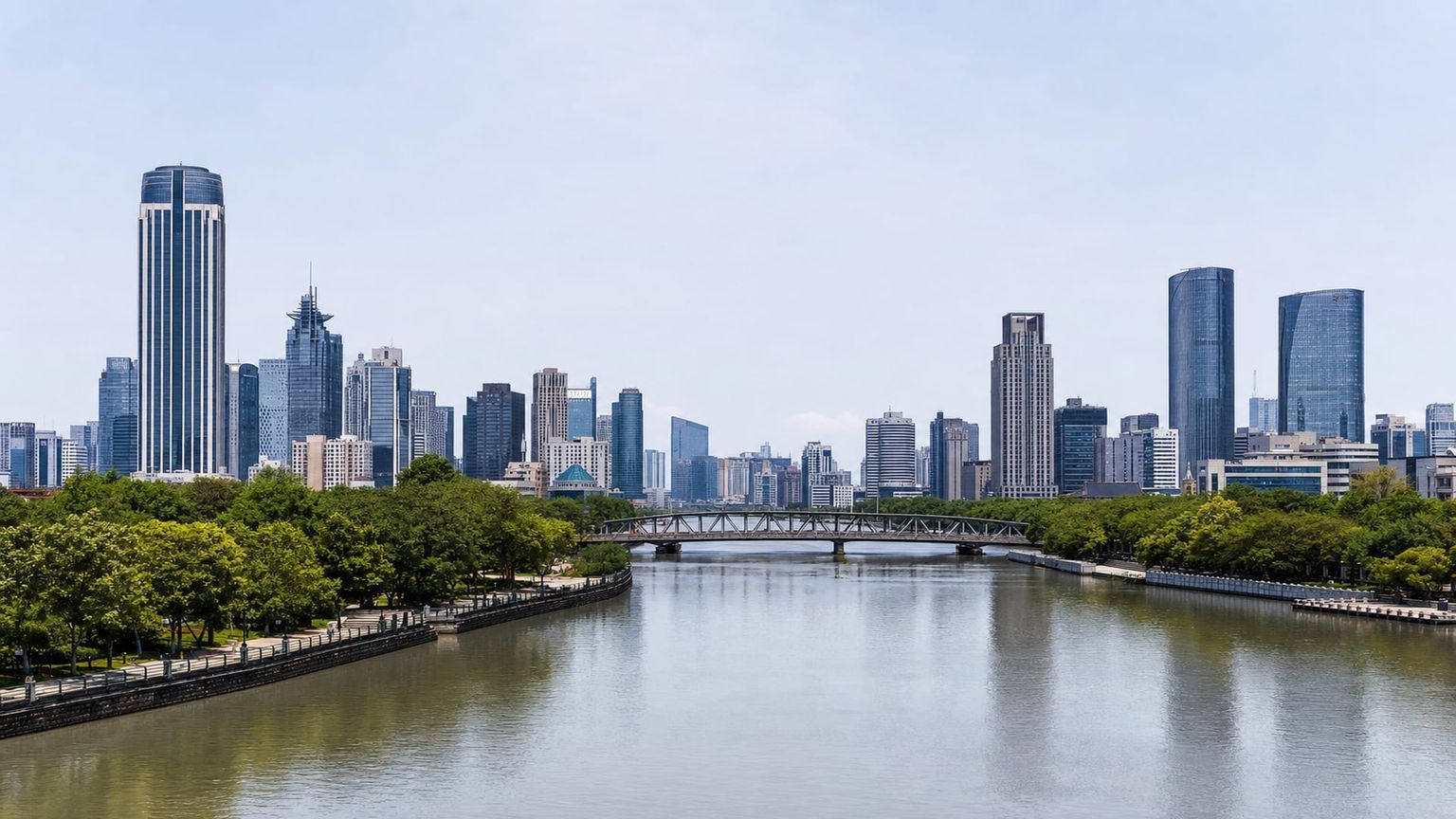
The Old Bund follows the Yong River through one of Ningbo’s best-known historic waterfront areas. Restored commercial buildings now contain restaurants, cafés, bars, and hotels, while riverside paths become livelier after sunset.
Best for: River views, evening dining, historic architecture, and nightlife
What to expect: Restored buildings, restaurants, waterfront paths, cafés, and busier evenings
Hotel prices: Rooms at well-reviewed properties generally cost ¥400–¥900 ($60–$135).
Distance to major sights: Tianyi Square and Tianyi Pavilion are both a short taxi or metro journey away.
Quietness: Mornings are calm. Waterfront streets become noticeably busier after dark.
Main trade-off: Hotels near bars and entertainment venues may receive late-evening noise.
Good to know: Check whether your room faces the riverfront or a quieter interior street before booking.
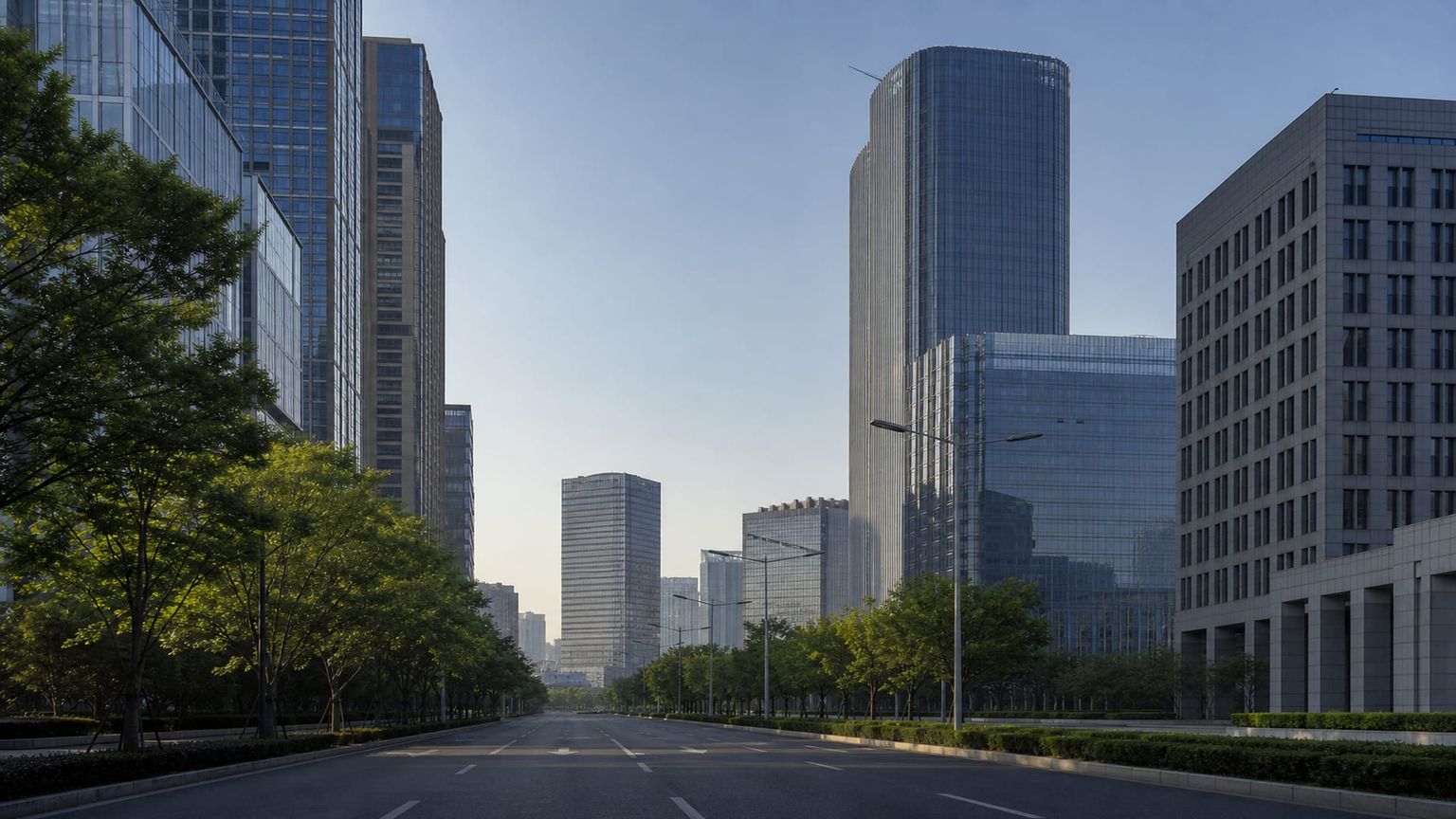
East New Town is Ningbo’s modern administrative and business district, characterized by broad avenues, offices, cultural venues, shopping centers, and newer hotels. Its contemporary properties and quieter evenings appeal to business travelers and visitors who prefer a newer district.
Best for: Business travel, newer hotels, modern architecture, and quieter evenings
What to expect: Office towers, malls, broad streets, civic buildings, and lighter activity after work hours
Hotel prices: Expect to pay ¥450–¥900 ($70–$135) at many established hotels.
Distance to major sights: Tianyi Square and the Old Bund are usually 20–30 minutes away by metro or taxi.
Quietness: Many streets become calmer after office hours than those in the historic center.
Main trade-off: Central historic attractions require longer journeys west.
Good to know: The area is especially convenient if your trip includes meetings or appointments in eastern Ningbo.
Tianyi Square is the most convenient choice for central sightseeing, the Old Bund suits evening-focused stays, and East New Town offers newer hotels and calmer surroundings after office hours.
Hotel deals
Getting around Ningbo
Ningbo’s metro handles most longer city journeys, while buses and taxis cover neighborhoods and attractions beyond convenient rail access.

Metro
for airport trips and longer city journeys
Ningbo Metro links Ningbo Lishe International Airport (NGB), Ningbo Railway Station, Tianyi Square, and districts across the city. Fares start at ¥2 ($0.30) and increase with distance. Line 2 is particularly useful for rides to the airport and through central Ningbo.

Bus
for inexpensive local journeys
City buses reach residential districts and destinations beyond convenient metro stations. Fares are inexpensive, although routes can be harder to follow without knowing Chinese. Amap or Baidu Maps can help with stop names and journey planning when a bus offers a more direct route than rail.

Taxi
for late hours, luggage, and direct journeys
Licensed taxis use meters, while DiDi lets you enter the destination digitally before departure. Ningbo Lishe International Airport is about 7.5 miles (12 km) from the central Sanjiangkou area, and a trip takes 25–40 minutes when there is no heavy traffic. The base fee starts at ¥11 ($1.60).
*Prices are based on rates updated as of October 2026 and may change at the time of travel.
Use the metro for airport and longer city journeys, buses for direct local routes, and taxis or DiDi when luggage or station access makes a car more convenient.
Iconic places in Ningbo
Tianyi Pavilion
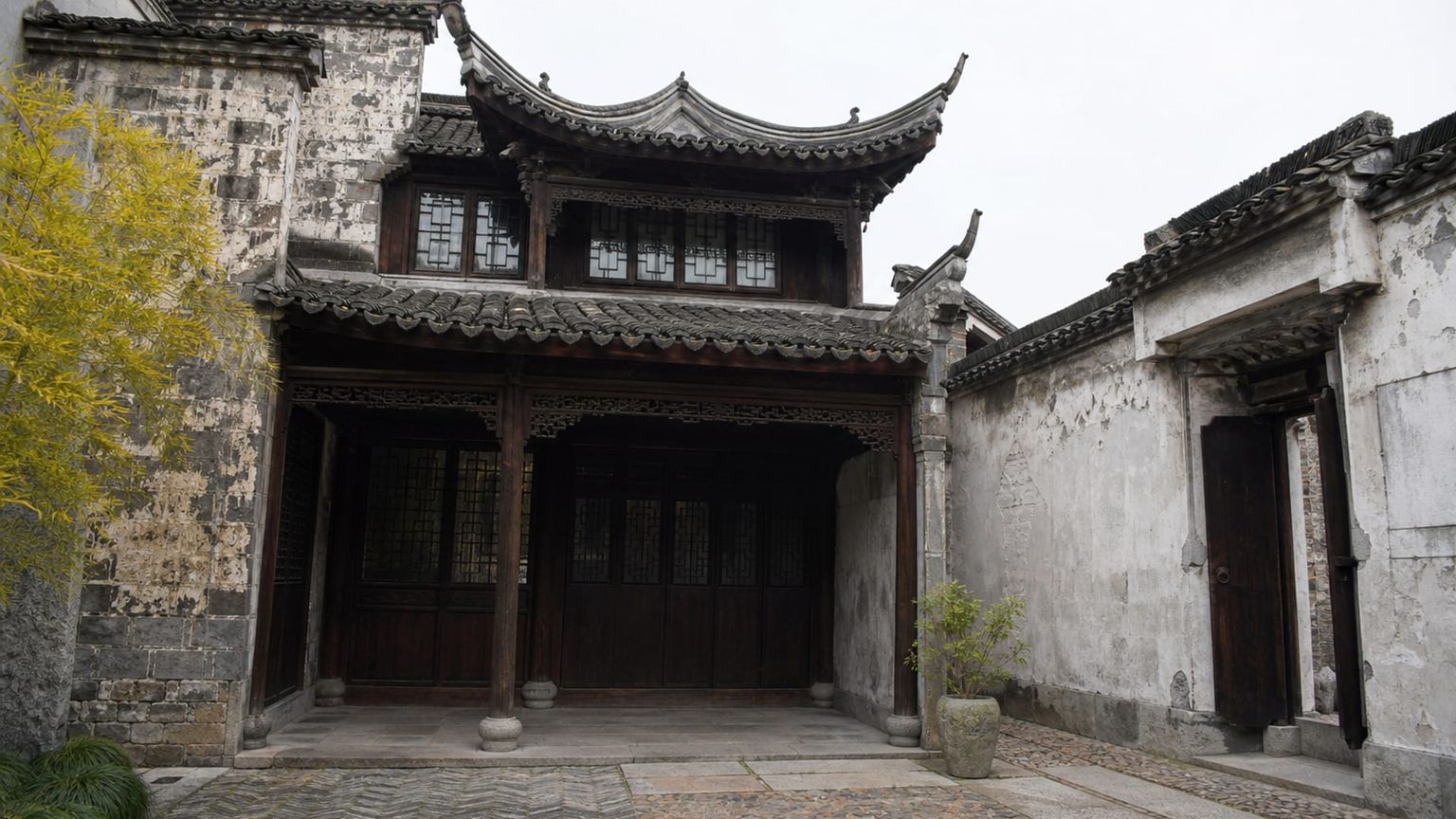
Founded during the Ming dynasty by official Fan Qin, Tianyi Pavilion is one of China’s oldest surviving private libraries. Historic book rooms, courtyards, ponds, ancestral halls, and garden spaces turn the complex into much more than a single library building.
Time needed: 1 to 2 hours
Entry: Adult admission is ¥30 ($4.50). Check the official website for more details.
Tip: Visit early so you have enough time for both the library buildings and gardens.
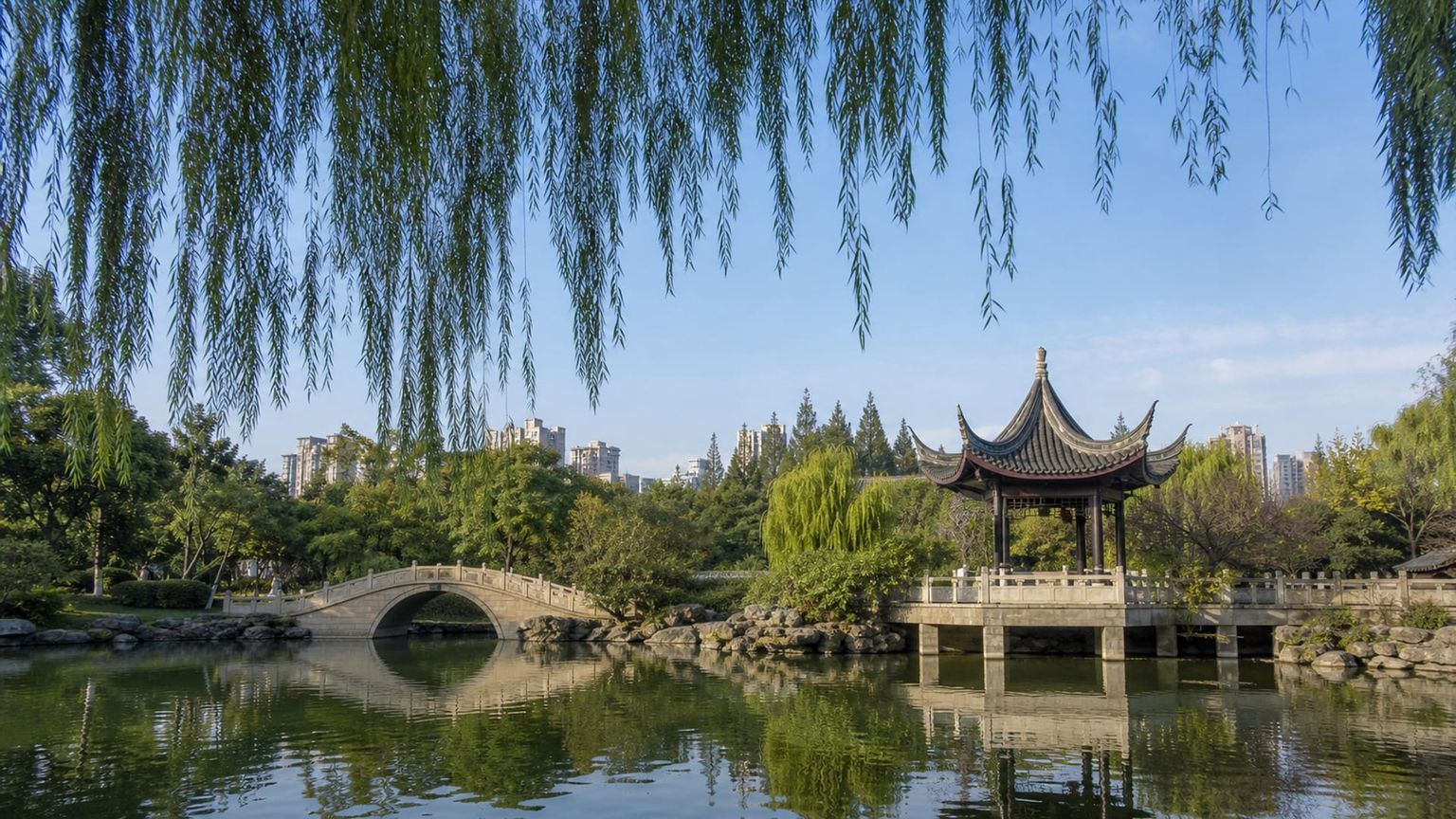
Moon Lake Park
Moon Lake has shaped central Ningbo for centuries, with gardens, bridges, pavilions, historic residences, and shaded paths lining the water. It offers a quieter contrast to nearby commercial streets.
Time needed: 1 to 2 hours
Entry: Free
Tip: Visit after Tianyi Pavilion and continue to Moon Lake on foot, since the two are close.
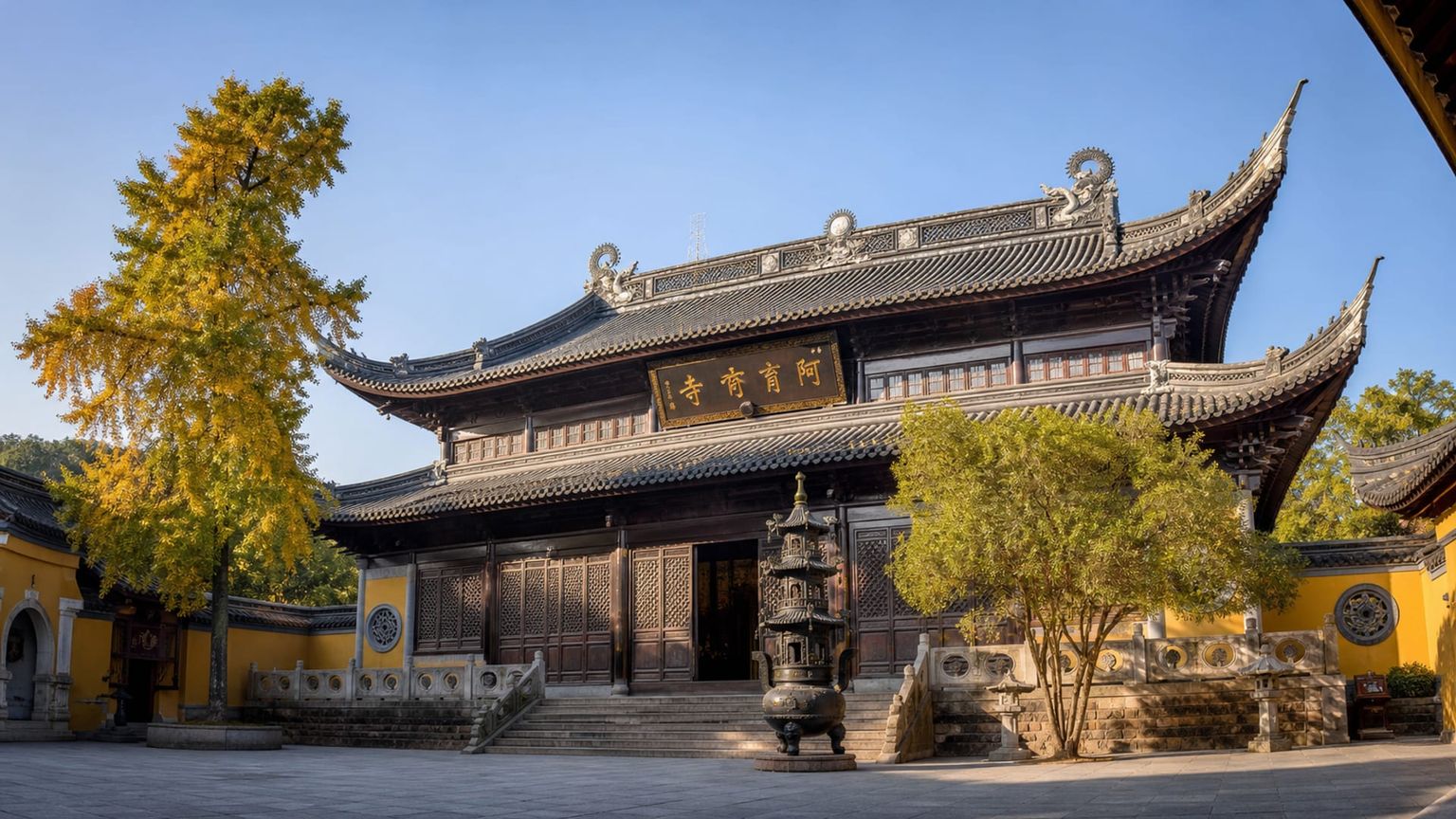
Asoka Temple
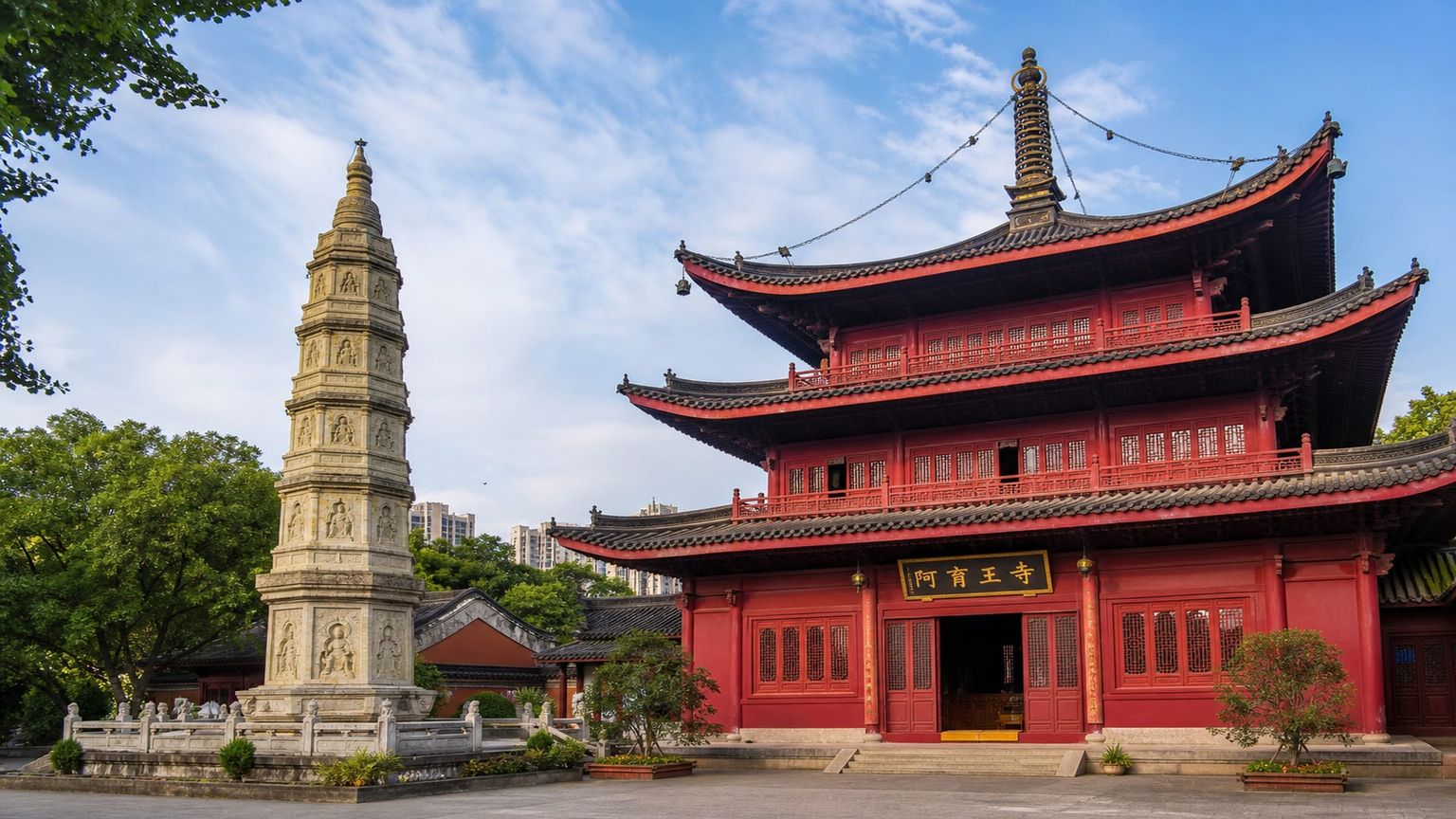
Asoka Temple, east of central Ningbo, traces its history back more than 1,700 years and is one of the area’s important Buddhist sites. Traditional halls, old inscriptions, courtyards, and its association with a relic of Shakyamuni give the temple a different atmosphere from Ningbo’s urban landmarks.
Time needed: 1 to 2 hours
Entry: Free Visit the official site for details.
Tip: Save the temple for a dedicated trip, since reaching it from central Ningbo takes long.
Overlooked places in Ningbo

Dongqian Lake
The lake spreads southeast of central Ningbo, with wooded hills, villages, temples, hotels, and long stretches of waterfront. It gives travelers room for a half-day outside the dense urban center.
Time needed: At least 6 hours
Entry: The wider lake area is free; individual attractions may charge separately.
Tip: Tip: Give the lake several hours so the journey from central Ningbo is worthwhile.

Ningbo Museum
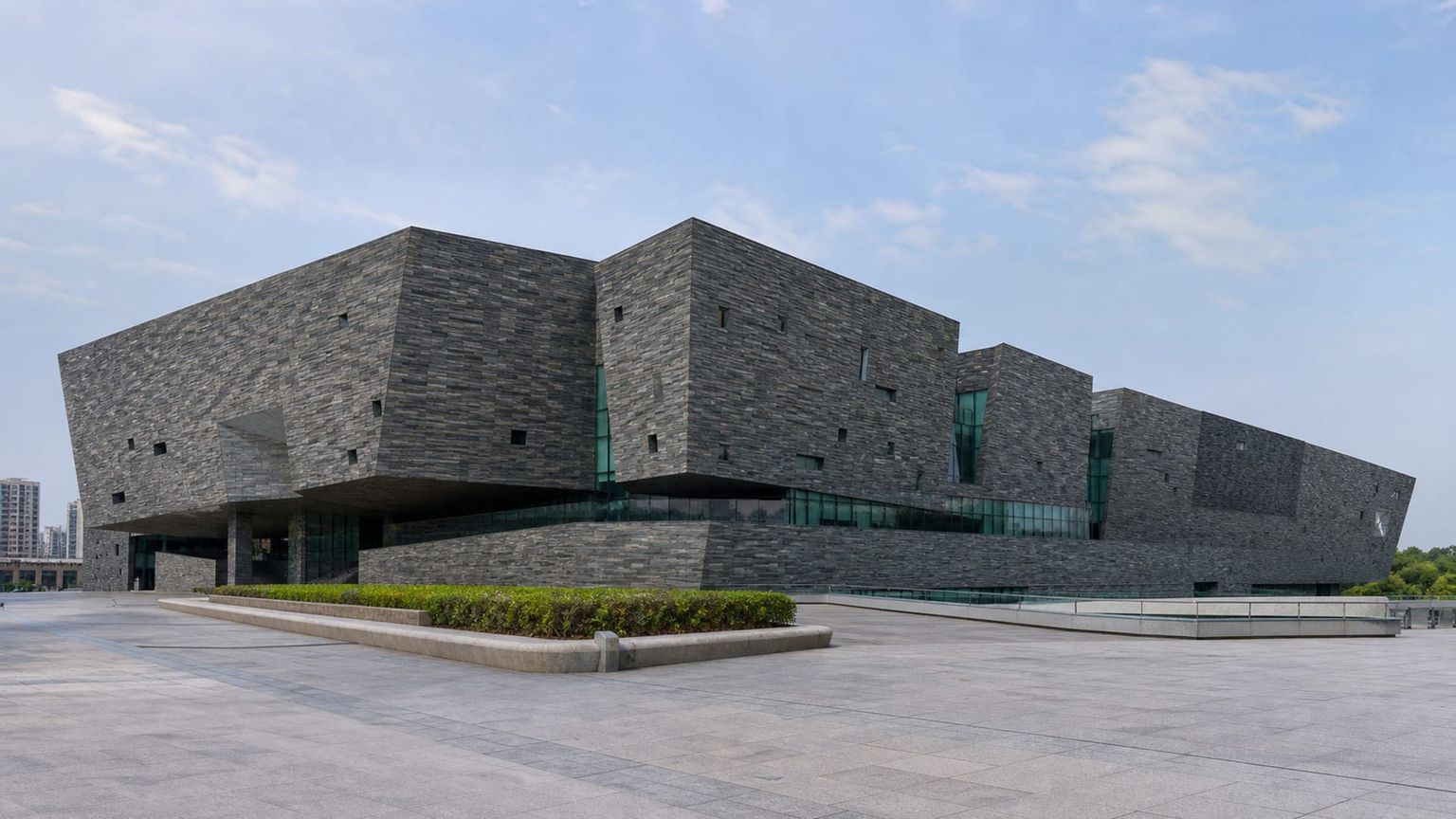
Designed by Pritzker Prize-winning architect Wang Shu, Ningbo Museum is as notable for its monumental textured walls as for its collections. The galleries trace local history and Ningbo’s development.
Time needed: About 2 hours
Entry: Free; timed reservations are required. Closed on Mondays. Check the official website for more details.
Tip: Allow time to walk around the museum after your visit to observe its exterior.
What to eat in Ningbo
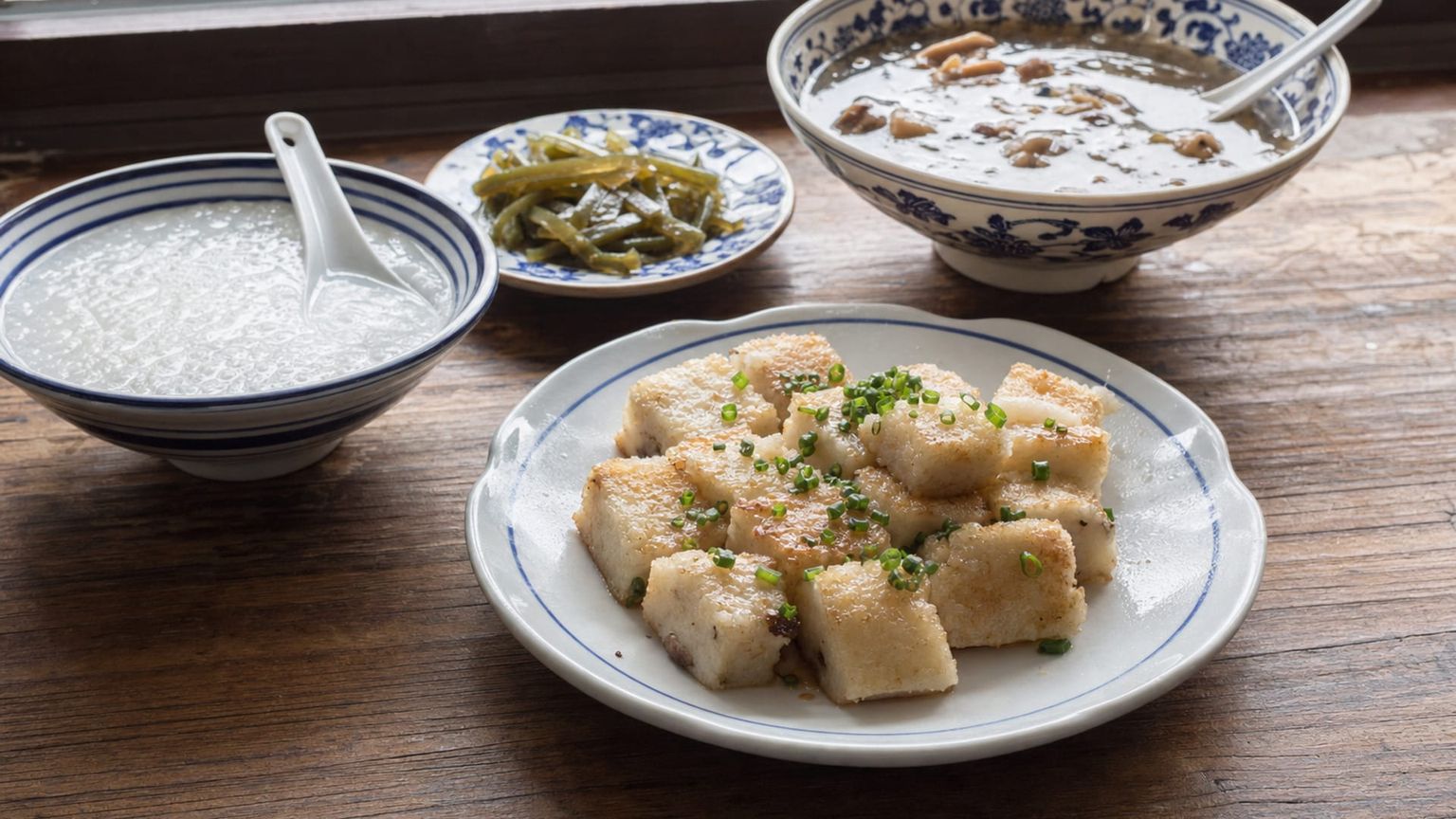
Ningbo cuisine is strongly associated with seafood, freshwater fish, rice products, preserved ingredients, and savory local seasoning. Tangyuan provides the city’s best-known sweet counterpoint.
Ningbo tangyuan
Ningbo tangyuan are soft glutinous rice balls traditionally filled with black sesame, sugar, and pork lard and served in hot water or a light sweet broth. Gang Ya Gou is one of the city’s long-established restaurants for this Ningbo specialty.
Seafood noodles
Seafood noodles combine wheat noodles and broth with ingredients that change with the catch, including shrimp, shellfish, crab, or local fish. Shang Palace serves Ningbo and Zhejiang specialties, with local seafood prominent on the menu.
Dongqian Lake fish
Freshwater fish is central to dining around Dongqian Lake, appearing steamed, braised, or in soups, depending on the restaurant and season. Song Xuan specializes in Dongqian Lake dishes and Ningbo seafood.
Ningbo-style seafood
Ningbo seafood often favors fish, crab, shrimp, and shellfish prepared with techniques that preserve their natural flavor or add soy, rice wine, or preserved ingredients. Five Sen5es specializes in local Ningbo flavors alongside other Chinese dishes.
Best time to visit Ningbo
Spring and fall bring the best conditions for long sightseeing days, while summer is hot and humid and winter favors shorter outdoor visits.
Best for: Tianyi Pavilion, Moon Lake, temples, and longer walks through central Ningbo
What you get: Temperatures rise from about 49°F to 68°F (9°C–20°C), with increasingly mild days and greener parks toward May.
Trade-offs: Rainfall and humidity increase as the season progresses.
Best for: Museums, evening riverfront walks, cafés, and shorter periods outdoors
What you get: Temperatures typically range from 75°F to 82°F (24°C–28°C), with hot, humid weather and frequent rainfall.
Trade-offs: High humidity and occasional typhoon disruption can affect outdoor plans.
Best for: Moon Lake, Tianyi Pavilion, Dongqian Lake, and longer days outdoors
What you get: Temperatures gradually fall from about 75°F to 55°F (24°C–13°C), bringing cooler and more comfortable sightseeing conditions.
Trade-offs: China’s National Day holiday period in early October can bring heavier visitor numbers.
Best for: Museums, temples, central restaurants, and travelers comfortable with cooler weather
What you get: Conditions commonly stay between 41°F and 45°F (5°C–7°C), with chilly mornings and fewer hot-weather limitations.
Trade-offs: Damp cold can make long lake and riverfront walks less comfortable.
A 5-day plan in Ningbo
Five days let you see Ningbo’s historic center, riverfront, major museums, and eastern districts at a comfortable pace, with enough time for Asoka Temple and a flexible final morning.
Land at Ningbo Lishe International Airport (NGB), then take Metro Line 2 or a taxi toward Tianyi Square, the Old Bund, or East New Town. Central Ningbo is usually 25–40 minutes away by car outside heavier traffic. After checking in, stay near your hotel for the first evening. Tianyi Square offers restaurants and shopping, while the Old Bund is better suited to a short riverfront walk and dinner before an early night.
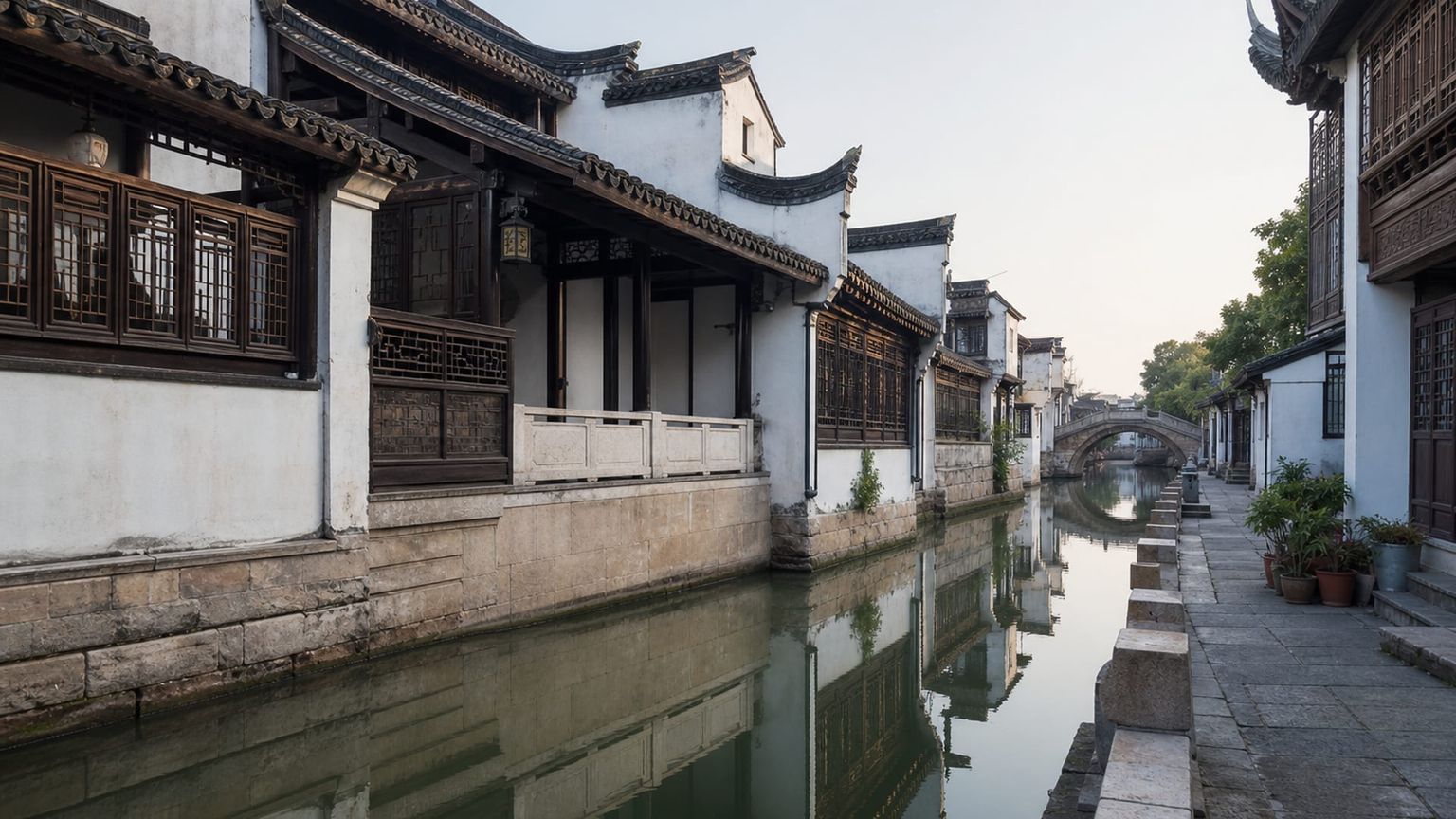
Begin at Tianyi Pavilion shortly after opening and allow 2–3 hours for the historic library buildings, ancestral halls, courtyards, and gardens. From there, continue directly into the Moon Lake area instead of arranging another ride. Spend another 1–2 hours following the paths and historic buildings beside the water. In the late afternoon, walk or take a short ride toward Tianyi Square for shopping, tangyuan, and dinner in the central commercial district.
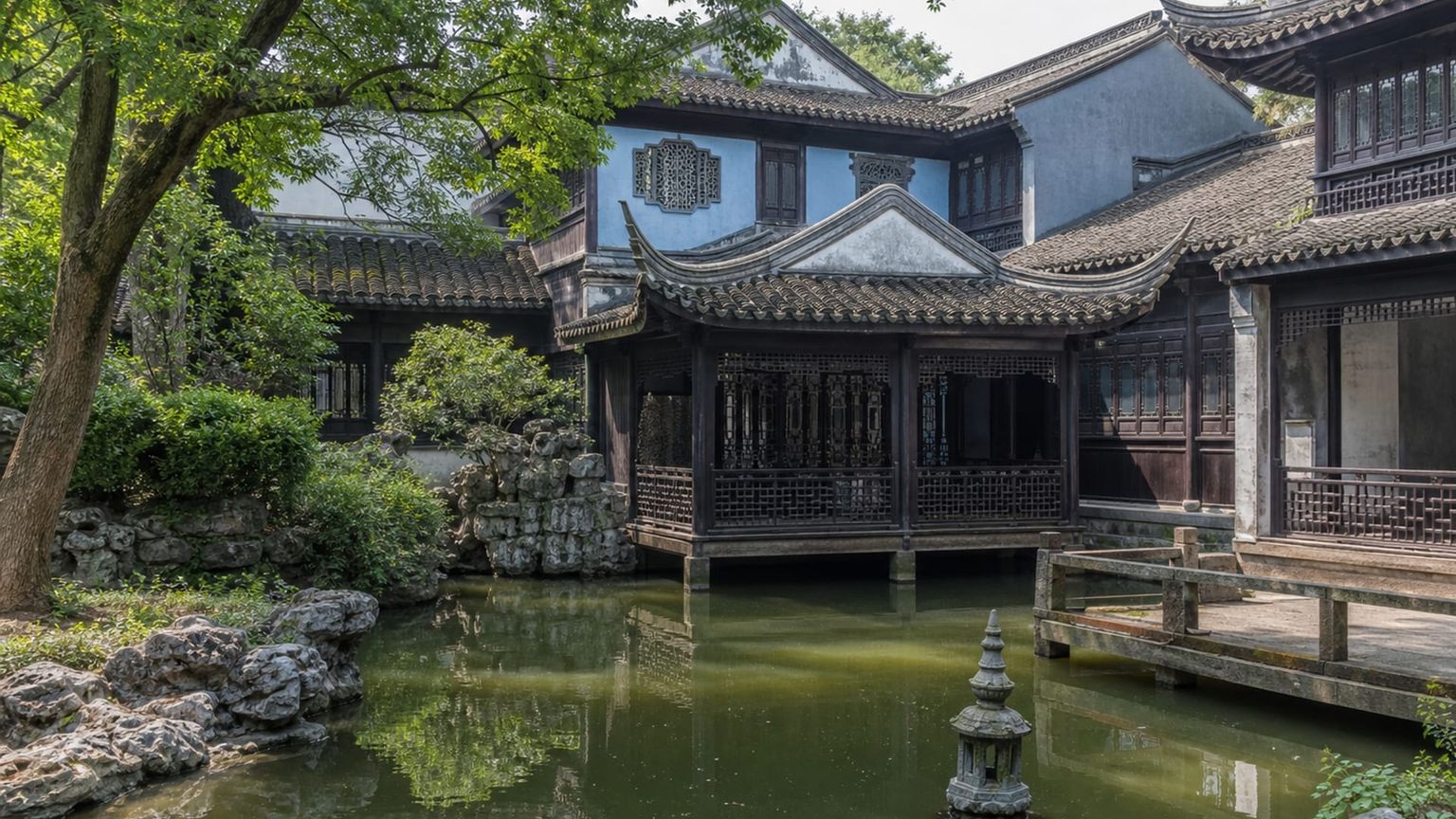
Travel east to Asoka Temple in the morning and allow 1–2 hours inside the complex, plus enough time for the journey in each direction. Return to central Ningbo after lunch and keep the afternoon light before heading to the Old Bund. Walk the historic riverfront as evening activity begins, look across the Yong River from the promenade, and stay in the district for dinner. This timing gives the Bund more atmosphere than a rushed daytime visit.
Reserve a morning visit to Ningbo Museum and spend about 2 hours with the history and folk-culture galleries, leaving additional time to see Wang Shu’s distinctive exterior. After lunch, continue toward East New Town, where broad public spaces, civic buildings, modern hotels, and shopping centers show a very different side of Ningbo. Have coffee or an early dinner there before returning to Tianyi Square or the Old Bund for your final full evening.
Keep the final morning flexible according to your flight time. Return to Tianyi Square for shopping, walk part of Moon Lake if you want one last quiet stop, or have breakfast near the Old Bund if you stayed by the river. Avoid adding Dongqian Lake or another distant attraction before departure. Collect your luggage and take Metro Line 2 or a taxi to Ningbo Lishe International Airport, allowing additional time during busier weekday road periods.
Business-class flights from the US to Ningbo
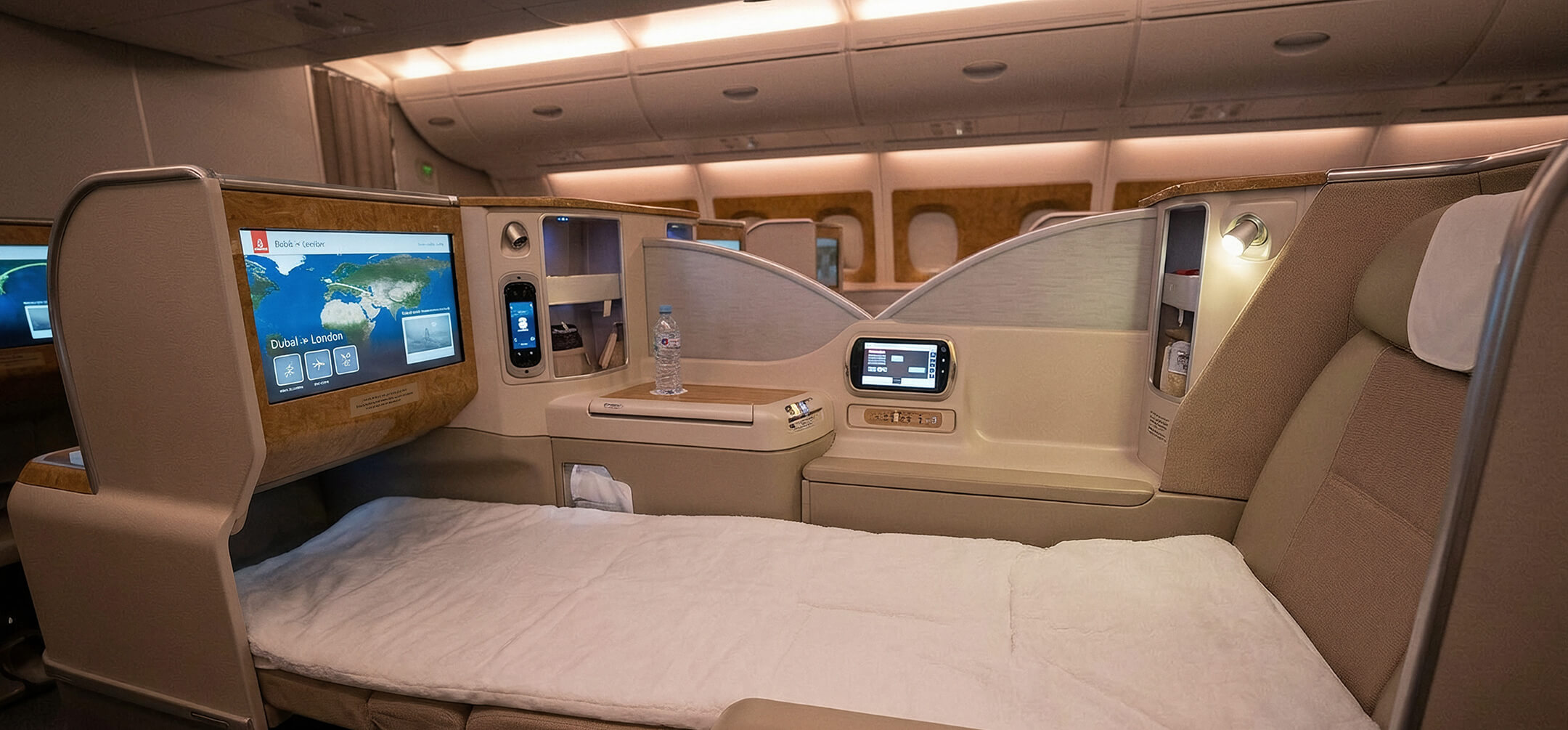
No major hub in the US has nonstop service to Ningbo. Travelers can find business-class flights to this destination from JFK and LAX, which require at least one connection.
New York (JFK) to Ningbo (NGB)
Cathay Pacific, Emirates, Air China, and China Southern offer flights from New York (JFK) with layovers in mainland Chinese or Asian hubs like Beijing (PEK), Guangzhou (CAN), or Hong Kong (HKG), before continuing to Ningbo (NGB). The quickest journeys are generally about 21–25 hours, with longer flights exceeding 30 hours. Round-trip business-class fares from the airlines commonly cost between $5,600 and $11,800.
Los Angeles (LAX) to Ningbo (NGB)
Airlines like EVA Air, Cathay Pacific, United Airlines, China Southern, and Sichuan Airlines operate connecting flights from Los Angeles (LAX) to Ningbo (NGB). The flights take 23–34 hours and have one or two layovers in cities like Hong Kong (HKG), Taipei City (TPE), and Beijing (PEK). Business-class tickets on this route generally range from $4,300 to $9,700.
Experience Ningbo from its old libraries to the riverfront
Ningbo reveals its character through very different settings: the courtyards and old books of Tianyi Pavilion, willow-lined paths beside Moon Lake, historic façades along the Old Bund, seafood restaurants shaped by the nearby coast, and the broad modern spaces of East New Town. If you are planning a visit to Ningbo, consider contacting our AranGrant experts. They can help you compare business-class flights and hotels that suit your dates and budget.