

Chapters:

Need help with your trip?
Our support team is available 24/7. Request a callback or call us directly at (833) 619-0908
Nanning trips often begin with a late arrival, a taxi to one of the central districts, and then a quick dinner near the hotel. What many travelers miss is how much time disappears when they try to add one more stop after dark, especially if they are staying far from Chaoyang or Qingxiu.
The city looks compact on a map, but museums, parks, and the mountain park sit far enough apart that piecing them together without a plan adds unnecessary transit and waiting. Evening traffic can also slow the return from the older center.
This guide uses a slower sequence, with central neighborhoods, short transfers, and day plans that match opening hours and distances instead of forcing a loop that wastes time.
Useful things to know

Main language(s): Chinese
你好 (nǐ hǎo) – Hello / good morning
请 (qǐng) – Please
谢谢 (xièxie) – Thank you
你会说英语吗? (nǐ huì shuō yīngyǔ ma?) – Do you speak English?
多少钱? (duōshǎo qián?) – How much does it cost?

Currency: The local currency is the Chinese yuan (CNY, ¥).

Cash and cards: Cards and contactless work widely in Nanning, but keep about ¥200 to ¥300 ($28 to $42) in cash for small shops and taxis.

Tipping: Tipping is not customary, round up only for small cash fares or bills.

Traditional food: Laoyou rice noodles, Baise rice noodles, Yao-style stuffed tofu, Nanning grilled fish

Water and coffee costs: Water about ¥3 ($0.40), bar espresso about ¥25 ($3.50).

Taxis and ride apps: DiDi operates here; app translation can help with drivers.

Plug and voltage: Type A/C socket, 220V

Dining and shop opening hours: Breakfast is about 07:00-09:00, lunch 11:30-13:30, and dinner 18:00-20:30. Some restaurants close between lunch and dinner.

Emergency number: 112 for police, ambulance, and fire.
Where to stay in Nanning
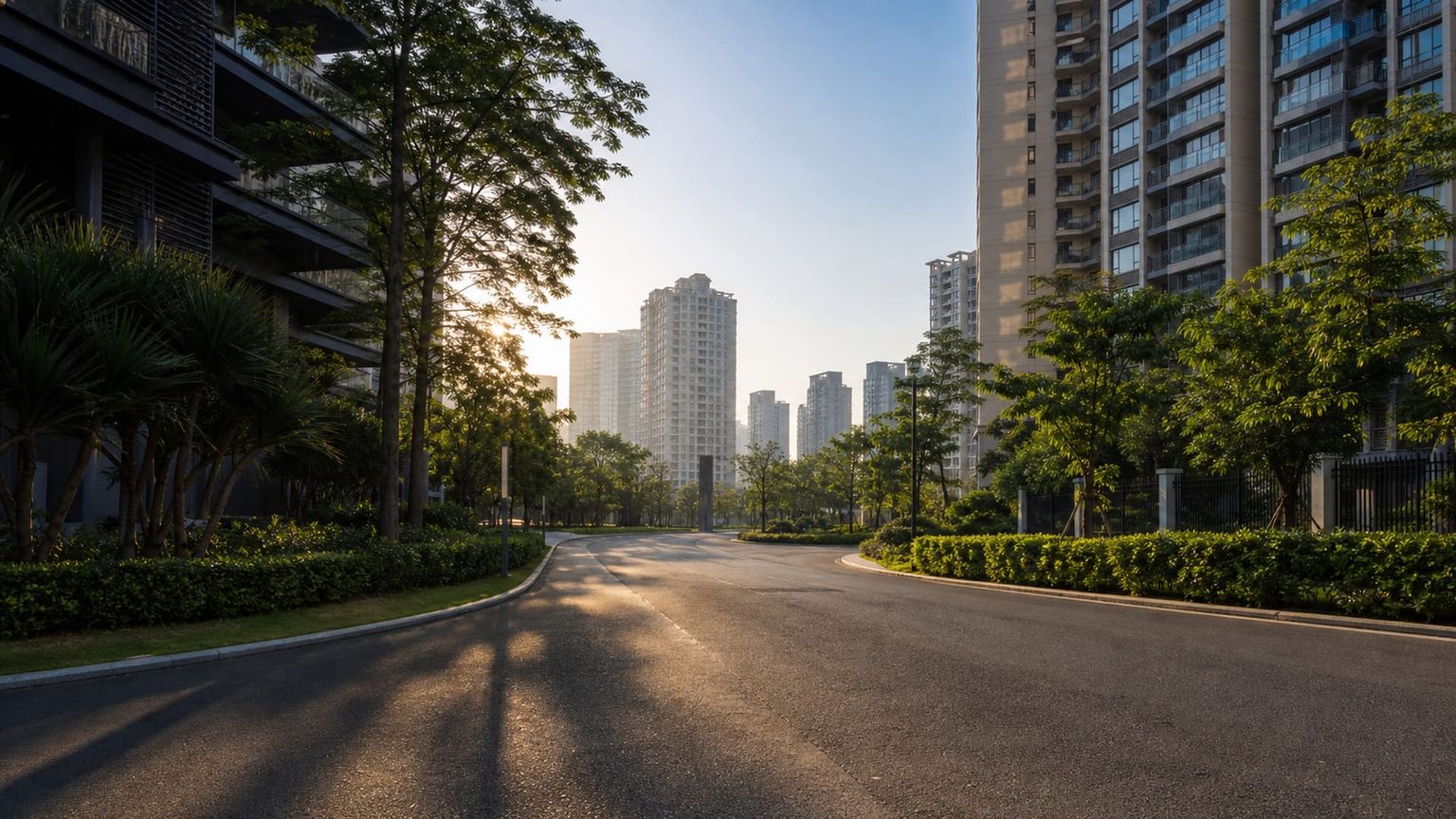
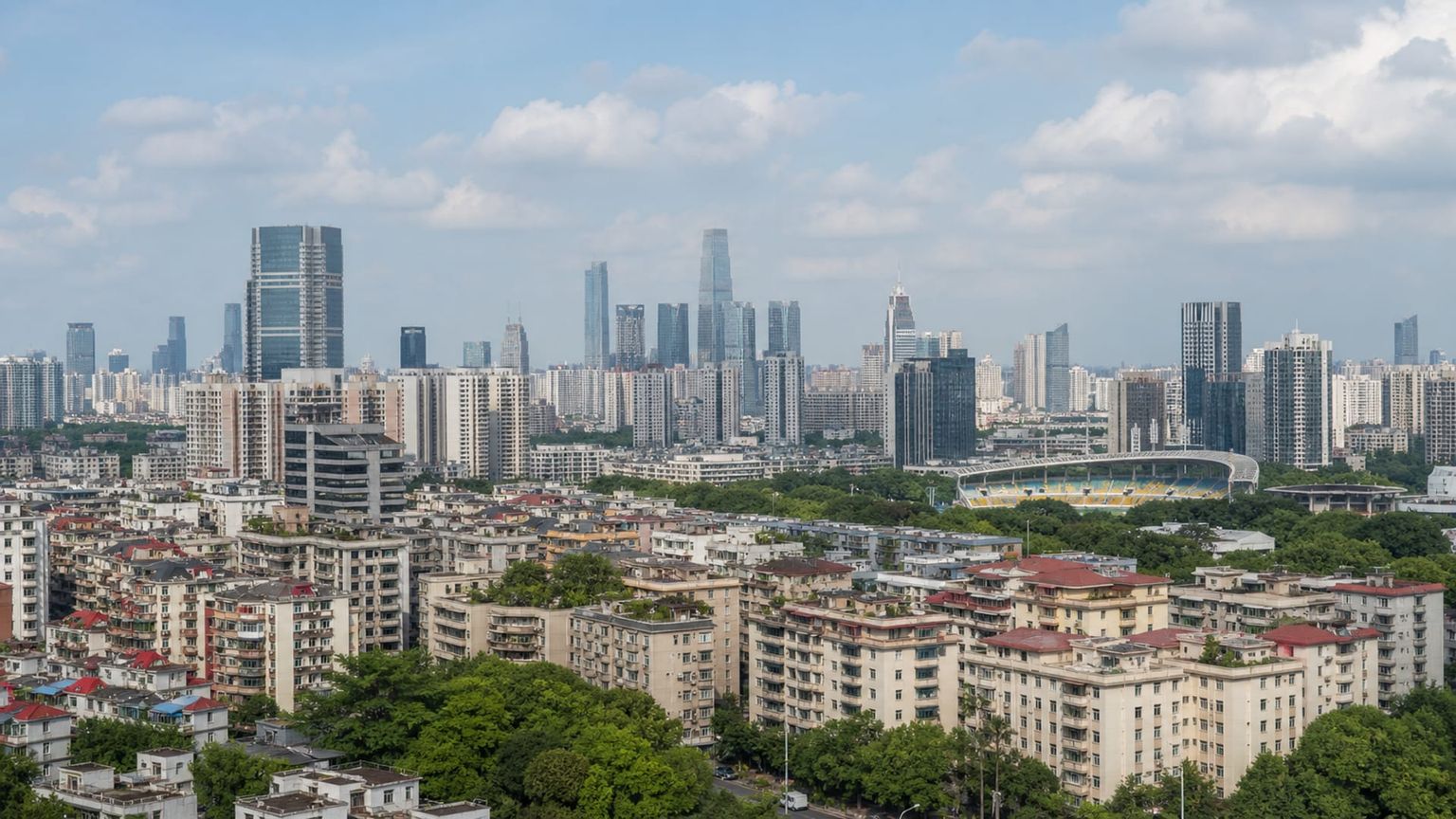
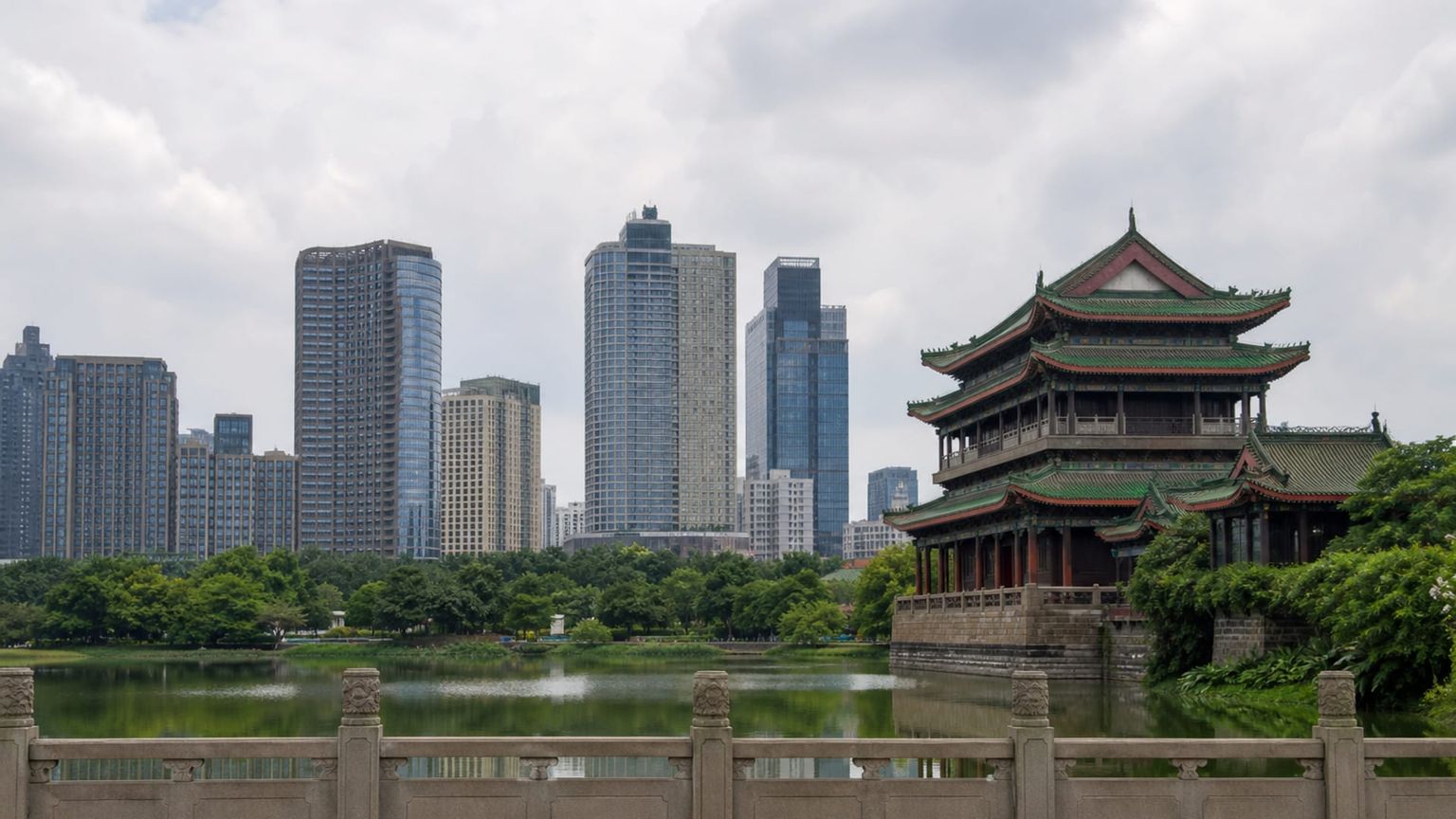
Nanning’s main central district spreads across office towers, parks, and major shopping streets, with the city’s broadest range of hotels. It works well if you want easy access to museums, green space, and the busiest commercial corridors without staying far from transit.
Best for: First-time visits, central access, and travelers who want the broadest hotel choice
What to expect: Busy daytime streets, substantial foot traffic near malls and offices, and a steady flow of diners and commuters in the evening.
Hotel prices: Usually about 350 CNY to 900 CNY (~$49 to ~124) per night for well-rated stays
Distance to major sights: About 20 minutes by metro or taxi to the MixC area, and about 25 minutes to Qingxiu Mountain.
Quietness: Quieter in residential side streets at night, but main roads stay active well after dark.
Main trade-off: You pay more for the most central addresses, and the liveliest blocks can bring traffic noise and denser pedestrian crowds.
Good to know: Choose a hotel a few streets off the main avenues if you want the same central location with less late-evening road noise.
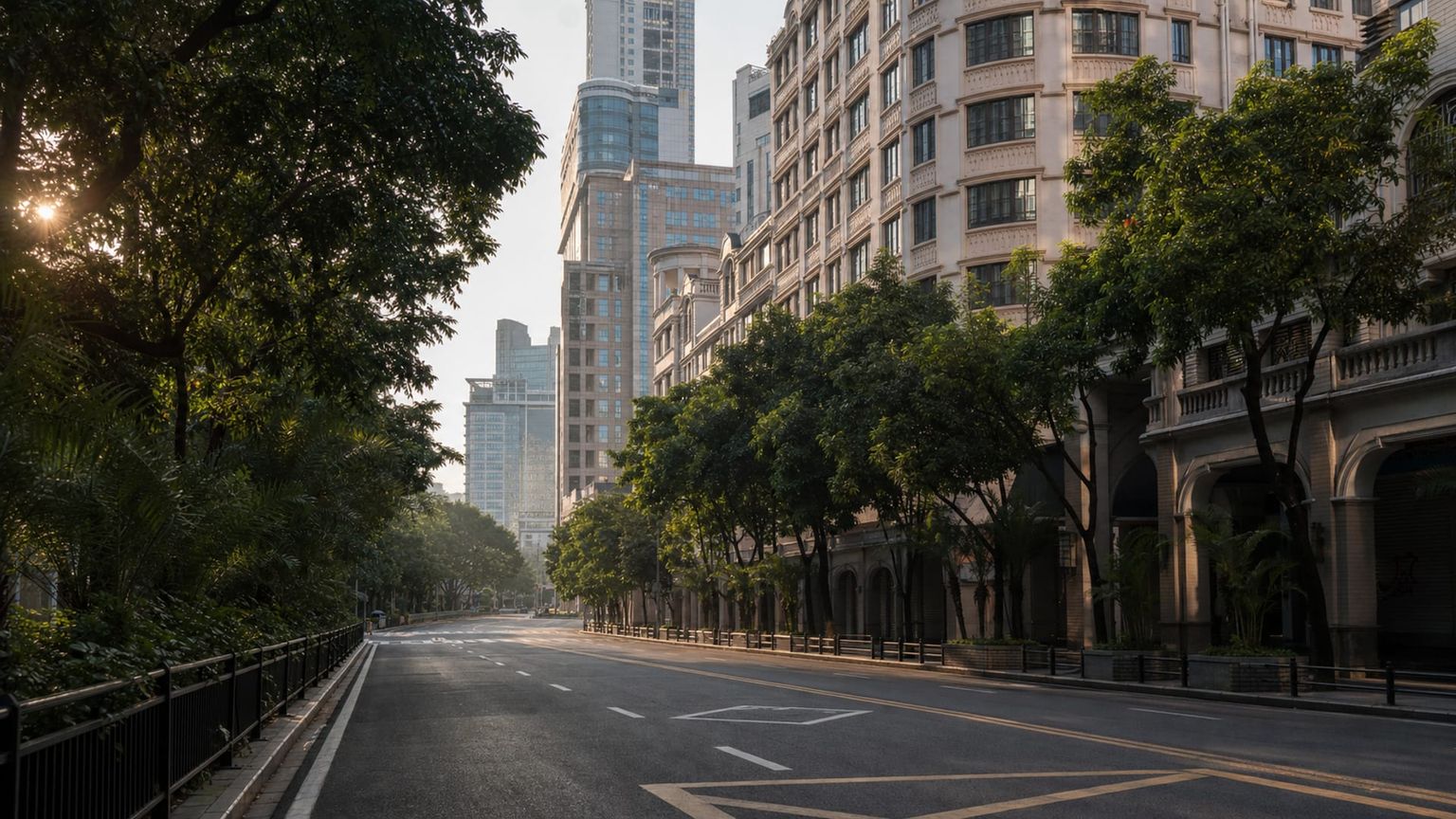
Chaoyang is the older commercial core, with dense shopping streets, local eateries, and some of the city’s most convenient transit links. It suits travelers who want to stay near classic downtown Nanning rather than newer business zones.
Best for: Shopping, local dining, and travelers who want a central, urban base
What to expect: Lively sidewalks, heavy daytime movement, and a more local mix of shops and restaurants than the newer districts.
Hotel prices: Usually about 280 CNY to 750 CNY (~$39 to ~103) per night for well-rated stays
Distance to major sights: About 15 minutes by taxi to Nanning Railway Station, and about 25 minutes by metro to Qingxiu Mountain.
Quietness: Noisy on main commercial streets during the day, then calmer on side streets after dinner.
Main trade-off: Hotel standards vary more than in newer business areas, so the cheapest listings can feel dated or tight on space.
Good to know: Check the exact block before booking, because some addresses sit above late-opening shops and can be louder than they look on a map.
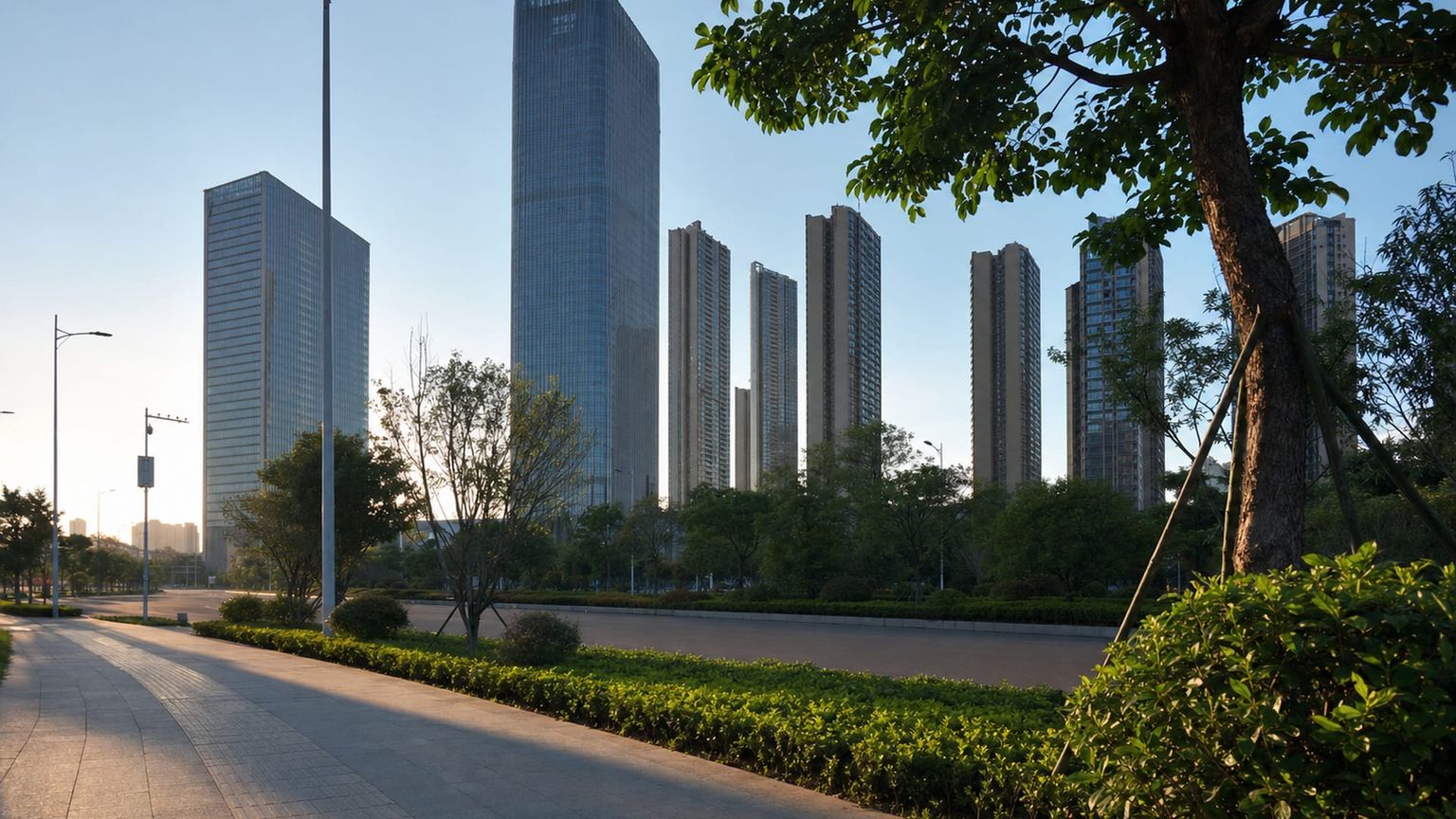
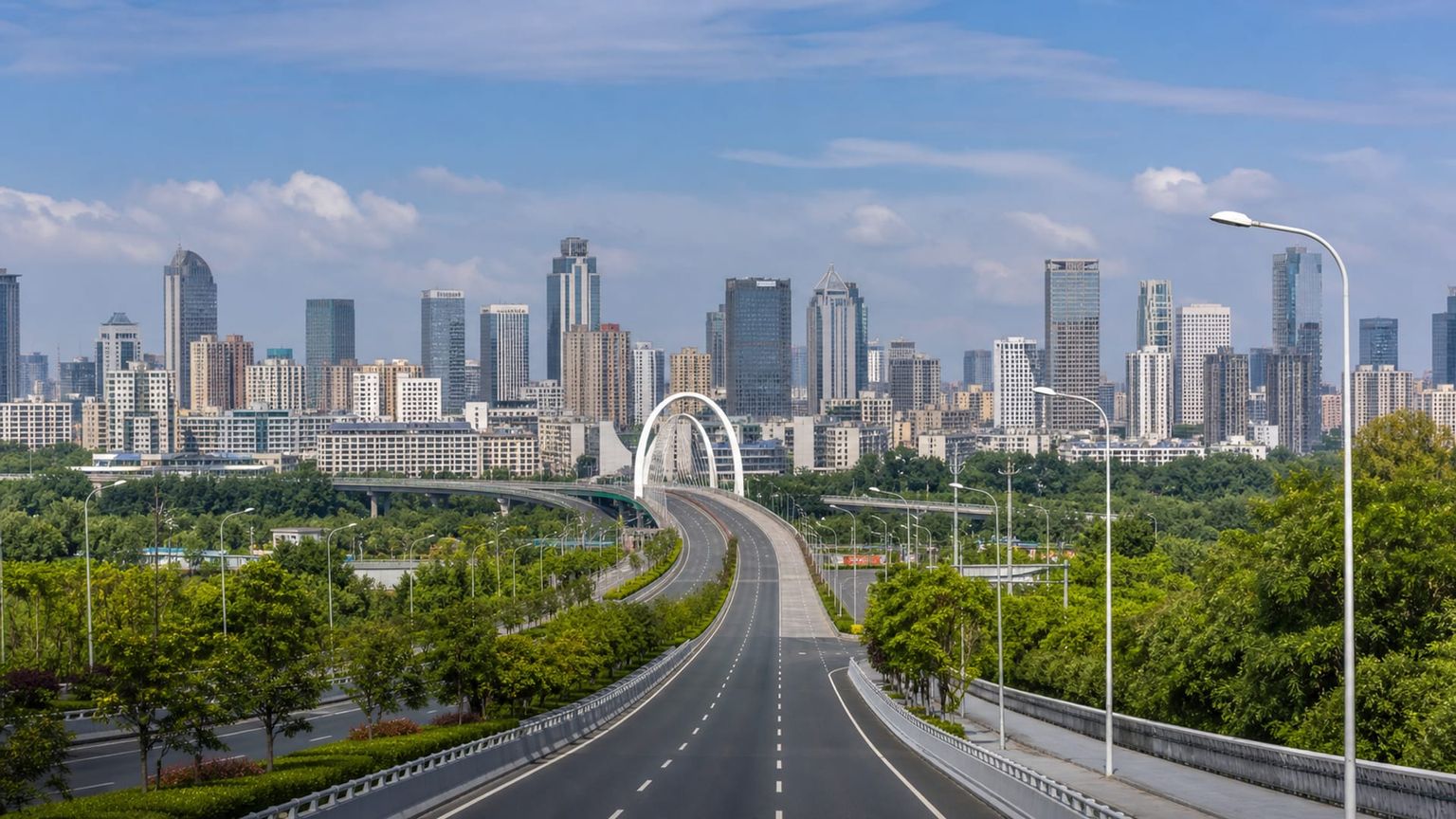
Wuxiang New District is one of Nanning’s newer planned areas, with wide roads, modern residential towers, and newer hotel stock. It is useful if you want recent buildings and don’t mind being farther from the oldest downtown streets.
Best for: Newer hotels, business trips, and travelers who prefer modern buildings
What to expect: Wide boulevards, lighter street activity outside office hours, and a more residential pace than the central districts.
Hotel prices: Usually about 320 CNY to 800 CNY (~$44 to ~110) per night for well-rated stays
Distance to major sights: About 30 to 40 minutes by taxi to Chaoyang Square, and about 25 minutes by taxi to Qingxiu Mountain.
Quietness: Generally quieter at night than the core districts, with more subdued street activity after office hours.
Main trade-off: You gain newer rooms and broader roads, but you will spend more time reaching the main shopping and dining streets.
Good to know: If you plan late dinners in the old center, expect to budget extra taxi time on the return trip.
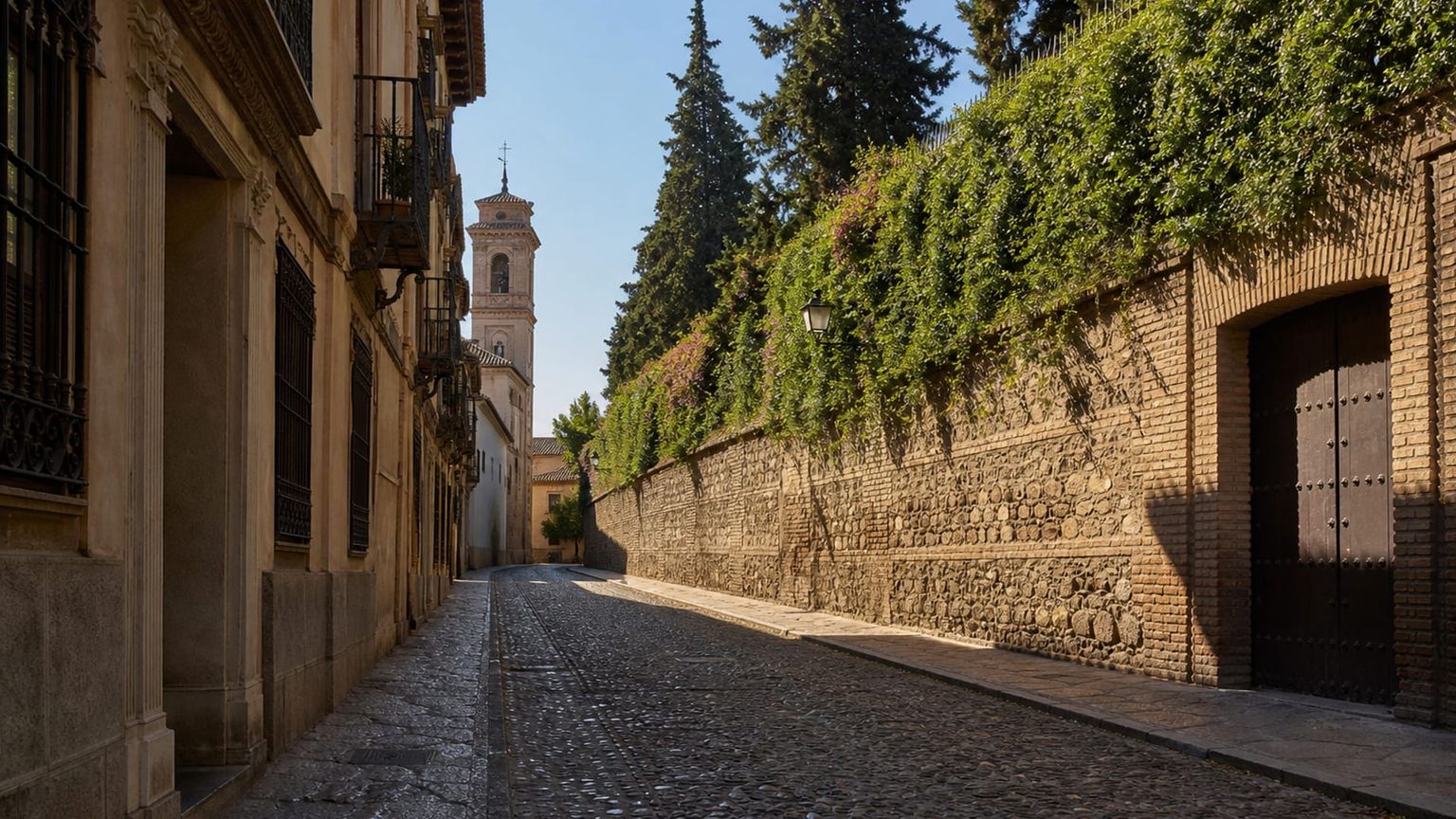
Liangqing District sits south of the traditional center and includes newer government and residential developments. It can suit visitors who want a calmer stay with modern hotels and do not need to be in the thick of downtown activity.
Best for: Quieter stays, newer developments, and travelers with business in south Nanning
What to expect: Moderate daytime activity, broader streets, and fewer late-night crowds than the central commercial districts.
Hotel prices: Usually about 260 CNY to 700 CNY (~$36 to ~96) per night for well-rated stays
Distance to major sights: About 30 to 45 minutes by taxi to Chaoyang Square, and about 30 minutes to Qingxiu Mountain.
Quietness: Usually quiet after dark, with the most activity concentrated around offices and main roads in daytime.
Main trade-off: The district can be convenient for a quieter hotel, but restaurant and nightlife choices thin out once you move away from the main roads.
Good to know: Plan your evening meals before returning, because dining choices become more limited once you leave the busiest corridors.
Travelers usually avoid staying in Wuming District, Hengzhou District, and Shanglin County, because they sit far from Nanning’s main sights, including Qingxiu Mountain and the city center, which adds long daytime and evening travel. The areas around Nanning East Railway Station and Wuxiang New District are also less convenient for short visits, with newer hotel stock but fewer visitor amenities and more time needed to reach older central districts for dining and sightseeing.
Hotel deals
How to get around Nanning efficiently
Nanning’s metro, airport buses, taxis, and DiDi all cover different parts of the city, so the best choice depends on how far you are going and whether you need a direct ride after dinner.

Metro
for longer distances
Nanning has a metro network, and Line 1 links Nanning Wuxu Airport area with the city in roughly 40 to 50 minutes, depending on the transfer point. Fares are based on distance, usually about $0.40 to $1.20 (¥3 to ¥9), and tickets stay valid for the completed trip on the day of purchase. Trains run from early morning to late evening, and the easiest airport connection is to change at a central station for onward rides toward Chaoyang Square and Nanning Railway Station.

Bus and tram
for convenience
At Nanning Wuxu Airport, the airport bus is the main surface link, with frequent coaches to central Nanning and longer-distance services that may continue to nearby cities. Typical city bus fares are about $0.30 to $0.50 (¥2 to ¥4), paid by card, mobile app, or exact cash on many routes, while airport coaches cost more, usually about $2 to $5 (¥15 to ¥36) depending on destination. Expect the ride into the center to take about 60 to 90 minutes by bus, and look for route boards at major stops, since timetables can vary by district and time of day.

Taxi
for convenience or late hours
Licensed taxis use metered fares, with the usual airport-to-center trip costing about $8 to $18 (¥60 to ¥130) before tolls or late-night surcharges, and app-based cars often price in the same range. Drivers normally wait in the marked taxi queue outside the terminal, and you can also book through local ride-hailing apps if you have a Chinese phone number or payment setup. Most vehicles accept cash, Alipay, or WeChat Pay, and a direct ride into downtown Nanning usually takes about 35 to 50 minutes in light traffic, longer during evening peaks.
*Prices are based on rates updated as of June 2026 and may change at the time of travel.
Use the metro for cross-city daytime trips, take taxis or DiDi for hotel-to-sight transfers, and rely on the airport bus when time matters less than cost.
Iconic landmarks
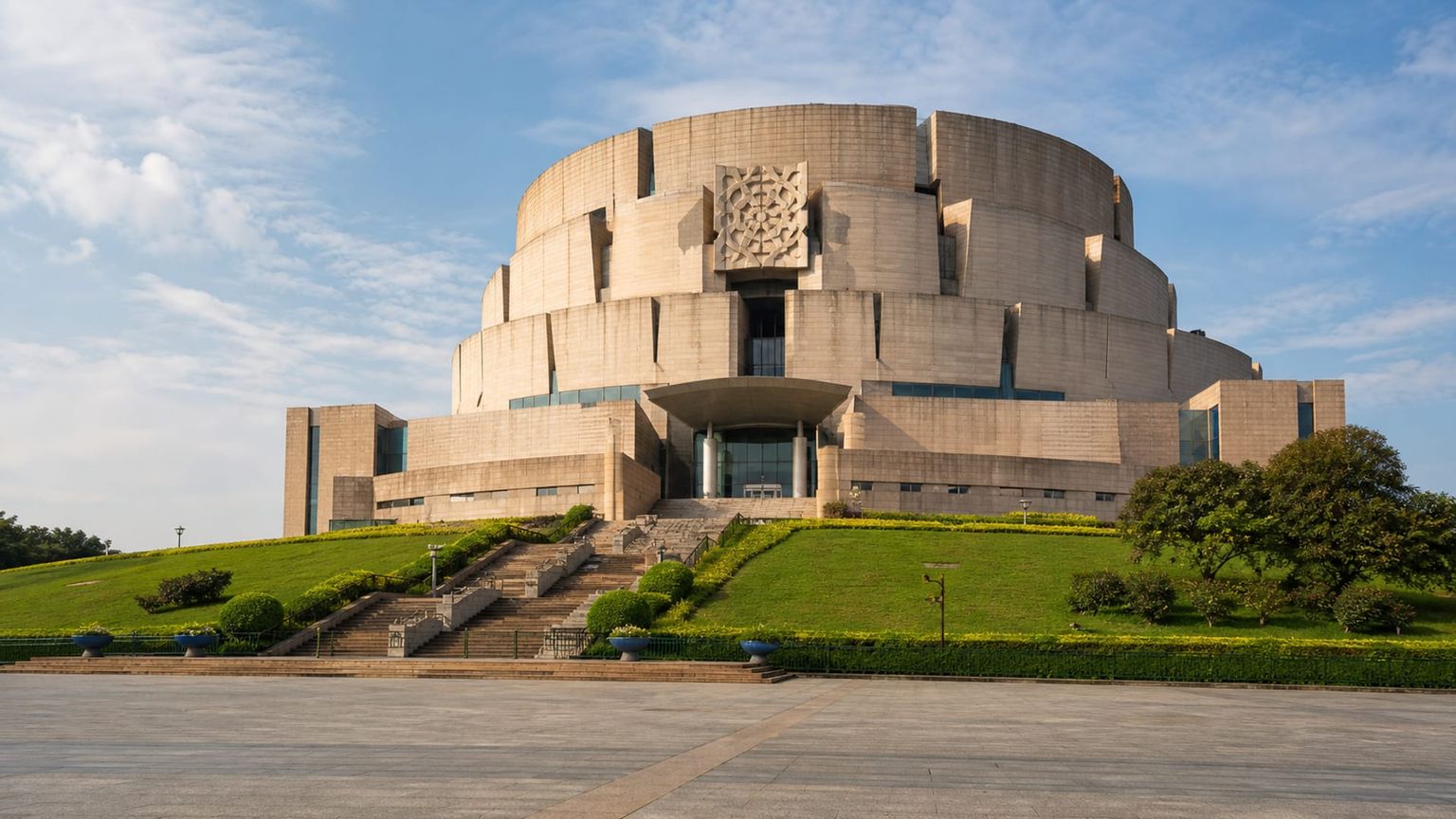
Guangxi Museum
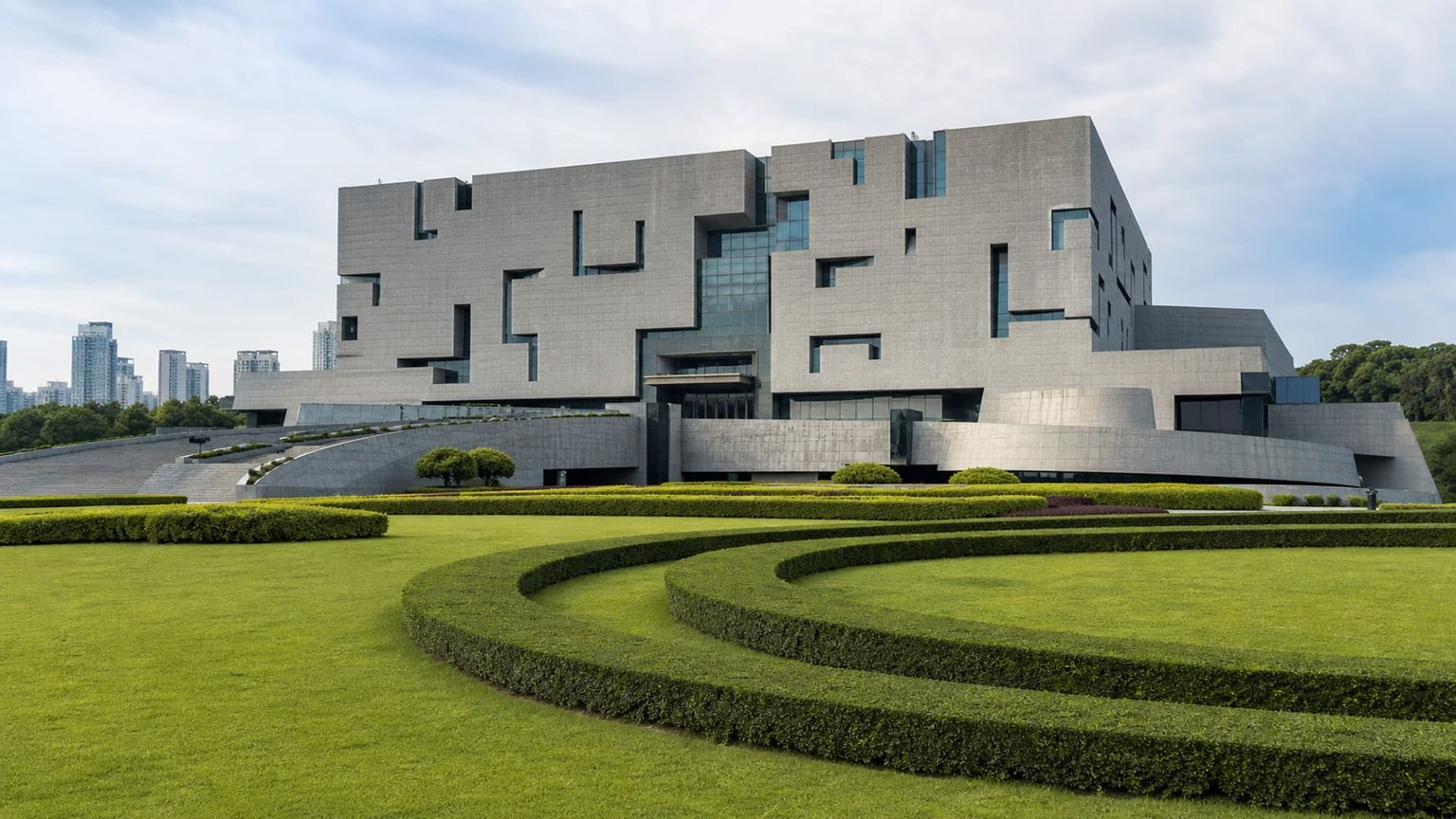
This provincial museum in central Nanning displays bronze drums, Zhuang textiles, ceramics, and other artifacts tied to Guangxi history. Its galleries give clear context for the region’s ethnic mix and long trade links.
Time needed: About 2 to 3 hours
Entry: Admission is free; special exhibitions may charge a separate fee Visit the official site for details.
Tip: Go in the morning on weekdays to avoid school groups and larger tour parties.
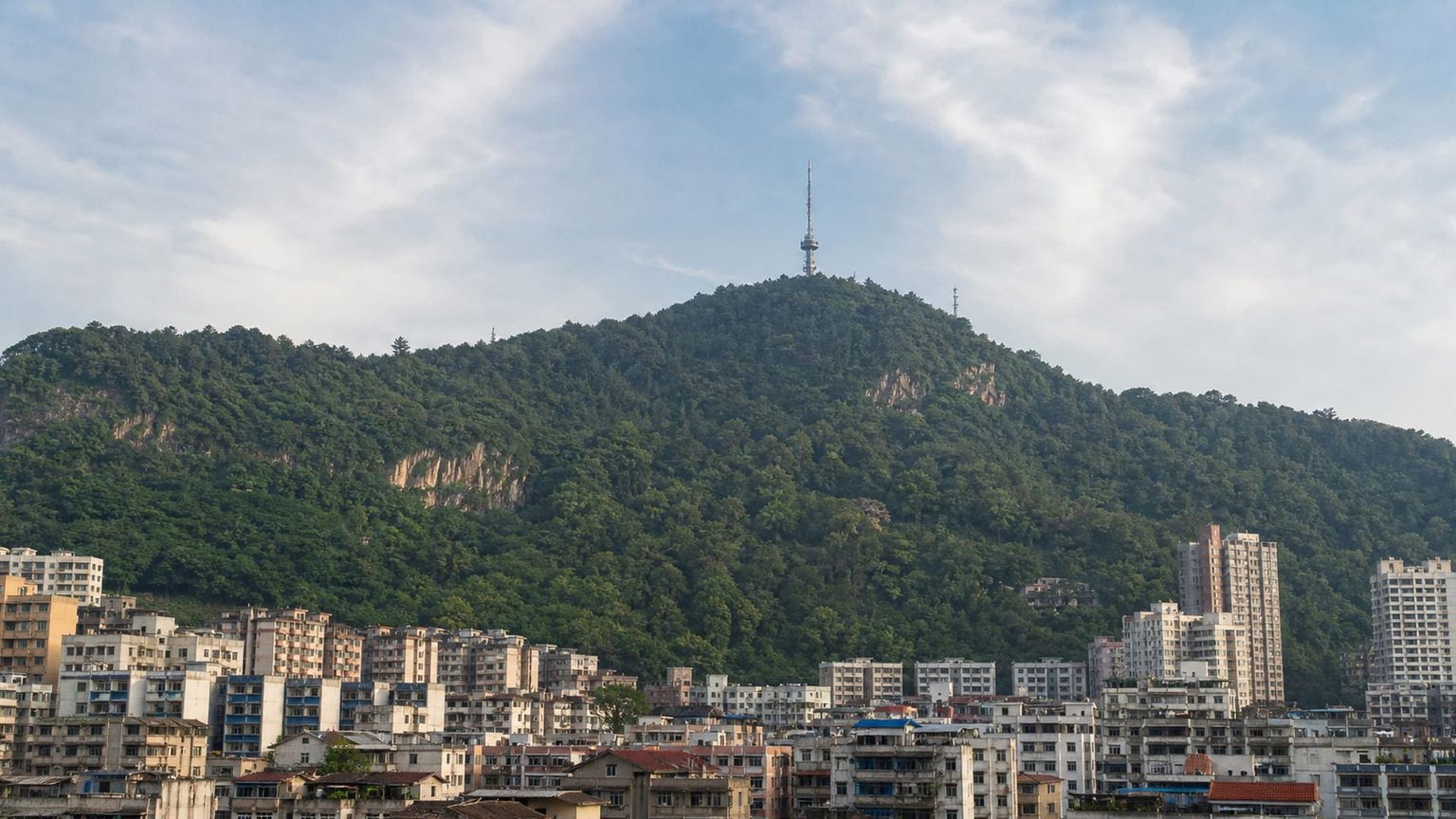
Qingxiu Mountain
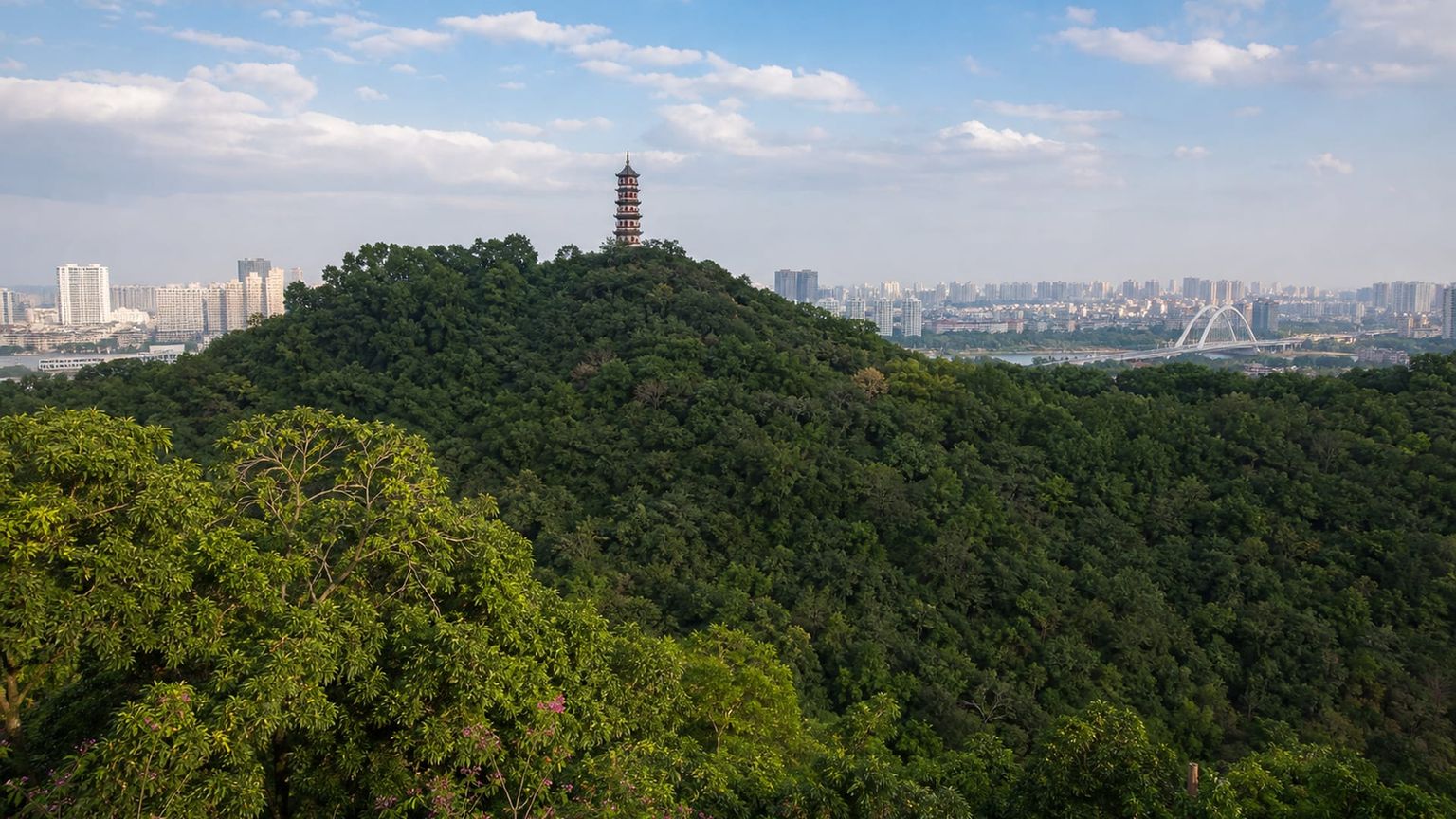
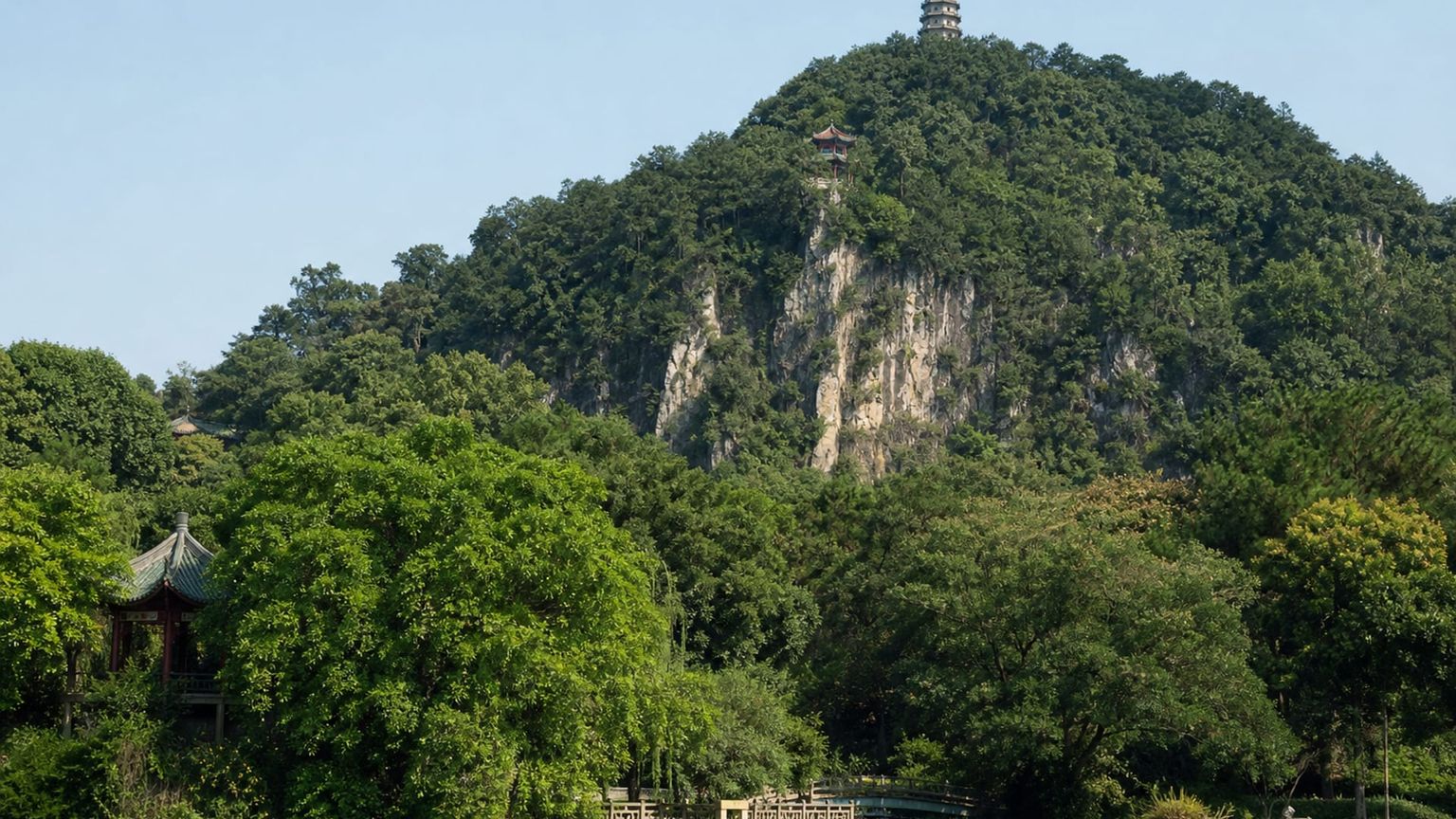
Qingxiu Mountain rises south of the city center with lakes, temple pavilions, bamboo groves, and broad paths. The hilltop views take in the Yong River and the city skyline on a clear day.
Time needed: About 3 to 5 hours
Entry: Admission costs about $8 ($10) Visit the official site for details.
Tip: Start early, then use the shuttle or cable car for the steeper inner hills.
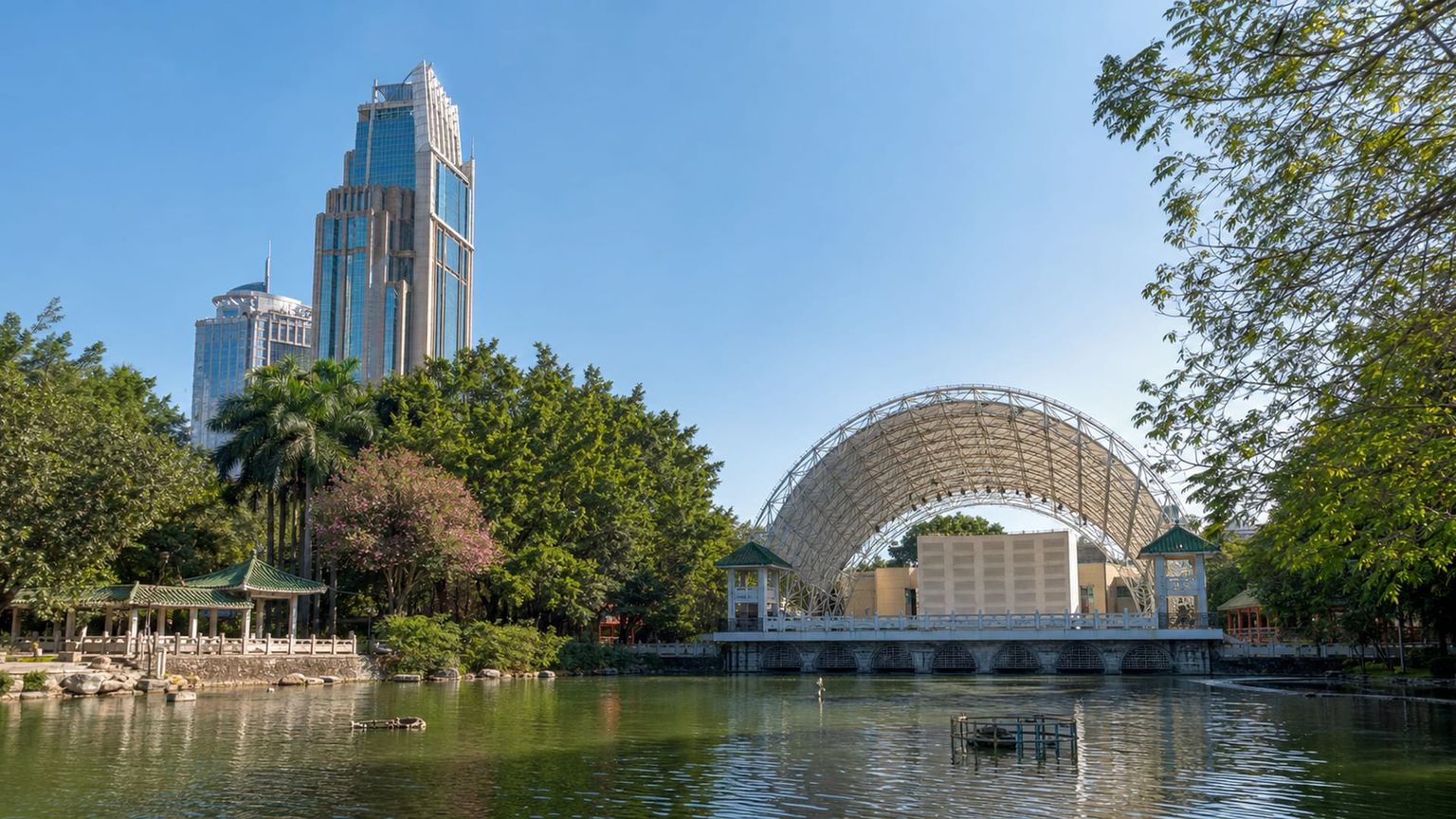
Nanning People's Park
People’s Park sits in the old city and centers on Mount Evergreen, a steep hill with a martyr memorial and city views. The lake, paths, and shaded corners make it a busy local stop for an easy half day.
Time needed: About 2 to 3 hours
Entry: Admission is free; some rides and exhibits cost extra
Tip: Visit before sunset for softer light and better hilltop views across downtown.
Overlooked sites worth visiting

Nanning People's Park
A central green space with a lake, shaded walks, and the Martyrs’ Memorial Tower. It draws local morning exercisers, then quietens by late afternoon.
Time needed: About 1 to 2 hours
Entry: Free to access; the park is open daily and the memorial areas do not charge admission. Small fees may apply only for optional amusement rides or paid exhibits inside the grounds.
Tip: Go early for cooler paths and clearer lake views.

Guangxi Museum
This compact museum covers Zhuang culture, bronze drums, and regional history in a few focused galleries. It suits a short stop when you want artifacts without a large-crowd circuit.
Time needed: About 1 to 2 hours
Entry: Admission is free with valid ID registration at the entrance. Special exhibitions or temporary events may charge a separate ticket, typically about $3 to $7 (approximately ¥22 to ¥50) when offered. Visit the official site for details.
Tip: Check the temporary exhibition hall before you leave.
Traditional food
Nanning’s table leans on rice noodles, river fish, tofu, and light broths, with chili, garlic, and sour notes giving the food its edge. Meals often begin early, pause between lunch and dinner, then resume in busy noodle shops and neighborhood restaurants.
Laoyou rice noodles
This sour-and-spicy noodle bowl is one of Nanning’s best-known breakfasts, with pickled vegetables, minced pork, garlic, and chili in a hot broth. Old Nanning Nong Shi Jia on Minsheng Road is a dependable city-center choice.
Baise rice noodles
A regional noodle bowl with a lighter broth and a cleaner finish than some local hot-and-heavy versions. You can order it at Guangxi flavor spots such as Nanning Laoyou Noodle House, which keeps the dish in regular rotation.
Yao-style stuffed tofu
Tofu is filled with seasoned pork, then pan-seared until the outside turns golden and the inside stays juicy. Guangxi flavor restaurants such as Guangxi Flavor Restaurant in central Nanning often treat it as a signature order.
Nanning grilled fish
Grilled fish arrives with peppers, aromatics, and a chili-forward sauce that suits a shared dinner. For a city-canonical version, head to Nanning Grill Fish Restaurant in Chaoyang District, where the dish anchors the menu.
Best time to visit Nanning
Nanning runs warmer and wetter from late spring through early autumn, while the cooler months make park visits and long walks more comfortable.
Best for: Mild park walks, museum visits, and early mountain outings
What you get: About 64°F to 84°F (18°C to 29°C), with moderate crowds before the holiday spikes
Trade-offs: Rain starts to pick up, so you need to plan for damp afternoons
Best for: Long daylight, green hills, and evening food walks
What you get: About 77°F to 94°F (25°C to 34°C), with heavier crowds during domestic travel peaks
Trade-offs: Heat and humidity make midday sightseeing tiring
Best for: Clearer skies, easier walking, and the best all-around balance
What you get: About 66°F to 86°F (19°C to 30°C), with manageable crowds outside holiday periods
Trade-offs: Early autumn can still bring sudden rain
Best for: Quieter streets, easier hotel booking, and slower museum days
What you get: About 46°F to 66°F (8°C to 19°C), with light crowds except around Lunar New Year
Trade-offs: Cool evenings can feel damp, especially after sunset
A realistic 5-day plan in Nanning
The five-day plan below keeps the city in a workable order: arrival first, then museums and parks, then Qingxiu Mountain, followed by a lighter downtown day and one final central stop before departure.
Land at Nanning (NNG), then take a taxi into Qingxiu District, which usually takes about 30 to 40 minutes and costs roughly $8 to $12, or about ¥60 to ¥90. If your hotel sits in Chaoyang District, the ride is usually a little shorter and may land closer to $6 to $10, about ¥45 to ¥75. Check in near a main metro stop, drink some water, and keep dinner simple at a nearby noodle shop or rice bowl restaurant rather than crossing town for a long meal.
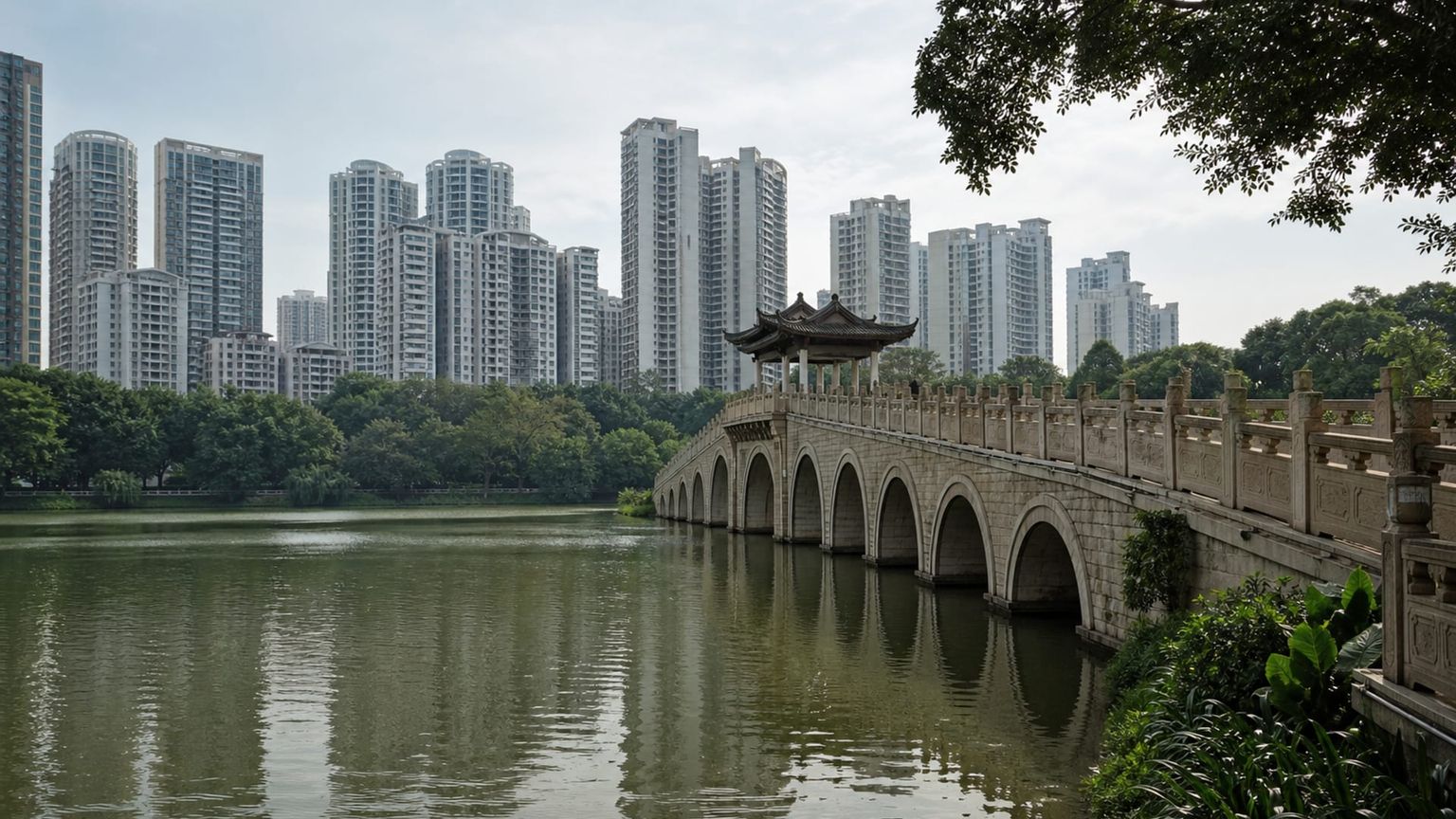
Start with Guangxi Museum in the morning, when the galleries are quieter and you can spend about 2 to 3 hours with the bronze drums, Zhuang textiles, and regional history displays. From Qingxiu District, a taxi usually takes about 15 to 20 minutes, while a metro ride from Chaoyang District is roughly 20 to 25 minutes. After lunch, head to Nanning People’s Park, about 10 to 15 minutes by taxi from the museum area, then walk the lake path and climb Mount Evergreen for city views before sunset. Dinner works well back in Chaoyang District, where late-opening restaurants keep the evening easy without another long ride.
Qingxiu Mountain fills the middle of the trip, and an early start gives you cooler paths and clearer views. Plan on about 3 to 5 hours for the lakes, temples, bamboo groves, and the hilltop outlook over the Yong River; admission costs about $8 ($10). From central Qingxiu District, the taxi ride is usually about 20 to 25 minutes, or you can pair a metro trip with a short taxi connection. If you want to slow the afternoon, return to the district for tea or a light snack, then keep dinner nearby so you are not crossing the city after a long uphill visit.
Begin with a second look at Nanning People’s Park if you want a quieter morning, since the paths open early and the lake is calmer before noon. From there, a taxi to Guangxi Museum takes about 10 to 15 minutes, so you can revisit any gallery you missed or see a temporary exhibition before lunch. In the afternoon, move back toward Chaoyang District for shopping streets and a casual walk through the older commercial core, which keeps you close to restaurants and transit. The movement between these stops stays short, so the day works well for a mix of walking and quick taxi hops rather than a full cross-city outing.
For the last full day, pair one final museum stop with low-effort shopping and a café break. If Guangxi Museum has a temporary show open, start there, then head to Chaoyang District for shopping streets and a late lunch, with most transfers taking about 10 to 15 minutes by taxi inside the central area. Afterward, settle into a café in Qingxiu District or stay in Chaoyang for tea and dessert, where you can sit down without committing to another long sightseeing block before departure.
Business-class flights from the US to Nanning
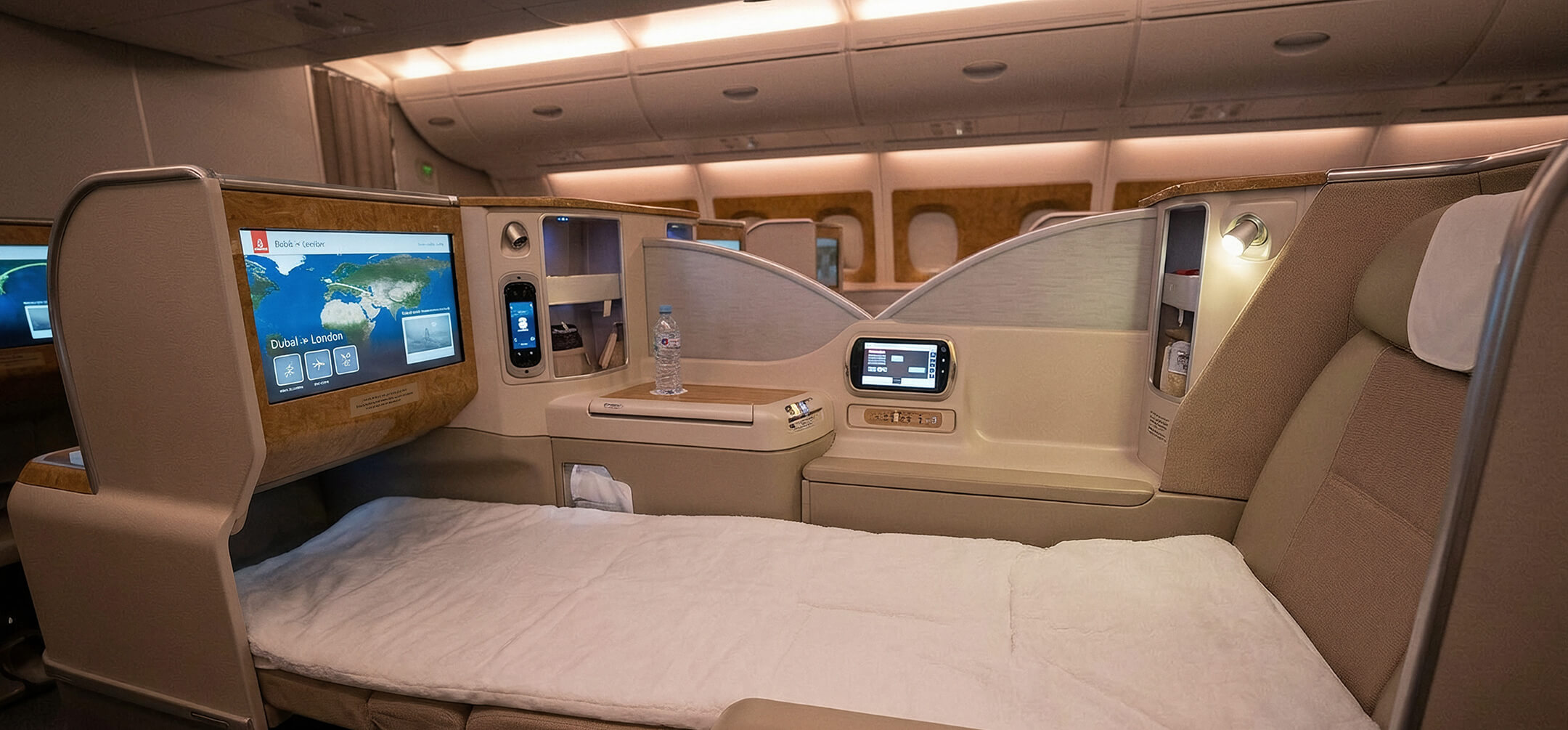
From the US, Nanning usually fits better as a one-stop trip than a nonstop one, and the longest connections tend to matter most when you are choosing between East Coast and West Coast departures. The fare gap can be wide, so the routing often matters as much as the carrier.
From New York, Cathay Pacific, China Eastern Airlines, China Southern Airlines, Air China, Korean Air, and Japan Airlines all appear on itineraries that take about 16 to 18 hours nonstop when available, or about 19 to 26 hours with a layover. Common stop points include HKG, PVG, CAN, PEK, ICN, and NRT, and round trips usually price at $3,800 to $7,500. If you are willing to connect, familiar layover options often bring the fare down to $2,600 to $4,800.
Los Angeles itineraries usually come through Cathay Pacific, China Southern Airlines, China Eastern Airlines, Air China, Korean Air, or EVA Air. One-stop trips typically take about 18 to 25 hours, while the fare often lands between $2,400 and $4,500, compared with roughly $3,400 to $7,000 on round-trip tickets. HKG, PVG, CAN, PEK, ICN, and TPE are the most common connection points.
Nanning feels different when you slow down
A deliberate Nanning stay keeps the map tight: Qingxiu District for the hotel, Chaoyang for food and older streets, Guangxi Museum for context, and Qingxiu Mountain for the city’s best overlook. Metro rides and short taxi hops do the work, while long cross-city detours do not belong in the plan. If you want help matching flights, neighborhoods, and day order, AranGrant experts can shape a trip around the parts of Nanning that reward time on the ground