

Chapters:

Need help with your trip?
Our support team is available 24/7. Request a callback or call us directly at (833) 619-0908
Nanjing trips often start with the same stops, Purple Mountain, the city wall, the Confucius Temple, then a hurried return to the hotel. What travelers miss is how much time those crossings and evening crowds can add, especially when sites sit on opposite sides of the old center.
A day that looks compact on a map can stretch once you factor in metro changes, taxi queues, and museum hours that end before dinner. Without a plan, you can lose your best light to transit and arrive at busy sights when tour groups are already thick.
This guide lays out the city in a steadier order, pairing central neighborhoods with the right transit mode and grouping sights so each day has a clear purpose.
Useful things to know

Main language(s): Mandarin Chinese
你好 (nǐ hǎo) – Hello / good morning
请 (qǐng) – Please
谢谢 (xièxie) – Thank you
你会说英语吗? (nǐ huì shuō yīngyǔ ma?) – Do you speak English?
多少钱? (duōshao qián?) – How much does it cost?

Currency: The local currency is the Chinese yuan (CNY, ¥).

Cash and cards: Cards and contactless are widely accepted; carry roughly ¥100 to ¥200 ($14 to $28) in cash for small vendors and taxis.

Tipping: Tipping is not customary; round up small bills or leave a little for exceptional hotel or tour help.

Traditional food: Nanjing salted duck, duck blood and vermicelli soup, sweet-scented osmanthus glutinous rice balls, sesame pancake

Water and coffee costs: Water about ¥3 to ¥6 ($0.50 to $0.85), bar espresso about ¥20 to ¥35 ($3 to $5).

Taxis and ride apps: DiDi and local taxi apps operate here; some drivers prefer cash or Alipay.

Plug and voltage: Type A/C socket, 220V

Dining and shop opening hours: Breakfast is about 07:00-09:00, lunch 11:30-13:30, and dinner 18:00-20:30. Some restaurants close midafternoon, and many snack spots stay open later.

Emergency number: 110 police, 120 ambulance, 119 fire.
Where to stay in Nanjing
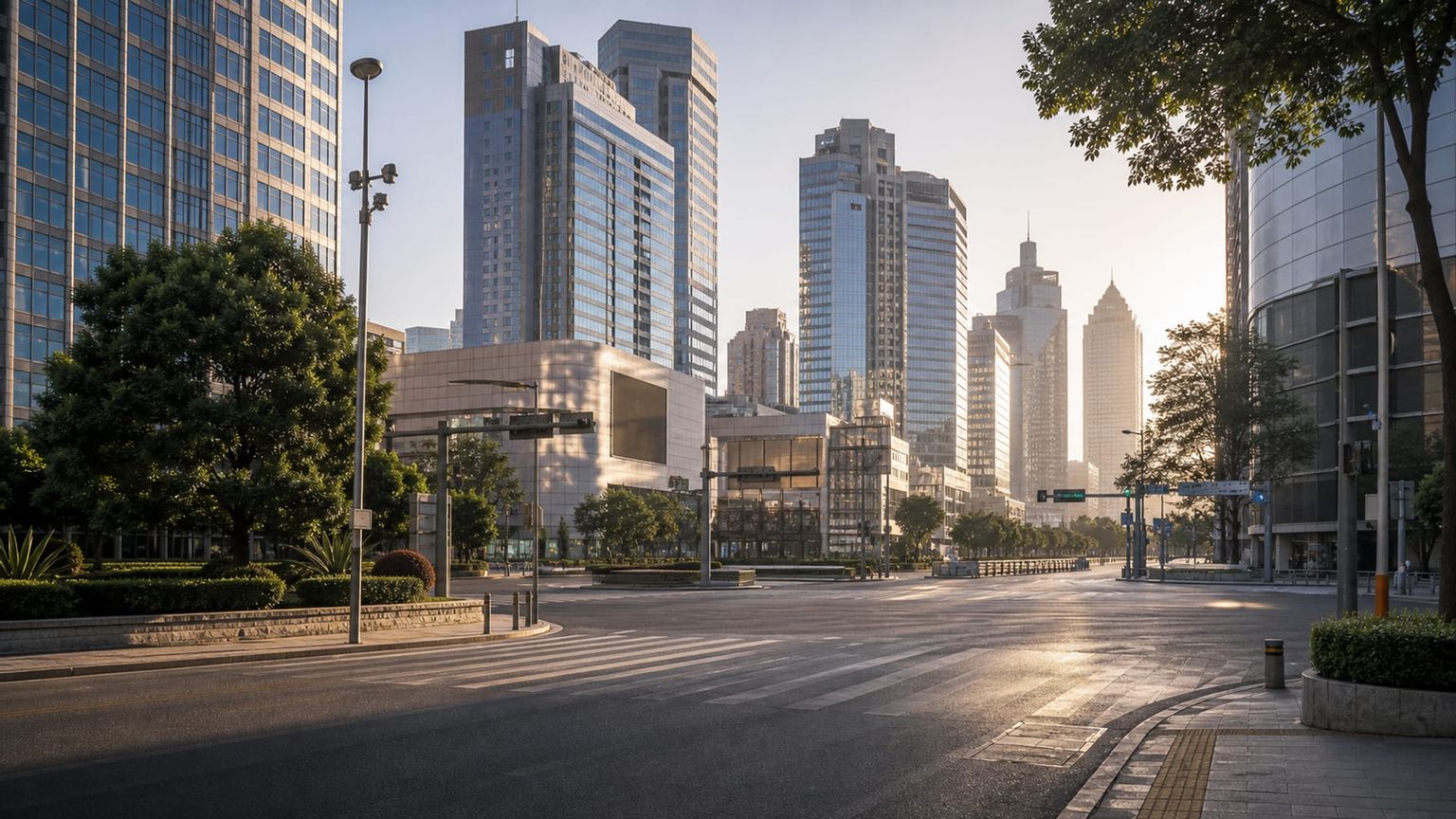
Nanjing’s main commercial core, Xinjiekou puts department stores, flagship hotels, and major subway lines in one dense district. It matters because you can reach many first-stop sights quickly and keep dining, shopping, and transit close at hand.
Best for: Shopping, central transit access, and a base for mixed city exploring
What to expect: Busy sidewalks, heavy traffic, and long retail hours keep the area active well into the evening.
Hotel prices: Usually about ¥450 to ¥900 (~$62 to ~$124) per night for well-rated stays
Distance to major sights: 10 to 15 minutes by metro to Presidential Palace, about 20 minutes by metro to Confucius Temple
Quietness: Lively from morning through late evening, with traffic and footfall staying high after dark.
Main trade-off: You pay for the central address, and street noise can be noticeable in rooms facing the main roads.
Good to know: Choose a higher floor or an inward-facing room if you are light sleeper, because the busiest intersections can stay loud past 10:00 pm.
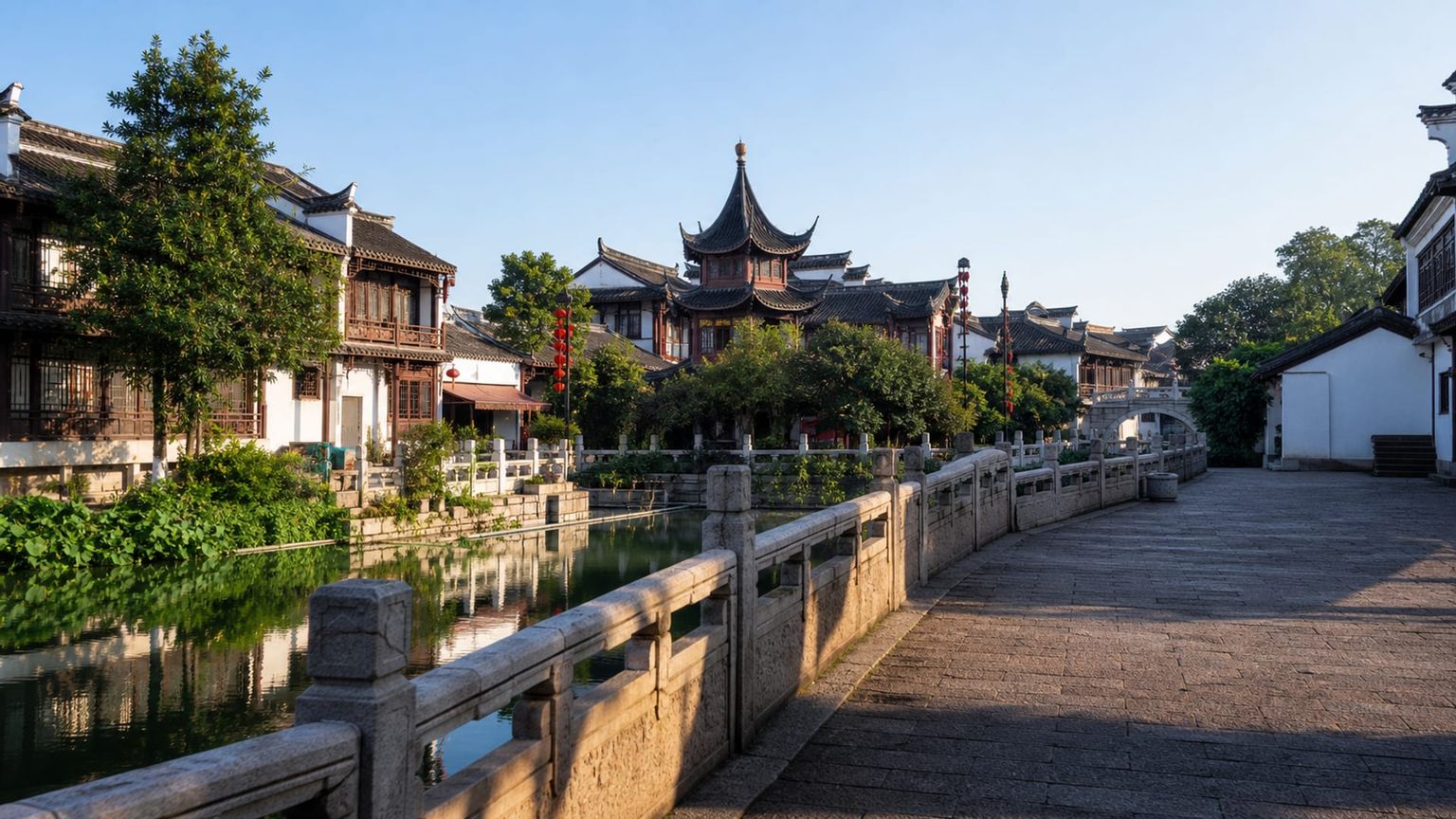
Set along the Qinhuai River, the Confucius Temple area mixes historic lanes, riverfront promenades, and late-opening food streets. It matters for travelers who want evening walks, easy snack options, and a setting that puts heritage sites close together.
Best for: Historic sightseeing, river walks, and evening dining
What to expect: Crowds build after midday, then the lanes glow with snack stalls, boat traffic, and tour groups at night.
Hotel prices: Usually about ¥420 to ¥850 (~$58 to ~$117) per night for well-rated stays
Distance to major sights: On foot to Confucius Temple, 10 to 20 minutes by transit to Zhonghua Gate
Quietness: Moderately busy by day, then louder in the evening as visitors and food stalls fill the riverfront streets.
Main trade-off: The setting is atmospheric, but rooms near the main lanes can pick up late-night noise from restaurants and tour traffic.
Good to know: Book close to the metro if you plan to move around the city, since late rideshares can take longer when the riverfront streets clog after dinner.
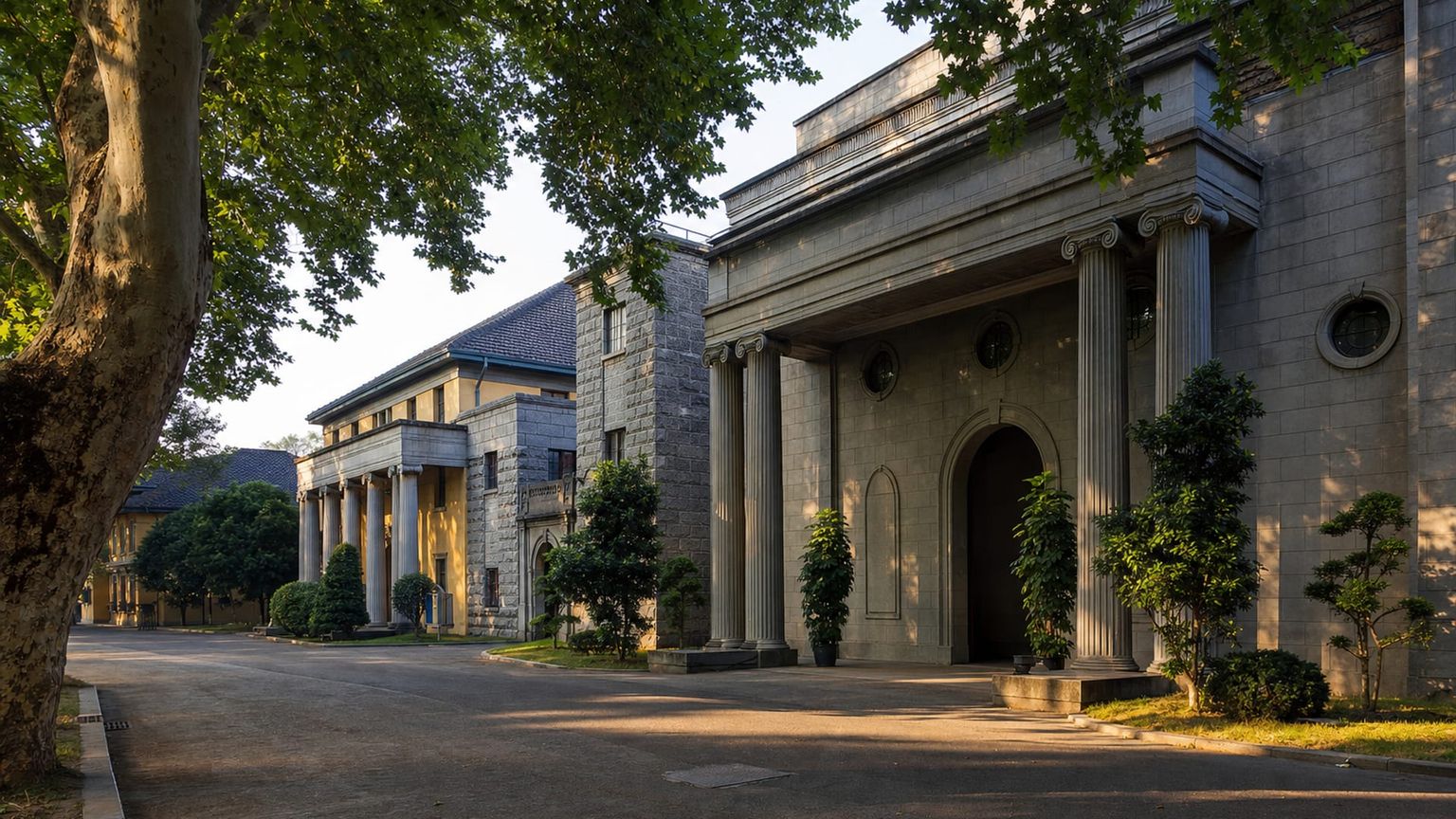
The Presidential Palace district sits just east of Nanjing’s old central axis, with museums, government buildings, and easy links to the city’s main monuments. It matters because it balances central access with a more measured pace than the busiest shopping streets.
Best for: Museum visits, historic sights, and a central base with less late-night activity
What to expect: Office traffic and daytime visitors dominate, while evenings thin out once museums and nearby restaurants close.
Hotel prices: Usually about ¥500 to ¥1,000 (~$69 to ~$138) per night for well-rated stays
Distance to major sights: 5 to 10 minutes on foot to Presidential Palace, about 15 minutes by metro to Xuanwu Lake
Quietness: Busy in the day with tour groups and office traffic, then noticeably calmer after dinner.
Main trade-off: Hotels here often cost more than in outer districts, but you save time if you are chaining together central sights.
Good to know: Many museum and government venues close earlier than the nearby restaurants, so plan your sightseeing before dinner rather than after.
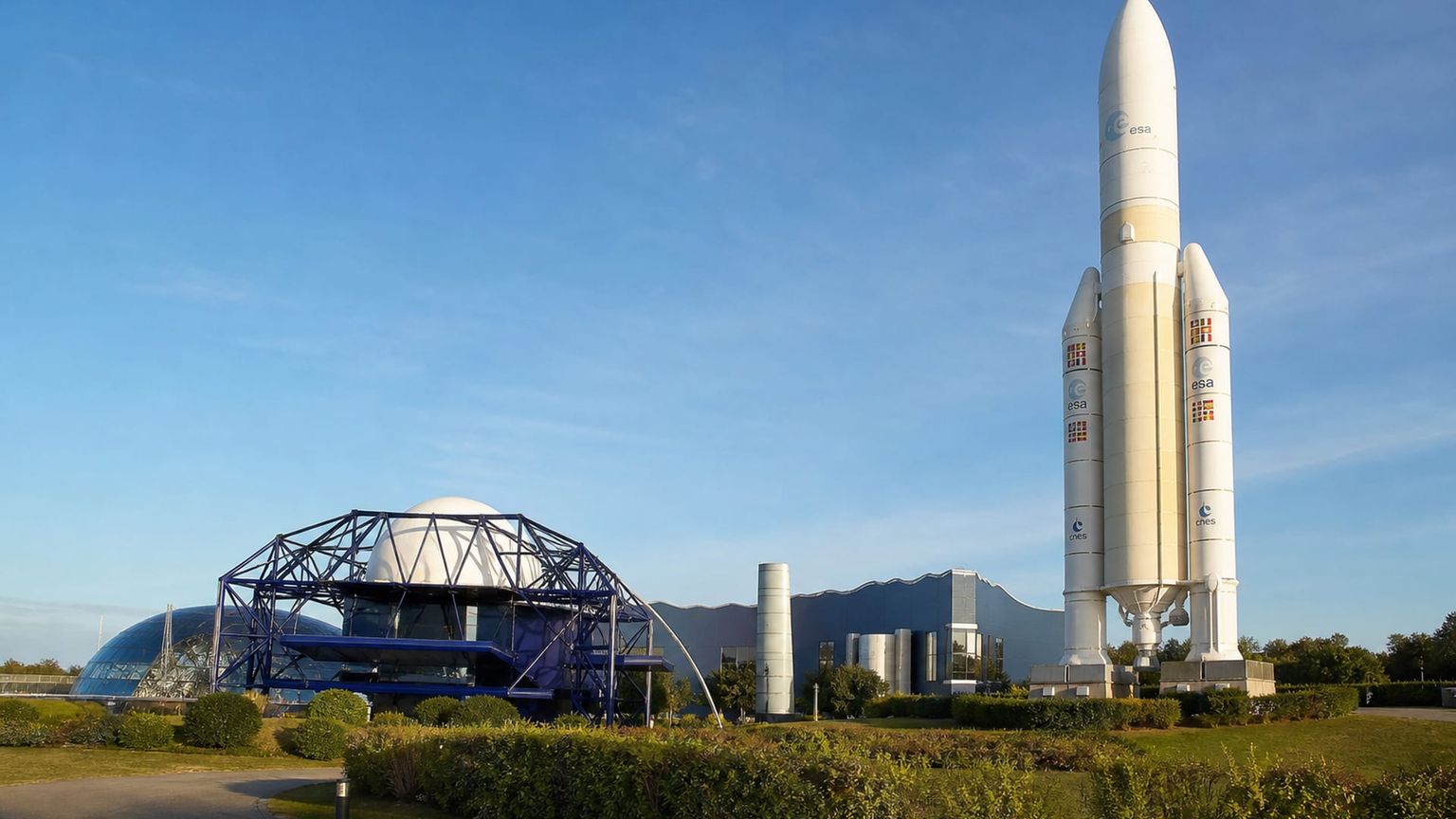
Xuanwu Lake sits north of the old city wall, with park paths, lake views, and direct access to Nanjing Railway Station. It matters for travelers who want green space, an easier arrival, and a base that avoids the heaviest central traffic.
Best for: Park time, station access, and a base with more open space
What to expect: More open sidewalks, joggers, and families by day, with a calmer pace than the shopping core once offices close.
Hotel prices: Usually about ¥380 to ¥780 (~$52 to ~$107) per night for well-rated stays
Distance to major sights: 10 to 15 minutes by metro to Nanjing Railway Station, about 20 minutes by metro to Xinjiekou
Quietness: Quieter than the core during the day, and fairly calm at night apart from roads near the station.
Main trade-off: You trade some walk-to-sight convenience for better access to the lake and rail connections.
Good to know: If you arrive by train, this area shortens your first transfer, but you will still need the metro for the most famous central sights.
Travelers usually avoid staying in Liuhe District, because it sits far from Nanjing’s main sights and adds a long trip into the city center. Pukou District is also less convenient for most visitors, since it sits across the Yangtze River from the core attractions, while farther-out parts of Jiangning District, Qixia District, and Lishui District often have fewer visitor amenities and require longer evening taxi rides back from dinner or nightlife in the center.
Hotel deals
How to get around Nanjing efficiently
Nanjing’s metro reaches the airport, while buses and taxis cover the city center and outer districts, so the best day usually mixes one main ride with short walks.

Metro
for longer distances
Nanjing’s metro reaches Nanjing Lukou International Airport, with Airport Line S1 linking the terminal to Nanjing South Railway Station in about 30 to 40 minutes. A single ride usually costs about $0.40 to $1.80 (¥2 to ¥12), and stored-value tickets are valid for the ride you buy, while network transfers follow the fare rules shown at the station. Trains run from early morning until late evening, and signs are in English as well as Chinese.

Bus and tram
for convenience
Bus 机场线 and city routes link the airport with central Nanjing, while the wider bus network covers most districts and major rail stations. Fares are usually about $0.30 to $1.00 (¥2 to ¥7), paid with exact change, a transit card, or mobile payment on many routes, and most tickets are valid for one ride only. Expect bus journeys to take longer than the metro, often 45 to 90 minutes to the center depending on traffic.

Taxi
for convenience or late hours
Licensed taxis use meters in Nanjing, with a daytime starting fare of about $2.20 to $2.80 (¥14 to ¥18), then distance and waiting charges add up from there. A ride from Nanjing Lukou International Airport to central districts usually costs about $18 to $35 (¥130 to ¥250), and late-night fares can run a little higher. Use the official taxi queue at the airport or marked stands in the city, and pay by cash, card, or mobile wallet where accepted.
*Prices are based on rates updated as of June 2026 and may change at the time of travel.
Use the metro for airport runs and cross-city moves, taxis for evening returns or Purple Mountain, and walking for the wall, lakefront paths, and the Confucius Temple lanes.
Iconic landmarks
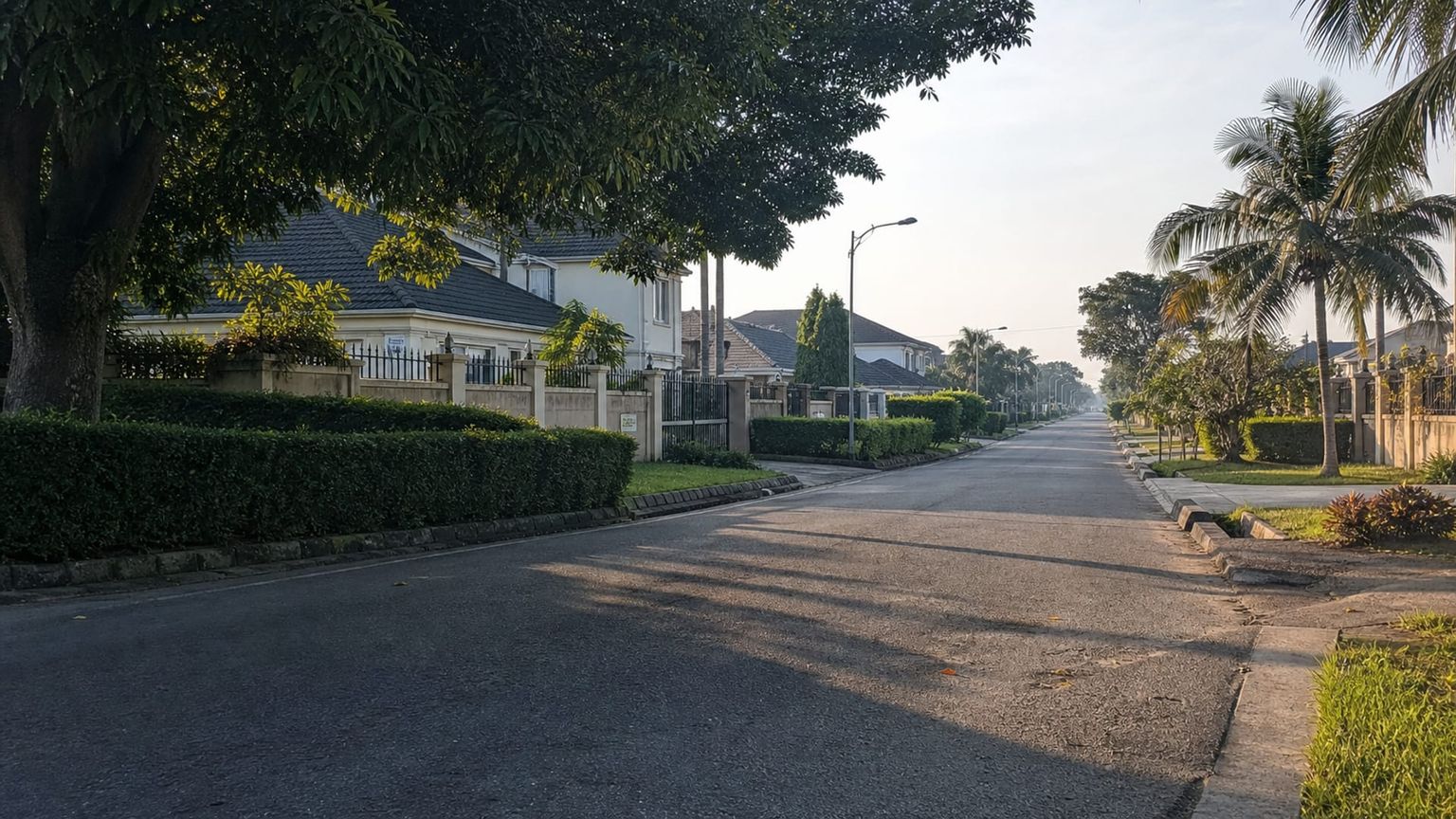
Dr. Sun Yat-sen's Mausoleum
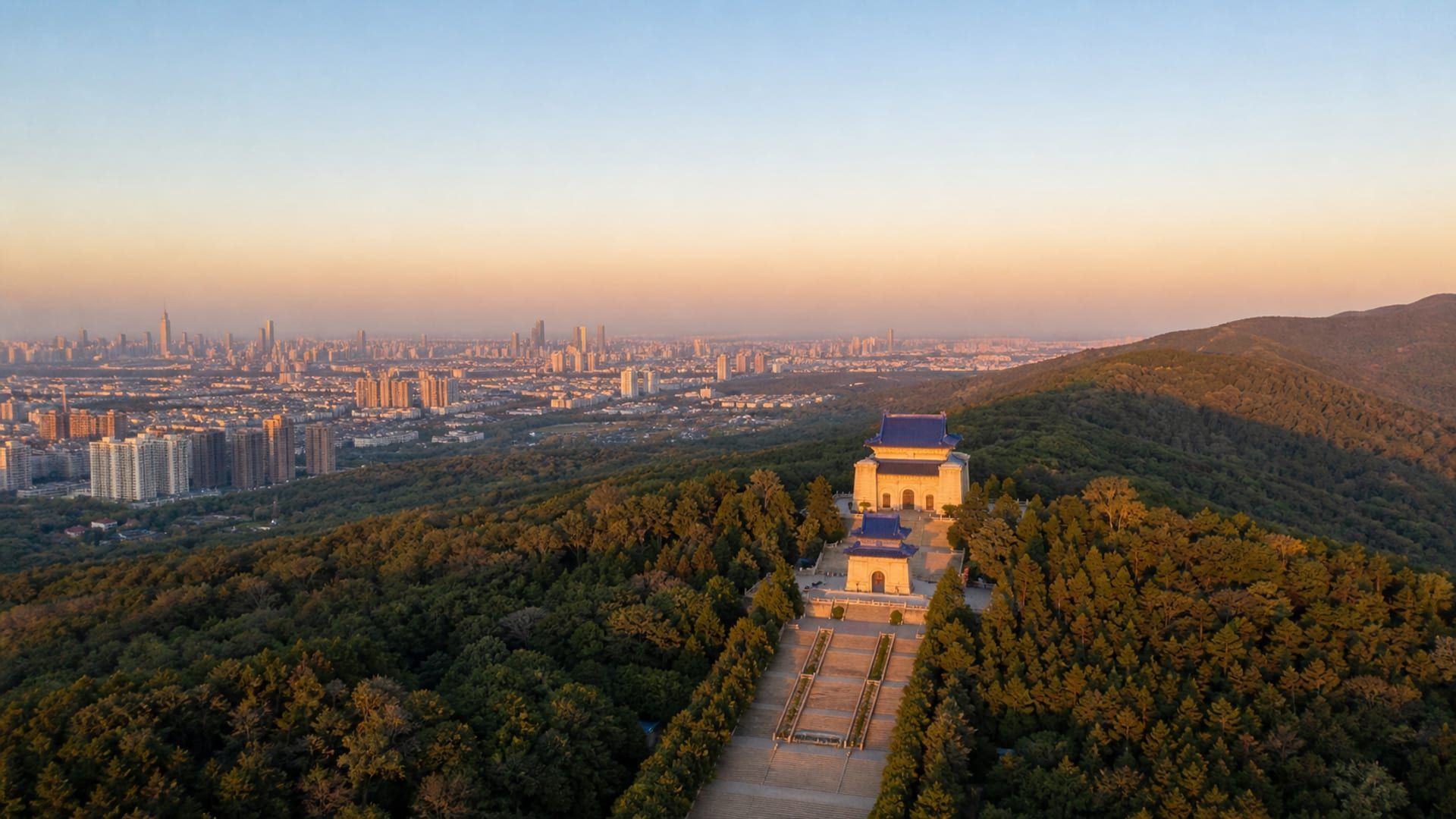
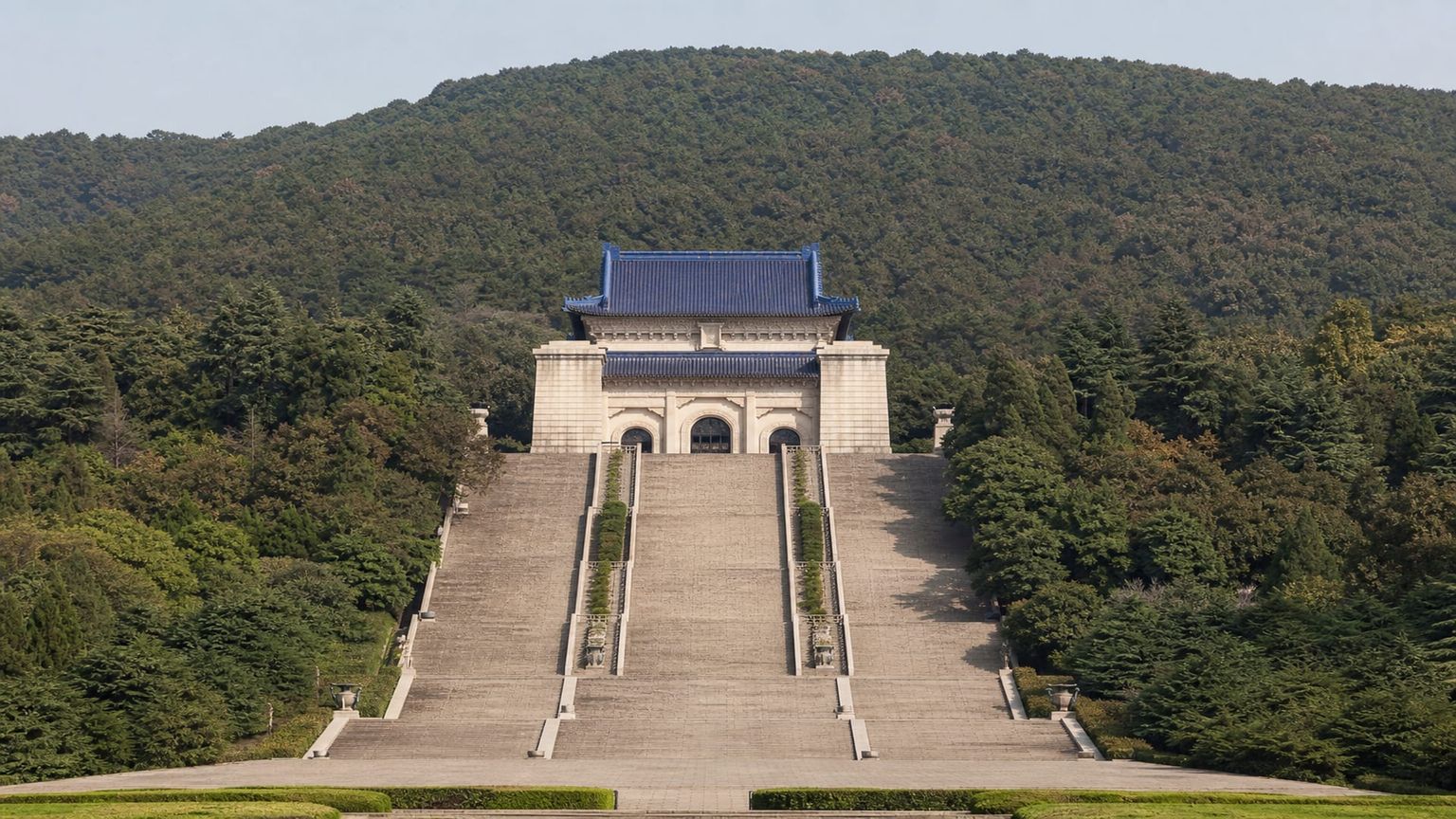
Set on the Purple Mountain slope, this grand memorial rises by a long stone stairway and broad forecourt. It honors Sun Yat-sen, the founder of modern China, and pairs hilltop views with formal Republican-era architecture.
Time needed: About 2 to 3 hours
Entry: Admission is free for the grounds; some interior exhibits and shuttle rides cost about $1 to $7 (about ¥8 to ¥50). Visit the official site for details.
Tip: Go early, then return for the upper terrace when the haze lifts over Purple Mountain.
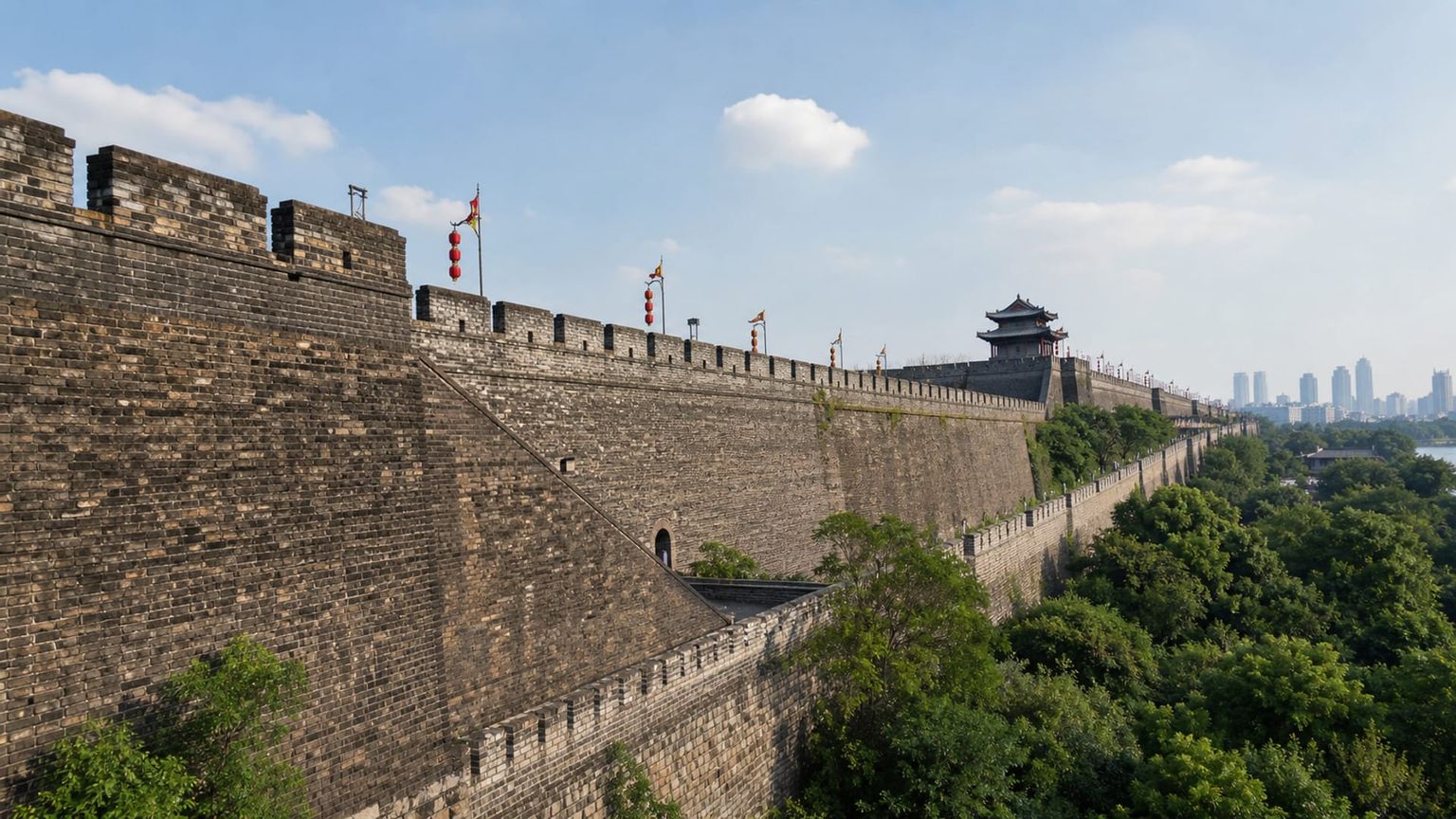
Nanjing City Wall
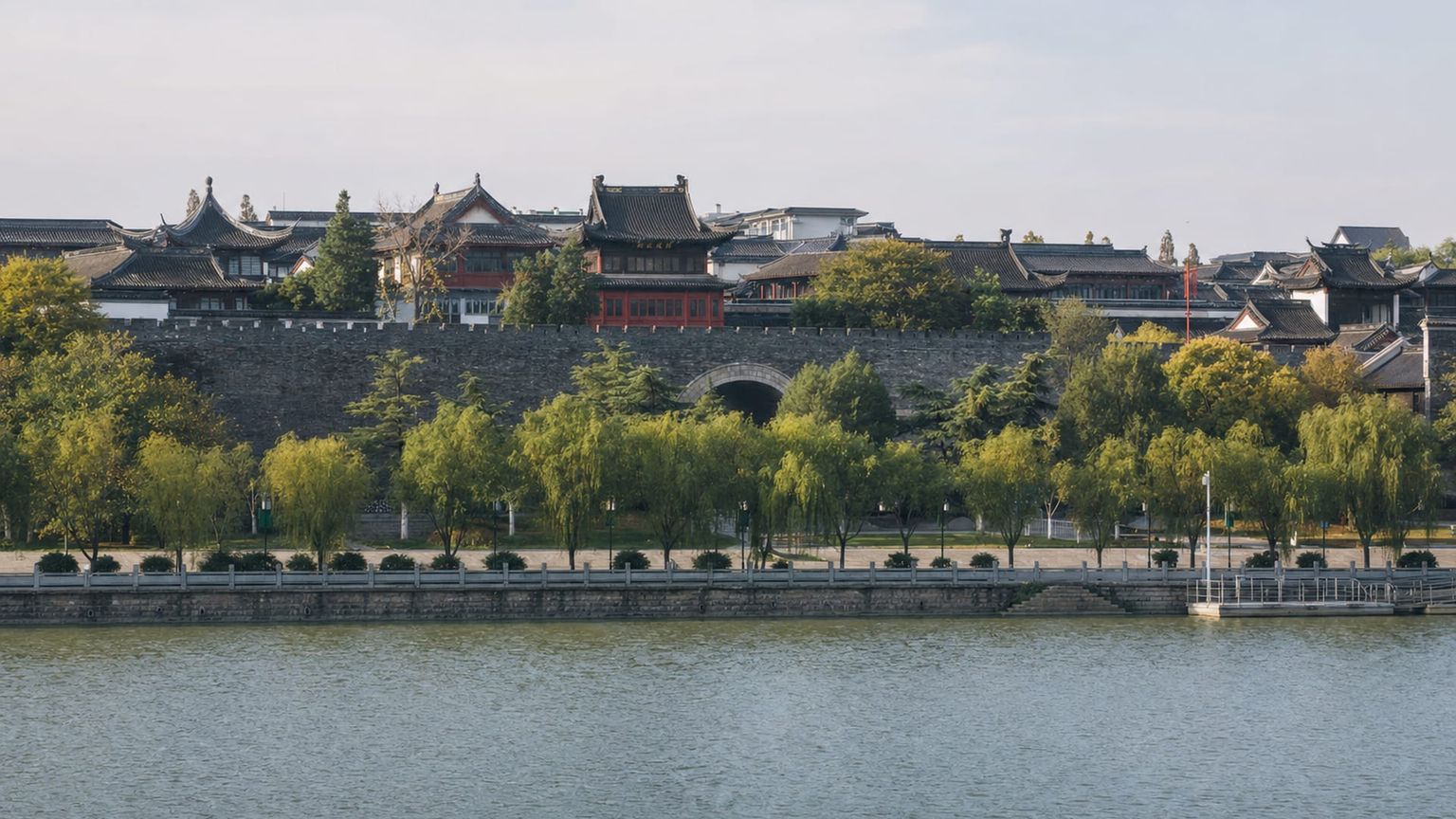
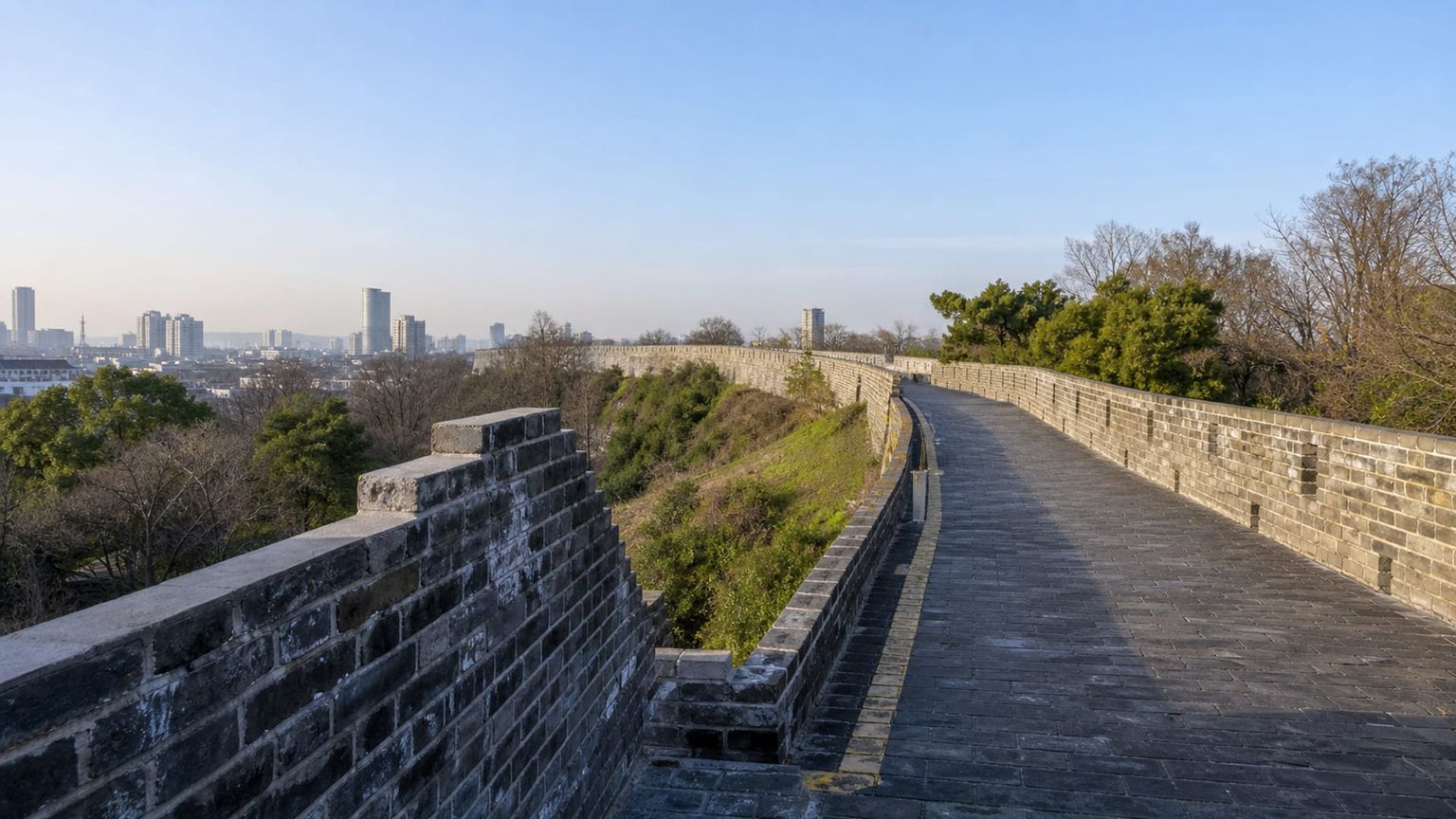
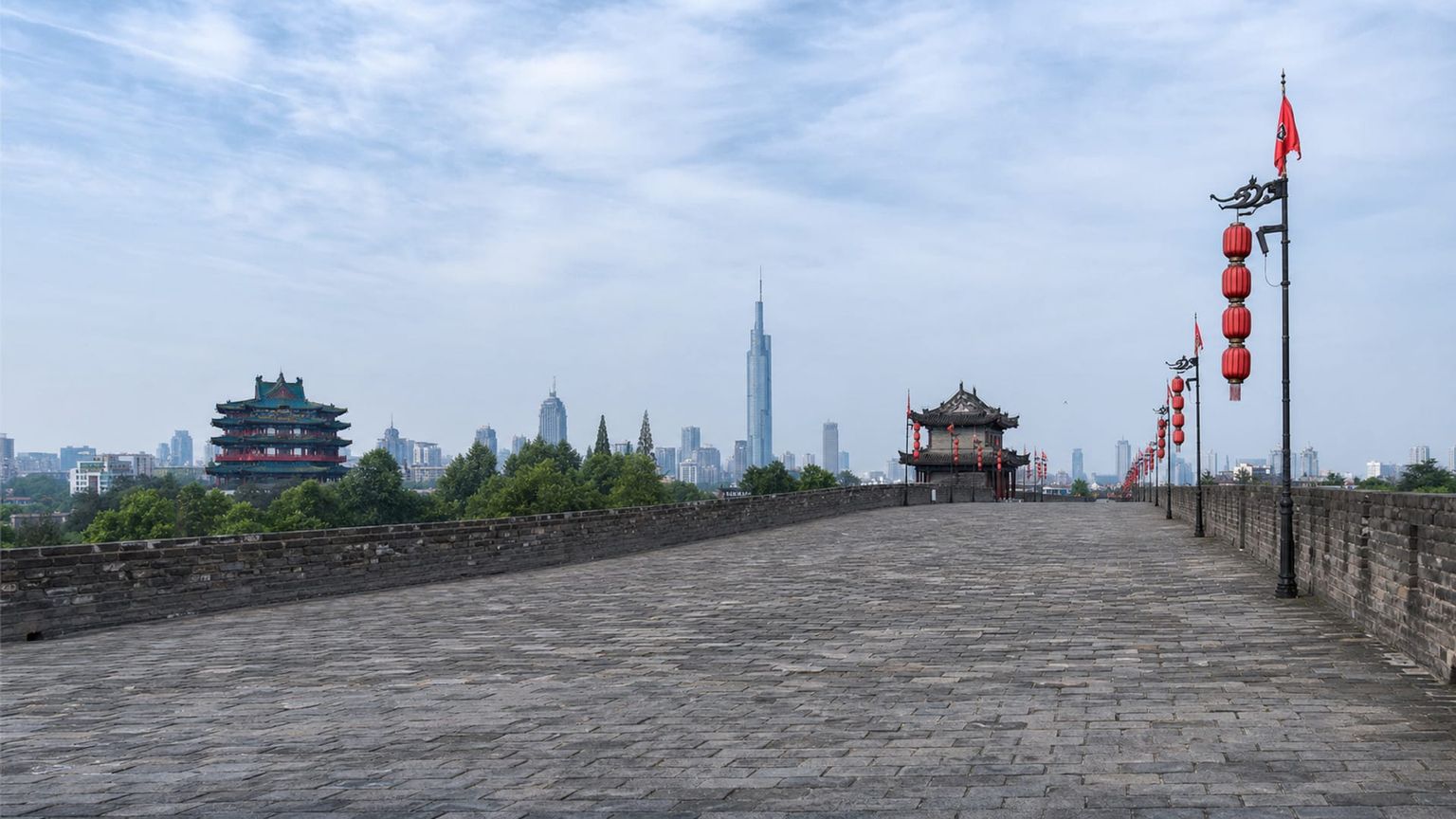
This 14th-century wall circles key parts of central Nanjing and preserves gates, battlements, and long stretches of old brickwork. Walking a section near Zhonghua Gate or Xuanwu Lake shows the city’s Ming-era defenses at close range.
Time needed: About 2 to 3 hours
Entry: Some wall sections are free; ticketed gates and museum areas usually cost about $4 to $9 (about ¥30 to ¥60). Visit the official site for details.
Tip: Visit near sunset, when the brickwork lights up and the walk feels less exposed to midday heat.
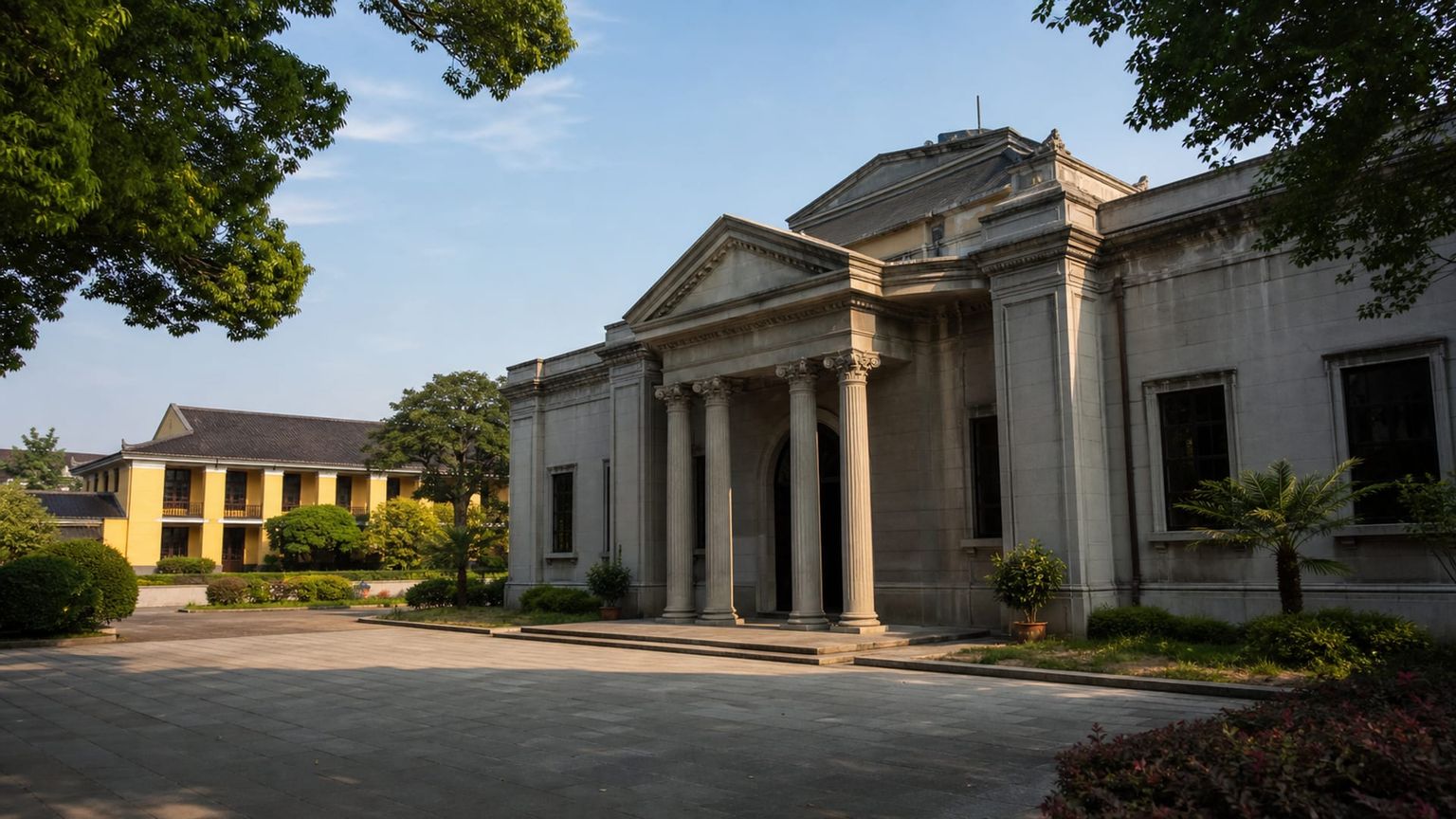
Presidential Palace
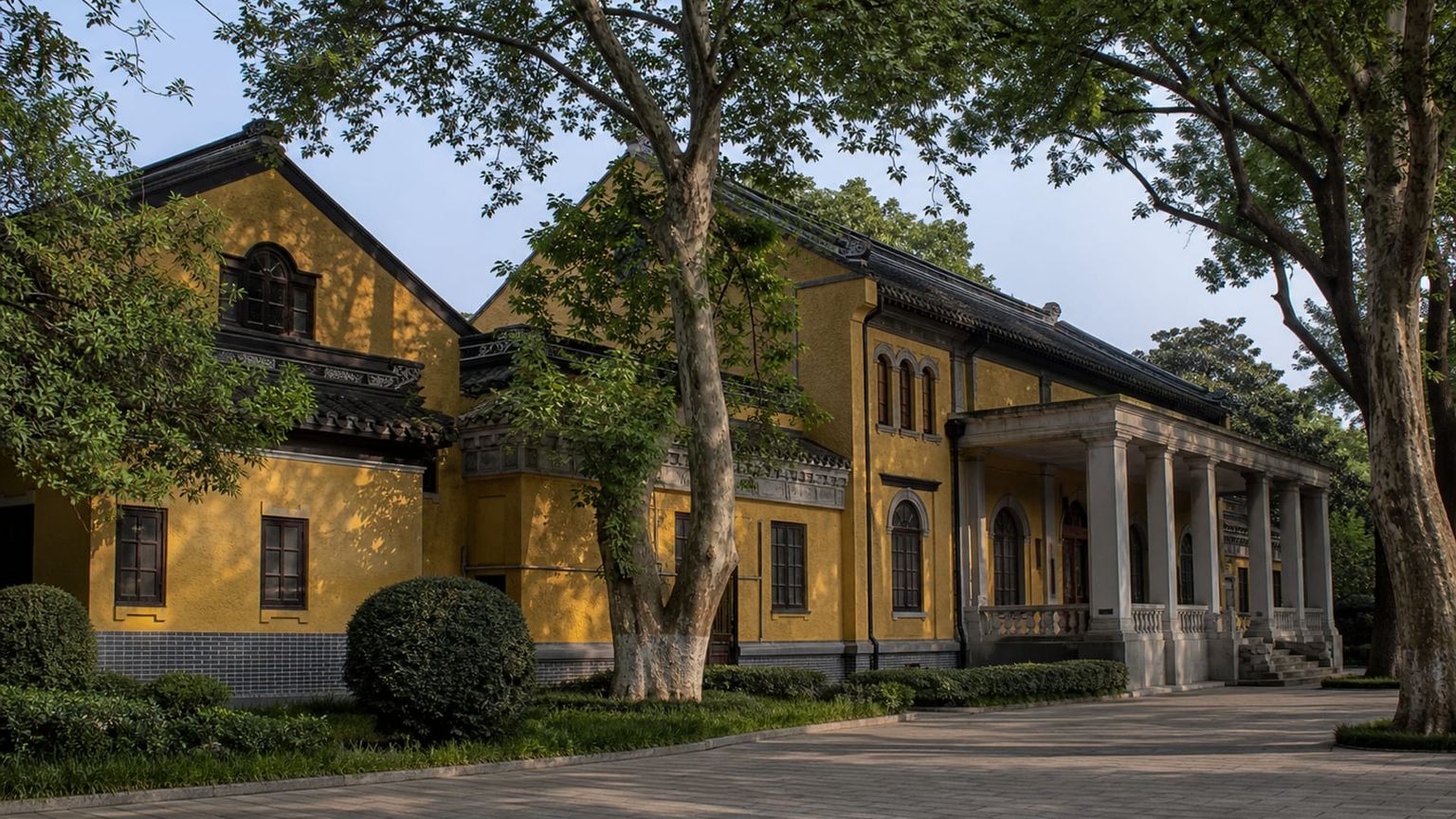
This central complex combines Qing, Republican, and modern state buildings, with courtyards, halls, and landscaped gardens. It was the seat of several governments and now offers one of the city’s clearest looks at modern Chinese political history.
Time needed: About 2 to 3 hours
Entry: Standard tickets cost about $8 to $10 (about ¥60 to ¥70) for the main palace complex and museum areas. Visit the official site for details.
Tip: Arrive near opening time, then start at the western halls before the tour groups build up.
Overlooked sites worth visiting

Nanjing Yunjin Museum
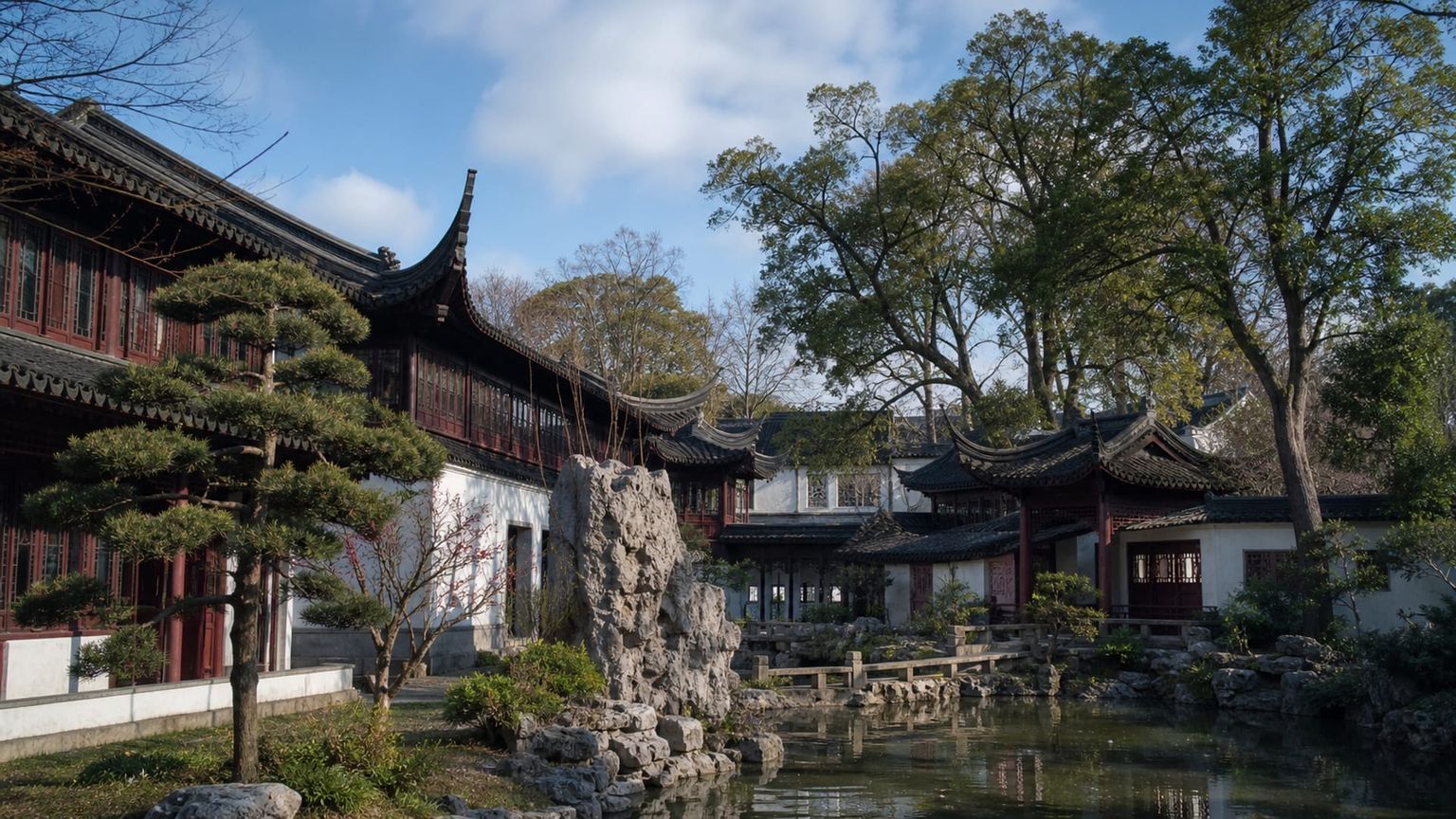
This compact museum traces Nanjing’s silk brocade tradition with looms, patterns, and finished pieces. It suits a short cultural stop, and the displays explain how Yunjin weaving developed for court use.
Time needed: About 1 hour
Entry: Admission is free for the main exhibition halls, with some special displays or workshops charging separate fees. Check the official site before you go for current opening hours, seasonal closures, and any paid programs. Visit the official site for details.
Tip: Go on a weekday morning to avoid school groups.

Ming Xiaoling Mausoleum Scenic Area
Set on the wooded slopes of Purple Mountain, this imperial site combines stone animals, long approach paths, and forested views. It rewards a slower visit, with enough space to notice the carved details and the scale of the tomb complex.
Time needed: About 2 hours
Entry: Standard admission is about $8 to $12 (about ¥58 to ¥88), with occasional combination tickets for nearby Purple Mountain sights. Prices vary by season and by route into the scenic area, so verify the current rate before visiting. Visit the official site for details.
Tip: Enter early, before tour buses arrive and the path gets busy.
Traditional food
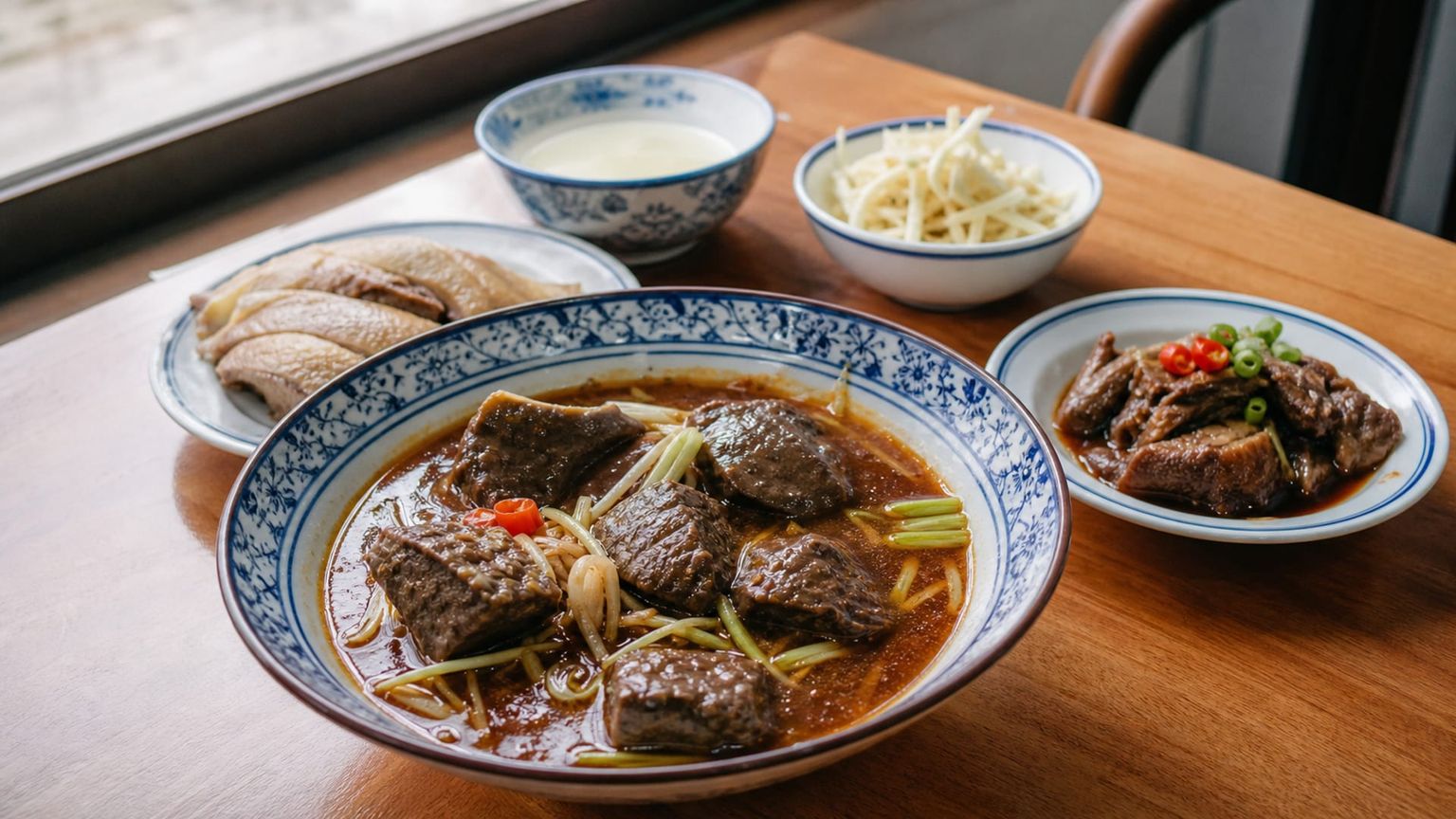
Nanjing cooking leans on duck, river snacks, and delicate sweets, with salty, savory, and lightly sweet flavors appearing in the same meal. Duck dishes, vermicelli soup, and osmanthus desserts anchor the city’s tables.
Nanjing salted duck
The city’s signature duck is seasoned for a clean, savory finish and often served in thin slices. Da Yali Restaurant is a classic place to try it in Nanjing.
Duck blood and vermicelli soup
This bowl combines duck blood, vermicelli, and broth into a hearty local staple. Jiqing Tangbao Noodle House serves a well-known version in Nanjing.
Sweet-scented osmanthus glutinous rice balls
These soft dumplings bring a floral osmanthus aroma to a gentle dessert soup. Nanjing Impressions is a useful stop for the dish and other local specialties.
Sesame pancake
A crisp, sesame-coated pancake makes a simple breakfast or snack between sightseeing stops. Ma Xiang Xing is a familiar Nanjing name for this style.
Best time to visit Nanjing
Nanjing shifts from hot, humid summers to cool, often damp winters, so the best months depend on whether you want clearer walking weather or fewer visitors.
Best for: Best for Purple Mountain, lake walks, and city-wall sections in mild weather
What you get: About 46°F to 77°F (8°C to 25°C), with moderate crowds that build on holiday weekends
Trade-offs: Rain can interrupt longer outdoor stretches
Best for: Best for longer evenings in the Confucius Temple area and indoor museums at midday
What you get: About 75°F to 95°F (24°C to 35°C), with heavier crowds during school breaks and more visitors at shaded sites
Trade-offs: Heat and humidity make midday sightseeing tiring
Best for: Best for the clearest walking days on the wall and around Purple Mountain
What you get: About 48°F to 79°F (9°C to 26°C), with pleasant crowd levels outside national holidays
Trade-offs: Popular weekends can book up faster than expected
Best for: Best for quieter museums, lower hotel demand, and shorter queues
What you get: About 30°F to 48°F (-1°C to 9°C), with lighter crowds and some damp, overcast days
Trade-offs: Cold rain and gray skies can limit time outdoors
A realistic 5-day plan in Nanjing
Five days suits Nanjing well because the city rewards grouping sights by district rather than zigzagging across town. The outline below keeps arrival, monuments, museums, walls, and riverfront meals in a workable order.
Land at Nanjing (NKG) and take a taxi or airport bus into Xinjiekou, which usually takes about 45 to 60 minutes and costs roughly ¥100 to ¥180, depending on traffic and the vehicle you choose. If you arrive by train instead, Xuanwu Lake keeps your first transfer shorter and gives you an easier start near the station. Check into a hotel near Xinjiekou for the simplest dinner options, then keep the evening close by with a light meal at one of the nearby noodle shops or mall food courts. Drink plenty of water, then sleep early so you can start the Purple Mountain sights the next morning.
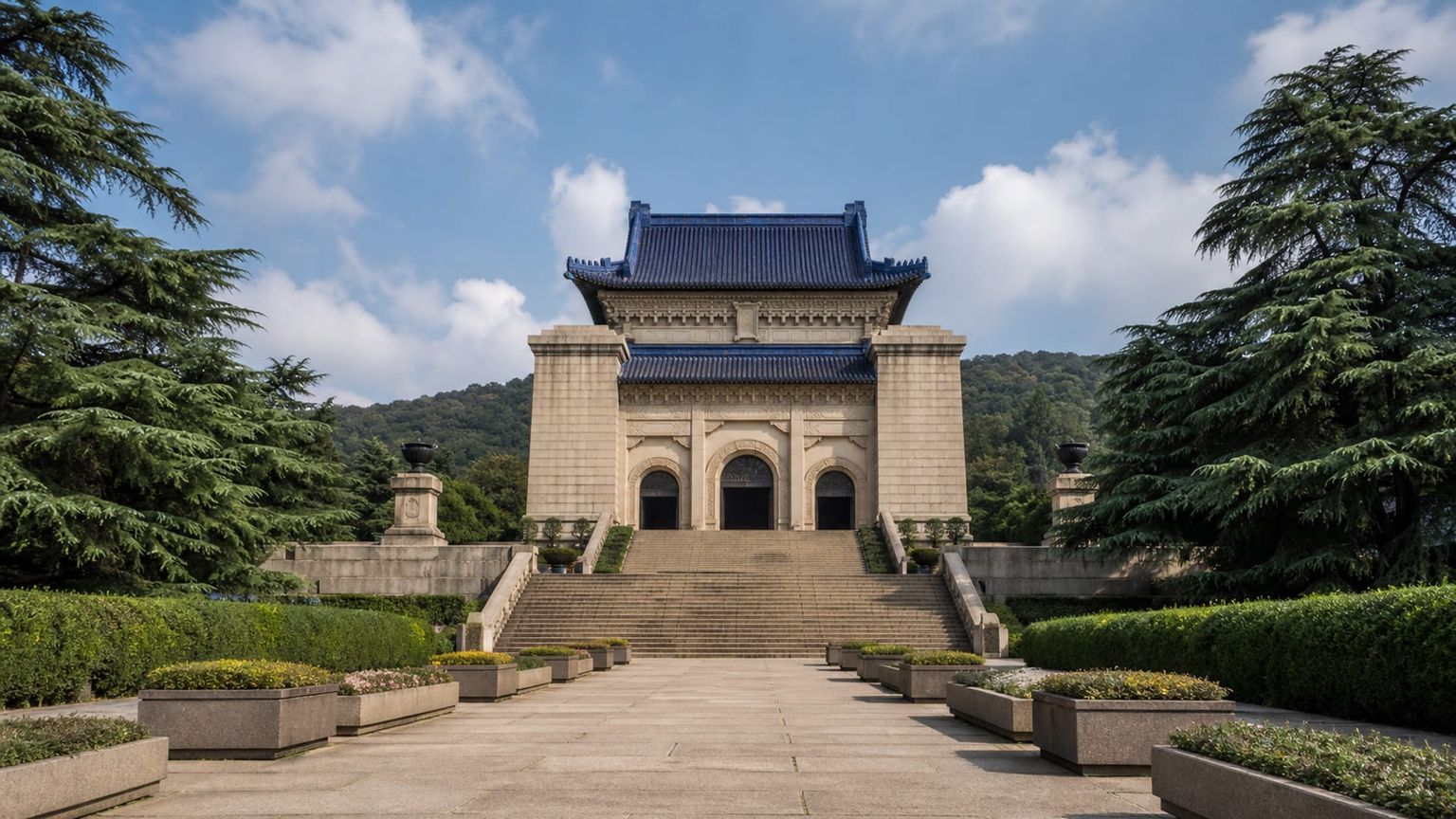
Start with Dr. Sun Yat-sen’s Mausoleum on Purple Mountain, where the grounds are free and shuttle rides or interior extras cost about $1 to $7. Arrive early, spend about 2 to 3 hours on the stairway and upper terrace, then continue to the Ming Xiaoling Mausoleum Scenic Area, about 15 to 25 minutes away by taxi or ride-hail, for another 2-hour visit among the stone animals and forest paths. If you still have energy, head back toward the city center for an easy dinner in Xinjiekou, about 25 to 35 minutes by car from Purple Mountain.
Begin at the Presidential Palace, where a standard ticket costs about $8 to $10, and plan on 2 to 3 hours for the courtyards, gardens, and museum halls. From there, ride the metro or take a taxi to the Nanjing Yunjin Museum, usually about 20 to 30 minutes away, for about 1 hour with the silk-brocade looms and displays. Finish in the nearby Presidential Palace district or continue 10 to 15 minutes by metro to Xinjiekou for dinner, which keeps you central without adding a long cross-city return.
A walk on the Nanjing City Wall sets up the day well, especially near Zhonghua Gate or the stretches by Xuanwu Lake. Plan about 2 to 3 hours on the wall, then move 10 to 15 minutes by metro or taxi to Xuanwu Lake for an easier lakeside pause and more views of the old ramparts. After that, return to the Confucius Temple area, about 20 to 30 minutes away, for riverside lanes and a late dinner along the Qinhuai River, where the food streets stay busy well into the evening.
For the last day, stay close to the Confucius Temple area and keep the pace low with a final stop at the Nanjing Yunjin Museum if you want one more cultural visit before departure. Spend the rest of the afternoon browsing Xinjiekou, where the department stores and subway links make it easy to fit in a final round of shopping without planning far ahead. If you have time before heading out, settle into a café in the Confucius Temple neighborhood for tea or coffee, then make your way to Nanjing (NKG) with enough time for the airport transfer.
Business-class flights from the US to Nanjing
Long-haul flights to Nanjing usually route through another Asian hub, so fares and timing vary with the stopover city. From New York and Los Angeles, the clearest options differ in duration more than in airline choice.
From New York, China Eastern Airlines, Air China, Cathay Pacific, Korean Air, Japan Airlines, and All Nippon Airways all appear on common one-stop itineraries, and the fastest nonstop takes about 15 to 16 hours when it is available. If you choose a layover through ICN, HKG, or NRT, typical total travel time rises to about 19 to 25 hours. Round-trip fares usually start at $5,500 and can reach $9,500 on nonstop options; if you do not mind a layover, common routings via ICN, HKG, or NRT can lower the price to about $4,000 to $6,500.
Los Angeles offers China Eastern Airlines, Air China, Cathay Pacific, Korean Air, Japan Airlines, and Philippine Airlines on common paths to Nanjing, with nonstop travel taking about 13 to 14 hours when available. One-stop itineraries through ICN, HKG, NRT, PVG, or PEK usually take about 16 to 22 hours in total. From Los Angeles, round-trip fares generally run $4,800 to $8,500, with nonstop seats at the higher end and one-stop options often pricing below them.
Nanjing feels different when you slow down
A deliberate Nanjing trip gives each district its own slot, Xinjiekou for the first night, Purple Mountain for an early start, the Presidential Palace district for museums, and the Confucius Temple for dinner by the river. The metro handles the longer hops, while taxis fill the gaps at night and after the wall. If you want help shaping flights, hotel choices, or a tighter five-day plan, AranGrant experts can build it around the part of Nanjing you want to see first







