

Chapters:

Need help with your trip?
Our support team is available 24/7. Request a callback or call us directly at (833) 619-0908
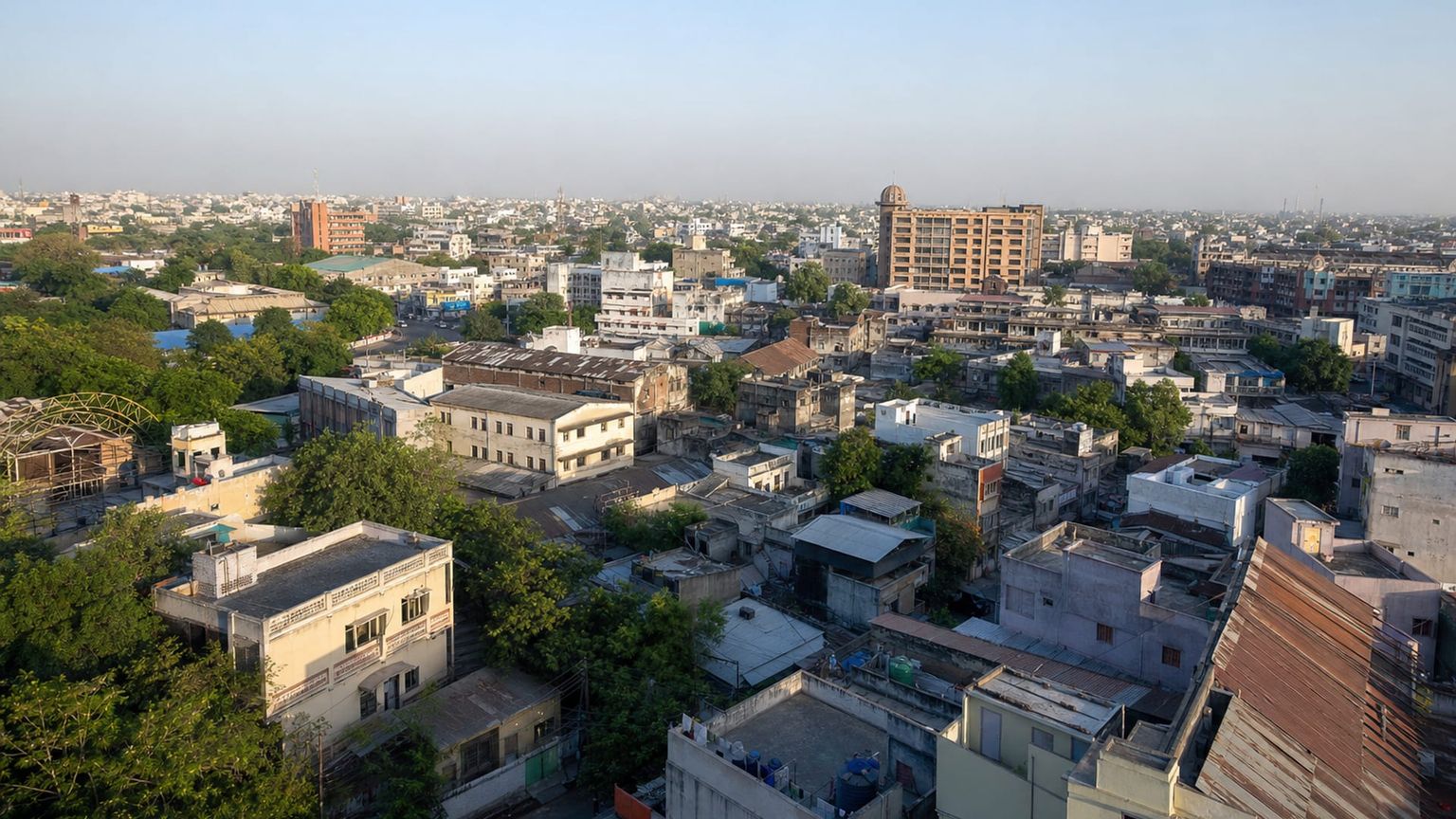
Nagpur is the winter capital of Maharashtra and one of the main cities of the Vidarbha region in central India. Founded in the early 18th century, the city developed into an important commercial and political center. Today, broad central districts, Buddhist landmarks, old railway sites, lakes, and one of India’s newer metro systems shape the city.
Since Nagpur spreads well beyond its central districts, it helps to understand the layout before you arrive. This guide covers where to stay, what to eat, how to get around, when to visit, which landmarks to see, and how to plan five days in Nagpur.
Useful things to know

Main language(s): Marathi, Hindi
Namaskar (nah-mah-skar) – Hello
Kripaya (kri-pah-ya) – Please
Dhanyavaad (dhan-ya-vaad) – Thank you
Aap angrezi bolte hain? (aap an-greh-zee bol-te hain) – Do you speak English?
Kitna hua? (kit-na hoo-ya) – How much does it cost?

Currency: Indian rupee (INR, ₹)

Cash and cards: Cards and UPI mobile payments are common at hotels, restaurants, malls, and larger shops. Carry ₹1,000–₹2,000 ($10–$21) for small shops, markets, auto-rickshaws, and other cash payments.

Tipping: Tipping is optional. At sit-down restaurants, 5%–10% is common when the bill does not already include a service charge.

Traditional food: Saoji chicken, tarri poha, patodi rassa, and matar samosa

Water and coffee costs: A bottle of water costs ₹20–₹40 ($0.20–$0.40). Espresso and other café coffees generally cost ₹80–₹200 ($0.85–$2.10).

Taxis and ride apps: Uber and Ola operate in Nagpur. Auto-rickshaws are also widely available for shorter trips.

Plug and voltage: India uses Type C, D, and M plugs with a 230V, 50Hz electricity supply.

Dining and shop opening hours: Restaurants commonly serve lunch from 12:00 pm and dinner from 7:00 pm to 10:30 or 11:00 pm. Many shops open between 10:00 and 11:00 am and continue into the evening.

Emergency number: Call 112 for police, fire, ambulance, or other urgent assistance.
Where to stay in Nagpur
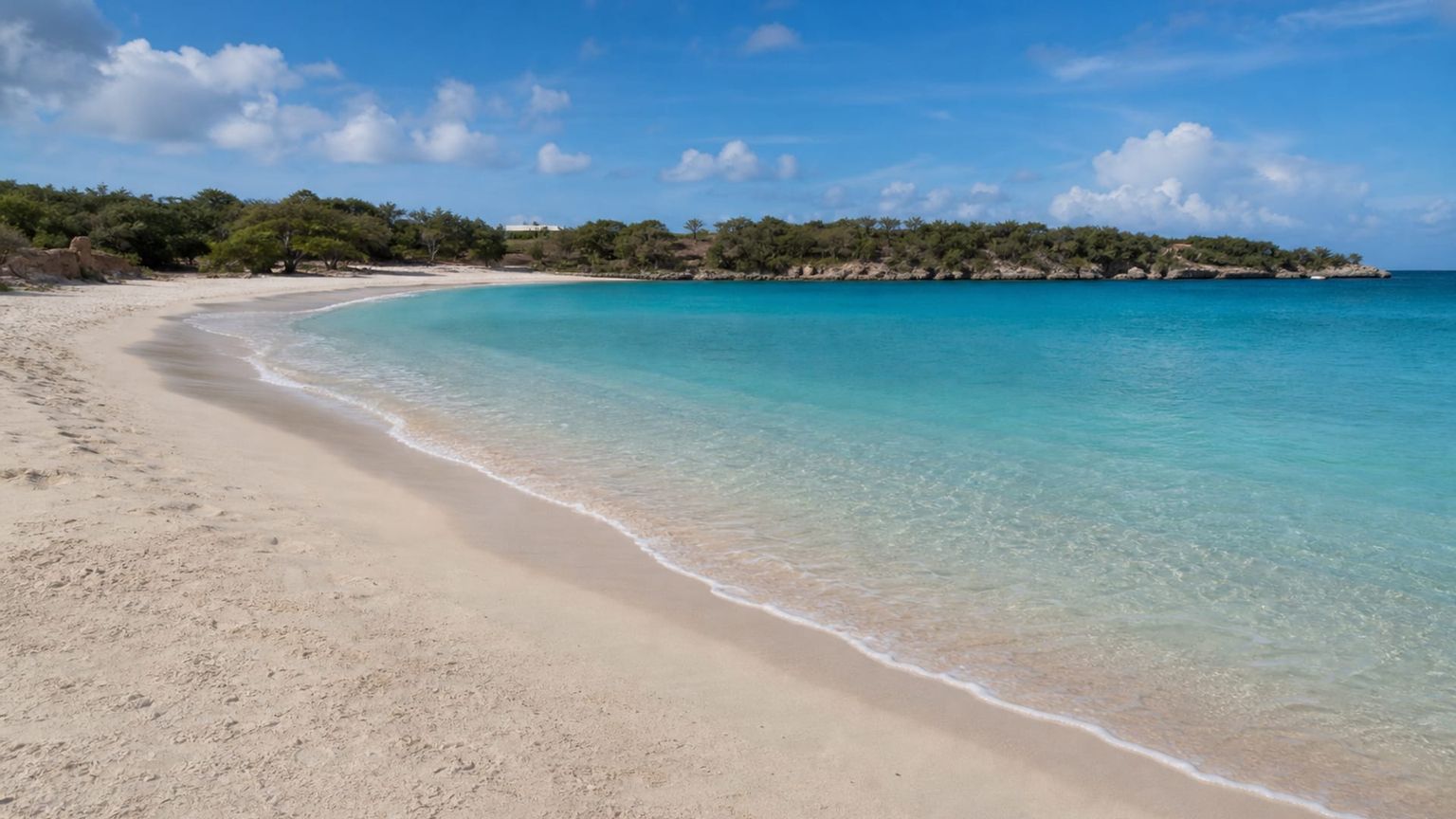
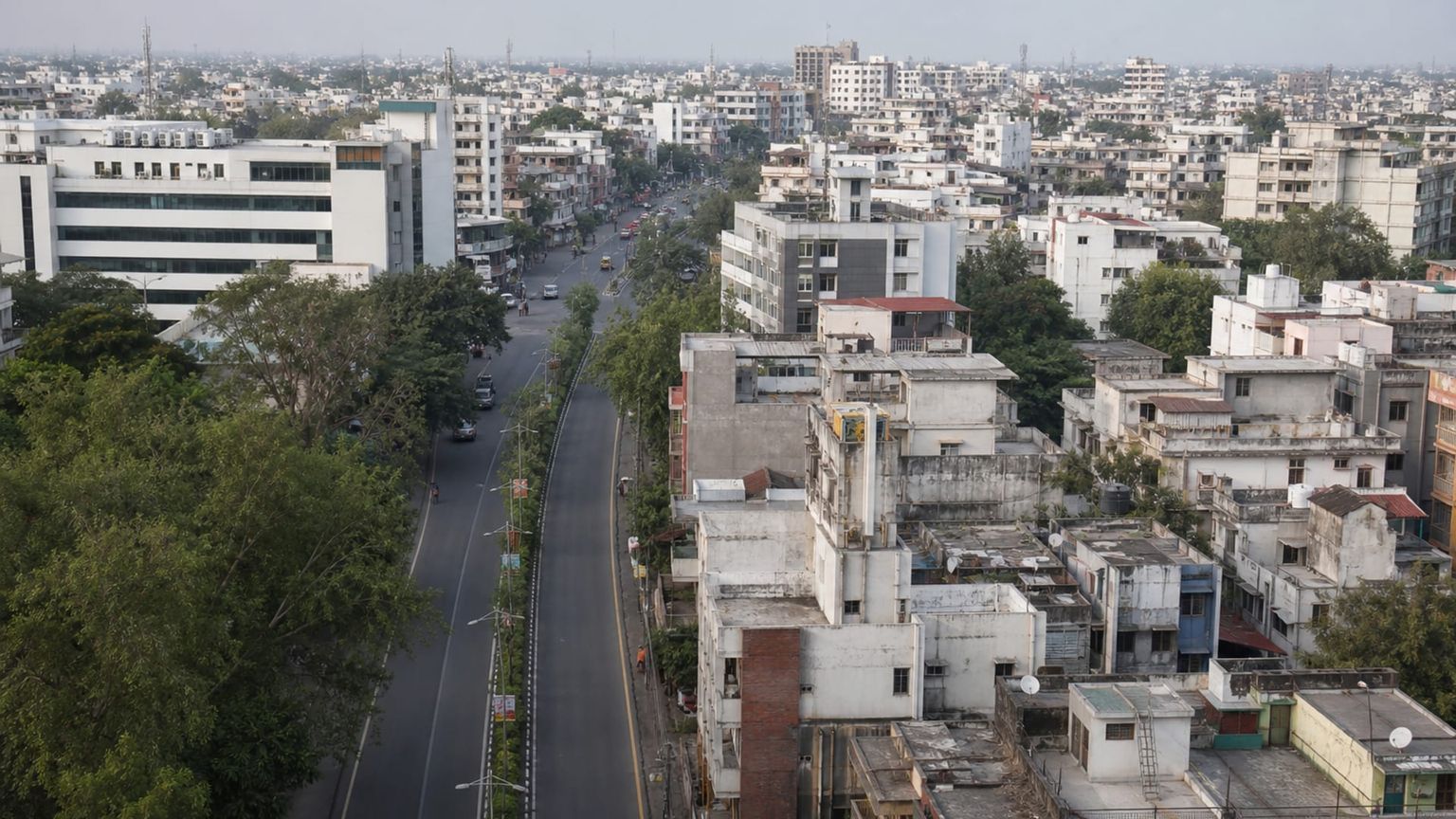
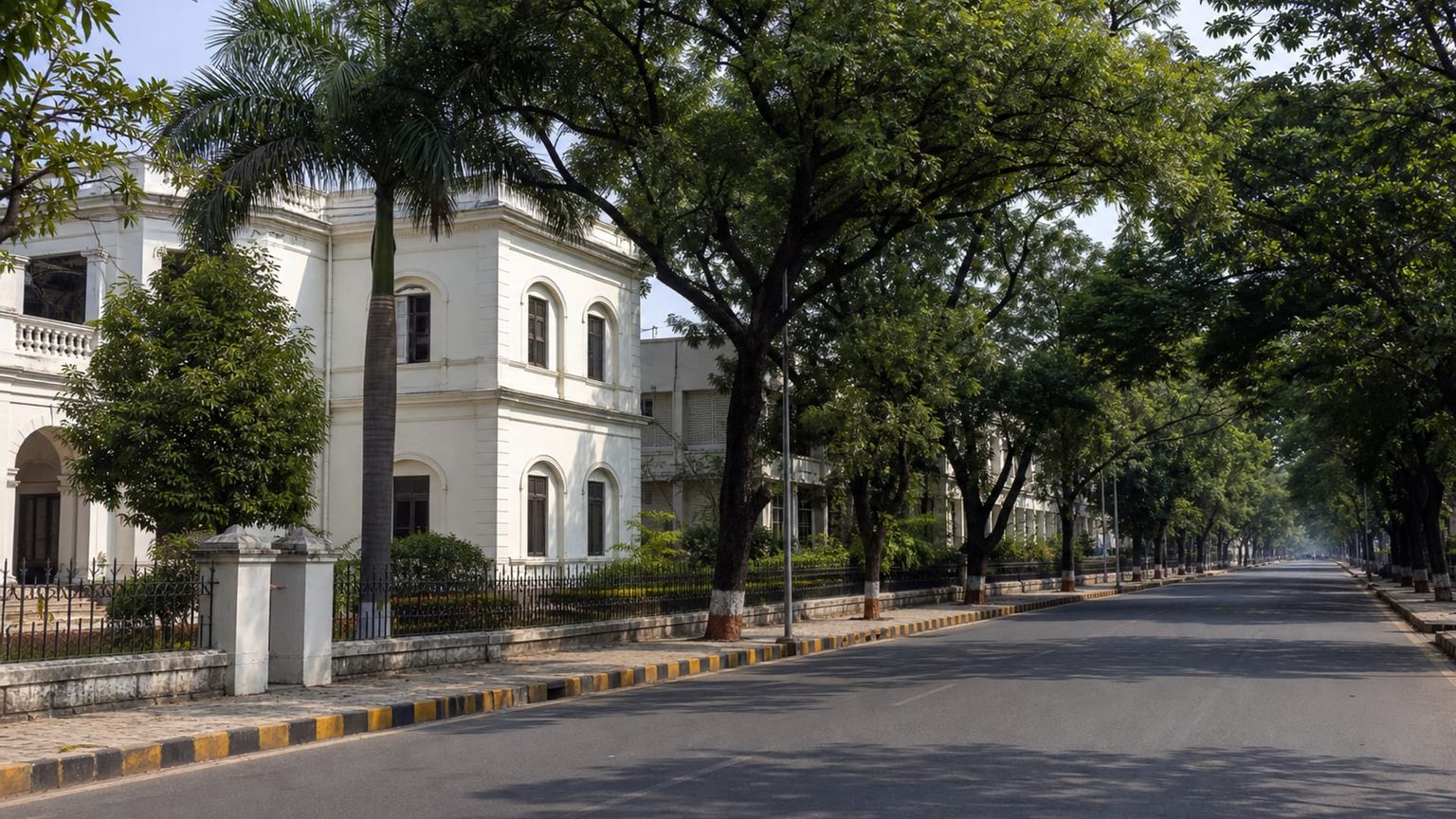
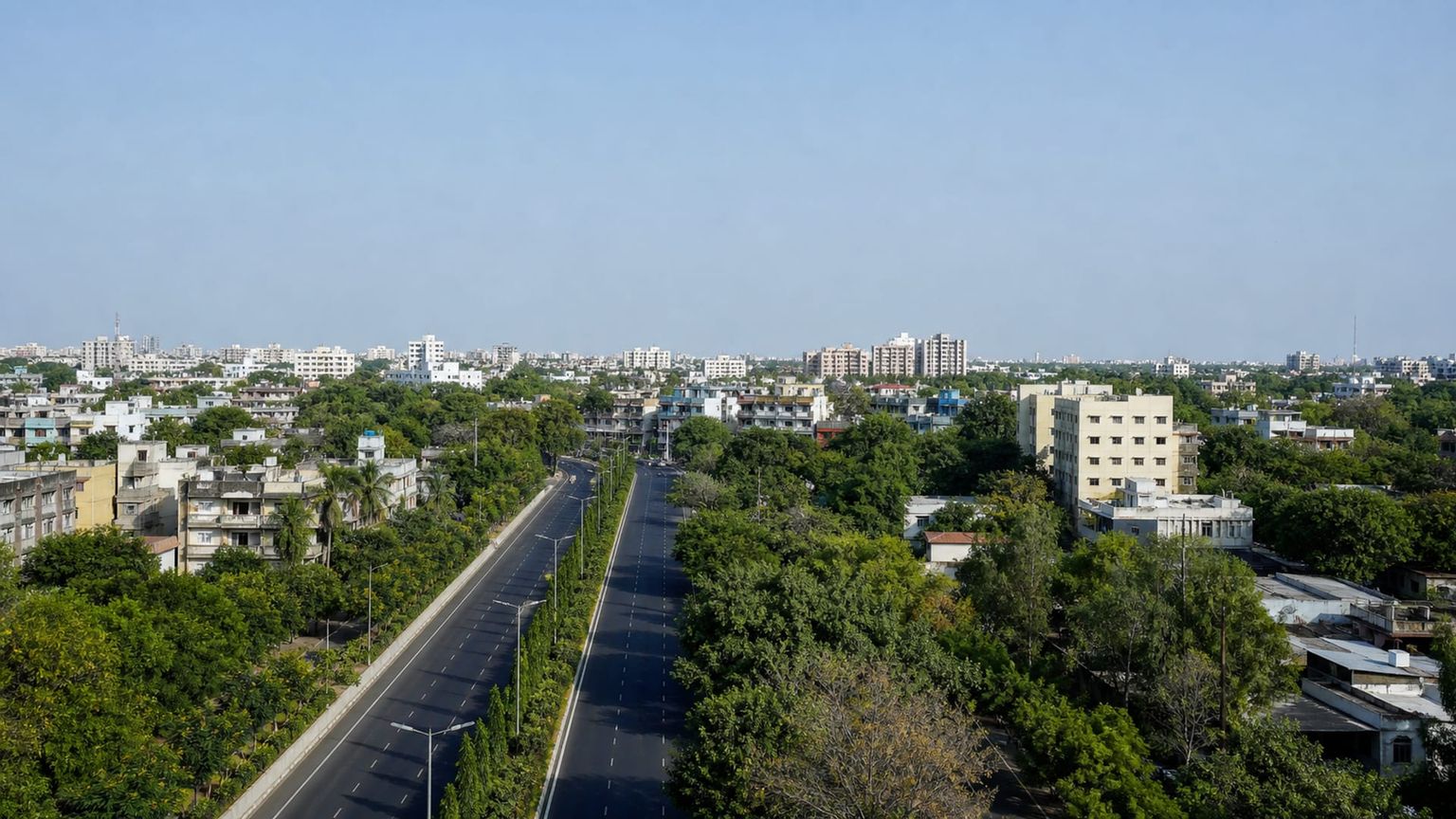
Civil Lines is Nagpur’s old administrative district, known for broad roads, large plots, and low-rise buildings. It has a spacious feel compared with the commercial parts of the city.
Best for: Business trips, first-time stays, and access to central Nagpur
What to expect: Broad roads, moderate traffic, and a mix of offices, hotels, and mid-range dining.
Hotel prices: Usually about $45 to $120 per night for well-rated stays
Distance to major sights: About 10 minutes by car to Sitabuldi Fort, about 15 minutes to Nagpur Railway Station
Quietness: Quieter at night, busier on weekdays during office hours.
Main trade-off: Rates can run higher than in outer neighborhoods, and the main roads get busy at peak commute times.
Good to know: Zero Mile Freedom Park and Kasturchand Park Metro stations are useful for trips through central Nagpur.
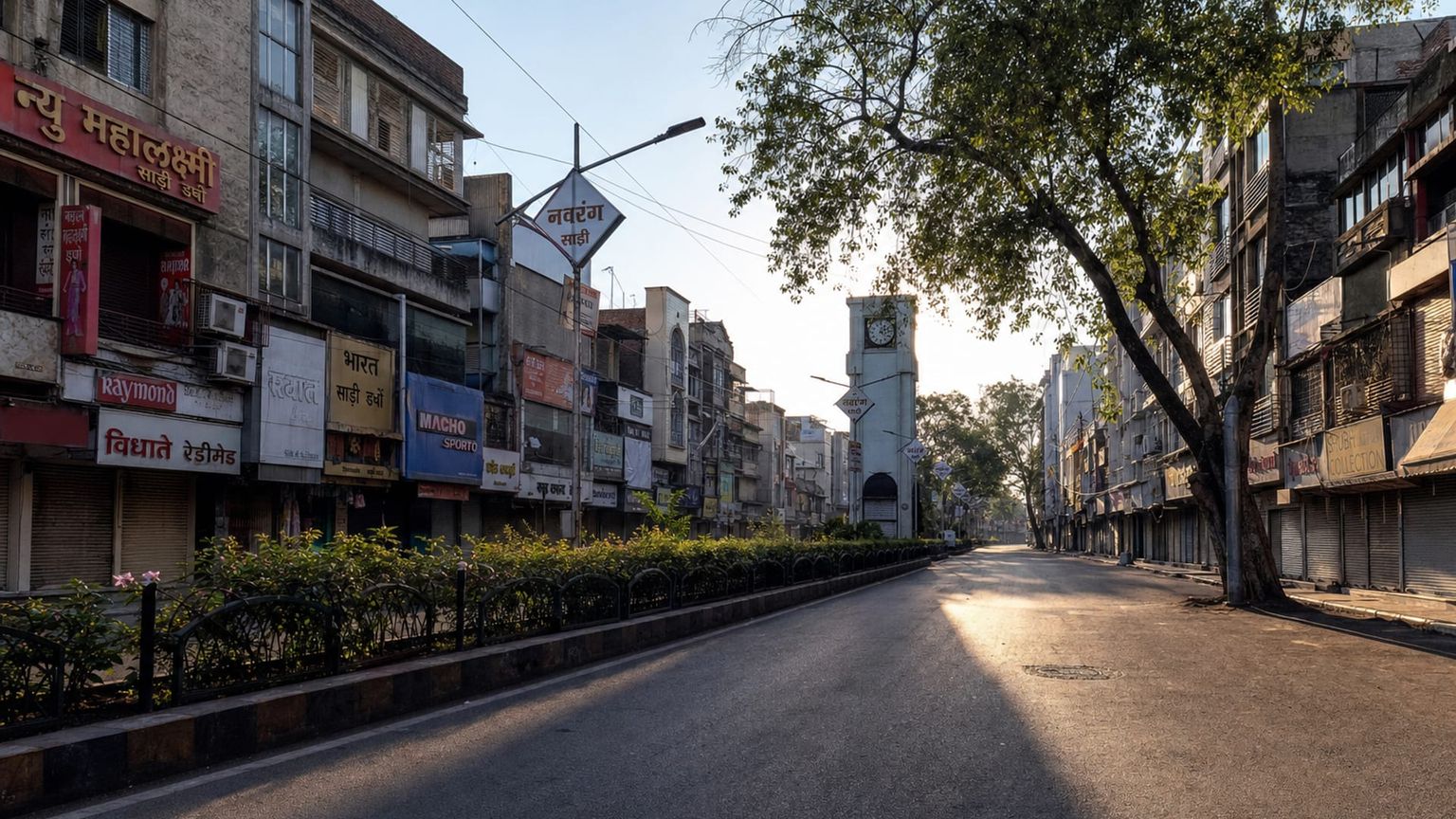
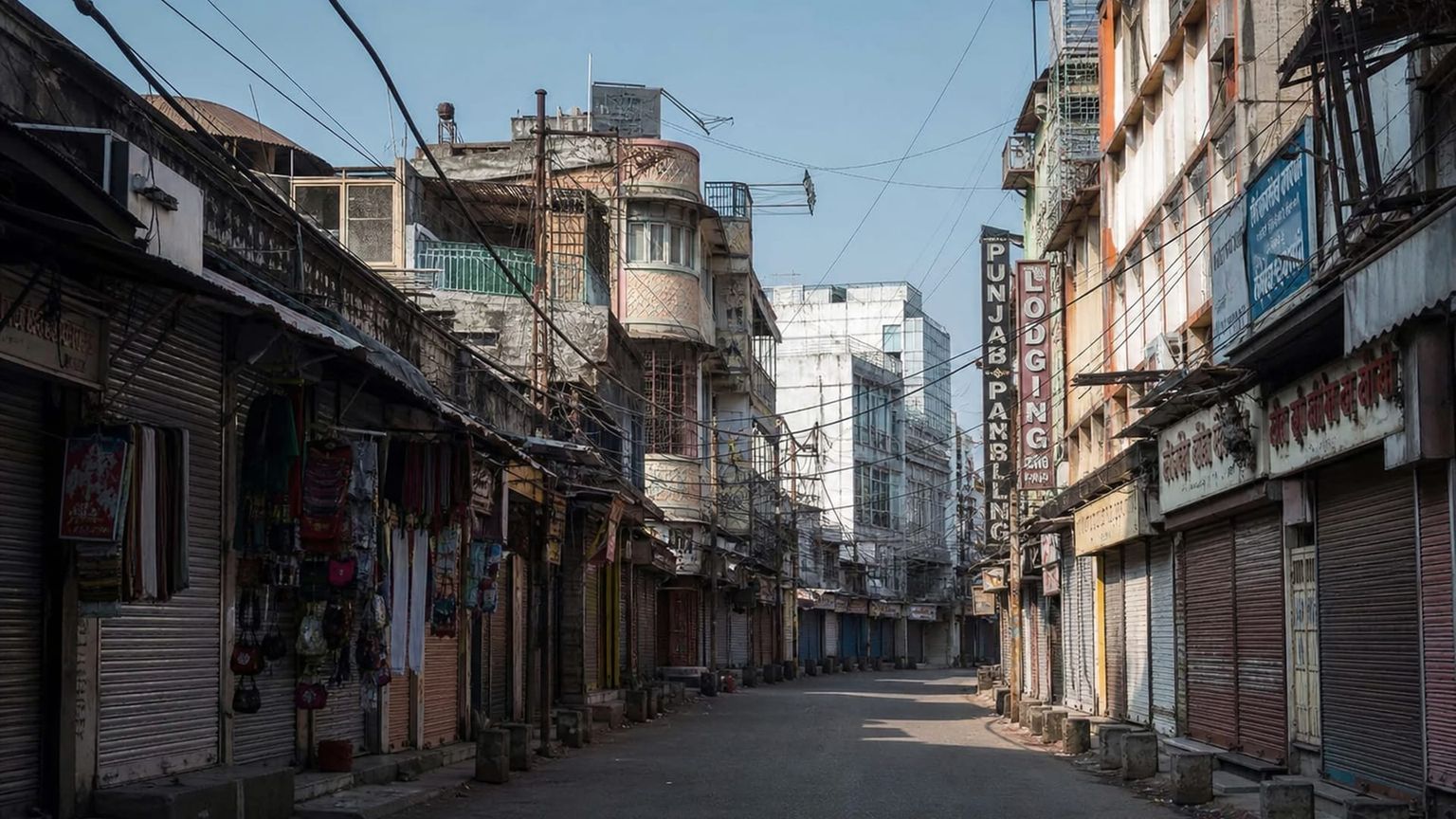
Sadar developed beside Nagpur’s old cantonment and is now one of the city’s main shopping and dining districts. The busiest streets are commercial, with residential lanes behind them.
Best for: Dining, shopping, and travelers who want an active central base
What to expect: Busy sidewalks, frequent traffic, and a constant flow of local shoppers and office workers.
Hotel prices: Usually about $35 to $95 per night for well-rated stays
Distance to major sights: About 10 minutes by car to Nagpur Railway Station, about 15 minutes to Futala Lake
Quietness: Active through the day and still lively in the evening, with more noise than nearby Civil Lines.
Main trade-off: The tradeoff is street noise and congestion, especially near market streets and restaurant clusters.
Good to know: Mount Road Extension has several restaurants, so it is useful if you want dinner within walking distance of your hotel.
Ramdaspeth is a mainly residential district southwest of Sitabuldi. Homes and apartment buildings fill much of the area, while hospitals and clinics line several of the main roads.
Best for: Hospital visits, quieter stays, and travelers who prefer a residential setting
What to expect: Leafier streets, local apartment blocks, and lighter foot traffic than in the commercial core.
Hotel prices: Usually about $40 to $110 per night for well-rated stays
Distance to major sights: About 15 minutes by car to Sitabuldi Fort, about 20 minutes to Nagpur Railway Station
Quietness: Quieter in the daytime than the center, and noticeably calmer after office hours.
Main trade-off: You will rely more on taxis or rideshares for evening plans, since entertainment and late dining are thinner here.
Good to know: Ajni Railway Station is close to Ramdaspeth, which is useful if you are arriving or leaving Nagpur by train.
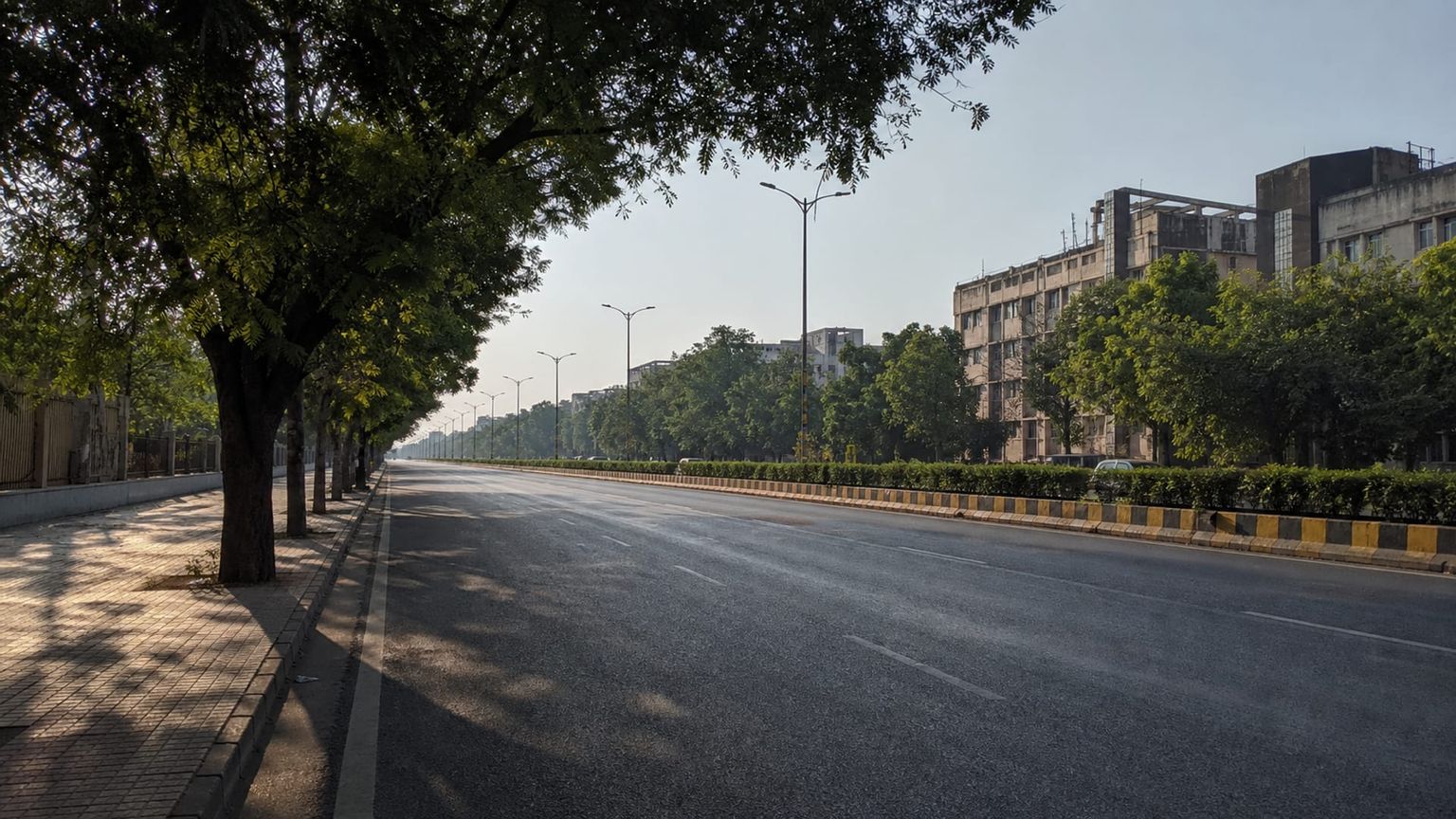
Wardha Road feels newer and much more spread out than central Nagpur. Large hotels and commercial buildings line the wide road as it heads south toward the airport.
Best for: Airport access, short business stays, and travelers with early departures
What to expect: Wide arterial roads, newer hotel buildings, and traffic that builds around airport and office hours.
Hotel prices: Usually about $45 to $130 per night for well-rated stays
Distance to major sights: About 10 to 20 minutes by car to Nagpur (NAG), about 25 minutes to the city center
Quietness: Quieter late at night, but busier around airport departures and weekday commuting peaks.
Main trade-off: The area is less useful for evening wandering, and taxi rides into the center add time and cost.
Good to know: Airport South Metro Station has e-rickshaw feeder service for the final part of trips along the airport corridor.
For a leisure trip, avoid the industrial areas along Hingna Road and in Butibori. They are far from the main visitor areas and add extra travel time.
Hotel deals
How to get around Nagpur efficiently
Nagpur Metro, Aapli Bus, and taxis cover most trips visitors are likely to make. Auto-rickshaws are also easy to find for short local rides.

Metro
for longer distances
Nagpur Metro has two lines that meet at Sitabuldi and serve Zero Mile, Nagpur Railway Station, Wardha Road, and the airport corridor. Fares usually cost ₹10–₹40 ($0.10–$0.40). Buy tickets at the station with cash, card, or UPI, or use the Nagpur Metro app.

Aapli Bus
for convenience
Nagpur’s Aapli Bus network reaches areas beyond the Metro and is useful when there is no convenient station near your destination. Fares start at ₹12 ($0.13) and increase with distance. Pay on board or buy a digital ticket through the Chalo app.

Taxi and ride apps
for convenience or late hours
Uber and Ola are useful for airport trips, evenings, and direct rides between sights. Short city rides often cost ₹150–₹300 ($1.60–$3.10), depending on traffic and demand. The app shows the fare before you book, and payment options include cash, UPI, cards, and supported digital wallets.
*Prices are based on rates updated as of September 2026 and may change at the time of travel.
Use the metro for longer trips along its two lines, buses for areas outside the rail network, and taxis when you want a direct ride.
Iconic landmarks
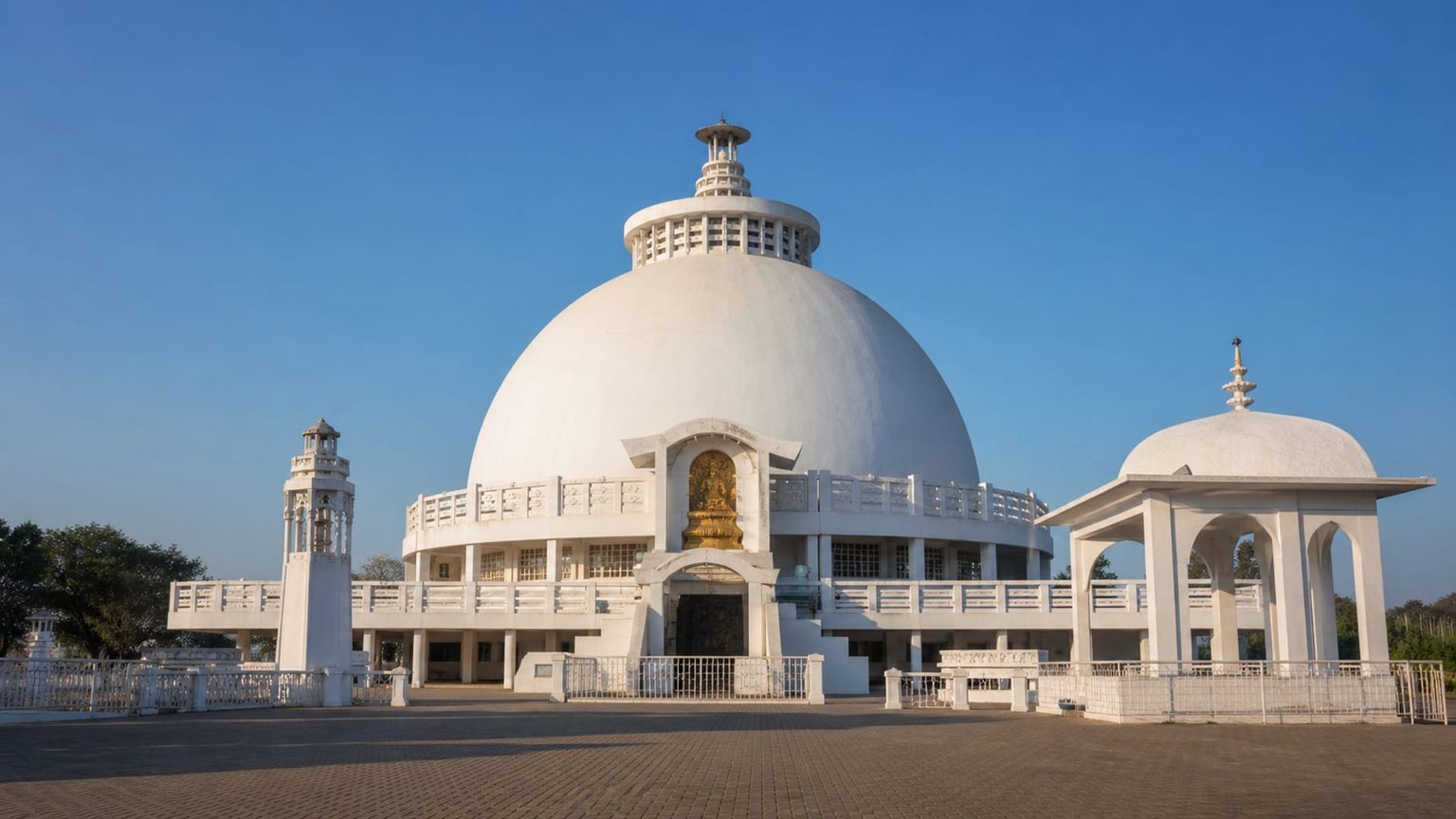
Deekshabhoomi
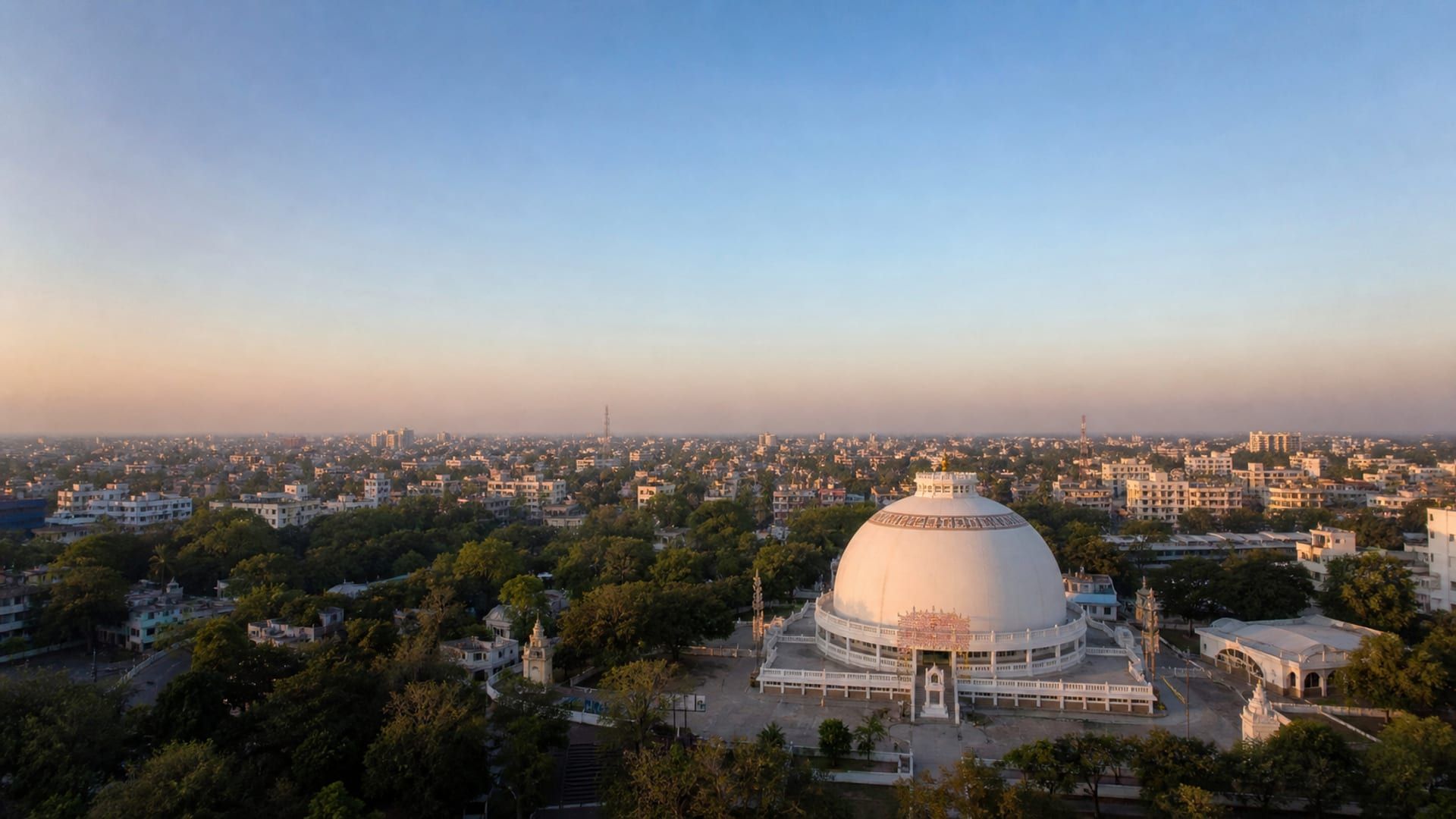
Deekshabhoomi marks the place where Dr. B.R. Ambedkar converted to Buddhism with his followers in 1956. The large white stupa is now one of Nagpur’s most important religious and historical sites.
Time needed: About 1 to 2 hours
Entry: Free to access; museum donations are optional, and special guided tours may charge separately
Tip: Visit in the morning if you want time to see the stupa and surrounding grounds before the busiest part of the day.
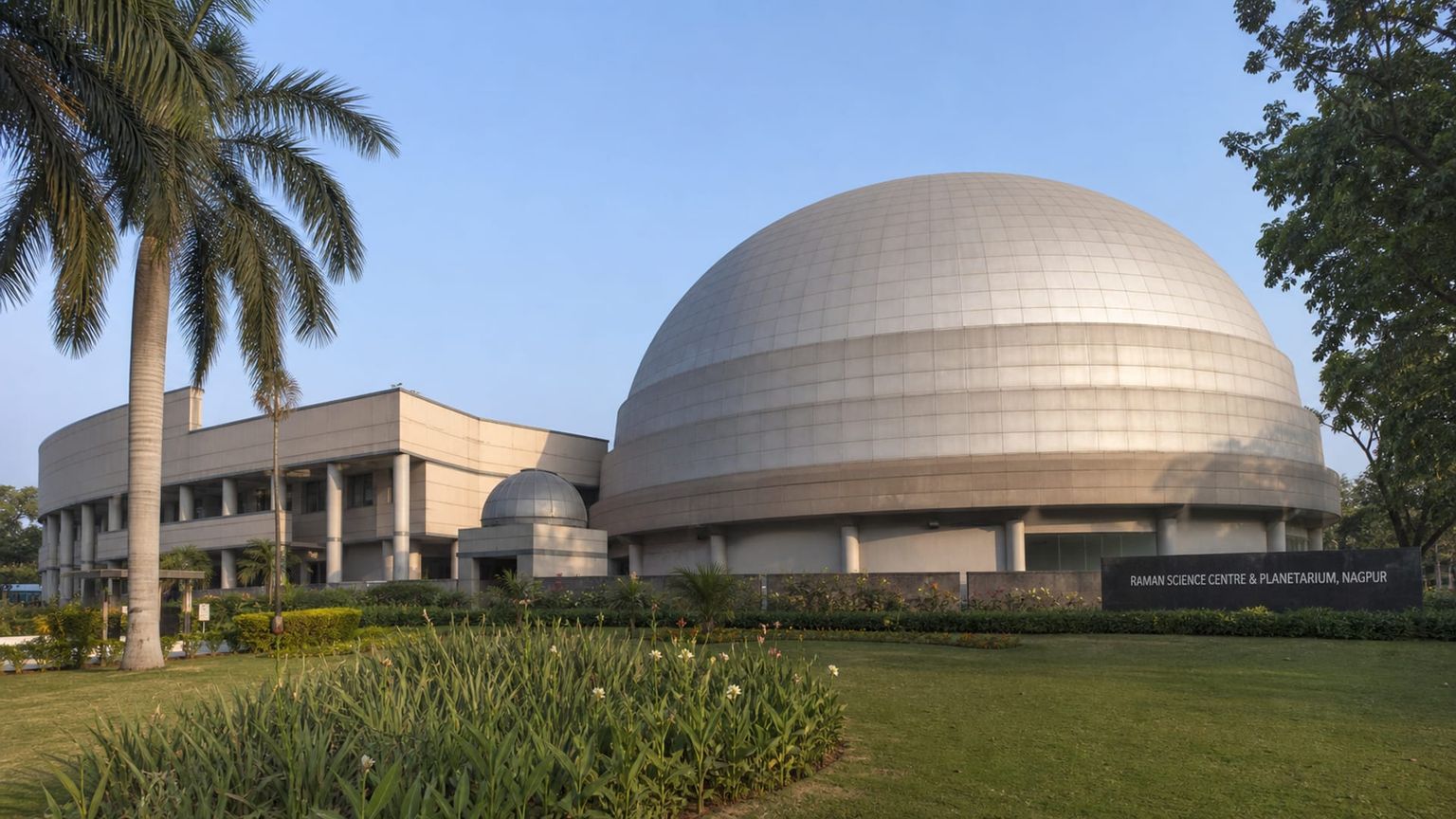
Raman Science Centre and Planetarium
Raman Science Centre opened in 1992 and focuses on interactive science exhibits, demonstrations, and hands-on displays. Its planetarium has daily shows on astronomy and the night sky.
Time needed: About 2 to 3 hours
Entry: Tickets cost $1 to $3 (₹10 to ₹25) for exhibits, with planetarium shows priced separately at roughly $1 to $2 (₹10 to ₹20) Visit the official site for details.
Tip: Check the planetarium schedule before you go. Shows currently run every hour from 12:00 pm to 5:00 pm.
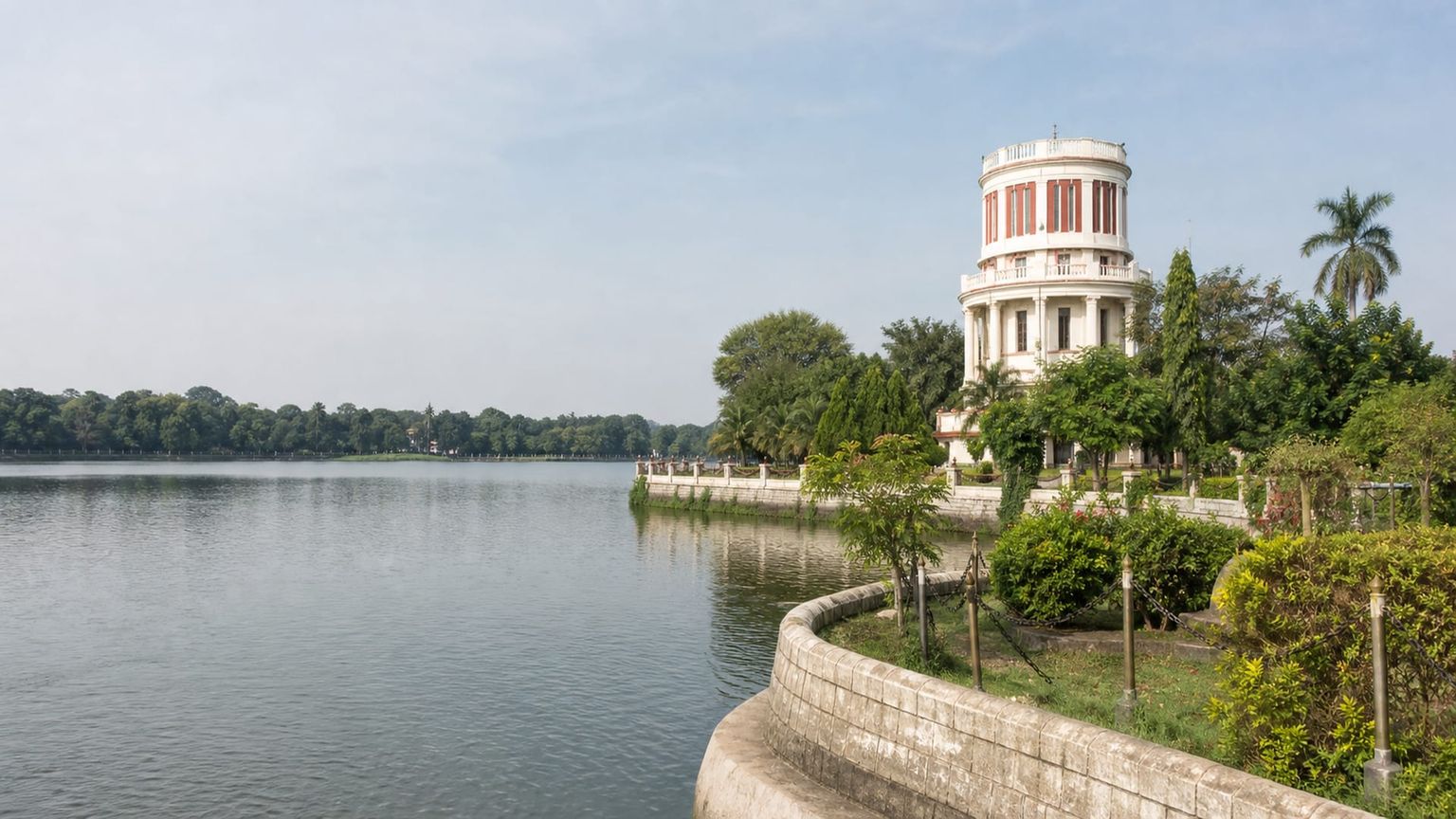
Zero Mile Marker
The British erected the Zero Mile Marker during the Great Trigonometrical Survey of India. The sandstone pillar and four horse statues became a symbol of Nagpur’s location near the geographic center of India.
Time needed: About 1 to 2 hours
Entry: Free to access; boat rides, if available, cost extra and vary by operator
Tip: Zero Mile Freedom Park Metro Station is next to the site, so it is easy to include during a day in Civil Lines.
Overlooked sites worth visiting

Dragon Palace Temple
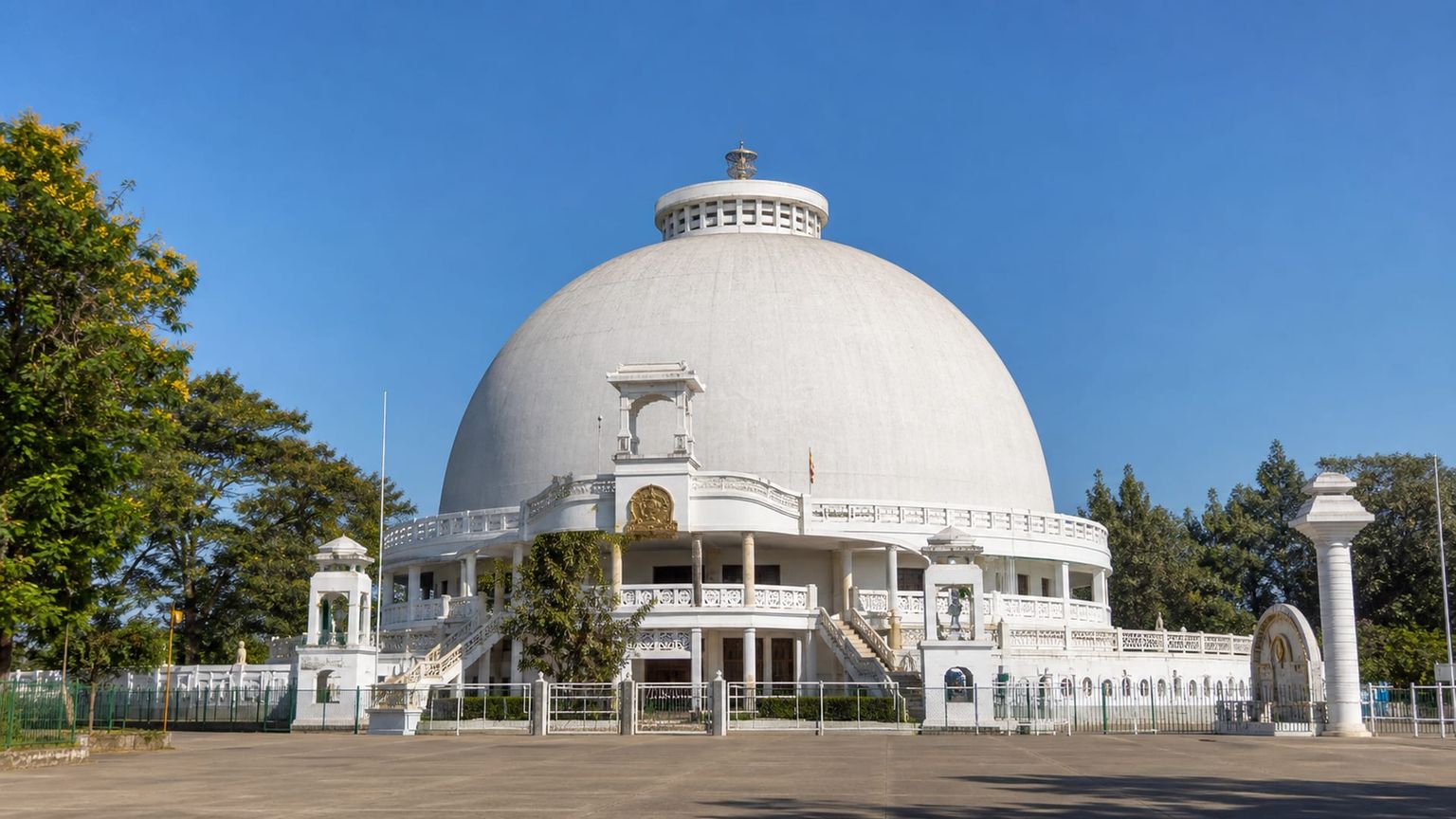
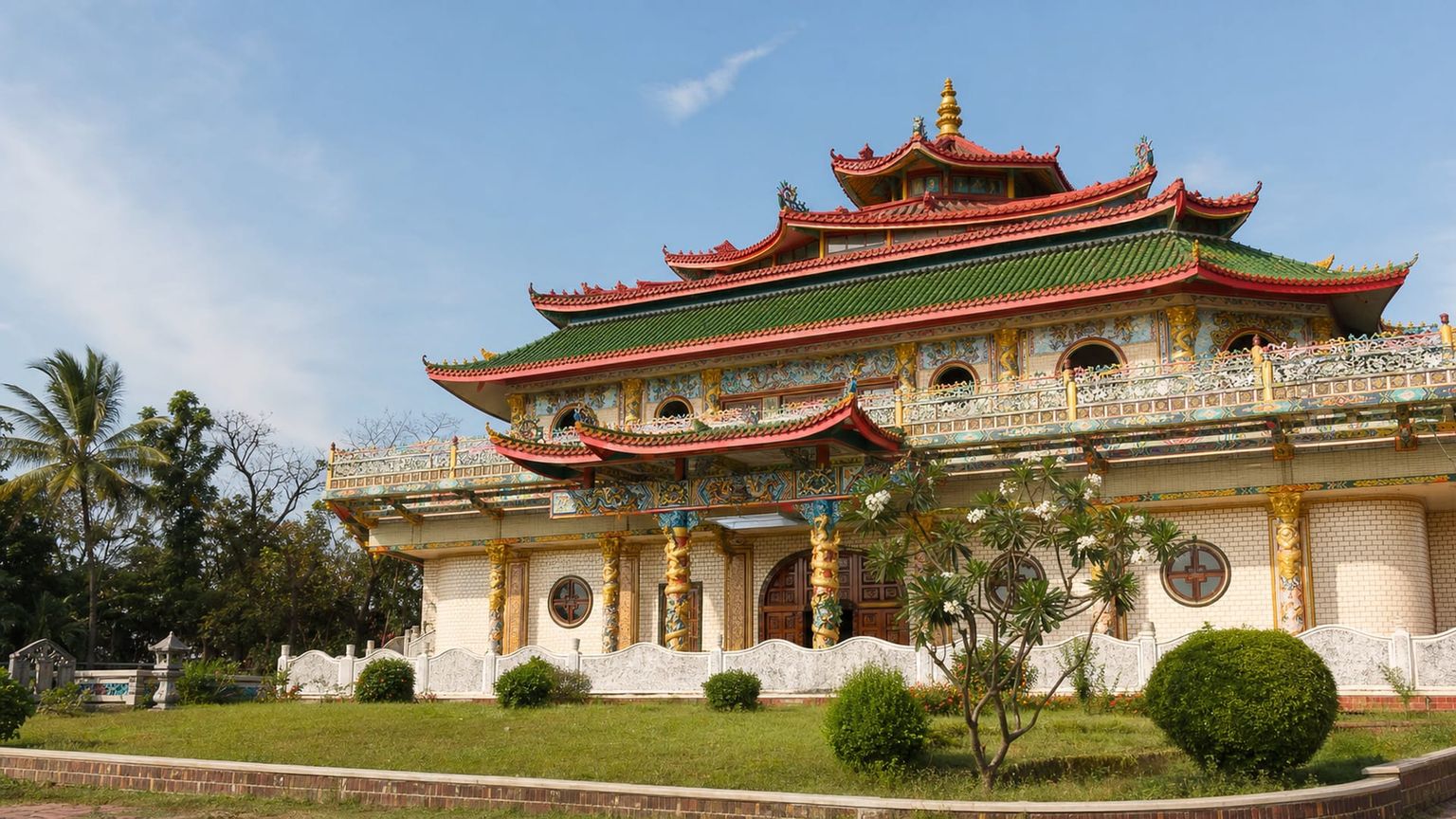
Dragon Palace Temple opened in Kamptee in 1999 as a Buddhist temple and a symbol of Indo-Japanese friendship. Its large white prayer hall stands within landscaped grounds north of Nagpur.
Time needed: About 1 hour
Entry: Entry is typically free, though donations are welcome; special ceremonies or guided visits may have separate charges. Photography rules can vary by hall, so check signage before entering and carry small cash for offerings or temple donations.
Tip: The temple is open daily from 10:00 am to 7:00 pm. Dress modestly and keep your voice low inside the prayer hall.

Narrow Gauge Rail Museum
The Narrow Gauge Rail Museum preserves locomotives, coaches, and equipment from India’s narrow-gauge railway history. It opened in 2002 on the former railway grounds at Moti Bagh.
Time needed: About 45 minutes
Entry: Standard admission usually costs about $1 to $2 (₹20 to ₹50) for adults, with lower rates for children and students. Extra fees may apply for special rides, photography, or temporary exhibits, so confirm current prices at the ticket counter.
Tip: The museum is closed on Mondays, so plan your visit between Tuesday and Sunday.
Traditional food
Nagpur cooks use plenty of chili and roasted spices, especially in Saoji dishes. Local breakfasts, Vidarbha-style curries, and sweets made with Nagpur oranges also form an important part of the city’s food culture.
Saoji chicken
Cooks prepare Saoji chicken with a dark gravy and a generous blend of roasted spices, giving the dish its intense heat and deep flavor. Try it at Durgesh Saoji Bhojnalaya.
Tarri Poha
Tarri poha pairs soft poha with a spicy chickpea gravy, onion, coriander, and sev. Locals often eat it for breakfast. Ramji-Shyamji Pohewala specializes in this Nagpur favorite.
Patodi Rassa
Patodi rassa pairs pieces of gram-flour patodi with a spicy Maharashtrian gravy. Try it at Ambience Family Garden and Restaurant.
Orange burfi
Sweet makers mix milk, sugar, and orange pulp to make this soft local sweet, which reflects Nagpur’s long association with oranges. Haldiram’s sells orange burfi at several locations across Nagpur.
Best time to visit Nagpur
Nagpur has very hot summers, a rainy monsoon season in summer, and warm, dry winters. October to February usually brings the most comfortable weather for sightseeing.
Best for: Long sightseeing days, markets, temples, and outdoor walks
What you get: Daytime temperatures usually reach 83°F–89°F (28°C–32°C), while mornings and evenings feel much cooler.
Trade-offs: Early mornings and nights can feel cool, especially in December and January.
Best for: Museums, food stops, and sightseeing early in the day
What you get: Temperatures rise quickly and can reach 97°F–108°F (36°C–42°C), with May usually bringing the strongest heat.
Trade-offs: By April and May, the midday heat can make outdoor sightseeing exhausting.
Best for: Museums, food-focused days, and shorter outings between showers
What you get: Temperatures drop to 86°F–98°F (30°C–37°C), while July and August bring the heaviest rainfall.
Trade-offs: Heavy rain can delay road trips and make outdoor plans harder to time.
Best for: Markets, temple visits, and outdoor sightseeing after the monsoon
What you get: Daytime highs average 90°F (32°C), and rainfall drops sharply through the month.
Trade-offs: Early October can still feel hot and humid, with occasional rain.
A realistic 5-day plan in Nagpur
Five days gives you time to see Nagpur’s main landmarks, explore its central districts, and make one trip north to Kamptee without filling every hour.
After arriving at Nagpur Airport (NAG), take a taxi or rideshare car to your hotel and leave the afternoon open for rest. In the early evening, head to Sadar and walk through the main commercial streets, where shops, bakeries, and restaurants stay active after work. Have dinner here and try a local Maharashtrian dish or Saoji meal if you feel up to something spicy. Keep the evening short so you can start sightseeing early the next morning.
Start at Deekshabhoomi before the midday heat builds and allow about 1–2 hours to see the stupa, prayer spaces, and grounds. From there, continue into Ramdaspeth for lunch, then take a taxi or auto-rickshaw north toward Civil Lines. Visit Zero Mile Marker, then walk through the surrounding streets toward Kasturchand Park. Civil Lines has a different feel from the commercial center, with broader roads and more open space, so this part of the afternoon works well at a slower pace. Finish with dinner in Sadar or Civil Lines.
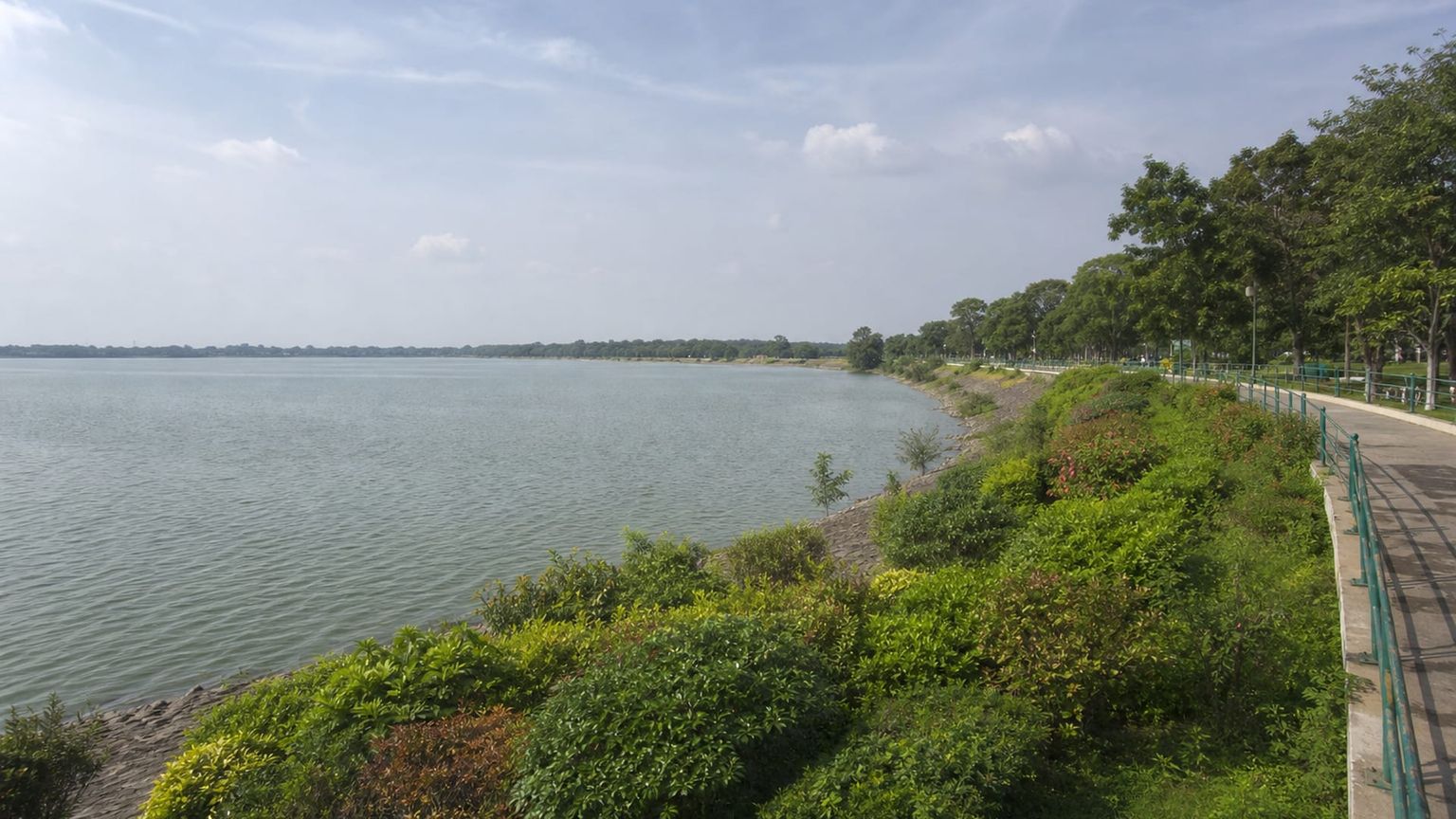
Spend the late morning at Raman Science Centre and Planetarium. Allow 2–3 hours if you want time for the interactive galleries and a planetarium show. Have lunch nearby, then take a break during the hottest part of the afternoon. Later, take a taxi to Futala Lake and walk along the lakefront. Food stalls and cafés near the lake are good places to stop for a snack before dinner. The musical fountain is not currently open to the general public, so plan the visit for the lakefront itself.
Leave central Nagpur in the morning and travel north to Dragon Palace Temple in Kamptee. Allow an hour to walk through the landscaped grounds and visit the large white prayer hall. Have lunch after returning toward Nagpur, then continue to the Narrow Gauge Rail Museum at Moti Bagh. The museum displays locomotives, coaches, and railway equipment from the railway network that once operated in the region. Allow 1–1.5 hours here before returning to your hotel. Plan this day between Tuesday and Sunday; the museum closes on Mondays.
Start the morning with tarri poha, then head to Sitabuldi for your final few hours in Nagpur. Walk through the market area, browse local shops, and leave time to pick up orange burfi or other sweets before you leave. If your flight departs later in the day, have lunch in central Nagpur before returning to your hotel for your luggage. Take a taxi or ride-sharing app to the airport if you have bags, or use the Metro if your hotel has convenient access to the Orange Line.
Business-class flights from the US to Nagpur
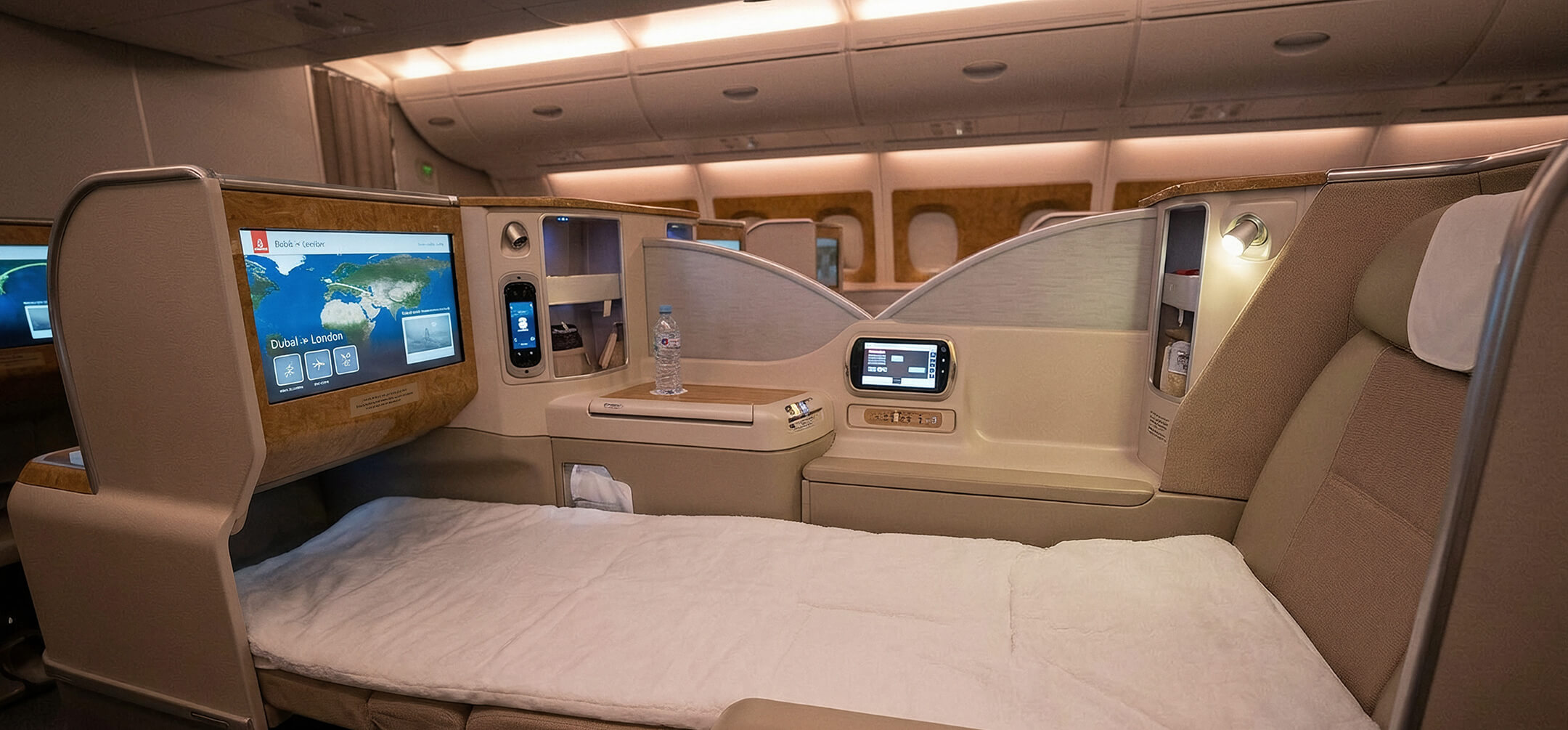
From New York and Los Angeles, flights to Nagpur usually involve one-stop connections through major hubs, so the routing matters as much as the fare band. The examples below show the long-haul carriers that most often appear on these journeys.
Air India, Etihad Airways, Qatar Airways, Lufthansa, British Airways, and Emirates show up on the New York to Nagpur route, with layovers commonly routed through Doha (DOH), Abu Dhabi (AUH), Dubai (DXB), Frankfurt (FRA), Munich (MUC), or London (LHR). Total travel time is usually about 17 to 23 hours, and round-trip fares from New York to Nagpur generally start at $3,200 and can reach $6,500.
Los Angeles travelers usually connect through Doha (DOH), Dubai (DXB), Abu Dhabi (AUH), Frankfurt (FRA), or London (LHR) on Qatar Airways, Emirates, Etihad Airways, Lufthansa, or British Airways. Expect about 20 to 28 hours end to end, with round-trip fares from Los Angeles to Nagpur usually running from $3,400 to $6,800.
Nagpur at an easy pace
Nagpur is easier to enjoy when you leave some room in the schedule. Traffic, heat, and the distance between districts can make tightly packed days tiring, while a slower plan gives you more time for meals, markets, and unplanned stops. When you are ready to take that trip, AranGrant can help you find a business-class itinerary that gets you there in comfort.