





September 2026 is shaping up as a second peak for premium air travel demand, instead of a quiet period after the summer. Fares are already climbing over the Labor Day holiday, and Air Canada expects record revenue through October as premium travelers increasingly choose the fall over the summer crowds.
Beyond this shift, the month brings a new nonstop route from the US to Asia. The Gulf presents a mixed picture, as some route disruption extends further into next year while key US routes to Israel return, and airlines adjust the number of seats on certain routes. The month also brings a pricing overhaul by one of the industry’s largest loyalty programs.
Read in this post:
Executive snapshot: what is shaping September 2026
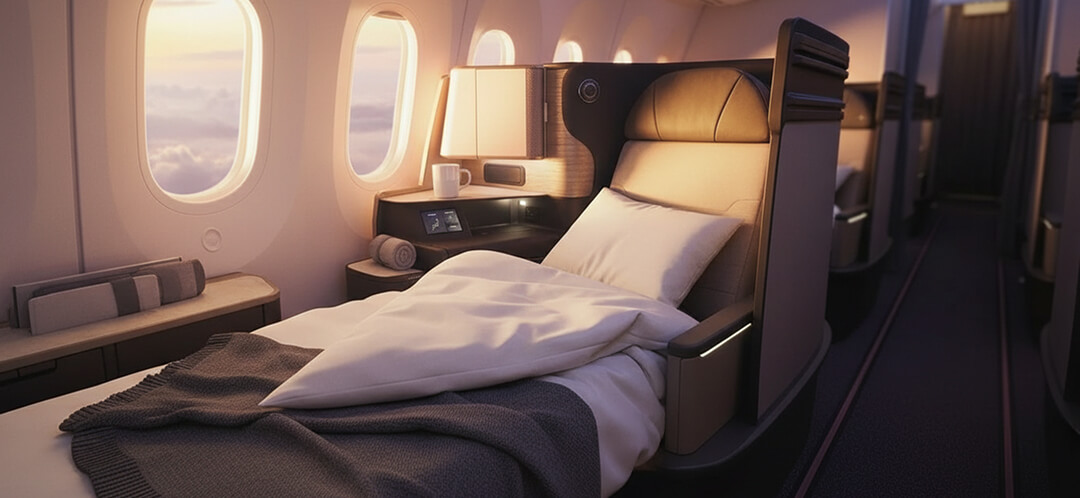
- Premium travel shifts into the shoulder season: Labor Day brings fare increases, while Air Canada expects record revenue from premium travelers avoiding summer heat and crowds.
- United Airlines adds a new nonstop route to Asia: The airline begins daily flights between Newark and Seoul on September 4.
- Gulf disruption continues: Cathay Pacific pushes return of its flights to the Middle East further into this year, while two US airlines resume flights to Tel Aviv.
- Airlines adjust premium capacity this month: Singapore Airlines and Emirates temporarily replace aircraft on certain long-haul routes, changing the number of premium seats available to travelers.
- Flying Blue changes its award pricing rules: Business-class award tickets split into three fare tiers, and the tier matching today’s benefits may cost up to 25% more miles.
Premium travel shifts into the shoulder season
September starts in the US with high travel demand, driven by the extended Labor Day weekend.
- The holiday falls on Monday, September 7 this year, and drives ticket prices up 23% compared to last year, as Americans aim to make the most of their long weekend. Both domestic and international flights face the highest demand on Friday, September 4, and on the holiday itself, when many travelers plan to return home.
The month continues with high travel demand on international routes from across North America.
- Air Canada, for instance, expects to register record revenue for September and October this year. This is because more premium travelers prefer to avoid summer heat and crowds in popular vacation destinations and fly in the fall instead. Demand for business-class travel is especially high on routes to Japan, Spain, France, and the Mediterranean, including Italy.
For business-class travel, September no longer functions as a quiet transition month; airlines increasingly treat it as a second peak.
US travelers can reach Seoul more easily

On September 4, United Airlines launches daily flights between Newark Airport (EWR) and Seoul Incheon Airport (ICN). This is United Airlines’ second nonstop flight to this destination, after the San Francisco–Seoul route.
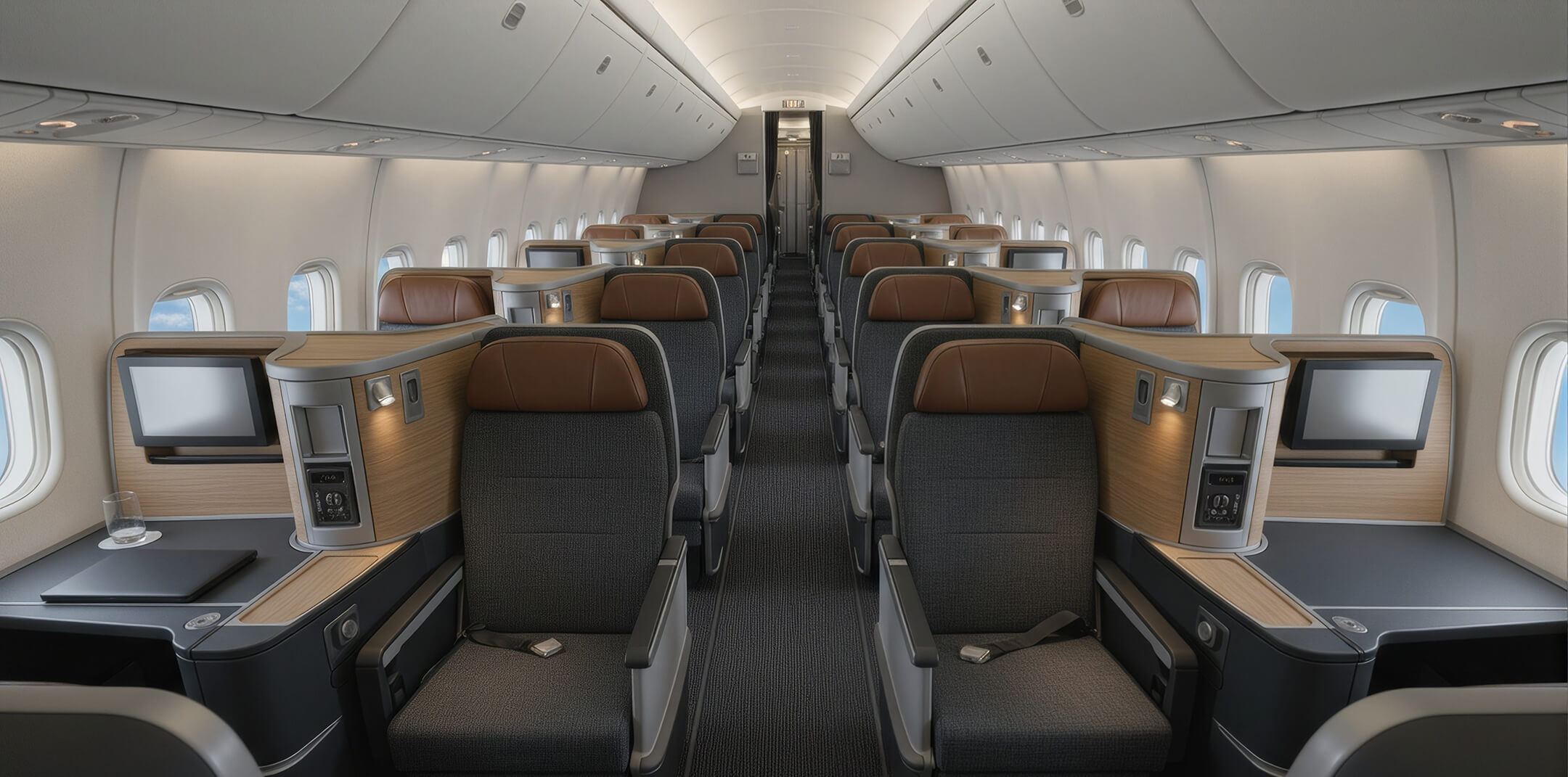
The airline will use Boeing 787-9 Dreamliner aircraft, which features United Airlines’ signature Polaris business-class cabin in a 1-2-1 configuration.
Gulf disruption continues
Flight disruptions in the Gulf area enter a new phase this month. Some airlines are extending their flight suspensions or reroutings that began earlier in the year, while others are returning to full service after months away.
- Cathay Pacific pushes the return of its Hong Kong–Dubai and Hong Kong–Riyadh flights from September 1 to October 25 and October 26, respectively, due to safety concerns in the Middle East.
- Despite the regional instability, Delta Air Lines and United Airlines resume nonstop flights to Ben Gurion Airport (TLV) in Tel Aviv this month.
Delta Air Lines starts operating these flights on September 6 from John F. Kennedy Airport (JFK) in New York, while United Airlines will operate flights to Tel Aviv from Newark Airport (EWR) starting September 8.
Airlines adjust premium capacity this month
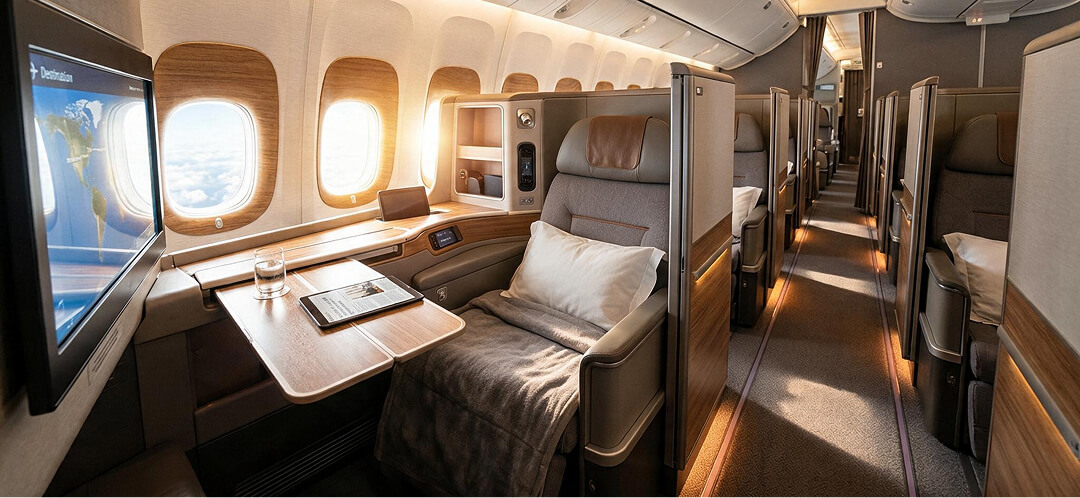
Starting September 1, Singapore Airlines doubles the number of first-class seats on its daily Singapore–Hong Kong route.
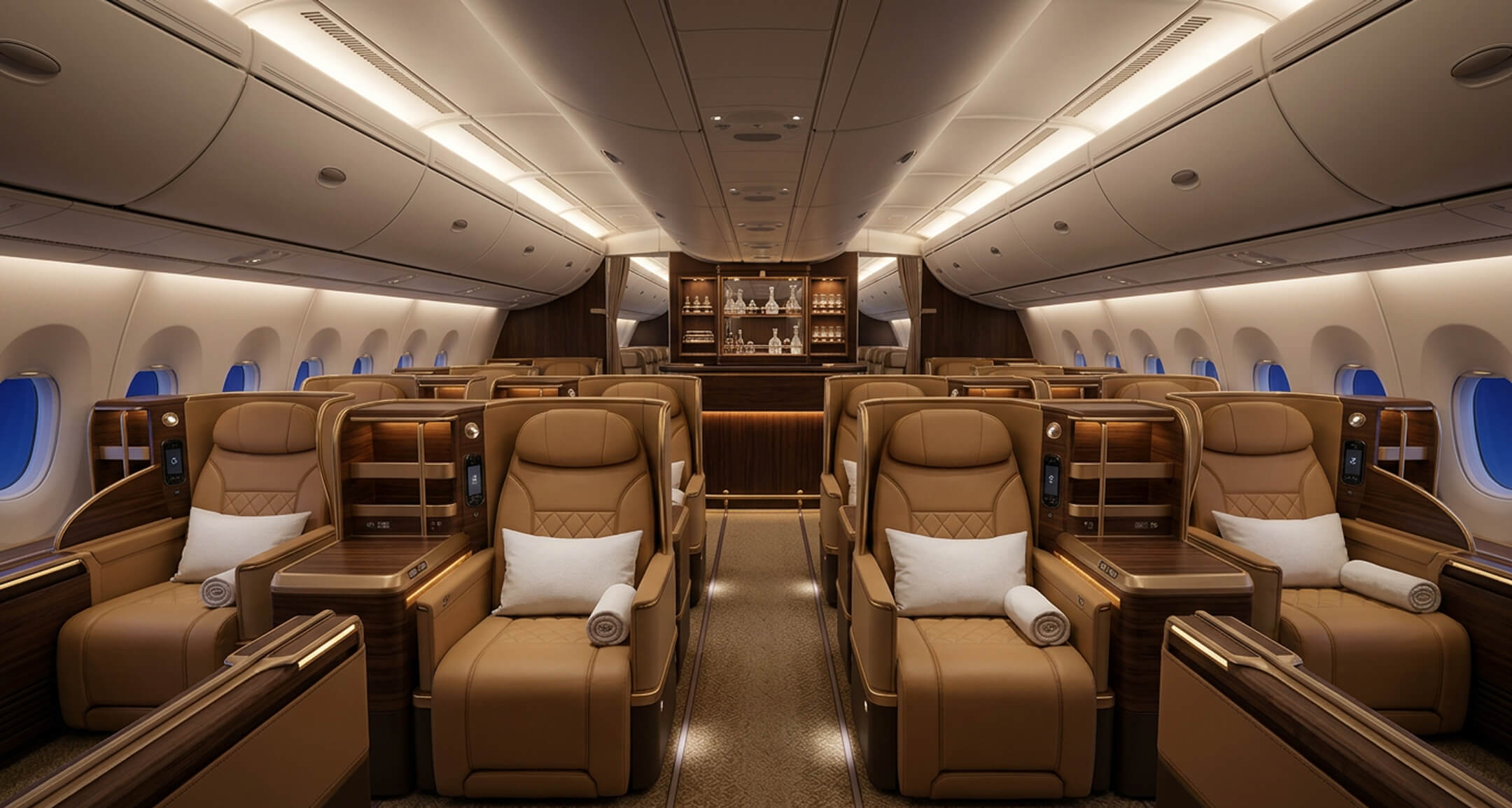
- Singapore Airlines now operates five daily flights between Singapore and Hong Kong, but only one features a Boeing 777-300ER plane with a first-class cabin. In September, the airline will introduce a second aircraft of this model on the route to temporarily replace an Airbus A350 plane. This way, the airline will offer eight first-class seats daily instead of four, in each direction.
As a result, US travelers who want to explore these popular Asian destinations will have a better chance of finding an available first-class seat on this route.
Emirates takes a different approach this month and will temporarily replace its large Airbus A380 planes with smaller Boeing 777-200LR and Boeing 777-300ER aircraft on several routes. The change is related to Emirates’ ongoing A380 refurbishment program, which is pulling aircraft out of service to install new interiors, including a Premium Economy cabin.
- In September, the change affects flights from Dubai (DXB) to major US hubs like Houston (IAH) and Washington (IAD), as well as flights to Munich (MUC), Prague (PRG), Zurich (ZRH), Rome (FCO), Singapore (SIN), Osaka (KIX), Sydney (SYD), Perth (PER), and Bangkok (BKK).
Thus, travelers on these Emirates routes this month may find a different aircraft and a different onboard experience than the one they originally booked.
Flying Blue changes its award pricing rules
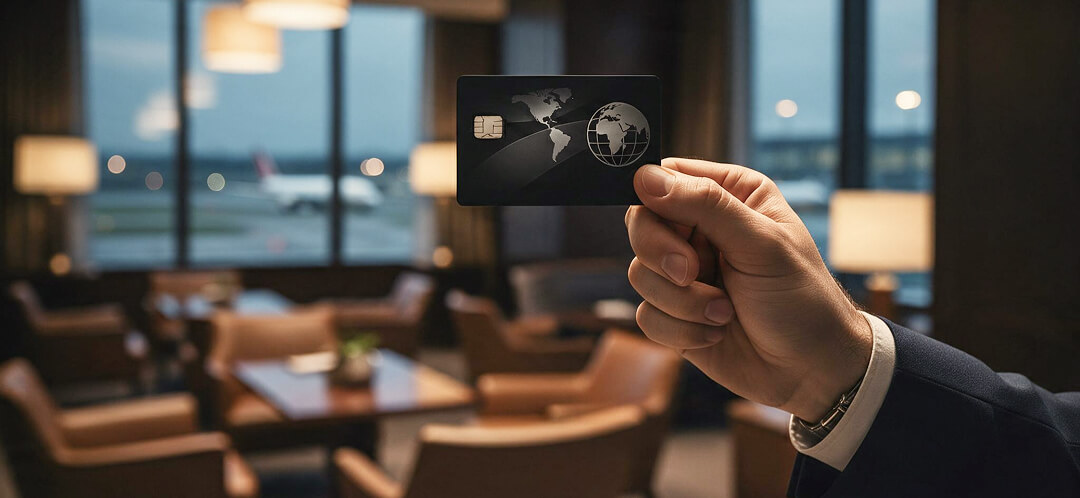
Flying Blue, the loyalty program shared by Air France and KLM and partnered with Delta Air Lines, changes how it prices award tickets starting September 8.
Until now, the program offered only one type of business-class award ticket, which starts at 60,000 miles for trips between the US and Europe and includes two checked bags, lounge access, and the ability to change or cancel the ticket for a fee. Starting September 8, the program will split award tickets into three fare families: Light, Standard, and Flex.
- Light is the most accessible tier, with business-class fares on US–Europe routes starting at 60,000 miles. It includes only one checked bag and no lounge access, seat selection, cancellation, or exchange options.
- Standard is the tier closest to what previous award tickets included: two checked bags, lounge access, and the option to exchange or cancel a ticket for a €70 ($82) fee. Award Standard fares in business class may be 25% more expensive than Light fares, depending on demand.
- The third tier, Flex, offers business-class travelers free changes and cancellations, and free seat selection. Cash surcharges are also lower at this tier than on Light and Standard fares.
The only Flying Blue members not affected by this change are those who hold Elite status. Silver, Gold, Platinum, Platinum for Life, and Ultimate members keep their usual benefits like extra baggage, lounge access, and seat selection, even if they book a Light fare.
Navigating booking in September 2026
September 2026 continues a pattern that’s been building all year: demand and fares are climbing, despite travelers’ expectations.
If your travel plans fall around Labor Day, you will find fares higher than usual, with September 4 and September 7 among the busiest days this month. And if you hold Flying Blue miles for a business-class award redemption, you might want to book before September 8; later, you will pay more miles for the same benefits you can get today.
At the same time, September isn’t only about higher costs. If Seoul is on your destinations list, you can now fly there nonstop with United Airlines from Newark for the first time. If Tel Aviv is your destination, you will have nonstop options again this month with both Delta Air Lines and United Airlines, after months without any US carrier on the route.
Follow how these changes develop in next month’s briefing.